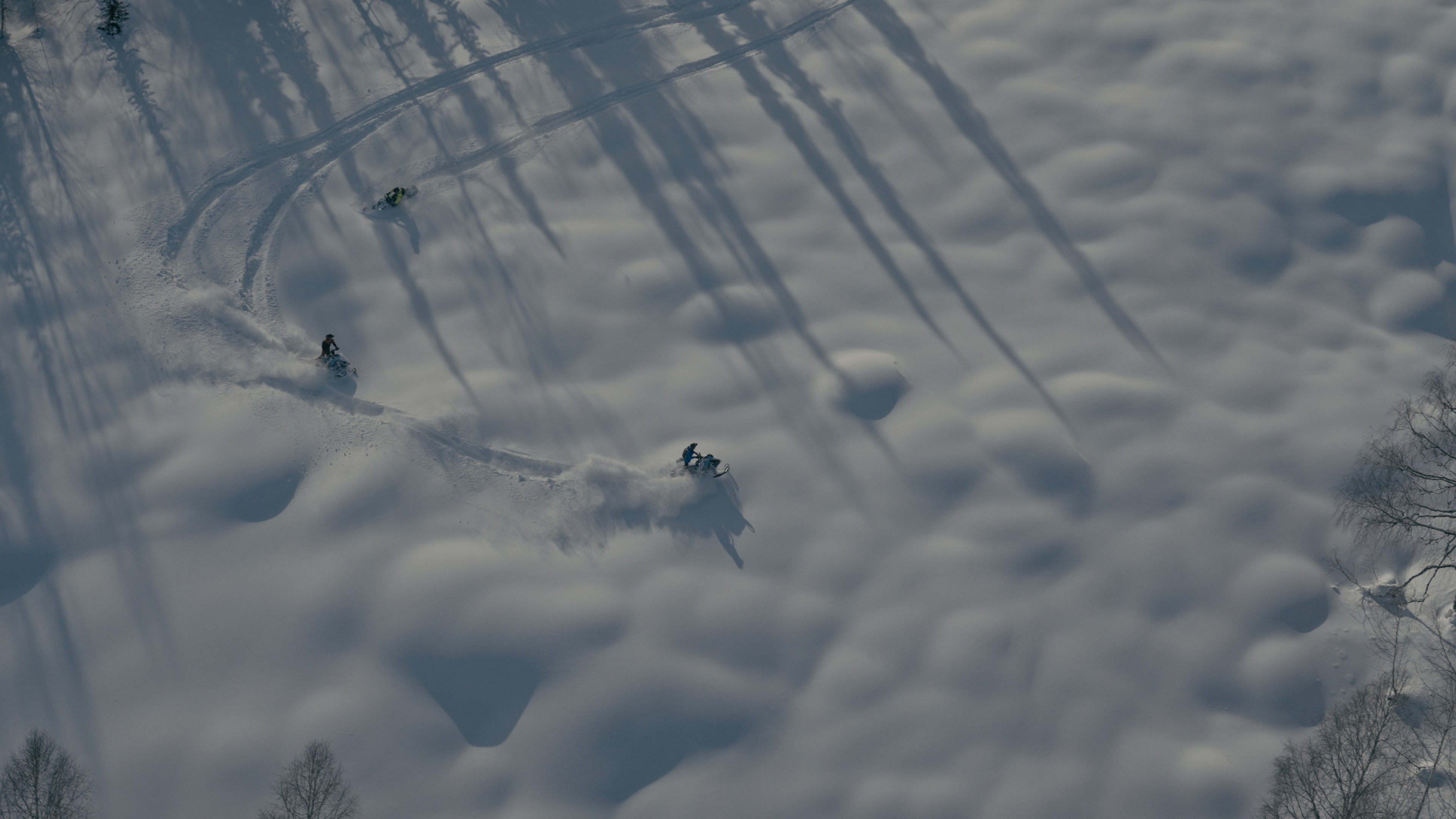
Learn how sauna, banya, warm water and massage may support post-ski comfort, with sensible timing and safety guidance for a mountain trip.

A spa session after skiing is a pleasant way to warm up, relax tired muscles and bring a demanding mountain day to a quieter close. Think of it as one part of recovery, alongside food, fluids, sleep and a sensible pace—not a shortcut to guaranteed muscle recovery.
Warm water and heat may ease temporary stiffness and help you unwind, while massage has stronger research support for reducing delayed-onset muscle soreness (DOMS). At Ridder Lodge, you can build time at Altai Banya into your winter itinerary.
Direct answer: is spa heat useful after skiing?
For many healthy adults, gentle heat after skiing feels restorative. Warm-water bathing can increase blood flow, relax muscles and help reduce pain, supporting its place in post-ski comfort rather than as a promised performance benefit. Cleveland Clinic offers a helpful overview of hydrotherapy and warm-water bathing.
The simplest rhythm is often the most comfortable: finish skiing, rehydrate, eat, give yourself time to settle, then enjoy a brief heat session at an easy pace. Leave the facility if you feel dizzy, nauseated, faint, confused or unusually weak. Persistent or severe symptoms need urgent medical attention rather than more heat or a return to the slopes.
What heat and massage may help with
After a day of turns, uneven snow and sustained effort, it is normal for your legs, hips and lower back to feel worked. Heat can relax muscles and make evening stiffness feel more manageable. It suits general fatigue and tightness, not a new injury.
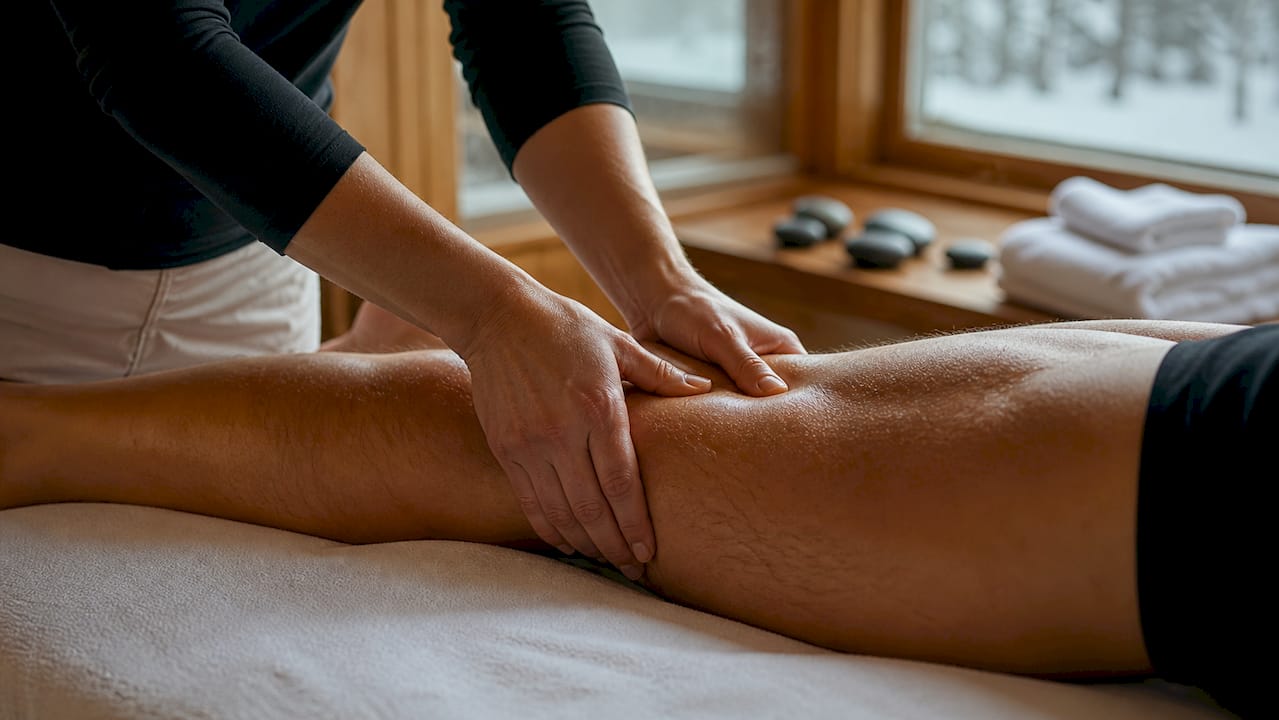
Massage has clearer evidence for soreness after exercise. A review in Frontiers in Physiology identified massage as the most effective recovery method among those assessed for DOMS and fatigue. In the studies reviewed, a 20–30 minute massage given soon after exercise or within two hours was associated with less DOMS for around 24 hours. Results differ between people and protocols, so massage is best thought of as a useful comfort measure rather than a cure for ski-day fatigue.
Heat has an important limit. If an injury is newly swollen, red or hot, avoid heat: Harvard Health explains that it can worsen inflammation. Its guide to using cold and heat safely for pain relief is useful if a fall or twist changes the character of your discomfort.
Sauna, banya, hot tub, and massage: key differences
Option | Best understood as | After-ski role |
|---|---|---|
Sauna | Dry heat in short, comfortable rounds | Warming through and relaxing after a cold day |
Banya | A steam-led bathing experience, often enjoyed at a slower pace | An unhurried recovery evening with breaks between heat sessions |
Warm water | Gentle immersion for tired muscles | Comfort and relaxation after skiing |
Massage | Hands-on soft-tissue treatment | The option with the clearest evidence for easing exercise-related soreness |
The right choice is the one that leaves you feeling rested rather than depleted. Some guests prefer a short steam session after skiing; others save a longer banya visit or massage for a quieter day. There is no need to combine every option in one evening.
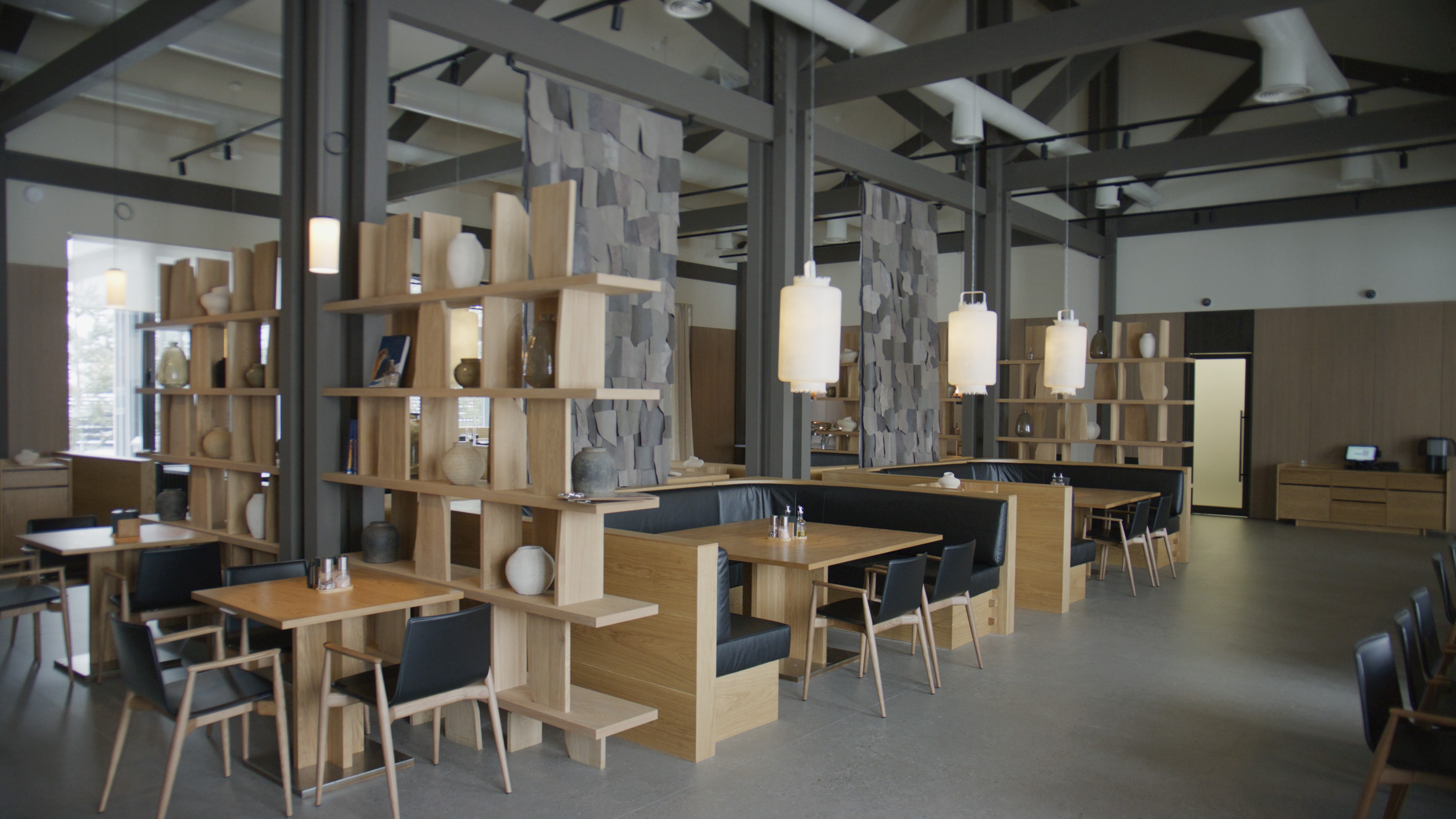
At Altai Mountains Resort, Altai Banya includes a Siberian steam sauna, private saunas, hammam, aromatherapy and herbal treatments, with massage available on request. Access arrangements, treatments and schedules vary by booking and dates, so our team can help you shape the right amount of recovery time into your stay.
How to use heat more safely after skiing
A calm, measured routine is more useful than trying to “sweat out” a hard day. Keep the focus on comfort with a few simple habits:
Rehydrate first. Skiing, winter clothing and travel can all leave you short of fluids. Drink water before and after heat exposure.
Keep the first round brief. Follow the facility guidance, take breaks and stop while you still feel well.
Avoid alcohol beforehand. Alcohol and heat can both contribute to dehydration and light-headedness.
Stand up slowly. Give your body a moment before walking away from a hot room or bath, and take care on wet floors.
Leave fresh injuries out of the heat. If pain follows a fall, or an area is swollen, red or hot, avoid heat and seek appropriate medical advice.
If you have cardiovascular disease, kidney disease, or relevant medication concerns, consult your clinician before using heat facilities.
Who should check with a clinician first
A sauna or banya is not equally suitable for everyone on every day of a trip. Individual advice is worthwhile before travel if you have a condition that affects your response to heat, have recently been unwell, or are unsure how medication interacts with dehydration or heat exposure.
On the day, skip heat if you feel ill, dehydrated, have had a significant fall, or are experiencing more than ordinary muscular fatigue. Treat new chest pain, breathing difficulty, fainting, confusion or severe weakness as urgent medical concerns.
When to schedule spa time during a ski trip
Recovery time works best when it follows the rhythm of your week. After a demanding day of cat-skiing and freeriding, a shorter, quieter visit may feel more comfortable. Eat, drink and leave enough time for a full night’s sleep.
After a long ski day: Prioritise food, water and rest, then choose gentle heat if you feel well.
Before an early start: Keep the evening low-key. Arriving rested and hydrated matters more than fitting in a long spa session.
On a rest day: This is often a natural time for a more leisurely Altai Banya visit or a massage.
On a multi-day trip: Alternate demanding activity days with easier moments where possible, and adjust to how your body feels rather than following a rigid plan.
If you are coordinating wellness appointments elsewhere during a wider journey, concierge wellness services offer another way to arrange services away from the resort.
Altai Banya and Ridder Lodge planning
Altai Mountains Resort is in Ridder, in the Western Altai of East Kazakhstan. A stay at Ridder Lodge brings accommodation, Restaurant Altai and Altai Banya together in one resort setting, leaving an evening free for rest after time in the mountains.

The road journey from Öskemen (Ust-Kamenogorsk) is around 120 km and usually takes about 1.5–2 hours, depending on conditions. You can also speak with our booking team about an airport transfer for your dates.
When you plan your stay, send us your preferred dates, room needs, activities, transfer requirements, banya access and any massage request, along with the time you would like to keep free for recovery. Winter sports usually run from November to mid-April, while weather, activity dates, availability, prices and package inclusions depend on the individual offer. Begin with our booking page, and we will help you build a stay that has room to slow down.
FAQ
Is it good to go in a sauna after skiing?
For many healthy people, a short sauna session after skiing is an enjoyable way to relax and warm tired muscles. It should complement, not replace, hydration, food and sleep. Avoid it if you feel unwell or have a fresh, inflamed injury.
Is a hot tub good after skiing?
Warm water may help you relax and ease temporary muscle tightness. Keep the session comfortable, follow the facility guidance, drink water and leave immediately if you feel unwell.
Is massage useful after skiing?
Massage has the strongest evidence among commonly studied recovery techniques for reducing DOMS after exercise. It may ease soreness, but it cannot guarantee that you will feel fully recovered for the next ski day.
Should I have a sauna or massage first?
There is no single required order. A little heat first may feel pleasant if you are stiff, while some guests prefer massage on a separate rest day. Choose the pace that leaves you relaxed and well hydrated.
Can I use sauna heat after a ski injury?
Not for a new injury that is swollen, red or hot. Harvard Health advises avoiding heat in that situation. Seek medical advice if you are concerned about an injury, especially after a fall or twist.
A good post-ski evening does not need to be elaborate: a nourishing meal, water, a little quiet time and a comfortable visit to Altai Banya can help you slow the pace before another day in the Western Altai.
All Articles
Learn how sauna, banya, warm water and massage may support post-ski comfort, with sensible timing and safety guidance for a mountain trip.

Plan a weather-flexible heli-skiing itinerary near Ridder, Kazakhstan, with travel timing, buffer days, safety briefing and package guidance.

Practical whiteout snowmobiling guidance: understand flat light, prepare for poor visibility, stay together and know when to stop.

Compare heli-ski packages in Kazakhstan by operating area, helicopter time, inclusions, transfers, equipment, weather terms and the Western Altai base near Ridder.

Plan tree skiing in Kazakhstan’s Western Altai, with guided options near Ridder, terrain expectations, safety essentials and practical travel details.

Compare heli-skiing trips in Asia by format, terrain access, inclusions and safety planning, with a lodge-based Western Altai option near Ridder.

Compare Ridder and Jyrgalan cat skiing: access, trip style, winter conditions, safety preparation and practical planning for your trip.

Plan skiing in Kazakhstan in English: compare Almaty pistes with guided cat-skiing, heli-skiing and snowmobiling near Ridder in the Western Altai.

Learn how cat-ski group arrangements work near Ridder, with practical guidance for solo skiers, couples and private groups planning a custom trip.

Compare deep powder skiing in Asia: Hokkaido and the Western Altai near Ridder, with a note on researching the Tien Shan and practical planning guidance.

Compare guided freeride skiing in Kazakhstan, from Almaty to the Western Altai near Ridder, with practical guidance on access, timing and safety.

Plan a Western Altai ski week near Ridder, Kazakhstan, with travel via Öskemen, Ridder Lodge, cat-skiing or heli-skiing, and practical safety and entry guidance.

Explore Central Asia freeride options by access and group fit, from Western Altai cat-skiing and heli-skiing to Kyrgyzstan touring and Safed Dara.

Learn what a beginner Snow Safari involves, what to wear, key safety habits and how to plan a guided snowmobile ride near Ridder, Kazakhstan.

Plan guided snowmobiling near Ridder in the Western Altai: Snow Safari, training, deep-snow expeditions, safety, access and booking.

Plan a March ski or snowmobile trip near Ridder in the Western Altai, with guided activities, Ridder Lodge and travel from Öskemen.

Plan a satisfying non-skier spa day while others ski, with practical booking guidance, sauna safety and a Ridder Lodge example.

Compare snowmobile training and guided tours, from first rides and Snow Safari touring to deep-snow experience, safety and booking details.

Learn what a sound snowmobile training curriculum covers, from machine checks and riding skills to group travel, recovery and avalanche education.

Plan a Snow Safari in the Western Altai: understand snowmobiling, cat-skiing and heli-skiing, prepare for winter conditions and travel to Ridder via Öskemen.

Choose between chest and helmet mounts for skiing, snowboarding and snowmobiling, with cold-weather camera care and helmet guidance.

Plan your journey from Öskemen Airport (UKK) to Ridder and Ulba village, with flight routing, winter road guidance and resort transfer planning.

Understand how a lodge buyout works, what exclusive group stays can include and how to plan a private stay at Ridder Lodge.

Learn what heli-sledding means, how it compares with heli-skiing and cat-skiing, and how to plan a guided snowmobile trip near Ridder.
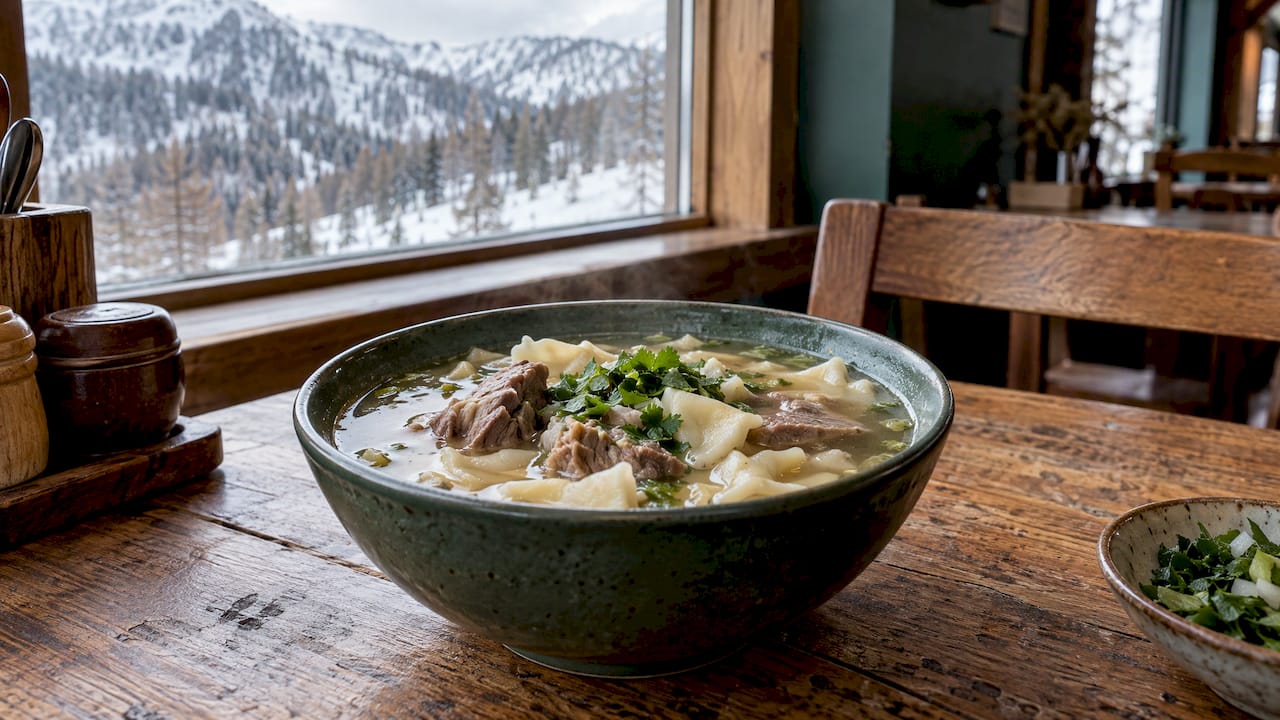
A practical guide to mountain dining in Kazakhstan, Kazakh dishes, Restaurant Altai in Ridder, dietary planning and banya etiquette.

Make the most of a winter down day near Ridder with Altai Banya, relaxed lodge time, local outing ideas and practical road planning.

Plan freeride snowboarding in Kazakhstan with practical guidance on Almaty and Ridder, including season timing, access, safety and mountain travel.

Learn how snowmobile throttle control works, how to use a thumb throttle, carry out return-to-idle checks and understand model-specific free play.
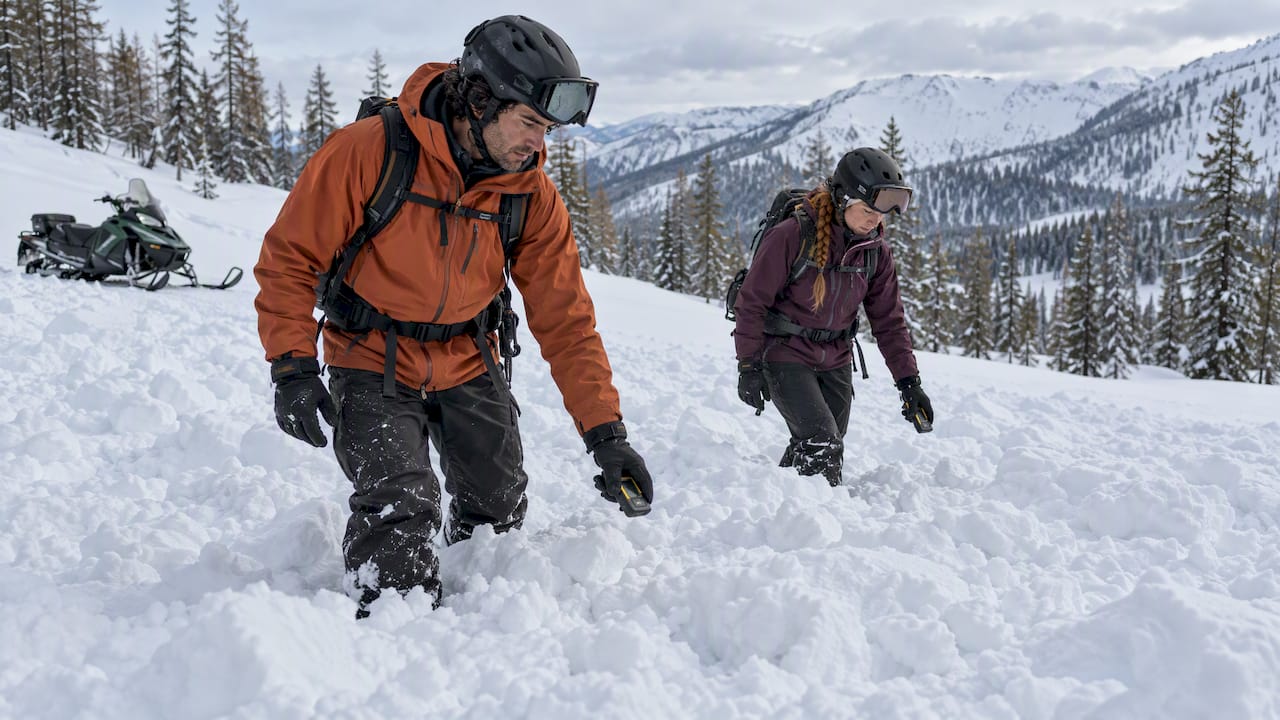
Learn the first priorities in snowmobile avalanche rescue: call for help, assess the scene, search with a transceiver, probe and dig effectively.
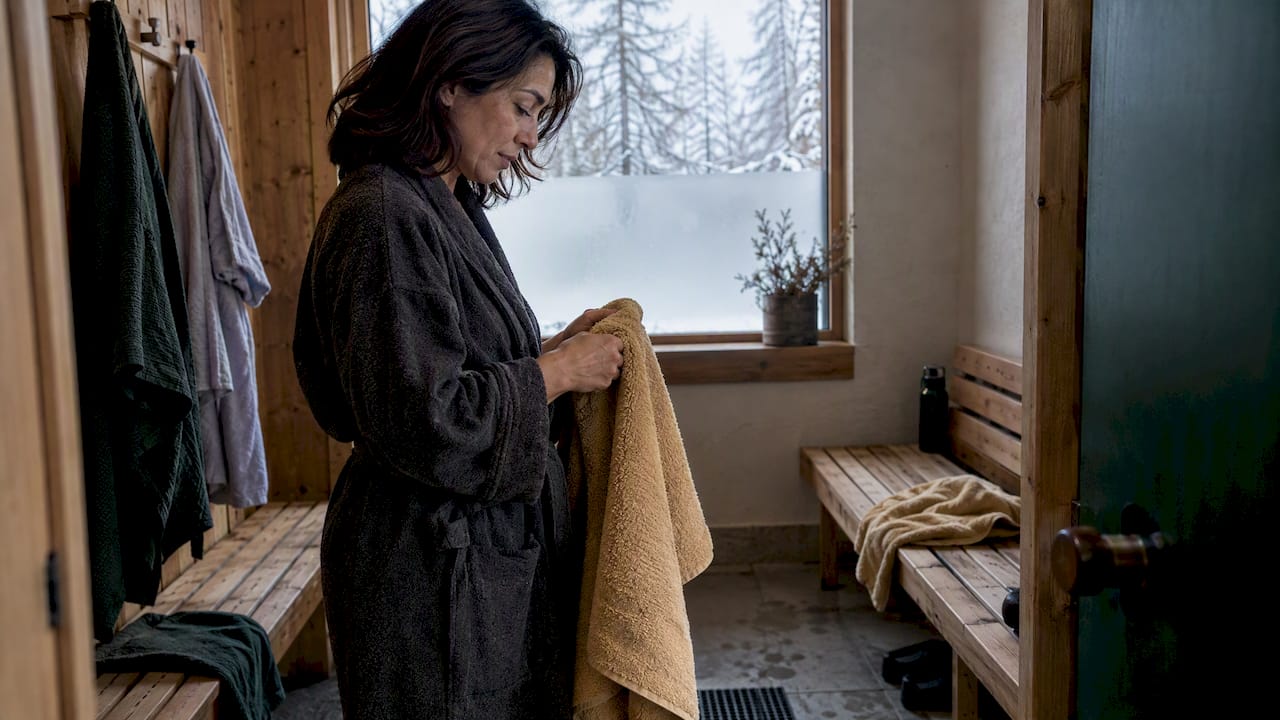
Sauna before or after massage? Find a comfortable order, sensible heat safety and a gentle plan for Altai Banya in Kazakhstan.

Learn what a banya hat is for, how to wear a felt sauna hat, whether it should be wet or dry, and when to leave the steam room.

A practical cold weather skin care routine for dry winter skin, with face, hands, lips, SPF and snow-day tips.

Practical ways to protect phone, power-bank and action-camera batteries in cold weather while skiing, snowmobiling or travelling in winter.

Learn when two people can ride one snowmobile, the equipment required, passenger briefing essentials and why deep snow needs extra caution.
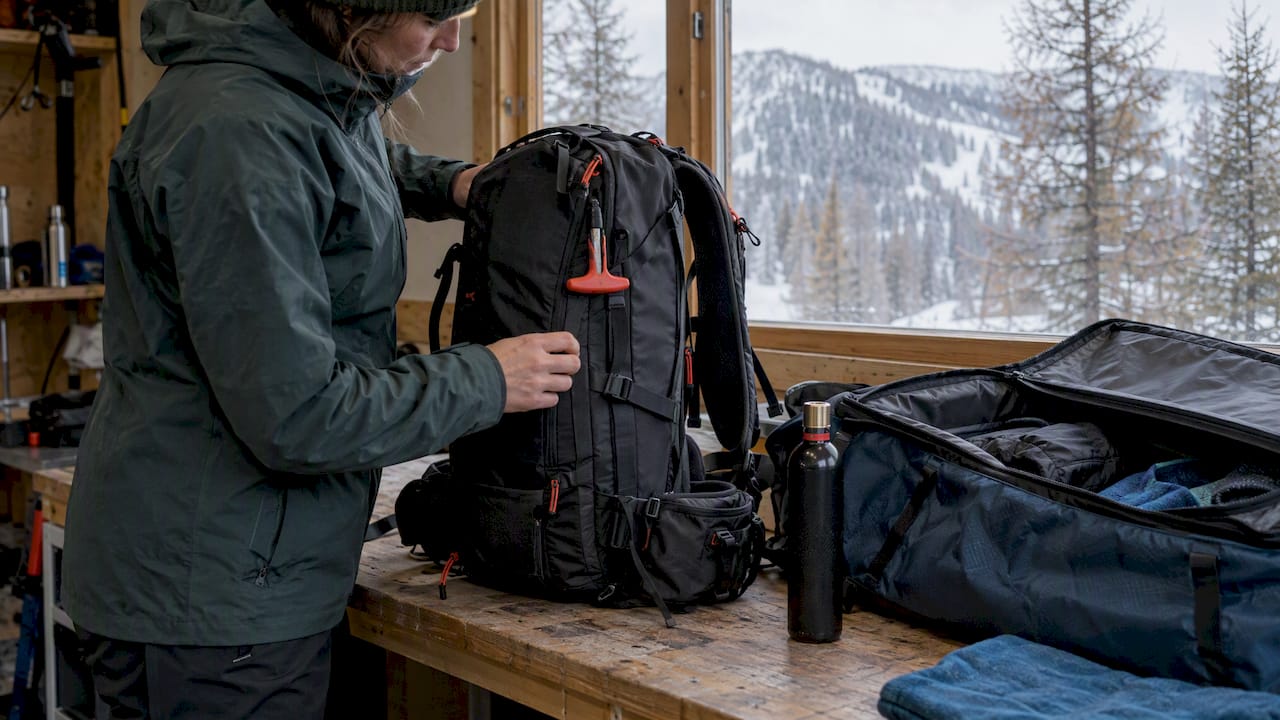
Flying with an avalanche airbag: airline approval, IATA limits, packing guidance and travel planning for a winter trip to Ridder.
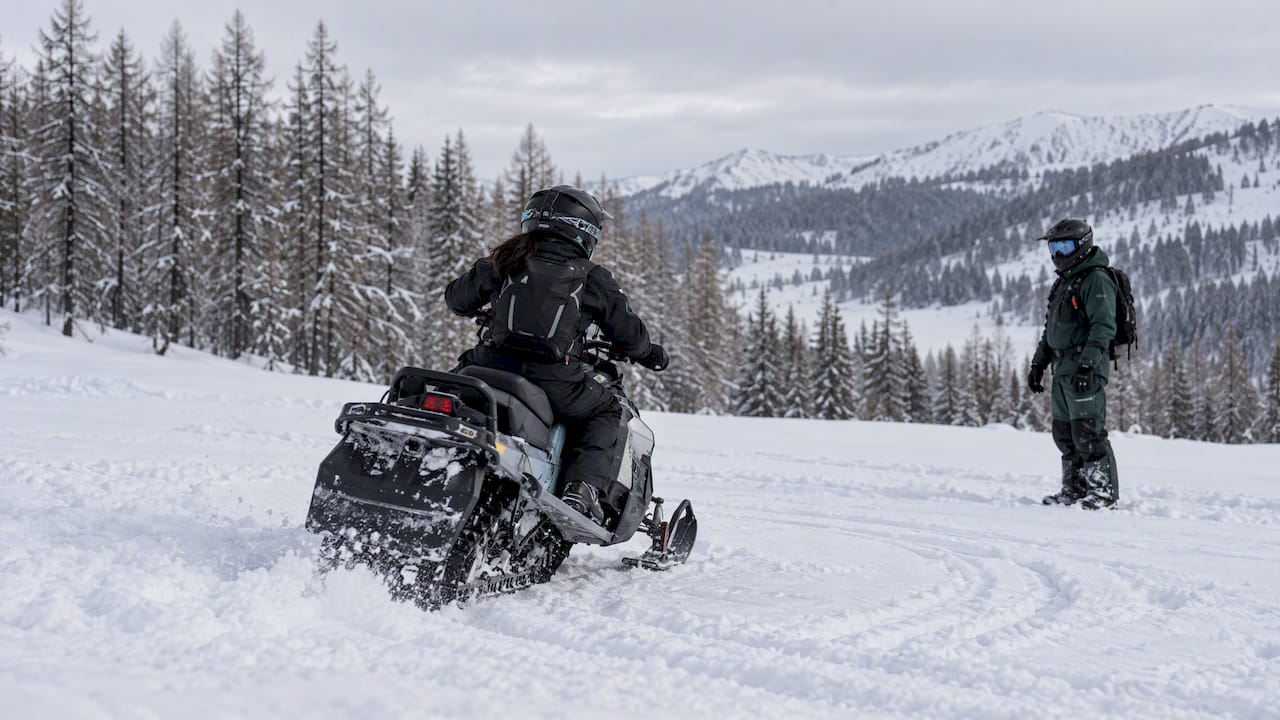
Learn snowmobile training basics: controls, pre-ride checks, riding positions, essential gear and avalanche awareness for first-time riders.
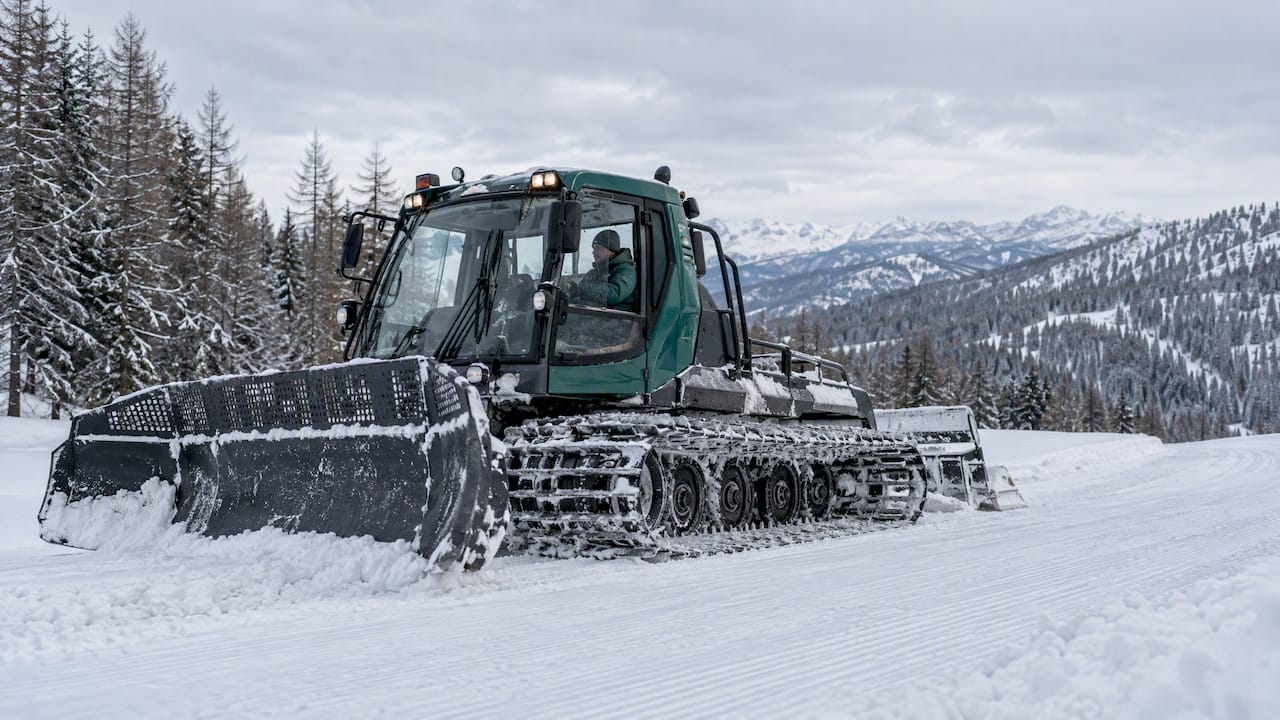
Learn how snowcats groom pistes and support guided cat-skiing, with practical safety guidance and what to expect in Kazakhstan’s Western Altai.
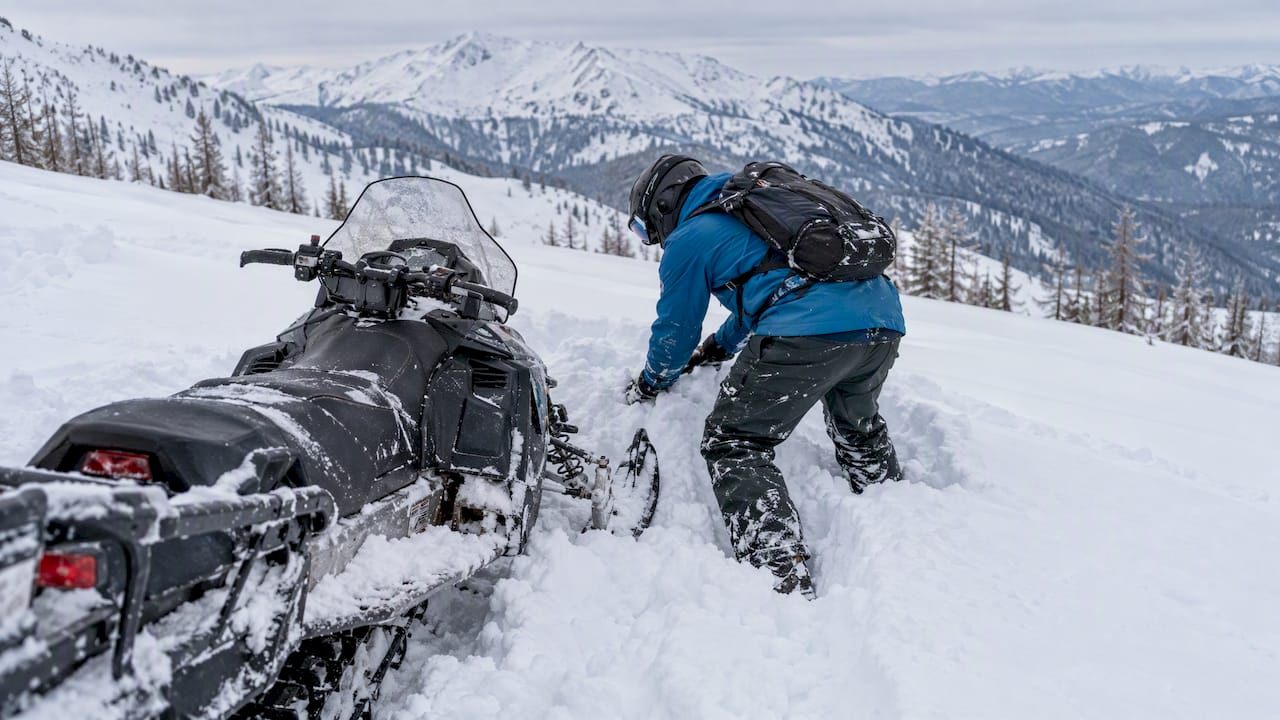
Learn how to recover a snowmobile stuck in deep snow: stop track spin, clear the sled, pack a short path and know when to seek help.
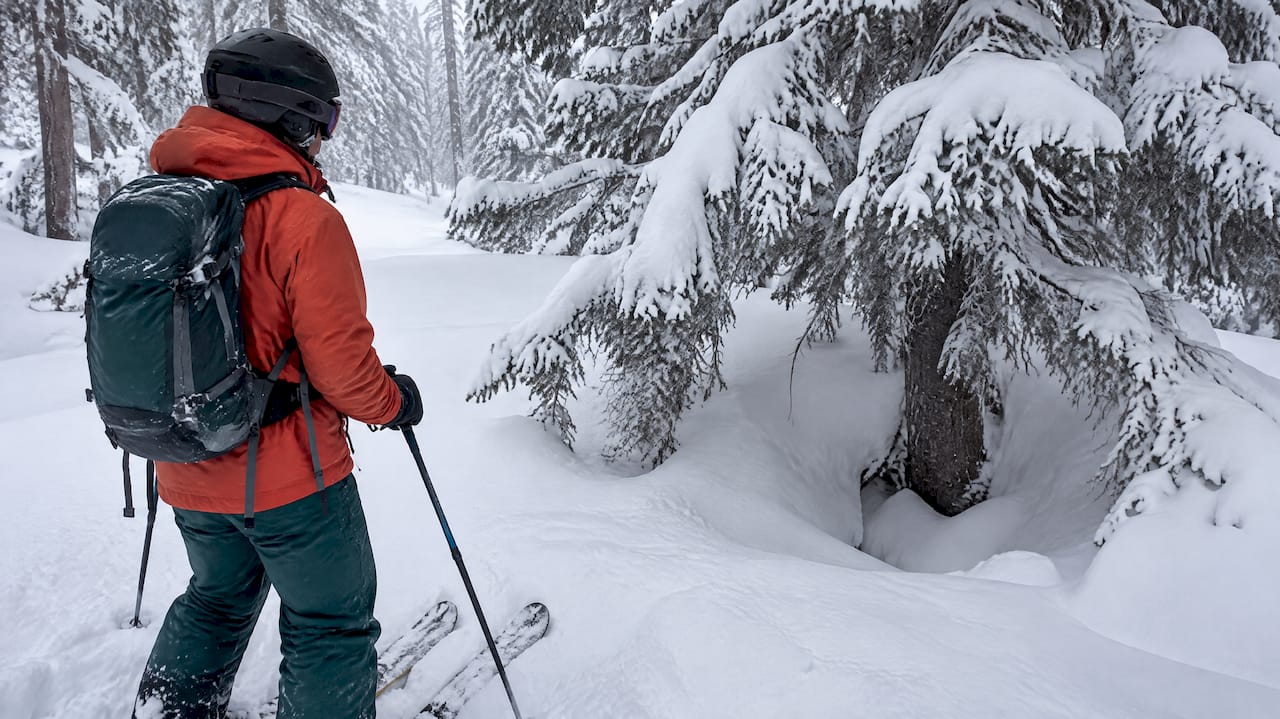
Learn how to prevent tree-well burial, keep riding partners in sight and begin immediate companion rescue in deep snow.

Compare aluminum and carbon ski poles for touring, resort skiing, park laps, freeride and racing, with practical guidance on fit, care and safety.

Compare wide vs narrow skis for groomers, soft snow and mixed conditions. See why 90–100mm is a useful starting point and how to try skis thoughtfully.
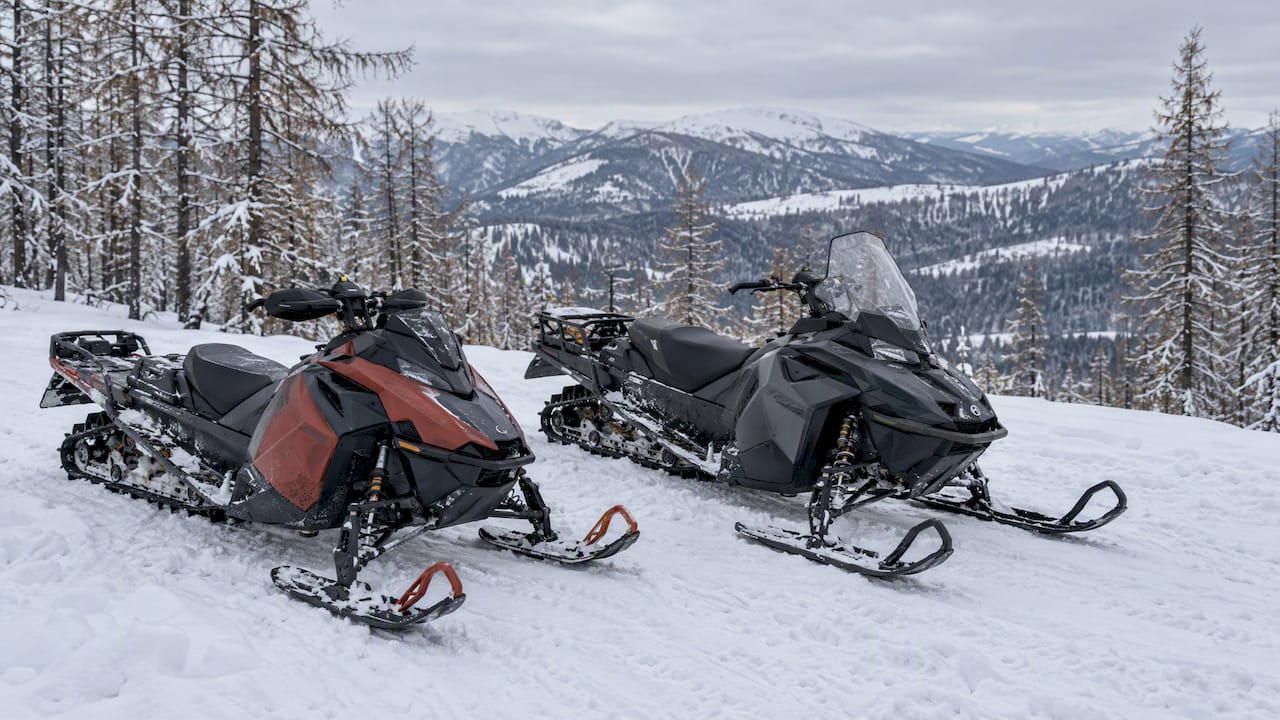
Compare 2-stroke and 4-stroke snowmobiles by handling, fuel use, emissions and upkeep, with guidance for a guided snowmobiling day near Ridder.
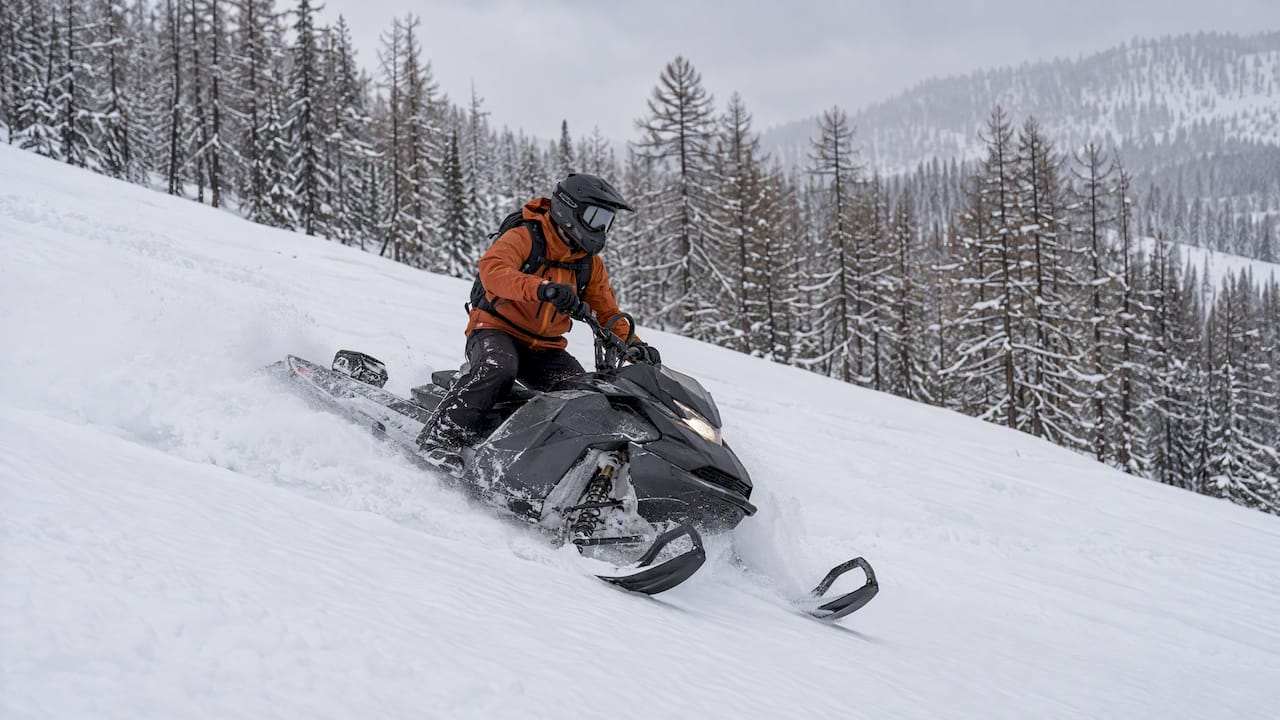
Learn snowmobile carving techniques for powder: stance, counter-steering, throttle timing, beginner drills and avalanche-safety essentials.
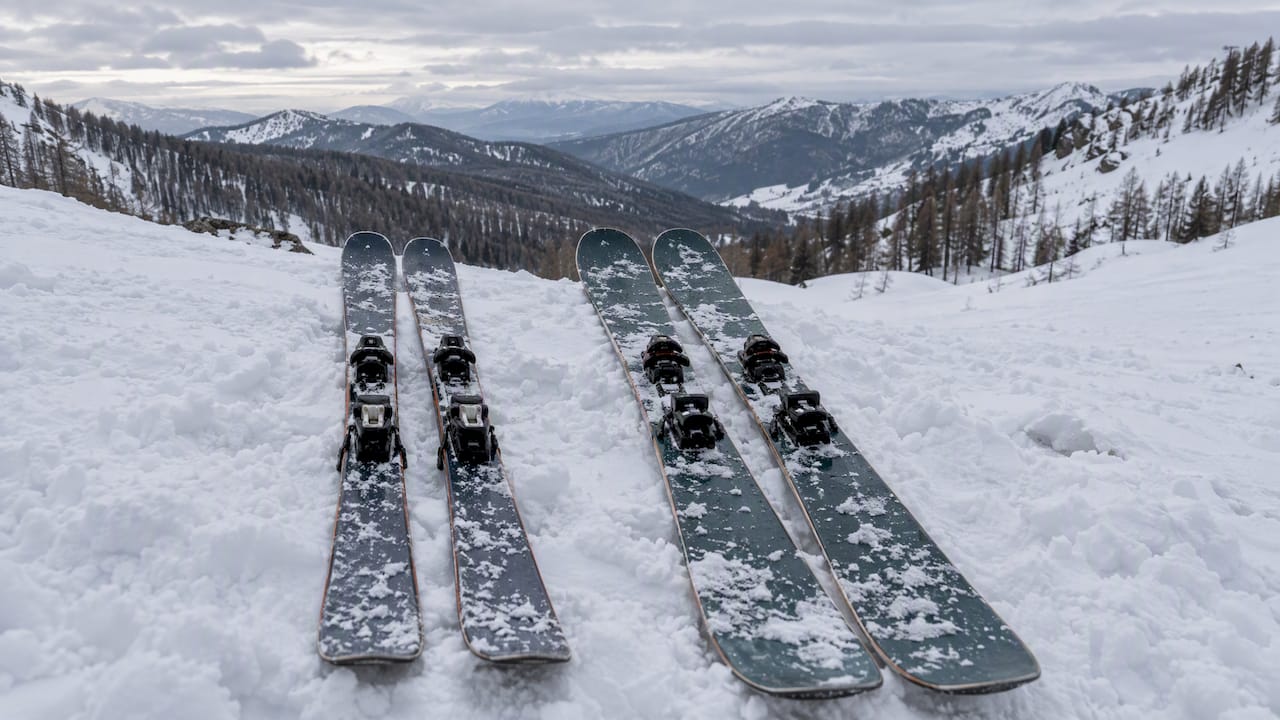
Compare powder and all-mountain skis by width, rocker and conditions, then decide whether to buy, rent or demo for deep-snow trips.
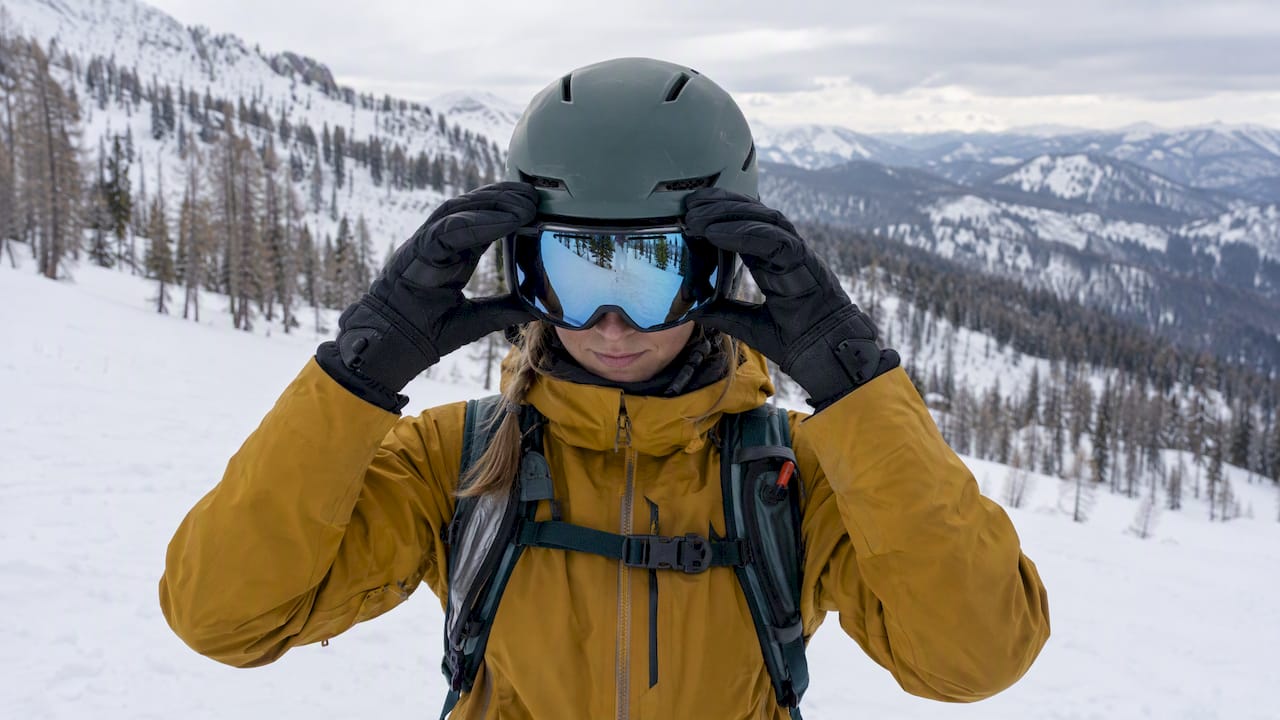
Prevent goggle fogging with five practical checks for lens care, fit, vents, breath and body heat—plus safe steps for fog on the move.
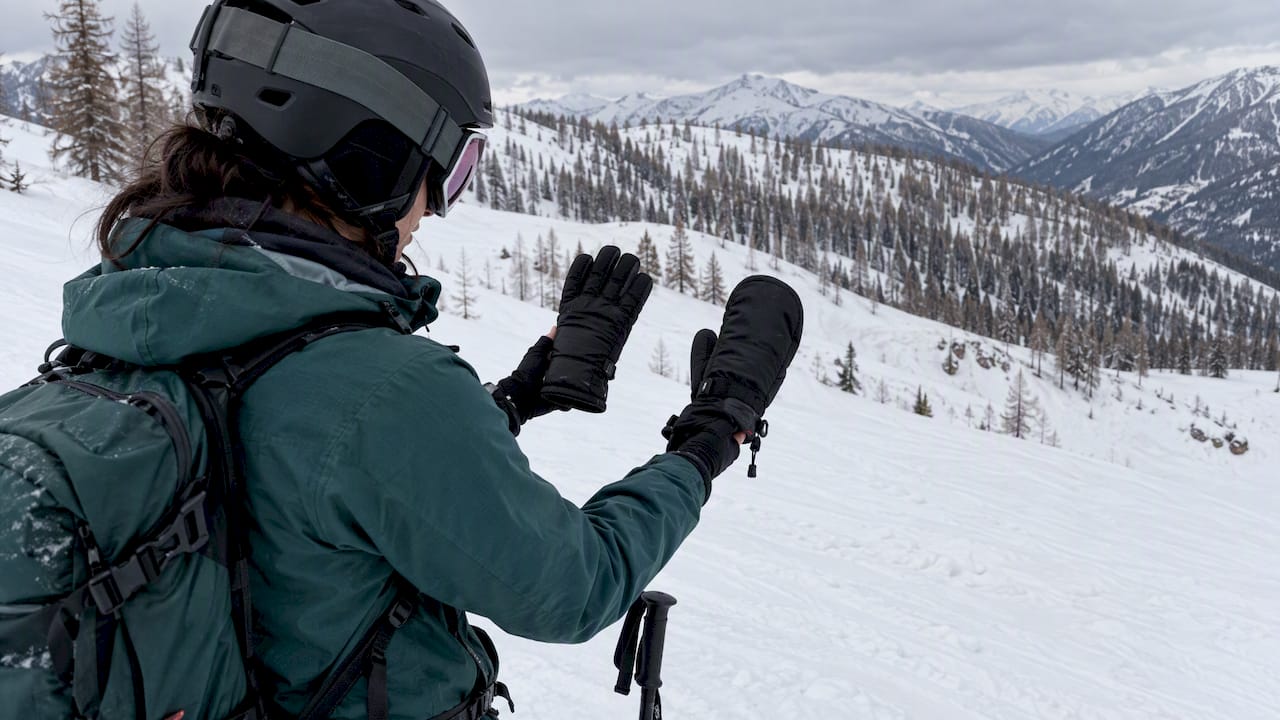
Choosing ski mittens vs. gloves? Compare warmth, dexterity, liners, fit and lobster mitts for piste skiing, powder days and touring.
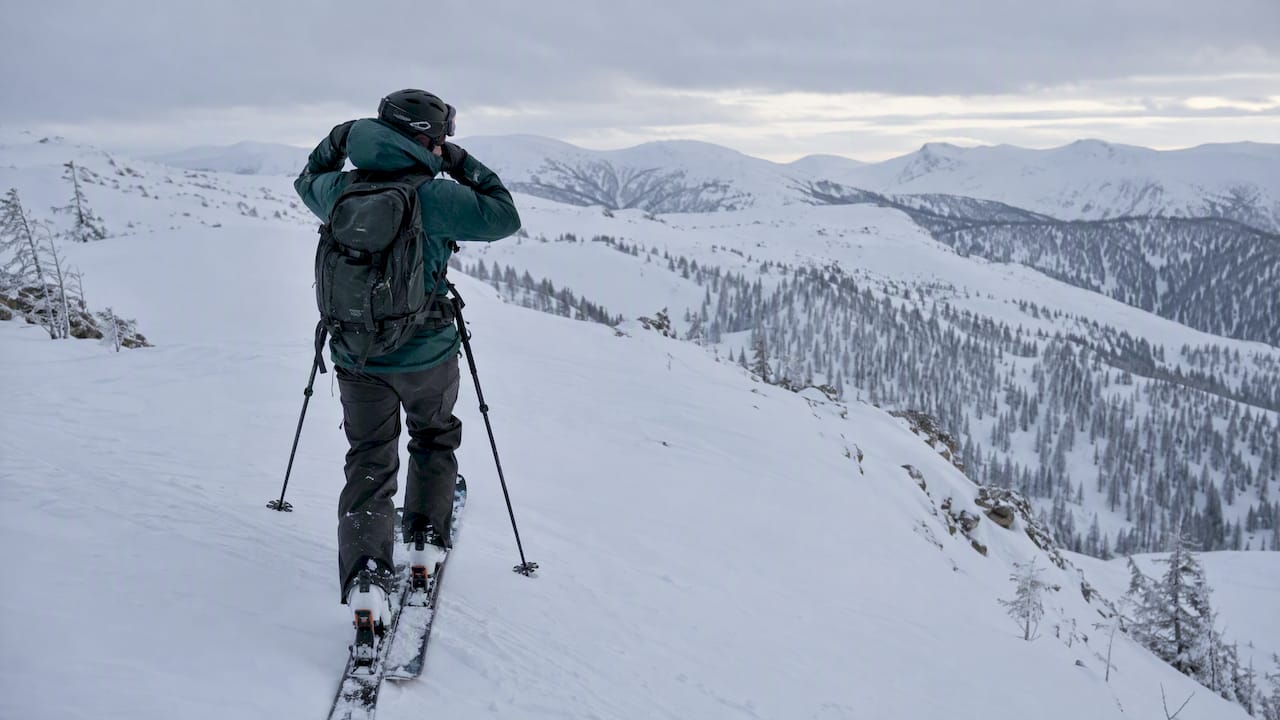
Choose an insulated or shell ski jacket for resort, touring, cat and heli days, with practical guidance on 2.5L, 3L and layering.

Compare neck gaiters and balaclavas for cold-weather activities, with practical guidance on coverage, ventilation, helmet fit, moisture management and winter packing.
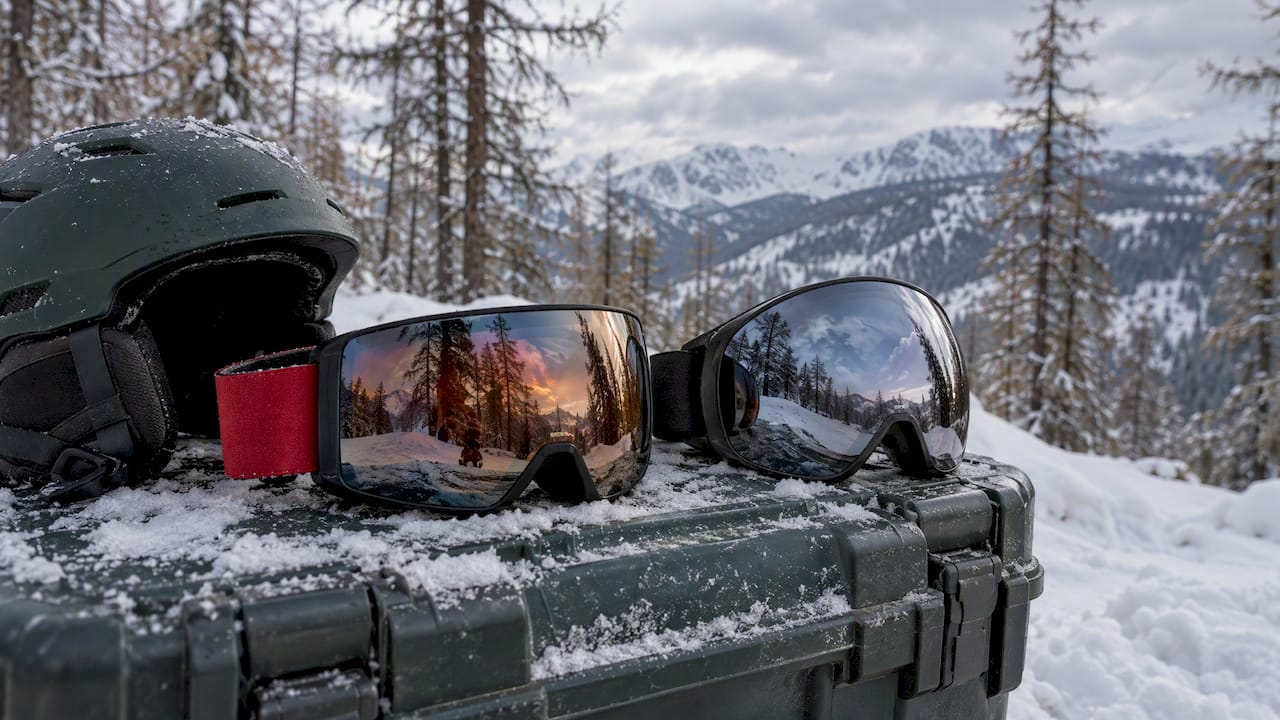
Choose between cylindrical, spherical and toric ski goggles, with practical guidance on tint, anti-fog performance, helmet fit and packing for Altai winter trips.
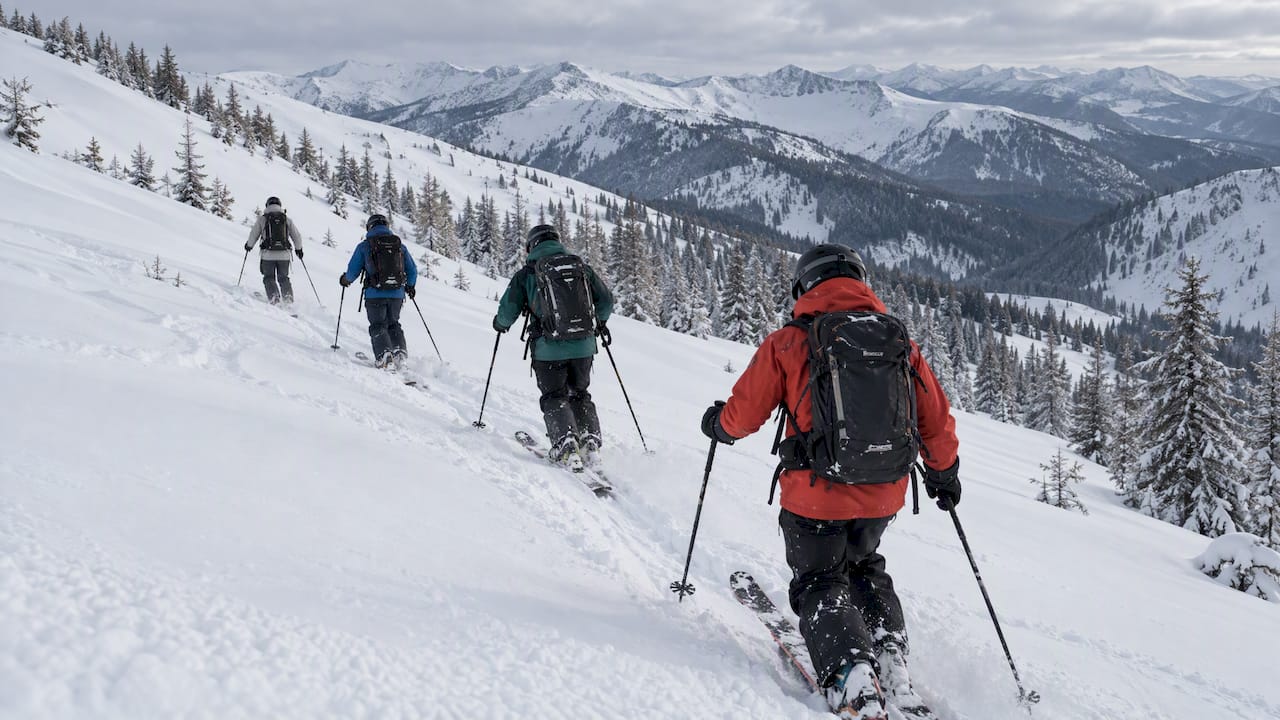
A practical cat-skiing safety checklist for first-timers, covering avalanche gear, companion-rescue practice, ability preparation and guided mountain days.
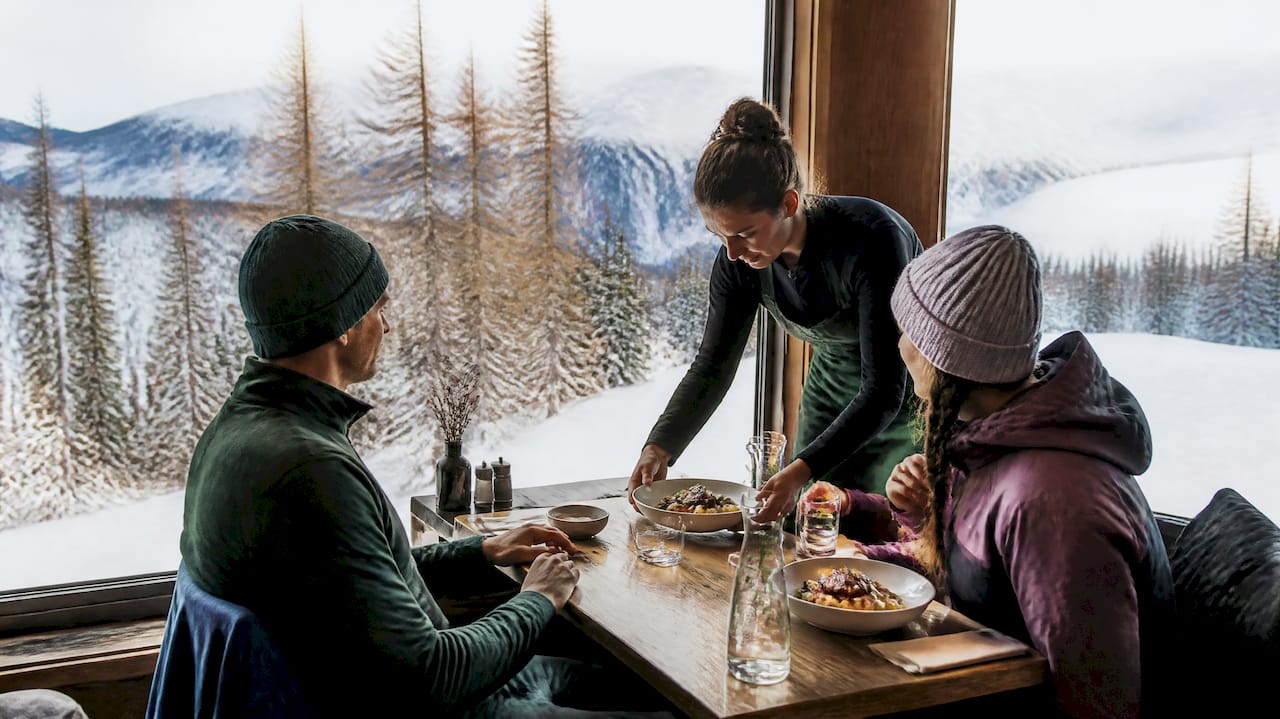
Plan on-mountain dining with four practical considerations: access, reservations, menus and dietary needs, plus weather and mountain safety preparation.

A practical Siberian cuisine guide to Restaurant Altai, East Kazakhstan dishes, dietary requests and Ridder Lodge accommodation rates.
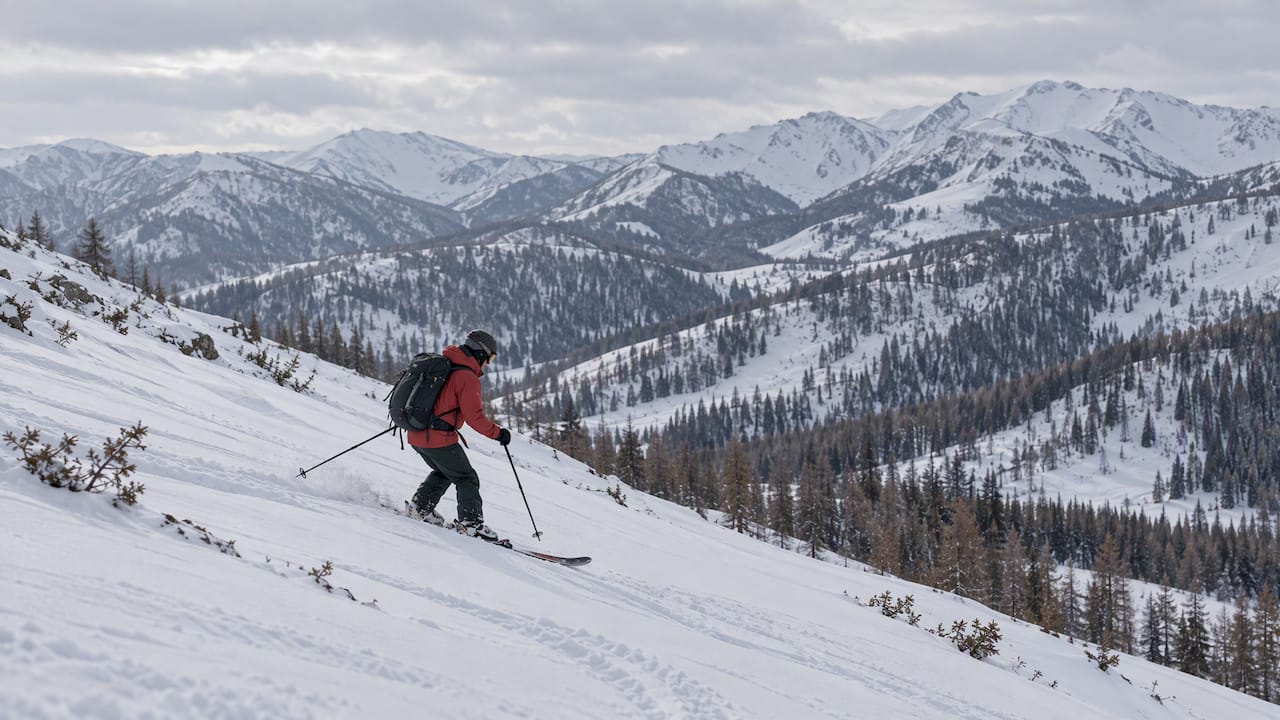
Explore heli-skiing’s environmental impact, including helicopter emissions, wildlife considerations, aviation effects and practical planning questions.
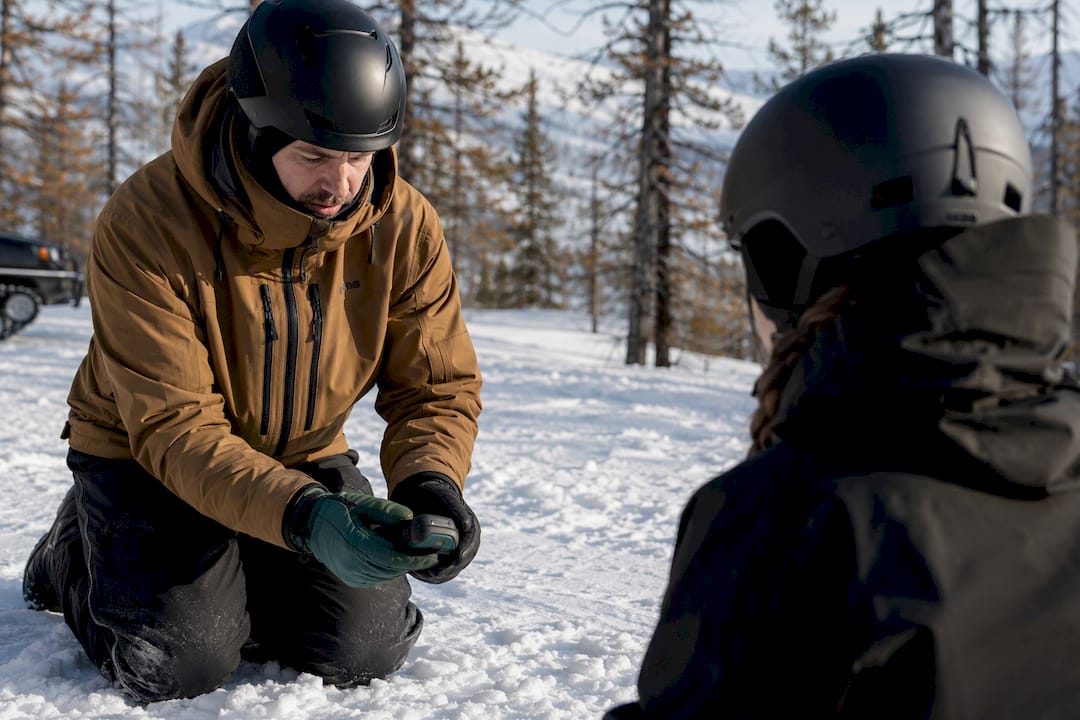
Learn what a snowcat safety briefing covers, including avalanche equipment, transceiver checks, the 20 cm/50 cm rule and cat-skiing preparation in Altai.
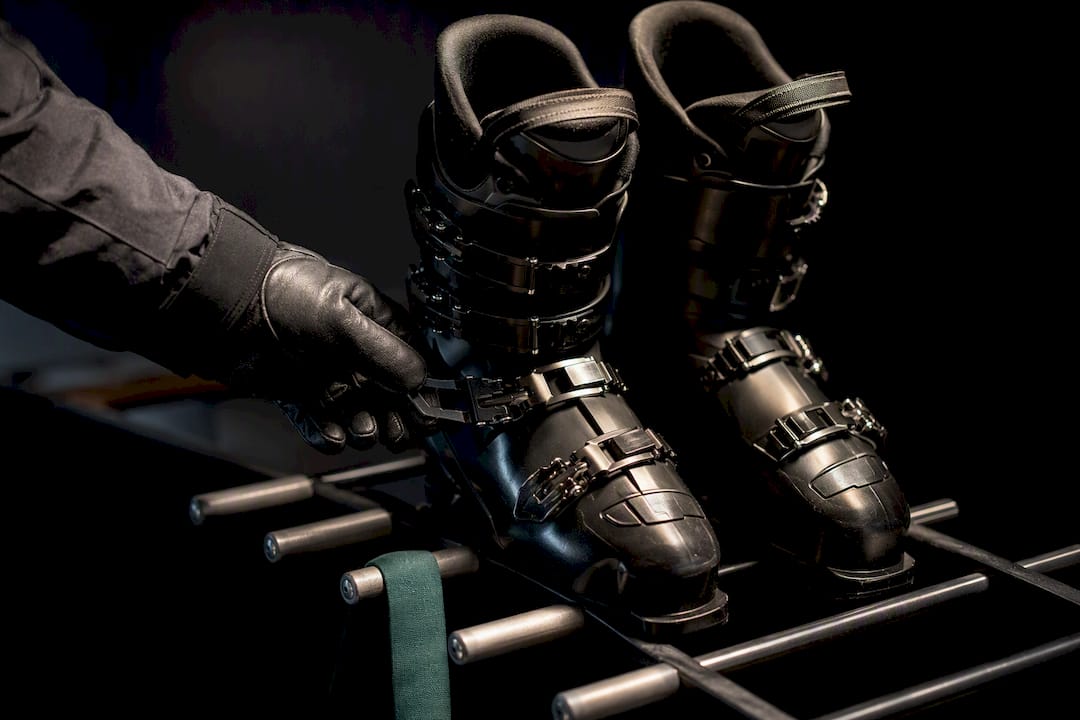
Practical ski locker etiquette for shared storage: keep equipment tidy, use boot dryers fairly and follow the rules in your drying room.
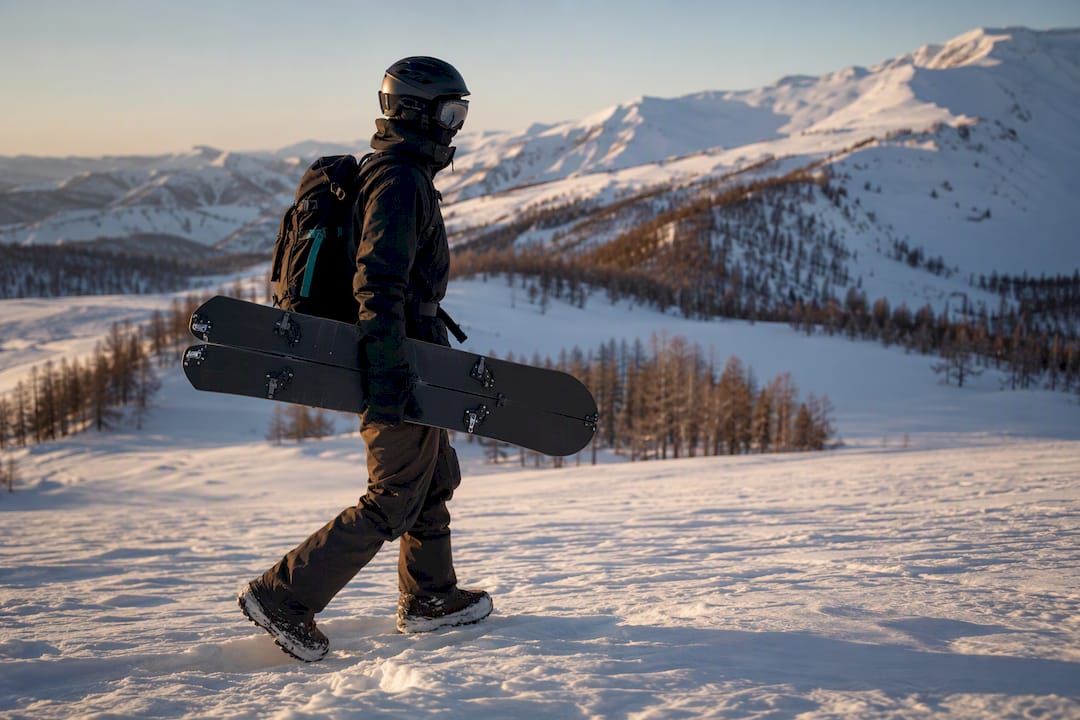
Plan a heli-accessed splitboard trip with practical guidance on formats, costs, rescue readiness, personal kit and Altai Mountains Resort options.
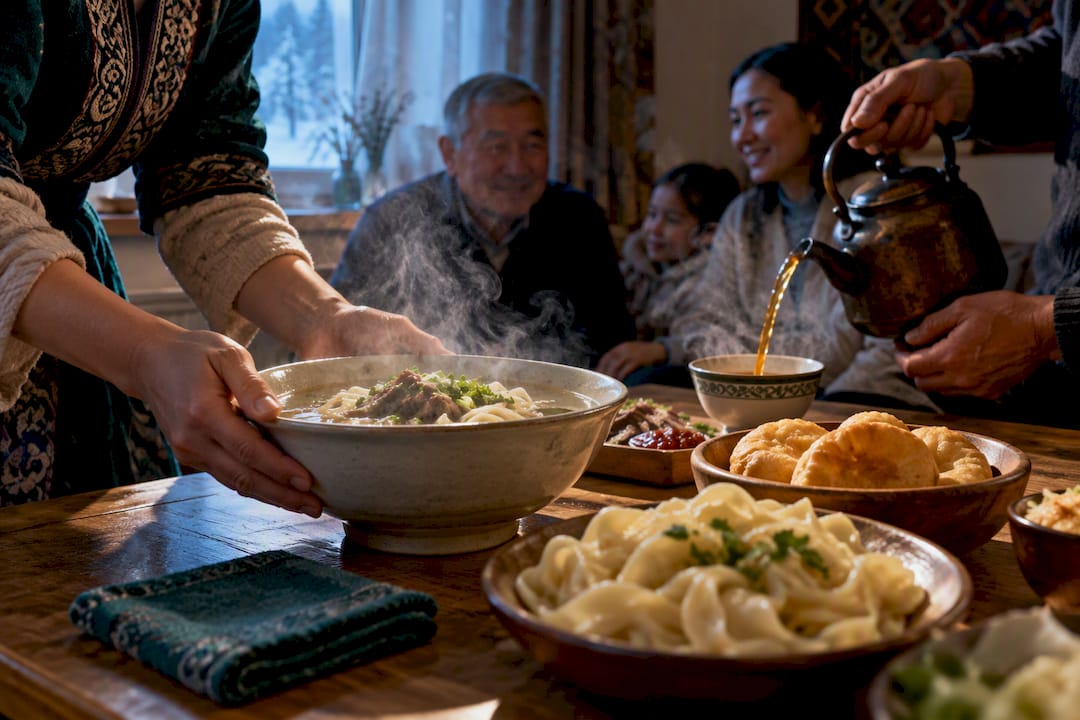
Explore Kazakhstan winter culture through holiday traditions, food, living heritage, regional rhythms and practical etiquette for visitors.
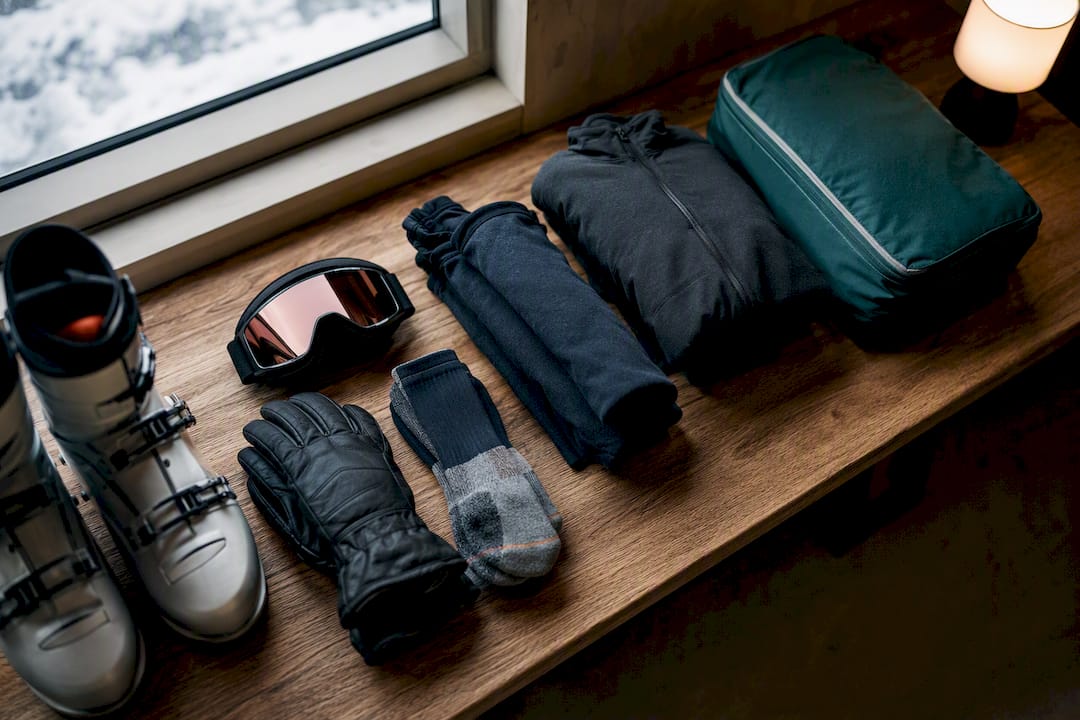
A practical luxury ski packing list for fitted essentials, lighter luggage and guided off-piste or heli-ski days at Altai Mountains Resort.

A practical heli-skiing safety guide for expert skiers, covering operator decisions, avalanche equipment, helicopter procedures, rescue planning and insurance.
Compare lift-assisted, touring and Western Altai ski options in Kazakhstan, with practical safety, travel and booking guidance.

Learn the heli-skiing skill level typically expected, the off-piste skills to practise, safety preparation and an adaptable 8–12-week training framework.

Plan the Kazakhstan skiing season with a practical comparison of Almaty and Ridder, month-by-month timing, mountain safety and trip planning.
Use this snowmobile layering guide to build a flexible base, insulation and shell system, manage moisture and pack dry spares for changing conditions.

Learn what to rent for avalanche terrain, how to prepare a beacon, probe and shovel, and what to know about airbag packs and flights.
Practical ski photography tips for beginners: camera settings, snow exposure, timing, cold-weather camera care and safe mountain positioning.

Learn how to read an avalanche forecast, interpret danger ratings, roses and avalanche problems, and plan more conservative terrain choices.
Practical cold injury prevention for winter travel: layering, dry spares, warning signs, first aid and planning for mountain activities.
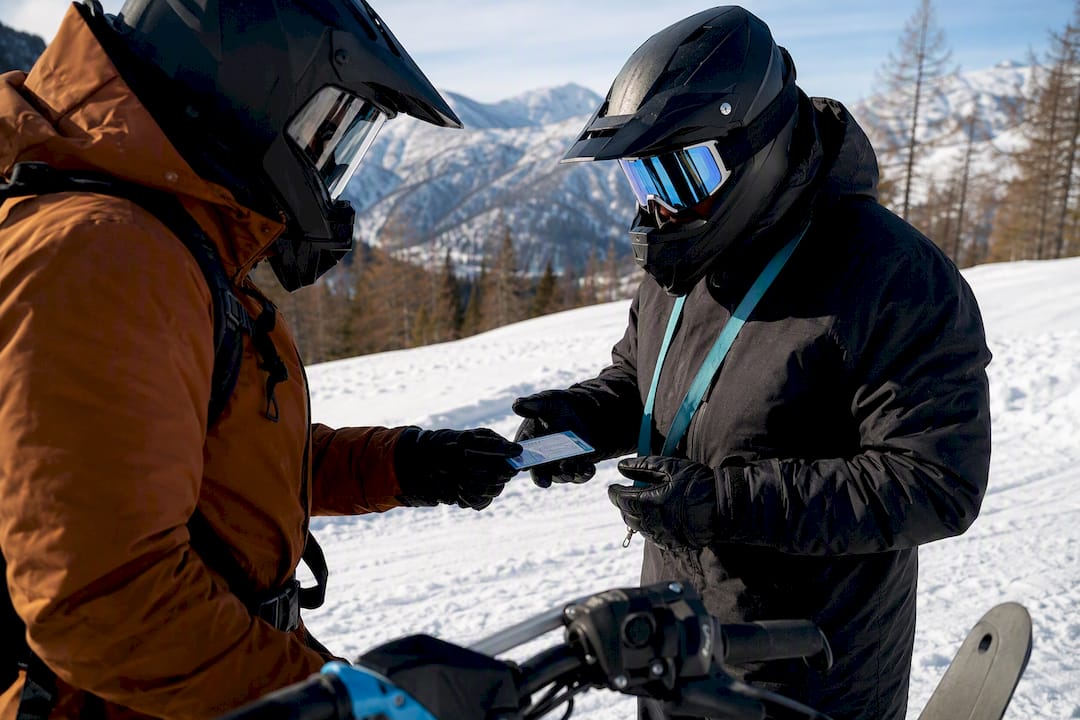
Planning snowmobiling in Ridder? Understand how experience, training, equipment and Kazakhstan rules shape your trip with Altai Mountains Resort.
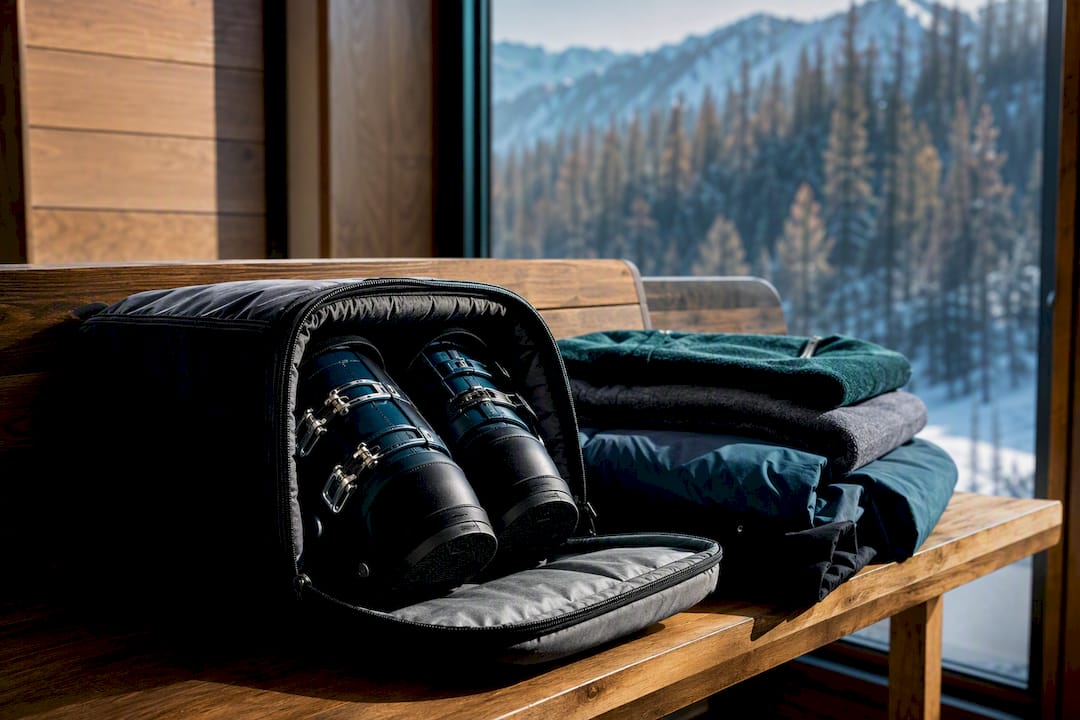
Travel with ski gear confidently: carry boots when cabin rules allow, pack skis securely, understand airline baggage rules and prepare for delays.
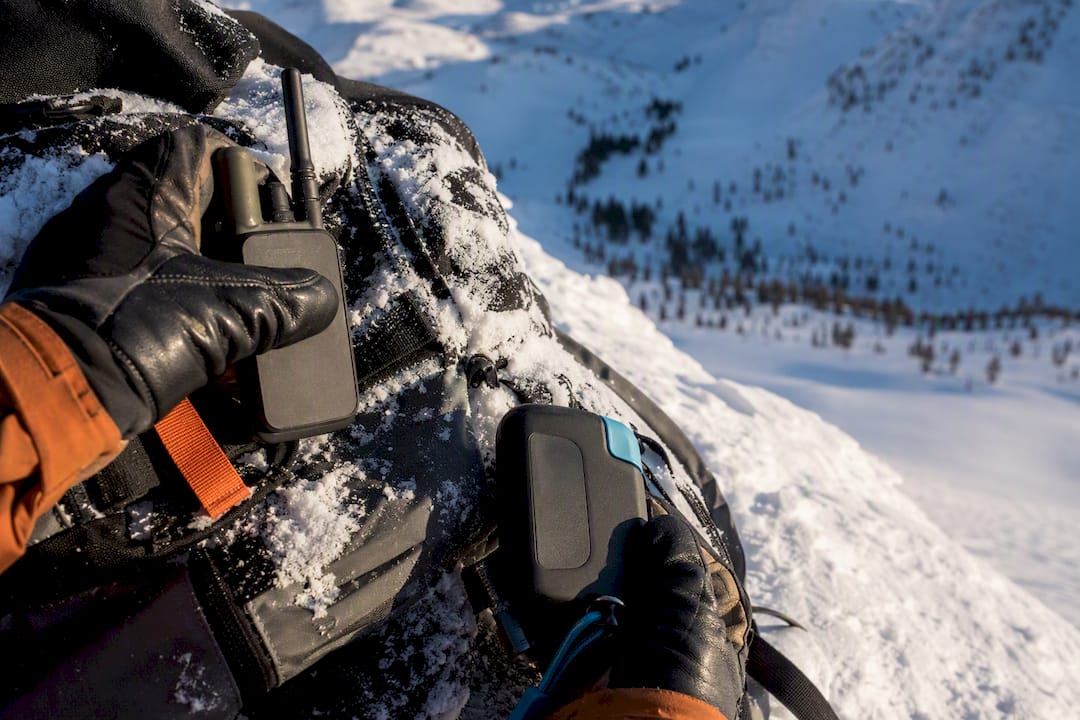
Build a practical backcountry radio communication plan with party radios, satellite SOS or PLB backup, cold-weather care and regional legal essentials.

Satellite messenger basics for remote Altai trips: compare PLBs and two-way devices, understand SOS limits, and prepare your communications plan.
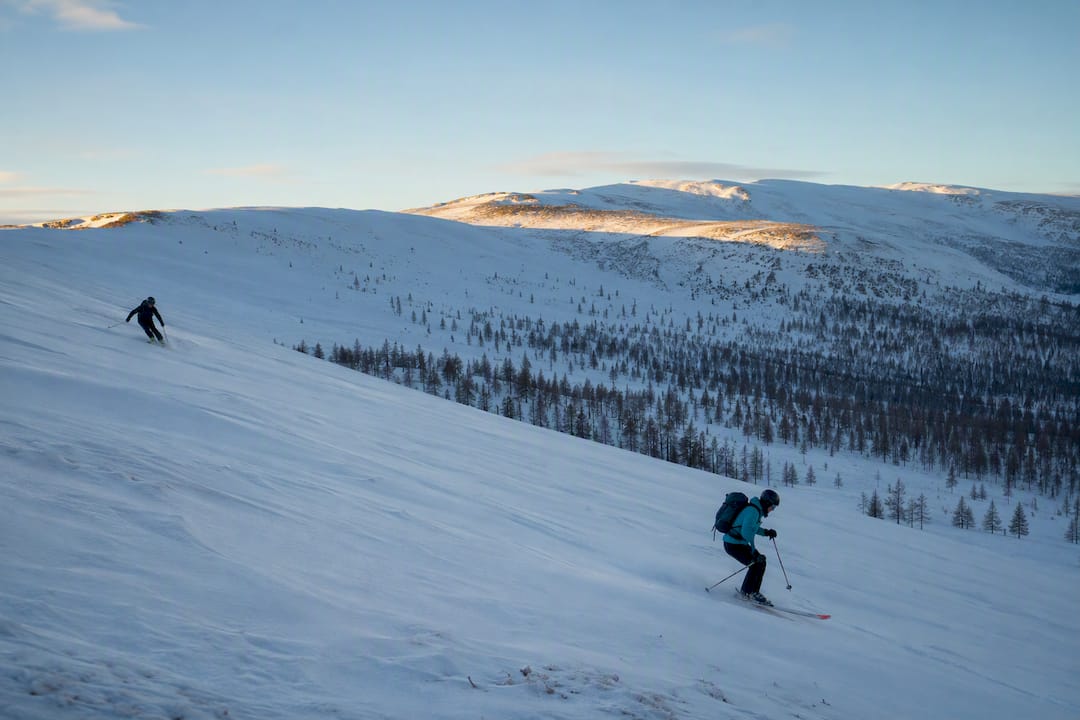
Avoid ski crowds with flexible dates, midweek skiing, early starts and smarter lift choices. Explore guided off-piste options near Ridder.

Learn how heli-skiing passenger weight and baggage rules differ by operator, with practical packing steps and Altai Mountains Resort booking guidance.
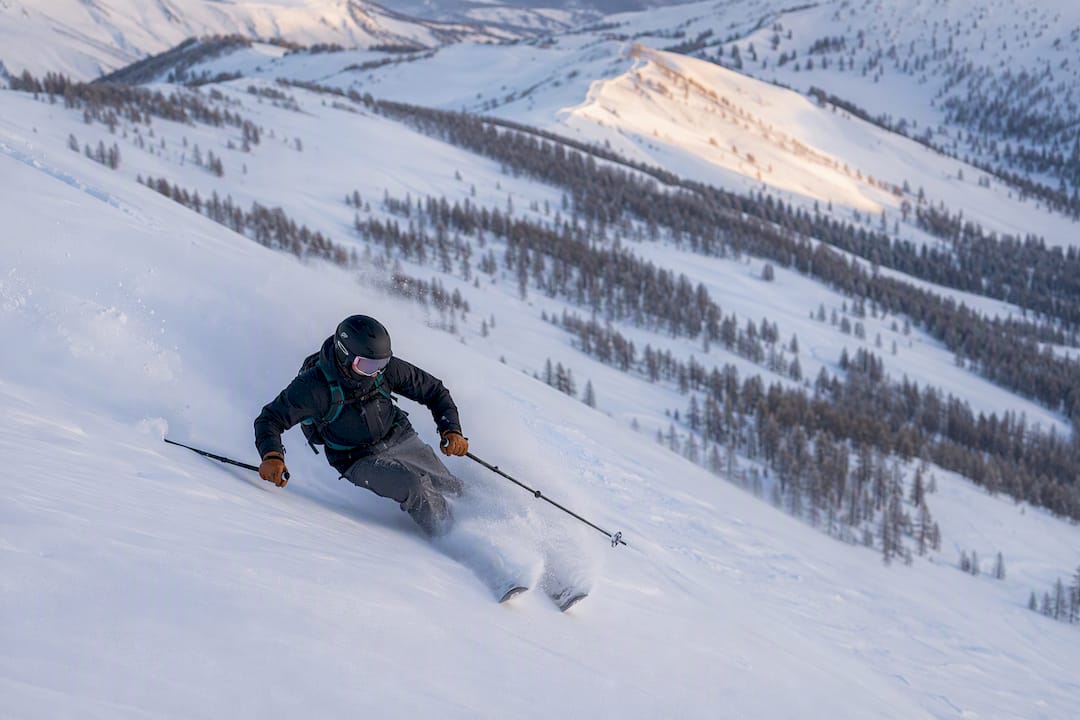
Understand the cat skiing skill level needed for Altai Mountains Resort, with practical guidance on off-piste ability, fitness and avalanche readiness.
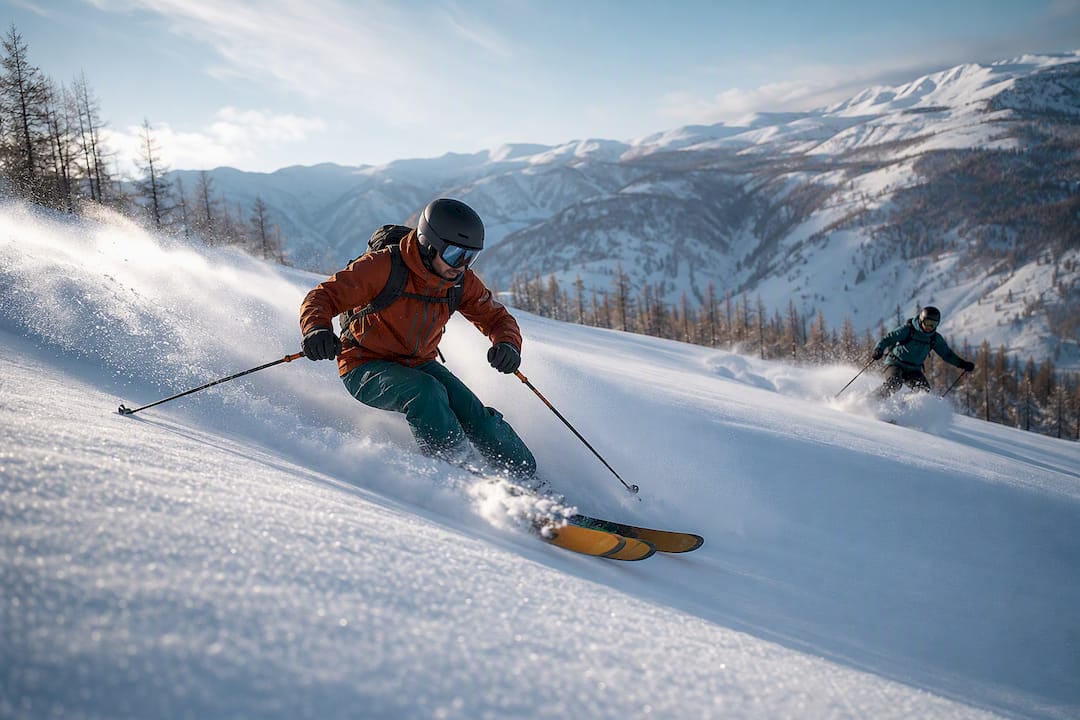
Decide whether Ridder suits your advanced Altai ski trip, with practical guidance on transfers, season timing, avalanche gear and guided programmes.
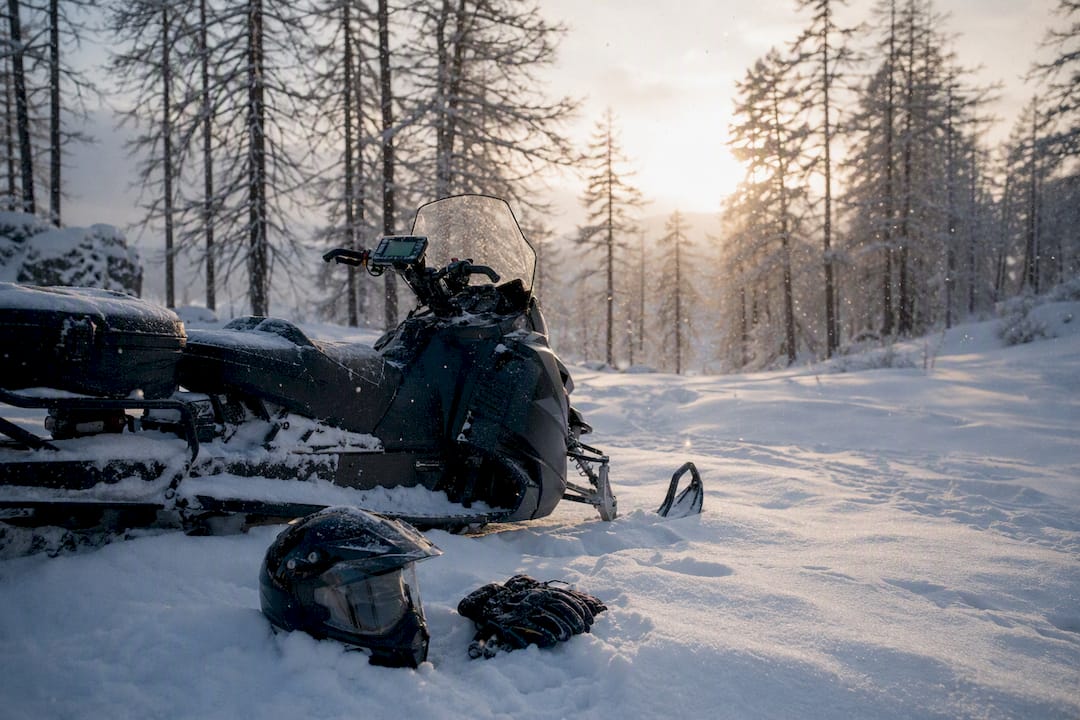
Compare snowmobile tour prices by duration, understand what shapes the final cost, and explore quote-based snowmobiling at Altai Mountains Resort.
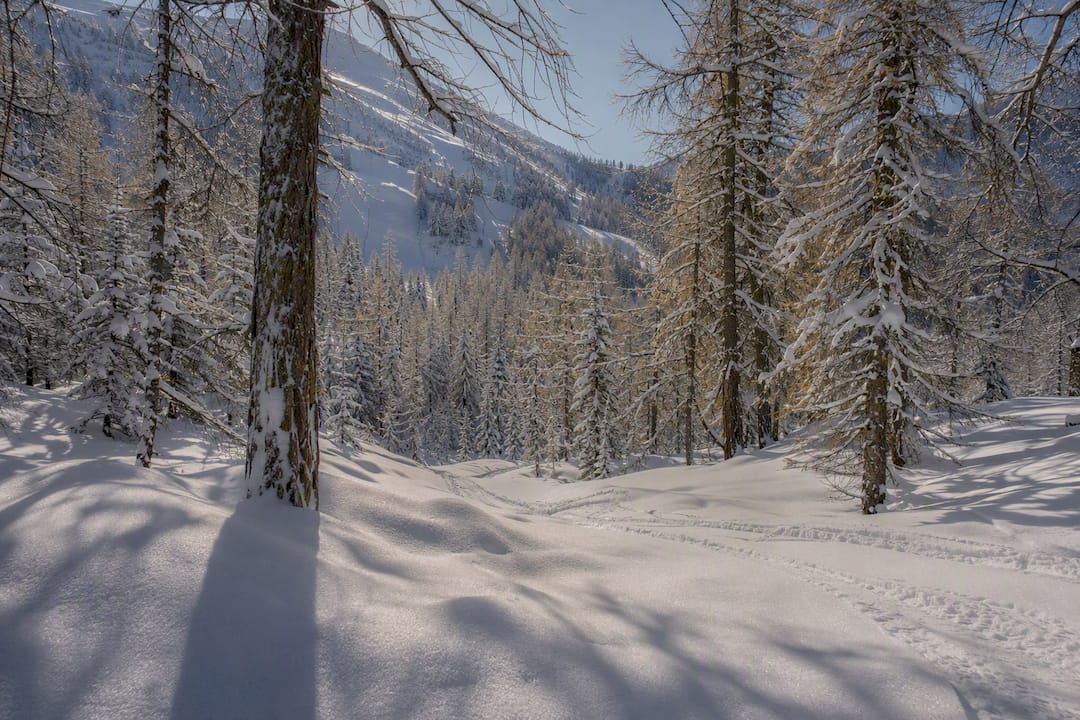
Compare Western Altai, Almaty and Turgen for Kazakhstan powder skiing, with practical guidance on access, safety and Ridder logistics.

Plan Altai heli skiing near Ridder with practical guidance on terrain, season, package inclusions, access, safety gear and booking.
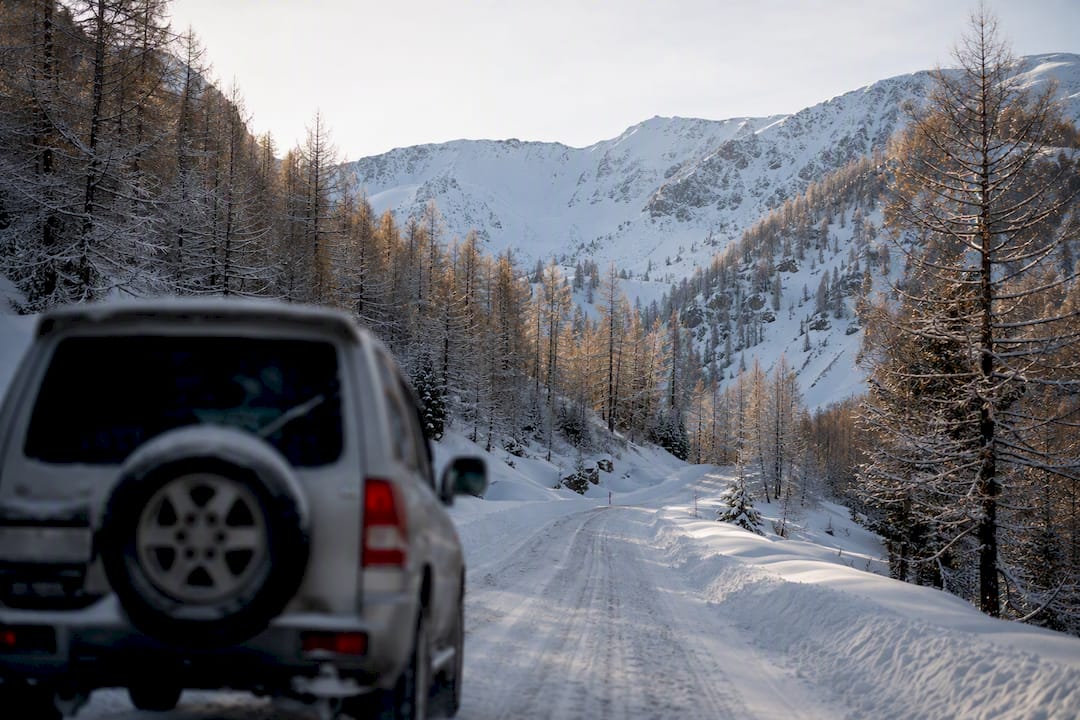
Compare flight, rail and self-drive routes from Almaty to the Kazakh Altai, with practical guidance for reaching Ridder and Ulba village.

Learn deep powder snowmobiling setup, riding technique, safe recovery and avalanche preparation, plus guided training near Ridder.
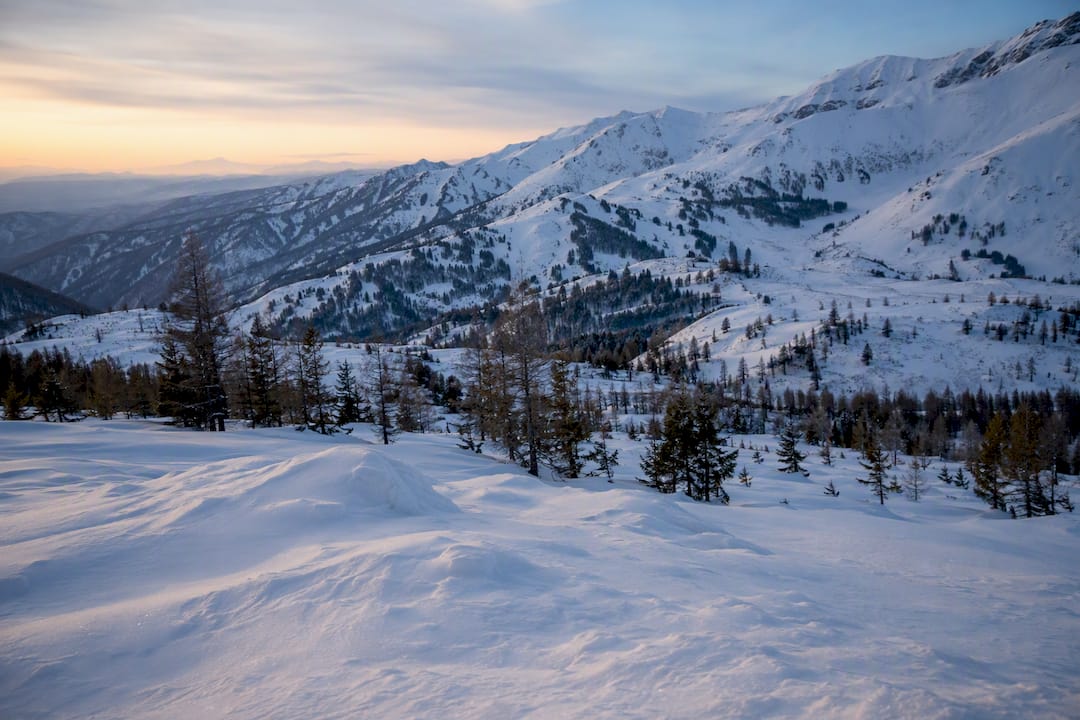
Plan an Altai Mountains winter stay from Ridder, with activity timing, travel from Öskemen, packing advice and practical mountain guidance.

Practical helicopter passenger safety guidance on boarding, seatbelts, exits, dropped items and following crew instructions.

Practical off-piste slope etiquette for safer skiing: right of way, avalanche preparation, group spacing, closures and guided skiing in the Western Altai.

Plan an Altai Mountains trip across Russian, Mongolian and Kazakh sectors, with permit, safety and winter-stay guidance for Ridder Lodge.
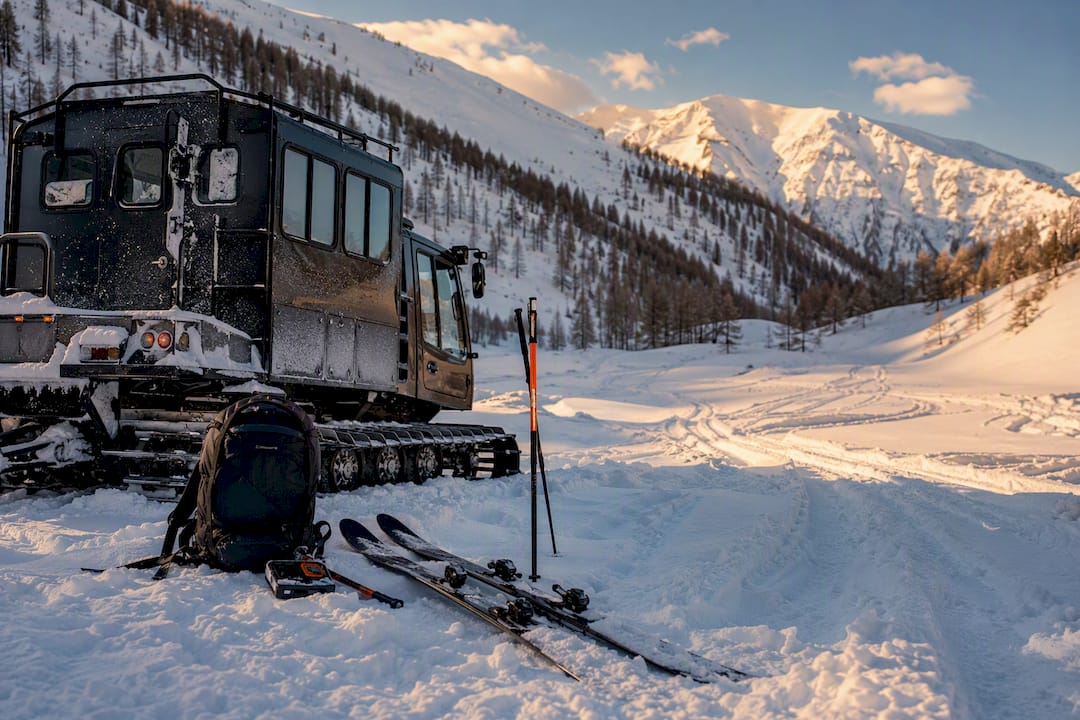
Learn how to plan guided freeride tours, from off-piste experience and avalanche gear to guide scope, changing mountain conditions and cat-skiing in the Altai.
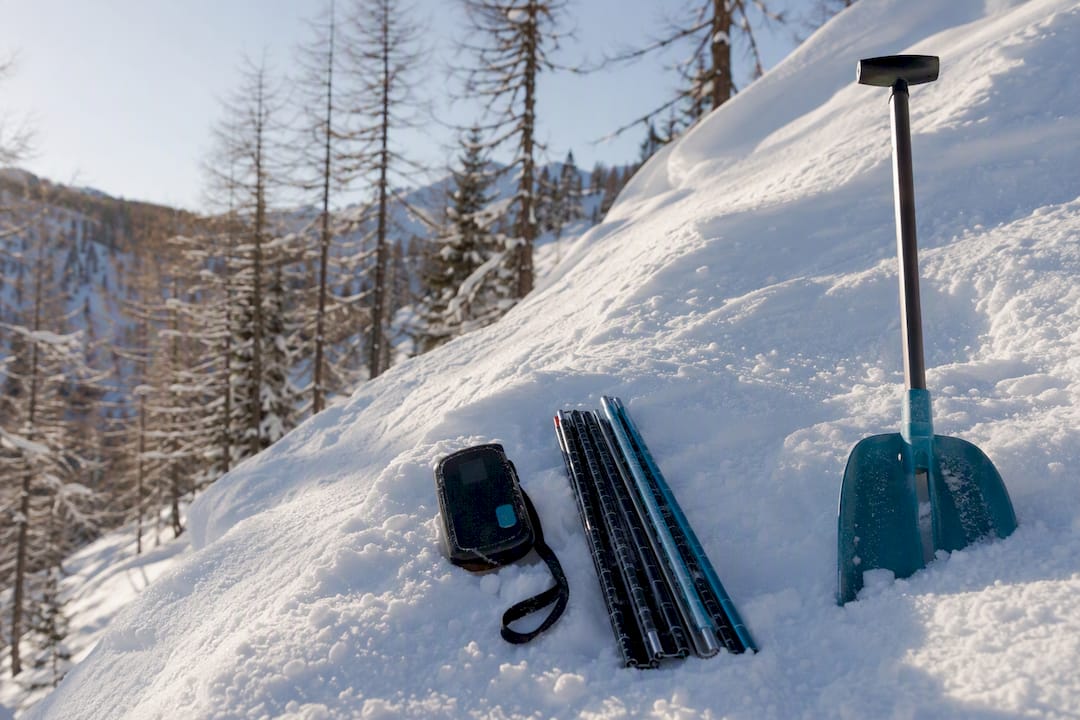
Learn avalanche beacon basics: 457 kHz transceivers, essential rescue gear, trailhead checks, interference and companion-rescue practice.

Learn which avalanche course suits your plans, what companion-rescue skills to practise and how to prepare for a winter trip to Altai.
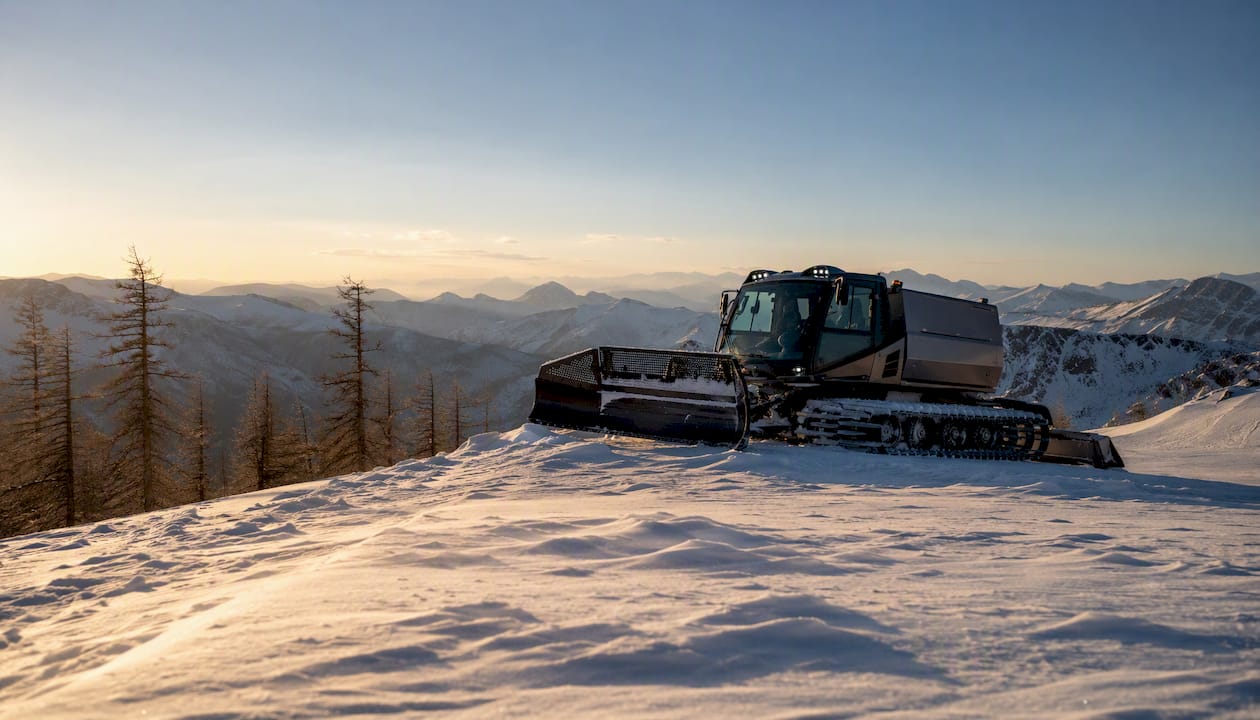
Learn what cat skiing is, who it suits, what to pack and how to plan a guided cat-skiing trip, including options near Ridder, Kazakhstan.
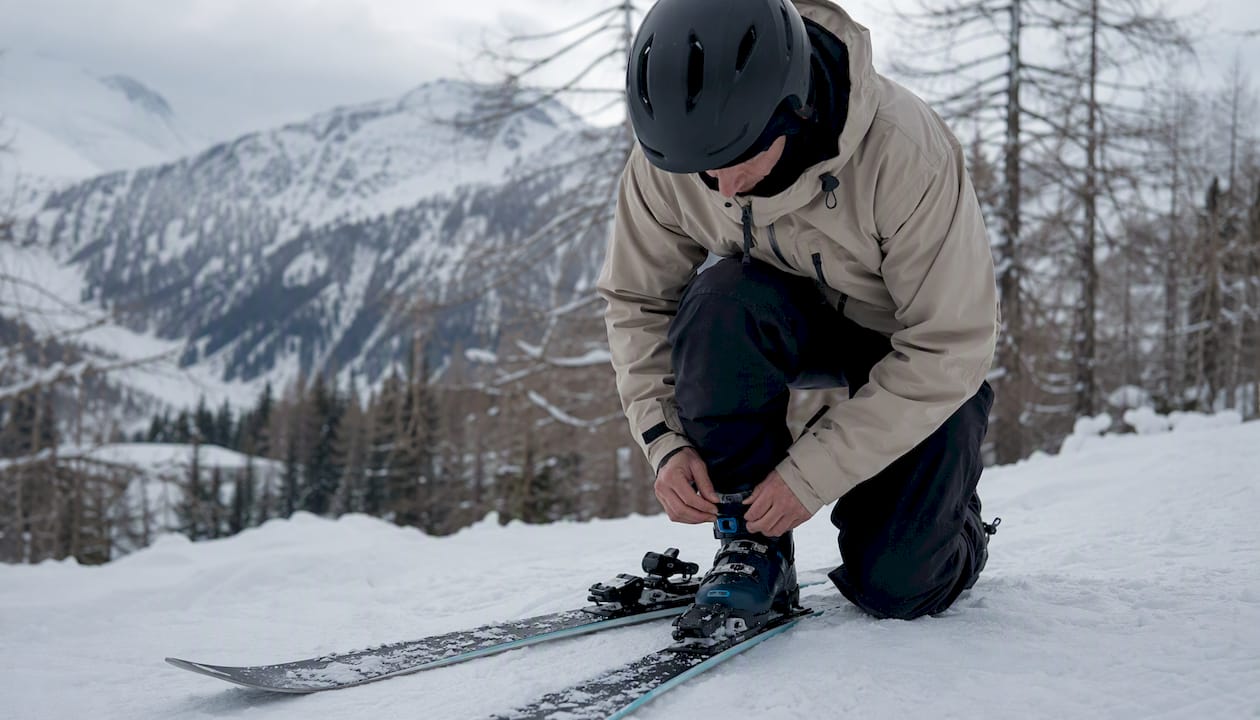
A practical ski rental Kazakhstan guide to Shymbulak and Medeu, current tariffs, equipment fit, transport and guided freeride near Ridder.

Understand ski guide benefits for freeride and backcountry trips, including local planning, terrain choices, qualifications, safety gear and access options.

Plan a snowmobile expedition near Ridder, Kazakhstan, with practical guidance on routes, rider experience, equipment, mountain safety and transfers.
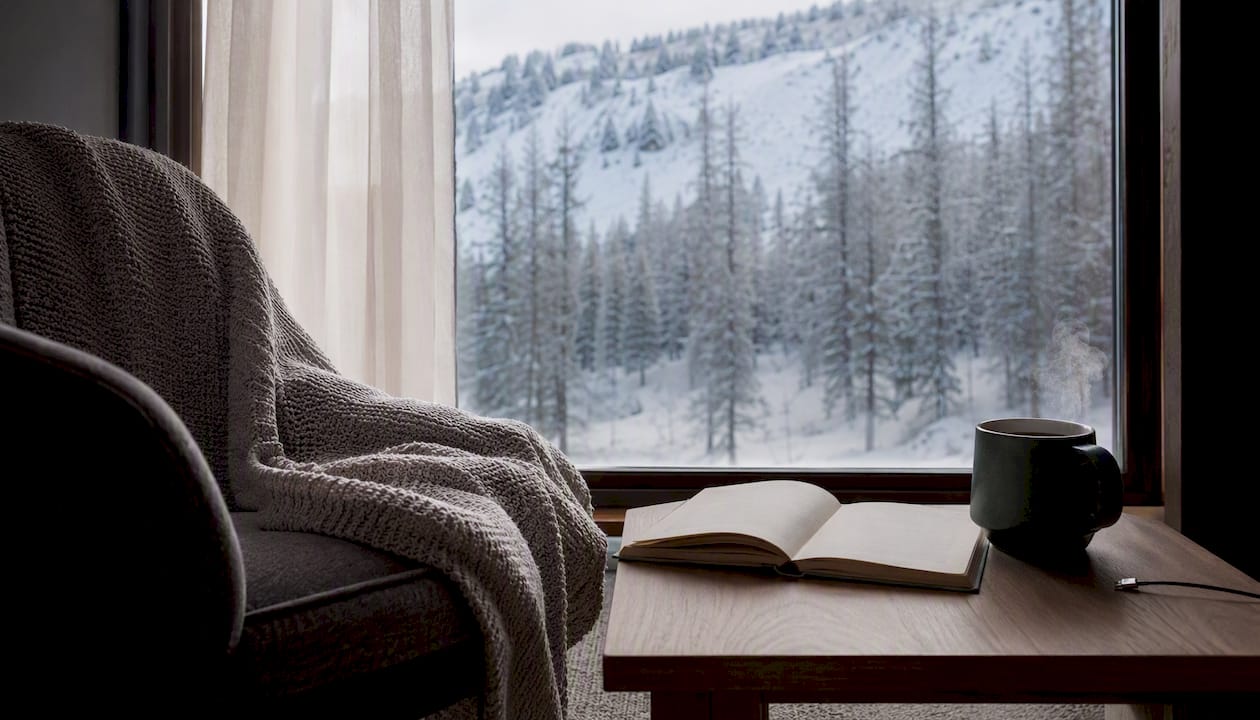
Use this mountain lodge amenities checklist to compare rooms, meals, wellness access, transfers, activities and paid extras before booking.
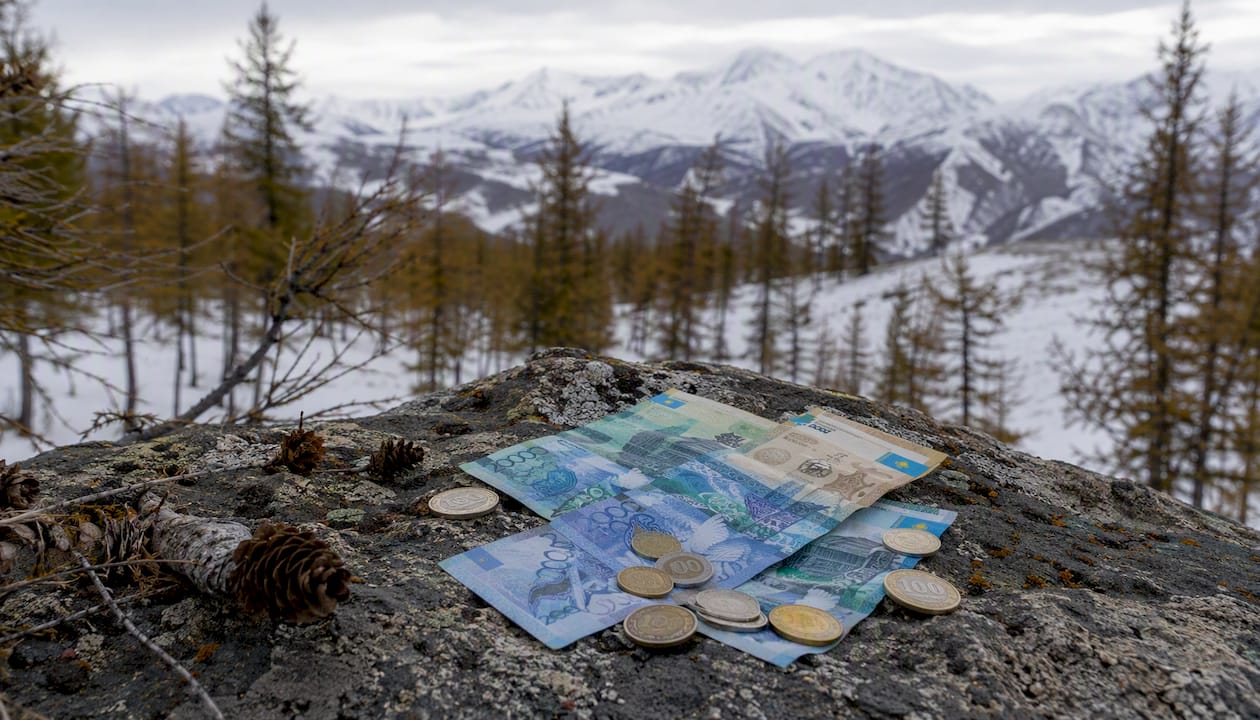
A practical Kazakhstan currency guide to the tenge, cards, ATMs, currency exchange, DCC and cash planning for cities and the Western Altai.
Plan the Kazakhstan ski season by month, compare lift-served Shymbulak with guided trips around Ridder, and prepare for changing snow and mountain conditions.
A practical guide to spa after skiing, including gentle massage, sauna and hammam, optional cold immersion and signs that need medical attention.
Plan a remote ski trip from the UK to Ridder, with practical guidance on activities, Kazakhstan entry, Öskemen transfers, insurance and ski baggage.
A practical heli skiing packing list covering clothing, avalanche equipment, ski baggage, batteries, travel documents and rental options.
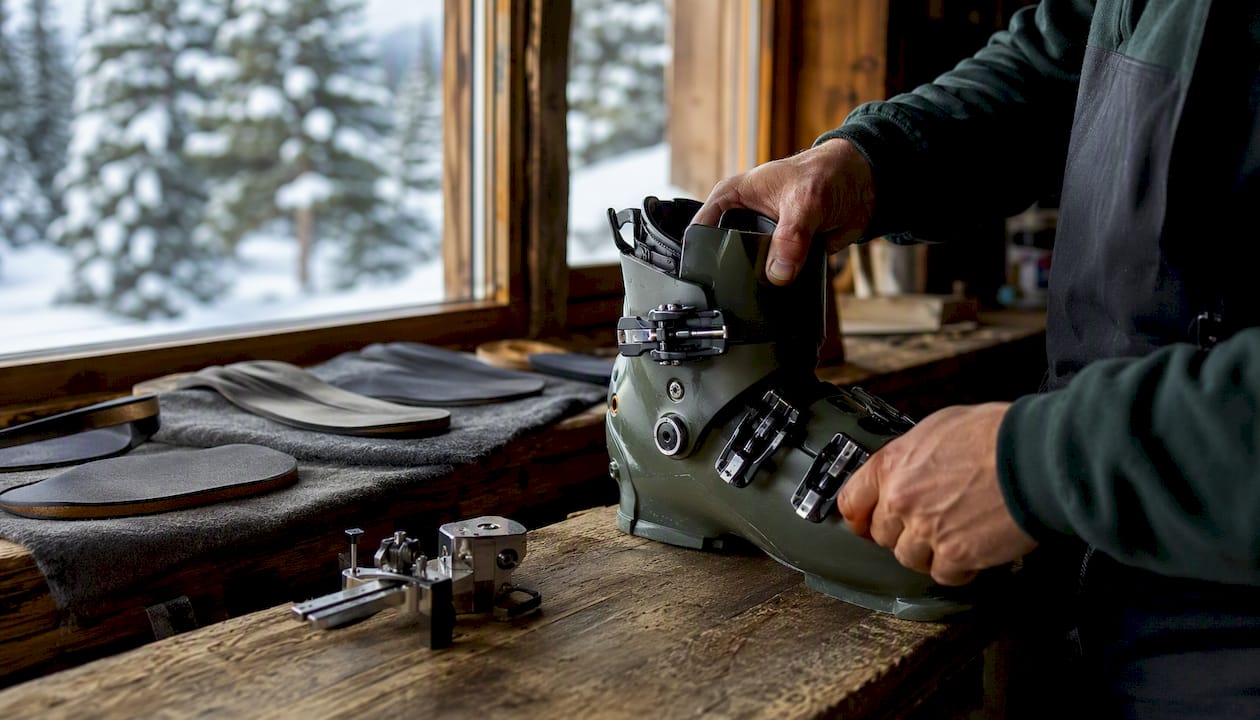
A practical UK guide to ski boot fitting: appointment steps, services, current provider price examples, aftercare and warning signs.
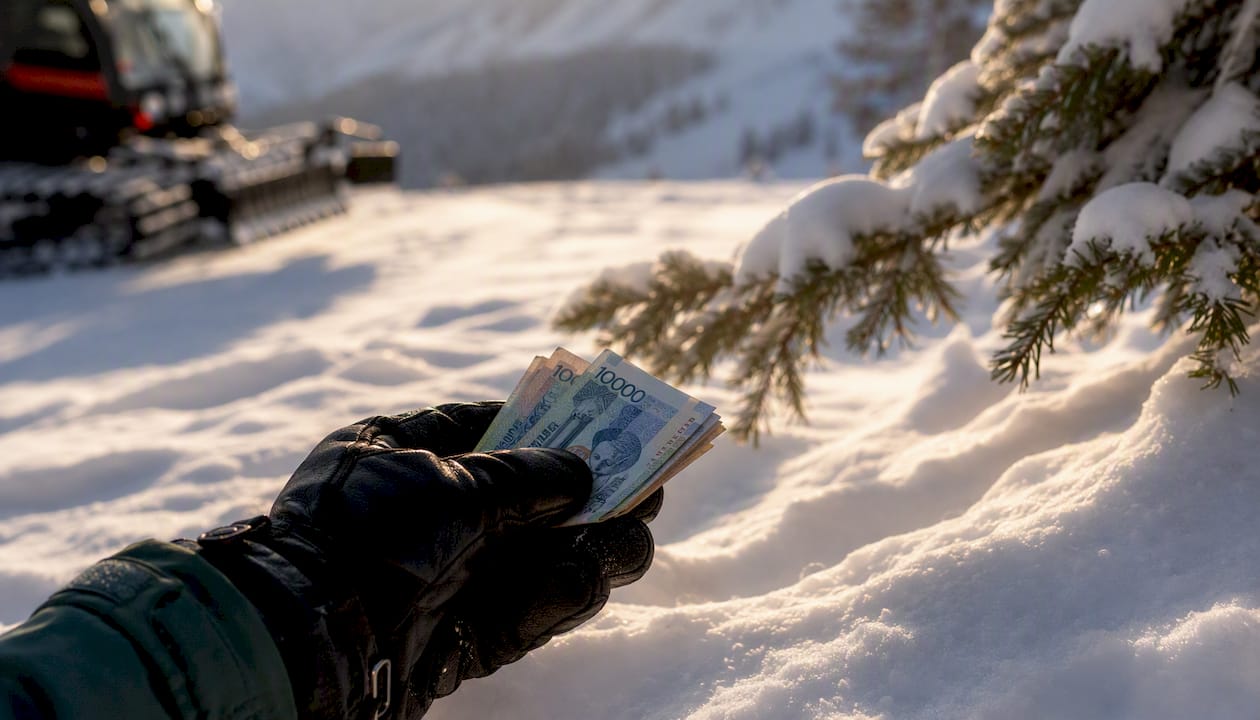
Should you tip a ski guide? Learn how customs vary, when a gratuity may feel appropriate and how to plan for tipping in Kazakhstan.
An Altai cuisine guide to kan, kurut, chegen and talkan, with dining at Restaurant Altai, food safety and travel from Öskemen to Ridder.
Compare banya vs sauna: heat, steam, venik and löyly rituals, etiquette, health evidence, safety basics and the Altai Banya experience.
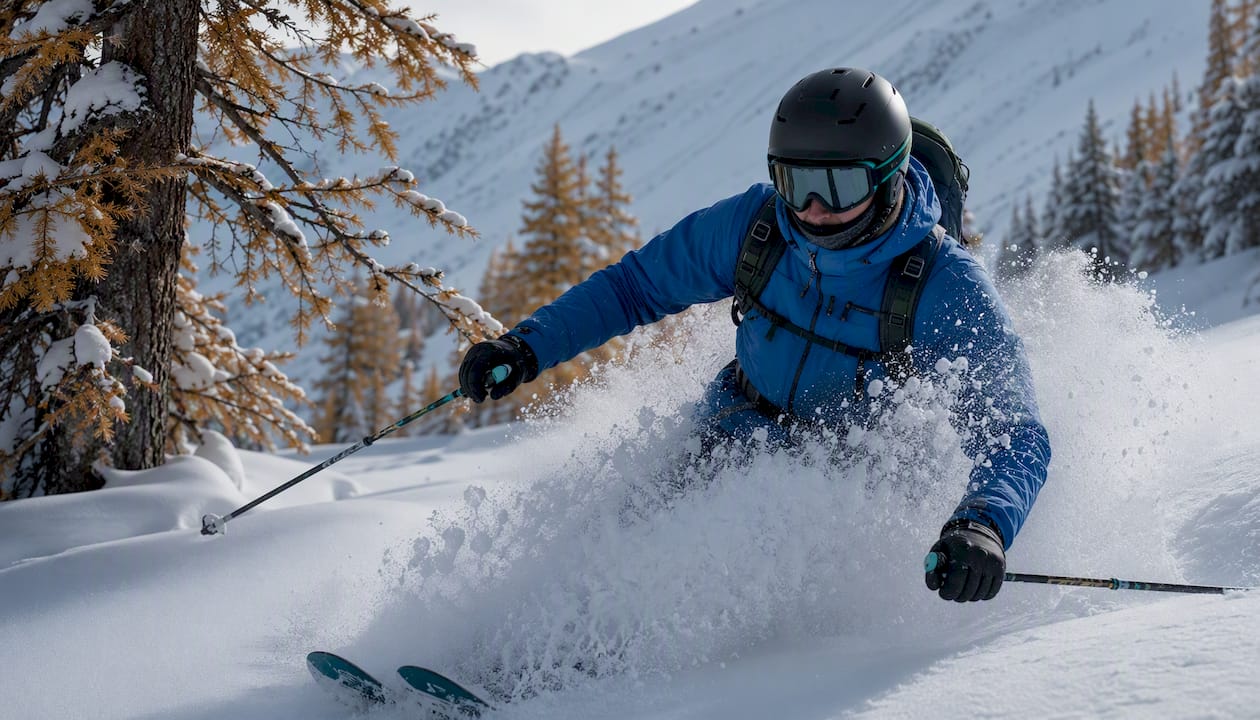
Learn how to ski deep powder with centred balance, smooth turns, speed control, practice steps, gear guidance, and avalanche and tree-well precautions.

Plan a mountain wellness retreat in Ridder with freeride, heli-skiing, snowmobiling, Ridder Lodge, Altai Banya and practical winter travel guidance.

A practical snowmobile gear list for UK travellers heading to Altai Mountains Resort, with clothing, safety equipment, battery and travel guidance.

Understand Ridder Lodge’s ski-in/snowmobile-out access, guided ski-day logistics, transfers from Öskemen and practical planning for your stay.
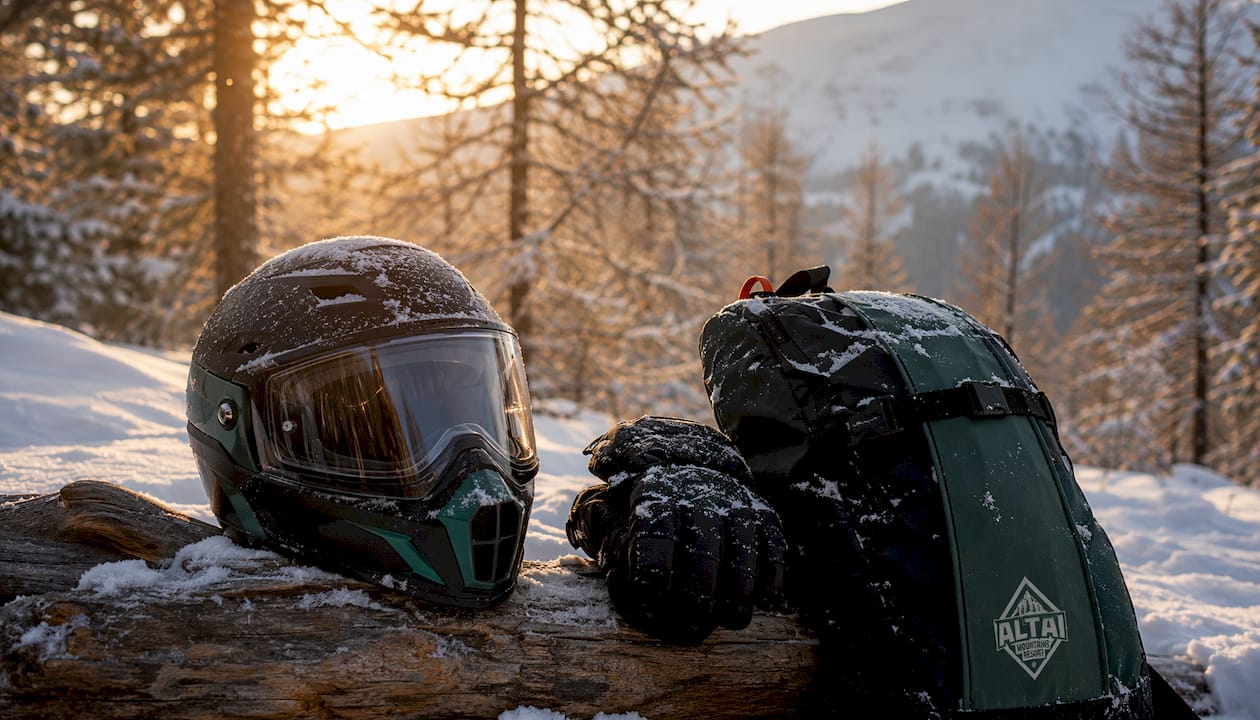
Prepare for a guided snowmobile ride with a practical gear checklist covering helmets, winter layers, avalanche equipment and cold exposure in Ridder.

A practical heli skiing guide to ability, avalanche equipment, packing, weather and planning your first trip to Kazakhstan.
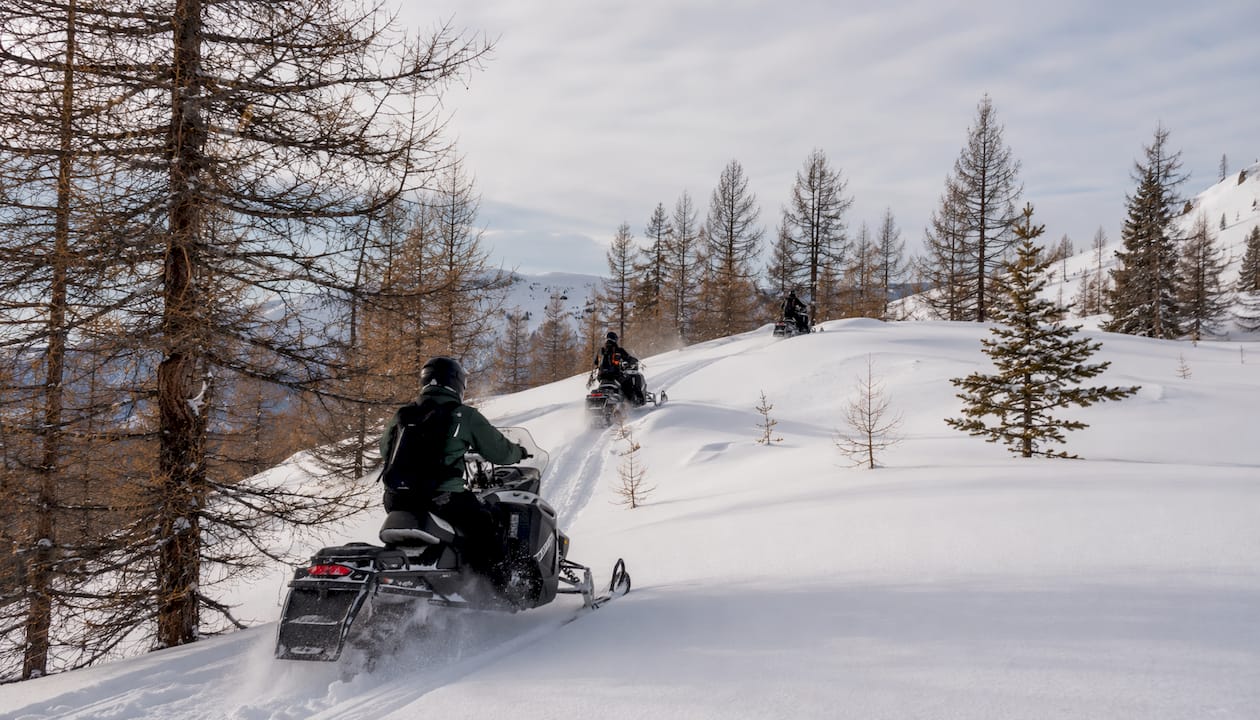
Plan guided deep snow snowmobiling in Ridder, with practical details on training, rentals, equipment, transfers and staying at Ridder Lodge.
How to choose Kazakhstan travel insurance for heli-skiing, cat-skiing or snowmobiling, including medical treatment and evacuation cover.
Kazakhstan visa requirements for UK visitors to Ridder, including visa-free limits, e-visas, passport rules, airports and Öskemen transfers.
Build strength, balance and endurance before cat-skiing, heli-skiing or snowmobiling with an adaptable six-to-eight-week ski fitness program.

Explore cold plunge benefits for skiers, from short-term soreness and recovery evidence to cold-shock risks, timing and Altai Banya options.

Understand heli skiing cost in 2026 with current operator examples, a total-budget checklist, and key booking, safety and insurance questions.