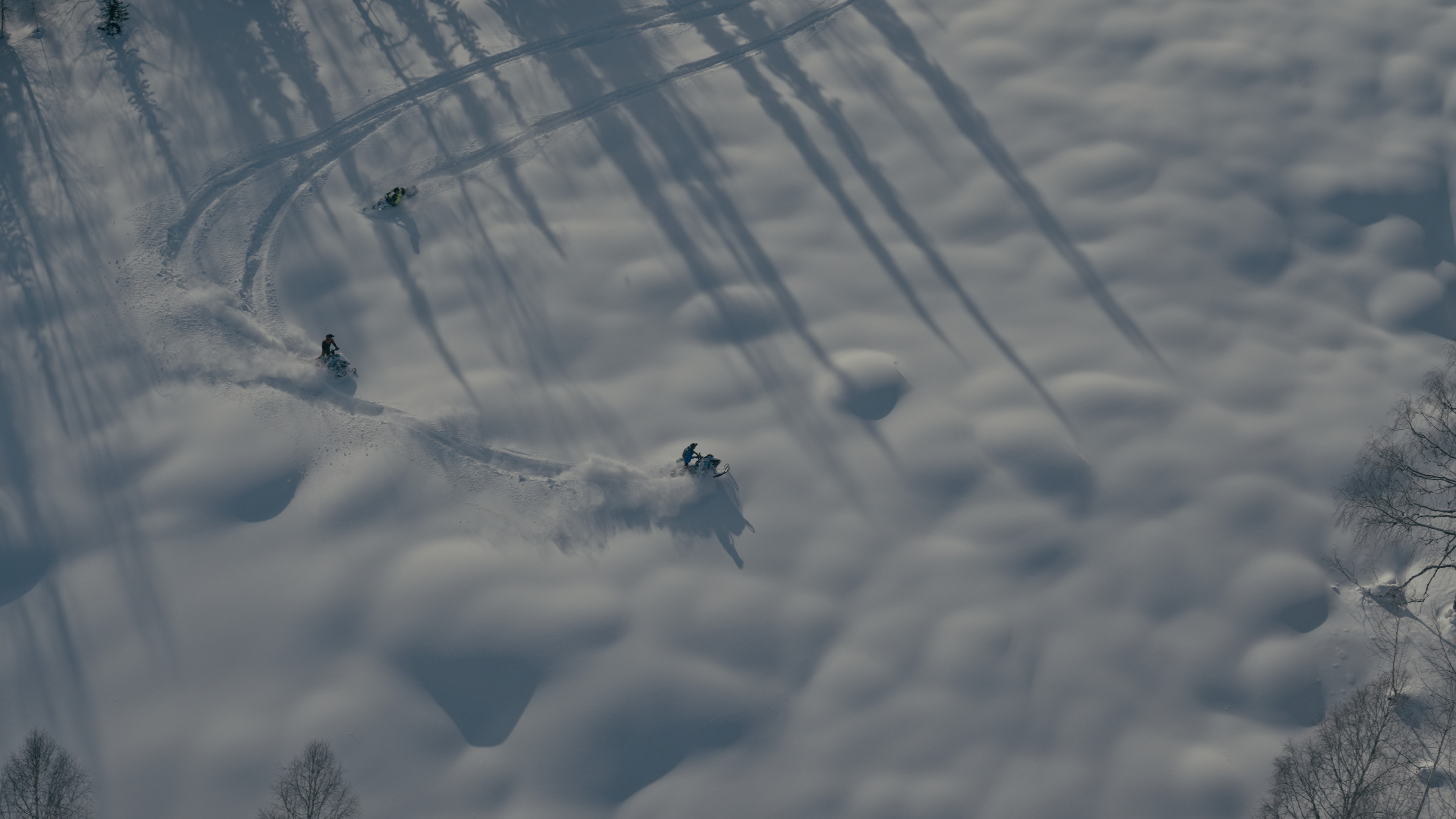
Learn how to ski deep powder with centred balance, smooth turns, speed control, practice steps, gear guidance, and avalanche and tree-well precautions.
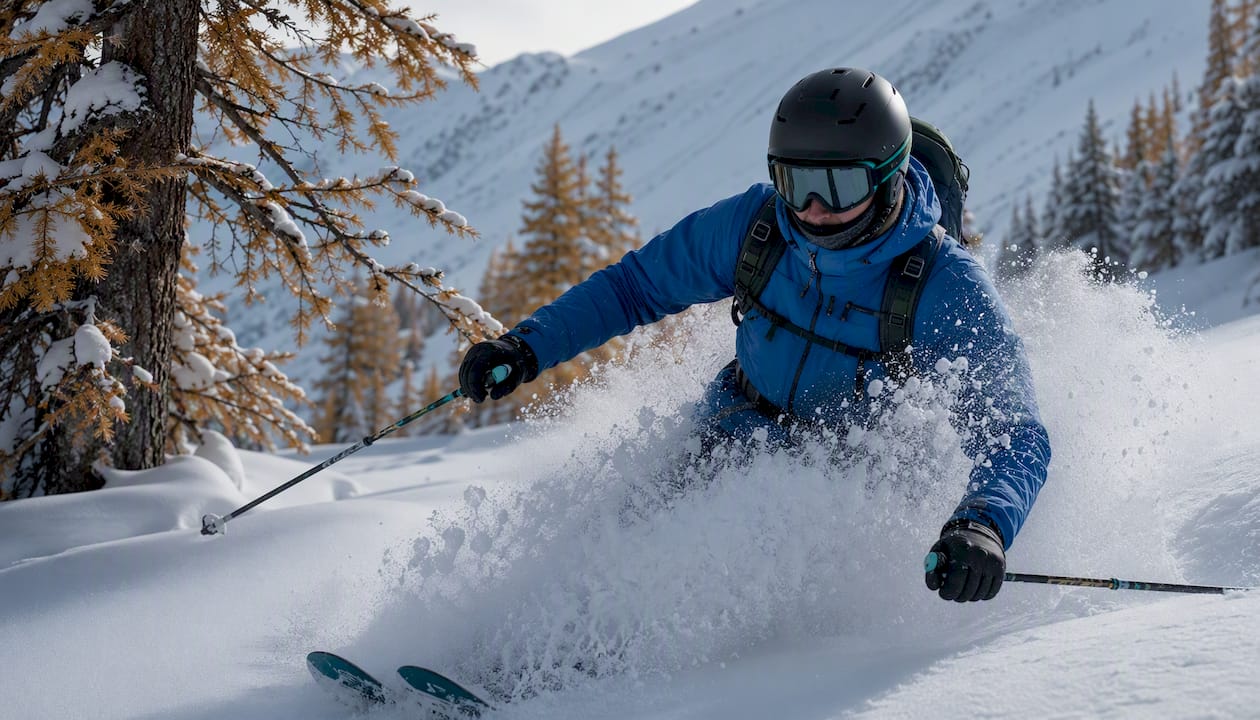
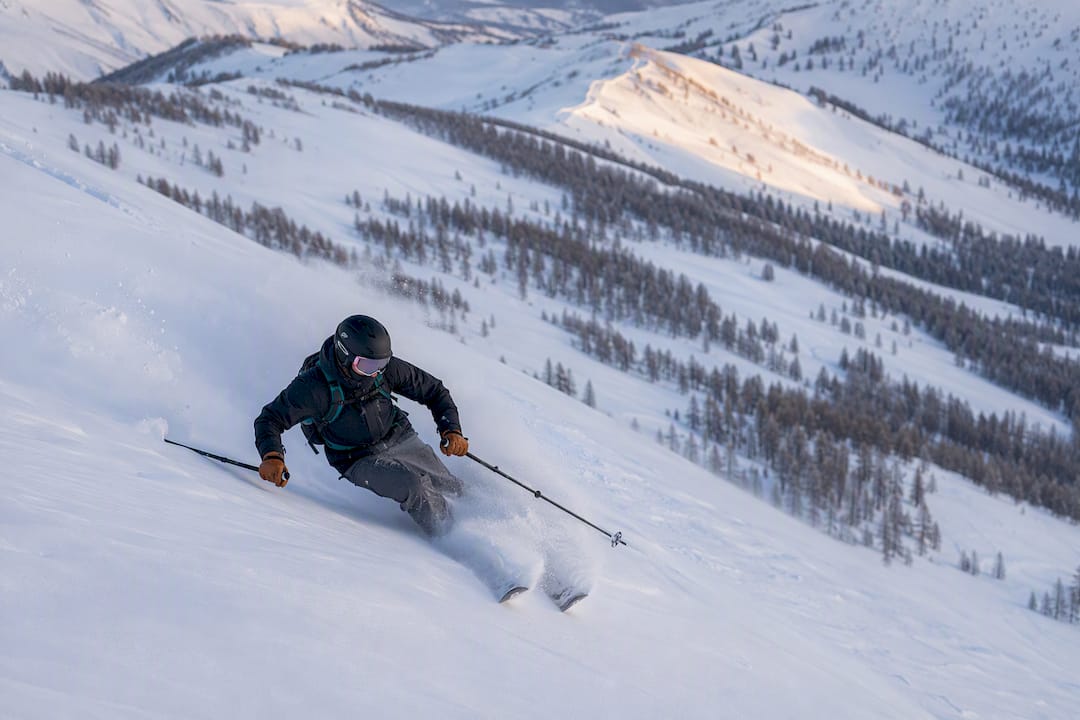
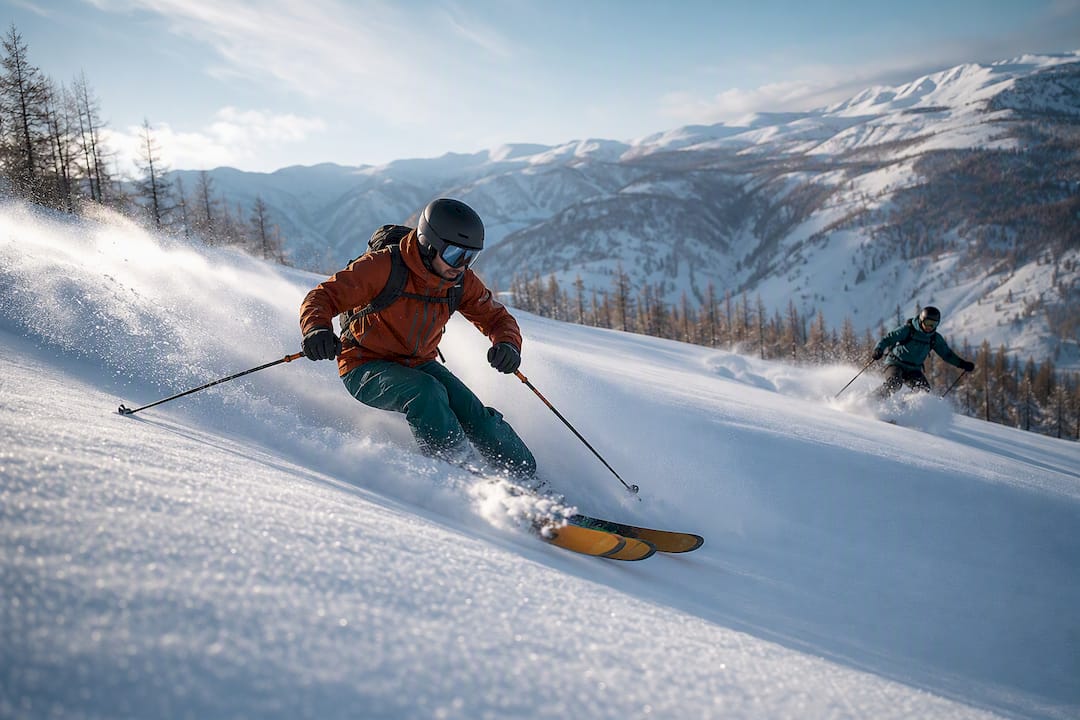
Deep powder skiing becomes easier when you stay centred, steer with your legs and carry enough momentum to link smooth, patient turns. Keep your stance comfortably narrow, flex through the ankles and knees, and guide the skis through crescent-shaped turns that remain closer to the fall line than typical piste turns.
Where you practise matters just as much as technique. Begin on open, managed terrain that is within your ability. Unmanaged avalanche terrain calls for local information, rescue equipment, training and disciplined group travel; technique alone is not preparation for it.
How to ski deep powder: the quick answer
Focus on five connected cues rather than trying to force each ski around:
Balance: stay centred over your feet rather than leaning deliberately onto the tails.
Stance: keep the skis comfortably close, but not locked together.
Movement: maintain flexed ankles, with your shins in contact with the fronts of your boots.
Steering: turn both legs beneath a relatively calm upper body.
Line: use flowing, crescent-shaped turns and preserve manageable momentum between them.
For a fuller breakdown, REI’s powder-skiing technique guide covers a narrower stance, flexed ankles, leg steering, sustained momentum and turns that spend more time near the fall line.
Treat these cues as a starting point rather than a rigid formula. Snow depth and density, slope angle, visibility and equipment all change how a turn feels. The aim is a stable rhythm with enough room to adapt.
Powder skiing technique: balance, stance and turn shape
Build a centred platform
Many skiers respond to deep snow by leaning back to lift the ski tips. That position quickly tires the legs and makes it harder to react when the snow changes. A centred stance gives both skis room to bend and move through the snow together.
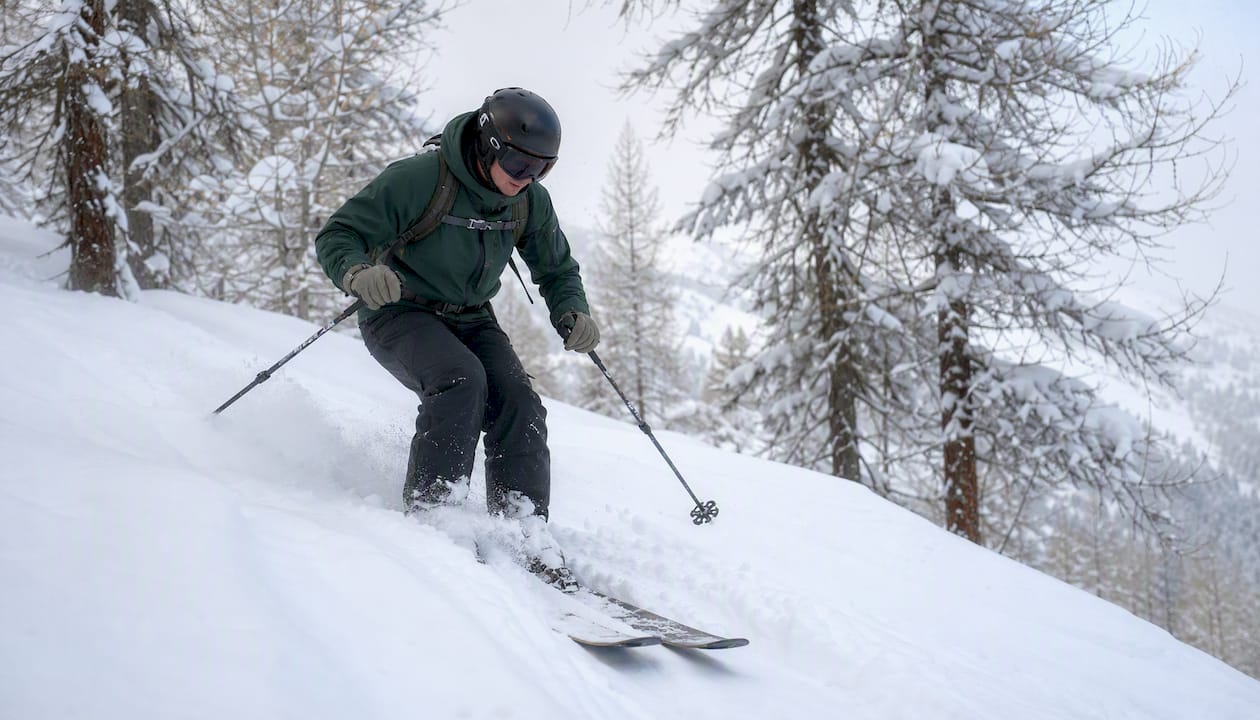
Start with soft ankles and knees. Feel your shins against the boot fronts without forcing your hips forward. Keep the distance between your feet natural and slightly narrower than you would for strong edge-to-edge piste turns. The skis should work as a pair while each leg remains free to absorb changes beneath the snow.
Steer from the legs
Powder turns rely less on a sharp edge set and more on progressive steering. Turn the legs beneath the pelvis while keeping the upper body composed and generally facing along the route. If the shoulders swing into every turn, balance tends to move from side to side instead of remaining over the skis.
A light pole touch can help with timing, but it should not pull the body around. Think of the pole movement as punctuation between turns: small, timely and secondary to the work of the legs.
Let the turn develop
In deep snow, the skis take time to change direction. Guide them into the turn, allow pressure to build, then release it smoothly into the next arc. The flex-and-extend movement is usually subtle: flex as the skis complete one turn, then lengthen the legs enough to lighten them for the next.
A crescent-shaped line helps preserve motion without pointing straight downhill indefinitely. There is no single correct radius. Use the slope, available space and snow consistency to choose a shape you can repeat without rushing.
How to manage speed in deep snow
Momentum helps skis move through powder, but keeping your speed up should never mean accelerating beyond your control. Aim for enough motion for the skis to respond while leaving ample time and space to alter the line.
Look beyond the next turn. Identify an open line, a clear exit and a suitable stopping area before committing.
Use turn shape progressively. Stay nearer the fall line when you need more momentum, then guide the skis farther across the slope to moderate speed.
Avoid rushing the transition. Complete one turn before starting the next. A steady count can help establish rhythm.
Protect momentum before flatter ground. Choose a slightly more direct line early rather than trying to accelerate after the skis have bogged down.
If speed begins to feel uncomfortable, make the next movements calmer and shape the turn gradually across the slope. A sudden piste-style brake can disrupt your balance in deep snow. Finish in the open stopping area you identified rather than adding hurried turns.
A safe practice progression for powder skiing
A useful progression starts on familiar terrain and adds one challenge at a time. There is no need to attach a fixed schedule to it. Some skiers settle into powder movement quickly, while others benefit from repeating the first stages over several days.
Warm up on a groomed run. Practise flexed ankles, a quiet upper body and smooth leg steering. Use ordinary linked turns rather than exaggerated jumps or hops.
Move to shallow, managed soft snow. Choose open terrain with a clear runout. Concentrate on staying centred and allowing both skis to turn together.
Work on rhythm. Link several turns at a consistent tempo. If one cue is enough, use “flex, lengthen, steer” rather than trying to monitor every body position.
Vary the turn shape. Experiment with slightly more direct and slightly rounder lines while remaining at a manageable speed.
Add depth or pitch gradually. Increase only one variable at a time, and return to easier terrain when fatigue begins to affect balance.
A ski instructor can see stance and timing from outside, where problems are often easier to identify. For avalanche terrain, pair technical confidence with practical education and appropriate local guidance.
Deep powder safety: tree wells and avalanche terrain
Deep snow and trees
Loose snow around trees presents a hazard distinct from an ordinary fall. The National Ski Areas Association’s deep-snow guidance warns that tree-well and deep-snow immersion can immobilise and suffocate a skier or rider. It recommends travelling with a partner who remains within viewing distance.
In deep snow near trees, genuine visual contact matters more than simply agreeing to meet at the bottom. Decide where the group will stop, give trunks and low branches generous space, and follow local closures and patrol instructions.
When the route enters avalanche terrain
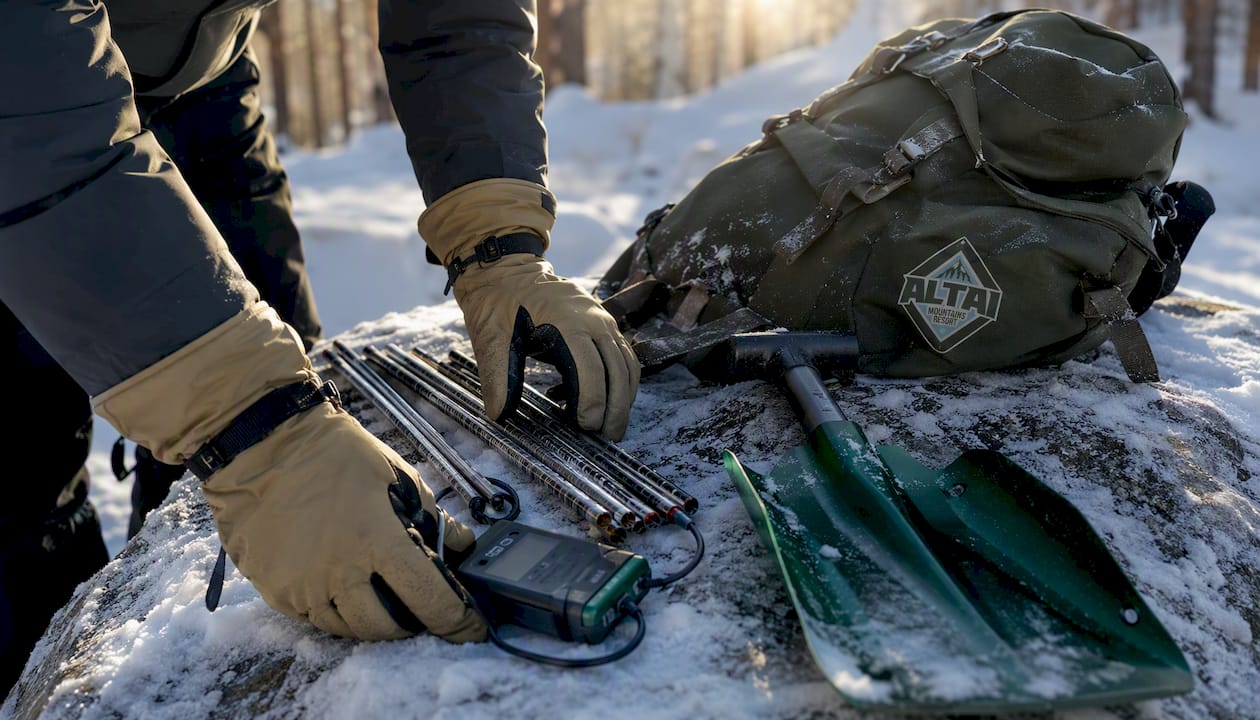
A lift or snowcat does not automatically make the terrain managed. Avalanche.org’s lift-accessed backcountry guidance advises treating this terrain like other backcountry: review the local avalanche forecast, carry an avalanche transceiver, shovel and probe, travel with a capable partner, and move one at a time through avalanche terrain.
Rescue equipment is useful only when the group knows how to use it. Obtain practical avalanche education, follow guide or operator instructions, and use communication and spacing suited to the day’s terrain. Existing tracks are not a reason to cross a boundary or enter a route.
These are general pointers. On the mountain, follow current conditions, local procedures and your guide’s instructions.
Choosing gear for deep powder
Powder equipment should suit the skier, boots, terrain and actual snow conditions. Fixed width, flex or binding numbers can be misleading without that context, so describe your plans clearly to a rental specialist or ski technician.
Topic | Useful details to share | Aim |
|---|---|---|
Skis | Your ability, expected snow and preferred terrain | A manageable design with suitable flotation and turn behaviour |
Boots | Fit, experience level and any pressure or control problems | Secure support without restricting normal ankle movement |
Bindings | Your boots and the skier details required by the technician | A compatible setup prepared for the individual skier |
Poles | Terrain and snow depth | An appropriate length with baskets suited to soft snow |
Rescue equipment | Whether the itinerary enters avalanche terrain and the operator’s requirements | Compatible equipment and the knowledge needed to use it |
Do not copy another skier’s binding setup or alter settings using an online rule of thumb. If you are renting, find out what the rental covers, whether the equipment is prepared on site and which personal items you need to bring.
Guided cat-skiing and heli-skiing at Altai Mountains Resort
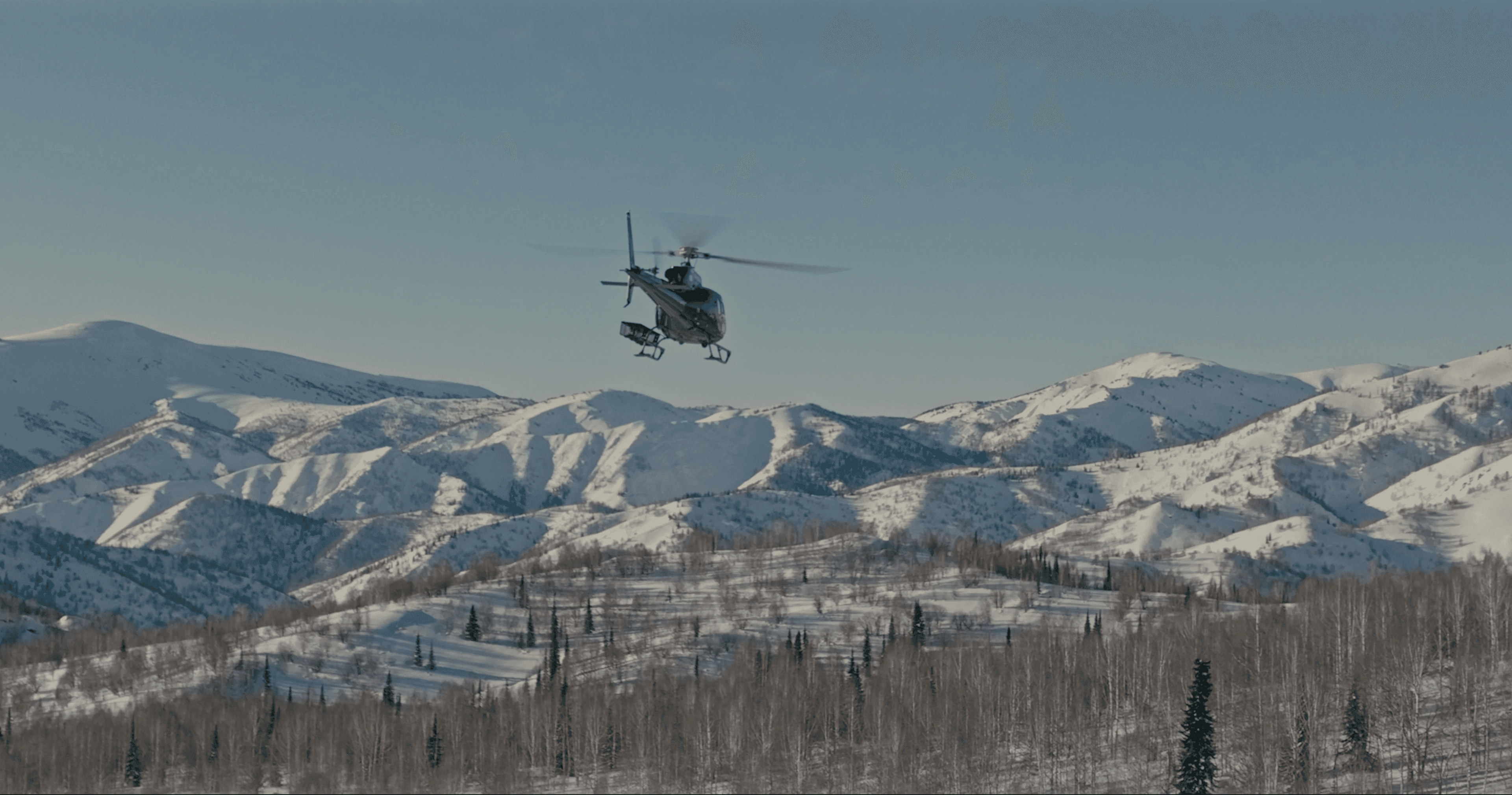
At Altai Mountains Resort in Ridder, we offer guided cat-skiing and freeriding and heli-skiing in the Western Altai. Cat-skiing uses snowcat access, while heli-skiing uses helicopter access for ski descents. Both are backcountry activities rather than substitutes for learning the fundamentals on managed terrain.
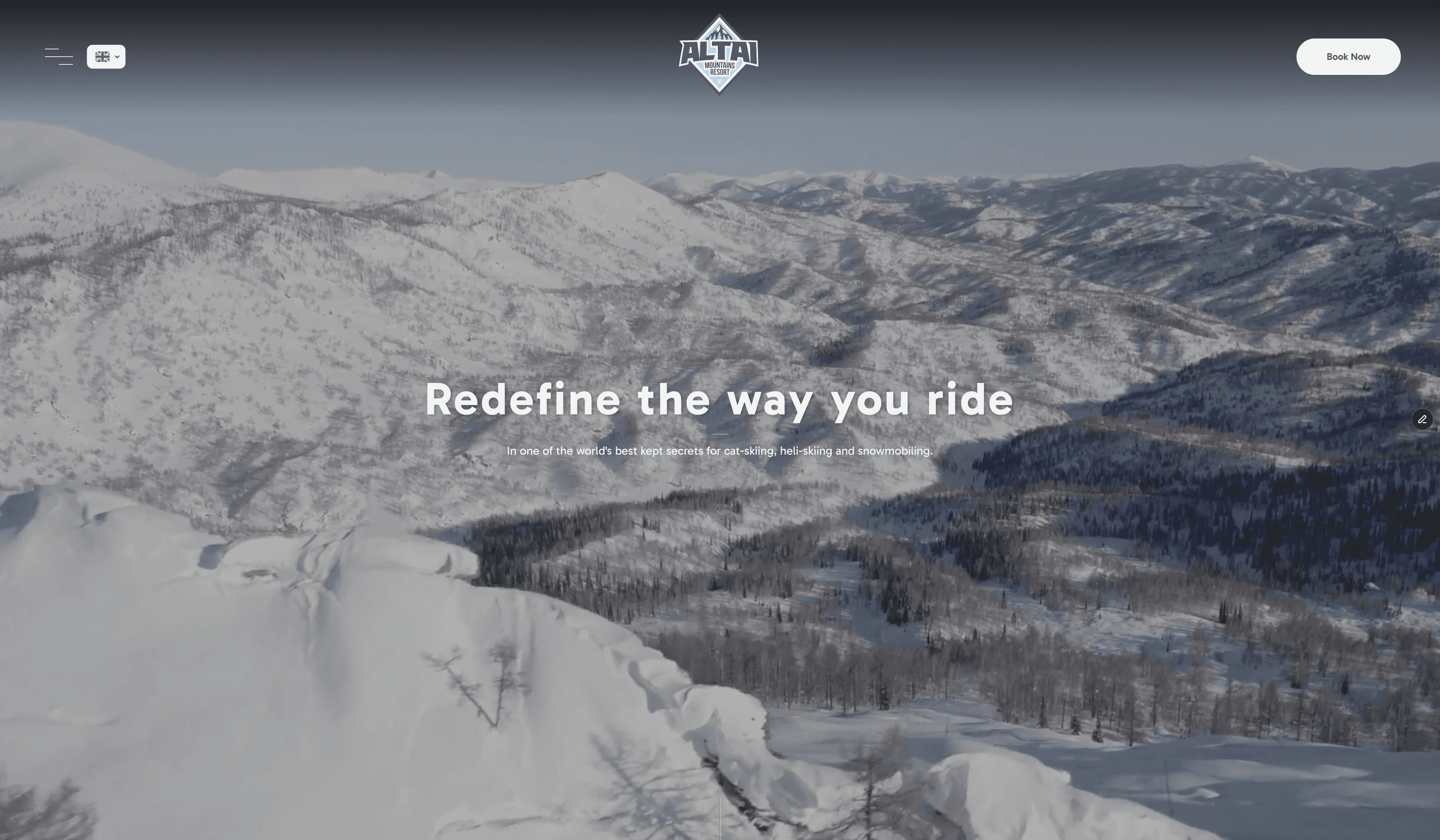
The guiding arrangements and avalanche-safety equipment for your trip depend on the specific activity format. Suitability requirements, operating dates, equipment, accommodation, meals and other inclusions also vary by activity, package, conditions and season. If technique coaching is important to you, ask our team whether it is available in your chosen programme.
Planning travel to Ridder, Kazakhstan
Altai Mountains Resort is in Ridder, East Kazakhstan. The road journey from Öskemen is around 120 kilometres and 1.5–2 hours, although timing is indicative. Ask our team about a private road transfer, which is an option rather than part of every stay or activity.
Accommodation is available at Ridder Lodge. Kazakhstan’s entry rules vary by nationality and passport type, so read the current Kazakhstan government visa guidance for the rule that applies to your documents.
Once you have preferred dates, tell our booking team your group size, skiing background and whether you are interested in cat-skiing or heli-skiing. We can talk you through suitability, current package details, equipment arrangements, Ridder Lodge availability and transfer options. Begin on the booking page so we can help organise the practical parts of your journey to Ridder.
All Articles
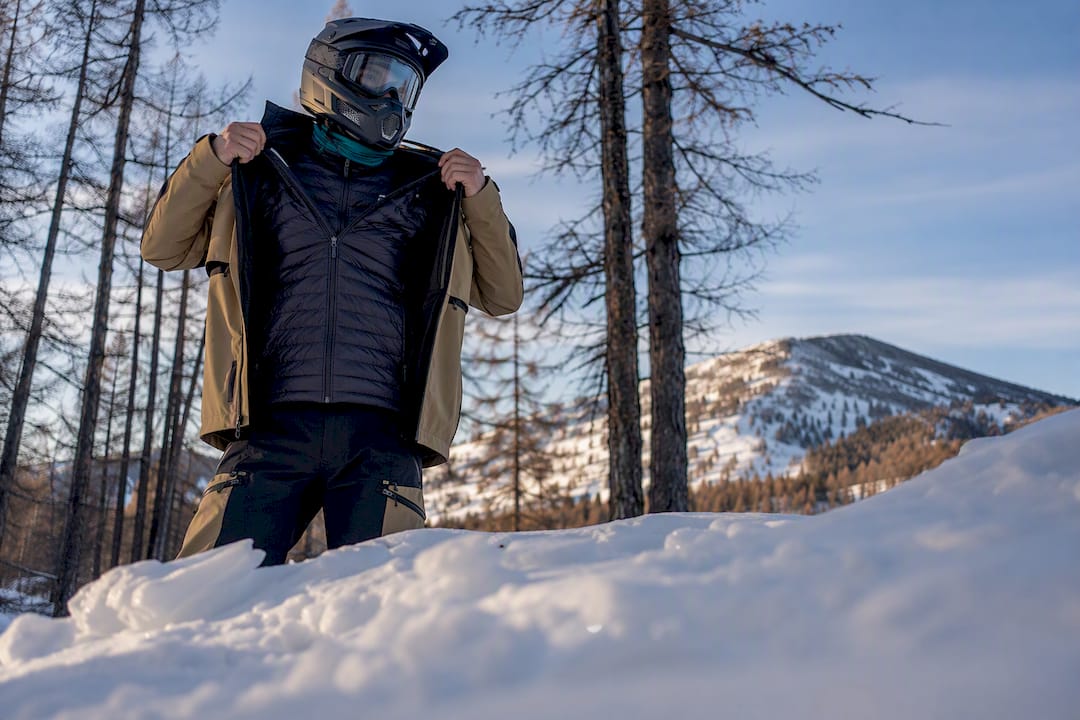
Use this snowmobile layering guide to build a flexible base, insulation and shell system, manage moisture and pack dry spares for changing conditions.

Learn what to rent for avalanche terrain, how to prepare a beacon, probe and shovel, and what to know about airbag packs and flights.
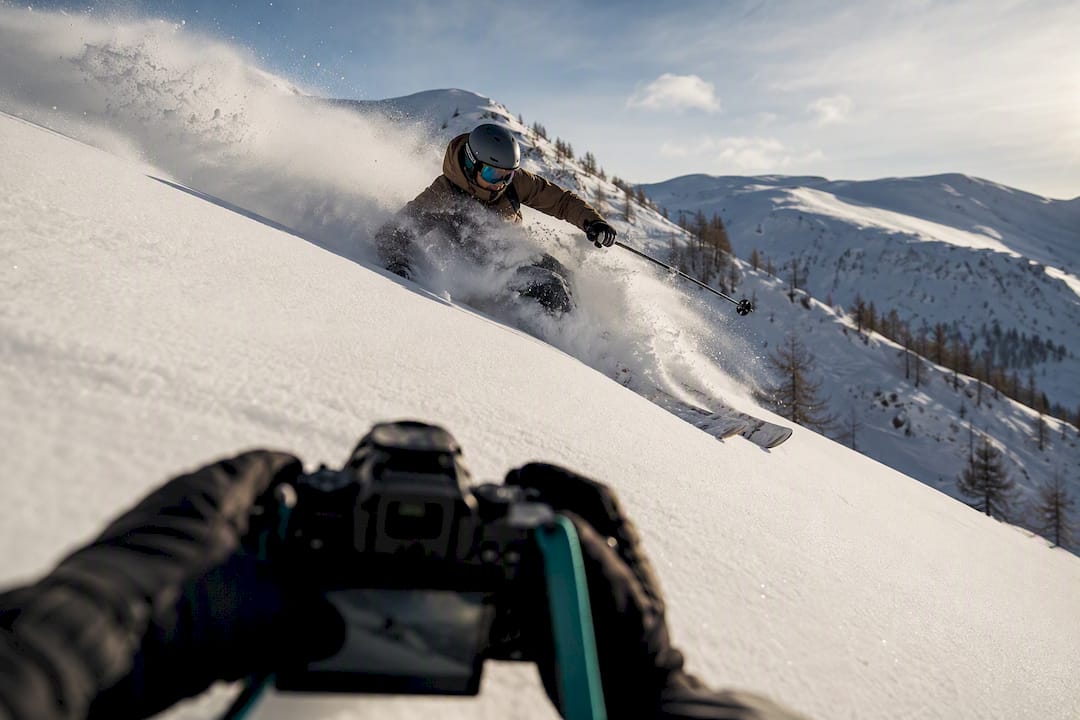
Practical ski photography tips for beginners: camera settings, snow exposure, timing, cold-weather camera care and safe mountain positioning.

Learn how to read an avalanche forecast, interpret danger ratings, roses and avalanche problems, and plan more conservative terrain choices.
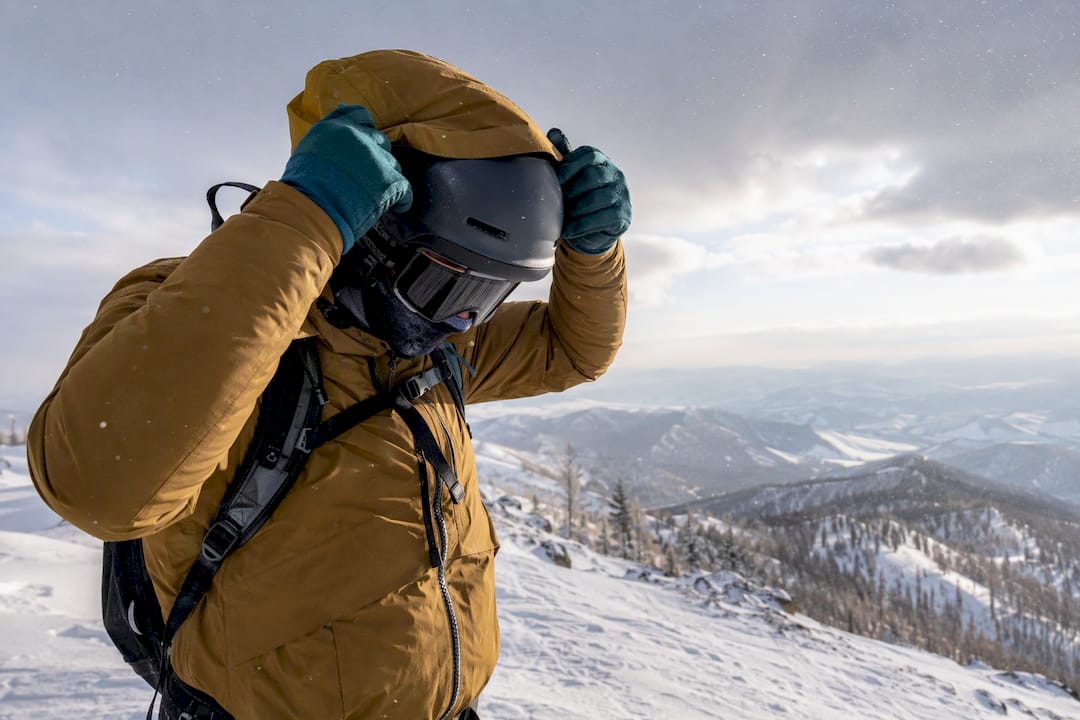
Practical cold injury prevention for winter travel: layering, dry spares, warning signs, first aid and planning for mountain activities.
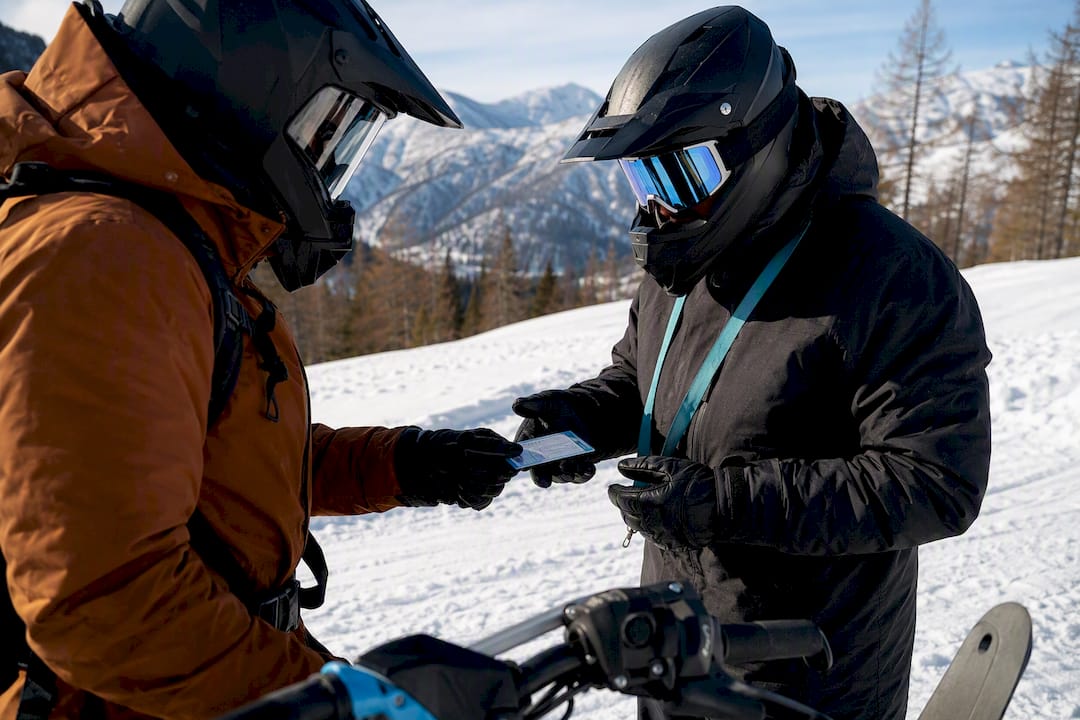
Planning snowmobiling in Ridder? Understand how experience, training, equipment and Kazakhstan rules shape your trip with Altai Mountains Resort.
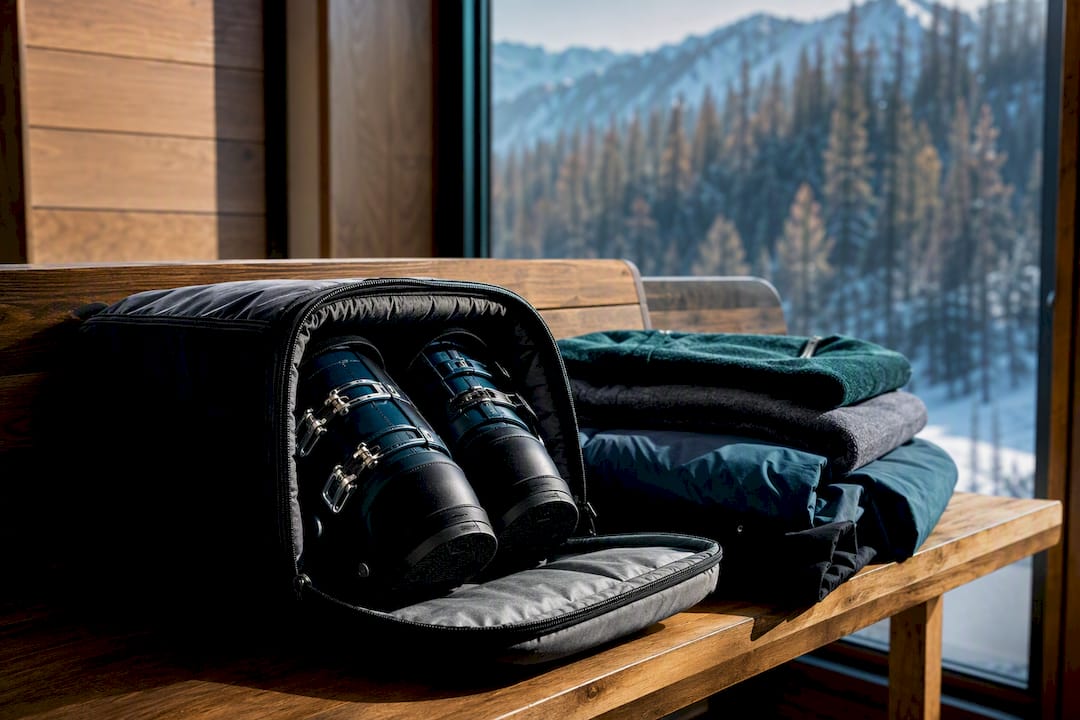
Travel with ski gear confidently: carry boots when cabin rules allow, pack skis securely, understand airline baggage rules and prepare for delays.
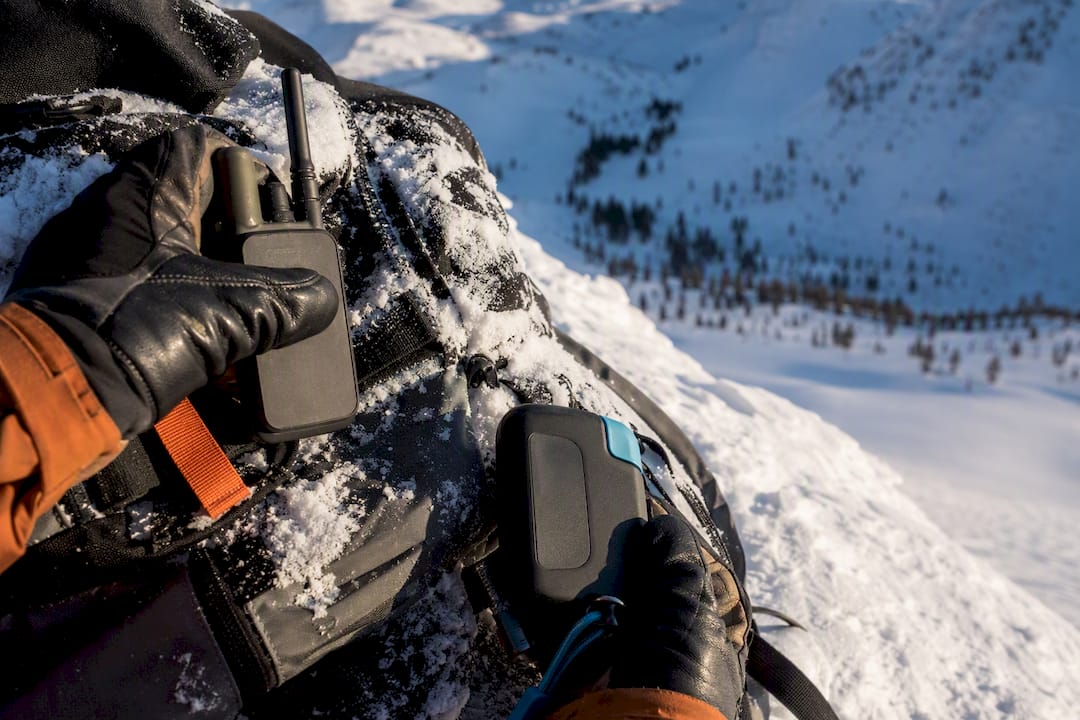
Build a practical backcountry radio communication plan with party radios, satellite SOS or PLB backup, cold-weather care and regional legal essentials.

Satellite messenger basics for remote Altai trips: compare PLBs and two-way devices, understand SOS limits, and prepare your communications plan.
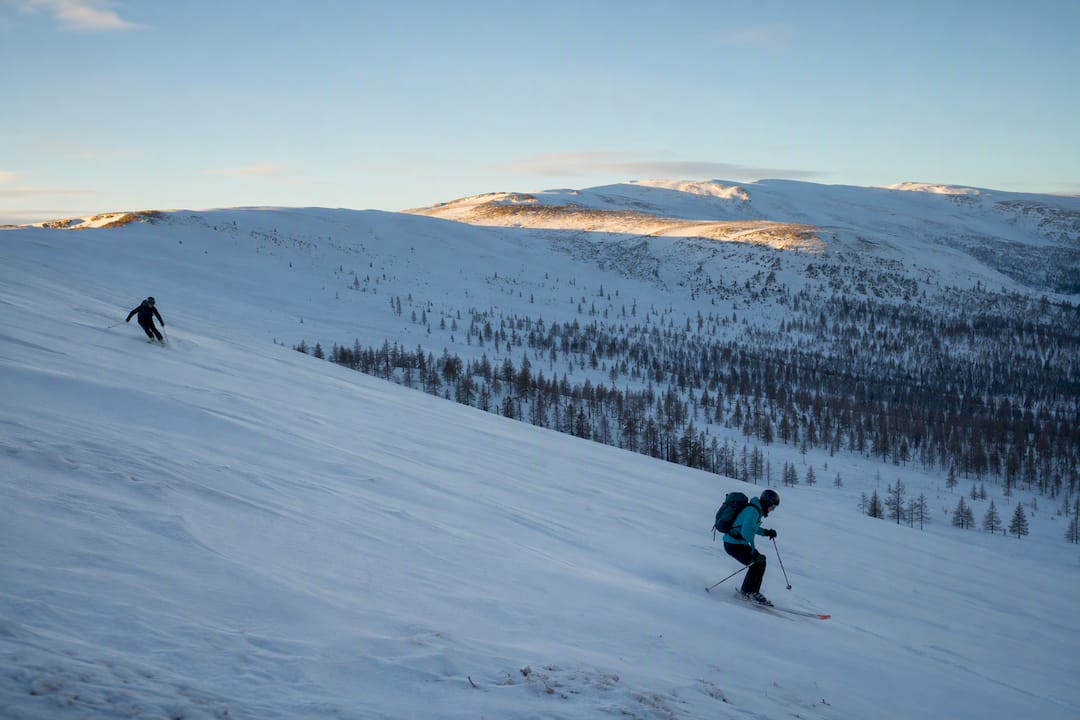
Avoid ski crowds with flexible dates, midweek skiing, early starts and smarter lift choices. Explore guided off-piste options near Ridder.

Learn how heli-skiing passenger weight and baggage rules differ by operator, with practical packing steps and Altai Mountains Resort booking guidance.
Understand the cat skiing skill level needed for Altai Mountains Resort, with practical guidance on off-piste ability, fitness and avalanche readiness.
Decide whether Ridder suits your advanced Altai ski trip, with practical guidance on transfers, season timing, avalanche gear and guided programmes.
Compare snowmobile tour prices by duration, understand what shapes the final cost, and explore quote-based snowmobiling at Altai Mountains Resort.
Compare Western Altai, Almaty and Turgen for Kazakhstan powder skiing, with practical guidance on access, safety and Ridder logistics.

Plan Altai heli skiing near Ridder with practical guidance on terrain, season, package inclusions, access, safety gear and booking.
Compare flight, rail and self-drive routes from Almaty to the Kazakh Altai, with practical guidance for reaching Ridder and Ulba village.

Learn deep powder snowmobiling setup, riding technique, safe recovery and avalanche preparation, plus guided training near Ridder.
Plan an Altai Mountains winter stay from Ridder, with activity timing, travel from Öskemen, packing advice and practical mountain guidance.

Practical helicopter passenger safety guidance on boarding, seatbelts, exits, dropped items and following crew instructions.

Practical off-piste slope etiquette for safer skiing: right of way, avalanche preparation, group spacing, closures and guided skiing in the Western Altai.

Plan an Altai Mountains trip across Russian, Mongolian and Kazakh sectors, with permit, safety and winter-stay guidance for Ridder Lodge.
Learn how to plan guided freeride tours, from off-piste experience and avalanche gear to guide scope, changing mountain conditions and cat-skiing in the Altai.
Learn avalanche beacon basics: 457 kHz transceivers, essential rescue gear, trailhead checks, interference and companion-rescue practice.

Learn which avalanche course suits your plans, what companion-rescue skills to practise and how to prepare for a winter trip to Altai.
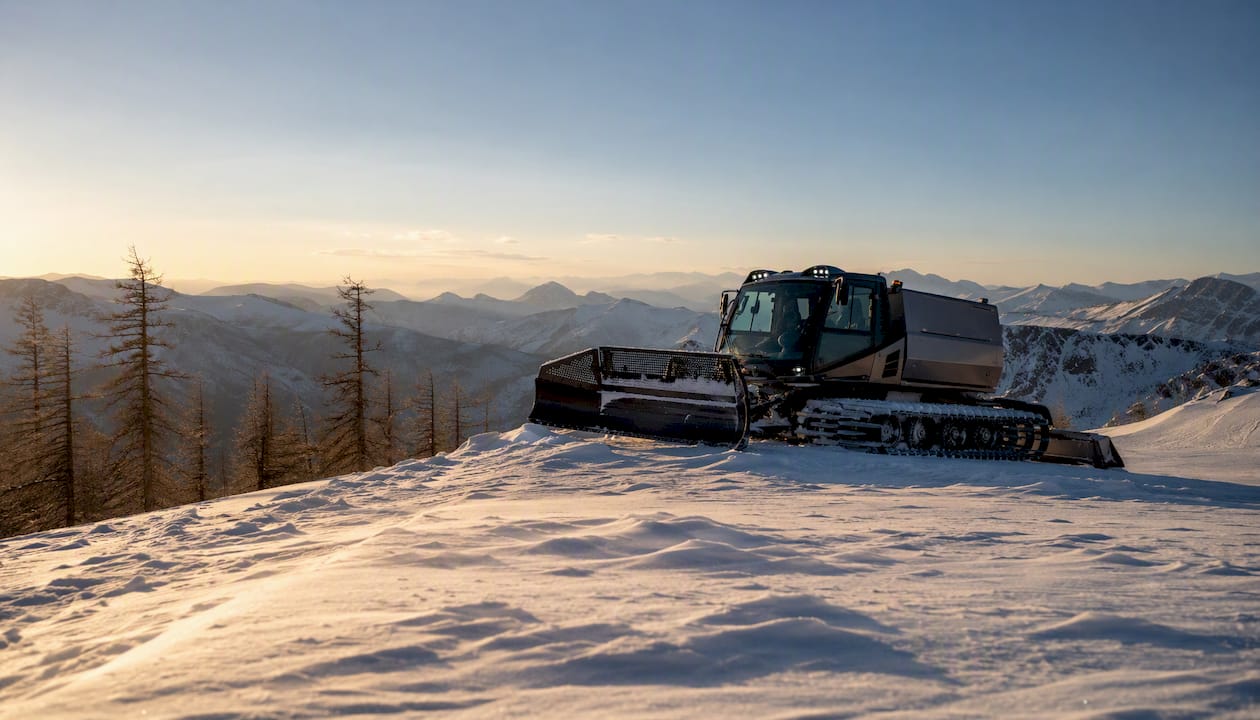
Learn what cat skiing is, who it suits, what to pack and how to plan a guided cat-skiing trip, including options near Ridder, Kazakhstan.
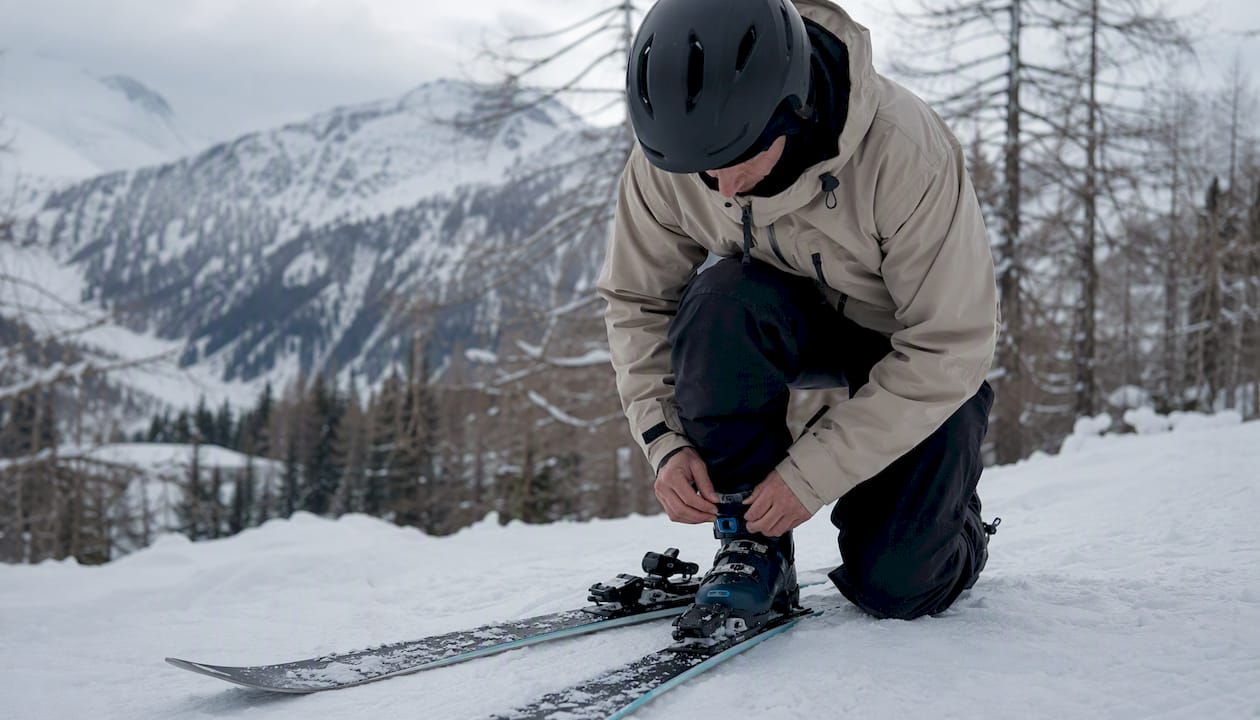
A practical ski rental Kazakhstan guide to Shymbulak and Medeu, current tariffs, equipment fit, transport and guided freeride near Ridder.

Understand ski guide benefits for freeride and backcountry trips, including local planning, terrain choices, qualifications, safety gear and access options.

Plan a snowmobile expedition near Ridder, Kazakhstan, with practical guidance on routes, rider experience, equipment, mountain safety and transfers.
Use this mountain lodge amenities checklist to compare rooms, meals, wellness access, transfers, activities and paid extras before booking.
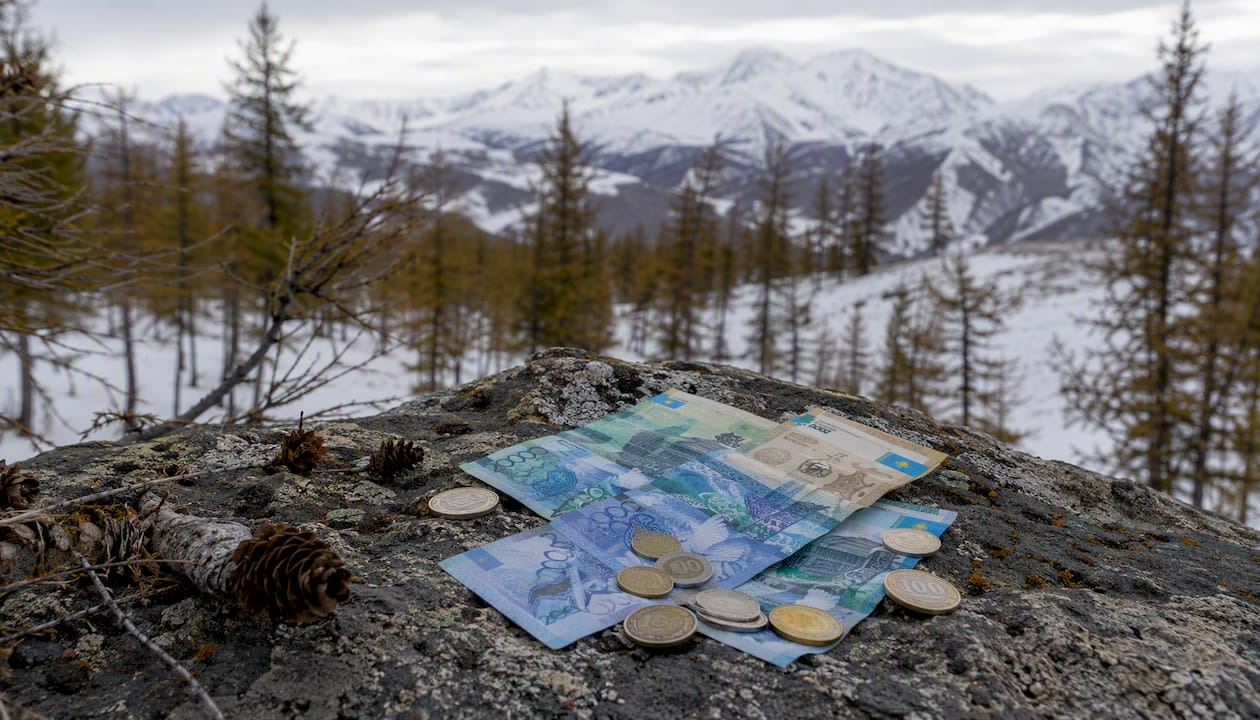
A practical Kazakhstan currency guide to the tenge, cards, ATMs, currency exchange, DCC and cash planning for cities and the Western Altai.
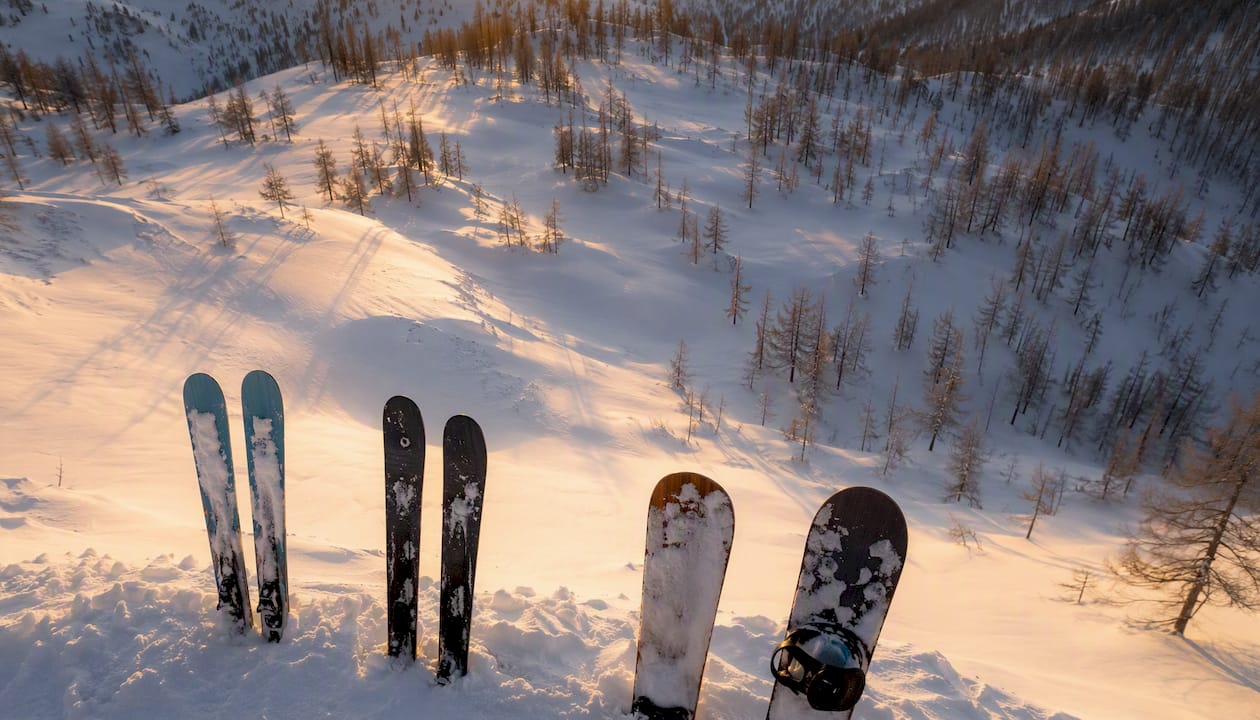
Plan the Kazakhstan ski season by month, compare lift-served Shymbulak with guided trips around Ridder, and prepare for changing snow and mountain conditions.
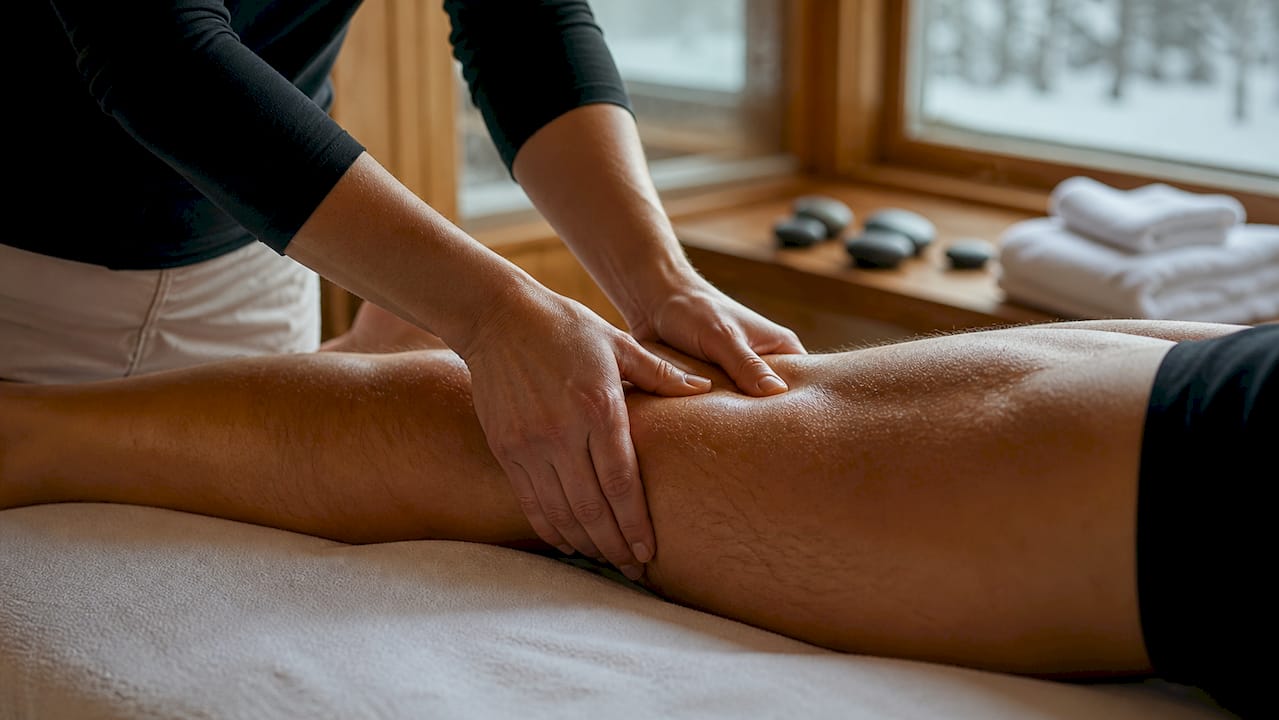
A practical guide to spa after skiing, including gentle massage, sauna and hammam, optional cold immersion and signs that need medical attention.
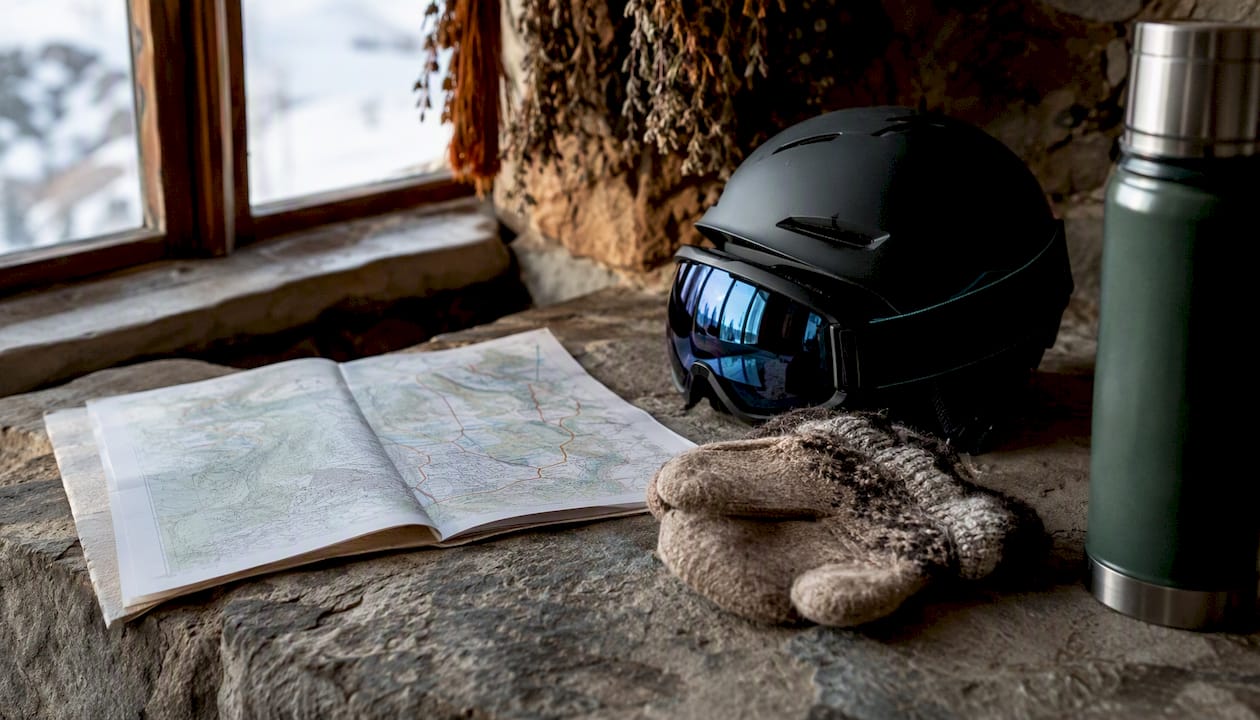
Plan a remote ski trip from the UK to Ridder, with practical guidance on activities, Kazakhstan entry, Öskemen transfers, insurance and ski baggage.
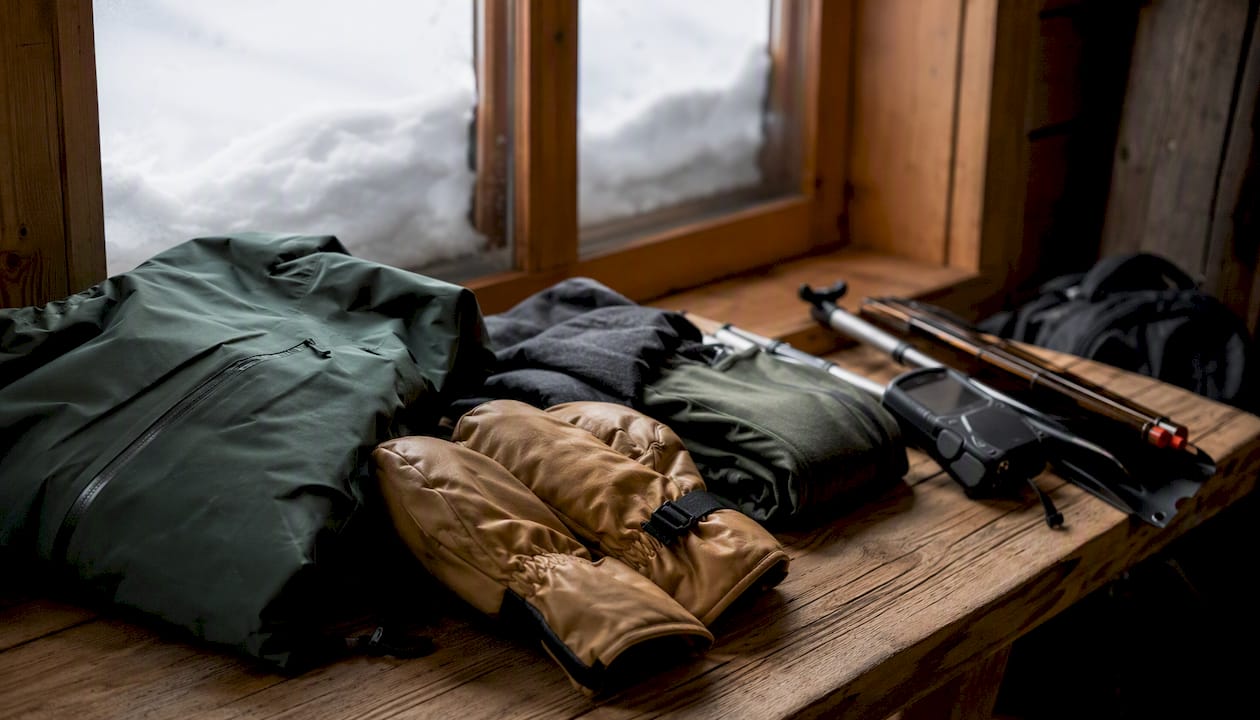
A practical heli skiing packing list covering clothing, avalanche equipment, ski baggage, batteries, travel documents and rental options.
A practical UK guide to ski boot fitting: appointment steps, services, current provider price examples, aftercare and warning signs.
Should you tip a ski guide? Learn how customs vary, when a gratuity may feel appropriate and how to plan for tipping in Kazakhstan.
An Altai cuisine guide to kan, kurut, chegen and talkan, with dining at Restaurant Altai, food safety and travel from Öskemen to Ridder.
Compare banya vs sauna: heat, steam, venik and löyly rituals, etiquette, health evidence, safety basics and the Altai Banya experience.
Learn how to ski deep powder with centred balance, smooth turns, speed control, practice steps, gear guidance, and avalanche and tree-well precautions.

Plan a mountain wellness retreat in Ridder with freeride, heli-skiing, snowmobiling, Ridder Lodge, Altai Banya and practical winter travel guidance.

A practical snowmobile gear list for UK travellers heading to Altai Mountains Resort, with clothing, safety equipment, battery and travel guidance.

Understand Ridder Lodge’s ski-in/snowmobile-out access, guided ski-day logistics, transfers from Öskemen and practical planning for your stay.
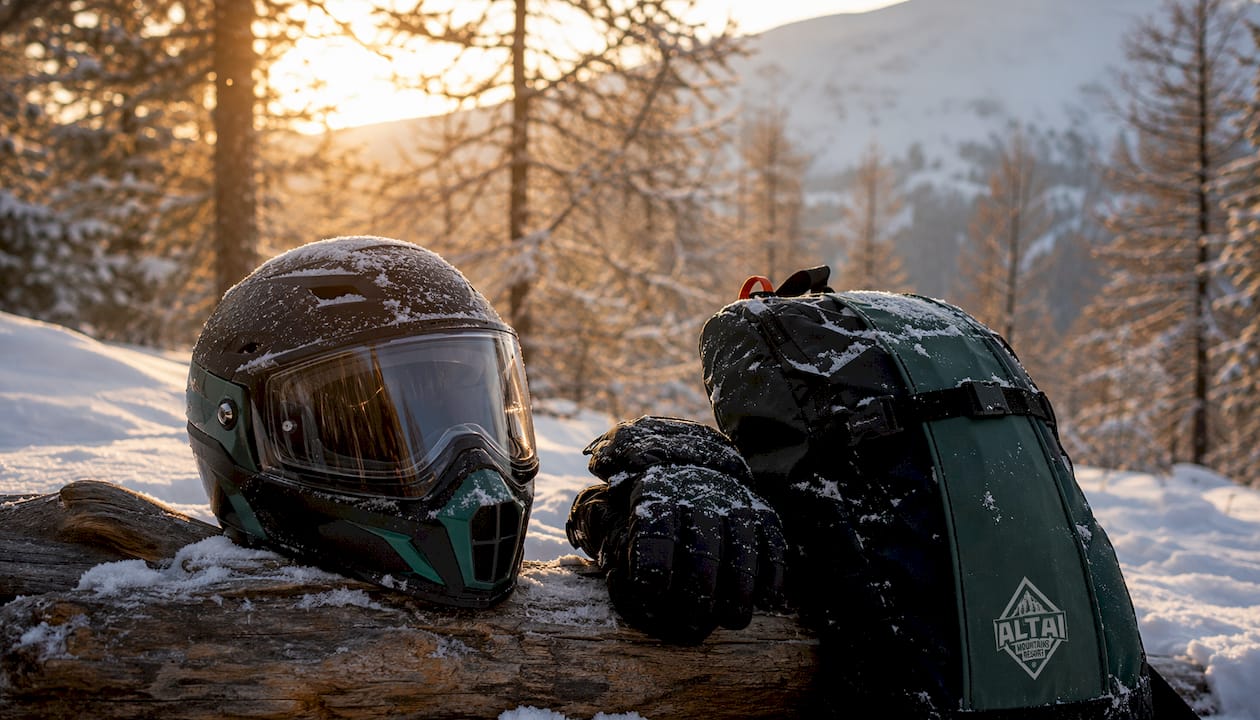
Prepare for a guided snowmobile ride with a practical gear checklist covering helmets, winter layers, avalanche equipment and cold exposure in Ridder.

A practical heli skiing guide to ability, avalanche equipment, packing, weather and planning your first trip to Kazakhstan.
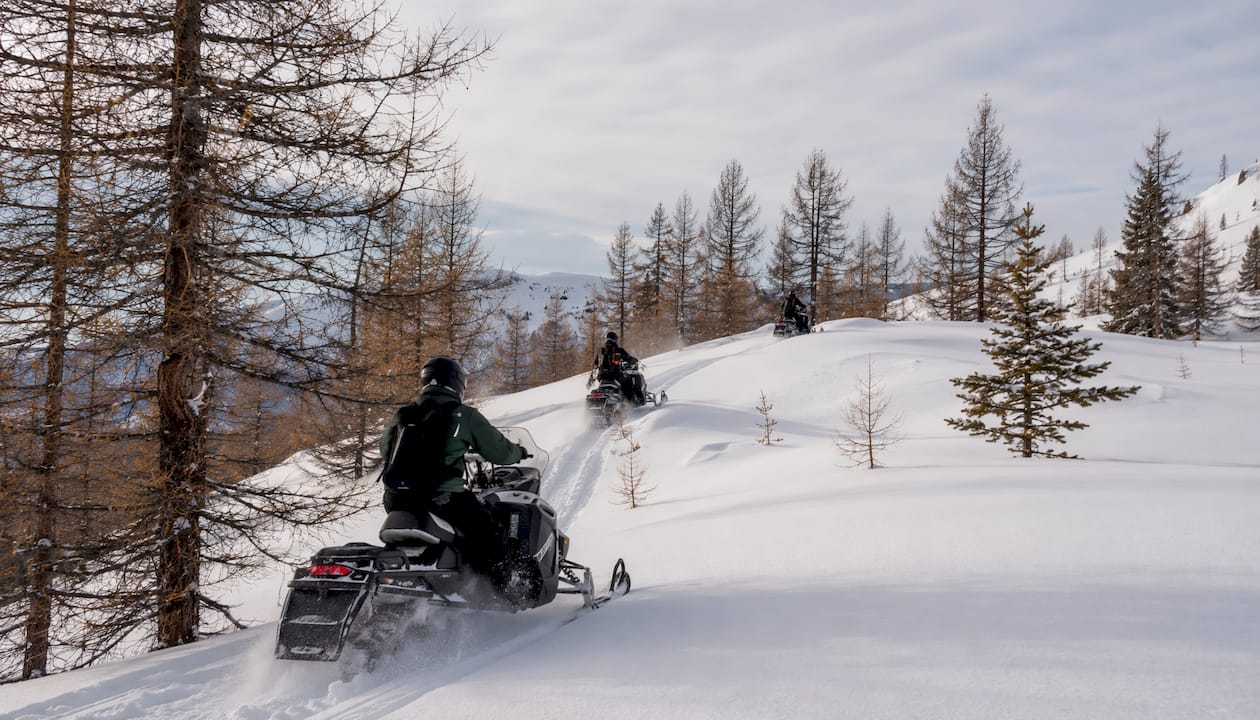
Plan guided deep snow snowmobiling in Ridder, with practical details on training, rentals, equipment, transfers and staying at Ridder Lodge.
How to choose Kazakhstan travel insurance for heli-skiing, cat-skiing or snowmobiling, including medical treatment and evacuation cover.
Kazakhstan visa requirements for UK visitors to Ridder, including visa-free limits, e-visas, passport rules, airports and Öskemen transfers.
Build strength, balance and endurance before cat-skiing, heli-skiing or snowmobiling with an adaptable six-to-eight-week ski fitness program.

Explore cold plunge benefits for skiers, from short-term soreness and recovery evidence to cold-shock risks, timing and Altai Banya options.

Understand heli skiing cost in 2026 with current operator examples, a total-budget checklist, and key booking, safety and insurance questions.