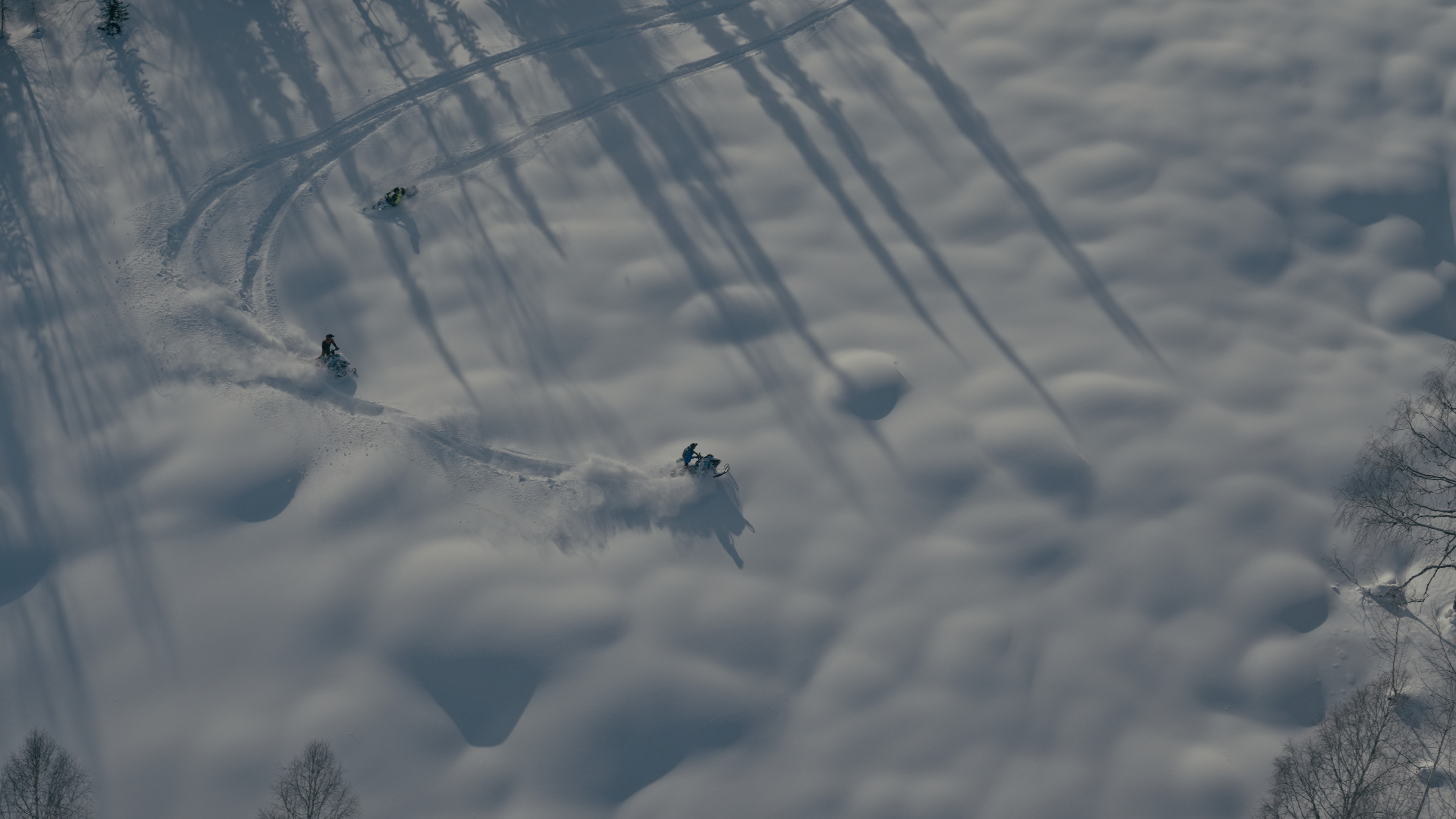
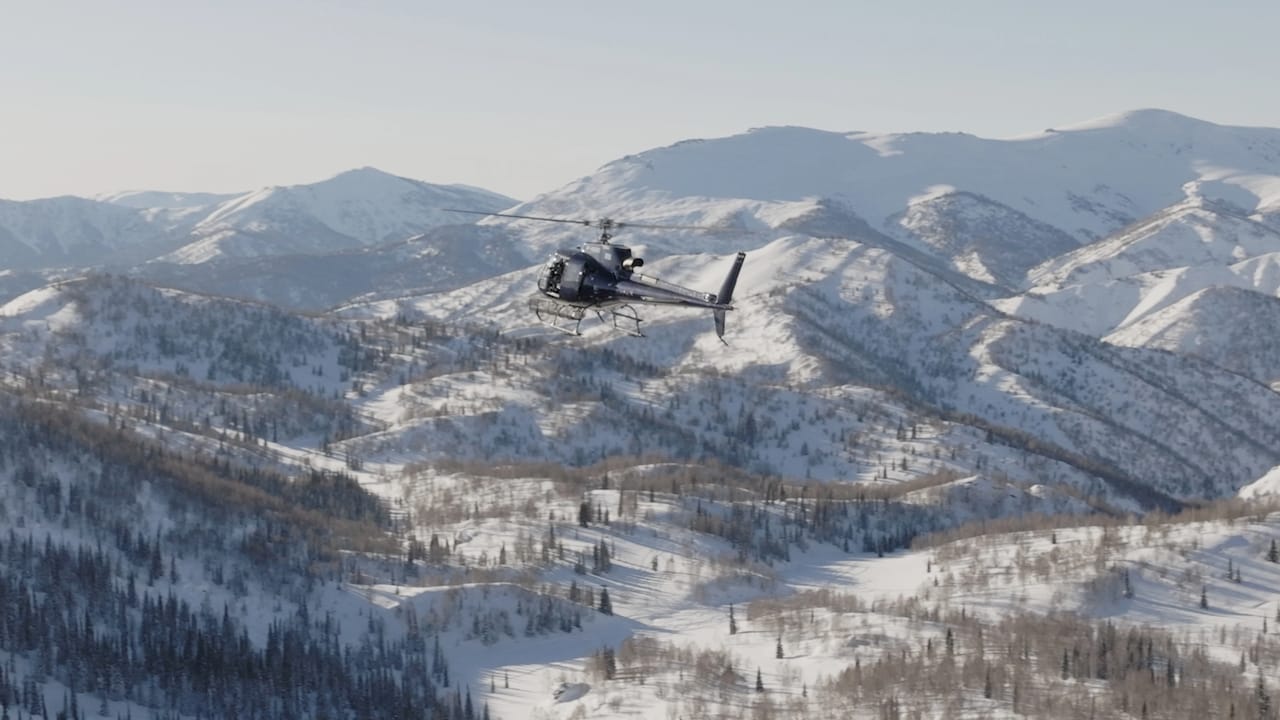
Learn the heli-skiing skill level typically expected, the off-piste skills to practise, safety preparation and an adaptable 8–12-week training framework.

Heli-skiing is generally best suited to strong intermediate and advanced skiers who can make controlled turns on challenging groomed runs and already have experience in ungroomed, variable snow. There is no universal ability test: the right level depends on the operator, terrain selection, current conditions and the pace of the group.
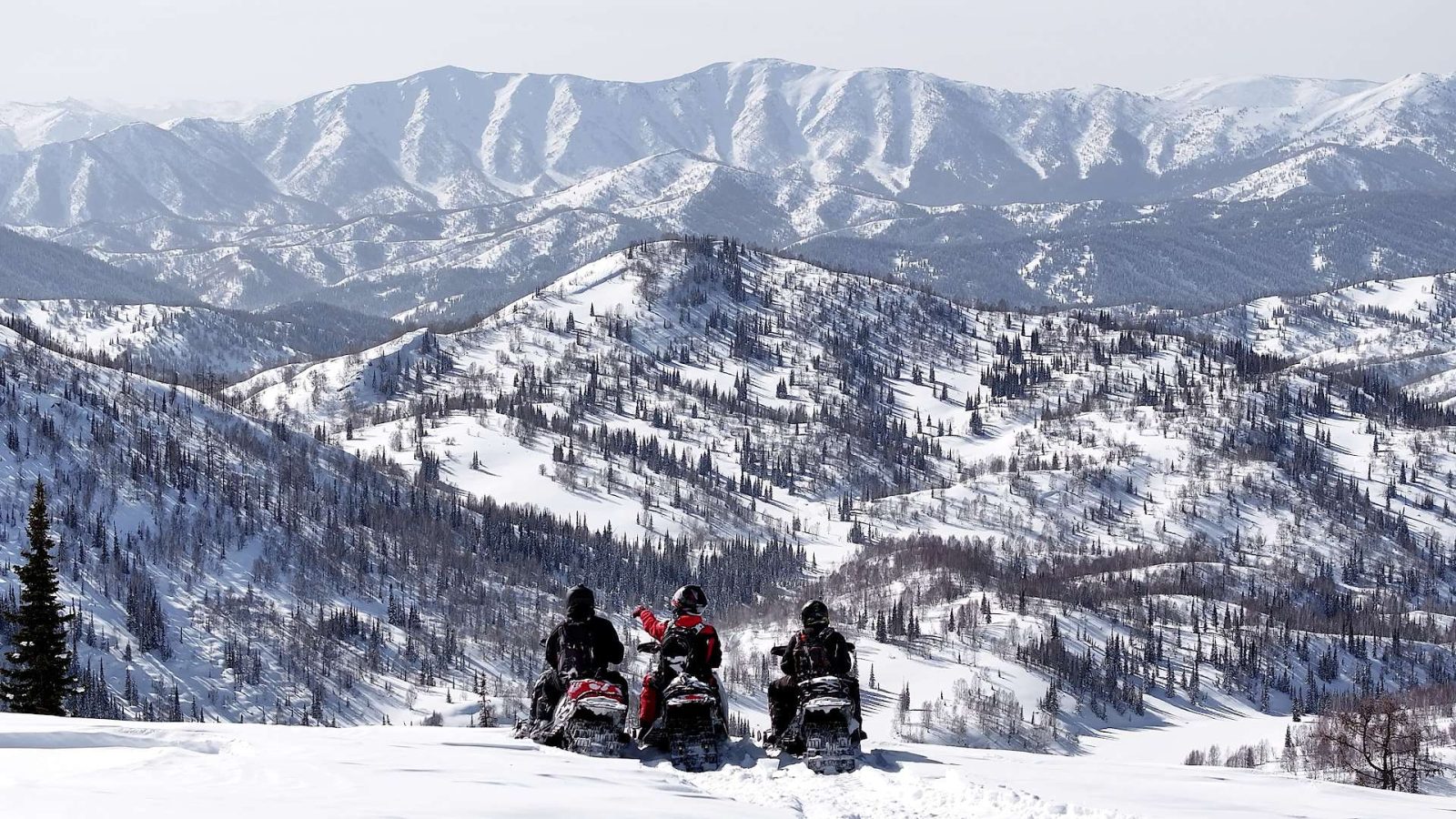
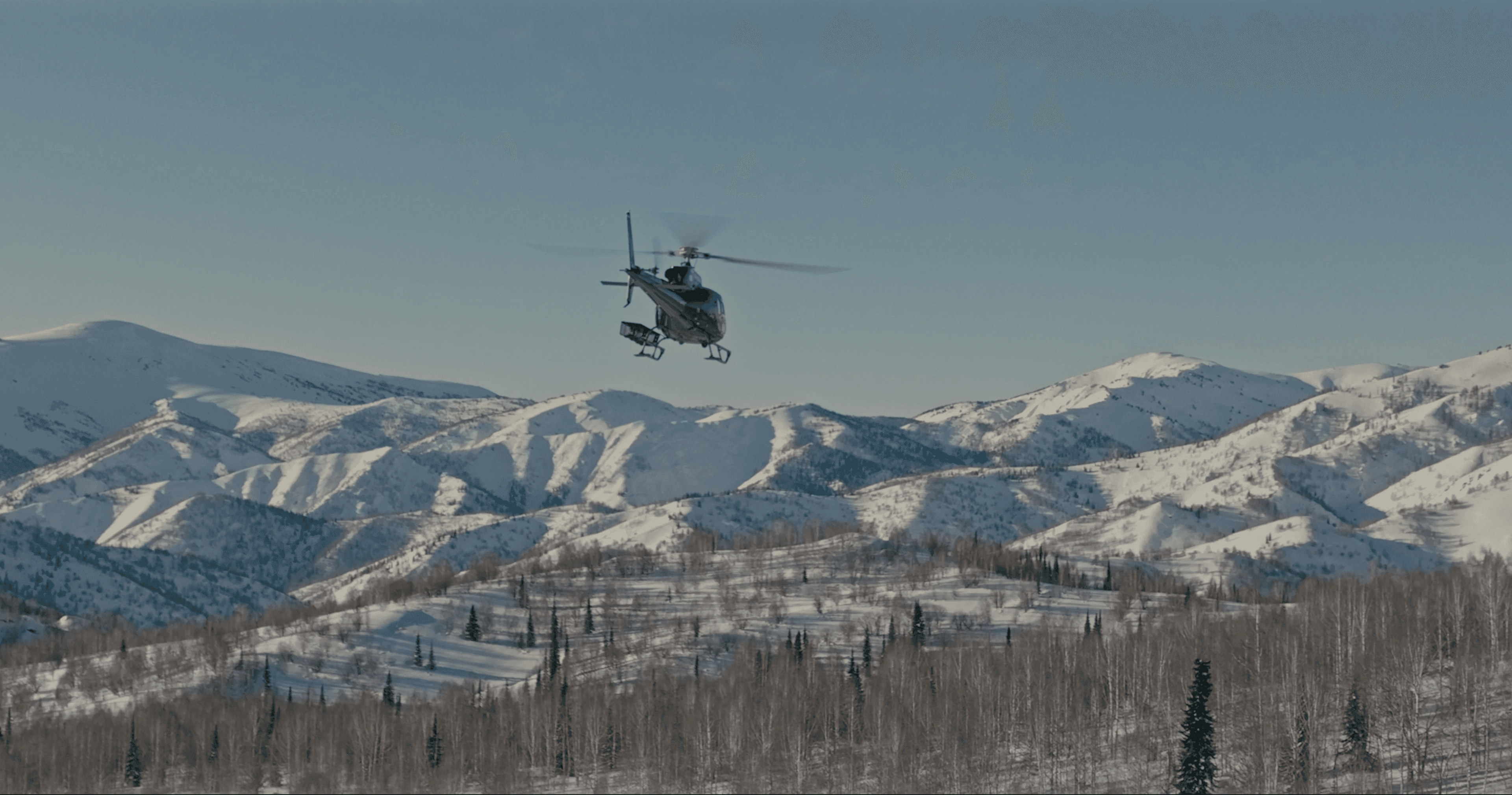
The most useful preparation is honest rather than heroic. Build your off-piste skills, arrive with enough endurance for repeated descents with sound technique, and understand the safety equipment used for your trip. At Altai Mountains Resort, heli-skiing takes place in the Western Altai near Ridder; our heli-skiing page offers a useful starting point for exploring the options available.
What skill level do you need for heli-skiing?
A strong intermediate skier is more than someone who has completed a black run once. You should be able to link controlled turns repeatedly, regulate speed without panic stops, and adapt when the snow changes beneath you. Heli-skiing takes place away from groomed pistes, where powder, tracked snow, crust, uneven surfaces and changing visibility can all affect how a run feels.
A useful benchmark is confidence on black or equivalent runs, experience in variable snow, and the ability to ski repeated descents without excessive stops. Treat it as a practical reference rather than an industry-wide grading system: operator guidance.
Numeric labels such as “level 7” or “level 9” vary between operators. They become meaningful only alongside a clear picture of the terrain, snow conditions and techniques involved. For a more detailed example of how ski-specific ability can be described, Heli-Skiing Ability Requirements Guide — EA Heli Skiing can help turn broad labels into practical questions for your own booking.
Self-check: are you ready for heli-skiing?
Use this as a starting point for an honest assessment of where your preparation is strongest and where it needs more attention.
You ski challenging marked runs with controlled, linked turns rather than relying on long slides or frequent stops.
You have spent time in ungroomed snow and can adjust your stance and turn shape as conditions change.
You can ski powder with a steady rhythm and recover your balance after small mistakes.
You are comfortable side-slipping and traversing when a direct line is not appropriate.
You have practised compact turns and speed control in steeper terrain or trees with a qualified instructor.
You can get up after a fall in deep snow and still ski with composure.
If several of these skills are still new, focus on them before choosing a more demanding heli-ski itinerary. A day with an instructor in suitable off-piste terrain can build valuable experience, though it does not reproduce every condition or operational consideration of heli-skiing.
Matching preparation to a provider’s stated difficulty is useful across guided mountain activities. Mount Kinabalu’s climb difficulty guide and Mount Kinabalu's climb difficulty guide illustrate that booking mindset, rather than setting a standard for heli-skiing.
Which off-piste skills should you practise?
Technique matters more than speed. Aim for efficient, repeatable movements that leave attention available for the terrain ahead.
Controlled side-slipping and traversing. Practise managing edge grip and speed on a steeper, suitable slope.
Short-radius turns. Compact turns help in confined terrain and when the line changes quickly.
Powder rhythm. Work on a centred stance, smooth pressure through both skis and a regular turn tempo rather than sitting back.
Kick turns. Learn this movement with an instructor where appropriate; it is a useful backcountry travel skill.
Line choice. Look ahead, identify space for the next few turns and make decisions early rather than reacting at the last moment.
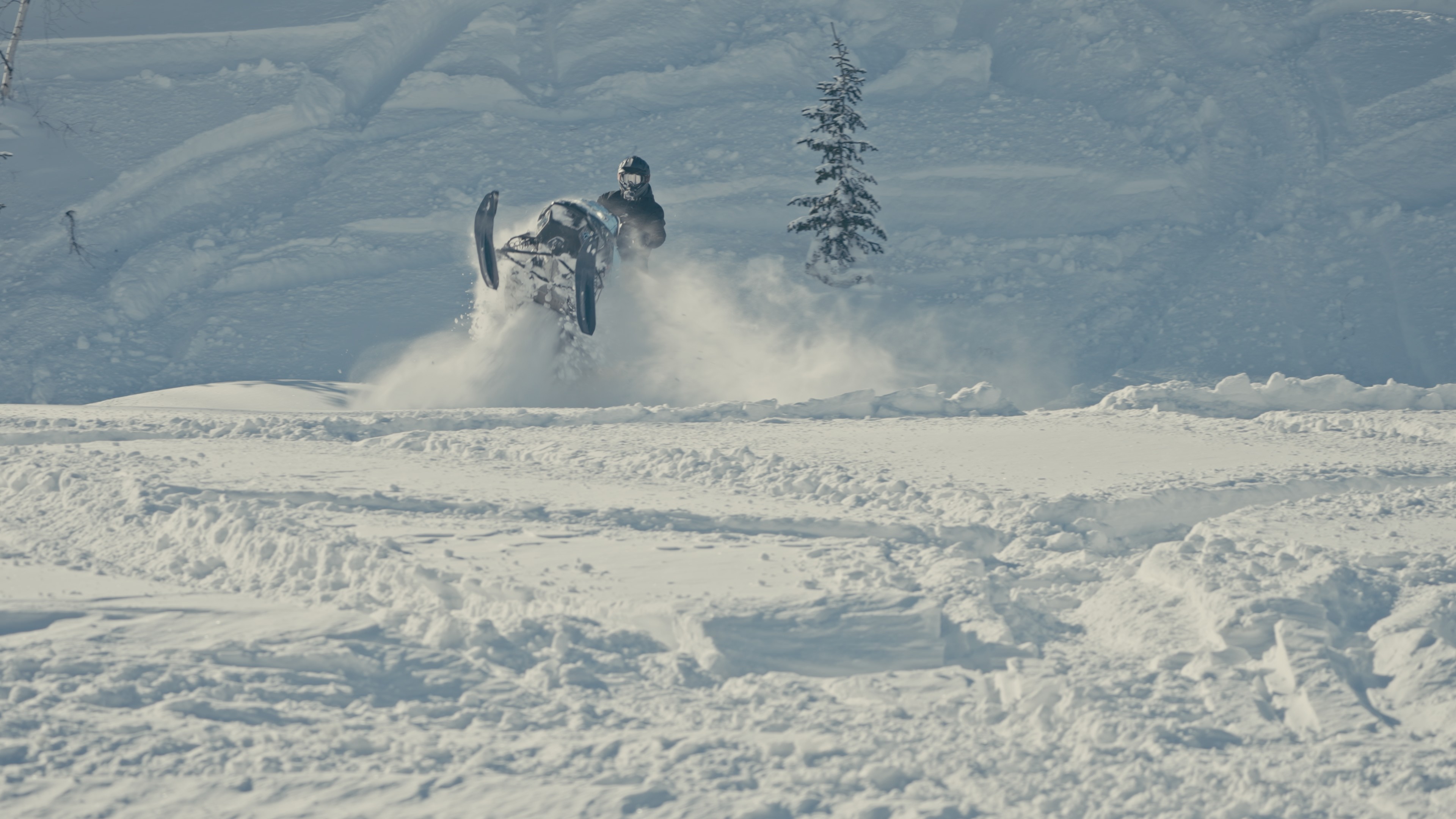
For a resort-specific introduction to soft, ungroomed snow, explore our deep-snow experience. The aim is not to prove yourself on the steepest slope available, but to develop control that remains dependable when the snow is unfamiliar.
How fit do you need to be?
Repeated ungroomed descents call for leg endurance, balance and aerobic capacity. How demanding a day feels varies with the itinerary, snow, weather, elevation, skiing experience and your own health, so no simple squat hold or recovery-time test can determine readiness.
An 8–12-week block is a useful planning framework for many skiers, not a minimum requirement or a medical clearance. Build gradually with regular aerobic work, lower-body strength, mobility and on-snow practice where possible. Cycling, hiking, step-ups, squats, lunges and balance exercises can all support skiing when progressed sensibly.
Finish sessions with good form rather than chasing exhaustion. If you have a health condition, recent injury, concerns about conditioning or uncertainty around strenuous winter activity, seek guidance from an appropriately qualified clinician or coach before changing your training. This article provides general information, not individual medical advice.
What avalanche equipment and training are required?
Heli-skiing takes place in remote mountain terrain, where avalanche awareness and disciplined group travel matter. Equipment arrangements depend on the operator and package. For your departure, establish what you need to bring, what is supplied and how its use will be covered.
Avalanche.org identifies a transceiver, probe and shovel as core avalanche rescue equipment. An airbag pack is an additional consideration, not a substitute for those tools. Airbag requirements and recommendations vary by programme.
Transceiver: helps rescuers locate a buried person.
Probe: helps pinpoint a burial location after a signal search.
Shovel: is used in companion rescue.
Airbag pack: may be supplied, required or recommended for a particular trip.
Equipment only helps when people know how to use it. The American Avalanche Association’s recreational education framework distinguishes introductory awareness from hands-on rescue and formal recreational courses. Good education covers terrain recognition, safer travel habits, decision-making and companion-rescue practice; it complements professional guiding, current conditions information and conservative choices in the mountains.
For general terminology around backcountry and heli-ski trips, backcountry and heli-ski trips can offer a starting point. It should not replace the information provided for your own departure.
An example 8–12-week preparation plan
Adapt this outline to your current fitness, skiing history and access to snow. A coach can help tailor the volume and progression.
Timing | Focus |
|---|---|
Weeks 1–4 | Establish a steady aerobic routine and basic leg strength. Prioritise sound movement in squats, lunges, step-ups and balance work. |
Weeks 5–8 | Continue strength and endurance work. Add ski-specific drills or instruction: side-slipping, controlled traverses, short turns and powder technique where conditions allow. |
Weeks 9–10 | Spend time with a qualified instructor or guide in terrain suited to your level. Practise reading snow, pacing yourself and maintaining technique through a full session. |
Weeks 11–12 | Review trip equipment, refresh rescue knowledge and discuss the selected programme’s ability expectations and arrangements with the operator. |
Leave time to break in boots and organise layers, gloves and goggles for changing mountain weather. Our package information can help you begin planning; inclusions, dates, capacity and equipment arrangements depend on the departure.
Questions to ask a heli-ski operator
A clear conversation before you travel helps match expectations to the trip. Keep it specific:
What ability and off-piste experience does this particular programme expect?
What type of terrain is commonly considered, and how do snow and weather influence the day?
What amount of skiing or vertical descent is expected, and what pace does the group follow?
How are group composition and guide arrangements organised for this departure?
Which avalanche equipment, communications equipment and briefings are included, and what must guests bring?
What alternatives apply if weather, conditions or group ability affect the plan?
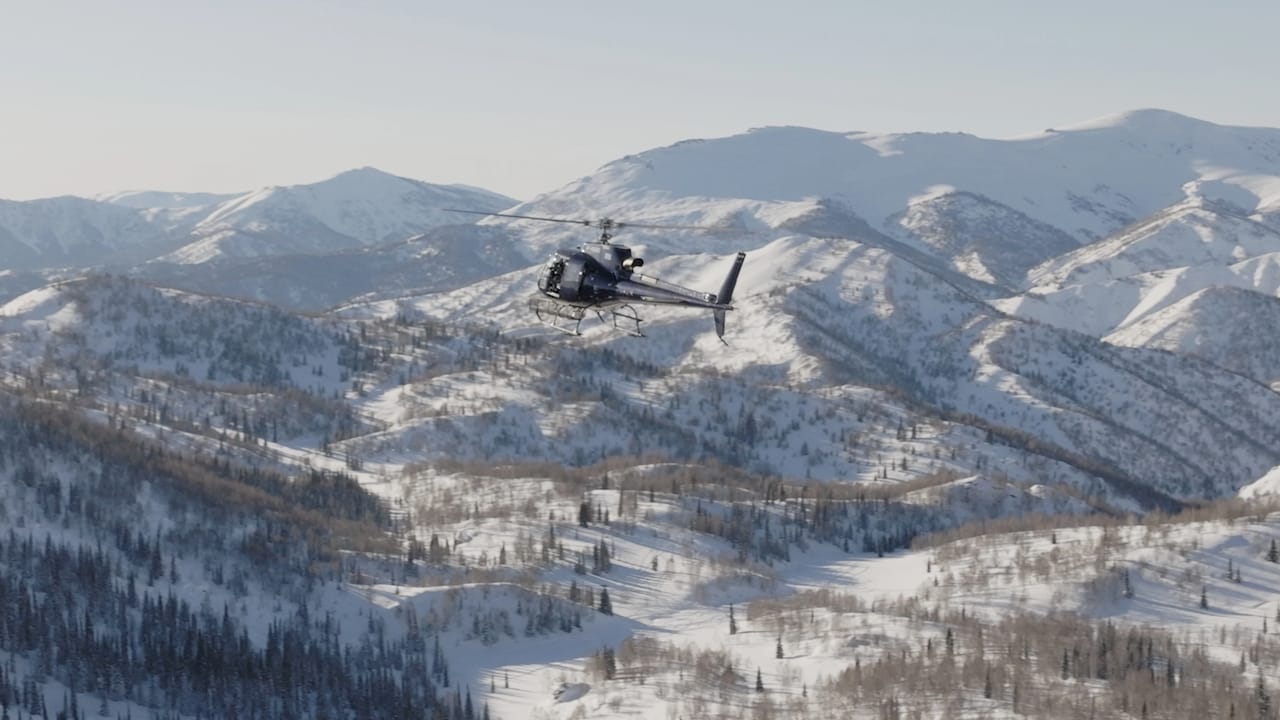
At Altai Mountains Resort, heli-ski packages can include lodging, meals, guiding and safety gear, while flights are excluded. These arrangements are time-sensitive, and our booking team can talk through the practical details for your dates through the booking page.
A simple visual reference for the subject: 
Plan the Kazakhstan skiing season with a practical comparison of Almaty and Ridder, month-by-month timing, mountain safety and trip planning.
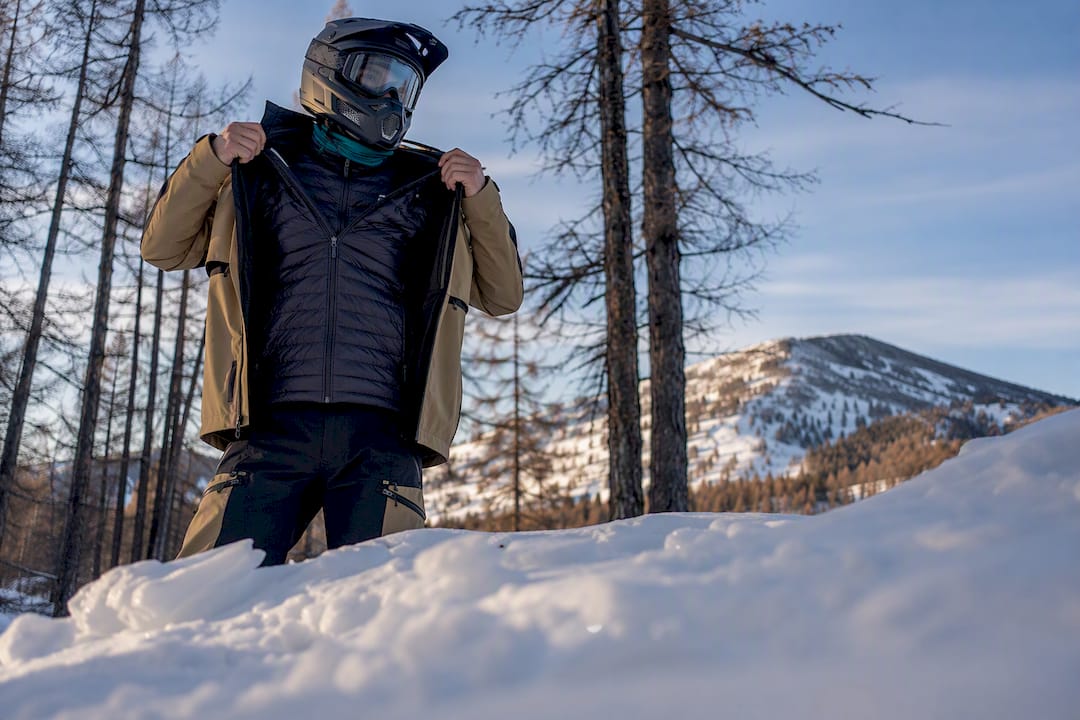
Use this snowmobile layering guide to build a flexible base, insulation and shell system, manage moisture and pack dry spares for changing conditions.

Learn what to rent for avalanche terrain, how to prepare a beacon, probe and shovel, and what to know about airbag packs and flights.
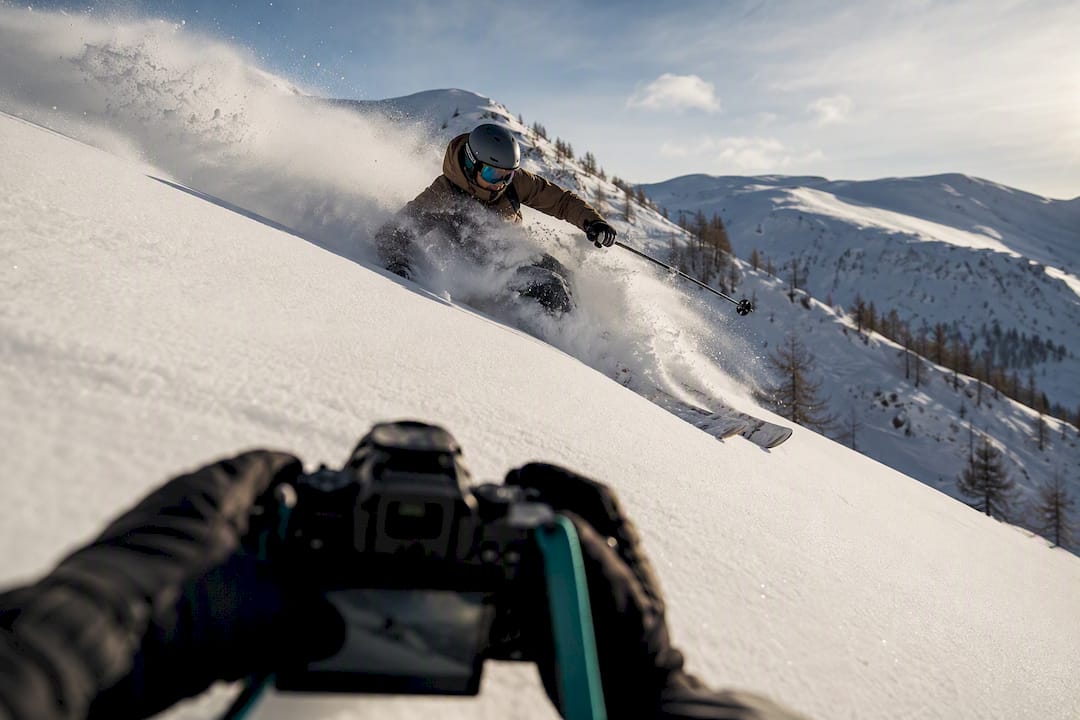
Practical ski photography tips for beginners: camera settings, snow exposure, timing, cold-weather camera care and safe mountain positioning.

Learn how to read an avalanche forecast, interpret danger ratings, roses and avalanche problems, and plan more conservative terrain choices.
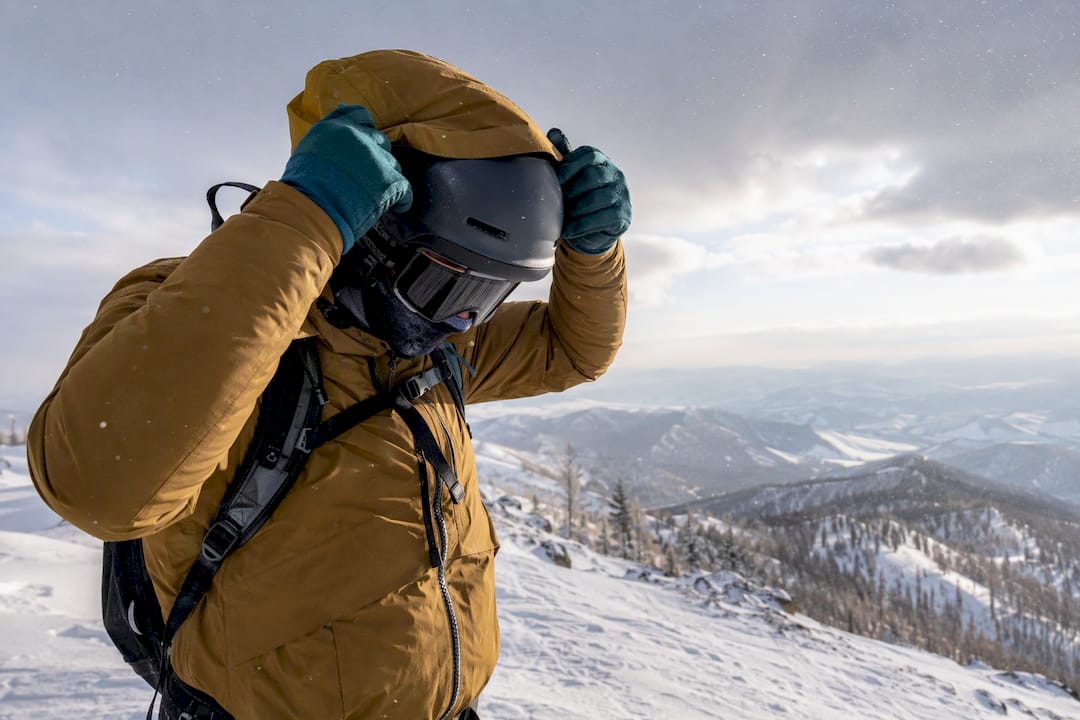
Practical cold injury prevention for winter travel: layering, dry spares, warning signs, first aid and planning for mountain activities.
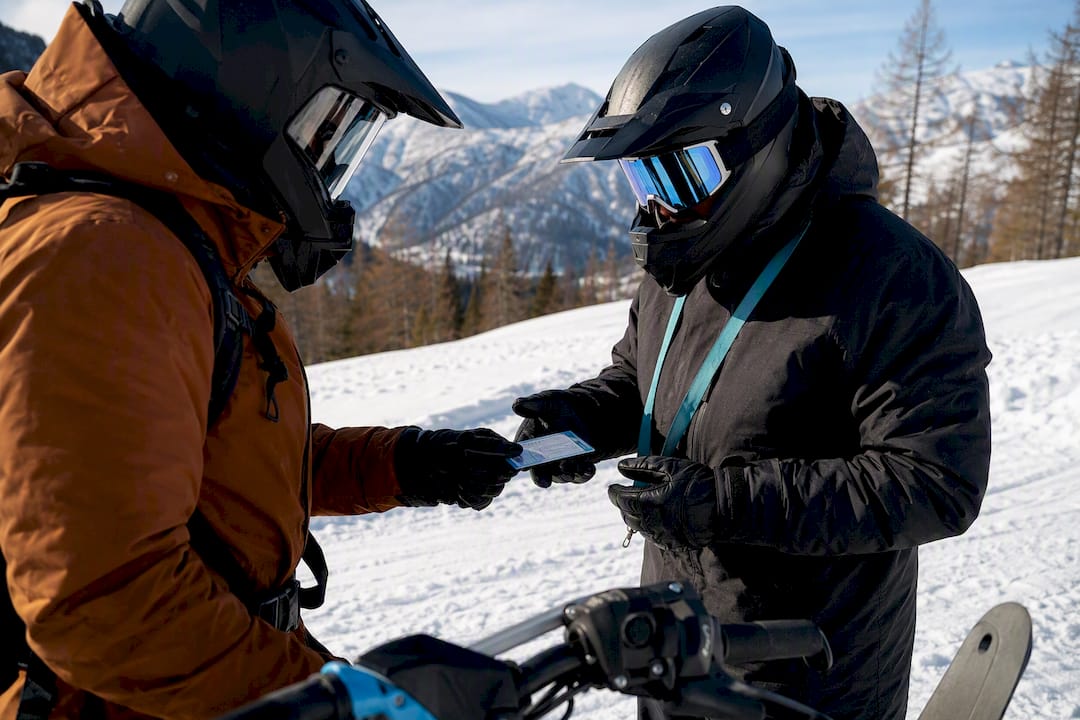
Planning snowmobiling in Ridder? Understand how experience, training, equipment and Kazakhstan rules shape your trip with Altai Mountains Resort.
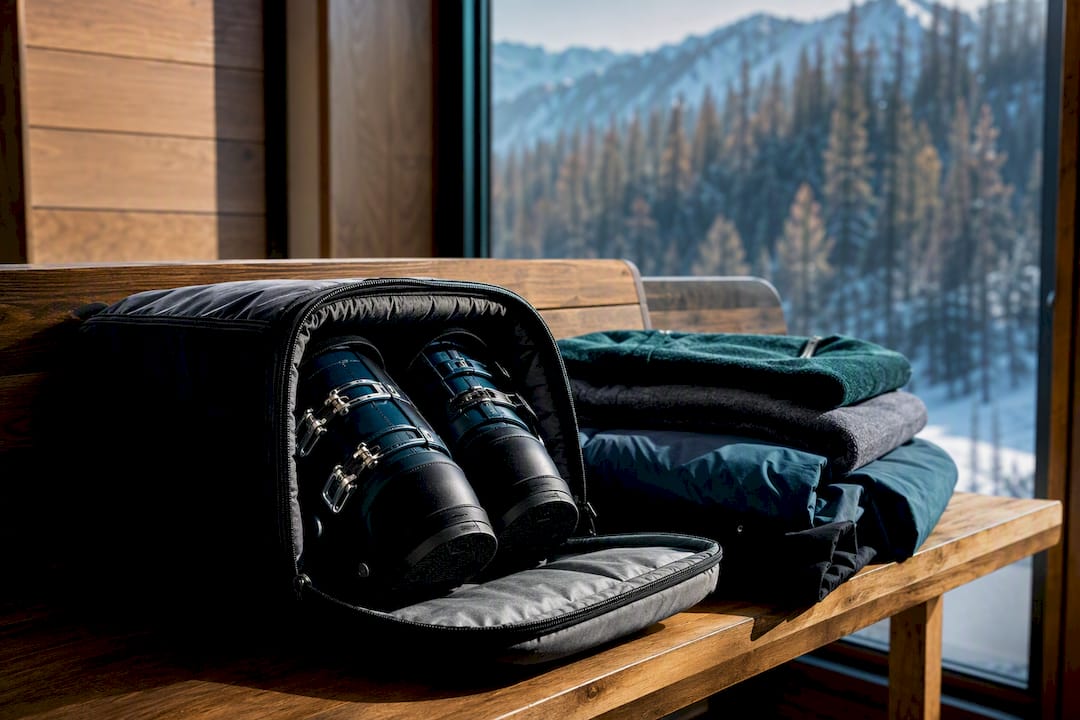
Travel with ski gear confidently: carry boots when cabin rules allow, pack skis securely, understand airline baggage rules and prepare for delays.
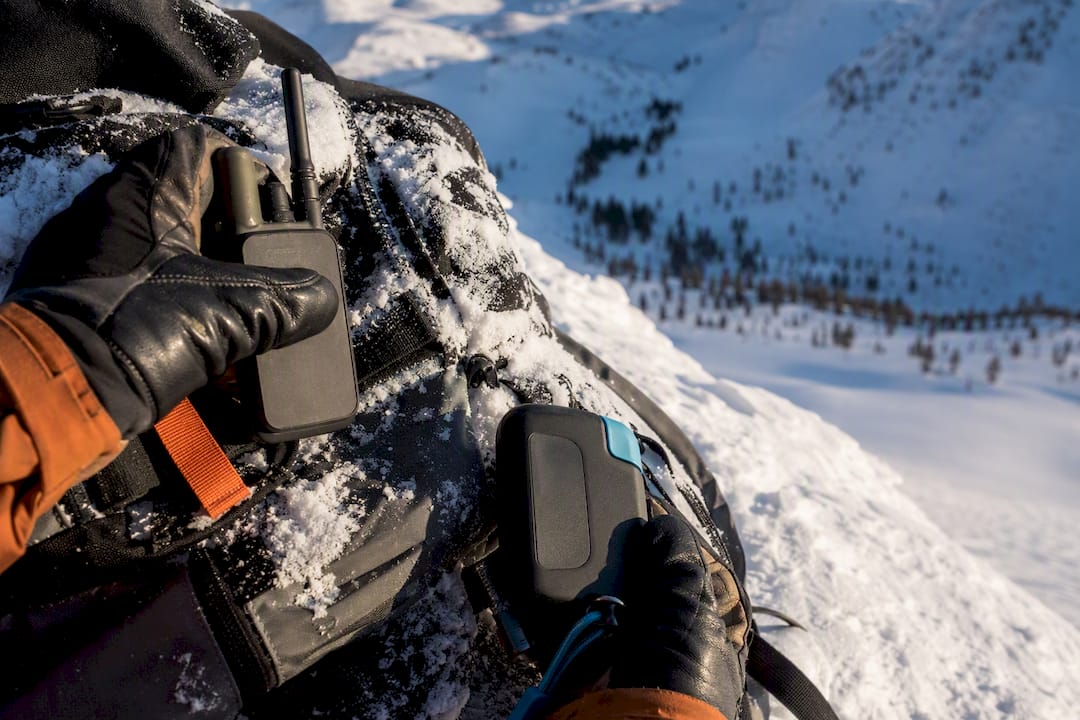
Build a practical backcountry radio communication plan with party radios, satellite SOS or PLB backup, cold-weather care and regional legal essentials.

Satellite messenger basics for remote Altai trips: compare PLBs and two-way devices, understand SOS limits, and prepare your communications plan.
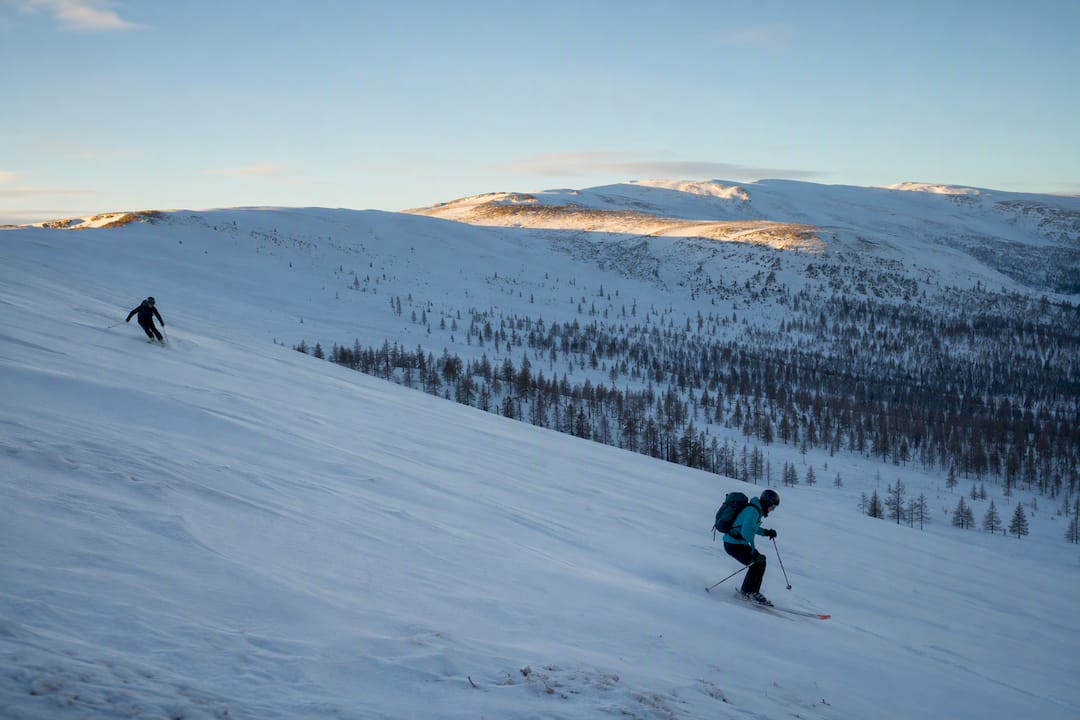
Avoid ski crowds with flexible dates, midweek skiing, early starts and smarter lift choices. Explore guided off-piste options near Ridder.

Learn how heli-skiing passenger weight and baggage rules differ by operator, with practical packing steps and Altai Mountains Resort booking guidance.
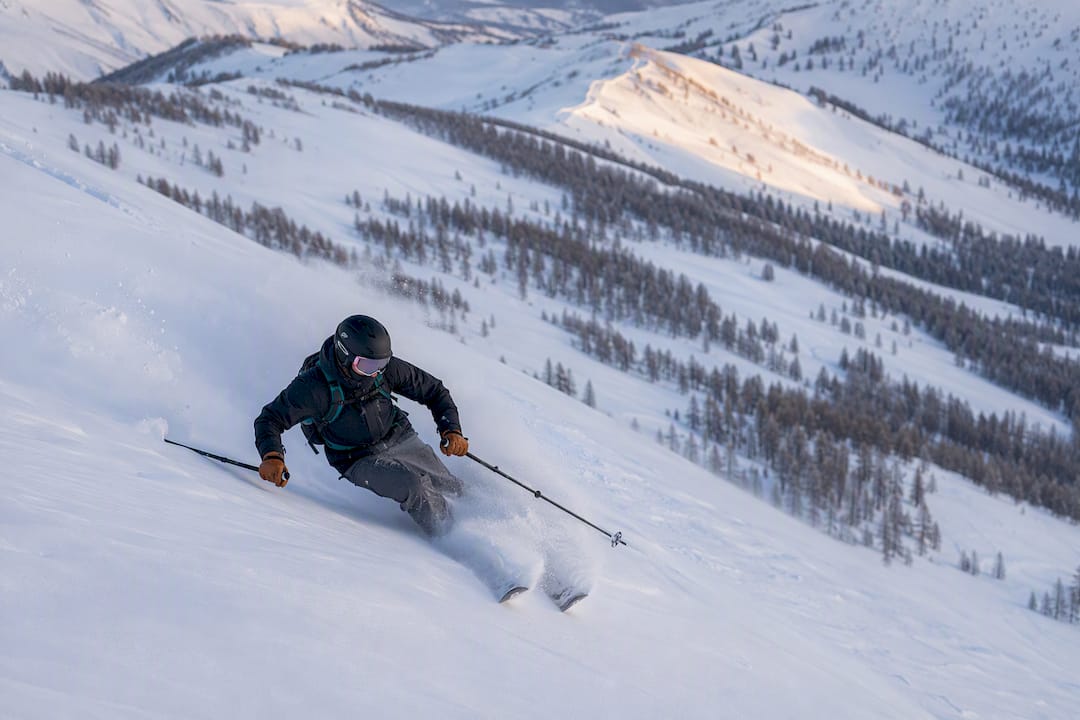
Understand the cat skiing skill level needed for Altai Mountains Resort, with practical guidance on off-piste ability, fitness and avalanche readiness.
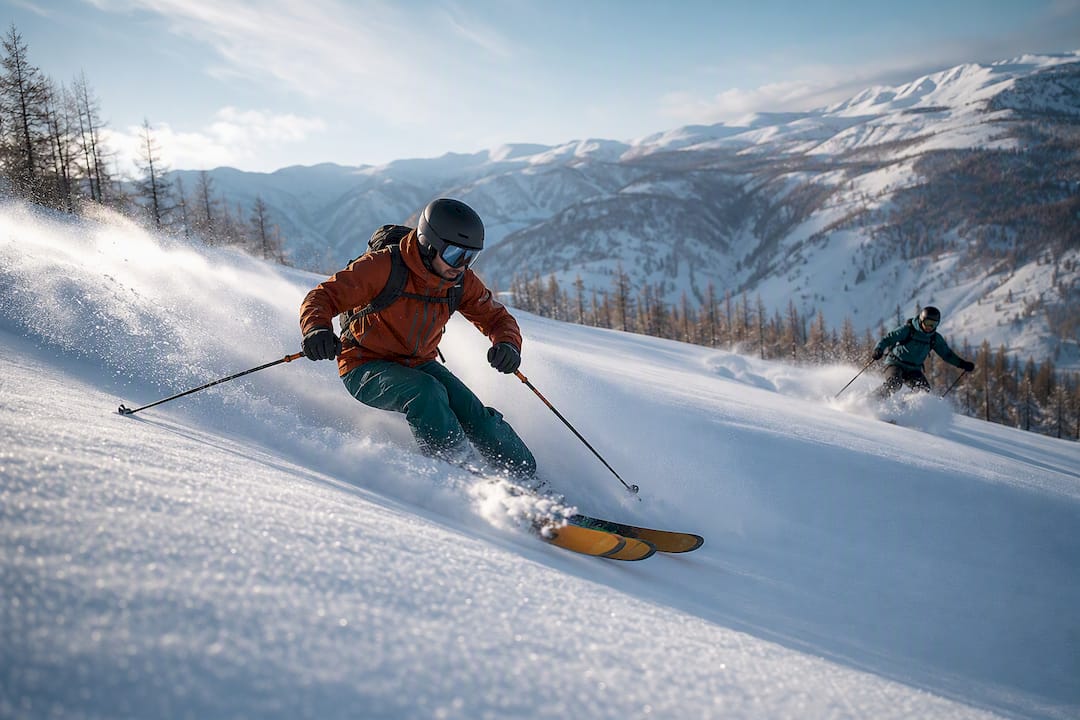
Decide whether Ridder suits your advanced Altai ski trip, with practical guidance on transfers, season timing, avalanche gear and guided programmes.
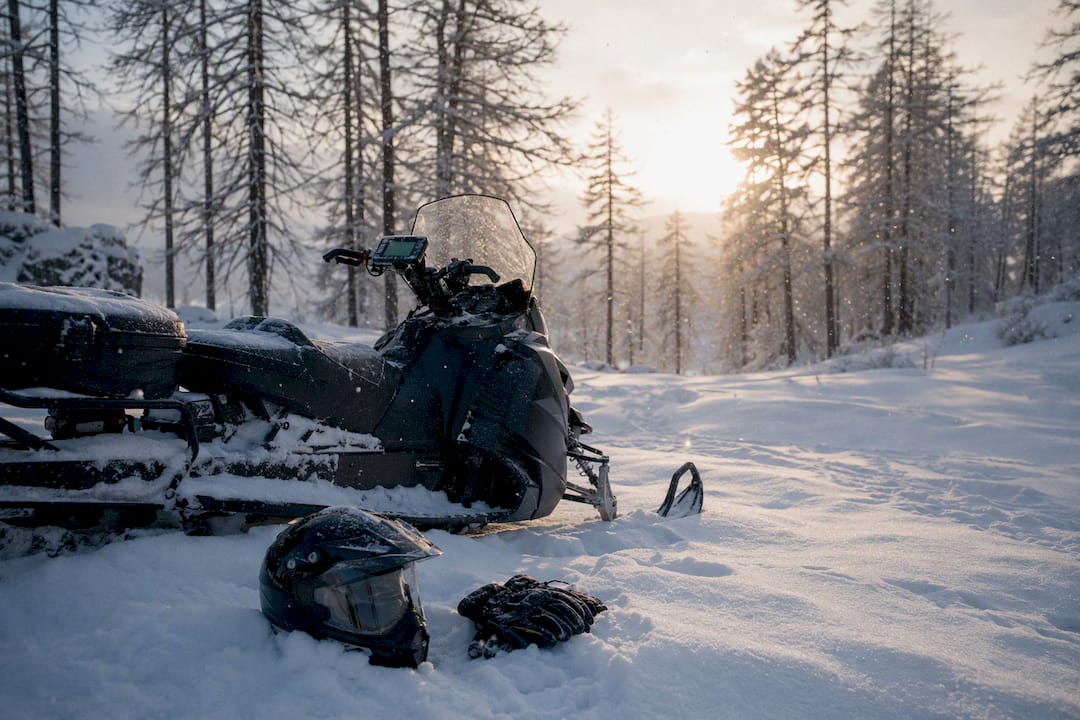
Compare snowmobile tour prices by duration, understand what shapes the final cost, and explore quote-based snowmobiling at Altai Mountains Resort.
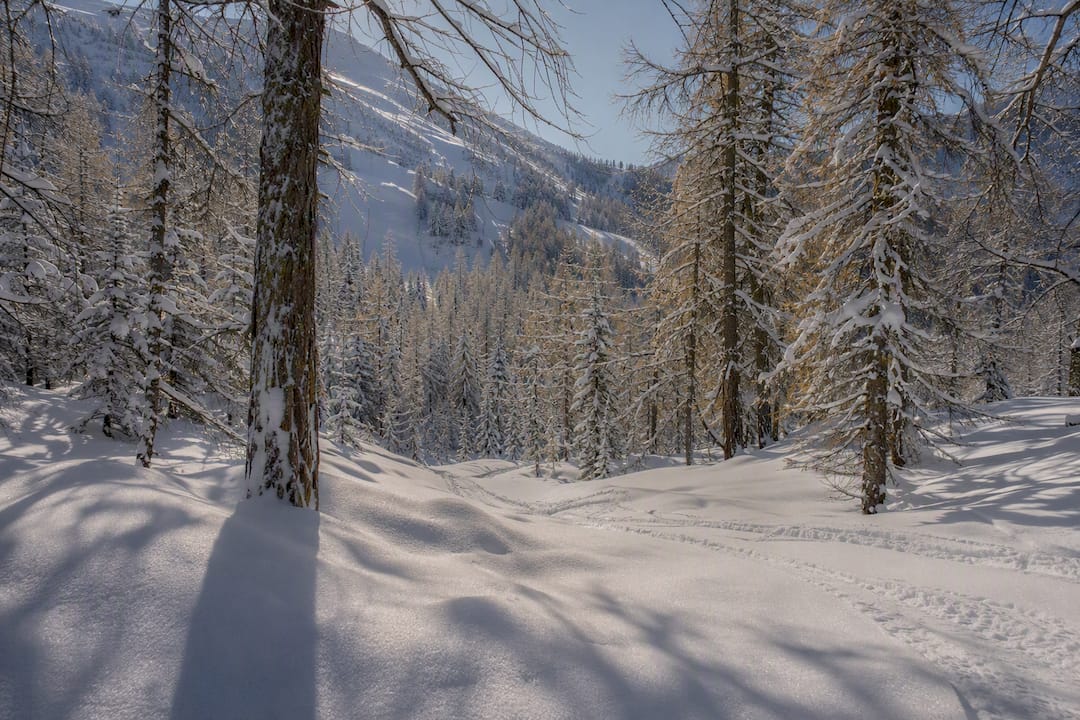
Compare Western Altai, Almaty and Turgen for Kazakhstan powder skiing, with practical guidance on access, safety and Ridder logistics.

Plan Altai heli skiing near Ridder with practical guidance on terrain, season, package inclusions, access, safety gear and booking.
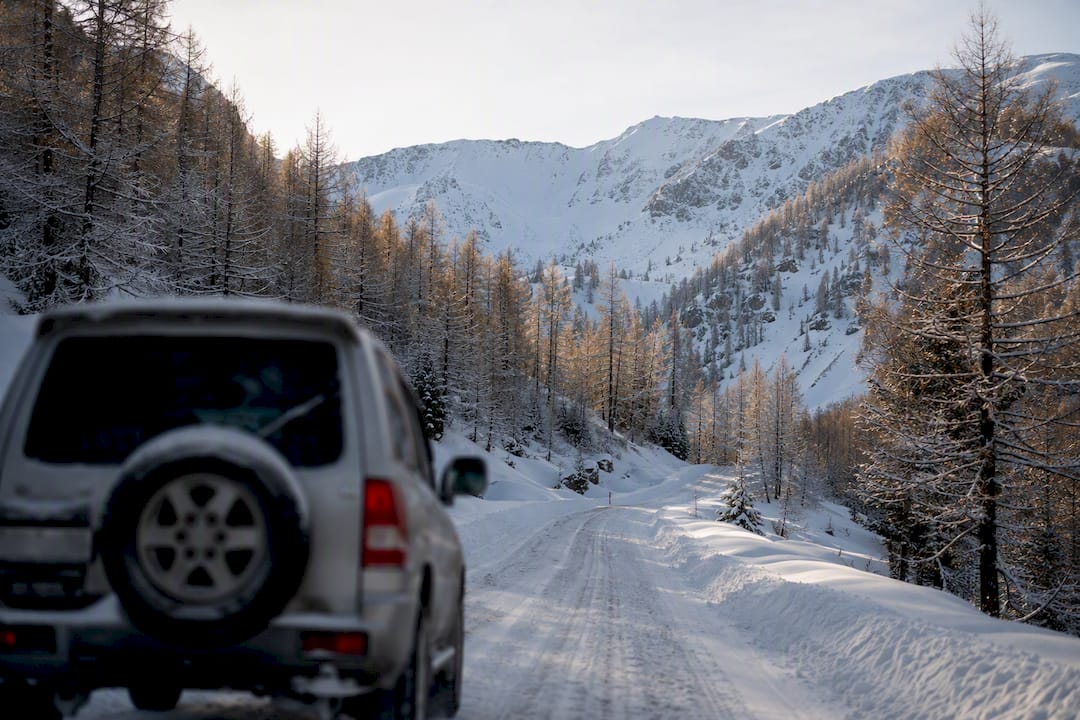
Compare flight, rail and self-drive routes from Almaty to the Kazakh Altai, with practical guidance for reaching Ridder and Ulba village.

Learn deep powder snowmobiling setup, riding technique, safe recovery and avalanche preparation, plus guided training near Ridder.
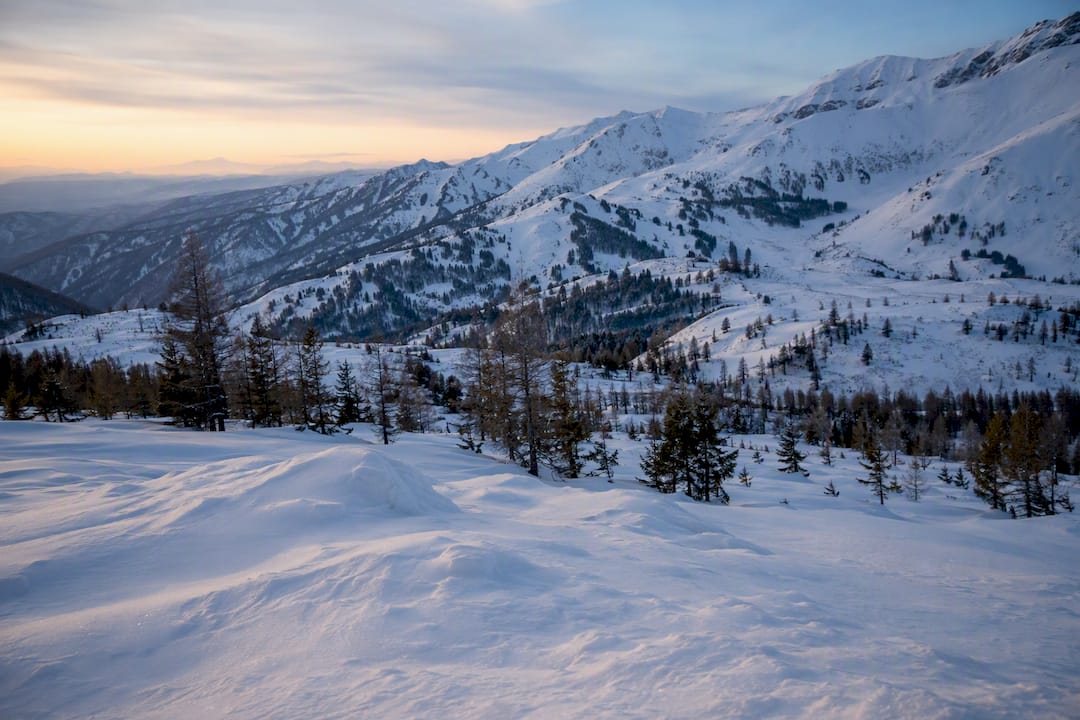
Plan an Altai Mountains winter stay from Ridder, with activity timing, travel from Öskemen, packing advice and practical mountain guidance.

Practical helicopter passenger safety guidance on boarding, seatbelts, exits, dropped items and following crew instructions.

Practical off-piste slope etiquette for safer skiing: right of way, avalanche preparation, group spacing, closures and guided skiing in the Western Altai.

Plan an Altai Mountains trip across Russian, Mongolian and Kazakh sectors, with permit, safety and winter-stay guidance for Ridder Lodge.
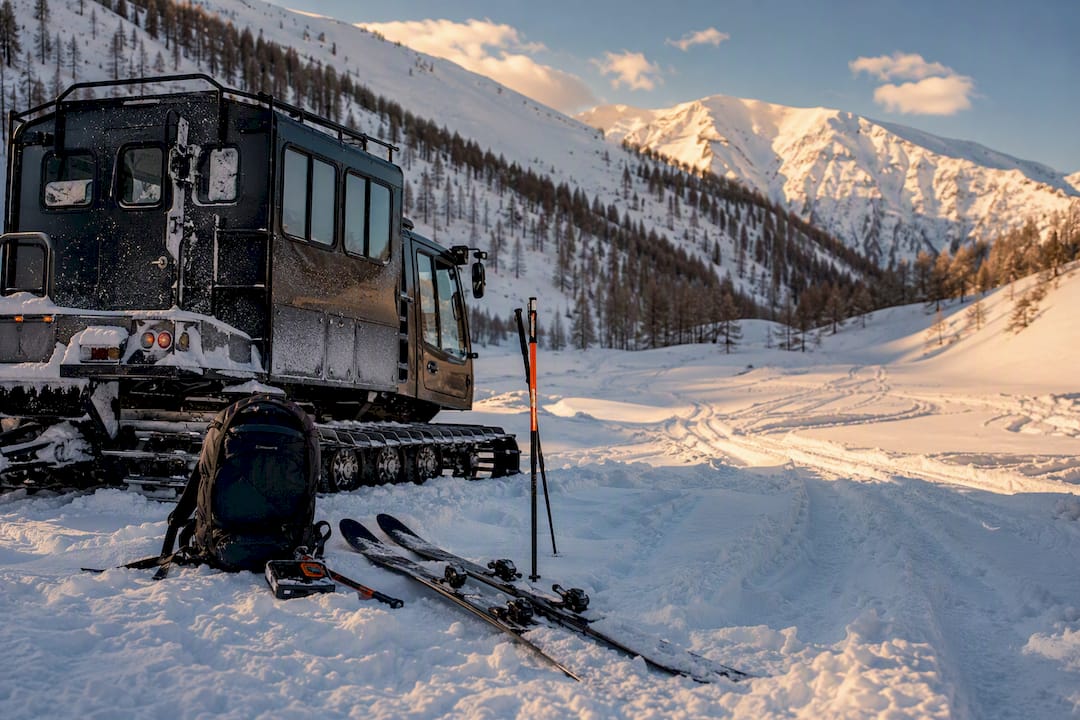
Learn how to plan guided freeride tours, from off-piste experience and avalanche gear to guide scope, changing mountain conditions and cat-skiing in the Altai.
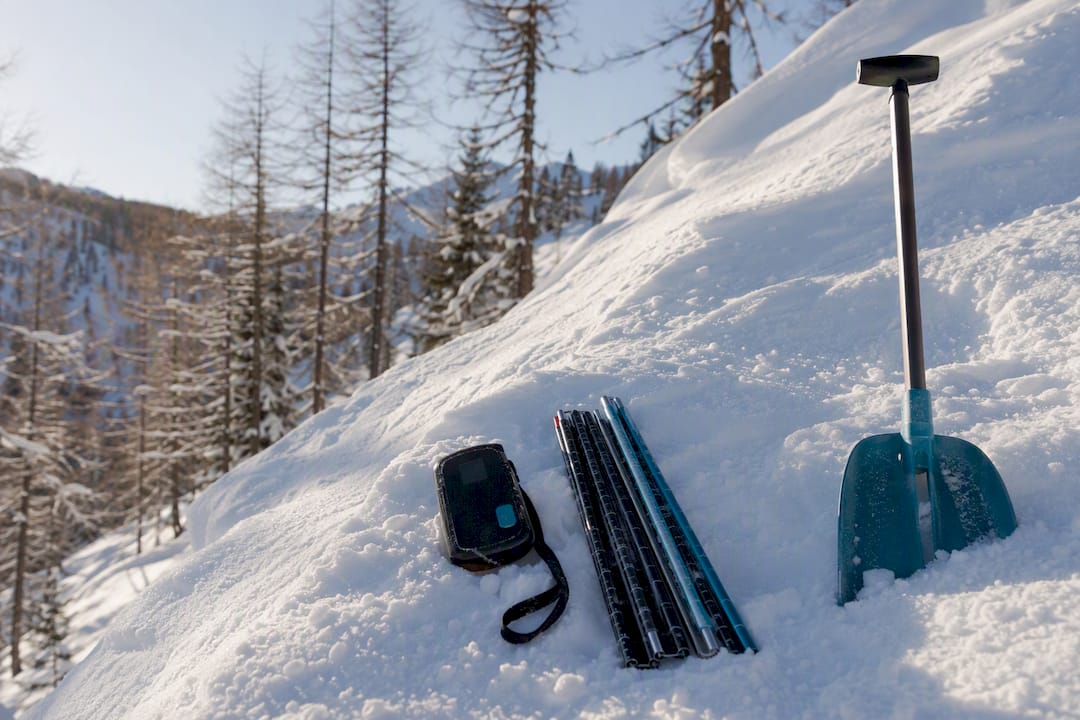
Learn avalanche beacon basics: 457 kHz transceivers, essential rescue gear, trailhead checks, interference and companion-rescue practice.

Learn which avalanche course suits your plans, what companion-rescue skills to practise and how to prepare for a winter trip to Altai.
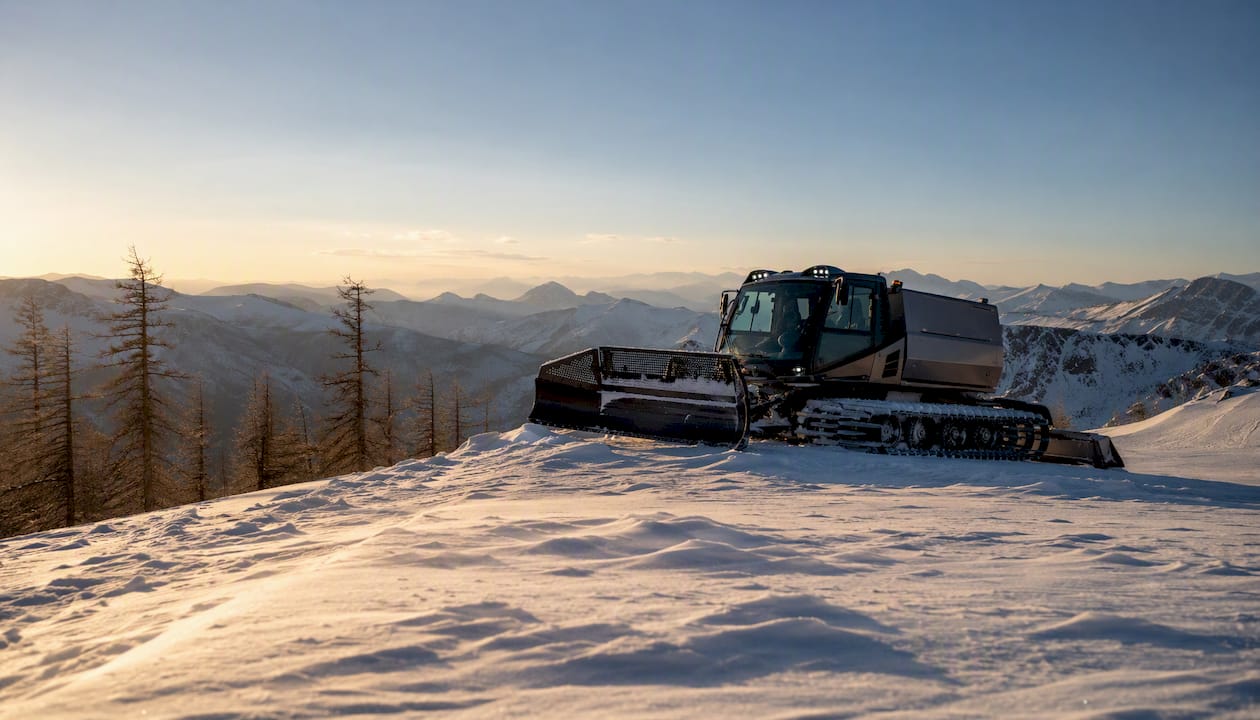
Learn what cat skiing is, who it suits, what to pack and how to plan a guided cat-skiing trip, including options near Ridder, Kazakhstan.
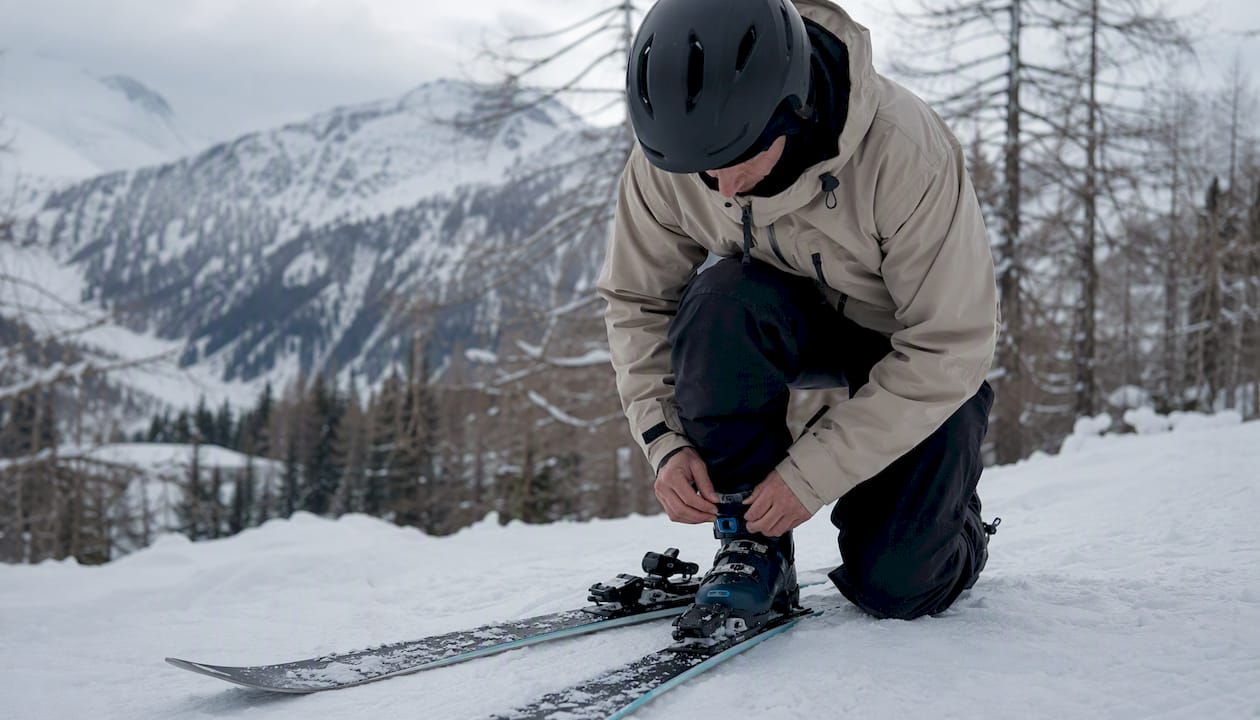
A practical ski rental Kazakhstan guide to Shymbulak and Medeu, current tariffs, equipment fit, transport and guided freeride near Ridder.

Understand ski guide benefits for freeride and backcountry trips, including local planning, terrain choices, qualifications, safety gear and access options.

Plan a snowmobile expedition near Ridder, Kazakhstan, with practical guidance on routes, rider experience, equipment, mountain safety and transfers.
Use this mountain lodge amenities checklist to compare rooms, meals, wellness access, transfers, activities and paid extras before booking.
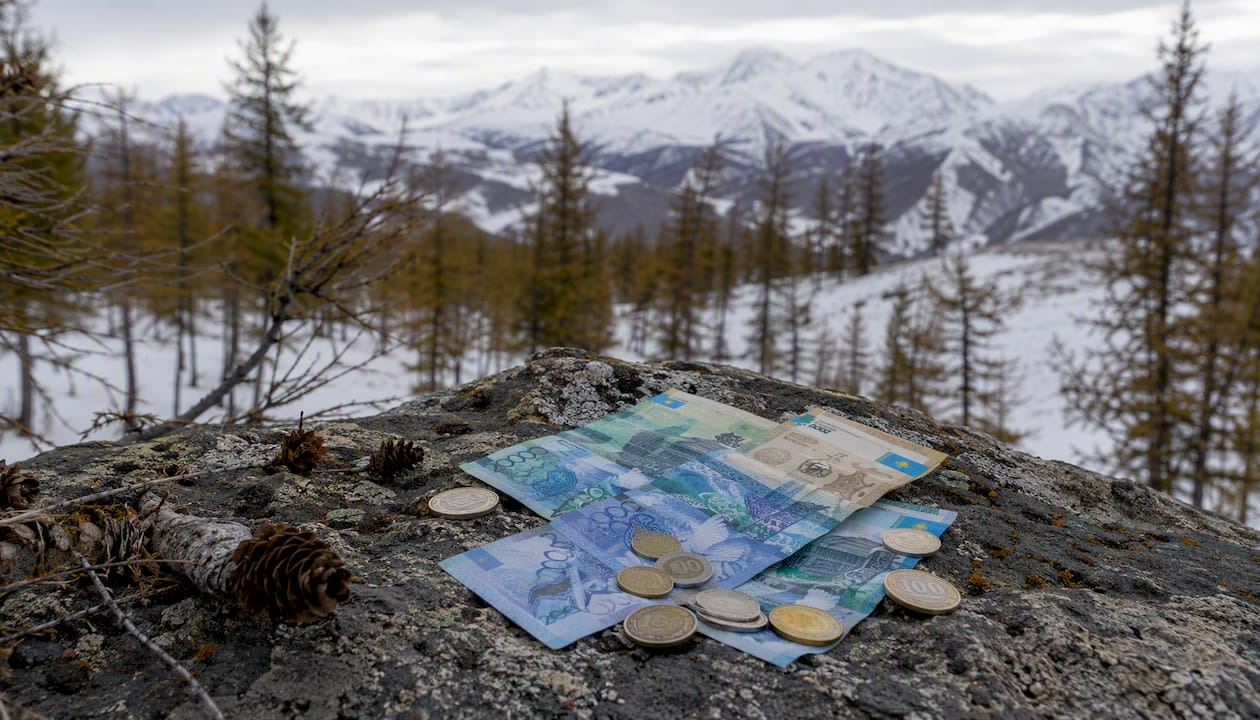
A practical Kazakhstan currency guide to the tenge, cards, ATMs, currency exchange, DCC and cash planning for cities and the Western Altai.
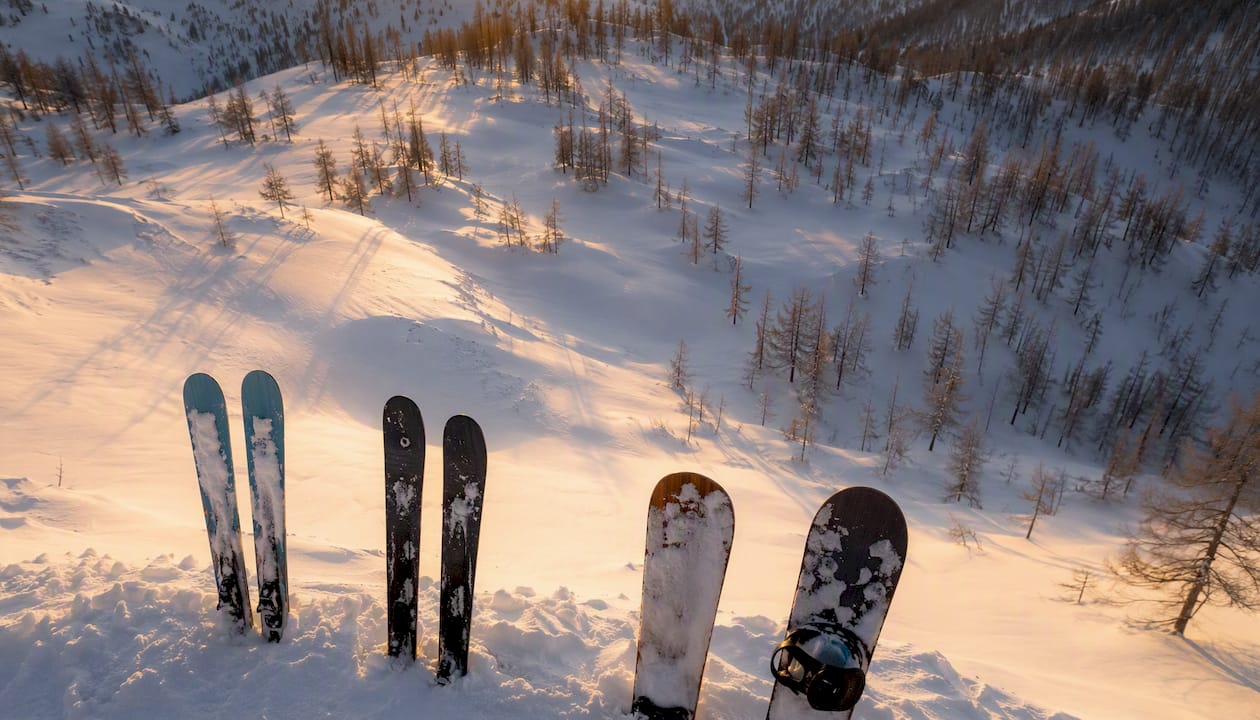
Plan the Kazakhstan ski season by month, compare lift-served Shymbulak with guided trips around Ridder, and prepare for changing snow and mountain conditions.
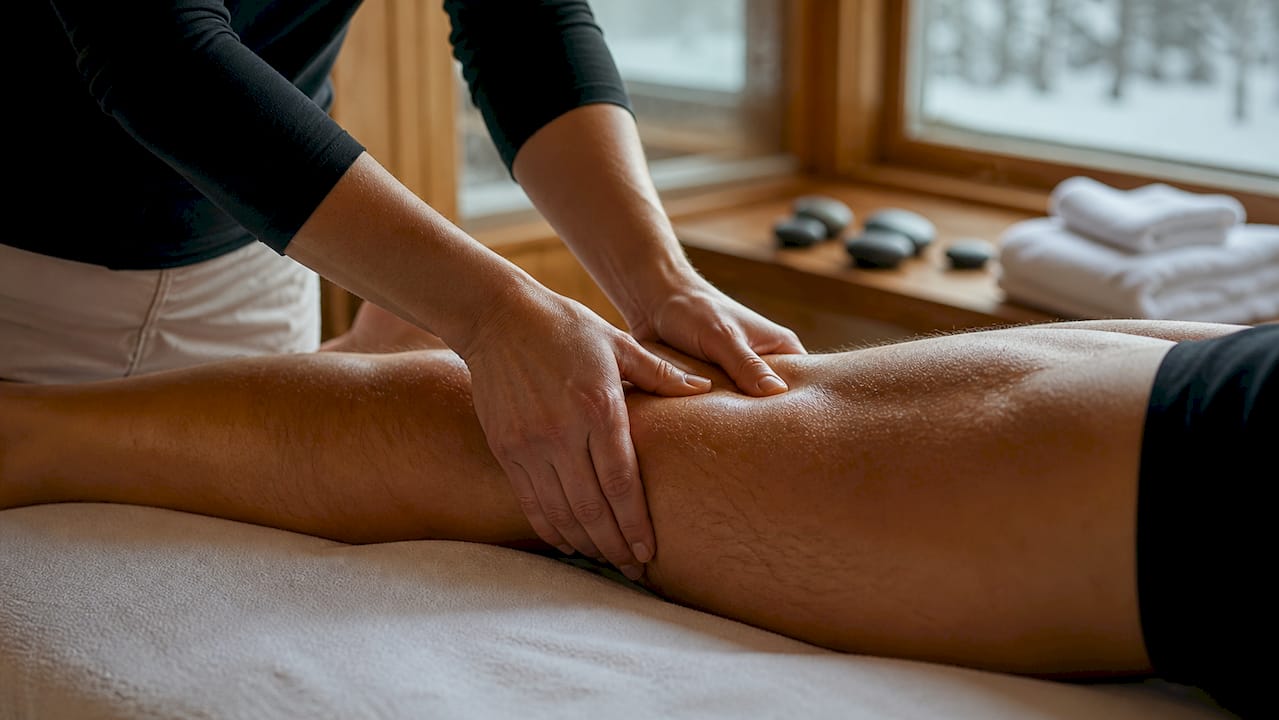
A practical guide to spa after skiing, including gentle massage, sauna and hammam, optional cold immersion and signs that need medical attention.
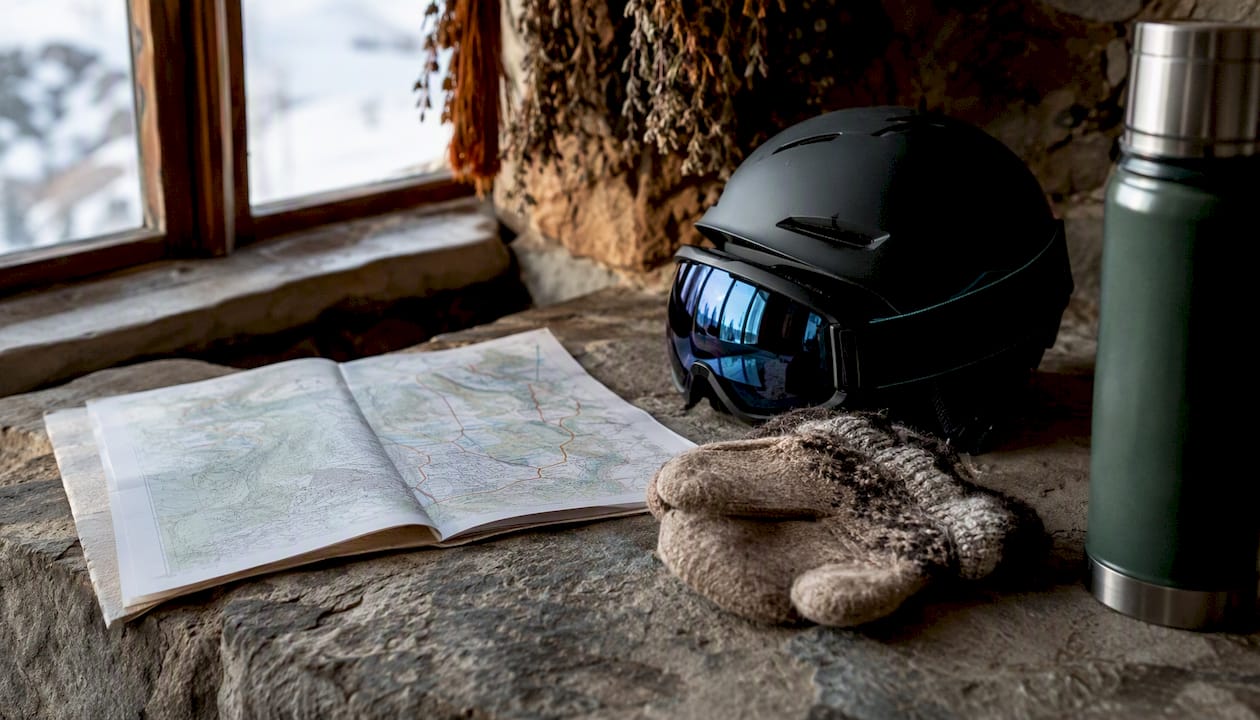
Plan a remote ski trip from the UK to Ridder, with practical guidance on activities, Kazakhstan entry, Öskemen transfers, insurance and ski baggage.
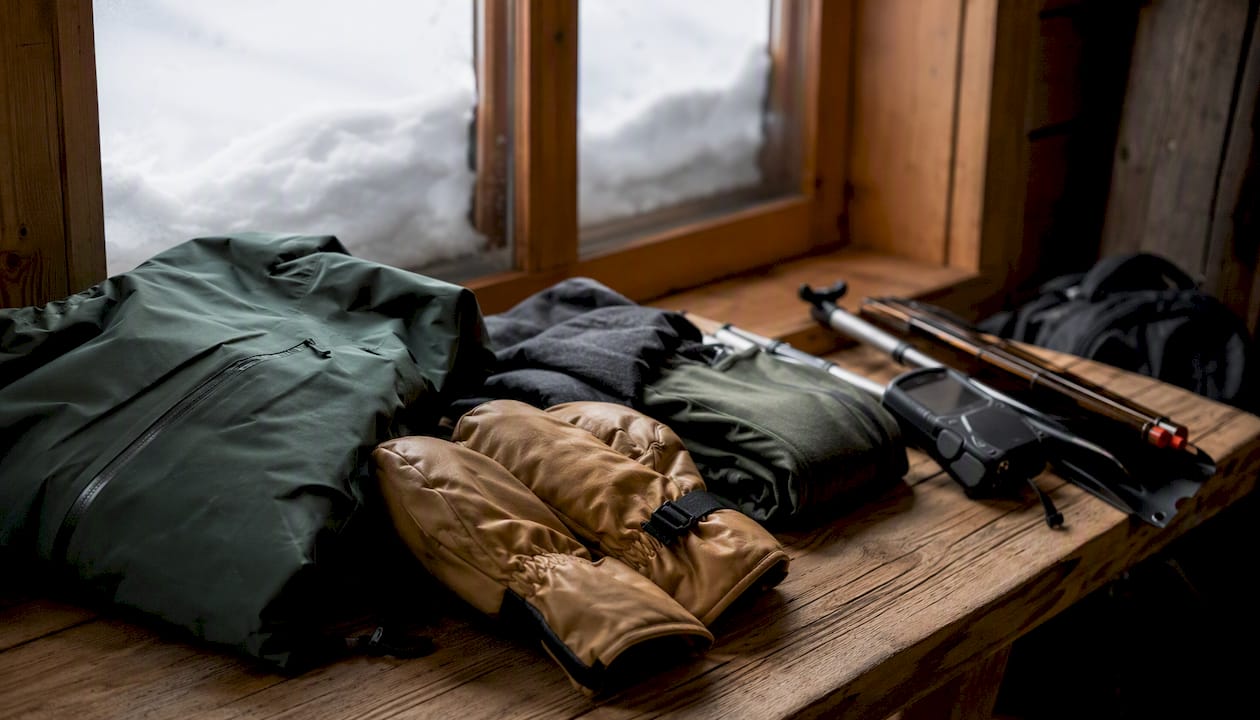
A practical heli skiing packing list covering clothing, avalanche equipment, ski baggage, batteries, travel documents and rental options.
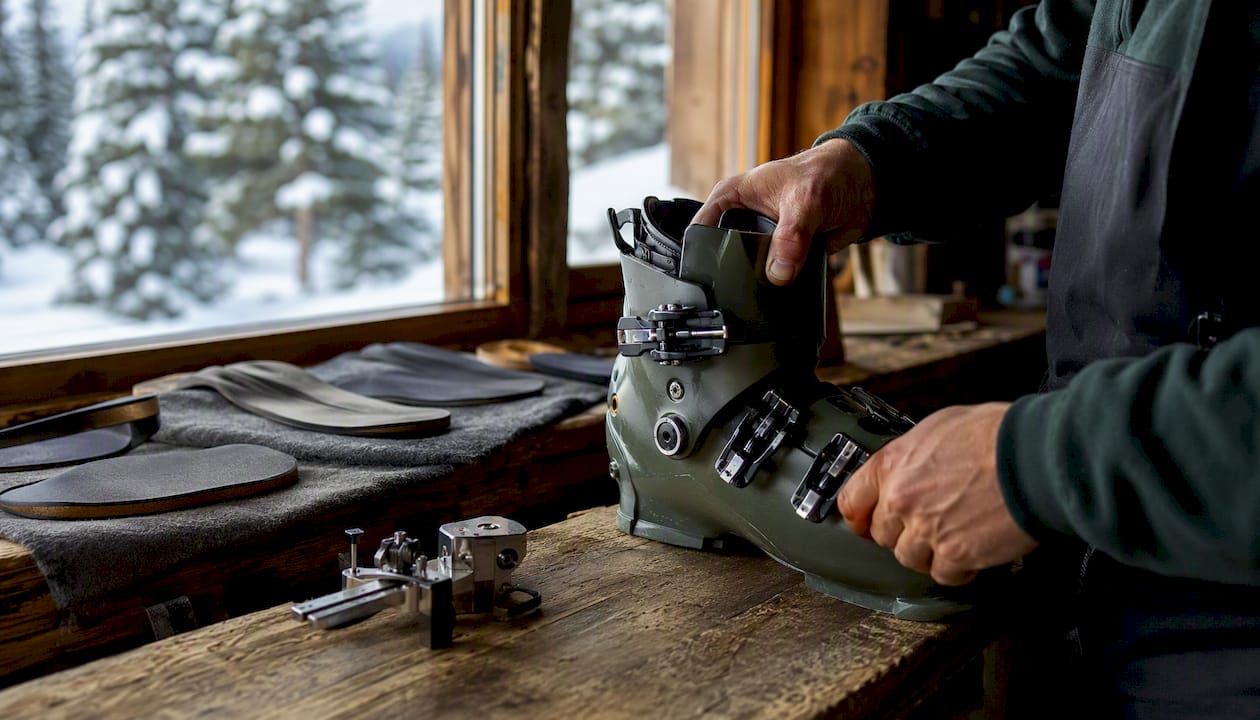
A practical UK guide to ski boot fitting: appointment steps, services, current provider price examples, aftercare and warning signs.
Should you tip a ski guide? Learn how customs vary, when a gratuity may feel appropriate and how to plan for tipping in Kazakhstan.
An Altai cuisine guide to kan, kurut, chegen and talkan, with dining at Restaurant Altai, food safety and travel from Öskemen to Ridder.
Compare banya vs sauna: heat, steam, venik and löyly rituals, etiquette, health evidence, safety basics and the Altai Banya experience.
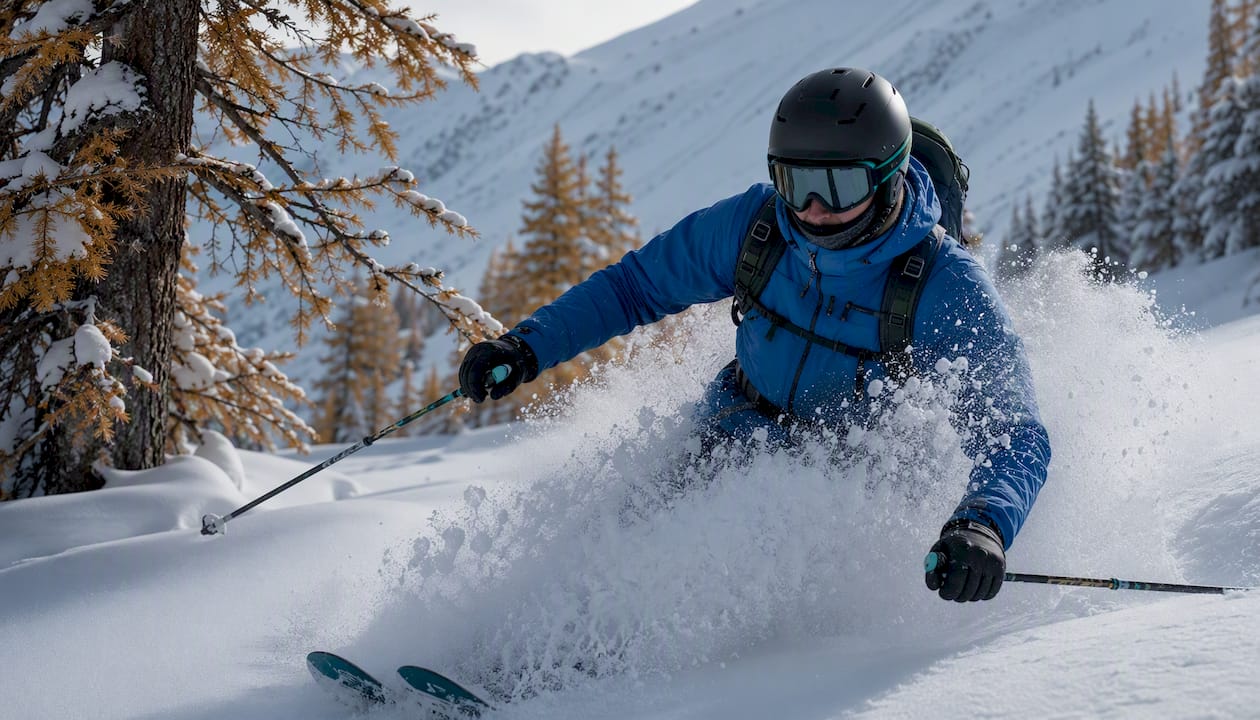
Learn how to ski deep powder with centred balance, smooth turns, speed control, practice steps, gear guidance, and avalanche and tree-well precautions.

Plan a mountain wellness retreat in Ridder with freeride, heli-skiing, snowmobiling, Ridder Lodge, Altai Banya and practical winter travel guidance.

A practical snowmobile gear list for UK travellers heading to Altai Mountains Resort, with clothing, safety equipment, battery and travel guidance.

Understand Ridder Lodge’s ski-in/snowmobile-out access, guided ski-day logistics, transfers from Öskemen and practical planning for your stay.
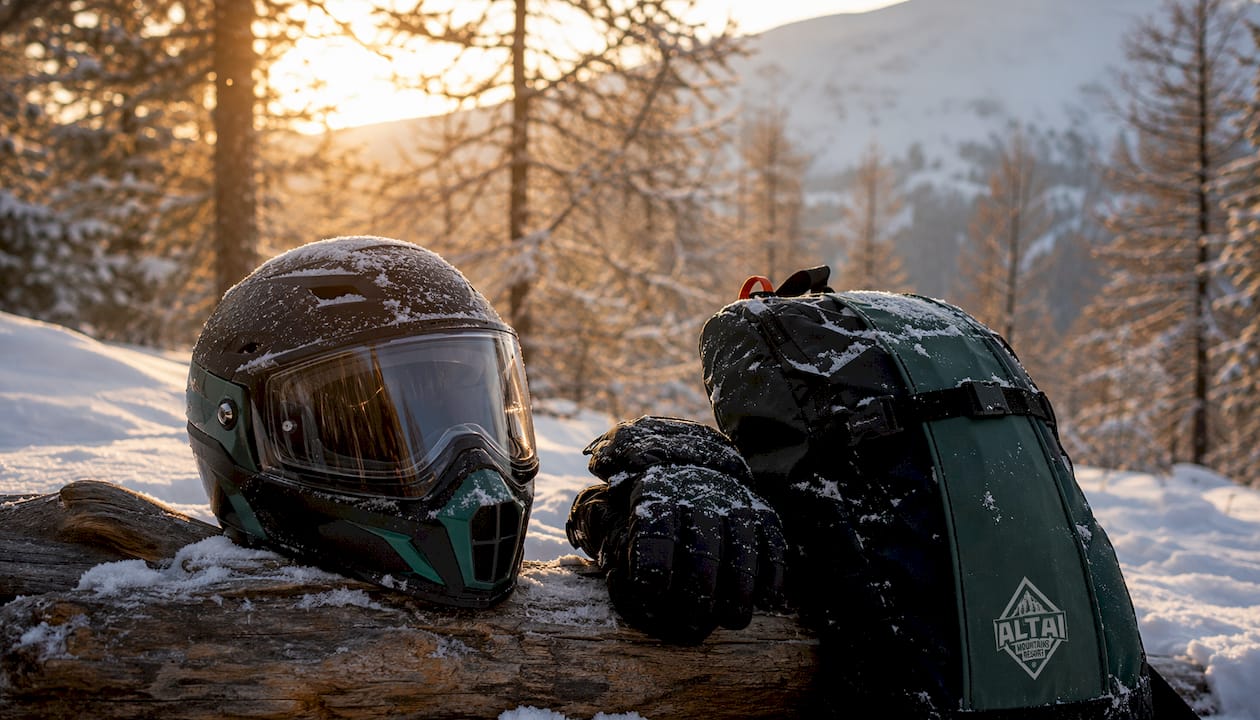
Prepare for a guided snowmobile ride with a practical gear checklist covering helmets, winter layers, avalanche equipment and cold exposure in Ridder.

A practical heli skiing guide to ability, avalanche equipment, packing, weather and planning your first trip to Kazakhstan.
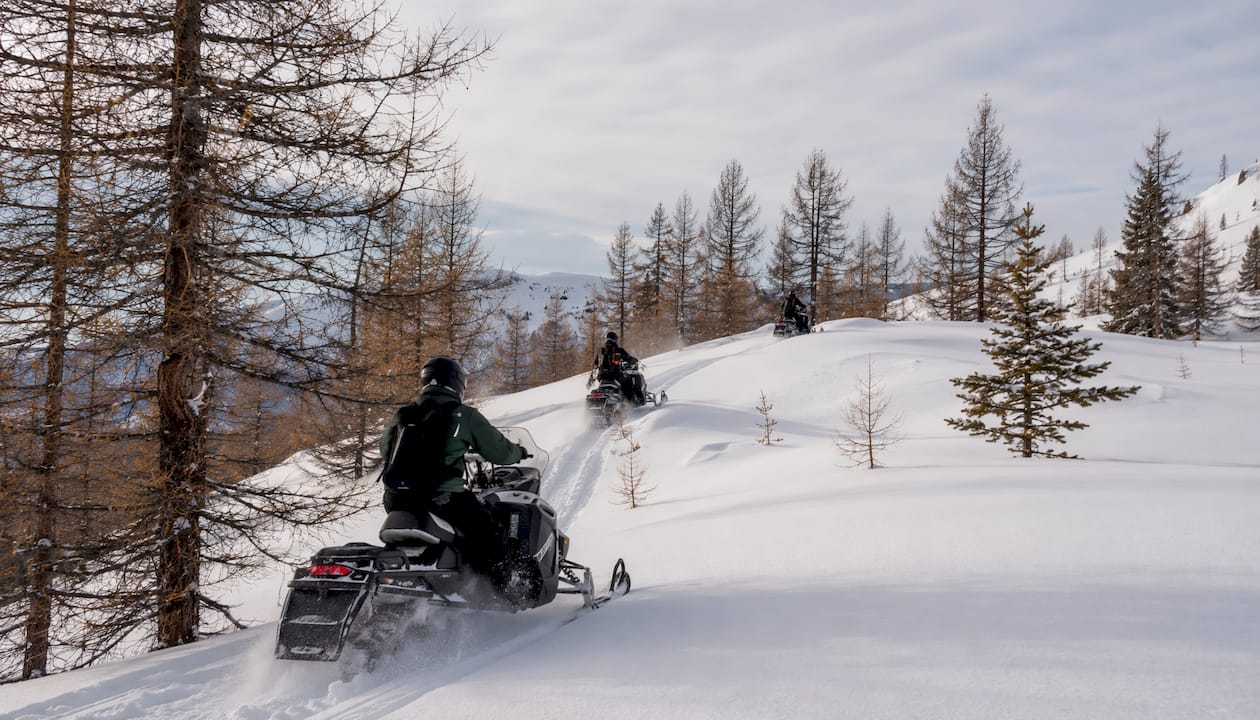
Plan guided deep snow snowmobiling in Ridder, with practical details on training, rentals, equipment, transfers and staying at Ridder Lodge.
How to choose Kazakhstan travel insurance for heli-skiing, cat-skiing or snowmobiling, including medical treatment and evacuation cover.
Kazakhstan visa requirements for UK visitors to Ridder, including visa-free limits, e-visas, passport rules, airports and Öskemen transfers.
Build strength, balance and endurance before cat-skiing, heli-skiing or snowmobiling with an adaptable six-to-eight-week ski fitness program.

Explore cold plunge benefits for skiers, from short-term soreness and recovery evidence to cold-shock risks, timing and Altai Banya options.

Understand heli skiing cost in 2026 with current operator examples, a total-budget checklist, and key booking, safety and insurance questions.