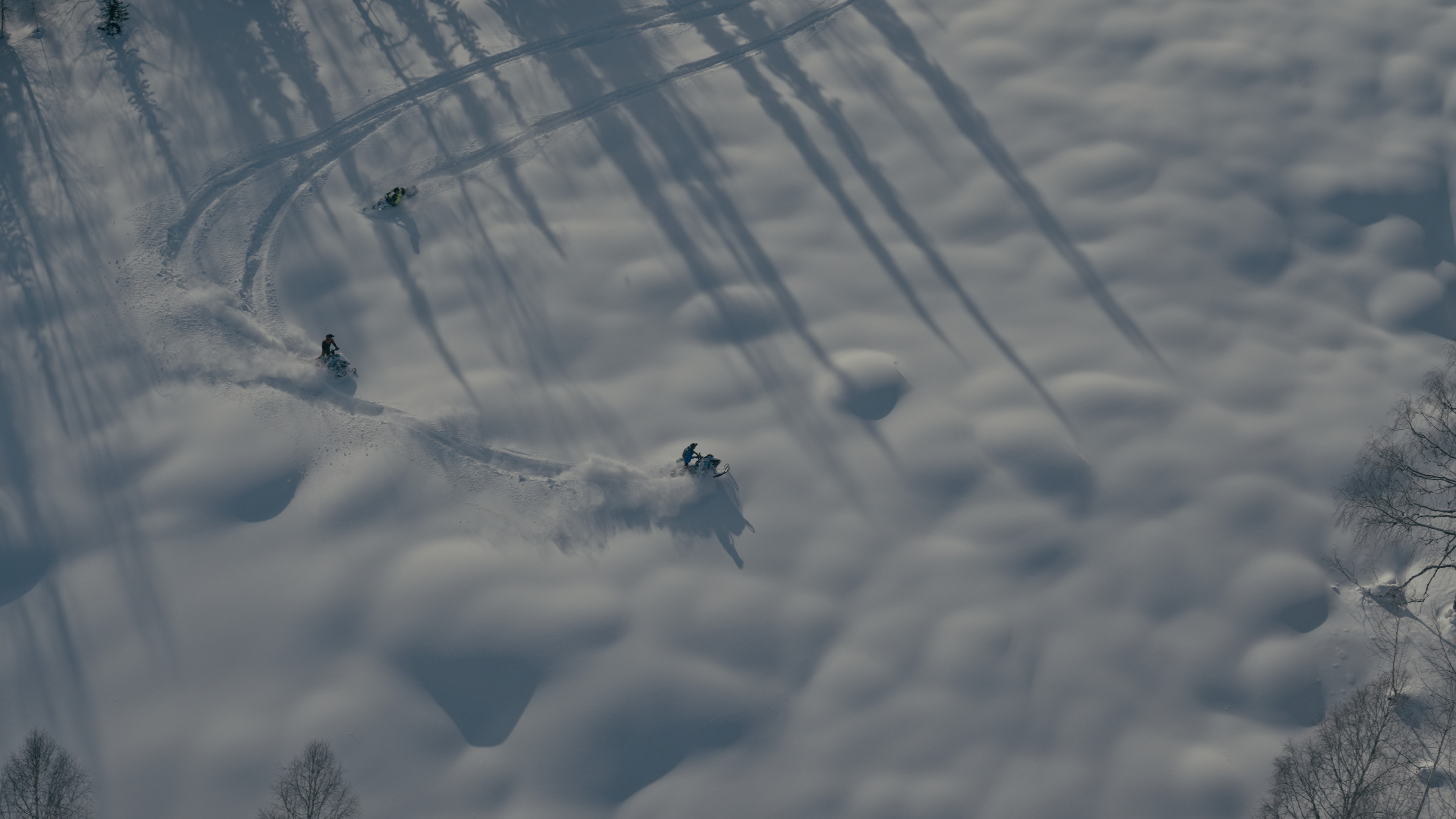
Prepare for a guided snowmobile ride with a practical gear checklist covering helmets, winter layers, avalanche equipment and cold exposure in Ridder.
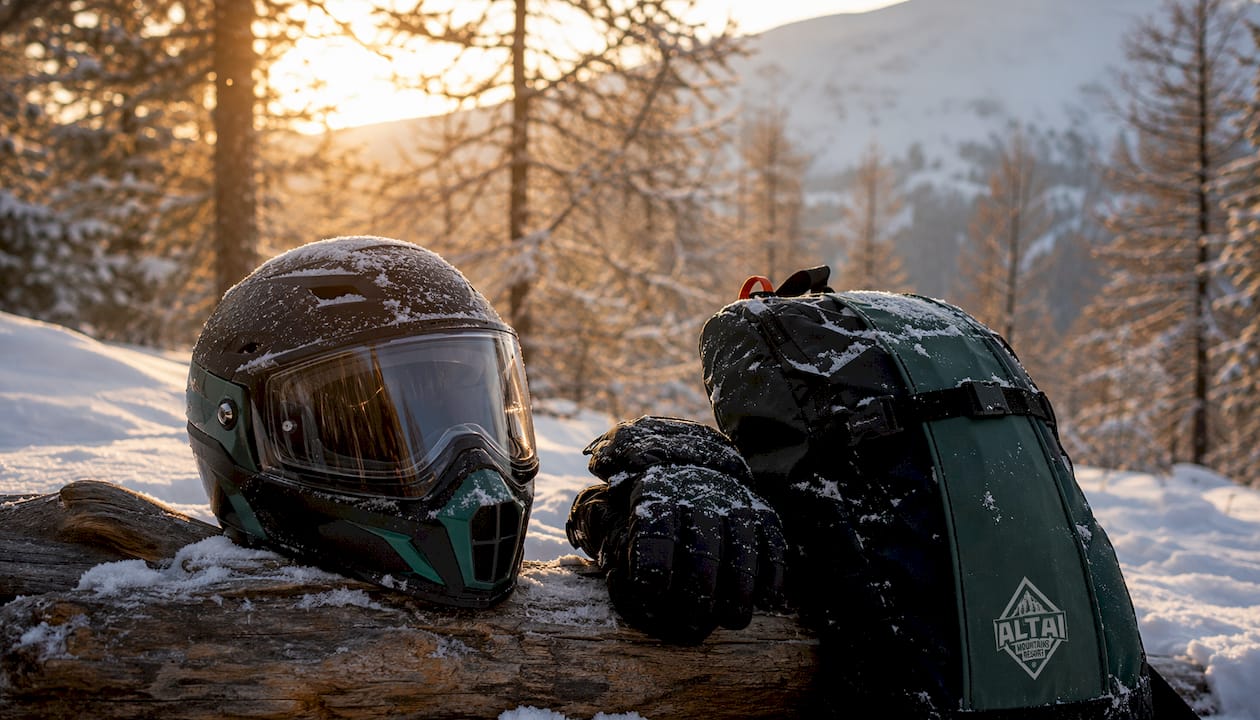
Snowmobile safety gear begins with a properly fitted helmet, warm moisture-managing layers, insulated gloves and winter boots. Eye protection and a weather-resistant outer layer complete the core kit for most guided rides. Deep-snow routes call for a separate plan covering avalanche equipment, training and communications.
The route and conditions shape the final equipment list. A guided Snow Safari near Ridder and a day in avalanche terrain require different preparation, so follow the guide’s requirements for the activity you have chosen.
Snowmobile safety gear: the essential guided-tour checklist
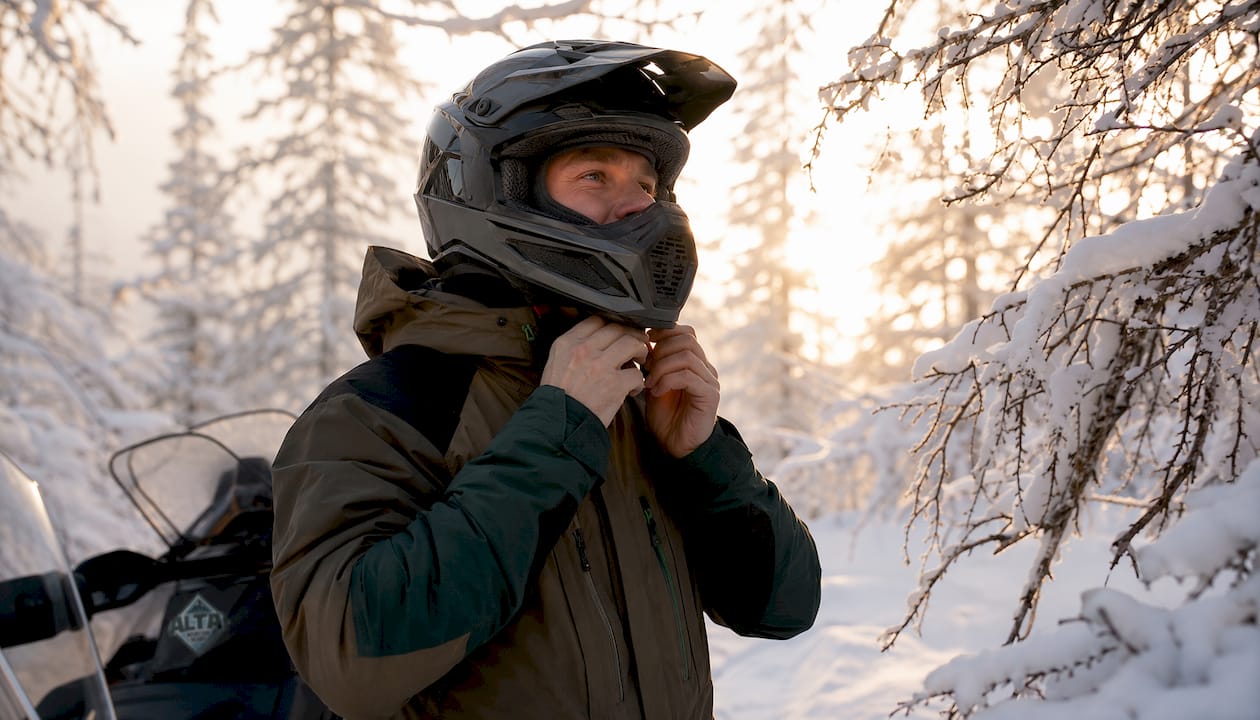
Helmet: use a snug, securely fastened helmet approved for snowmobile use under a recognised safety standard.
Base layer: choose merino wool or a moisture-managing synthetic fabric.
Insulation: pack a fleece, wool or suitable insulated mid-layer that fits comfortably beneath your outer clothing.
Outer layer: wear a wind-resistant jacket and trousers or a snowmobile suit suited to the forecast and length of the ride.
Hands and feet: bring insulated gloves or mittens, warm socks and winter boots with a secure sole.
Face and eyes: use a visor or goggles suited to the helmet, together with a close-fitting neck or face covering if conditions require one.
For an ordinary guided tour, your clothing should keep you warm without restricting steering, braking or mounting the machine. For deep-snow riding, add the route-specific equipment set by the guide. Avalanche tools are useful when they are paired with the knowledge and practice required to use them.
What to wear for a guided snowmobile ride
A simple layering system is easier to adjust than one very heavy garment. Begin with a close-fitting base layer, add insulation, then finish with an outer layer that blocks wind and sheds snow. Pack a spare base layer for longer days if you tend to perspire heavily.
Item | What to look for | Practical note |
|---|---|---|
Helmet | Recognised approval, secure strap and an even, snug fit | Follow the manufacturer’s fitting instructions and try it with the face covering you will wear |
Base layer | Merino wool or moisture-managing synthetic fabric | It should fit close to the body without restricting movement |
Mid-layer | Warmth without excessive bulk | Make sure sleeves and shoulders still move freely beneath the outer layer |
Outer clothing | Wind resistance and protection suited to the expected snow | Close cuffs and collars before setting out |
Gloves or mittens | Insulation with enough dexterity for the controls | Test your grip and finger movement while wearing them |
Boots and socks | Insulation, a secure fit and a sole intended for winter conditions | Avoid doubling socks if that makes the boots tight |
Visor or goggles | Clear vision and compatibility with the helmet | Bring the lens or visor recommended for the expected light |
The US Consumer Product Safety Commission advises snowmobile riders to wear a helmet meeting a recognised safety standard. The exact label accepted for your tour should be established before you travel. Fit should follow the helmet manufacturer’s instructions rather than a universal movement measurement. See the CPSC snowmobile safety guidance.
How to assess helmet fit
Fasten the chin strap and make sure the helmet sits level, feels snug around the whole head and does not create painful pressure points. If you are using equipment supplied for the ride, look over the shell, visor and fastening system before setting out. If you bring your own helmet, protect it in transit with a padded bag and avoid packing heavy objects on top of it.
Deep-snow riding: avalanche equipment and training
Deep-snow riding does not automatically mean avalanche exposure. The distinction depends on the planned route, not the tour name alone. If the day enters avalanche terrain, follow the guide’s equipment, spacing and route protocol.
Avalanche Canada identifies a transceiver, probe and shovel as the three core companion-rescue tools. Carrying them is only one part of preparation: an effective response requires training and repeated practice.
Avalanche education also covers recognising avalanche terrain, interpreting the forecast, planning a route and practising companion rescue. These skills are covered in Avalanche Canada’s training guidance. An avalanche backpack or other additional equipment does not replace those decisions and skills.
For a day in avalanche terrain, you need a clear equipment and training plan: which tools are carried, who carries them, and what prior or on-site instruction applies. If you have not used a transceiver, probe and shovel before, tell the guide while arranging the ride so this can be addressed before departure.
Before the ride: safety habits that matter
Good equipment works alongside disciplined riding. Do not consume alcohol before or while operating a snowmobile. Avoid riding alone or taking an unfamiliar route independently, and do not make an unplanned water crossing. At night or in poor visibility, travel slowly enough to stop within the distance you can see. These principles appear in the CPSC guidance for snowmobile riders.
Listen carefully to the route and control briefing.
Follow the guide’s pace, spacing and stopping instructions.
Keep the rider ahead in view without following too closely.
Tell the guide promptly if visibility, cold or fatigue is affecting your control of the machine.
Do not leave the group or enter an unplanned slope, trail or crossing.
If independent riding is permitted, leave your planned route and expected return time with a reliable contact. Carry communications suited to the area and remain within the local and operator rules for independent travel.
Cold exposure and emergency preparation
Cold-related problems are easier to address when recognised early. Numbness and skin that appears white, greyish-yellow, firm or waxy are possible signs of frostbite, according to the CDC’s frostbite guidance. Report these symptoms immediately and stop exposing the affected area to further cold.
Shivering, exhaustion, confusion, fumbling hands, memory loss, slurred speech and drowsiness are warning signs of hypothermia. The CDC describes hypothermia as a medical emergency, so suspected cases require urgent medical help. The CDC’s winter-weather health guidance provides further preparation advice.
Bring any medication you use regularly, emergency contact details, and enough water and food for the planned duration. Share relevant health or mobility considerations when arranging the activity, giving the team time to discuss them with you before arrival.
If you have concerns about cold exposure, exertion or an existing medical condition, speak with an appropriate healthcare professional before travelling.
Travel preparation for Kazakhstan
Before travelling, check the current entry requirements for your passport and itinerary. Arrange insurance that covers your planned snowmobiling activities and emergency expenses, and review exclusions, evacuation and repatriation terms directly with your insurer.
Flying with batteries and equipment
Spare lithium batteries and power banks belong in carry-on baggage and need protection against short circuit. Larger batteries may require airline approval, so note the watt-hour rating and read the carrier’s rules before departure. The main requirements are summarised in IATA’s passenger baggage guidance for electronic devices and batteries.
Pack a personal helmet in a padded helmet bag. Keep boots separate from clean clothing, and allow damp gloves and layers to dry before sealing them inside luggage for the return journey.
Planning your snowmobile ride in Ridder
At Altai Mountains Resort, we arrange snowmobiling in Ridder in the Western Altai, East Kazakhstan. You can explore our snowmobiling programme, with options for guided tours, rentals and riding instruction, including Snow Safari tours and guided deep-snow snowmobiling.
For Snow Safari, we currently offer guides, GPS-equipped snowmobiles and satellite communication, subject to the selected activity, dates and conditions. For guided deep-snow snowmobiling, avalanche-awareness training, GPS and satellite communication are likewise subject to the final route and booking arrangements. Depending on the activity, sizing and availability, selected rental equipment can include a monosuit, helmet, boots, avalanche backpack and radio.
One conversation with our booking team can cover the practical details:
your preferred tour, dates, group size and riding experience;
the anticipated duration and terrain;
what clothing, helmet and safety gear come with the ride;
available sizes and anything you need to bring;
the avalanche equipment and training plan for deep-snow terrain;
current price, payment terms and other booking requirements; and
transport from Öskemen, if needed.
Ridder is approximately 120 km from Öskemen. Allow around 1.5–2 hours for the road journey, with timing varying according to conditions and arrangements. You can explore the area in more detail on our Western Altai destination page.
If you are planning the stay as a shared present, resort gifting guides can help you shape the idea; our team will handle the practical details of the ride itself.
When you are ready, send us your group details through the Altai Mountains Resort booking page. With the route and equipment plan settled, you can pack the personal layers that fit you well and look forward to arriving in Ridder prepared for the day ahead.
All Articles
Practical ski photography tips for beginners: camera settings, snow exposure, timing, cold-weather camera care and safe mountain positioning.

Learn how to read an avalanche forecast, interpret danger ratings, roses and avalanche problems, and plan more conservative terrain choices.
Practical cold injury prevention for winter travel: layering, dry spares, warning signs, first aid and planning for mountain activities.
Planning snowmobiling in Ridder? Understand how experience, training, equipment and Kazakhstan rules shape your trip with Altai Mountains Resort.
Travel with ski gear confidently: carry boots when cabin rules allow, pack skis securely, understand airline baggage rules and prepare for delays.
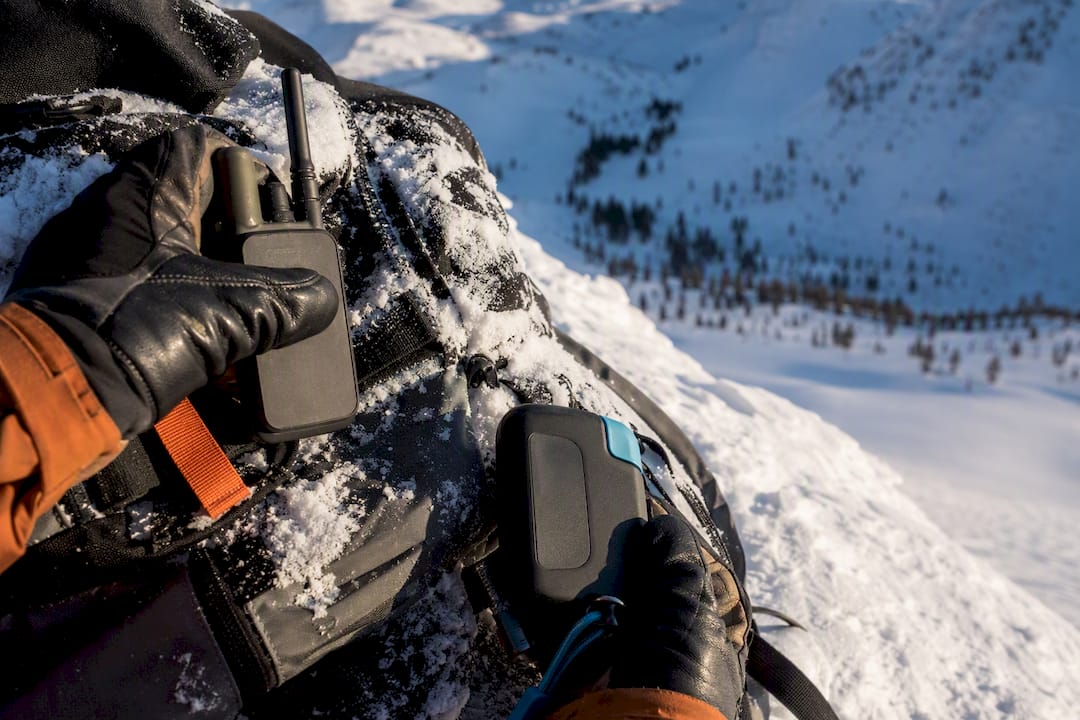
Build a practical backcountry radio communication plan with party radios, satellite SOS or PLB backup, cold-weather care and regional legal essentials.

Satellite messenger basics for remote Altai trips: compare PLBs and two-way devices, understand SOS limits, and prepare your communications plan.
Avoid ski crowds with flexible dates, midweek skiing, early starts and smarter lift choices. Explore guided off-piste options near Ridder.

Learn how heli-skiing passenger weight and baggage rules differ by operator, with practical packing steps and Altai Mountains Resort booking guidance.
Understand the cat skiing skill level needed for Altai Mountains Resort, with practical guidance on off-piste ability, fitness and avalanche readiness.
Decide whether Ridder suits your advanced Altai ski trip, with practical guidance on transfers, season timing, avalanche gear and guided programmes.
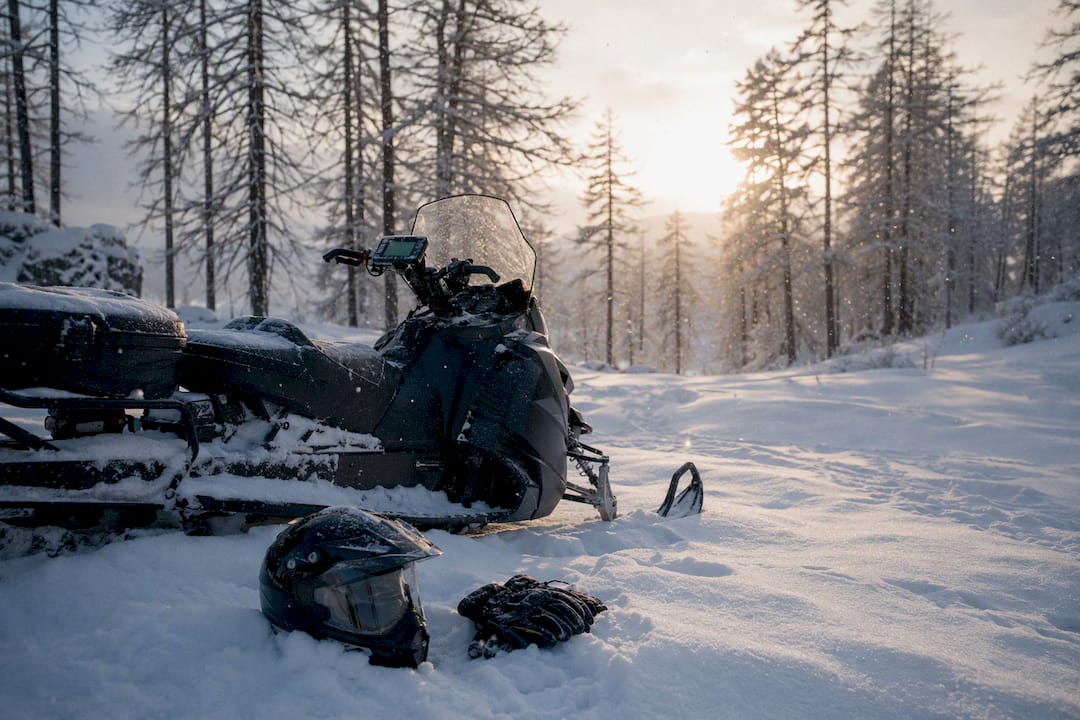
Compare snowmobile tour prices by duration, understand what shapes the final cost, and explore quote-based snowmobiling at Altai Mountains Resort.
Compare Western Altai, Almaty and Turgen for Kazakhstan powder skiing, with practical guidance on access, safety and Ridder logistics.

Plan Altai heli skiing near Ridder with practical guidance on terrain, season, package inclusions, access, safety gear and booking.
Compare flight, rail and self-drive routes from Almaty to the Kazakh Altai, with practical guidance for reaching Ridder and Ulba village.

Learn deep powder snowmobiling setup, riding technique, safe recovery and avalanche preparation, plus guided training near Ridder.
Plan an Altai Mountains winter stay from Ridder, with activity timing, travel from Öskemen, packing advice and practical mountain guidance.

Practical helicopter passenger safety guidance on boarding, seatbelts, exits, dropped items and following crew instructions.

Practical off-piste slope etiquette for safer skiing: right of way, avalanche preparation, group spacing, closures and guided skiing in the Western Altai.

Plan an Altai Mountains trip across Russian, Mongolian and Kazakh sectors, with permit, safety and winter-stay guidance for Ridder Lodge.
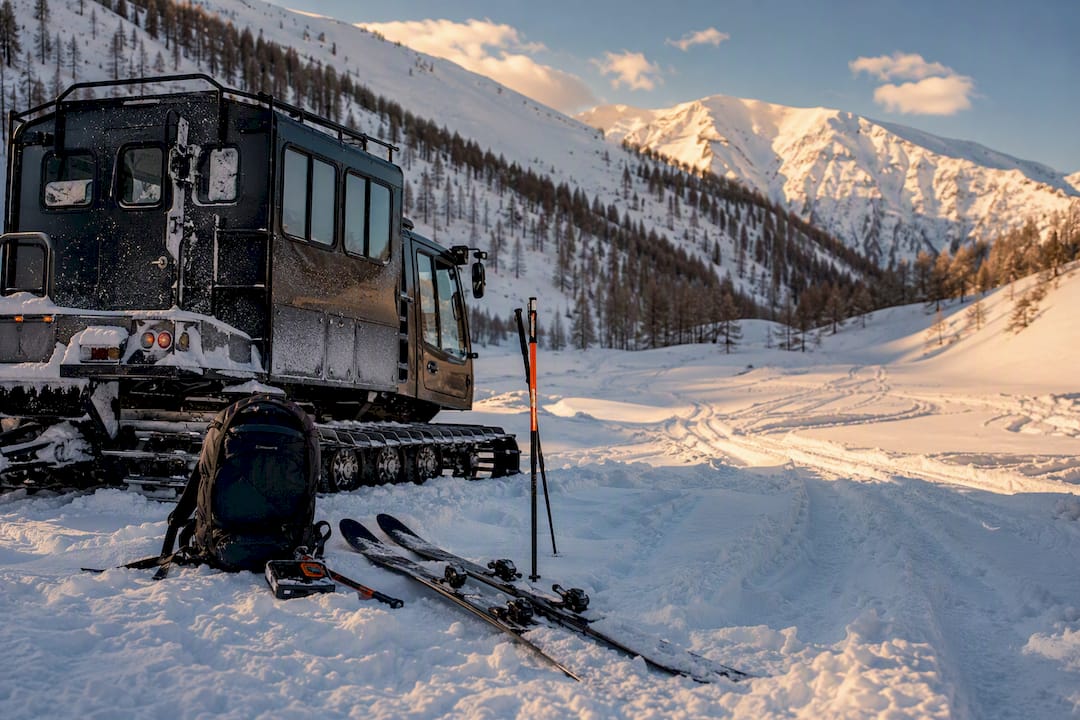
Learn how to plan guided freeride tours, from off-piste experience and avalanche gear to guide scope, changing mountain conditions and cat-skiing in the Altai.
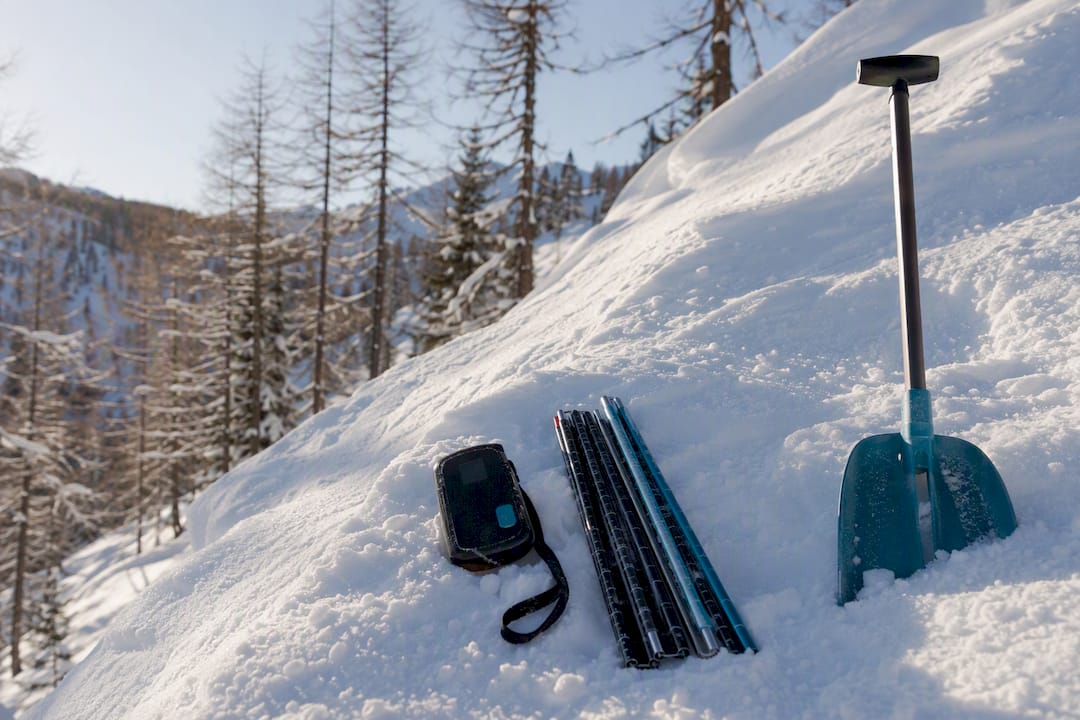
Learn avalanche beacon basics: 457 kHz transceivers, essential rescue gear, trailhead checks, interference and companion-rescue practice.

Learn which avalanche course suits your plans, what companion-rescue skills to practise and how to prepare for a winter trip to Altai.
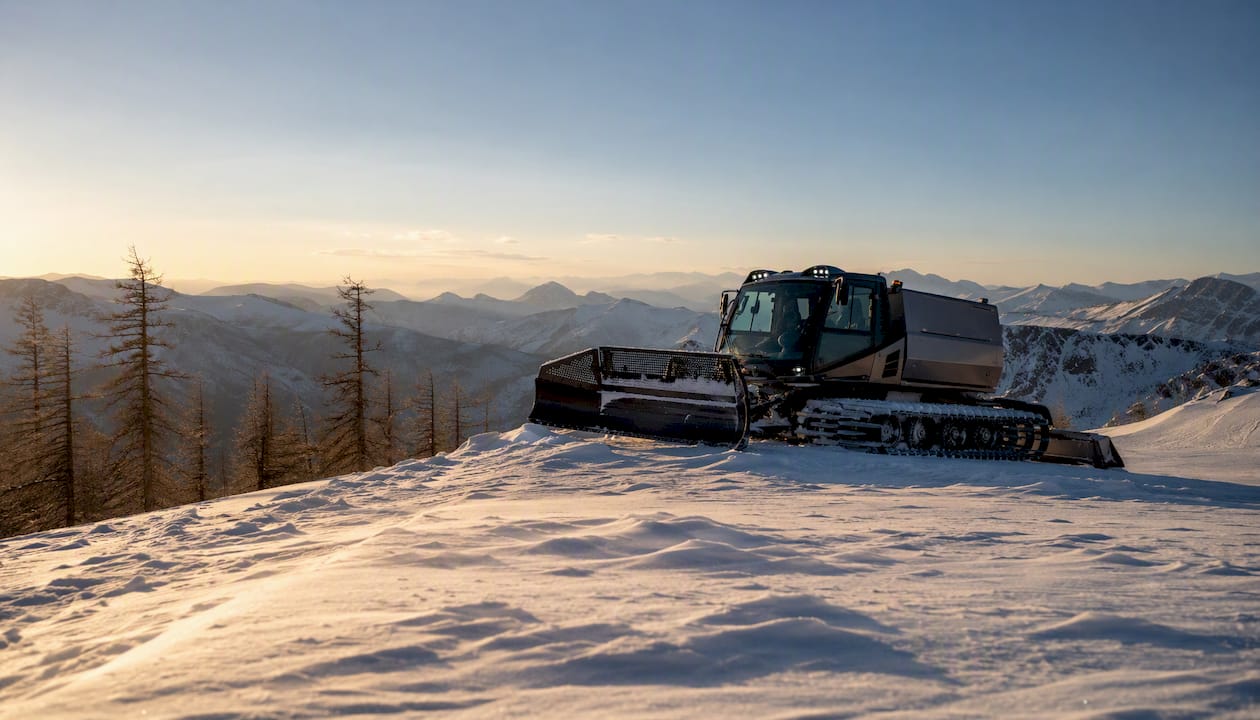
Learn what cat skiing is, who it suits, what to pack and how to plan a guided cat-skiing trip, including options near Ridder, Kazakhstan.
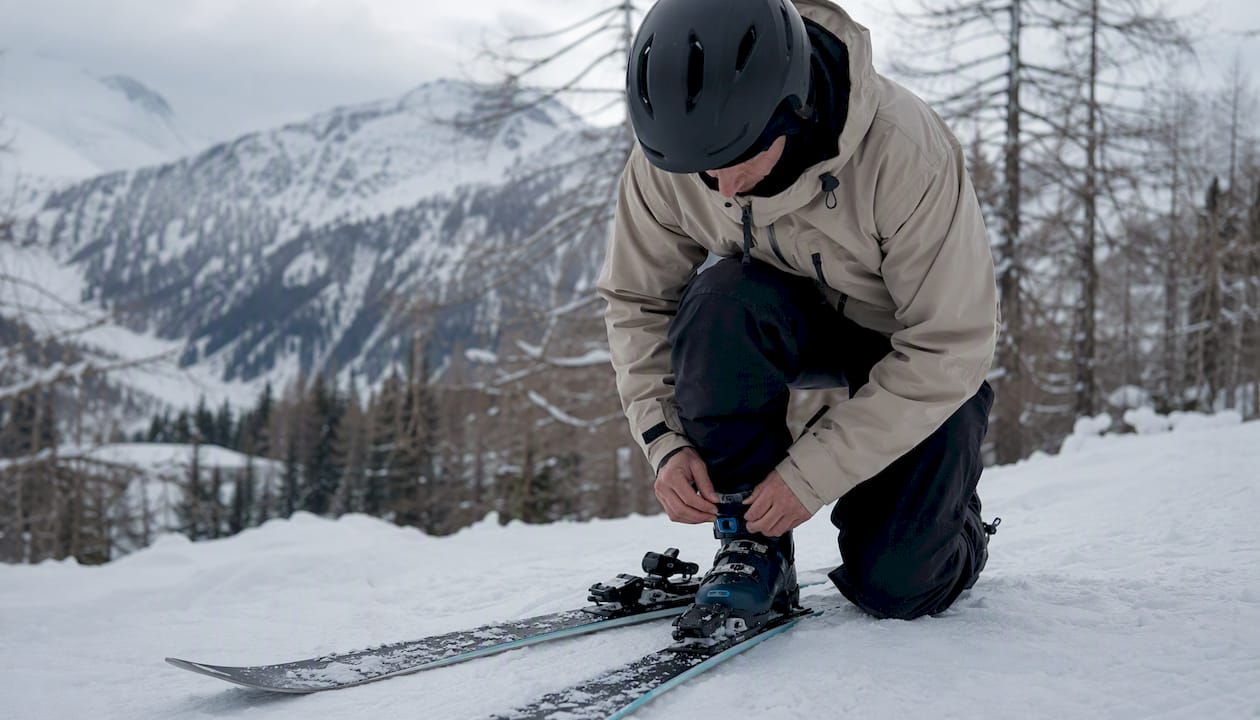
A practical ski rental Kazakhstan guide to Shymbulak and Medeu, current tariffs, equipment fit, transport and guided freeride near Ridder.

Understand ski guide benefits for freeride and backcountry trips, including local planning, terrain choices, qualifications, safety gear and access options.

Plan a snowmobile expedition near Ridder, Kazakhstan, with practical guidance on routes, rider experience, equipment, mountain safety and transfers.
Use this mountain lodge amenities checklist to compare rooms, meals, wellness access, transfers, activities and paid extras before booking.
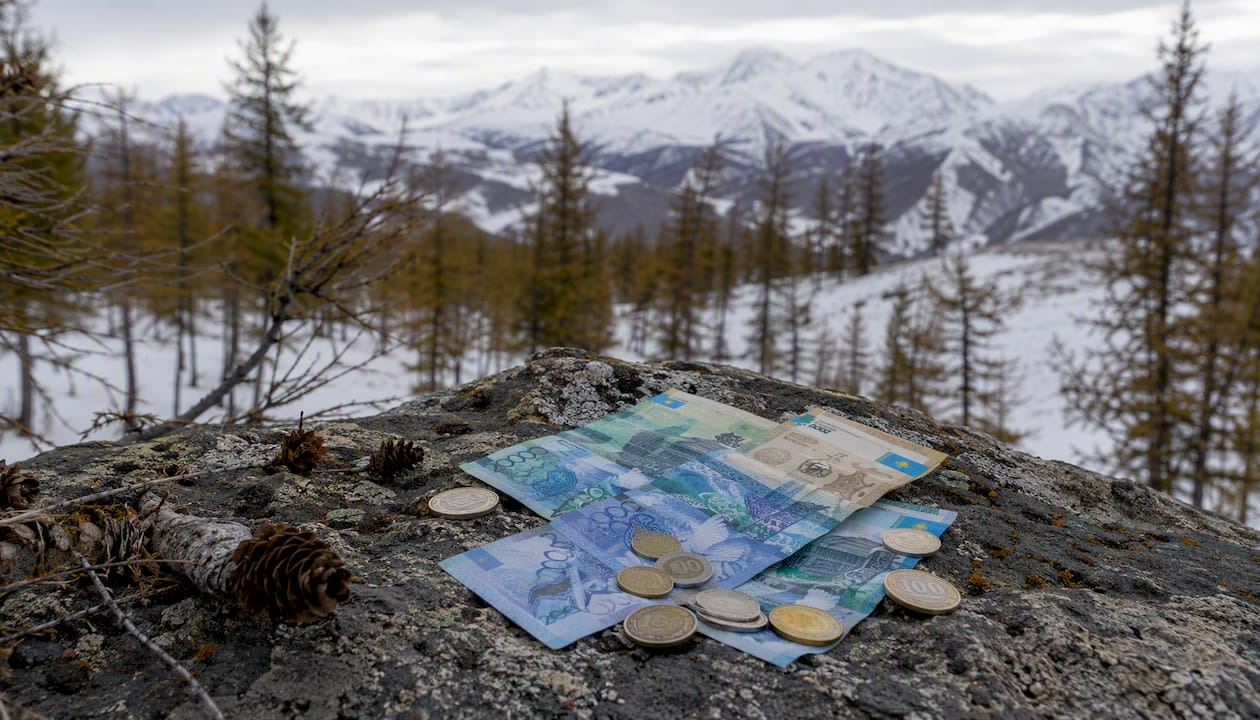
A practical Kazakhstan currency guide to the tenge, cards, ATMs, currency exchange, DCC and cash planning for cities and the Western Altai.
Plan the Kazakhstan ski season by month, compare lift-served Shymbulak with guided trips around Ridder, and prepare for changing snow and mountain conditions.
A practical guide to spa after skiing, including gentle massage, sauna and hammam, optional cold immersion and signs that need medical attention.
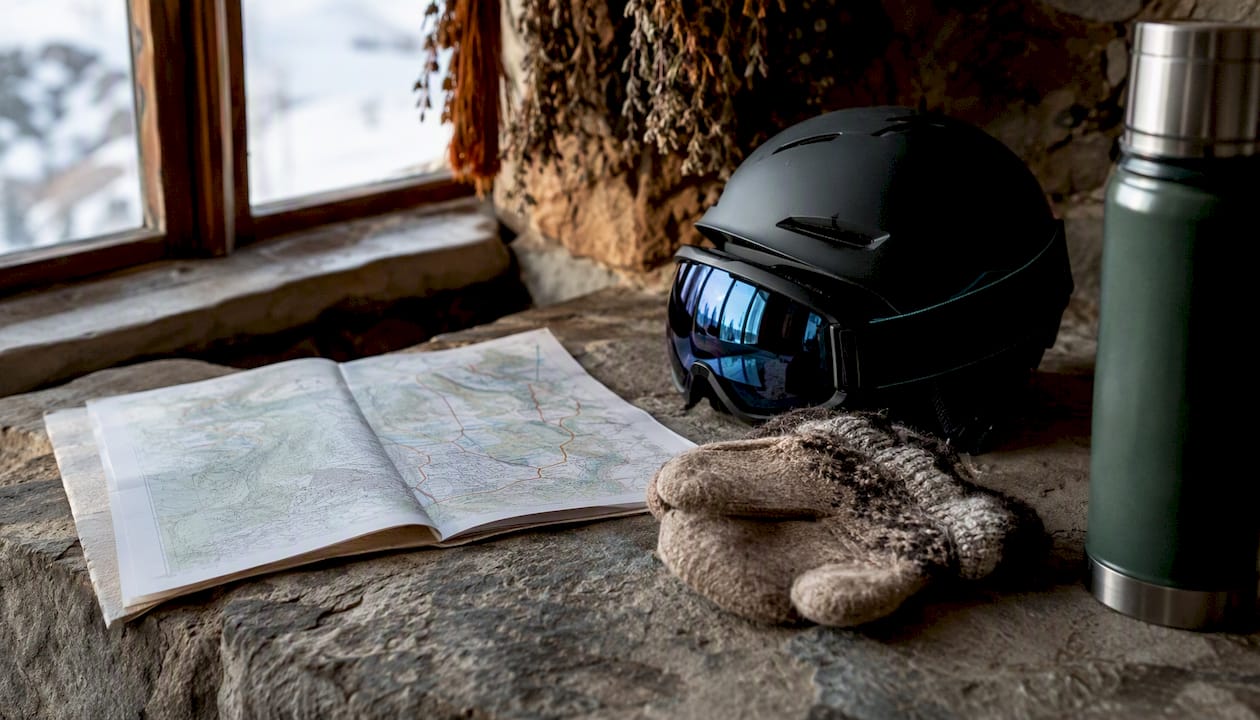
Plan a remote ski trip from the UK to Ridder, with practical guidance on activities, Kazakhstan entry, Öskemen transfers, insurance and ski baggage.
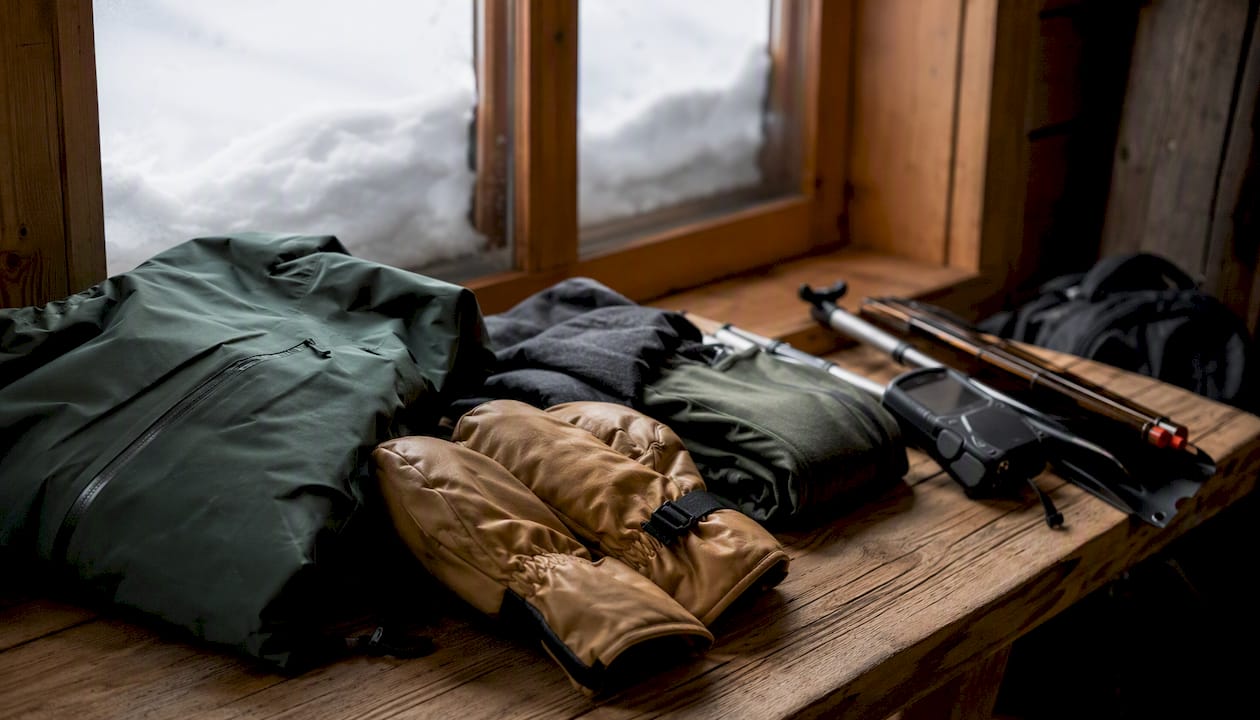
A practical heli skiing packing list covering clothing, avalanche equipment, ski baggage, batteries, travel documents and rental options.
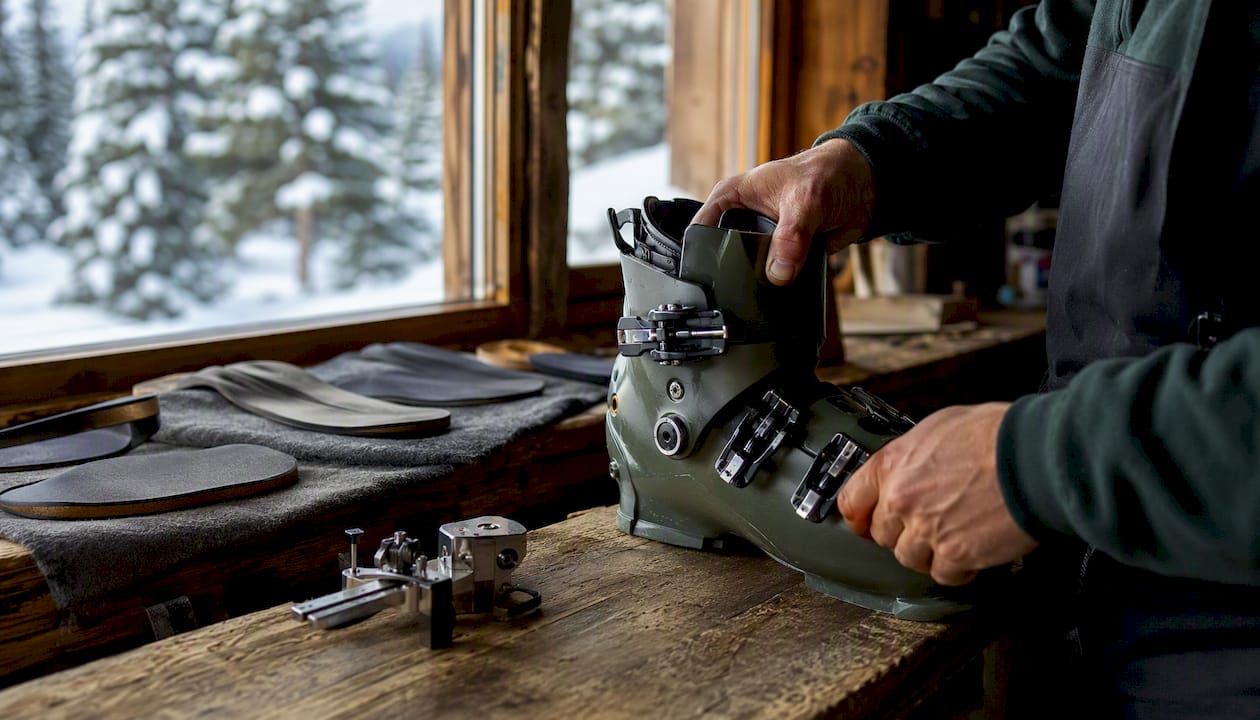
A practical UK guide to ski boot fitting: appointment steps, services, current provider price examples, aftercare and warning signs.
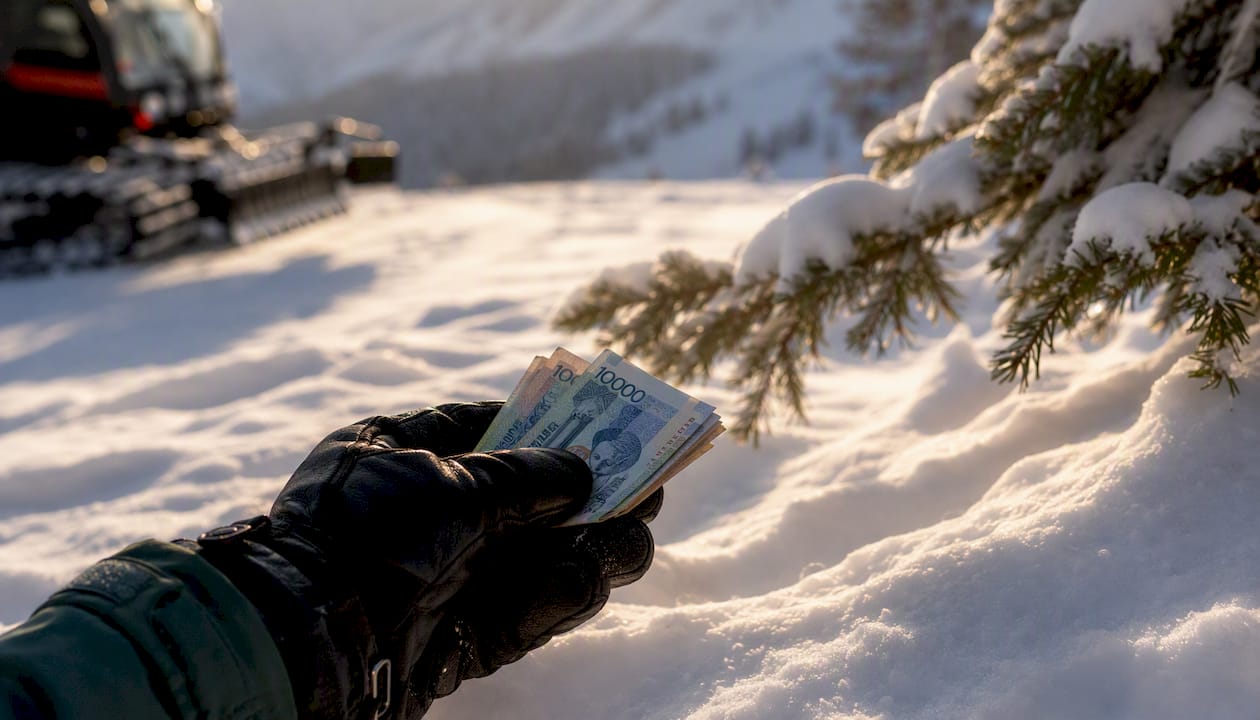
Should you tip a ski guide? Learn how customs vary, when a gratuity may feel appropriate and how to plan for tipping in Kazakhstan.
An Altai cuisine guide to kan, kurut, chegen and talkan, with dining at Restaurant Altai, food safety and travel from Öskemen to Ridder.
Compare banya vs sauna: heat, steam, venik and löyly rituals, etiquette, health evidence, safety basics and the Altai Banya experience.
Learn how to ski deep powder with centred balance, smooth turns, speed control, practice steps, gear guidance, and avalanche and tree-well precautions.

Plan a mountain wellness retreat in Ridder with freeride, heli-skiing, snowmobiling, Ridder Lodge, Altai Banya and practical winter travel guidance.

A practical snowmobile gear list for UK travellers heading to Altai Mountains Resort, with clothing, safety equipment, battery and travel guidance.

Understand Ridder Lodge’s ski-in/snowmobile-out access, guided ski-day logistics, transfers from Öskemen and practical planning for your stay.
Prepare for a guided snowmobile ride with a practical gear checklist covering helmets, winter layers, avalanche equipment and cold exposure in Ridder.

A practical heli skiing guide to ability, avalanche equipment, packing, weather and planning your first trip to Kazakhstan.
Plan guided deep snow snowmobiling in Ridder, with practical details on training, rentals, equipment, transfers and staying at Ridder Lodge.
How to choose Kazakhstan travel insurance for heli-skiing, cat-skiing or snowmobiling, including medical treatment and evacuation cover.
Kazakhstan visa requirements for UK visitors to Ridder, including visa-free limits, e-visas, passport rules, airports and Öskemen transfers.
Build strength, balance and endurance before cat-skiing, heli-skiing or snowmobiling with an adaptable six-to-eight-week ski fitness program.

Explore cold plunge benefits for skiers, from short-term soreness and recovery evidence to cold-shock risks, timing and Altai Banya options.

Understand heli skiing cost in 2026 with current operator examples, a total-budget checklist, and key booking, safety and insurance questions.