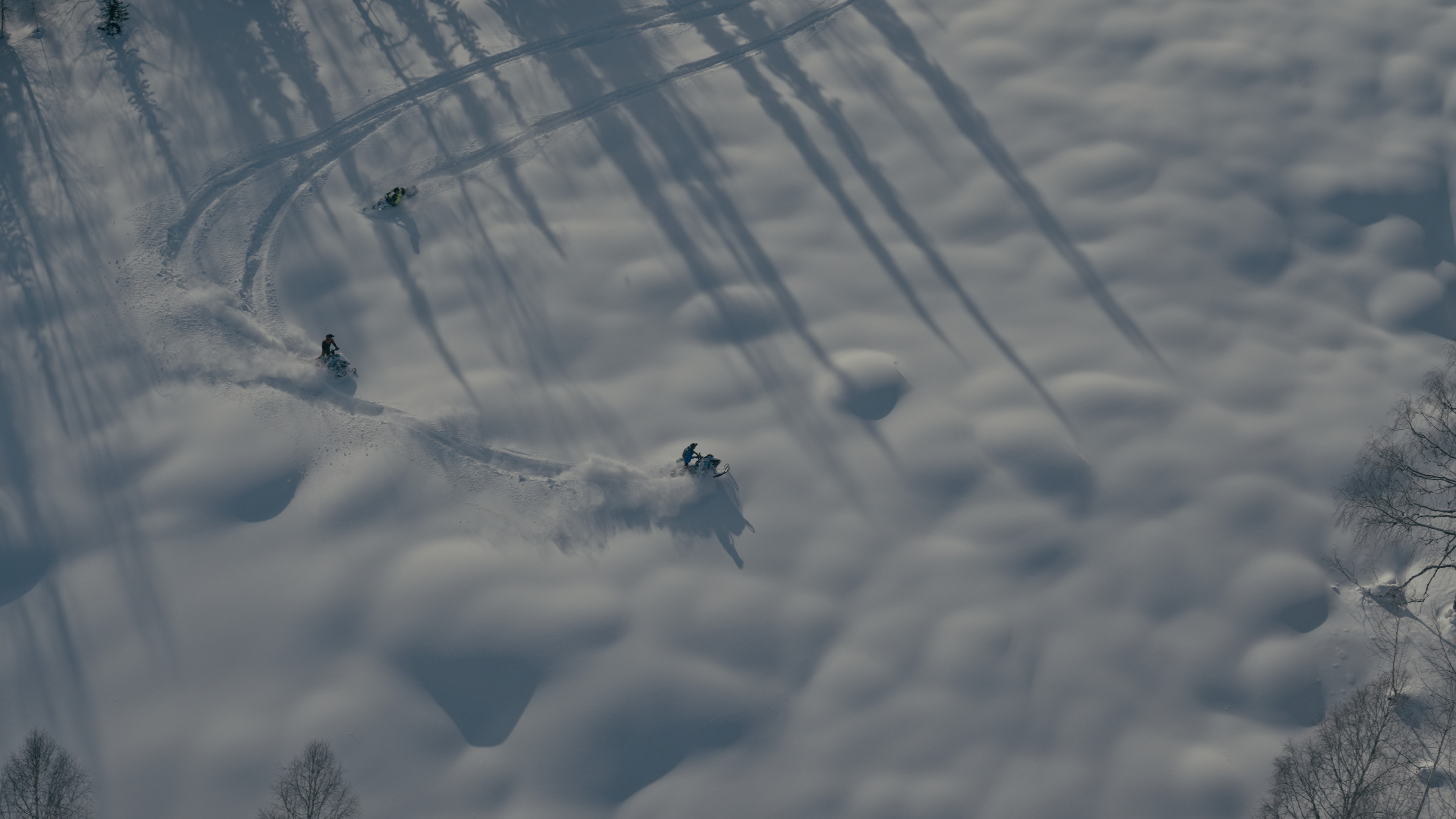
Practical cold injury prevention for winter travel: layering, dry spares, warning signs, first aid and planning for mountain activities.
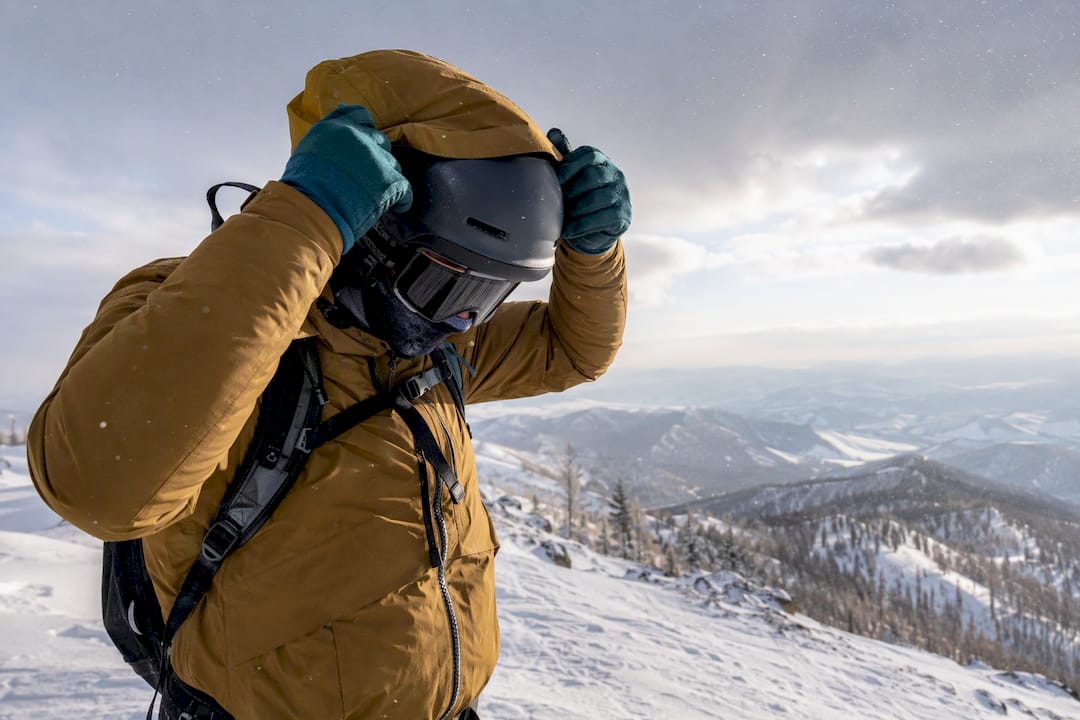
Cold injury prevention begins with staying dry, dressing in layers, covering exposed skin and turning back early when conditions or comfort change. For winter days in the Western Altai—or any cold destination—the aim is simple: retain body heat, limit wind and moisture exposure, and recognise trouble before it becomes an emergency.
The guidance below is for general travel planning and does not replace medical care or activity-specific instruction.
Quick answer: preventing cold injuries
Build your day around dry clothing, regular shelter breaks, food and fluids, and a clear plan for getting back. The CDC’s winter-weather guidance recommends warm layers, keeping dry, avoiding alcohol and seeking medical attention for signs of hypothermia or frostbite. CDC's cold stress guidance offers related cold-stress information for time outdoors.
Wear a moisture-managing base layer, insulating middle layer and wind- and water-resistant outer layer.
Keep hands, feet, ears and face covered; carry dry spare socks and mittens in waterproof storage.
Plan warm, sheltered pauses before anyone becomes chilled or exhausted.
Bring a charged communication device, share your route and expected return time, and keep the group together.
Watch companions for shivering, clumsiness, unusual tiredness, slurred speech, numbness or changes in skin colour.
How to prevent hypothermia and frostbite
Layering works because each garment has a distinct role. A close-fitting synthetic or wool base layer moves moisture away from the skin; an insulating layer such as fleece or wool retains warmth; and an outer shell reduces the effect of wind and wet snow. Cotton holds moisture and loses insulating value when wet. MedlinePlus's guidance on cold weather clothing explains why warm, dry clothing matters in cold weather.
Feet and hands deserve particular attention. Choose boots that help keep feet dry and leave room to move your toes, wear warm socks, and bring spare mittens or gloves. A hat, neck covering and suitable eyewear complete the system. Keep moving at a comfortable pace, but avoid working so hard that you soak your layers with sweat.
Drink regularly through the day and eat enough for the effort involved; cold exposure affects fluid balance through breathing and other normal losses. body's thirst signal weakens in cold conditions provides background on these cold-environment fluid changes. Avoid alcohol before and during outdoor activity: it can create a misleading feeling of warmth while increasing heat loss.
Bright snow also deserves respect. Snow can reflect 80% of ultraviolet radiation, so use sunscreen and UV-protective sunglasses or goggles on clear days.
Hypothermia signs and first aid
Hypothermia is dangerously low body temperature. Shivering, fatigue, confusion, fumbling hands and slurred speech are important warning signs. A body temperature below 35°C (95°F), particularly with symptoms, requires immediate medical attention according to the CDC’s hypothermia guidance.
Move the person out of wind and wet conditions, remove wet clothing, and warm the centre of the body with dry blankets or layers. If the person is alert and able to swallow, warm non-alcoholic drinks may be appropriate. Seek emergency help promptly for confusion, reduced alertness, worsening symptoms or suspected hypothermia. hypothermia guidance from Western Washington University is an additional plain-language overview of hypothermia response.
Do not treat a person’s willingness to continue as a measure of how well they are coping. Confusion and poor coordination can make it difficult to judge one’s own condition.
Frostbite signs and first aid
Frostbite most often affects fingers, toes, ears, nose and cheeks. Warning signs include numbness and skin that becomes white, greyish-yellow, firm or waxy. The CDC frostbite first-aid guide advises protecting the area, seeking medical care and avoiding rubbing, massage or intense direct heat.
Get indoors or to sheltered warmth as soon as possible. Do not rub the skin, use a heating pad, hold the area against a radiator or apply very hot water. These measures can cause further tissue damage. Frostbitten tissue should not be rewarmed if there is a realistic chance that it will freeze again before medical care is available.
Wind makes exposed skin lose heat faster, but it does not turn above-freezing air into freezing air. The National Weather Service explains the limits of wind chill: frostbite requires air near the skin to be below freezing. National Weather Service is also a useful starting point for general cold-weather safety material.
Clothing, footwear, and emergency kit
A small dry-kit bag is one of the most useful items in a winter pack. Keep it sealed and separate from damp outer gear.
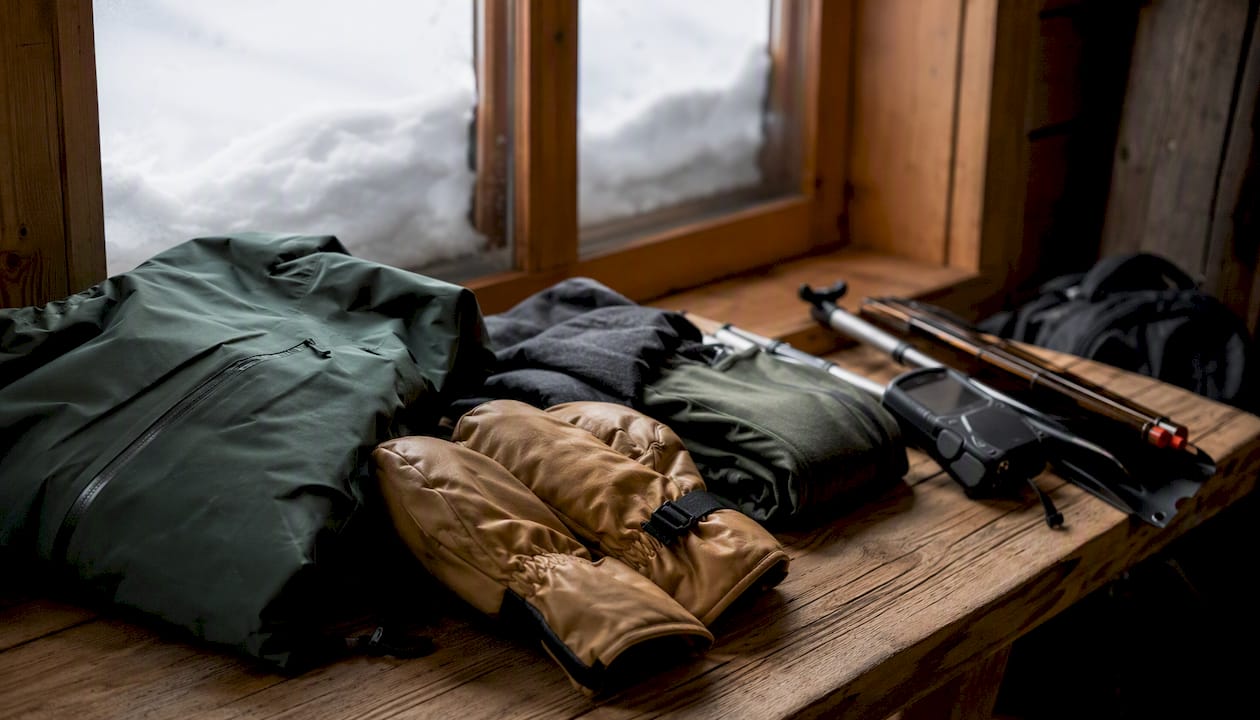
Dry base layer, socks and mittens or gloves
Warm hat and neck covering
Insulated, weather-appropriate boots
Water, food and a warm drink in a suitable flask
Charged phone, portable power bank and local emergency contacts
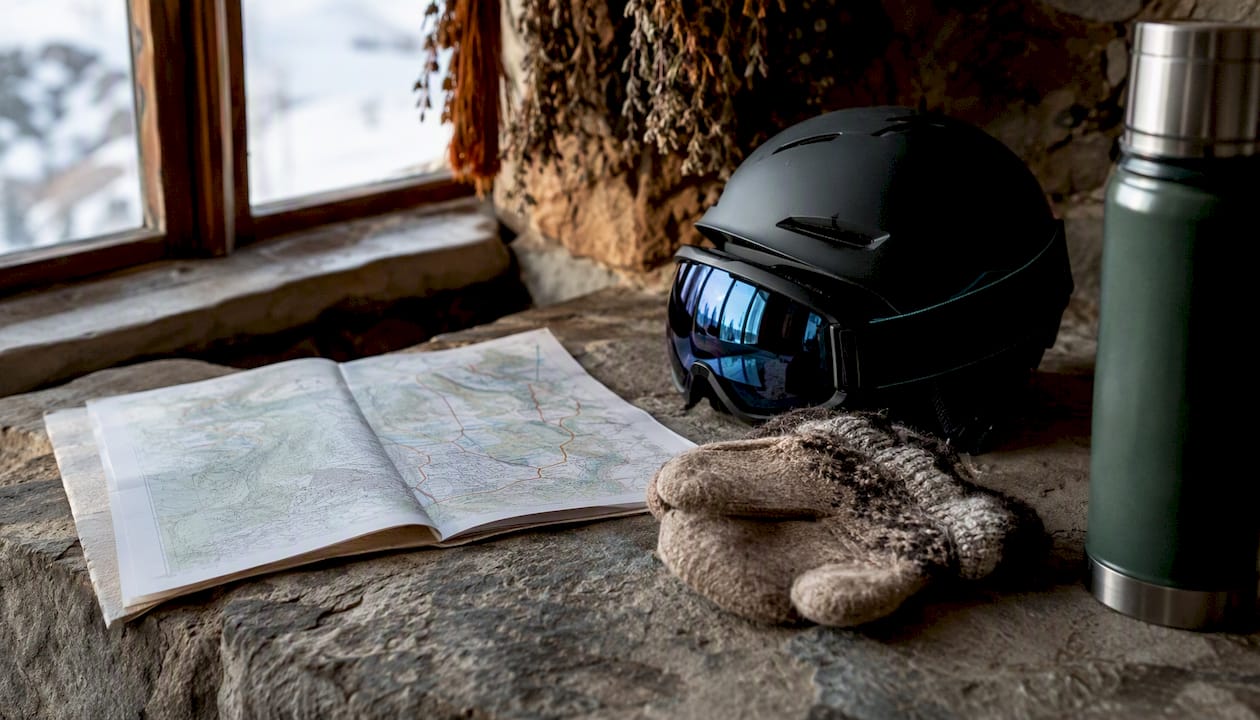
Map or route information, headlamp and basic first-aid supplies
Before departure, consider the forecast as a whole: temperature, wind, precipitation, daylight and visibility all shape the day. Set a conservative turnaround point and a sheltered meeting place. For general packing ideas beyond mountain travel, essential winter travel tips covers practical preparation for a cold-destination journey.
Higher-risk travelers and medical considerations
Older adults, infants and people with certain medical conditions can be more vulnerable to cold. Anyone with a condition that affects circulation, sensation, mobility or temperature regulation should discuss cold-weather plans with a qualified clinician. Do not stop or alter prescribed medication for a trip without medical advice.
Choose a shorter, easier outing when someone in the group is inexperienced, recovering from illness or uncertain about their response to cold. This is sensible trip planning, not a test of endurance. essential winter travel tips has broader travel-planning suggestions that may help when building a flexible itinerary.
Planning a guided winter activity at Altai Mountains Resort
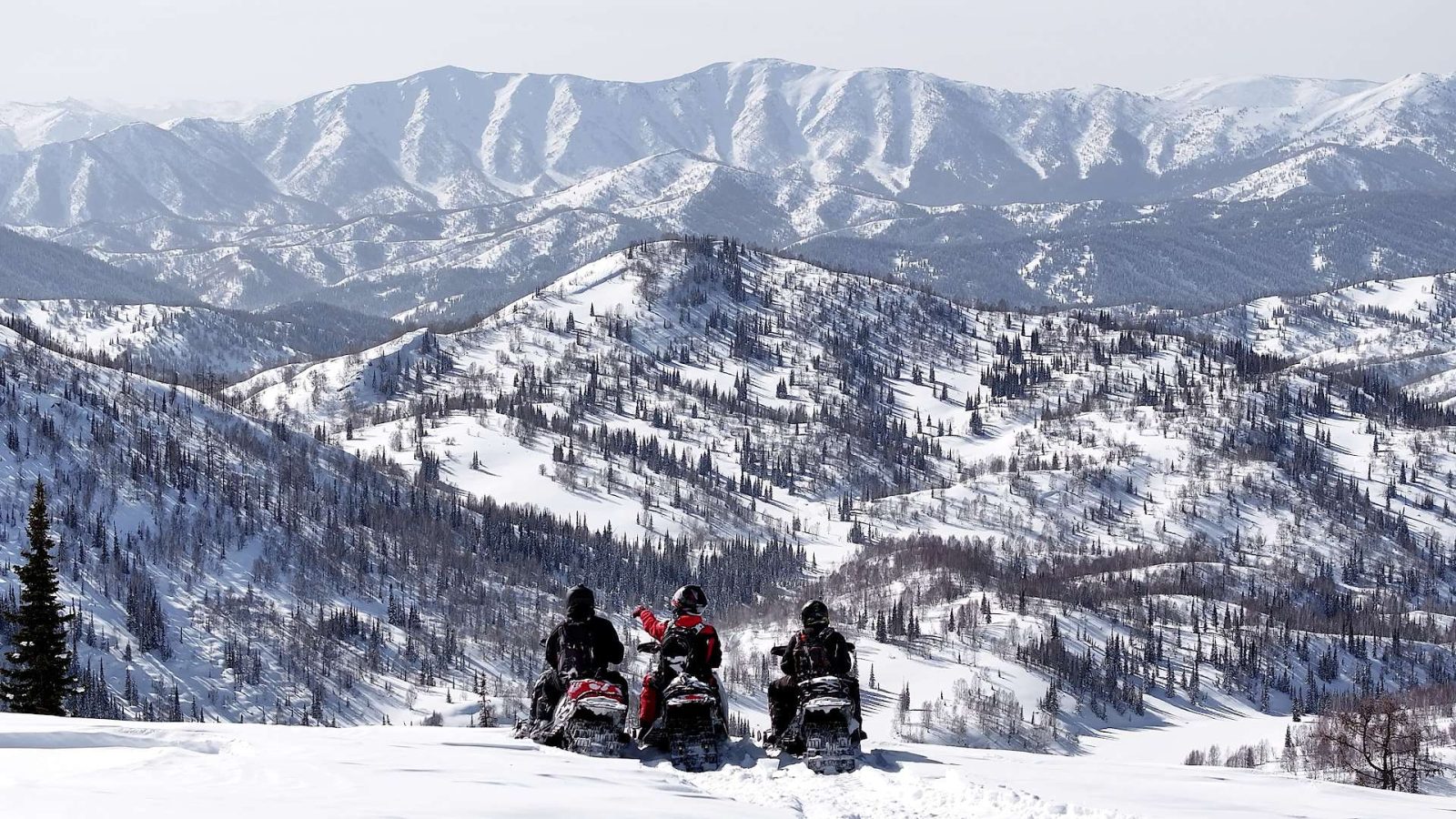
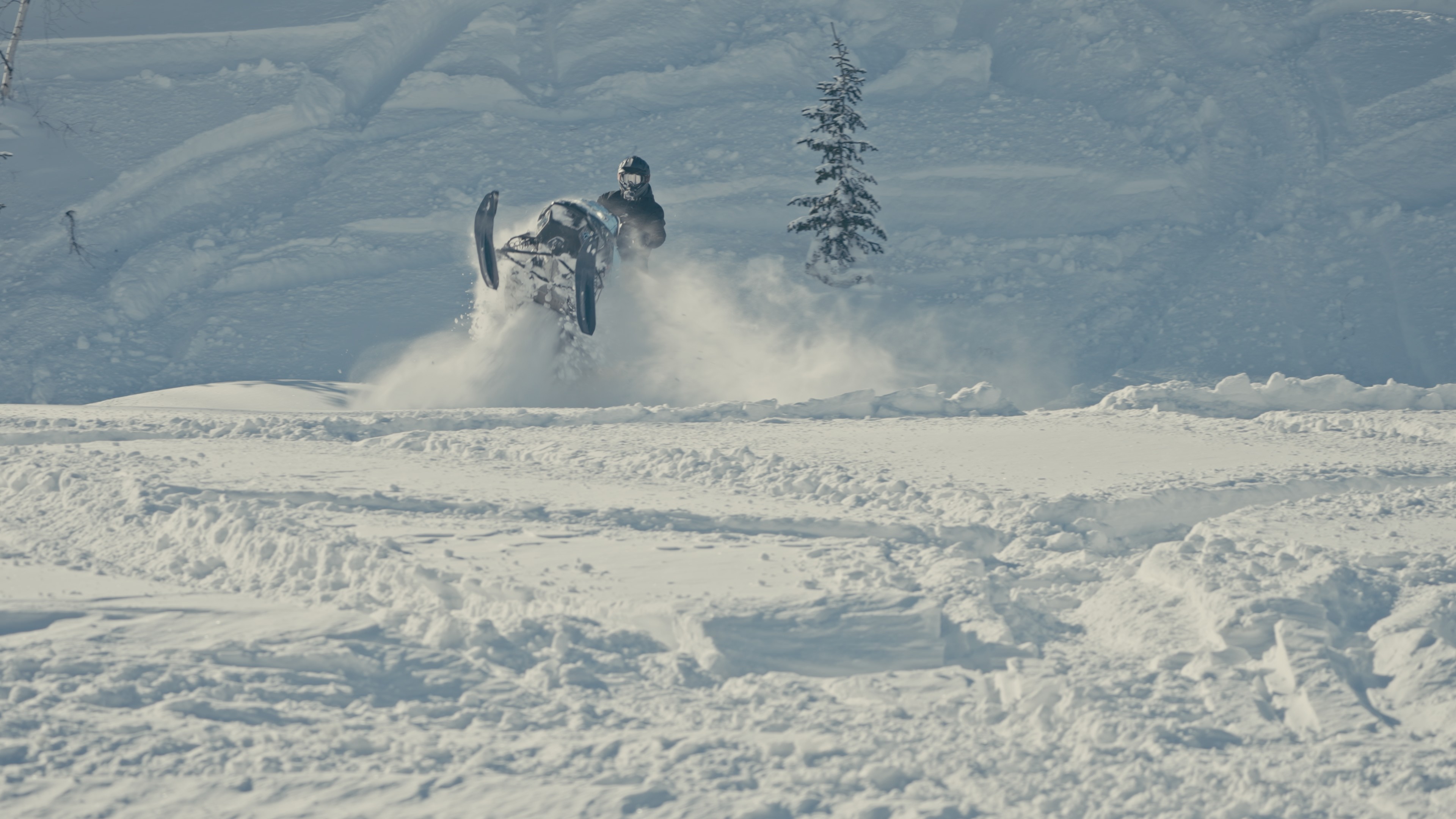
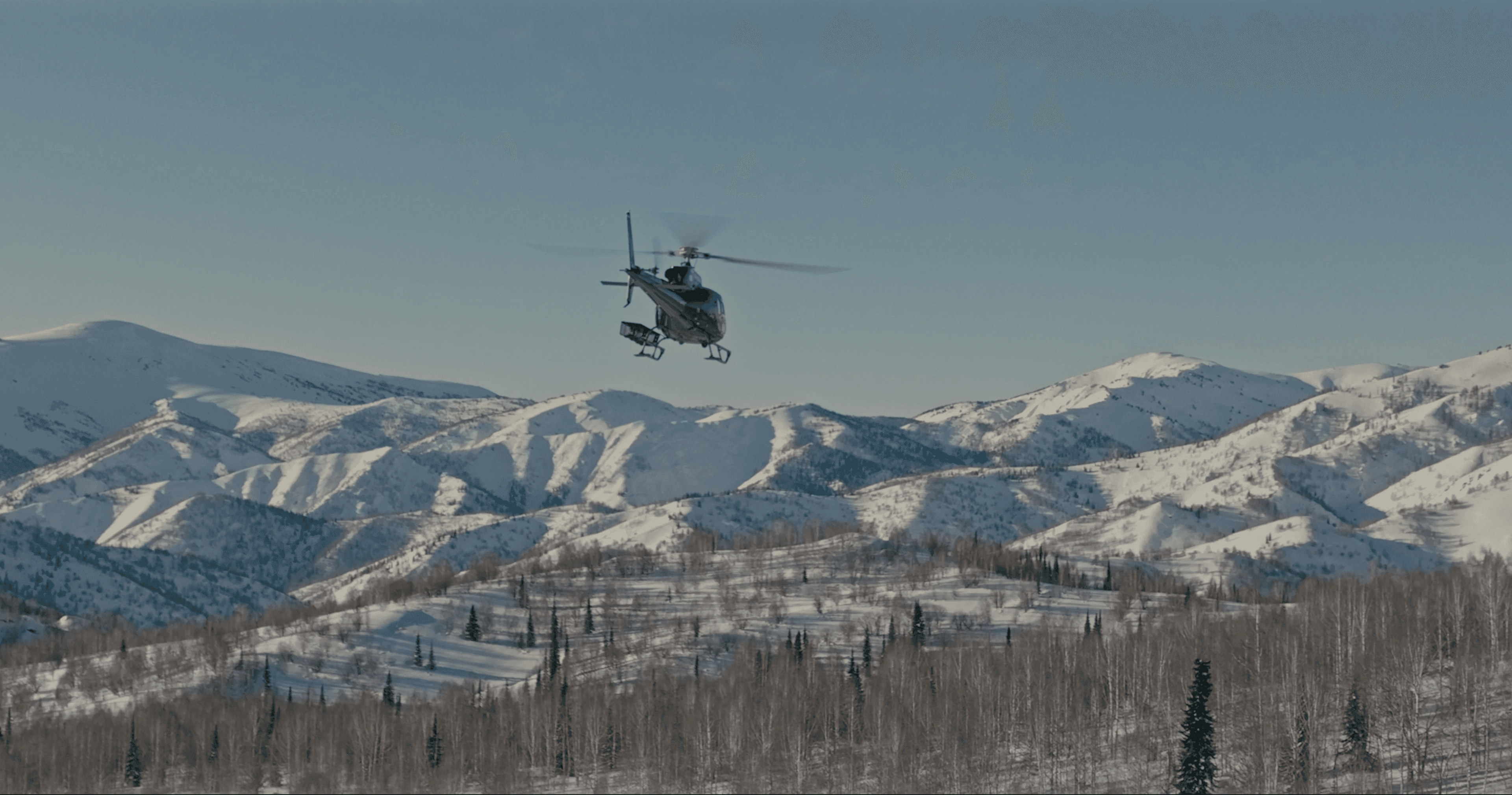
At Altai Mountains Resort in Ridder, Western Altai, East Kazakhstan, we offer winter activities including guided deep-snow snowmobiling, cat-skiing and freeriding and heli-skiing. Each programme has its own conditions, dates and requirements.
Depending on the activity, arrangements may include guiding, briefings, equipment checks, communications or safety equipment. Mountain travel still involves changing weather, snow and terrain conditions, so suitable personal clothing and sound judgement remain essential. Ridder is approximately 120 km from Öskemen, usually 1.5–2 hours by road; weather, roads and collection arrangements affect actual travel time.
As you choose a programme, our booking team can help with current details on equipment, transfers and activity requirements. Make sure your insurance covers the exact activity in Kazakhstan, as well as medical treatment, rescue or evacuation and any relevant exclusions. You can also reach us through our contact page.
FAQ
What is the best way to prevent cold injuries?
Stay dry, wear layered clothing, protect exposed skin, carry dry spares and take warm breaks before you become chilled. MedlinePlus — Cold weather safety: clothing and layering provides a practical overview of clothing choices for cold weather.
What are the first signs of hypothermia?
Shivering, tiredness, confusion, slurred speech and clumsiness are key signs. Move to shelter, remove wet clothing, warm the body centre and seek urgent medical help for symptoms that are severe, worsening or accompanied by reduced alertness. Western Washington University — Hypothermia guidance (first aid) gives further general first-aid information.
What should I do if I think someone has frostbite?
Get them to shelter, protect the affected area and obtain medical assessment. Do not rub or massage frozen skin, and do not use direct high heat. CDC/NIOSH — Cold stress guidance also outlines general cold-stress prevention principles.
Does wind chill cause frostbite above freezing temperatures?
No. Wind increases heat loss, but frostbite requires the air around the skin to be below freezing. Cold, wet and windy conditions can still lead to dangerous heat loss and hypothermia, so reduce exposure early.
This article is general information and not personal medical advice. In an emergency, contact local emergency services or seek urgent medical care.
All Articles

Learn what a banya hat is for, how to wear a felt sauna hat, whether it should be wet or dry, and when to leave the steam room.

A practical cold weather skin care routine for dry winter skin, with face, hands, lips, SPF and snow-day tips.

Practical ways to protect phone, power-bank and action-camera batteries in cold weather while skiing, snowmobiling or travelling in winter.

Learn when two people can ride one snowmobile, the equipment required, passenger briefing essentials and why deep snow needs extra caution.
Flying with an avalanche airbag: airline approval, IATA limits, packing guidance and travel planning for a winter trip to Ridder.
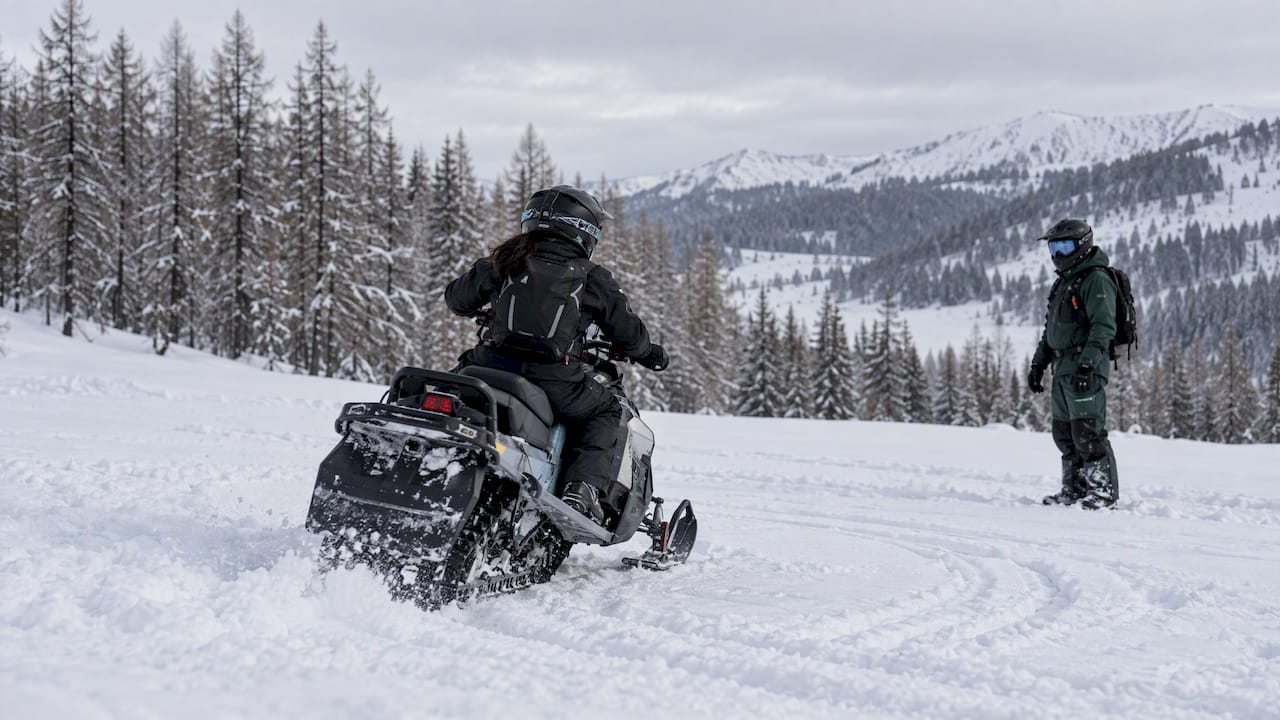
Learn snowmobile training basics: controls, pre-ride checks, riding positions, essential gear and avalanche awareness for first-time riders.
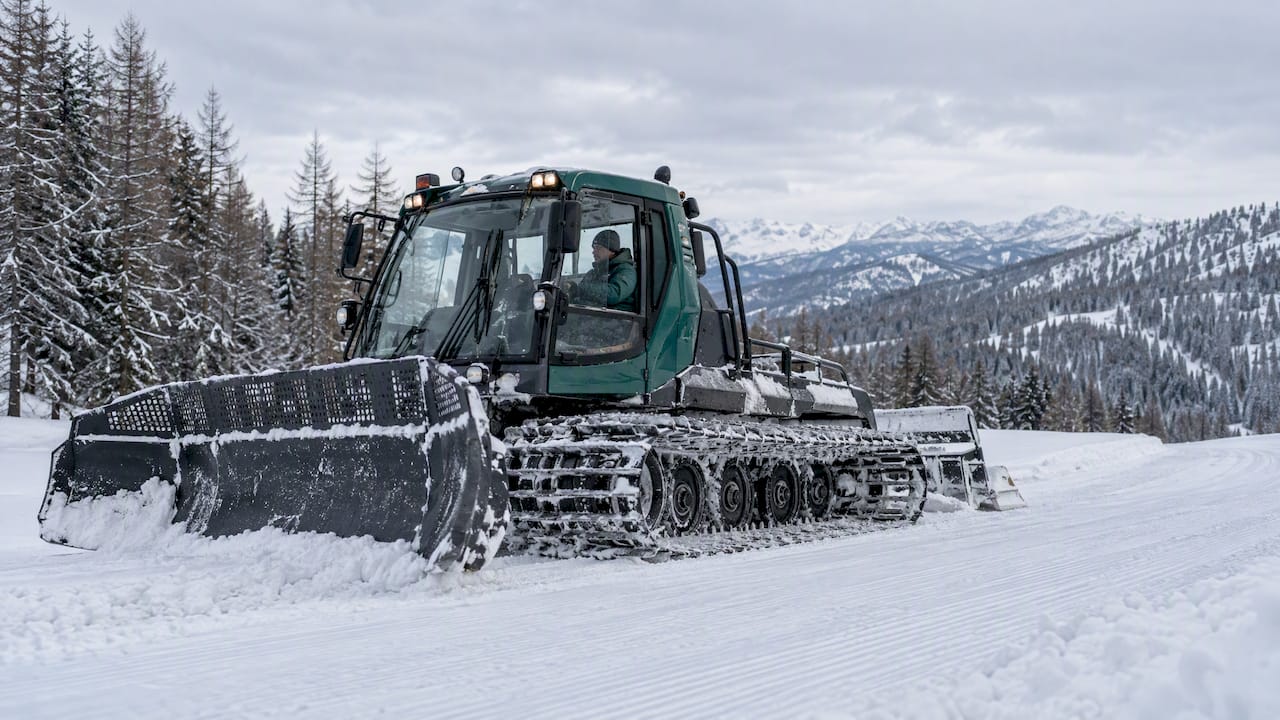
Learn how snowcats groom pistes and support guided cat-skiing, with practical safety guidance and what to expect in Kazakhstan’s Western Altai.
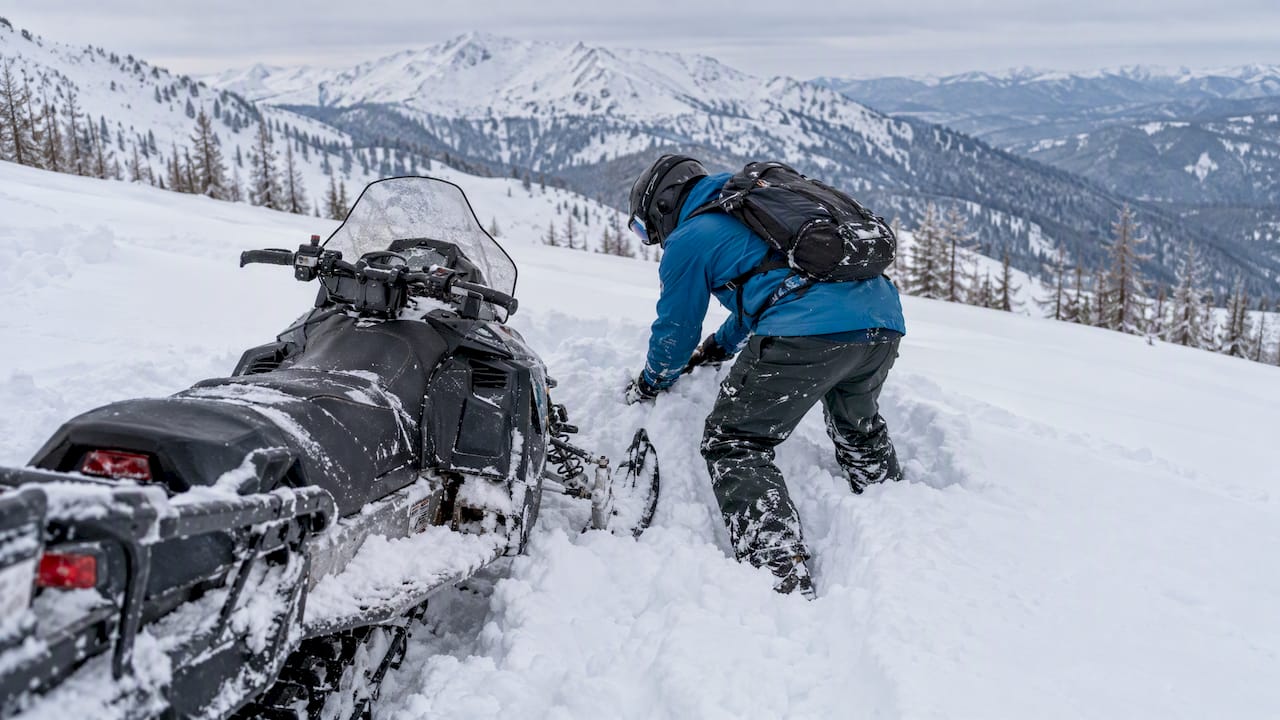
Learn how to recover a snowmobile stuck in deep snow: stop track spin, clear the sled, pack a short path and know when to seek help.
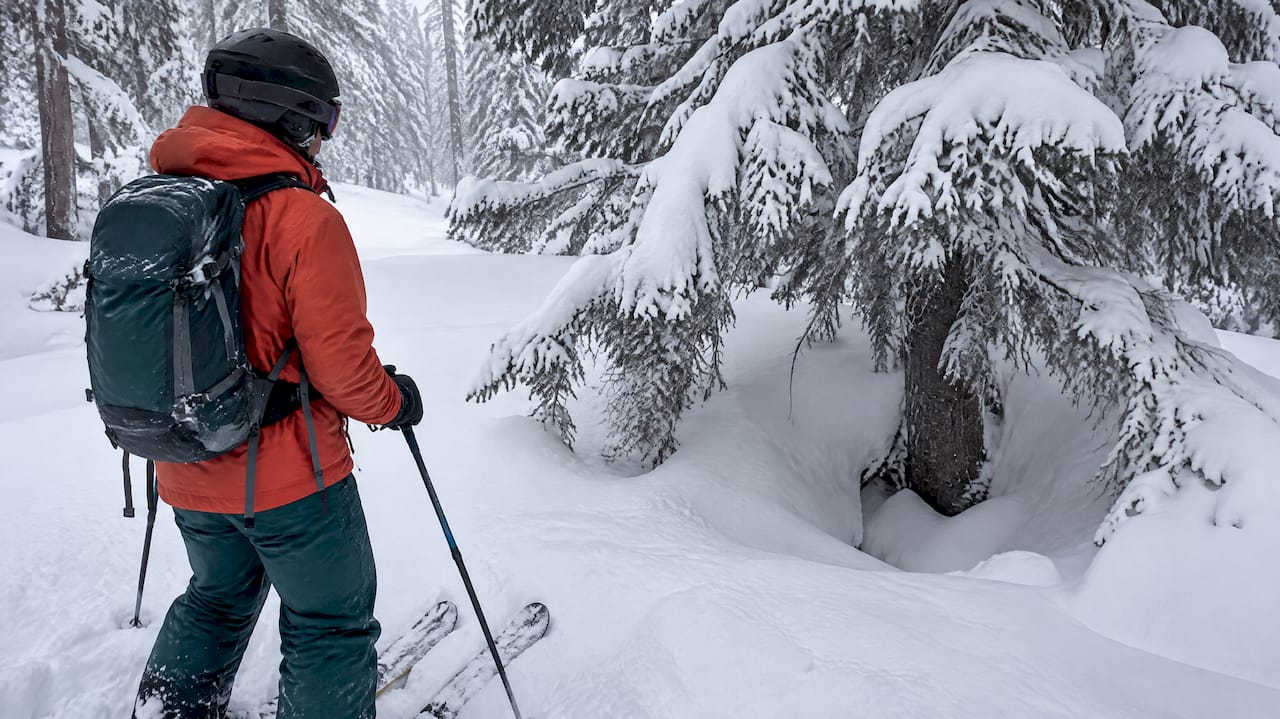
Learn how to prevent tree-well burial, keep riding partners in sight and begin immediate companion rescue in deep snow.

Compare aluminum and carbon ski poles for touring, resort skiing, park laps, freeride and racing, with practical guidance on fit, care and safety.

Compare wide vs narrow skis for groomers, soft snow and mixed conditions. See why 90–100mm is a useful starting point and how to try skis thoughtfully.
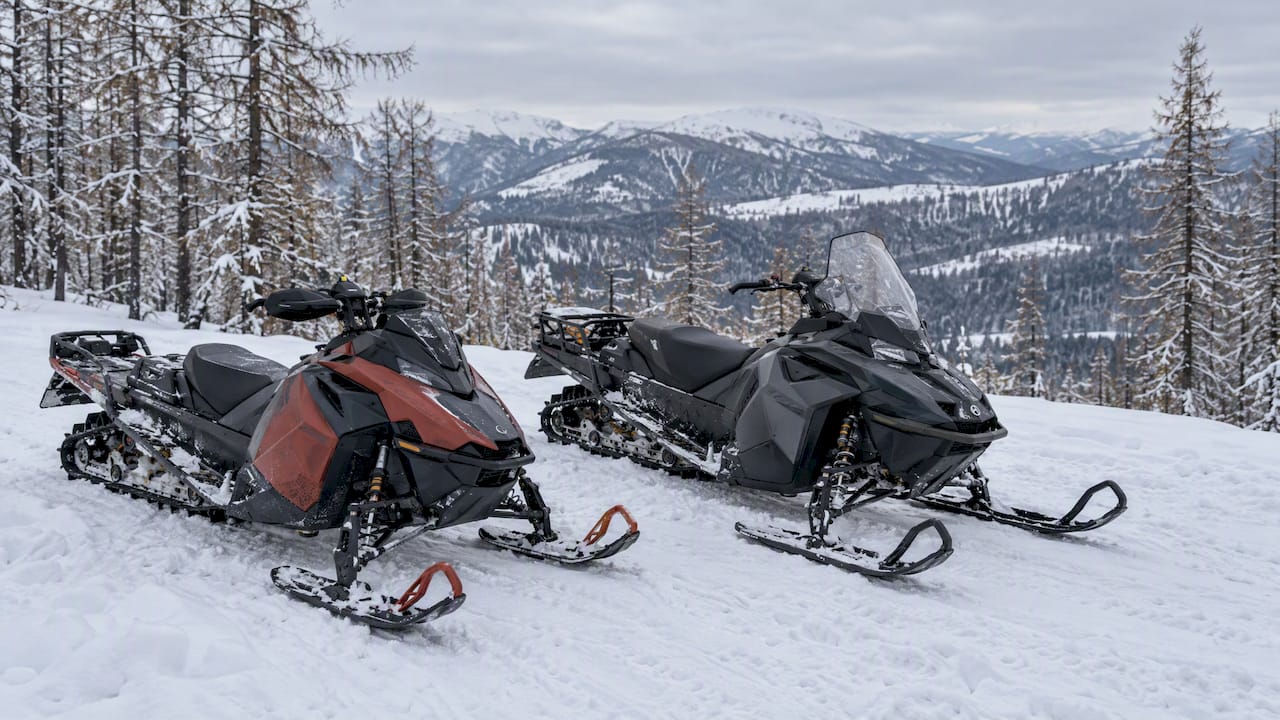
Compare 2-stroke and 4-stroke snowmobiles by handling, fuel use, emissions and upkeep, with guidance for a guided snowmobiling day near Ridder.
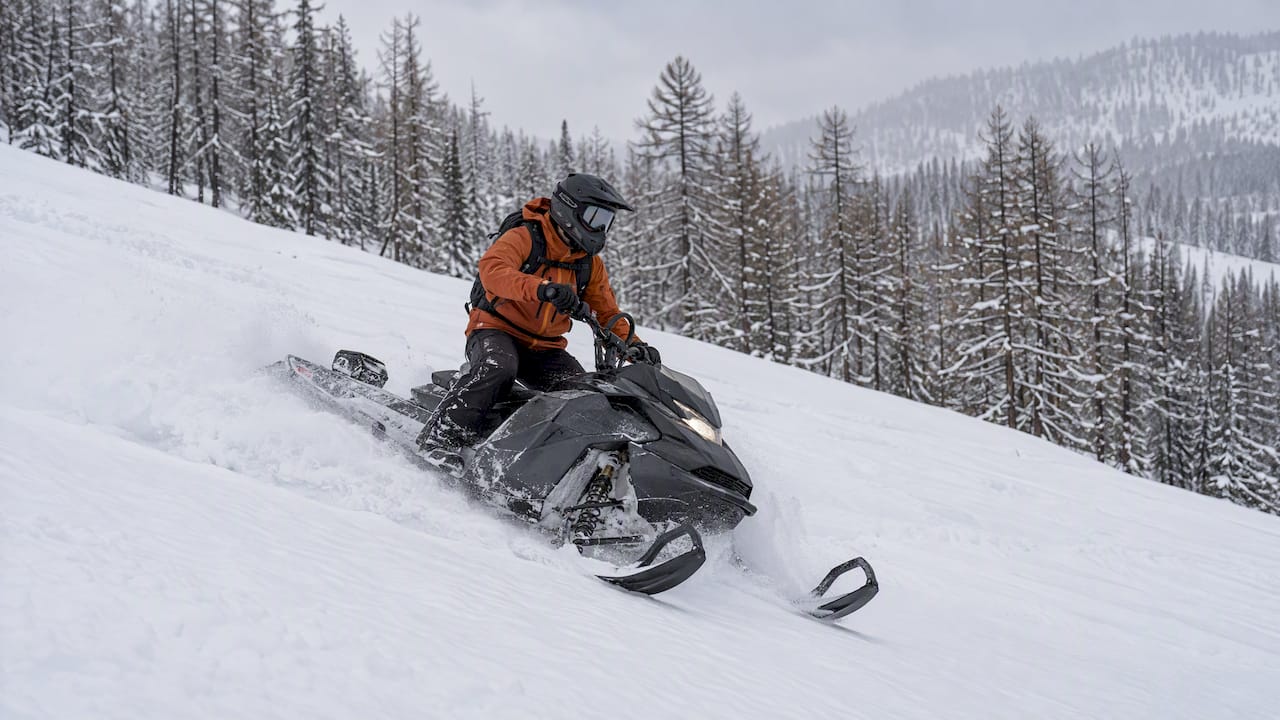
Learn snowmobile carving techniques for powder: stance, counter-steering, throttle timing, beginner drills and avalanche-safety essentials.
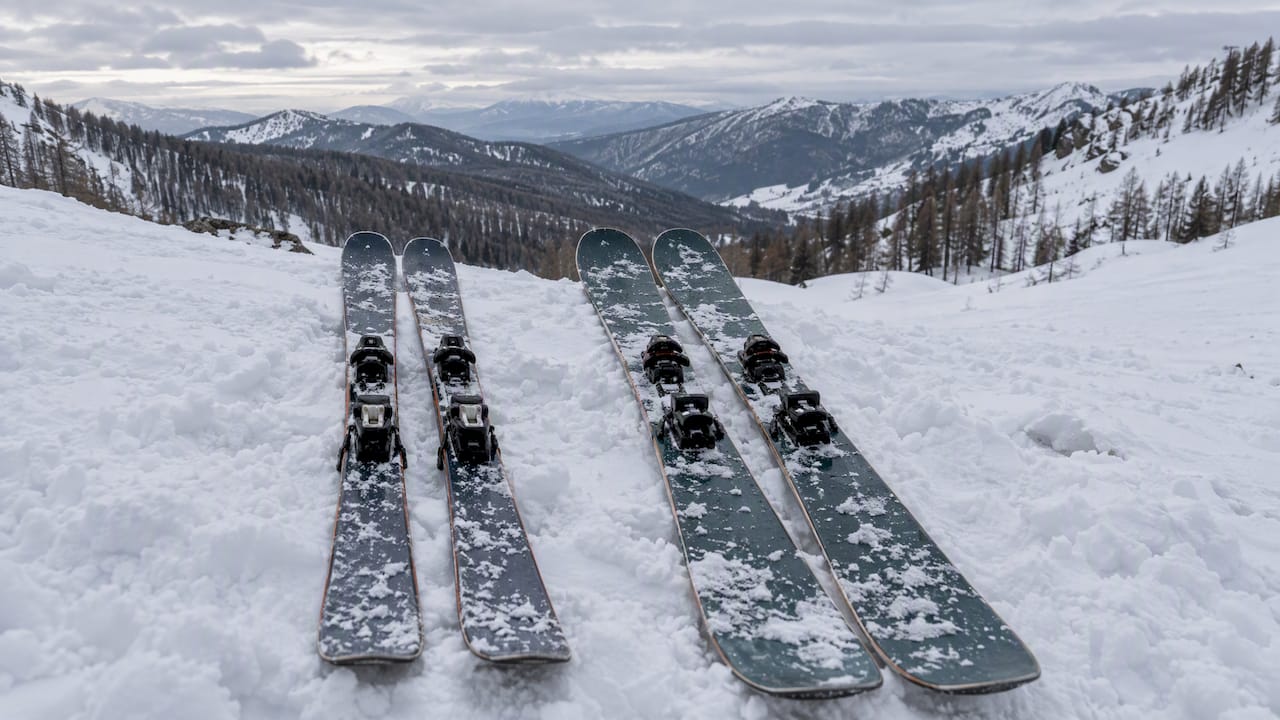
Compare powder and all-mountain skis by width, rocker and conditions, then decide whether to buy, rent or demo for deep-snow trips.
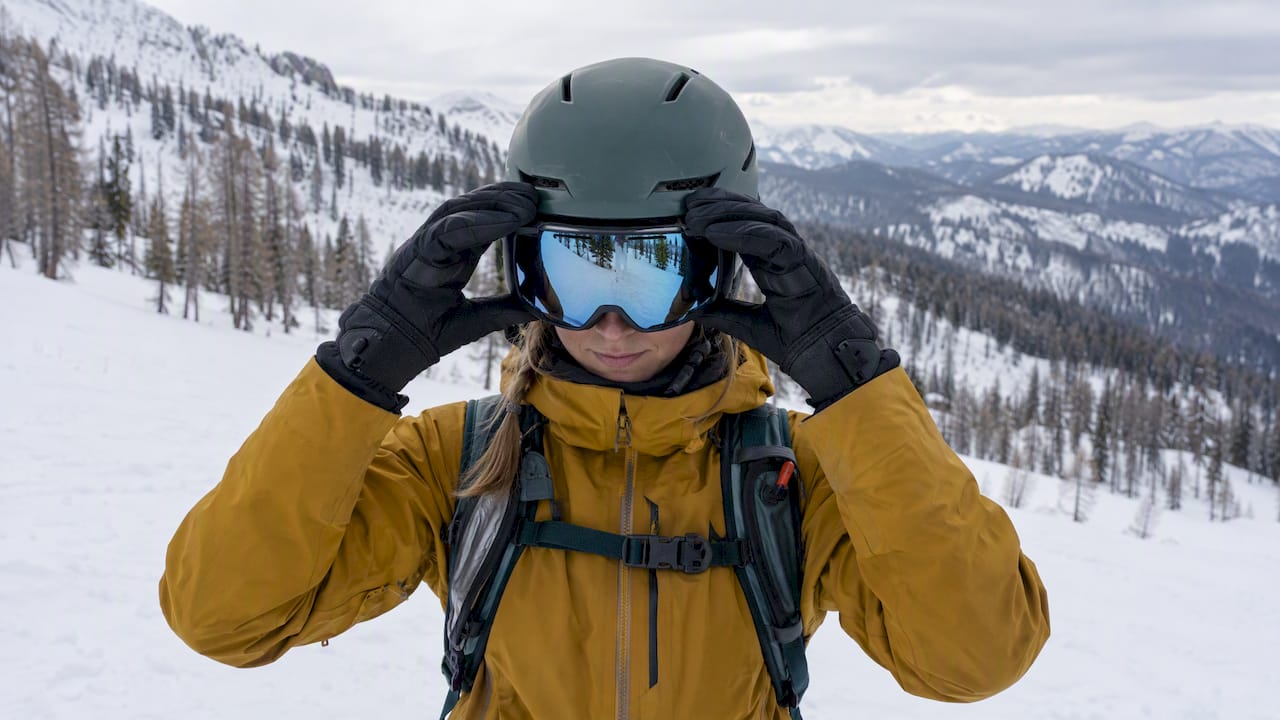
Prevent goggle fogging with five practical checks for lens care, fit, vents, breath and body heat—plus safe steps for fog on the move.
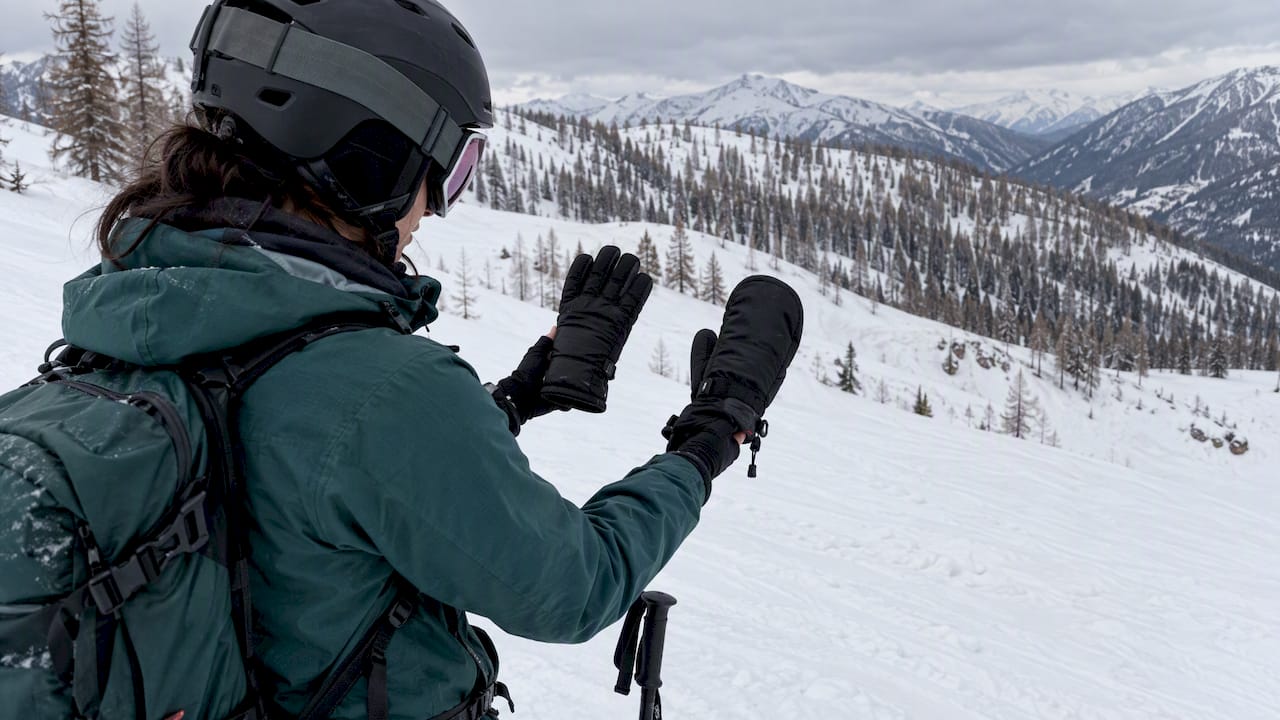
Choosing ski mittens vs. gloves? Compare warmth, dexterity, liners, fit and lobster mitts for piste skiing, powder days and touring.
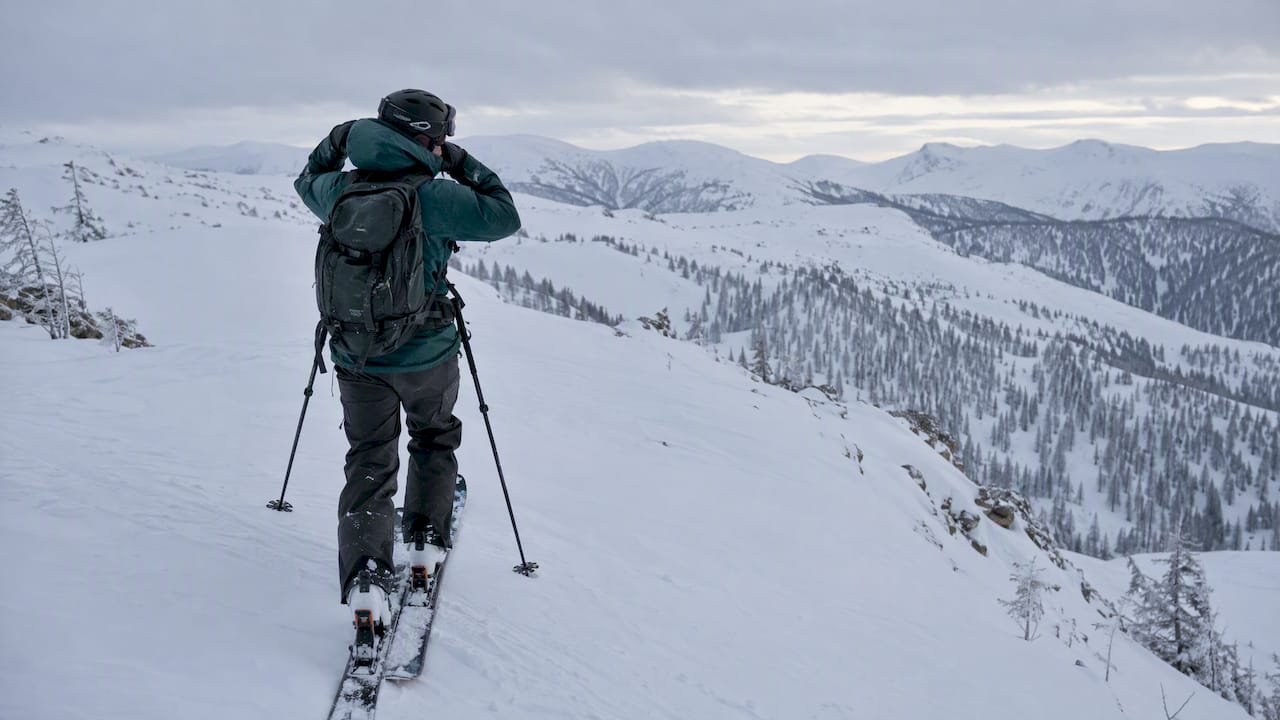
Choose an insulated or shell ski jacket for resort, touring, cat and heli days, with practical guidance on 2.5L, 3L and layering.

Compare neck gaiters and balaclavas for cold-weather activities, with practical guidance on coverage, ventilation, helmet fit, moisture management and winter packing.
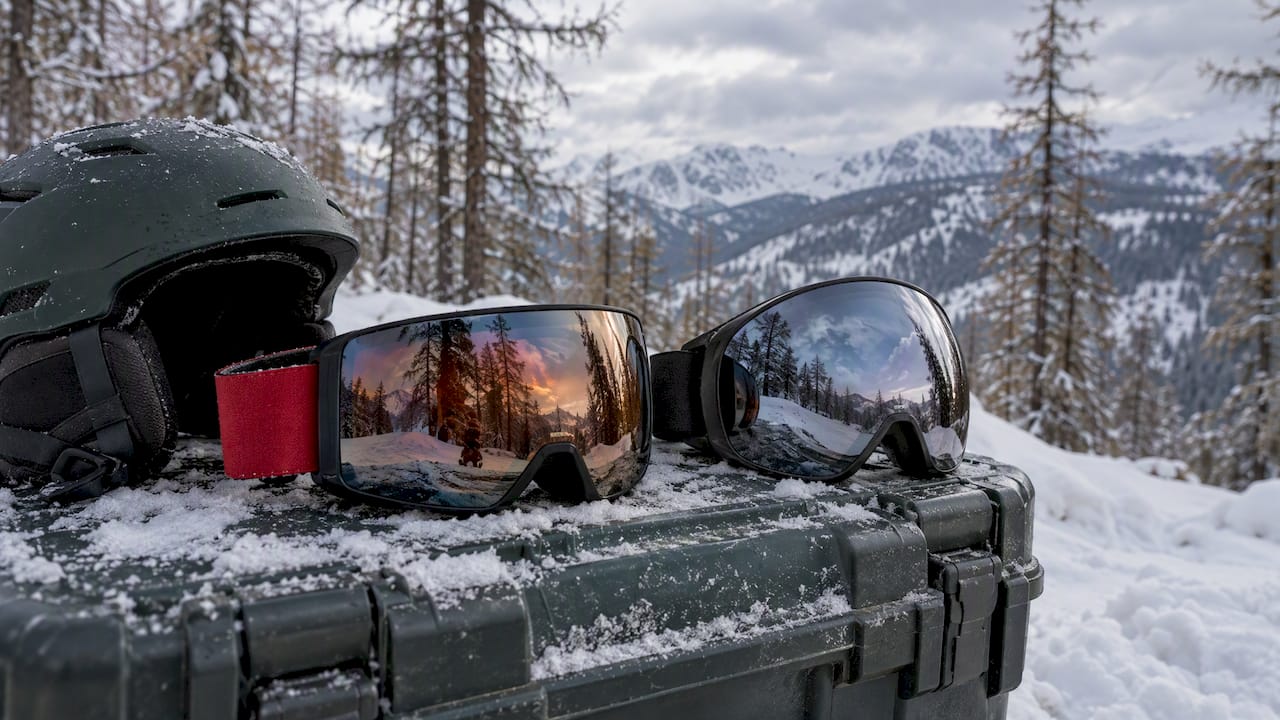
Choose between cylindrical, spherical and toric ski goggles, with practical guidance on tint, anti-fog performance, helmet fit and packing for Altai winter trips.
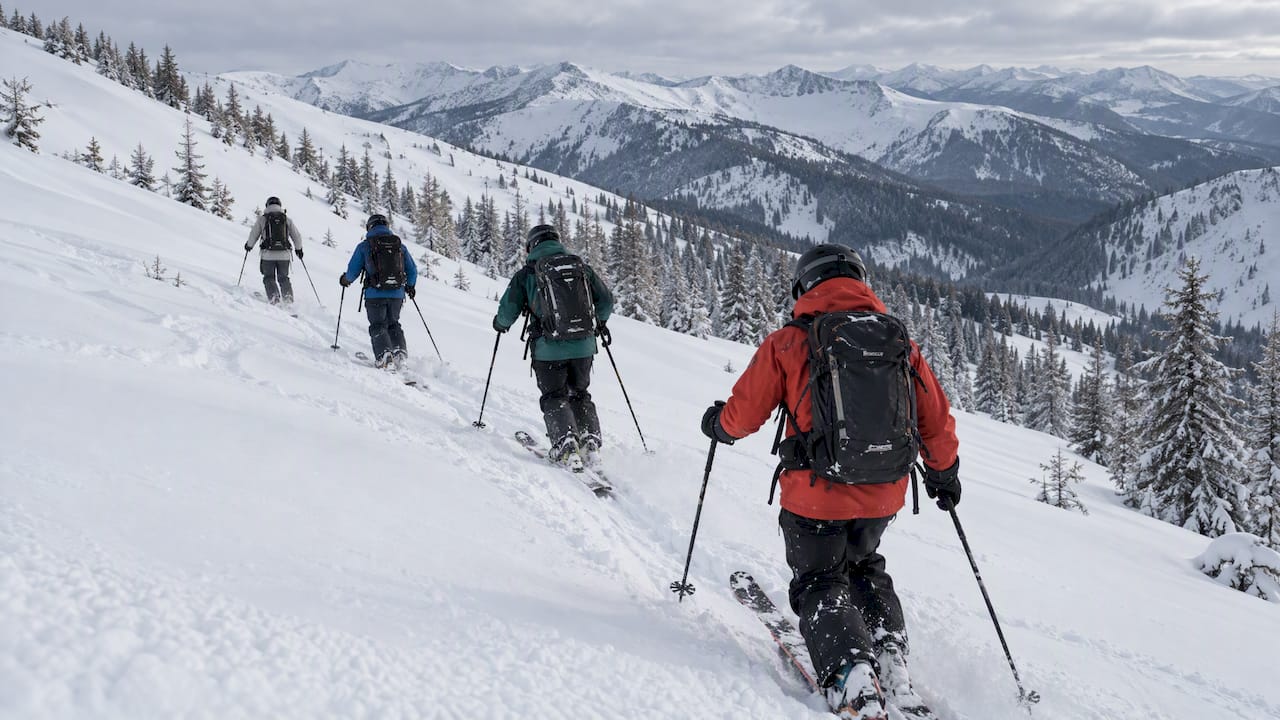
A practical cat-skiing safety checklist for first-timers, covering avalanche gear, companion-rescue practice, ability preparation and guided mountain days.
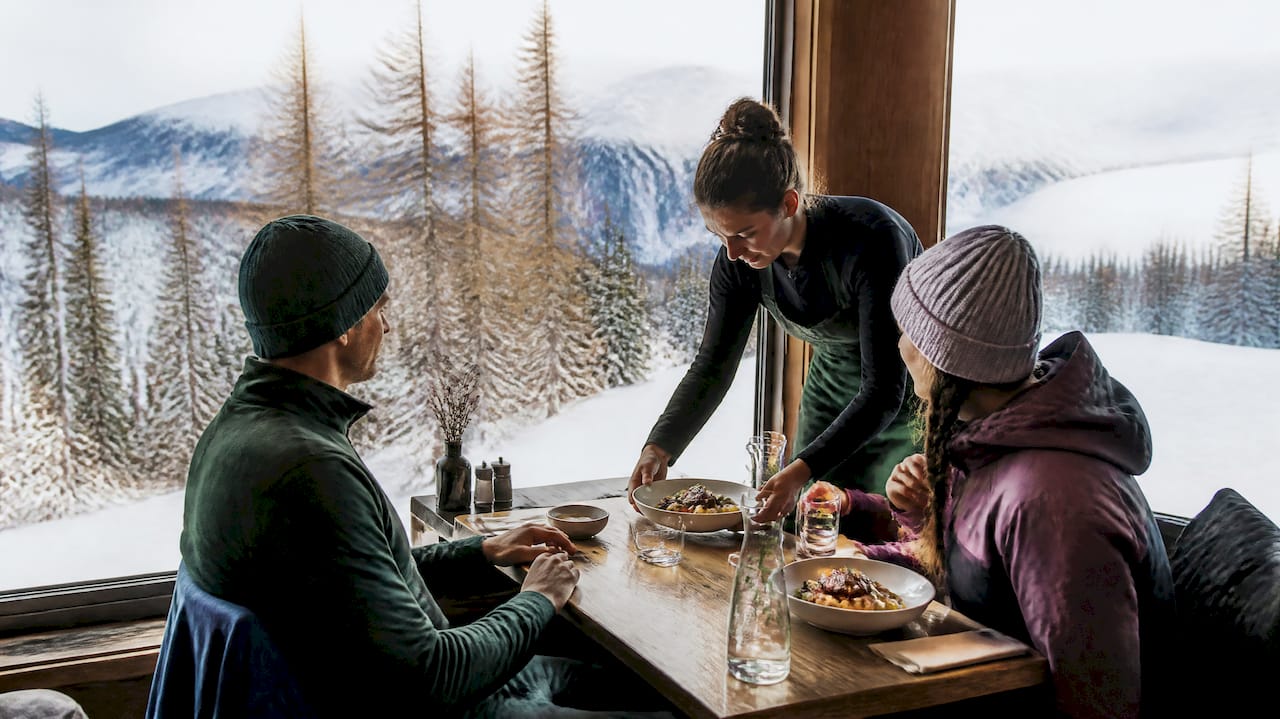
Plan on-mountain dining with four practical considerations: access, reservations, menus and dietary needs, plus weather and mountain safety preparation.

A practical Siberian cuisine guide to Restaurant Altai, East Kazakhstan dishes, dietary requests and Ridder Lodge accommodation rates.
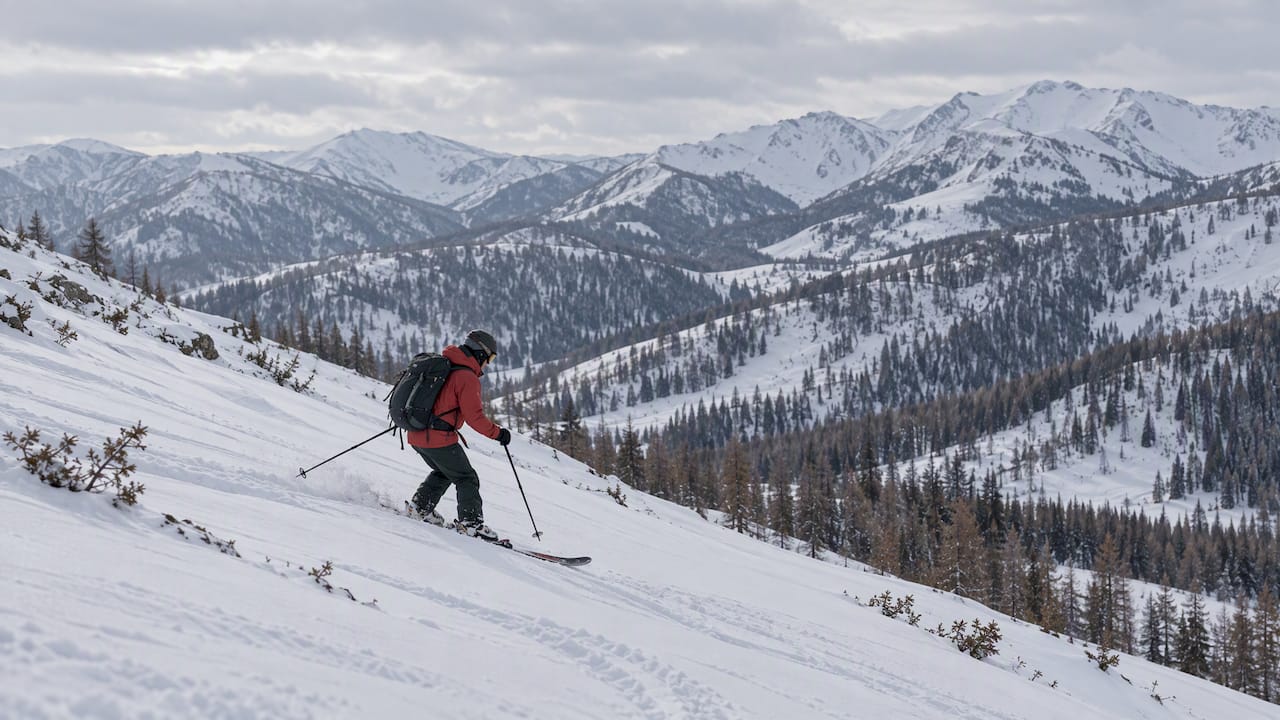
Explore heli-skiing’s environmental impact, including helicopter emissions, wildlife considerations, aviation effects and practical planning questions.
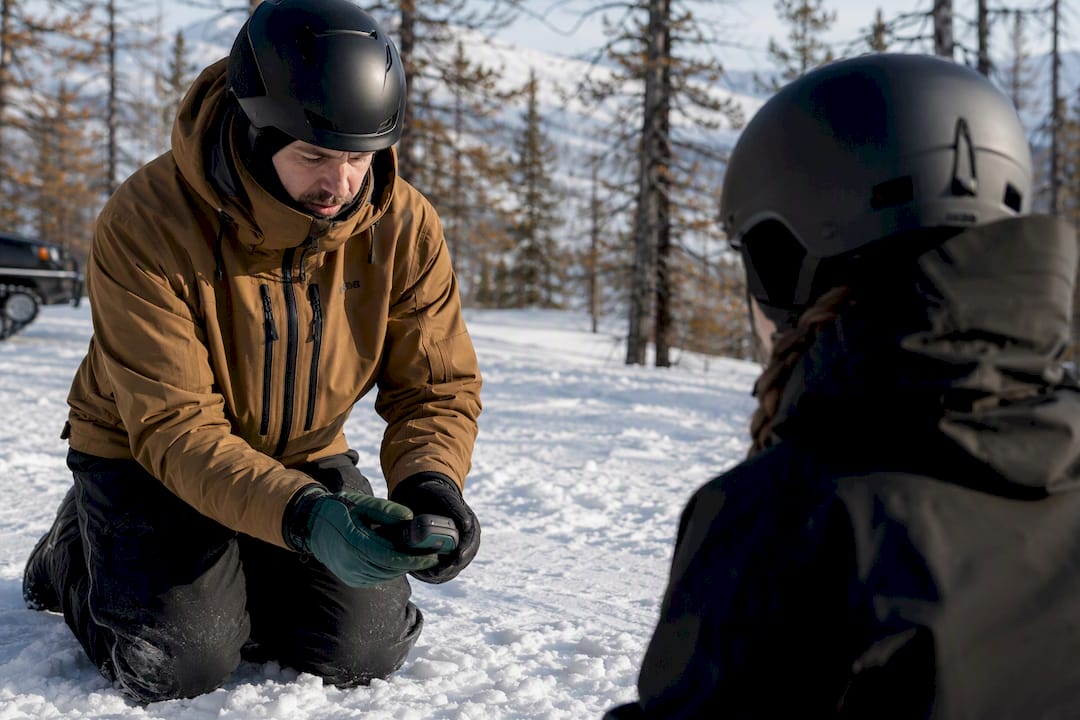
Learn what a snowcat safety briefing covers, including avalanche equipment, transceiver checks, the 20 cm/50 cm rule and cat-skiing preparation in Altai.
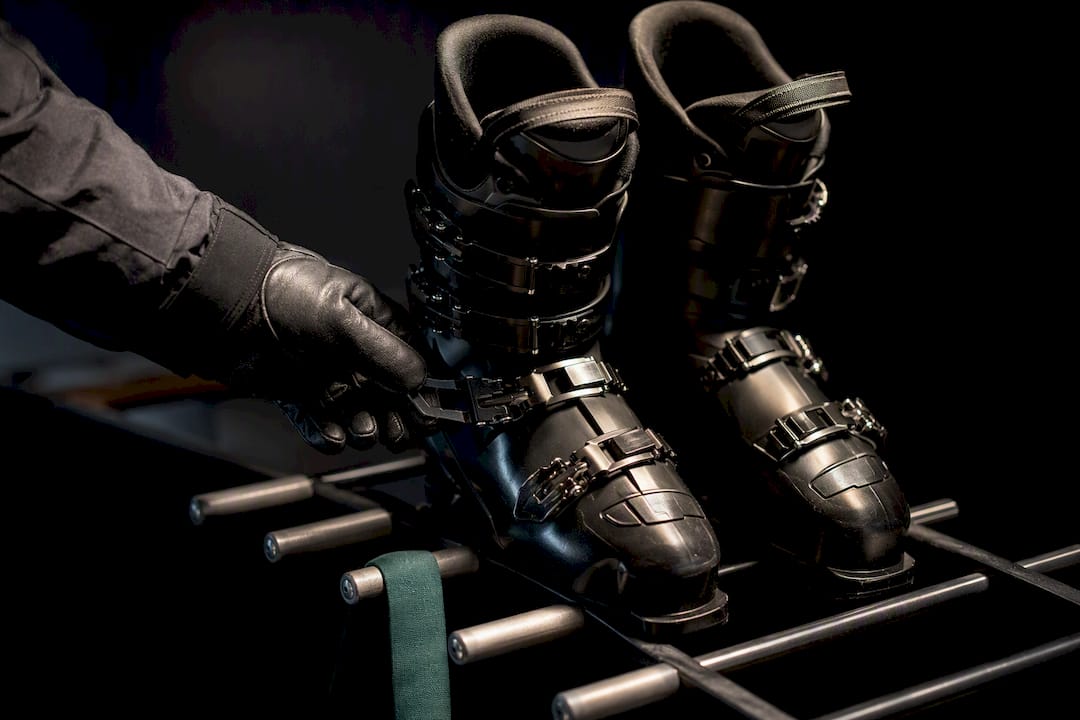
Practical ski locker etiquette for shared storage: keep equipment tidy, use boot dryers fairly and follow the rules in your drying room.
Plan a heli-accessed splitboard trip with practical guidance on formats, costs, rescue readiness, personal kit and Altai Mountains Resort options.
Explore Kazakhstan winter culture through holiday traditions, food, living heritage, regional rhythms and practical etiquette for visitors.
A practical luxury ski packing list for fitted essentials, lighter luggage and guided off-piste or heli-ski days at Altai Mountains Resort.

A practical heli-skiing safety guide for expert skiers, covering operator decisions, avalanche equipment, helicopter procedures, rescue planning and insurance.
Compare lift-assisted, touring and Western Altai ski options in Kazakhstan, with practical safety, travel and booking guidance.

Learn the heli-skiing skill level typically expected, the off-piste skills to practise, safety preparation and an adaptable 8–12-week training framework.

Plan the Kazakhstan skiing season with a practical comparison of Almaty and Ridder, month-by-month timing, mountain safety and trip planning.
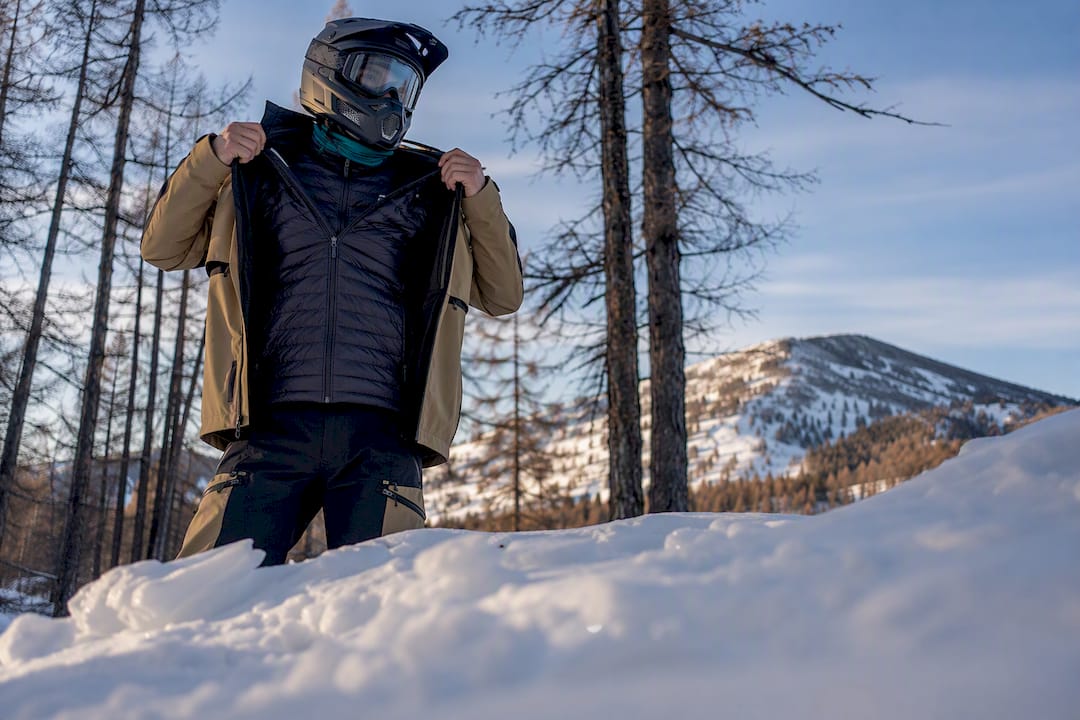
Use this snowmobile layering guide to build a flexible base, insulation and shell system, manage moisture and pack dry spares for changing conditions.

Learn what to rent for avalanche terrain, how to prepare a beacon, probe and shovel, and what to know about airbag packs and flights.
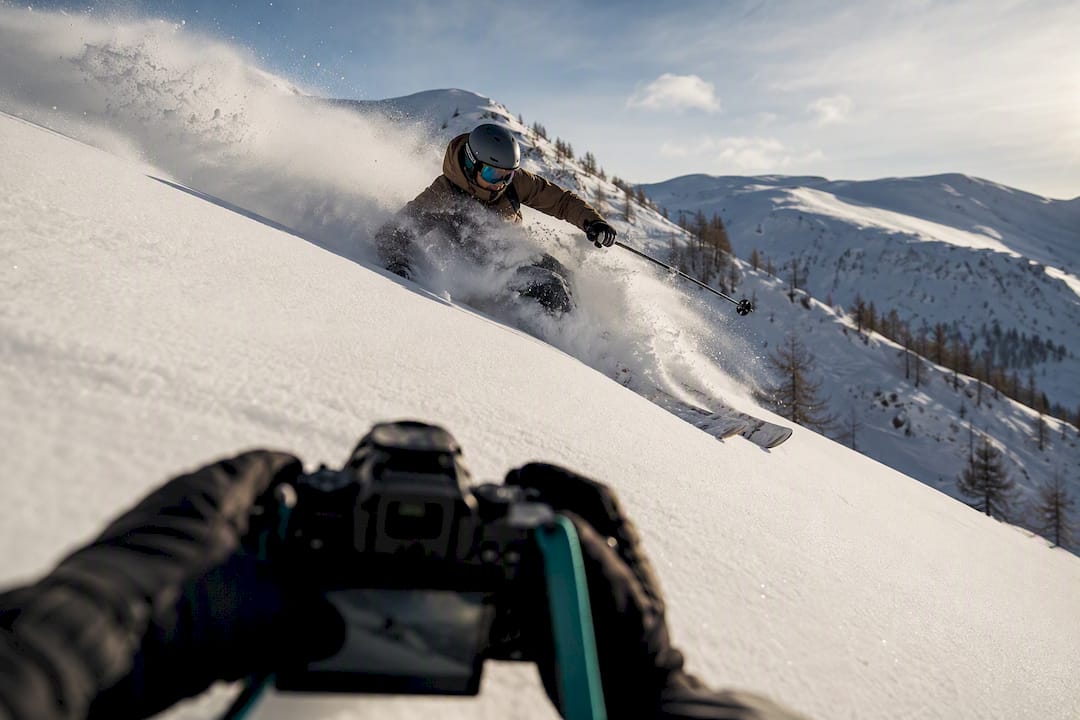
Practical ski photography tips for beginners: camera settings, snow exposure, timing, cold-weather camera care and safe mountain positioning.

Learn how to read an avalanche forecast, interpret danger ratings, roses and avalanche problems, and plan more conservative terrain choices.
Practical cold injury prevention for winter travel: layering, dry spares, warning signs, first aid and planning for mountain activities.
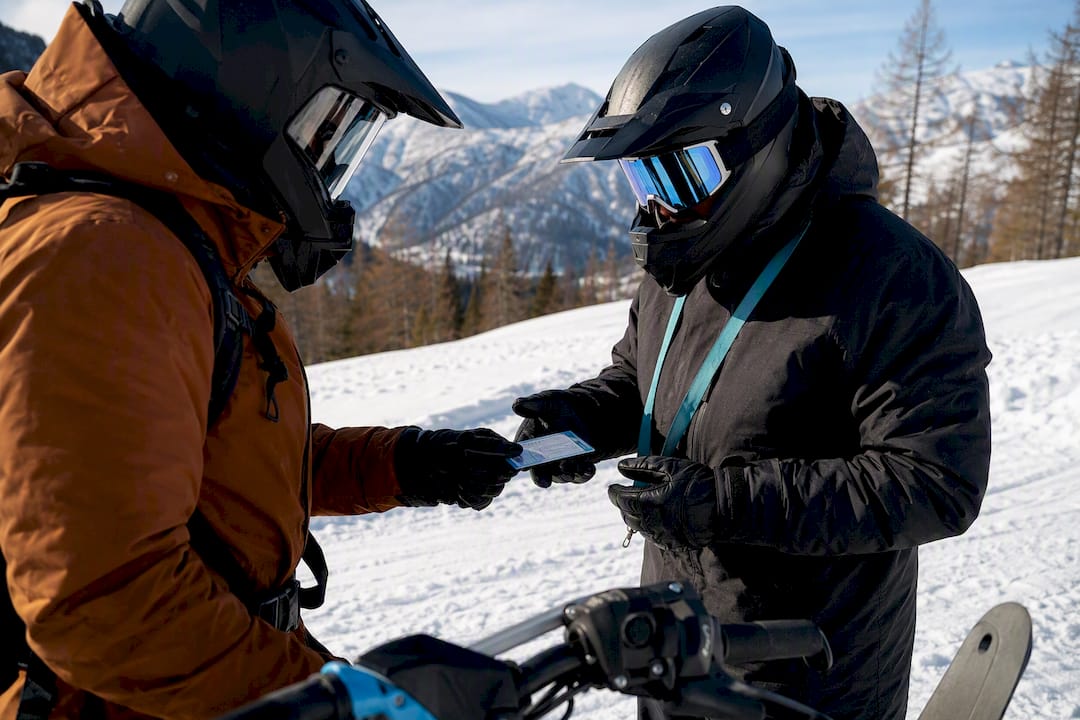
Planning snowmobiling in Ridder? Understand how experience, training, equipment and Kazakhstan rules shape your trip with Altai Mountains Resort.
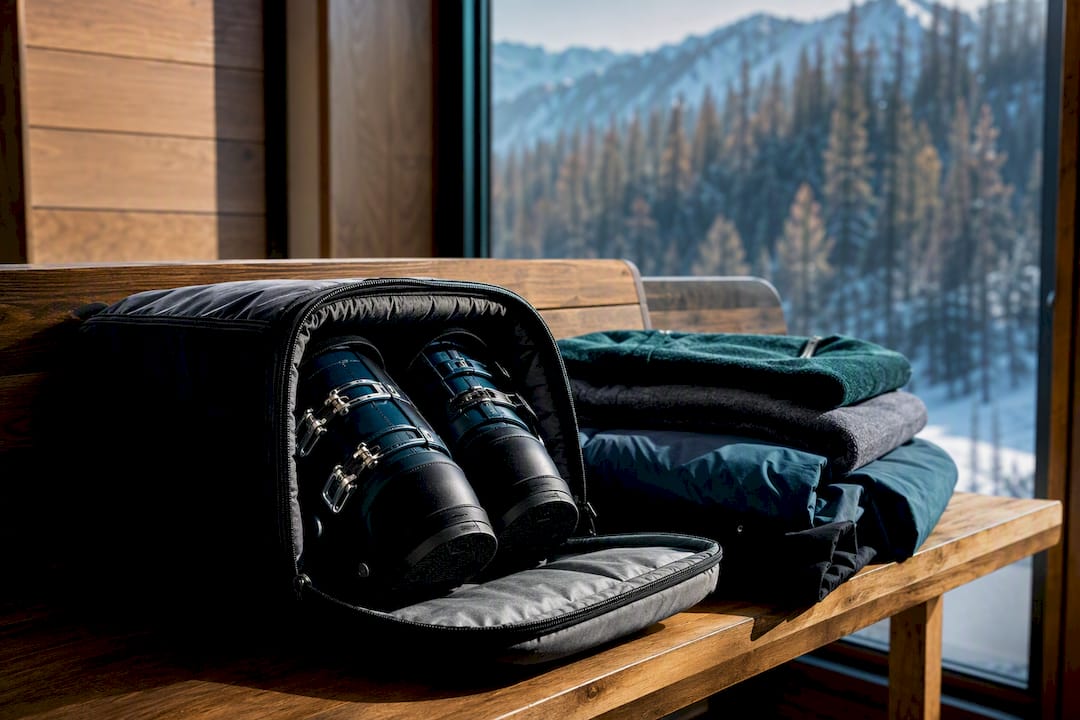
Travel with ski gear confidently: carry boots when cabin rules allow, pack skis securely, understand airline baggage rules and prepare for delays.
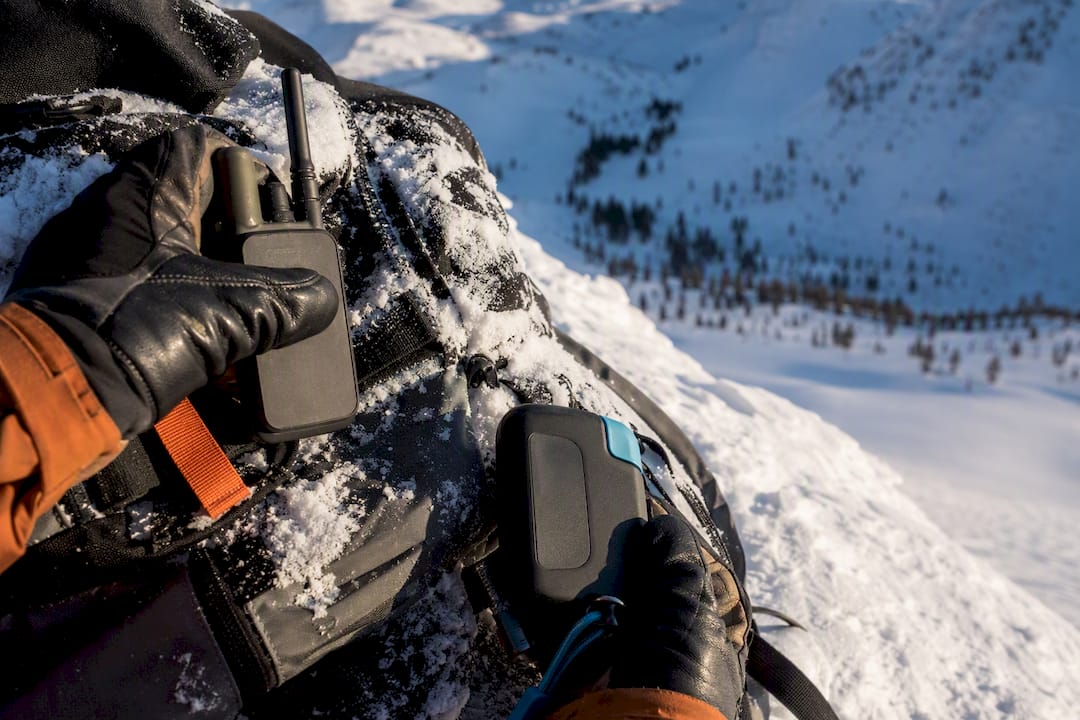
Build a practical backcountry radio communication plan with party radios, satellite SOS or PLB backup, cold-weather care and regional legal essentials.

Satellite messenger basics for remote Altai trips: compare PLBs and two-way devices, understand SOS limits, and prepare your communications plan.
Avoid ski crowds with flexible dates, midweek skiing, early starts and smarter lift choices. Explore guided off-piste options near Ridder.

Learn how heli-skiing passenger weight and baggage rules differ by operator, with practical packing steps and Altai Mountains Resort booking guidance.
Understand the cat skiing skill level needed for Altai Mountains Resort, with practical guidance on off-piste ability, fitness and avalanche readiness.
Decide whether Ridder suits your advanced Altai ski trip, with practical guidance on transfers, season timing, avalanche gear and guided programmes.
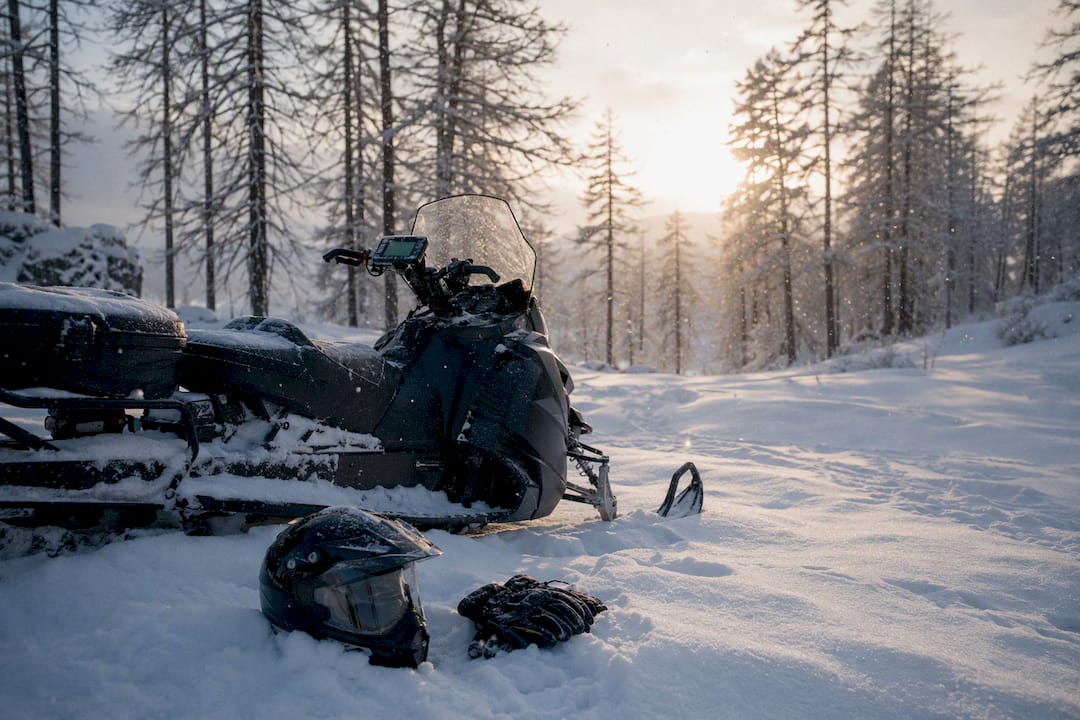
Compare snowmobile tour prices by duration, understand what shapes the final cost, and explore quote-based snowmobiling at Altai Mountains Resort.
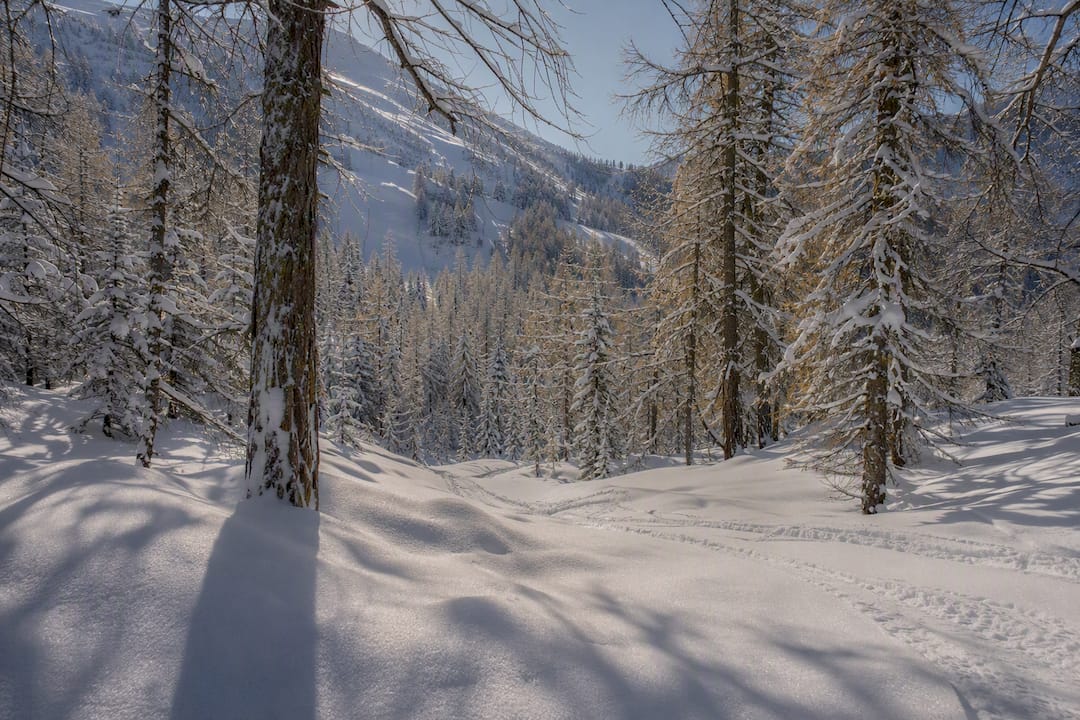
Compare Western Altai, Almaty and Turgen for Kazakhstan powder skiing, with practical guidance on access, safety and Ridder logistics.

Plan Altai heli skiing near Ridder with practical guidance on terrain, season, package inclusions, access, safety gear and booking.
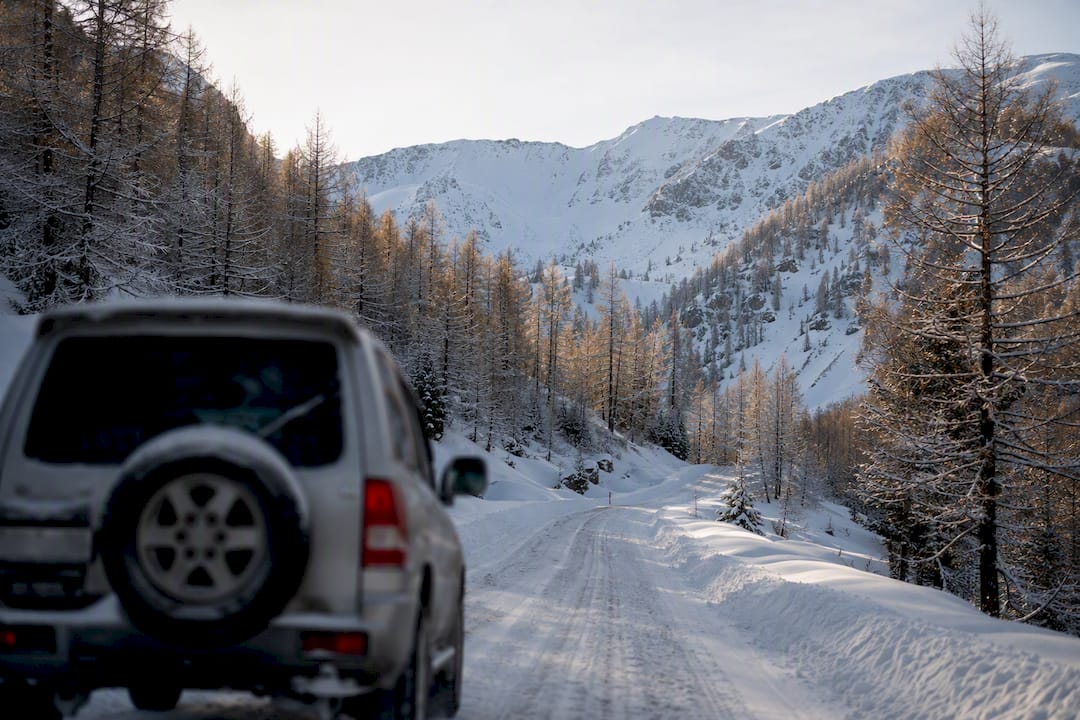
Compare flight, rail and self-drive routes from Almaty to the Kazakh Altai, with practical guidance for reaching Ridder and Ulba village.

Learn deep powder snowmobiling setup, riding technique, safe recovery and avalanche preparation, plus guided training near Ridder.
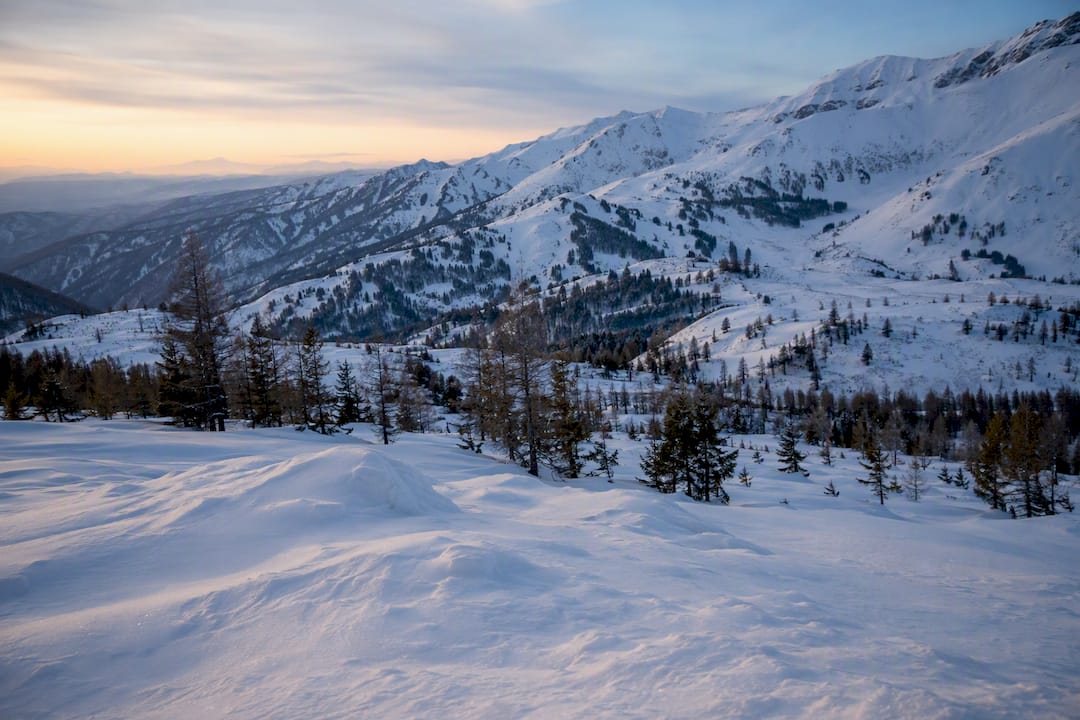
Plan an Altai Mountains winter stay from Ridder, with activity timing, travel from Öskemen, packing advice and practical mountain guidance.

Practical helicopter passenger safety guidance on boarding, seatbelts, exits, dropped items and following crew instructions.

Practical off-piste slope etiquette for safer skiing: right of way, avalanche preparation, group spacing, closures and guided skiing in the Western Altai.

Plan an Altai Mountains trip across Russian, Mongolian and Kazakh sectors, with permit, safety and winter-stay guidance for Ridder Lodge.
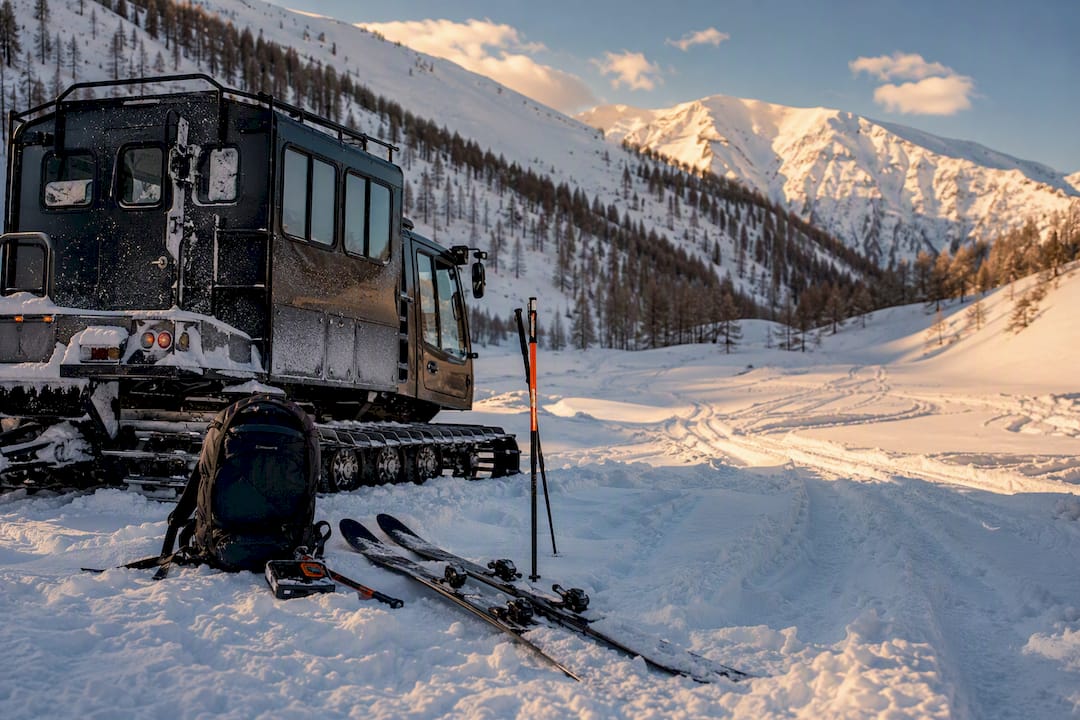
Learn how to plan guided freeride tours, from off-piste experience and avalanche gear to guide scope, changing mountain conditions and cat-skiing in the Altai.
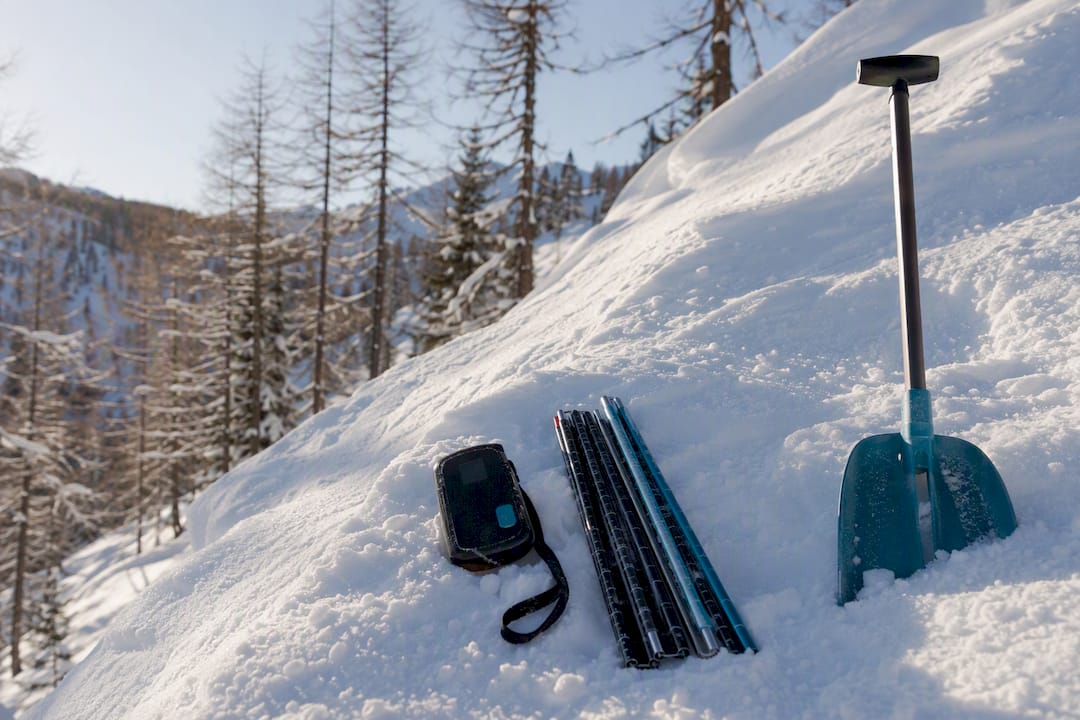
Learn avalanche beacon basics: 457 kHz transceivers, essential rescue gear, trailhead checks, interference and companion-rescue practice.

Learn which avalanche course suits your plans, what companion-rescue skills to practise and how to prepare for a winter trip to Altai.
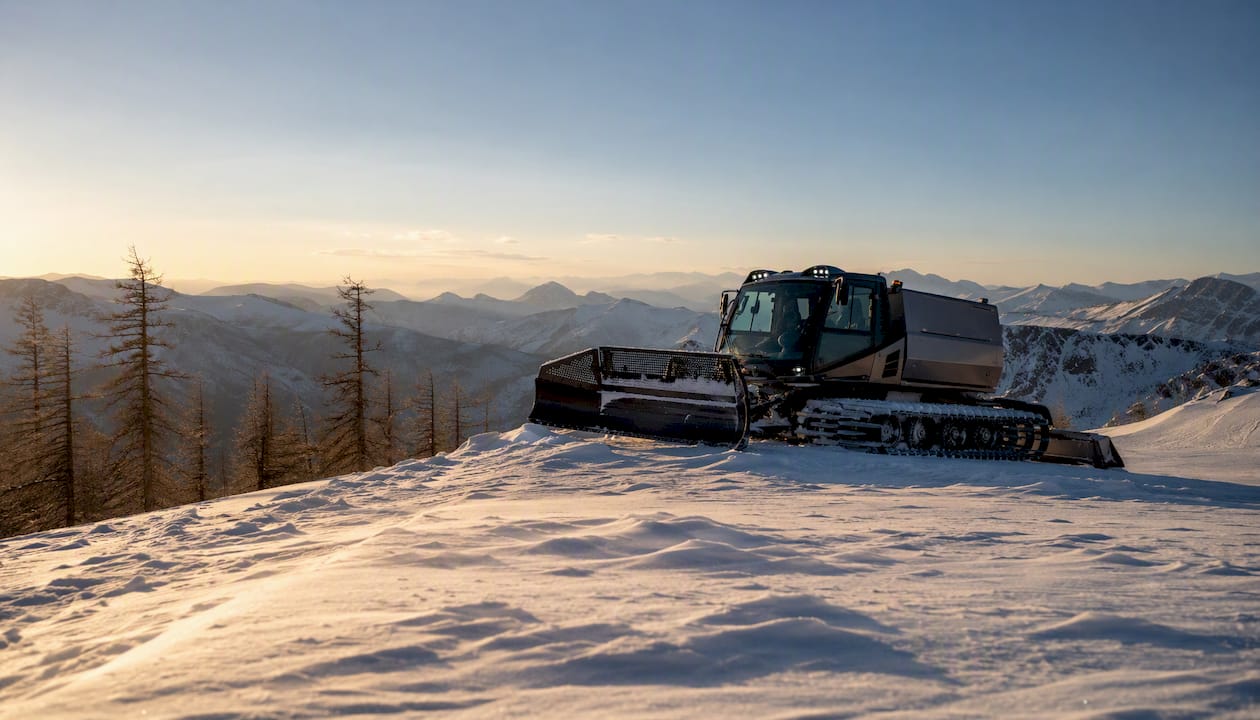
Learn what cat skiing is, who it suits, what to pack and how to plan a guided cat-skiing trip, including options near Ridder, Kazakhstan.
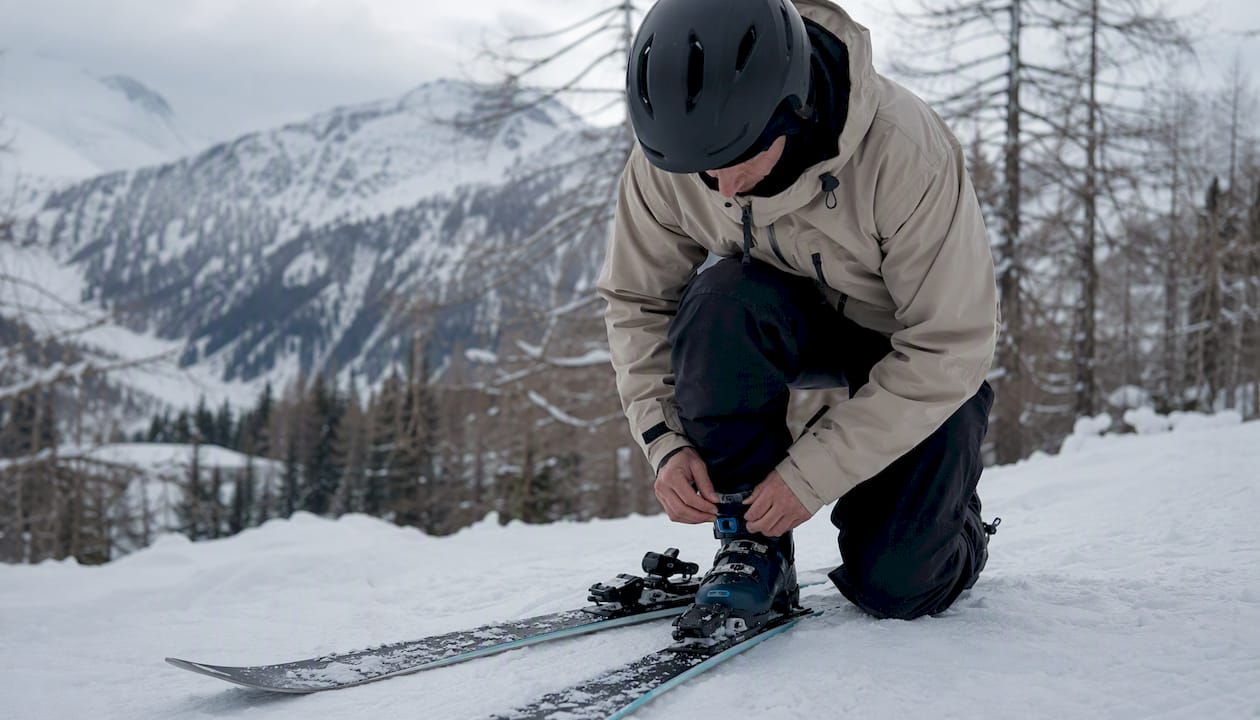
A practical ski rental Kazakhstan guide to Shymbulak and Medeu, current tariffs, equipment fit, transport and guided freeride near Ridder.

Understand ski guide benefits for freeride and backcountry trips, including local planning, terrain choices, qualifications, safety gear and access options.

Plan a snowmobile expedition near Ridder, Kazakhstan, with practical guidance on routes, rider experience, equipment, mountain safety and transfers.
Use this mountain lodge amenities checklist to compare rooms, meals, wellness access, transfers, activities and paid extras before booking.
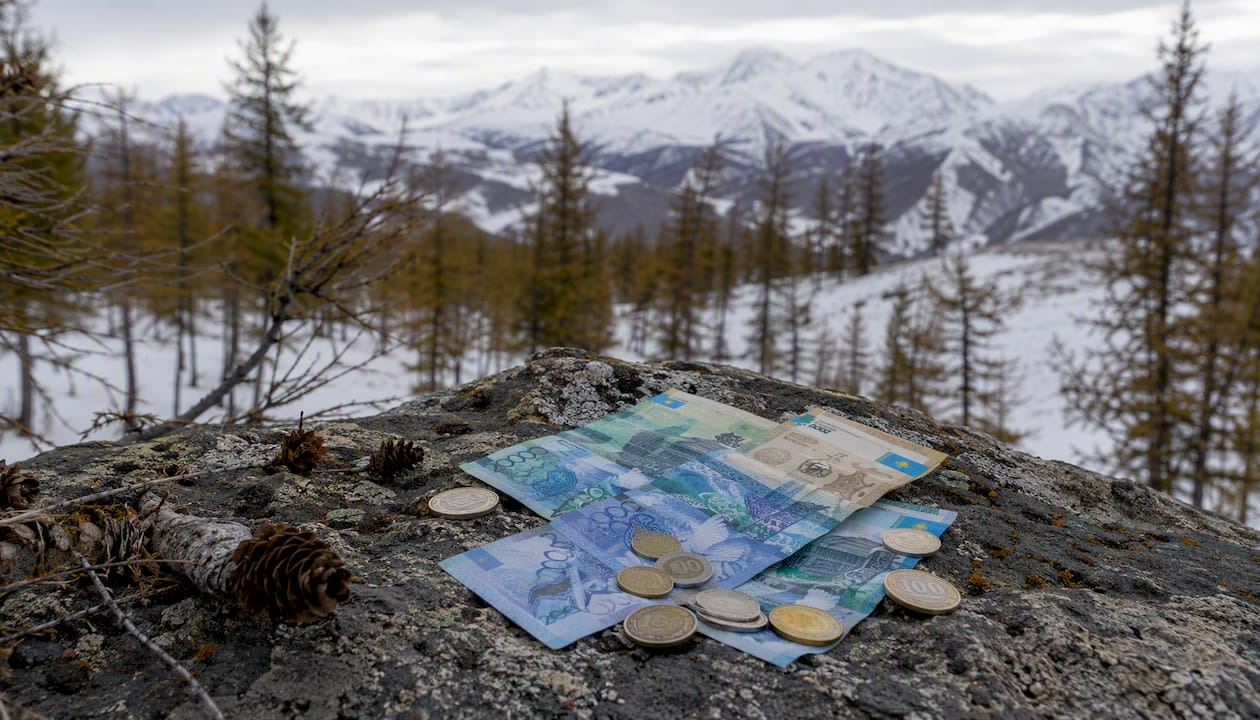
A practical Kazakhstan currency guide to the tenge, cards, ATMs, currency exchange, DCC and cash planning for cities and the Western Altai.
Plan the Kazakhstan ski season by month, compare lift-served Shymbulak with guided trips around Ridder, and prepare for changing snow and mountain conditions.
A practical guide to spa after skiing, including gentle massage, sauna and hammam, optional cold immersion and signs that need medical attention.
Plan a remote ski trip from the UK to Ridder, with practical guidance on activities, Kazakhstan entry, Öskemen transfers, insurance and ski baggage.
A practical heli skiing packing list covering clothing, avalanche equipment, ski baggage, batteries, travel documents and rental options.
A practical UK guide to ski boot fitting: appointment steps, services, current provider price examples, aftercare and warning signs.
Should you tip a ski guide? Learn how customs vary, when a gratuity may feel appropriate and how to plan for tipping in Kazakhstan.
An Altai cuisine guide to kan, kurut, chegen and talkan, with dining at Restaurant Altai, food safety and travel from Öskemen to Ridder.
Compare banya vs sauna: heat, steam, venik and löyly rituals, etiquette, health evidence, safety basics and the Altai Banya experience.
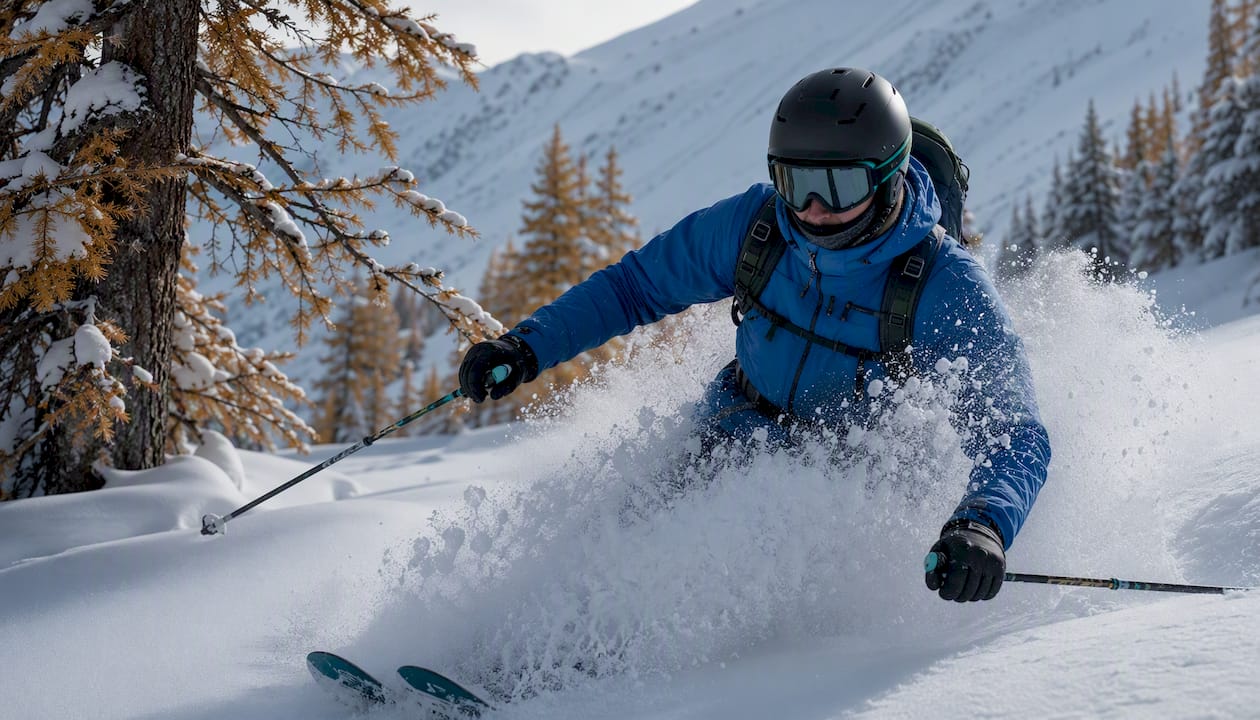
Learn how to ski deep powder with centred balance, smooth turns, speed control, practice steps, gear guidance, and avalanche and tree-well precautions.

Plan a mountain wellness retreat in Ridder with freeride, heli-skiing, snowmobiling, Ridder Lodge, Altai Banya and practical winter travel guidance.

A practical snowmobile gear list for UK travellers heading to Altai Mountains Resort, with clothing, safety equipment, battery and travel guidance.

Understand Ridder Lodge’s ski-in/snowmobile-out access, guided ski-day logistics, transfers from Öskemen and practical planning for your stay.
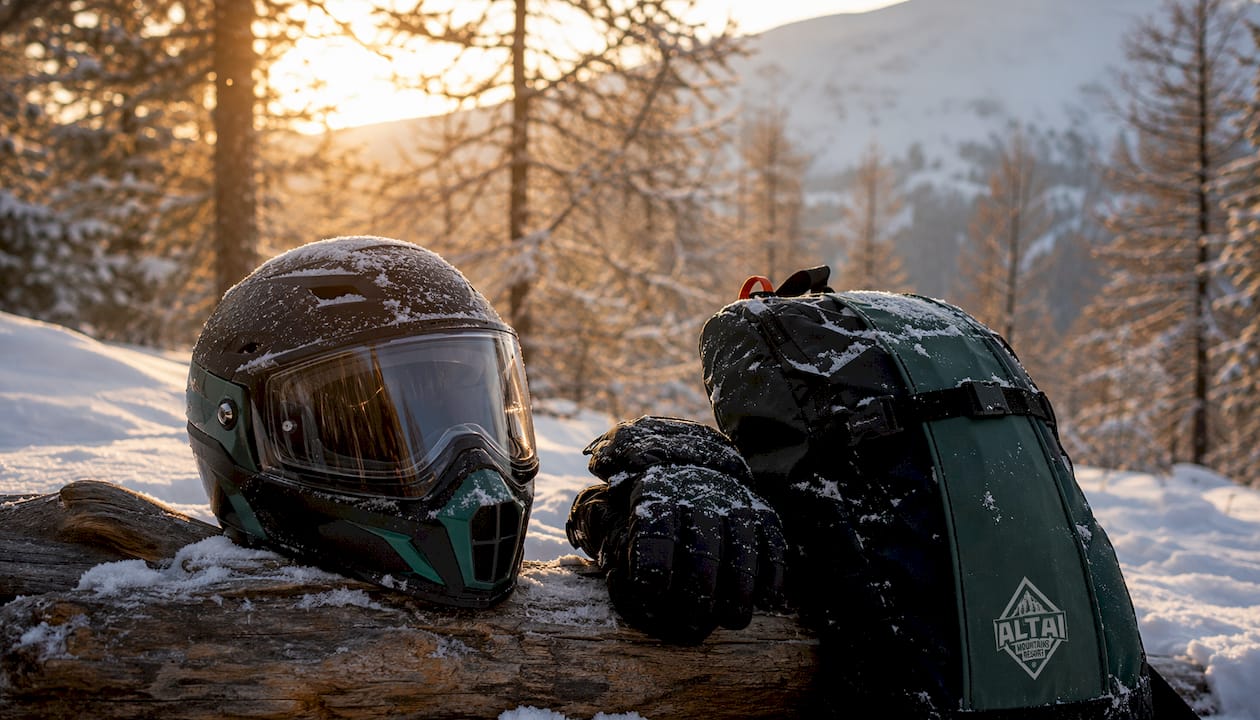
Prepare for a guided snowmobile ride with a practical gear checklist covering helmets, winter layers, avalanche equipment and cold exposure in Ridder.

A practical heli skiing guide to ability, avalanche equipment, packing, weather and planning your first trip to Kazakhstan.
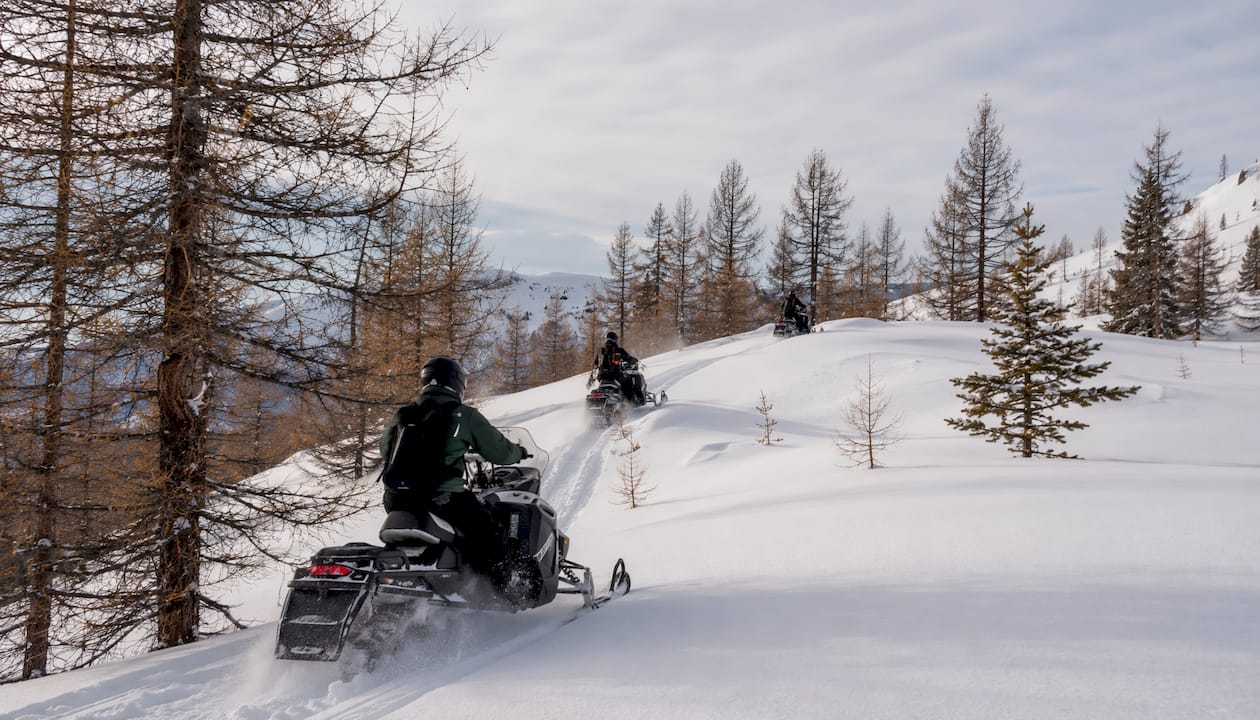
Plan guided deep snow snowmobiling in Ridder, with practical details on training, rentals, equipment, transfers and staying at Ridder Lodge.
How to choose Kazakhstan travel insurance for heli-skiing, cat-skiing or snowmobiling, including medical treatment and evacuation cover.
Kazakhstan visa requirements for UK visitors to Ridder, including visa-free limits, e-visas, passport rules, airports and Öskemen transfers.
Build strength, balance and endurance before cat-skiing, heli-skiing or snowmobiling with an adaptable six-to-eight-week ski fitness program.

Explore cold plunge benefits for skiers, from short-term soreness and recovery evidence to cold-shock risks, timing and Altai Banya options.

Understand heli skiing cost in 2026 with current operator examples, a total-budget checklist, and key booking, safety and insurance questions.