Understand the cat skiing skill level needed for Altai Mountains Resort, with practical guidance on off-piste ability, fitness and avalanche readiness.
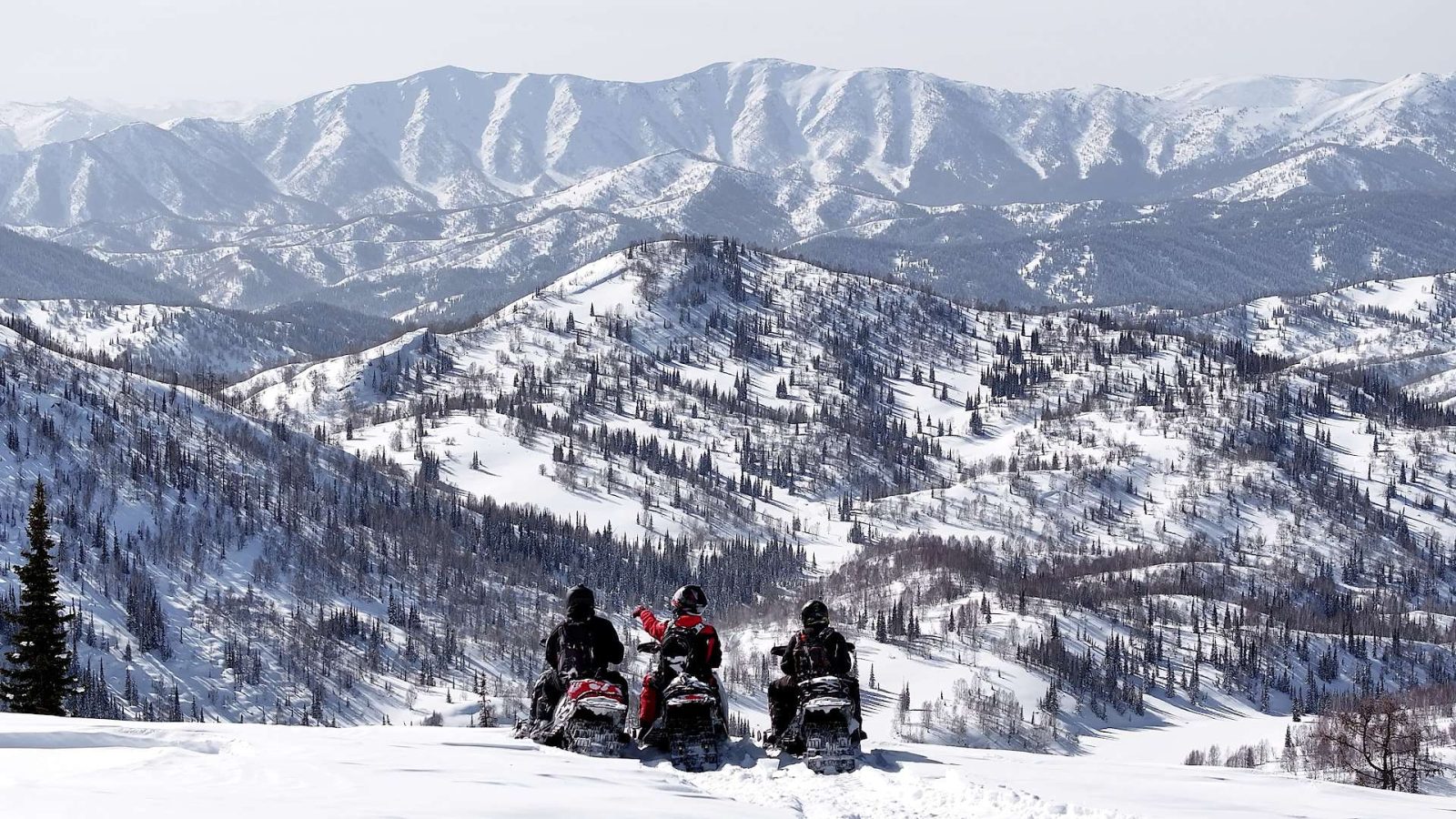
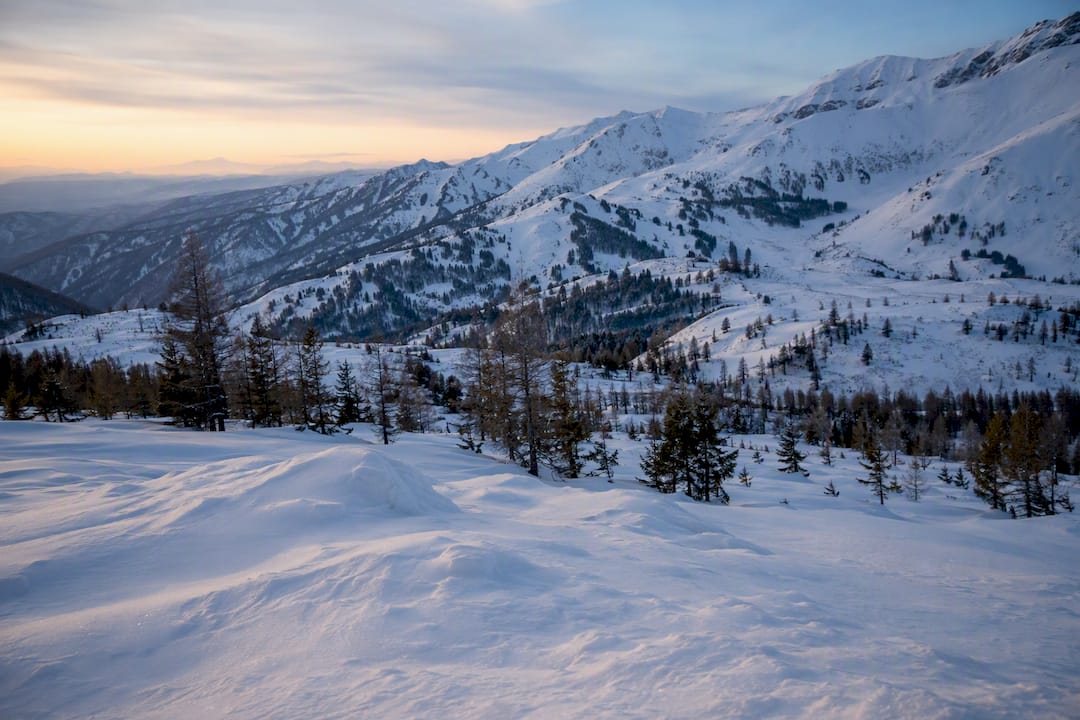
Cat skiing at Altai Mountains Resort suits skiers and snowboarders who are already confident away from groomed runs and want guided access to the Western Altai’s deep-snow terrain. The important question is not the colour of your usual resort run, but whether you can make controlled turns in ungroomed snow, stay composed as conditions change and keep enough energy for a full day outdoors.
Use this guide for an honest self-assessment, then explore our cat-skiing programme as you begin planning. Routes, pace, group format and equipment arrangements depend on the programme you choose and the conditions on the day.
Are you ready for cat skiing at Altai?
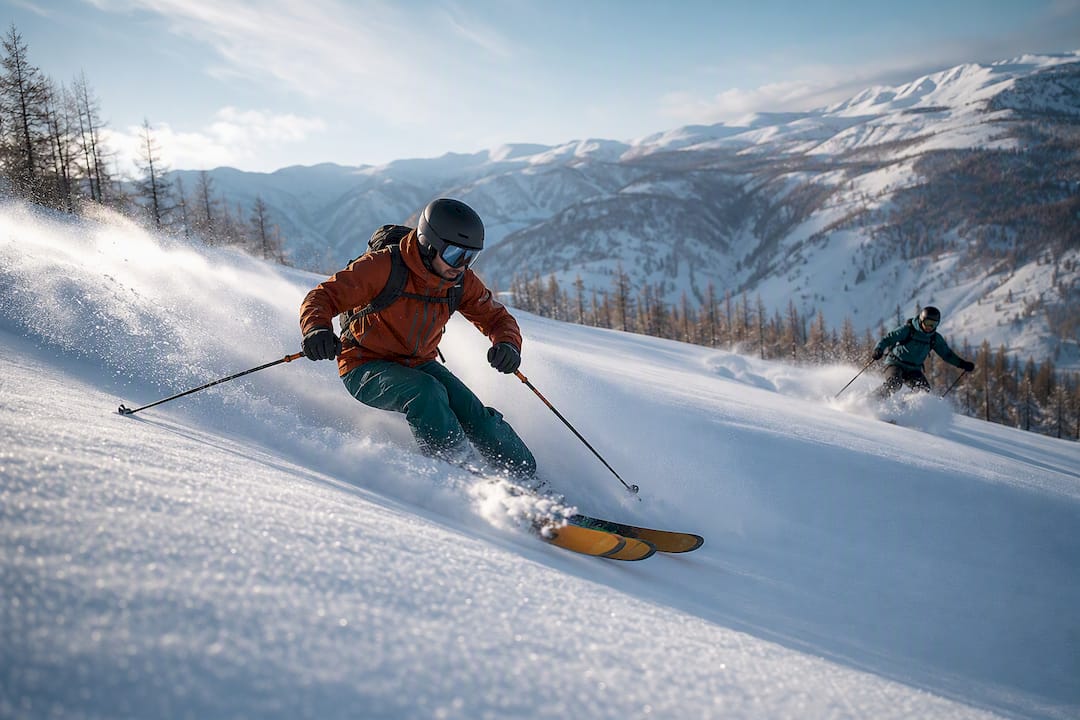
A capable cat skier has sound off-piste fundamentals and the judgement to use them. You should be comfortable linking turns at a controlled speed on ungroomed snow, adapting your balance as the surface changes and stopping safely when directed. Tree skiing calls for particular focus: look ahead, choose a clear line and leave room to adjust rather than following another rider’s tracks too closely.
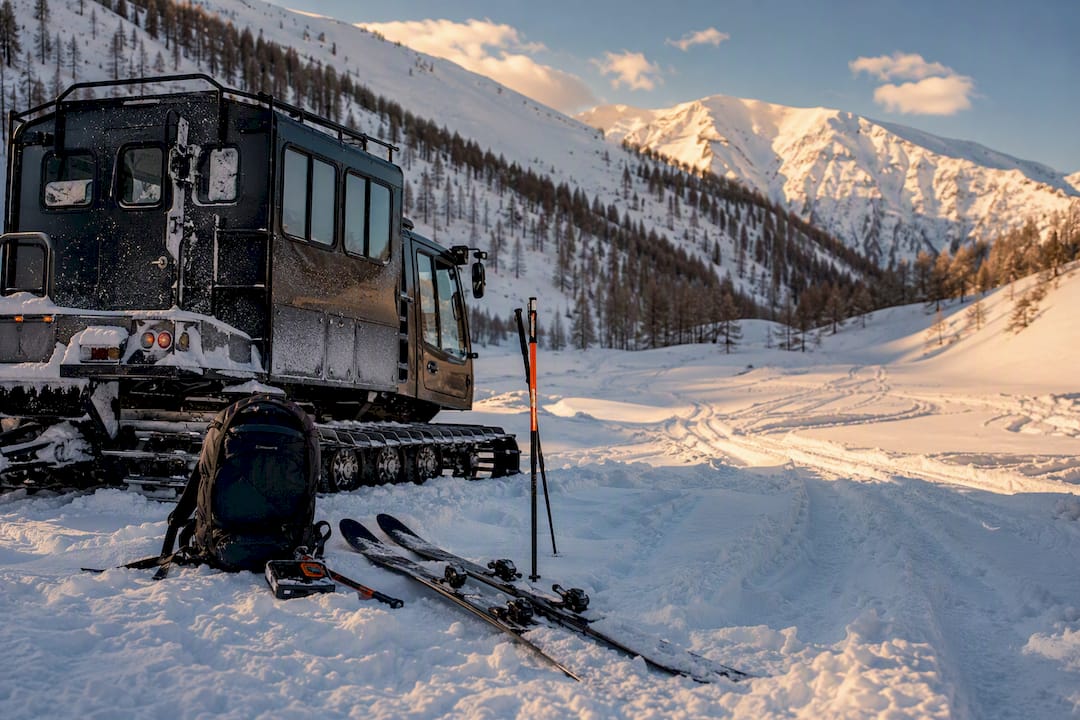
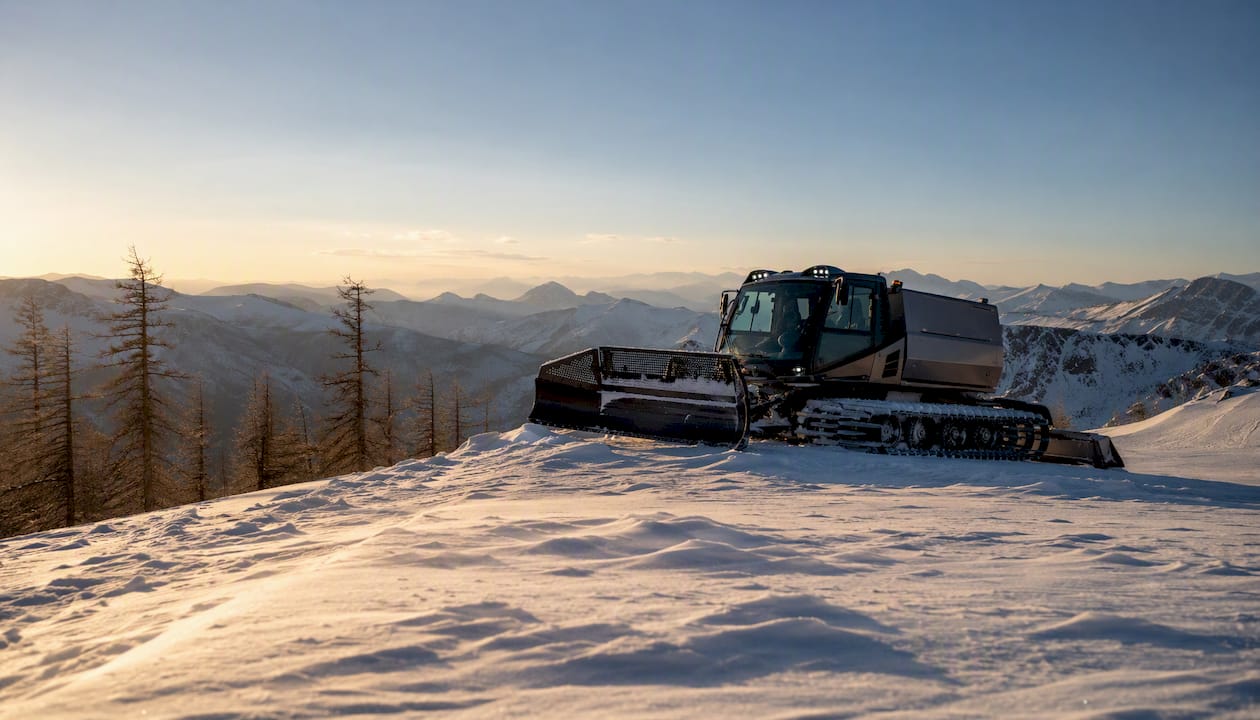
Cat skiing is guided backcountry access by snowcat, not an extension of a marked piste. A guide’s local knowledge is valuable, yet mountain hazards remain part of the setting. Arrive honestly prepared, use safety equipment as instructed and speak up early if a line or pace moves beyond your comfort.
Skill checklist for intermediate, advanced and expert riders
There is no universal cat-skiing grading system, and intermediate, advanced and expert can mean different things in different mountain settings. The markers below are for self-assessment rather than fixed entry rules. For wider context, most cat-skiing operations expect participants to be strong intermediate to advanced; use that as general background, then confirm Altai’s current prerequisites before booking.
Strong intermediate
You ski ungroomed snow with controlled, linked turns rather than relying on a snowplough or frequent stops.
You can manage a short steeper section by sideslipping or making deliberate turns.
You recover your stance after soft snow moves your skis without losing composure.
You have spent meaningful time off-piste and are ready to keep learning in a guided setting.
Advanced
You maintain a steady rhythm through variable snow and adjust your stance as snow becomes deeper, denser or tracked.
You can navigate gladed terrain at a measured speed, looking beyond the next obstacle.
You make sensible line choices and retain enough control to stop where directed.
You have the leg endurance for repeated descents without your technique falling apart as fatigue builds.
Expert
You are at ease on sustained, technical off-piste terrain and remain precise when visibility or snow texture changes.
You understand that a more difficult line is never the only measure of a good day; sound decisions and smooth control matter more.
You can adapt to the guide’s terrain plan rather than expecting a fixed route.
For mixed-ability parties, private and group options can shape the experience differently. some operators run separate intermediate cats or offer private bookings; our booking team can talk you through the choices available for your dates.
Avalanche equipment, briefing and training
Depending on your selected guided freeride programme, we provide activity-specific briefings, equipment checks, avalanche equipment, communications and qualified guides. The arrangements for your day will reflect the programme, dates and mountain conditions.
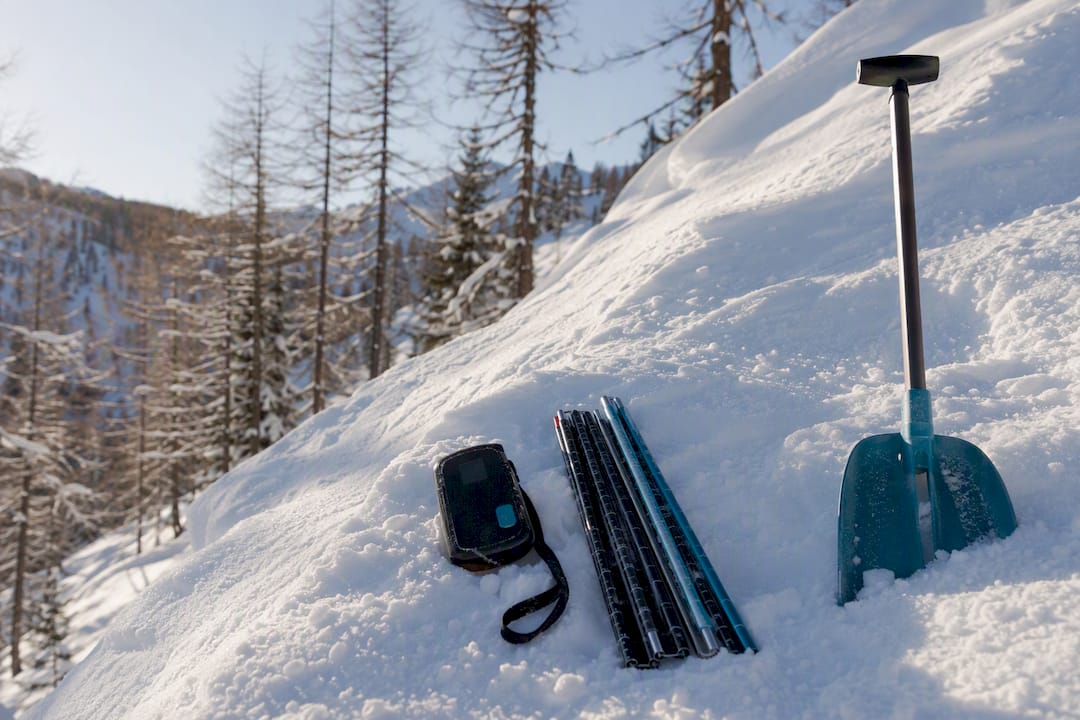
In avalanche terrain, a transceiver, probe and shovel belong with everyone who knows how to use them. Avalanche Canada’s equipment guidance says that every member of an avalanche-terrain group needs these core items and recommends training and repeated practice. An airbag, where appropriate, is an additional measure only; it does not replace core rescue equipment, education or sound decisions.
Companion rescue involves transceiver searching, probing, digging and patient care. Avalanche.org’s companion-rescue guidance explains why realistic practice matters: outside help may not arrive in time. An online refresher can be useful preparation, but it cannot replace hands-on avalanche education and regular rescue practice. General cat-skiing guides also discuss testing snowpack stability and selecting terrain, but this does not replace your own preparation or the guide’s instructions on the day.
A practical note: if a health condition, injury or medication could affect your ability to ski or respond in an emergency, seek appropriate medical advice before travel.
Fitness and powder technique
Deep snow asks more of your legs than a short lap on a groomed run. Build towards a day of repeated descents with regular aerobic work, leg-strength training and balance exercises. Squats, lunges, step-ups and cycling are practical ways to prepare when they suit your own fitness level.
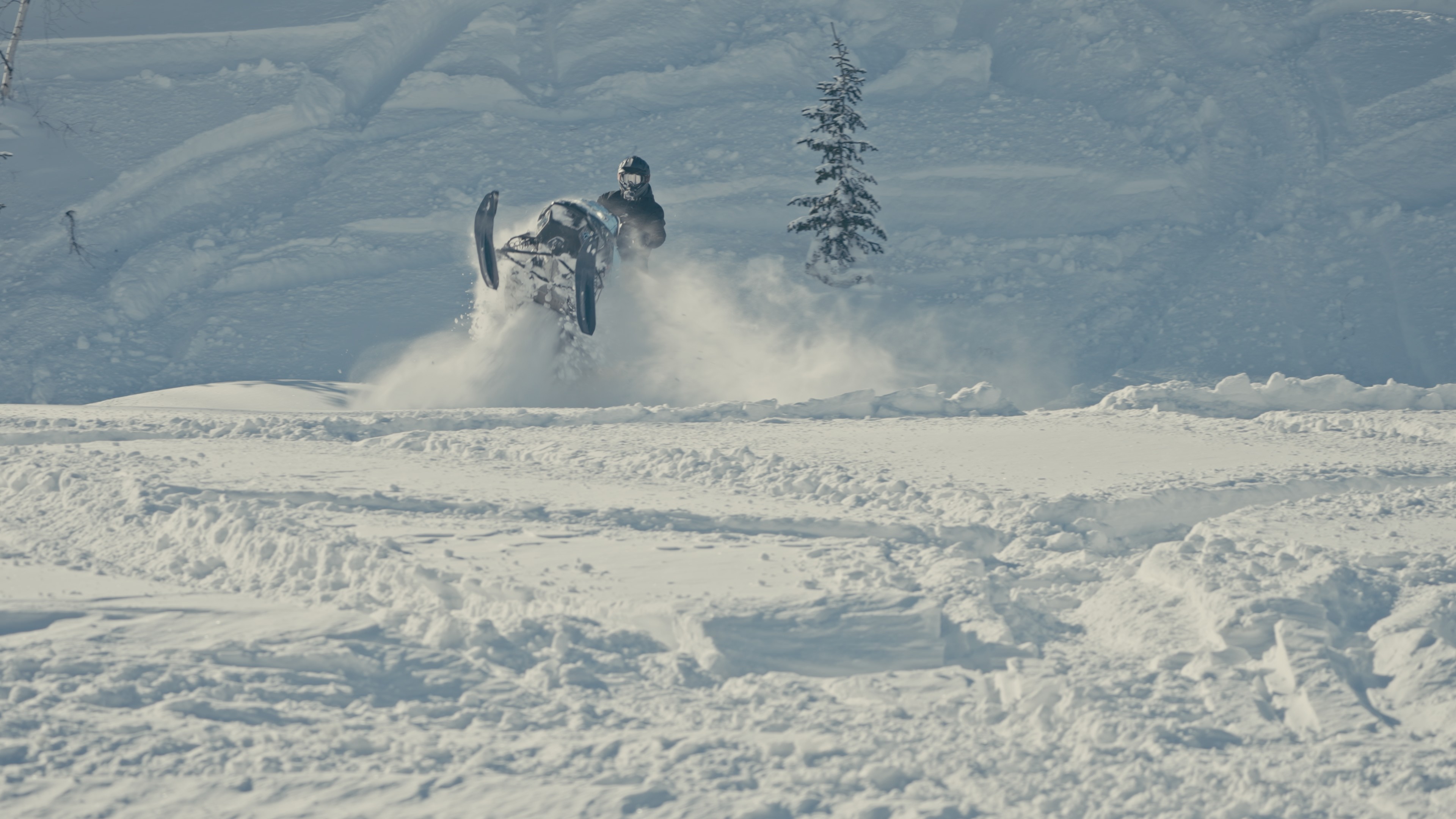
On snow, concentrate on a centred stance, supple ankles and a consistent turn rhythm. Powder responds well to measured movement: let the skis plane, keep your upper body calm and avoid forcing a hard carved turn when the snow is soft or uneven. Well-maintained freeride equipment that fits you properly is more useful than pursuing a fixed ski-width recommendation. Our team can help with current rental availability and equipment arrangements before you arrive.
Good preparation also includes pacing. Take food, water and warm layers appropriate to a winter day, and speak up early if tiredness starts to affect your skiing. A conservative choice at the right moment helps the whole group enjoy the day.
How weather and snow change the difficulty
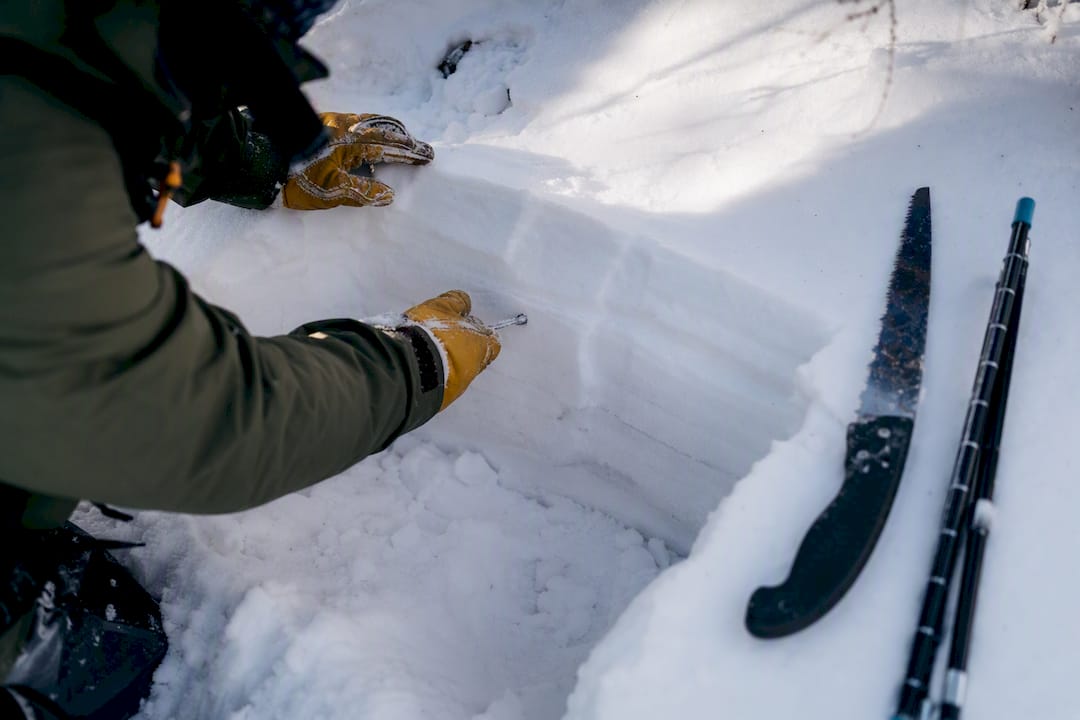
Snow is not the same from one run to the next. Fresh snow, wind effect, changing temperatures and visibility all influence how a slope skis and which terrain is appropriate. Your guide may alter the route, choose more sheltered terrain or change the day’s rhythm in response.
That is why cat skiing rewards adaptable riders. Expect terrain and the number of runs to follow the conditions rather than a predetermined itinerary. Terrain and conditions on the day—not an imagined route—should shape expectations. Readers looking for general outdoor background beyond skiing can find added context in terrain and conditions and terrain and conditions, but neither is a guide to snow safety or cat-skiing decisions.
Cat skiing looks different from one mountain region to another. What Is Cat Skiing? A Beginner's Guide — Powder offers a broad introduction, while Cat skiing in British Columbia: the ultimate guide — By The North describes an approach in British Columbia.
What to confirm with Altai before booking
Once the readiness checklist feels realistic, a short conversation with our team will help shape the right trip. Useful points include:
The current ability prerequisites and whether the programme suits skiing, snowboarding or both.
Your preferred dates, availability, price and inclusions for the option you choose.
Equipment arrangements, including avalanche equipment and any rental needs.
The private or group format available for your party.
Meeting arrangements, transfers and potential weather-related changes.
At Altai Mountains Resort, cat skiing and freeriding begin from Ridder, alongside longer deep-snow experiences. Elsewhere, a full day commonly yields roughly 10 to 12 runs; at Altai, the number of runs can vary widely with terrain, weather, group movement and the day’s plan. Let the rhythm of the day be guide-led and conditions-led.
Explore our winter packages or send an enquiry through online booking when you are ready to discuss dates.
Getting to Ridder and arranging transfers
Altai Mountains Resort is in Ulba village near Ridder, in East Kazakhstan’s Western Altai. From Öskemen (Ust-Kamenogorsk), the road journey is approximately 120 km and usually takes around 1.5–2 hours, with timing shaped by road and weather conditions.
We can arrange private road transfers from Öskemen by arrangement. Our booking team can advise on availability, pricing and whether a transfer forms part of your chosen booking, so you can arrive focused on the skiing ahead.
Cat-skiing readiness FAQ
Do I need ski-touring experience?
Not necessarily: a snowcat provides the uphill access. A particular programme may still have its own requirements. Confident off-piste skiing, avalanche awareness and a willingness to follow the guide’s instructions are essential.
Can an intermediate skier go cat skiing?
A strong intermediate with genuine ungroomed-snow experience may suit an appropriate guided programme. The right fit depends on your control, endurance, experience in changing snow and the current prerequisites for your chosen day—not simply on a resort trail rating.
What matters more: technical ability or avalanche awareness?
Both matter. Technical ability helps you ski with control and conserve energy; avalanche education and rescue practice help you understand the setting and respond properly to instructions. One does not replace the other.
What is the best way to decide?
When you enquire, describe your recent off-piste skiing plainly: the snow you have skied, your comfort in trees and variable conditions, and how long you can maintain good form. Our team can then guide you towards the most suitable current option at Altai Mountains Resort. Cat skiing tips | FamilySkiTrips also covers common cat-skiing considerations.
All Articles
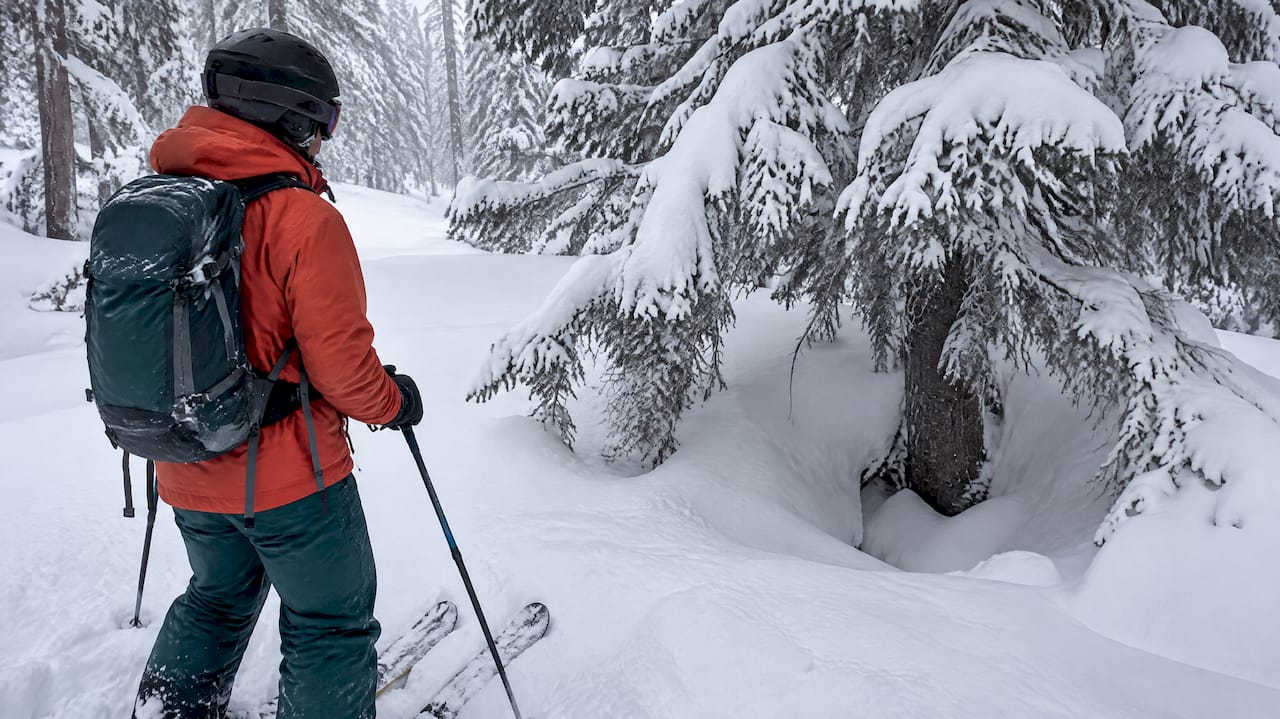
Learn how to prevent tree-well burial, keep riding partners in sight and begin immediate companion rescue in deep snow.

Compare aluminum and carbon ski poles for touring, resort skiing, park laps, freeride and racing, with practical guidance on fit, care and safety.

Compare wide vs narrow skis for groomers, soft snow and mixed conditions. See why 90–100mm is a useful starting point and how to try skis thoughtfully.
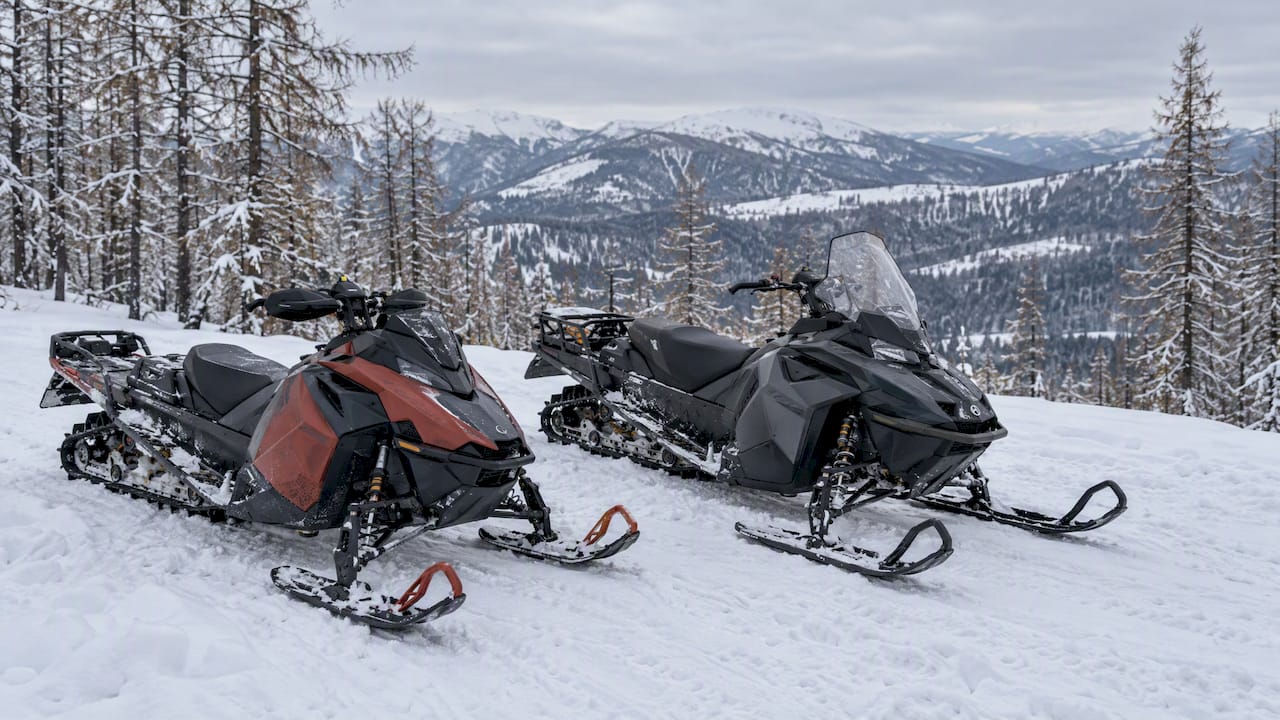
Compare 2-stroke and 4-stroke snowmobiles by handling, fuel use, emissions and upkeep, with guidance for a guided snowmobiling day near Ridder.
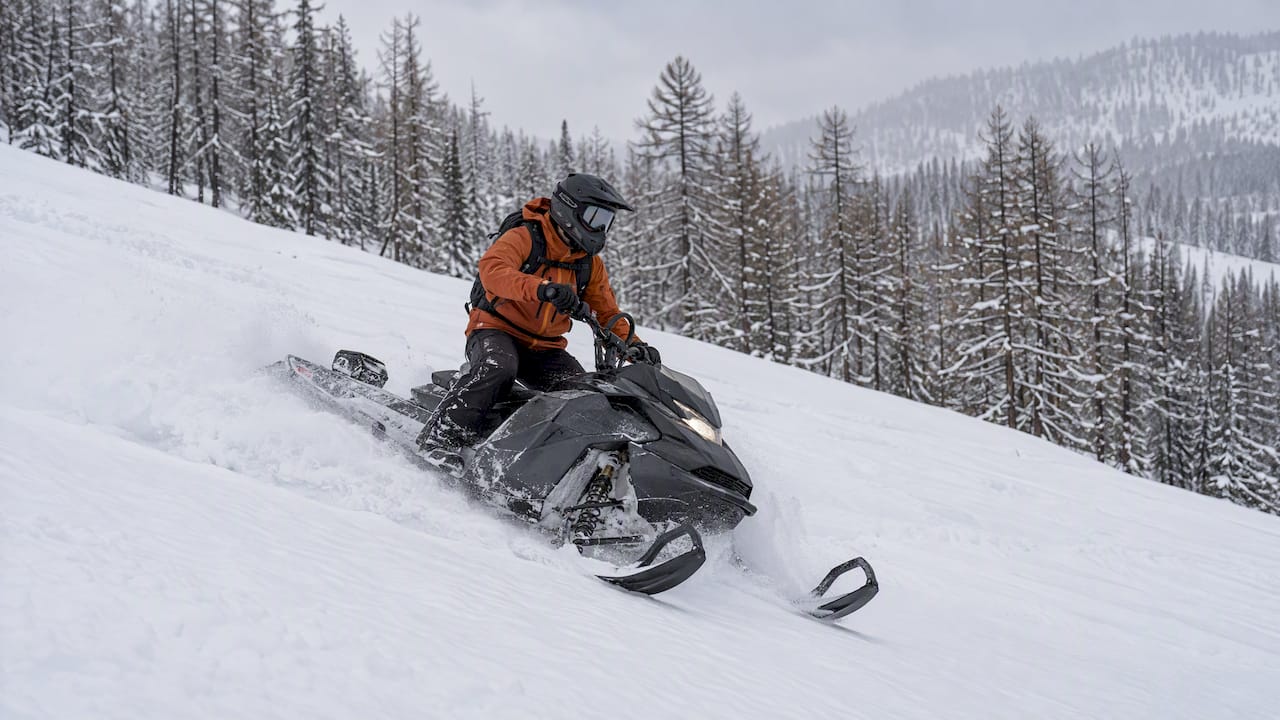
Learn snowmobile carving techniques for powder: stance, counter-steering, throttle timing, beginner drills and avalanche-safety essentials.
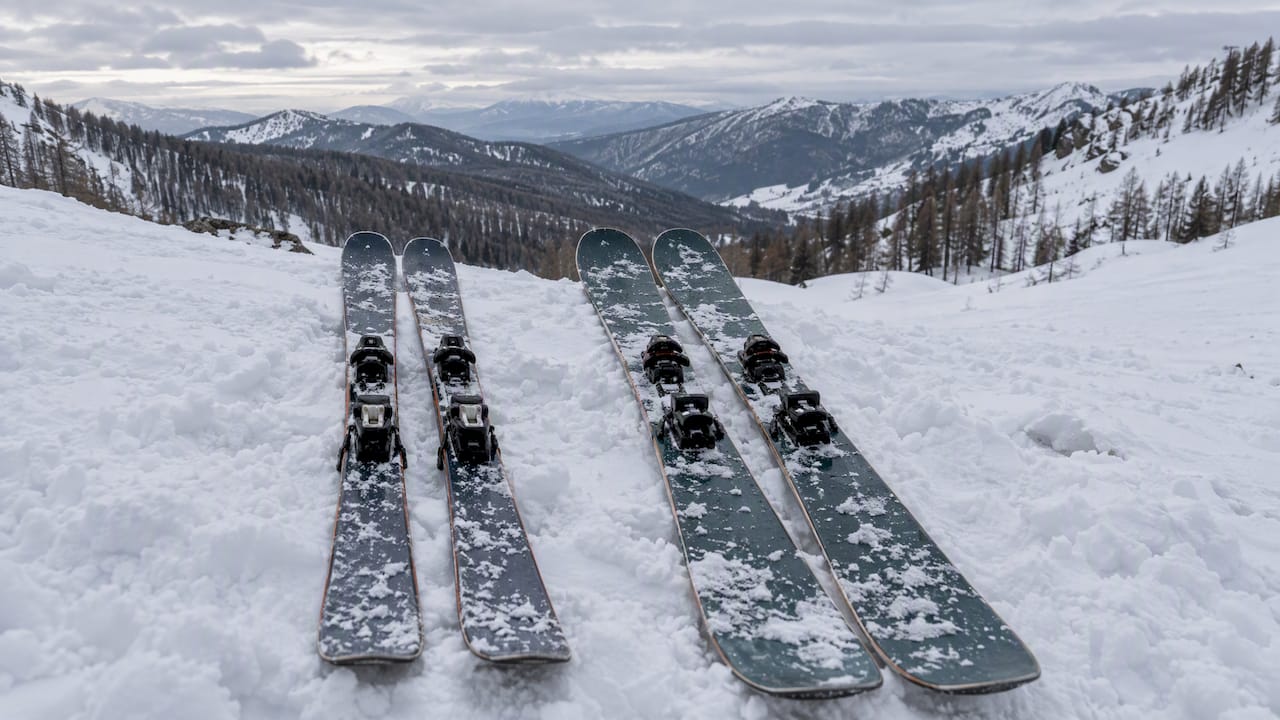
Compare powder and all-mountain skis by width, rocker and conditions, then decide whether to buy, rent or demo for deep-snow trips.
Prevent goggle fogging with five practical checks for lens care, fit, vents, breath and body heat—plus safe steps for fog on the move.
Choosing ski mittens vs. gloves? Compare warmth, dexterity, liners, fit and lobster mitts for piste skiing, powder days and touring.
Choose an insulated or shell ski jacket for resort, touring, cat and heli days, with practical guidance on 2.5L, 3L and layering.

Compare neck gaiters and balaclavas for cold-weather activities, with practical guidance on coverage, ventilation, helmet fit, moisture management and winter packing.
Choose between cylindrical, spherical and toric ski goggles, with practical guidance on tint, anti-fog performance, helmet fit and packing for Altai winter trips.
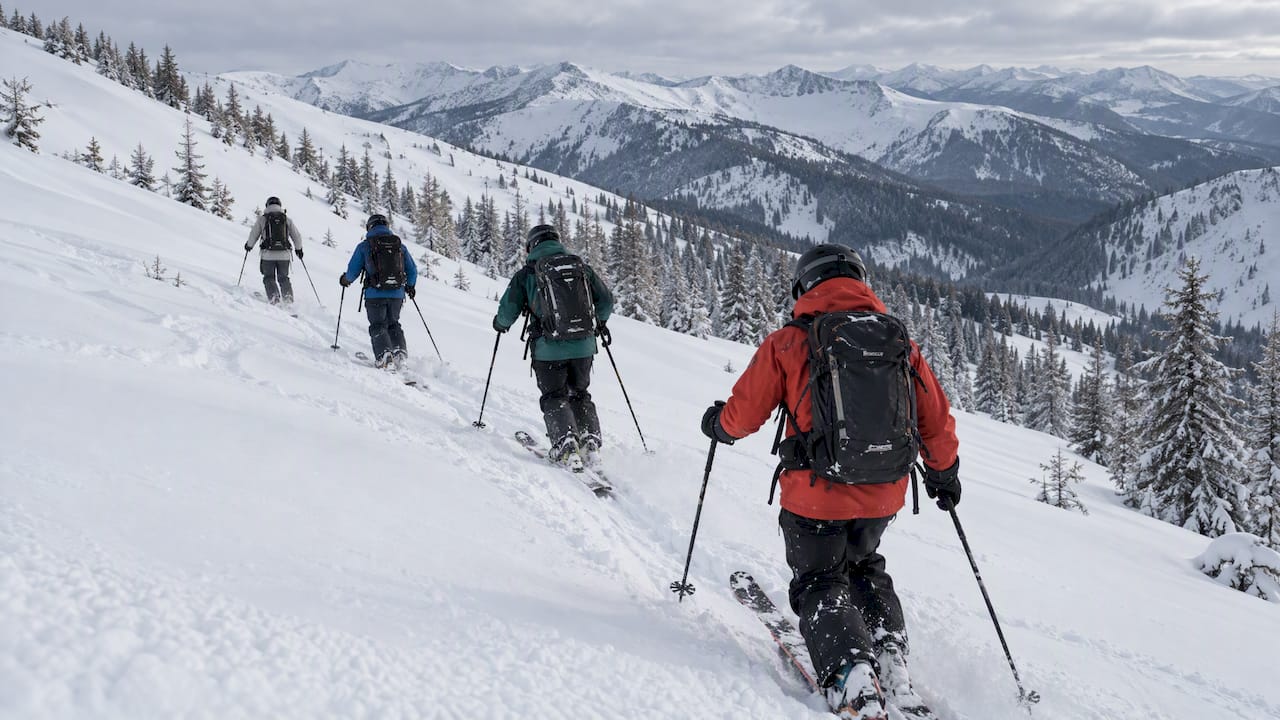
A practical cat-skiing safety checklist for first-timers, covering avalanche gear, companion-rescue practice, ability preparation and guided mountain days.
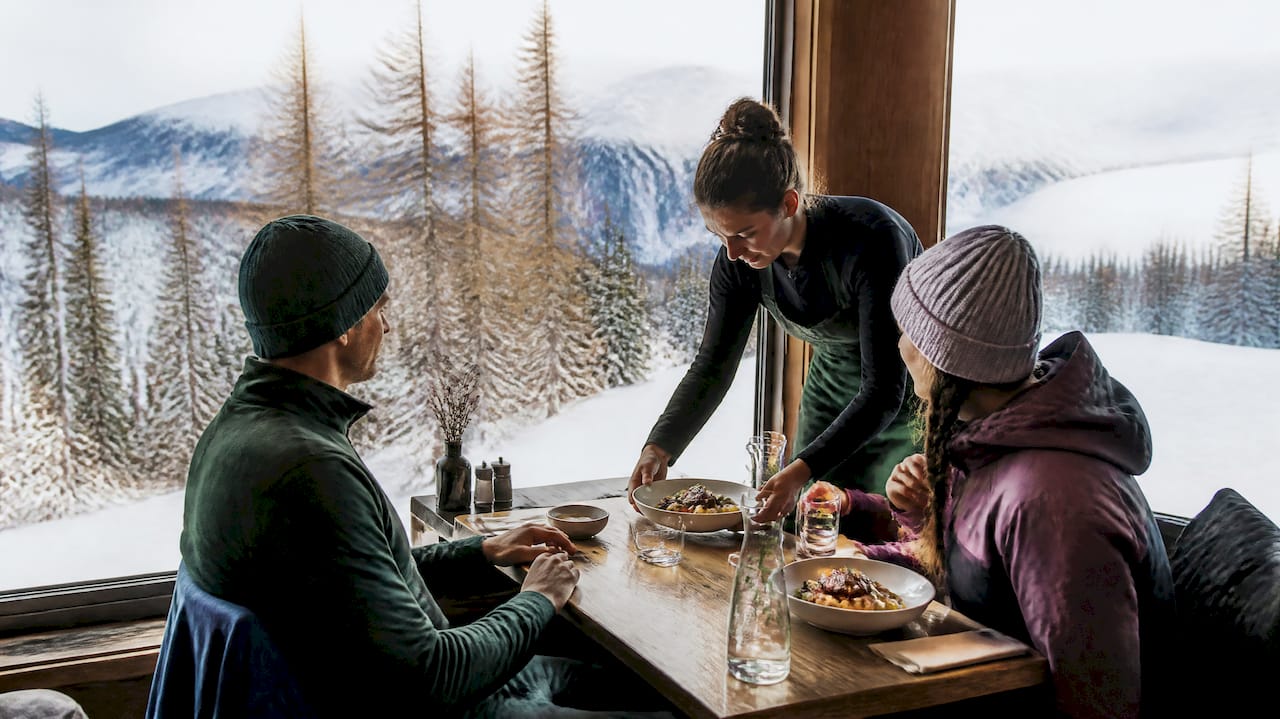
Plan on-mountain dining with four practical considerations: access, reservations, menus and dietary needs, plus weather and mountain safety preparation.

A practical Siberian cuisine guide to Restaurant Altai, East Kazakhstan dishes, dietary requests and Ridder Lodge accommodation rates.
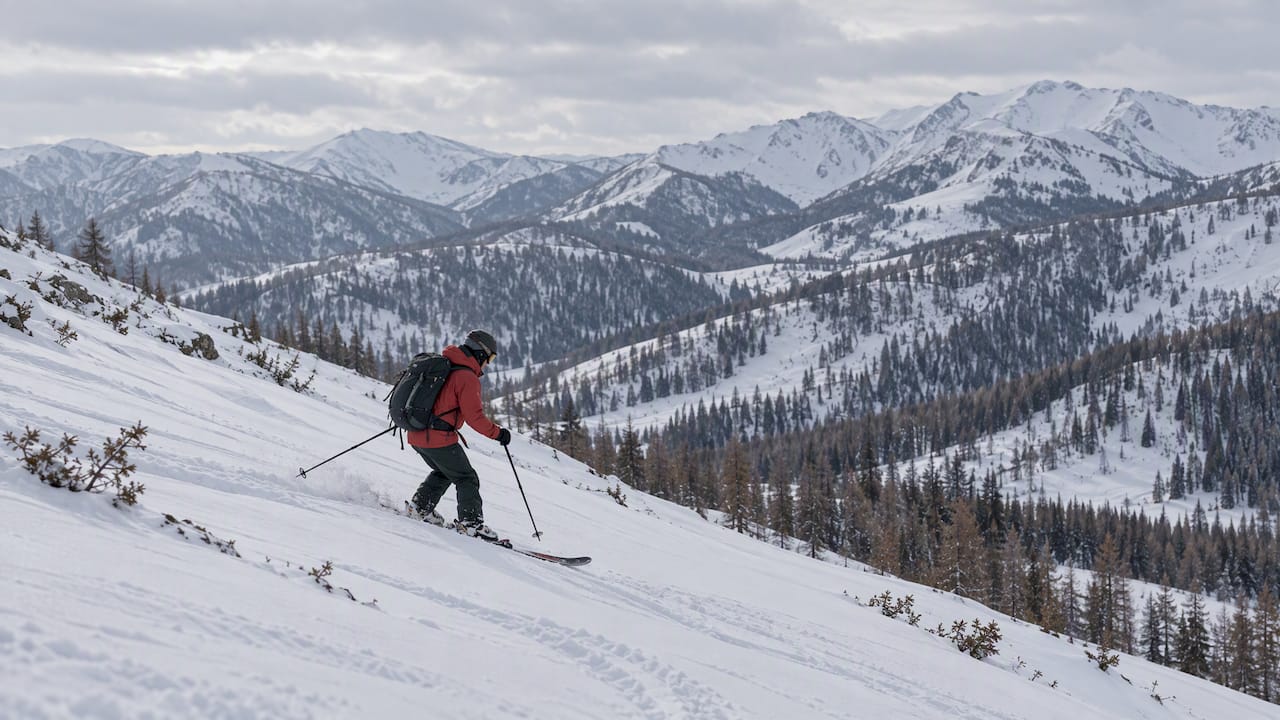
Explore heli-skiing’s environmental impact, including helicopter emissions, wildlife considerations, aviation effects and practical planning questions.
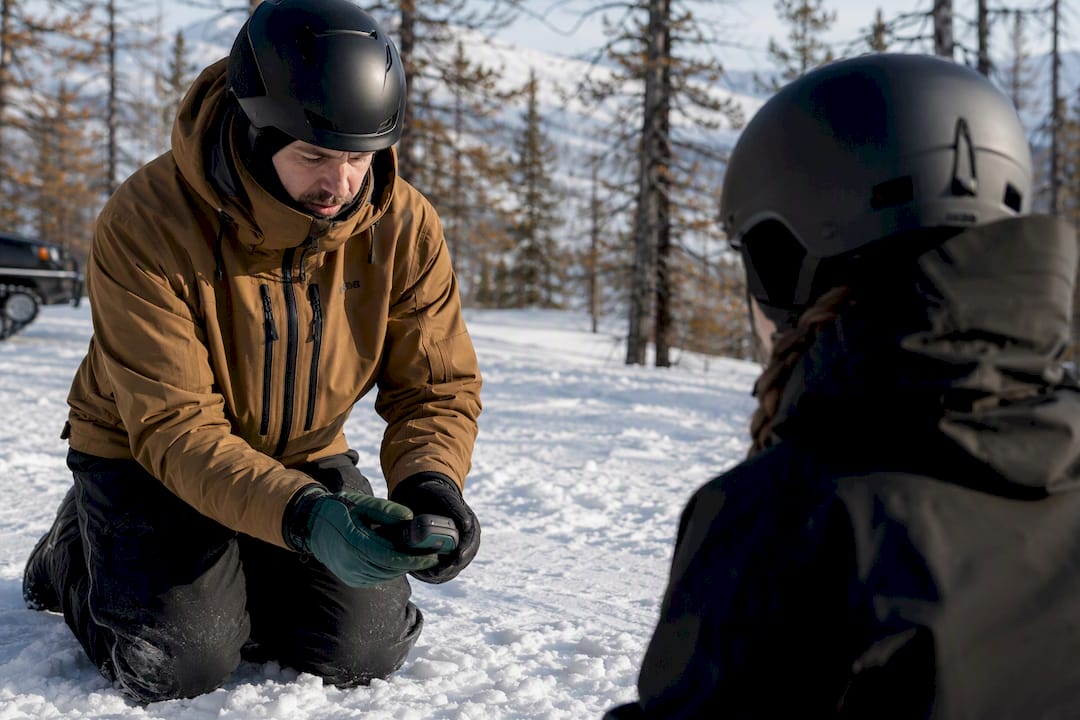
Learn what a snowcat safety briefing covers, including avalanche equipment, transceiver checks, the 20 cm/50 cm rule and cat-skiing preparation in Altai.
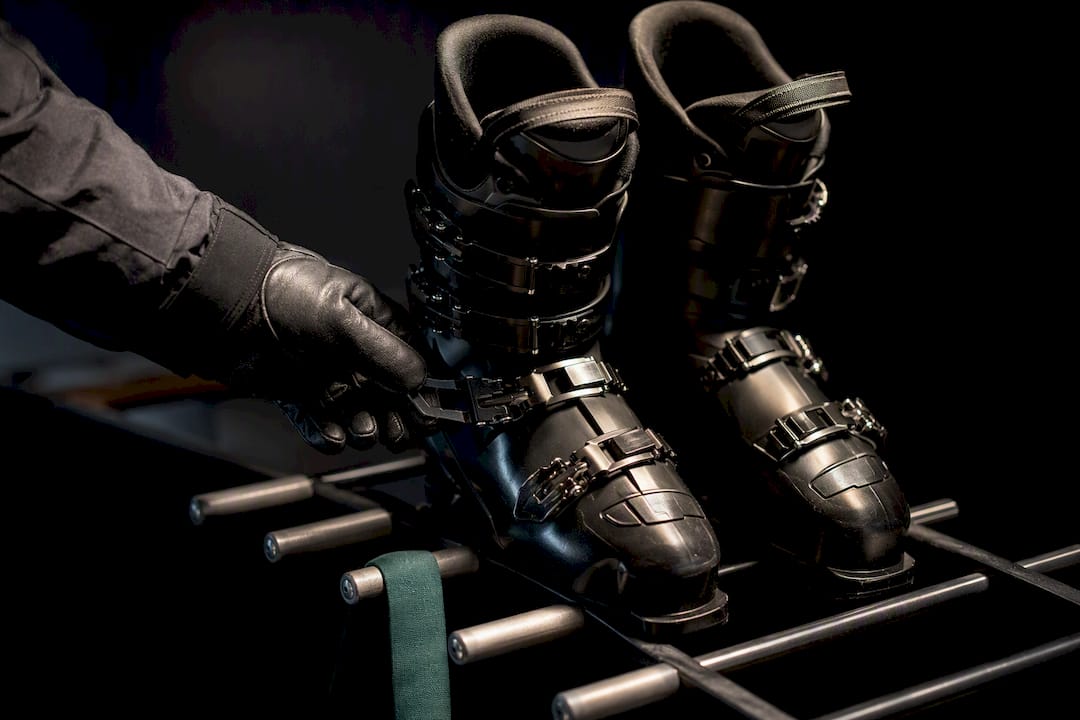
Practical ski locker etiquette for shared storage: keep equipment tidy, use boot dryers fairly and follow the rules in your drying room.
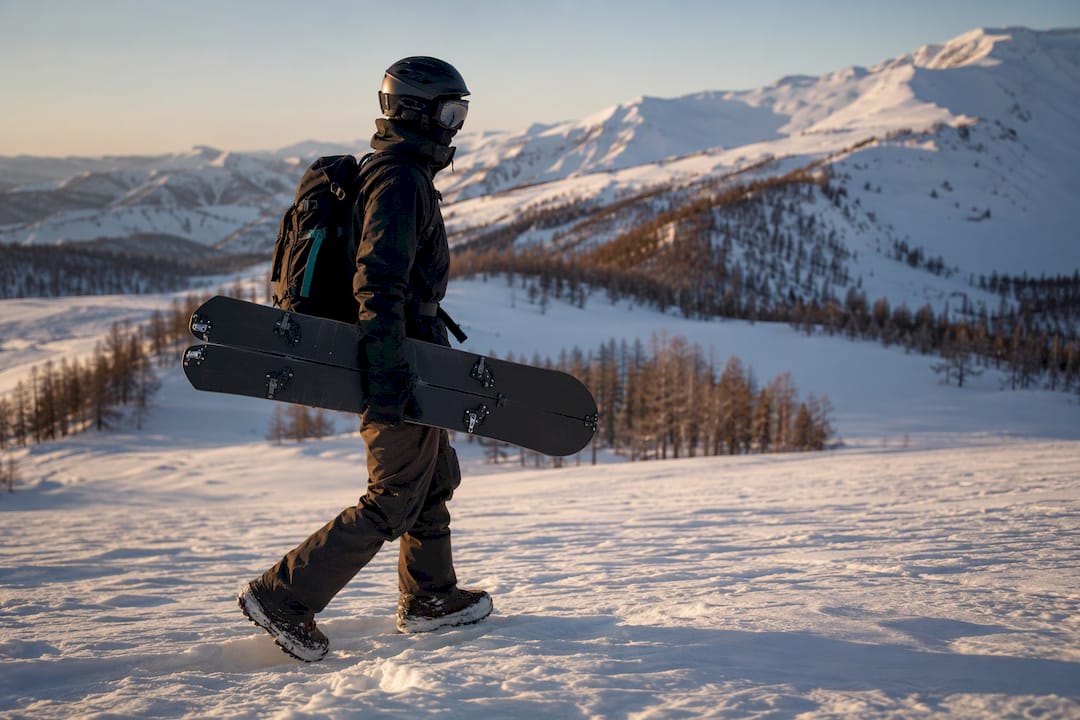
Plan a heli-accessed splitboard trip with practical guidance on formats, costs, rescue readiness, personal kit and Altai Mountains Resort options.
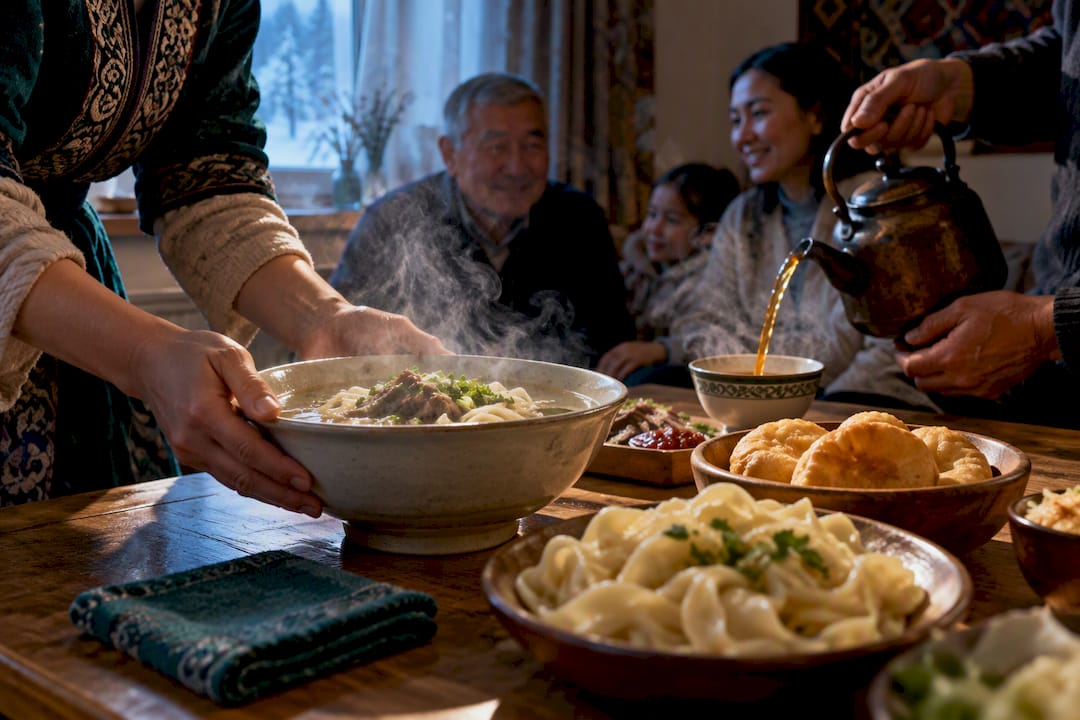
Explore Kazakhstan winter culture through holiday traditions, food, living heritage, regional rhythms and practical etiquette for visitors.
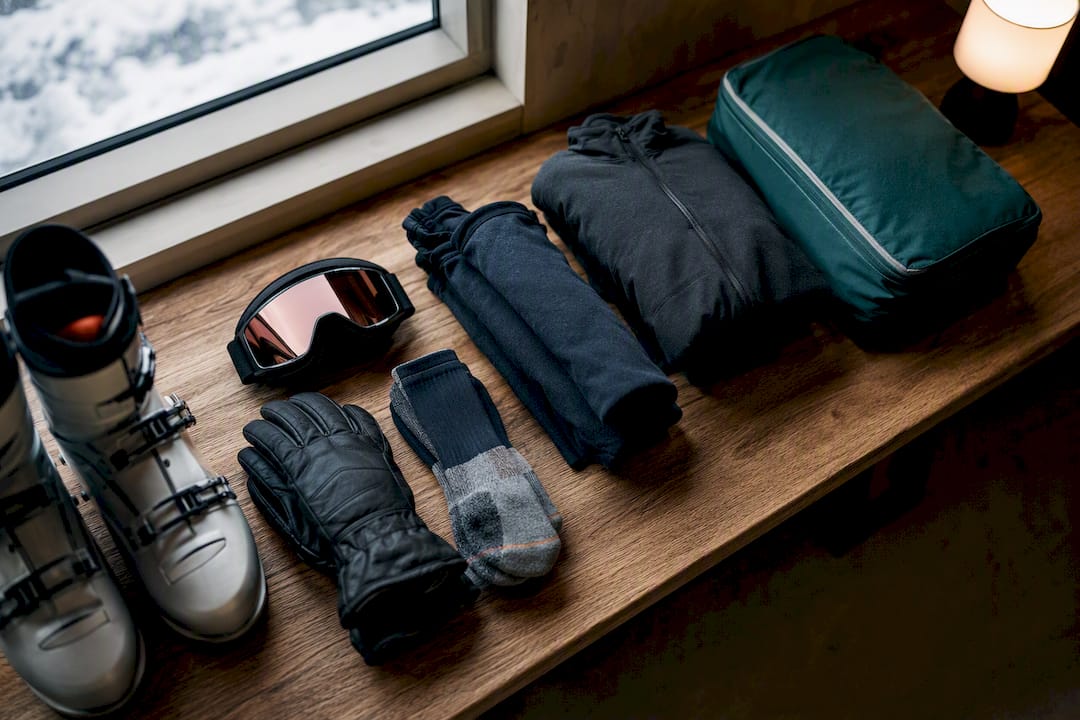
A practical luxury ski packing list for fitted essentials, lighter luggage and guided off-piste or heli-ski days at Altai Mountains Resort.

A practical heli-skiing safety guide for expert skiers, covering operator decisions, avalanche equipment, helicopter procedures, rescue planning and insurance.
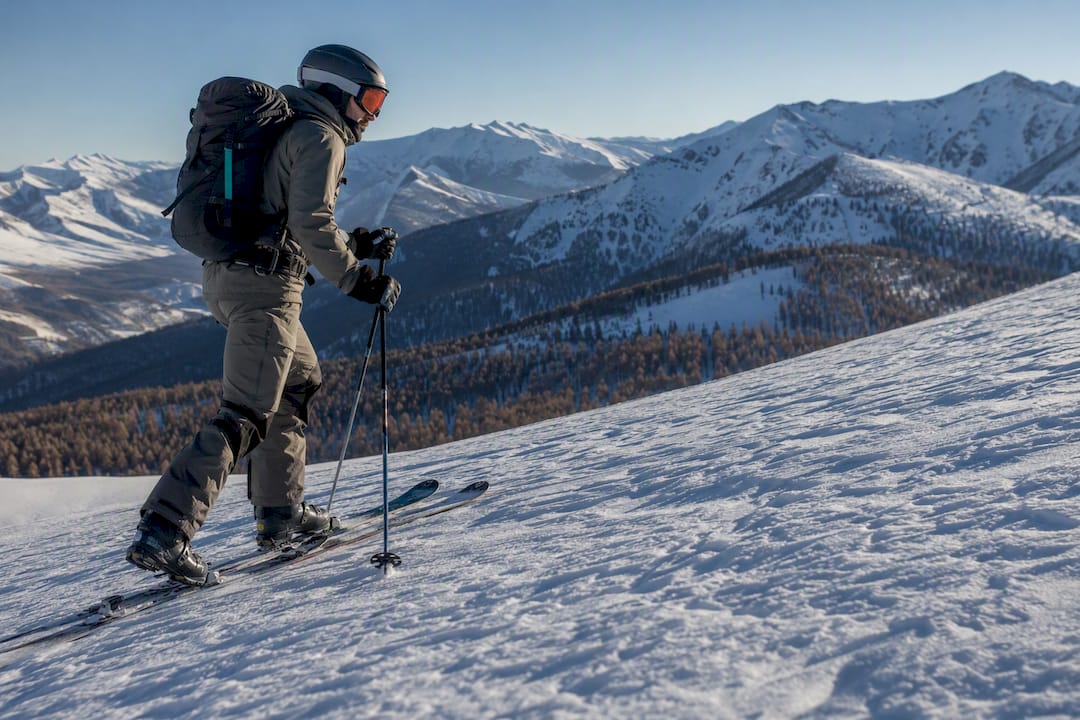
Compare lift-assisted, touring and Western Altai ski options in Kazakhstan, with practical safety, travel and booking guidance.

Learn the heli-skiing skill level typically expected, the off-piste skills to practise, safety preparation and an adaptable 8–12-week training framework.

Plan the Kazakhstan skiing season with a practical comparison of Almaty and Ridder, month-by-month timing, mountain safety and trip planning.
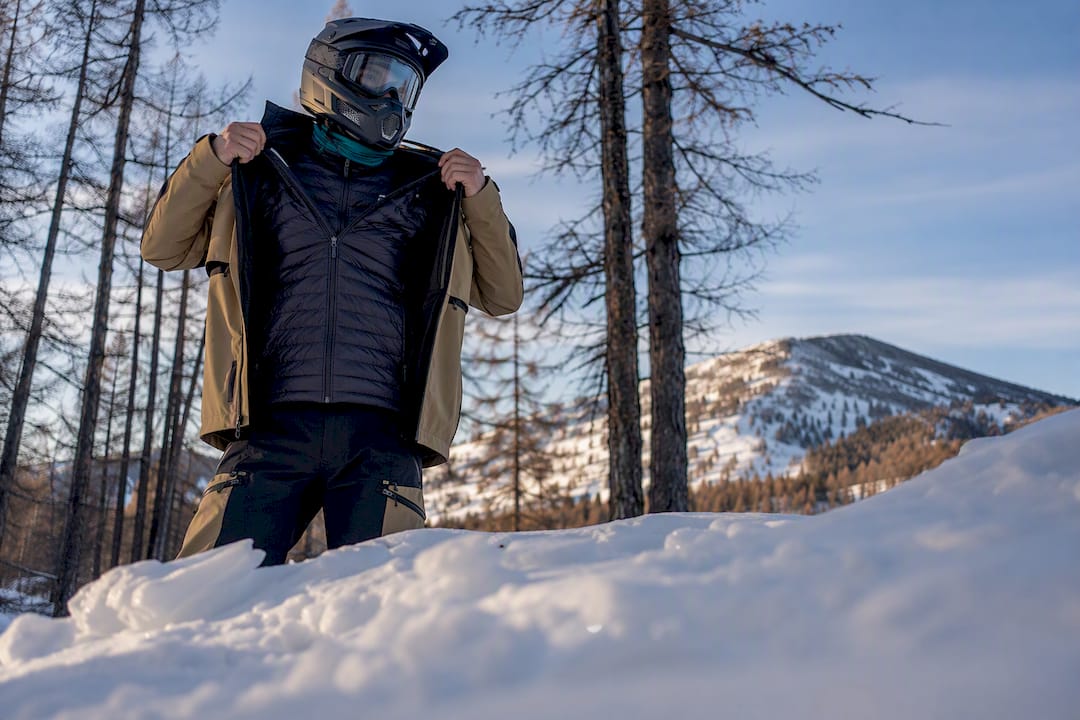
Use this snowmobile layering guide to build a flexible base, insulation and shell system, manage moisture and pack dry spares for changing conditions.

Learn what to rent for avalanche terrain, how to prepare a beacon, probe and shovel, and what to know about airbag packs and flights.
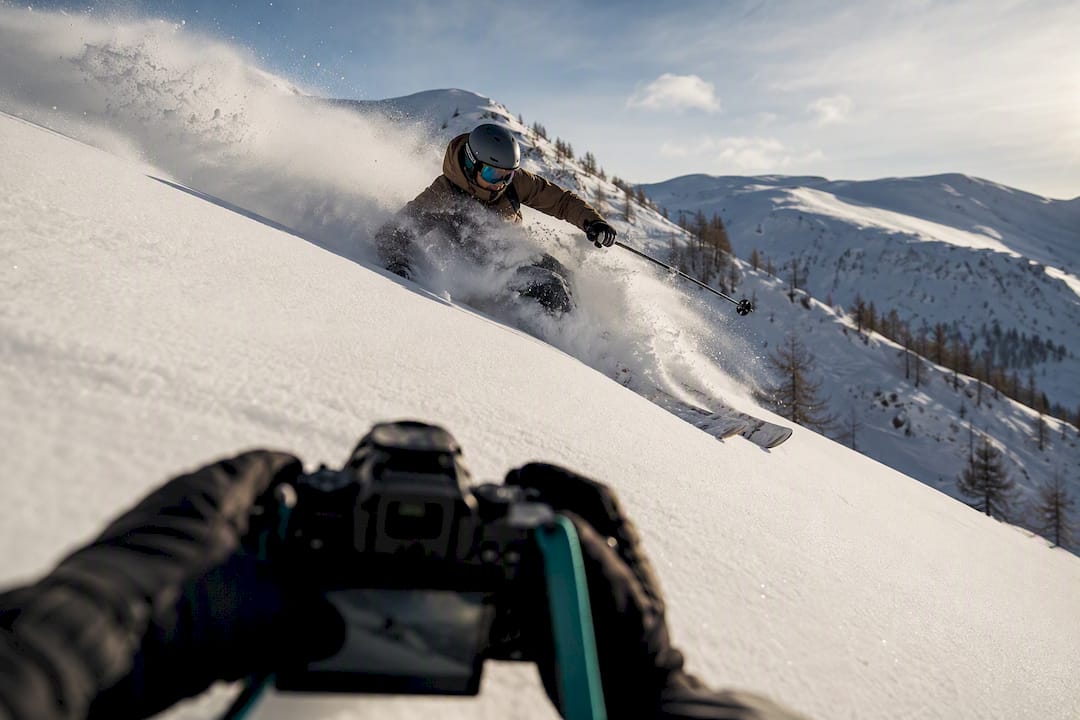
Practical ski photography tips for beginners: camera settings, snow exposure, timing, cold-weather camera care and safe mountain positioning.

Learn how to read an avalanche forecast, interpret danger ratings, roses and avalanche problems, and plan more conservative terrain choices.
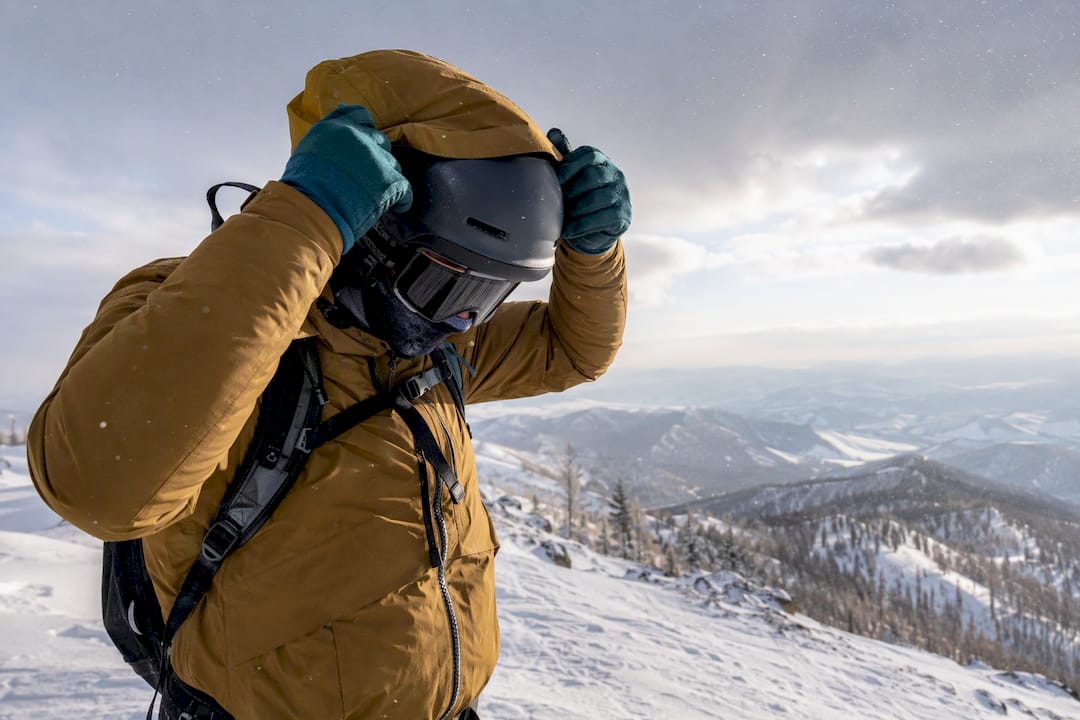
Practical cold injury prevention for winter travel: layering, dry spares, warning signs, first aid and planning for mountain activities.
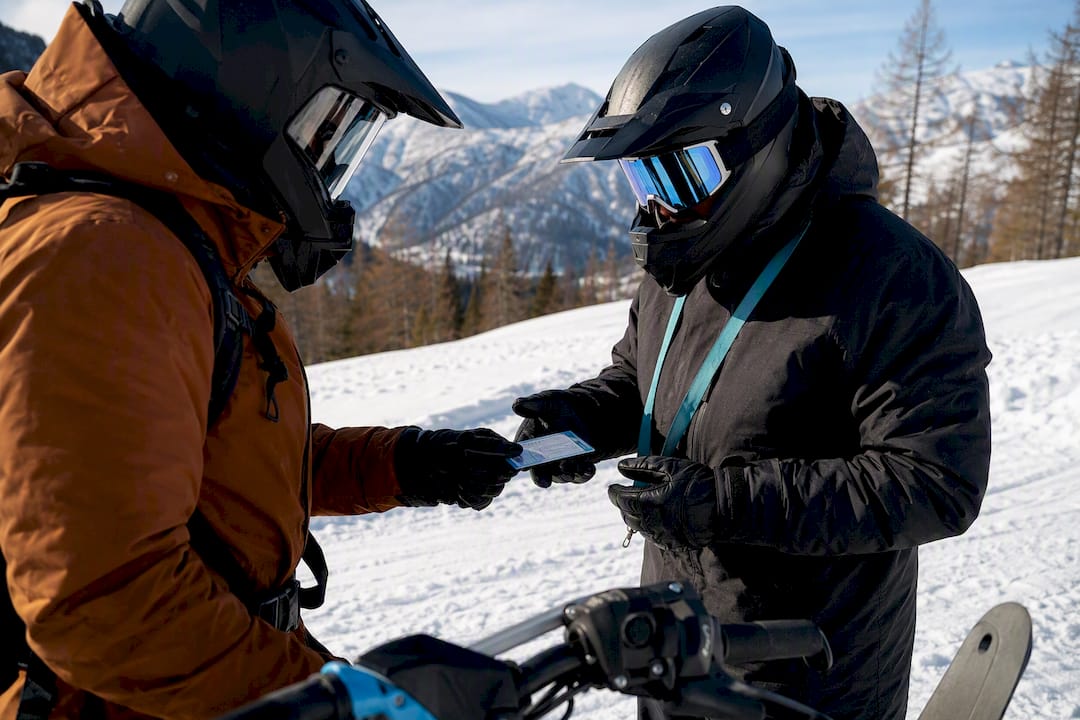
Planning snowmobiling in Ridder? Understand how experience, training, equipment and Kazakhstan rules shape your trip with Altai Mountains Resort.
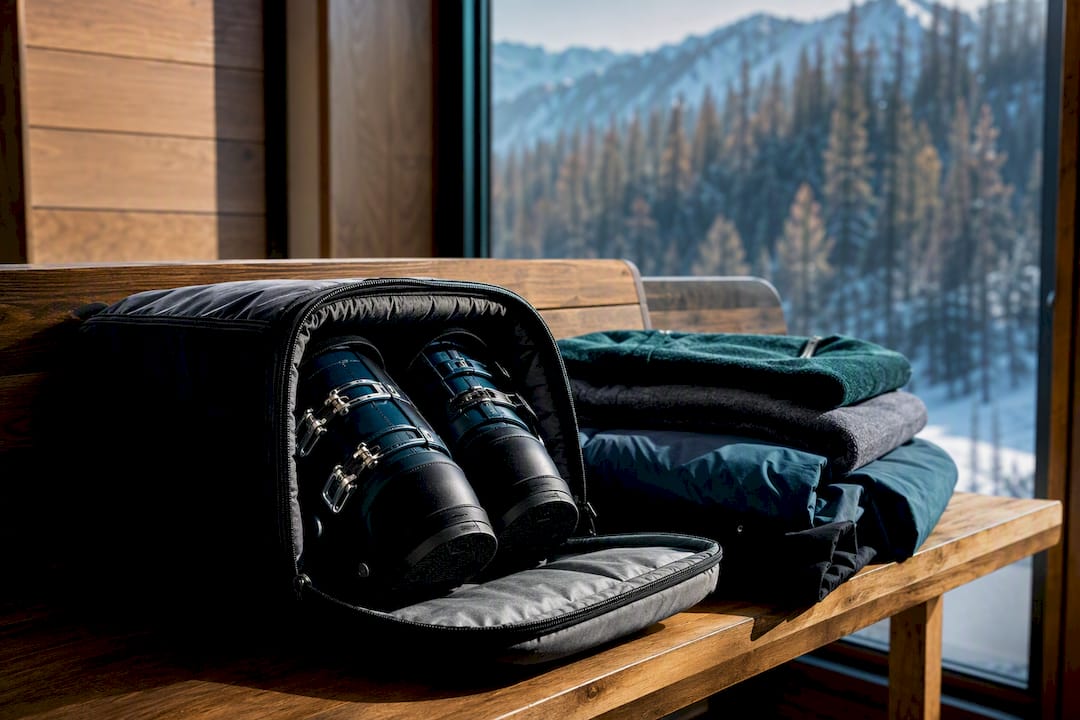
Travel with ski gear confidently: carry boots when cabin rules allow, pack skis securely, understand airline baggage rules and prepare for delays.
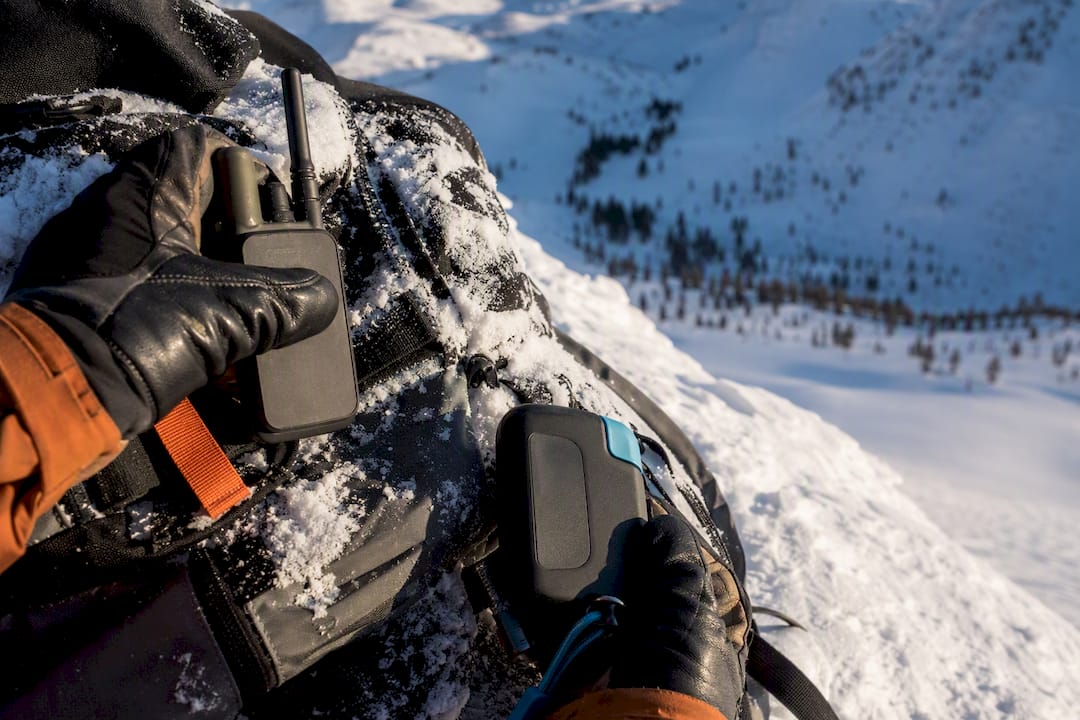
Build a practical backcountry radio communication plan with party radios, satellite SOS or PLB backup, cold-weather care and regional legal essentials.

Satellite messenger basics for remote Altai trips: compare PLBs and two-way devices, understand SOS limits, and prepare your communications plan.
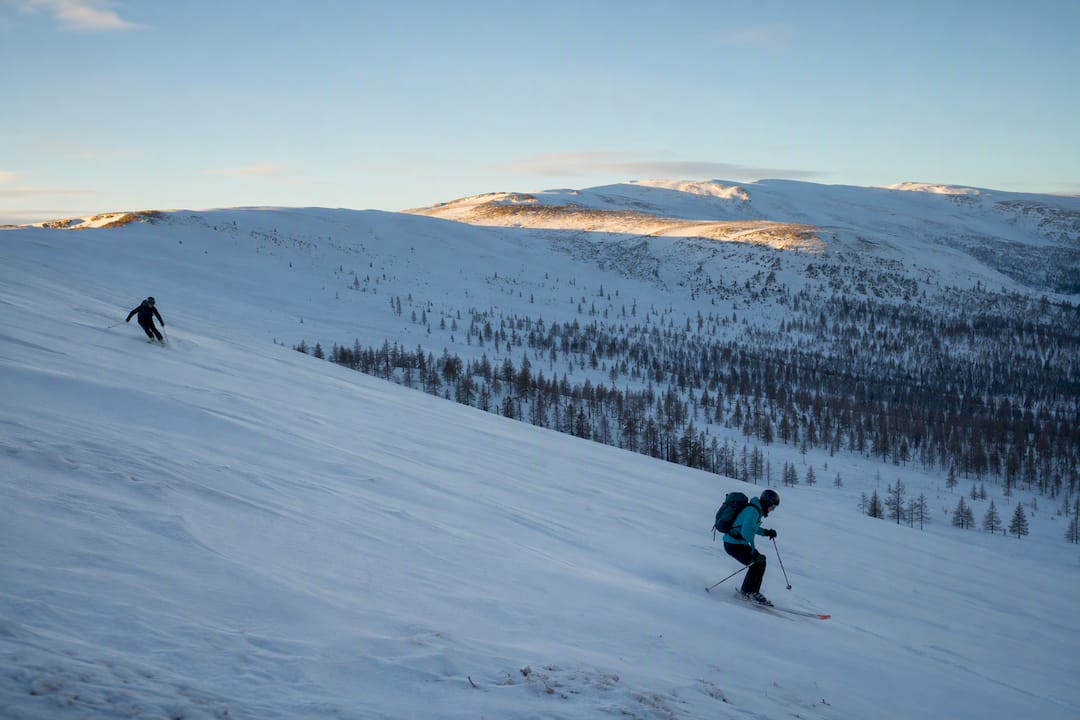
Avoid ski crowds with flexible dates, midweek skiing, early starts and smarter lift choices. Explore guided off-piste options near Ridder.

Learn how heli-skiing passenger weight and baggage rules differ by operator, with practical packing steps and Altai Mountains Resort booking guidance.
Understand the cat skiing skill level needed for Altai Mountains Resort, with practical guidance on off-piste ability, fitness and avalanche readiness.
Decide whether Ridder suits your advanced Altai ski trip, with practical guidance on transfers, season timing, avalanche gear and guided programmes.
Compare snowmobile tour prices by duration, understand what shapes the final cost, and explore quote-based snowmobiling at Altai Mountains Resort.
Compare Western Altai, Almaty and Turgen for Kazakhstan powder skiing, with practical guidance on access, safety and Ridder logistics.

Plan Altai heli skiing near Ridder with practical guidance on terrain, season, package inclusions, access, safety gear and booking.
Compare flight, rail and self-drive routes from Almaty to the Kazakh Altai, with practical guidance for reaching Ridder and Ulba village.

Learn deep powder snowmobiling setup, riding technique, safe recovery and avalanche preparation, plus guided training near Ridder.
Plan an Altai Mountains winter stay from Ridder, with activity timing, travel from Öskemen, packing advice and practical mountain guidance.

Practical helicopter passenger safety guidance on boarding, seatbelts, exits, dropped items and following crew instructions.

Practical off-piste slope etiquette for safer skiing: right of way, avalanche preparation, group spacing, closures and guided skiing in the Western Altai.

Plan an Altai Mountains trip across Russian, Mongolian and Kazakh sectors, with permit, safety and winter-stay guidance for Ridder Lodge.
Learn how to plan guided freeride tours, from off-piste experience and avalanche gear to guide scope, changing mountain conditions and cat-skiing in the Altai.
Learn avalanche beacon basics: 457 kHz transceivers, essential rescue gear, trailhead checks, interference and companion-rescue practice.

Learn which avalanche course suits your plans, what companion-rescue skills to practise and how to prepare for a winter trip to Altai.
Learn what cat skiing is, who it suits, what to pack and how to plan a guided cat-skiing trip, including options near Ridder, Kazakhstan.
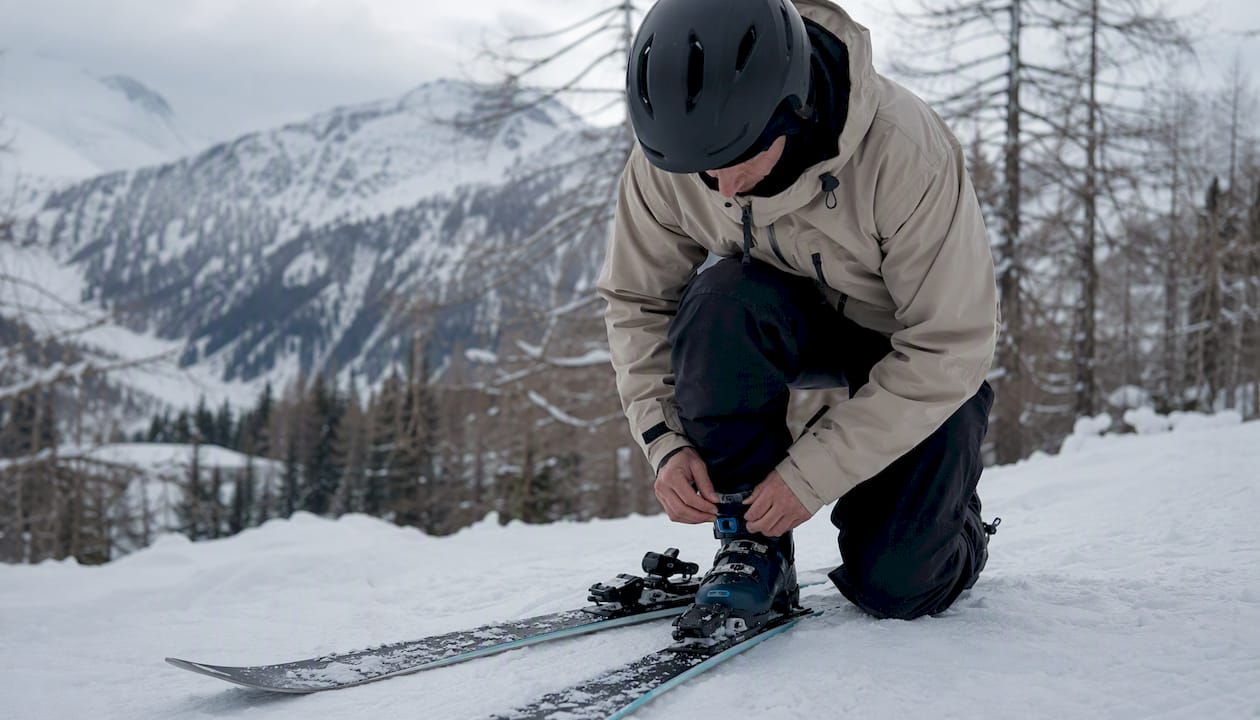
A practical ski rental Kazakhstan guide to Shymbulak and Medeu, current tariffs, equipment fit, transport and guided freeride near Ridder.

Understand ski guide benefits for freeride and backcountry trips, including local planning, terrain choices, qualifications, safety gear and access options.

Plan a snowmobile expedition near Ridder, Kazakhstan, with practical guidance on routes, rider experience, equipment, mountain safety and transfers.
Use this mountain lodge amenities checklist to compare rooms, meals, wellness access, transfers, activities and paid extras before booking.
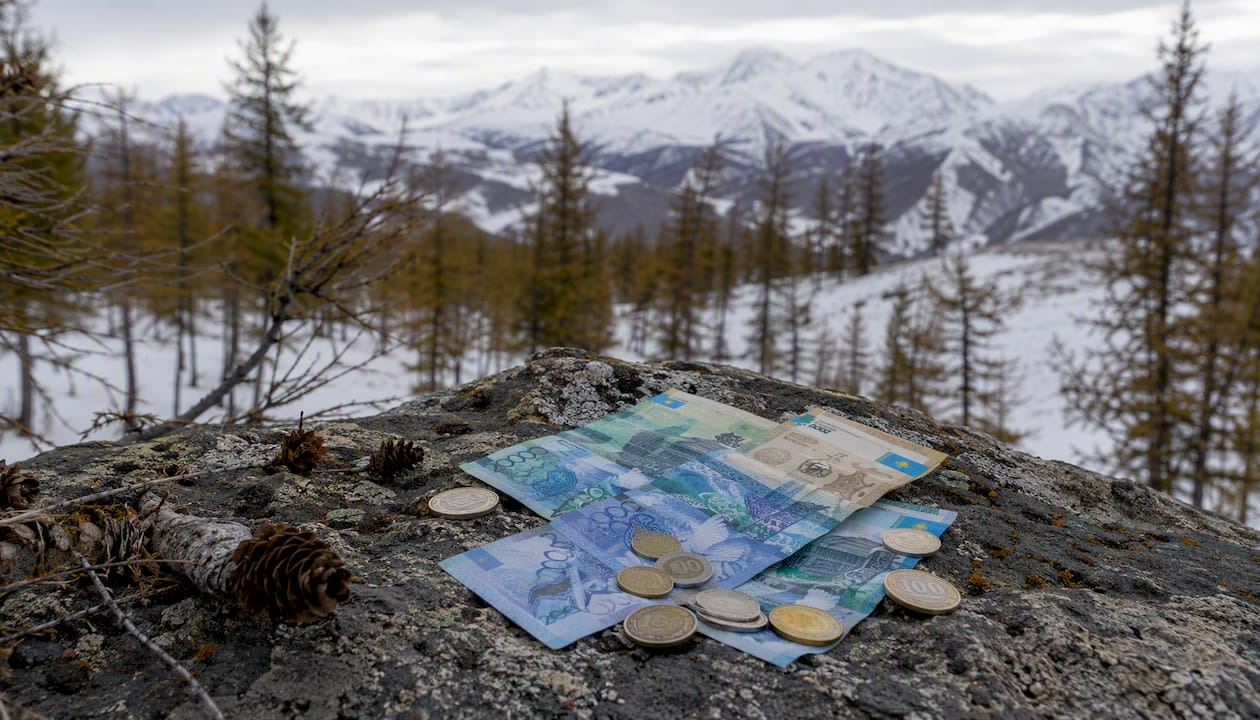
A practical Kazakhstan currency guide to the tenge, cards, ATMs, currency exchange, DCC and cash planning for cities and the Western Altai.
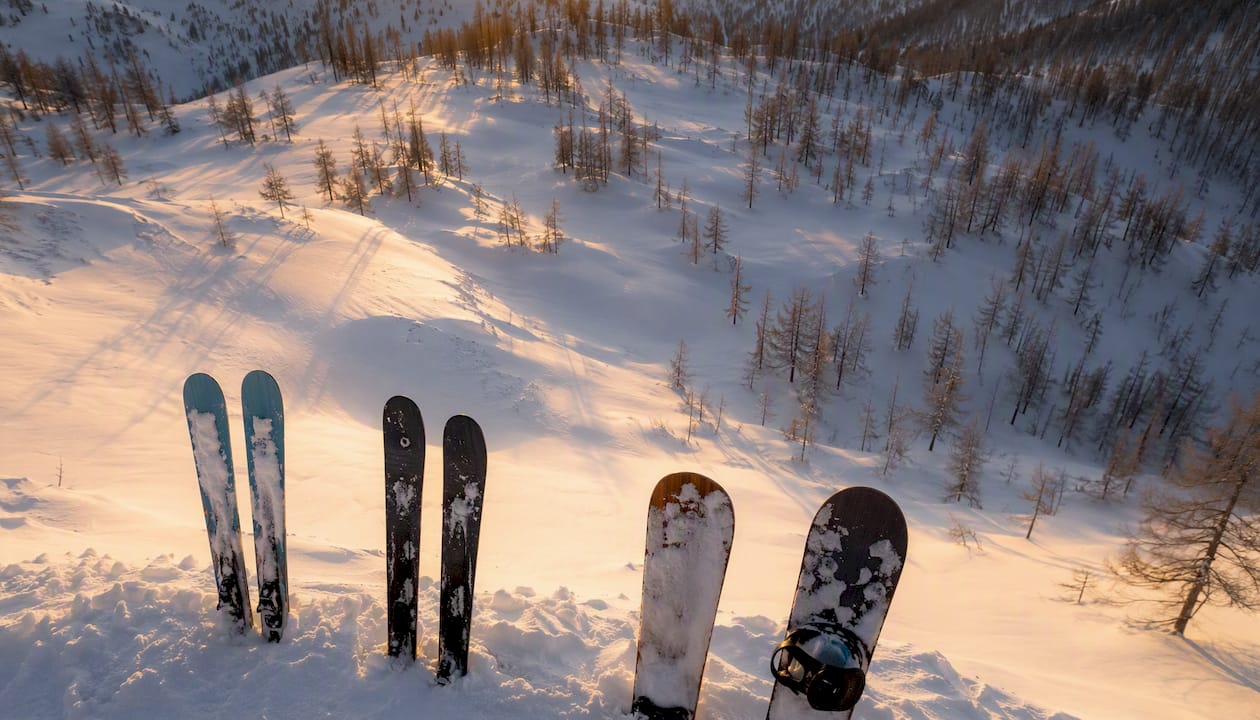
Plan the Kazakhstan ski season by month, compare lift-served Shymbulak with guided trips around Ridder, and prepare for changing snow and mountain conditions.
A practical guide to spa after skiing, including gentle massage, sauna and hammam, optional cold immersion and signs that need medical attention.
Plan a remote ski trip from the UK to Ridder, with practical guidance on activities, Kazakhstan entry, Öskemen transfers, insurance and ski baggage.
A practical heli skiing packing list covering clothing, avalanche equipment, ski baggage, batteries, travel documents and rental options.
A practical UK guide to ski boot fitting: appointment steps, services, current provider price examples, aftercare and warning signs.
Should you tip a ski guide? Learn how customs vary, when a gratuity may feel appropriate and how to plan for tipping in Kazakhstan.
An Altai cuisine guide to kan, kurut, chegen and talkan, with dining at Restaurant Altai, food safety and travel from Öskemen to Ridder.
Compare banya vs sauna: heat, steam, venik and löyly rituals, etiquette, health evidence, safety basics and the Altai Banya experience.
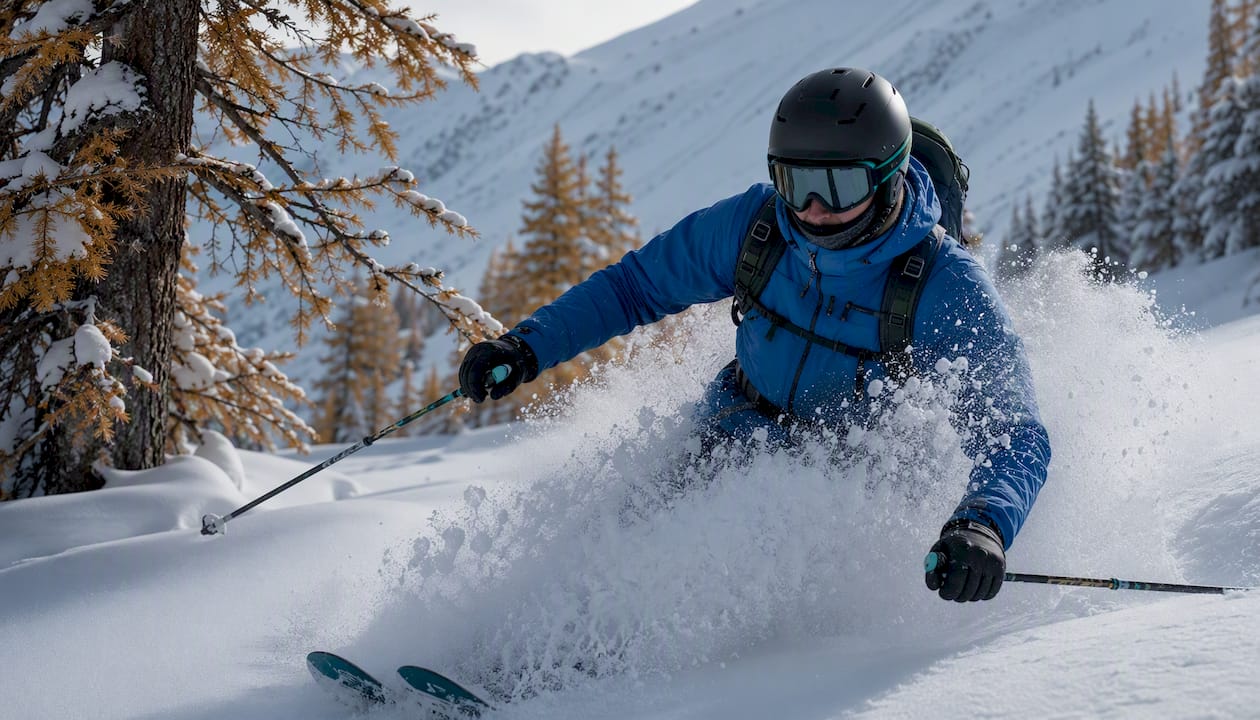
Learn how to ski deep powder with centred balance, smooth turns, speed control, practice steps, gear guidance, and avalanche and tree-well precautions.

Plan a mountain wellness retreat in Ridder with freeride, heli-skiing, snowmobiling, Ridder Lodge, Altai Banya and practical winter travel guidance.

A practical snowmobile gear list for UK travellers heading to Altai Mountains Resort, with clothing, safety equipment, battery and travel guidance.

Understand Ridder Lodge’s ski-in/snowmobile-out access, guided ski-day logistics, transfers from Öskemen and practical planning for your stay.
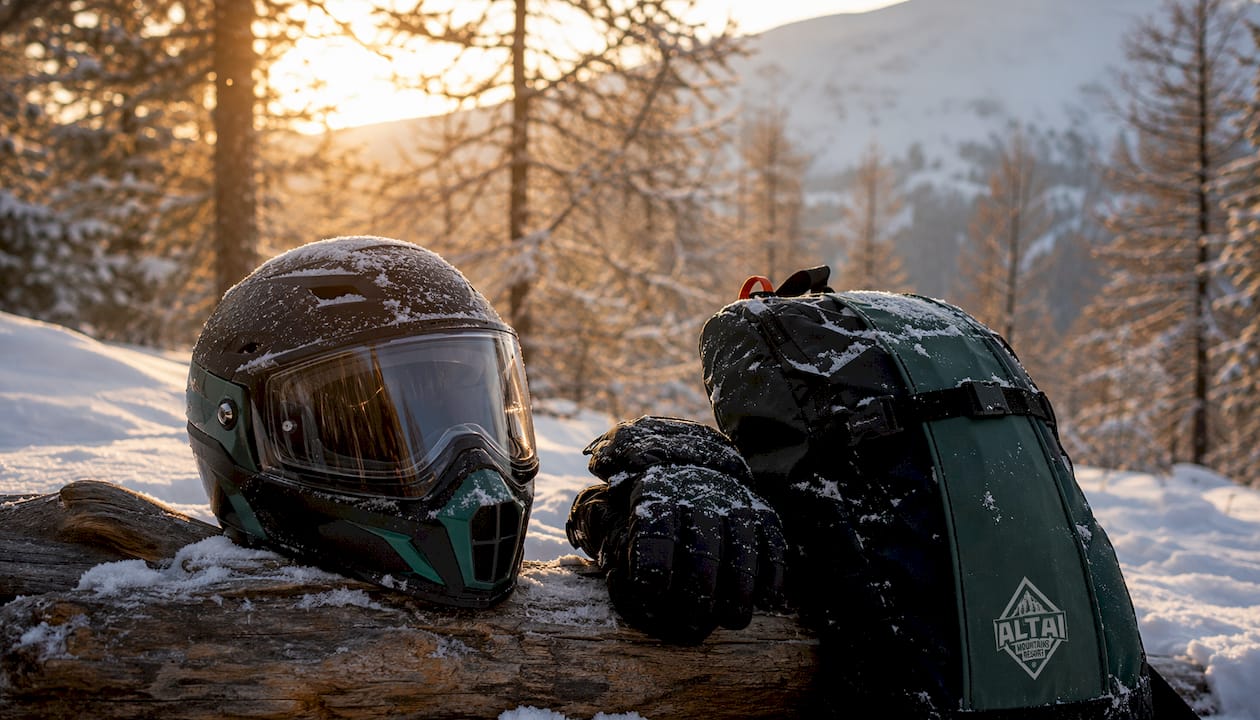
Prepare for a guided snowmobile ride with a practical gear checklist covering helmets, winter layers, avalanche equipment and cold exposure in Ridder.

A practical heli skiing guide to ability, avalanche equipment, packing, weather and planning your first trip to Kazakhstan.
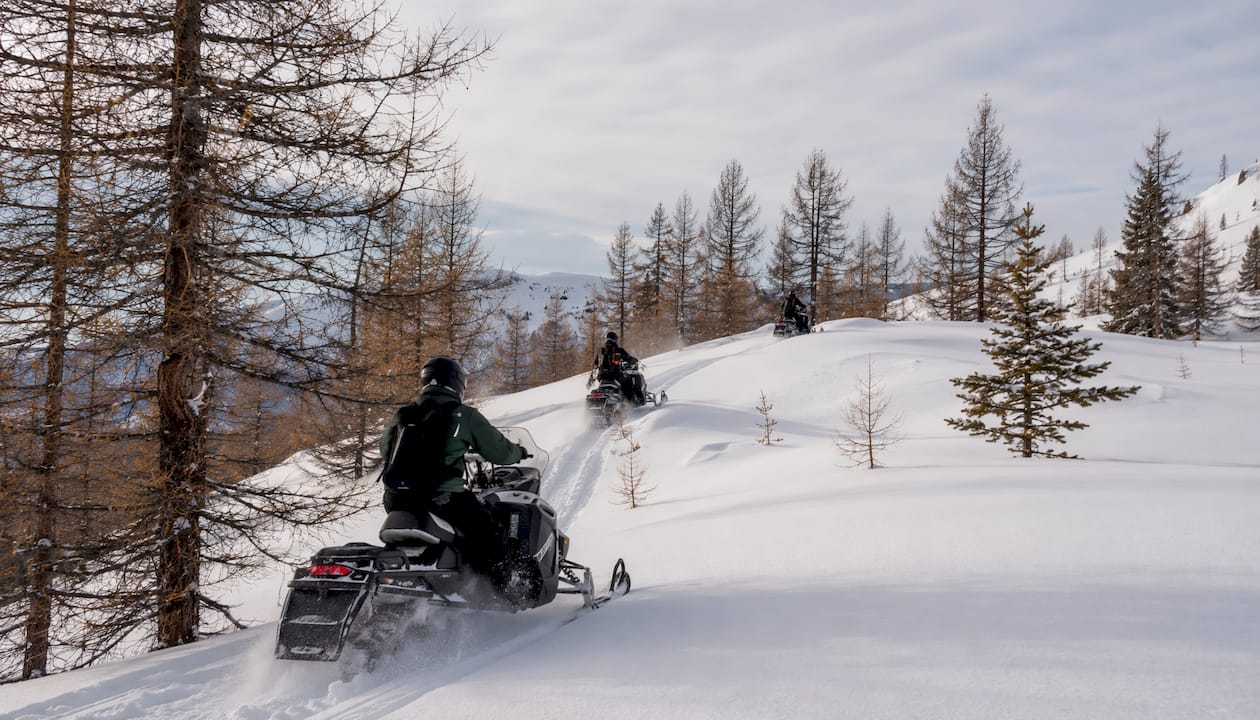
Plan guided deep snow snowmobiling in Ridder, with practical details on training, rentals, equipment, transfers and staying at Ridder Lodge.
How to choose Kazakhstan travel insurance for heli-skiing, cat-skiing or snowmobiling, including medical treatment and evacuation cover.
Kazakhstan visa requirements for UK visitors to Ridder, including visa-free limits, e-visas, passport rules, airports and Öskemen transfers.
Build strength, balance and endurance before cat-skiing, heli-skiing or snowmobiling with an adaptable six-to-eight-week ski fitness program.

Explore cold plunge benefits for skiers, from short-term soreness and recovery evidence to cold-shock risks, timing and Altai Banya options.

Understand heli skiing cost in 2026 with current operator examples, a total-budget checklist, and key booking, safety and insurance questions.