Compare banya vs sauna: heat, steam, venik and löyly rituals, etiquette, health evidence, safety basics and the Altai Banya experience.
If you are comparing banya vs sauna, the clearest difference lies in the ritual. A Russian-style banya often centres on managed steam and parenie with a leafy venik, while Finnish sauna culture centres on löyly—the steam released when water is cast onto heated stones.
Both traditions vary considerably. A banya is not defined by one humidity reading, and a Finnish sauna is not always dry or silent. The heater, room, use of water, local customs and people sharing the space all shape the experience.
Banya vs sauna: the short answer
The familiar contrast—humid banya versus hot, dry sauna—is useful as a starting point, but not as a strict technical definition. These broad tendencies offer a more realistic comparison:
Aspect | Russian-style banya | Finnish sauna |
|---|---|---|
Heat and steam | Often favours a fuller, more sustained steam atmosphere | Often has drier intervals, with steam rising during löyly |
Signature practice | Parenie with a venik, performed by a bath master or partner | Löyly created by casting water onto heated stones |
Social character | Frequently communal, though private and quiet sessions also exist | Often peaceful, but may be social, domestic or public |
Session pattern | Heat, rest and optional cooling in repeated rounds | Heat, löyly, rest and optional cooling in repeated rounds |
Long-term health research | Banya-specific outcome research remains limited | Most established observational evidence concerns Finnish sauna use |
The choice is therefore less about which tradition is “hotter” and more about the experience you want. Choose banya if the steam craft and venik ritual appeal to you. Choose Finnish sauna if you are drawn to the changing waves of löyly and its varied customs.
Heat and humidity: why experiences vary
A thermometer tells only part of the story. Higher humidity reduces how readily perspiration evaporates, so a steamy room can feel intense even at a lower air temperature. Drier heat feels different on the skin, while a fresh wave of steam changes the room quickly.
In a banya, the person managing the steam often works deliberately with the heated surfaces, water and movement of air. The aim is an even, enveloping atmosphere suited to the venik ritual. Finnish sauna also uses water on stones, but löyly commonly arrives in distinct waves before the room settles again.
Neither pattern is universal. Heater design, ventilation, bench height, room size and the amount of water used all influence the conditions. You may find safe temperature bands useful as background, but no general guide should become a personal target or a test of authenticity. Your comfort and the guidance at the venue matter more than chasing a particular number.
Venik, parenie and löyly
What happens during parenie?
A venik is a bundle of leafy branches used during a banya ritual. In parenie, a bath master or partner works with the venik and the steam around the body. Techniques vary and may include sweeping the warm air, light contact or compressing the leaves against the skin.
The ritual should be explained beforehand, particularly on a first visit. Intensity is personal, and consent matters whenever the venik involves physical contact. You can also experience banya without taking part in parenie.
What is löyly?
Löyly is the steam created when water is cast onto heated sauna stones. It is central to Finnish sauna culture rather than an occasional addition to an otherwise universally dry practice, as UNESCO explains in its account of sauna culture in Finland.
Water should only be applied in keeping with the venue’s rules. In a shared sauna, it is courteous to consider the other bathers before adding more. Some facilities manage the process for you, while others leave it to the group.
A simple session pattern
Wash before entering the heat room and remove metal jewellery.
Settle on a comfortable bench, using a towel where required.
Experience the steam ritual—parenie in a banya or löyly in a Finnish sauna—at a level that feels comfortable.
Leave the room to rest and cool down. Cold immersion is optional, not an essential test of the experience.
Return for another round only if you still feel well and want to continue.
There is no single correct session length or number of rounds. On a first visit, you will learn more by paying attention to your response than by following a rigid schedule.
Culture and etiquette: similarities and differences
It is tempting to describe banya as conversational and Finnish sauna as silent. Real practice is more varied. A banya visit may be a social occasion, a private ritual or a quiet pause. Finnish sauna is found in homes and public settings and shared among families, friends and communities.
Finnish sauna culture was inscribed on UNESCO’s Representative List of the Intangible Cultural Heritage of Humanity in 2020. UNESCO also recognises the variety of sauna forms and approaches; no single format defines the culture. The Finnish Sauna Society’s bathing guidance prioritises a peaceful atmosphere, but peaceful does not necessarily mean solitary or completely silent.
Clothing, conversation and cooling customs differ by venue and group. A straightforward approach works well on a first visit:
Follow the facility’s policy on swimwear, towels and shared spaces.
Wash before entering and sit on a towel if requested.
Keep phones outside the heat room.
Speak quietly until you understand the atmosphere of the session.
Do not add water to stones or begin a venik ritual without permission.
Treat cold showers, open-air cooling and cold immersion as choices rather than obligations.
What health research does and does not show
Most long-term research in this area concerns Finnish sauna use, not Russian banya. Observational cohort studies have associated frequent Finnish sauna bathing with lower cardiovascular mortality. A peer-reviewed review of sauna bathing and health outcomes examines this evidence and its limitations.
An association does not establish that sauna use caused the outcome. Lifestyle, underlying health and other factors can influence observational results. The findings also cannot simply be transferred to banya, where long-term outcome research is much thinner and the heat experience may differ.
Heat bathing is best understood as a cultural and recreational practice rather than a treatment. Claims that sweating “detoxes” the body or that banya provides guaranteed cardiovascular recovery go beyond the evidence.
Heat-bathing safety basics
Heat affects people differently. Pregnant people, young children, older adults and people with heart disease or other chronic conditions face greater heat-related risk. Dehydration, dizziness, nausea and overheating also require caution, as outlined in the CDC’s heat and health guidance.
Leave the heated room if you feel dizzy, nauseous, weak, confused or otherwise unwell.
Arrive hydrated, drink according to thirst and keep alcohol out of the session.
Do not feel obliged to tolerate intense steam, stay for a fixed time or enter cold water.
If you are pregnant or have a heart or other chronic condition, seek individual clinical advice before heat bathing.
If a doctor or pharmacist has warned that your medicine affects hydration or temperature regulation, discuss heat bathing with them.
Use purpose-designed facilities and equipment; do not improvise steam or electrical installations in a shower enclosure.
This article provides general information and is not medical advice.
Finding the right session format
The experience depends as much on how the session is organised as it does on the style of heat. The details that make the greatest practical difference are:
Public, private or mixed-format access
Whether a venik ritual is available and who performs it
Who manages the water and steam in the heat room
Clothing and towel customs
Rest areas and optional cooling facilities
Accessibility for your individual needs
Items and treatments included in the session
Together, these details give you a clearer sense of the visit than fixed temperature labels ever could.
Altai Banya at Altai Mountains Resort
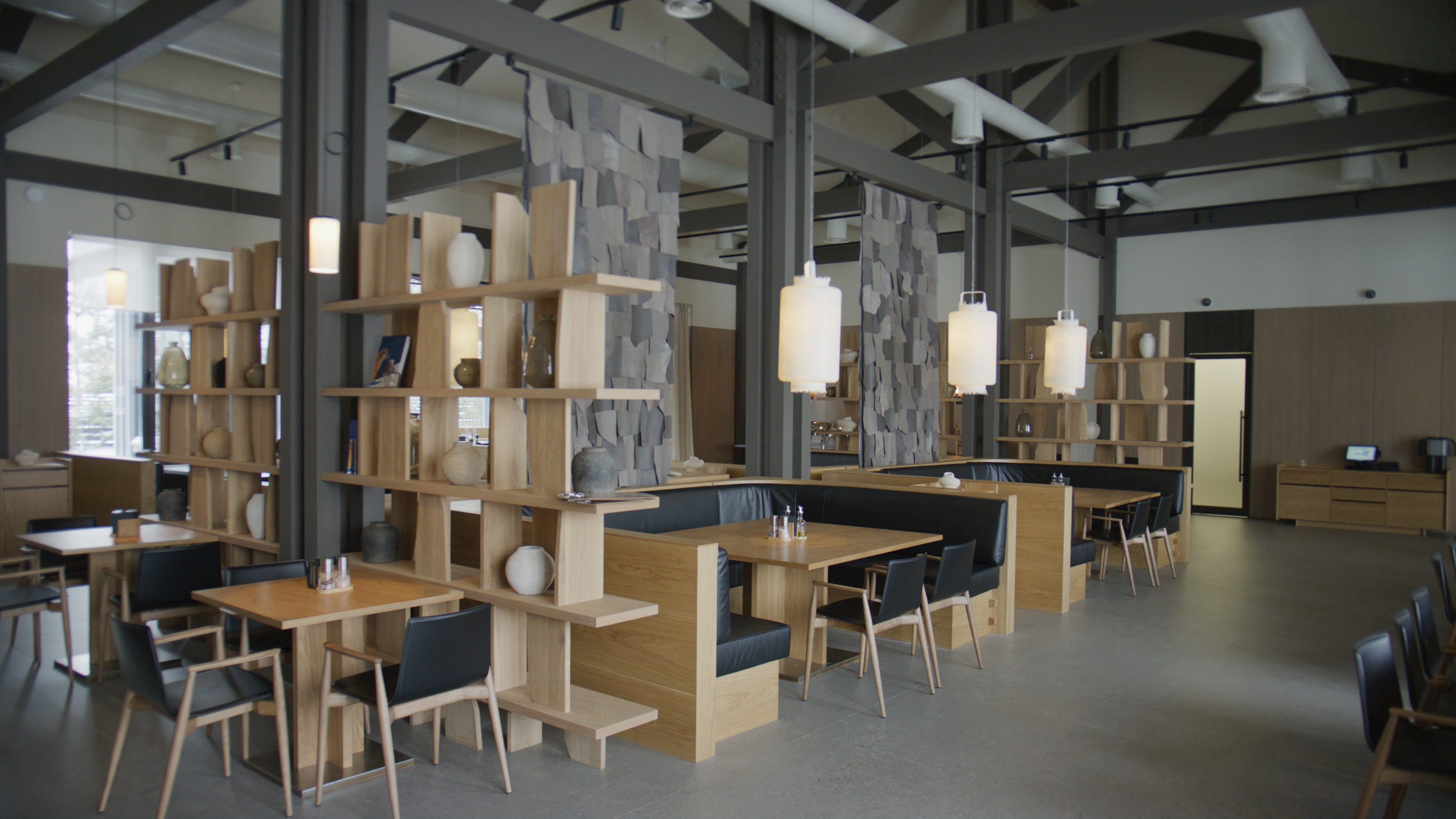
In Ridder, in the Western Altai of East Kazakhstan, Altai Banya brings the banya tradition into a mountain stay at Altai Mountains Resort. The spa complex covers more than 1,000 square metres. At Altai Banya, we offer public visits and private rental formats, and bath masters perform classic broom rituals.
For public visits, a towel, robe and sauna sheet are currently included. You can stay nearby at Ridder Lodge, while our guide to the Western Altai setting offers more context on Ridder and the surrounding landscape.
Schedules, prices, formats, inclusions and treatment availability depend on your dates. Our booking team can help you plan your visit through the Altai Mountains Resort booking page.
If the venik and parenie ritual is the part of this comparison that interests you most, Altai Banya gives you a direct way to experience it during a stay in Ridder—without reducing the tradition to a temperature reading.
All Articles

Learn the heli-skiing skill level typically expected, the off-piste skills to practise, safety preparation and an adaptable 8–12-week training framework.

Plan the Kazakhstan skiing season with a practical comparison of Almaty and Ridder, month-by-month timing, mountain safety and trip planning.
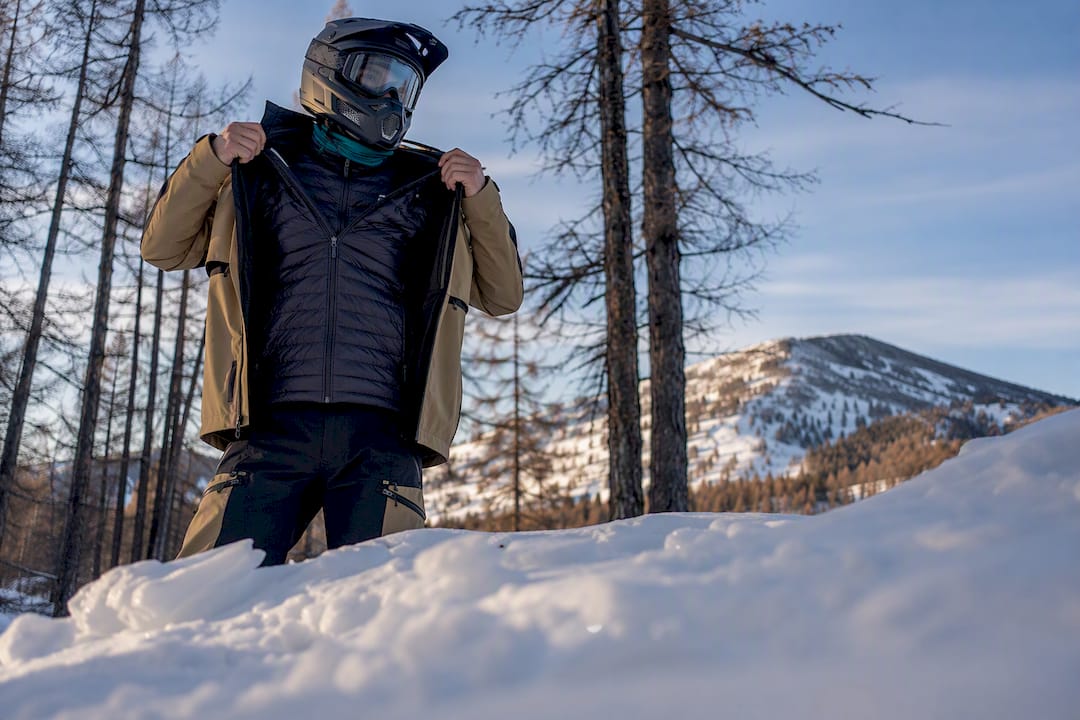
Use this snowmobile layering guide to build a flexible base, insulation and shell system, manage moisture and pack dry spares for changing conditions.

Learn what to rent for avalanche terrain, how to prepare a beacon, probe and shovel, and what to know about airbag packs and flights.
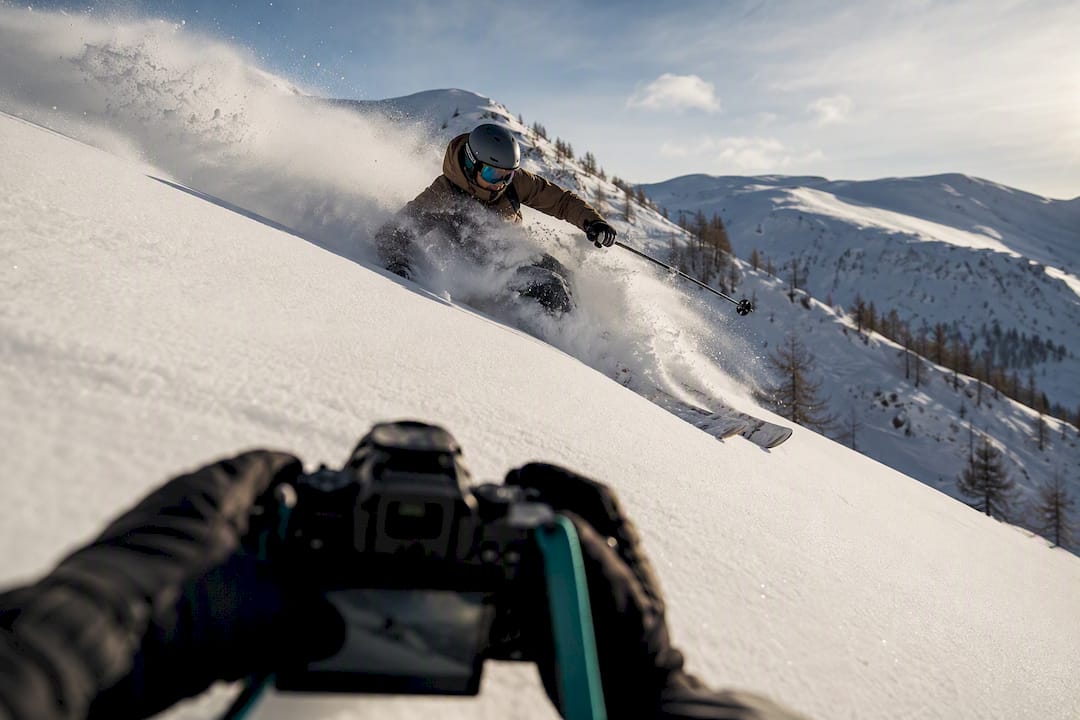
Practical ski photography tips for beginners: camera settings, snow exposure, timing, cold-weather camera care and safe mountain positioning.

Learn how to read an avalanche forecast, interpret danger ratings, roses and avalanche problems, and plan more conservative terrain choices.
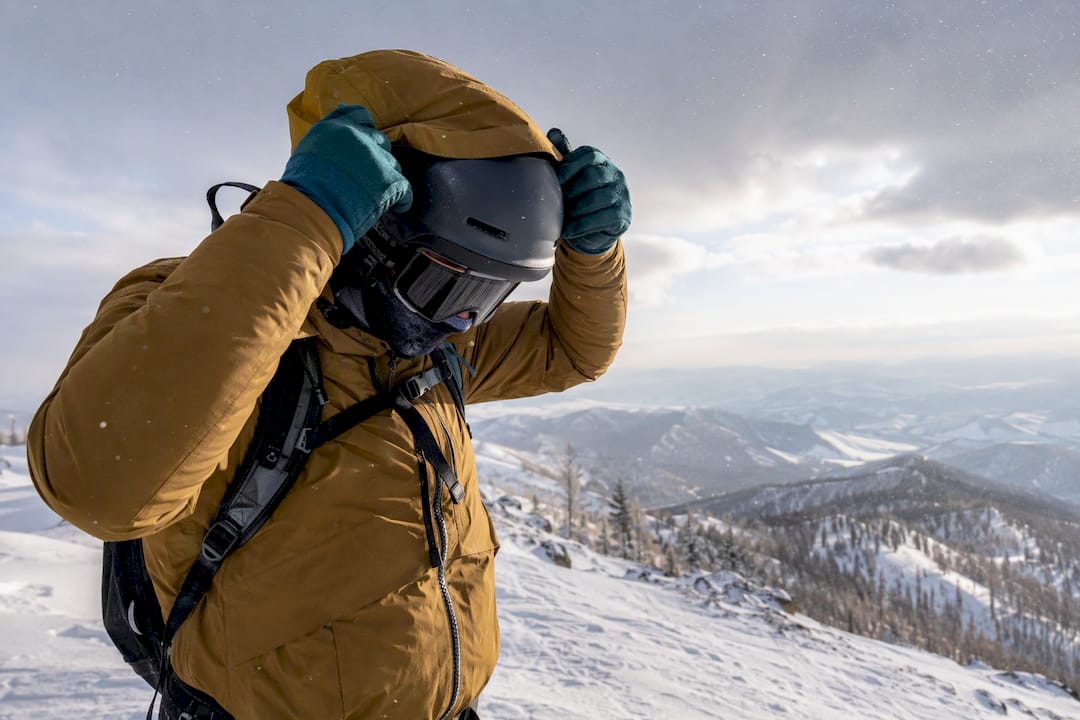
Practical cold injury prevention for winter travel: layering, dry spares, warning signs, first aid and planning for mountain activities.
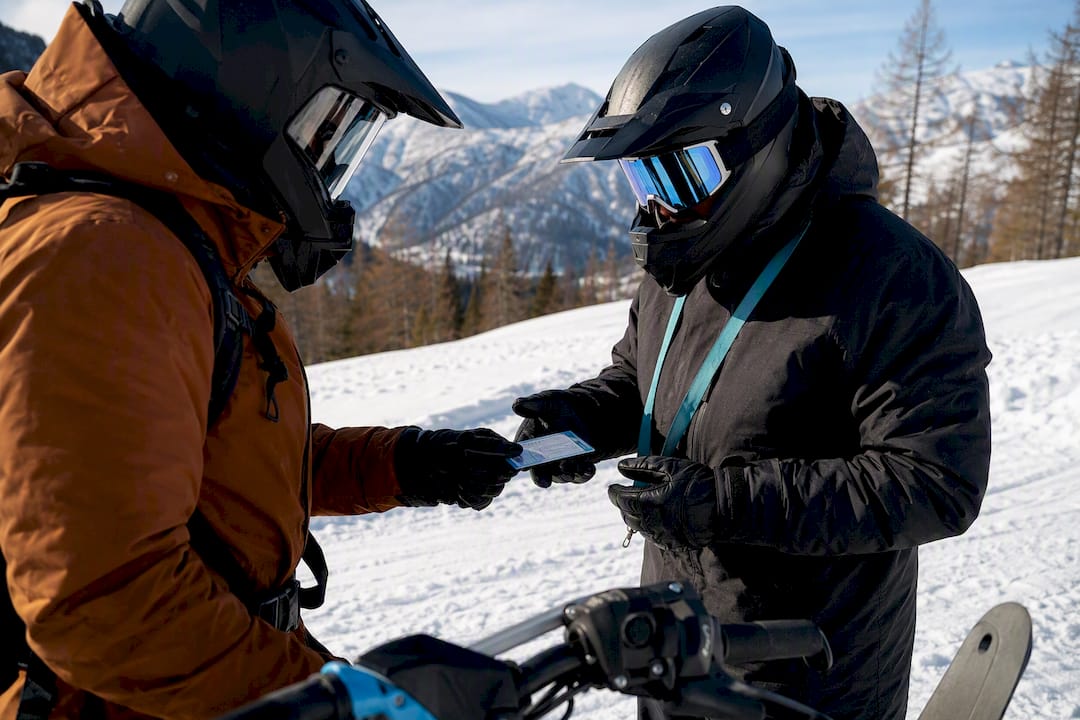
Planning snowmobiling in Ridder? Understand how experience, training, equipment and Kazakhstan rules shape your trip with Altai Mountains Resort.
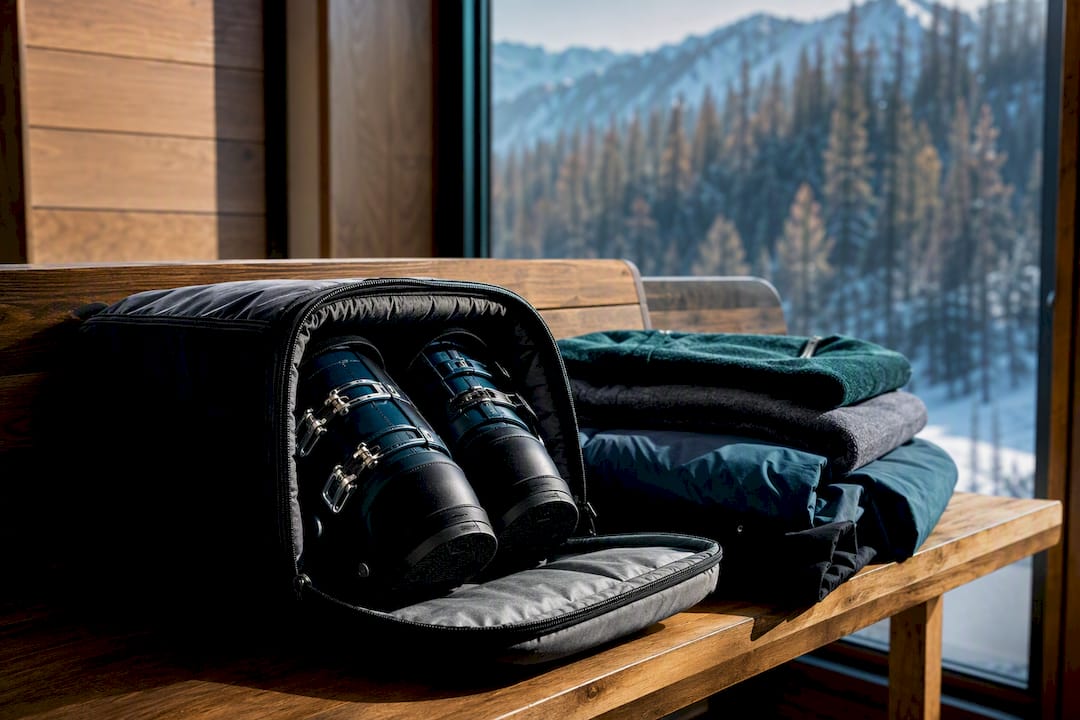
Travel with ski gear confidently: carry boots when cabin rules allow, pack skis securely, understand airline baggage rules and prepare for delays.
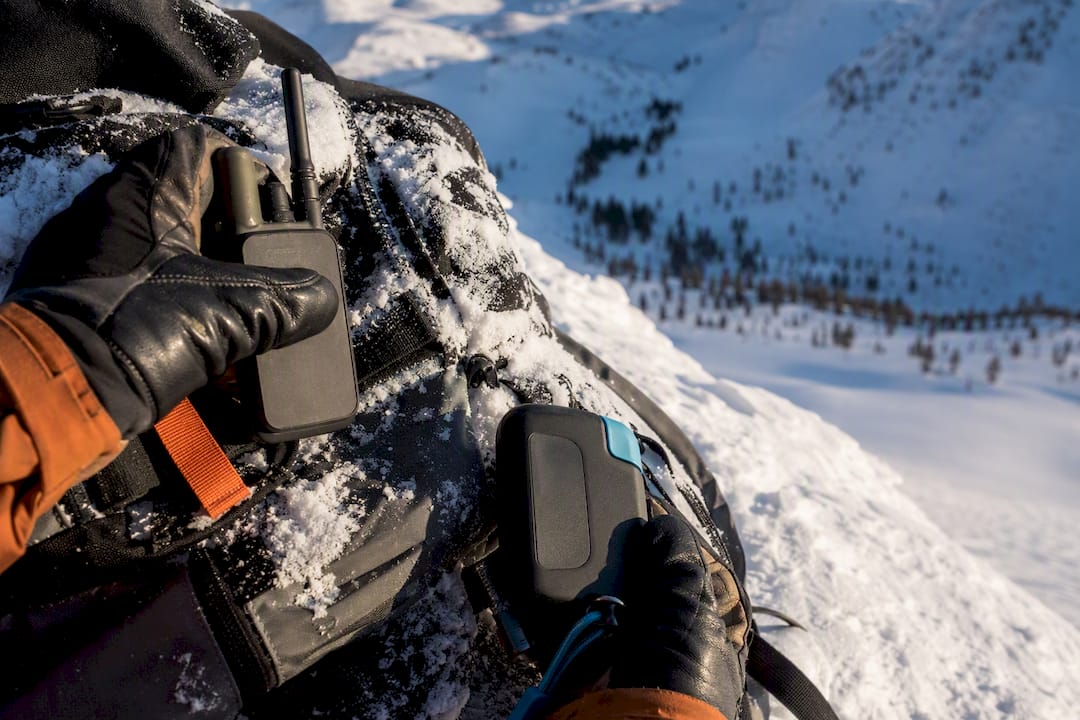
Build a practical backcountry radio communication plan with party radios, satellite SOS or PLB backup, cold-weather care and regional legal essentials.

Satellite messenger basics for remote Altai trips: compare PLBs and two-way devices, understand SOS limits, and prepare your communications plan.
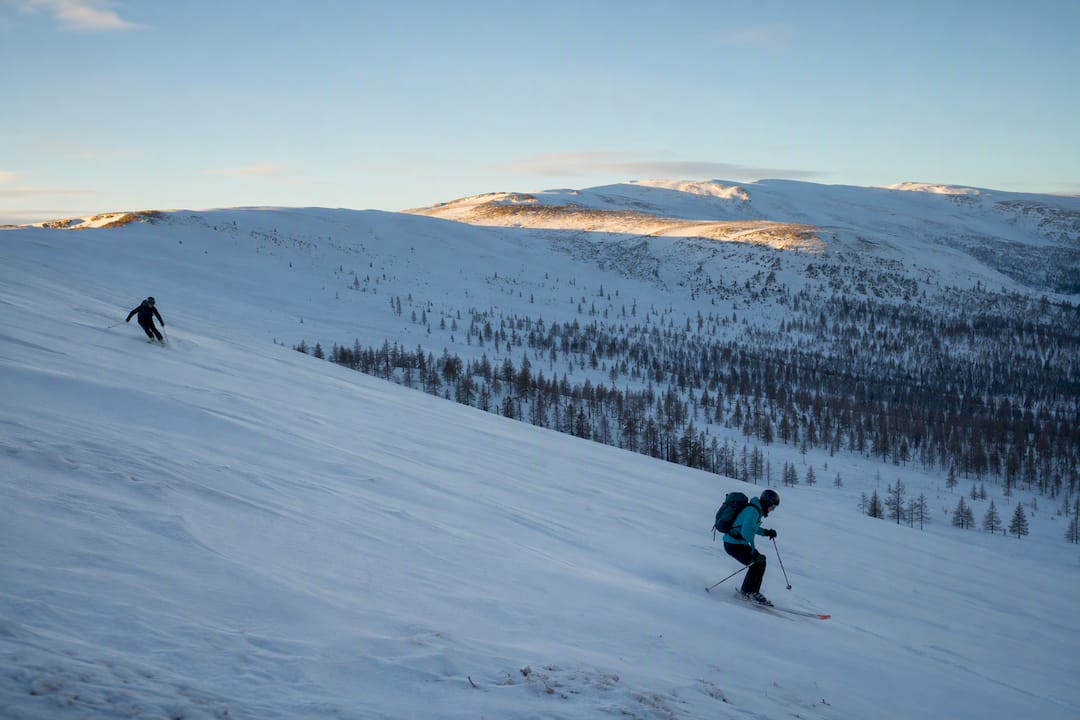
Avoid ski crowds with flexible dates, midweek skiing, early starts and smarter lift choices. Explore guided off-piste options near Ridder.

Learn how heli-skiing passenger weight and baggage rules differ by operator, with practical packing steps and Altai Mountains Resort booking guidance.
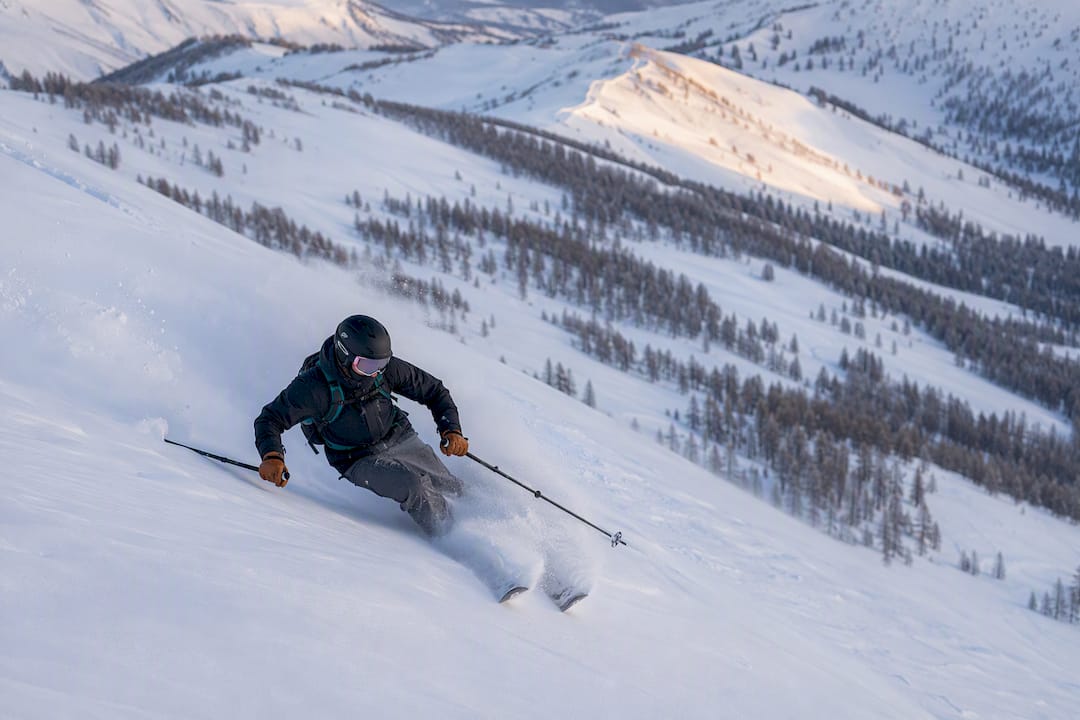
Understand the cat skiing skill level needed for Altai Mountains Resort, with practical guidance on off-piste ability, fitness and avalanche readiness.
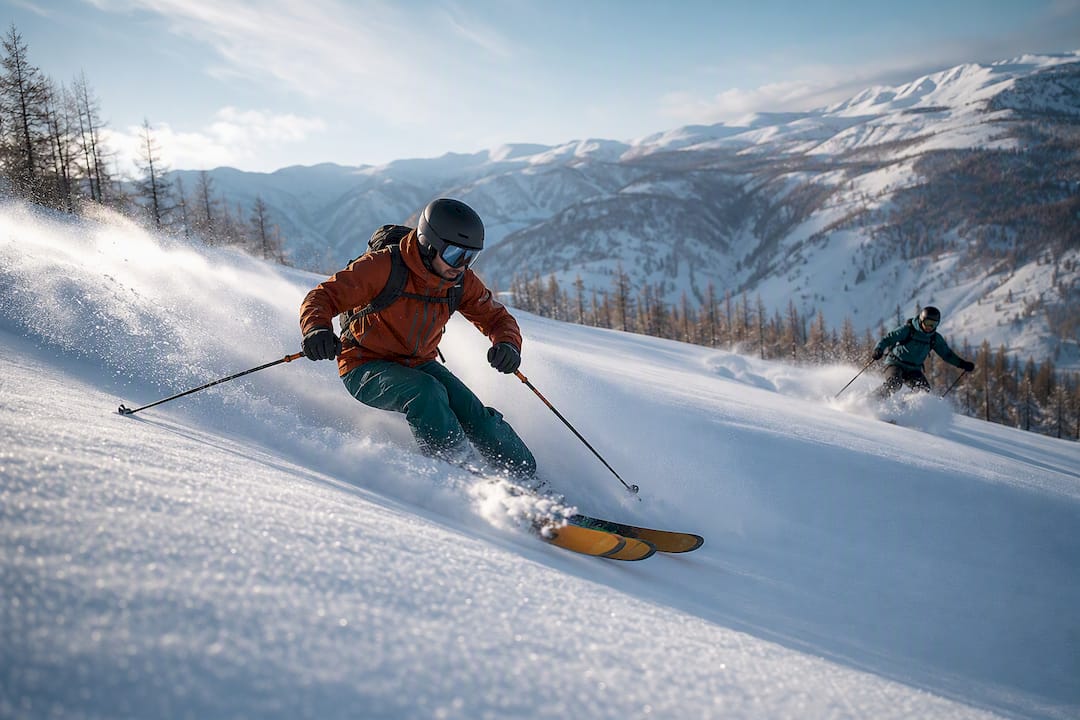
Decide whether Ridder suits your advanced Altai ski trip, with practical guidance on transfers, season timing, avalanche gear and guided programmes.
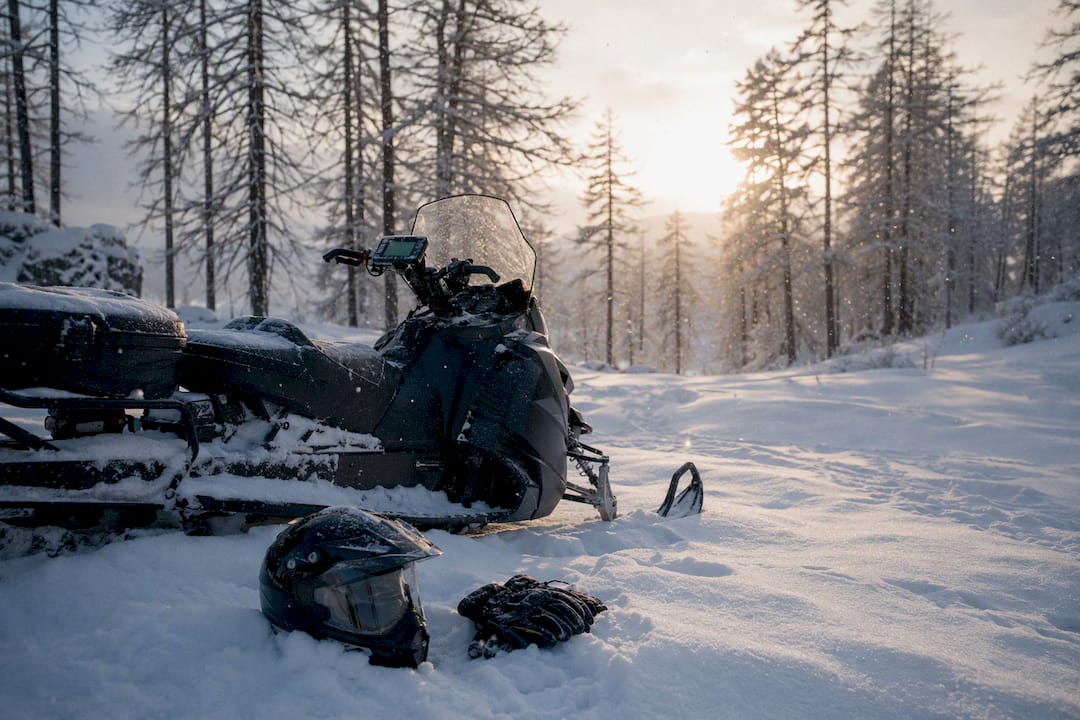
Compare snowmobile tour prices by duration, understand what shapes the final cost, and explore quote-based snowmobiling at Altai Mountains Resort.
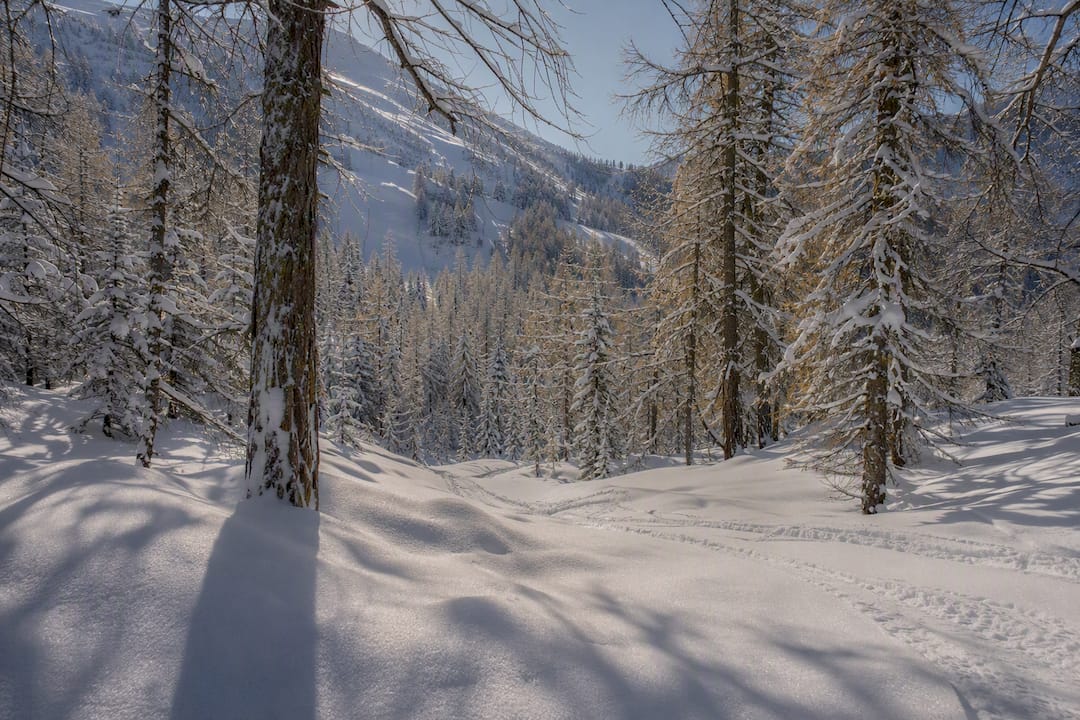
Compare Western Altai, Almaty and Turgen for Kazakhstan powder skiing, with practical guidance on access, safety and Ridder logistics.

Plan Altai heli skiing near Ridder with practical guidance on terrain, season, package inclusions, access, safety gear and booking.
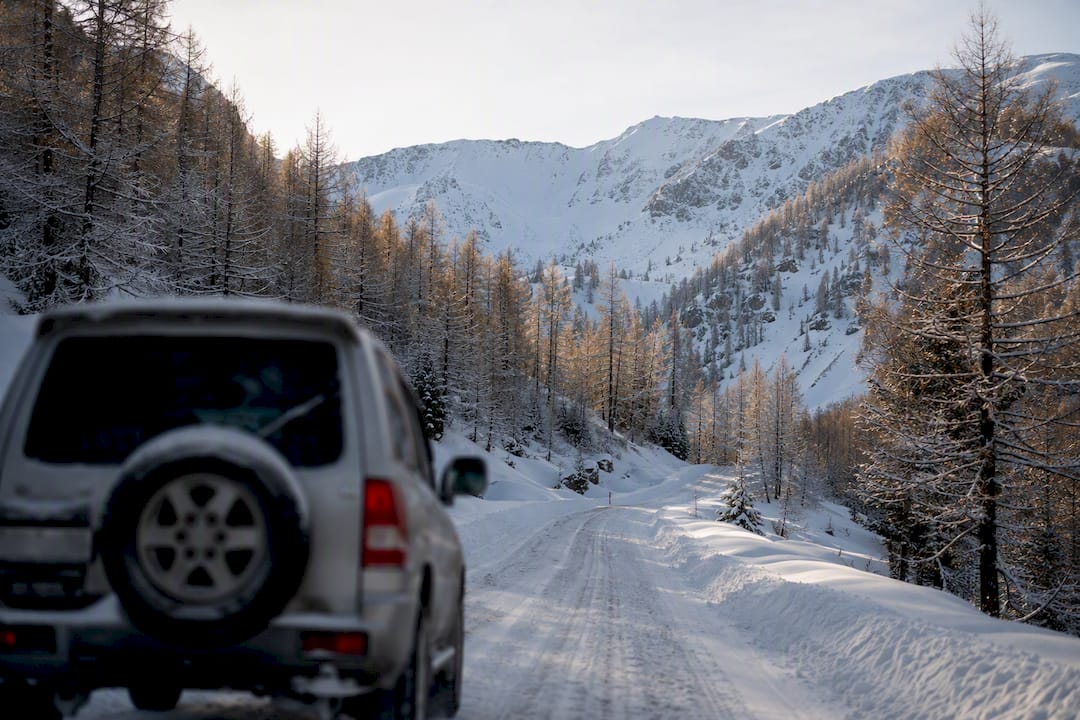
Compare flight, rail and self-drive routes from Almaty to the Kazakh Altai, with practical guidance for reaching Ridder and Ulba village.

Learn deep powder snowmobiling setup, riding technique, safe recovery and avalanche preparation, plus guided training near Ridder.
Plan an Altai Mountains winter stay from Ridder, with activity timing, travel from Öskemen, packing advice and practical mountain guidance.

Practical helicopter passenger safety guidance on boarding, seatbelts, exits, dropped items and following crew instructions.

Practical off-piste slope etiquette for safer skiing: right of way, avalanche preparation, group spacing, closures and guided skiing in the Western Altai.

Plan an Altai Mountains trip across Russian, Mongolian and Kazakh sectors, with permit, safety and winter-stay guidance for Ridder Lodge.
Learn how to plan guided freeride tours, from off-piste experience and avalanche gear to guide scope, changing mountain conditions and cat-skiing in the Altai.
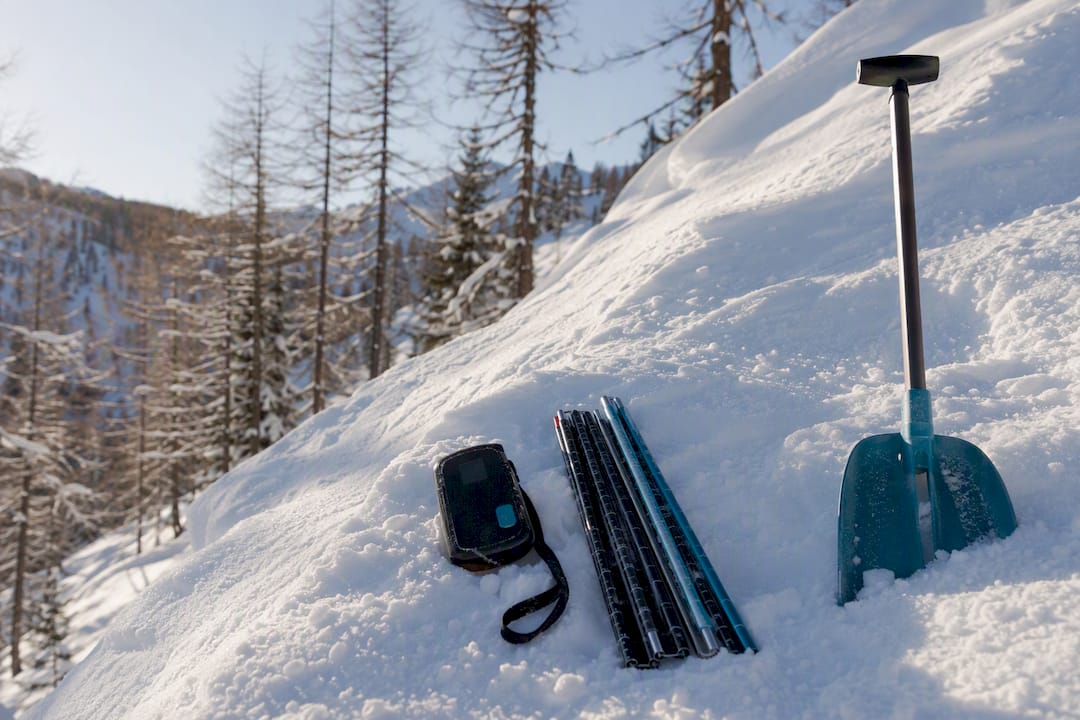
Learn avalanche beacon basics: 457 kHz transceivers, essential rescue gear, trailhead checks, interference and companion-rescue practice.

Learn which avalanche course suits your plans, what companion-rescue skills to practise and how to prepare for a winter trip to Altai.
Learn what cat skiing is, who it suits, what to pack and how to plan a guided cat-skiing trip, including options near Ridder, Kazakhstan.
A practical ski rental Kazakhstan guide to Shymbulak and Medeu, current tariffs, equipment fit, transport and guided freeride near Ridder.

Understand ski guide benefits for freeride and backcountry trips, including local planning, terrain choices, qualifications, safety gear and access options.

Plan a snowmobile expedition near Ridder, Kazakhstan, with practical guidance on routes, rider experience, equipment, mountain safety and transfers.
Use this mountain lodge amenities checklist to compare rooms, meals, wellness access, transfers, activities and paid extras before booking.
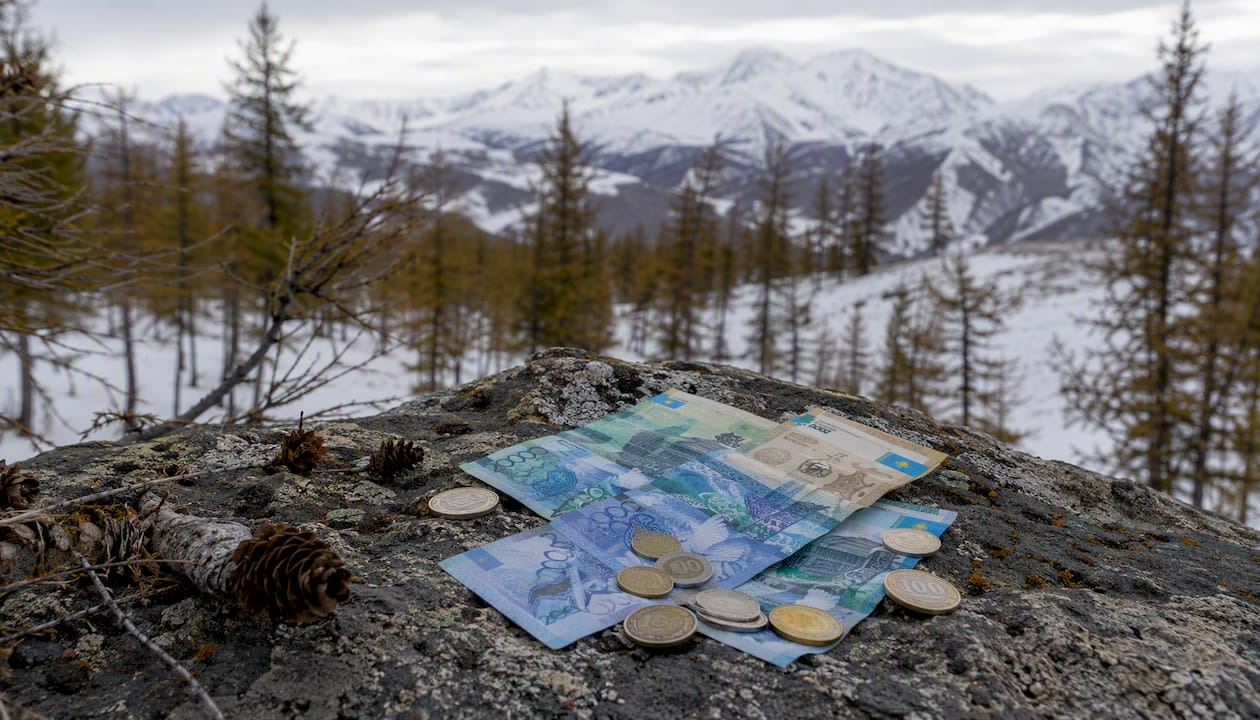
A practical Kazakhstan currency guide to the tenge, cards, ATMs, currency exchange, DCC and cash planning for cities and the Western Altai.
Plan the Kazakhstan ski season by month, compare lift-served Shymbulak with guided trips around Ridder, and prepare for changing snow and mountain conditions.
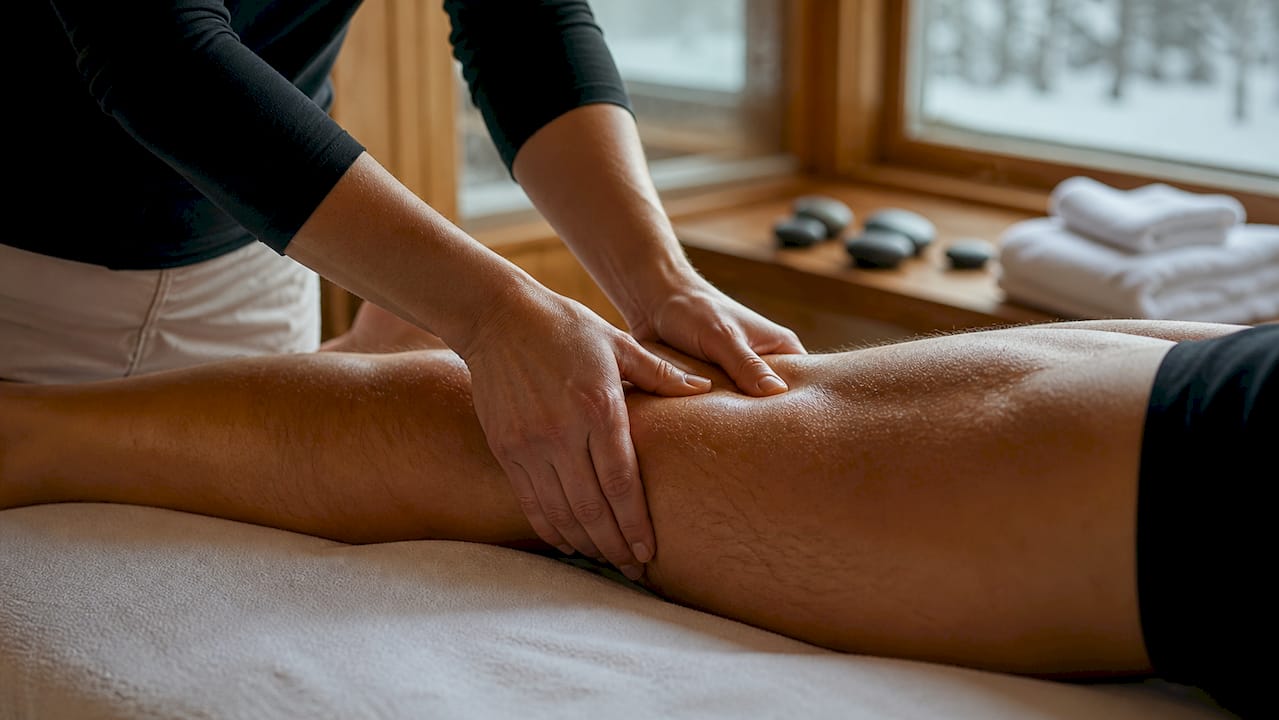
A practical guide to spa after skiing, including gentle massage, sauna and hammam, optional cold immersion and signs that need medical attention.
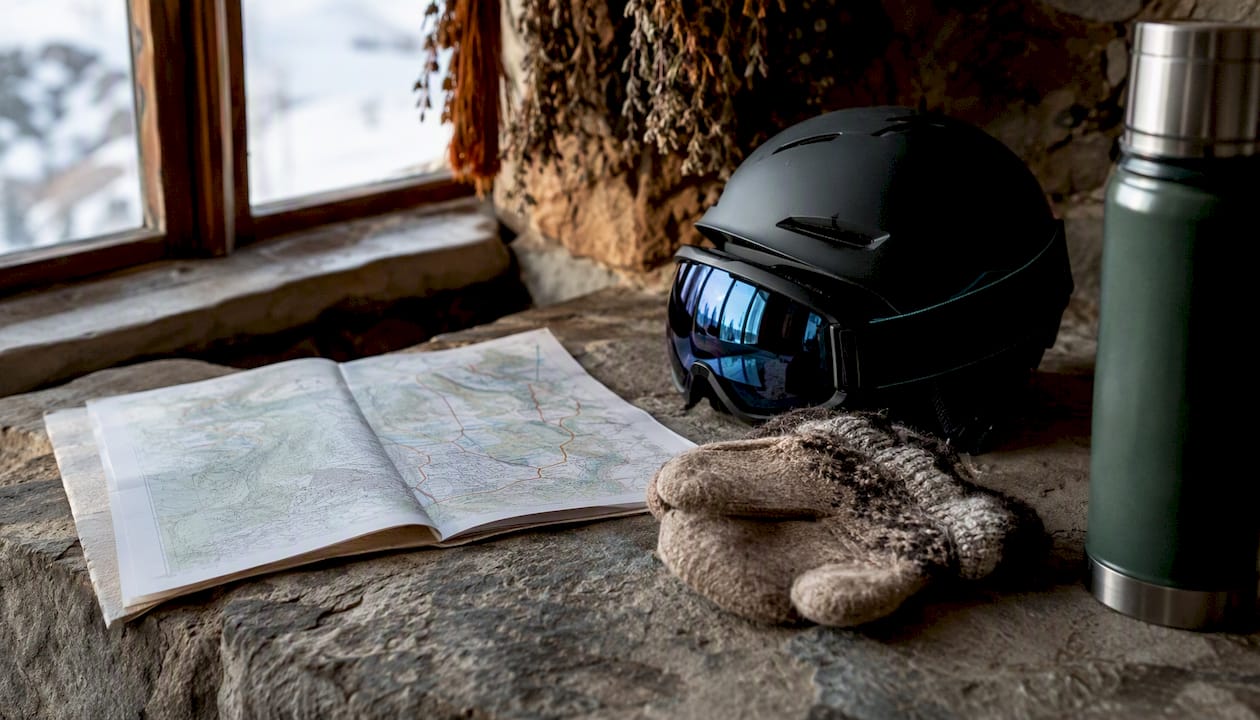
Plan a remote ski trip from the UK to Ridder, with practical guidance on activities, Kazakhstan entry, Öskemen transfers, insurance and ski baggage.
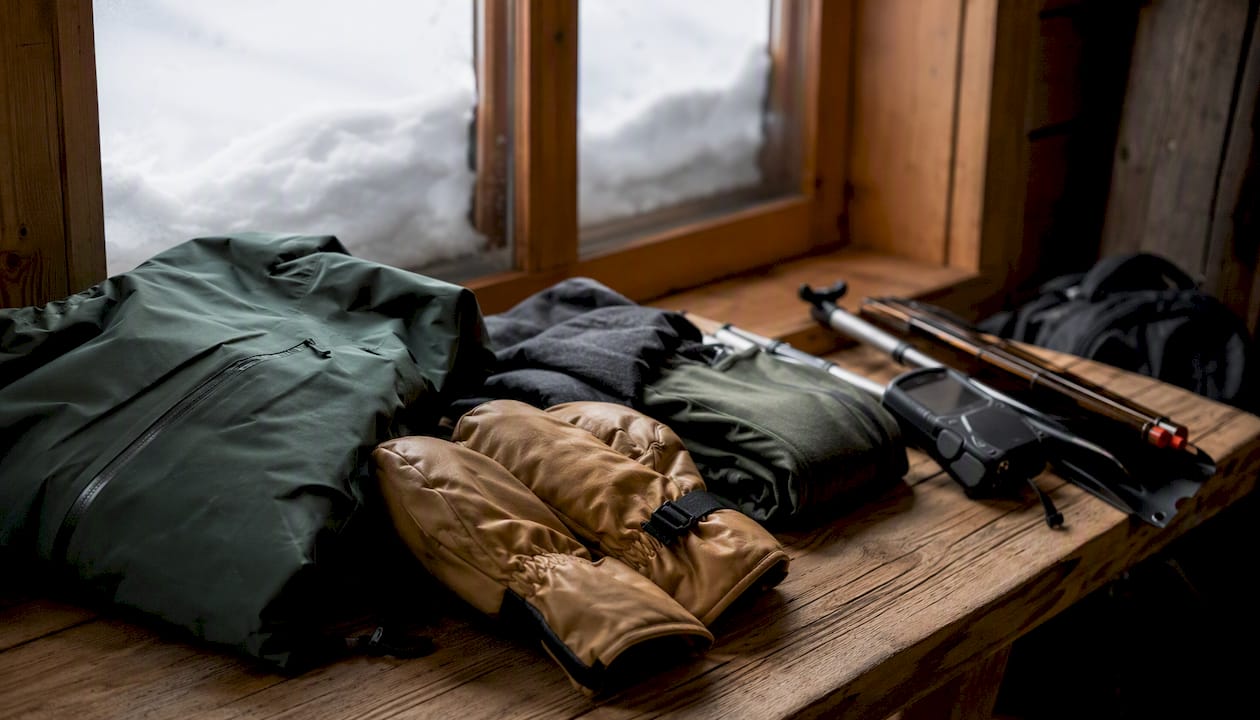
A practical heli skiing packing list covering clothing, avalanche equipment, ski baggage, batteries, travel documents and rental options.
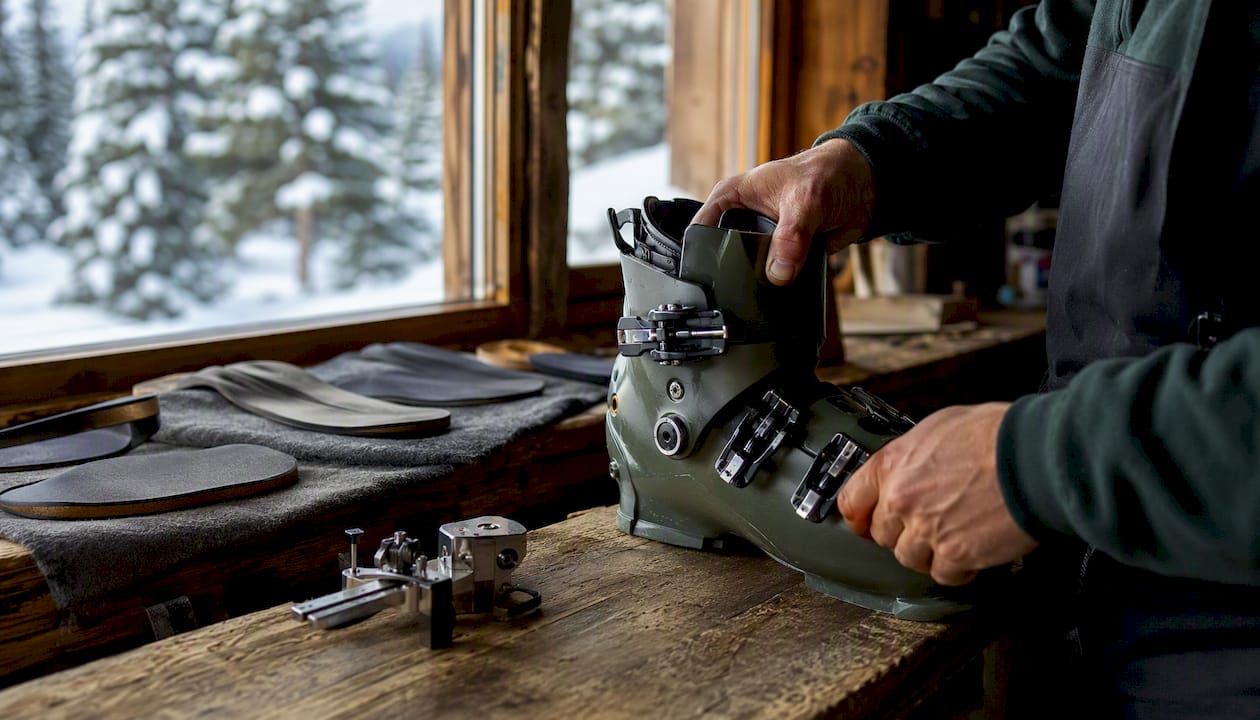
A practical UK guide to ski boot fitting: appointment steps, services, current provider price examples, aftercare and warning signs.
Should you tip a ski guide? Learn how customs vary, when a gratuity may feel appropriate and how to plan for tipping in Kazakhstan.
An Altai cuisine guide to kan, kurut, chegen and talkan, with dining at Restaurant Altai, food safety and travel from Öskemen to Ridder.
Compare banya vs sauna: heat, steam, venik and löyly rituals, etiquette, health evidence, safety basics and the Altai Banya experience.
Learn how to ski deep powder with centred balance, smooth turns, speed control, practice steps, gear guidance, and avalanche and tree-well precautions.

Plan a mountain wellness retreat in Ridder with freeride, heli-skiing, snowmobiling, Ridder Lodge, Altai Banya and practical winter travel guidance.

A practical snowmobile gear list for UK travellers heading to Altai Mountains Resort, with clothing, safety equipment, battery and travel guidance.

Understand Ridder Lodge’s ski-in/snowmobile-out access, guided ski-day logistics, transfers from Öskemen and practical planning for your stay.
Prepare for a guided snowmobile ride with a practical gear checklist covering helmets, winter layers, avalanche equipment and cold exposure in Ridder.

A practical heli skiing guide to ability, avalanche equipment, packing, weather and planning your first trip to Kazakhstan.
Plan guided deep snow snowmobiling in Ridder, with practical details on training, rentals, equipment, transfers and staying at Ridder Lodge.
How to choose Kazakhstan travel insurance for heli-skiing, cat-skiing or snowmobiling, including medical treatment and evacuation cover.
Kazakhstan visa requirements for UK visitors to Ridder, including visa-free limits, e-visas, passport rules, airports and Öskemen transfers.
Build strength, balance and endurance before cat-skiing, heli-skiing or snowmobiling with an adaptable six-to-eight-week ski fitness program.

Explore cold plunge benefits for skiers, from short-term soreness and recovery evidence to cold-shock risks, timing and Altai Banya options.

Understand heli skiing cost in 2026 with current operator examples, a total-budget checklist, and key booking, safety and insurance questions.