A practical heli skiing packing list covering clothing, avalanche equipment, ski baggage, batteries, travel documents and rental options.
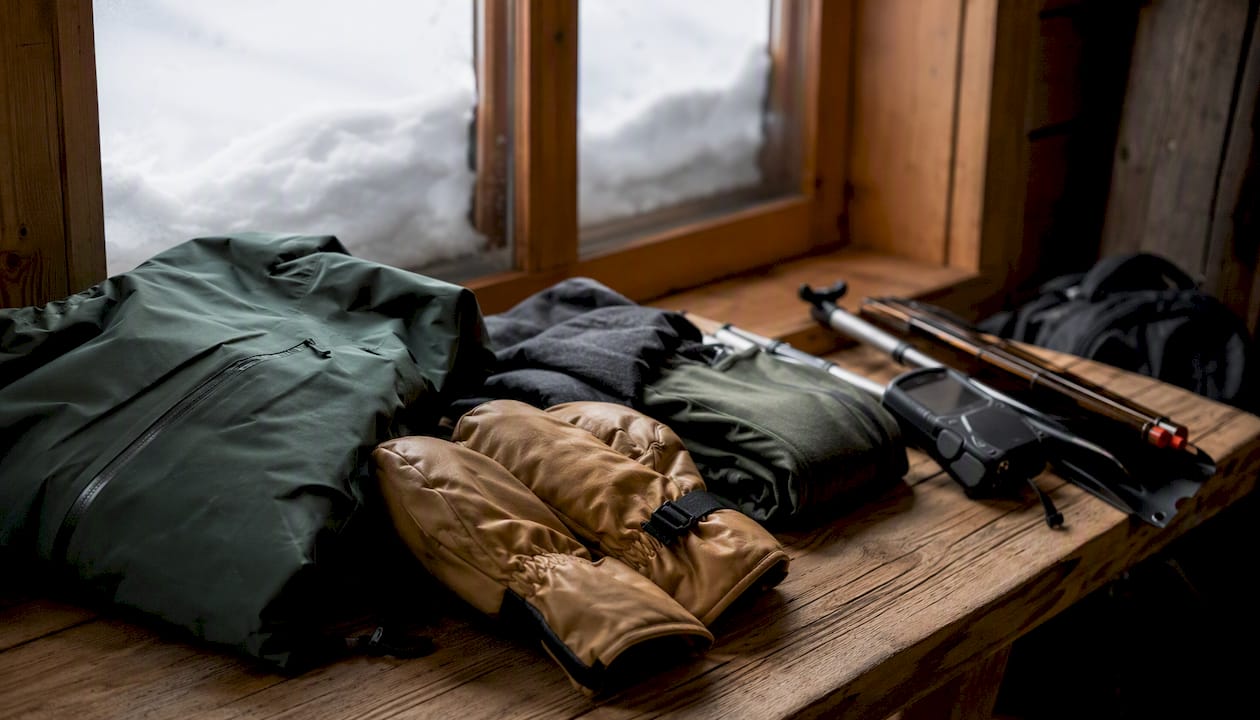
A practical heli skiing packing list comes down to four priorities: well-fitted personal gear, adaptable mountain clothing, the required avalanche equipment and travel essentials that remain easy to reach. If your airline permits it within cabin size and weight limits, carry your ski or snowboard boots in hand luggage. They are among the hardest items to replace at short notice.
Your final equipment plan will depend on the guided programme, airline baggage rules and the manuals for each device you carry. Pack around those requirements rather than adding equipment simply for reassurance.
Heli-skiing packing list: the essentials
Use this as your master list, then adjust it for the equipment arranged for your trip and the forecast closer to departure.
Ski or snowboard gear
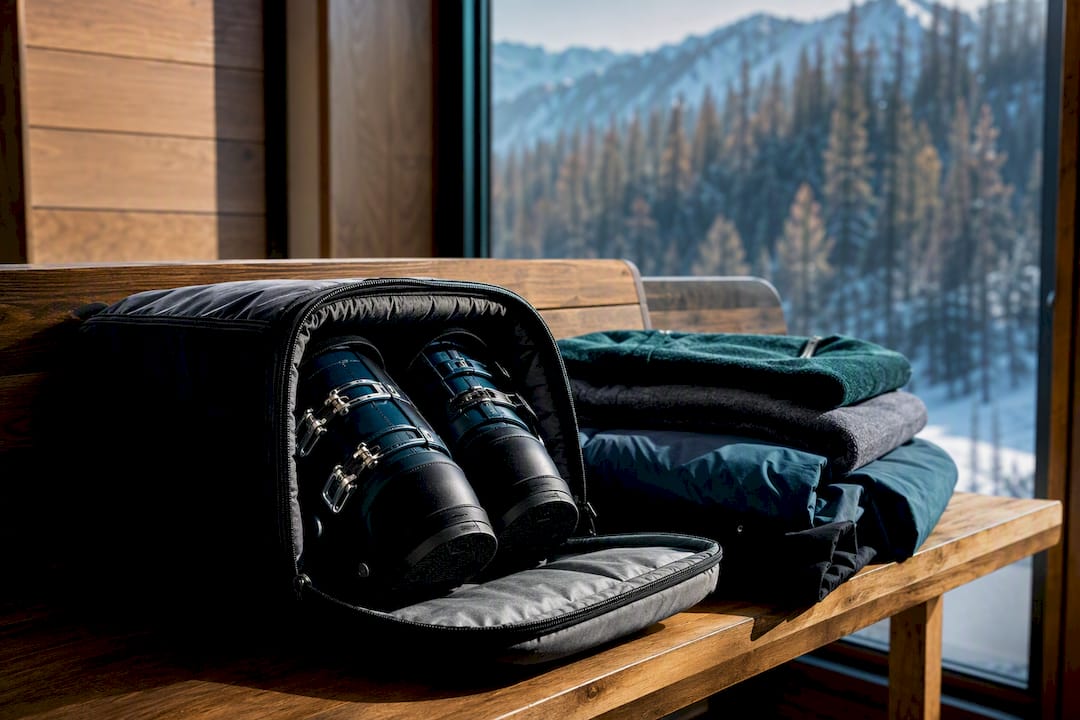
Ski or snowboard boots, preferably in cabin baggage when airline limits allow
A correctly fitted helmet
Goggles with a suitable lens, plus a spare lens or second pair
Skis and poles, or a snowboard, unless you have arranged a rental
A padded ski or board bag with identification inside and outside
Any personal footbeds, boot liners or other fit-specific items
Mountain clothing
Moisture-managing base layers
An insulating midlayer
A waterproof, breathable shell jacket and trousers
Warm gloves or mittens, plus dry liner gloves
Ski socks and a spare dry pair
Neck gaiter, warm hat or helmet-compatible balaclava
Goggles for the expected light, with sunglasses as a useful ground-level spare
Safety equipment
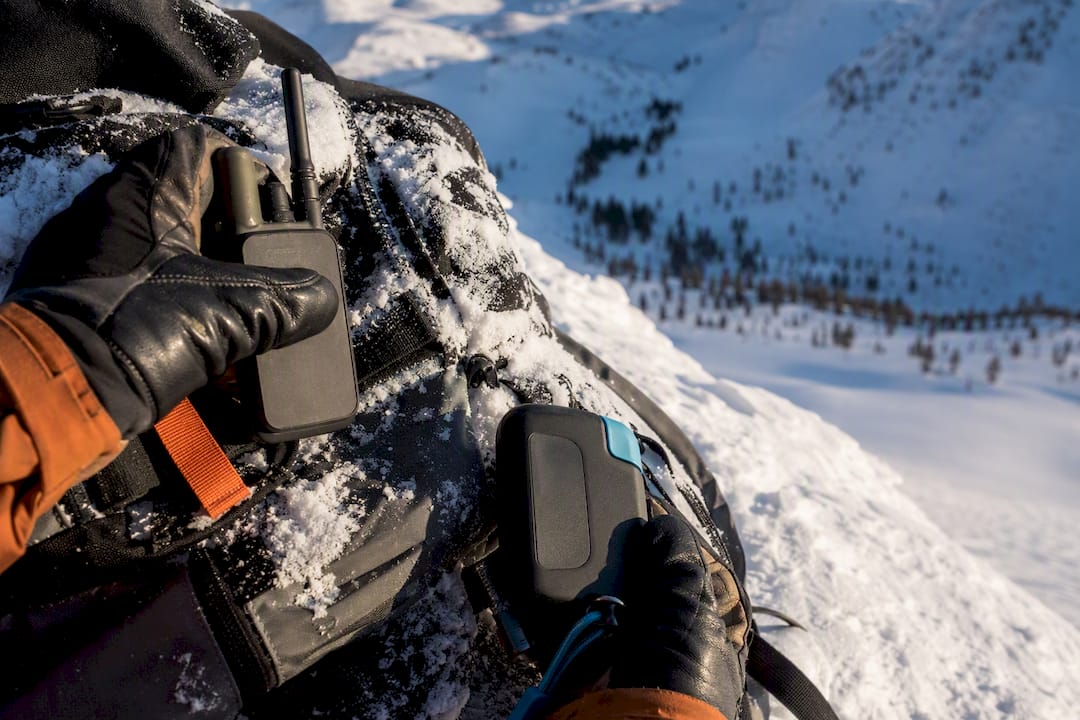
Avalanche transceiver, probe and shovel, supplied for the programme or approved for the trip
Transceiver harness and the battery type specified by its manufacturer
Avalanche airbag only after reviewing the operator’s policy and airline carriage conditions
Travel essentials
Passport and any required visa or transit documents
Travel insurance policy wording and emergency contact details
Prescription medicines in original labelled packaging
Phone, charging cable and plug adapter
Power bank and spare batteries packed according to airline rules
Sunscreen, lip protection and personal toiletries
Comfortable lodge clothing and practical winter footwear
Before packing skis, have bindings, boots and other technical equipment inspected by a qualified technician. If something is damaged during the trip, use manufacturer-approved parts and seek assistance rather than relying on an improvised binding or base repair.
What to wear for changing mountain conditions
A flexible three-part clothing system is more useful than one heavily insulated outfit. Begin with a merino or synthetic base layer that manages moisture, add insulation, then finish with a waterproof, breathable shell. A second base-layer set gives you a dry option during a multi-day stay.
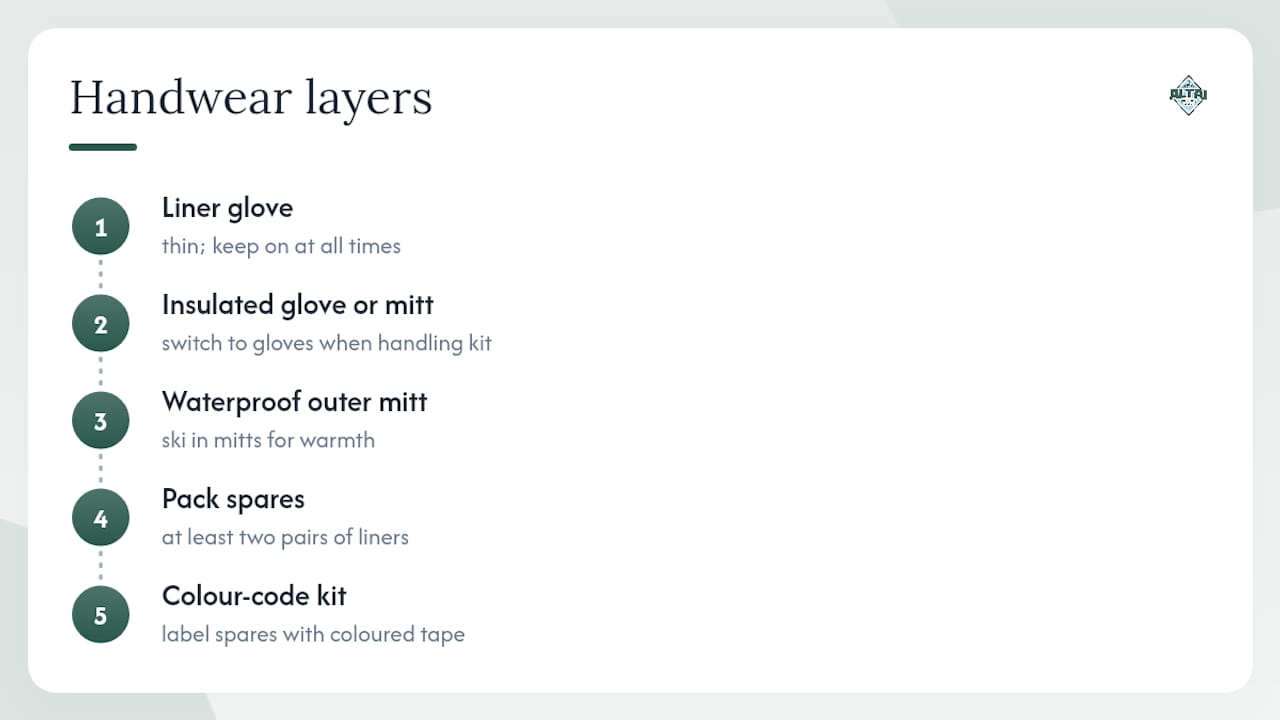
Choose your midlayer according to how readily you feel the cold. Fleece and synthetic insulation are practical choices; a lightweight insulated jacket also works well when it fits comfortably beneath the shell. Your outer jacket and trousers should allow free movement without compressing the layers underneath.
Hands deserve particular attention. Bring warm gloves or mittens and at least one dry pair of liner gloves. Mittens retain warmth well, while gloves offer more dexterity for buckles and equipment. A neck gaiter and helmet-compatible head covering add warmth without taking much room in your bag.
Changing visibility can matter as much as temperature. Pack a goggle lens suited to flat or low light and another for brighter conditions, or use a lens designed for a broad light range. Keep the spare in a protective case.
Avalanche safety gear: follow your guide and device manual
A transceiver, probe and shovel form the essential backcountry rescue kit. Avalanche Canada advises wearing the transceiver on your body beneath outer layers; its essential avalanche equipment guidance also explains how electronic interference can affect its use. Follow your guide’s instructions and the manufacturer’s wearing system rather than carrying the device loose in a bag.
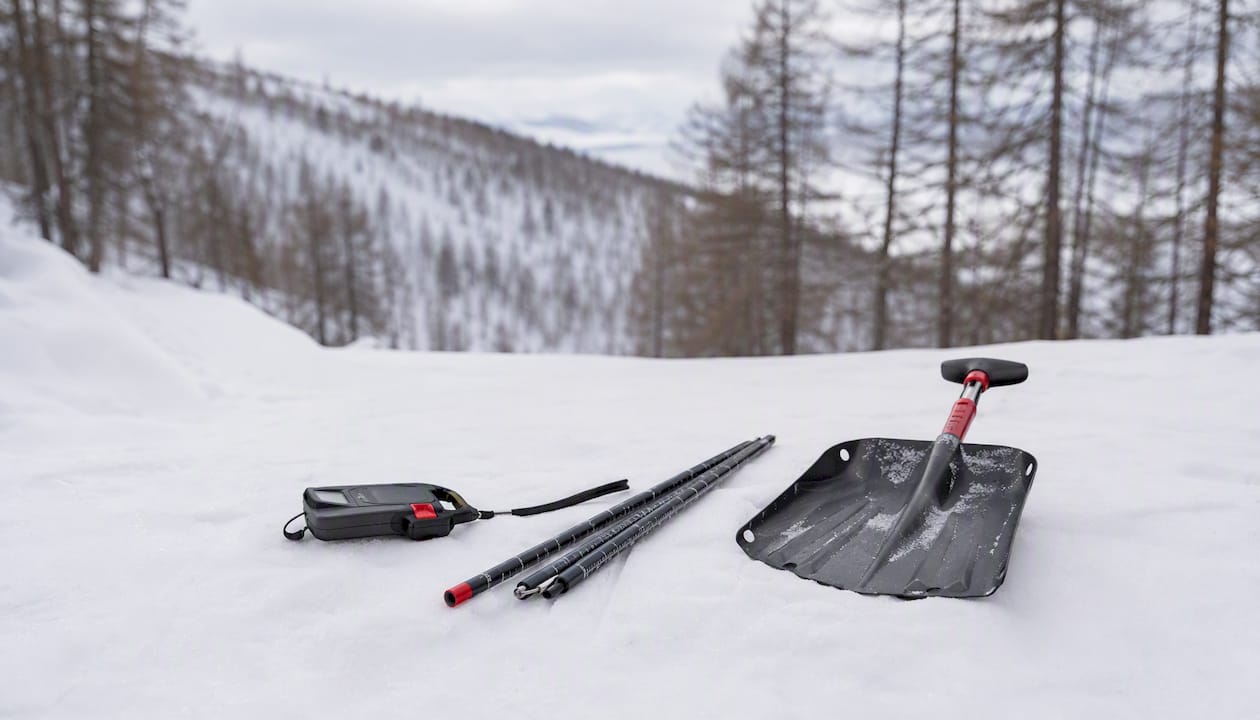
Battery advice is device-specific. Use only the chemistry and brands permitted in the exact transceiver manual, and replace batteries at the manufacturer’s threshold. For example, BCA specifies alkaline batteries for its Tracker transceivers, warns against lithium and rechargeable cells, and gives a 40% replacement threshold in its Tracker transceiver guidance. Do not apply that example automatically to another manufacturer’s device.
Practise with the model you will use before the trip, then take part fully in the guide briefing and equipment procedures. Rescue equipment supports an organised guided programme; carrying it does not remove avalanche or backcountry risk.
What to bring and what Altai Mountains Resort may provide
For our current heli-skiing arrangements, a beacon, probe and shovel are included, subject to your dates and package conditions. Ski and snowboard rentals are available, while helmets, radios and airbags are optional equipment. Sizes, stock and the precise arrangement depend on your dates, so our booking team can help you settle the equipment plan when you plan your stay. You can also explore the heli-skiing experience before choosing what to carry.
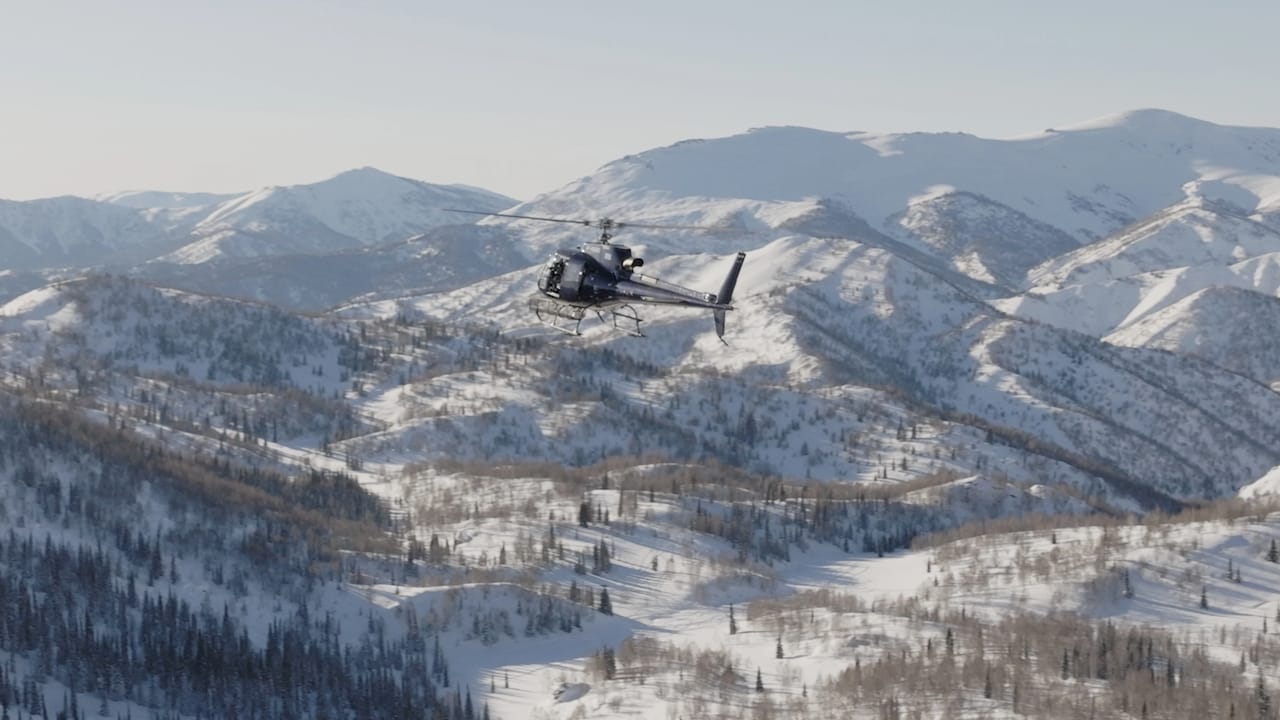
For most guests, boots remain the highest-priority personal item because fit is individual. Your familiar helmet, goggles, gloves and clothing are also sensible additions. Renting skis or a snowboard can simplify airline travel, particularly when the available equipment suits your size and riding style.
Our current heli-ski packages in the Western Altai near Ridder typically include lodging, meals, guiding and safety gear, while flights are excluded. Inclusions, dates, transfers and equipment availability depend on the package conditions for your stay.
Ridder Lodge is your base at the resort. If you are planning time at Altai Banya, add swimwear and comfortable lodge clothing to your bag. The Ridder Lodge page will help you plan the non-ski part of your luggage.
Flying with ski gear, batteries and avalanche airbags
Airline sporting-equipment allowances are not standardised. Read the baggage rules for every flight in your itinerary, including codeshare and domestic connections, paying attention to ski-bag dimensions, weight limits, cabin baggage and fees. Put your name, phone number and destination details both inside and outside checked bags, and photograph the packed contents before departure.
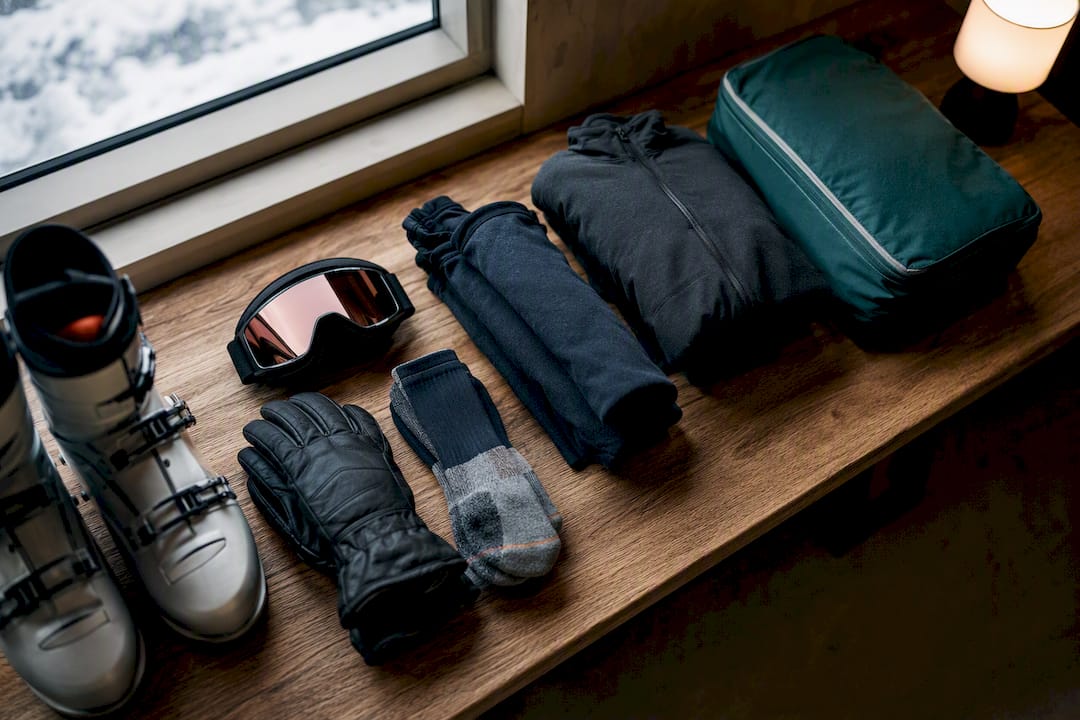
If cabin limits permit, keep boots, essential documents, prescription medicines and one set of mountain clothing with you. A compact carry-on plan gives you the best chance of starting the trip comfortably if checked baggage arrives later.
Portable power banks and spare batteries require special handling. IATA states that they must travel in carry-on baggage, with applicable conditions and individual airline rules still applying. Protect spare battery terminals from short circuits and keep power banks accessible for inspection.
Avalanche airbags need separate attention because compressed-gas cylinders and pyrotechnic trigger systems fall under dangerous-goods rules. IATA permits one avalanche rescue backpack per passenger only under specified conditions, and airline approval may be required. Check the airbag manufacturer’s transport instructions and the operating airline’s policy well before departure.
Documents, insurance and prescription medicines
Entry and transit requirements depend on your nationality, route and length of stay. Check current guidance from Kazakhstan’s immigration authorities and the relevant authorities for every transit country, then compare it with your airline’s requirements. Avoid relying on a general passport-validity rule.
Obtain written confirmation that the exact guided heli-skiing activity is covered, then review the policy wording for off-piste activity, medical treatment, evacuation, geographical limits and exclusions. Save the policy number and emergency assistance details offline, and carry a paper copy.
Keep prescription medicines in their original labelled packaging and check with the relevant destination authority that they are permitted in Kazakhstan and any transit country. A qualified clinician can advise on your individual medication needs and fitness for remote winter activity.
Final pre-departure checklist
Settle which safety equipment and rental items are arranged for your trip.
Confirm current ski or snowboard rental sizing and availability if you are leaving your own equipment at home.
Have boots, bindings, helmet and goggles inspected before travel.
Pack adaptable layers, dry gloves and lenses for different light.
Match transceiver batteries, wearing and storage to the exact device manual.
Arrange airline approval if your avalanche airbag requires it.
Put power banks and spare batteries in cabin baggage under airline rules.
Note the sporting-equipment limits for every flight.
Pack the passport, visa and transit documents relevant to your route.
Keep insurance details, medicines and essential documents accessible.
A little preparation at home makes arrival in the Western Altai much simpler. With the travel details settled, you can pack for movement, warmth and changing mountain conditions—and arrive at Ridder Lodge ready for the days ahead.
All Articles
A practical luxury ski packing list for fitted essentials, lighter luggage and guided off-piste or heli-ski days at Altai Mountains Resort.

A practical heli-skiing safety guide for expert skiers, covering operator decisions, avalanche equipment, helicopter procedures, rescue planning and insurance.
Compare lift-assisted, touring and Western Altai ski options in Kazakhstan, with practical safety, travel and booking guidance.

Learn the heli-skiing skill level typically expected, the off-piste skills to practise, safety preparation and an adaptable 8–12-week training framework.

Plan the Kazakhstan skiing season with a practical comparison of Almaty and Ridder, month-by-month timing, mountain safety and trip planning.
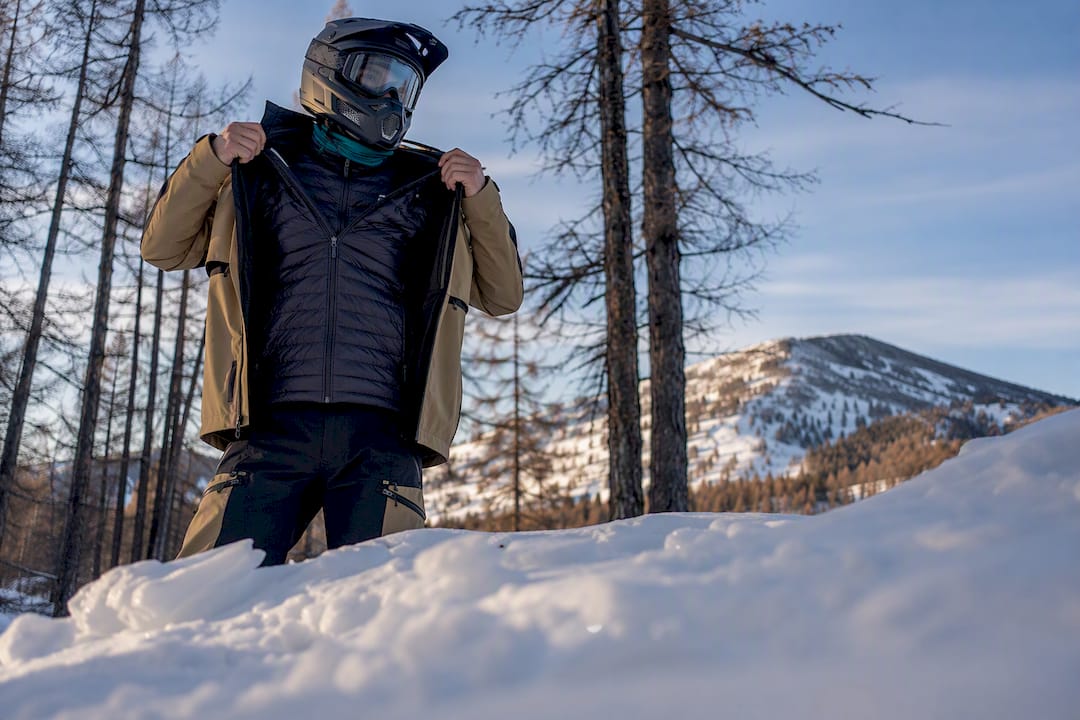
Use this snowmobile layering guide to build a flexible base, insulation and shell system, manage moisture and pack dry spares for changing conditions.

Learn what to rent for avalanche terrain, how to prepare a beacon, probe and shovel, and what to know about airbag packs and flights.
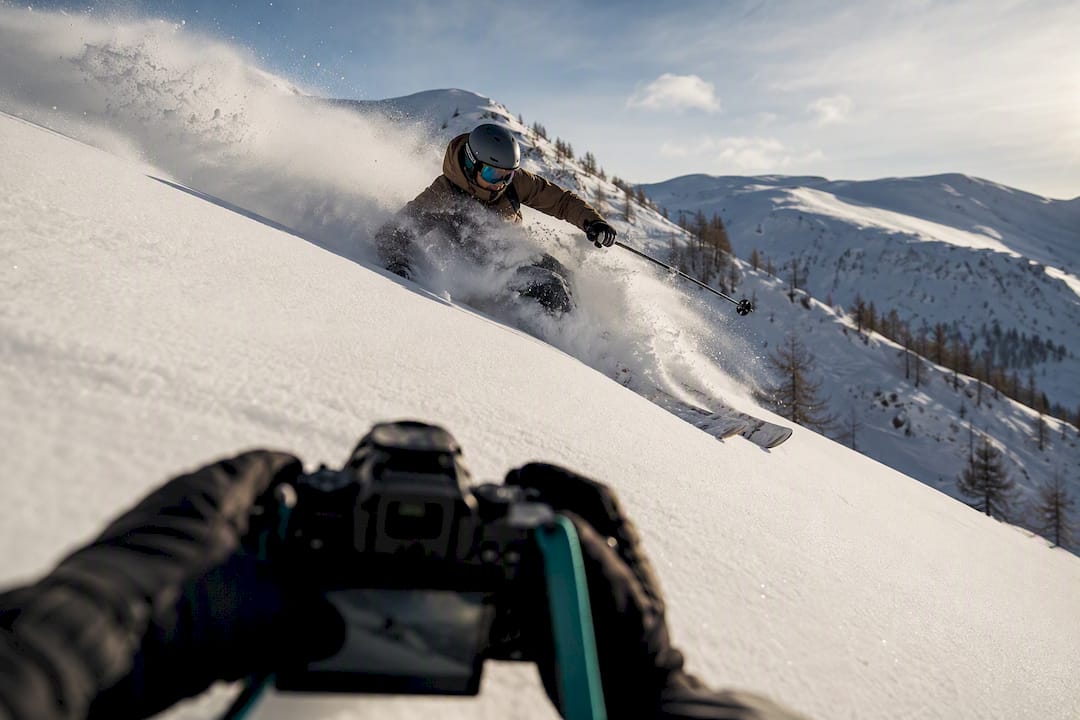
Practical ski photography tips for beginners: camera settings, snow exposure, timing, cold-weather camera care and safe mountain positioning.

Learn how to read an avalanche forecast, interpret danger ratings, roses and avalanche problems, and plan more conservative terrain choices.
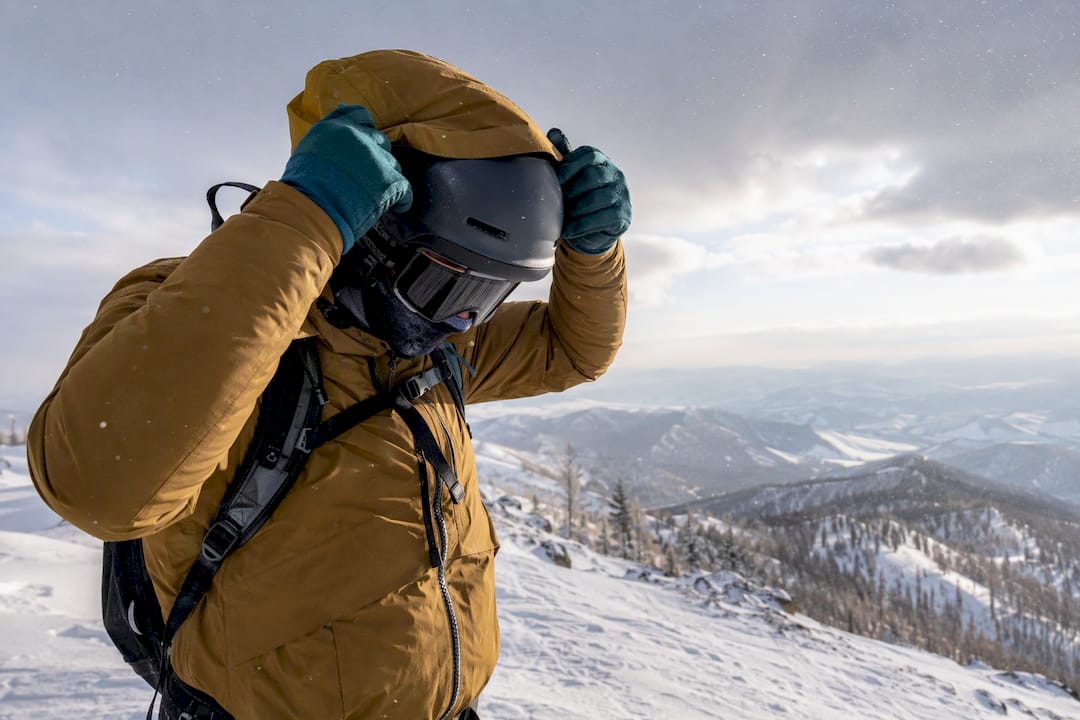
Practical cold injury prevention for winter travel: layering, dry spares, warning signs, first aid and planning for mountain activities.
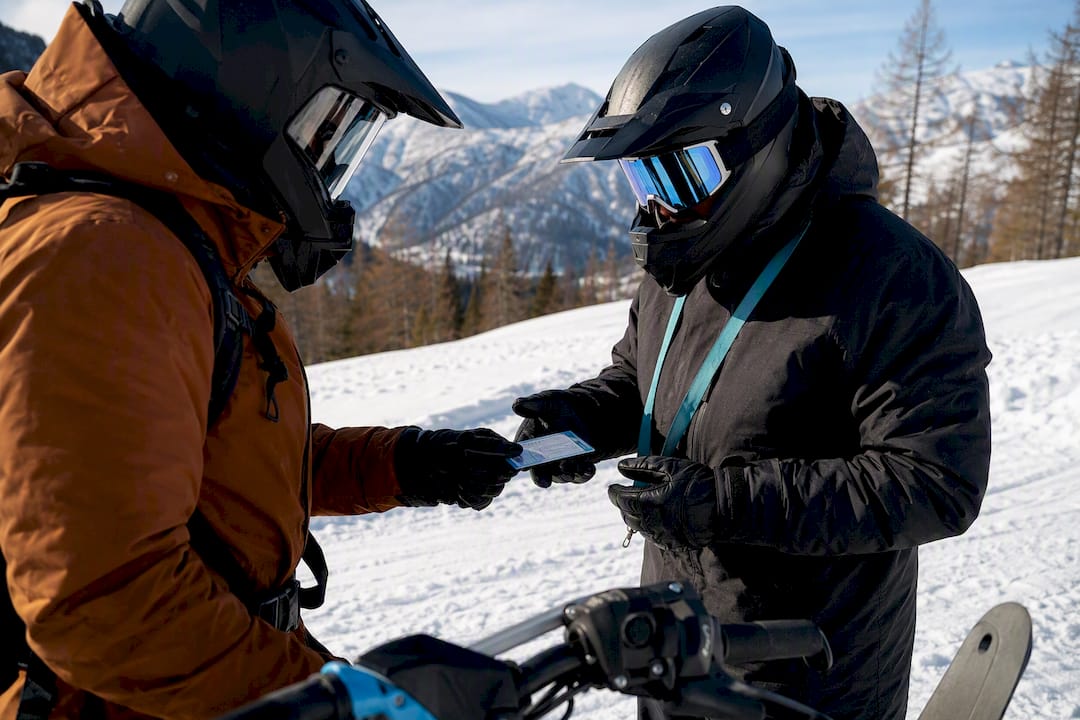
Planning snowmobiling in Ridder? Understand how experience, training, equipment and Kazakhstan rules shape your trip with Altai Mountains Resort.
Travel with ski gear confidently: carry boots when cabin rules allow, pack skis securely, understand airline baggage rules and prepare for delays.
Build a practical backcountry radio communication plan with party radios, satellite SOS or PLB backup, cold-weather care and regional legal essentials.

Satellite messenger basics for remote Altai trips: compare PLBs and two-way devices, understand SOS limits, and prepare your communications plan.
Avoid ski crowds with flexible dates, midweek skiing, early starts and smarter lift choices. Explore guided off-piste options near Ridder.

Learn how heli-skiing passenger weight and baggage rules differ by operator, with practical packing steps and Altai Mountains Resort booking guidance.
Understand the cat skiing skill level needed for Altai Mountains Resort, with practical guidance on off-piste ability, fitness and avalanche readiness.
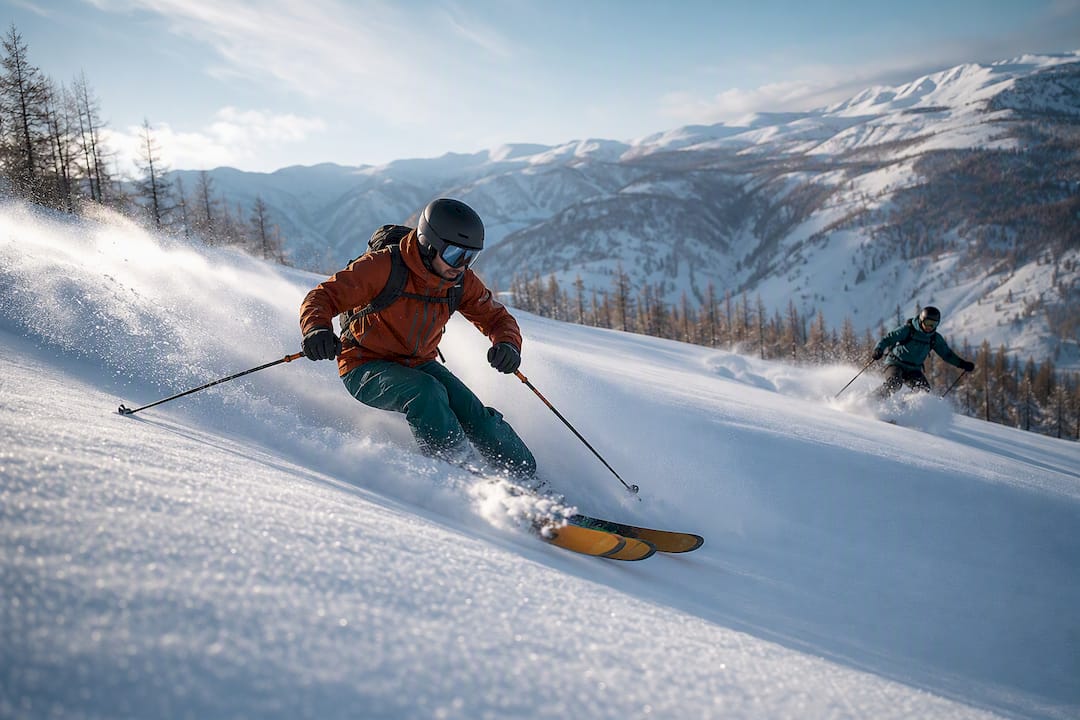
Decide whether Ridder suits your advanced Altai ski trip, with practical guidance on transfers, season timing, avalanche gear and guided programmes.
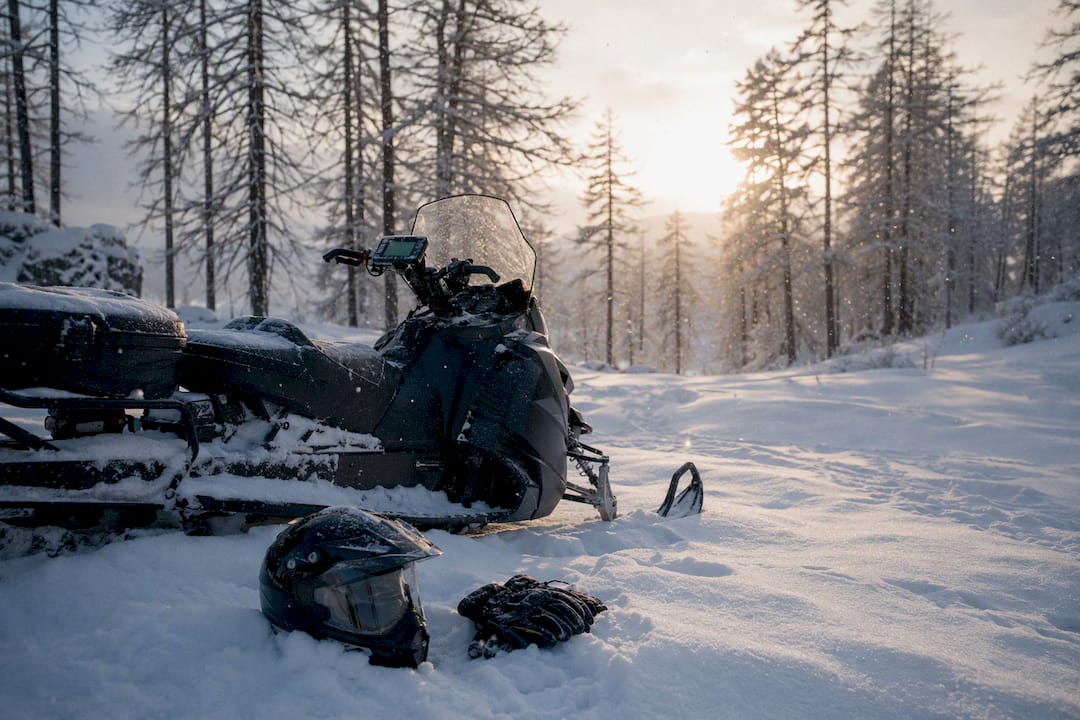
Compare snowmobile tour prices by duration, understand what shapes the final cost, and explore quote-based snowmobiling at Altai Mountains Resort.
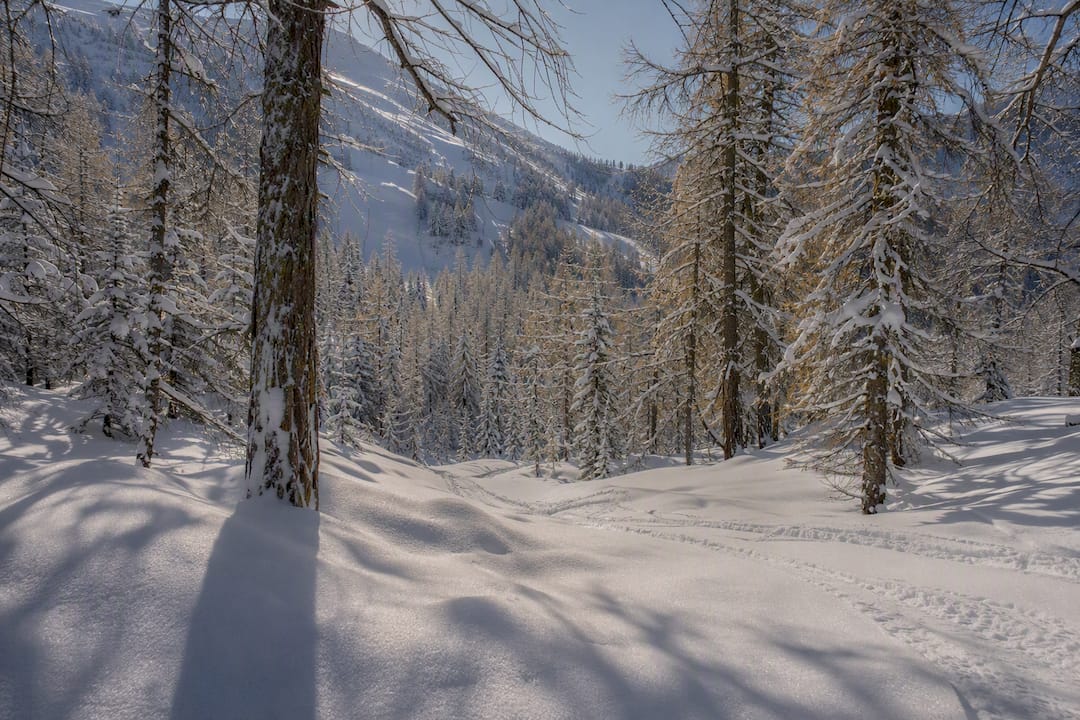
Compare Western Altai, Almaty and Turgen for Kazakhstan powder skiing, with practical guidance on access, safety and Ridder logistics.

Plan Altai heli skiing near Ridder with practical guidance on terrain, season, package inclusions, access, safety gear and booking.
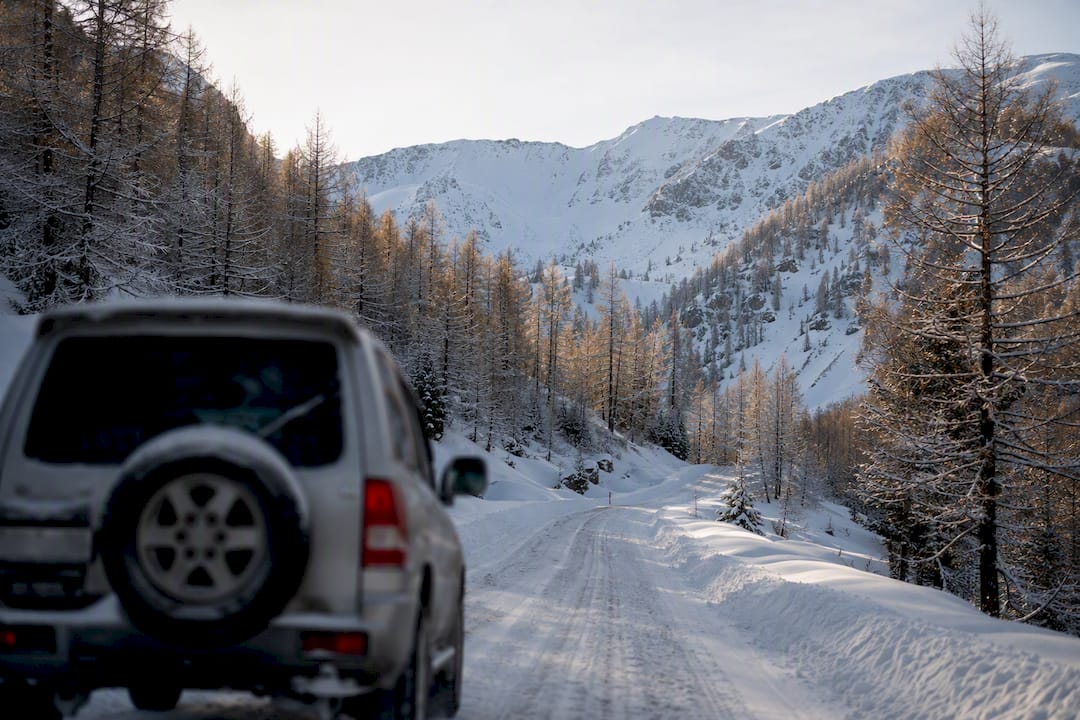
Compare flight, rail and self-drive routes from Almaty to the Kazakh Altai, with practical guidance for reaching Ridder and Ulba village.

Learn deep powder snowmobiling setup, riding technique, safe recovery and avalanche preparation, plus guided training near Ridder.
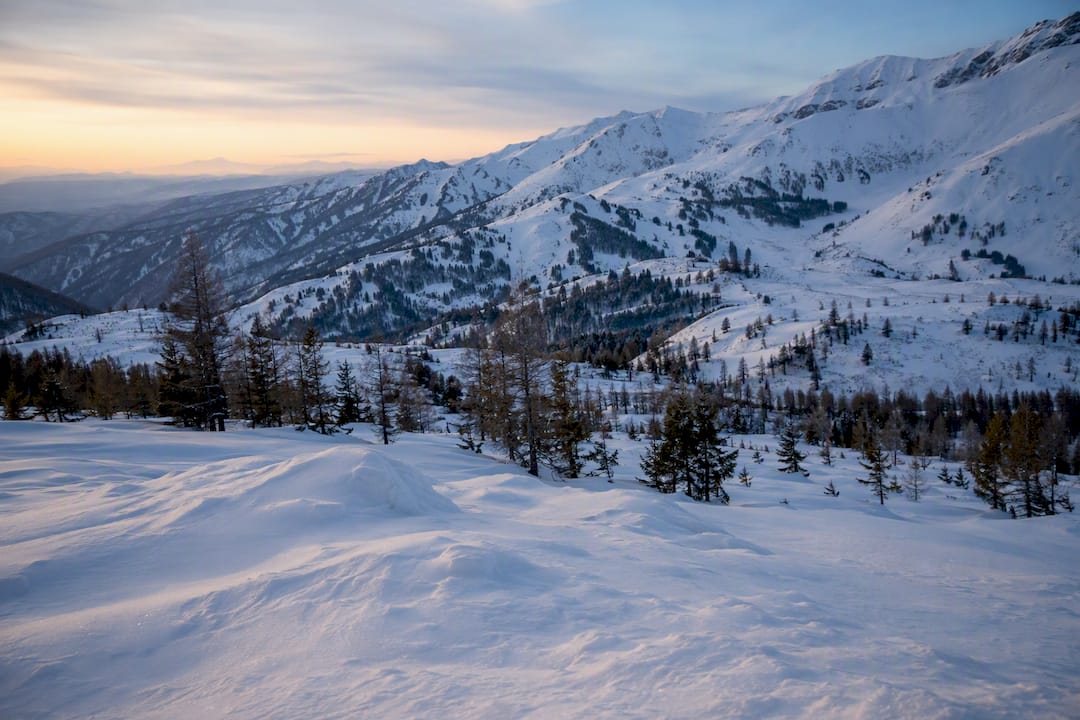
Plan an Altai Mountains winter stay from Ridder, with activity timing, travel from Öskemen, packing advice and practical mountain guidance.

Practical helicopter passenger safety guidance on boarding, seatbelts, exits, dropped items and following crew instructions.

Practical off-piste slope etiquette for safer skiing: right of way, avalanche preparation, group spacing, closures and guided skiing in the Western Altai.

Plan an Altai Mountains trip across Russian, Mongolian and Kazakh sectors, with permit, safety and winter-stay guidance for Ridder Lodge.
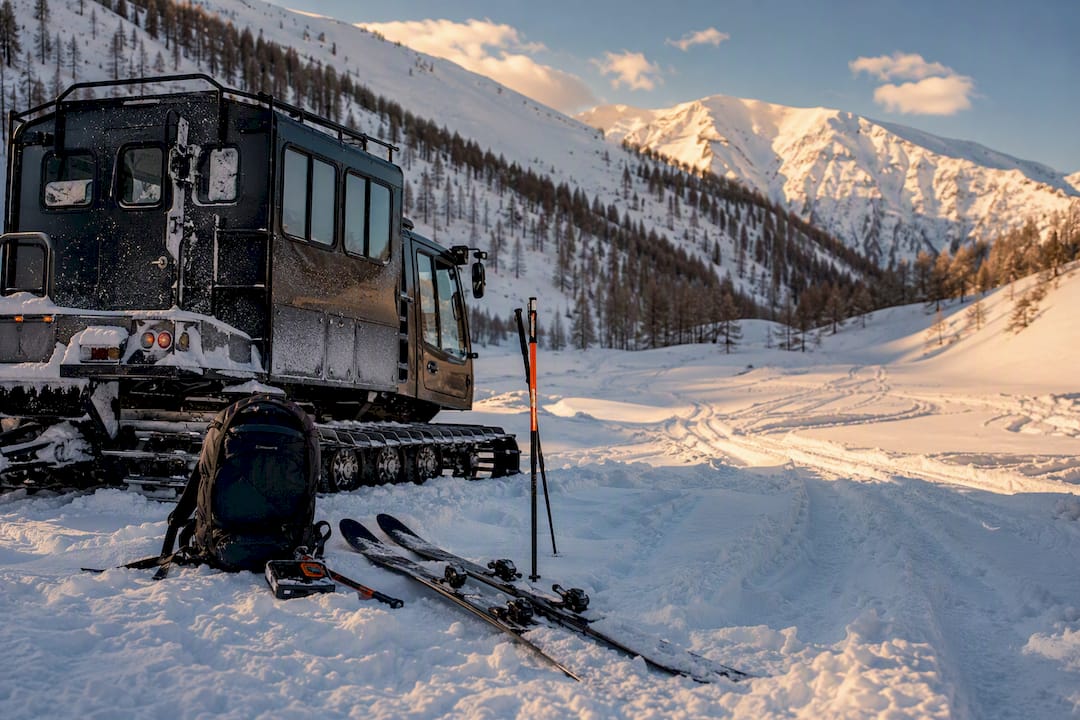
Learn how to plan guided freeride tours, from off-piste experience and avalanche gear to guide scope, changing mountain conditions and cat-skiing in the Altai.
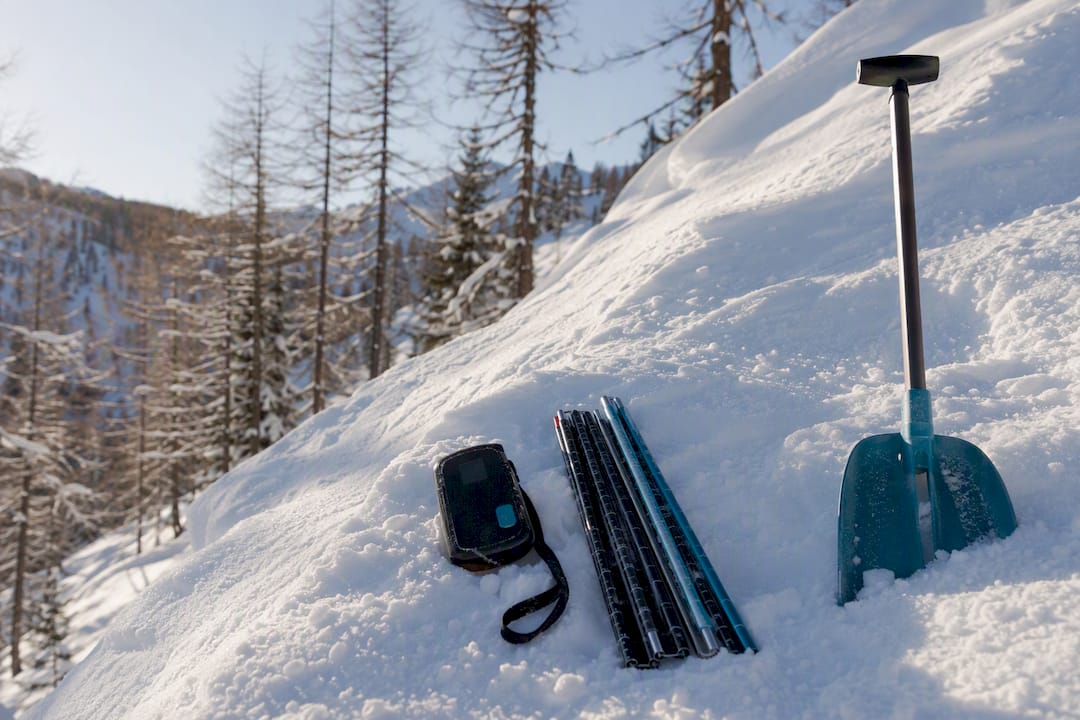
Learn avalanche beacon basics: 457 kHz transceivers, essential rescue gear, trailhead checks, interference and companion-rescue practice.

Learn which avalanche course suits your plans, what companion-rescue skills to practise and how to prepare for a winter trip to Altai.
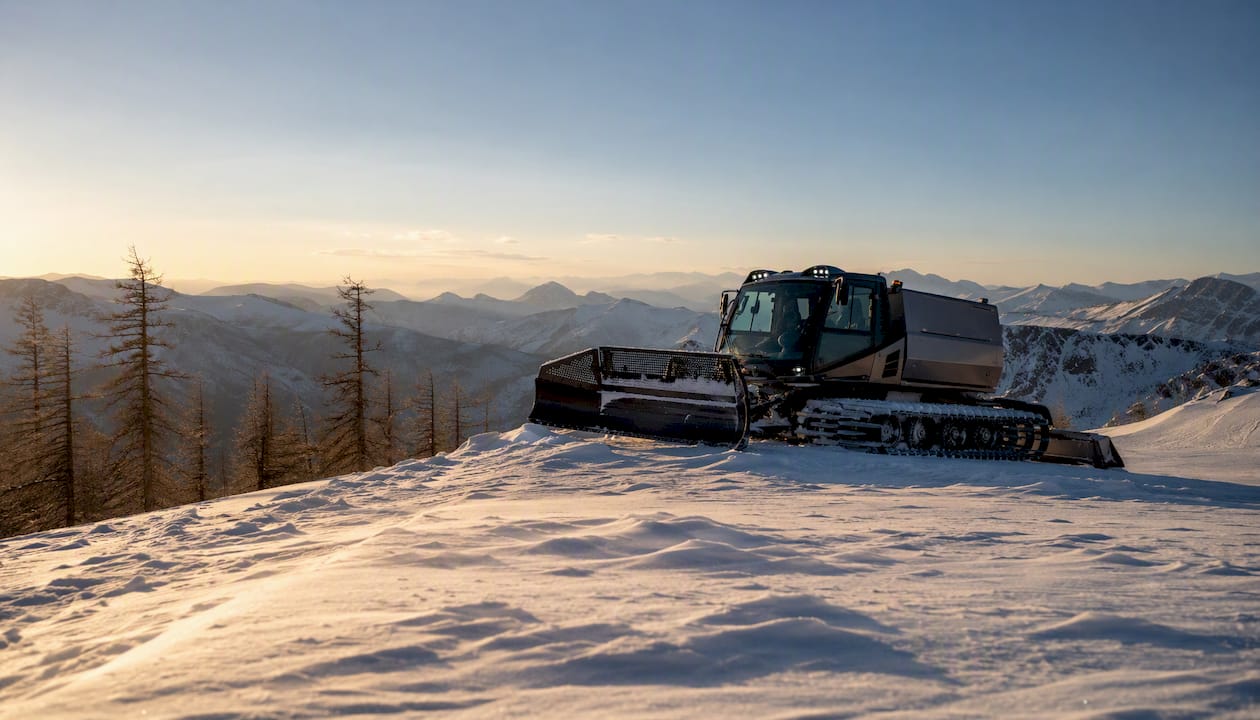
Learn what cat skiing is, who it suits, what to pack and how to plan a guided cat-skiing trip, including options near Ridder, Kazakhstan.
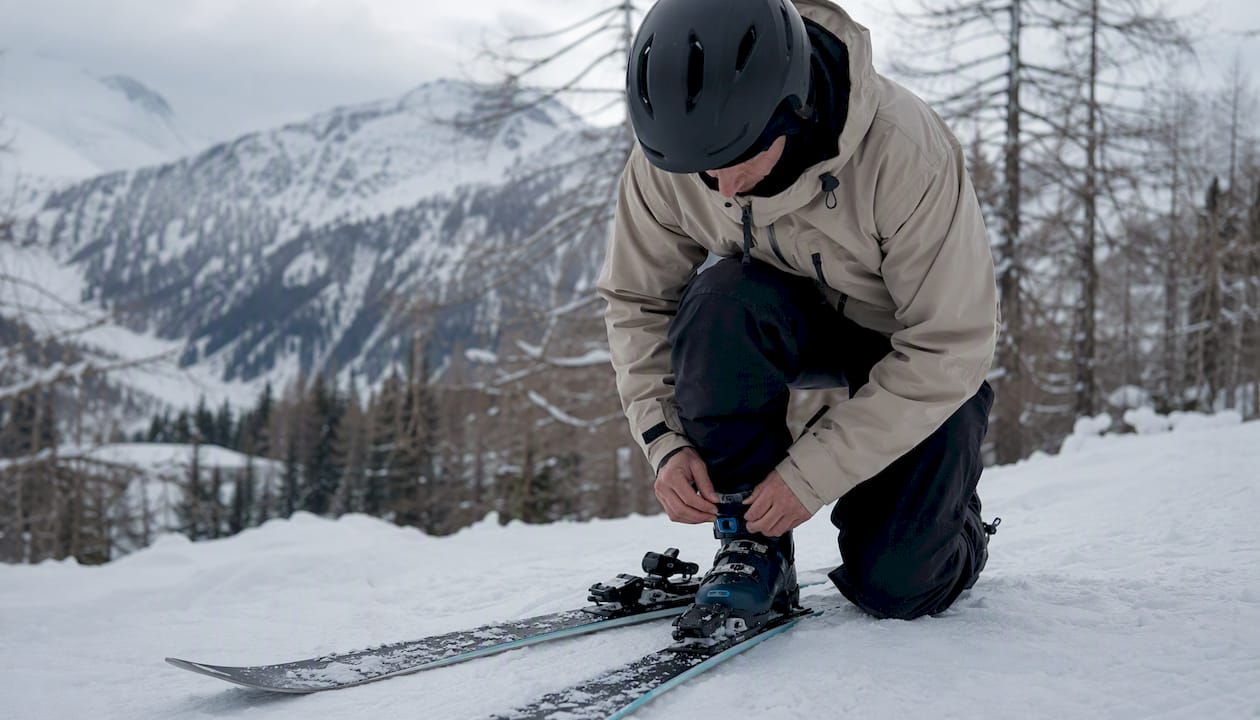
A practical ski rental Kazakhstan guide to Shymbulak and Medeu, current tariffs, equipment fit, transport and guided freeride near Ridder.

Understand ski guide benefits for freeride and backcountry trips, including local planning, terrain choices, qualifications, safety gear and access options.

Plan a snowmobile expedition near Ridder, Kazakhstan, with practical guidance on routes, rider experience, equipment, mountain safety and transfers.
Use this mountain lodge amenities checklist to compare rooms, meals, wellness access, transfers, activities and paid extras before booking.
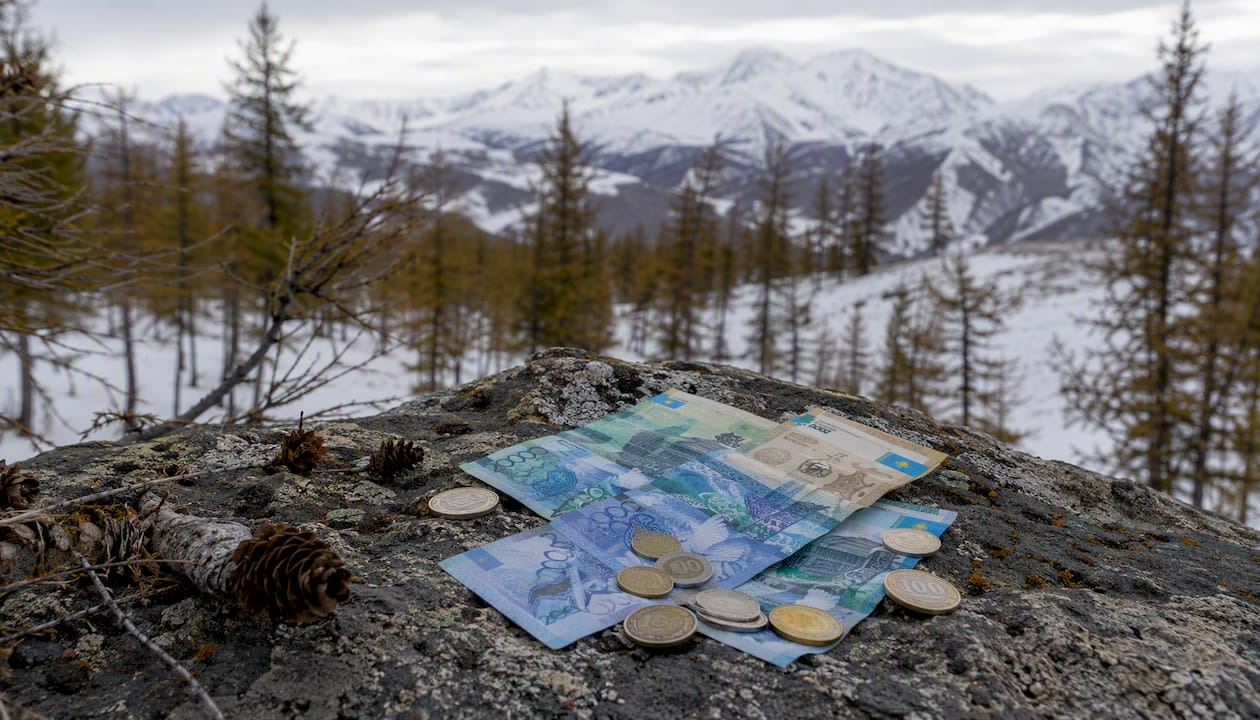
A practical Kazakhstan currency guide to the tenge, cards, ATMs, currency exchange, DCC and cash planning for cities and the Western Altai.
Plan the Kazakhstan ski season by month, compare lift-served Shymbulak with guided trips around Ridder, and prepare for changing snow and mountain conditions.
A practical guide to spa after skiing, including gentle massage, sauna and hammam, optional cold immersion and signs that need medical attention.
Plan a remote ski trip from the UK to Ridder, with practical guidance on activities, Kazakhstan entry, Öskemen transfers, insurance and ski baggage.
A practical heli skiing packing list covering clothing, avalanche equipment, ski baggage, batteries, travel documents and rental options.
A practical UK guide to ski boot fitting: appointment steps, services, current provider price examples, aftercare and warning signs.
Should you tip a ski guide? Learn how customs vary, when a gratuity may feel appropriate and how to plan for tipping in Kazakhstan.
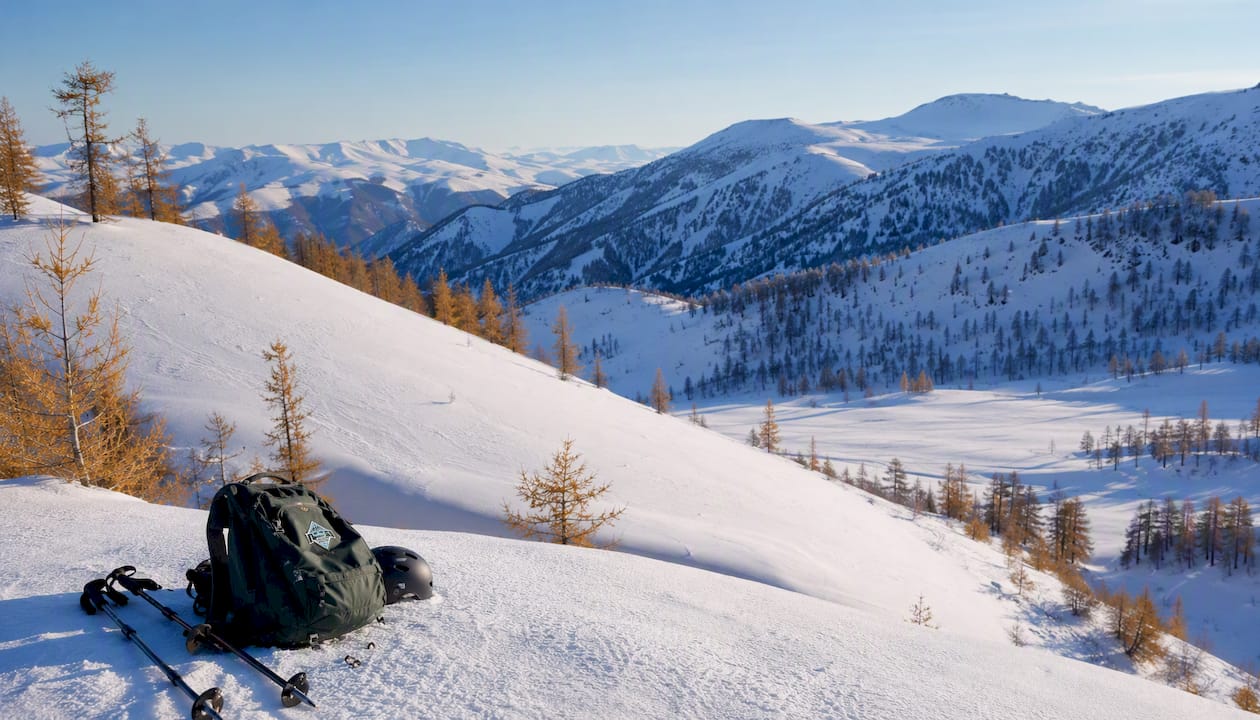
An Altai cuisine guide to kan, kurut, chegen and talkan, with dining at Restaurant Altai, food safety and travel from Öskemen to Ridder.
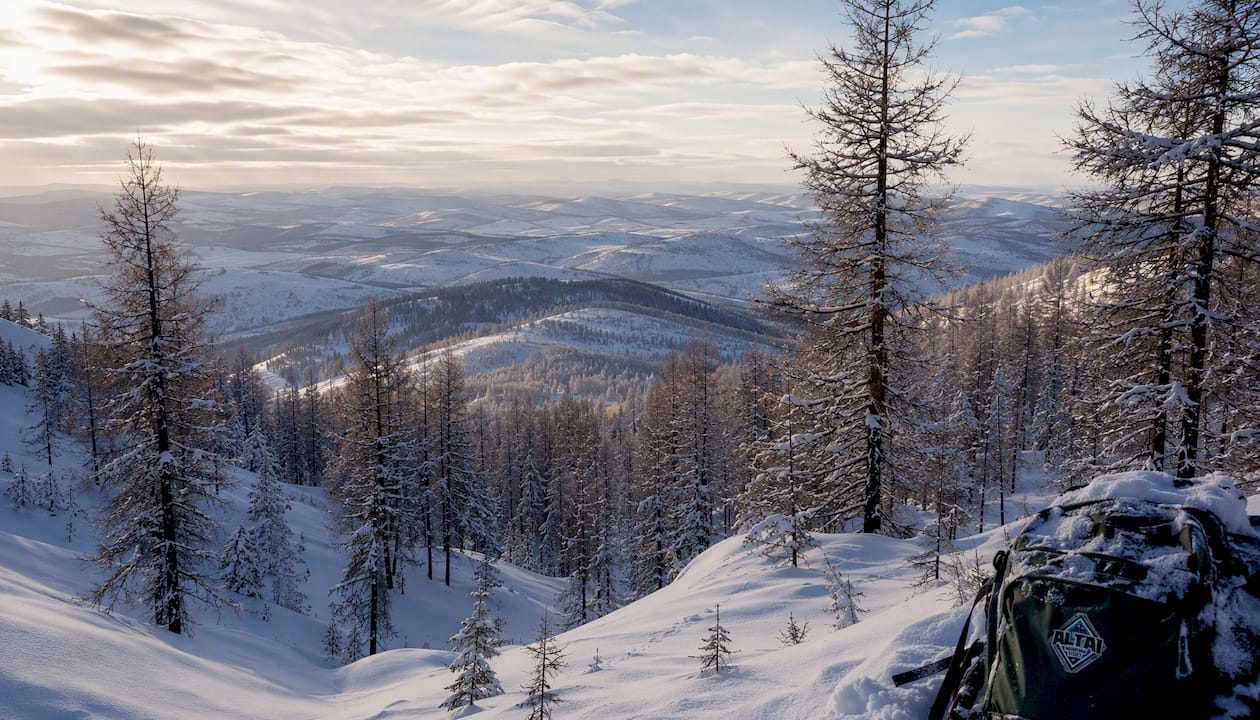
Compare banya vs sauna: heat, steam, venik and löyly rituals, etiquette, health evidence, safety basics and the Altai Banya experience.
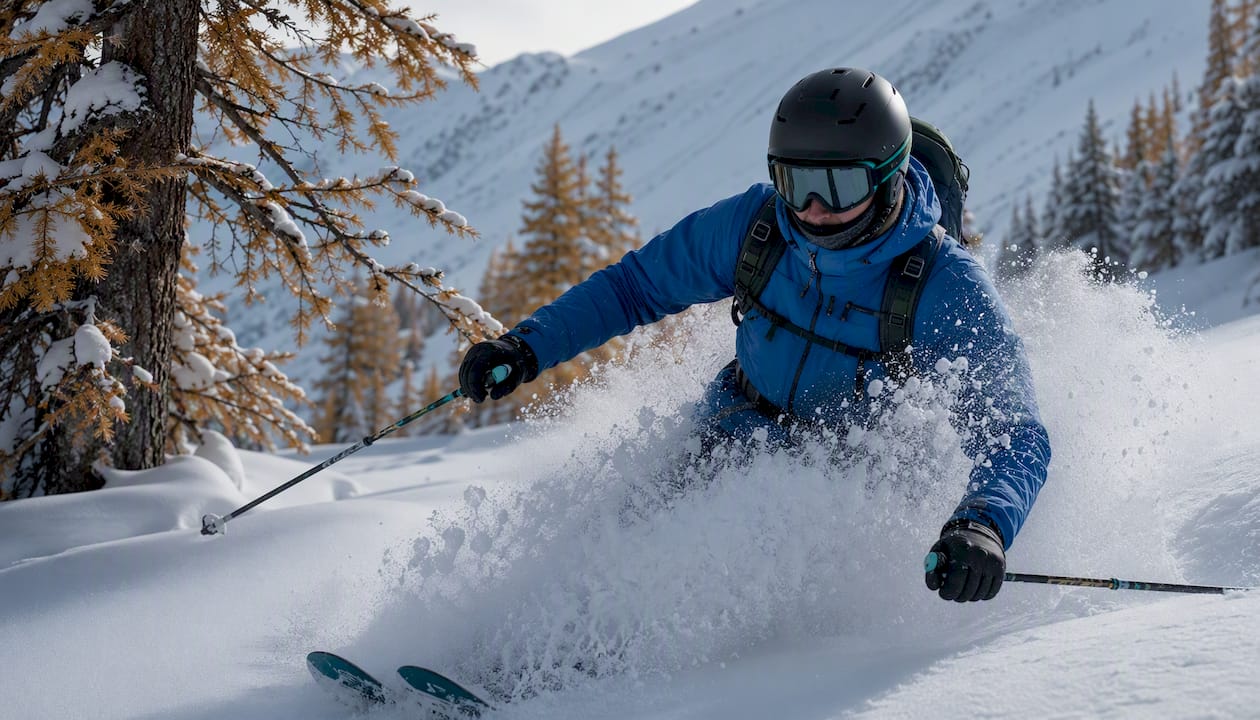
Learn how to ski deep powder with centred balance, smooth turns, speed control, practice steps, gear guidance, and avalanche and tree-well precautions.

Plan a mountain wellness retreat in Ridder with freeride, heli-skiing, snowmobiling, Ridder Lodge, Altai Banya and practical winter travel guidance.

A practical snowmobile gear list for UK travellers heading to Altai Mountains Resort, with clothing, safety equipment, battery and travel guidance.

Understand Ridder Lodge’s ski-in/snowmobile-out access, guided ski-day logistics, transfers from Öskemen and practical planning for your stay.
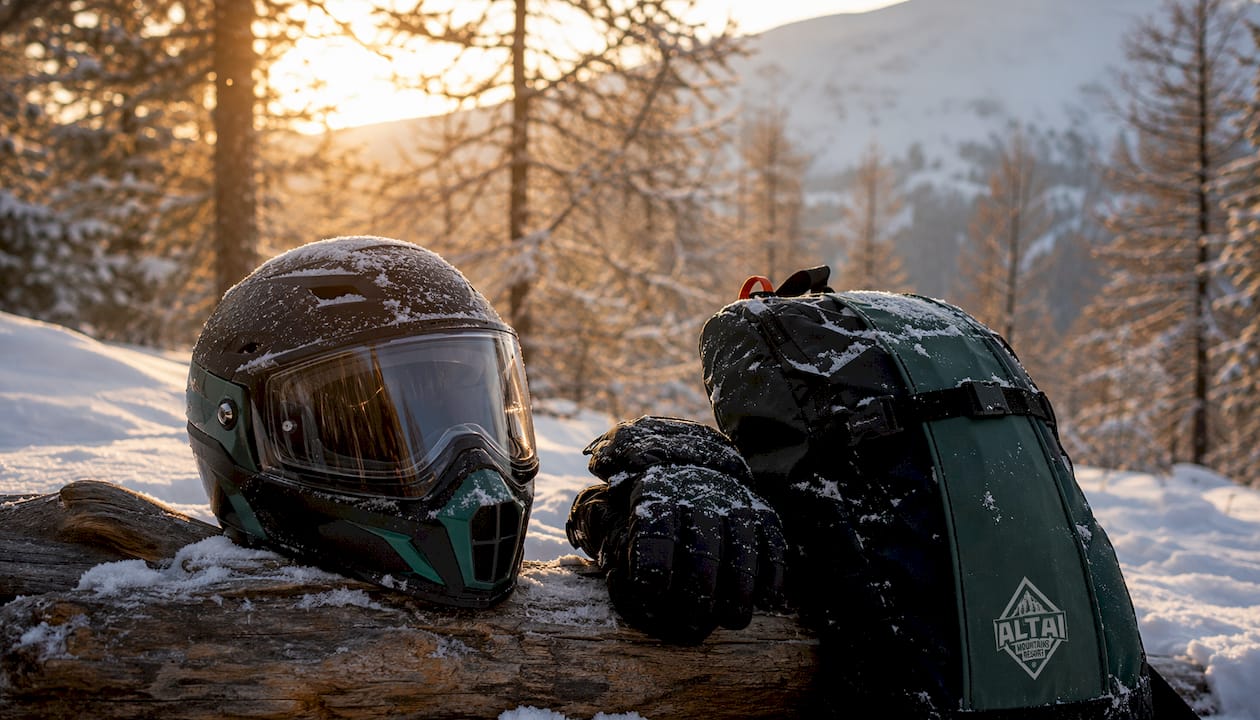
Prepare for a guided snowmobile ride with a practical gear checklist covering helmets, winter layers, avalanche equipment and cold exposure in Ridder.

A practical heli skiing guide to ability, avalanche equipment, packing, weather and planning your first trip to Kazakhstan.
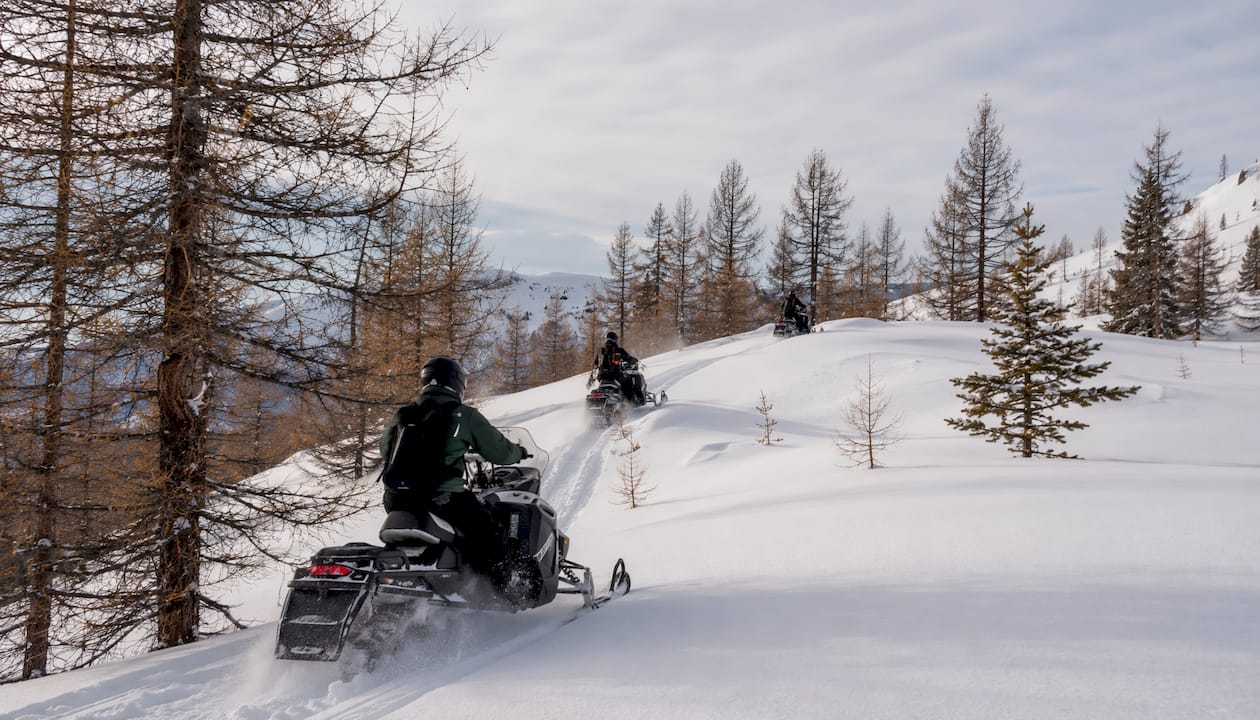
Plan guided deep snow snowmobiling in Ridder, with practical details on training, rentals, equipment, transfers and staying at Ridder Lodge.
How to choose Kazakhstan travel insurance for heli-skiing, cat-skiing or snowmobiling, including medical treatment and evacuation cover.
Kazakhstan visa requirements for UK visitors to Ridder, including visa-free limits, e-visas, passport rules, airports and Öskemen transfers.
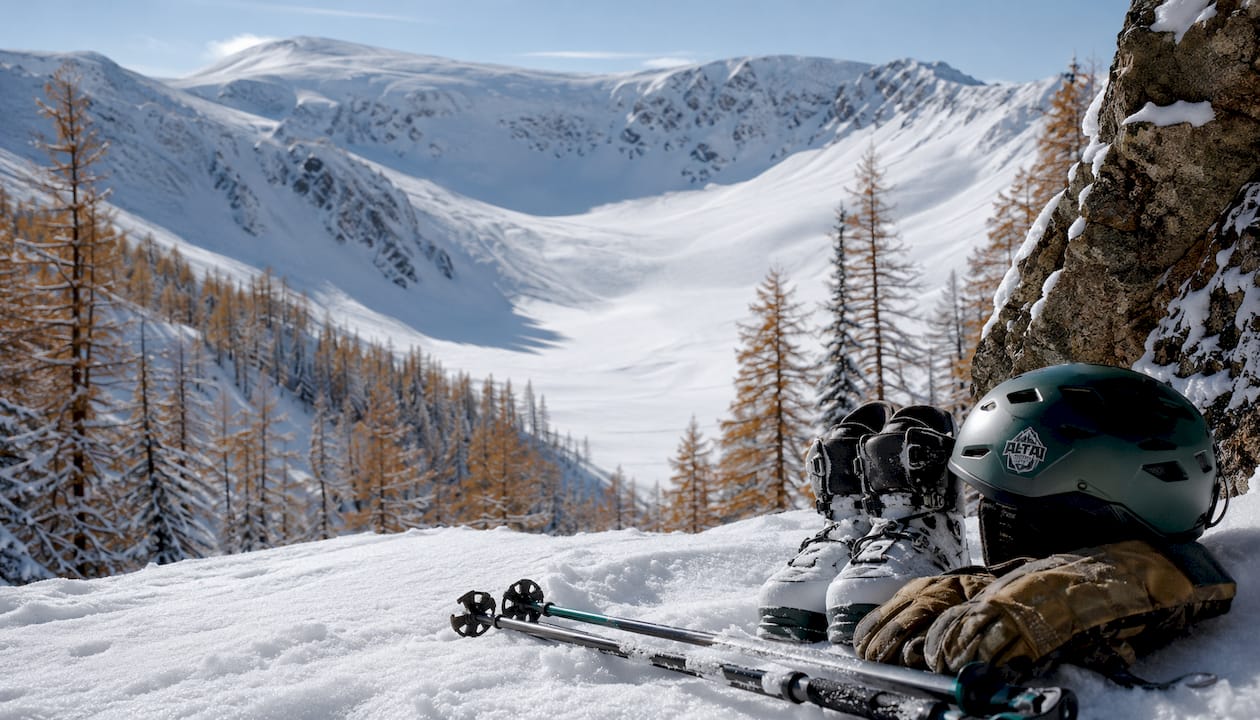
Build strength, balance and endurance before cat-skiing, heli-skiing or snowmobiling with an adaptable six-to-eight-week ski fitness program.

Explore cold plunge benefits for skiers, from short-term soreness and recovery evidence to cold-shock risks, timing and Altai Banya options.

Understand heli skiing cost in 2026 with current operator examples, a total-budget checklist, and key booking, safety and insurance questions.