Compare 2-stroke and 4-stroke snowmobiles by handling, fuel use, emissions and upkeep, with guidance for a guided snowmobiling day near Ridder.
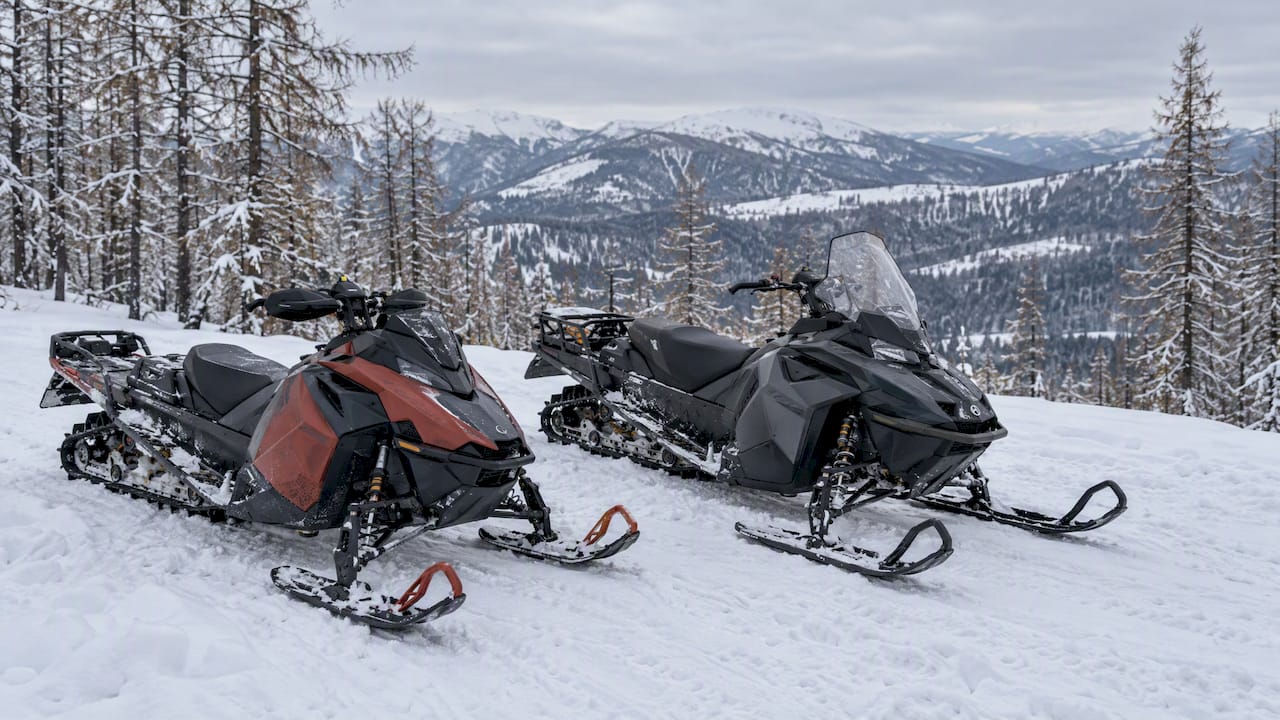
For a 2-stroke vs 4-stroke snowmobile decision, begin with the riding you want to do rather than looking for a universal winner. A lighter 2-stroke often appeals to riders who enjoy a lively feel in technical snow, while a 4-stroke is often chosen for a smoother, more measured character on longer rides. Modern direct injection has narrowed some of the old differences, particularly around fuel use and emissions.
The most useful comparison is between the actual machines in front of you. Engine calibration, chassis, track, suspension and intended terrain all shape the ride. Whether you are buying a sled or planning a winter outing near Ridder, these are the details worth weighing.
Which snowmobile engine is better for your riding?
Neither engine layout is inherently better for every rider. US Environmental Protection Agency material recognises direct-injected 2-strokes and 4-strokes as technologies with trade-offs in emissions, power, weight, noise and cost, rather than a single hierarchy. EPA’s snowmobile technology assessment is a useful starting point for looking at the whole machine.
A 2-stroke has a power stroke every crankshaft revolution and is commonly associated with compact packaging and quick-revving response in snowmobile applications. A 4-stroke completes its cycle over two revolutions and often delivers power more progressively. These are useful starting points for a test ride, not promises about every model.
2-stroke vs 4-stroke snowmobile comparison
Consideration | 2-stroke snowmobile | 4-stroke snowmobile |
|---|---|---|
Riding feel | Often chosen for a light, responsive feel. | Often chosen for smooth, progressive power delivery. |
Weight and handling | Many comparable models are lighter, although chassis design remains decisive. | Many comparable models weigh more; track, suspension and weight distribution strongly affect handling. |
Fuel and oil | Uses 2-stroke oil in addition to fuel; direct injection has improved efficiency in many designs. | Does not use injection oil in the same way; fuel use varies substantially by model and conditions. |
Routine care | Follow the model-specific operator’s guide for oil, plugs, fuel and storage. | Follow the model-specific operator’s guide for engine oil, filters and scheduled inspections. |
Best starting point | Riders prioritising agility in powder or technical terrain. | Riders prioritising a composed, touring-oriented feel. |
These are tendencies rather than fixed rules. A long-track 2-stroke built for deep snow and a trail-focused 4-stroke serve very different purposes, as can two machines within the same engine category.
Power, throttle response and handling
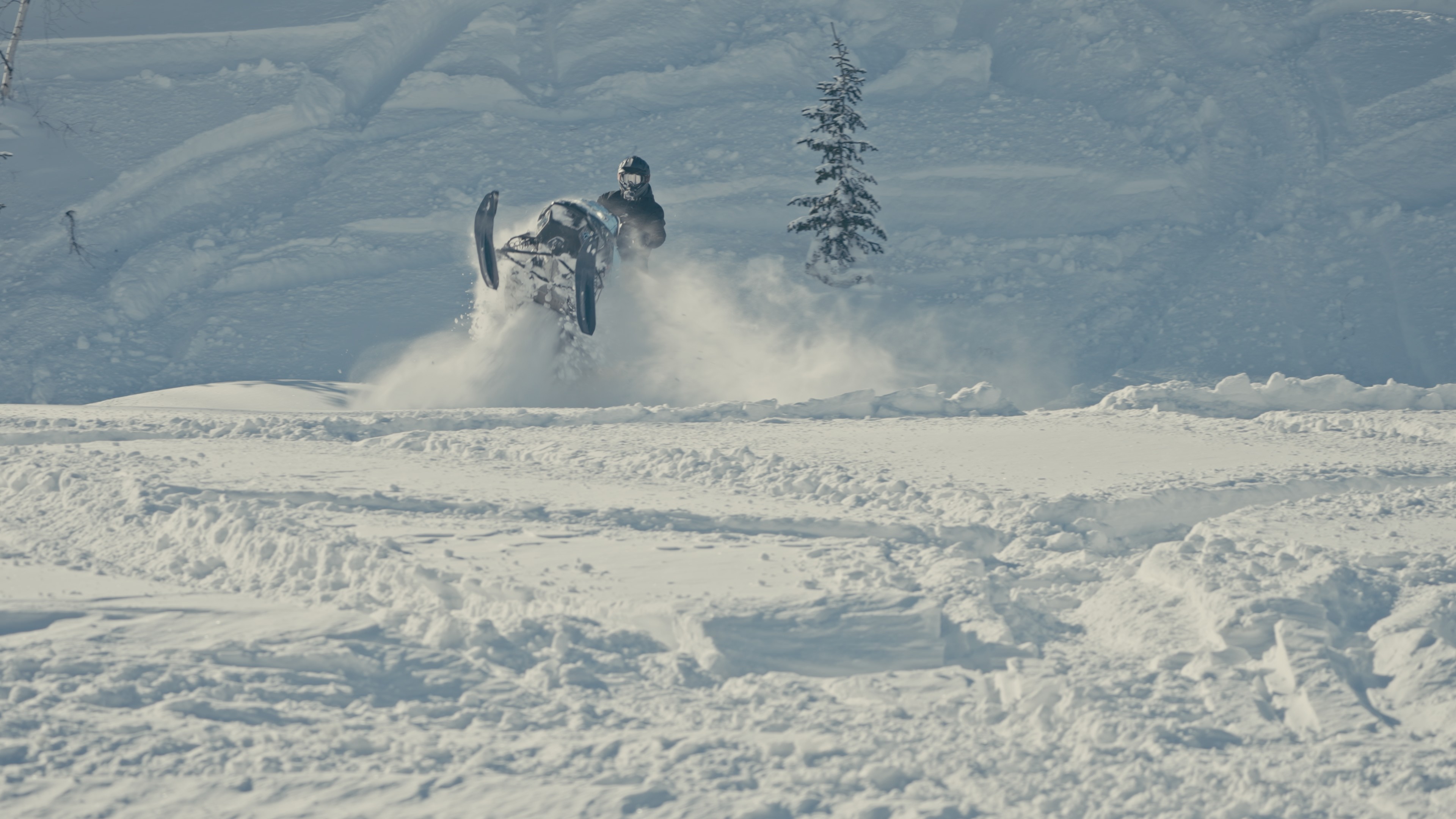
Throttle response is largely a matter of preference. Some riders enjoy the immediate, energetic character often associated with a 2-stroke. Others prefer the steadier build of power that many 4-strokes offer. On a technical slope, predictable control matters more than the engine label alone; snow conditions, track choice, rider position and experience all play their part.
Weight deserves the same nuance. Comparable 4-stroke sleds are often heavier, yet a snowmobile’s behaviour comes from the complete package: chassis balance, track length and profile, suspension calibration, skis and rider position. If deep snow is your priority, consider the machine’s intended category alongside its engine. Our introduction to guided deep-snow snowmobiling gives a sense of the terrain-focused riding available in the Western Altai.
Fuel use, noise and emissions
Fuel consumption is not determined by stroke type alone. Displacement, tuning, turbocharging, speed, load, snow conditions and riding style all matter. EPA regulatory material included historical estimates of up to 20 mpg for a direct-injected 2-stroke and about 18 mpg for a 4-stroke in particular examples—useful evidence that the engine badge does not settle the question. The EPA material provides context for those historical figures.
Direct injection changed the conversation around 2-stroke emissions. In one SAE Clean Snowmobile Challenge conversion, a direct-injected 2-stroke with oxidation catalysts reduced carbon monoxide by more than 97% and total hydrocarbons by more than 99% against a 2002 control sled. The study estimated a $473 production-cost increase for that prototype conversion. It is not a current retail-price comparison or a result that applies automatically to every modern sled. Read the SAE technical paper.
Noise also varies by machine and exhaust design. If quiet running matters on your usual routes, compare manufacturer specifications and, where possible, ride the models you are considering in similar conditions.
Maintenance, storage and ownership
Maintenance is best guided by the exact model-year owner’s manual, not broad assumptions about 2-strokes or 4-strokes. A 2-stroke owner needs the specified oil and fuel, while a 4-stroke owner needs to follow its engine-oil and filter schedule. Both benefit from a pre-season look at the drive belt, clutch system, cooling components and track.
Manufacturer schedules differ. For example, BRP gives annual or 6,000 km oil-change guidance under normal conditions for specified Ski-Doo ACE 4-stroke engines. BRP’s maintenance guidance shows why named-model instructions matter. Storage preparation should follow the manufacturer’s procedure for your machine and local conditions.
With a used sled, service records are often more useful than a broad claim about engine durability. Look for regular scheduled work, the correct fluids and prompt attention to faults.
Which engine suits trail, powder and mixed riding?
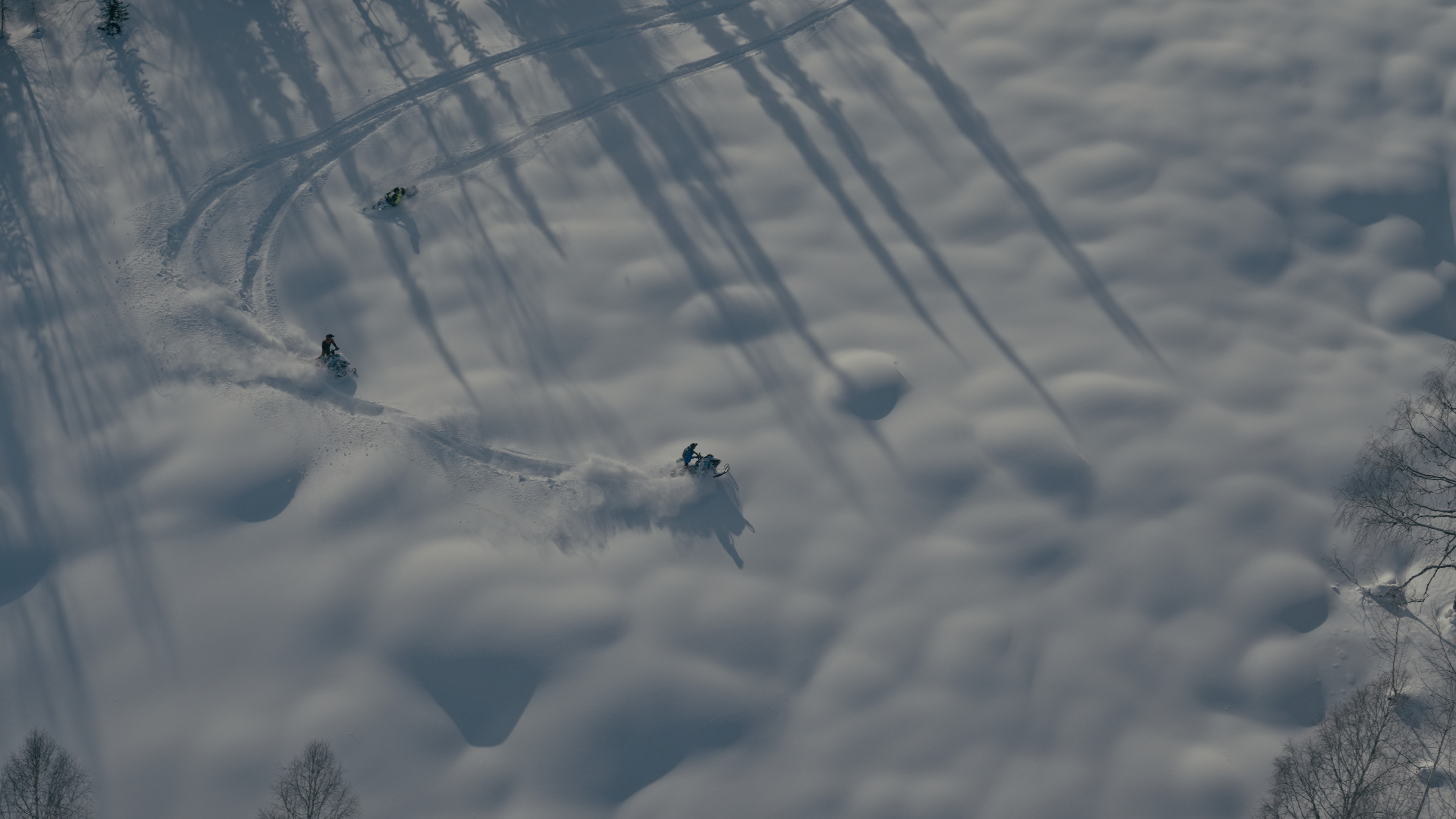
For trail touring, a 4-stroke may suit riders who appreciate a smooth, settled ride. For powder and manoeuvre-focused riding, a 2-stroke may appeal because many models are lighter and quick to respond. If you divide your time across different terrain, put the track, chassis and suspension at the centre of the decision.
A short test ride is most revealing when machines are used on the same day, over similar snow and terrain. Notice low-speed control, how the sled feels while standing, its response through turns and how comfortable you remain after an hour rather than a few minutes.
Snowmobiling near Ridder
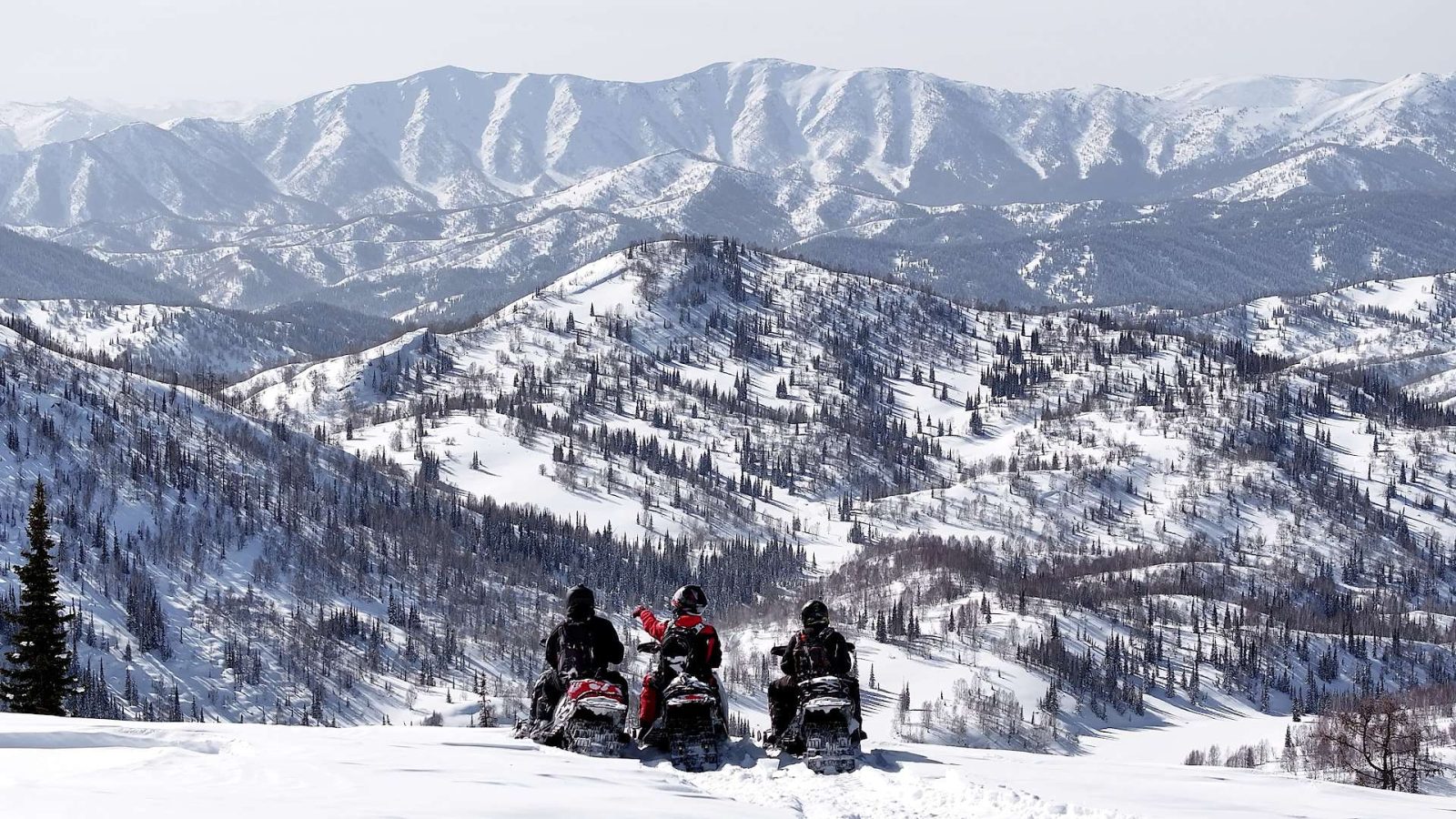
At Altai Mountains Resort, you can join guided deep-snow snowmobiling, Snow Safari experiences, training and snowmobile rental near Ridder in the Western Altai. Explore our snowmobiling experiences and Snow Safari options as you shape your stay.
Rental snowmobiles are provided with a guide. The machine, engine type, equipment, fuel, trip format, price and inclusions can vary with dates and conditions, so our booking team can talk you through the current programme and help match it to your riding plans.
For travellers extending a winter journey elsewhere, Fox Hostel is an accommodation option in South Iceland.
A practical choice checklist
Define your main use: trail riding, deep snow, mixed terrain or a first guided experience.
Compare the actual machines’ weight, track, power delivery and intended riding category.
Review fuel and oil requirements for the model and the places you expect to ride.
Read the relevant operator’s manual for maintenance and storage requirements.
For a used sled, study the service history.
Ride comparable machines in similar terrain before making a final choice.
FAQ
Does direct injection make a 2-stroke the same as a 4-stroke?
No. Direct injection can substantially improve how a 2-stroke manages fuel and emissions, but the engines retain different designs and ownership requirements. It narrows some historical gaps; it does not remove the need to compare individual models.
Which snowmobile is more fuel-efficient?
There is no reliable engine-type-only answer. Compare manufacturer figures for the exact sleds, then consider how you ride: speed, load, snow and terrain all influence consumption.
Can I select a 2-stroke or 4-stroke rental at Altai Mountains Resort?
Tell our booking team about your engine preference when you enquire. We offer guided snowmobiling, training and rentals, while the supplied machine follows the current programme for your dates. Our team can also explain the equipment, guiding and trip format for your day.
Your best choice is the sled that feels controlled and natural in the terrain you genuinely plan to ride. In the Western Altai, a guided outing lets you focus on that feeling—and on the wider rhythm of a day in the mountains—rather than choosing by engine label alone.
All Articles
Compare 2-stroke and 4-stroke snowmobiles by handling, fuel use, emissions and upkeep, with guidance for a guided snowmobiling day near Ridder.
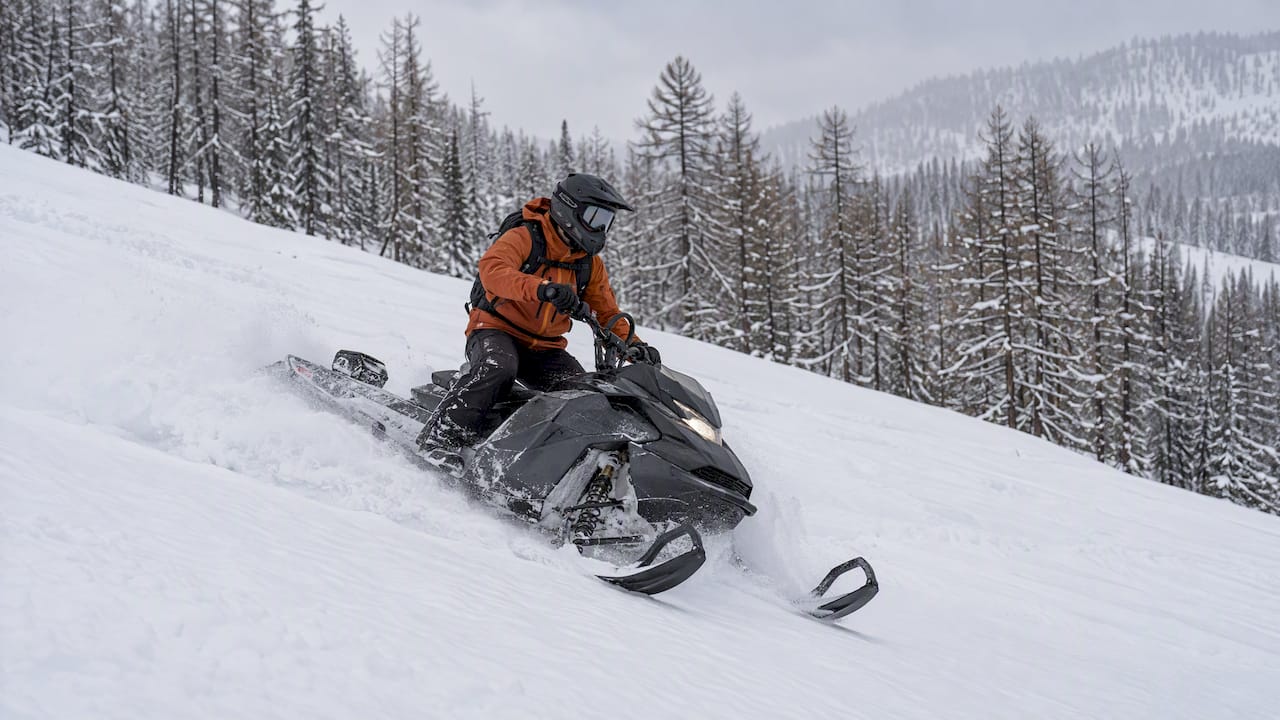
Learn snowmobile carving techniques for powder: stance, counter-steering, throttle timing, beginner drills and avalanche-safety essentials.
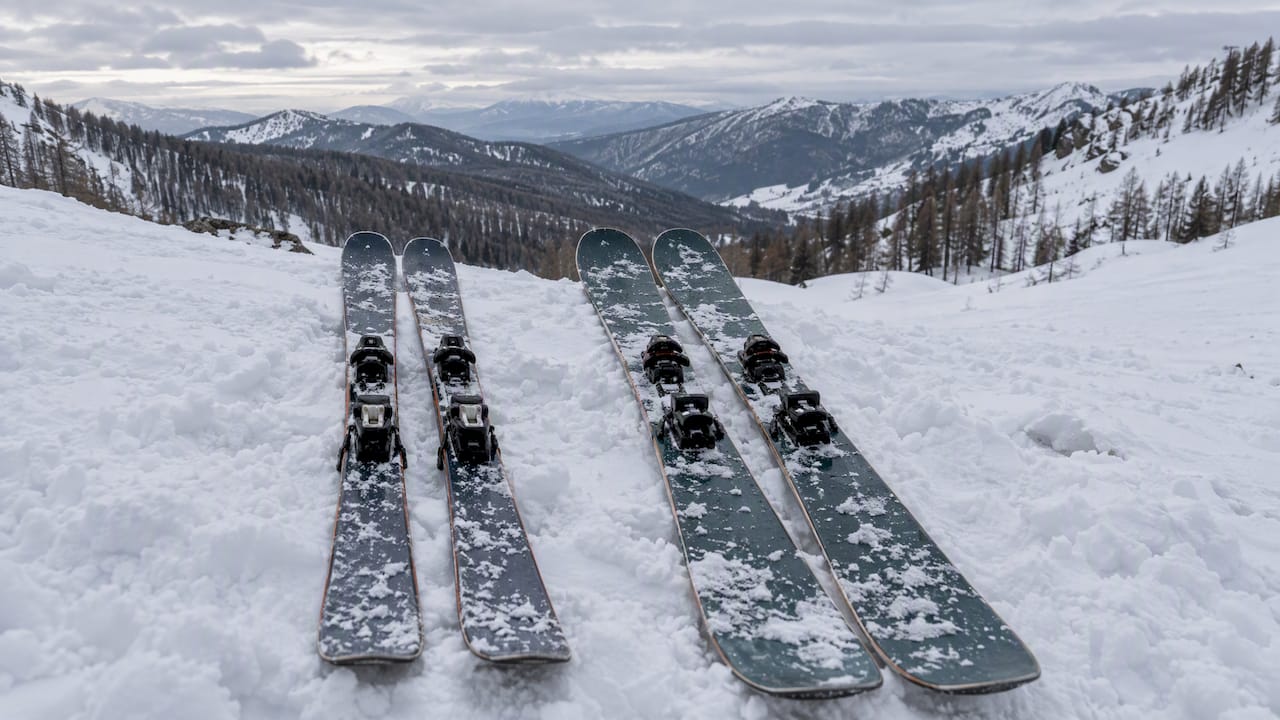
Compare powder and all-mountain skis by width, rocker and conditions, then decide whether to buy, rent or demo for deep-snow trips.
Prevent goggle fogging with five practical checks for lens care, fit, vents, breath and body heat—plus safe steps for fog on the move.
Choosing ski mittens vs. gloves? Compare warmth, dexterity, liners, fit and lobster mitts for piste skiing, powder days and touring.
Choose an insulated or shell ski jacket for resort, touring, cat and heli days, with practical guidance on 2.5L, 3L and layering.

Compare neck gaiters and balaclavas for cold-weather activities, with practical guidance on coverage, ventilation, helmet fit, moisture management and winter packing.
Choose between cylindrical, spherical and toric ski goggles, with practical guidance on tint, anti-fog performance, helmet fit and packing for Altai winter trips.
A practical cat-skiing safety checklist for first-timers, covering avalanche gear, companion-rescue practice, ability preparation and guided mountain days.
Plan on-mountain dining with four practical considerations: access, reservations, menus and dietary needs, plus weather and mountain safety preparation.

A practical Siberian cuisine guide to Restaurant Altai, East Kazakhstan dishes, dietary requests and Ridder Lodge accommodation rates.
Explore heli-skiing’s environmental impact, including helicopter emissions, wildlife considerations, aviation effects and practical planning questions.
Learn what a snowcat safety briefing covers, including avalanche equipment, transceiver checks, the 20 cm/50 cm rule and cat-skiing preparation in Altai.
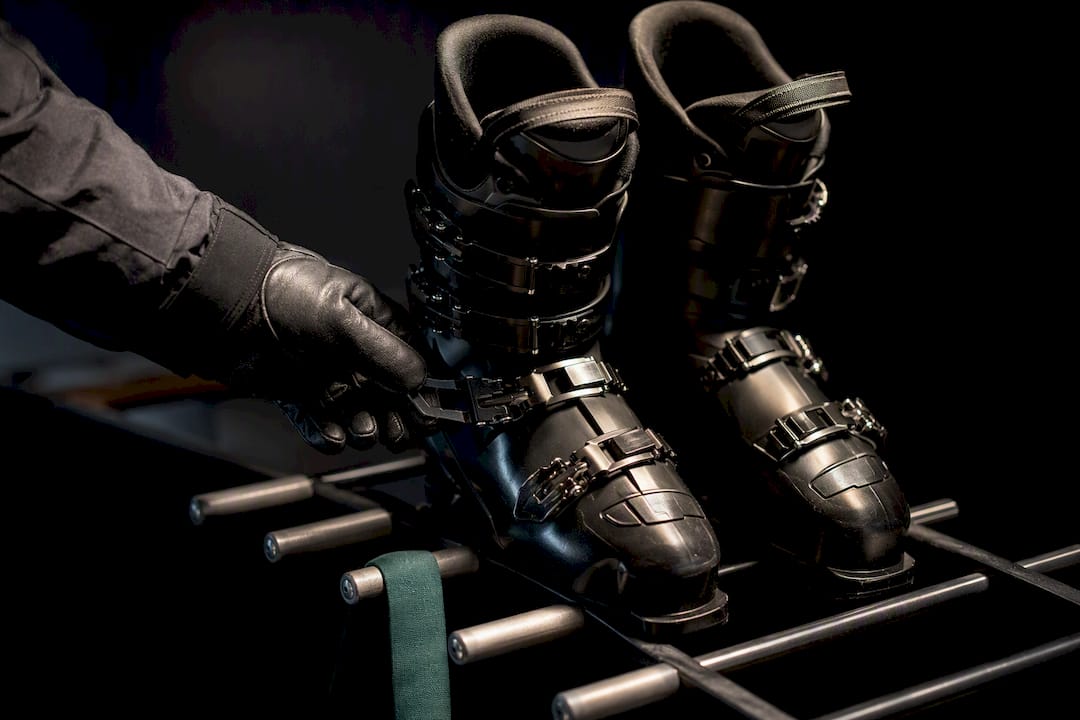
Practical ski locker etiquette for shared storage: keep equipment tidy, use boot dryers fairly and follow the rules in your drying room.
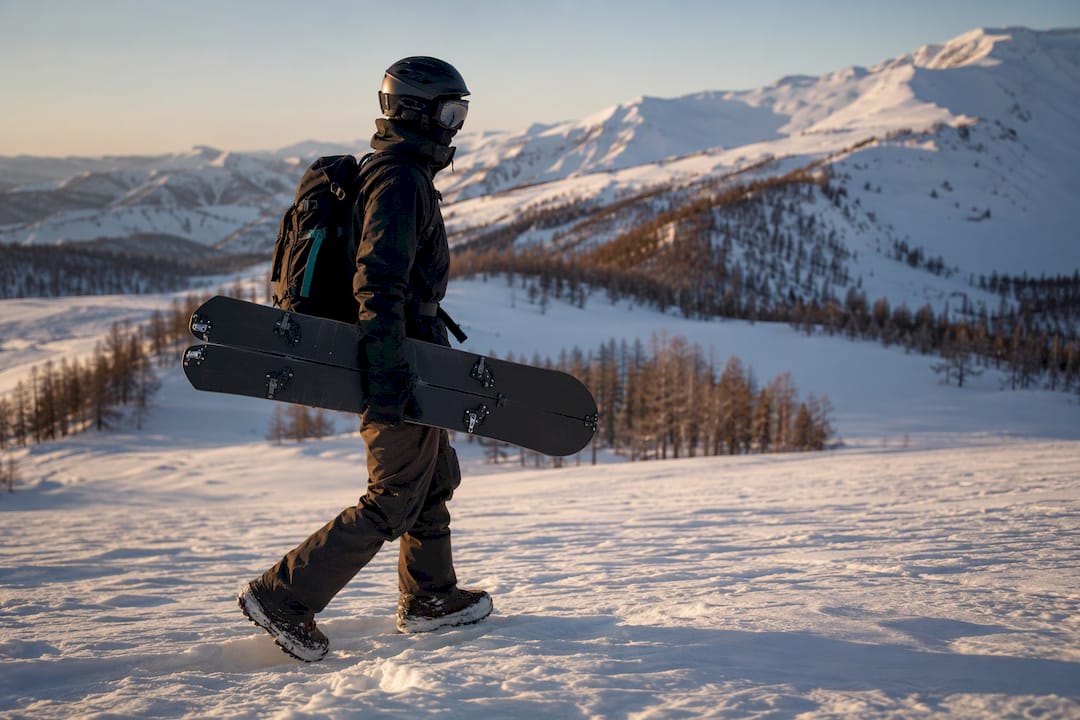
Plan a heli-accessed splitboard trip with practical guidance on formats, costs, rescue readiness, personal kit and Altai Mountains Resort options.
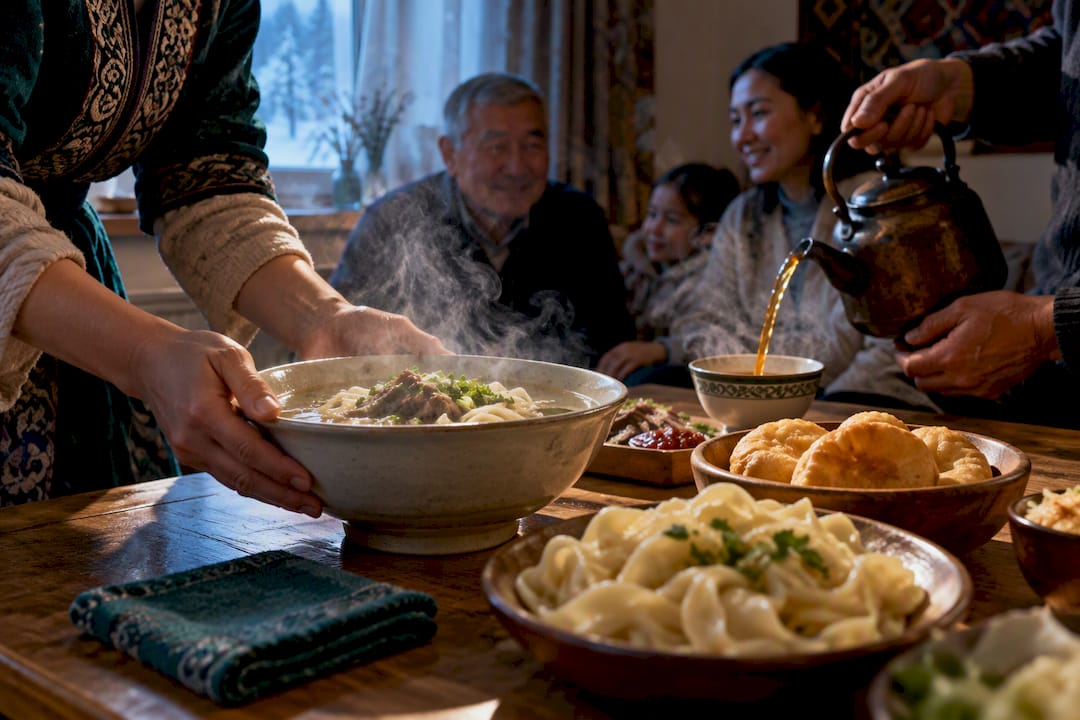
Explore Kazakhstan winter culture through holiday traditions, food, living heritage, regional rhythms and practical etiquette for visitors.
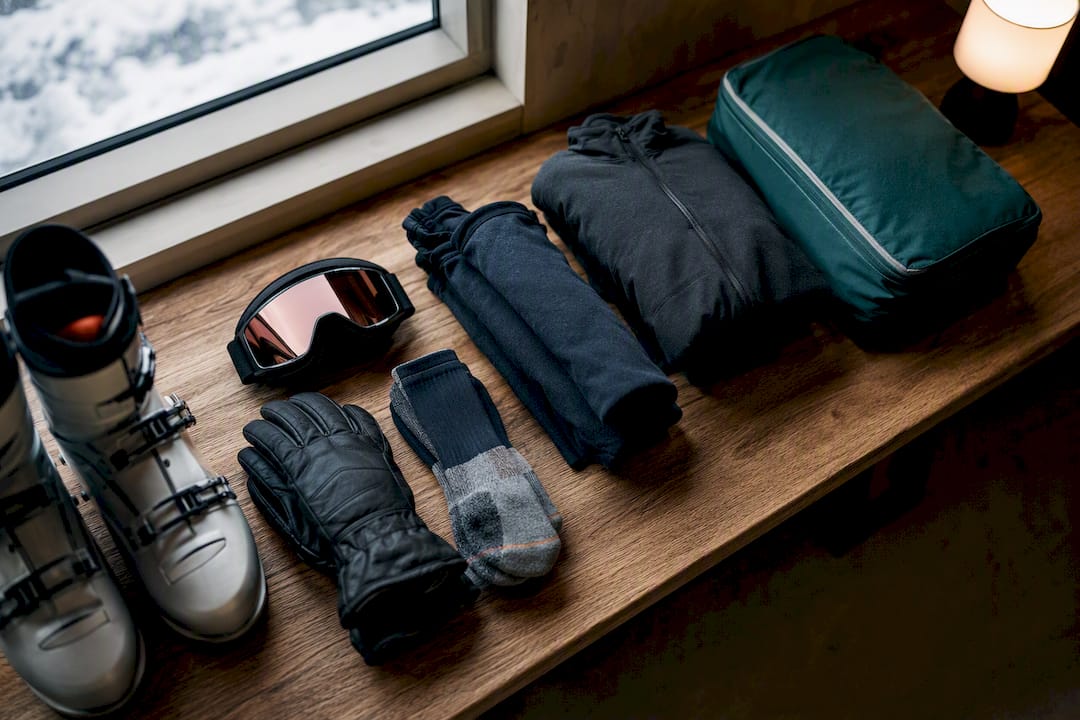
A practical luxury ski packing list for fitted essentials, lighter luggage and guided off-piste or heli-ski days at Altai Mountains Resort.

A practical heli-skiing safety guide for expert skiers, covering operator decisions, avalanche equipment, helicopter procedures, rescue planning and insurance.
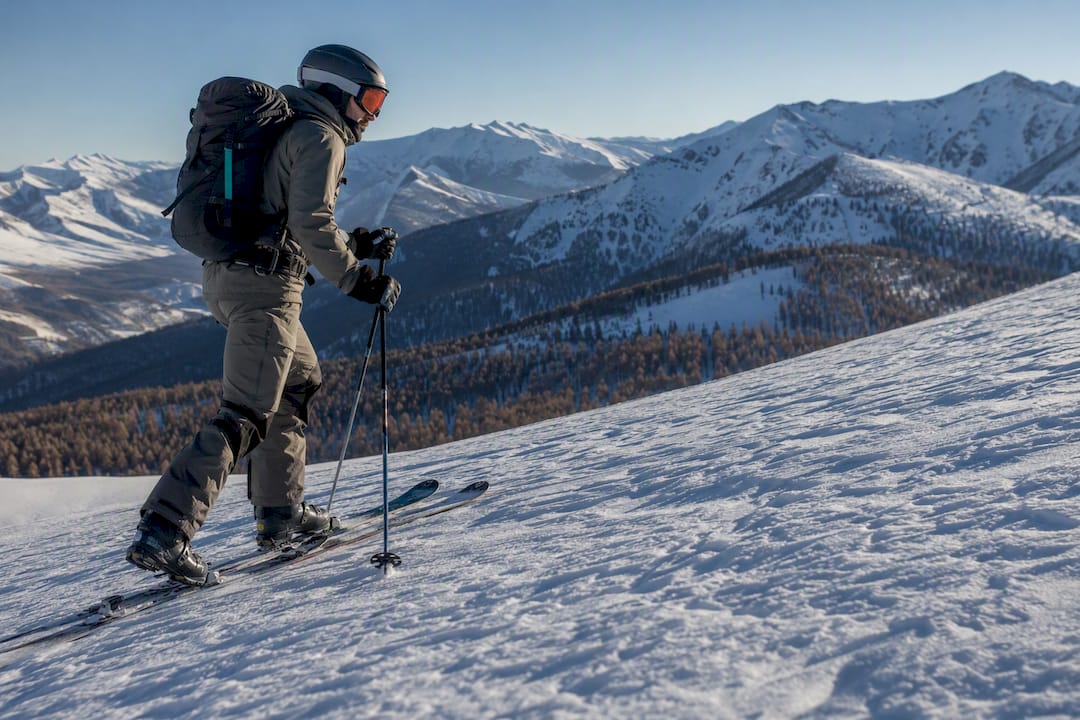
Compare lift-assisted, touring and Western Altai ski options in Kazakhstan, with practical safety, travel and booking guidance.

Learn the heli-skiing skill level typically expected, the off-piste skills to practise, safety preparation and an adaptable 8–12-week training framework.

Plan the Kazakhstan skiing season with a practical comparison of Almaty and Ridder, month-by-month timing, mountain safety and trip planning.
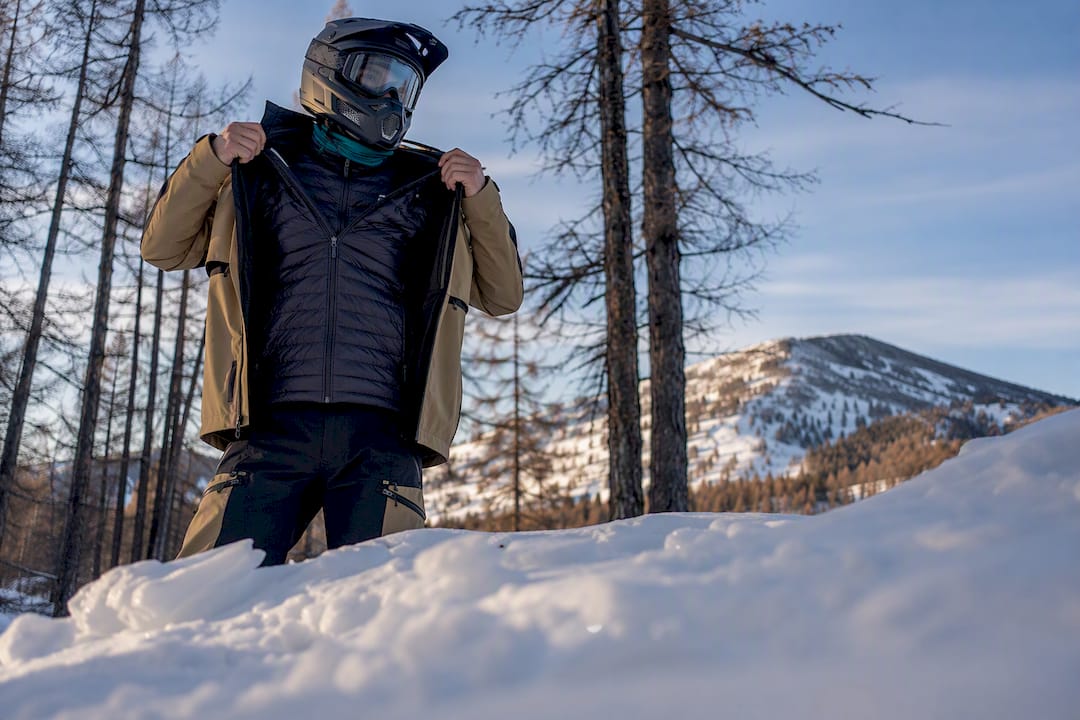
Use this snowmobile layering guide to build a flexible base, insulation and shell system, manage moisture and pack dry spares for changing conditions.

Learn what to rent for avalanche terrain, how to prepare a beacon, probe and shovel, and what to know about airbag packs and flights.
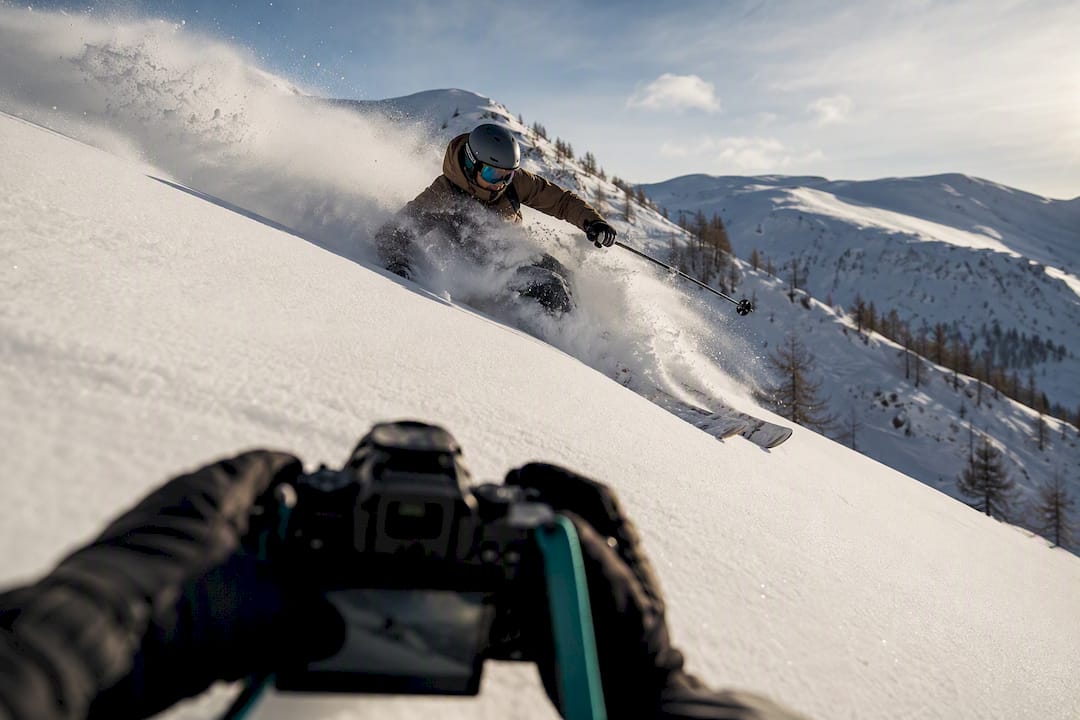
Practical ski photography tips for beginners: camera settings, snow exposure, timing, cold-weather camera care and safe mountain positioning.

Learn how to read an avalanche forecast, interpret danger ratings, roses and avalanche problems, and plan more conservative terrain choices.
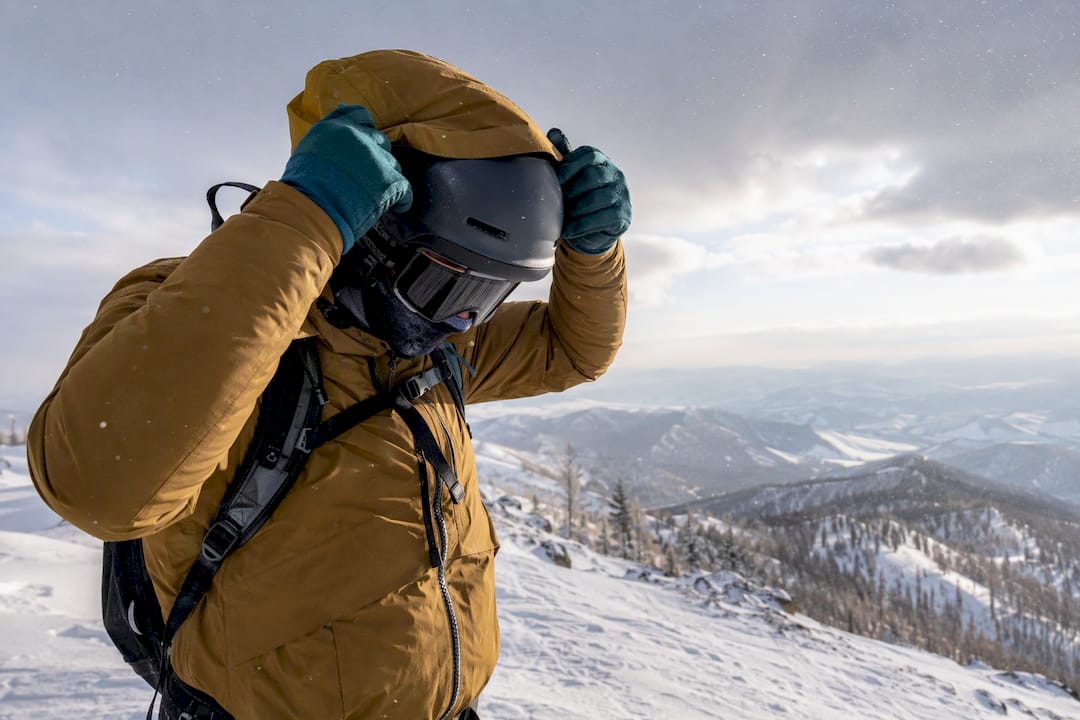
Practical cold injury prevention for winter travel: layering, dry spares, warning signs, first aid and planning for mountain activities.
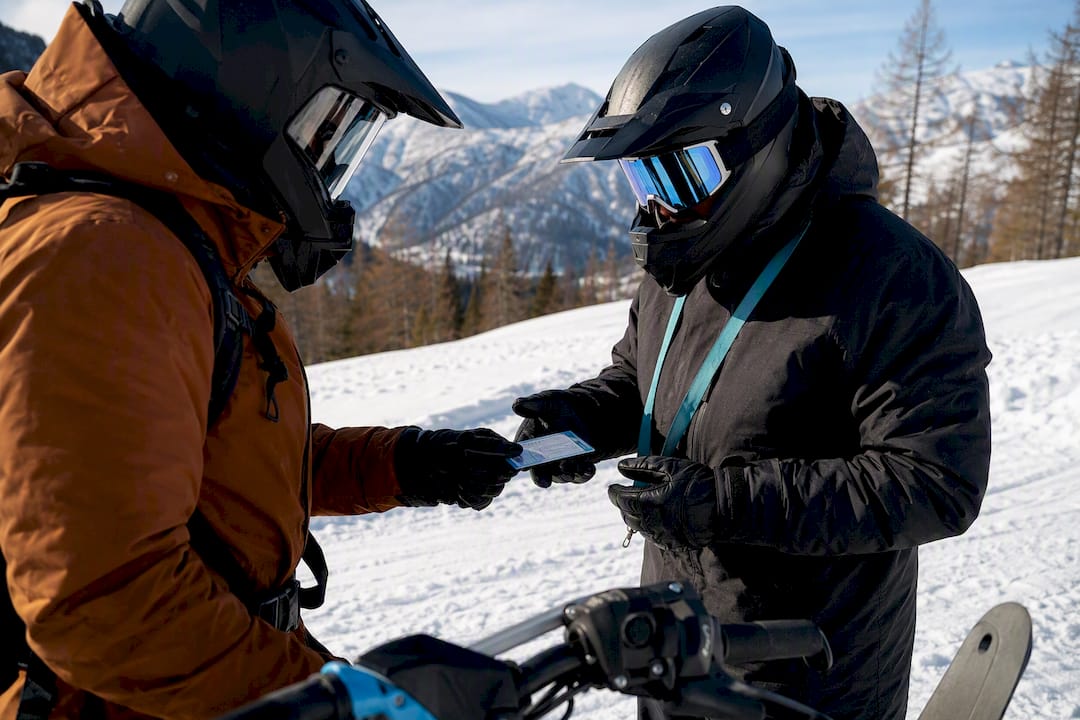
Planning snowmobiling in Ridder? Understand how experience, training, equipment and Kazakhstan rules shape your trip with Altai Mountains Resort.
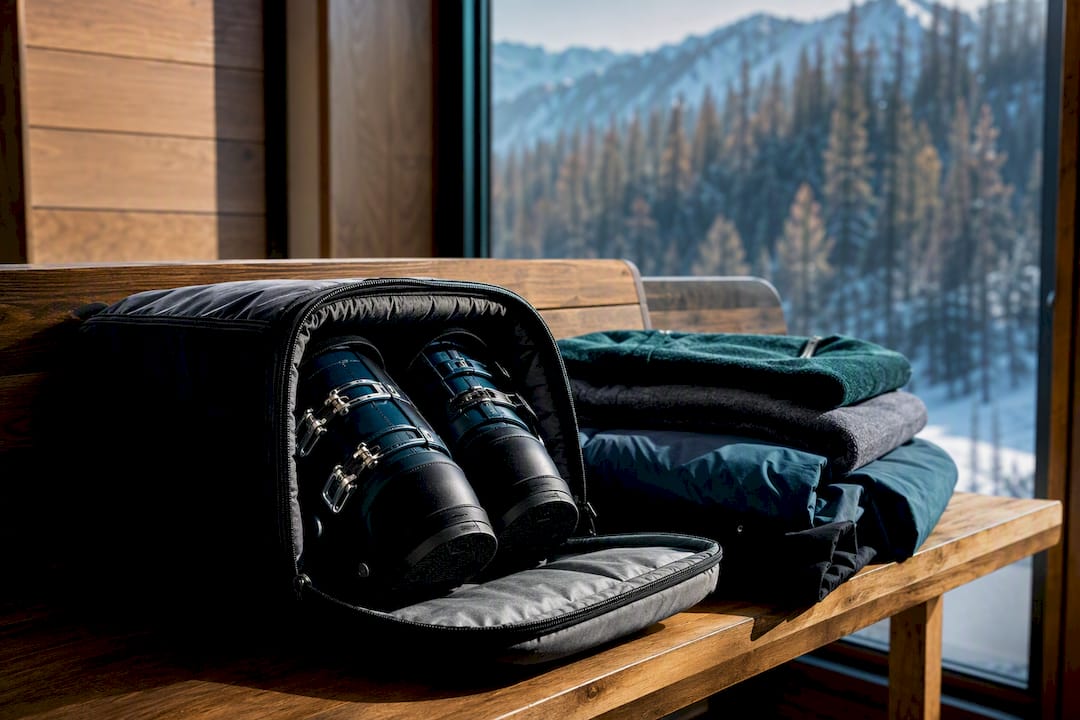
Travel with ski gear confidently: carry boots when cabin rules allow, pack skis securely, understand airline baggage rules and prepare for delays.
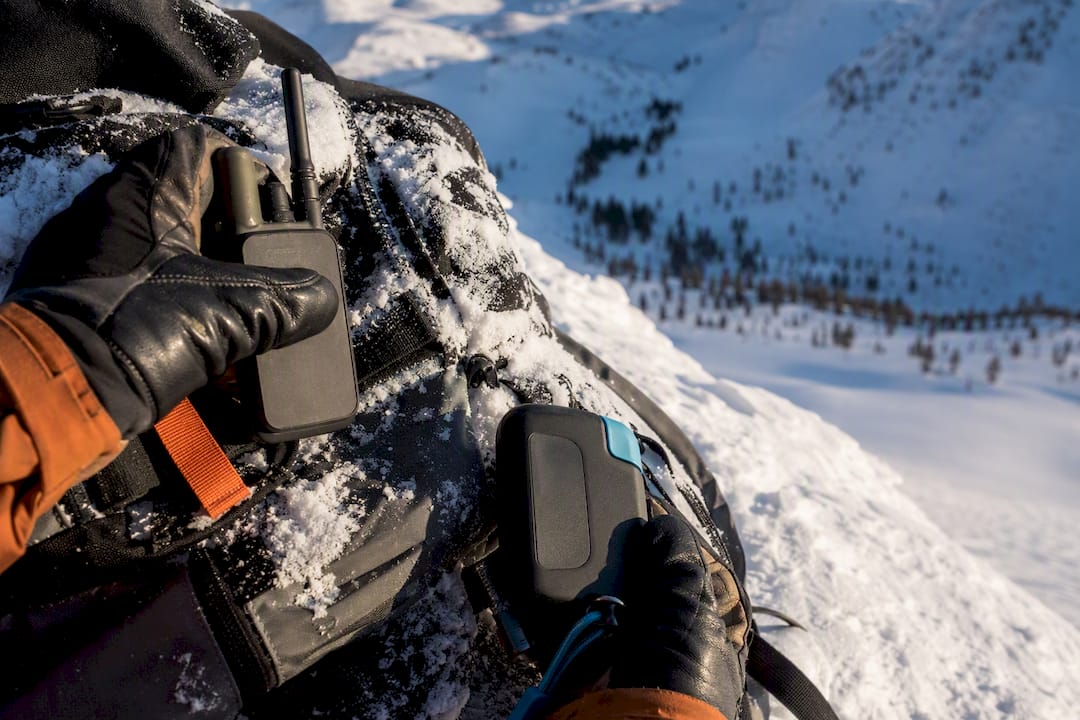
Build a practical backcountry radio communication plan with party radios, satellite SOS or PLB backup, cold-weather care and regional legal essentials.

Satellite messenger basics for remote Altai trips: compare PLBs and two-way devices, understand SOS limits, and prepare your communications plan.
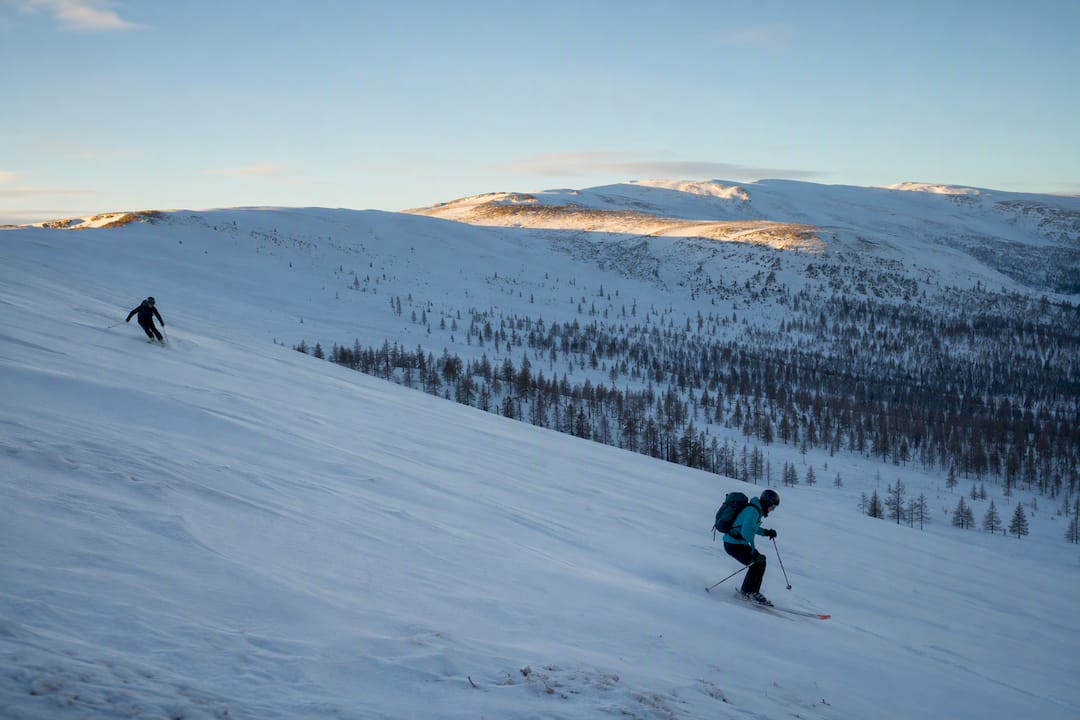
Avoid ski crowds with flexible dates, midweek skiing, early starts and smarter lift choices. Explore guided off-piste options near Ridder.

Learn how heli-skiing passenger weight and baggage rules differ by operator, with practical packing steps and Altai Mountains Resort booking guidance.
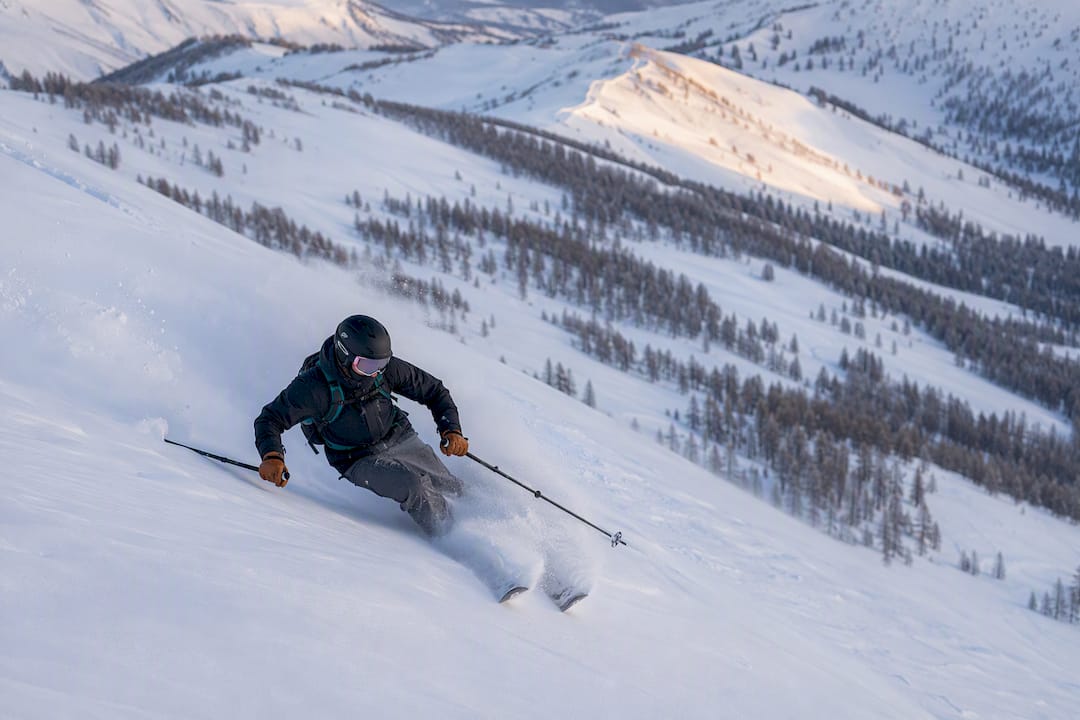
Understand the cat skiing skill level needed for Altai Mountains Resort, with practical guidance on off-piste ability, fitness and avalanche readiness.
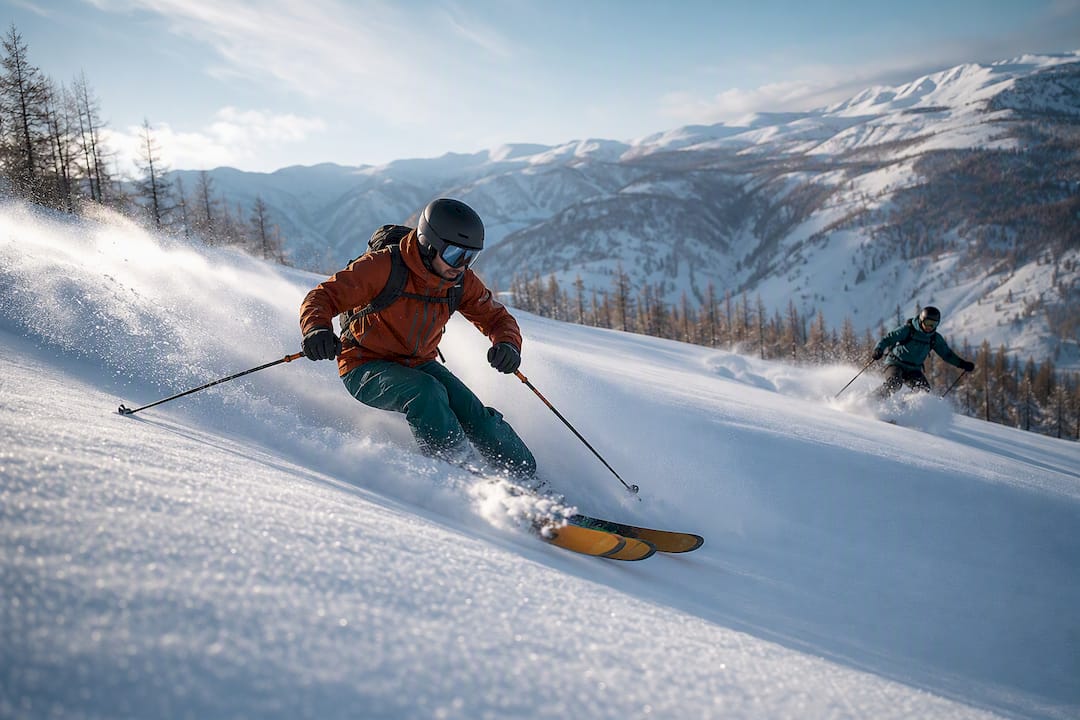
Decide whether Ridder suits your advanced Altai ski trip, with practical guidance on transfers, season timing, avalanche gear and guided programmes.
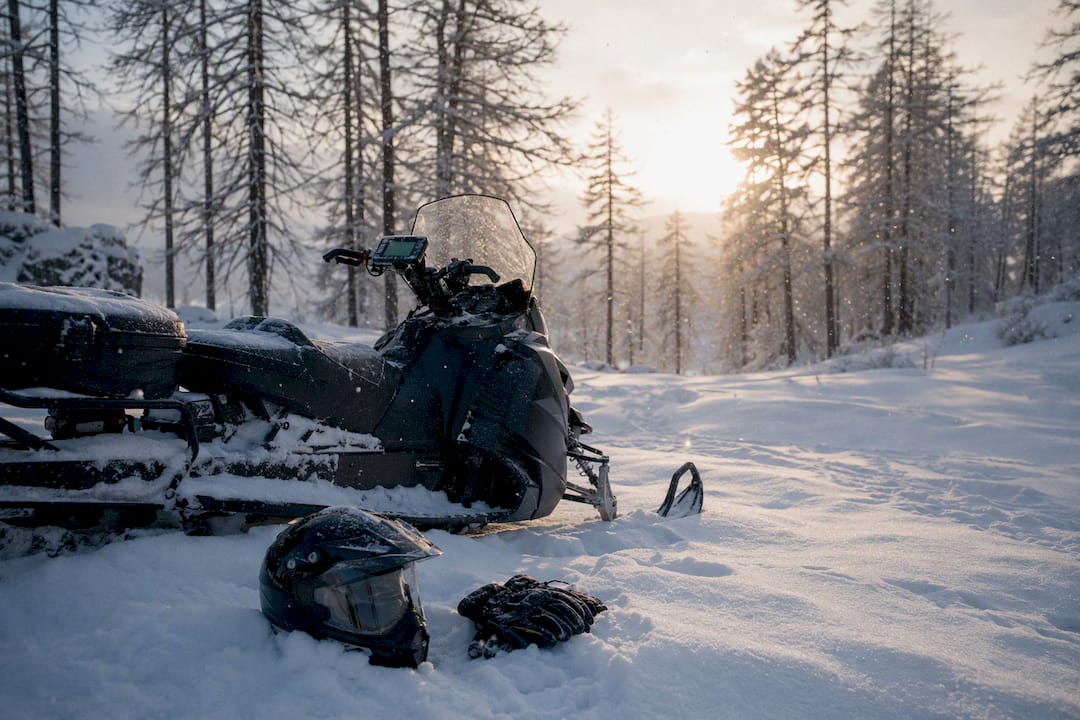
Compare snowmobile tour prices by duration, understand what shapes the final cost, and explore quote-based snowmobiling at Altai Mountains Resort.
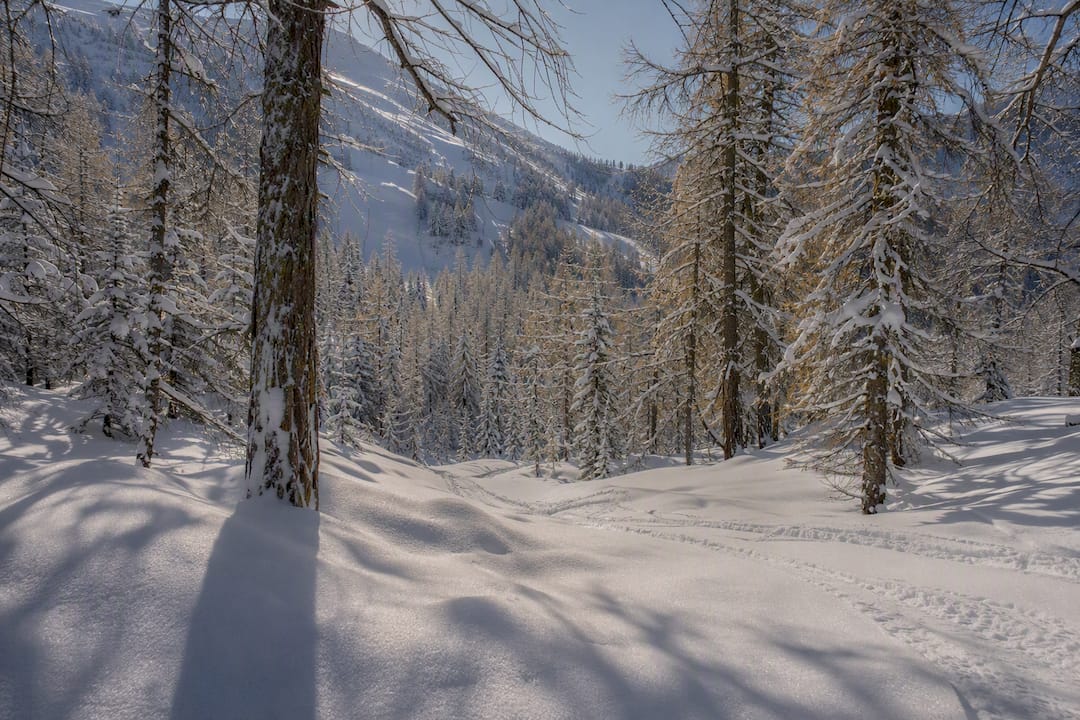
Compare Western Altai, Almaty and Turgen for Kazakhstan powder skiing, with practical guidance on access, safety and Ridder logistics.

Plan Altai heli skiing near Ridder with practical guidance on terrain, season, package inclusions, access, safety gear and booking.
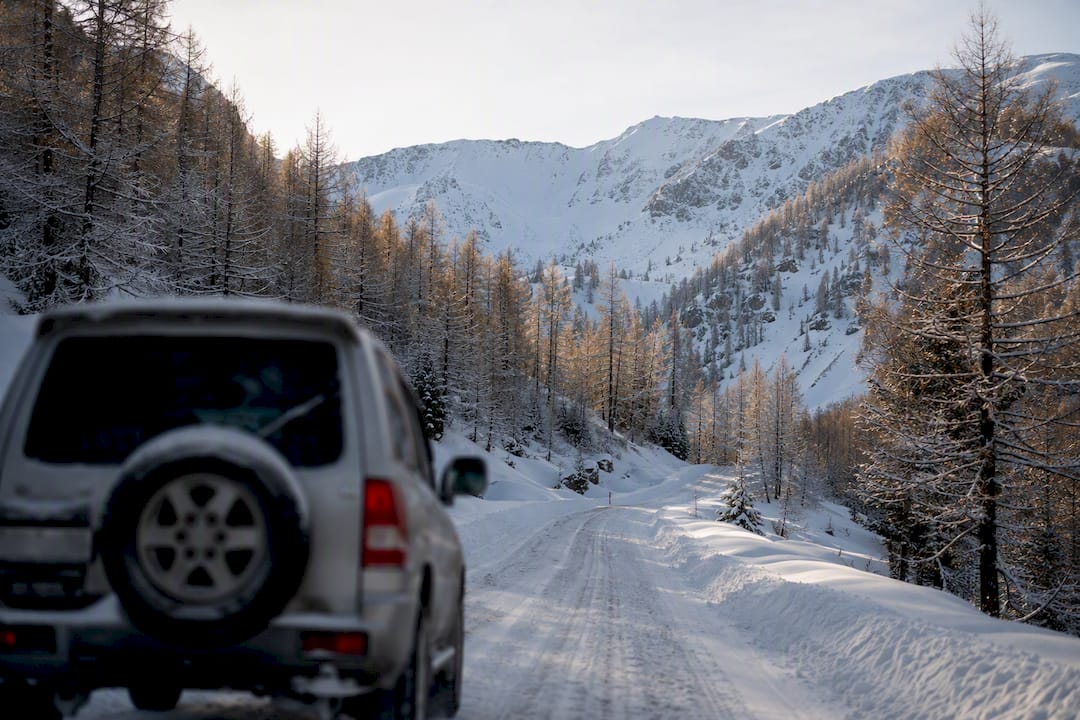
Compare flight, rail and self-drive routes from Almaty to the Kazakh Altai, with practical guidance for reaching Ridder and Ulba village.

Learn deep powder snowmobiling setup, riding technique, safe recovery and avalanche preparation, plus guided training near Ridder.
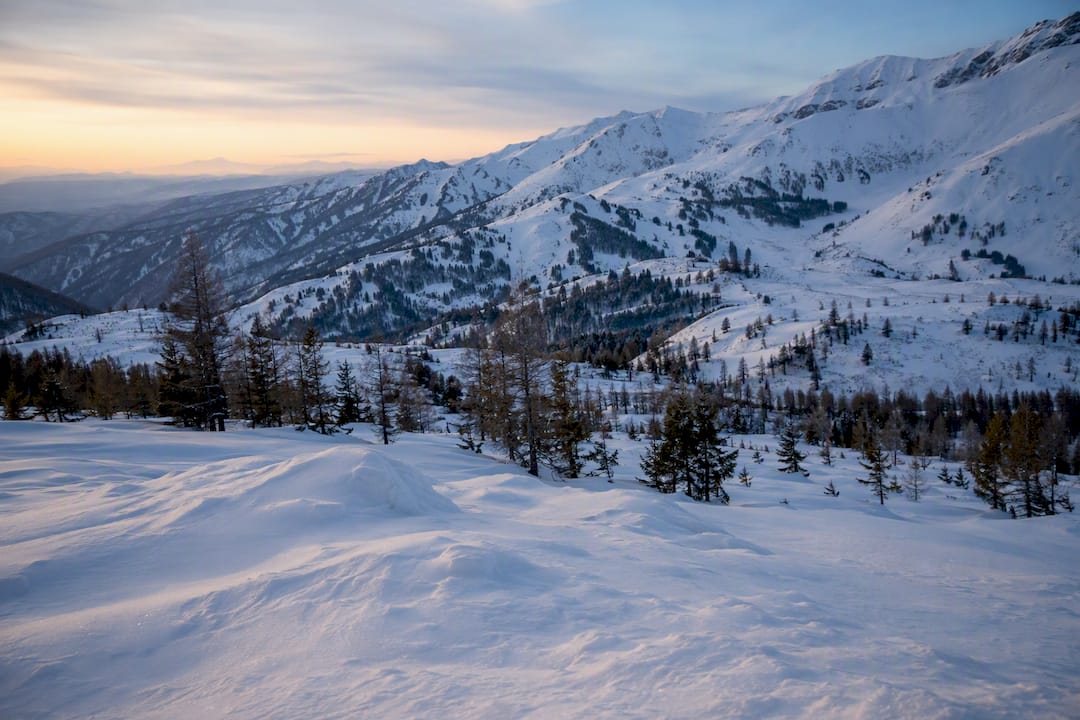
Plan an Altai Mountains winter stay from Ridder, with activity timing, travel from Öskemen, packing advice and practical mountain guidance.

Practical helicopter passenger safety guidance on boarding, seatbelts, exits, dropped items and following crew instructions.

Practical off-piste slope etiquette for safer skiing: right of way, avalanche preparation, group spacing, closures and guided skiing in the Western Altai.

Plan an Altai Mountains trip across Russian, Mongolian and Kazakh sectors, with permit, safety and winter-stay guidance for Ridder Lodge.
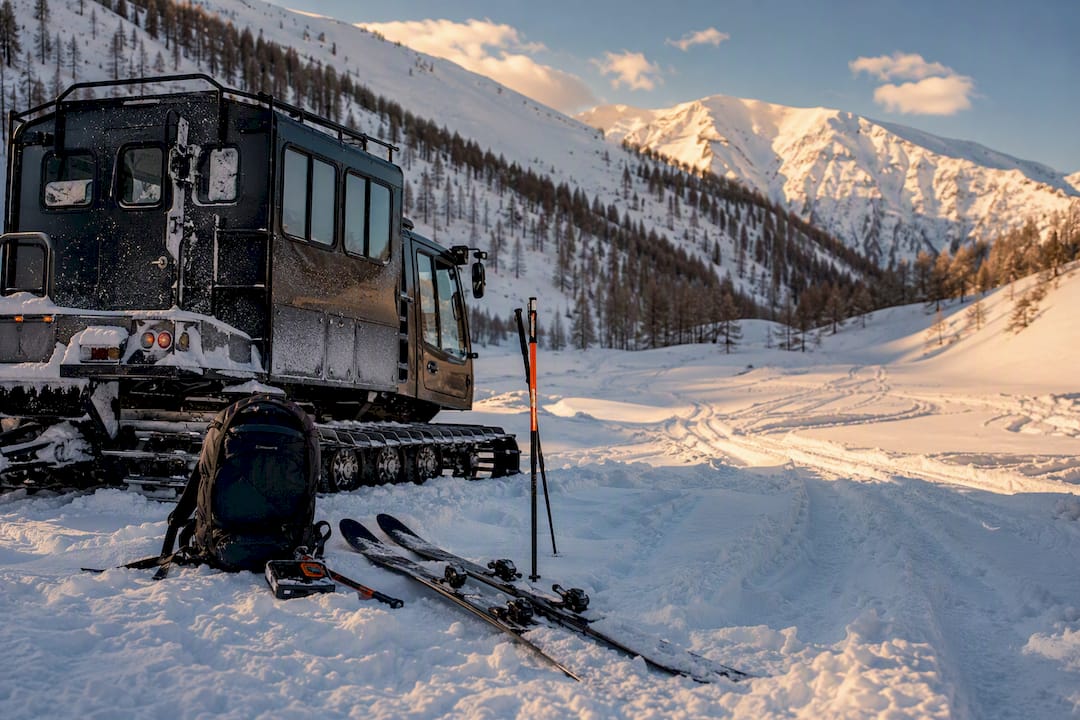
Learn how to plan guided freeride tours, from off-piste experience and avalanche gear to guide scope, changing mountain conditions and cat-skiing in the Altai.
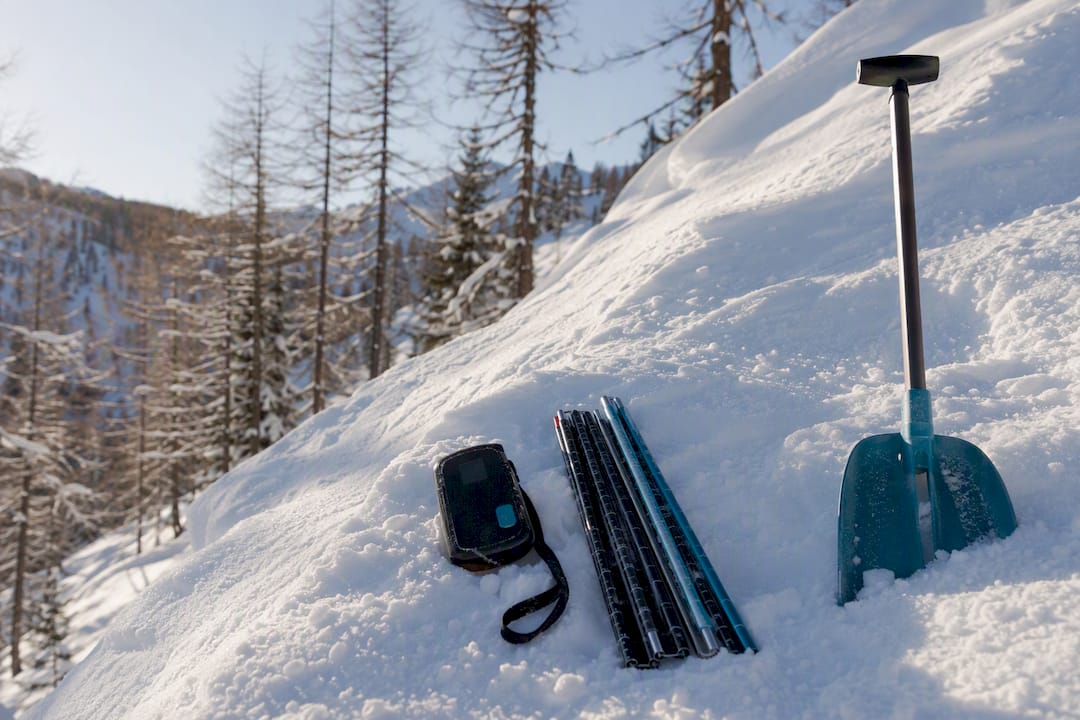
Learn avalanche beacon basics: 457 kHz transceivers, essential rescue gear, trailhead checks, interference and companion-rescue practice.

Learn which avalanche course suits your plans, what companion-rescue skills to practise and how to prepare for a winter trip to Altai.
Learn what cat skiing is, who it suits, what to pack and how to plan a guided cat-skiing trip, including options near Ridder, Kazakhstan.
A practical ski rental Kazakhstan guide to Shymbulak and Medeu, current tariffs, equipment fit, transport and guided freeride near Ridder.

Understand ski guide benefits for freeride and backcountry trips, including local planning, terrain choices, qualifications, safety gear and access options.

Plan a snowmobile expedition near Ridder, Kazakhstan, with practical guidance on routes, rider experience, equipment, mountain safety and transfers.

Use this mountain lodge amenities checklist to compare rooms, meals, wellness access, transfers, activities and paid extras before booking.
A practical Kazakhstan currency guide to the tenge, cards, ATMs, currency exchange, DCC and cash planning for cities and the Western Altai.
Plan the Kazakhstan ski season by month, compare lift-served Shymbulak with guided trips around Ridder, and prepare for changing snow and mountain conditions.
A practical guide to spa after skiing, including gentle massage, sauna and hammam, optional cold immersion and signs that need medical attention.
Plan a remote ski trip from the UK to Ridder, with practical guidance on activities, Kazakhstan entry, Öskemen transfers, insurance and ski baggage.
A practical heli skiing packing list covering clothing, avalanche equipment, ski baggage, batteries, travel documents and rental options.
A practical UK guide to ski boot fitting: appointment steps, services, current provider price examples, aftercare and warning signs.
Should you tip a ski guide? Learn how customs vary, when a gratuity may feel appropriate and how to plan for tipping in Kazakhstan.
An Altai cuisine guide to kan, kurut, chegen and talkan, with dining at Restaurant Altai, food safety and travel from Öskemen to Ridder.
Compare banya vs sauna: heat, steam, venik and löyly rituals, etiquette, health evidence, safety basics and the Altai Banya experience.
Learn how to ski deep powder with centred balance, smooth turns, speed control, practice steps, gear guidance, and avalanche and tree-well precautions.

Plan a mountain wellness retreat in Ridder with freeride, heli-skiing, snowmobiling, Ridder Lodge, Altai Banya and practical winter travel guidance.

A practical snowmobile gear list for UK travellers heading to Altai Mountains Resort, with clothing, safety equipment, battery and travel guidance.

Understand Ridder Lodge’s ski-in/snowmobile-out access, guided ski-day logistics, transfers from Öskemen and practical planning for your stay.
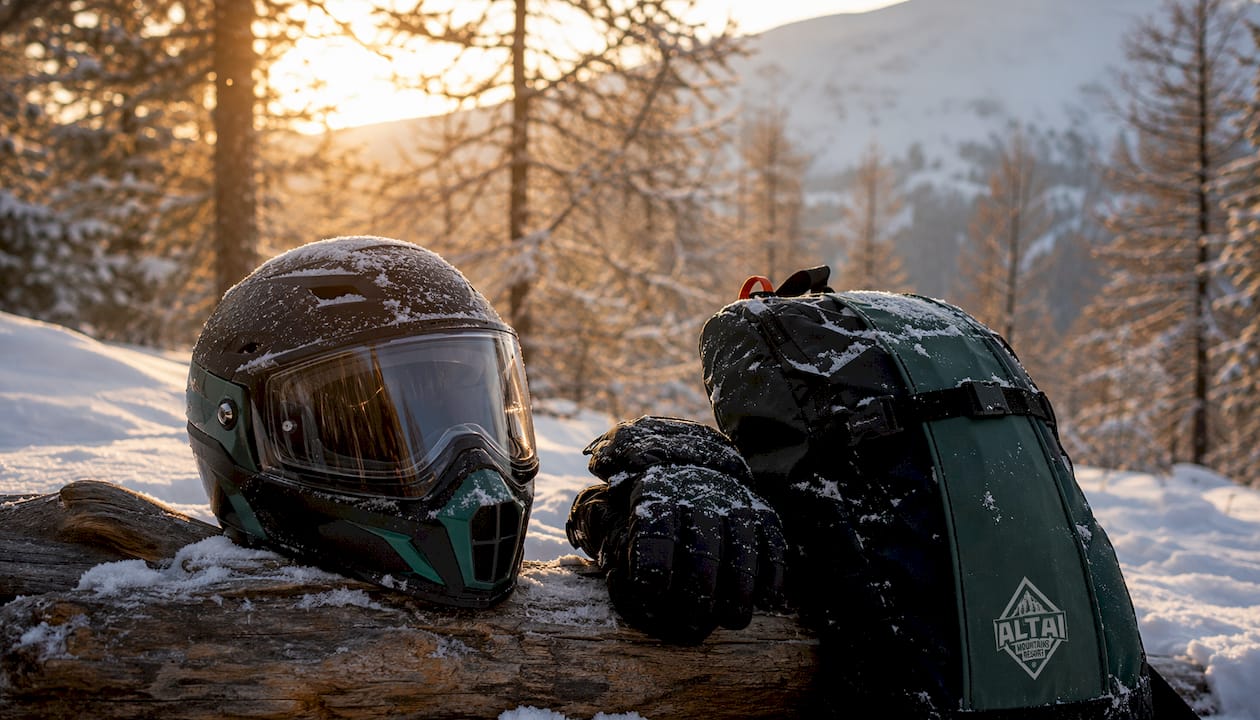
Prepare for a guided snowmobile ride with a practical gear checklist covering helmets, winter layers, avalanche equipment and cold exposure in Ridder.

A practical heli skiing guide to ability, avalanche equipment, packing, weather and planning your first trip to Kazakhstan.
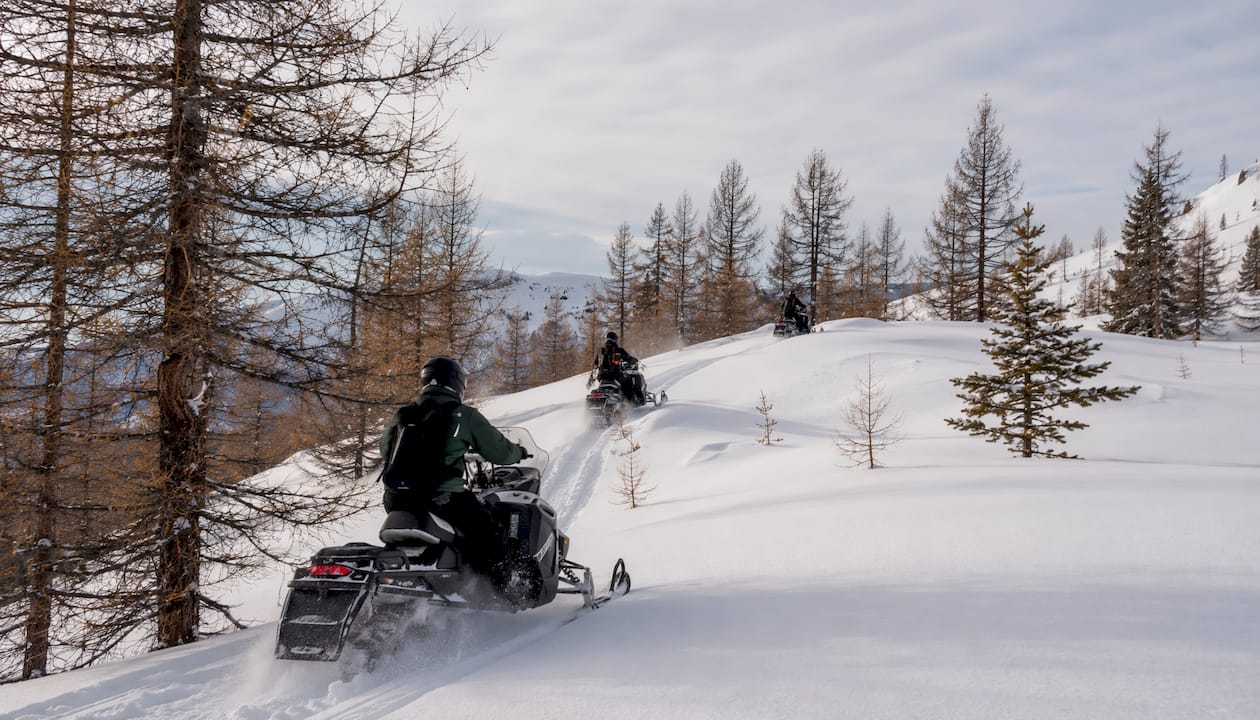
Plan guided deep snow snowmobiling in Ridder, with practical details on training, rentals, equipment, transfers and staying at Ridder Lodge.
How to choose Kazakhstan travel insurance for heli-skiing, cat-skiing or snowmobiling, including medical treatment and evacuation cover.
Kazakhstan visa requirements for UK visitors to Ridder, including visa-free limits, e-visas, passport rules, airports and Öskemen transfers.
Build strength, balance and endurance before cat-skiing, heli-skiing or snowmobiling with an adaptable six-to-eight-week ski fitness program.

Explore cold plunge benefits for skiers, from short-term soreness and recovery evidence to cold-shock risks, timing and Altai Banya options.

Understand heli skiing cost in 2026 with current operator examples, a total-budget checklist, and key booking, safety and insurance questions.