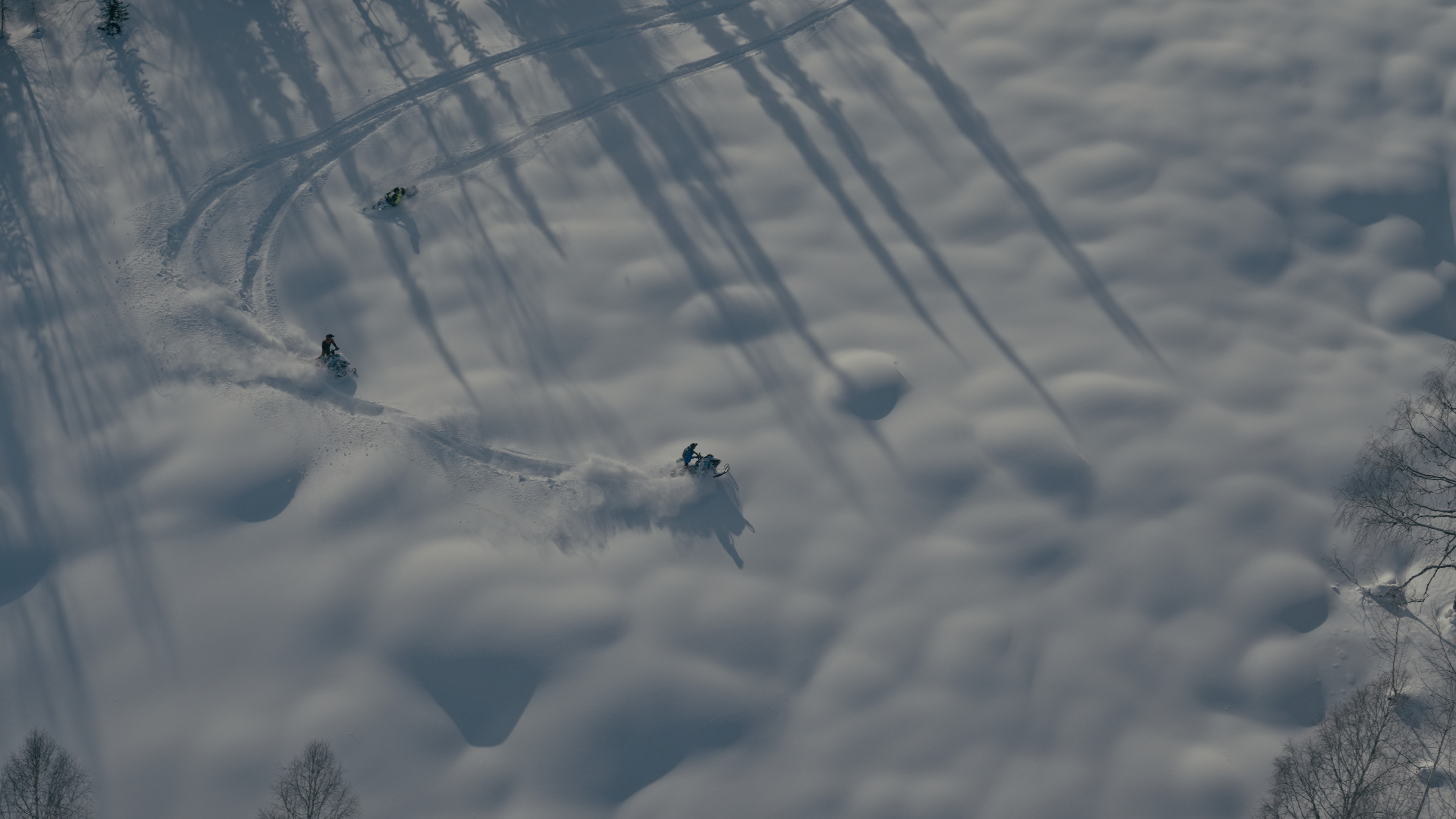
A practical luxury ski packing list for fitted essentials, lighter luggage and guided off-piste or heli-ski days at Altai Mountains Resort.
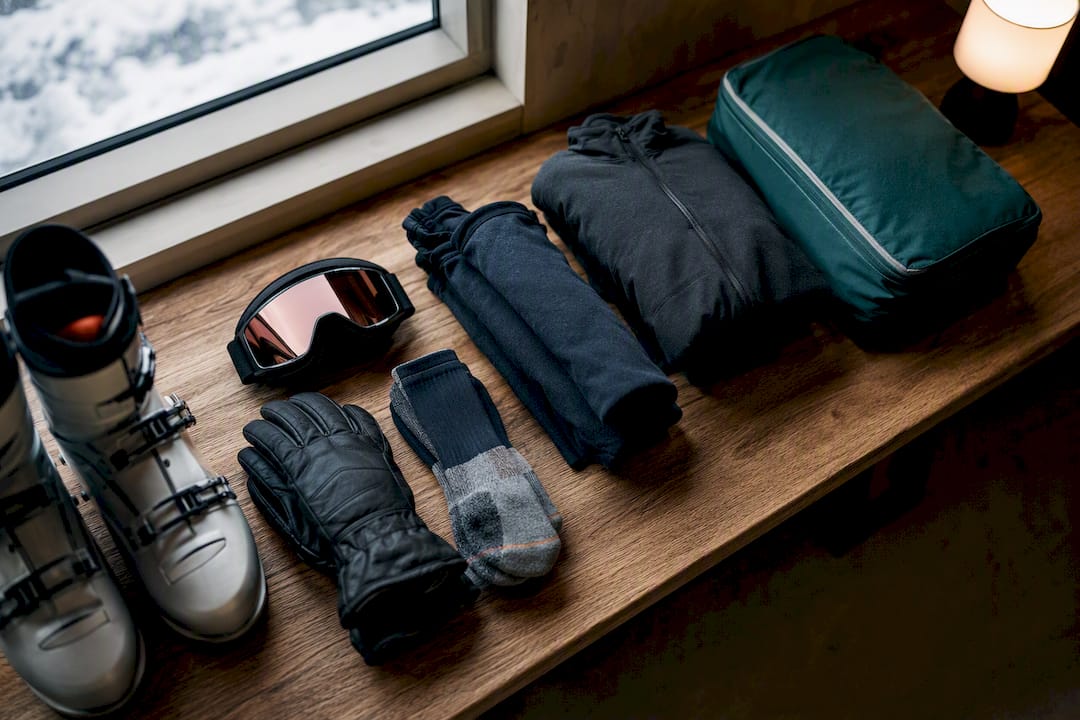
A luxury ski packing list is less about bringing more and more about taking the pieces that genuinely shape your comfort: fitted boots, goggles, gloves, layers and a small evening wardrobe. When the right rental is available for your activity, leaving heavy hardware at home can make the journey considerably easier.
For a winter stay in the Western Altai near Ridder, pack around the experience you have chosen and keep the rest of your case simple. These seven essentials cover ski days, relaxed lodge evenings and the additional preparation for guided backcountry time.
Luxury ski packing list: what to bring first
Begin with personal-fit equipment. Boots, goggles, gloves, socks and base layers are difficult to replace with the same comfort at short notice. Skis, snowboards and technical safety equipment are more activity-specific, making rental or package provision a practical choice in many cases.
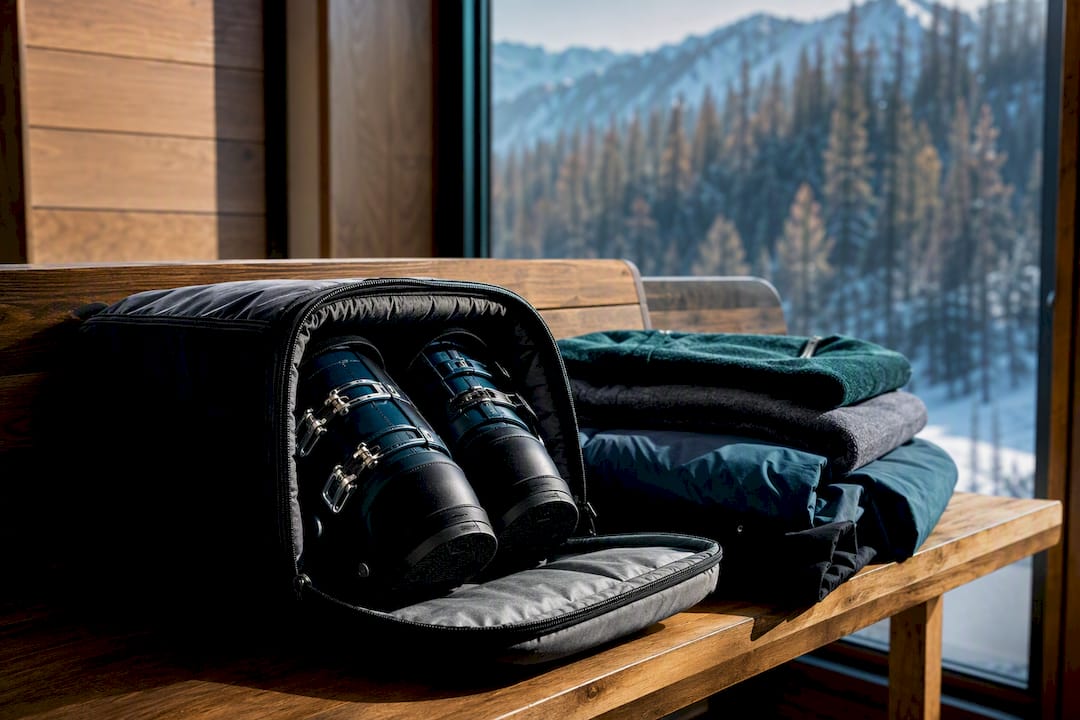
If you are flying with ski boots, your airline’s cabin-bag size and weight allowance determines whether they can travel on board. If they go into checked luggage, protect them well inside the case. A hard case for goggles and a small pouch for lenses, cloths and anti-fog supplies also keep delicate items together.
For a useful general overview of small but easily overlooked items, comprehensive checklist approach prevents the small misses.
Seven essentials for a ski trip
Fitted ski boots. If you already own boots that fit well, they are usually worth the luggage space. Pack them so buckles cannot press into goggles or evening clothing.
Goggles and a spare lens where your model allows it. Mountain light can change through the day. A lens suited to flatter light gives you another option when visibility is less distinct, while a microfibre cloth helps protect the lens surface.
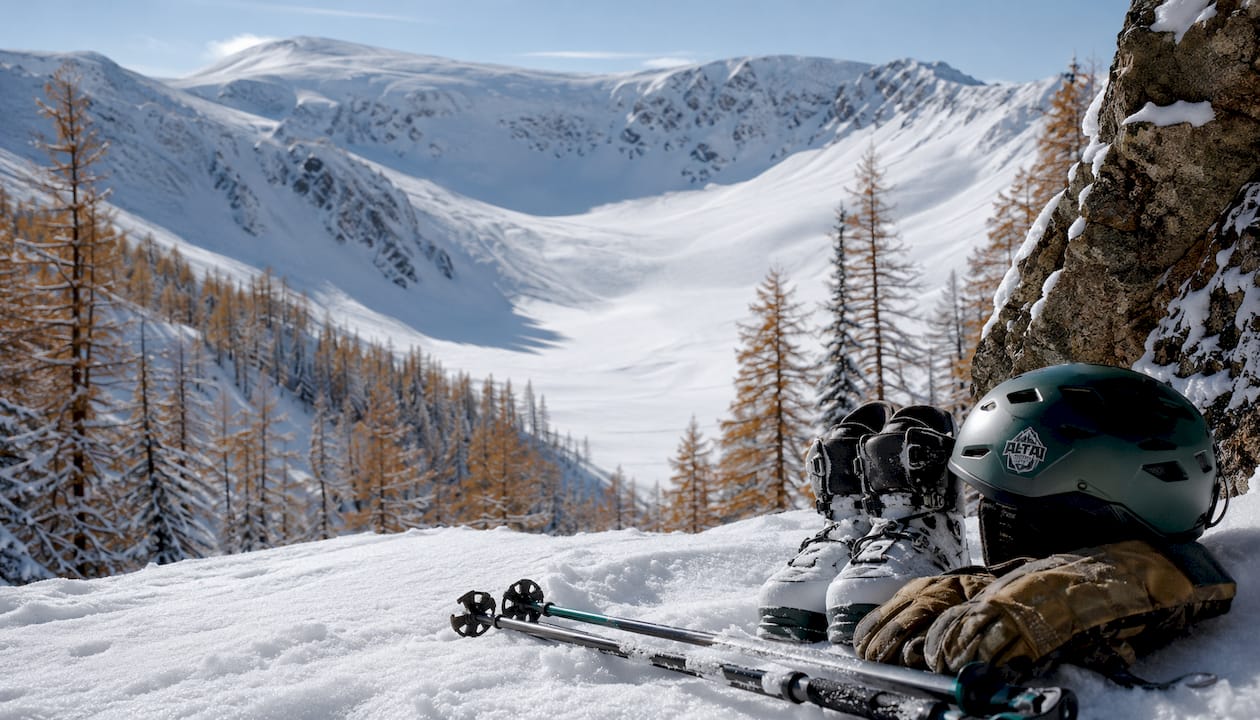
A helmet. Your own helmet provides a familiar fit. If you rent, allow time to ensure it sits securely and comfortably. ASTM F2040 is a performance specification for helmets used in non-motorised snow sports, but no helmet eliminates the risk of injury; see the ASTM F2040 standard overview.
Base layers. Bring two or three sets for a multi-day stay. Merino is lightweight, moisture-wicking and odour-resistant, while synthetic layers are a practical alternative when quick drying matters most.
A warm mid-layer and weather-ready outer layer. A fleece or insulated jacket beneath a shell makes it easier to adapt through the day. Look beyond one waterproof rating: seam construction, ventilation, fit, breathability and the manufacturer’s testing method all matter. For a clear explanation of the base, mid and outer-layer approach, Field guides consistently recommend a base, mid and shell system.
Gloves, ski socks and a neck gaiter. Take dry spare gloves or liners if you ski on several consecutive days. Ski socks should sit smoothly inside the boot; adding multiple pairs can create pressure points rather than warmth.
Sun protection and a few slope-day essentials. Bring broad-spectrum sunscreen, lip protection, UV-protective eyewear, a water bottle and a pocket-sized snack. UV exposure rises with altitude, and fresh snow can reflect up to 80% of UV radiation, according to the World Health Organization’s ultraviolet radiation guidance.
Ski layers, gloves and socks
A well-chosen three-layer system is the foundation of a comfortable ski day. The base layer manages moisture close to the skin, the mid-layer provides insulation, and the outer layer shields you from wind and snow. The REI guide to ski and snowboard clothing explains how these layers work together.
For a shorter trip, one versatile insulating layer is generally more useful than several specialist pieces. Choose a shell with room to move over your layers, and use venting when exertion rises. A 10,000 mm waterproof rating is one commonly marketed specification, rather than a universal threshold for every skier or weather condition.
Gloves deserve the same attention as outerwear. Gloves provide dexterity for buckles and zips; mittens often feel warmer for long lift rides. Keep them somewhere accessible after skiing so they have time to dry. For an additional packing perspective, delayed checked bag containing boots can genuinely ruin the first days of a trip.
Sun, goggles and helmet safety
Bright snow and high terrain make eye and skin protection part of everyday mountain kit, not an afterthought. Keep sunscreen and lip protection in an easy-to-reach jacket pocket, and use goggles or sunglasses designed to block UV radiation. WHO also recommends protective clothing and sunglasses alongside sunscreen; its UV health Q&A offers helpful context.
For goggles, a familiar lens system and a clean lens matter more than chasing a particular tint. Store goggles in their case rather than loose beside boot buckles, and wipe them only with a clean microfibre cloth. Replace a helmet after a significant impact in line with the manufacturer’s instructions.
What to bring versus what to rent
Item | Best default | Why |
|---|---|---|
Ski boots | Bring if you own a well-fitted pair | Boot fit is highly personal. |
Goggles and gloves | Bring | They are compact, personal items used throughout the day. |
Base layers and ski socks | Bring | They sit against the skin and are easy to pack. |
Skis or snowboard | Consider rental | Rental reduces bulky luggage and can match equipment to the planned activity. |
Helmet | Bring or rent | A personal helmet gives you a known fit; rental can suit occasional use where available. |
Technical outerwear | Plan by activity | Equipment scope and availability vary between activities and dates. |
Evening packing can stay restrained: one warm knit, trousers or dark denim, and waterproof boots with reliable grip cover most lodge dinners and time outdoors. Fitted, versatile pieces leave more room for your mountain kit than a separate outfit for every evening; Bringing fitted, versatile pieces rather than a full separate wardrobe. For ideas that also suit a self-catered stay, how to enjoy self-catering stays.
Packing for off-piste and heli-ski days
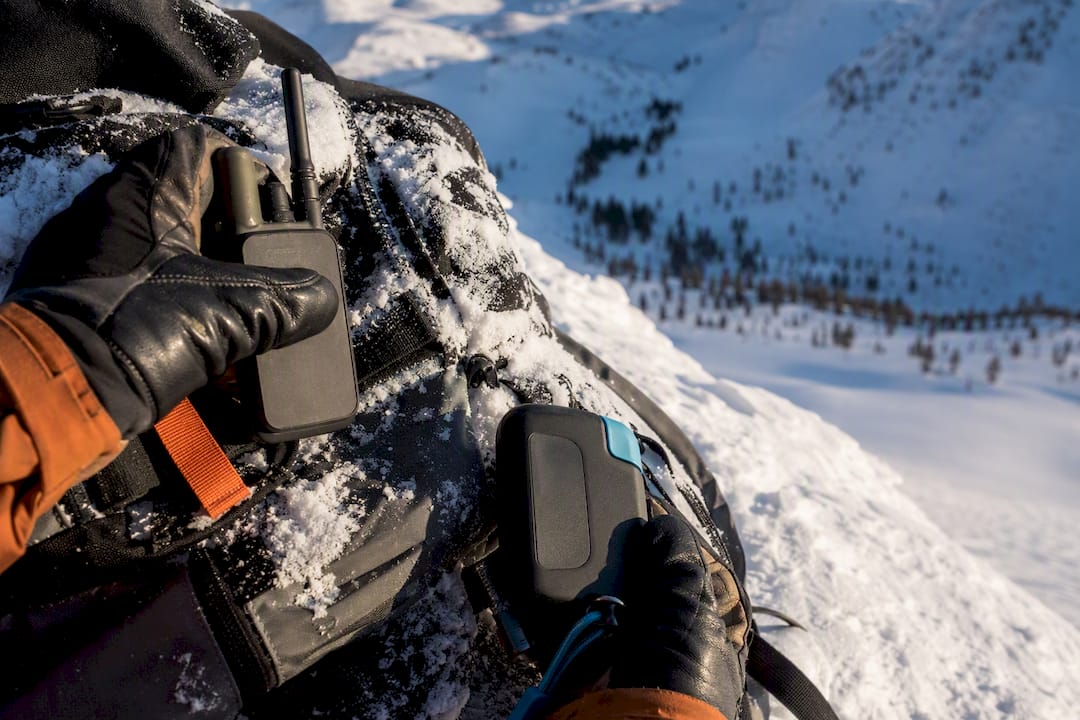
Guided off-piste days call for more than a standard piste checklist. Your operator will set the equipment plan, explain the day’s procedures and advise what belongs in your pack. Avalanche.org recommends a transceiver, probe and shovel, together with the knowledge and practice to use them; its guidance on avalanche equipment and avalanche training is a sound place to begin.
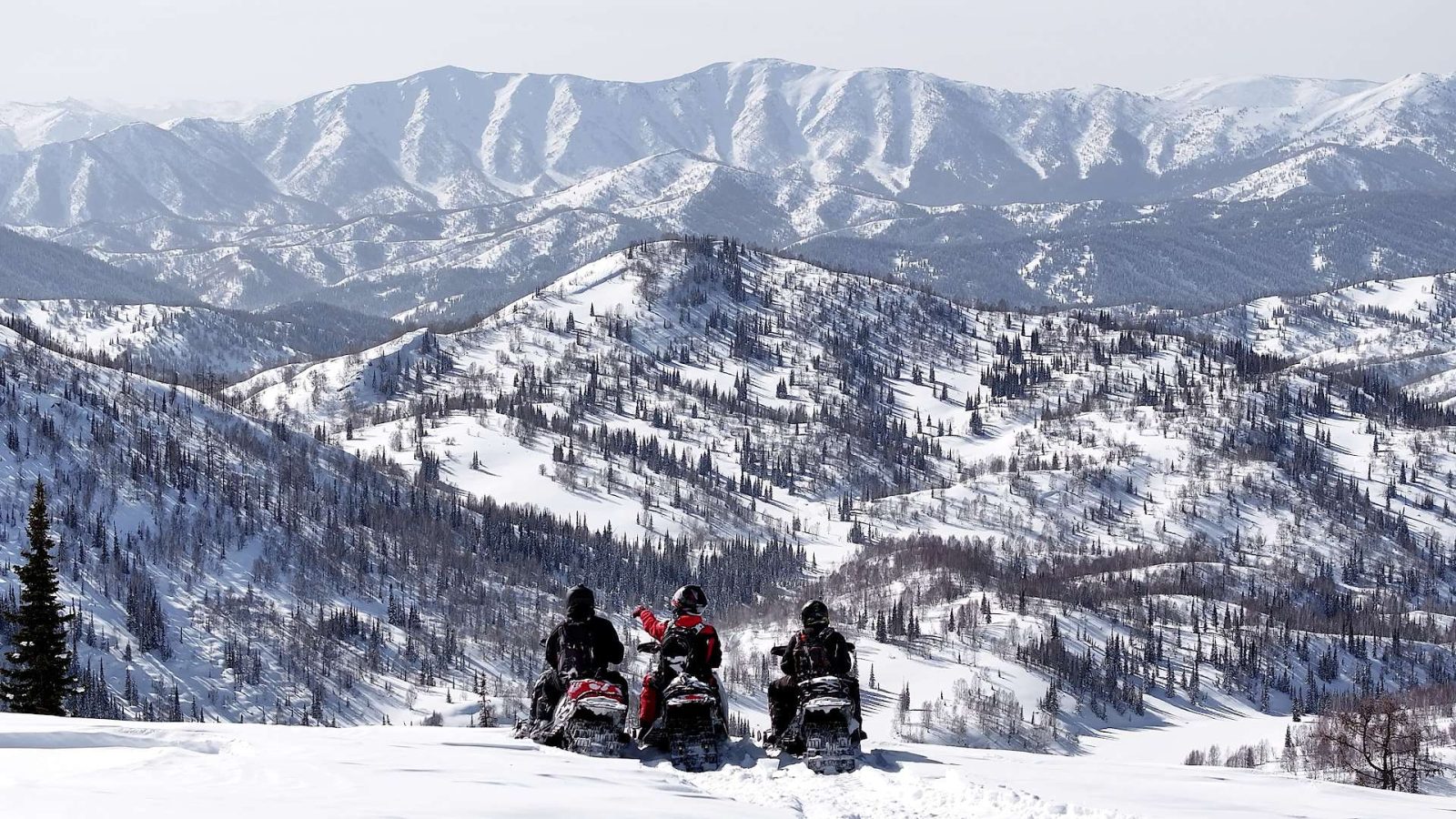
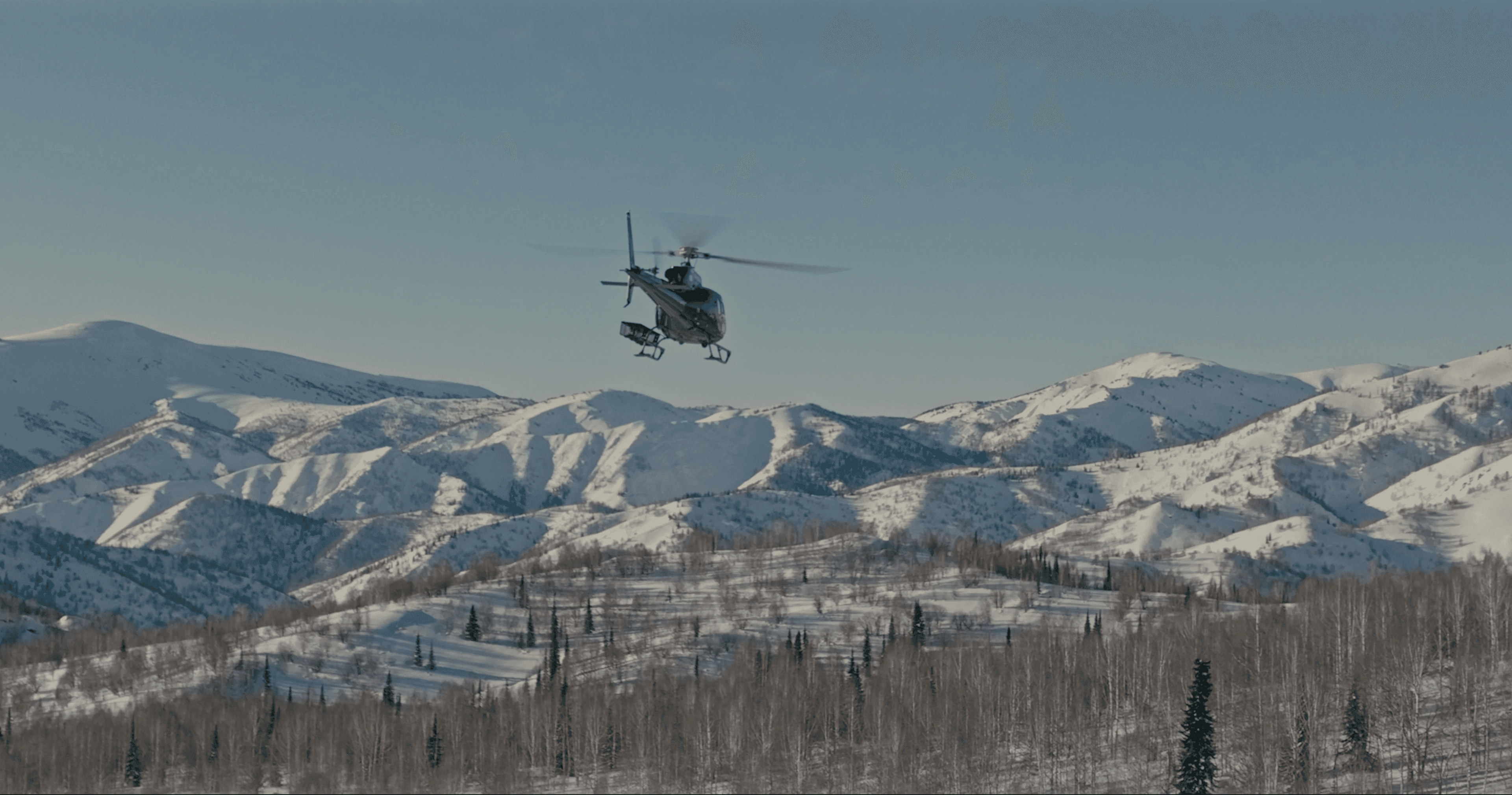
Altai Mountains Resort’s heli-ski page currently lists a beacon, probe and shovel as included avalanche safety gear; confirm the current equipment and package inclusions for your dates when booking. Ski-tour or snowboard rental is available, while helmets, radios and airbags are optional. Bring your preferred personal layers, goggles, gloves and other fit-critical pieces.
A small backpack, spare gloves, a low-light lens and adaptable layers are sensible for a long guided day. Your briefing, training, guide instruction, conditions and terrain determine what is appropriate on the day.
Altai Mountains Resort rental and booking notes
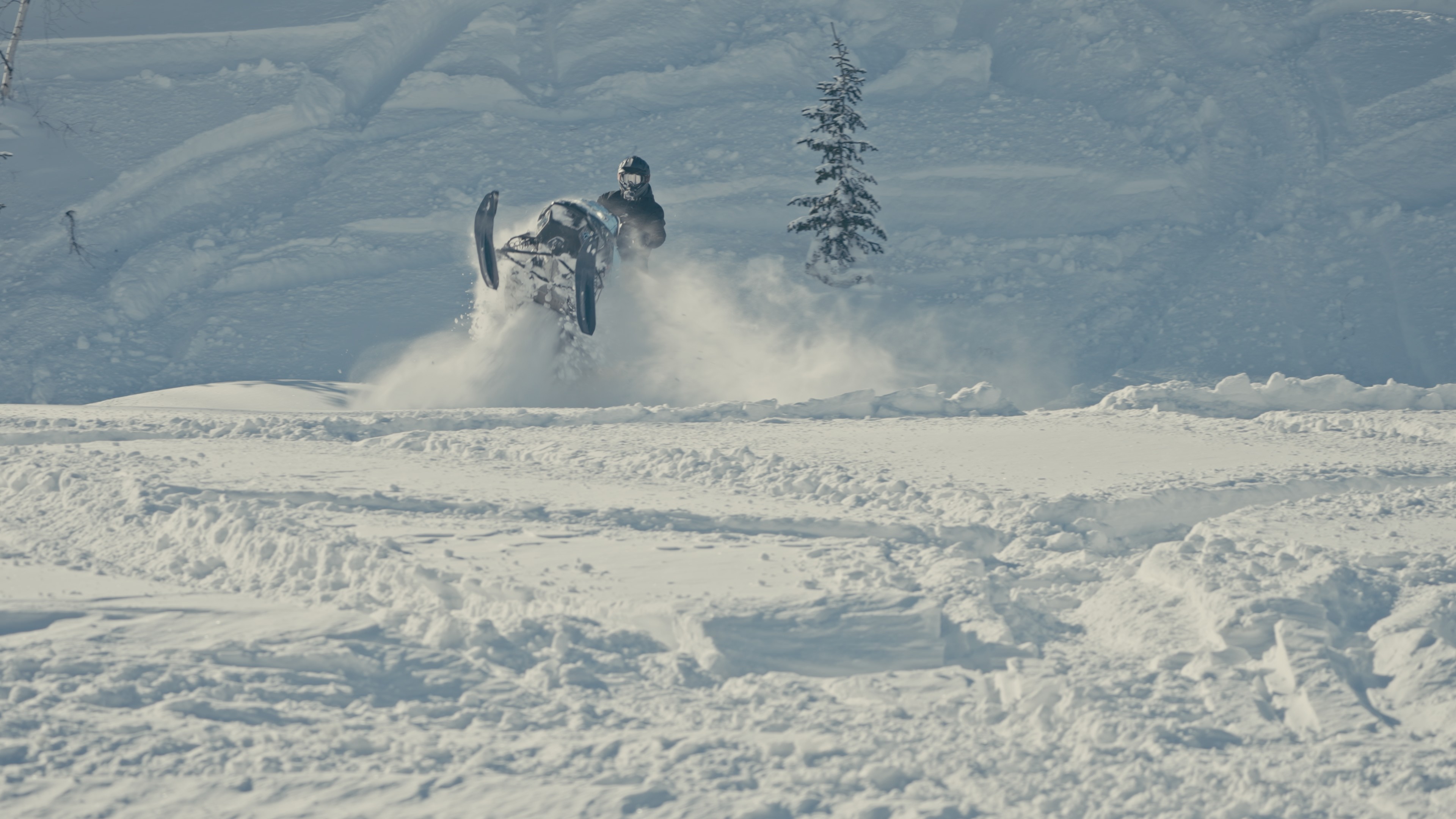
Equipment at Altai Mountains Resort is activity-specific. For guided deep-snow snowmobiling, the apparel setup includes a monosuit, helmet and boots. Heli-skiing has its own ski-tour or snowboard rental and avalanche safety gear. Pack for the experience you have reserved rather than expecting one rental selection to apply across every activity.
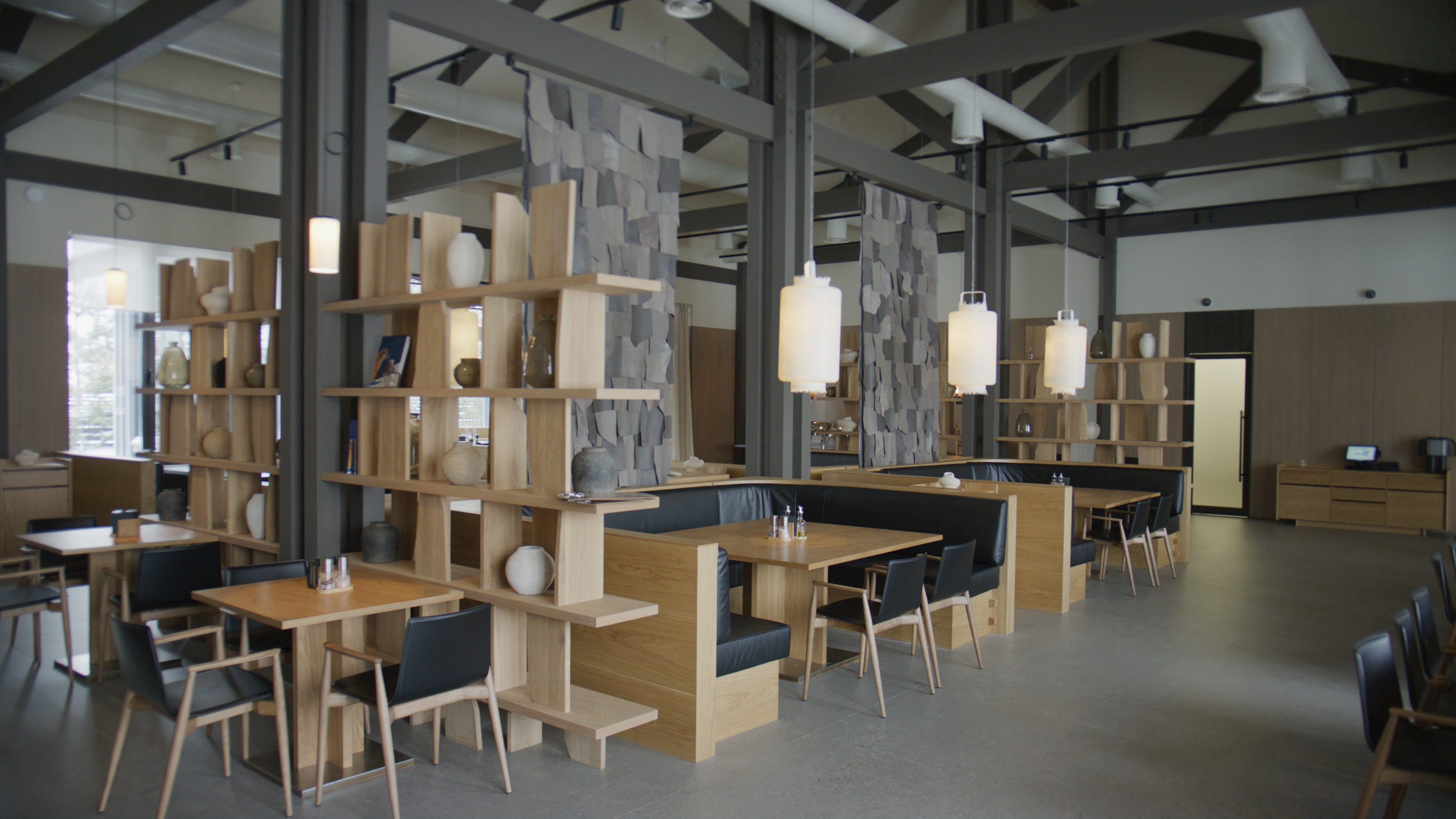
Ridder Lodge provides a convenient winter base, with Restaurant Altai and Altai Banya on site. Pack a swimsuit if you intend to use the banya, along with simple slip-on footwear for moving between changing and relaxation areas. You can explore Ridder Lodge as you refine your evening packing.
Activity schedules, rental selection, package inclusions and transport arrangements depend on your dates and conditions. Our booking team can help you plan the practical details for your stay, including baggage guidance for aircraft-supported activities.
For further reading while you refine your own kit, Luxury ski trip packing list — The Gilded Escape offers another luxury ski trip packing list, Essential ski gear checklist - Skip Lnr is an essential ski gear checklist, and What to wear skiing and snowboarding | REI Expert Advice covers what to wear skiing and snowboarding.
FAQ
What are the essential items on a luxury ski packing list?
Bring fitted boots if you own them, goggles, gloves, base layers, ski socks, a helmet and sun protection. Add one practical evening outfit and waterproof footwear with grip.
Should I bring my own ski boots or rent them?
Bring your own if they are already fitted and comfortable. If you prefer to rent, allow time for a proper fitting and plan around the equipment available for your chosen activity.
What should I pack for heli-skiing?
Pack personal layers, goggles, gloves, a helmet if you prefer your own, and a small daypack where your operator requests one. Altai Mountains Resort’s heli-ski page currently lists a beacon, probe and shovel as included avalanche safety gear; confirm the current equipment and package inclusions for your dates when booking.
Does Altai Mountains Resort offer equipment rental?
Yes, with selection tailored to the activity. Heli-skiing offers ski-tour and snowboard rental alongside included avalanche safety gear, while deep-snow snowmobiling has an apparel setup of a monosuit, helmet and boots.
All Articles
A practical luxury ski packing list for fitted essentials, lighter luggage and guided off-piste or heli-ski days at Altai Mountains Resort.

A practical heli-skiing safety guide for expert skiers, covering operator decisions, avalanche equipment, helicopter procedures, rescue planning and insurance.
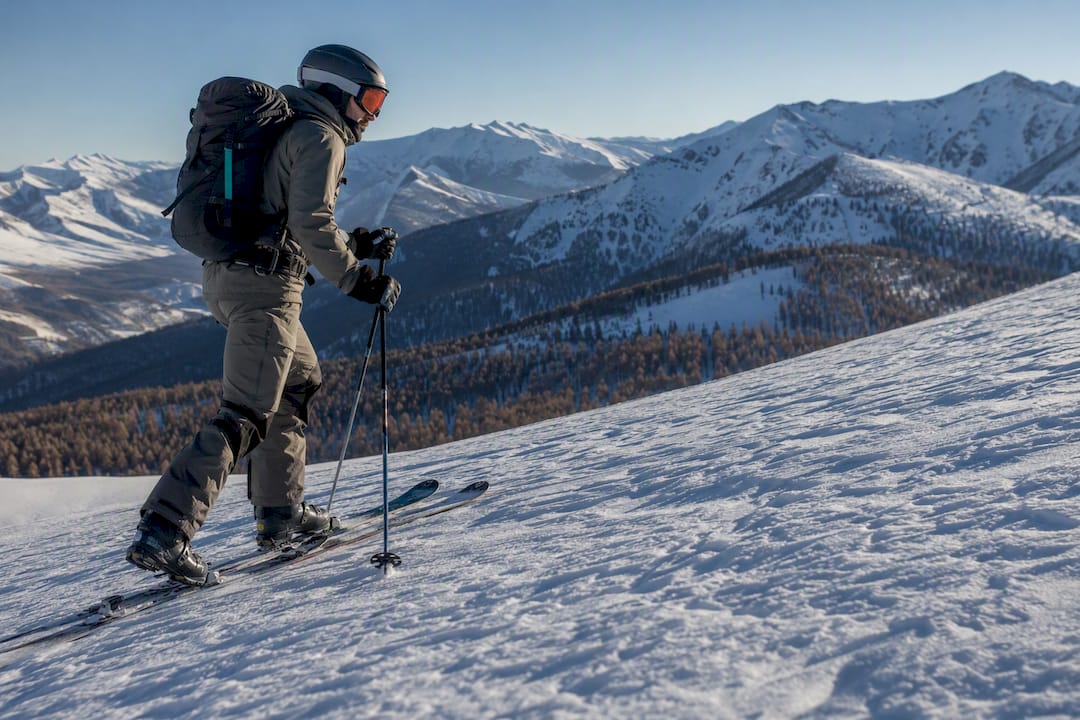
Compare lift-assisted, touring and Western Altai ski options in Kazakhstan, with practical safety, travel and booking guidance.

Learn the heli-skiing skill level typically expected, the off-piste skills to practise, safety preparation and an adaptable 8–12-week training framework.

Plan the Kazakhstan skiing season with a practical comparison of Almaty and Ridder, month-by-month timing, mountain safety and trip planning.
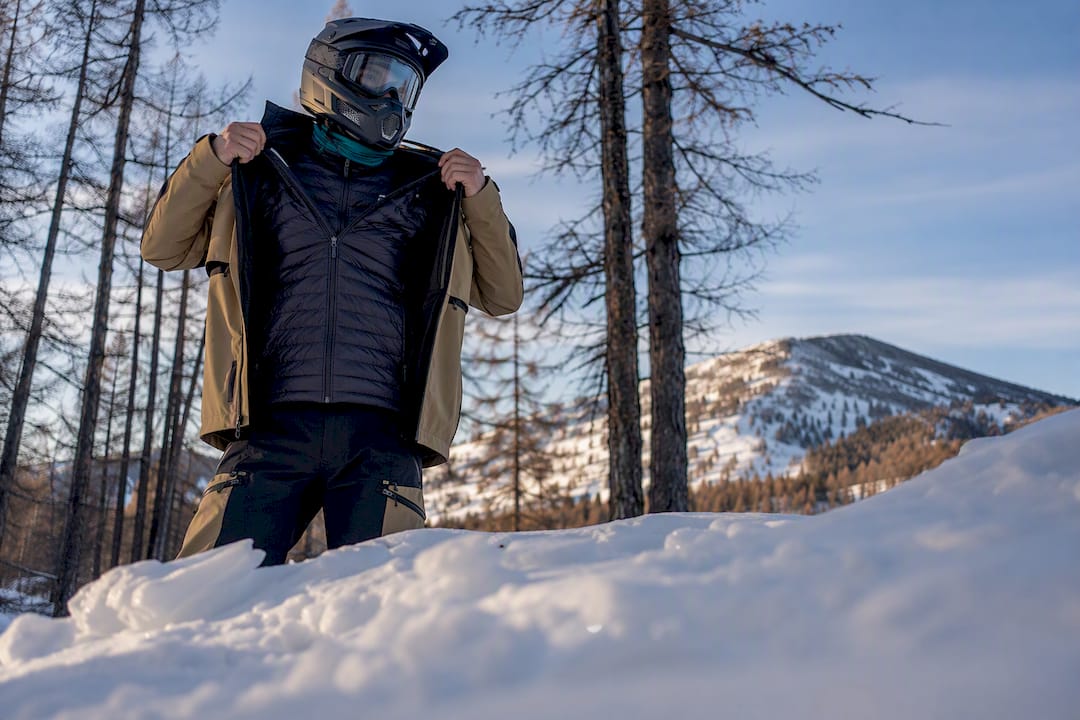
Use this snowmobile layering guide to build a flexible base, insulation and shell system, manage moisture and pack dry spares for changing conditions.

Learn what to rent for avalanche terrain, how to prepare a beacon, probe and shovel, and what to know about airbag packs and flights.
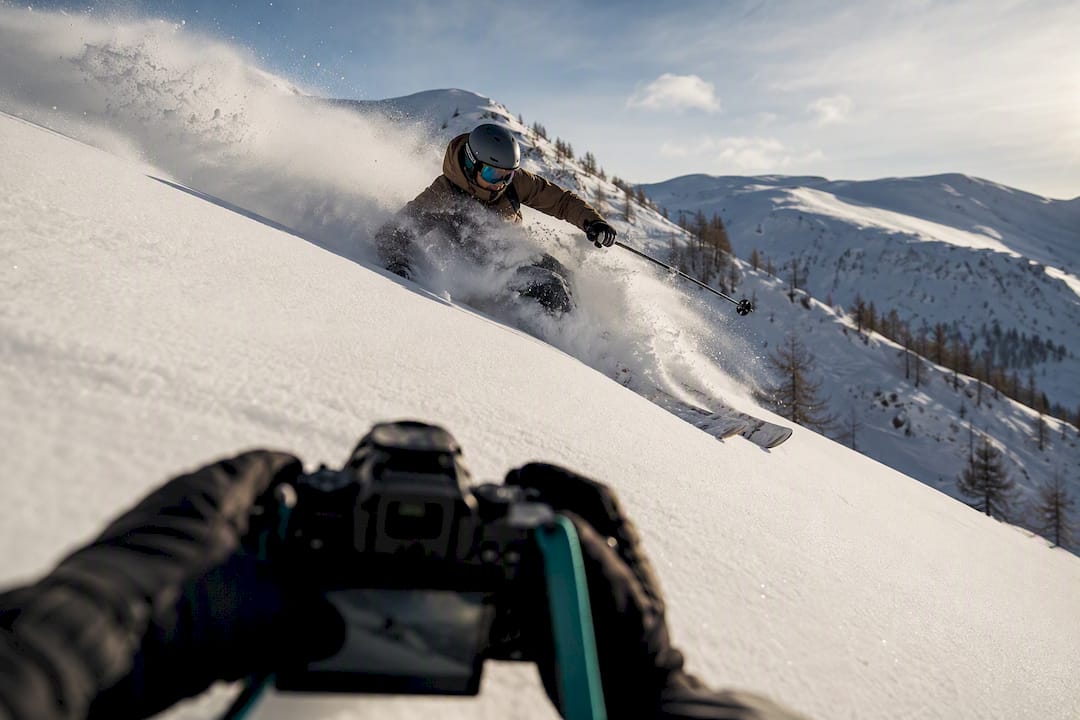
Practical ski photography tips for beginners: camera settings, snow exposure, timing, cold-weather camera care and safe mountain positioning.

Learn how to read an avalanche forecast, interpret danger ratings, roses and avalanche problems, and plan more conservative terrain choices.
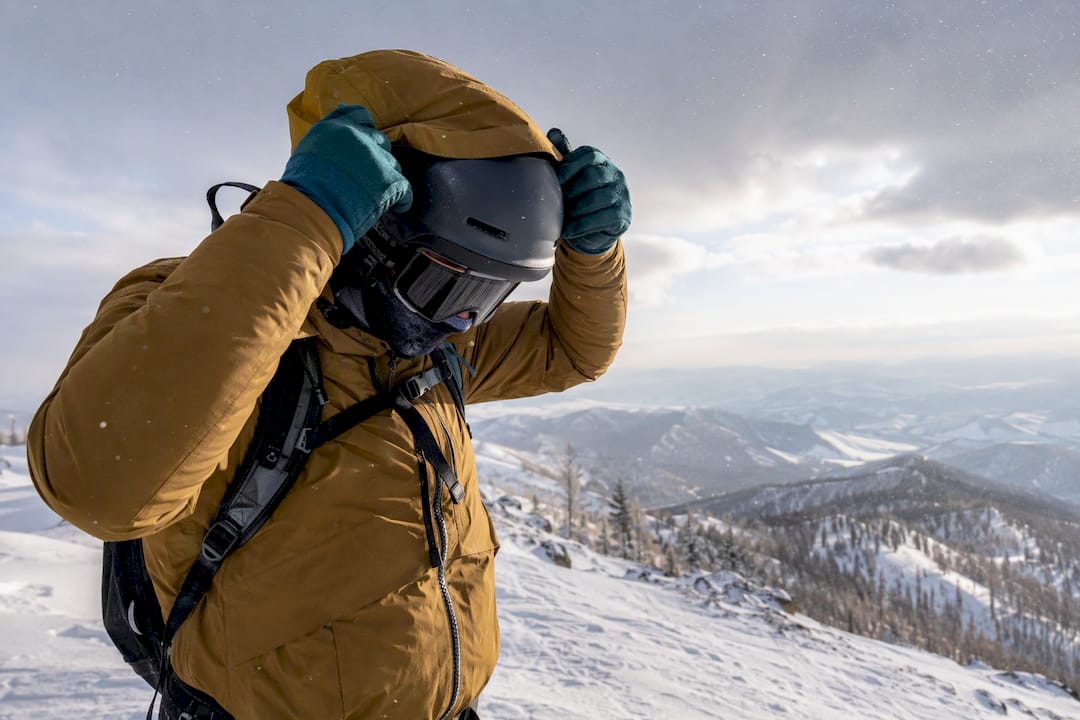
Practical cold injury prevention for winter travel: layering, dry spares, warning signs, first aid and planning for mountain activities.
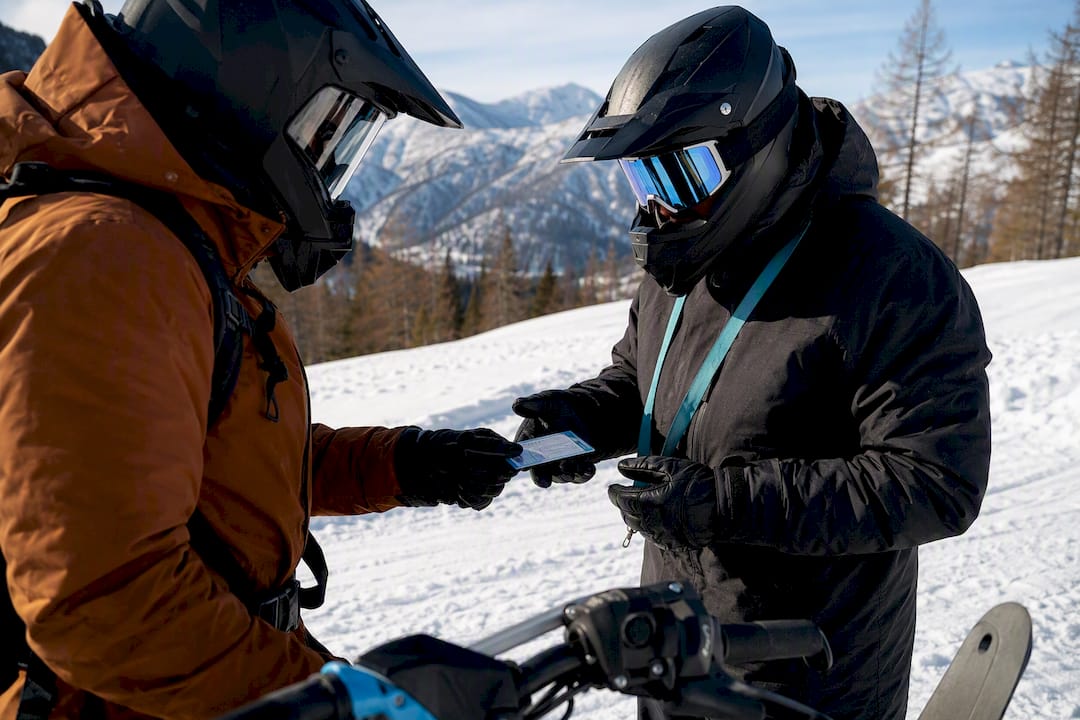
Planning snowmobiling in Ridder? Understand how experience, training, equipment and Kazakhstan rules shape your trip with Altai Mountains Resort.
Travel with ski gear confidently: carry boots when cabin rules allow, pack skis securely, understand airline baggage rules and prepare for delays.
Build a practical backcountry radio communication plan with party radios, satellite SOS or PLB backup, cold-weather care and regional legal essentials.

Satellite messenger basics for remote Altai trips: compare PLBs and two-way devices, understand SOS limits, and prepare your communications plan.
Avoid ski crowds with flexible dates, midweek skiing, early starts and smarter lift choices. Explore guided off-piste options near Ridder.

Learn how heli-skiing passenger weight and baggage rules differ by operator, with practical packing steps and Altai Mountains Resort booking guidance.
Understand the cat skiing skill level needed for Altai Mountains Resort, with practical guidance on off-piste ability, fitness and avalanche readiness.
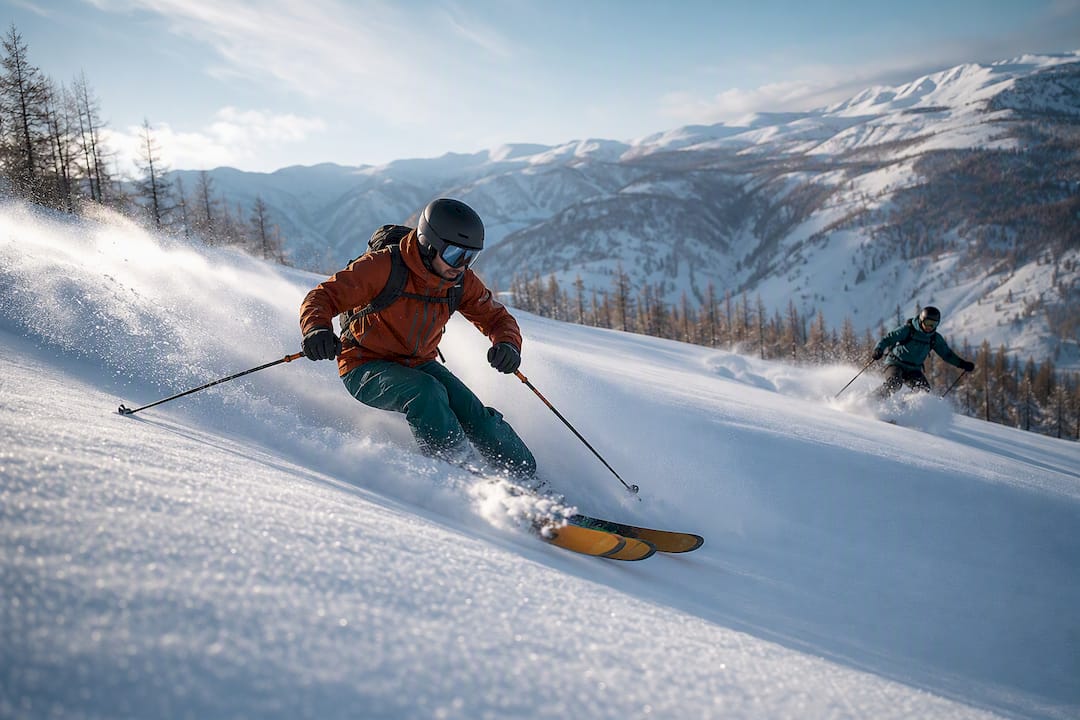
Decide whether Ridder suits your advanced Altai ski trip, with practical guidance on transfers, season timing, avalanche gear and guided programmes.
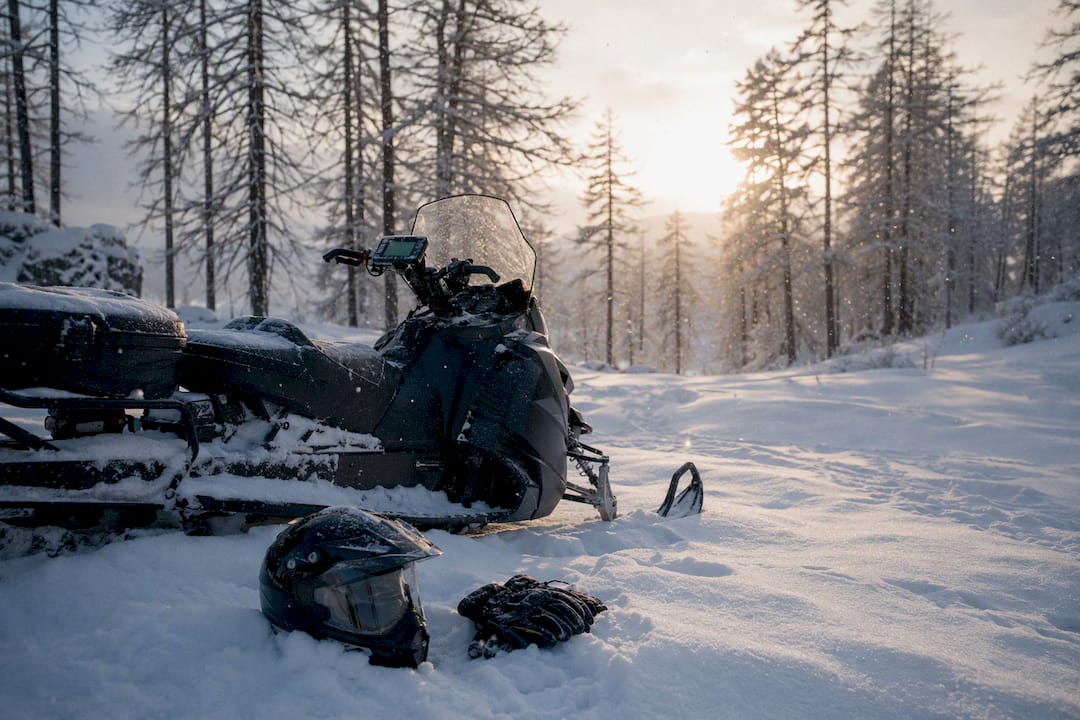
Compare snowmobile tour prices by duration, understand what shapes the final cost, and explore quote-based snowmobiling at Altai Mountains Resort.
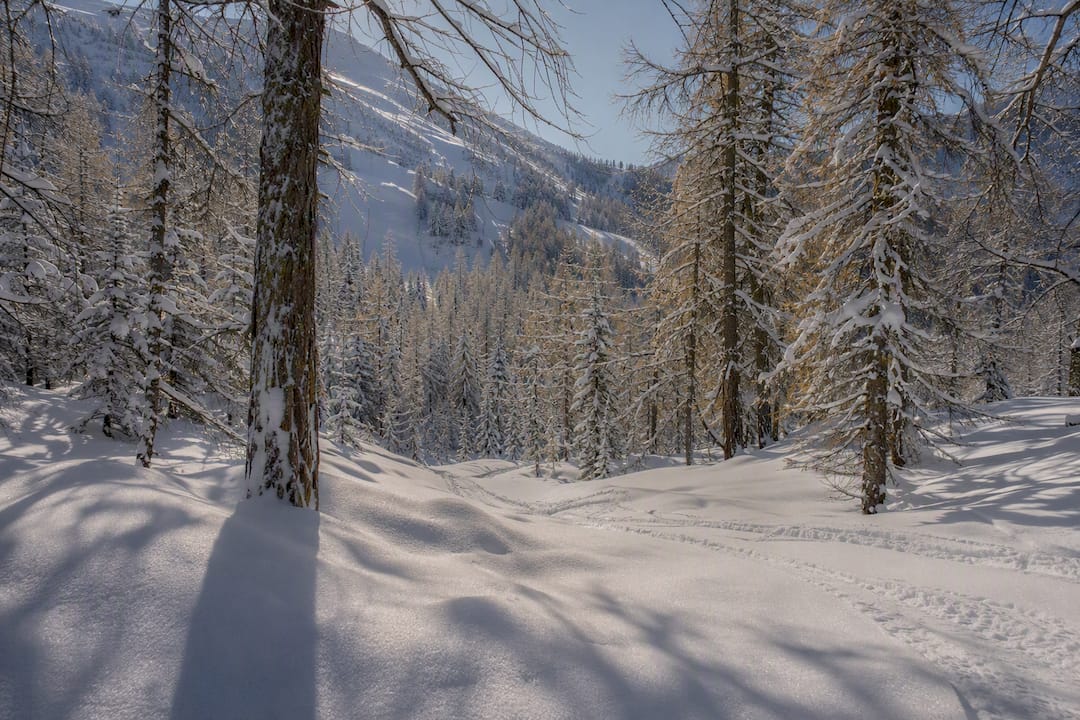
Compare Western Altai, Almaty and Turgen for Kazakhstan powder skiing, with practical guidance on access, safety and Ridder logistics.

Plan Altai heli skiing near Ridder with practical guidance on terrain, season, package inclusions, access, safety gear and booking.
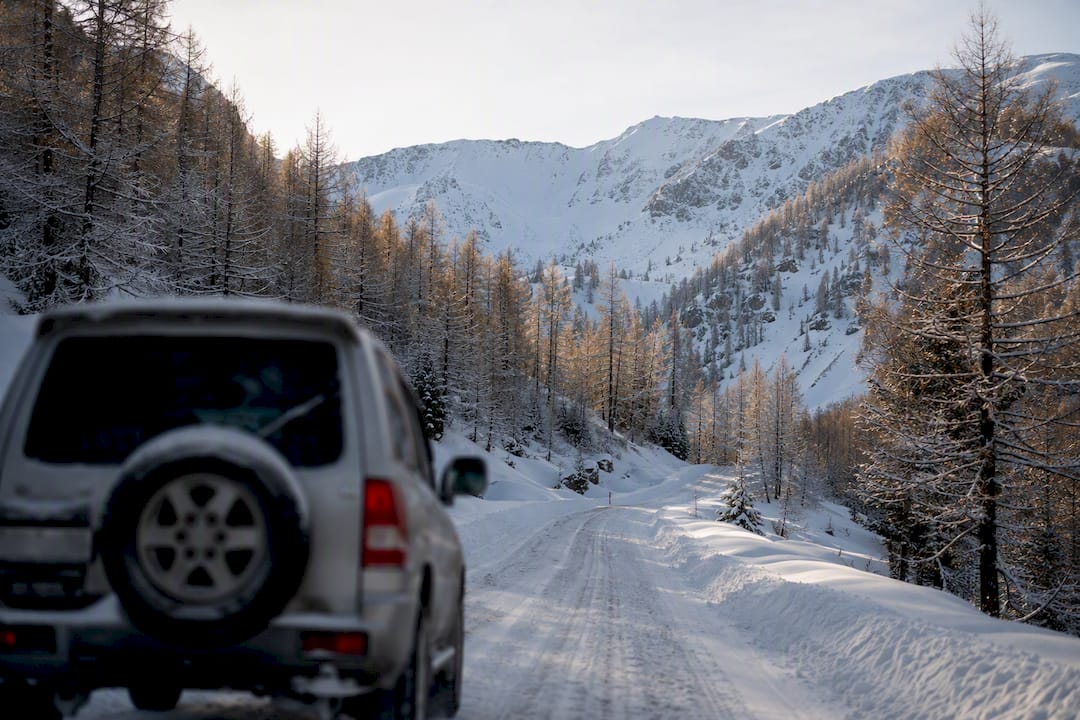
Compare flight, rail and self-drive routes from Almaty to the Kazakh Altai, with practical guidance for reaching Ridder and Ulba village.

Learn deep powder snowmobiling setup, riding technique, safe recovery and avalanche preparation, plus guided training near Ridder.
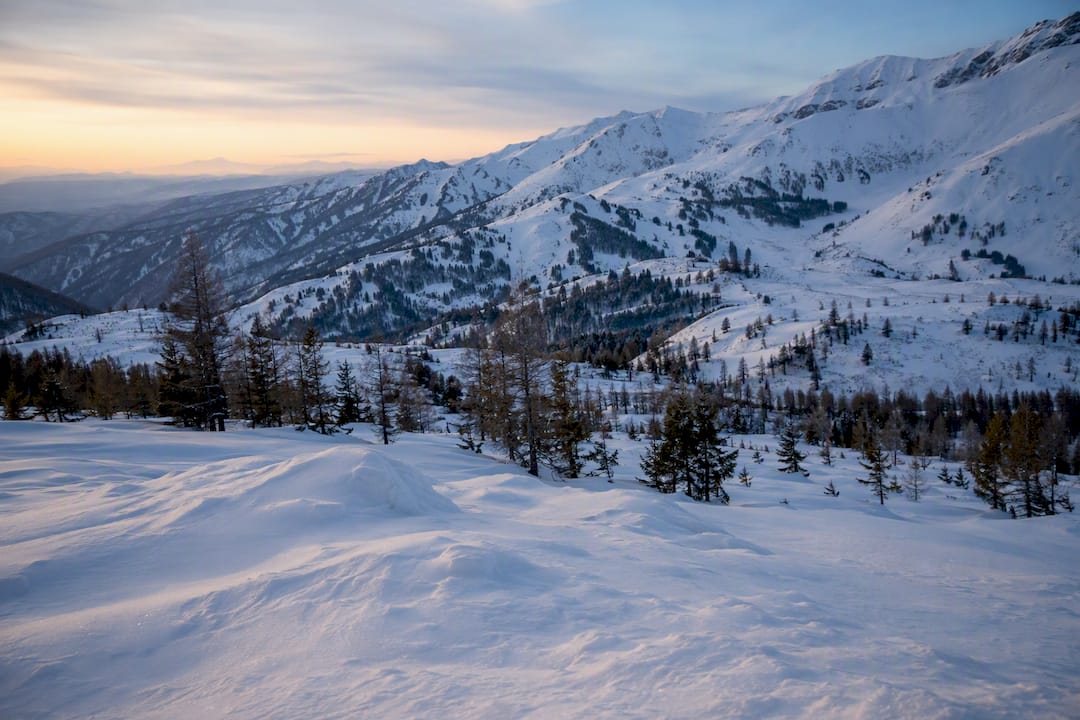
Plan an Altai Mountains winter stay from Ridder, with activity timing, travel from Öskemen, packing advice and practical mountain guidance.

Practical helicopter passenger safety guidance on boarding, seatbelts, exits, dropped items and following crew instructions.

Practical off-piste slope etiquette for safer skiing: right of way, avalanche preparation, group spacing, closures and guided skiing in the Western Altai.

Plan an Altai Mountains trip across Russian, Mongolian and Kazakh sectors, with permit, safety and winter-stay guidance for Ridder Lodge.
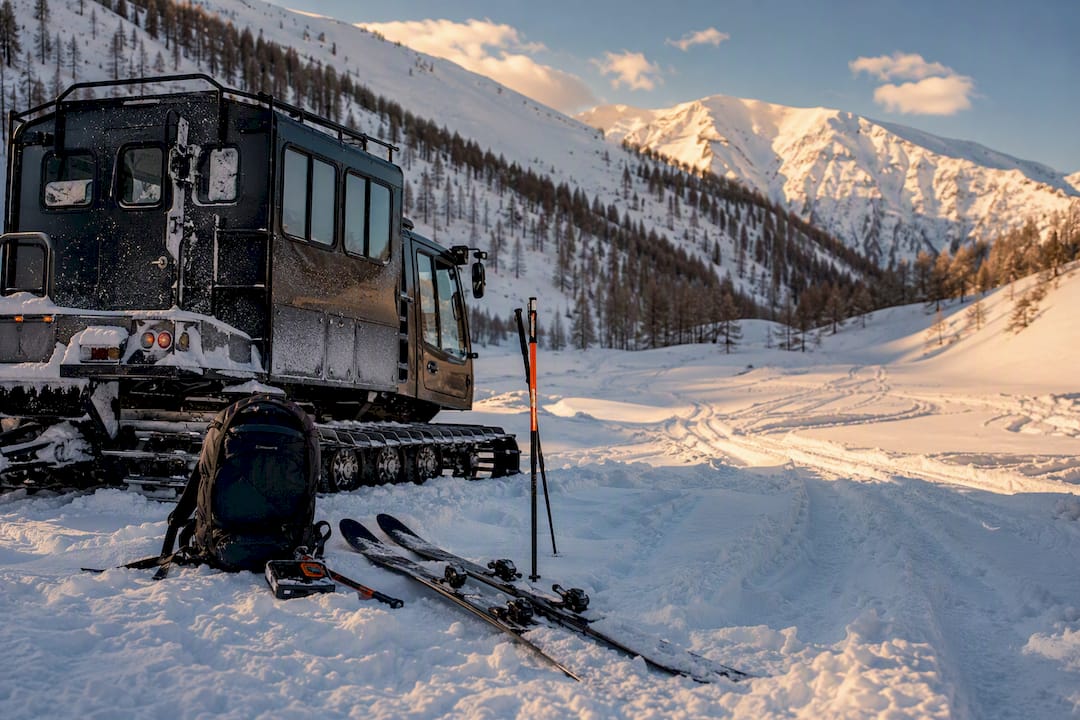
Learn how to plan guided freeride tours, from off-piste experience and avalanche gear to guide scope, changing mountain conditions and cat-skiing in the Altai.
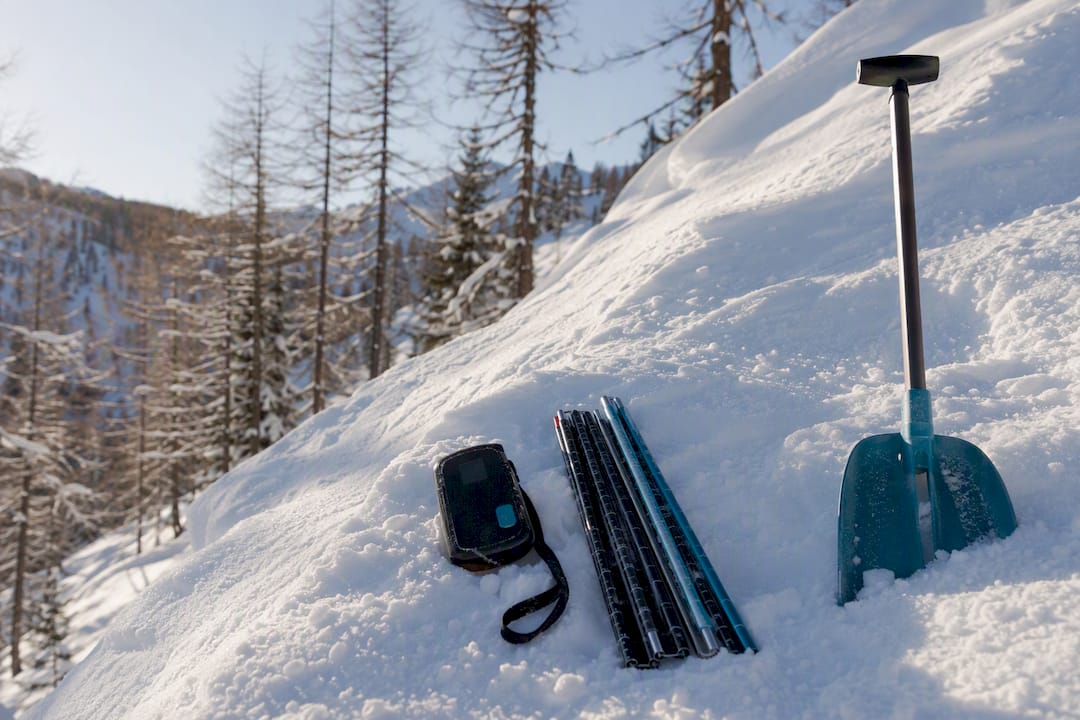
Learn avalanche beacon basics: 457 kHz transceivers, essential rescue gear, trailhead checks, interference and companion-rescue practice.

Learn which avalanche course suits your plans, what companion-rescue skills to practise and how to prepare for a winter trip to Altai.
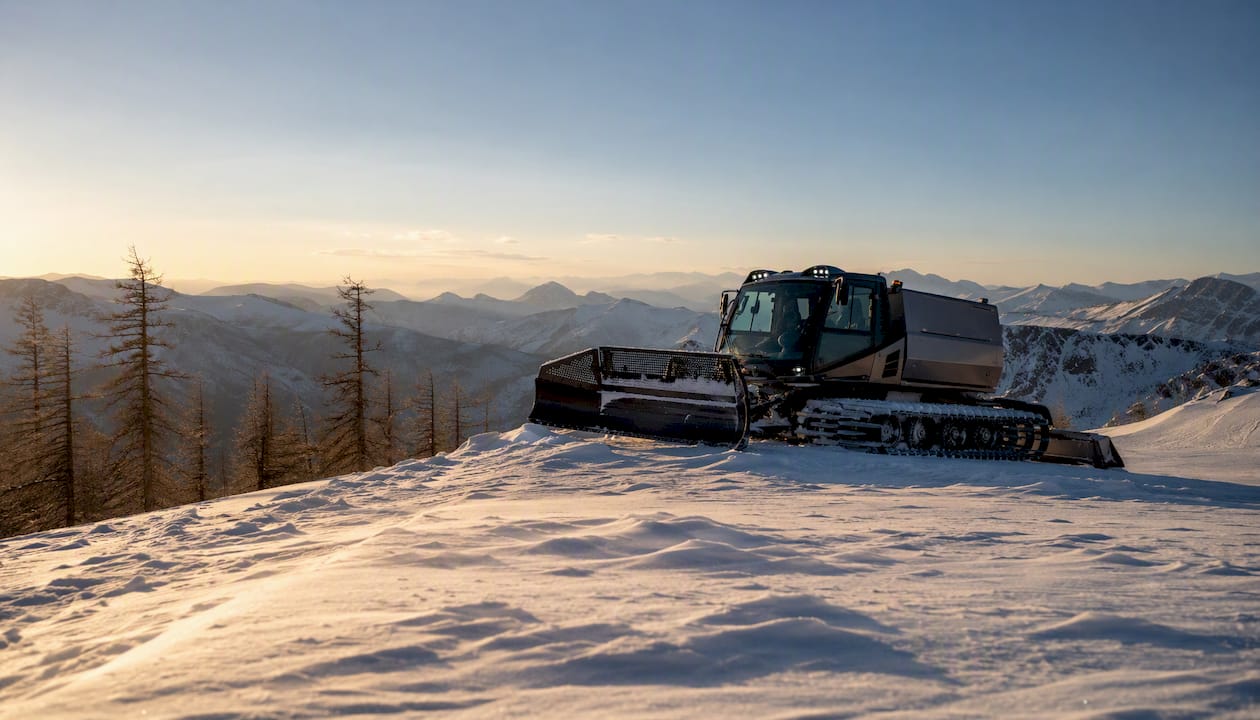
Learn what cat skiing is, who it suits, what to pack and how to plan a guided cat-skiing trip, including options near Ridder, Kazakhstan.
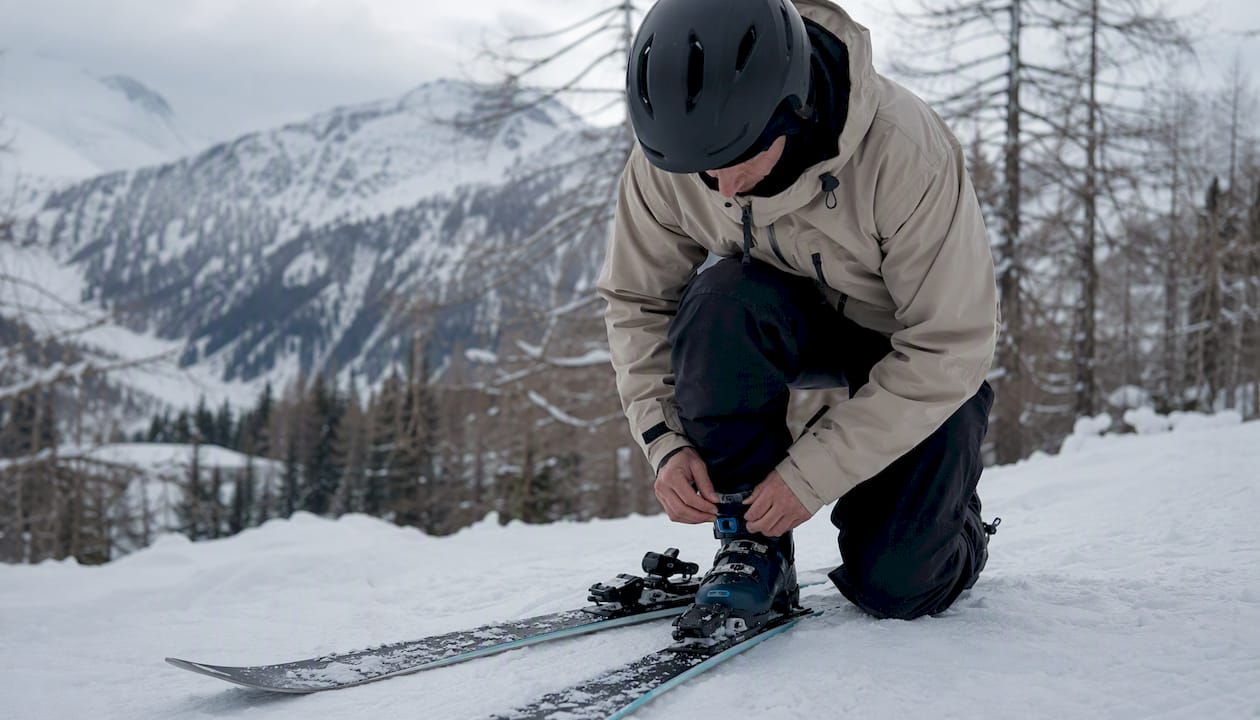
A practical ski rental Kazakhstan guide to Shymbulak and Medeu, current tariffs, equipment fit, transport and guided freeride near Ridder.

Understand ski guide benefits for freeride and backcountry trips, including local planning, terrain choices, qualifications, safety gear and access options.

Plan a snowmobile expedition near Ridder, Kazakhstan, with practical guidance on routes, rider experience, equipment, mountain safety and transfers.
Use this mountain lodge amenities checklist to compare rooms, meals, wellness access, transfers, activities and paid extras before booking.
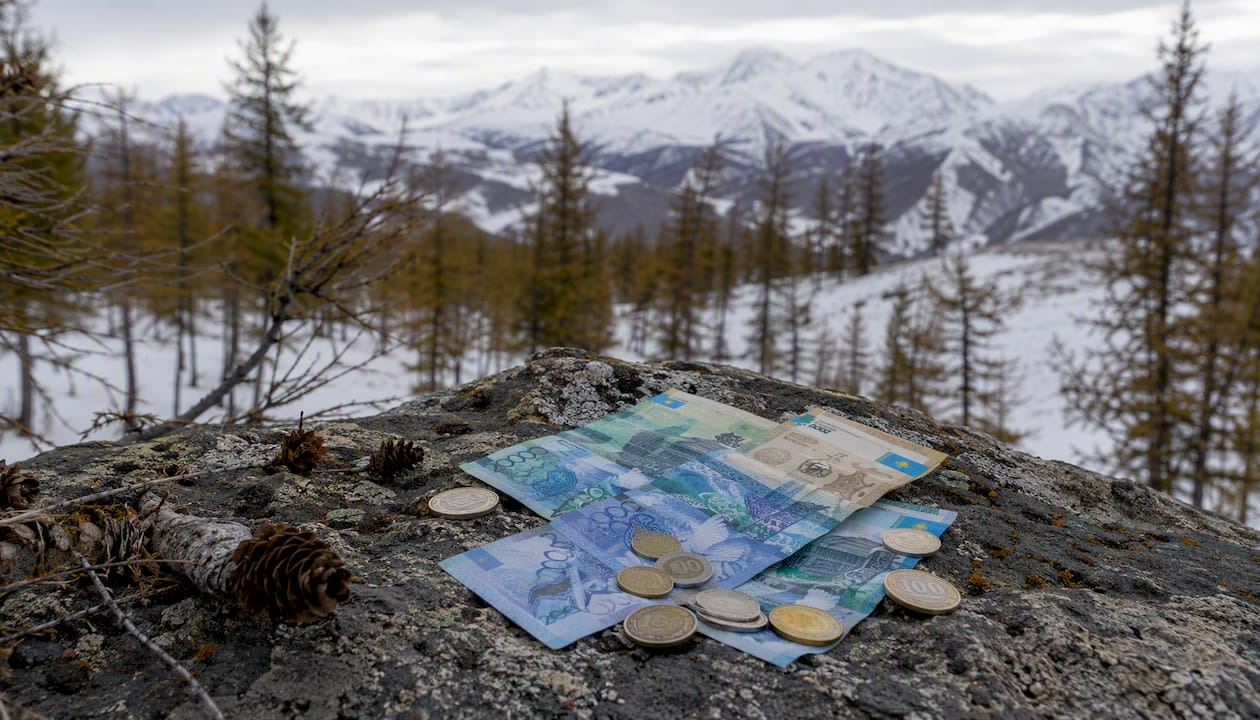
A practical Kazakhstan currency guide to the tenge, cards, ATMs, currency exchange, DCC and cash planning for cities and the Western Altai.
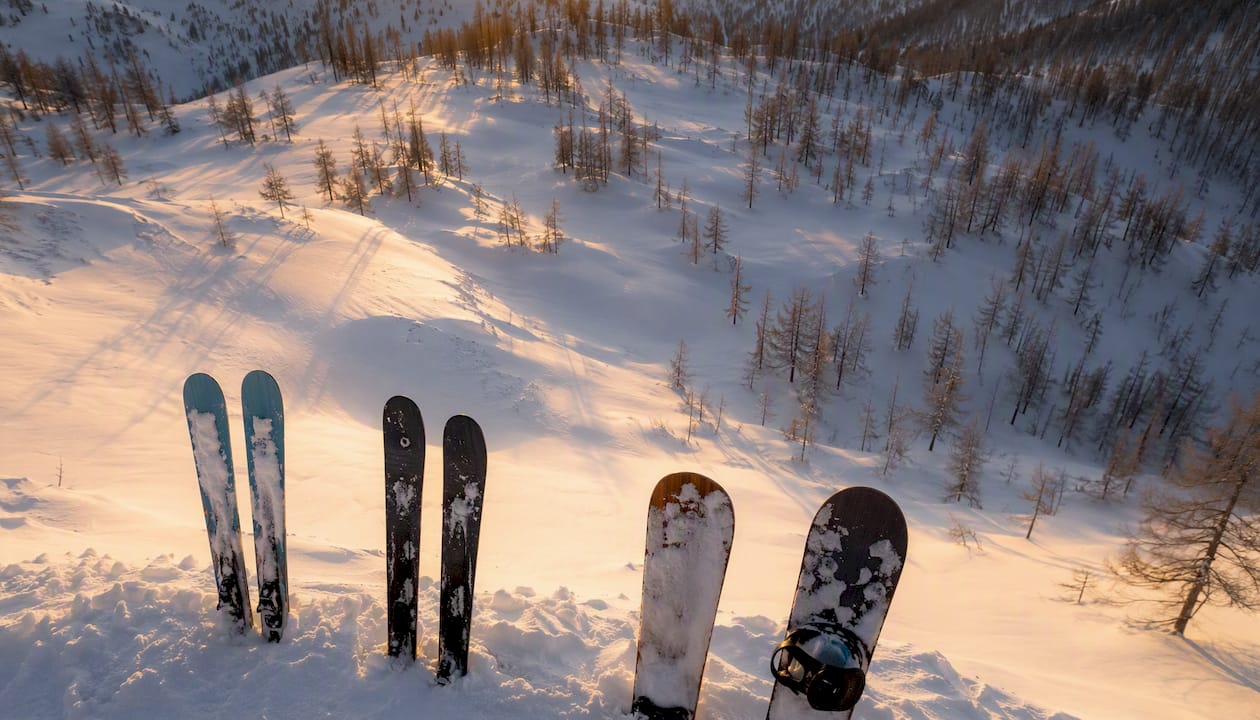
Plan the Kazakhstan ski season by month, compare lift-served Shymbulak with guided trips around Ridder, and prepare for changing snow and mountain conditions.
A practical guide to spa after skiing, including gentle massage, sauna and hammam, optional cold immersion and signs that need medical attention.
Plan a remote ski trip from the UK to Ridder, with practical guidance on activities, Kazakhstan entry, Öskemen transfers, insurance and ski baggage.
A practical heli skiing packing list covering clothing, avalanche equipment, ski baggage, batteries, travel documents and rental options.
A practical UK guide to ski boot fitting: appointment steps, services, current provider price examples, aftercare and warning signs.
Should you tip a ski guide? Learn how customs vary, when a gratuity may feel appropriate and how to plan for tipping in Kazakhstan.
An Altai cuisine guide to kan, kurut, chegen and talkan, with dining at Restaurant Altai, food safety and travel from Öskemen to Ridder.
Compare banya vs sauna: heat, steam, venik and löyly rituals, etiquette, health evidence, safety basics and the Altai Banya experience.
Learn how to ski deep powder with centred balance, smooth turns, speed control, practice steps, gear guidance, and avalanche and tree-well precautions.

Plan a mountain wellness retreat in Ridder with freeride, heli-skiing, snowmobiling, Ridder Lodge, Altai Banya and practical winter travel guidance.

A practical snowmobile gear list for UK travellers heading to Altai Mountains Resort, with clothing, safety equipment, battery and travel guidance.

Understand Ridder Lodge’s ski-in/snowmobile-out access, guided ski-day logistics, transfers from Öskemen and practical planning for your stay.
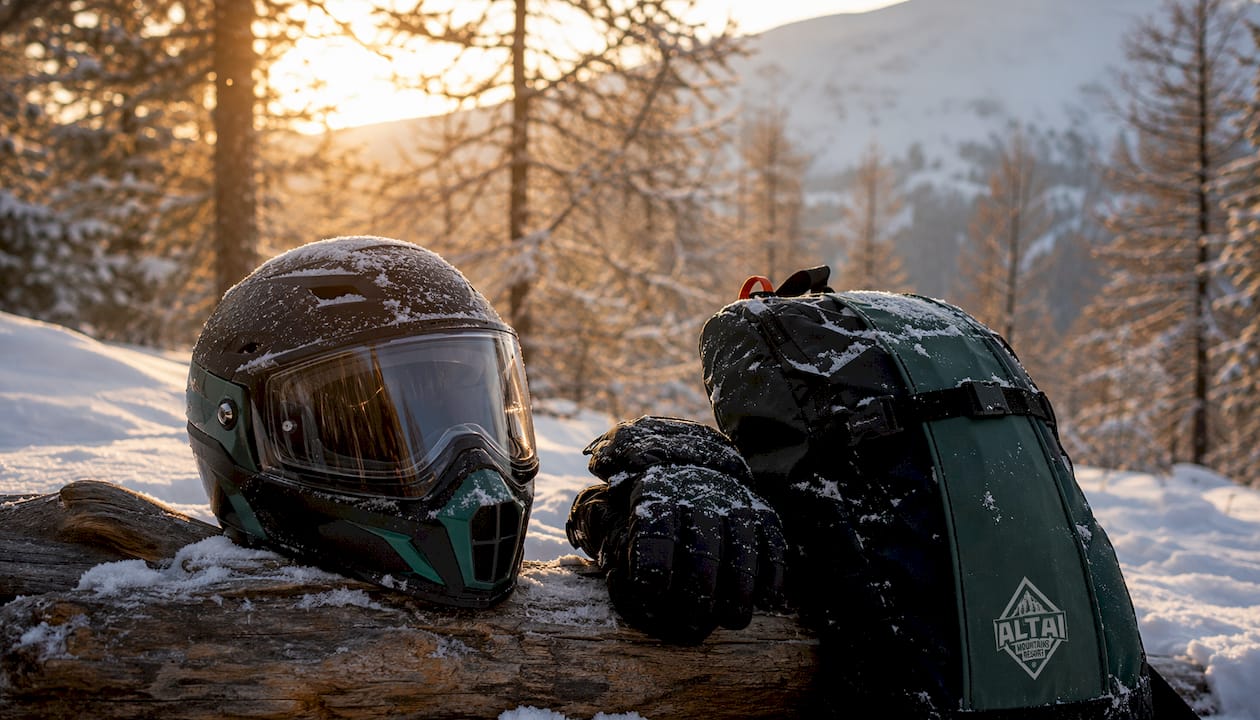
Prepare for a guided snowmobile ride with a practical gear checklist covering helmets, winter layers, avalanche equipment and cold exposure in Ridder.

A practical heli skiing guide to ability, avalanche equipment, packing, weather and planning your first trip to Kazakhstan.
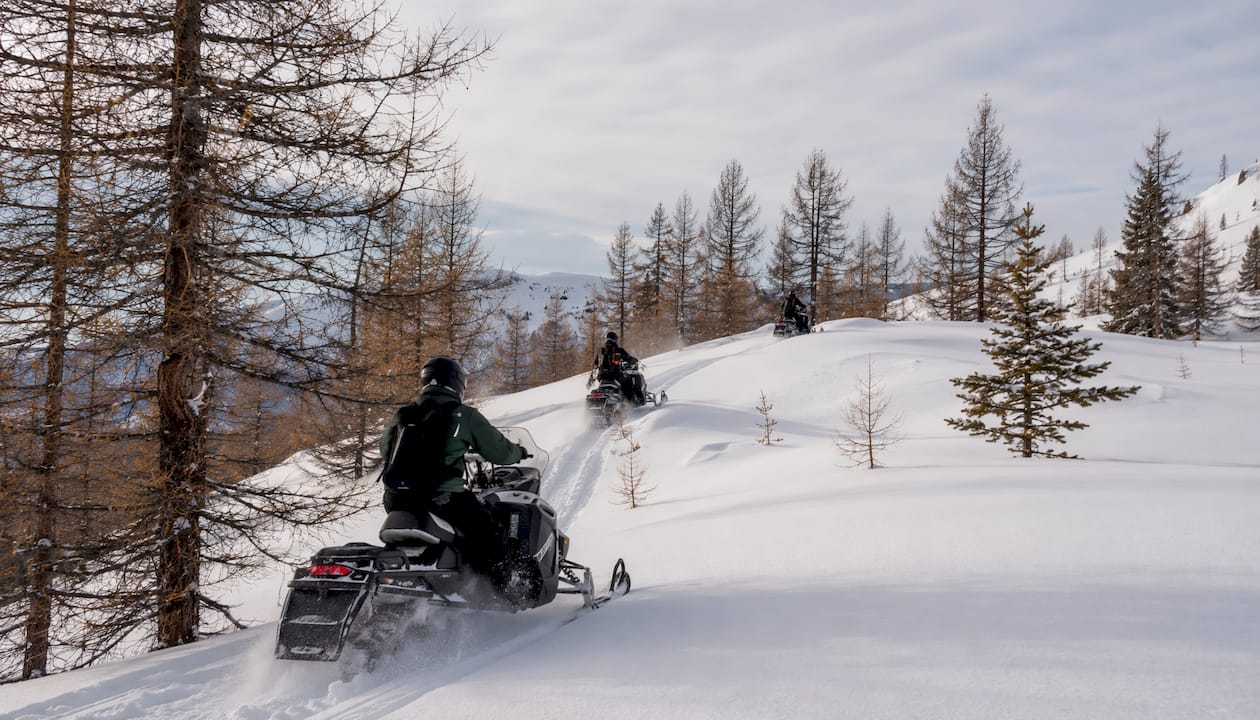
Plan guided deep snow snowmobiling in Ridder, with practical details on training, rentals, equipment, transfers and staying at Ridder Lodge.
How to choose Kazakhstan travel insurance for heli-skiing, cat-skiing or snowmobiling, including medical treatment and evacuation cover.
Kazakhstan visa requirements for UK visitors to Ridder, including visa-free limits, e-visas, passport rules, airports and Öskemen transfers.
Build strength, balance and endurance before cat-skiing, heli-skiing or snowmobiling with an adaptable six-to-eight-week ski fitness program.

Explore cold plunge benefits for skiers, from short-term soreness and recovery evidence to cold-shock risks, timing and Altai Banya options.

Understand heli skiing cost in 2026 with current operator examples, a total-budget checklist, and key booking, safety and insurance questions.