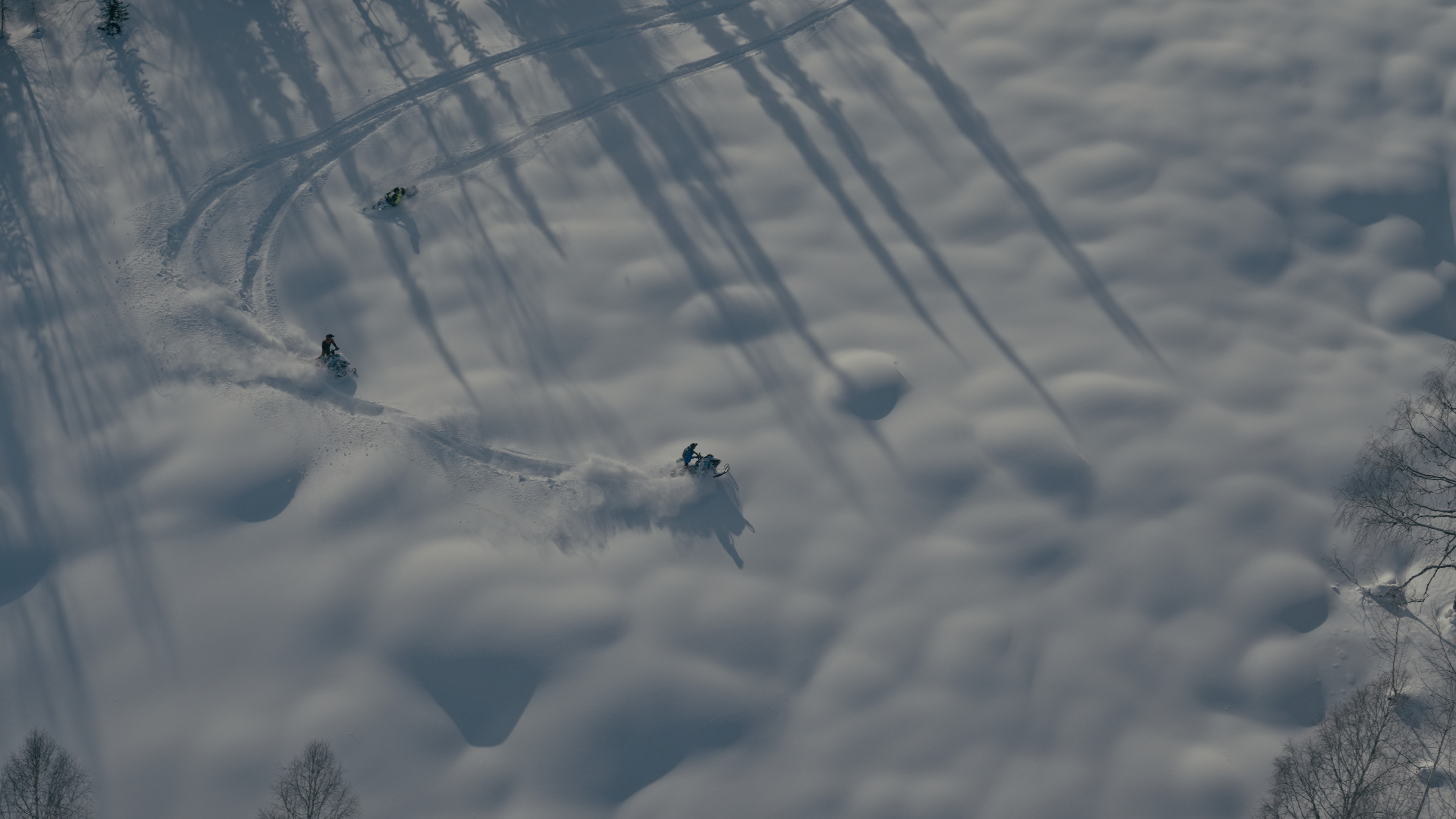
Explore cold plunge benefits for skiers, from short-term soreness and recovery evidence to cold-shock risks, timing and Altai Banya options.

Cold-water immersion may help some people feel less sore after exercise, while contrast therapy may temporarily ease pain and support mobility or muscle relaxation. Those are the clearest potential cold plunge benefits. Evidence for lasting cardiovascular, immune or mental-health gains remains weak.
For skiers, the useful question is not whether cold exposure is universally good or bad. It is whether a short-term change in perceived soreness suits your health, the next day’s plans and your response to cold water. Research does not support one temperature, duration or heat-and-cold sequence for everyone.
Cold Plunge Benefits: What the Evidence Supports
The evidence is strongest around short-term recovery rather than long-term health. The American Medical Association’s overview of cold immersion and contrast therapy notes that contrast therapy may temporarily reduce pain and improve mobility or muscle relaxation. It also finds insufficient evidence for lasting cardiovascular, immune or mental-health benefits.
A PLOS One systematic review and meta-analysis examined 11 studies involving 3,177 healthy adults. Water temperatures ranged from 7°C to 15°C, while exposure lasted from 30 seconds to two hours. The review found a signal for reduced stress at around 12 hours, but the considerable variation between studies makes it impossible to turn those results into a universal plunge routine.
That distinction matters. A temperature used in research is not automatically an appropriate personal target, and a group average does not predict how one individual will respond. Most of the available evidence also comes from healthy adults or athletes rather than skiers managing fatigue, injury, medical conditions and demanding mountain itineraries.
What Cold-Water Immersion May Help With
Perceived muscle soreness is the most relevant potential benefit after skiing. Feeling less sore can make movement more comfortable, although it does not mean strained or damaged tissue has healed. Responses vary, and some people notice little difference.
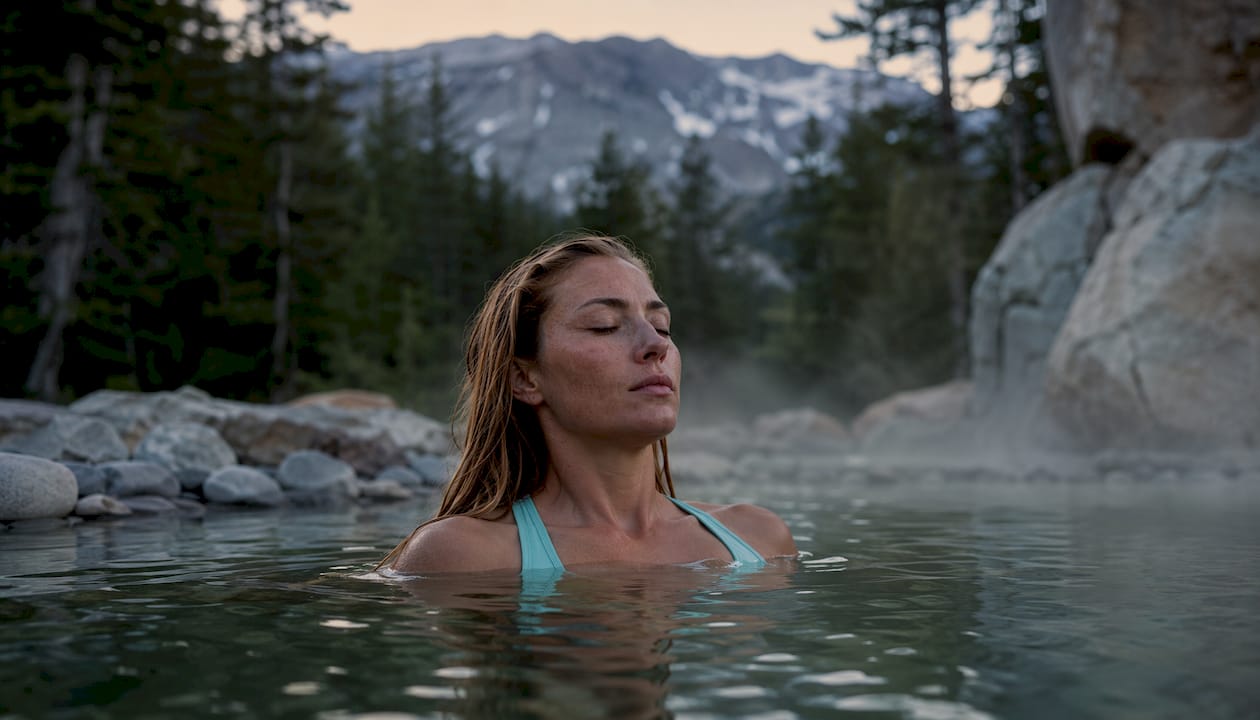
Temperature research is more nuanced than “colder is better.” A Sports Medicine review of cold-water immersion after exercise-induced muscle damage found that studies using 11–15°C more often reported beneficial muscle-recovery outcomes than studies using 5–10°C. This is a pattern across studies, not a safety threshold or a prescription for individual use.
Cold exposure can also feel immediately stimulating. That sensation comes with a genuine physiological stress response and should not be confused with proven improvements in mood, focus or mental health. After a full day on snow, comfort, sleep and readiness for the next activity are more useful measures than the intensity of the reaction.
In practice, cold-water immersion is an optional recovery preference. It may change how soreness feels in the short term, but it is not essential to a successful ski trip and should not be used to mask pain that needs proper assessment.
What Cold Plunges Do Not Reliably Do
Cold plunges are often treated as a single answer to immunity, metabolism, mood, circulation and athletic recovery. Current evidence does not support that cure-all view.
They do not have established long-term cardiovascular or immune benefits. Short-lived physiological changes are not the same as protection from disease.
They do not produce the same recovery result for everyone. Exercise type, timing, temperature, exposure and the outcome being measured all affect study results.
More extreme cold is not demonstrably better. Near-freezing water adds intensity without an established advantage for ordinary post-exercise recovery.
They do not diagnose or treat an injury. A temporary reduction in soreness should not be taken as evidence that an injury has resolved.
A modest approach makes sense: consider whether the short-term experience is useful to you without attaching broader health promises to it.
Cold Plunge Risks and Who Should Seek Medical Advice
Cold water can trigger a rapid response before any possible recovery benefit appears. The U.S. National Weather Service’s cold-water guidance warns that cold shock can occur in water at 10–15°C, causing involuntary gasping and rapid breathing during the first minutes. A temperature used in recovery research should not therefore be treated as gentle or universally low-risk.
Cold immersion can also acutely raise heart rate and blood pressure. Harvard Health’s guidance on cold plunges advises avoidance for people with atrial fibrillation, peripheral artery disease or Raynaud’s syndrome. If you have a heart, blood-pressure, heart-rhythm, vascular or circulation condition, seek individual advice from a qualified clinician before trying cold immersion.
A few simple precautions matter more than an aggressive protocol:
Leave the water if you experience uncontrolled gasping, breathing difficulty or feel unwell; these are not reactions to push through.
Follow the facility’s operating instructions and limits rather than copying a routine from social media.
Do not treat 11–15°C as a universal safe range; cold shock remains possible within it.
Avoid testing a new cold-exposure routine immediately before a demanding mountain activity.
Seek clinical assessment for injury pain rather than using reduced soreness as a readiness test.
This article provides general wellness information, not medical advice. A qualified clinician can advise whether cold-water immersion is appropriate for your health and circumstances.
Should You Cold Plunge Before or After Skiing?
Research has not established a skier-specific routine. A 2026 systematic review of eight athlete studies found no consistent advantage for cold- or hot-water immersion in soreness or perceived recovery. Limited evidence suggested that hot-water immersion improved sleep quality, while cold-water immersion impaired immediate power output.
Timing | What the evidence suggests | Practical interpretation |
|---|---|---|
Before skiing | Cold immersion has not shown a consistent performance advantage and impaired immediate power in limited athlete research. | Do not experiment with a new cold-exposure routine before a demanding or technical day on snow. |
After skiing | Some research reports better muscle-recovery outcomes and reduced perceived soreness, but results vary. | Consider it an optional comfort measure rather than a required recovery treatment. |
During a multi-day trip | There is no evidence-based universal schedule for repeated plunges or contrast cycles. | Use overall comfort and readiness as your guide, without allowing temporary pain relief to override an injury concern. |
This is particularly relevant before heli-skiing in the Western Altai, when the day’s demands call for a clear, rested approach. An intense first plunge shortly before departure introduces an unnecessary variable.
Altai Banya at Altai Mountains Resort: Verified Wellness Options
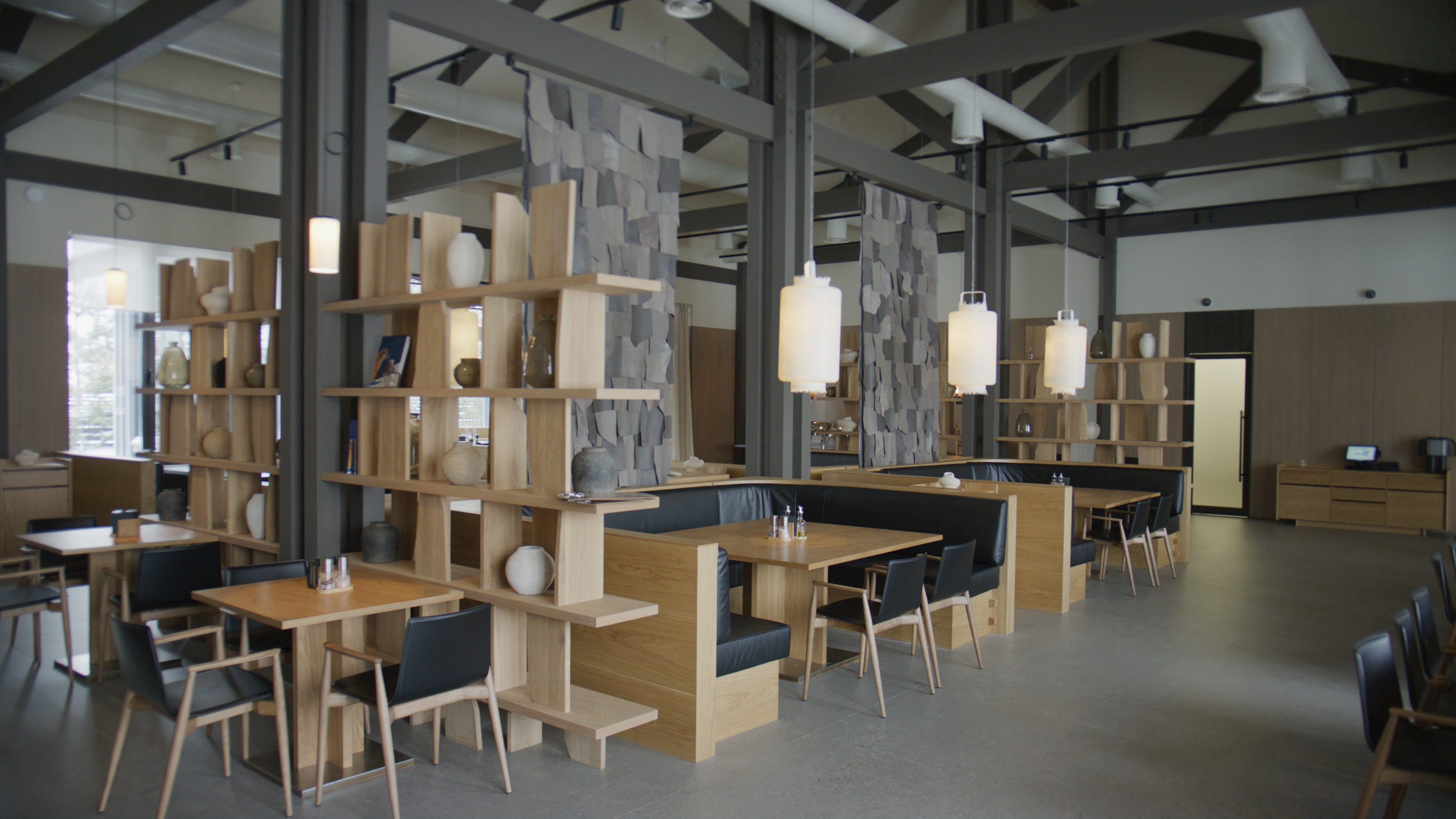
At Altai Mountains Resort, we offer a Siberian steam sauna, private saunas, a hammam, aromatherapy and herbal treatments at Altai Banya, with massage available on request. If you are staying at Ridder Lodge, these heat-based options can bring a slower close to a day in the Western Altai.
The saunas, hammam, treatments and massage offer a simple way to unwind after time on snow. Schedules, prices, treatments and package inclusions can change. If cold-water immersion matters to your plans, mention it in your booking enquiry rather than planning on it being available; our team can share current facility information for your dates and help you shape the wider rhythm of your stay.
All Articles

Learn when two people can ride one snowmobile, the equipment required, passenger briefing essentials and why deep snow needs extra caution.
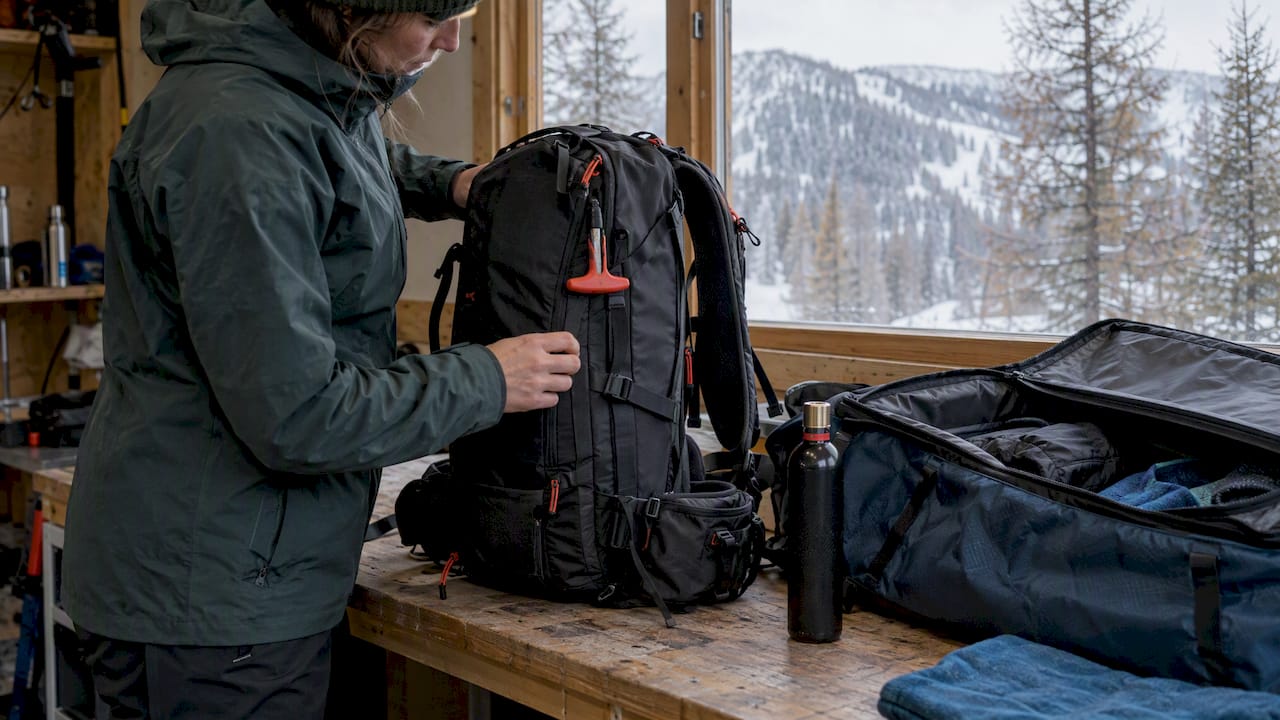
Flying with an avalanche airbag: airline approval, IATA limits, packing guidance and travel planning for a winter trip to Ridder.
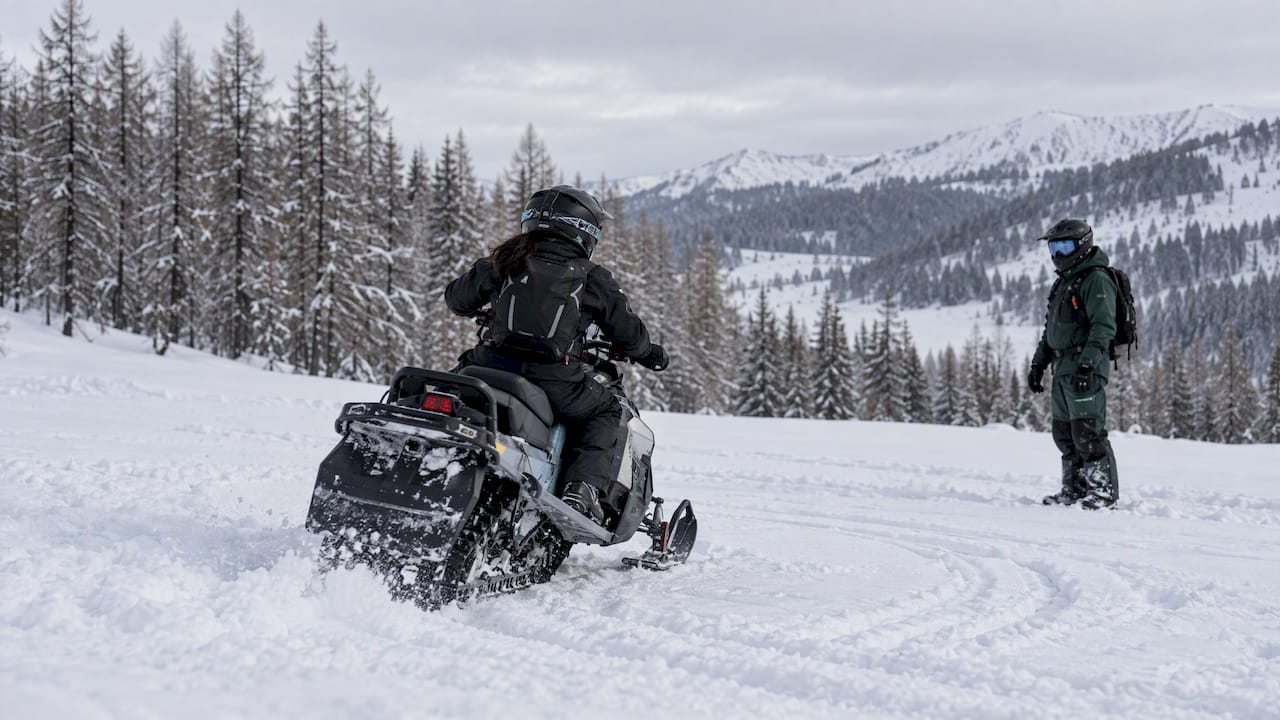
Learn snowmobile training basics: controls, pre-ride checks, riding positions, essential gear and avalanche awareness for first-time riders.
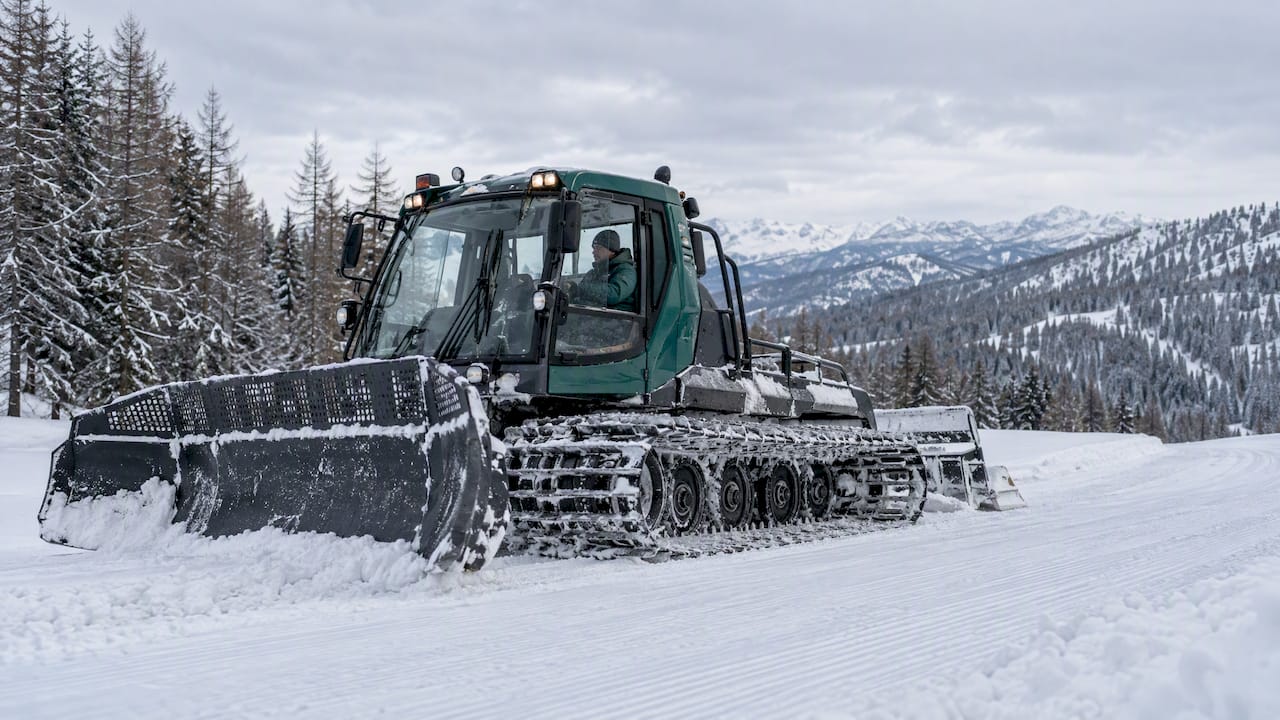
Learn how snowcats groom pistes and support guided cat-skiing, with practical safety guidance and what to expect in Kazakhstan’s Western Altai.
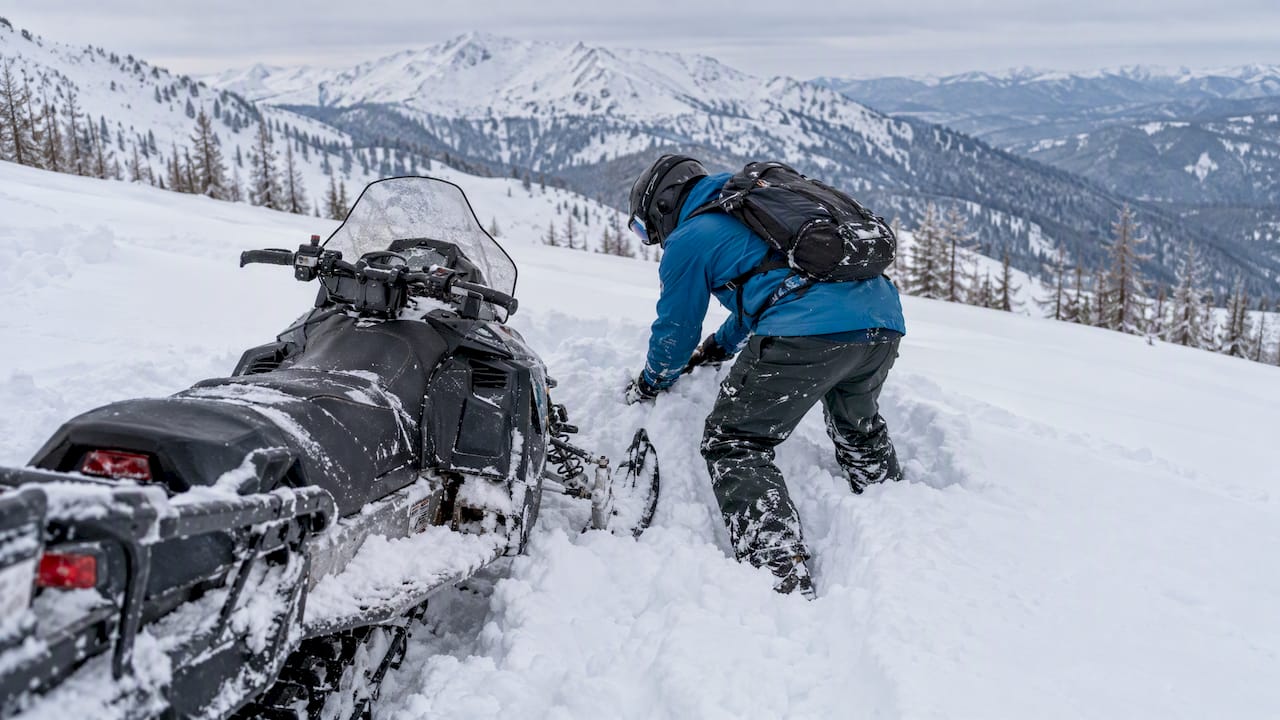
Learn how to recover a snowmobile stuck in deep snow: stop track spin, clear the sled, pack a short path and know when to seek help.
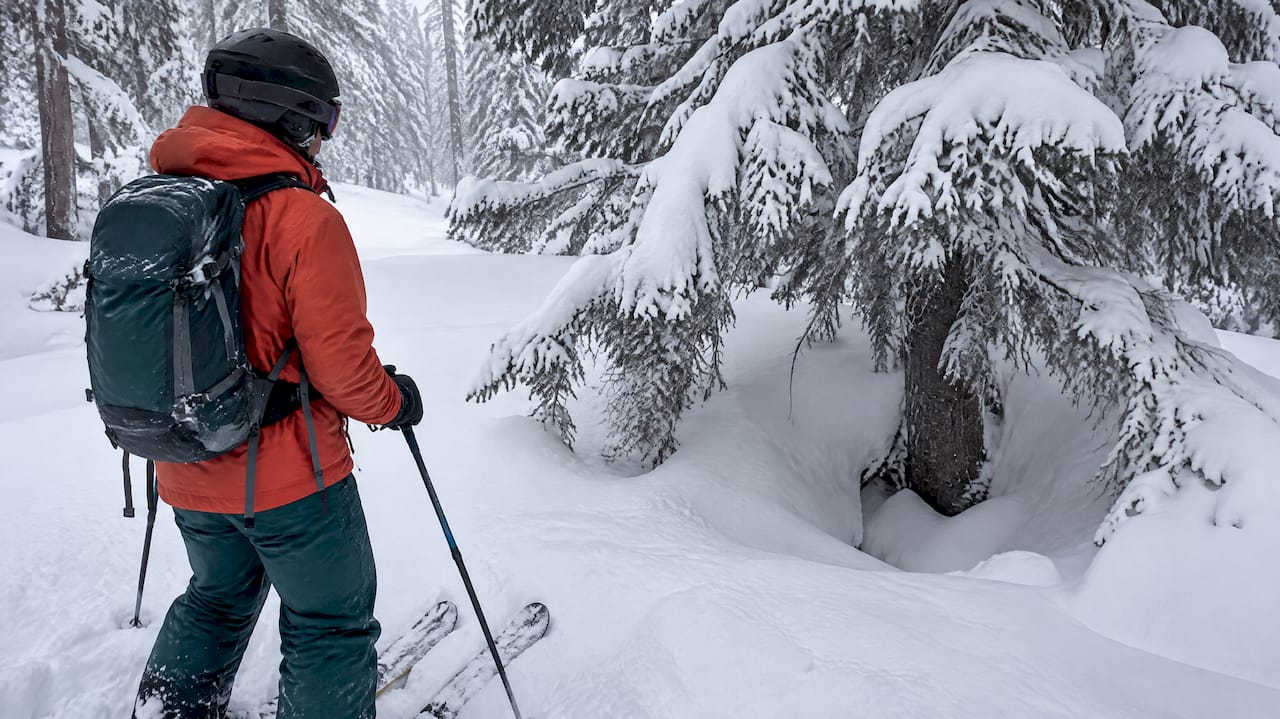
Learn how to prevent tree-well burial, keep riding partners in sight and begin immediate companion rescue in deep snow.

Compare aluminum and carbon ski poles for touring, resort skiing, park laps, freeride and racing, with practical guidance on fit, care and safety.

Compare wide vs narrow skis for groomers, soft snow and mixed conditions. See why 90–100mm is a useful starting point and how to try skis thoughtfully.
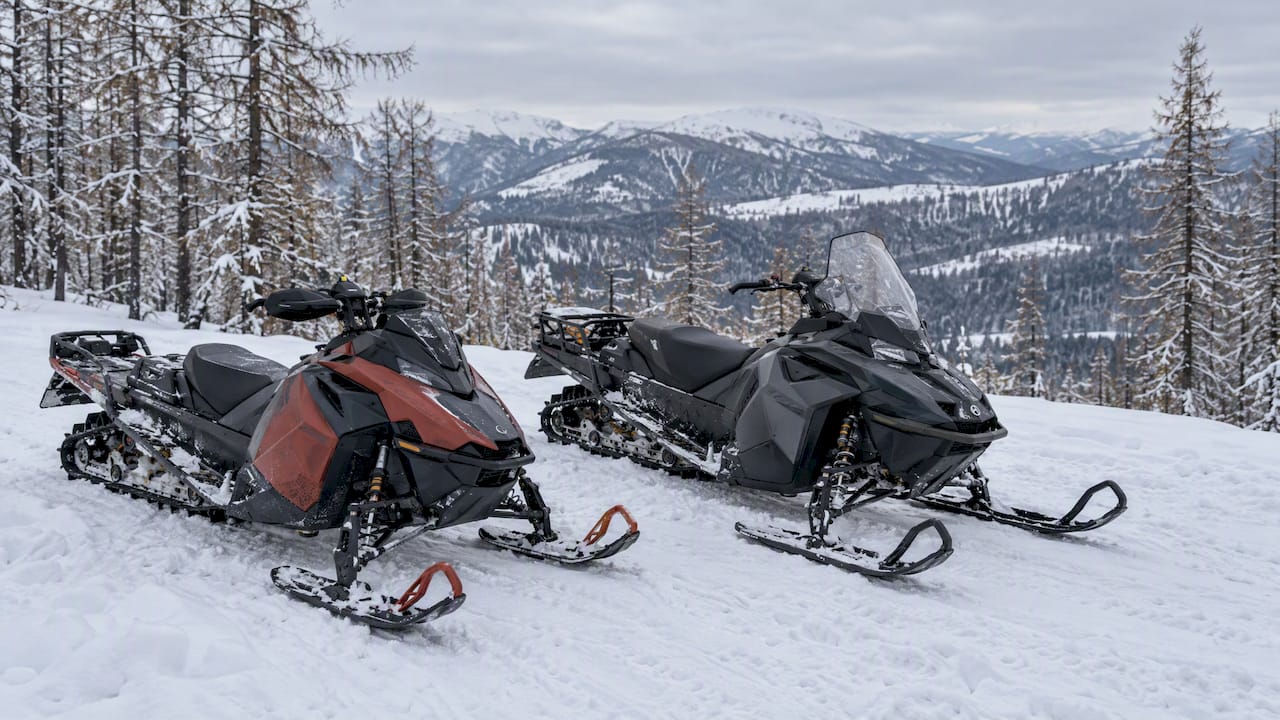
Compare 2-stroke and 4-stroke snowmobiles by handling, fuel use, emissions and upkeep, with guidance for a guided snowmobiling day near Ridder.
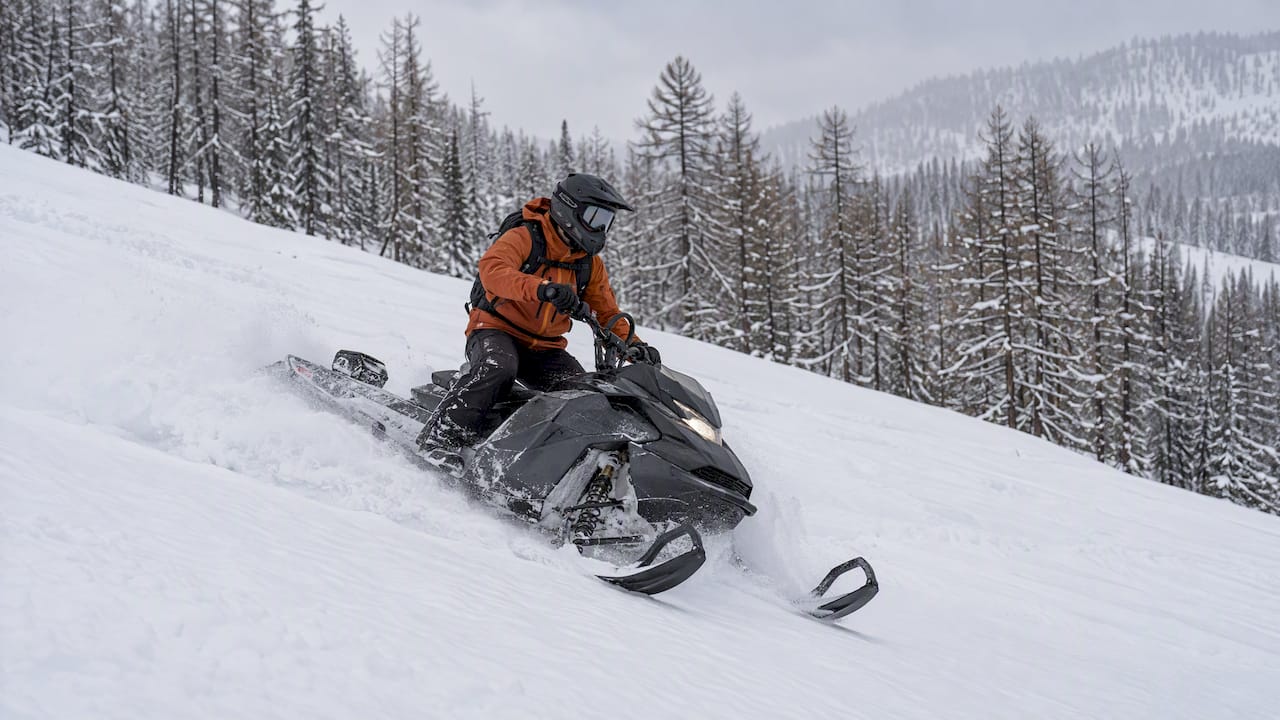
Learn snowmobile carving techniques for powder: stance, counter-steering, throttle timing, beginner drills and avalanche-safety essentials.
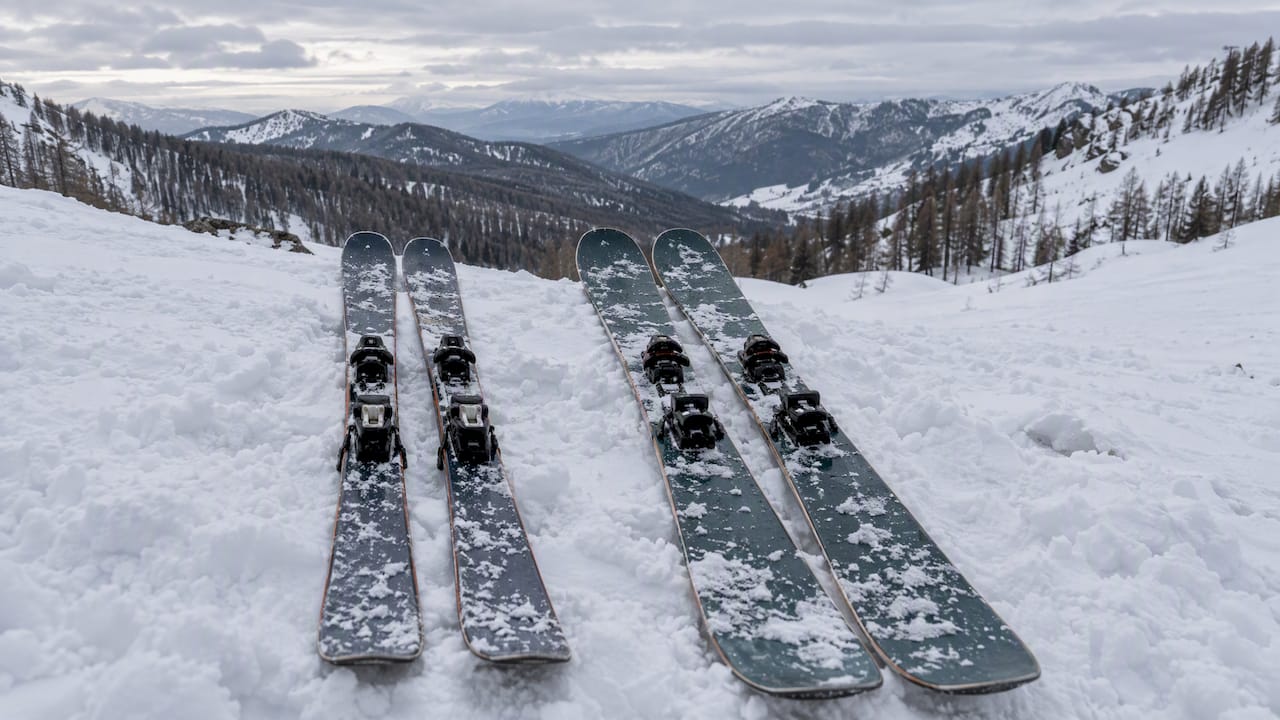
Compare powder and all-mountain skis by width, rocker and conditions, then decide whether to buy, rent or demo for deep-snow trips.
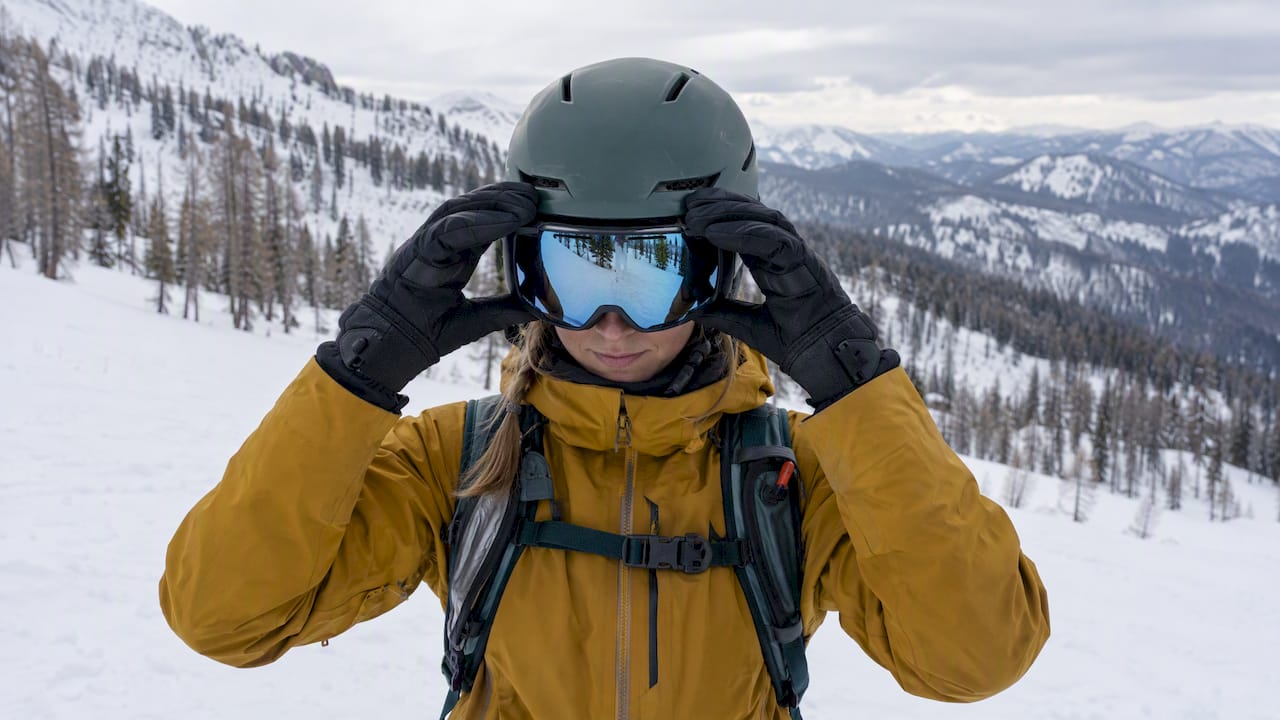
Prevent goggle fogging with five practical checks for lens care, fit, vents, breath and body heat—plus safe steps for fog on the move.
Choosing ski mittens vs. gloves? Compare warmth, dexterity, liners, fit and lobster mitts for piste skiing, powder days and touring.
Choose an insulated or shell ski jacket for resort, touring, cat and heli days, with practical guidance on 2.5L, 3L and layering.

Compare neck gaiters and balaclavas for cold-weather activities, with practical guidance on coverage, ventilation, helmet fit, moisture management and winter packing.
Choose between cylindrical, spherical and toric ski goggles, with practical guidance on tint, anti-fog performance, helmet fit and packing for Altai winter trips.
A practical cat-skiing safety checklist for first-timers, covering avalanche gear, companion-rescue practice, ability preparation and guided mountain days.
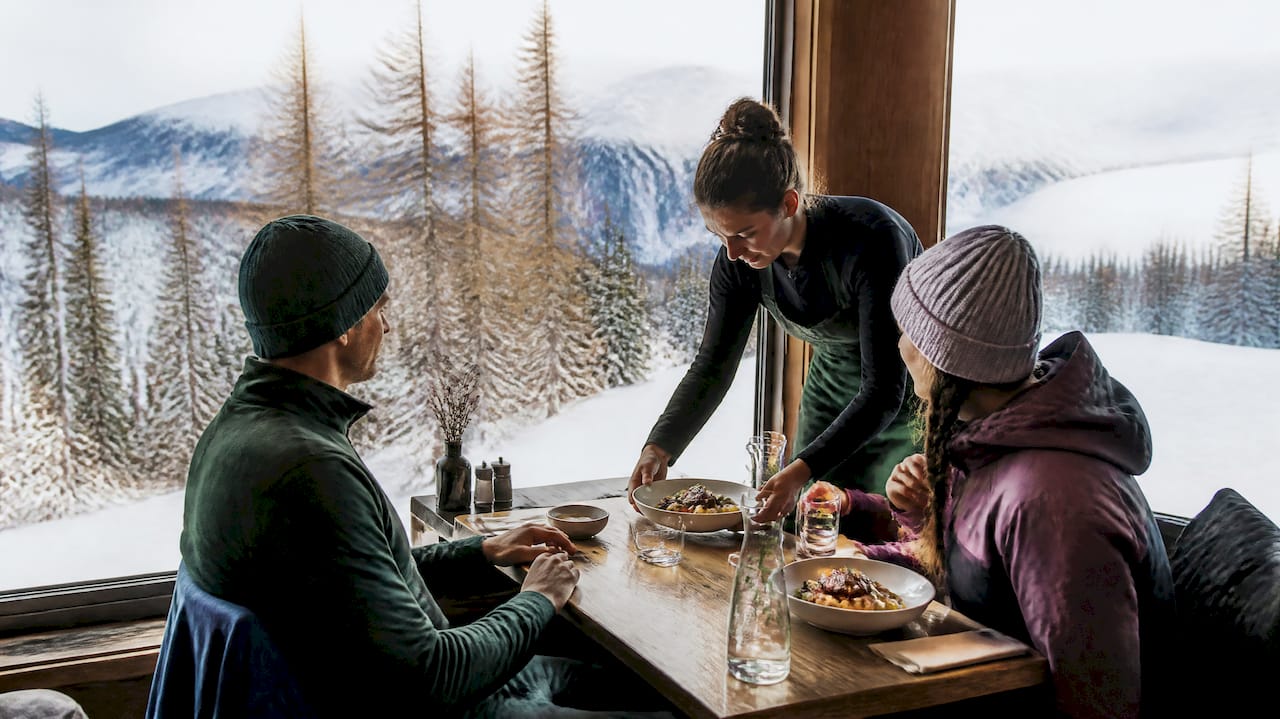
Plan on-mountain dining with four practical considerations: access, reservations, menus and dietary needs, plus weather and mountain safety preparation.

A practical Siberian cuisine guide to Restaurant Altai, East Kazakhstan dishes, dietary requests and Ridder Lodge accommodation rates.
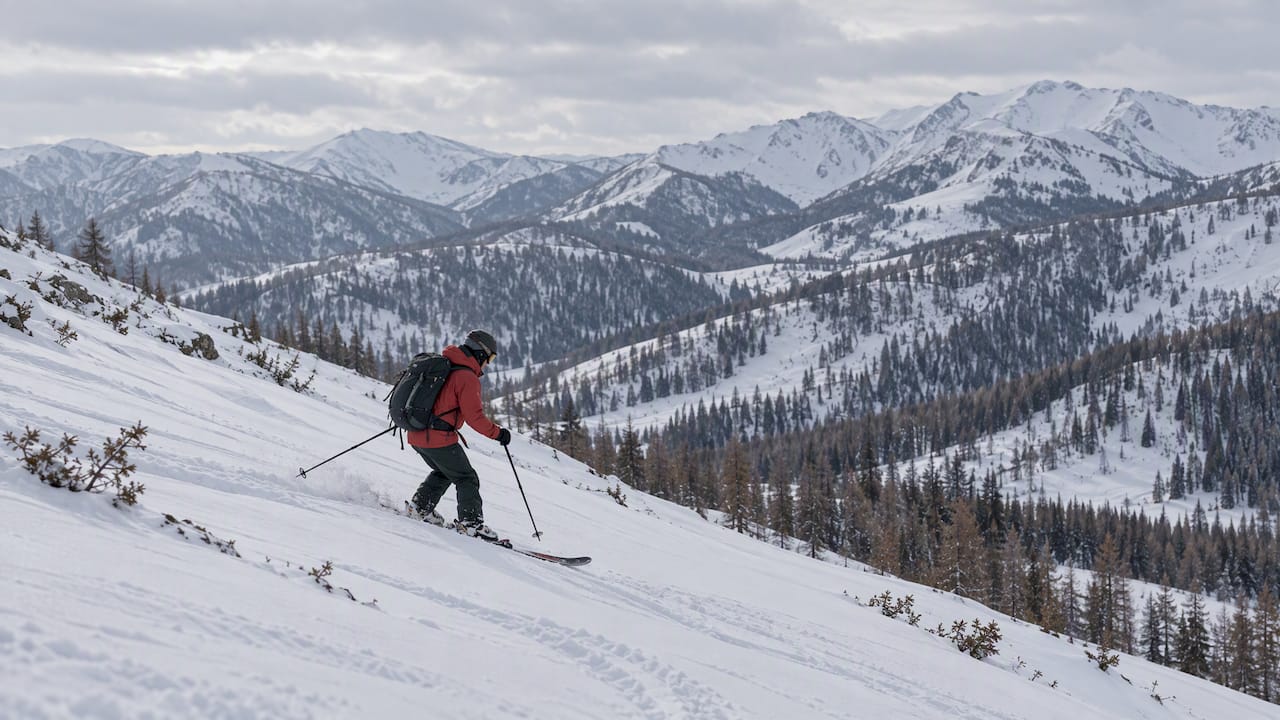
Explore heli-skiing’s environmental impact, including helicopter emissions, wildlife considerations, aviation effects and practical planning questions.
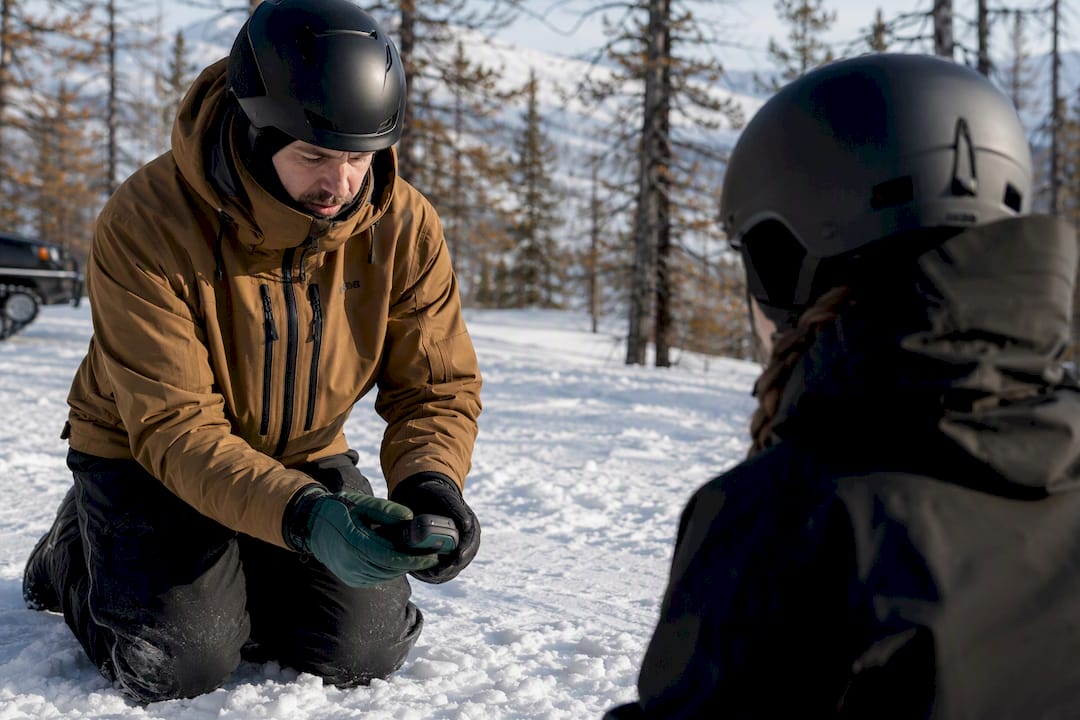
Learn what a snowcat safety briefing covers, including avalanche equipment, transceiver checks, the 20 cm/50 cm rule and cat-skiing preparation in Altai.
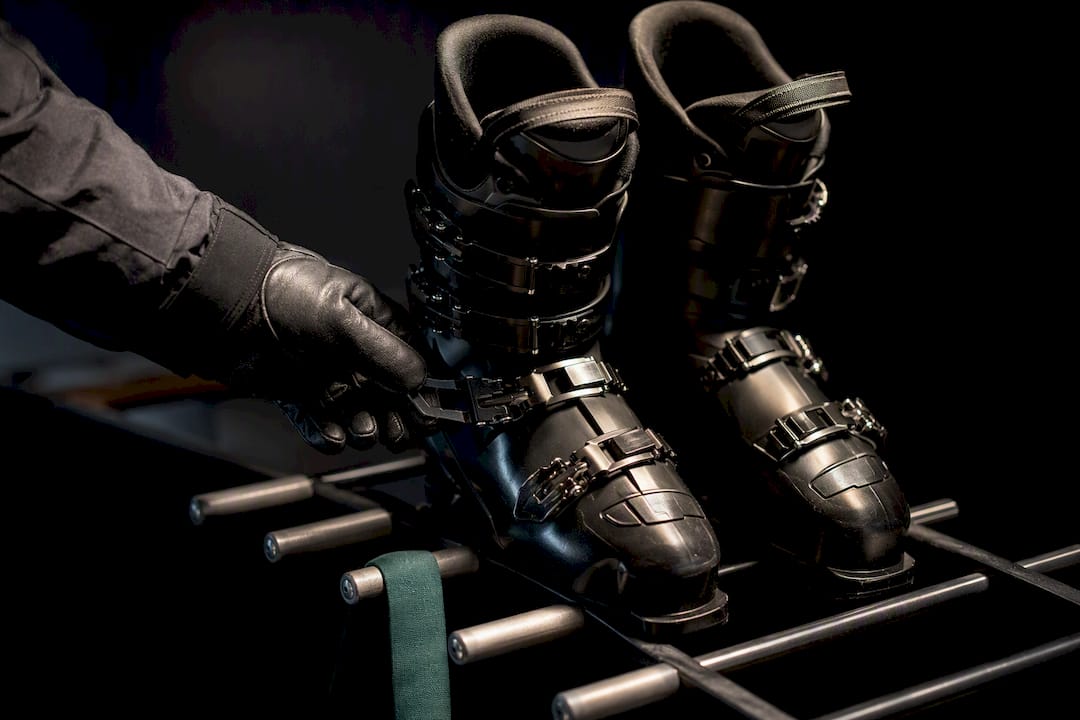
Practical ski locker etiquette for shared storage: keep equipment tidy, use boot dryers fairly and follow the rules in your drying room.
Plan a heli-accessed splitboard trip with practical guidance on formats, costs, rescue readiness, personal kit and Altai Mountains Resort options.
Explore Kazakhstan winter culture through holiday traditions, food, living heritage, regional rhythms and practical etiquette for visitors.
A practical luxury ski packing list for fitted essentials, lighter luggage and guided off-piste or heli-ski days at Altai Mountains Resort.

A practical heli-skiing safety guide for expert skiers, covering operator decisions, avalanche equipment, helicopter procedures, rescue planning and insurance.
Compare lift-assisted, touring and Western Altai ski options in Kazakhstan, with practical safety, travel and booking guidance.

Learn the heli-skiing skill level typically expected, the off-piste skills to practise, safety preparation and an adaptable 8–12-week training framework.

Plan the Kazakhstan skiing season with a practical comparison of Almaty and Ridder, month-by-month timing, mountain safety and trip planning.
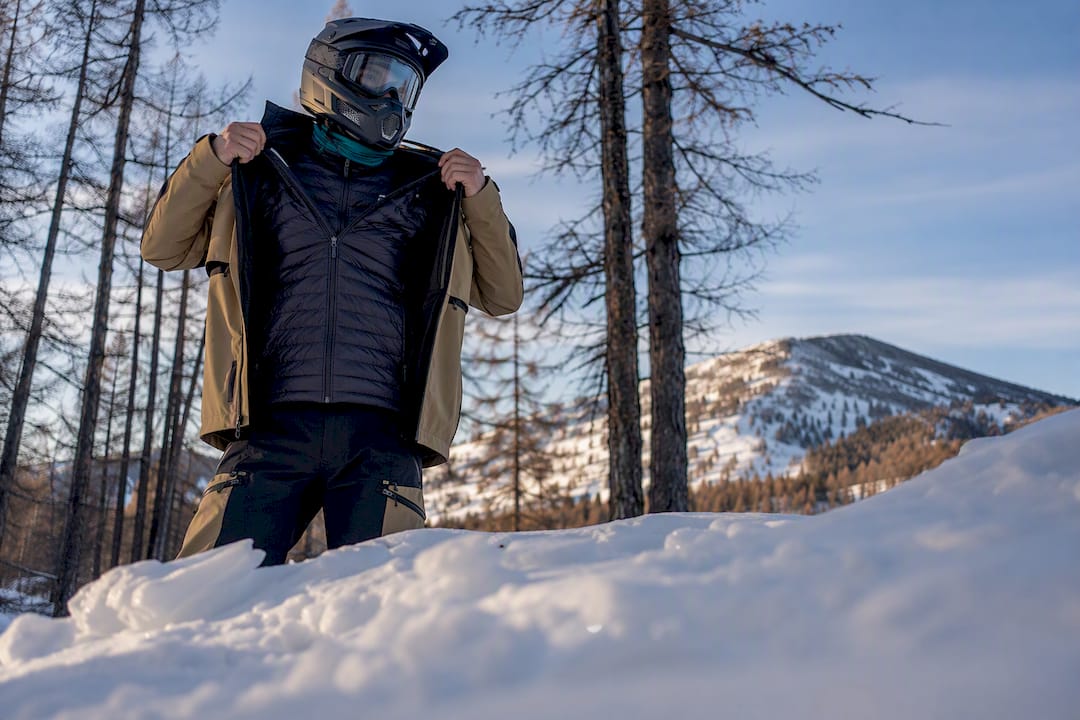
Use this snowmobile layering guide to build a flexible base, insulation and shell system, manage moisture and pack dry spares for changing conditions.

Learn what to rent for avalanche terrain, how to prepare a beacon, probe and shovel, and what to know about airbag packs and flights.
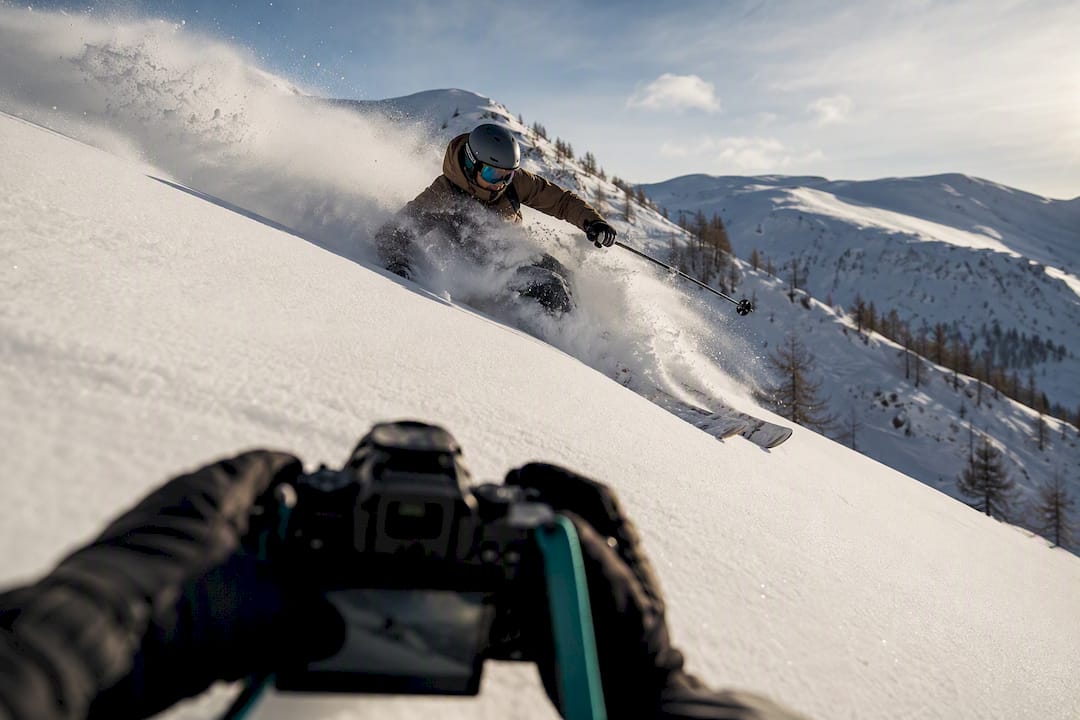
Practical ski photography tips for beginners: camera settings, snow exposure, timing, cold-weather camera care and safe mountain positioning.

Learn how to read an avalanche forecast, interpret danger ratings, roses and avalanche problems, and plan more conservative terrain choices.
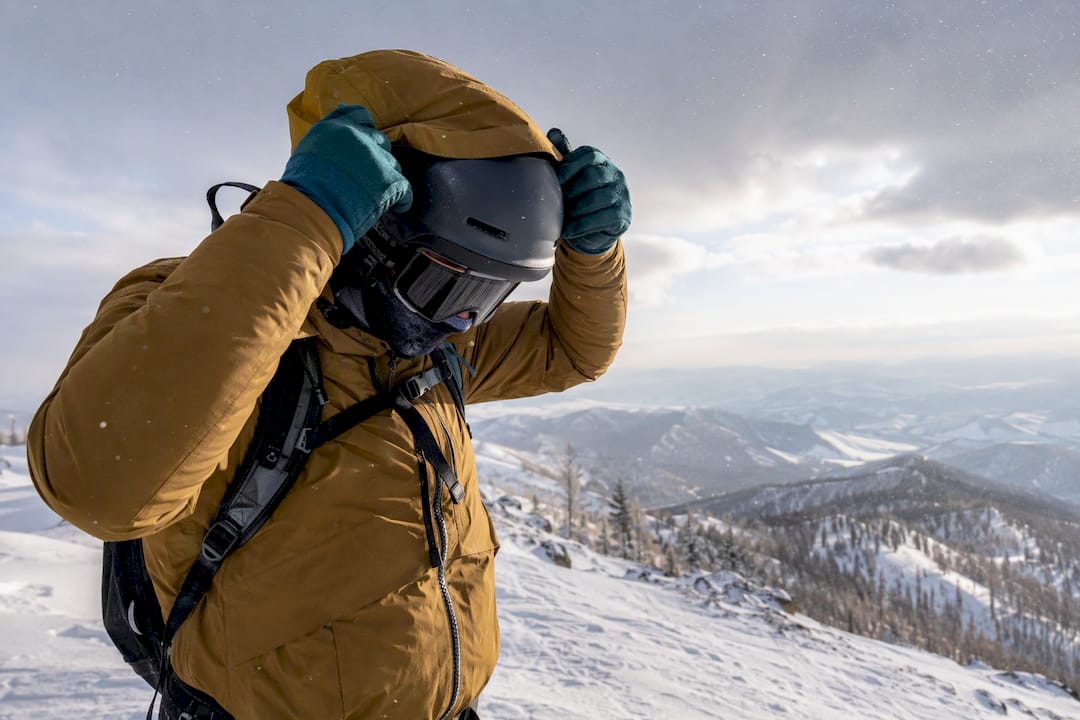
Practical cold injury prevention for winter travel: layering, dry spares, warning signs, first aid and planning for mountain activities.
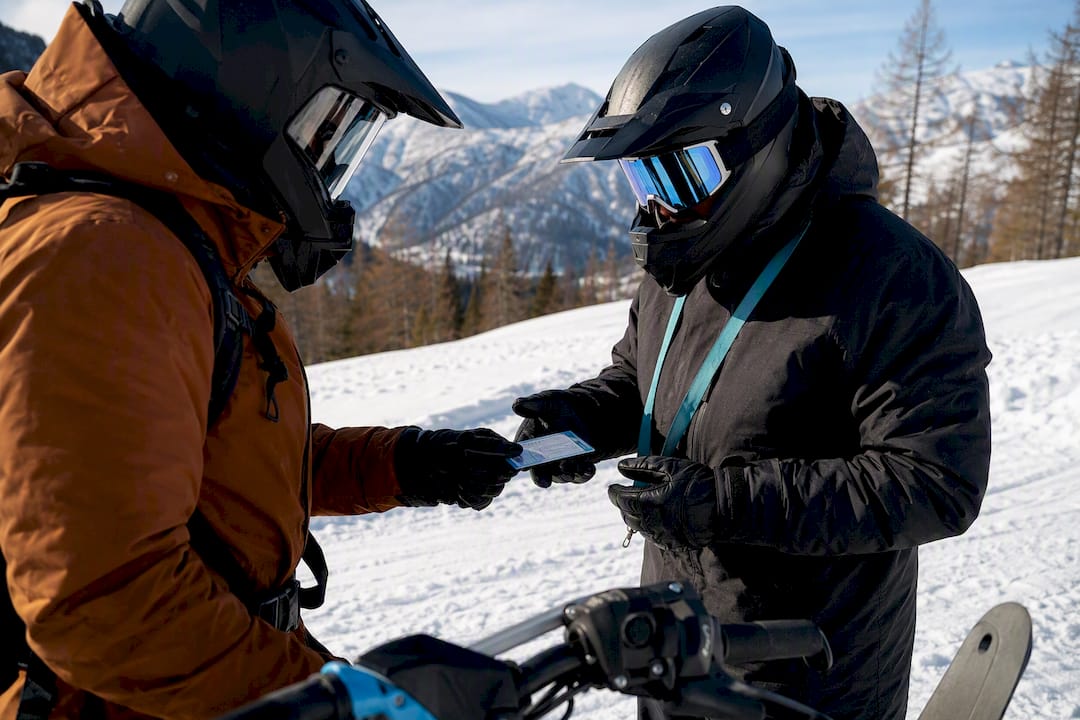
Planning snowmobiling in Ridder? Understand how experience, training, equipment and Kazakhstan rules shape your trip with Altai Mountains Resort.
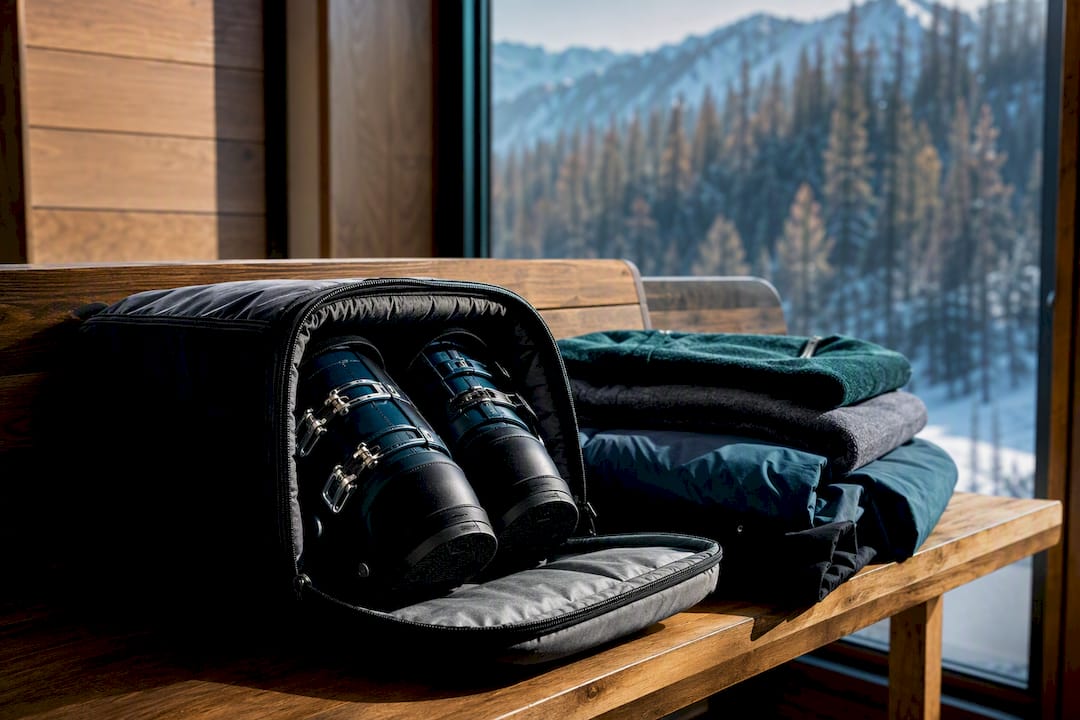
Travel with ski gear confidently: carry boots when cabin rules allow, pack skis securely, understand airline baggage rules and prepare for delays.
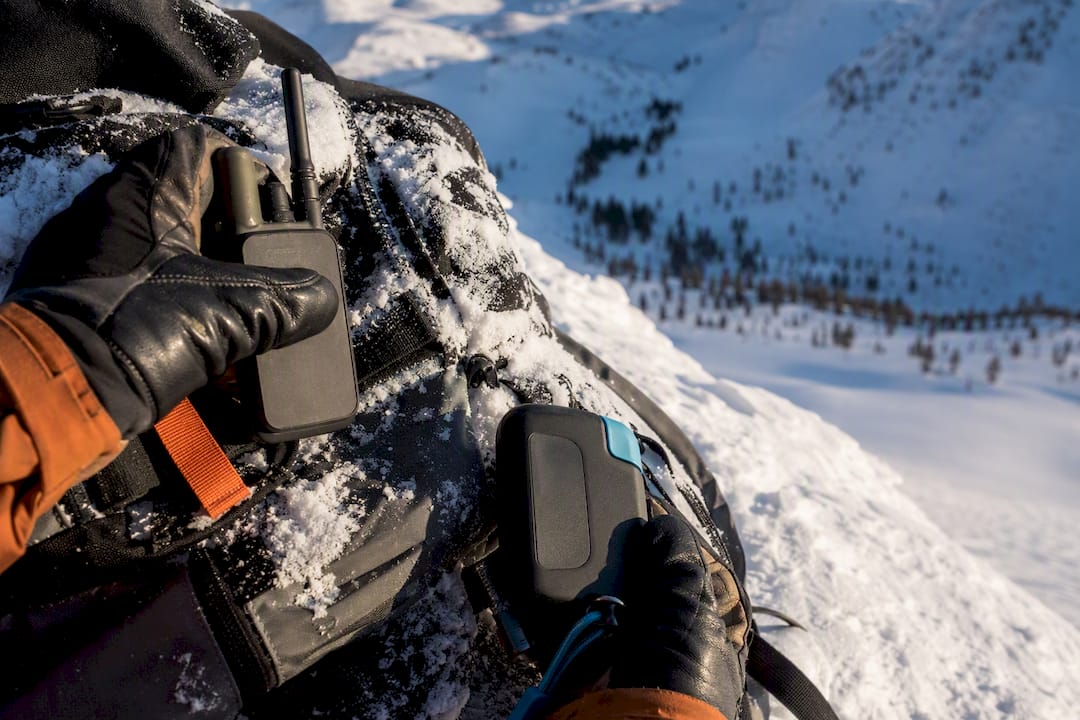
Build a practical backcountry radio communication plan with party radios, satellite SOS or PLB backup, cold-weather care and regional legal essentials.

Satellite messenger basics for remote Altai trips: compare PLBs and two-way devices, understand SOS limits, and prepare your communications plan.
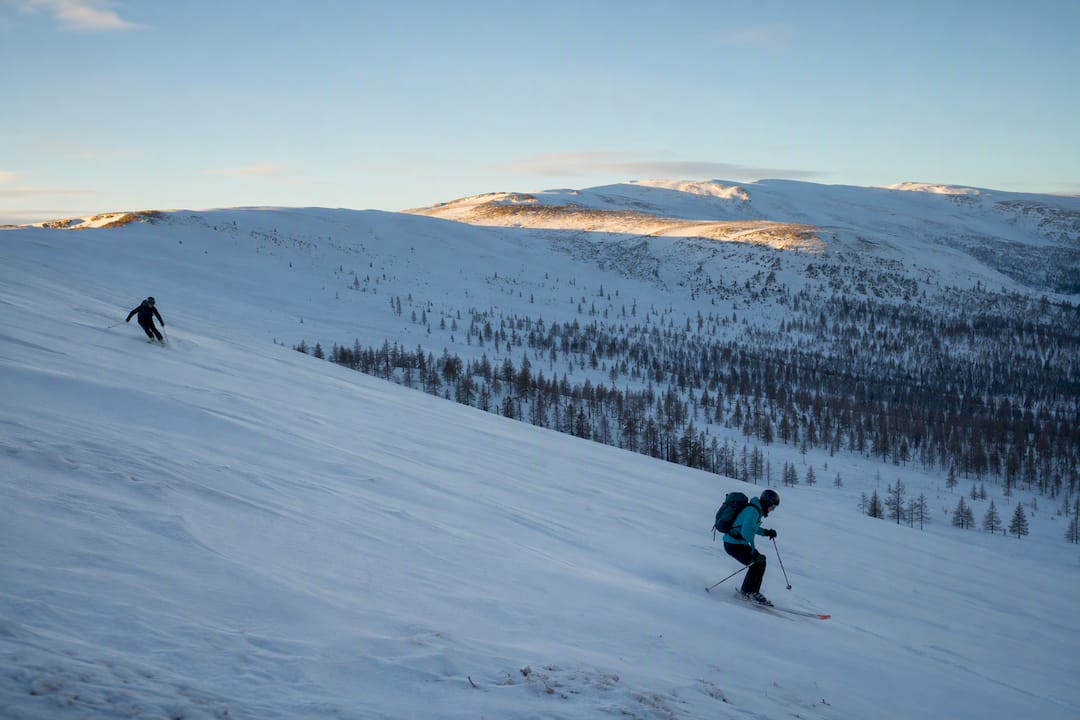
Avoid ski crowds with flexible dates, midweek skiing, early starts and smarter lift choices. Explore guided off-piste options near Ridder.

Learn how heli-skiing passenger weight and baggage rules differ by operator, with practical packing steps and Altai Mountains Resort booking guidance.
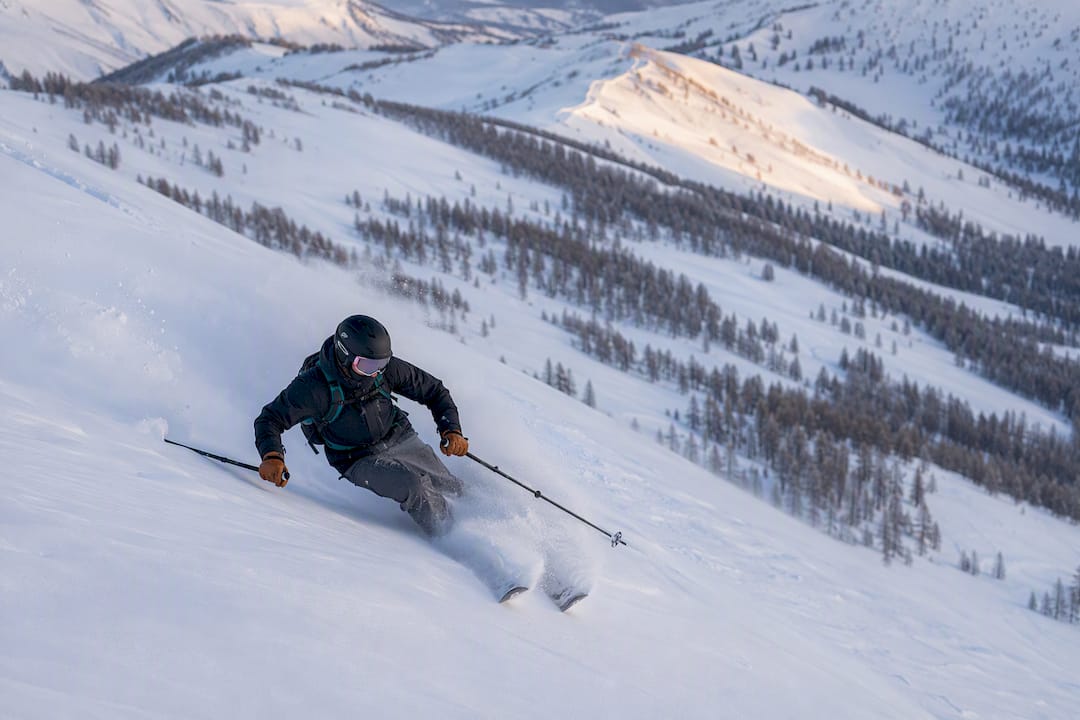
Understand the cat skiing skill level needed for Altai Mountains Resort, with practical guidance on off-piste ability, fitness and avalanche readiness.
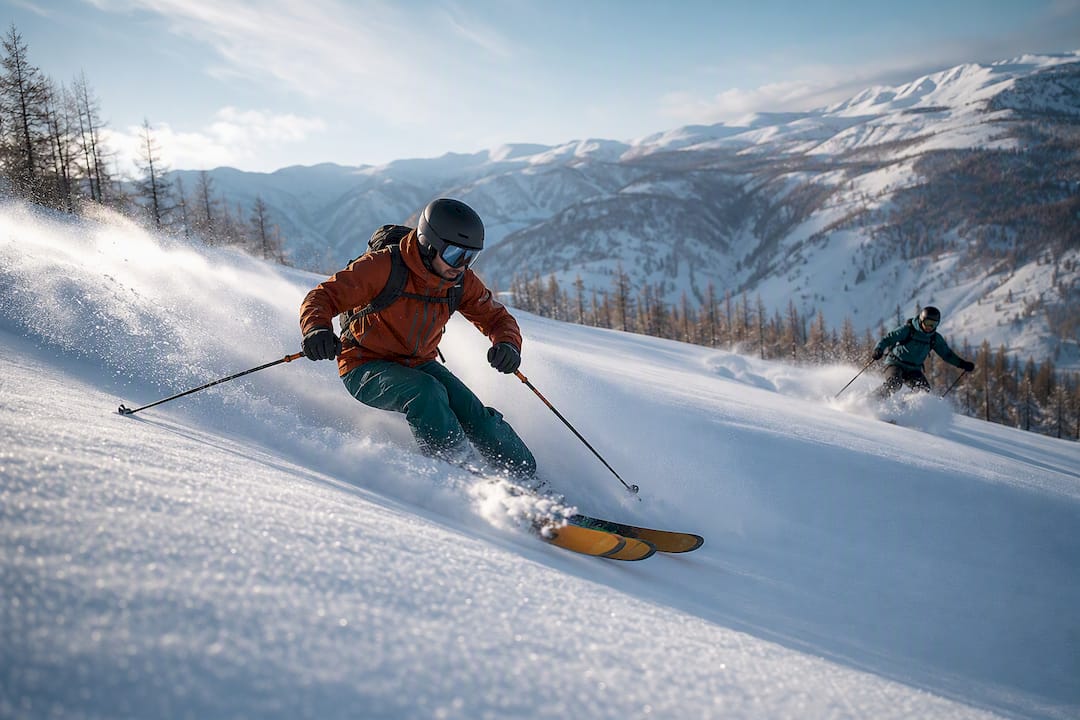
Decide whether Ridder suits your advanced Altai ski trip, with practical guidance on transfers, season timing, avalanche gear and guided programmes.
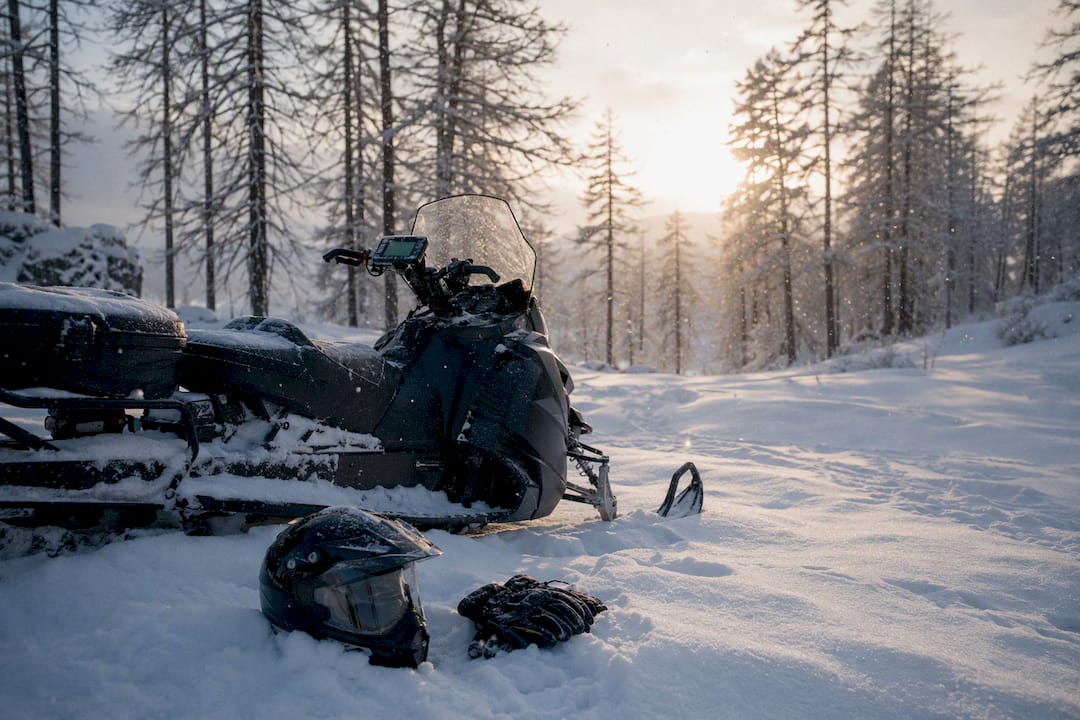
Compare snowmobile tour prices by duration, understand what shapes the final cost, and explore quote-based snowmobiling at Altai Mountains Resort.
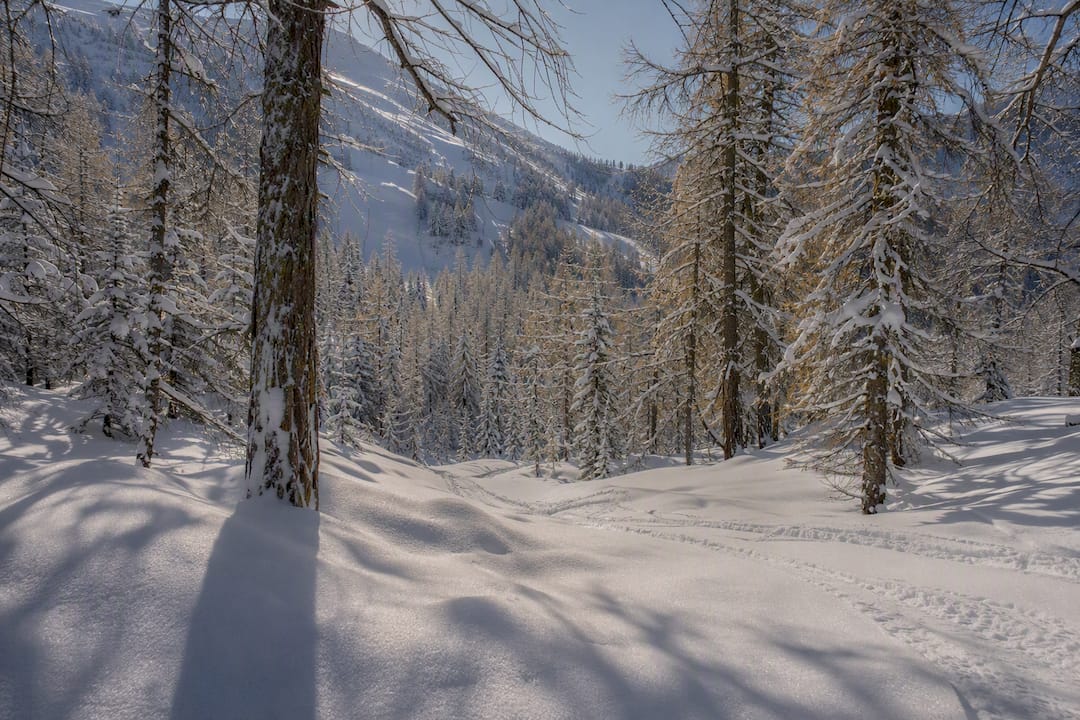
Compare Western Altai, Almaty and Turgen for Kazakhstan powder skiing, with practical guidance on access, safety and Ridder logistics.

Plan Altai heli skiing near Ridder with practical guidance on terrain, season, package inclusions, access, safety gear and booking.
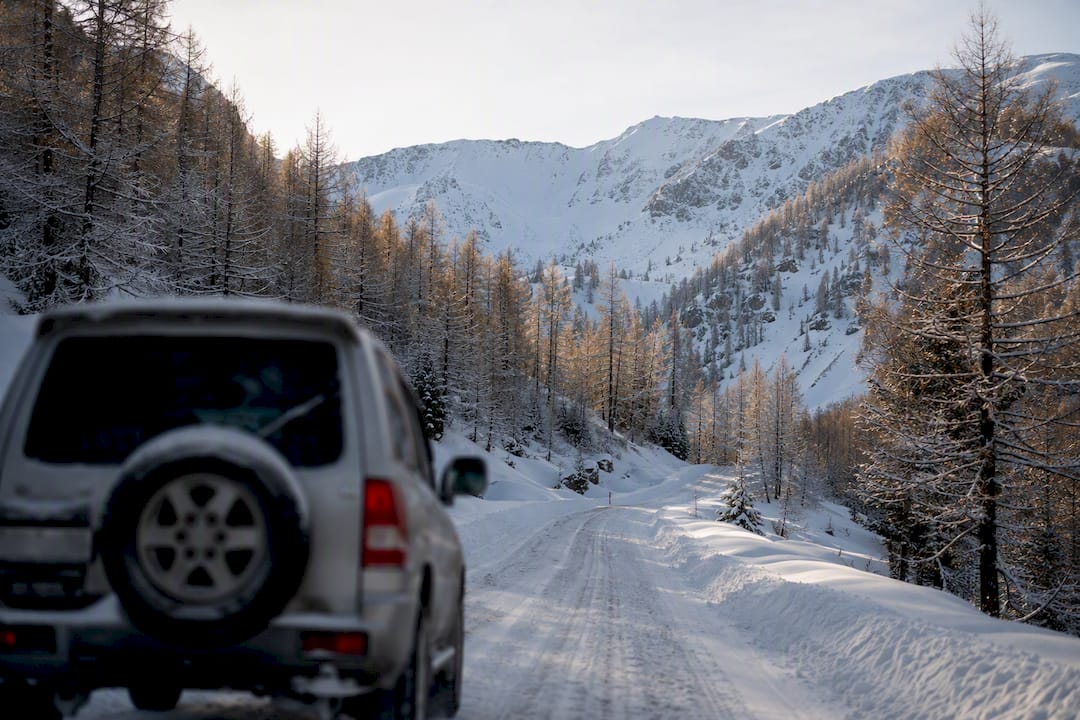
Compare flight, rail and self-drive routes from Almaty to the Kazakh Altai, with practical guidance for reaching Ridder and Ulba village.

Learn deep powder snowmobiling setup, riding technique, safe recovery and avalanche preparation, plus guided training near Ridder.
Plan an Altai Mountains winter stay from Ridder, with activity timing, travel from Öskemen, packing advice and practical mountain guidance.

Practical helicopter passenger safety guidance on boarding, seatbelts, exits, dropped items and following crew instructions.

Practical off-piste slope etiquette for safer skiing: right of way, avalanche preparation, group spacing, closures and guided skiing in the Western Altai.

Plan an Altai Mountains trip across Russian, Mongolian and Kazakh sectors, with permit, safety and winter-stay guidance for Ridder Lodge.
Learn how to plan guided freeride tours, from off-piste experience and avalanche gear to guide scope, changing mountain conditions and cat-skiing in the Altai.
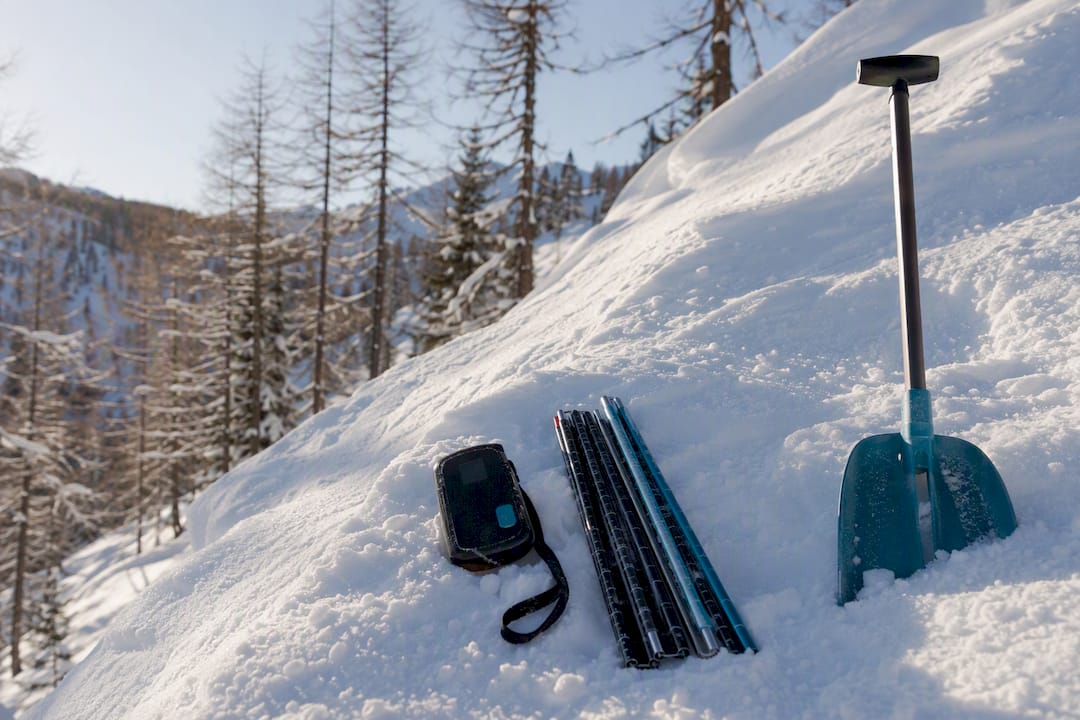
Learn avalanche beacon basics: 457 kHz transceivers, essential rescue gear, trailhead checks, interference and companion-rescue practice.

Learn which avalanche course suits your plans, what companion-rescue skills to practise and how to prepare for a winter trip to Altai.
Learn what cat skiing is, who it suits, what to pack and how to plan a guided cat-skiing trip, including options near Ridder, Kazakhstan.
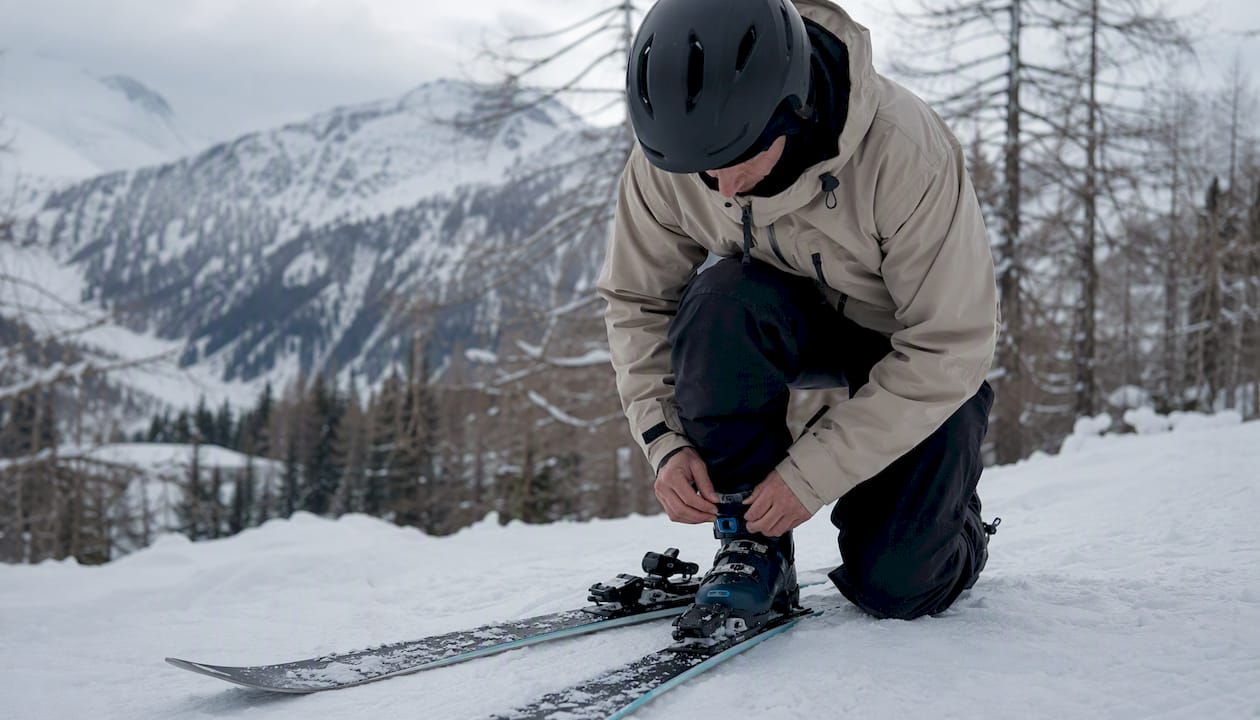
A practical ski rental Kazakhstan guide to Shymbulak and Medeu, current tariffs, equipment fit, transport and guided freeride near Ridder.

Understand ski guide benefits for freeride and backcountry trips, including local planning, terrain choices, qualifications, safety gear and access options.

Plan a snowmobile expedition near Ridder, Kazakhstan, with practical guidance on routes, rider experience, equipment, mountain safety and transfers.
Use this mountain lodge amenities checklist to compare rooms, meals, wellness access, transfers, activities and paid extras before booking.
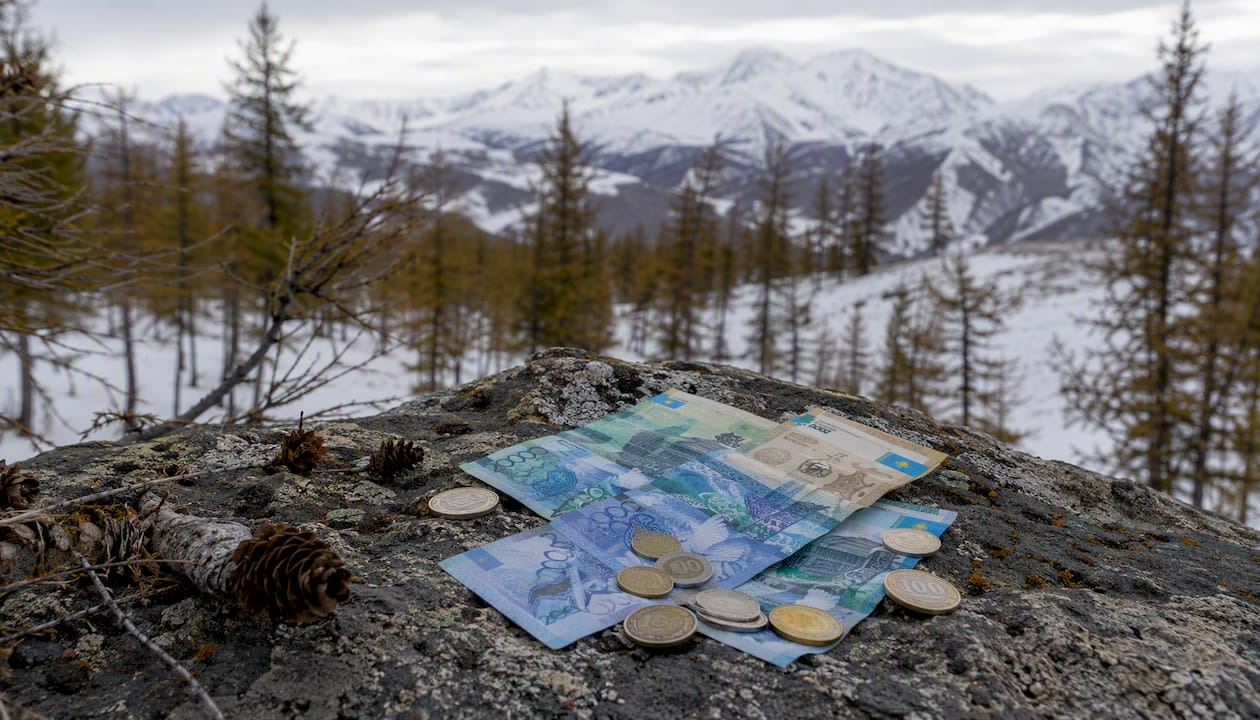
A practical Kazakhstan currency guide to the tenge, cards, ATMs, currency exchange, DCC and cash planning for cities and the Western Altai.
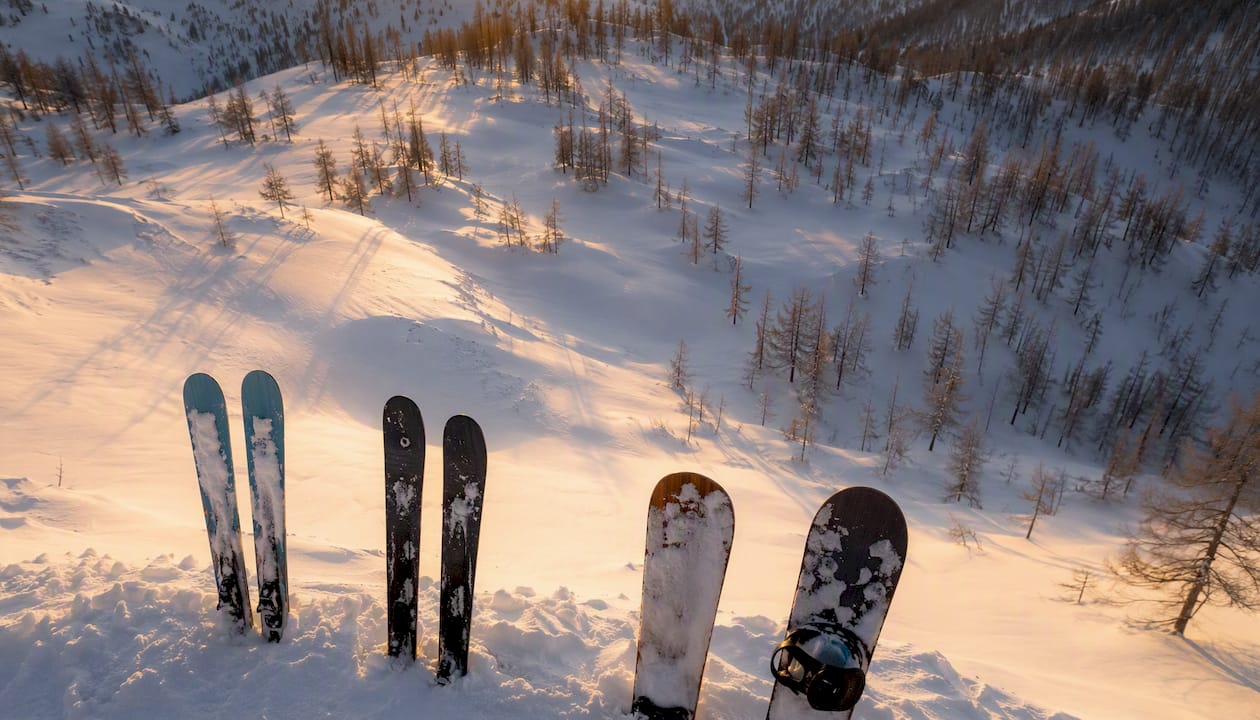
Plan the Kazakhstan ski season by month, compare lift-served Shymbulak with guided trips around Ridder, and prepare for changing snow and mountain conditions.
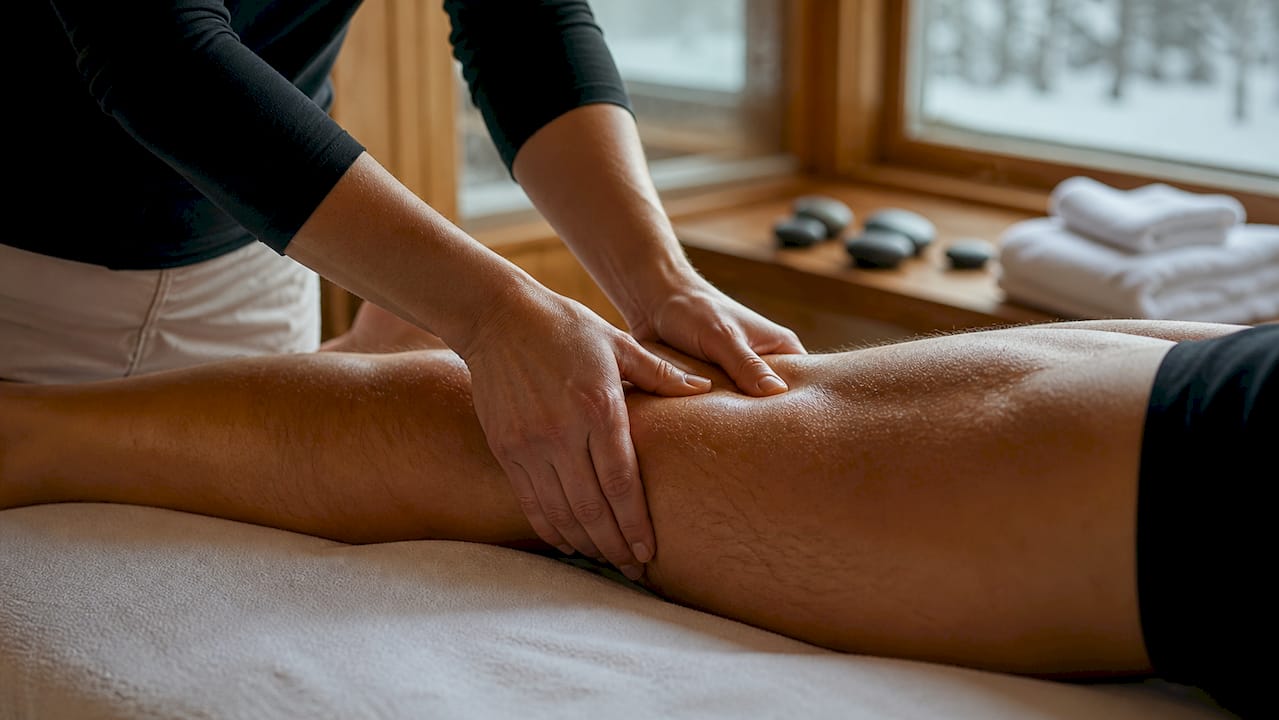
A practical guide to spa after skiing, including gentle massage, sauna and hammam, optional cold immersion and signs that need medical attention.
Plan a remote ski trip from the UK to Ridder, with practical guidance on activities, Kazakhstan entry, Öskemen transfers, insurance and ski baggage.
A practical heli skiing packing list covering clothing, avalanche equipment, ski baggage, batteries, travel documents and rental options.
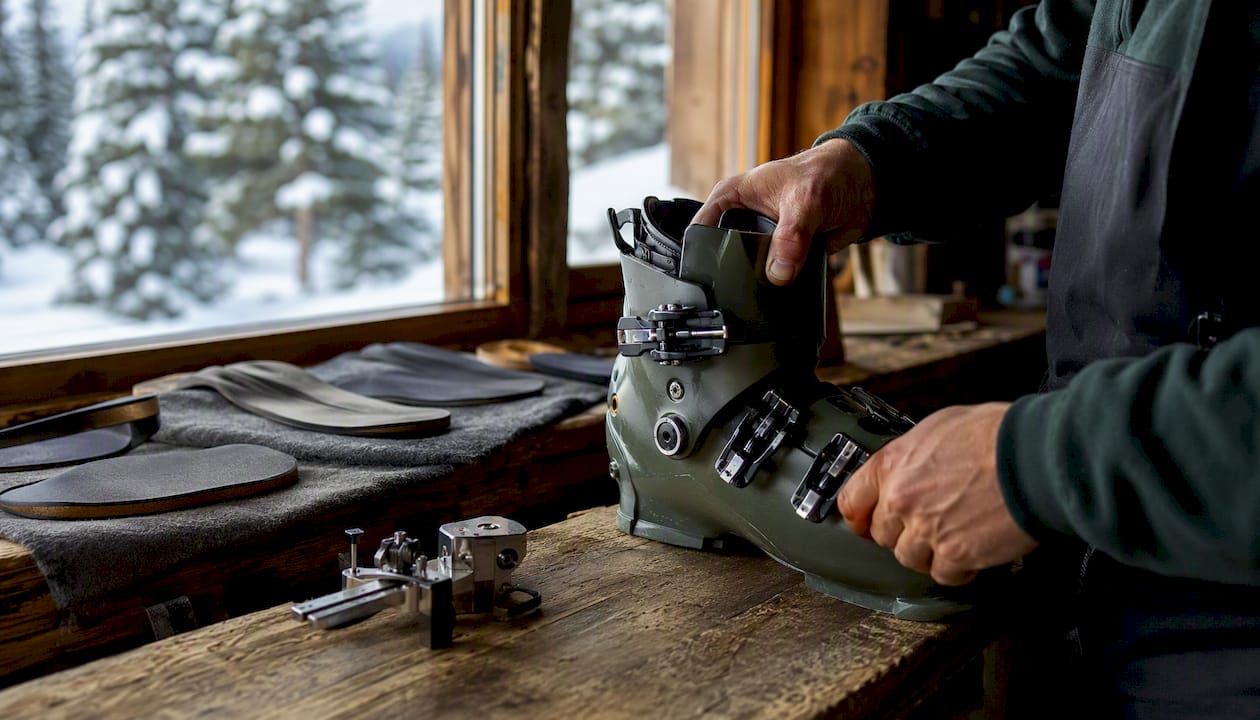
A practical UK guide to ski boot fitting: appointment steps, services, current provider price examples, aftercare and warning signs.
Should you tip a ski guide? Learn how customs vary, when a gratuity may feel appropriate and how to plan for tipping in Kazakhstan.
An Altai cuisine guide to kan, kurut, chegen and talkan, with dining at Restaurant Altai, food safety and travel from Öskemen to Ridder.
Compare banya vs sauna: heat, steam, venik and löyly rituals, etiquette, health evidence, safety basics and the Altai Banya experience.
Learn how to ski deep powder with centred balance, smooth turns, speed control, practice steps, gear guidance, and avalanche and tree-well precautions.

Plan a mountain wellness retreat in Ridder with freeride, heli-skiing, snowmobiling, Ridder Lodge, Altai Banya and practical winter travel guidance.

A practical snowmobile gear list for UK travellers heading to Altai Mountains Resort, with clothing, safety equipment, battery and travel guidance.

Understand Ridder Lodge’s ski-in/snowmobile-out access, guided ski-day logistics, transfers from Öskemen and practical planning for your stay.
Prepare for a guided snowmobile ride with a practical gear checklist covering helmets, winter layers, avalanche equipment and cold exposure in Ridder.

A practical heli skiing guide to ability, avalanche equipment, packing, weather and planning your first trip to Kazakhstan.
Plan guided deep snow snowmobiling in Ridder, with practical details on training, rentals, equipment, transfers and staying at Ridder Lodge.
How to choose Kazakhstan travel insurance for heli-skiing, cat-skiing or snowmobiling, including medical treatment and evacuation cover.
Kazakhstan visa requirements for UK visitors to Ridder, including visa-free limits, e-visas, passport rules, airports and Öskemen transfers.
Build strength, balance and endurance before cat-skiing, heli-skiing or snowmobiling with an adaptable six-to-eight-week ski fitness program.
Explore cold plunge benefits for skiers, from short-term soreness and recovery evidence to cold-shock risks, timing and Altai Banya options.

Understand heli skiing cost in 2026 with current operator examples, a total-budget checklist, and key booking, safety and insurance questions.