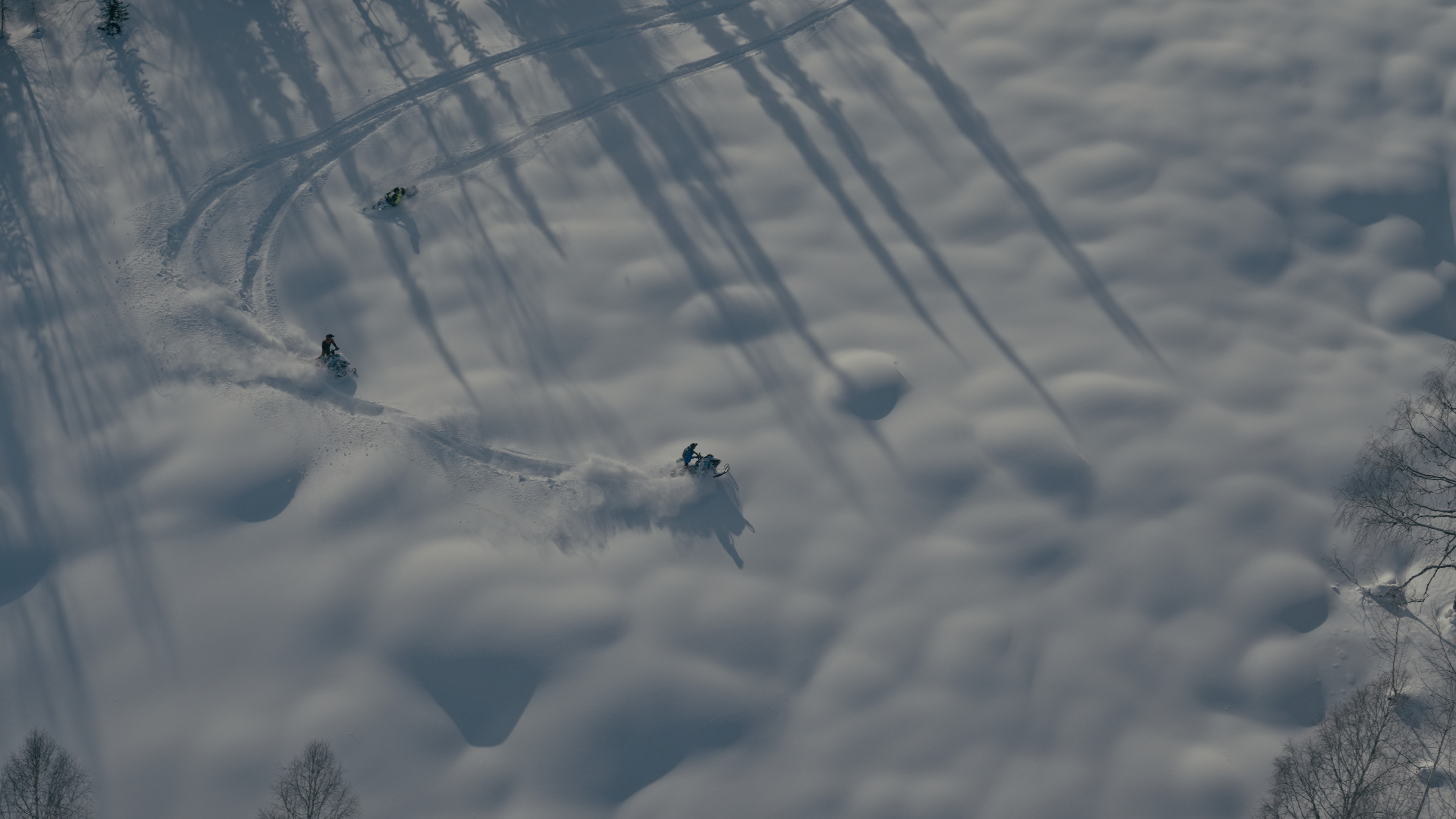
Practical off-piste slope etiquette for safer skiing: right of way, avalanche preparation, group spacing, closures and guided skiing in the Western Altai.

Good slope etiquette off-piste begins with the same habits that make marked runs work: control your speed, give priority to people ahead of you, leave room when overtaking, obey closures and stop where you can be seen. Beyond managed terrain, those habits need a more deliberate plan: suitable training, avalanche equipment, a route decision and a group that communicates well.
Fresh snow in the Western Altai is a compelling reason to ski, but it deserves patience. Another group’s tracks show that people have passed through; they are not proof that a slope is suitable for your group.
Off-piste etiquette: the essential rules
Courtesy in off-piste terrain is practical. It keeps groups from converging on the same line, limits avoidable exposure and gives everyone room to make sound decisions.
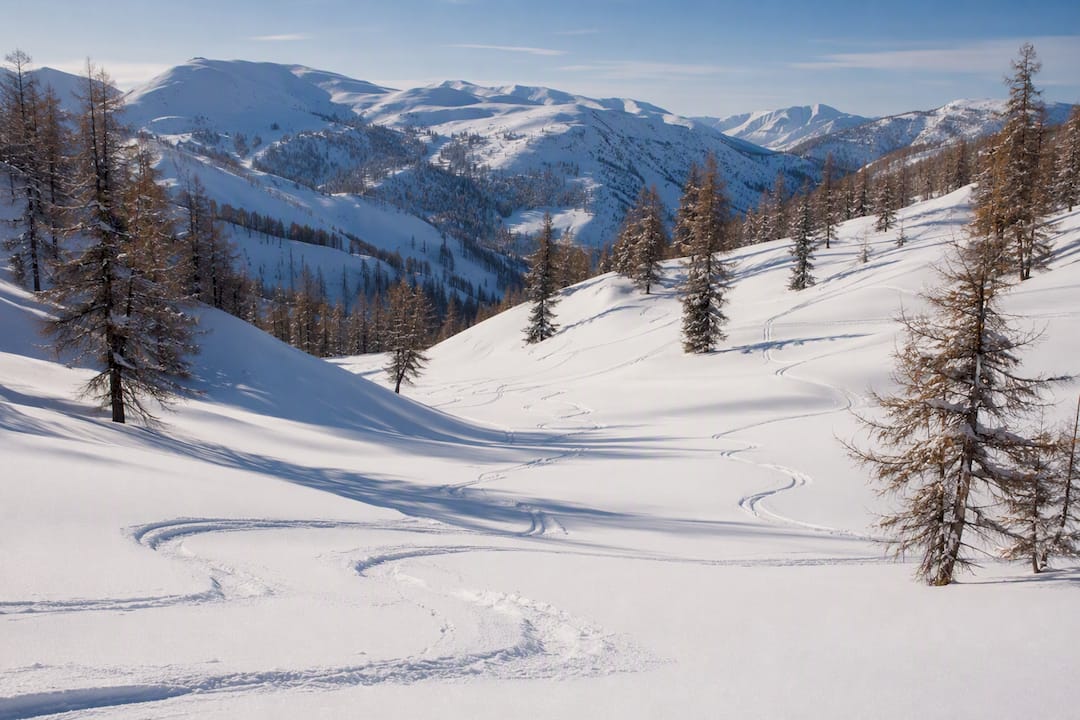
Give groups ahead time to clear a slope, narrow entry or traverse before starting your own descent.
Do not drop in above another party or cross directly over them.
On a shared ascent track, step aside fully before resting and avoid sending loose snow or rocks towards people below.
Keep your group together at planned regrouping points rather than spreading across terrain with poor visibility or limited escape options.
Respect route markers, signs and every closure. Tracks beyond a rope do not make it an open route.
First tracks are a courtesy, not ownership. If another party is carefully assessing a line, give them room to finish rather than crowding the entry.
Piste right of way, overtaking and stopping
The FIS Rules of Conduct provide a sound foundation for everyone on snow. Ski and ride at a speed that suits your ability, snow conditions, visibility and traffic. Choose a route that does not endanger the people in front of you; they have limited ability to see what is happening uphill.
Before entering a run, merging or crossing, look uphill and yield to approaching traffic.
Overtake only with enough space for the other skier or rider to turn, fall or change direction.
Stop at the side of the piste where you are visible from above, never below a rollover, in a narrow passage or across a junction.
Follow signs and local instructions, including directions from resort staff.
If an incident occurs, first protect yourself and others from further collision, then follow local instructions for help. Give responders the clearest possible location. Avoid moving an injured person unless the location itself presents immediate danger or a trained responder directs you to do so. On managed slopes, follow the local procedure for contacting ski patrol or emergency services, where available.
Avalanche planning, equipment and training
Off-piste skiing calls for more than strong turns. Read the current local avalanche forecast, consider the terrain and weather, and turn back when your group does not have the knowledge, equipment or confidence for the plan. Conditions can change quickly, which is why yesterday’s observations should never replace today’s assessment.
For avalanche terrain, Avalanche.org’s equipment advice identifies three core tools: an avalanche transceiver, probe and shovel. Carrying them is only the start. Every member of the group needs to know how to use them and practise with them before a real emergency.
Carry a charged phone and navigation appropriate to the route.
Discuss the day’s route, turnaround points and regrouping locations before leaving.
Choose terrain that matches the least experienced person in the group.
Do not rely on another party’s successful crossing as a safety test.
Physical preparation can support endurance and judgement, but it does not prevent injury or remove avalanche risk. Stay within your ability and stop when fatigue affects control or decision-making, as advised in the UK government’s winter sports slope-safety advice. Review equipment in line with manufacturer instructions and use a qualified technician where appropriate.
Group spacing and safe zones
In avalanche-prone terrain, spacing is a safety tool rather than a matter of style. Avalanche.org’s safe-zone advice recommends exposing one person at a time, with partners watching from a safe location, then regrouping in a place away from the slope’s runout.
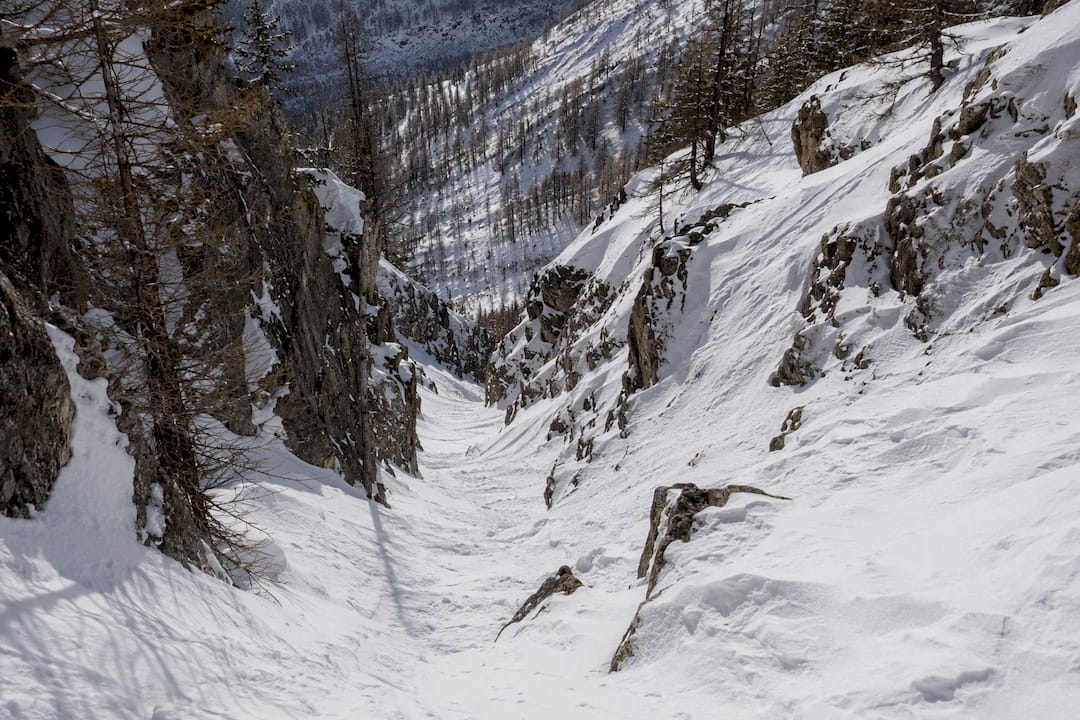
This approach keeps the group from concentrating on the same hazard and leaves people available to respond if something goes wrong. Agree who will ski first, where the observer will stand and where the next safe regrouping point lies. Do not pause beneath a loaded slope simply to adjust equipment or take photographs.
Patience matters when several groups are moving through the same terrain. Wait until the slope and its runout are clear, then make your own assessment. A clear line is not necessarily a safe one.
Closures, ropes and grooming machinery
Closures and ropes mark conditions, work areas or hazards that are not always visible from the piste. Stay out of roped areas and follow signs and any instructions from our team.
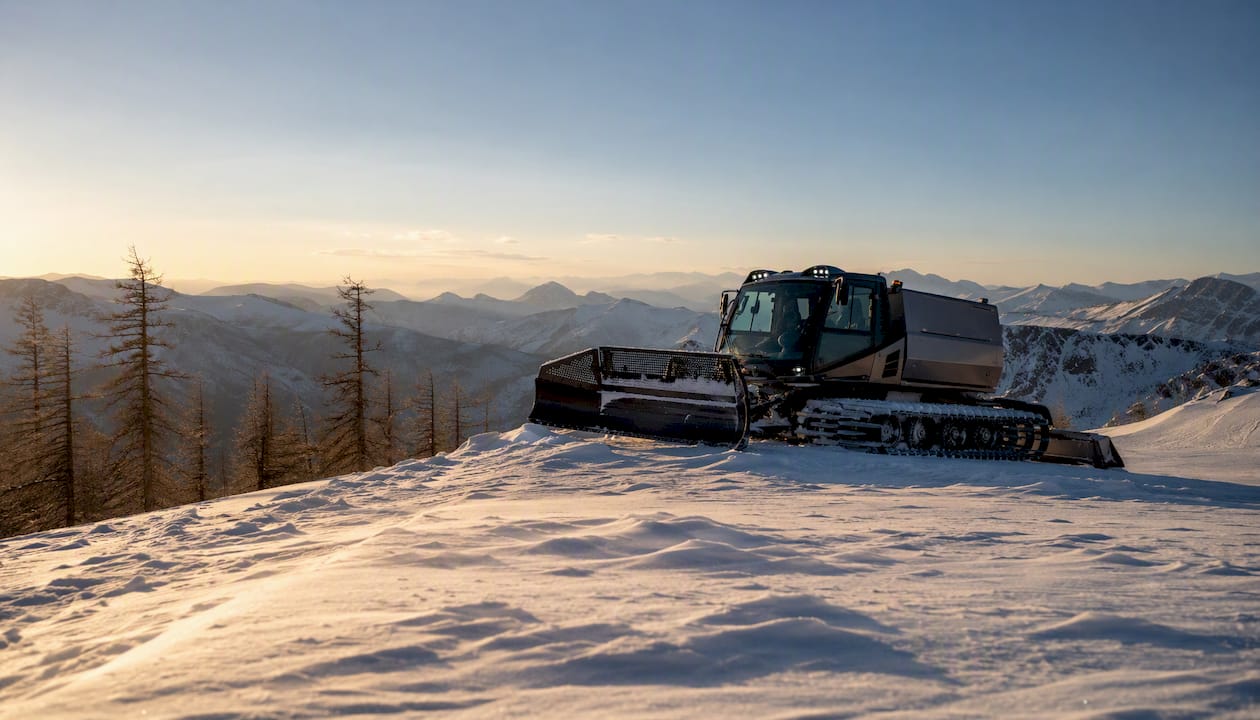
Grooming machines deserve particular space, especially after daylight hours. Their winch cables can be hard to see, especially in low light, so they should never be approached or crossed. The Mountaineering Scotland snowsports code also highlights the importance of keeping clear of machinery and following marked routes.
Your insurance policy needs to cover the exact activity, including off-piste travel. Some policies require a qualified guide; guided travel is an additional condition, not a replacement for suitable cover. Alcohol can also affect cover under some policies.
Route planning and when to hire a guide
A considered off-piste day starts before the lift or vehicle journey. Choose a route, note alternatives and turnaround points, and agree how the group will communicate. In unfamiliar terrain, mixed-ability groups or conditions that require specialist judgement, a qualified guide is a sensible choice.
A guide manages the itinerary and gives instructions for the group, while each guest remains responsible for following those instructions, describing their ability honestly and making personal preparations such as insurance.
Off-piste programmes at Altai Mountains Resort
At Altai Mountains Resort, we offer cat-skiing and freeriding and heli-skiing in the Western Altai near Ridder. These guided activities are for guests looking to explore deep-snow terrain through an organised programme.
Details vary by activity and date, including guide-to-guest ratios, equipment arrangements, briefings, inclusions and availability. Our booking team can help with the current details for your selected departure, while the contact page is a useful starting point for practical travel questions.
Use this article as a starting point, then let your training, the local forecast and the instructions in force on the day shape your decisions.
Sources
If you would like to prepare in more detail, these practical references cover the points above.
The FIS Rules of Conduct cover speed, overtaking, stopping, signs and assistance after an incident.
Avalanche.org equipment advice sets out the transceiver, probe and shovel used in avalanche terrain.
Avalanche.org safe-zone advice explains one-at-a-time exposure, observation and regrouping away from runout zones.
The UK government winter-sports slope-safety advice covers ability, fatigue, local rules and insurance for planned activities.
The Mountaineering Scotland snowsports code covers marked routes, roped areas and grooming machinery.
Supplementary reading
These broader pieces may be useful alongside, not instead of, local instructions, avalanche training and your own judgement on the day.
Arizona outdoor adventures: complete guide | Grand Canyon Journeys and Arizona outdoor adventures: complete guide | Grand Canyon Journeys offer broader outdoor-travel ideas.
For general winter-safety background, see ski patrol.
destabilise the slope onto the people below them touches on avoiding loose snow above others.
shift through the season and even within a single day considers how conditions can change.
Gov is general UK winter-sports travel background.
For a reminder about the visibility of winch cables, note that they stretch a long way from the machine and are easy to miss in low light.
measurably reduces injury risk considers pre-season readiness and training.
Etiquette On The Slopes - Altitude Futures | Ski Instructor Courses in Switzerland offers a general perspective on slope etiquette.
Gov provides additional UK winter-sports travel guidance.
Off-piste skiing, the ultimate guide - Tourisme Haute Savoie offers destination-oriented background.
For general fitness reading, How to prevent ski and snowboard injuries and keep your body healthy - UC Davis (blog) is useful background.
All Articles
Choose between cylindrical, spherical and toric ski goggles, with practical guidance on tint, anti-fog performance, helmet fit and packing for Altai winter trips.
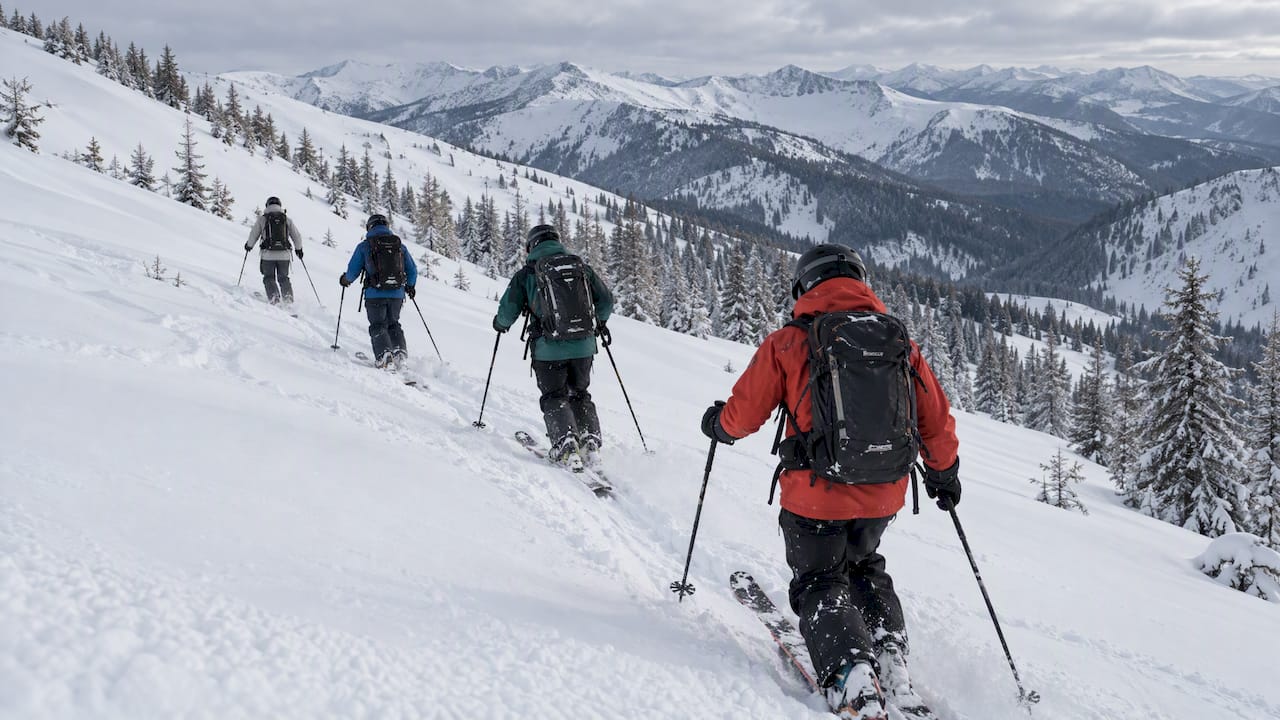
A practical cat-skiing safety checklist for first-timers, covering avalanche gear, companion-rescue practice, ability preparation and guided mountain days.
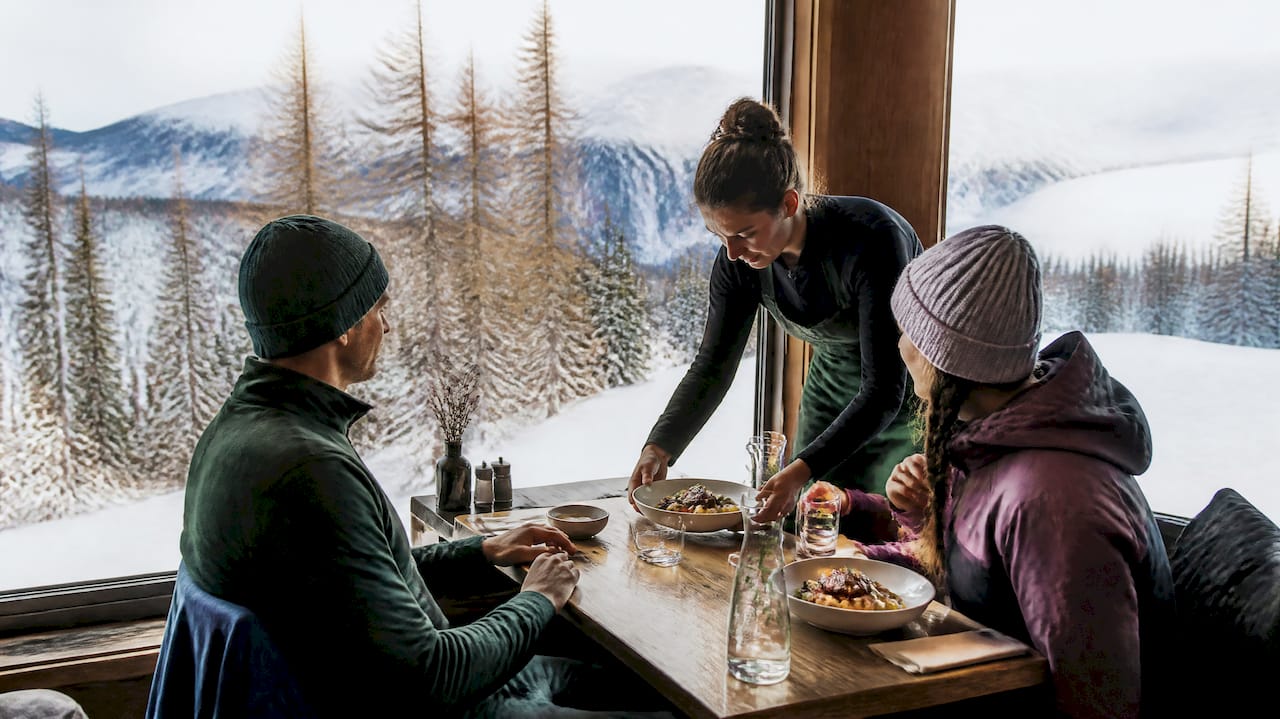
Plan on-mountain dining with four practical considerations: access, reservations, menus and dietary needs, plus weather and mountain safety preparation.

A practical Siberian cuisine guide to Restaurant Altai, East Kazakhstan dishes, dietary requests and Ridder Lodge accommodation rates.
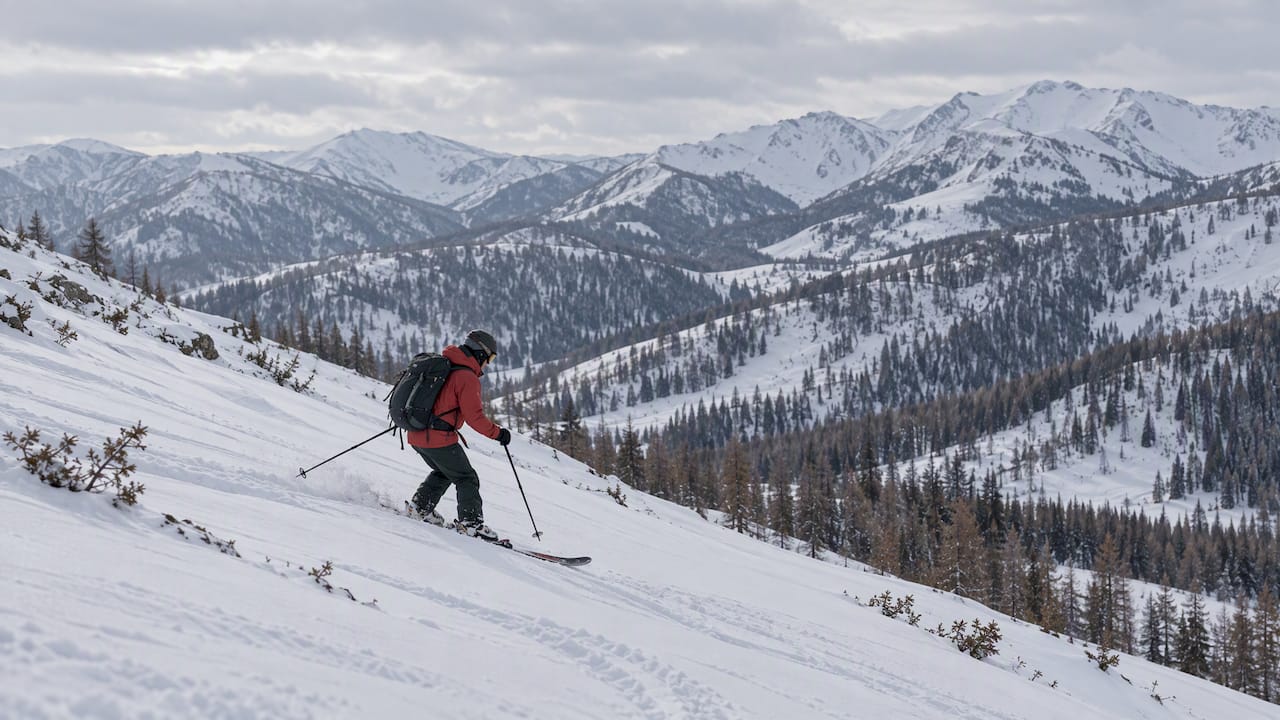
Explore heli-skiing’s environmental impact, including helicopter emissions, wildlife considerations, aviation effects and practical planning questions.
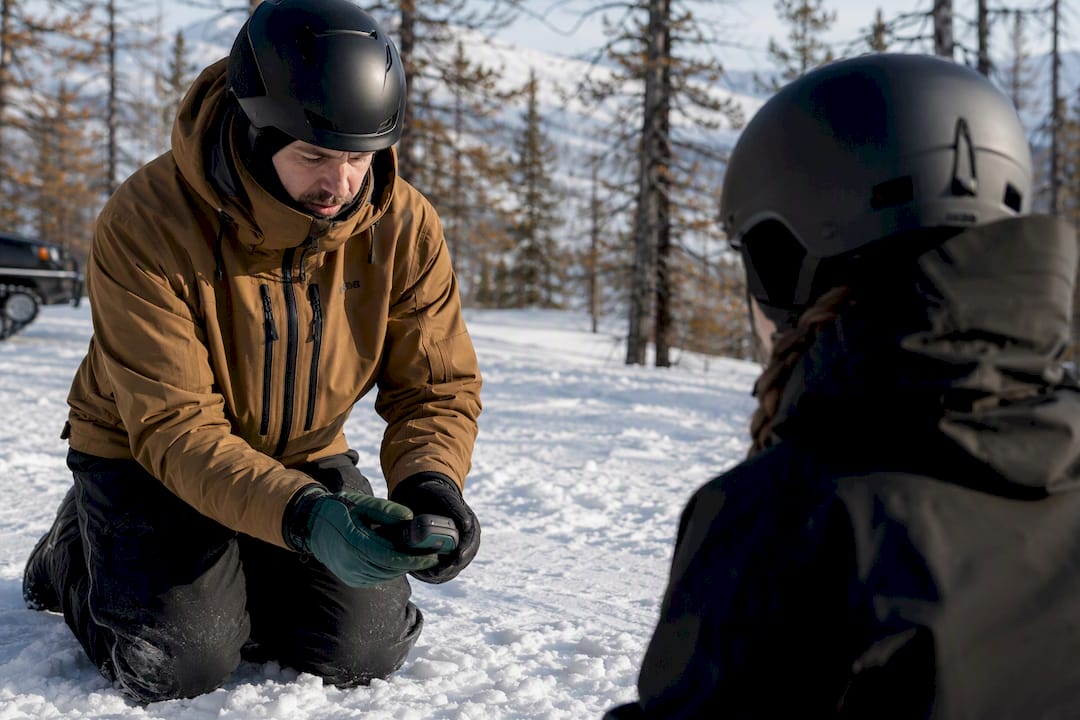
Learn what a snowcat safety briefing covers, including avalanche equipment, transceiver checks, the 20 cm/50 cm rule and cat-skiing preparation in Altai.
Practical ski locker etiquette for shared storage: keep equipment tidy, use boot dryers fairly and follow the rules in your drying room.
Plan a heli-accessed splitboard trip with practical guidance on formats, costs, rescue readiness, personal kit and Altai Mountains Resort options.
Explore Kazakhstan winter culture through holiday traditions, food, living heritage, regional rhythms and practical etiquette for visitors.
A practical luxury ski packing list for fitted essentials, lighter luggage and guided off-piste or heli-ski days at Altai Mountains Resort.

A practical heli-skiing safety guide for expert skiers, covering operator decisions, avalanche equipment, helicopter procedures, rescue planning and insurance.
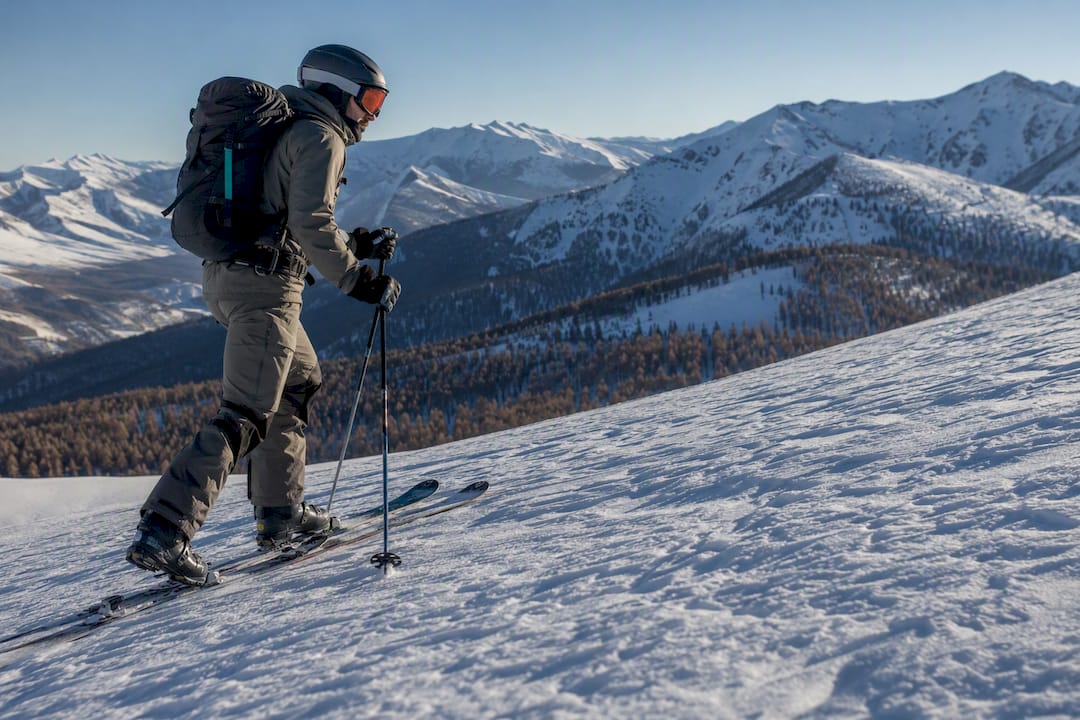
Compare lift-assisted, touring and Western Altai ski options in Kazakhstan, with practical safety, travel and booking guidance.

Learn the heli-skiing skill level typically expected, the off-piste skills to practise, safety preparation and an adaptable 8–12-week training framework.

Plan the Kazakhstan skiing season with a practical comparison of Almaty and Ridder, month-by-month timing, mountain safety and trip planning.
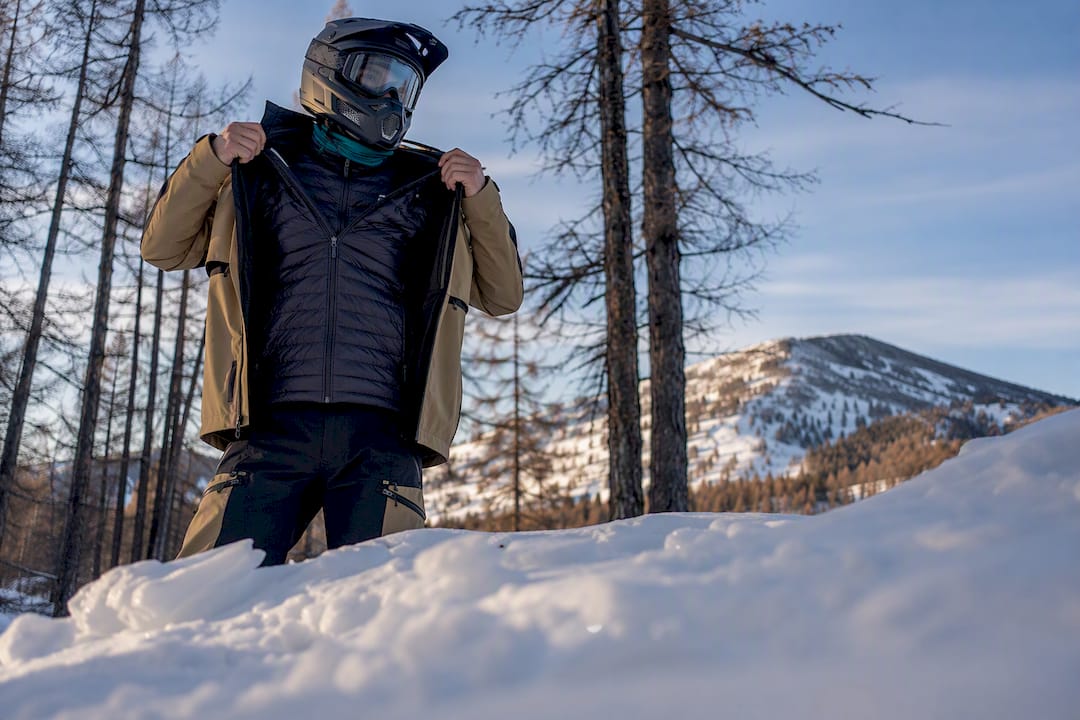
Use this snowmobile layering guide to build a flexible base, insulation and shell system, manage moisture and pack dry spares for changing conditions.

Learn what to rent for avalanche terrain, how to prepare a beacon, probe and shovel, and what to know about airbag packs and flights.
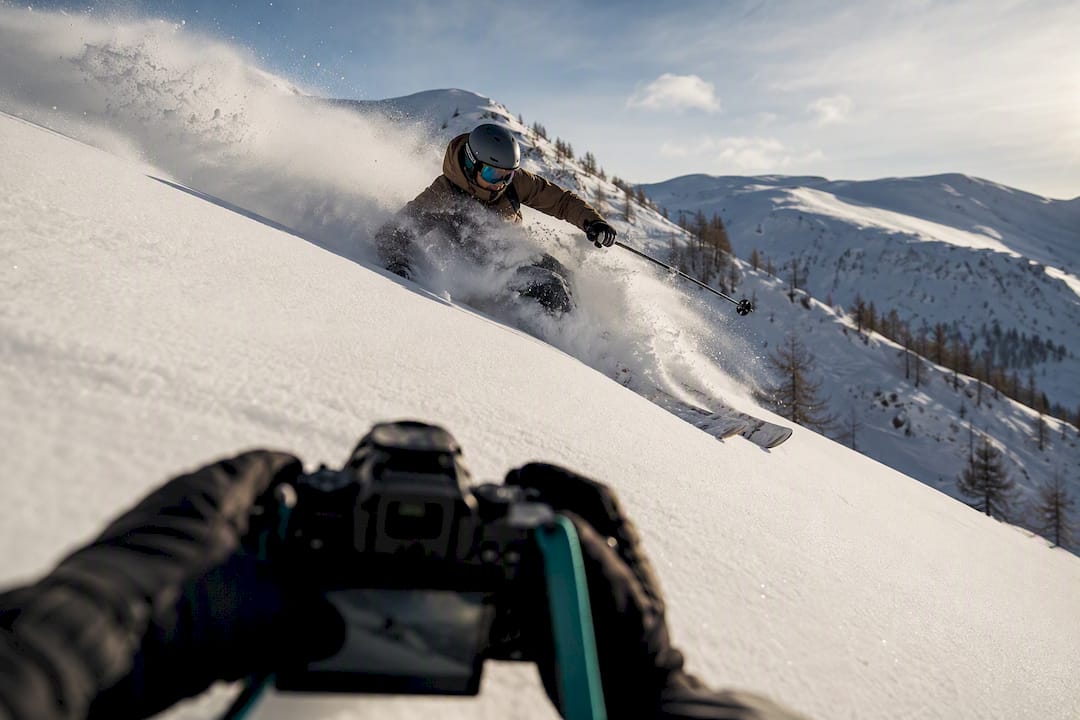
Practical ski photography tips for beginners: camera settings, snow exposure, timing, cold-weather camera care and safe mountain positioning.

Learn how to read an avalanche forecast, interpret danger ratings, roses and avalanche problems, and plan more conservative terrain choices.
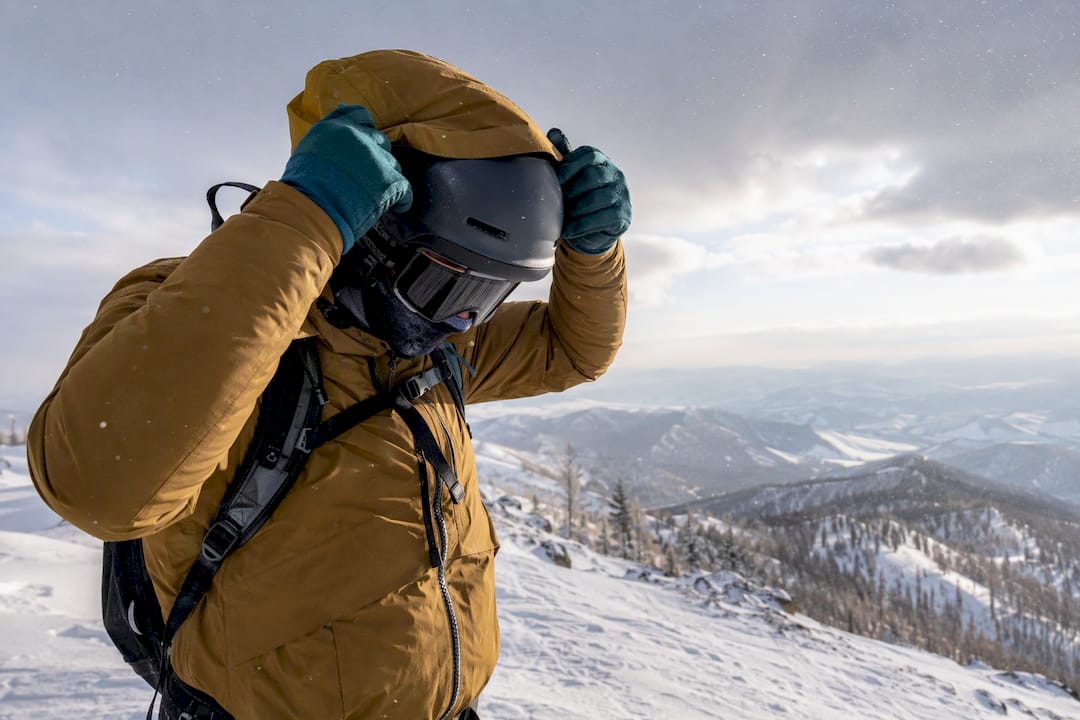
Practical cold injury prevention for winter travel: layering, dry spares, warning signs, first aid and planning for mountain activities.
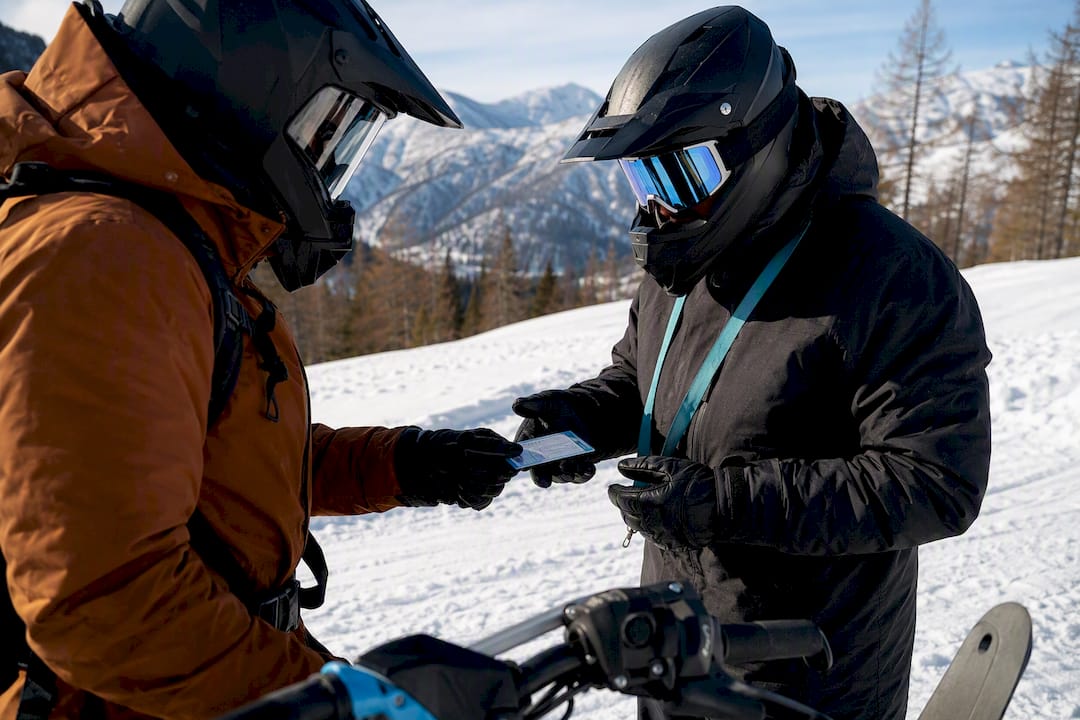
Planning snowmobiling in Ridder? Understand how experience, training, equipment and Kazakhstan rules shape your trip with Altai Mountains Resort.
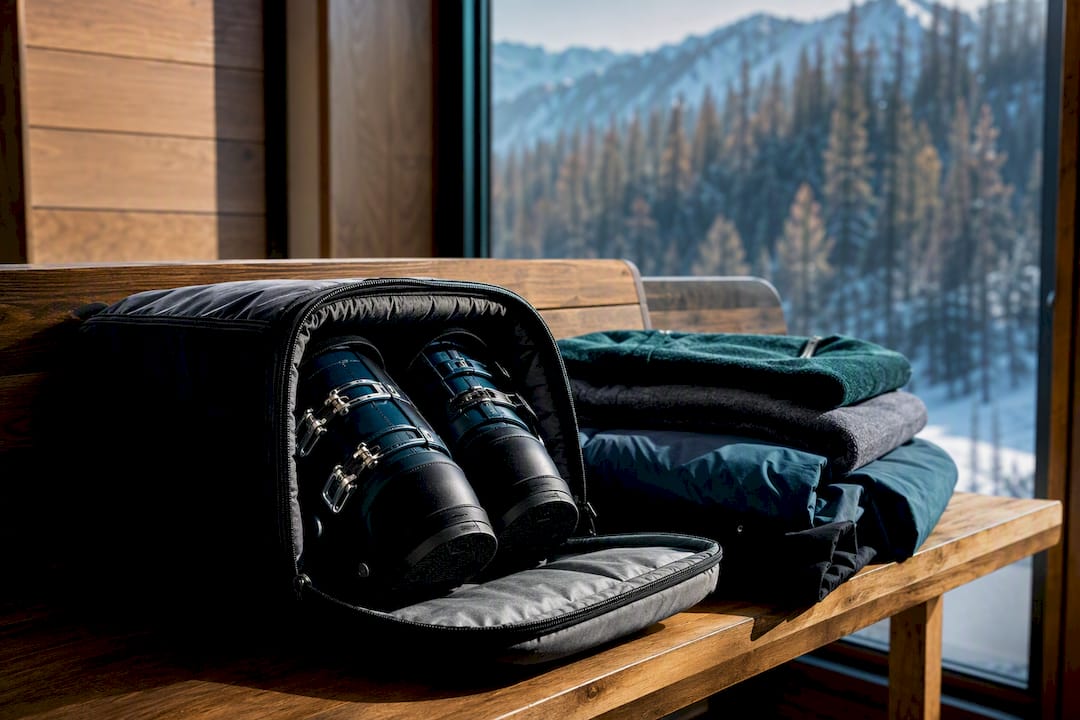
Travel with ski gear confidently: carry boots when cabin rules allow, pack skis securely, understand airline baggage rules and prepare for delays.
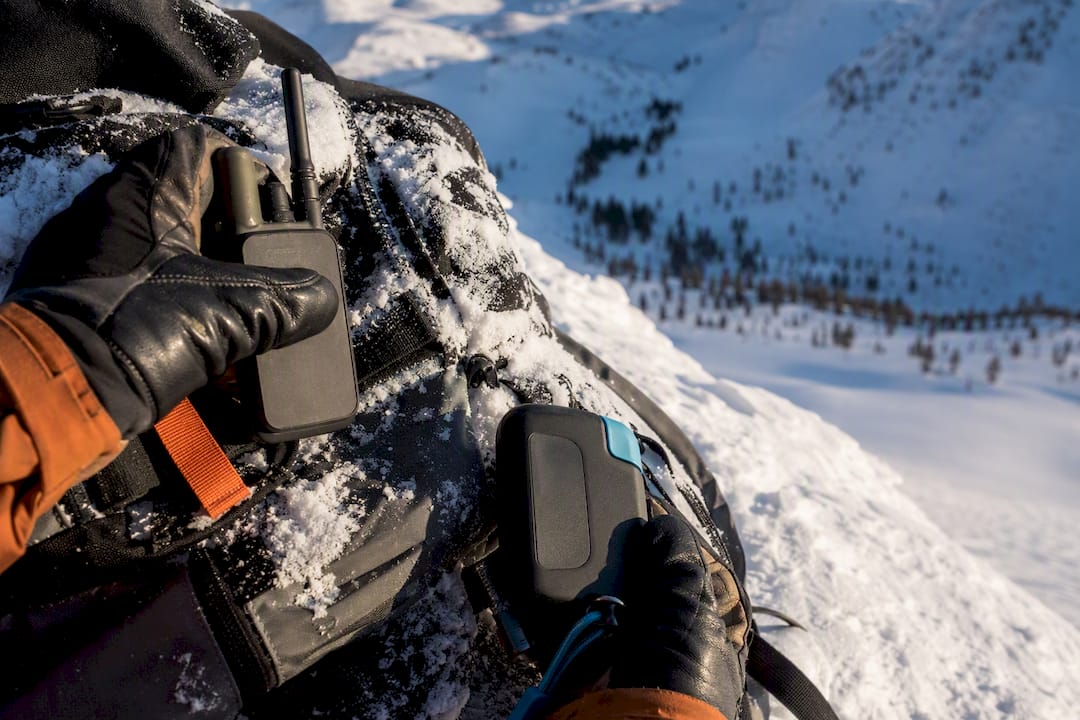
Build a practical backcountry radio communication plan with party radios, satellite SOS or PLB backup, cold-weather care and regional legal essentials.

Satellite messenger basics for remote Altai trips: compare PLBs and two-way devices, understand SOS limits, and prepare your communications plan.
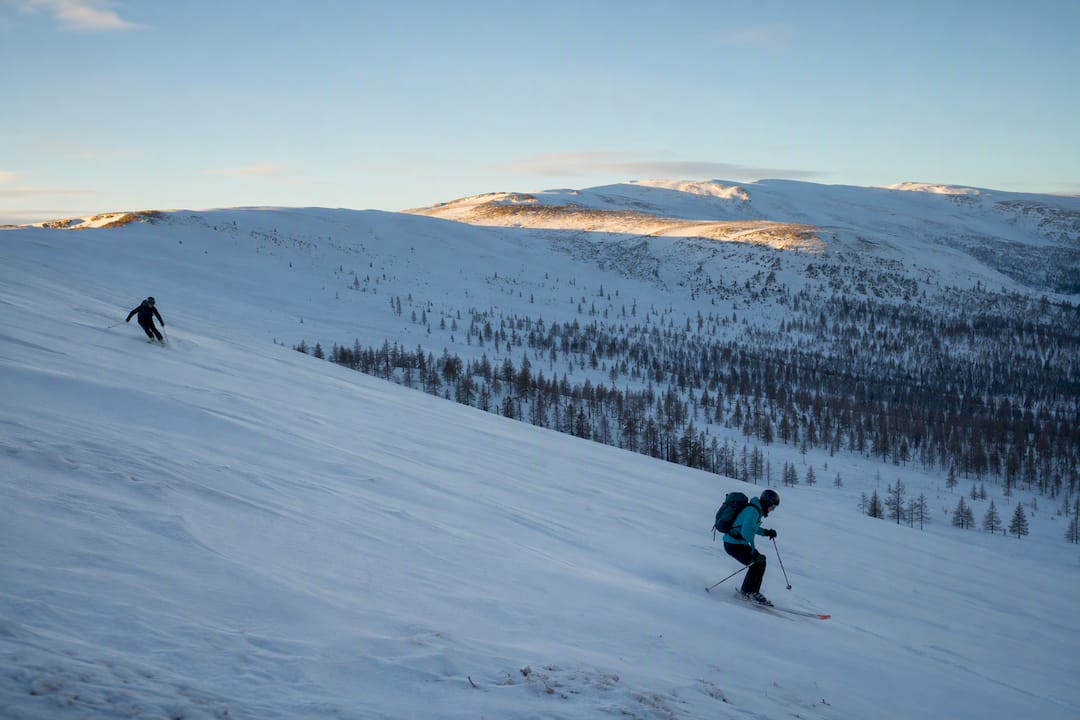
Avoid ski crowds with flexible dates, midweek skiing, early starts and smarter lift choices. Explore guided off-piste options near Ridder.

Learn how heli-skiing passenger weight and baggage rules differ by operator, with practical packing steps and Altai Mountains Resort booking guidance.
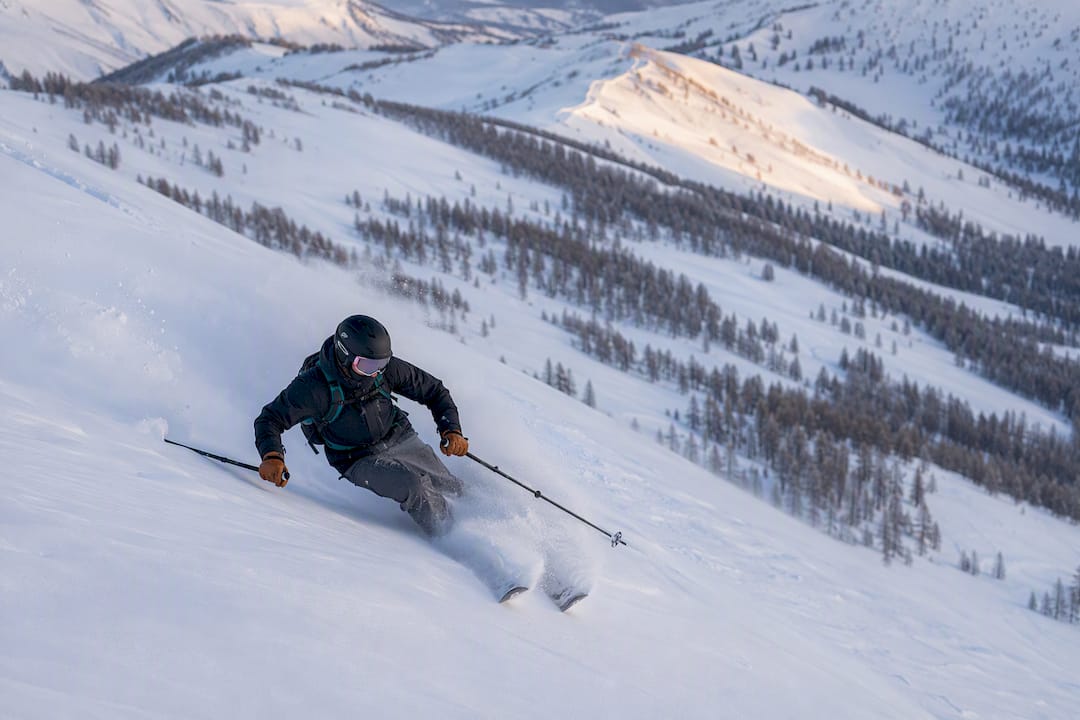
Understand the cat skiing skill level needed for Altai Mountains Resort, with practical guidance on off-piste ability, fitness and avalanche readiness.
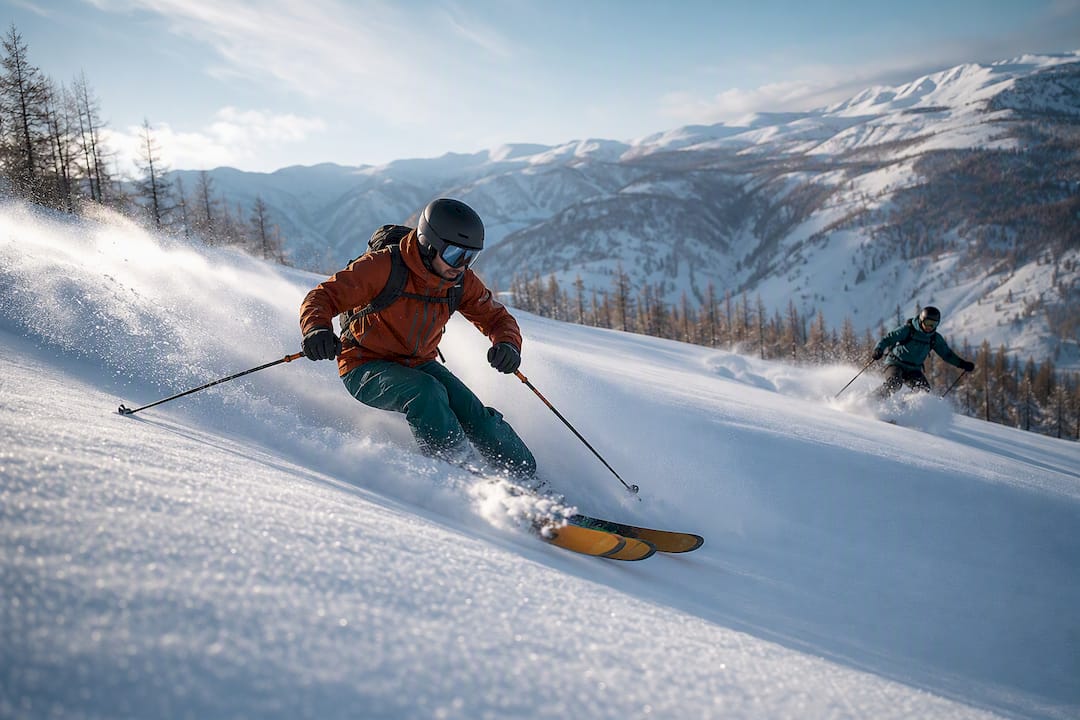
Decide whether Ridder suits your advanced Altai ski trip, with practical guidance on transfers, season timing, avalanche gear and guided programmes.
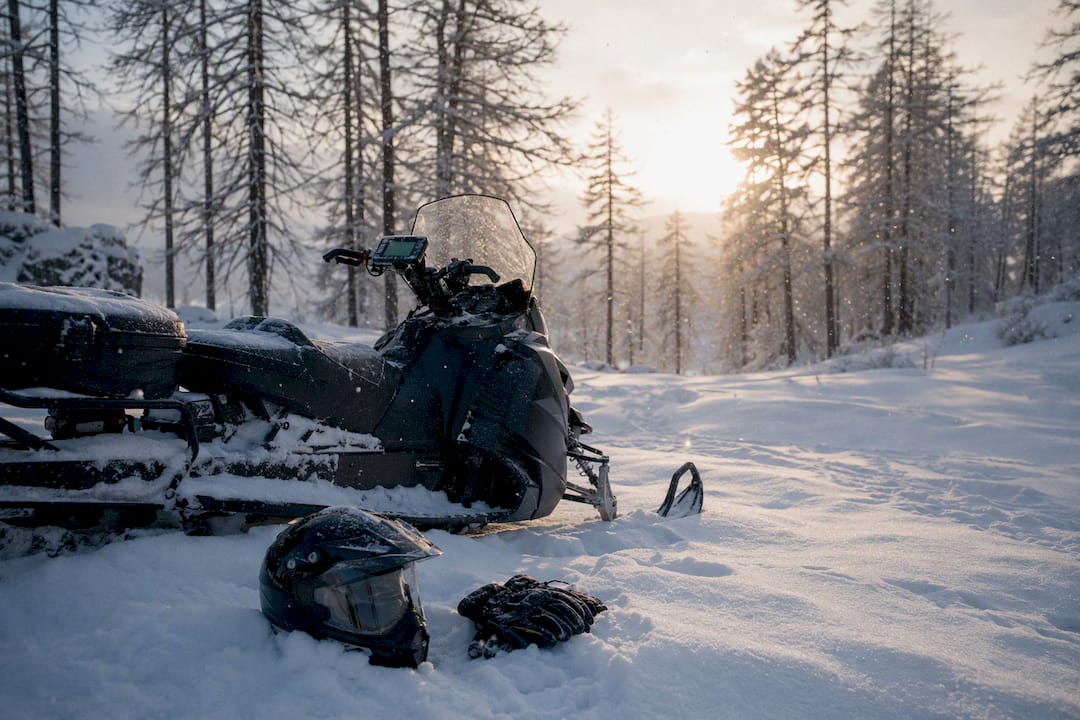
Compare snowmobile tour prices by duration, understand what shapes the final cost, and explore quote-based snowmobiling at Altai Mountains Resort.
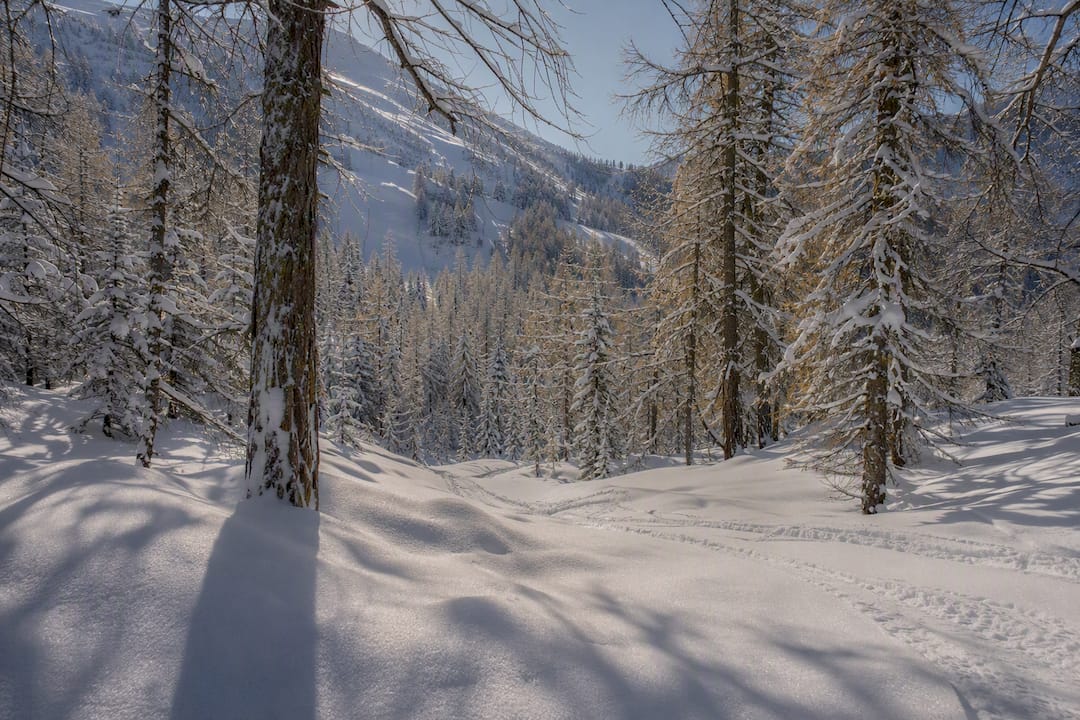
Compare Western Altai, Almaty and Turgen for Kazakhstan powder skiing, with practical guidance on access, safety and Ridder logistics.

Plan Altai heli skiing near Ridder with practical guidance on terrain, season, package inclusions, access, safety gear and booking.
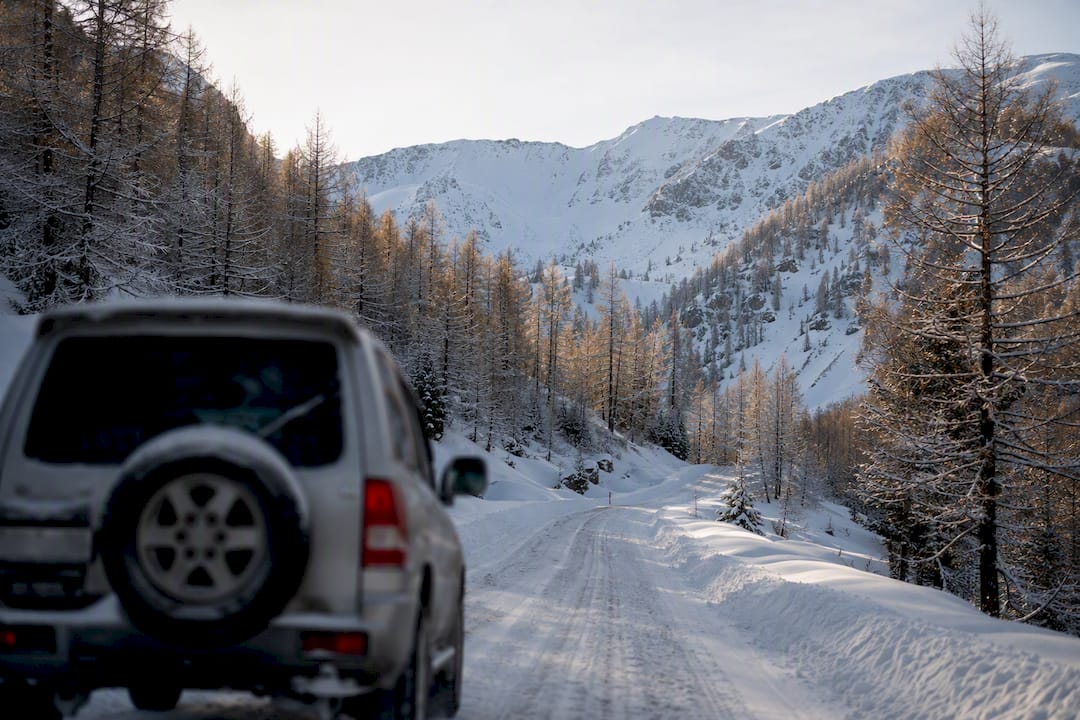
Compare flight, rail and self-drive routes from Almaty to the Kazakh Altai, with practical guidance for reaching Ridder and Ulba village.

Learn deep powder snowmobiling setup, riding technique, safe recovery and avalanche preparation, plus guided training near Ridder.
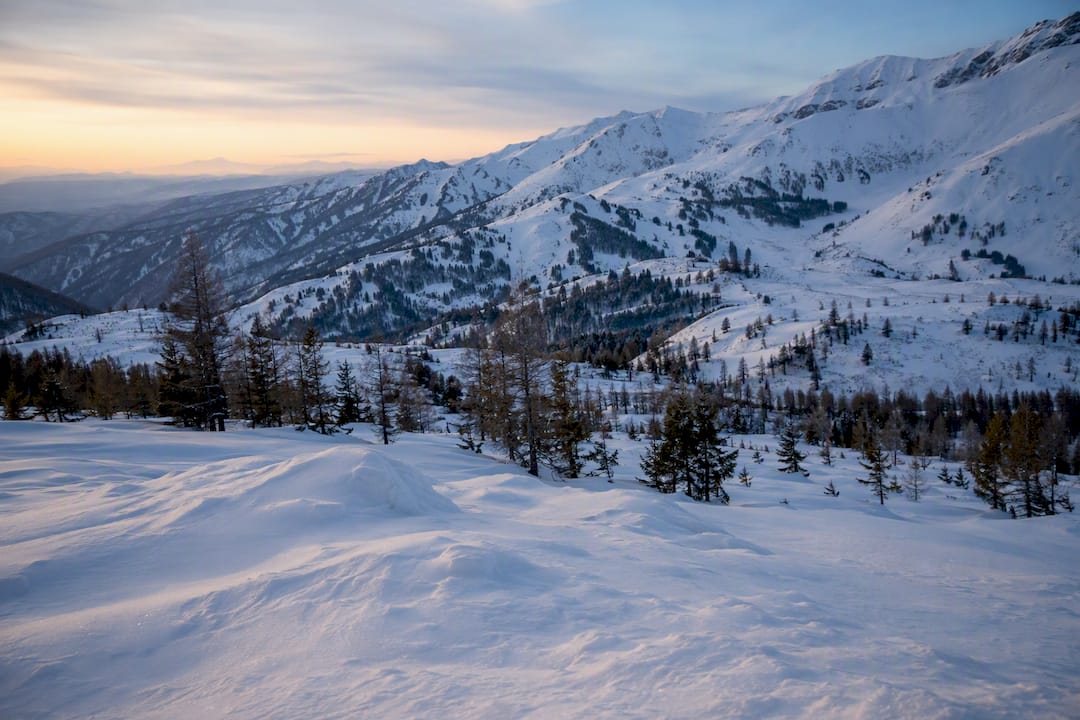
Plan an Altai Mountains winter stay from Ridder, with activity timing, travel from Öskemen, packing advice and practical mountain guidance.

Practical helicopter passenger safety guidance on boarding, seatbelts, exits, dropped items and following crew instructions.
Practical off-piste slope etiquette for safer skiing: right of way, avalanche preparation, group spacing, closures and guided skiing in the Western Altai.

Plan an Altai Mountains trip across Russian, Mongolian and Kazakh sectors, with permit, safety and winter-stay guidance for Ridder Lodge.
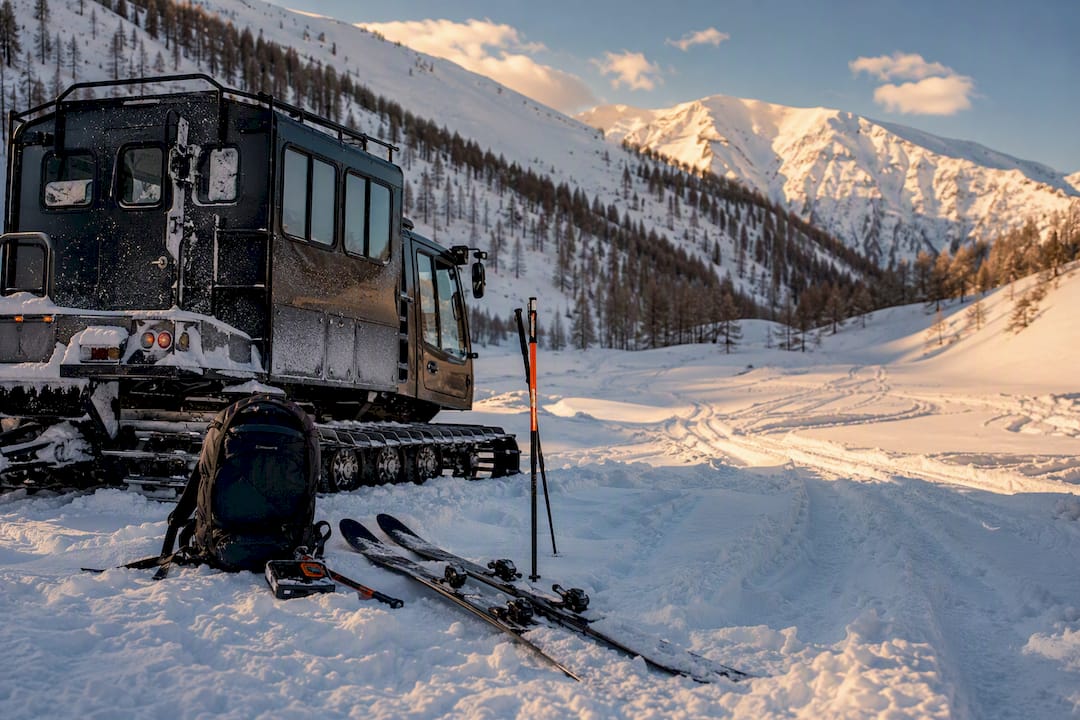
Learn how to plan guided freeride tours, from off-piste experience and avalanche gear to guide scope, changing mountain conditions and cat-skiing in the Altai.
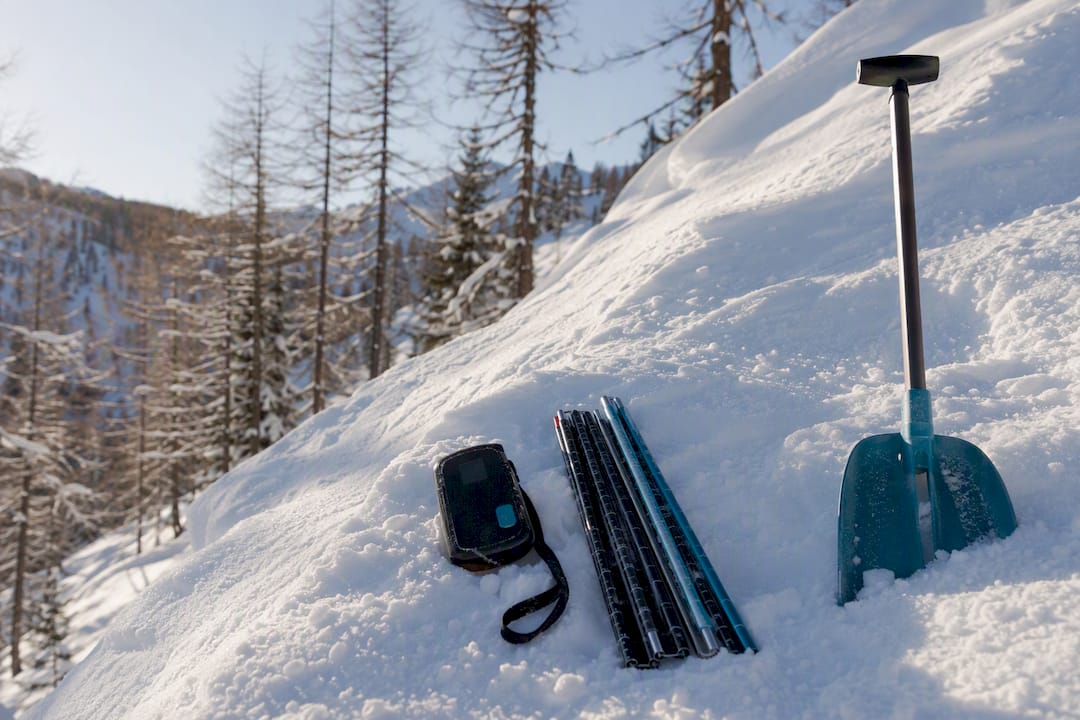
Learn avalanche beacon basics: 457 kHz transceivers, essential rescue gear, trailhead checks, interference and companion-rescue practice.

Learn which avalanche course suits your plans, what companion-rescue skills to practise and how to prepare for a winter trip to Altai.
Learn what cat skiing is, who it suits, what to pack and how to plan a guided cat-skiing trip, including options near Ridder, Kazakhstan.
A practical ski rental Kazakhstan guide to Shymbulak and Medeu, current tariffs, equipment fit, transport and guided freeride near Ridder.

Understand ski guide benefits for freeride and backcountry trips, including local planning, terrain choices, qualifications, safety gear and access options.

Plan a snowmobile expedition near Ridder, Kazakhstan, with practical guidance on routes, rider experience, equipment, mountain safety and transfers.
Use this mountain lodge amenities checklist to compare rooms, meals, wellness access, transfers, activities and paid extras before booking.
A practical Kazakhstan currency guide to the tenge, cards, ATMs, currency exchange, DCC and cash planning for cities and the Western Altai.
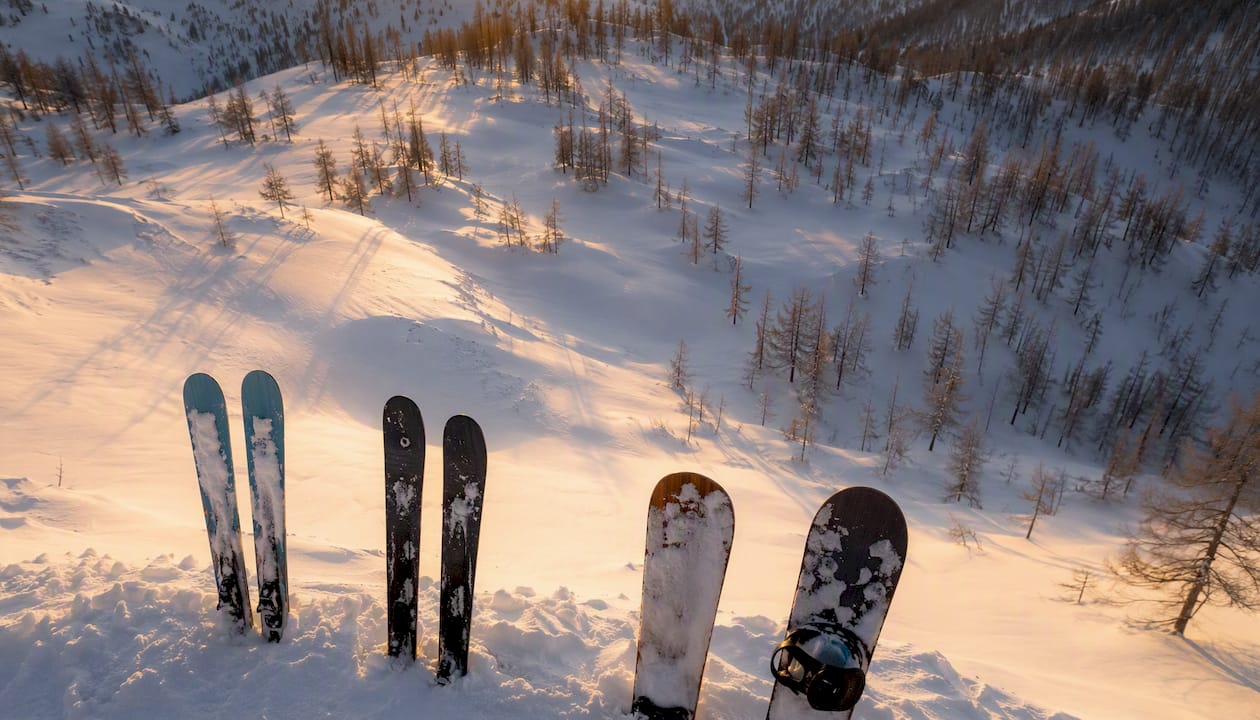
Plan the Kazakhstan ski season by month, compare lift-served Shymbulak with guided trips around Ridder, and prepare for changing snow and mountain conditions.
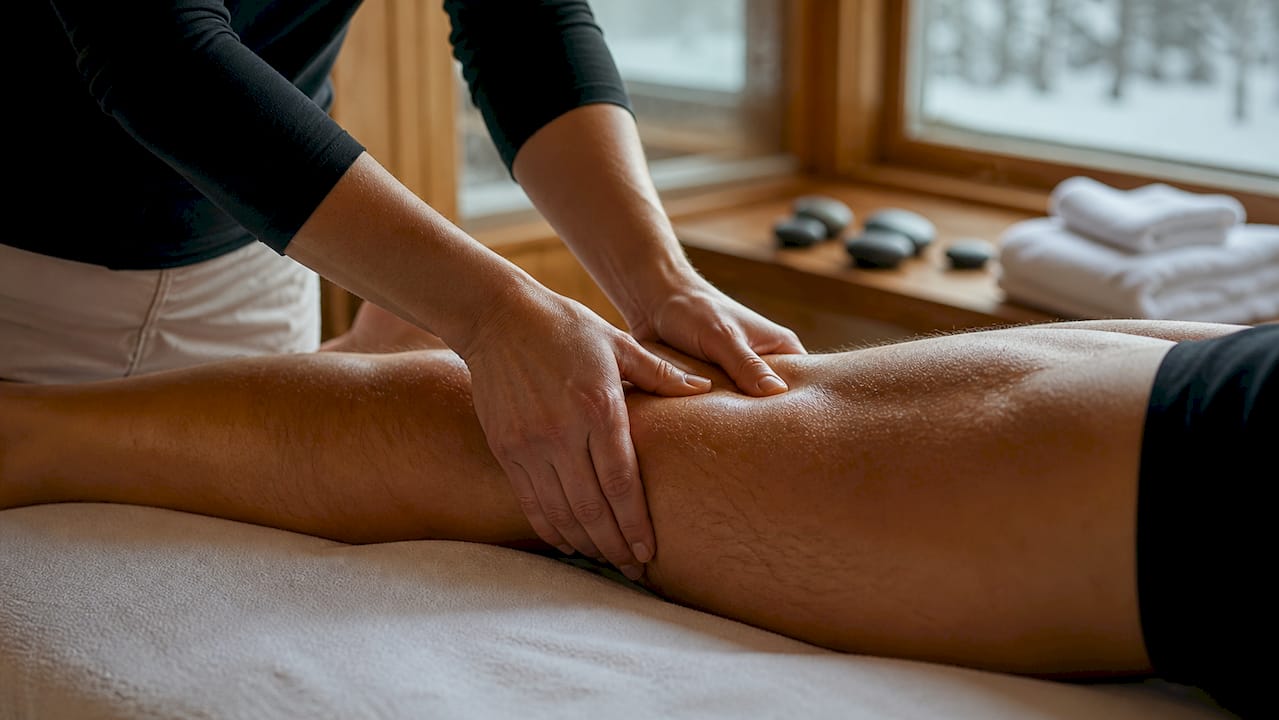
A practical guide to spa after skiing, including gentle massage, sauna and hammam, optional cold immersion and signs that need medical attention.
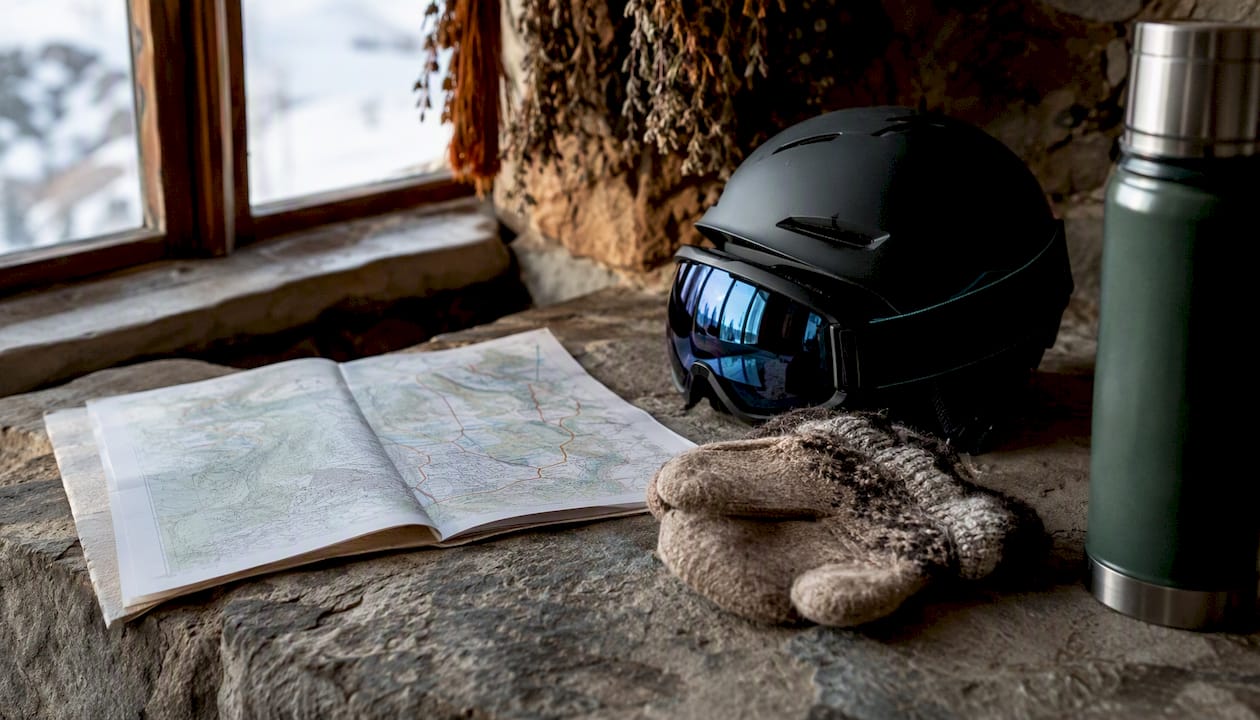
Plan a remote ski trip from the UK to Ridder, with practical guidance on activities, Kazakhstan entry, Öskemen transfers, insurance and ski baggage.
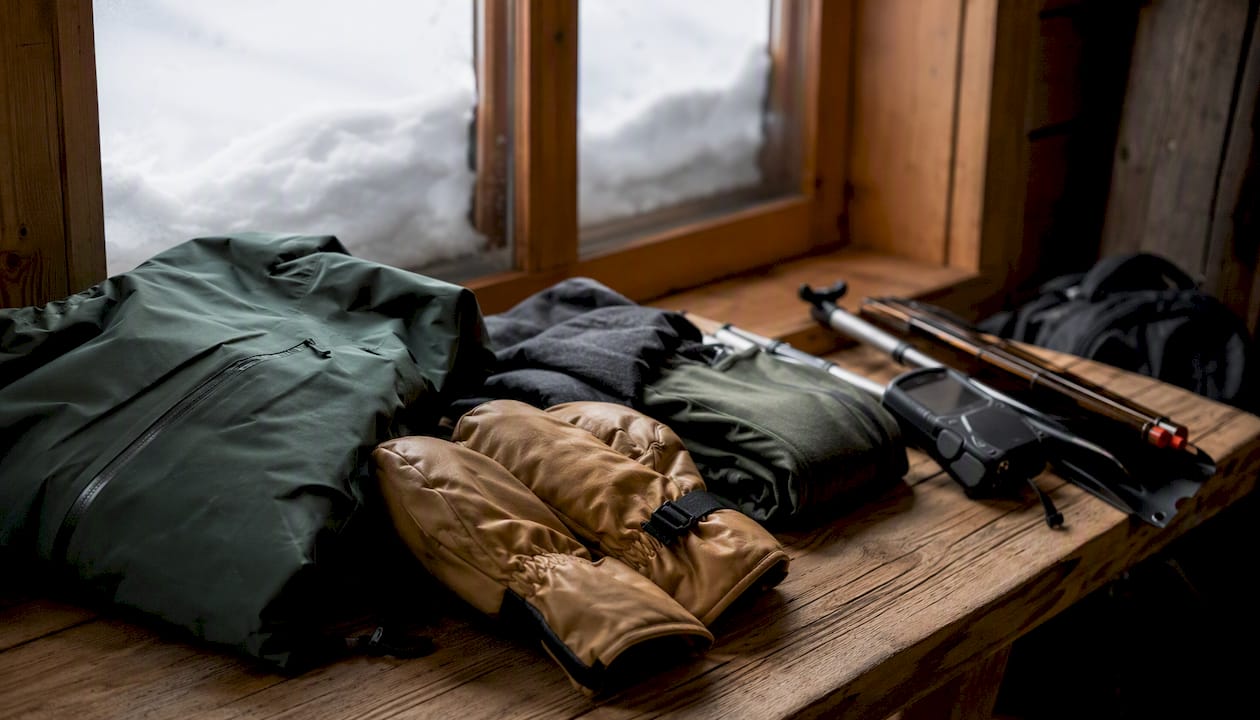
A practical heli skiing packing list covering clothing, avalanche equipment, ski baggage, batteries, travel documents and rental options.
A practical UK guide to ski boot fitting: appointment steps, services, current provider price examples, aftercare and warning signs.
Should you tip a ski guide? Learn how customs vary, when a gratuity may feel appropriate and how to plan for tipping in Kazakhstan.
An Altai cuisine guide to kan, kurut, chegen and talkan, with dining at Restaurant Altai, food safety and travel from Öskemen to Ridder.
Compare banya vs sauna: heat, steam, venik and löyly rituals, etiquette, health evidence, safety basics and the Altai Banya experience.
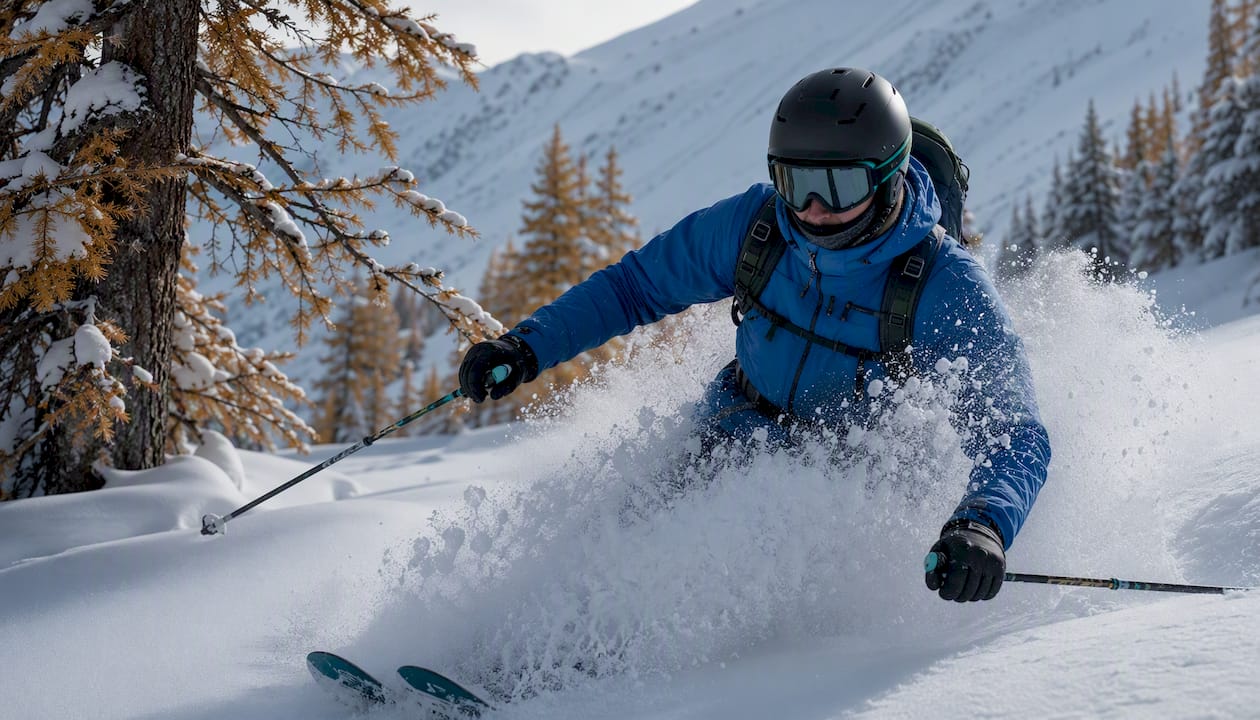
Learn how to ski deep powder with centred balance, smooth turns, speed control, practice steps, gear guidance, and avalanche and tree-well precautions.

Plan a mountain wellness retreat in Ridder with freeride, heli-skiing, snowmobiling, Ridder Lodge, Altai Banya and practical winter travel guidance.

A practical snowmobile gear list for UK travellers heading to Altai Mountains Resort, with clothing, safety equipment, battery and travel guidance.

Understand Ridder Lodge’s ski-in/snowmobile-out access, guided ski-day logistics, transfers from Öskemen and practical planning for your stay.
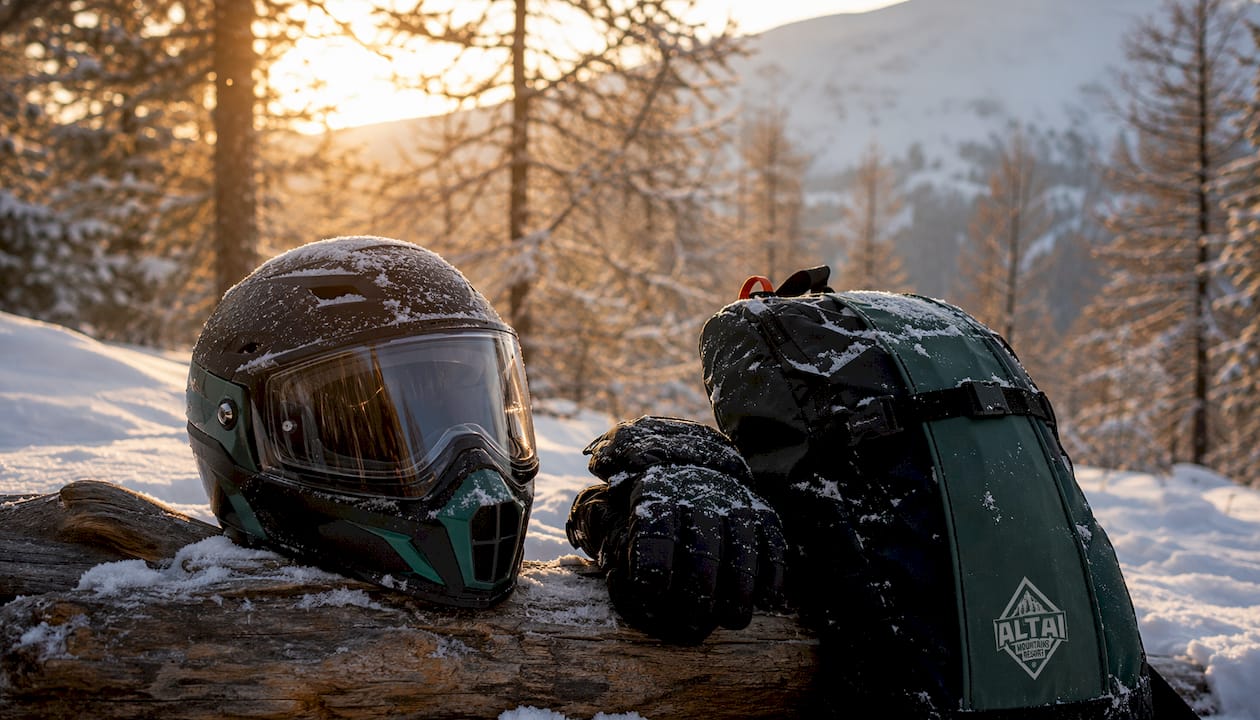
Prepare for a guided snowmobile ride with a practical gear checklist covering helmets, winter layers, avalanche equipment and cold exposure in Ridder.

A practical heli skiing guide to ability, avalanche equipment, packing, weather and planning your first trip to Kazakhstan.
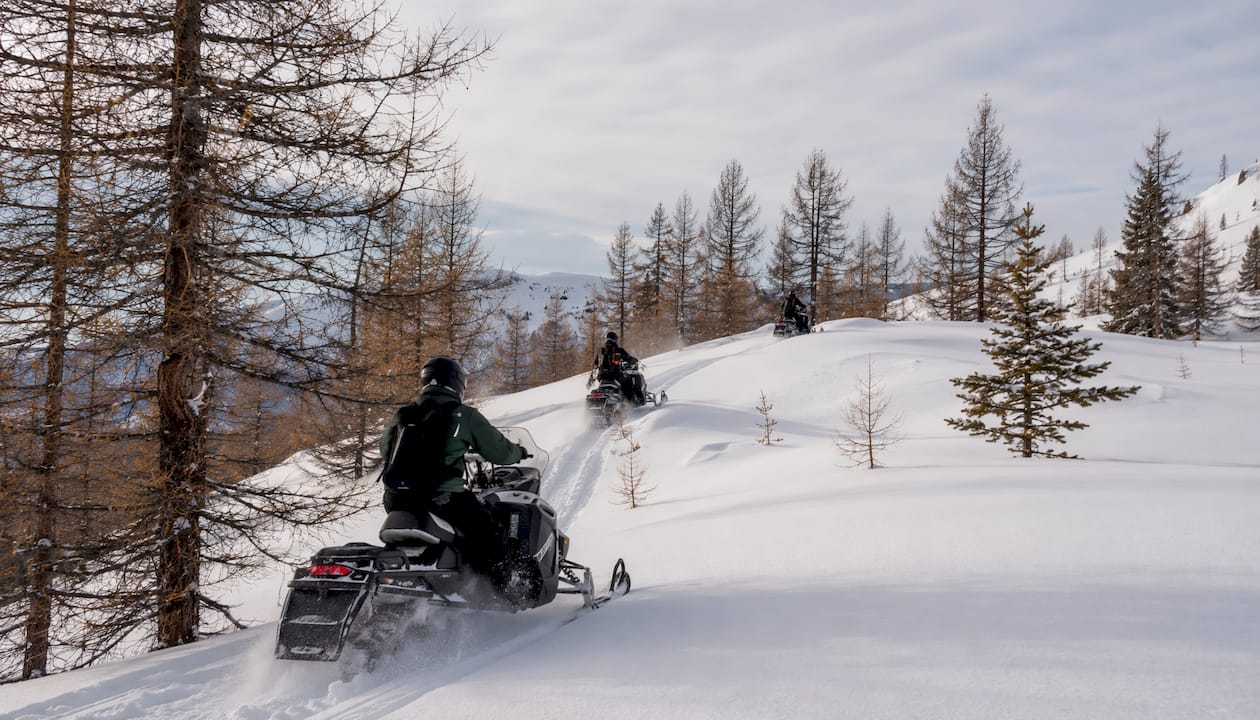
Plan guided deep snow snowmobiling in Ridder, with practical details on training, rentals, equipment, transfers and staying at Ridder Lodge.
How to choose Kazakhstan travel insurance for heli-skiing, cat-skiing or snowmobiling, including medical treatment and evacuation cover.
Kazakhstan visa requirements for UK visitors to Ridder, including visa-free limits, e-visas, passport rules, airports and Öskemen transfers.
Build strength, balance and endurance before cat-skiing, heli-skiing or snowmobiling with an adaptable six-to-eight-week ski fitness program.

Explore cold plunge benefits for skiers, from short-term soreness and recovery evidence to cold-shock risks, timing and Altai Banya options.

Understand heli skiing cost in 2026 with current operator examples, a total-budget checklist, and key booking, safety and insurance questions.