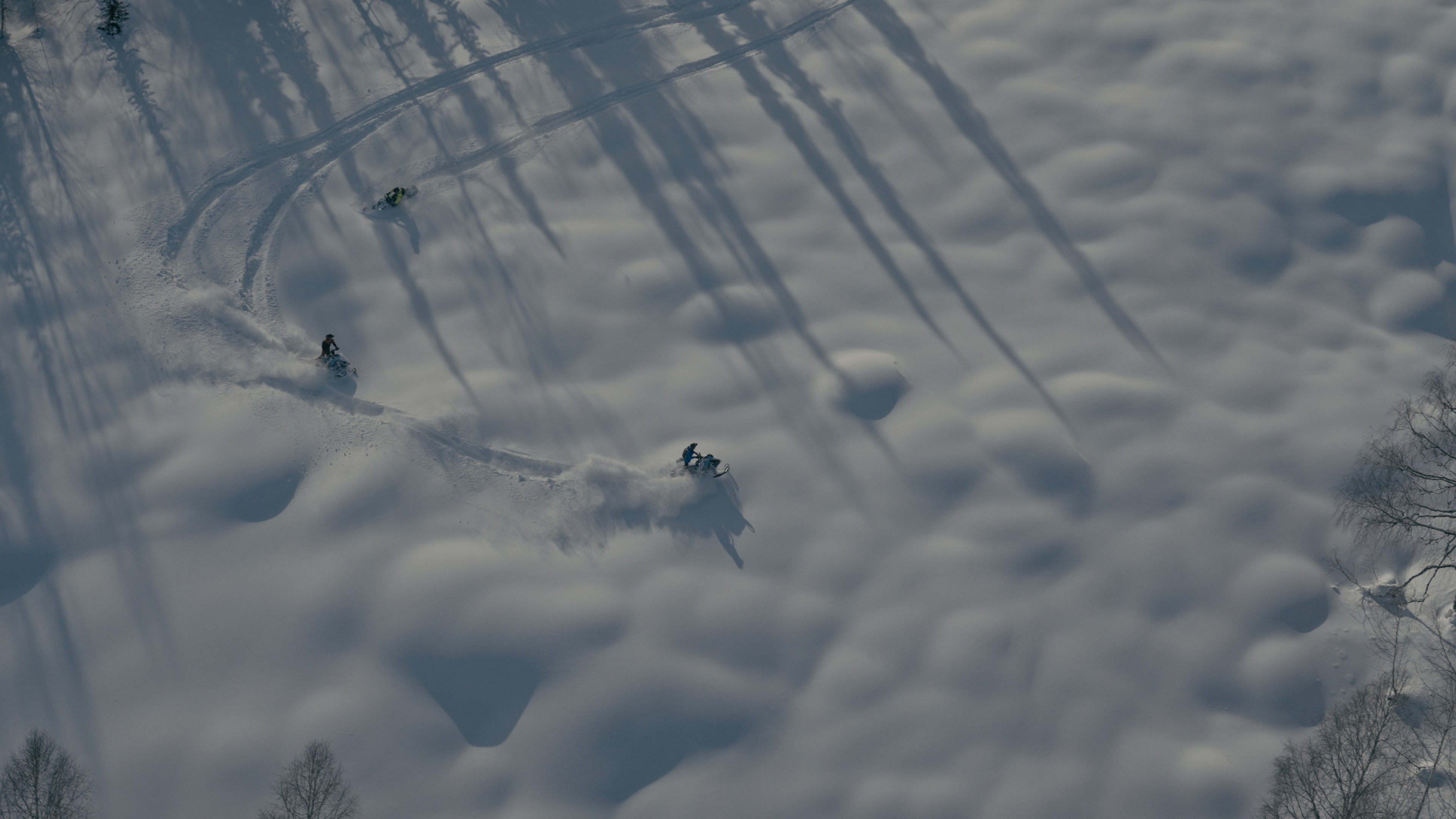
Explore Kazakhstan winter culture through holiday traditions, food, living heritage, regional rhythms and practical etiquette for visitors.
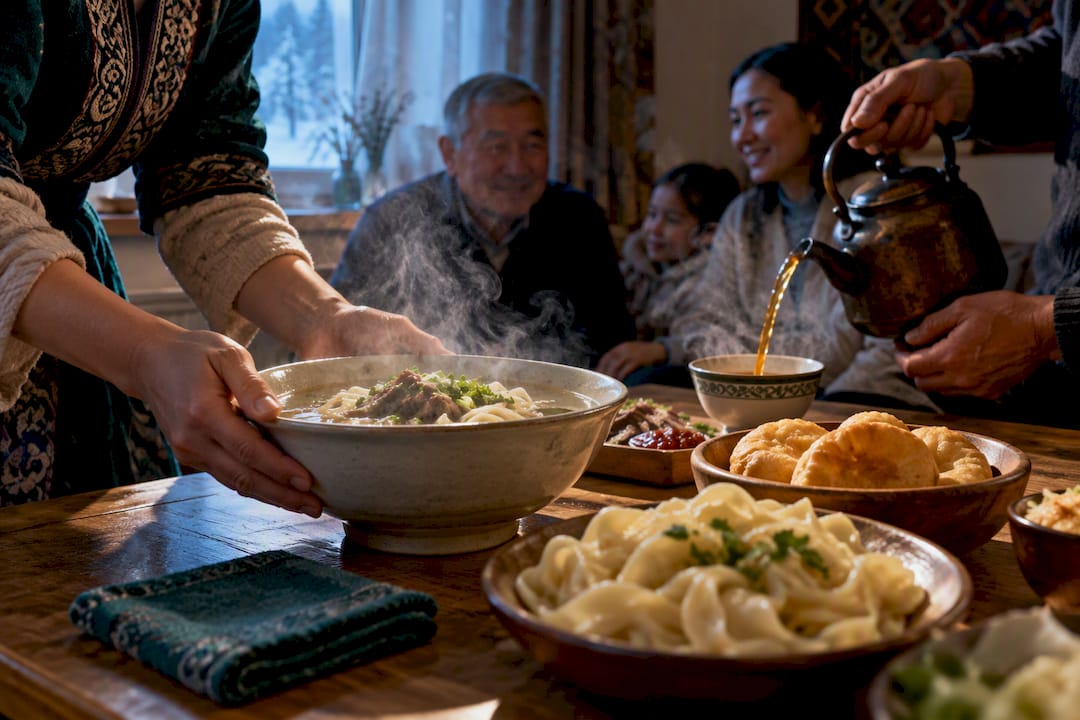
Kazakhstan winter culture is best understood through gatherings, generous tables, living heritage and sharply different regional rhythms. New Year celebrations, Orthodox Christmas for those who observe it, and the approach of Nauryz shape the colder months; food, music and family hospitality give a visit its human texture.
The most rewarding approach is to meet these traditions as part of daily life rather than a checklist of attractions. Linger over a shared meal, attend a public cultural event when one is taking place, and leave room for weather and local pace to shape the day.
What winter culture in Kazakhstan includes
Winter customs vary across a country of great distances. In cities, the season brings decorations, performances, skating and family celebrations. In rural communities and smaller towns, time with relatives, home cooking and practical preparation for cold weather remain central. The Western Altai around Ridder has its own mountain-and-forest character, distinct from the open steppe and larger southern cities.
Several traditions reach far beyond any one season. UNESCO recognises falconry and Aitysh/Aitys as intangible cultural heritage elements associated with Kazakhstan. Falconry is practised by eagle hunters, known as berkutchi; aitys is an improvised poetic contest performed in song. Public appearances, formats and dates vary by place and organiser.
A useful starting point for an Almaty winter itinerary is Kazakhstan Tourism's Almaty guide. For a general overview of public dates, travellers may also consult Advantour's holiday listing.
The winter calendar: New Year, Christmas and Nauryz
New Year is a major social holiday in Kazakhstan. Families often gather for a festive meal, while cities commonly hold public events and decorate central streets and squares. Travel and accommodation demand often rises around the holiday period, especially in larger cities and popular winter destinations.
Orthodox Christmas falls on 7 January. It is meaningful to Orthodox Christian communities and is often marked through church services and family time. Public settings can be observed respectfully, while private celebrations and religious services deserve the same consideration as they would in any host community.
Nauryz belongs to spring rather than winter: it is associated with the equinox, renewal and the new year in many Central Asian traditions. Nauryznama runs from 14 to 23 March, with Nauryz public holidays falling on 21–23 March. For many travellers, this is a natural bridge between the final weeks of winter and the beginning of spring celebrations.
Historical material on the broader Nauryznama idea is available through government documentation on Nauryznama.
Kazakh winter food and hospitality
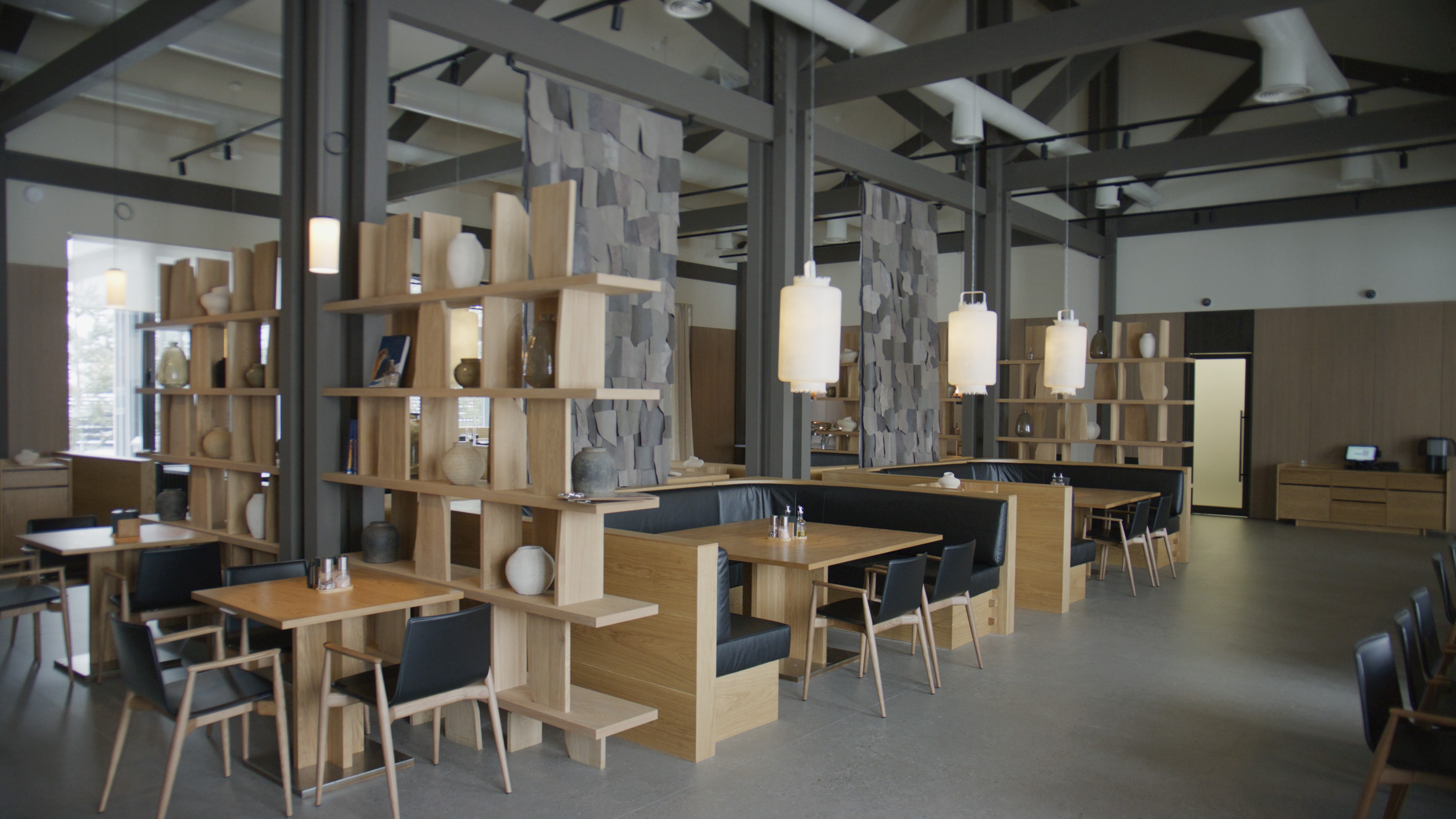
Food is one of the clearest ways to encounter Kazakhstan’s winter culture. Beshbarmak, made with meat and broad noodles, is widely associated with family meals and celebrations. Sorpa, a meat broth, and kuyrdak, a dish prepared with meat and offal, are other well-known examples of hearty Kazakh cooking. Recipes, ingredients and presentation vary between households and regions.
Tea is an important part of receiving guests, whether at home or in a restaurant. If you have dietary requirements, mention them simply and early so that hosts and restaurant staff can guide you towards suitable dishes or portions. A meal is also a good reason to slow down: shared dishes and conversation can matter as much as the order itself.
For cultural background on Kazakh hospitality, see E-history. Readers looking for a broad introductory reference on cultural traditions may find Wikipedia's overview of Kazakh culture useful as supplementary reading.
Clothing, yurts and material culture
Winter clothing in Kazakhstan is practical first. Modern insulated coats, sturdy boots, gloves and hats are everyday essentials for visitors. Traditional garments made use of felt, wool and fur, materials suited to cold continental conditions; today, they are most visible in museums, craft markets, festivals and ceremonial settings.
The yurt remains a powerful symbol of nomadic heritage. Its wooden lattice structure and felt covering reflect a mobile way of life developed for the steppe. At a festival or cultural venue, a yurt may be open to the public, serve food or host an exhibition. If its purpose is unclear, wait for an invitation before entering, and seek permission before photographing people inside.
A felt item or locally made craft can be a thoughtful connection to this material culture. Choose a seller who can explain the item and its making, rather than treating traditional dress or household objects as costume props.
Living heritage: berkutchi and aitys
Falconry has a long history in Kazakhstan and elsewhere in Central Asia. A berkutchi is an eagle hunter; encounters with birds of prey may take the form of a demonstration, festival event or private arrangement. UNESCO’s recognition honours the cultural tradition, while individual experiences vary.
Where a demonstration is available, a clearly identified organiser can explain what the visit involves. Seasonal timing follows local events, weather and the practitioner’s own schedule. UNESCO documentation on the heritage tradition is available through UNESCO's documentation of hunting with birds of prey.
Aitys brings together music, language and quick thinking. Two akyns, or poet-performers, respond to one another in sung verse, often before an audience. It is a living art rather than a museum piece, and a public festival or announced concert is a fitting setting for visitors who would like to hear it.
How winter culture differs by region
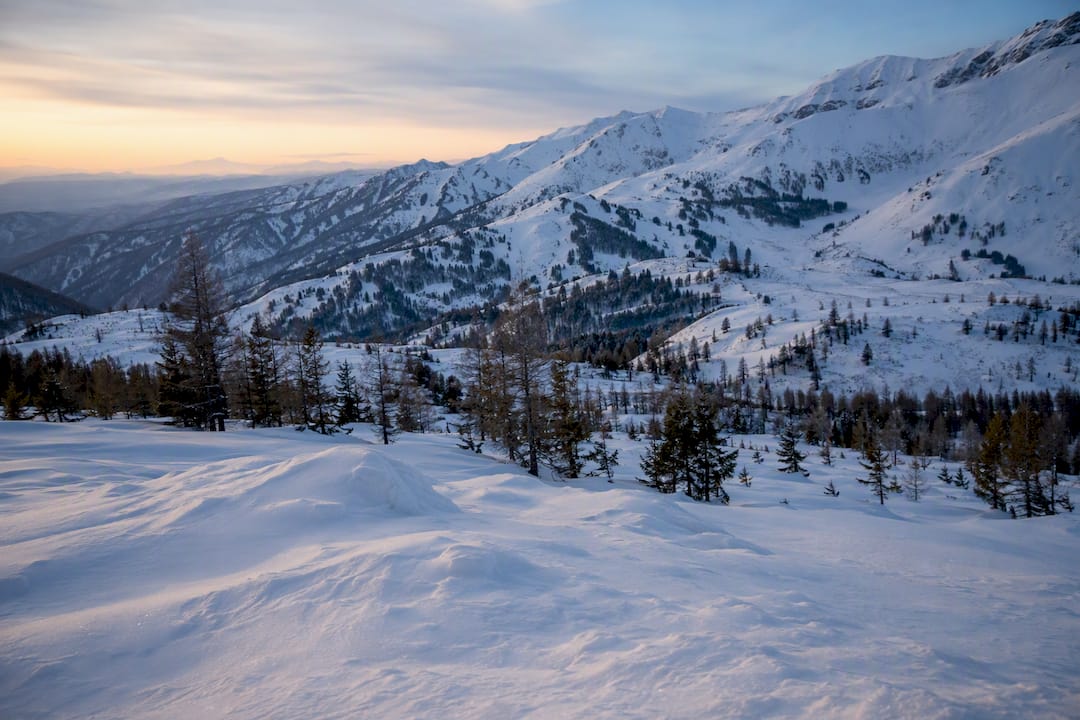
Regional variety is part of the experience. Almaty offers an urban winter atmosphere with mountain recreation nearby. Astana and northern cities are known for more severe winter conditions, which can make museums, restaurants and indoor cultural events especially appealing. In eastern Kazakhstan, the terrain shifts towards the Altai, where mountain roads and winter conditions call for careful planning.
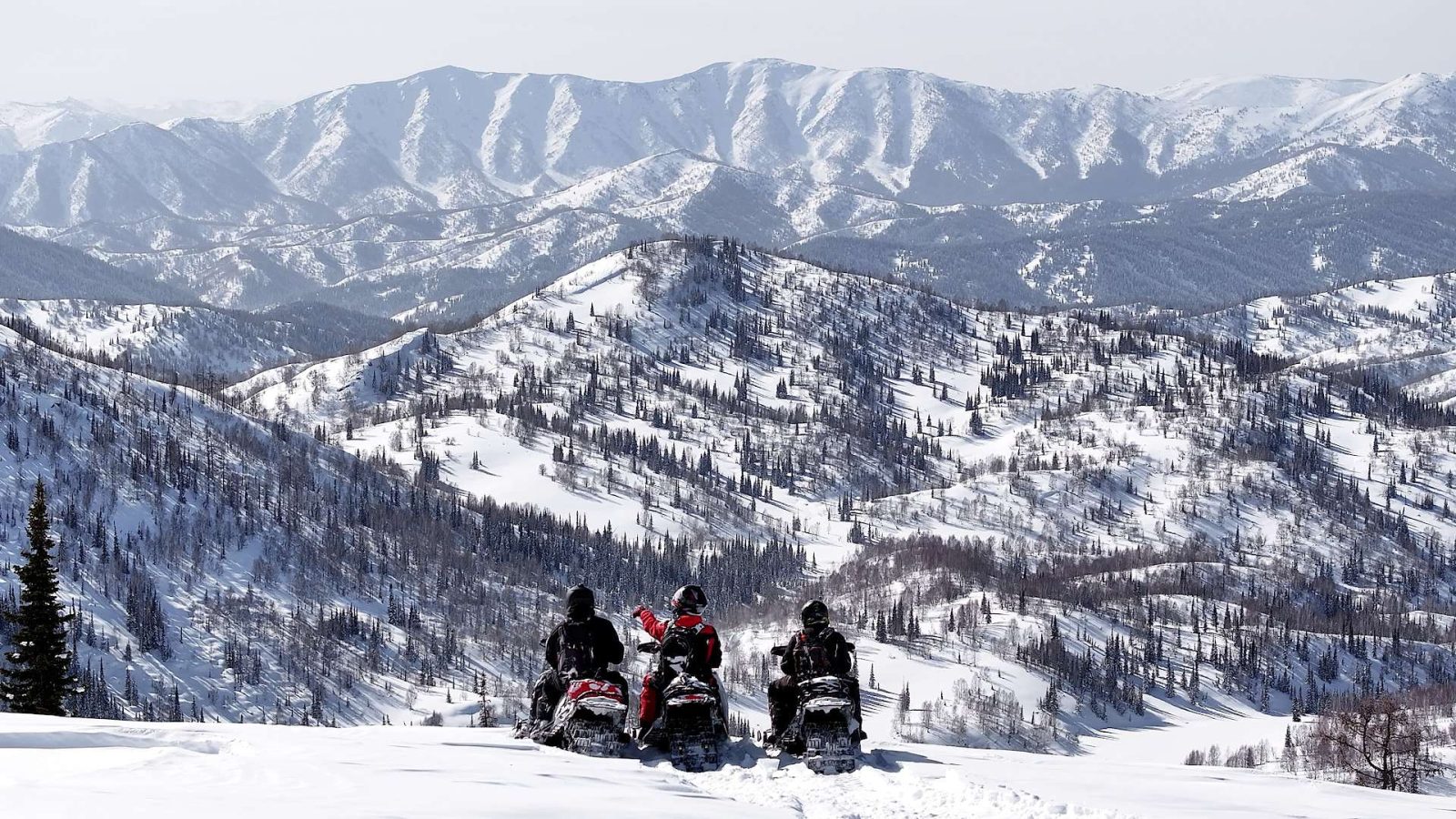
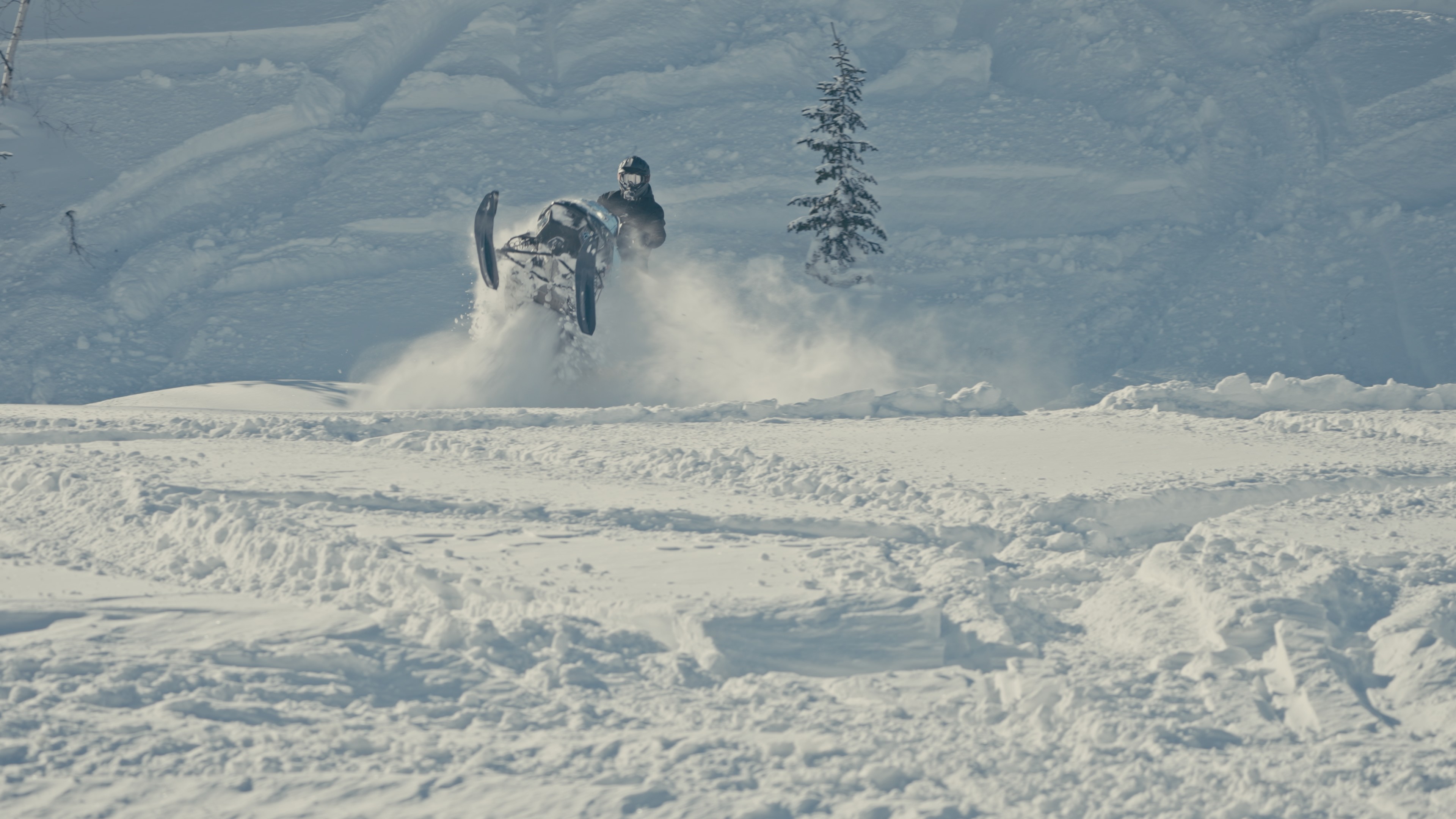
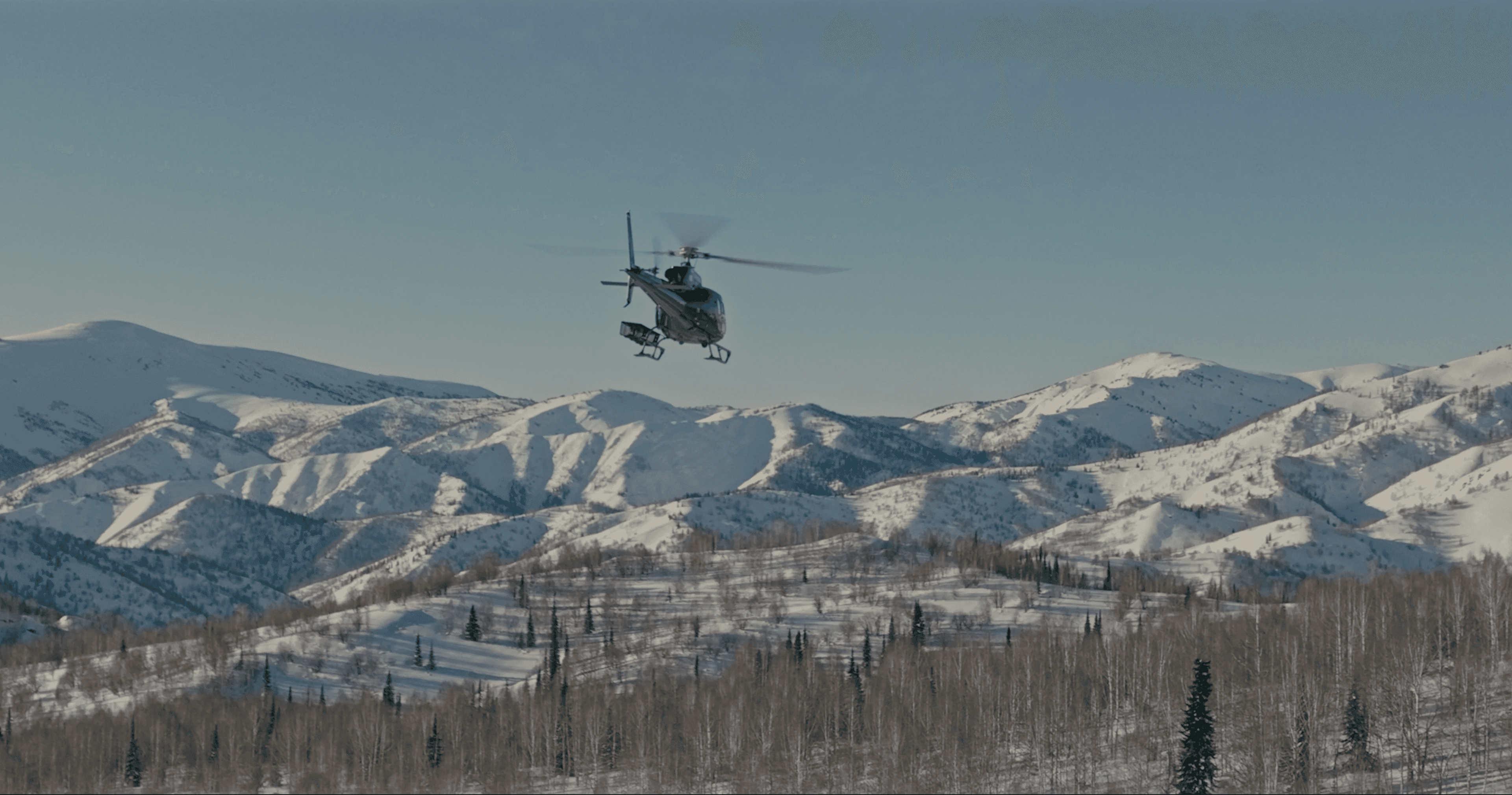
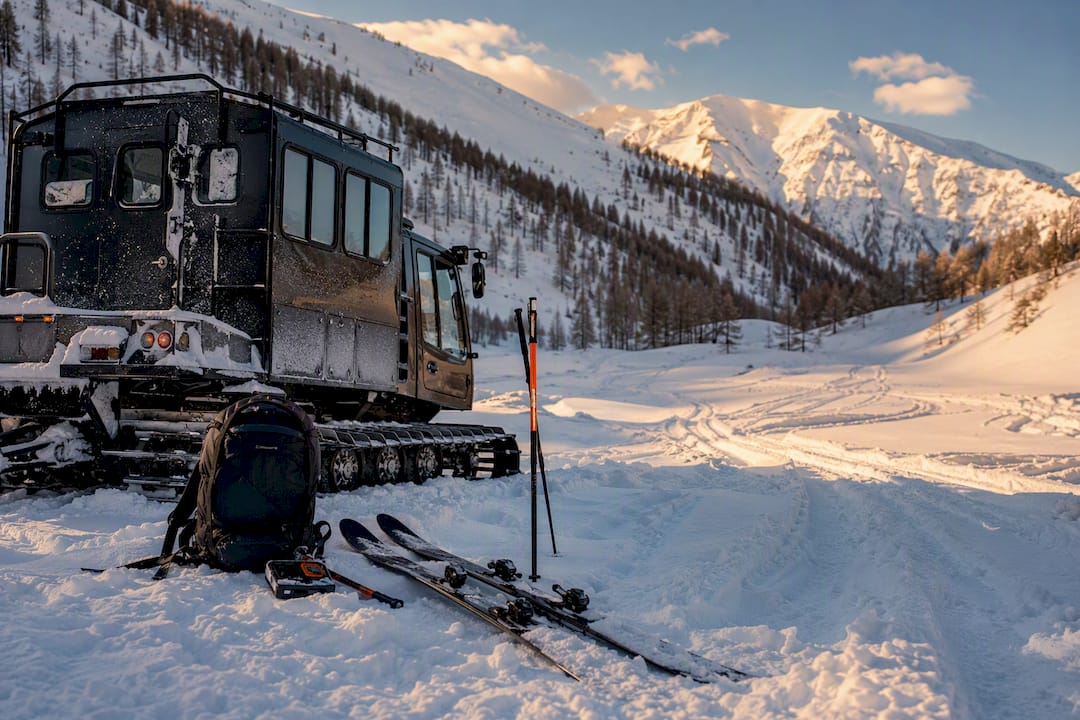
At Altai Mountains Resort, Ridder Lodge is in the village of Ulba near Ridder, East Kazakhstan, providing a base for a mountain winter stay. Our winter activities include cat-skiing, heli-skiing, guided deep-snow snowmobiling and Snow Safari experiences when dates and conditions allow. They are outdoor pursuits rather than cultural programmes.
You can explore the resort’s Western Altai setting and guided snowmobiling experiences before deciding how to shape your stay. Our booking team can help with the practical details for your dates, including conditions, equipment, transfers and availability. A general climate overview is available from World Travel Guide's climate overview.
Respectful visitor etiquette and winter safety
A few simple habits help you take part respectfully:
Seek permission before photographing people, particularly at family occasions, religious services or heritage demonstrations.
Accept that some events are private. An invitation is a courtesy, not an expectation.
Public events, museums and named organisers offer a straightforward way to encounter cultural traditions.
Dress for the destination and the day’s activity, not only for city temperatures.
Follow weather notices, road closures and an organiser’s equipment and emergency instructions for outdoor activities.
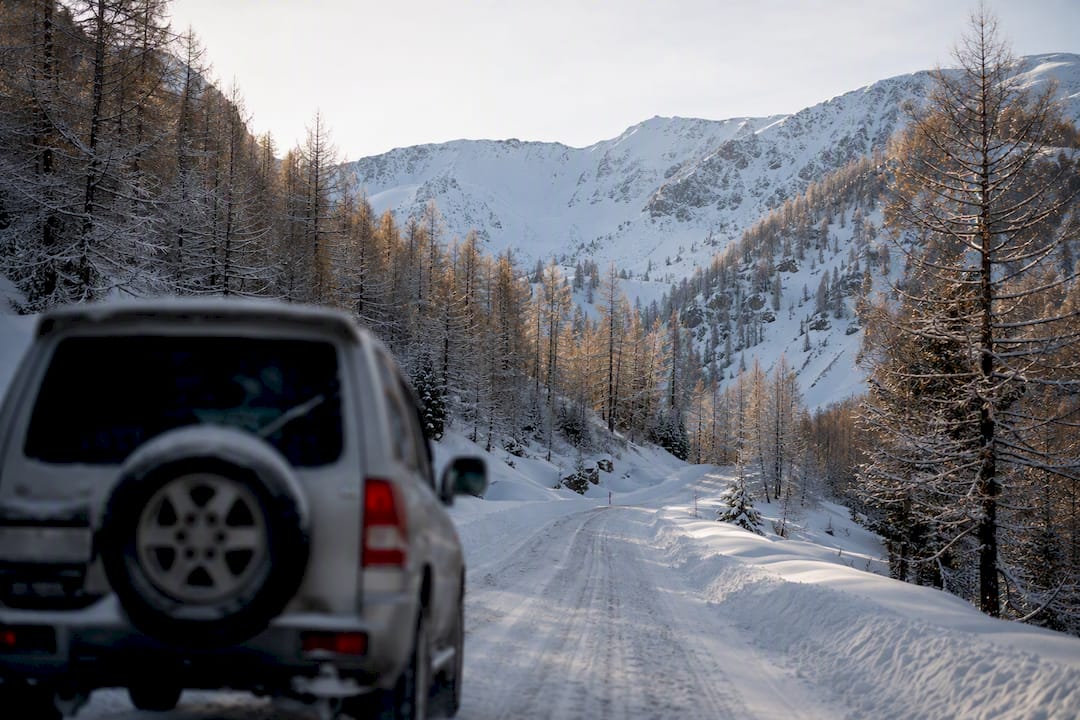
Winter roads can be hazardous because of snow, ice and low visibility, as noted in the UK government’s Kazakhstan safety guidance. Frozen-lake and backcountry activities depend on a timely local assessment; weather and terrain risks remain part of winter travel.
FAQ for planning a winter culture trip
When is the best time to experience Kazakhstan winter culture?
New Year is well suited to a festive city atmosphere and family holiday rhythms. January brings Orthodox Christmas on 7 January for communities that observe it. Mid-to-late March is the time to look for Nauryznama and Nauryz events, marking the transition into spring.
How should I plan a winter day in the Western Altai?
Start with the weather, road conditions and the nature of the activity you have in mind. Mountain travel can look very different from a city day, particularly when snow, ice or low visibility affect roads and terrain. Allow enough time for the journey, dress for the conditions and follow the guidance provided for any organised outdoor experience.
For further background, UNESCO — National list: hunting with birds of prey (Kazakhstan), Government of Kazakhstan — Nauryznama (government materials), Advantour — National holidays in Kazakhstan and E-history offer additional reading. With the practical details in place, you can leave space for a long meal, a public performance or a March celebration to unfold at its own pace.
All Articles
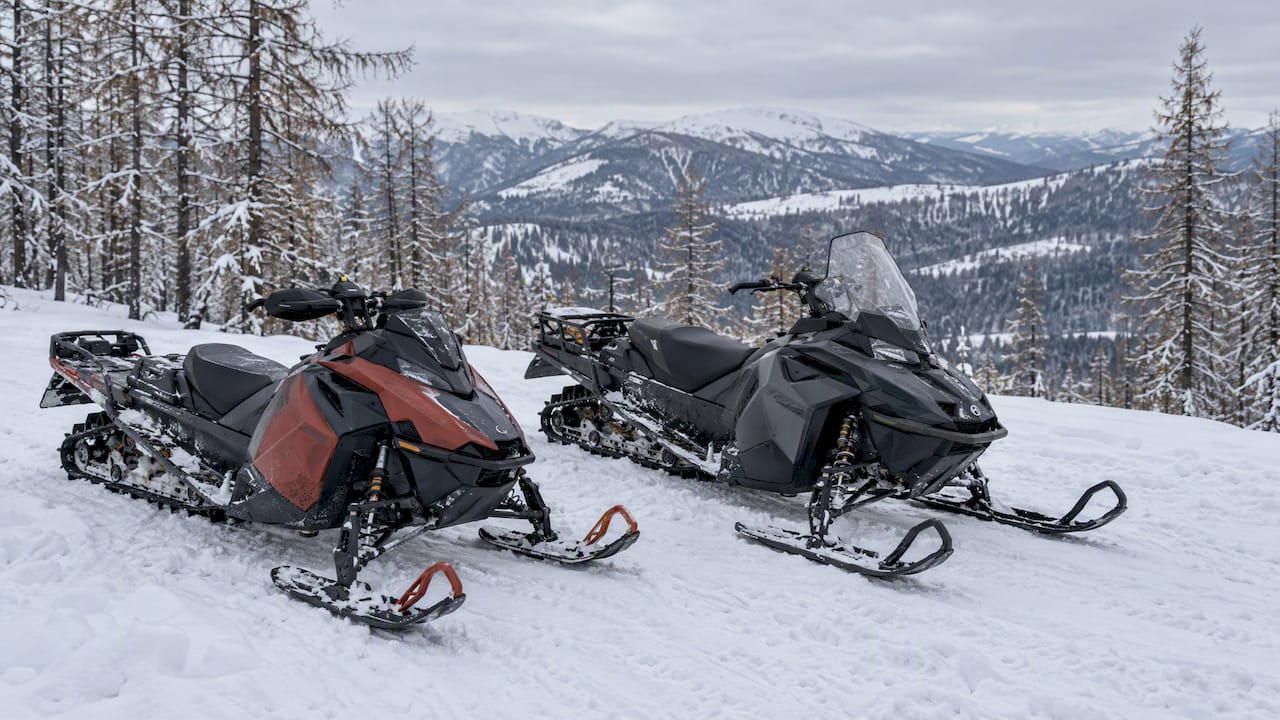
Compare 2-stroke and 4-stroke snowmobiles by handling, fuel use, emissions and upkeep, with guidance for a guided snowmobiling day near Ridder.
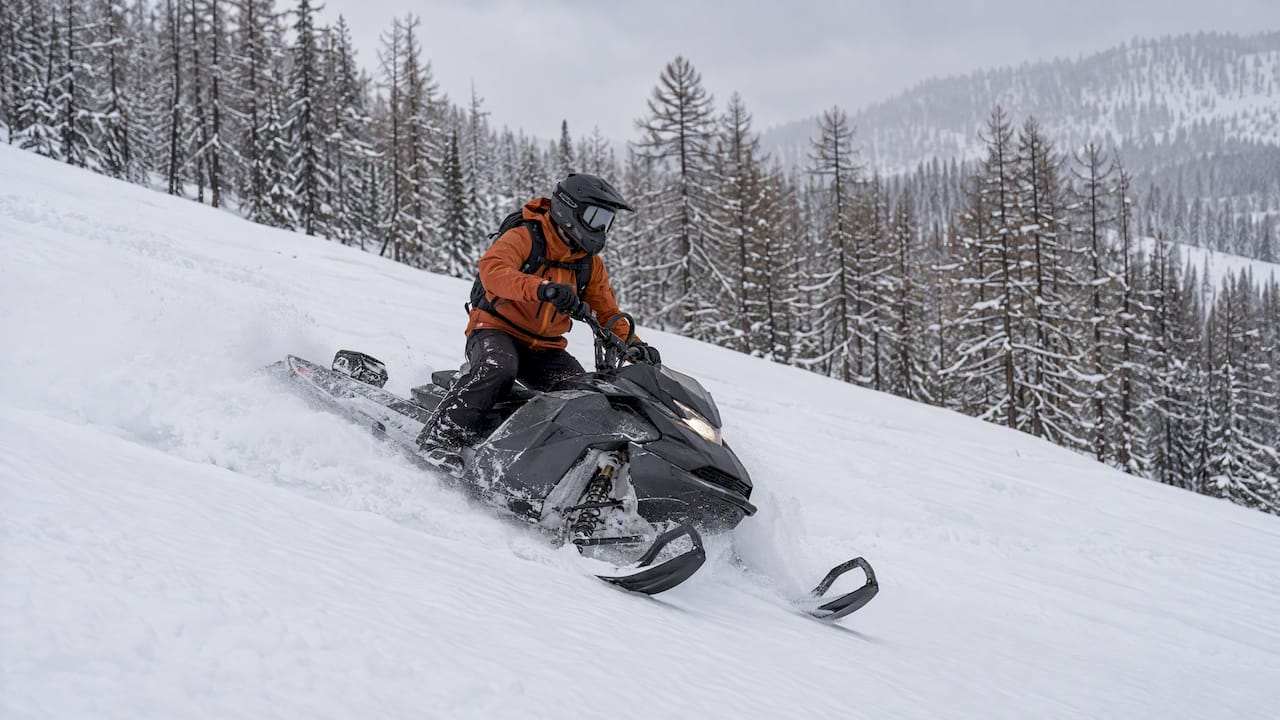
Learn snowmobile carving techniques for powder: stance, counter-steering, throttle timing, beginner drills and avalanche-safety essentials.
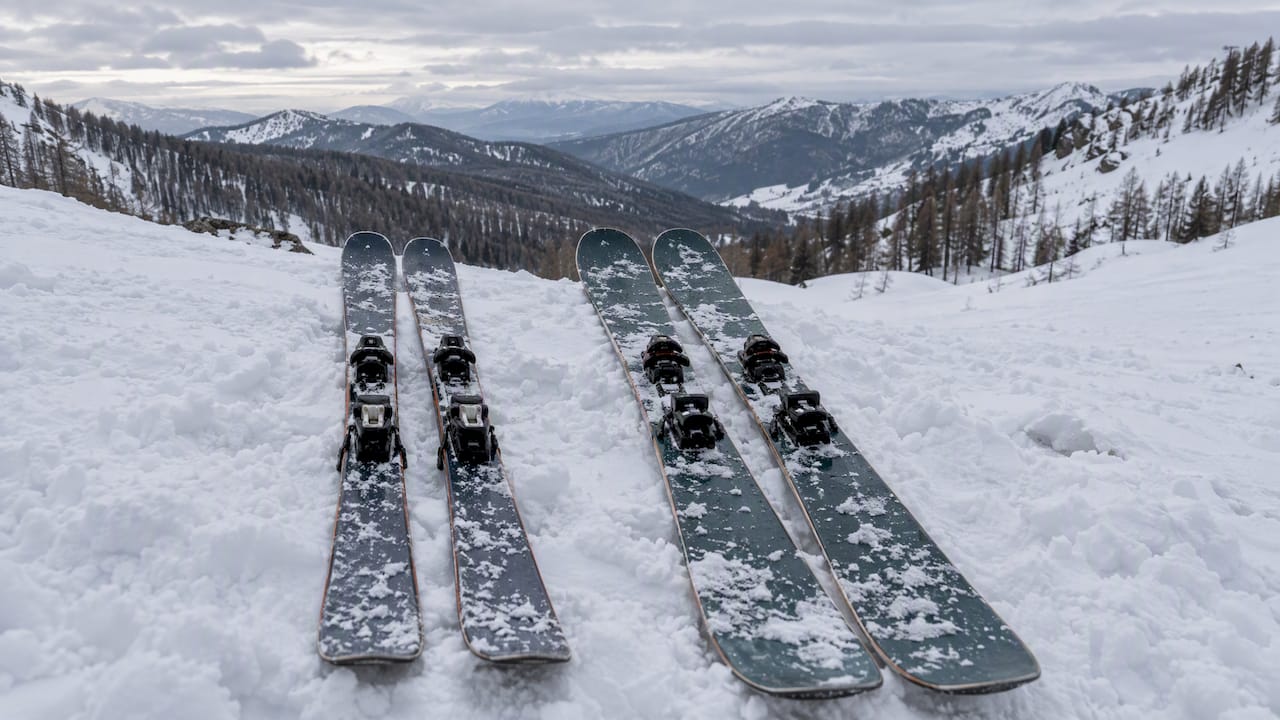
Compare powder and all-mountain skis by width, rocker and conditions, then decide whether to buy, rent or demo for deep-snow trips.
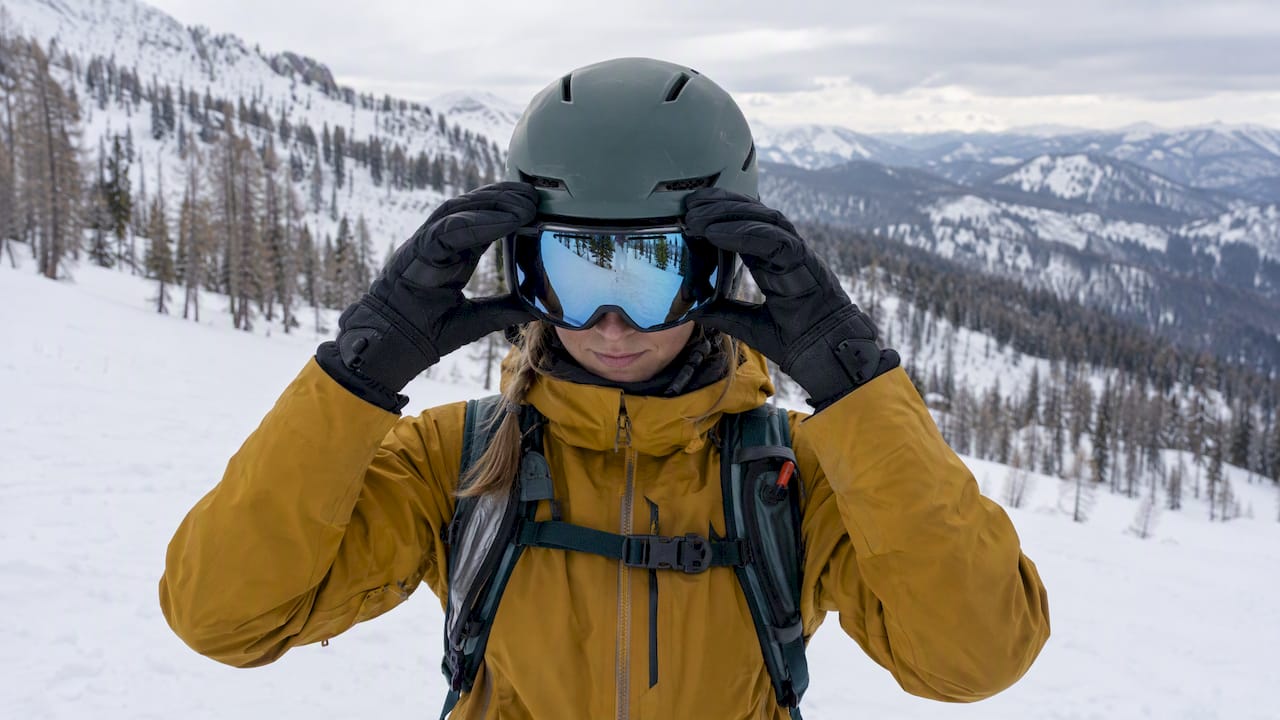
Prevent goggle fogging with five practical checks for lens care, fit, vents, breath and body heat—plus safe steps for fog on the move.
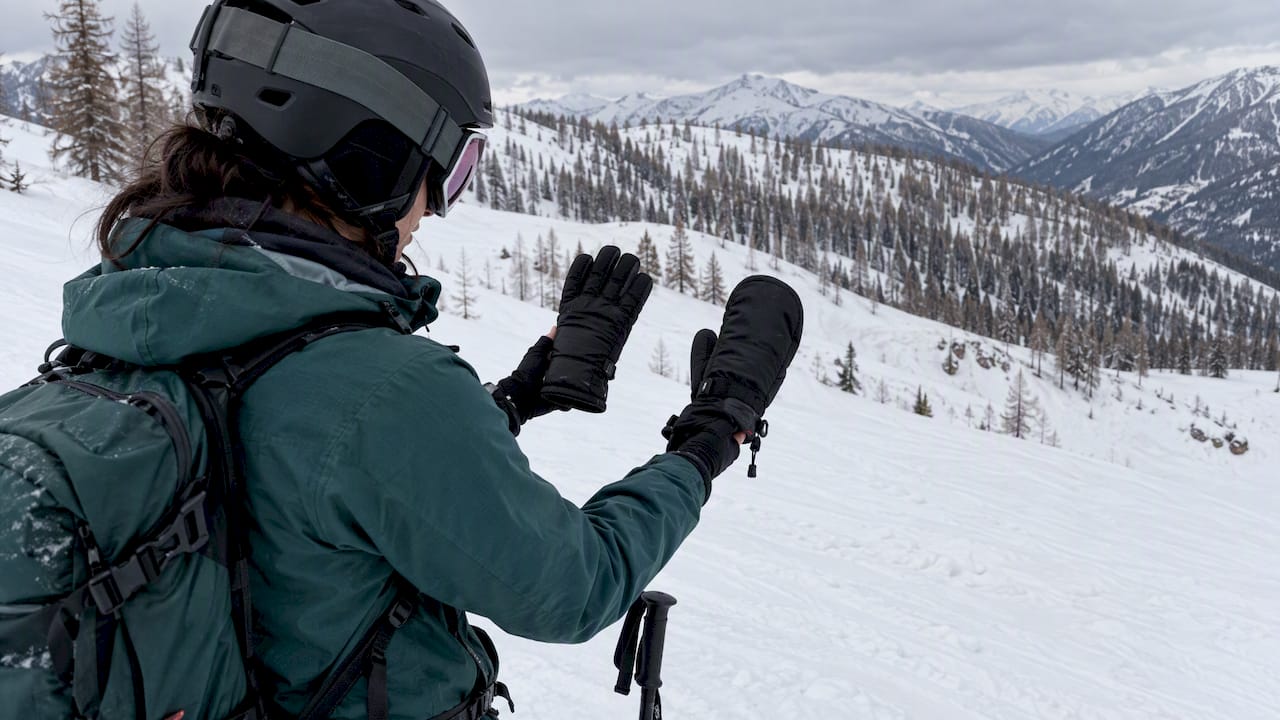
Choosing ski mittens vs. gloves? Compare warmth, dexterity, liners, fit and lobster mitts for piste skiing, powder days and touring.
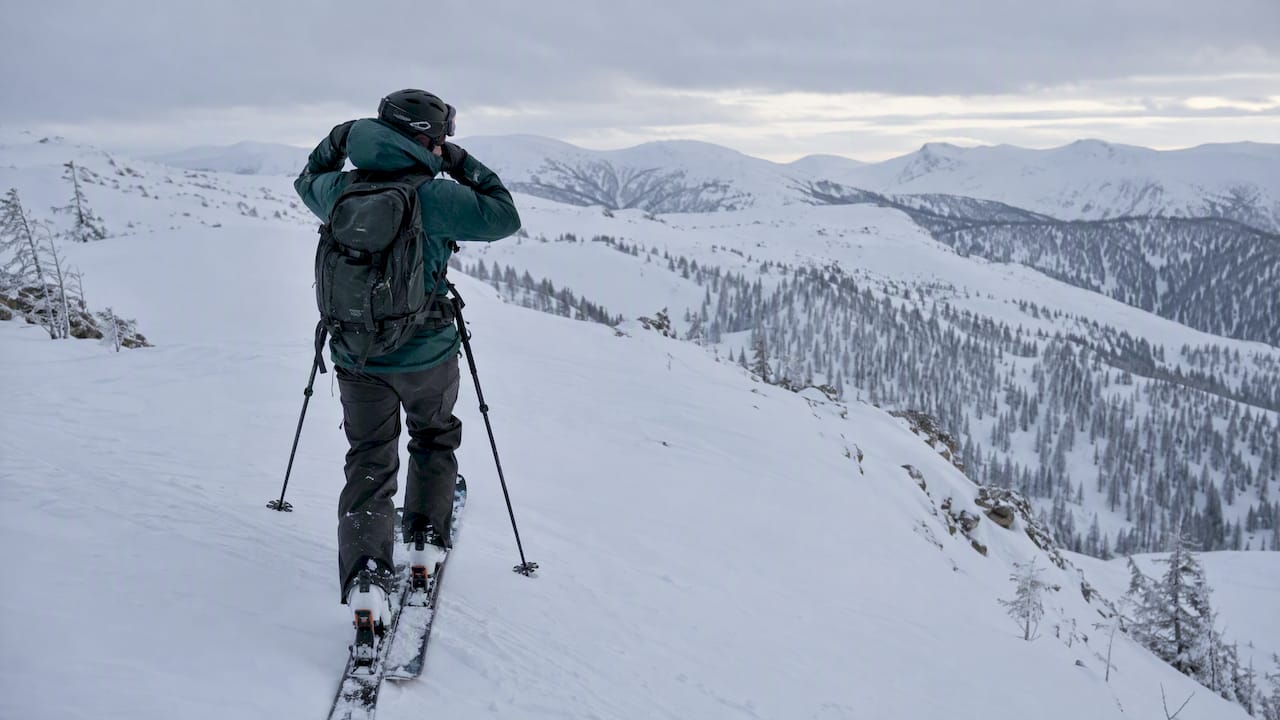
Choose an insulated or shell ski jacket for resort, touring, cat and heli days, with practical guidance on 2.5L, 3L and layering.

Compare neck gaiters and balaclavas for cold-weather activities, with practical guidance on coverage, ventilation, helmet fit, moisture management and winter packing.
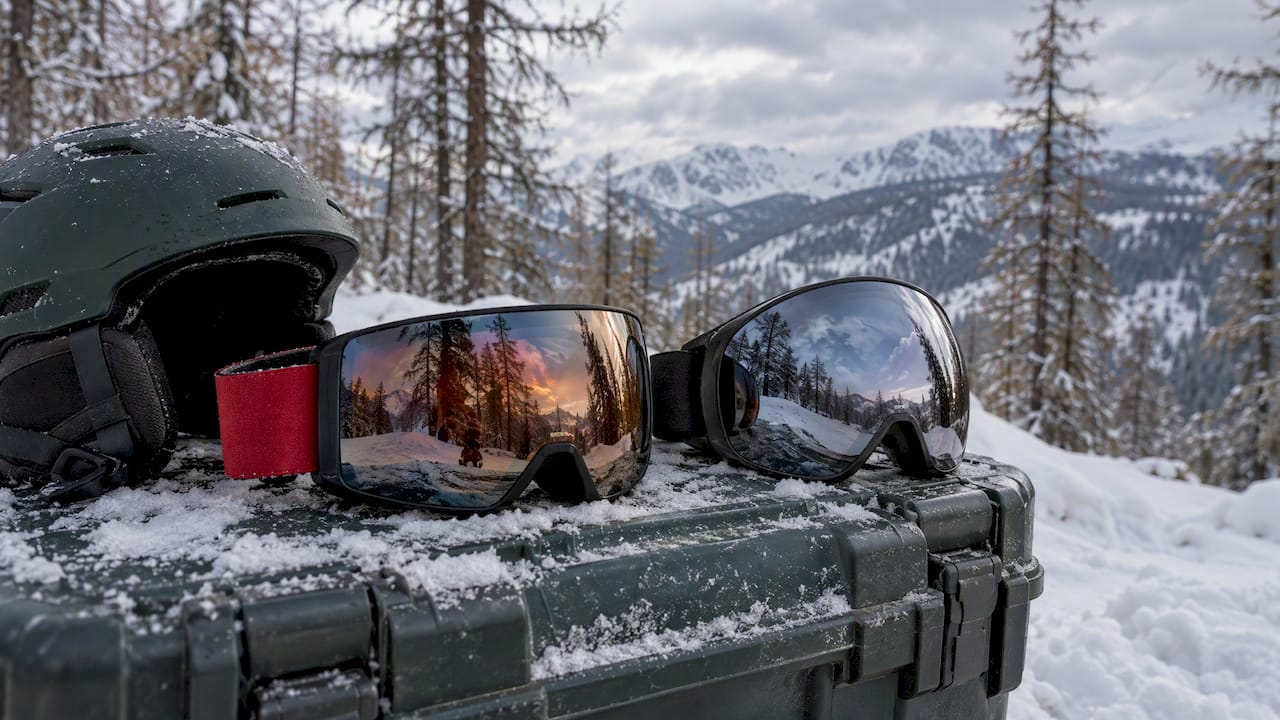
Choose between cylindrical, spherical and toric ski goggles, with practical guidance on tint, anti-fog performance, helmet fit and packing for Altai winter trips.
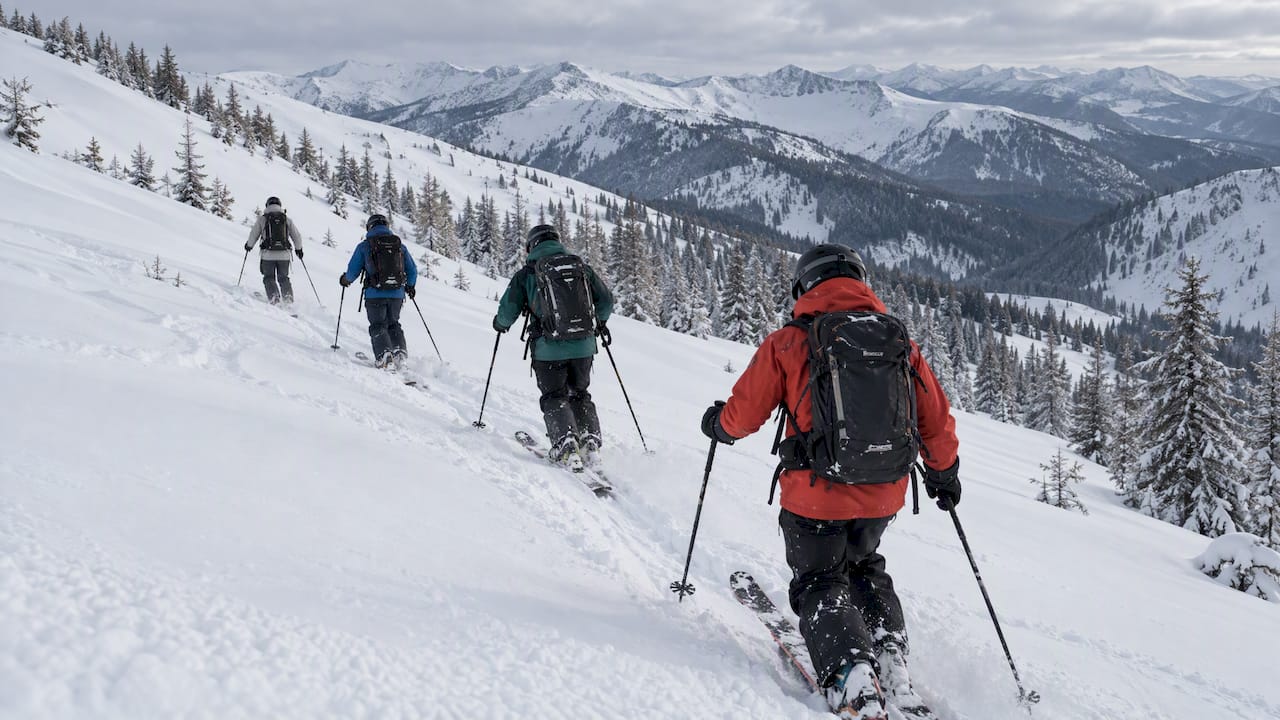
A practical cat-skiing safety checklist for first-timers, covering avalanche gear, companion-rescue practice, ability preparation and guided mountain days.
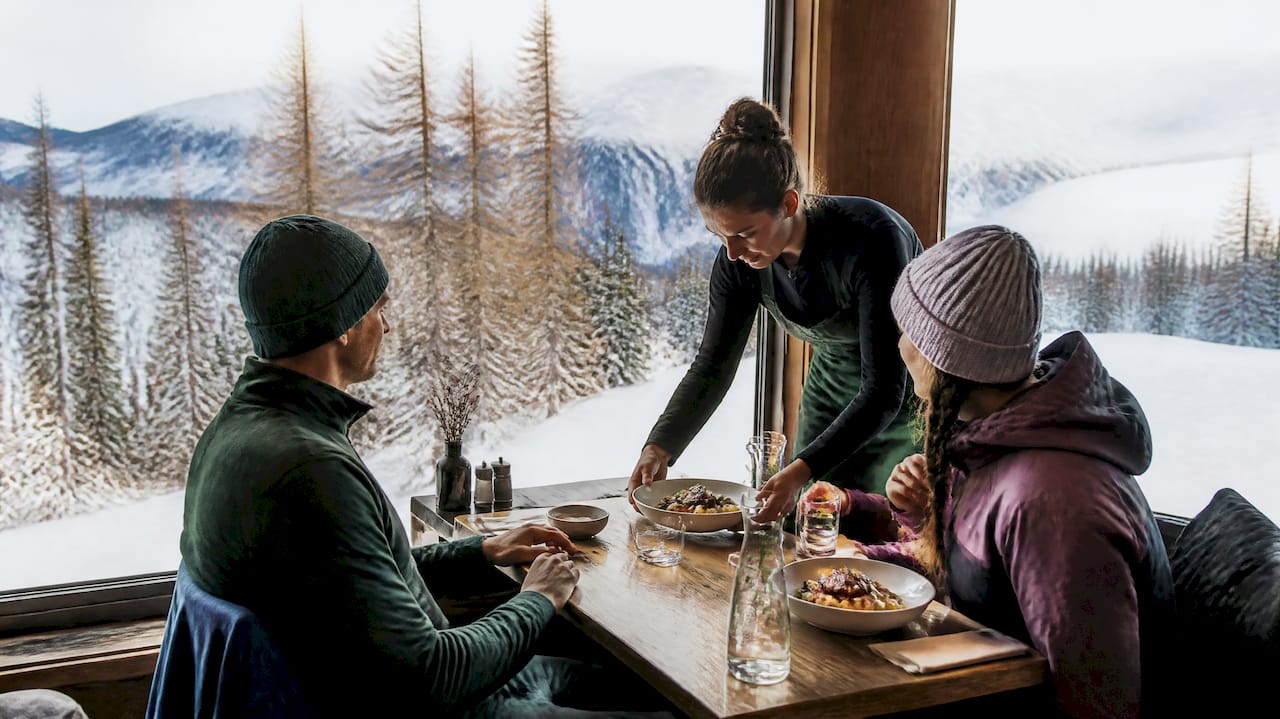
Plan on-mountain dining with four practical considerations: access, reservations, menus and dietary needs, plus weather and mountain safety preparation.

A practical Siberian cuisine guide to Restaurant Altai, East Kazakhstan dishes, dietary requests and Ridder Lodge accommodation rates.
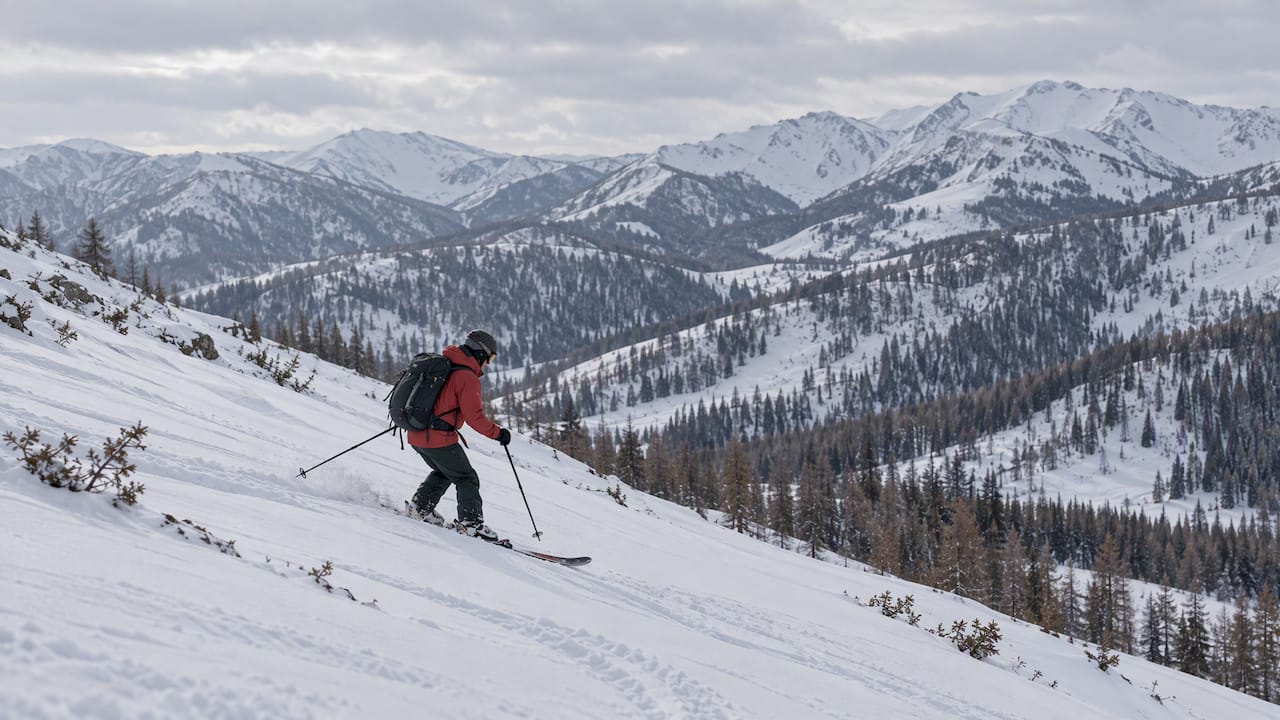
Explore heli-skiing’s environmental impact, including helicopter emissions, wildlife considerations, aviation effects and practical planning questions.
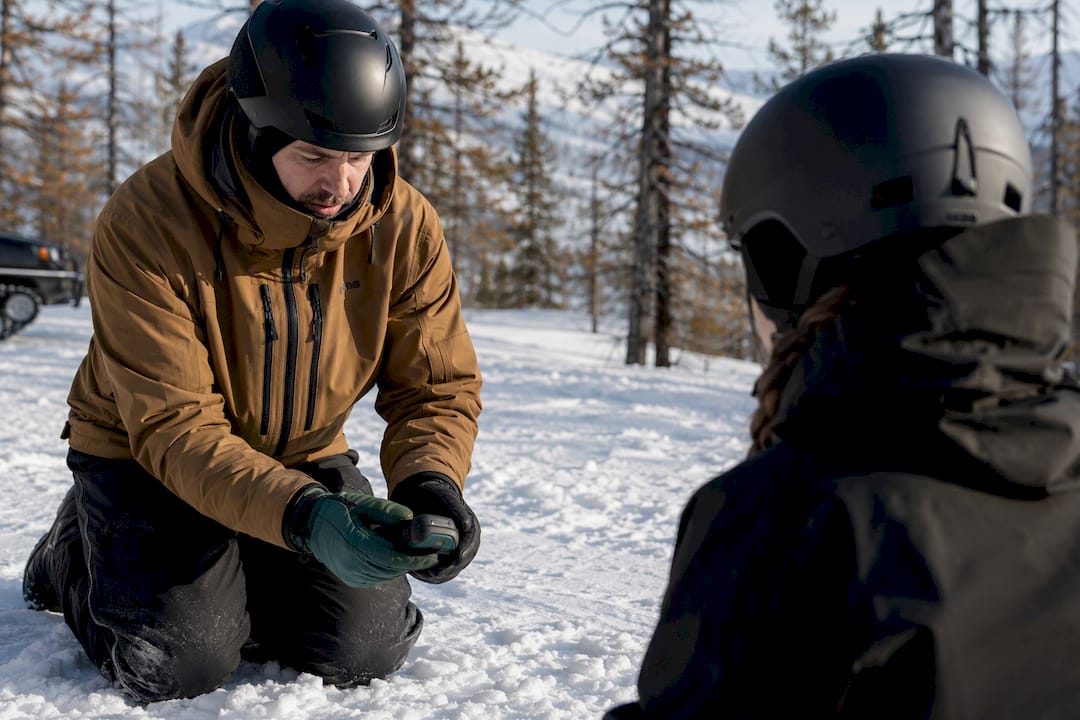
Learn what a snowcat safety briefing covers, including avalanche equipment, transceiver checks, the 20 cm/50 cm rule and cat-skiing preparation in Altai.
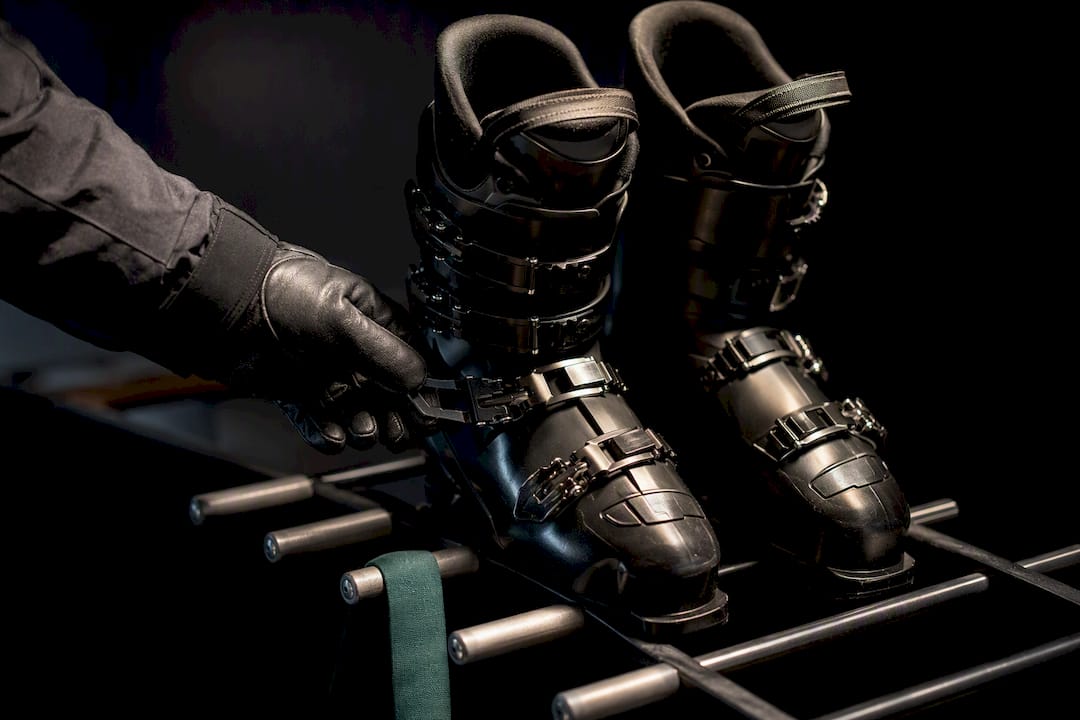
Practical ski locker etiquette for shared storage: keep equipment tidy, use boot dryers fairly and follow the rules in your drying room.
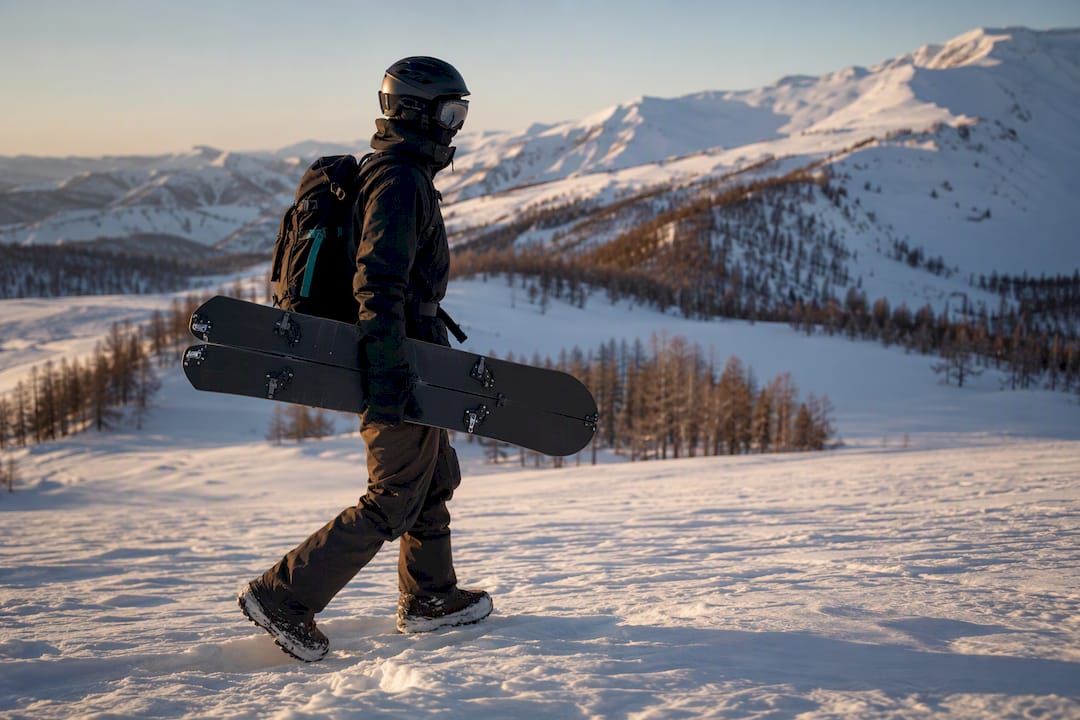
Plan a heli-accessed splitboard trip with practical guidance on formats, costs, rescue readiness, personal kit and Altai Mountains Resort options.
Explore Kazakhstan winter culture through holiday traditions, food, living heritage, regional rhythms and practical etiquette for visitors.
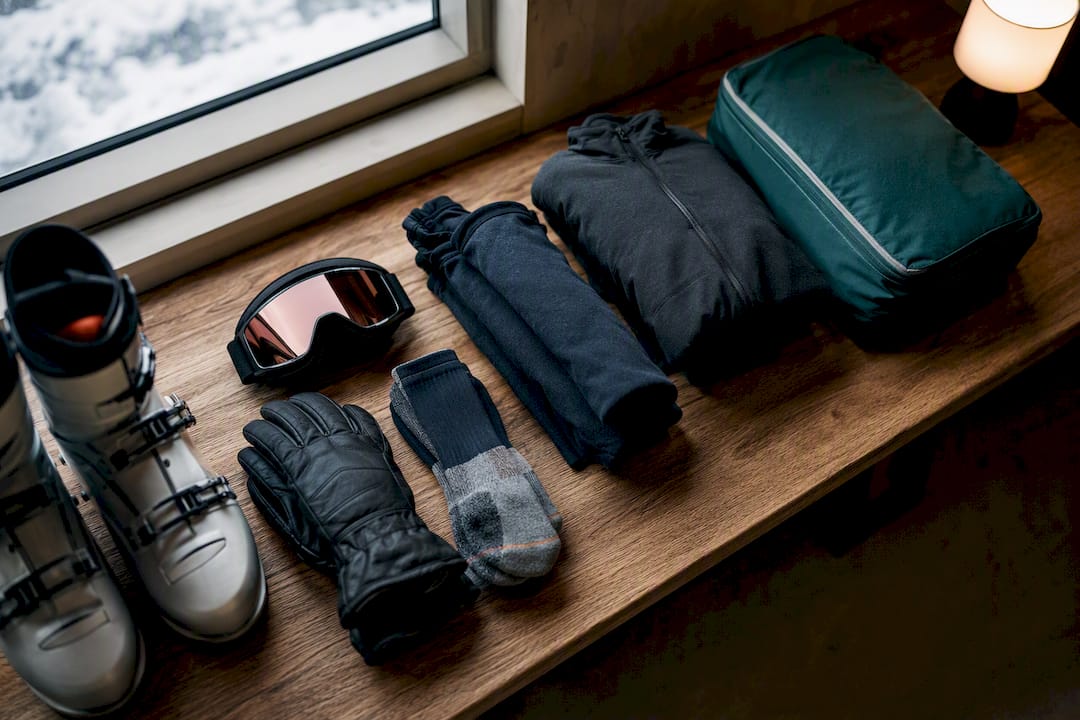
A practical luxury ski packing list for fitted essentials, lighter luggage and guided off-piste or heli-ski days at Altai Mountains Resort.

A practical heli-skiing safety guide for expert skiers, covering operator decisions, avalanche equipment, helicopter procedures, rescue planning and insurance.
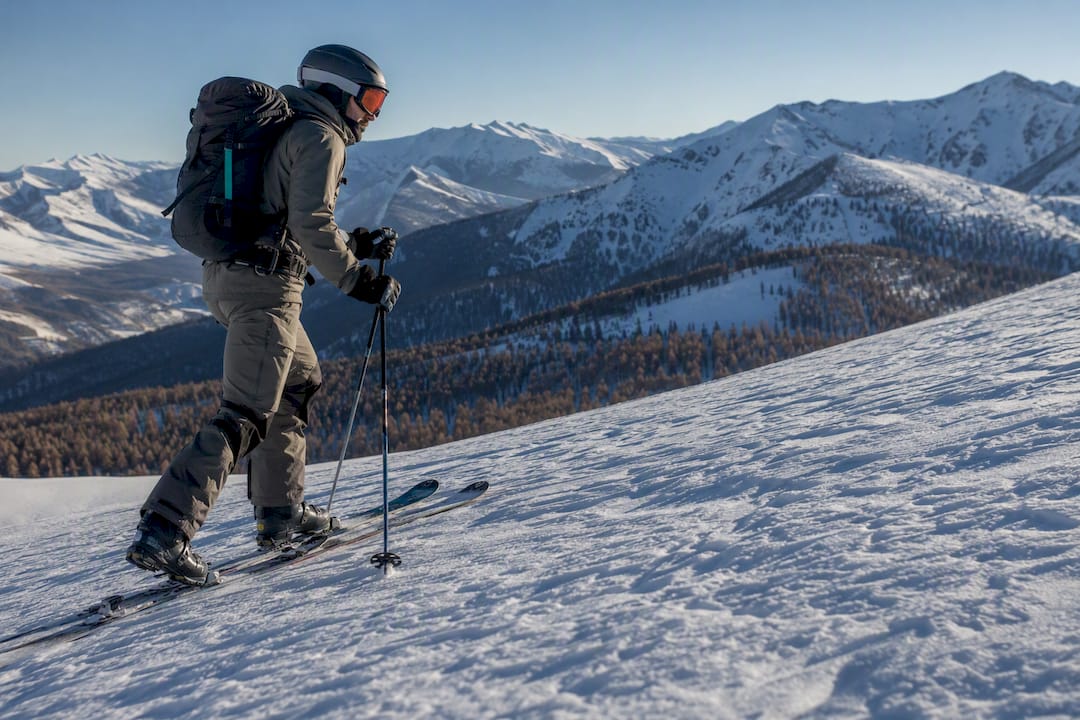
Compare lift-assisted, touring and Western Altai ski options in Kazakhstan, with practical safety, travel and booking guidance.

Learn the heli-skiing skill level typically expected, the off-piste skills to practise, safety preparation and an adaptable 8–12-week training framework.

Plan the Kazakhstan skiing season with a practical comparison of Almaty and Ridder, month-by-month timing, mountain safety and trip planning.
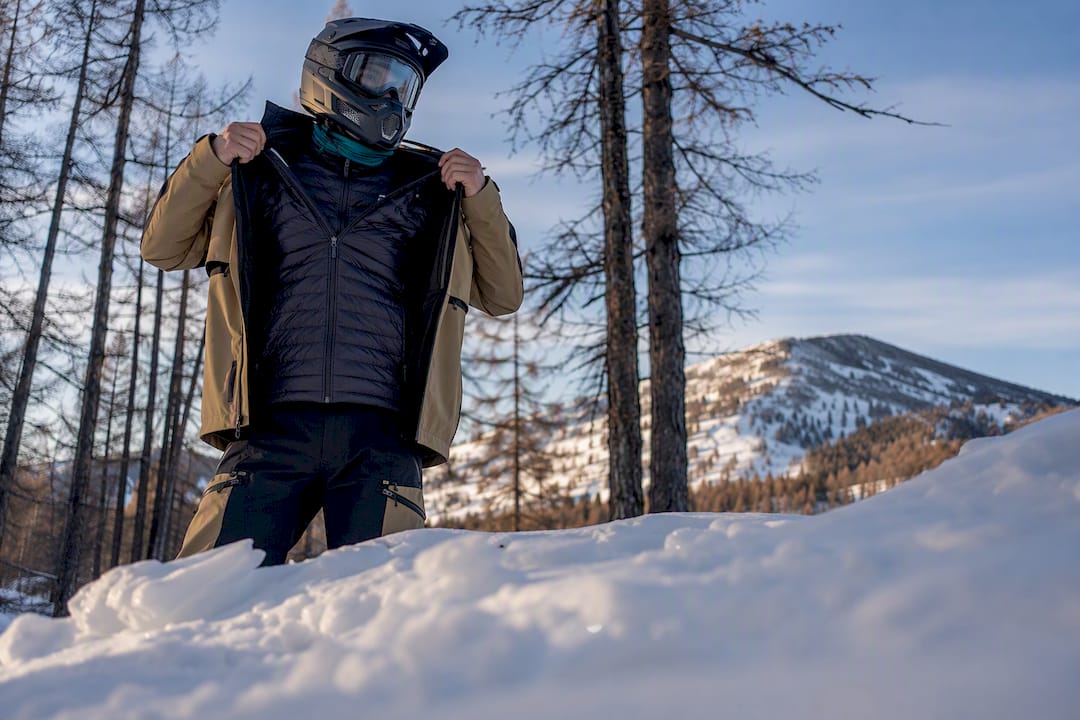
Use this snowmobile layering guide to build a flexible base, insulation and shell system, manage moisture and pack dry spares for changing conditions.

Learn what to rent for avalanche terrain, how to prepare a beacon, probe and shovel, and what to know about airbag packs and flights.
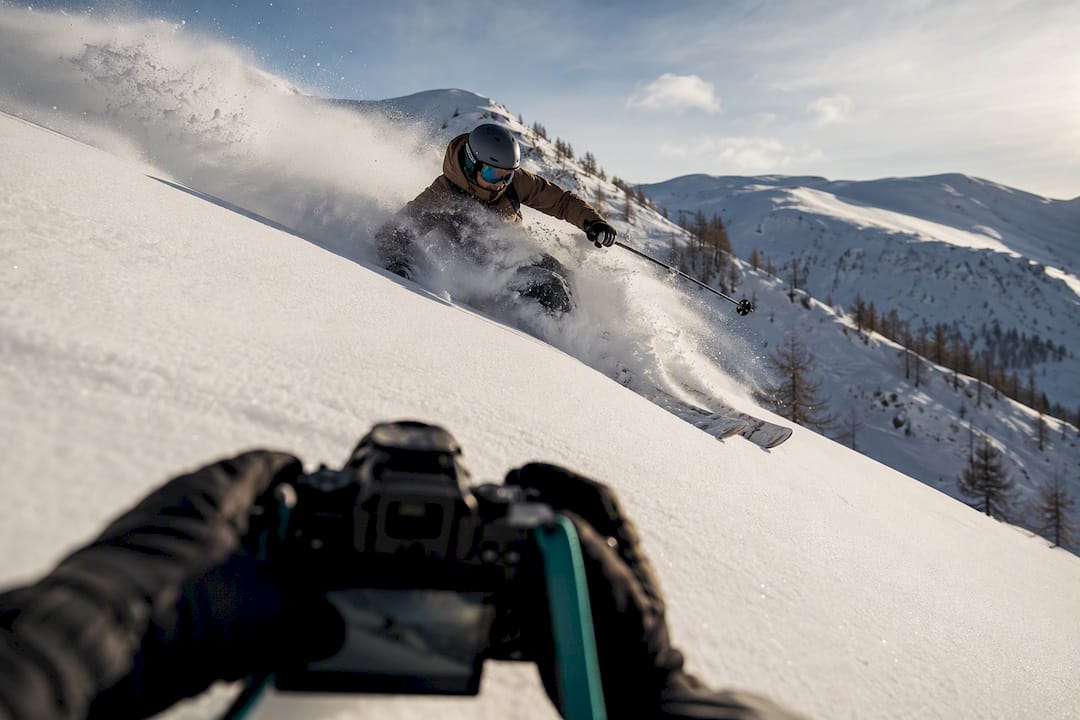
Practical ski photography tips for beginners: camera settings, snow exposure, timing, cold-weather camera care and safe mountain positioning.

Learn how to read an avalanche forecast, interpret danger ratings, roses and avalanche problems, and plan more conservative terrain choices.
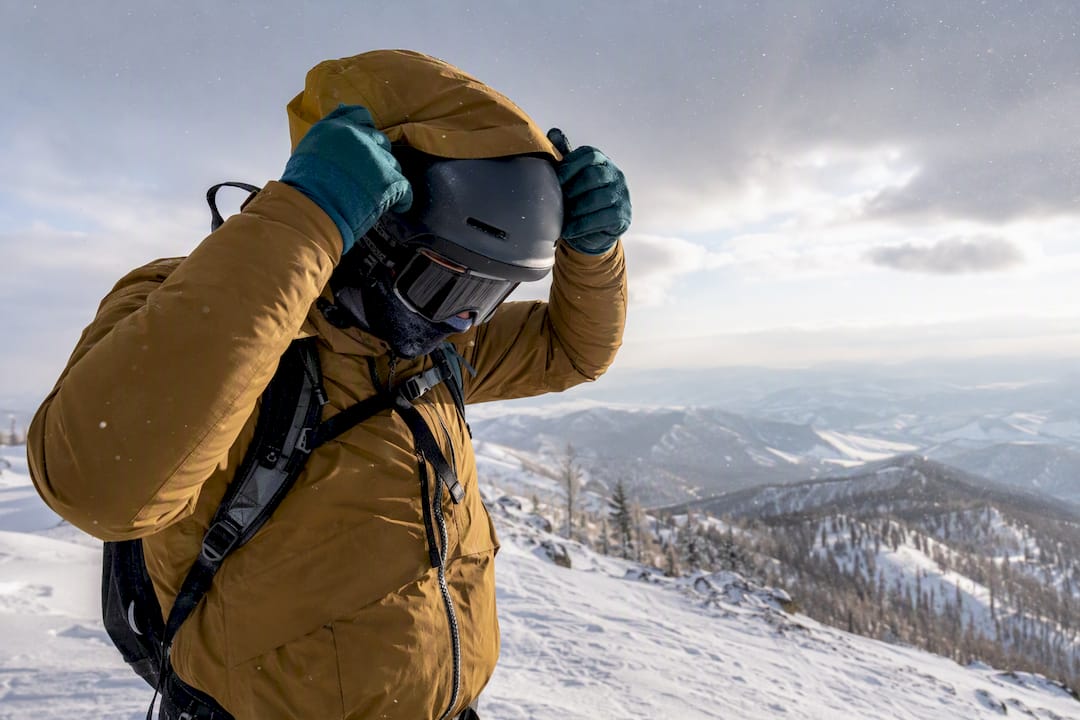
Practical cold injury prevention for winter travel: layering, dry spares, warning signs, first aid and planning for mountain activities.
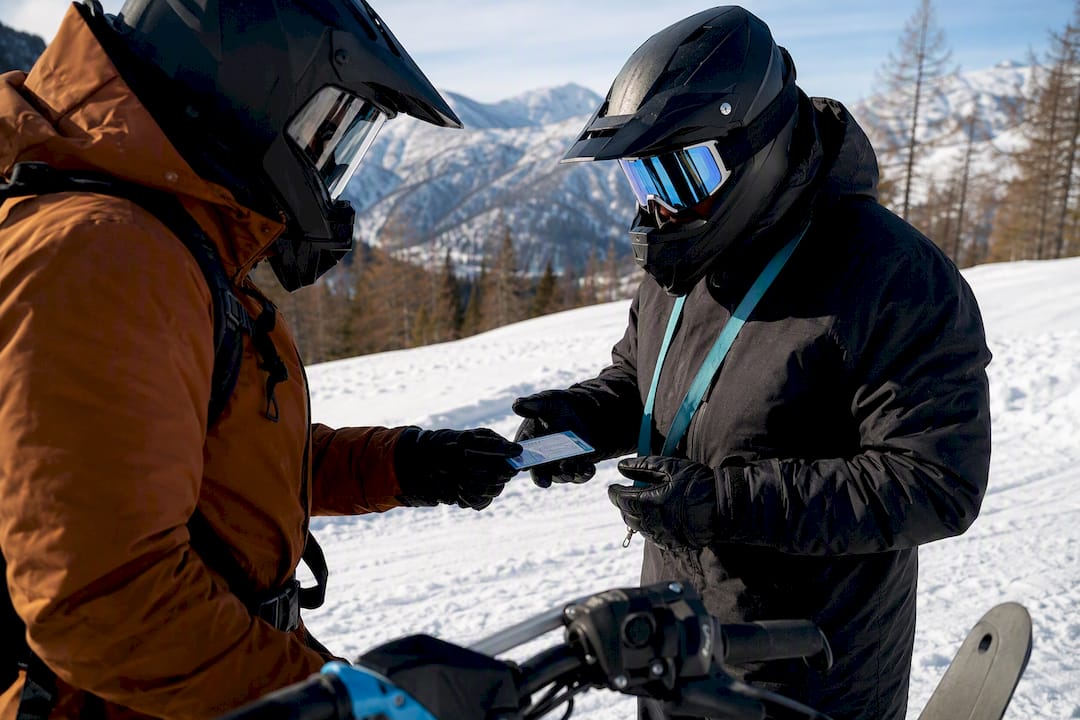
Planning snowmobiling in Ridder? Understand how experience, training, equipment and Kazakhstan rules shape your trip with Altai Mountains Resort.
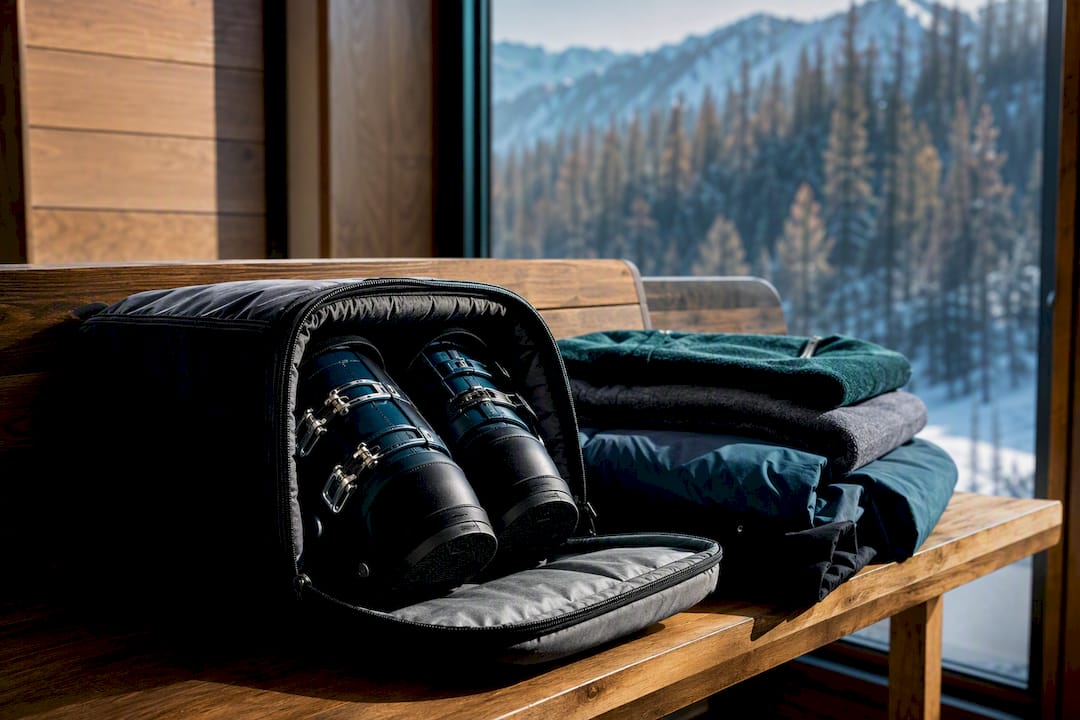
Travel with ski gear confidently: carry boots when cabin rules allow, pack skis securely, understand airline baggage rules and prepare for delays.
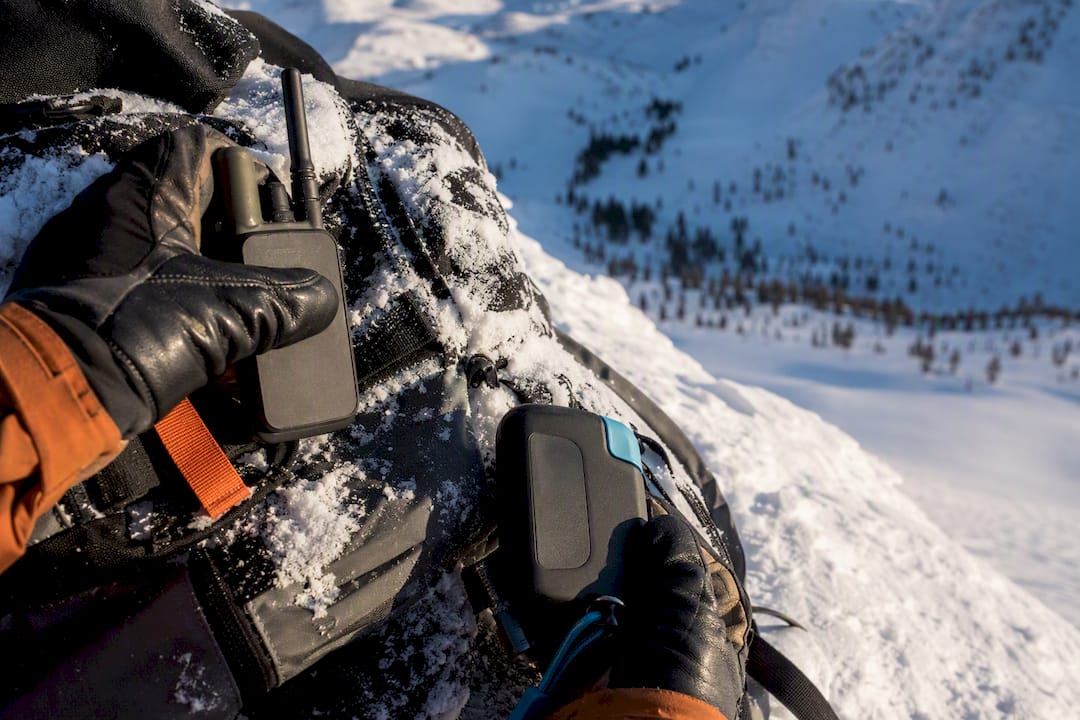
Build a practical backcountry radio communication plan with party radios, satellite SOS or PLB backup, cold-weather care and regional legal essentials.

Satellite messenger basics for remote Altai trips: compare PLBs and two-way devices, understand SOS limits, and prepare your communications plan.
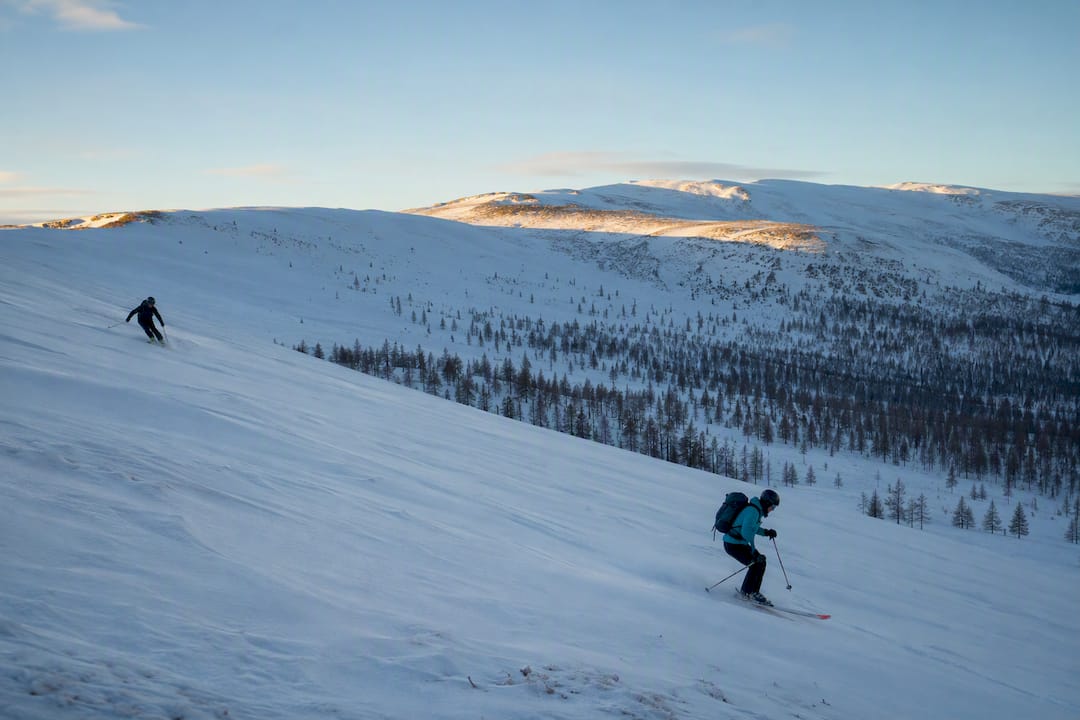
Avoid ski crowds with flexible dates, midweek skiing, early starts and smarter lift choices. Explore guided off-piste options near Ridder.

Learn how heli-skiing passenger weight and baggage rules differ by operator, with practical packing steps and Altai Mountains Resort booking guidance.
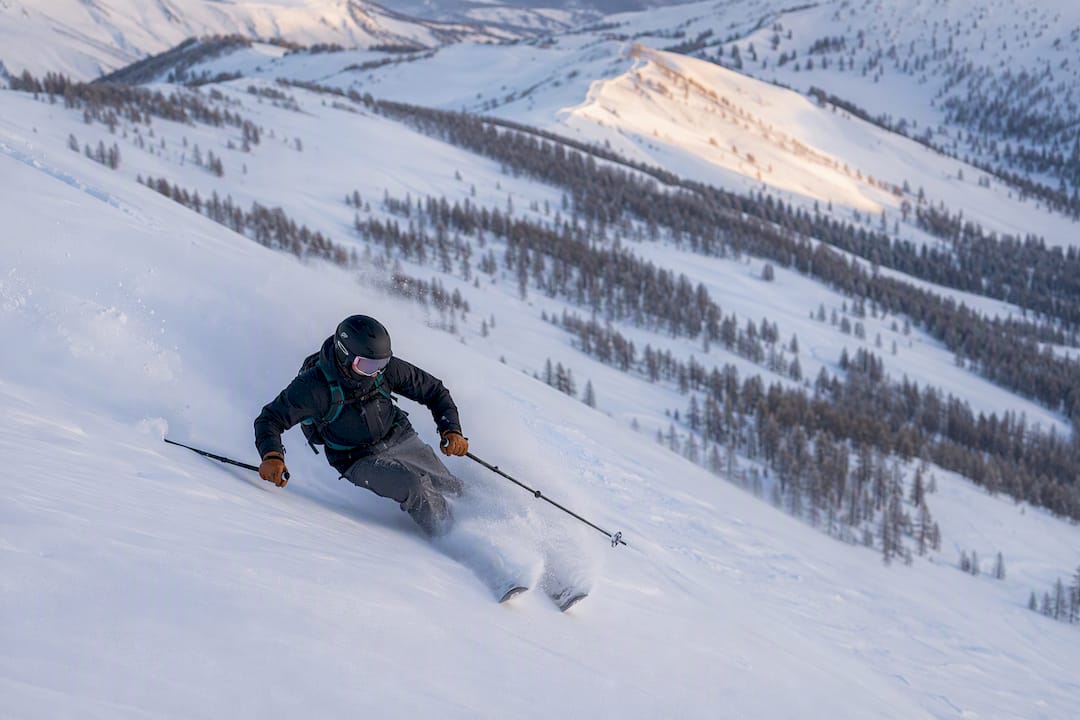
Understand the cat skiing skill level needed for Altai Mountains Resort, with practical guidance on off-piste ability, fitness and avalanche readiness.
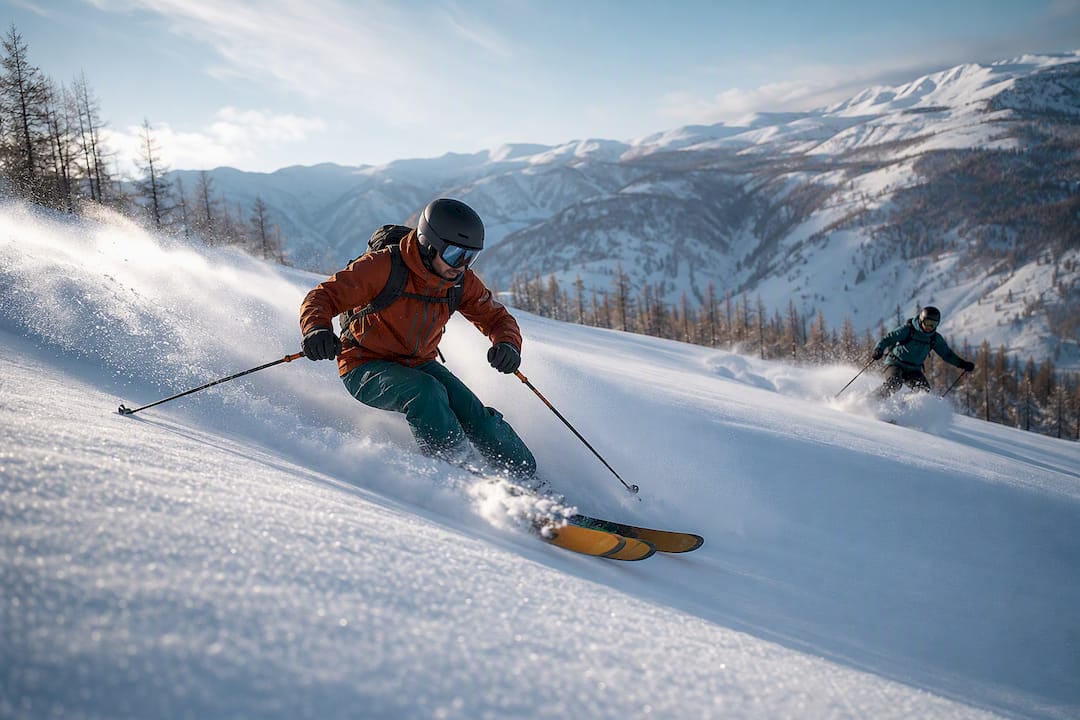
Decide whether Ridder suits your advanced Altai ski trip, with practical guidance on transfers, season timing, avalanche gear and guided programmes.
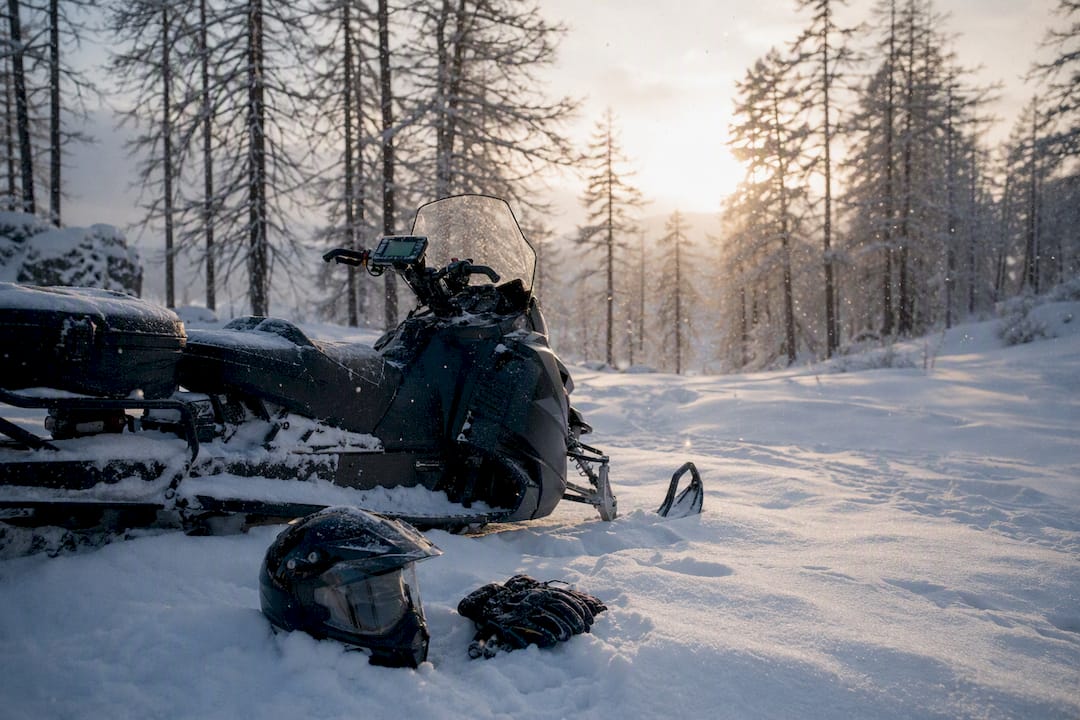
Compare snowmobile tour prices by duration, understand what shapes the final cost, and explore quote-based snowmobiling at Altai Mountains Resort.
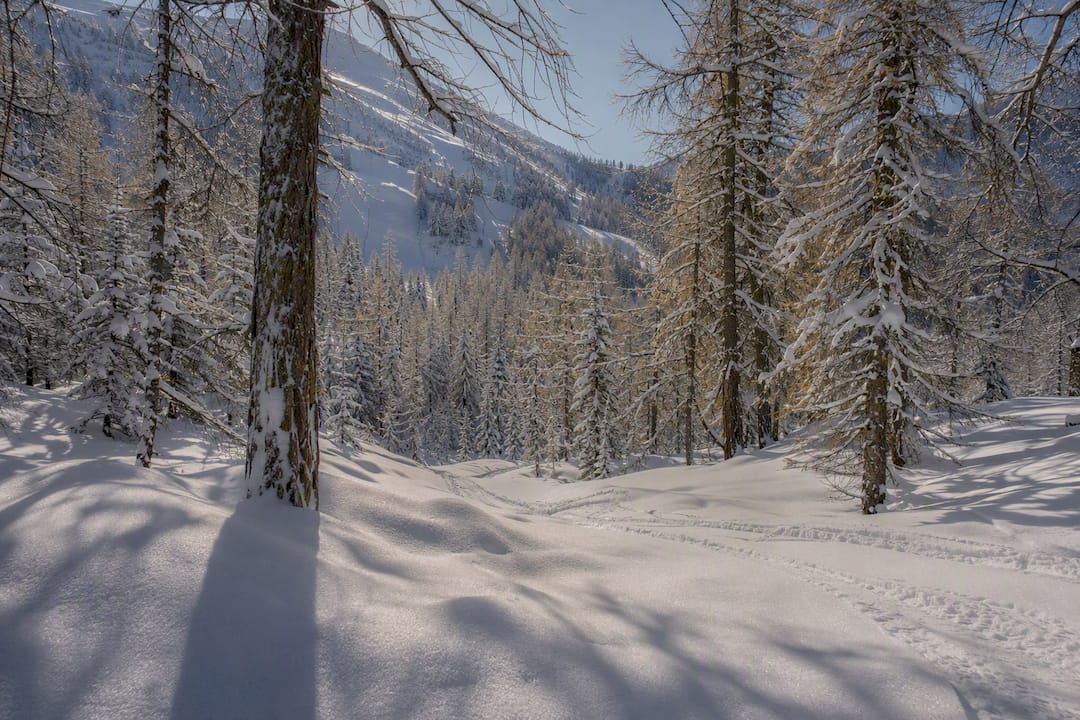
Compare Western Altai, Almaty and Turgen for Kazakhstan powder skiing, with practical guidance on access, safety and Ridder logistics.

Plan Altai heli skiing near Ridder with practical guidance on terrain, season, package inclusions, access, safety gear and booking.
Compare flight, rail and self-drive routes from Almaty to the Kazakh Altai, with practical guidance for reaching Ridder and Ulba village.

Learn deep powder snowmobiling setup, riding technique, safe recovery and avalanche preparation, plus guided training near Ridder.
Plan an Altai Mountains winter stay from Ridder, with activity timing, travel from Öskemen, packing advice and practical mountain guidance.

Practical helicopter passenger safety guidance on boarding, seatbelts, exits, dropped items and following crew instructions.

Practical off-piste slope etiquette for safer skiing: right of way, avalanche preparation, group spacing, closures and guided skiing in the Western Altai.

Plan an Altai Mountains trip across Russian, Mongolian and Kazakh sectors, with permit, safety and winter-stay guidance for Ridder Lodge.
Learn how to plan guided freeride tours, from off-piste experience and avalanche gear to guide scope, changing mountain conditions and cat-skiing in the Altai.
Learn avalanche beacon basics: 457 kHz transceivers, essential rescue gear, trailhead checks, interference and companion-rescue practice.

Learn which avalanche course suits your plans, what companion-rescue skills to practise and how to prepare for a winter trip to Altai.
Learn what cat skiing is, who it suits, what to pack and how to plan a guided cat-skiing trip, including options near Ridder, Kazakhstan.
A practical ski rental Kazakhstan guide to Shymbulak and Medeu, current tariffs, equipment fit, transport and guided freeride near Ridder.

Understand ski guide benefits for freeride and backcountry trips, including local planning, terrain choices, qualifications, safety gear and access options.

Plan a snowmobile expedition near Ridder, Kazakhstan, with practical guidance on routes, rider experience, equipment, mountain safety and transfers.
Use this mountain lodge amenities checklist to compare rooms, meals, wellness access, transfers, activities and paid extras before booking.
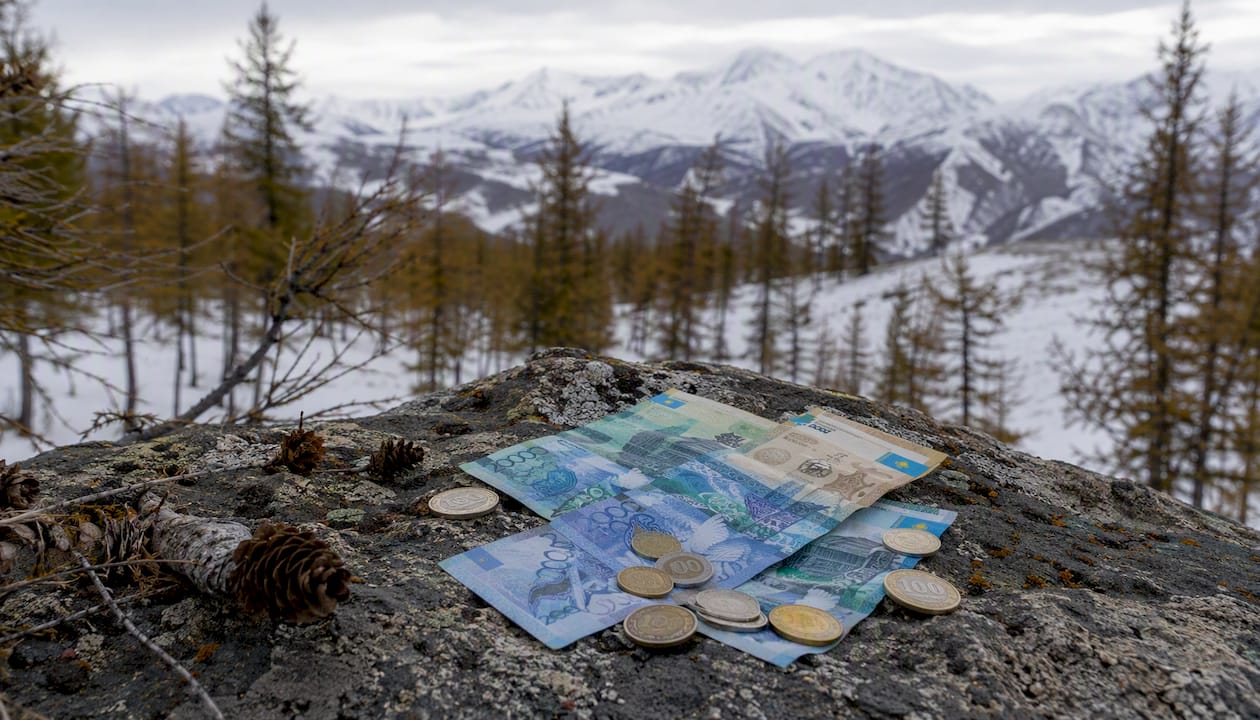
A practical Kazakhstan currency guide to the tenge, cards, ATMs, currency exchange, DCC and cash planning for cities and the Western Altai.
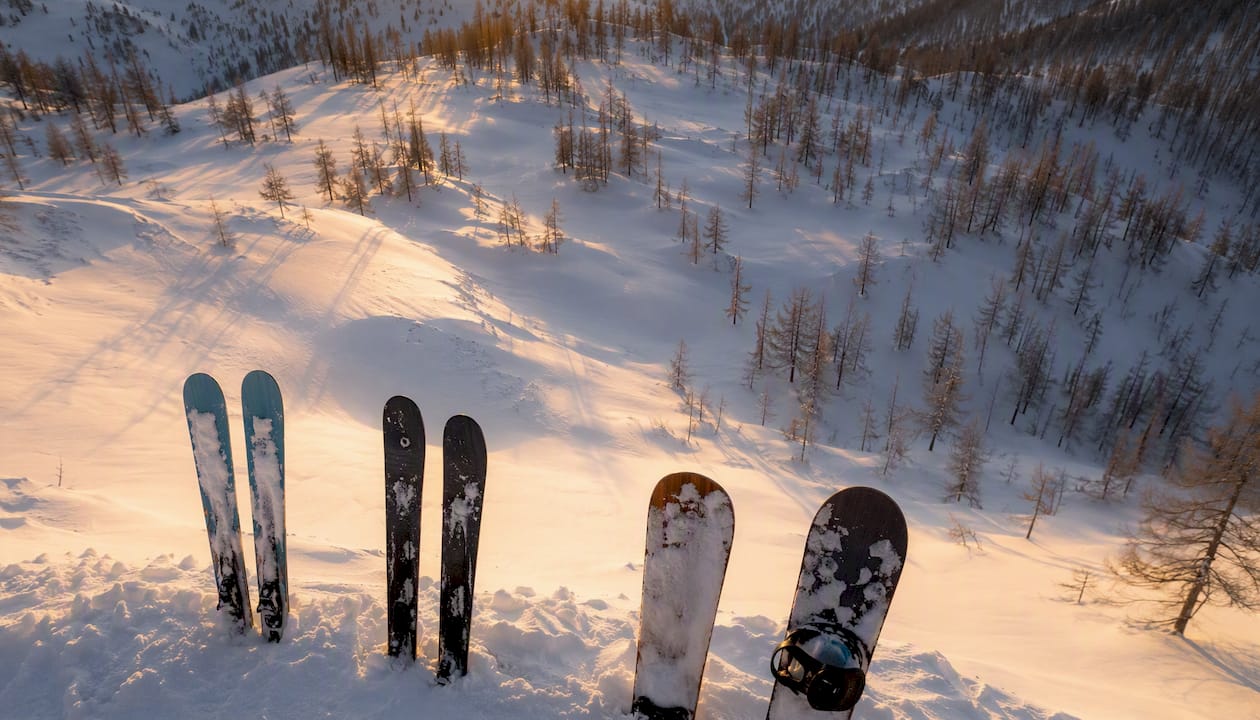
Plan the Kazakhstan ski season by month, compare lift-served Shymbulak with guided trips around Ridder, and prepare for changing snow and mountain conditions.
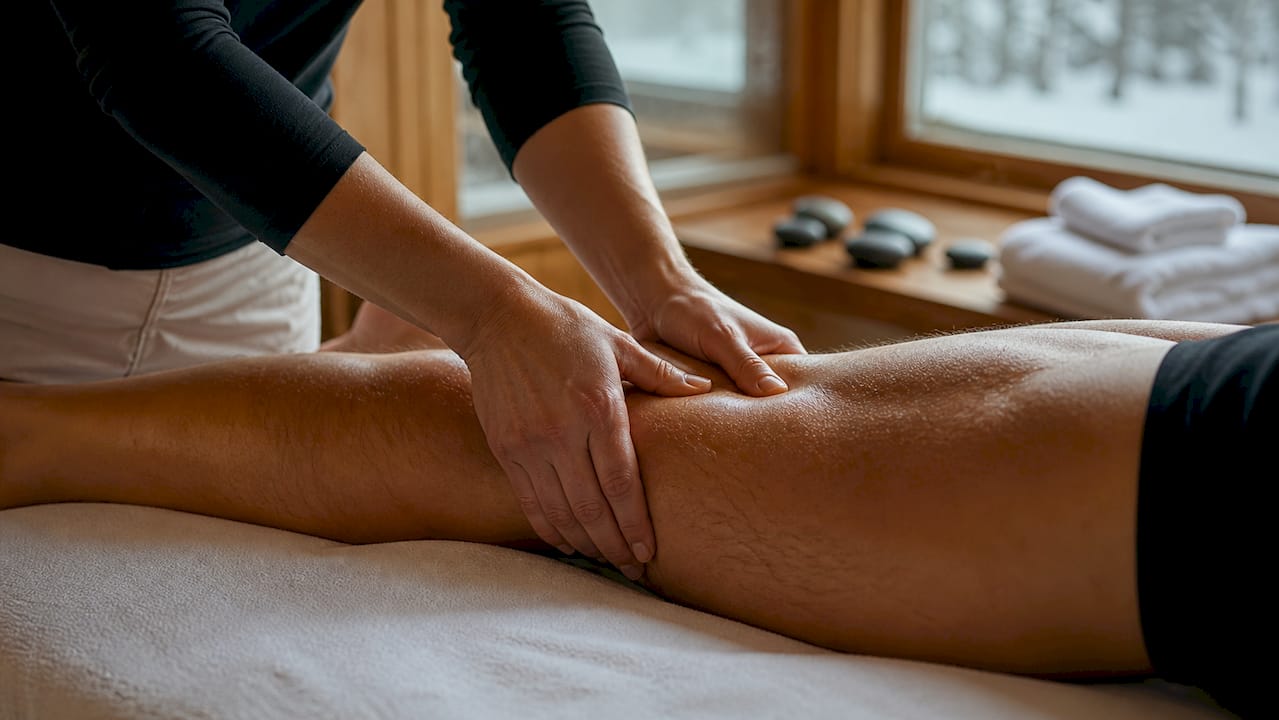
A practical guide to spa after skiing, including gentle massage, sauna and hammam, optional cold immersion and signs that need medical attention.
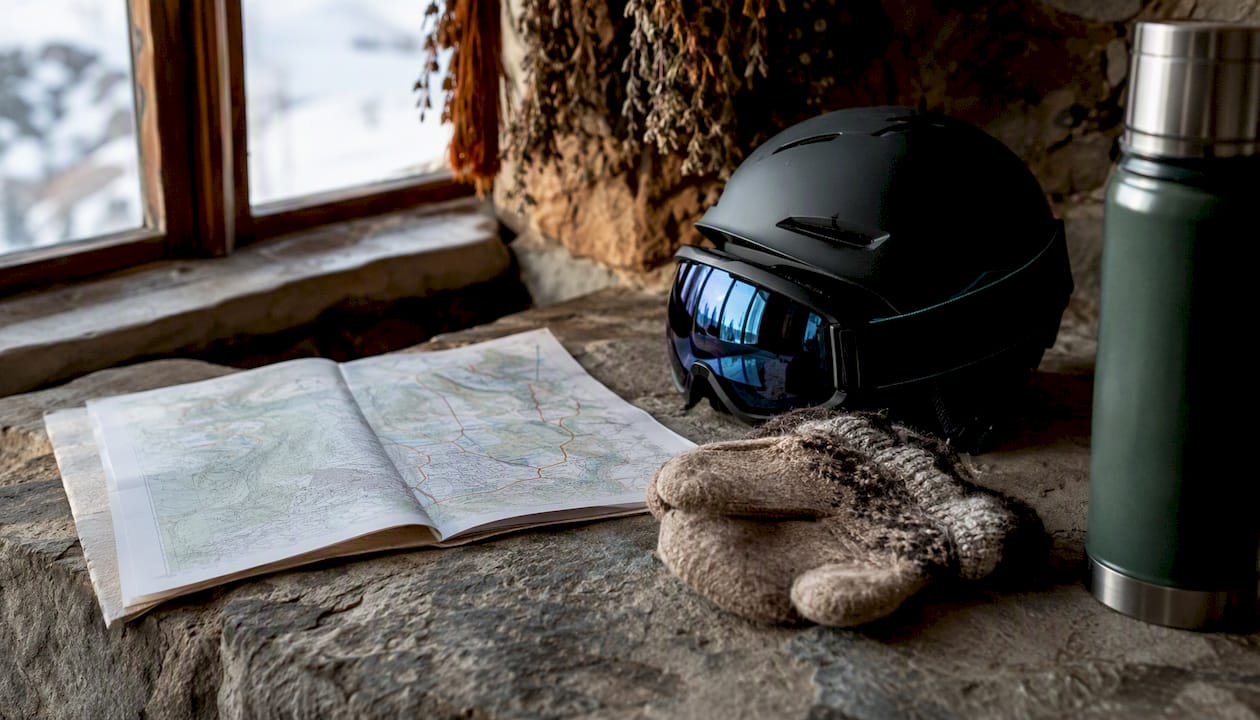
Plan a remote ski trip from the UK to Ridder, with practical guidance on activities, Kazakhstan entry, Öskemen transfers, insurance and ski baggage.
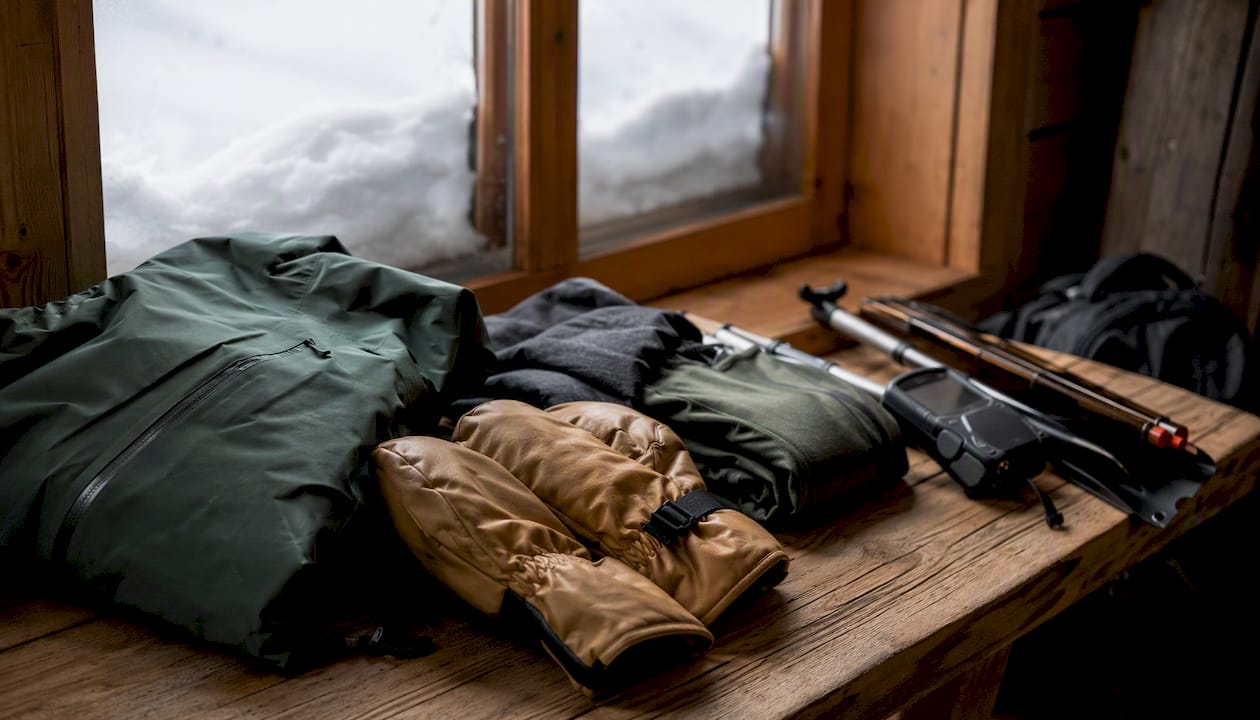
A practical heli skiing packing list covering clothing, avalanche equipment, ski baggage, batteries, travel documents and rental options.
A practical UK guide to ski boot fitting: appointment steps, services, current provider price examples, aftercare and warning signs.
Should you tip a ski guide? Learn how customs vary, when a gratuity may feel appropriate and how to plan for tipping in Kazakhstan.
An Altai cuisine guide to kan, kurut, chegen and talkan, with dining at Restaurant Altai, food safety and travel from Öskemen to Ridder.
Compare banya vs sauna: heat, steam, venik and löyly rituals, etiquette, health evidence, safety basics and the Altai Banya experience.
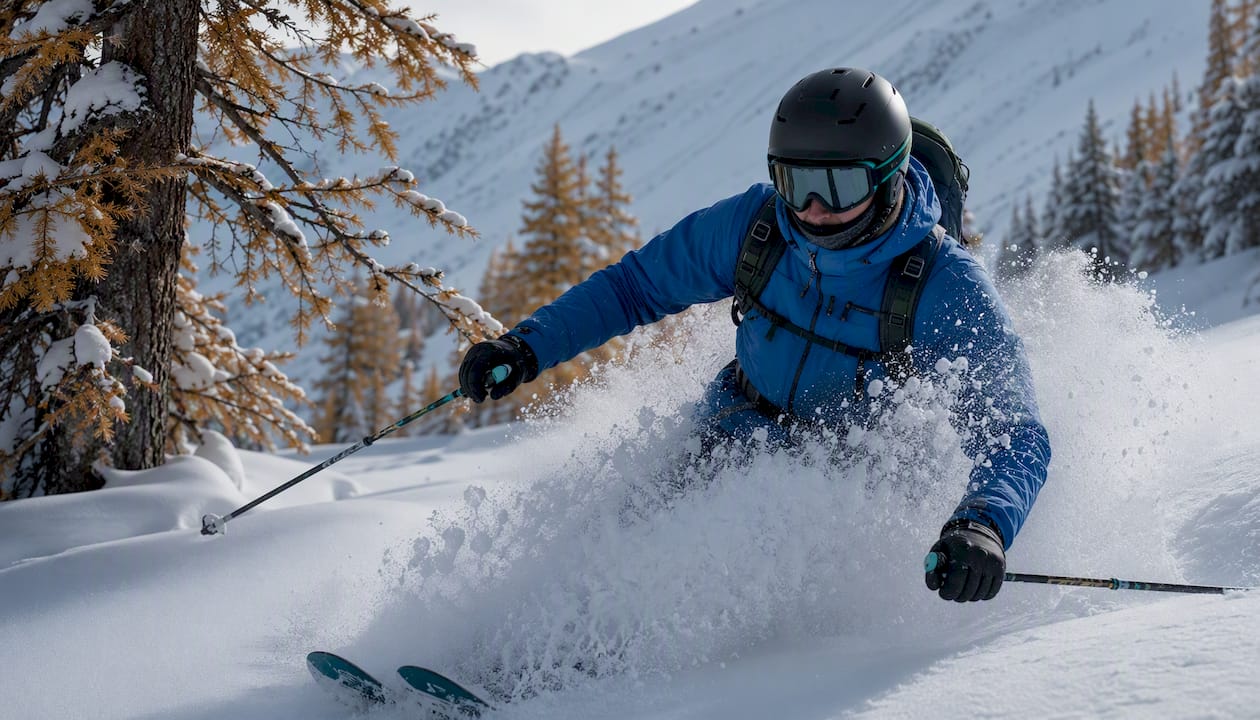
Learn how to ski deep powder with centred balance, smooth turns, speed control, practice steps, gear guidance, and avalanche and tree-well precautions.

Plan a mountain wellness retreat in Ridder with freeride, heli-skiing, snowmobiling, Ridder Lodge, Altai Banya and practical winter travel guidance.

A practical snowmobile gear list for UK travellers heading to Altai Mountains Resort, with clothing, safety equipment, battery and travel guidance.

Understand Ridder Lodge’s ski-in/snowmobile-out access, guided ski-day logistics, transfers from Öskemen and practical planning for your stay.
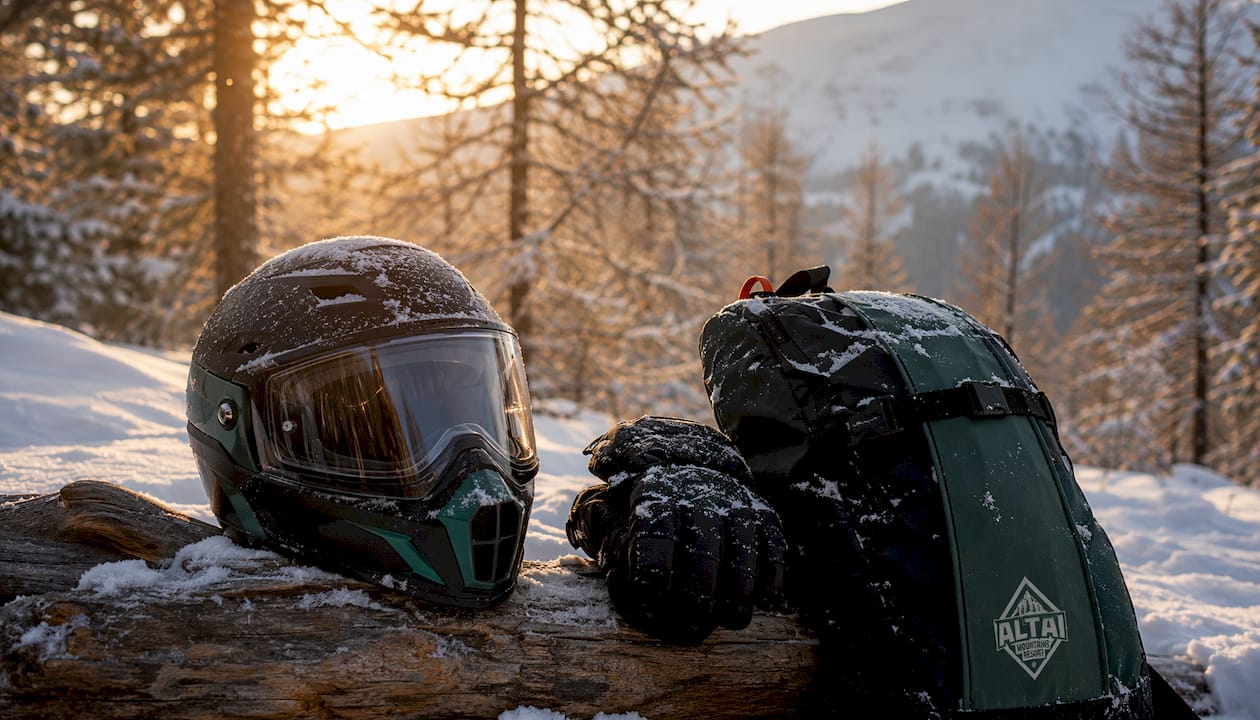
Prepare for a guided snowmobile ride with a practical gear checklist covering helmets, winter layers, avalanche equipment and cold exposure in Ridder.

A practical heli skiing guide to ability, avalanche equipment, packing, weather and planning your first trip to Kazakhstan.
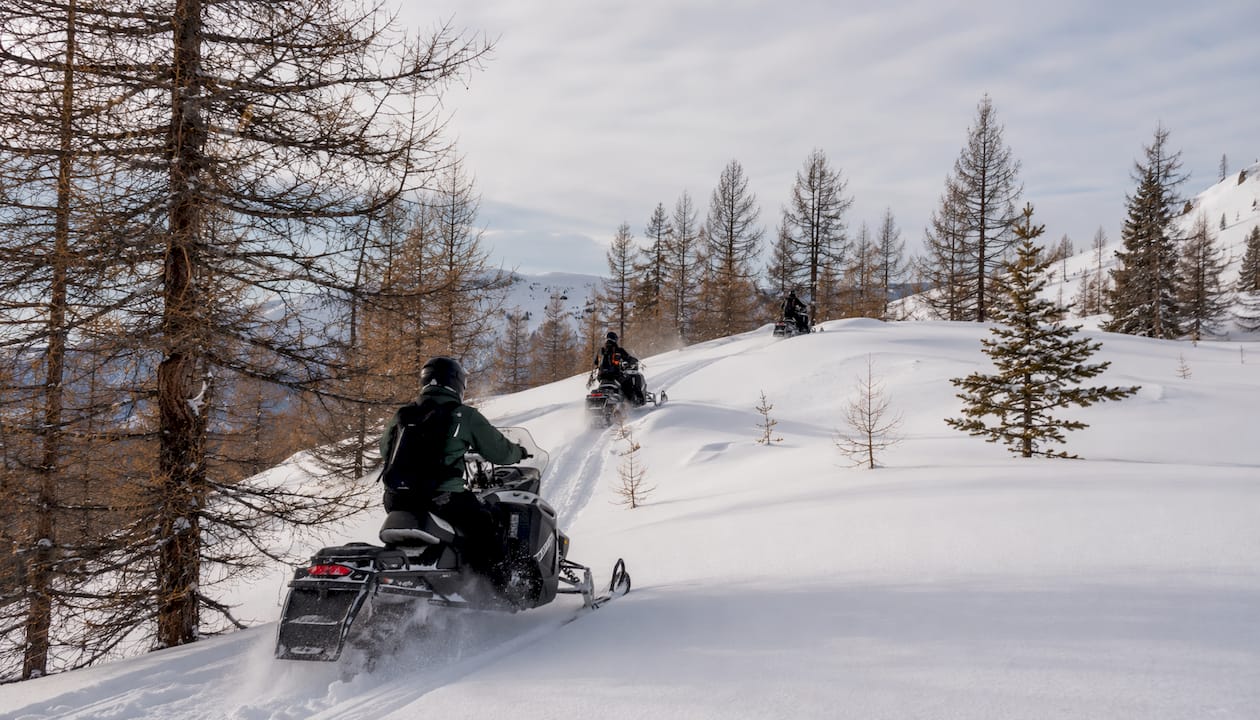
Plan guided deep snow snowmobiling in Ridder, with practical details on training, rentals, equipment, transfers and staying at Ridder Lodge.
How to choose Kazakhstan travel insurance for heli-skiing, cat-skiing or snowmobiling, including medical treatment and evacuation cover.
Kazakhstan visa requirements for UK visitors to Ridder, including visa-free limits, e-visas, passport rules, airports and Öskemen transfers.
Build strength, balance and endurance before cat-skiing, heli-skiing or snowmobiling with an adaptable six-to-eight-week ski fitness program.

Explore cold plunge benefits for skiers, from short-term soreness and recovery evidence to cold-shock risks, timing and Altai Banya options.

Understand heli skiing cost in 2026 with current operator examples, a total-budget checklist, and key booking, safety and insurance questions.