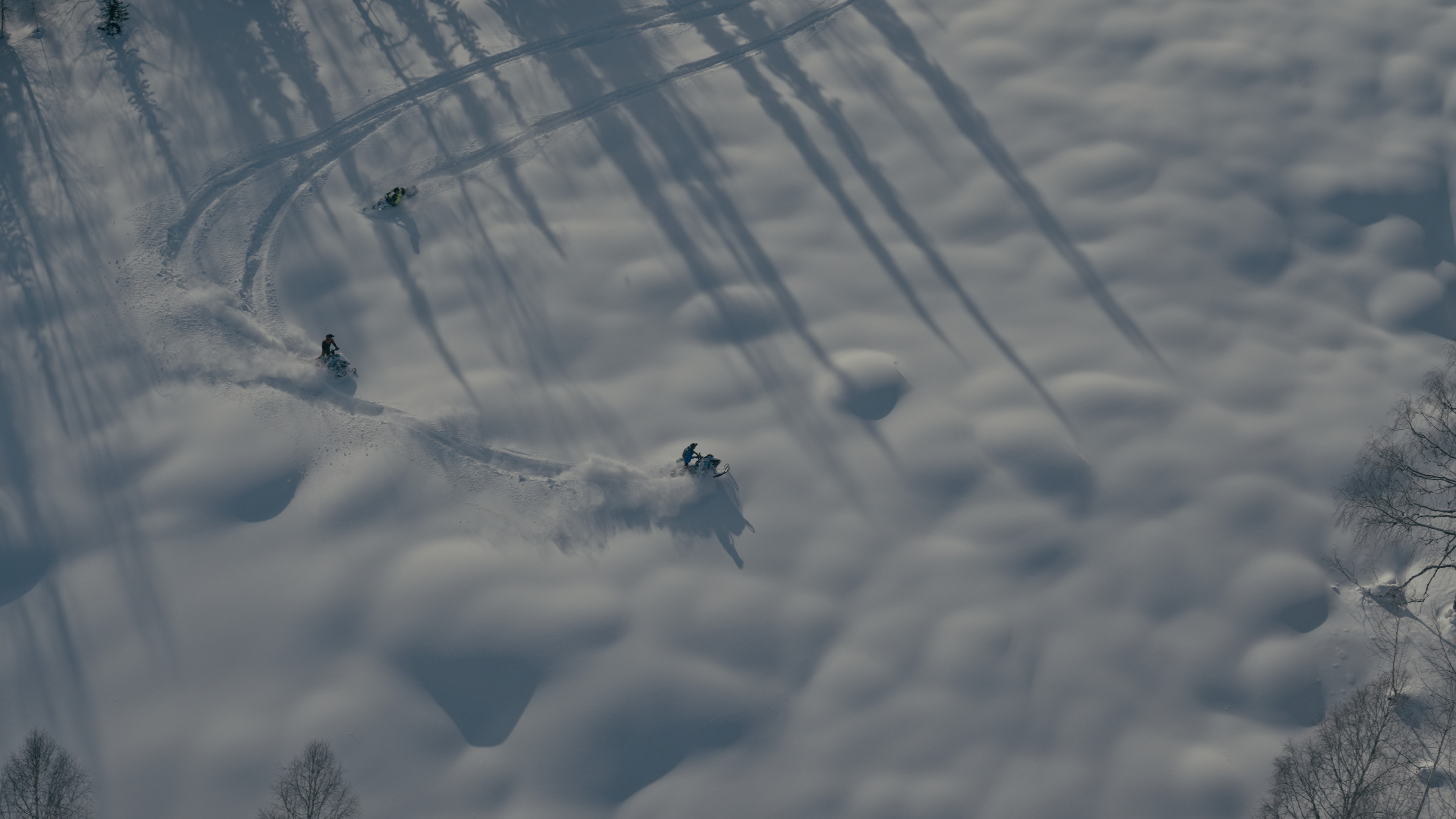
A practical heli skiing guide to ability, avalanche equipment, packing, weather and planning your first trip to Kazakhstan.

Heli skiing uses a helicopter to reach guided backcountry terrain beyond lift-served slopes. For your first helicopter-accessed trip, you should already be an experienced off-piste skier or snowboarder, understand the serious risks and be ready to follow instructions closely.
Confidence on groomed runs alone is not enough. Start with an honest account of your recent powder and variable-snow experience, then learn how the trip handles equipment, weather changes and days when flying is not possible.
What is heli skiing, and is it right for a first-timer?
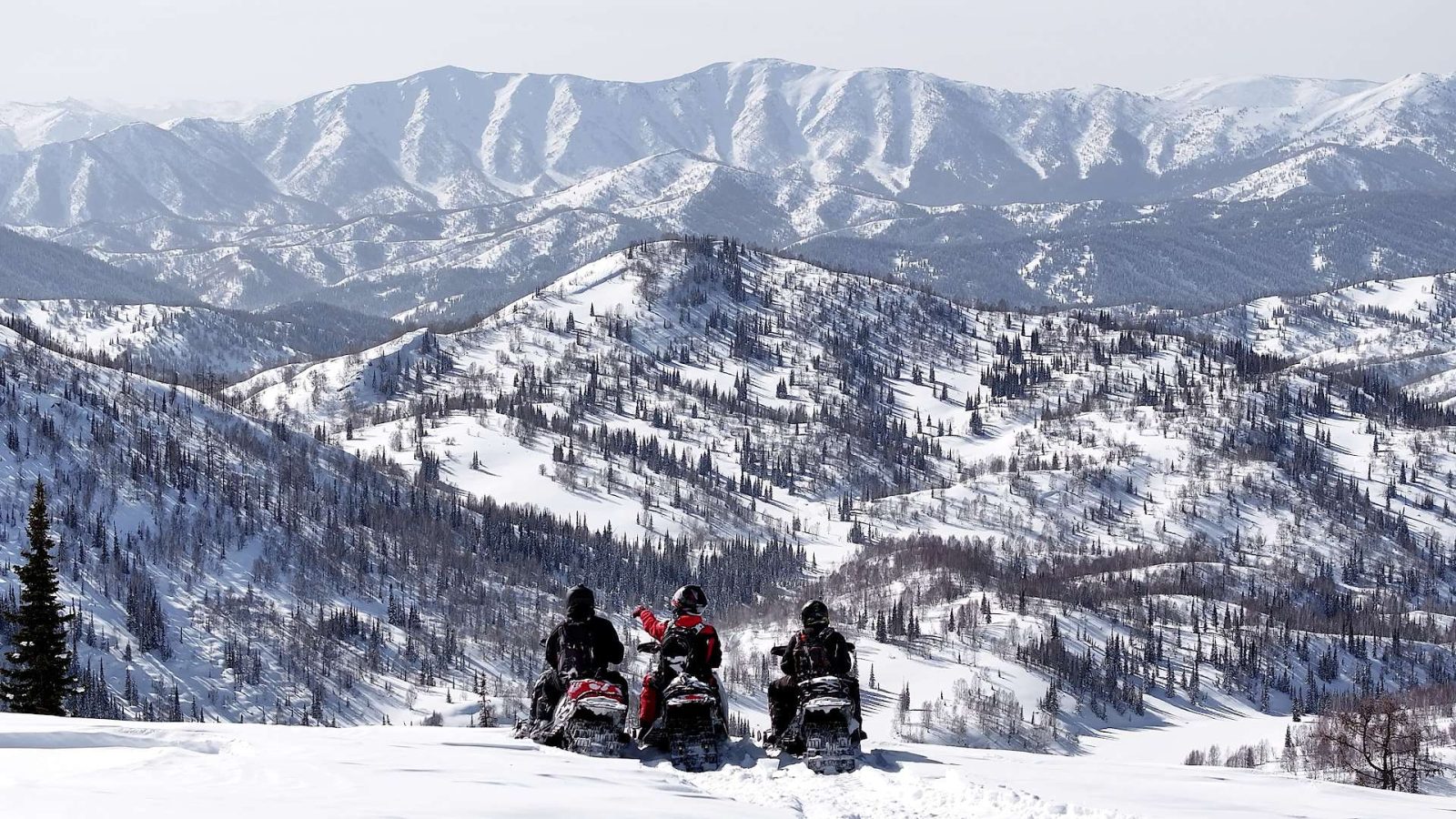
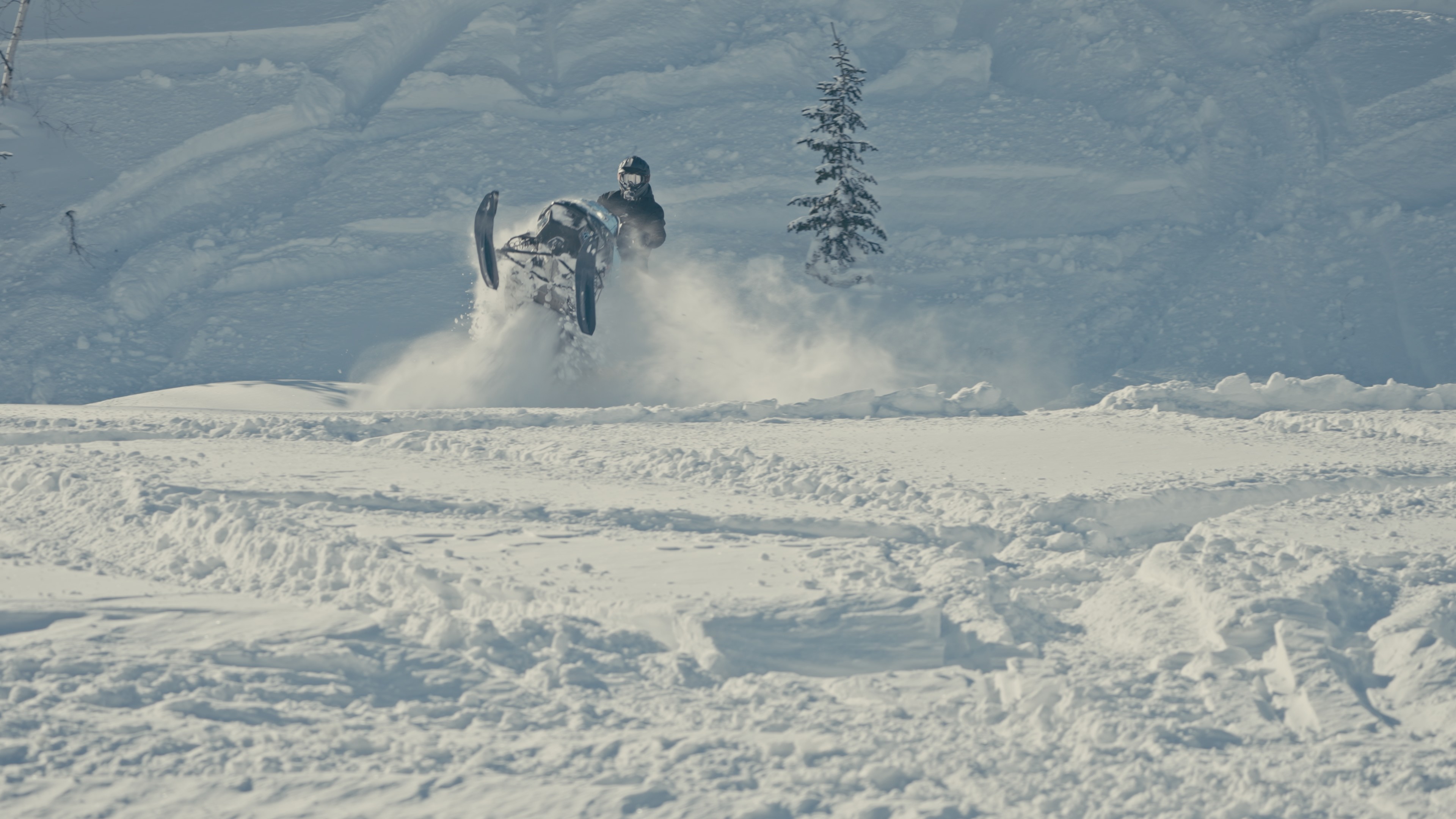
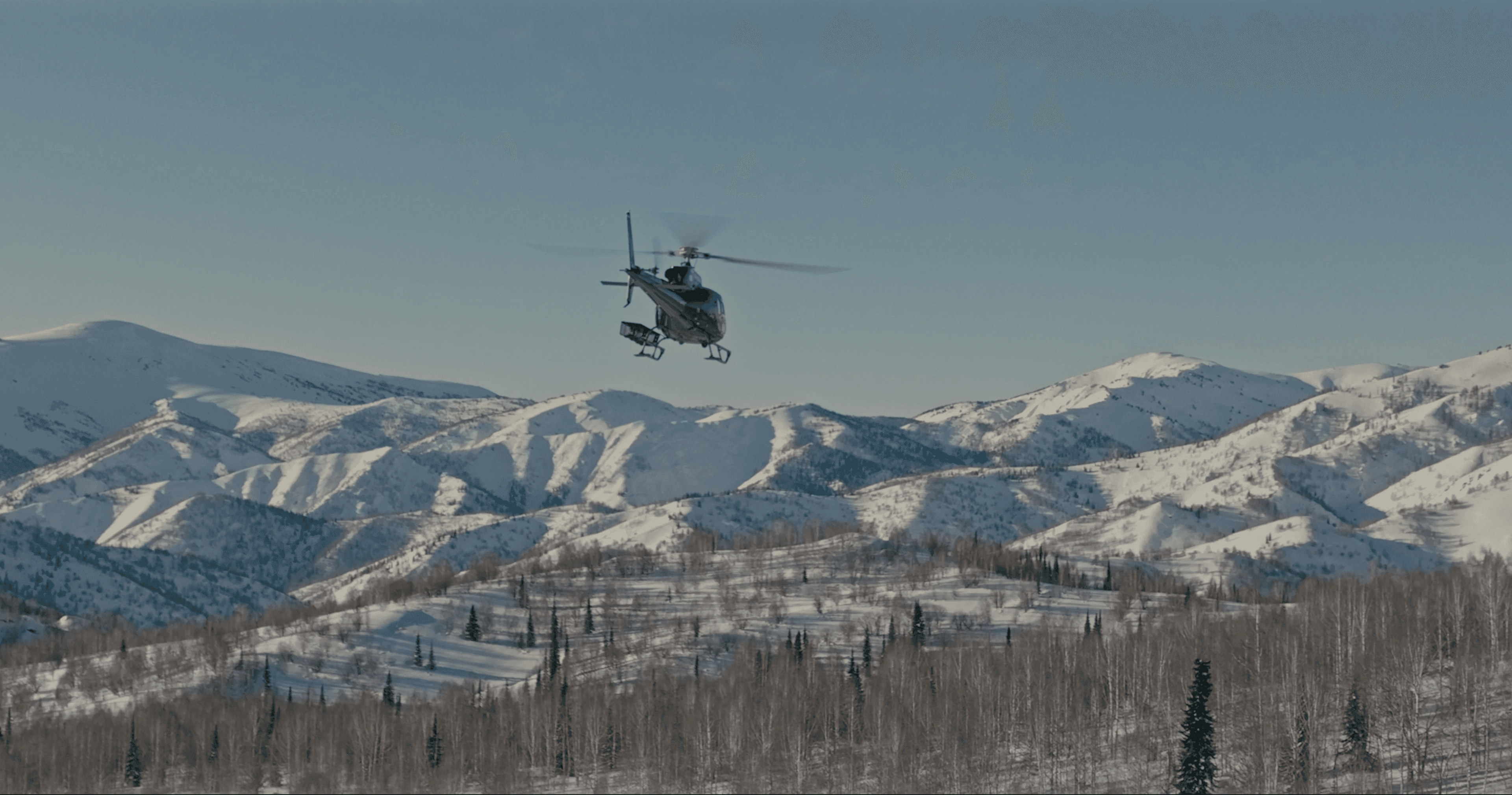
In a typical heli-ski format, an aircraft transports a guided group into backcountry terrain. The group descends under the guide’s direction, and the helicopter supports further runs when conditions allow. The schedule, terrain and number of flights vary with weather, snow, group ability and the format of the trip.
Being new to helicopter-accessed skiing is not the same as being new to off-piste skiing. You should already have relevant experience in powder and variable snow, with enough control to stop where directed, manage changing visibility and maintain an appropriate pace over repeated descents.
If you are still developing those skills, a powder lesson or guided cat-skiing trip may be a better next step. The operator should make the final decision after discussing your ability and the expected conditions.
The risks to understand before you book
Heli skiing involves avalanche, terrain, weather and helicopter risks. Guides use briefings, hazard assessment, operational procedures, communication systems and rescue planning to manage exposure, but these measures cannot remove the underlying hazards.
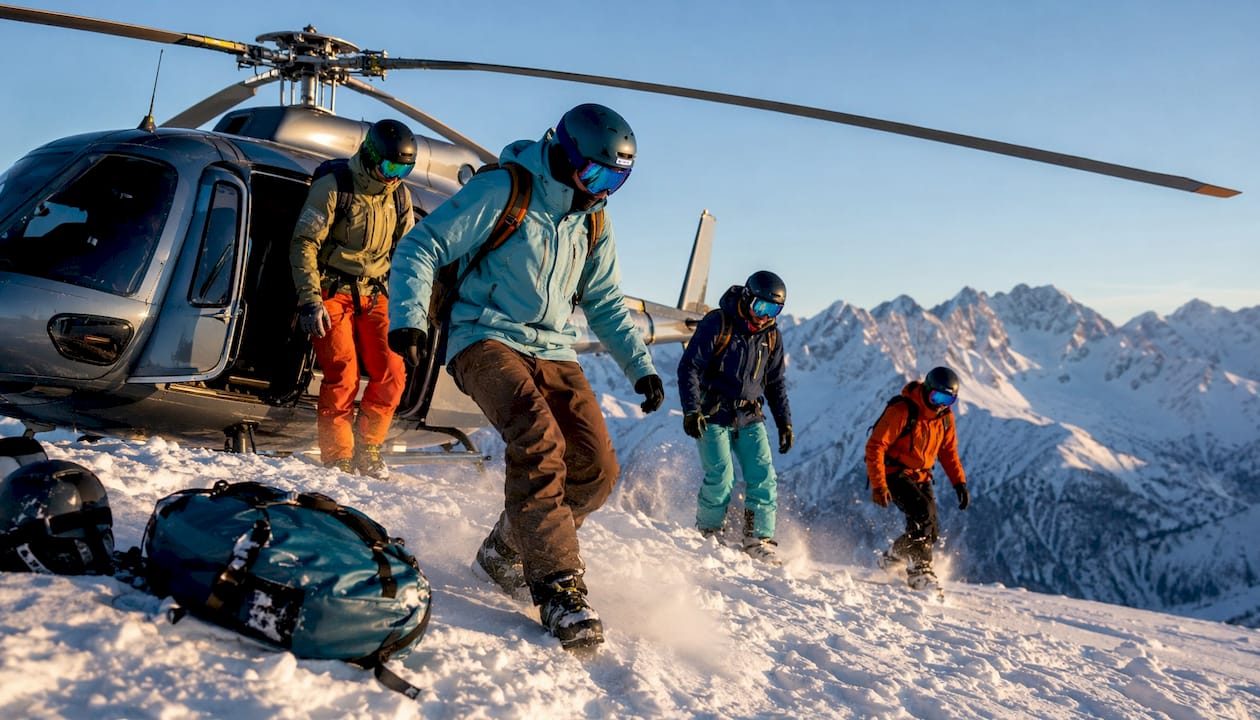
Heli-Ski U.S. operating guidelines offer useful context on the planning behind a professional operation, including briefings, communications and emergency procedures. They are U.S. industry guidance rather than a universal standard for operations in Kazakhstan.
Mountain weather can change the available terrain or prevent flying altogether. If the helicopter remains grounded or the route changes, the day’s plan changes with it. At the aircraft and on the mountain, follow the pilot’s and guide’s instructions exactly; generic online instructions cannot replace the briefing for that aircraft, location and day.
How to assess your experience with the operator
No online self-assessment can determine whether you are ready for helicopter-accessed terrain. Requirements vary with the destination, snowpack, route selection and group composition. Give the operator a precise account of your recent skiing or snowboarding.
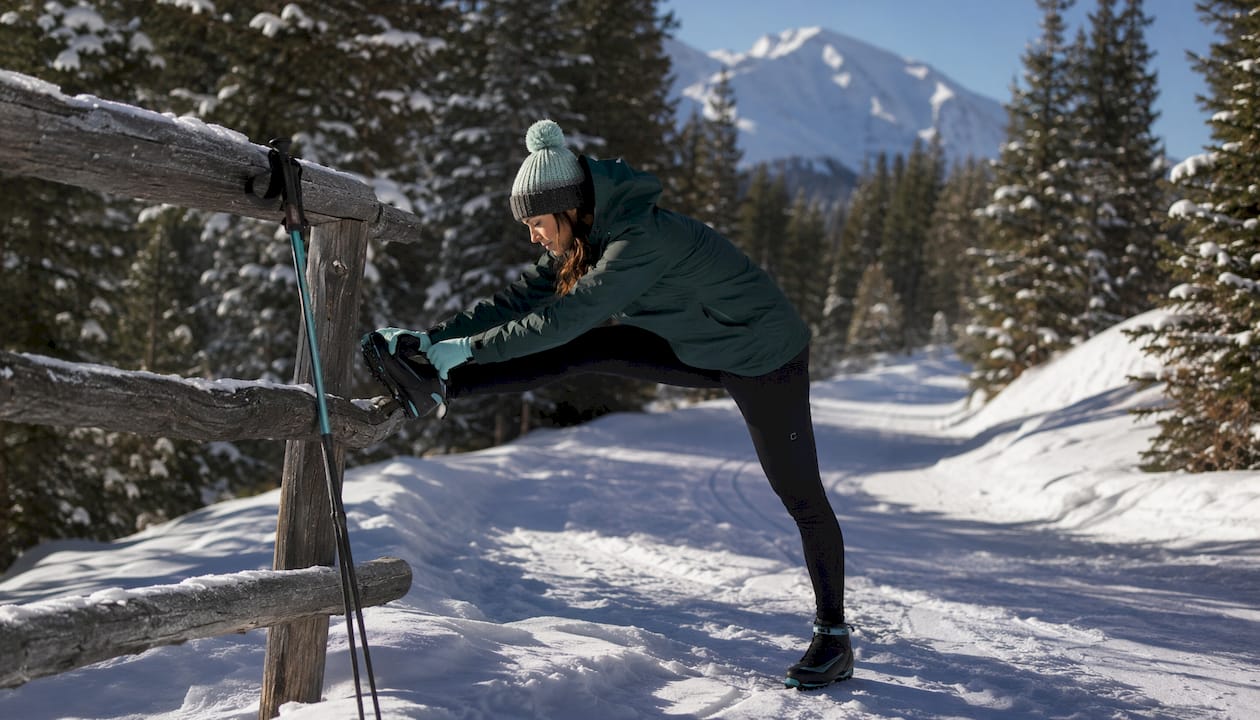
Useful details include:
where and how recently you have skied ungroomed powder;
your experience in wind-affected, crusted or otherwise variable snow;
how confidently you control speed, direction and stopping away from marked pistes;
any difficulty with trees, reduced visibility or sustained descents;
your general fitness and any injuries or health concerns relevant to a demanding backcountry day.
A recommendation for more instruction, a different group or a lower-risk activity is part of preparing well. It is not a judgement on your resort skiing.
What safety equipment does a heli-ski trip use?
Avalanche companion-rescue equipment commonly centres on a transceiver, probe and shovel. The transceiver helps searchers locate the signal of a buried person, the probe pinpoints the location and depth, and the shovel is used for excavation. Avalanche.org’s companion-rescue guidance emphasises that rapid action and practice matter; carrying the equipment alone is not protection.
Equipment arrangements vary between trips. Some supply the complete rescue kit, while others expect guests to bring specified items. Helmets, radios and avalanche airbags may also have trip-specific rules. Make sure you know which items will be waiting for you, which must travel with you and when the rescue-equipment briefing or practice session takes place.
Use only equipment you understand, and follow the operator’s instructions on fitting, storage and use. A personal device or online tutorial is not a substitute for hands-on training.
Choosing a heli-ski programme
The right programme should match your ability, preferred group format and tolerance for weather-driven changes. One focused planning conversation can cover:
how powder and off-piste ability is assessed and how guests are grouped;
the guide-to-guest ratio for your trip format;
the locally relevant guide qualifications, avalanche training and first-aid credentials;
the briefings and equipment sessions held before flying;
emergency communications, evacuation and access to outside assistance;
the plan when weather or snow conditions prevent flying;
whether the price depends on flight time, vertical, runs or a fixed programme;
the accommodation, meals, equipment, transfers, taxes and other services within the package;
insurance conditions and the cancellation or refund arrangements.
Professional training pathways differ between countries. For context, the AMGA Ski and Splitboard Guide Program incorporates professional avalanche education, wilderness medical training and CPR within its U.S. pathway. It is a useful example, not a universal requirement for an international trip.
There is no stable worldwide price benchmark for heli skiing. Costs vary with destination, group format, aircraft time, accommodation, transport, equipment and weather arrangements. Some programmes price by flight time, vertical or runs; others use a fixed format. A generic per-day figure rarely reflects the cost of the complete trip.
What to pack and plan for a heli-ski trip
Use the trip-specific packing information as your starting point. Aircraft weight limits and local equipment arrangements can make a generic packing list unreliable.
A practical personal kit usually includes:
well-fitting ski or snowboard boots;
layered clothing for changing winter conditions;
waterproof outerwear and warm gloves;
goggles with an appropriate spare lens;
a helmet suited to the trip’s equipment policy;
sun protection and any personal medication;
spare batteries or power for essential personal electronics.
If you are flying commercially, carrying your boots in hand luggage is often sensible when airline rules allow. Boots are difficult to replace at short notice, particularly when fit matters over several days.
Rapid ascent can cause altitude illness, with risk influenced by altitude, ascent rate and duration. The CDC’s altitude-travel guidance identifies headache with symptoms such as nausea, dizziness, fatigue or loss of appetite as possible signs of acute mountain sickness. Do not ascend higher with symptoms, and seek prompt medical advice if they are severe, worsening or concerning. If you have a relevant heart, lung, sleep-breathing or other medical condition, discuss the trip with a clinician familiar with your health.
Heli skiing at Altai Mountains Resort in Kazakhstan
At Altai Mountains Resort, we can help you explore single- and multi-day heli-ski options in the Western Altai near Ridder, East Kazakhstan. Our typical heli- and cat-ski powder window runs from early December to mid-March, although actual operating dates depend on snow and flying conditions.
Under the current package terms, lodging, meals, guiding and safety gear are included, while helicopter flights are excluded. A beacon, probe and shovel are currently included; helmets, radios and avalanche airbags are optional. Dates, availability, equipment and package details remain subject to confirmation, and our booking team will provide the current quotation and arrangements for your trip.
Accommodation is at Ridder Lodge, giving you a settled base near Ridder for the days ahead.
Planning your journey to Kazakhstan
Entry and visa rules depend on your nationality and can change. As you plan your journey, check current passport, entry and visa requirements with the government sources that apply to your nationality and itinerary.
Your travel and medical cover should fit the activity itself. Read how the policy treats helicopter-accessed off-piste skiing, emergency evacuation, medical treatment, trip interruption and weather-related loss. It is also sensible to leave some flexibility around onward plans, as mountain weather can alter the flying schedule.
When you are ready, send us your dates, preferred trip length and recent powder experience through the booking page. We can then arrange the practical details around your journey to Ridder, leaving you free to arrive focused on the mountain briefing and the skiing ahead.
All Articles
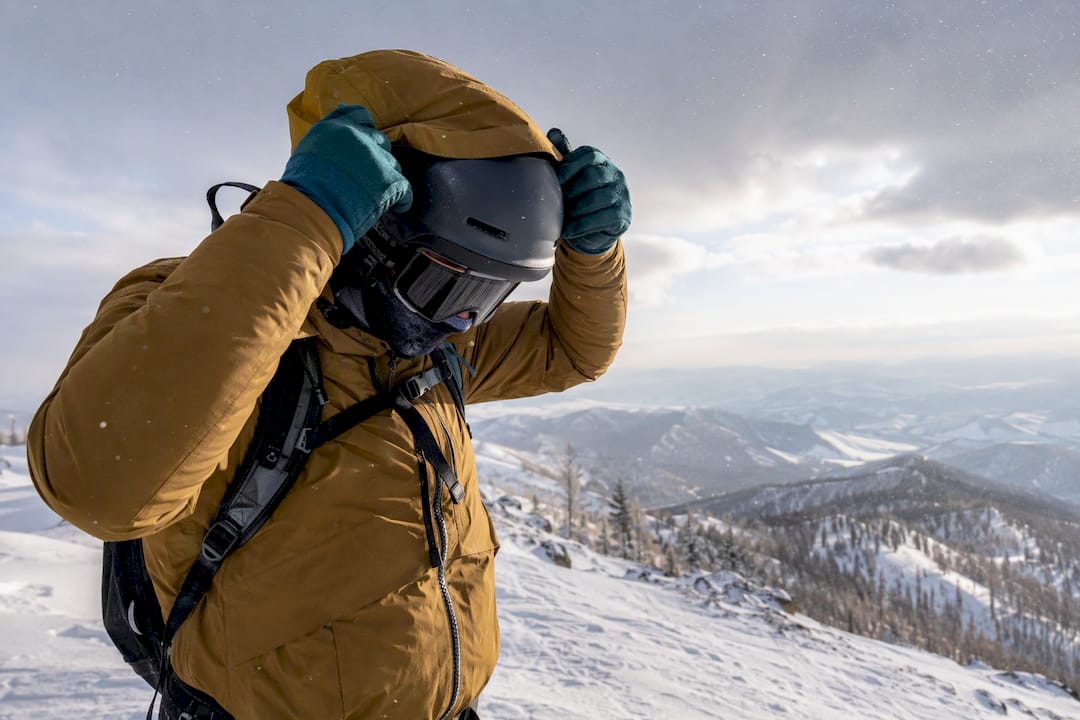
Practical cold injury prevention for winter travel: layering, dry spares, warning signs, first aid and planning for mountain activities.
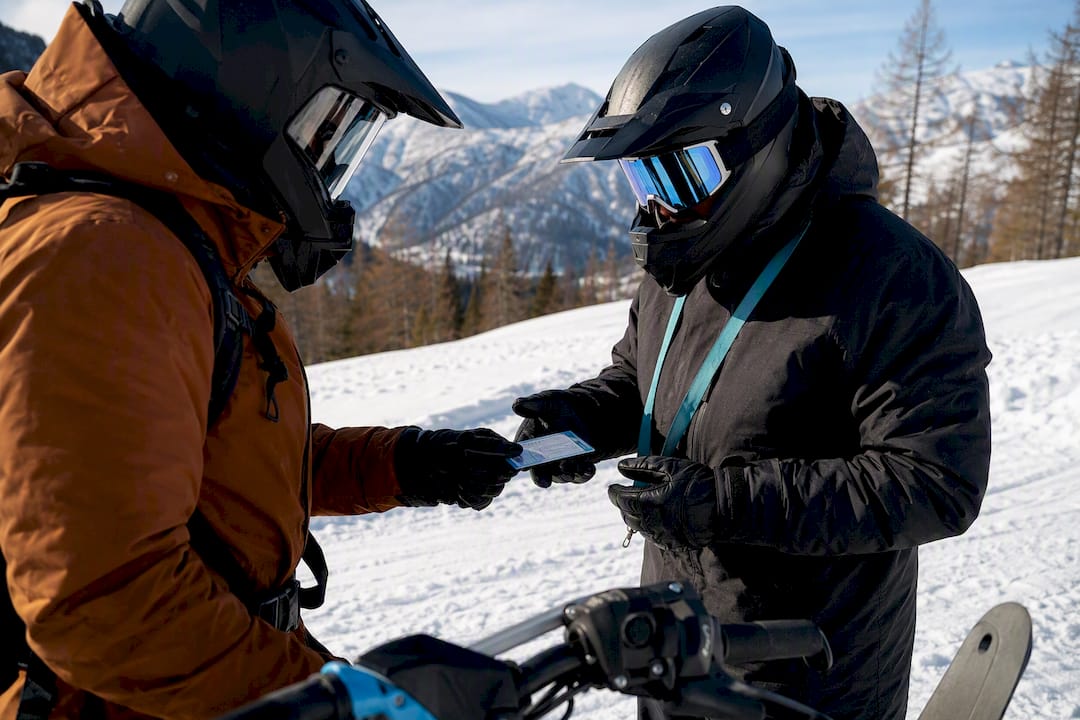
Planning snowmobiling in Ridder? Understand how experience, training, equipment and Kazakhstan rules shape your trip with Altai Mountains Resort.
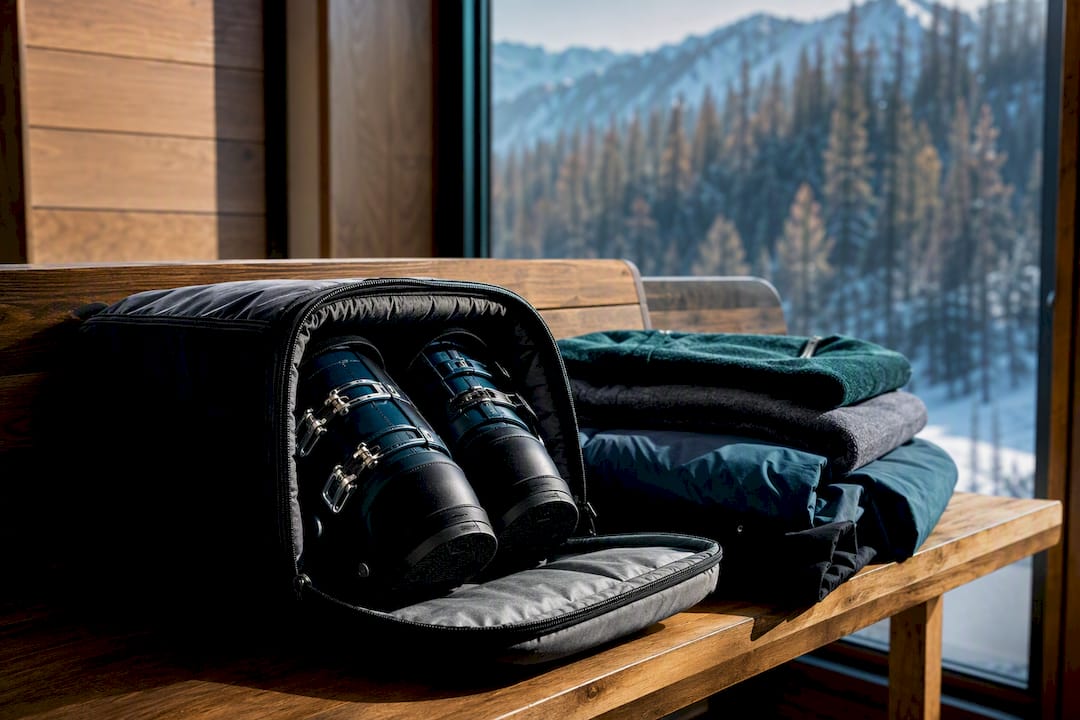
Travel with ski gear confidently: carry boots when cabin rules allow, pack skis securely, understand airline baggage rules and prepare for delays.
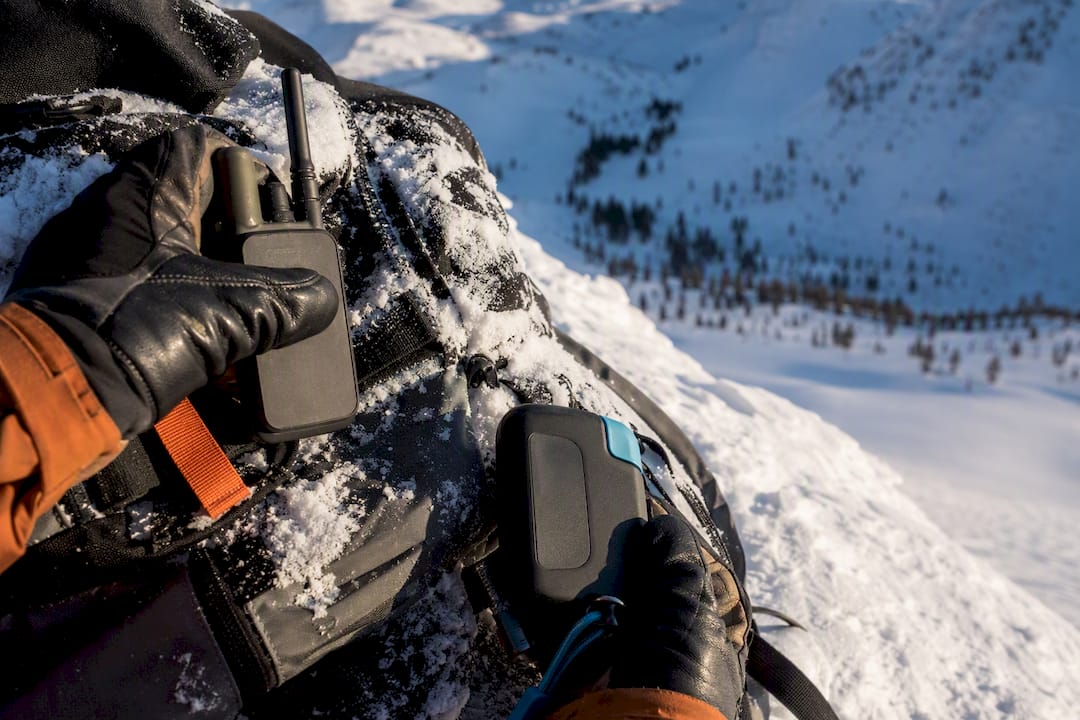
Build a practical backcountry radio communication plan with party radios, satellite SOS or PLB backup, cold-weather care and regional legal essentials.

Satellite messenger basics for remote Altai trips: compare PLBs and two-way devices, understand SOS limits, and prepare your communications plan.
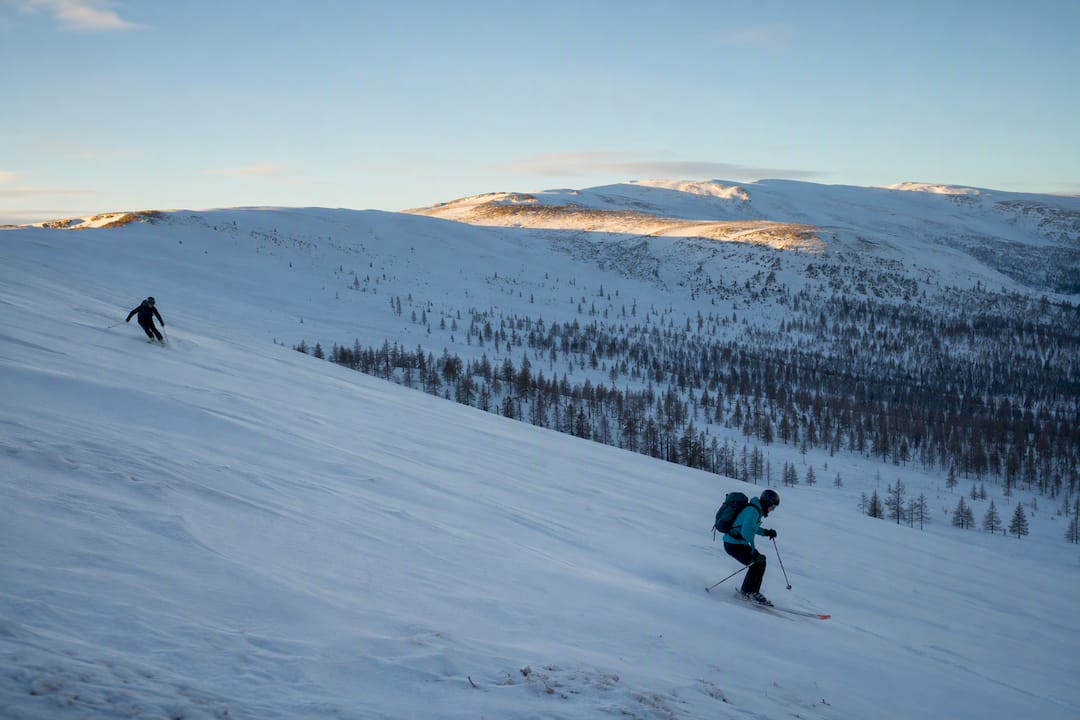
Avoid ski crowds with flexible dates, midweek skiing, early starts and smarter lift choices. Explore guided off-piste options near Ridder.

Learn how heli-skiing passenger weight and baggage rules differ by operator, with practical packing steps and Altai Mountains Resort booking guidance.
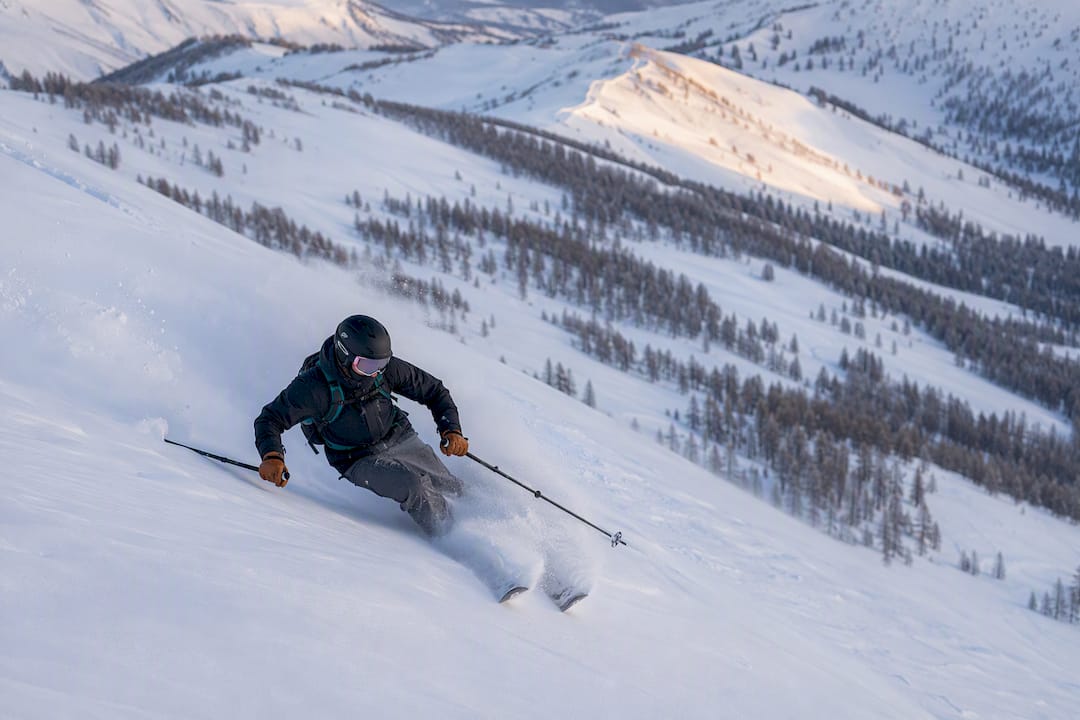
Understand the cat skiing skill level needed for Altai Mountains Resort, with practical guidance on off-piste ability, fitness and avalanche readiness.
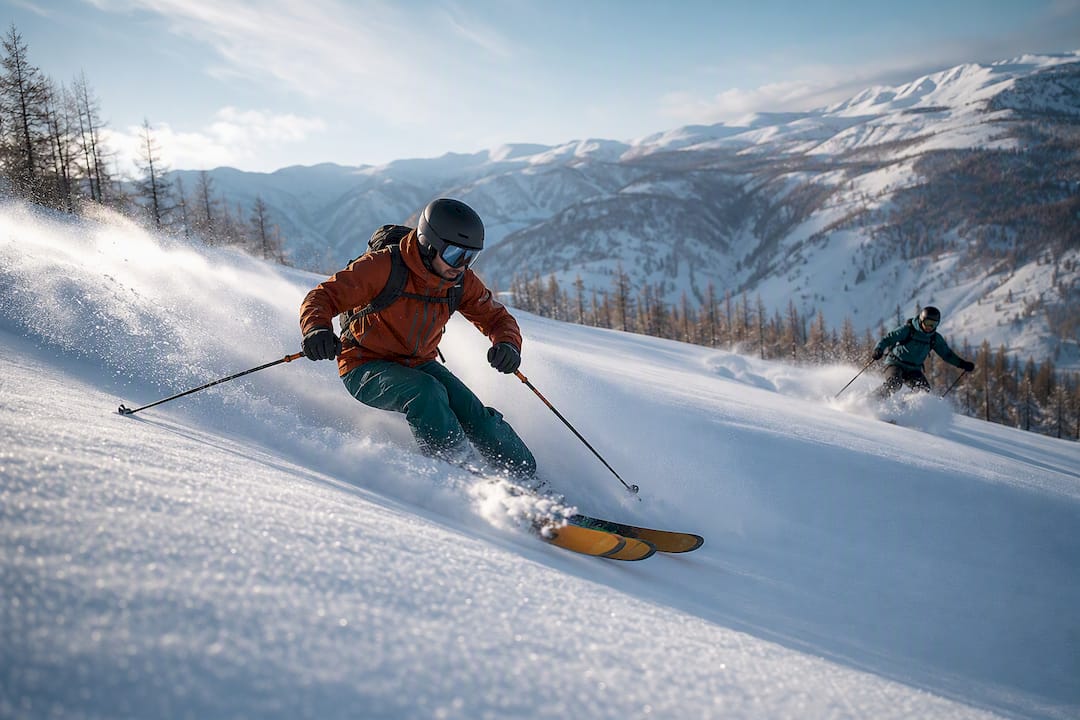
Decide whether Ridder suits your advanced Altai ski trip, with practical guidance on transfers, season timing, avalanche gear and guided programmes.
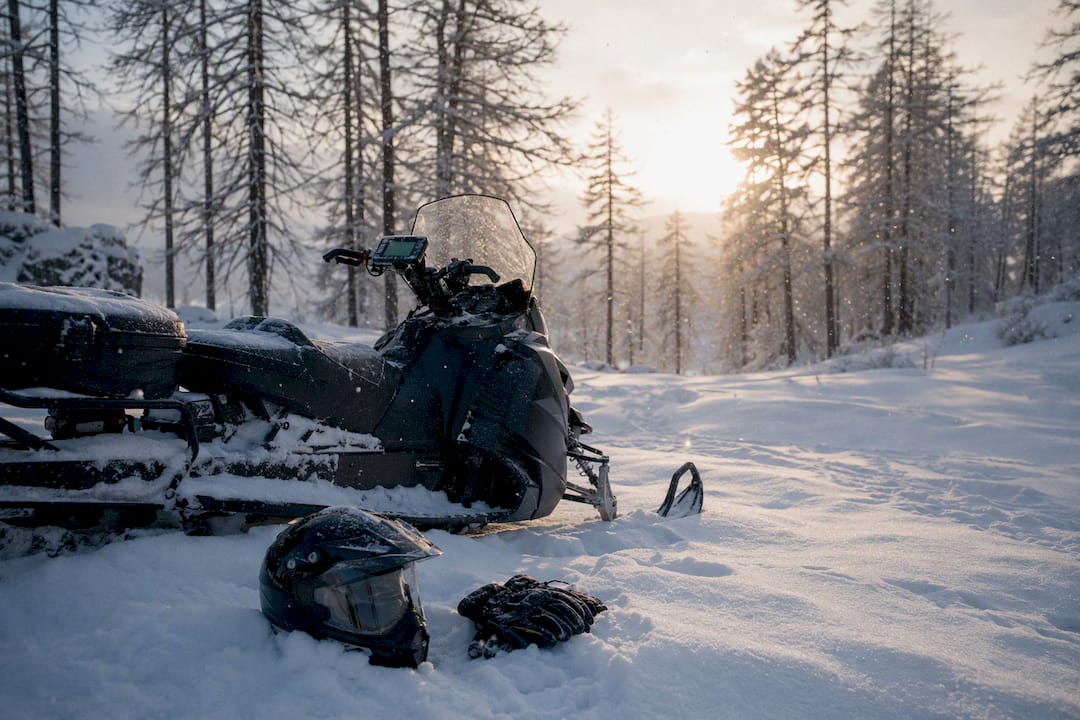
Compare snowmobile tour prices by duration, understand what shapes the final cost, and explore quote-based snowmobiling at Altai Mountains Resort.
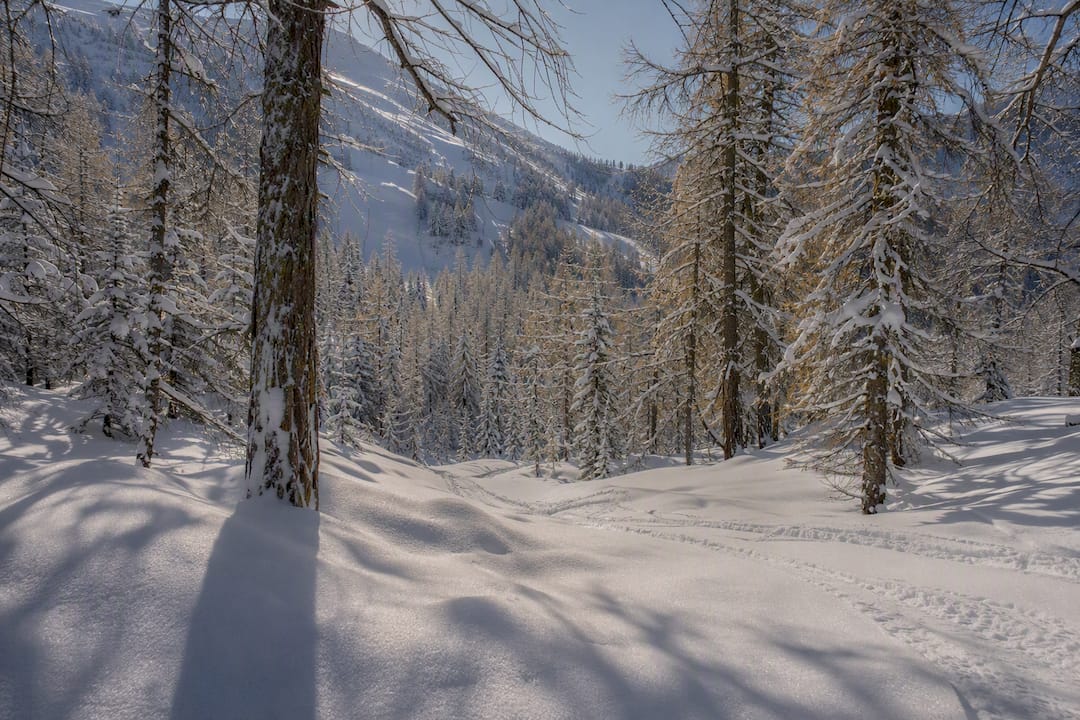
Compare Western Altai, Almaty and Turgen for Kazakhstan powder skiing, with practical guidance on access, safety and Ridder logistics.

Plan Altai heli skiing near Ridder with practical guidance on terrain, season, package inclusions, access, safety gear and booking.
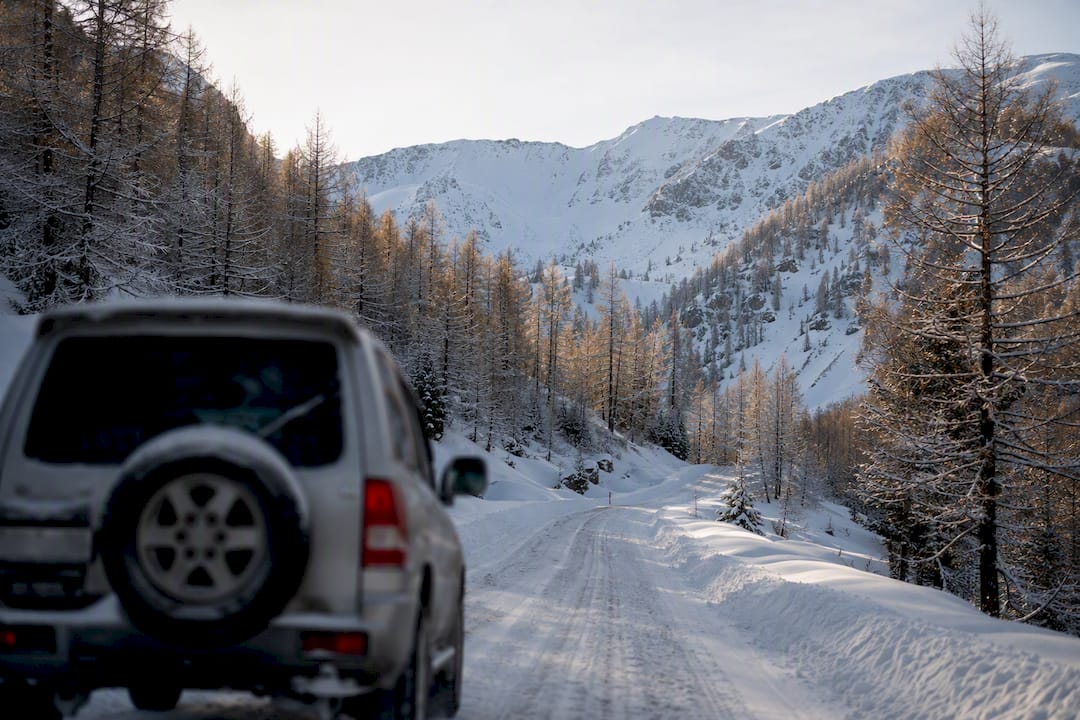
Compare flight, rail and self-drive routes from Almaty to the Kazakh Altai, with practical guidance for reaching Ridder and Ulba village.

Learn deep powder snowmobiling setup, riding technique, safe recovery and avalanche preparation, plus guided training near Ridder.
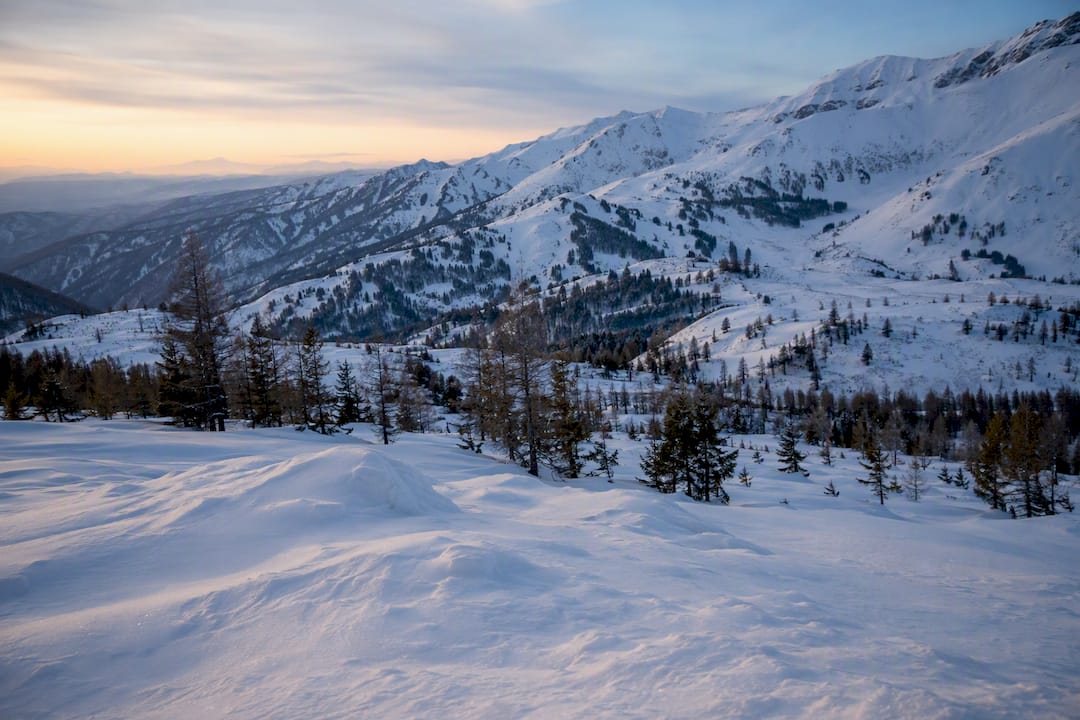
Plan an Altai Mountains winter stay from Ridder, with activity timing, travel from Öskemen, packing advice and practical mountain guidance.

Practical helicopter passenger safety guidance on boarding, seatbelts, exits, dropped items and following crew instructions.

Practical off-piste slope etiquette for safer skiing: right of way, avalanche preparation, group spacing, closures and guided skiing in the Western Altai.

Plan an Altai Mountains trip across Russian, Mongolian and Kazakh sectors, with permit, safety and winter-stay guidance for Ridder Lodge.
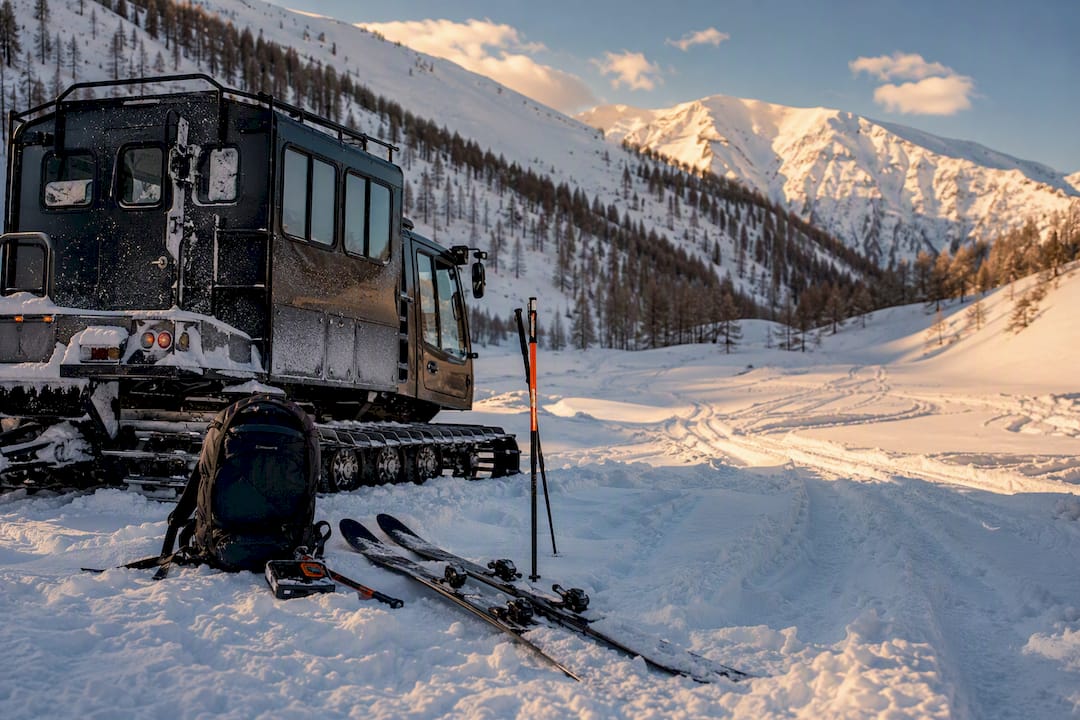
Learn how to plan guided freeride tours, from off-piste experience and avalanche gear to guide scope, changing mountain conditions and cat-skiing in the Altai.
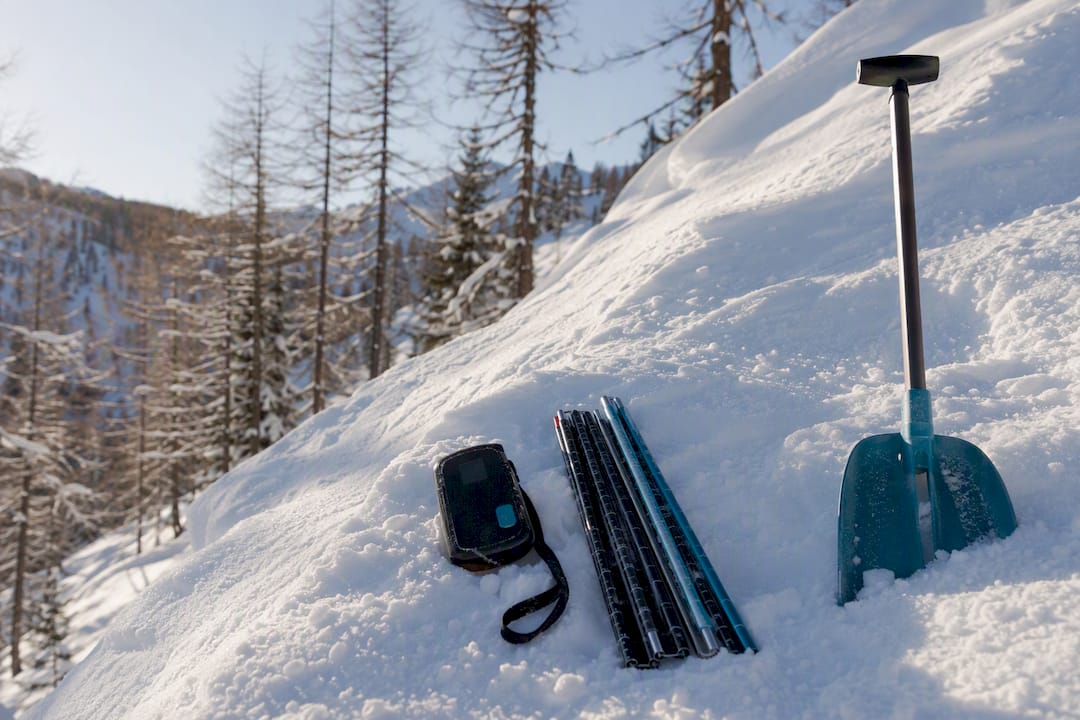
Learn avalanche beacon basics: 457 kHz transceivers, essential rescue gear, trailhead checks, interference and companion-rescue practice.

Learn which avalanche course suits your plans, what companion-rescue skills to practise and how to prepare for a winter trip to Altai.
Learn what cat skiing is, who it suits, what to pack and how to plan a guided cat-skiing trip, including options near Ridder, Kazakhstan.
A practical ski rental Kazakhstan guide to Shymbulak and Medeu, current tariffs, equipment fit, transport and guided freeride near Ridder.

Understand ski guide benefits for freeride and backcountry trips, including local planning, terrain choices, qualifications, safety gear and access options.

Plan a snowmobile expedition near Ridder, Kazakhstan, with practical guidance on routes, rider experience, equipment, mountain safety and transfers.
Use this mountain lodge amenities checklist to compare rooms, meals, wellness access, transfers, activities and paid extras before booking.
A practical Kazakhstan currency guide to the tenge, cards, ATMs, currency exchange, DCC and cash planning for cities and the Western Altai.
Plan the Kazakhstan ski season by month, compare lift-served Shymbulak with guided trips around Ridder, and prepare for changing snow and mountain conditions.
A practical guide to spa after skiing, including gentle massage, sauna and hammam, optional cold immersion and signs that need medical attention.
Plan a remote ski trip from the UK to Ridder, with practical guidance on activities, Kazakhstan entry, Öskemen transfers, insurance and ski baggage.
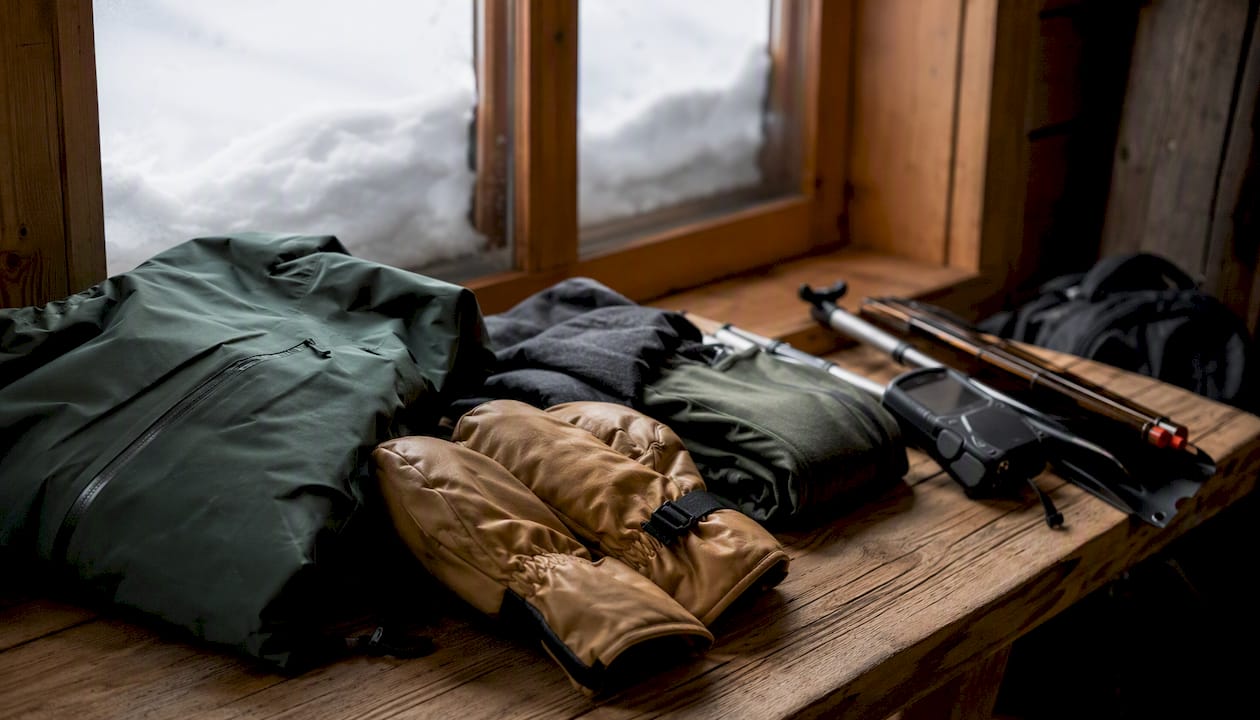
A practical heli skiing packing list covering clothing, avalanche equipment, ski baggage, batteries, travel documents and rental options.
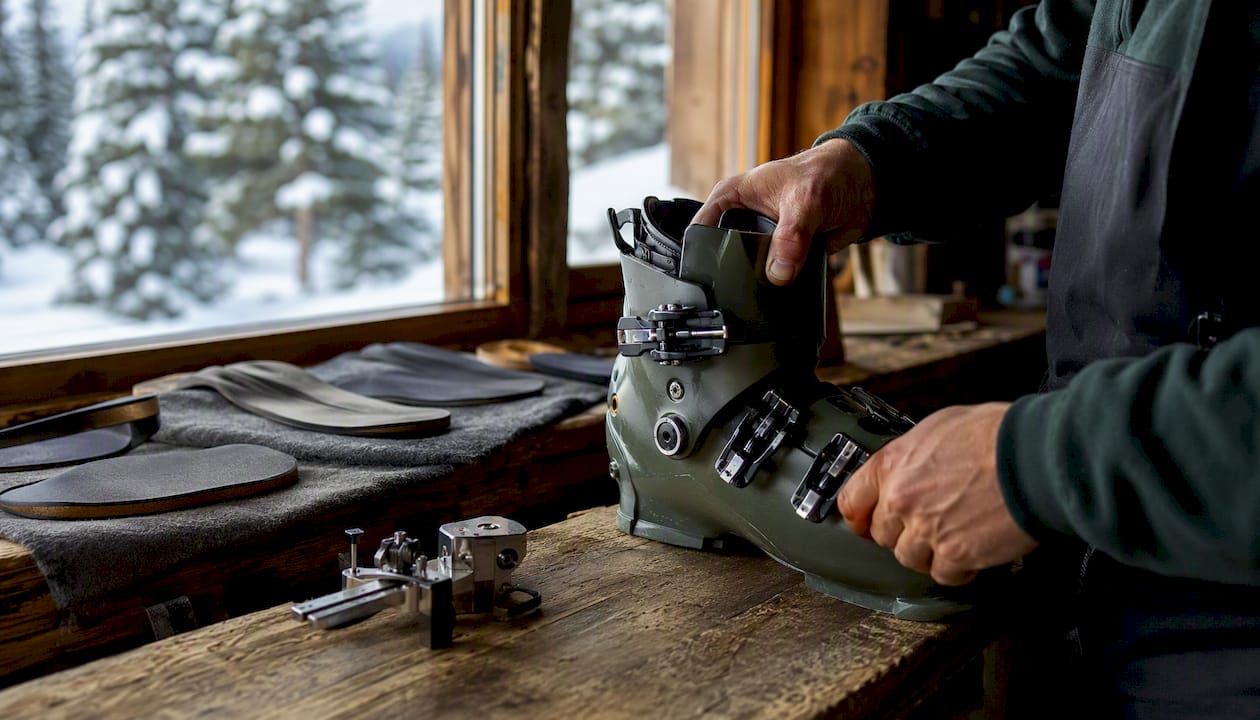
A practical UK guide to ski boot fitting: appointment steps, services, current provider price examples, aftercare and warning signs.
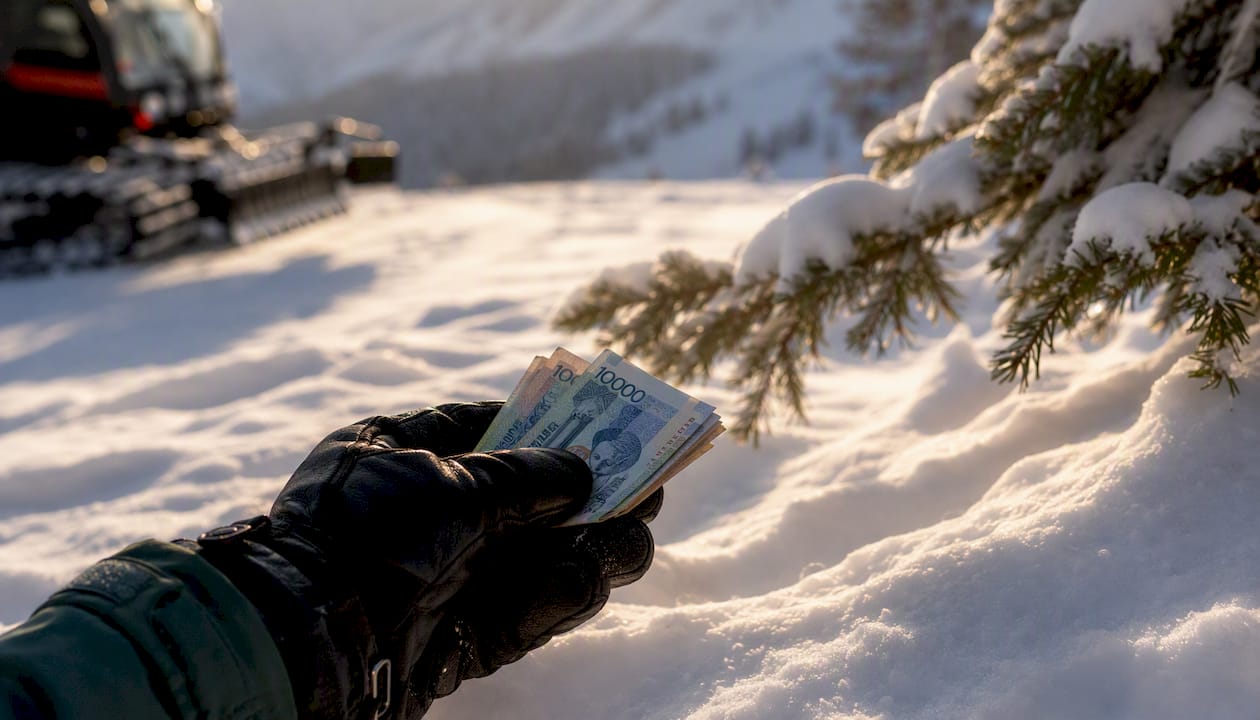
Should you tip a ski guide? Learn how customs vary, when a gratuity may feel appropriate and how to plan for tipping in Kazakhstan.
An Altai cuisine guide to kan, kurut, chegen and talkan, with dining at Restaurant Altai, food safety and travel from Öskemen to Ridder.
Compare banya vs sauna: heat, steam, venik and löyly rituals, etiquette, health evidence, safety basics and the Altai Banya experience.
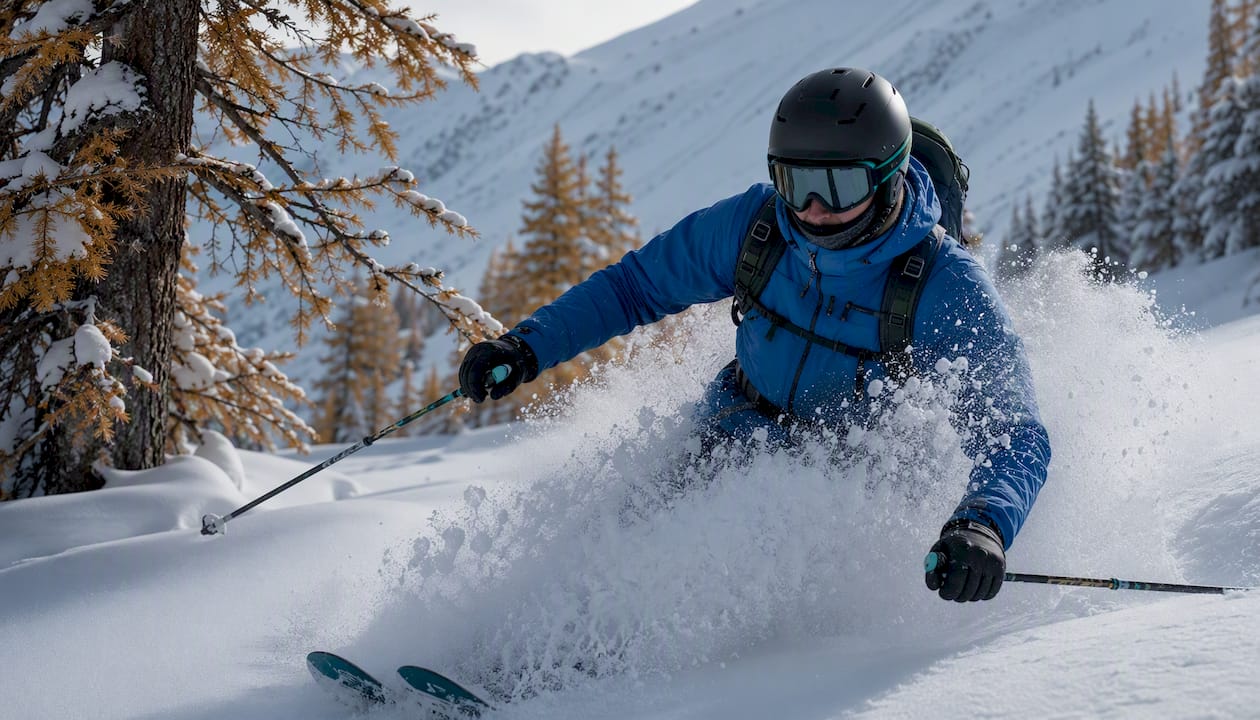
Learn how to ski deep powder with centred balance, smooth turns, speed control, practice steps, gear guidance, and avalanche and tree-well precautions.

Plan a mountain wellness retreat in Ridder with freeride, heli-skiing, snowmobiling, Ridder Lodge, Altai Banya and practical winter travel guidance.

A practical snowmobile gear list for UK travellers heading to Altai Mountains Resort, with clothing, safety equipment, battery and travel guidance.

Understand Ridder Lodge’s ski-in/snowmobile-out access, guided ski-day logistics, transfers from Öskemen and practical planning for your stay.
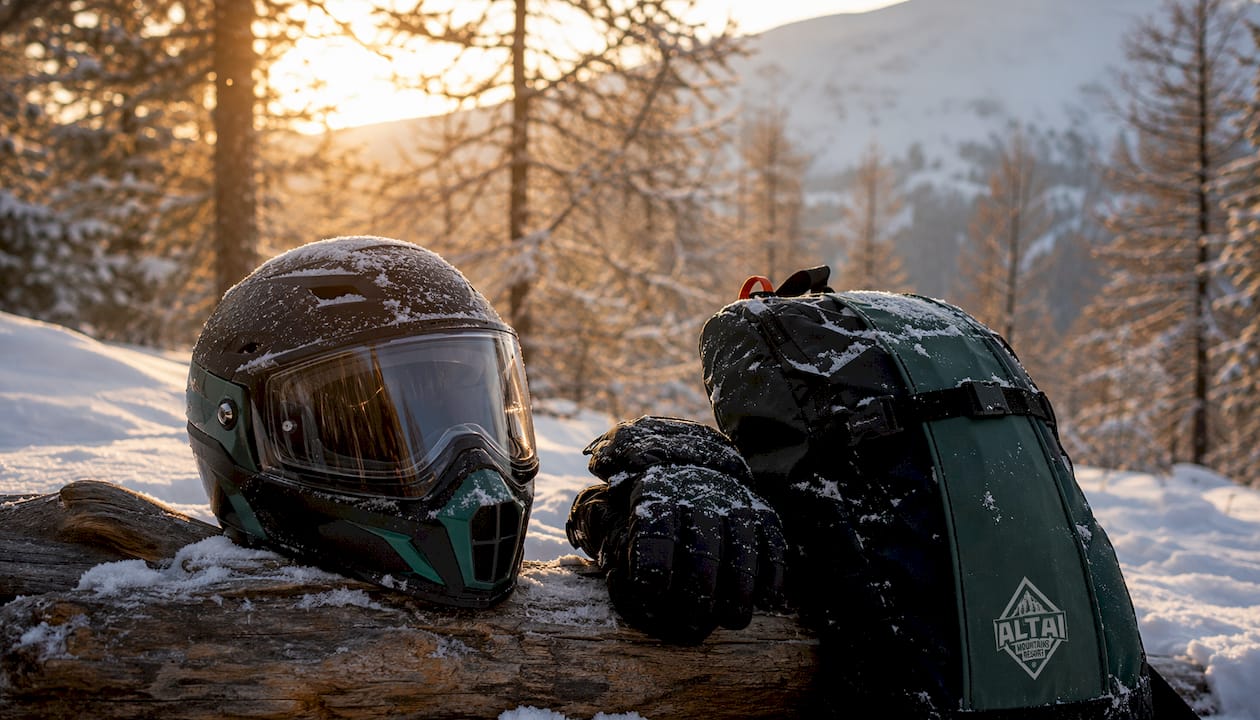
Prepare for a guided snowmobile ride with a practical gear checklist covering helmets, winter layers, avalanche equipment and cold exposure in Ridder.
A practical heli skiing guide to ability, avalanche equipment, packing, weather and planning your first trip to Kazakhstan.
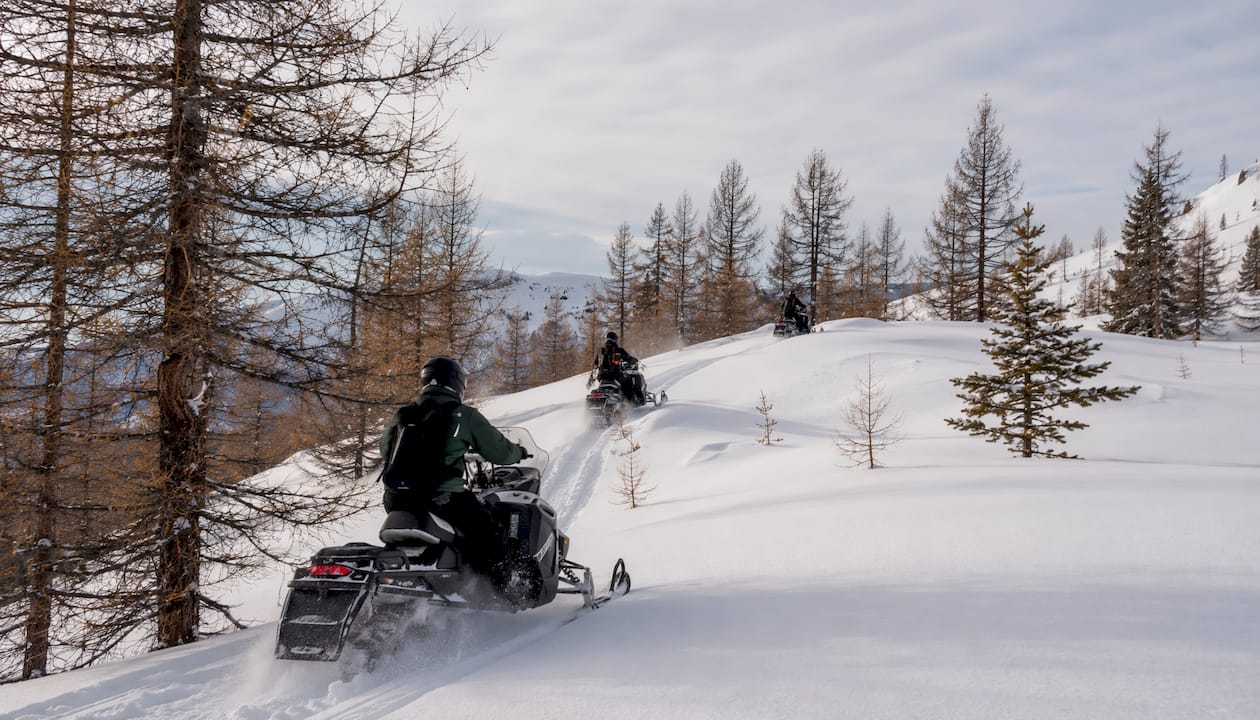
Plan guided deep snow snowmobiling in Ridder, with practical details on training, rentals, equipment, transfers and staying at Ridder Lodge.
How to choose Kazakhstan travel insurance for heli-skiing, cat-skiing or snowmobiling, including medical treatment and evacuation cover.
Kazakhstan visa requirements for UK visitors to Ridder, including visa-free limits, e-visas, passport rules, airports and Öskemen transfers.
Build strength, balance and endurance before cat-skiing, heli-skiing or snowmobiling with an adaptable six-to-eight-week ski fitness program.

Explore cold plunge benefits for skiers, from short-term soreness and recovery evidence to cold-shock risks, timing and Altai Banya options.

Understand heli skiing cost in 2026 with current operator examples, a total-budget checklist, and key booking, safety and insurance questions.