A practical UK guide to ski boot fitting: appointment steps, services, current provider price examples, aftercare and warning signs.
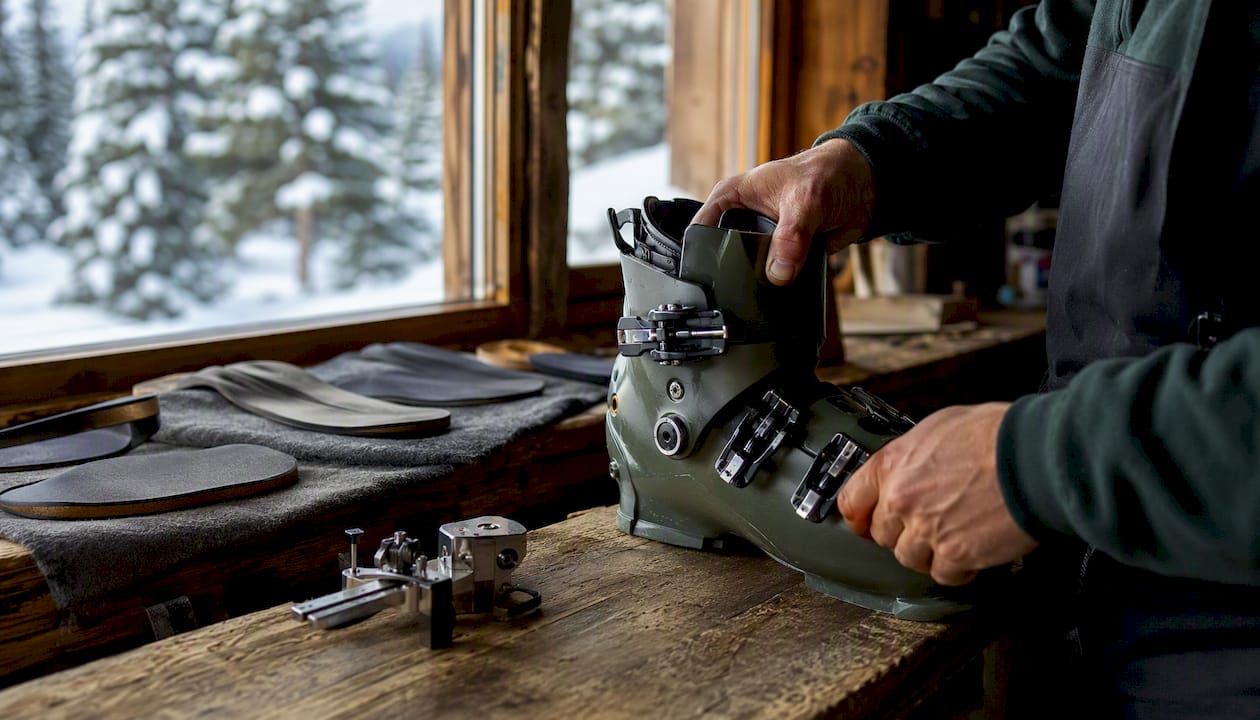
Ski boot fitting is a structured way to find boots that suit the length, width and volume of your feet, as well as your skiing and preferred fit. It is particularly useful when buying your own boots, replacing a pair that never felt right or dealing with recurring pressure points and heel movement.
No fitting can promise pain-free skiing, and the most technical service is not automatically the right one. Its value lies in a careful assessment, comparison of suitable boots and access to follow-up adjustments after you have skied in them.
Ski boot fitting in the UK: what to expect
UK skiers can choose between national outdoor retailers, independent ski shops and specialist boot laboratories. Methods, equipment and prices vary, so focus first on the kind of appointment your feet and skiing require.
A retailer appointment often centres on selecting new boots from the available range. A specialist laboratory may allow more time for assessment and work such as plantar-pressure analysis, custom insoles or shell modification. At Ellis Brigham, for example, the process can include assessing the feet and lower legs, trying several boots, custom insoles, heat moulding and shell work where appropriate, as covered in its guide to ski boot fitting.
Bring the equipment and information that will help the fitter understand what you need:
The thin ski socks you normally wear
Any current orthotics or insoles
Your existing boots, if they have caused problems
Notes on where and when discomfort occurs
An honest description of your skiing level, typical terrain and priorities
Wear comfortable clothing that allows the fitter to see your lower-leg alignment and ankle flex. Thick everyday socks will not reflect how your feet sit inside the boots on snow.
What happens at a ski boot-fitting appointment?
Most appointments follow the same broad path, although the sequence and tools differ between fitters.
1. A conversation about your skiing
The fitter will want to understand your experience, the type of skiing you do and what happened in previous boots. Mention recurring pressure, numbness, heel lift, cold feet, old injuries and any orthotics from the outset. This context is more useful than choosing a brand or flex rating in advance.
2. Foot and lower-leg assessment
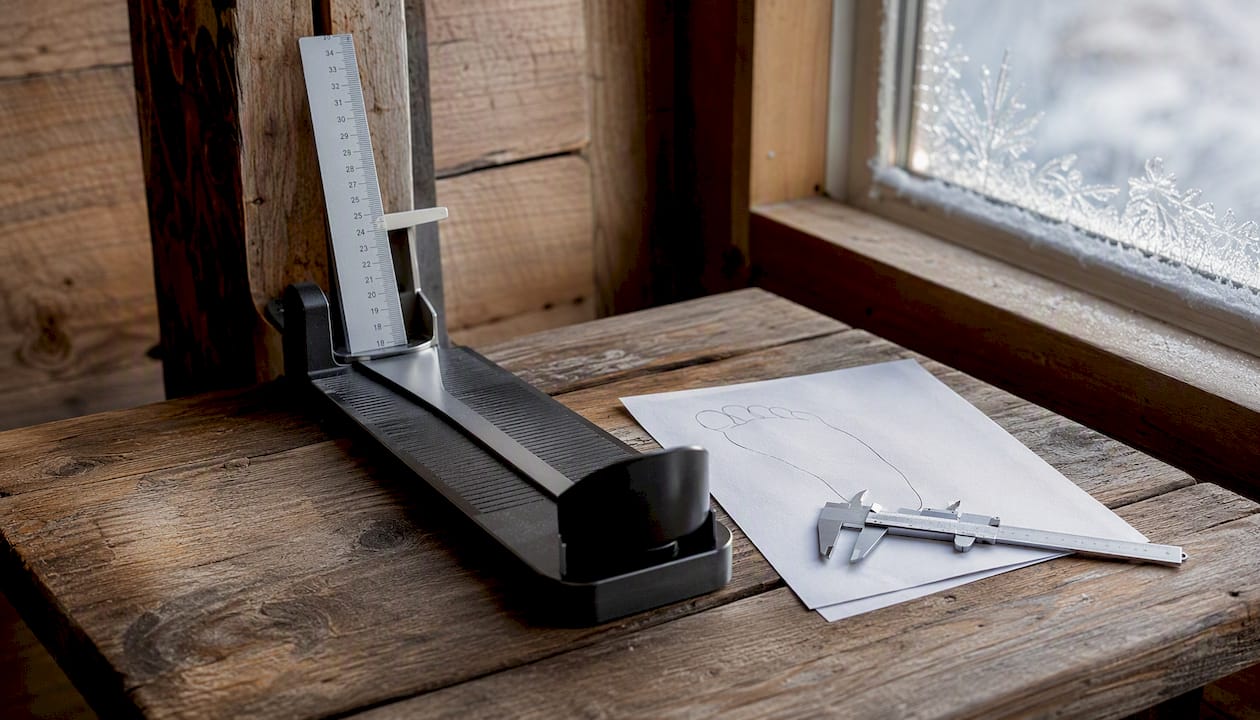
Both feet are usually measured because their dimensions may differ. The assessment may cover foot length, forefoot width, instep volume, arch shape and the relationship between the foot and lower leg. Some fitters also observe ankle movement and skiing stance.
Ski boots use Mondopoint sizing, based on foot length in centimetres, but the printed size is only a starting point. Shell shape and internal volume vary between models bearing the same nominal size.
3. Trying suitable boots
The fitter selects a small group of boots suited to the assessment. Expect a close, even hold rather than the roomy feel of an outdoor shoe. Your toes may touch the front while you stand upright and draw back slightly when you flex forward, but the fitter should interpret the whole fit rather than rely on one sensation.
A shell assessment may also be used: the liner is removed so the fitter can evaluate the space around your foot inside the plastic shell. There is no single finger-width rule that suits every skier, boot and fitting objective.
4. Adjustments and final review
Once a suitable boot has been chosen, the fitter may work on the insole, liner or shell. You will then flex in the complete boot while heel hold, pressure distribution and buckle position are assessed. Before leaving, make sure you know how to put the boots on, fasten them and dry the liners.
Which fitting services may be offered?
Not every skier needs custom work. A sound fitting begins with an appropriate shell; modifications refine that choice rather than rescue a fundamentally unsuitable boot.
Standard foot measurement: establishes length, width and volume before boots are selected.
3D foot profiling: creates a digital representation of foot dimensions. It is a selection aid, not proof that a particular boot will feel right on snow.
Plantar-pressure analysis: records how pressure is distributed beneath the feet. This is listed by Profeet as part of its ski fitting service.
Supportive or custom insoles: replace the basic insole supplied with many boots. Options range from trim-to-fit products to footbeds formed for the individual skier.
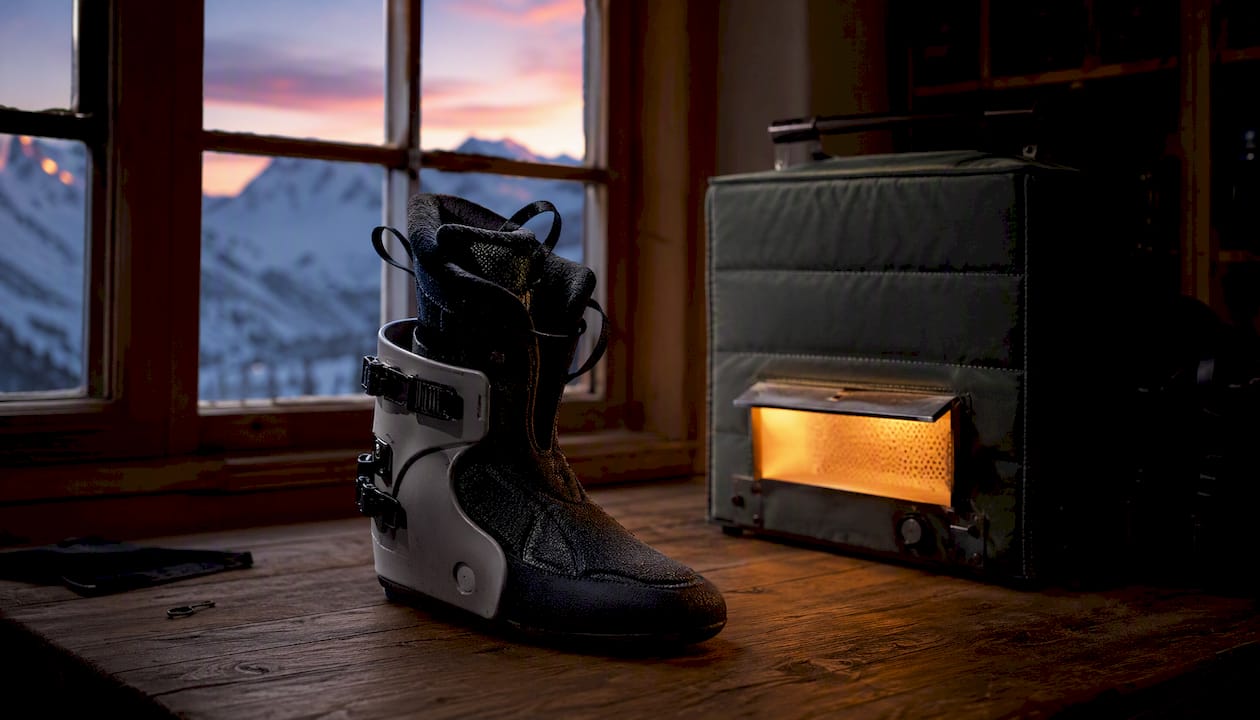
Heat moulding: compatible liners, and some boot systems, can be warmed and shaped according to the manufacturer’s process.
Shell modification: localised stretching or grinding can create room around a persistent pressure point. Because this changes the shell, it should follow a careful assessment and be carried out by an experienced fitter.
Alignment work: some specialists assess cuff position and other setup variables. The service and terminology differ between providers.
Technology can add useful information, but it does not replace an attentive fitter, an appropriate range of boots and enough time to compare them.
How much does ski boot fitting cost in the UK?
There is no dependable UK-wide price. Some shops include fitting with a qualifying boot purchase, while specialist laboratories charge for a longer service and price the boots separately. These current examples show the difference:
Provider | Service example | What it covers |
|---|---|---|
Snow+Rock | Recommended insoles and footbeds cost extra | |
Profeet | Up to two hours; boots are not included in the starting price |
Prices and terms can change. The useful comparison is what the total price covers: the assessment, boots, insoles, heat moulding, shell work and follow-up visits. A low initial fee matters less if the services you need are additional.
How to choose a ski boot fitter
Choose a fitter whose service matches the complexity of your needs. A straightforward new-boot purchase may be well served by a retailer with a broad stock range. Recurring problems, significant asymmetry or existing orthotics may benefit from a longer specialist appointment.
A useful service explains the fitting process, prices and aftercare clearly. Your feet should be assessed before the choice of boots is narrowed, and the fitter should explain the purpose of each proposed adjustment. No scanner, pressure plate or professional membership guarantees a successful result on its own.
The British Ski Bootfitters Association (BSBA) directory can help you find affiliated retailers and understand their membership levels.
Aftercare matters because small pressure points may only emerge after time on snow. Snow+Rock’s comfort guarantee provides free readjustment within 14 days of skiing under its conditions. Profeet also offers a conditional fit guarantee. These terms apply to each provider’s own service, so follow-up periods and covered adjustments will differ elsewhere.
Questions to ask before booking
A brief conversation when arranging the appointment will help you understand what is included and whether the service suits your feet and boots.
How long is the appointment?
Is the fee reduced or waived when boots are purchased?
Are insoles, heat moulding and shell work included or charged separately?
Can the fitter work with my current orthotics or existing boots?
What happens if a pressure point appears after the first days on snow?
How long does the follow-up period last, and which adjustments does it cover?
How do refund, replacement and modification terms apply?
Allow enough time to try several options without rushing. If the fitting is shortly before a ski trip, leave room in your schedule for a return visit rather than collecting the boots on the day of departure.
What to do if ski boots cause numbness or pain
A close-fitting boot should hold the foot securely, but severe pain, weakness or persistent numbness is not a normal breaking-in sensation. If symptoms develop while skiing, stop in a secure place, loosen or remove the boot and seek assistance rather than continuing through them.
Numbness and tingling have many possible causes and should not automatically be blamed on poor circulation. MedlinePlus recommends medical assessment for unexplained numbness or tingling and urgent help when symptoms occur with weakness or an inability to move. The NHS guidance on peripheral neuropathy symptoms also explains why persistent numbness needs proper assessment rather than self-diagnosis.
For a localised pressure point that settles after the boot is removed, record its exact location and the buckle setting you were using, then take that information back to the fitter. Do not grind, punch or heat the shell at home unless the manufacturer expressly provides a consumer procedure. Seek qualified medical help for symptoms that are severe, unexplained, persistent or worsening.
Planning a guided backcountry ski trip
Once your boots have been fitted, use them before a major trip if possible. That gives you time to address small fit issues while the fitter’s follow-up period remains open.
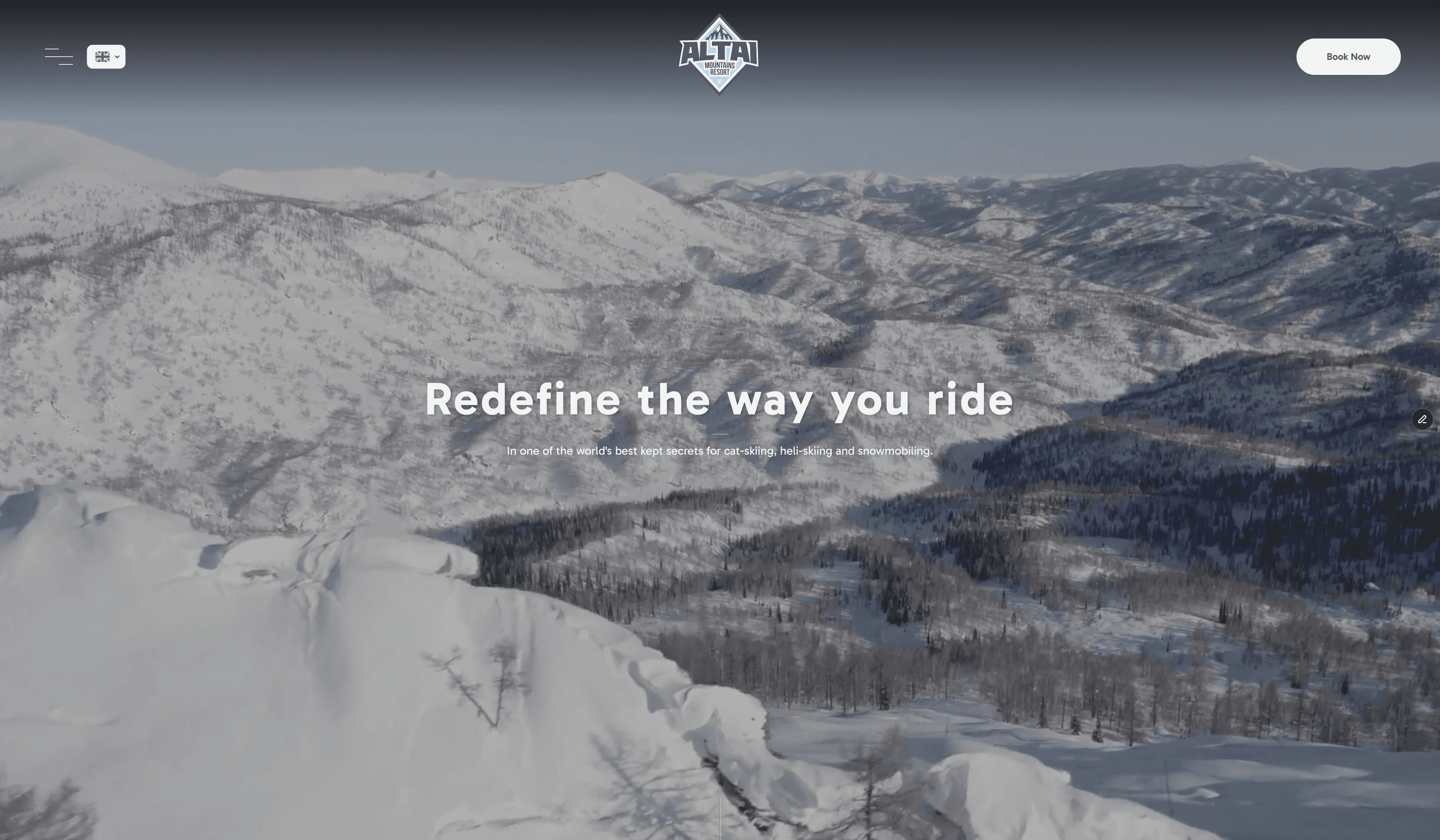
At Altai Mountains Resort in Ridder, we offer guided cat-skiing, heli-skiing and deep-snow activities in the Western Altai. Depending on the activity, selected equipment rental and avalanche equipment may be available. Ridder Lodge is our accommodation base; you can explore Ridder Lodge when planning your stay.
Programme dates, prices, inclusions, equipment arrangements and transfers depend on your chosen activity and travel dates. When you book, our team can help bring those details together. UK government advice says insurance for Kazakhstan should cover your planned activities and emergencies, and notes that remote outdoor areas can have limited communications and difficult access to medical services. Read the current Kazakhstan travel and insurance guidance before departure.
A well-planned fitting leaves you free to concentrate on the skiing once you reach the mountains. Give yourself time for the appointment, your first days on snow and any follow-up work the boots genuinely need.
All Articles

A practical heli-skiing safety guide for expert skiers, covering operator decisions, avalanche equipment, helicopter procedures, rescue planning and insurance.
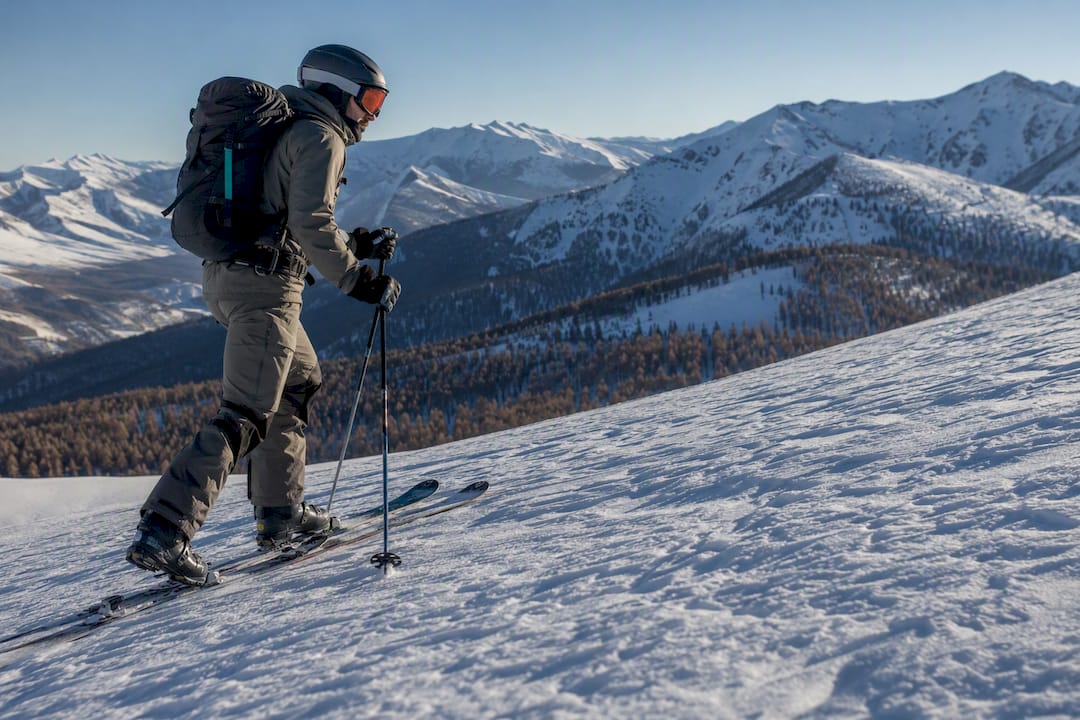
Compare lift-assisted, touring and Western Altai ski options in Kazakhstan, with practical safety, travel and booking guidance.

Learn the heli-skiing skill level typically expected, the off-piste skills to practise, safety preparation and an adaptable 8–12-week training framework.

Plan the Kazakhstan skiing season with a practical comparison of Almaty and Ridder, month-by-month timing, mountain safety and trip planning.
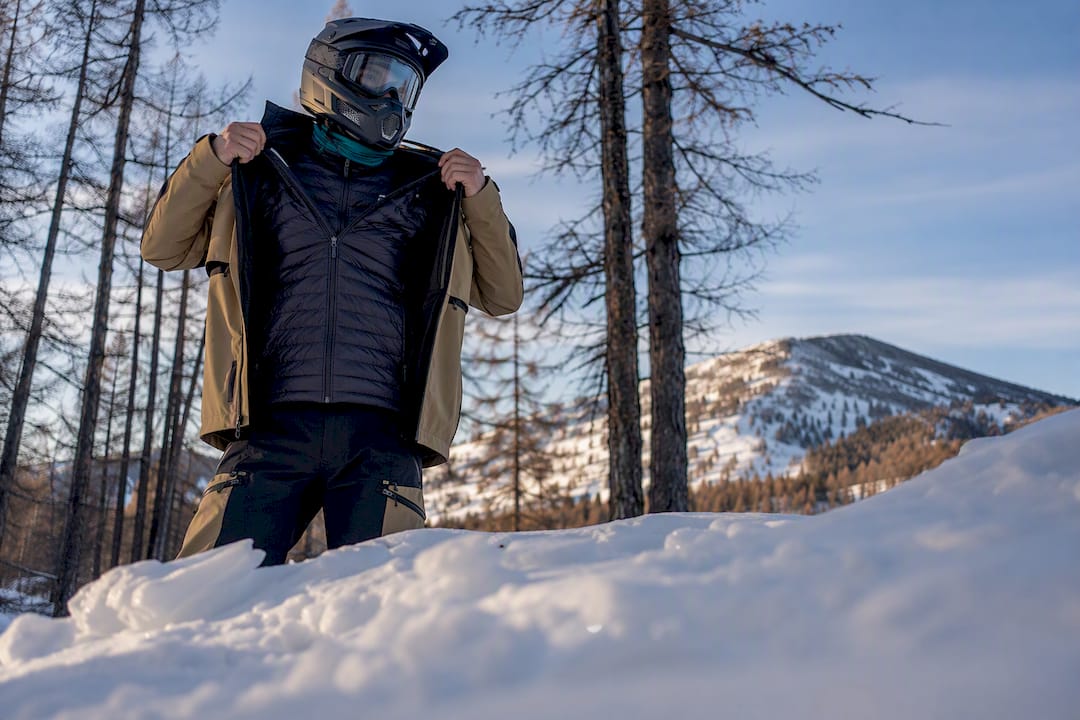
Use this snowmobile layering guide to build a flexible base, insulation and shell system, manage moisture and pack dry spares for changing conditions.

Learn what to rent for avalanche terrain, how to prepare a beacon, probe and shovel, and what to know about airbag packs and flights.
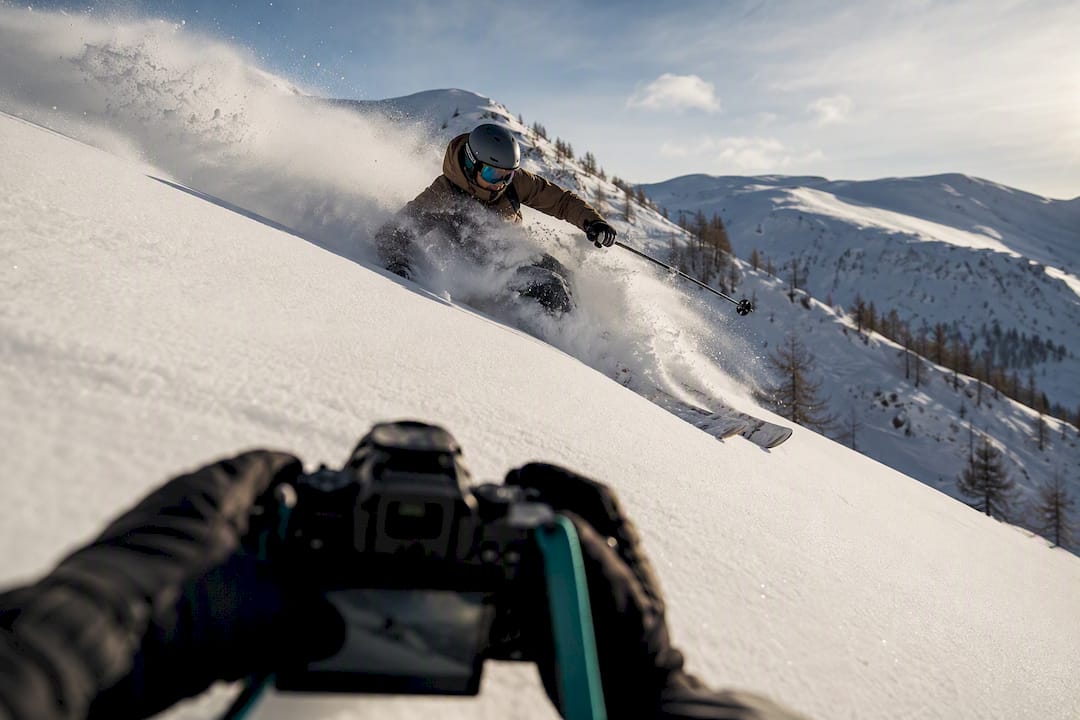
Practical ski photography tips for beginners: camera settings, snow exposure, timing, cold-weather camera care and safe mountain positioning.

Learn how to read an avalanche forecast, interpret danger ratings, roses and avalanche problems, and plan more conservative terrain choices.
Practical cold injury prevention for winter travel: layering, dry spares, warning signs, first aid and planning for mountain activities.
Planning snowmobiling in Ridder? Understand how experience, training, equipment and Kazakhstan rules shape your trip with Altai Mountains Resort.
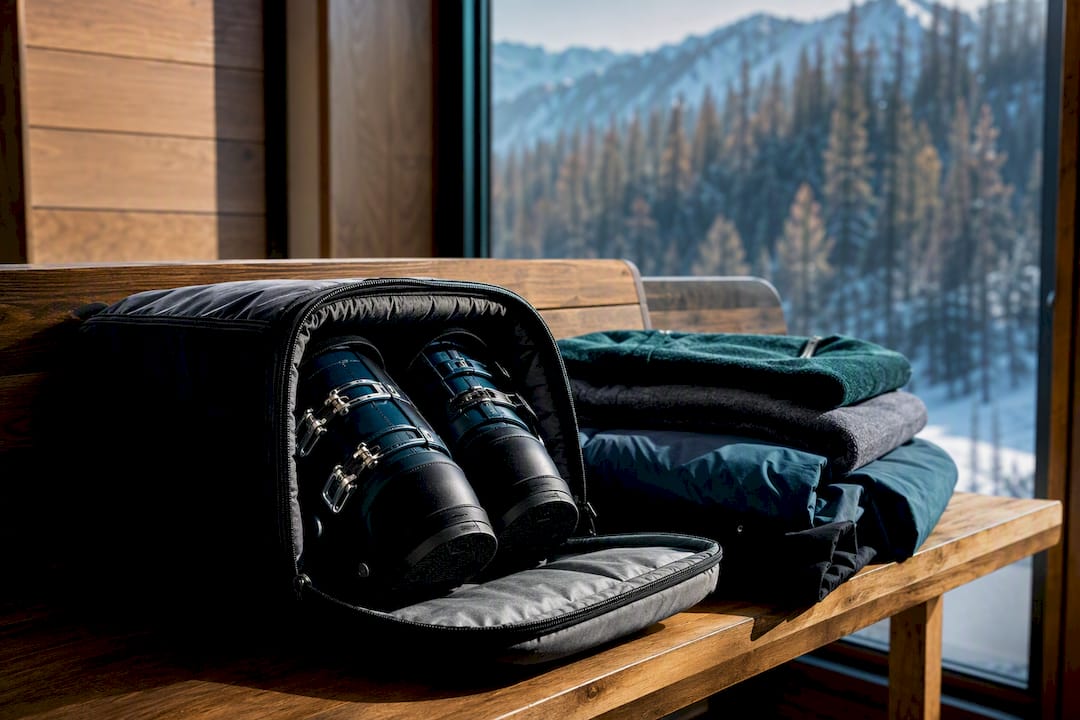
Travel with ski gear confidently: carry boots when cabin rules allow, pack skis securely, understand airline baggage rules and prepare for delays.
Build a practical backcountry radio communication plan with party radios, satellite SOS or PLB backup, cold-weather care and regional legal essentials.

Satellite messenger basics for remote Altai trips: compare PLBs and two-way devices, understand SOS limits, and prepare your communications plan.
Avoid ski crowds with flexible dates, midweek skiing, early starts and smarter lift choices. Explore guided off-piste options near Ridder.

Learn how heli-skiing passenger weight and baggage rules differ by operator, with practical packing steps and Altai Mountains Resort booking guidance.
Understand the cat skiing skill level needed for Altai Mountains Resort, with practical guidance on off-piste ability, fitness and avalanche readiness.
Decide whether Ridder suits your advanced Altai ski trip, with practical guidance on transfers, season timing, avalanche gear and guided programmes.
Compare snowmobile tour prices by duration, understand what shapes the final cost, and explore quote-based snowmobiling at Altai Mountains Resort.
Compare Western Altai, Almaty and Turgen for Kazakhstan powder skiing, with practical guidance on access, safety and Ridder logistics.

Plan Altai heli skiing near Ridder with practical guidance on terrain, season, package inclusions, access, safety gear and booking.
Compare flight, rail and self-drive routes from Almaty to the Kazakh Altai, with practical guidance for reaching Ridder and Ulba village.

Learn deep powder snowmobiling setup, riding technique, safe recovery and avalanche preparation, plus guided training near Ridder.
Plan an Altai Mountains winter stay from Ridder, with activity timing, travel from Öskemen, packing advice and practical mountain guidance.

Practical helicopter passenger safety guidance on boarding, seatbelts, exits, dropped items and following crew instructions.

Practical off-piste slope etiquette for safer skiing: right of way, avalanche preparation, group spacing, closures and guided skiing in the Western Altai.

Plan an Altai Mountains trip across Russian, Mongolian and Kazakh sectors, with permit, safety and winter-stay guidance for Ridder Lodge.
Learn how to plan guided freeride tours, from off-piste experience and avalanche gear to guide scope, changing mountain conditions and cat-skiing in the Altai.
Learn avalanche beacon basics: 457 kHz transceivers, essential rescue gear, trailhead checks, interference and companion-rescue practice.

Learn which avalanche course suits your plans, what companion-rescue skills to practise and how to prepare for a winter trip to Altai.
Learn what cat skiing is, who it suits, what to pack and how to plan a guided cat-skiing trip, including options near Ridder, Kazakhstan.
A practical ski rental Kazakhstan guide to Shymbulak and Medeu, current tariffs, equipment fit, transport and guided freeride near Ridder.

Understand ski guide benefits for freeride and backcountry trips, including local planning, terrain choices, qualifications, safety gear and access options.

Plan a snowmobile expedition near Ridder, Kazakhstan, with practical guidance on routes, rider experience, equipment, mountain safety and transfers.
Use this mountain lodge amenities checklist to compare rooms, meals, wellness access, transfers, activities and paid extras before booking.
A practical Kazakhstan currency guide to the tenge, cards, ATMs, currency exchange, DCC and cash planning for cities and the Western Altai.
Plan the Kazakhstan ski season by month, compare lift-served Shymbulak with guided trips around Ridder, and prepare for changing snow and mountain conditions.
A practical guide to spa after skiing, including gentle massage, sauna and hammam, optional cold immersion and signs that need medical attention.
Plan a remote ski trip from the UK to Ridder, with practical guidance on activities, Kazakhstan entry, Öskemen transfers, insurance and ski baggage.
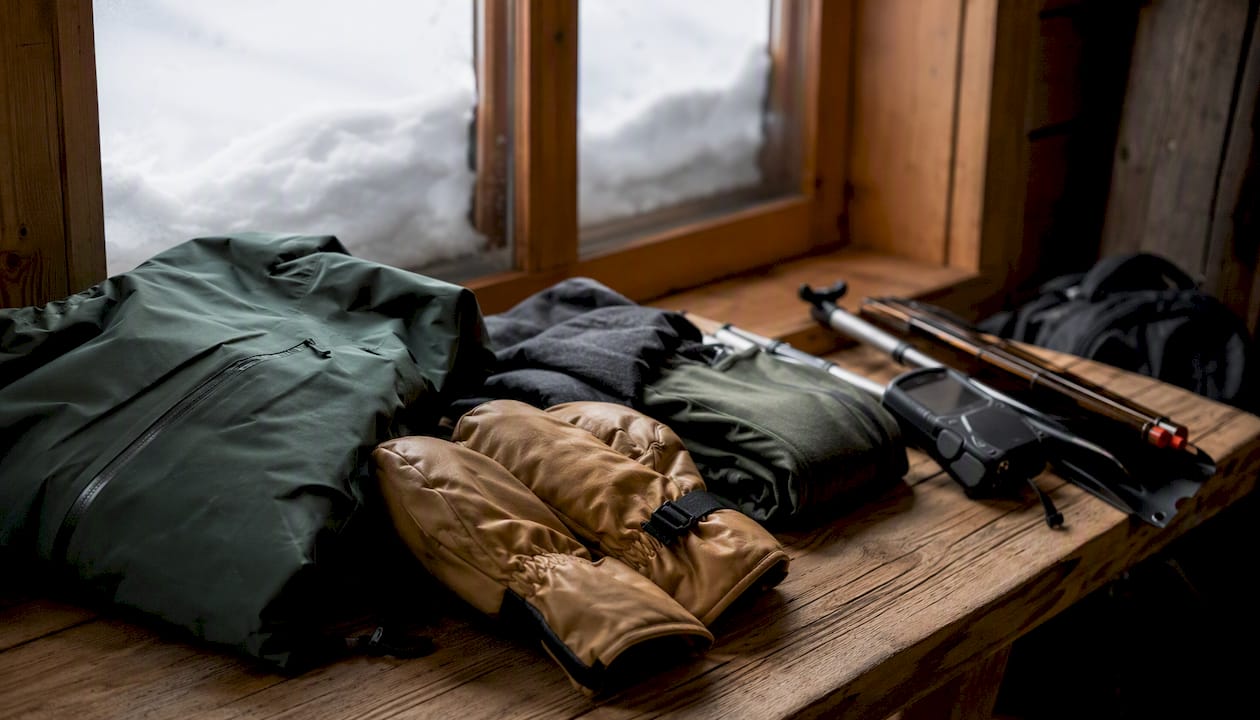
A practical heli skiing packing list covering clothing, avalanche equipment, ski baggage, batteries, travel documents and rental options.
A practical UK guide to ski boot fitting: appointment steps, services, current provider price examples, aftercare and warning signs.
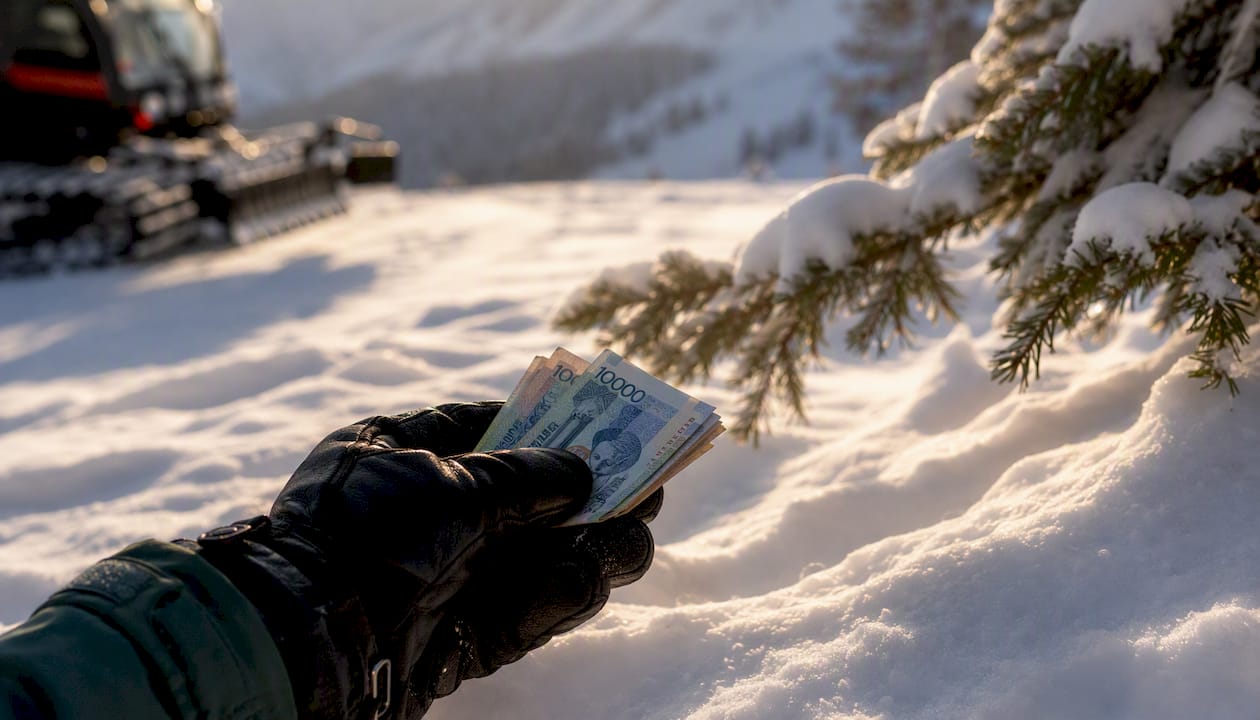
Should you tip a ski guide? Learn how customs vary, when a gratuity may feel appropriate and how to plan for tipping in Kazakhstan.
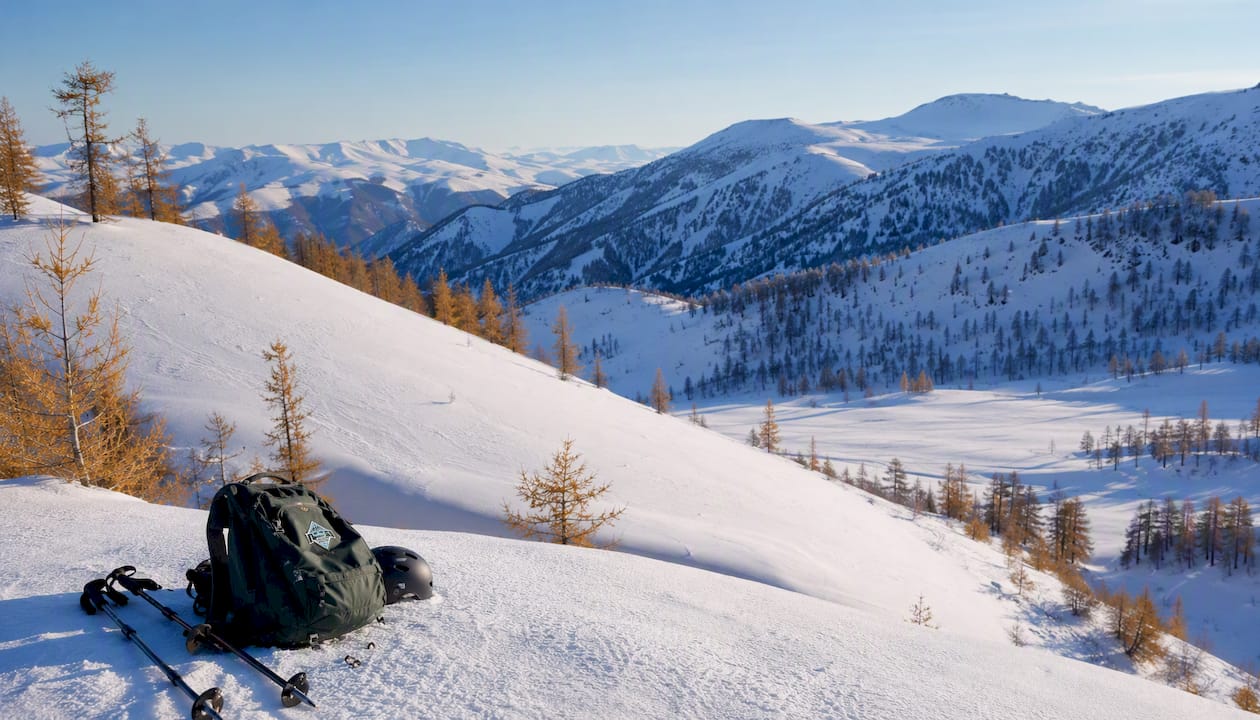
An Altai cuisine guide to kan, kurut, chegen and talkan, with dining at Restaurant Altai, food safety and travel from Öskemen to Ridder.
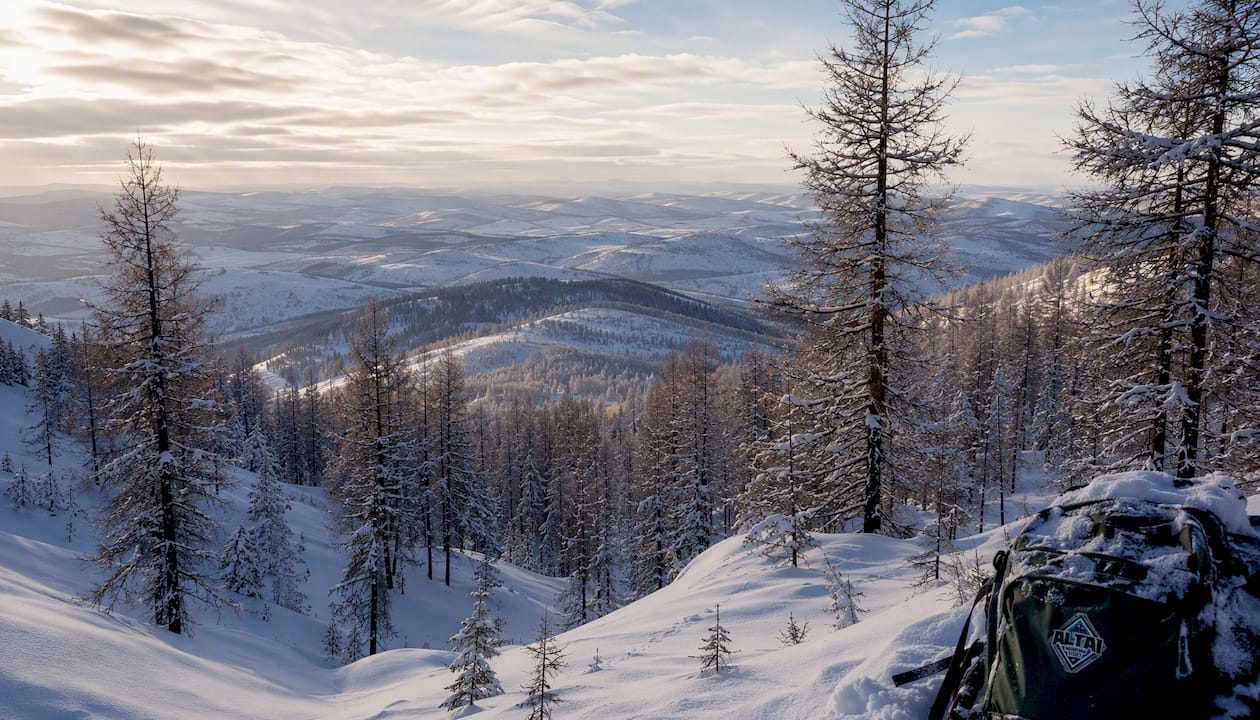
Compare banya vs sauna: heat, steam, venik and löyly rituals, etiquette, health evidence, safety basics and the Altai Banya experience.
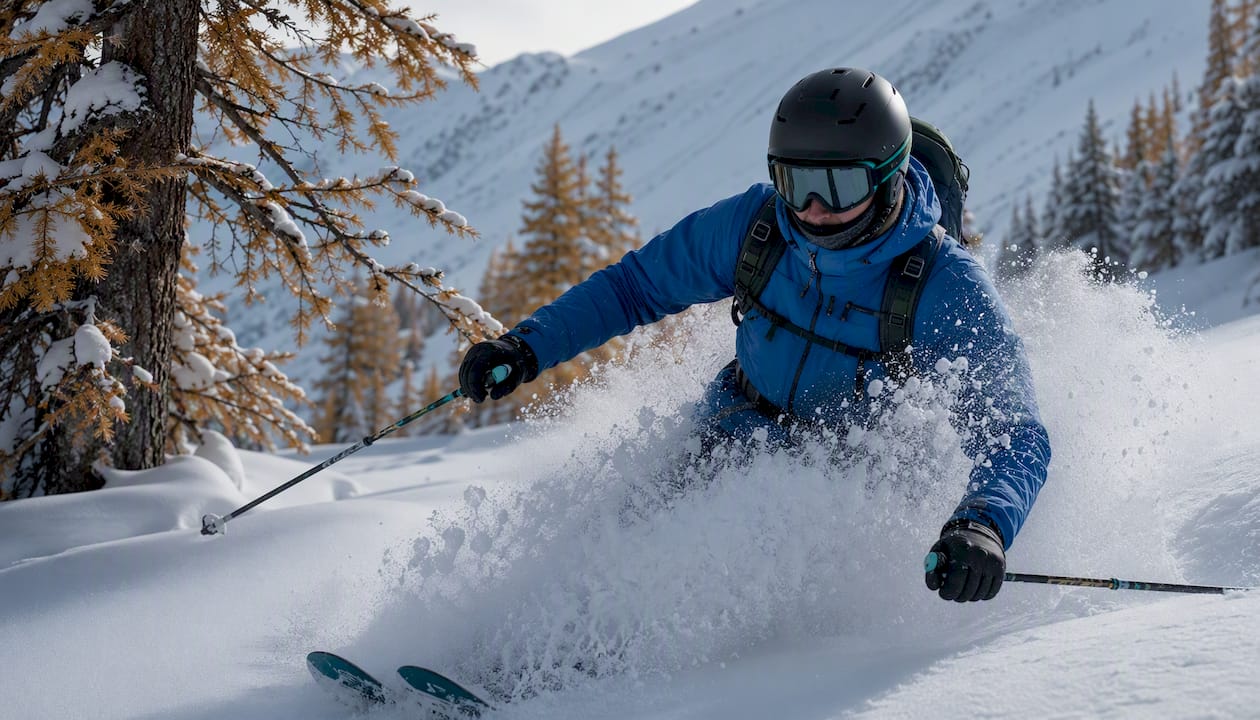
Learn how to ski deep powder with centred balance, smooth turns, speed control, practice steps, gear guidance, and avalanche and tree-well precautions.

Plan a mountain wellness retreat in Ridder with freeride, heli-skiing, snowmobiling, Ridder Lodge, Altai Banya and practical winter travel guidance.

A practical snowmobile gear list for UK travellers heading to Altai Mountains Resort, with clothing, safety equipment, battery and travel guidance.

Understand Ridder Lodge’s ski-in/snowmobile-out access, guided ski-day logistics, transfers from Öskemen and practical planning for your stay.
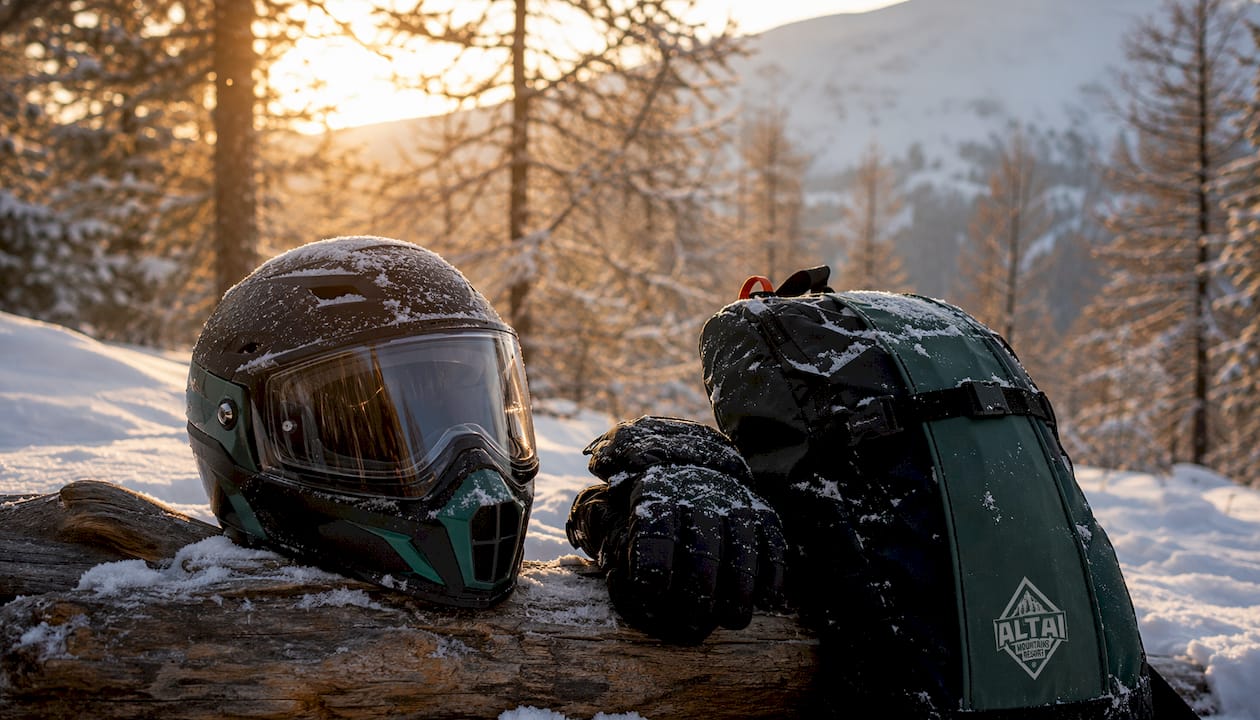
Prepare for a guided snowmobile ride with a practical gear checklist covering helmets, winter layers, avalanche equipment and cold exposure in Ridder.

A practical heli skiing guide to ability, avalanche equipment, packing, weather and planning your first trip to Kazakhstan.
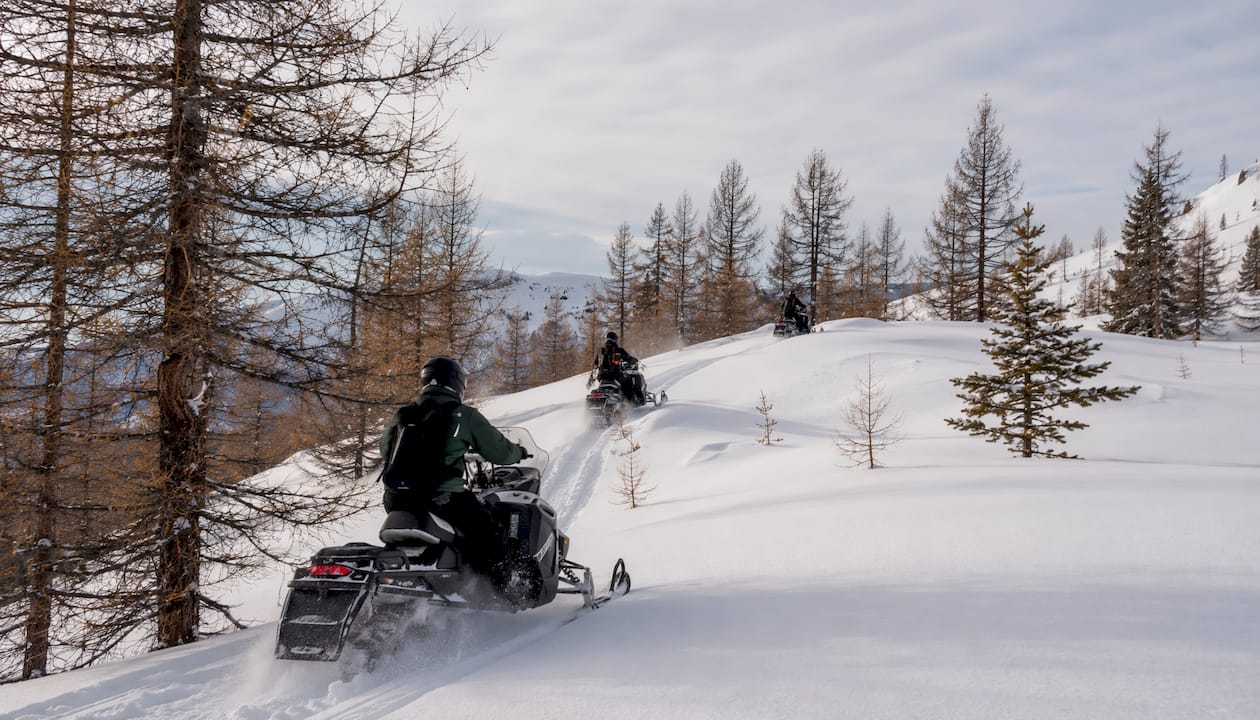
Plan guided deep snow snowmobiling in Ridder, with practical details on training, rentals, equipment, transfers and staying at Ridder Lodge.
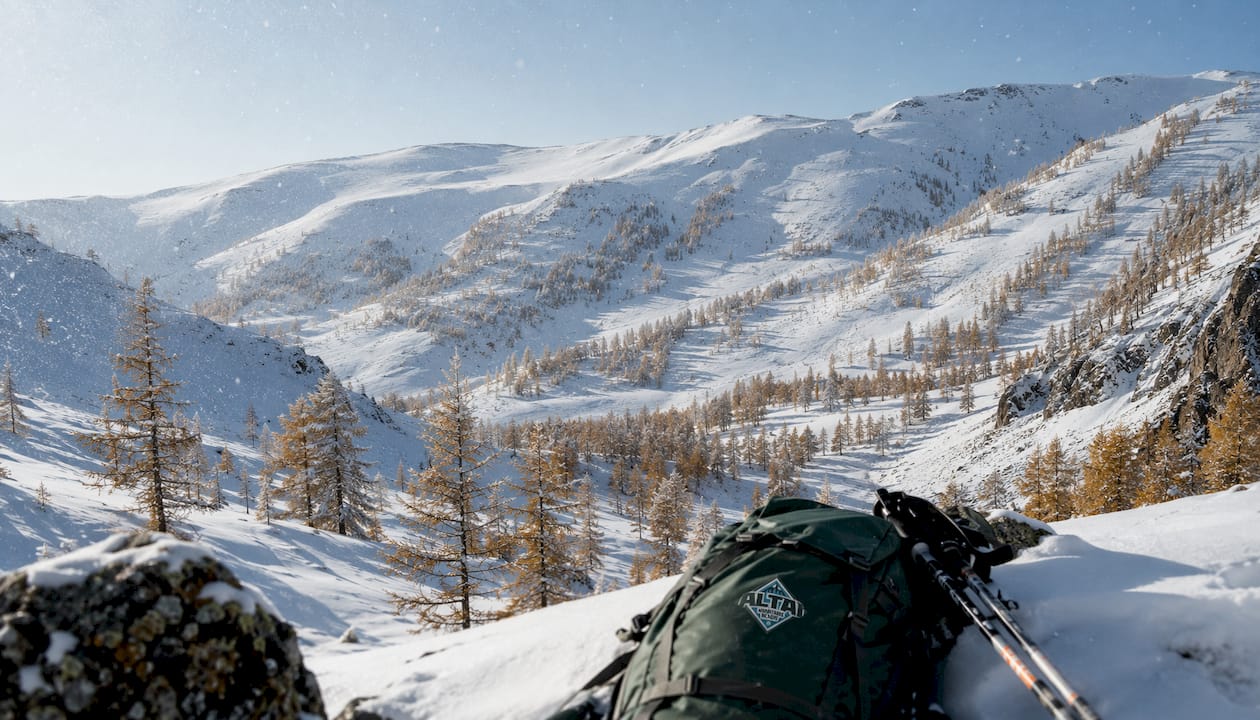
How to choose Kazakhstan travel insurance for heli-skiing, cat-skiing or snowmobiling, including medical treatment and evacuation cover.
Kazakhstan visa requirements for UK visitors to Ridder, including visa-free limits, e-visas, passport rules, airports and Öskemen transfers.
Build strength, balance and endurance before cat-skiing, heli-skiing or snowmobiling with an adaptable six-to-eight-week ski fitness program.

Explore cold plunge benefits for skiers, from short-term soreness and recovery evidence to cold-shock risks, timing and Altai Banya options.

Understand heli skiing cost in 2026 with current operator examples, a total-budget checklist, and key booking, safety and insurance questions.