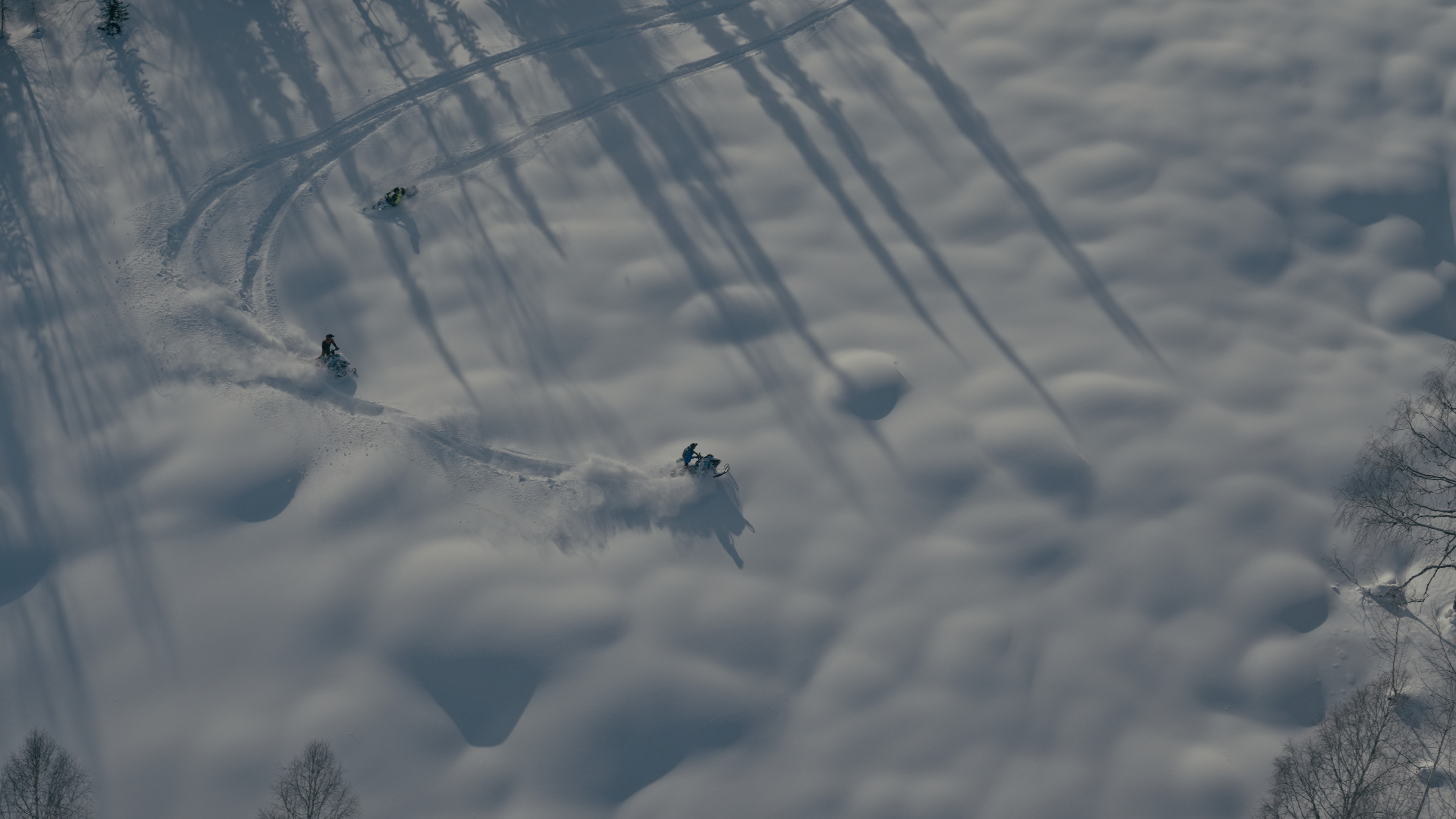
Build strength, balance and endurance before cat-skiing, heli-skiing or snowmobiling with an adaptable six-to-eight-week ski fitness program.
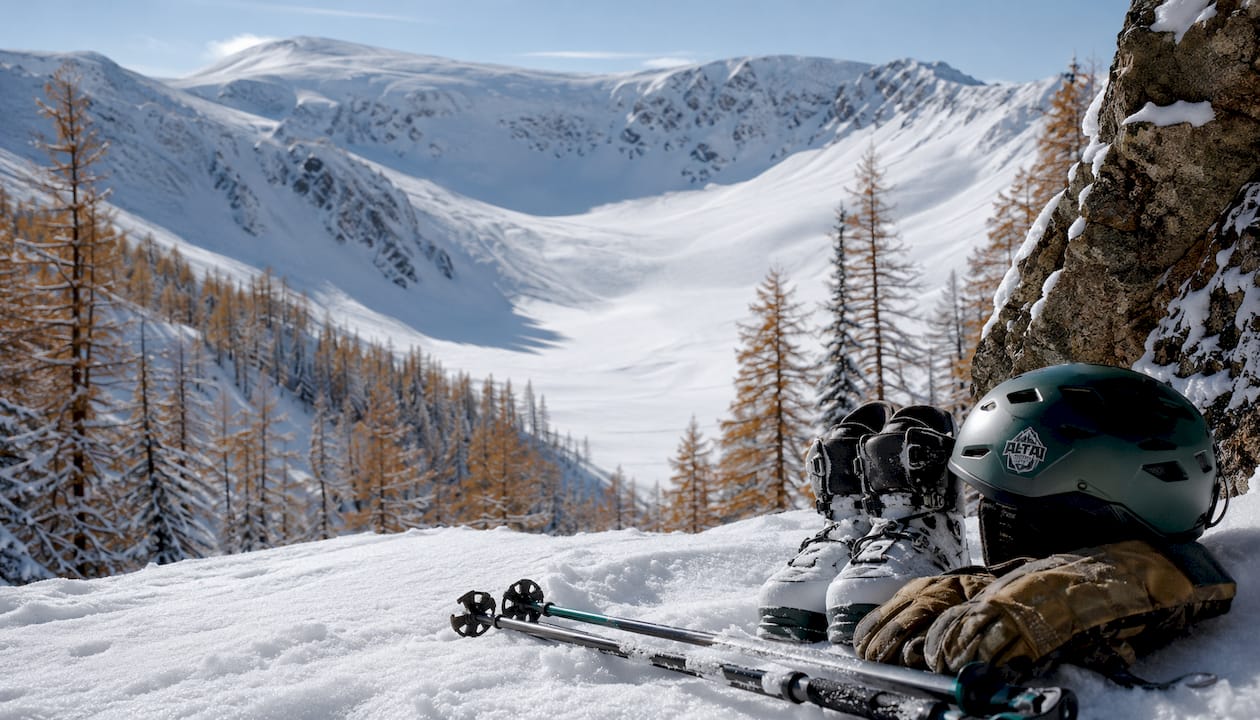
A useful ski fitness program combines lower-body strength, balance and movement control, aerobic conditioning, and enough recovery to keep the work sustainable. Starting six to eight weeks before your trip gives many recreational skiers a practical training window. If you are a beginner or returning after a long break, more time can be helpful.
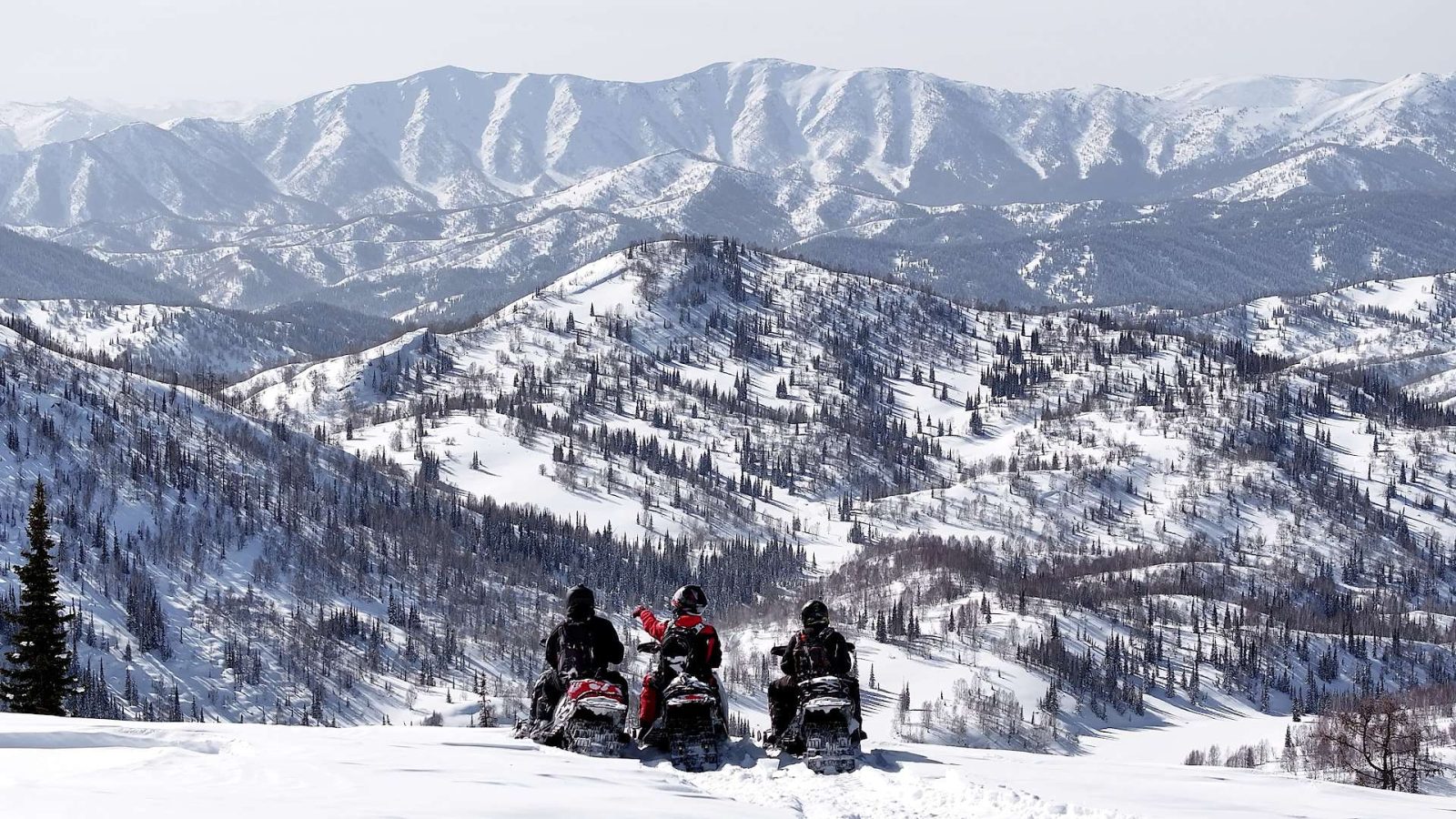
Use the framework below to shape your training around your experience, current fitness and itinerary—particularly if you are preparing for several days of cat-skiing, heli-skiing or guided snowmobiling in the Western Altai.
Ski fitness program: the short answer
For most travelers, a well-rounded program has four parts:
Lower-body strength: controlled squat, step-up, split-stance and hip-hinge movements.
Balance and coordination: supported single-leg work, lateral movement and, for experienced trainees, controlled landing drills.
Aerobic conditioning: walking uphill, cycling, swimming, rowing or another activity you can perform consistently.
Recovery: easier days, sleep, regular meals and a lighter training load before departure.
Two strength sessions and two aerobic sessions per week are a realistic starting structure for many people, but not a required minimum. Begin below your current limit, choose movements you can control without pain and increase only one variable—duration, repetitions or load—at a time.
When to start training before a ski trip
Cleveland Clinic sports-medicine guidance recommends beginning full-body preparation at least six to eight weeks before skiing, with attention to strength, endurance, flexibility and neuromuscular control. This allows time for steady progress without compressing a large workload into the final days before travel.
A longer runway makes sense if you have been inactive, are new to skiing or expect several demanding days in succession. If departure is closer, avoid cramming. A few consistent sessions at a manageable level are more useful than a sudden block of exhausting workouts.
Training cannot remove injury risk. A systematic review of recreational skiing and snowboarding found limited direct evidence for specific exercise prescriptions that prevent injuries in this population. Fitness supports your ability to manage effort, but technique, equipment, terrain, weather, fatigue and decision-making still matter.
What to train for skiing: strength, balance and endurance
Build useful leg and trunk strength
Choose two or three lower-body patterns for each strength session. Suitable options include a chair squat or goblet squat, supported split squat, low step-up, hip hinge and calf raise. Add a trunk exercise such as a side plank, carry or controlled anti-rotation movement.
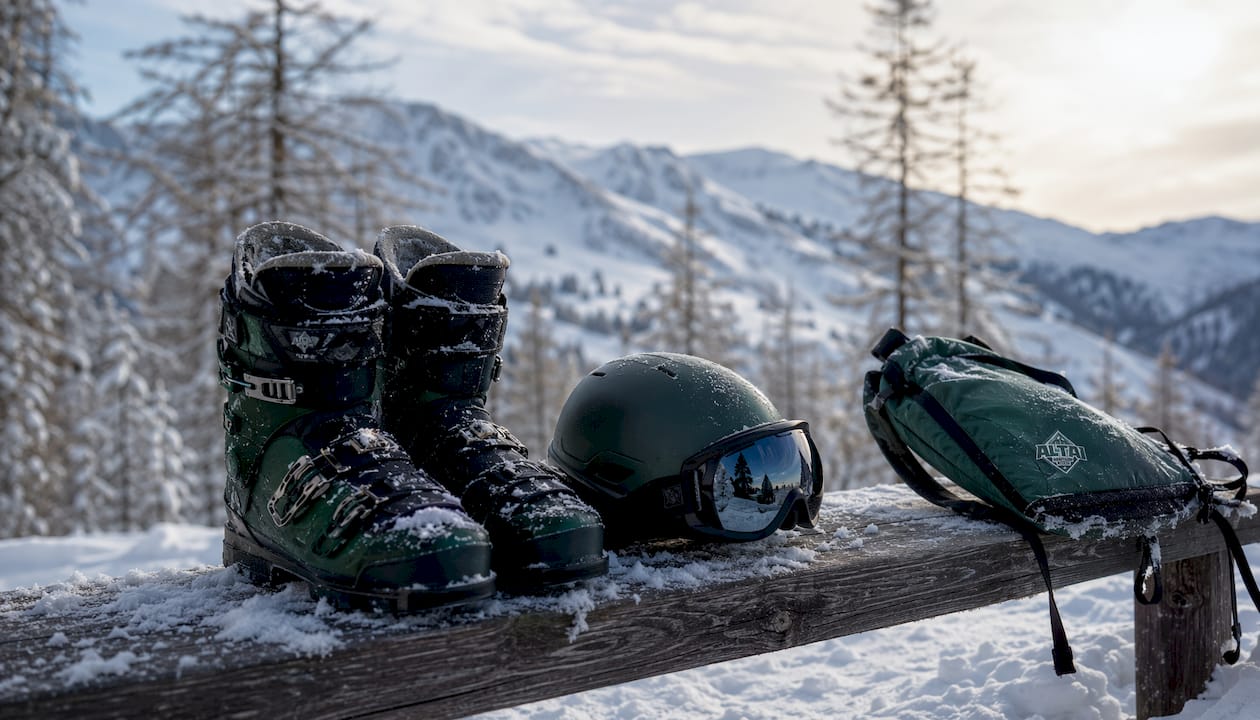
You do not need to use every exercise at once. Beginners can start with body weight, a stable support and a comfortable range of motion. More experienced trainees can add resistance gradually. Keep the knee tracking comfortably in line with the toes, maintain a stable trunk and end the set when your control begins to deteriorate.
Develop balance before adding speed
Balance work can be as simple as standing on one leg beside a wall, stepping laterally with control or performing a slow, supported step-down. Once those movements feel steady, experienced trainees can progress to small lateral hops and quiet, controlled landings.
Research in physically active populations supports multicomponent neuromuscular programs that combine strength, balance, agility, plyometrics, flexibility and technique feedback to reduce non-contact knee and ACL injury risk. This is not a ski-travel clearance test, and high-impact drills are not an appropriate starting point for everyone.
Build an aerobic base you can repeat
Steady cycling, brisk walking, hiking, swimming and rowing all work well for general conditioning. Choose a mode that suits your joints and local conditions. Most steady sessions should feel controlled enough that you can speak in short sentences. Harder intervals belong later in the program, once regular exercise feels comfortable.
Progress duration before intensity. Modestly extending a steady session is often easier to recover from than adding steep hills, heavy resistance and intervals during the same week.
A simple adaptable weekly ski-conditioning template
This example leaves space between demanding sessions and can be scaled up or down. Each strength workout can begin with one or two sets per exercise; established trainees may use more when it fits their normal training load.
Day | Session | Example content |
|---|---|---|
Monday | Strength A | Squat, step-up, hip hinge, calf raise and trunk stability |
Tuesday | Easy aerobic work | Brisk walk, cycle, swim or row at a conversational effort |
Wednesday | Recovery | Rest or light mobility |
Thursday | Strength B | Supported split squat, lateral step, hip hinge and carry |
Friday | Recovery | Rest or an easy walk |
Saturday | Aerobic conditioning | A longer steady session or short, controlled intervals |
Sunday | Flexible | Rest, gentle movement or an easy balance session |
In the early weeks, focus on consistency and technique. Later, add a little resistance, extend one aerobic session or introduce low-volume lateral movements. Avoid increasing all three together.
Let your itinerary guide the emphasis. Consecutive ski days call for repeatable leg and aerobic endurance, while snowmobile-focused travel also rewards general trunk, shoulder and grip conditioning. The same principle applies when planning Zakopane in winter: prepare for the activities in your itinerary rather than relying on the destination name alone.
Warm-up, recovery and when to seek professional advice
A short, progressive warm-up is commonly recommended before training and skiing. The 2025 FIS warm-up and cool-down consensus concerns competitive snow-sport athletes and notes that sport-specific scientific evidence remains limited, so recreational skiers should adapt warm-up advice to their own ability and needs.
A practical sequence begins with a few minutes of easy movement, followed by controlled repetitions of movements you already know:
Easy walking, cycling or marching
Comfortable squats or sit-to-stands
Alternating step-backs
Side steps
Gentle trunk rotations
Use a range you can control and omit any movement that causes pain. Persistent or worsening pain, swelling, instability, numbness, marked weakness or symptoms that interfere with normal activity deserve individual clinical assessment. If you have had recent surgery, a previous ACL injury, significant balance limitations or a long period of inactivity, seek professional guidance before loaded single-leg work or jumping drills.
If you have trained consistently, reducing volume before departure while retaining some familiar intensity may help you arrive fresher. Evidence for this approach comes largely from trained endurance athletes: a meta-analysis of taper strategies found benefits from lower volume with intensity and frequency maintained. Your taper should still reflect your usual workload, recovery and travel schedule.
Keep nutrition straightforward. Eat enough overall, include carbohydrate around harder sessions and spread protein-containing foods across regular meals. Drink according to thirst rather than following a blanket water-loading or electrolyte plan. Individual advice is appropriate if you have diabetes, kidney disease, an eating disorder, are pregnant or have another condition that affects nutrition or hydration.
Resolve ski-boot pressure points with a qualified boot fitter before travel rather than trying to train through pain or numbness.
This article provides general fitness information, not medical advice or individual clearance for skiing.
Preparing for cat-skiing, heli-skiing and snowmobiling at Altai Mountains Resort
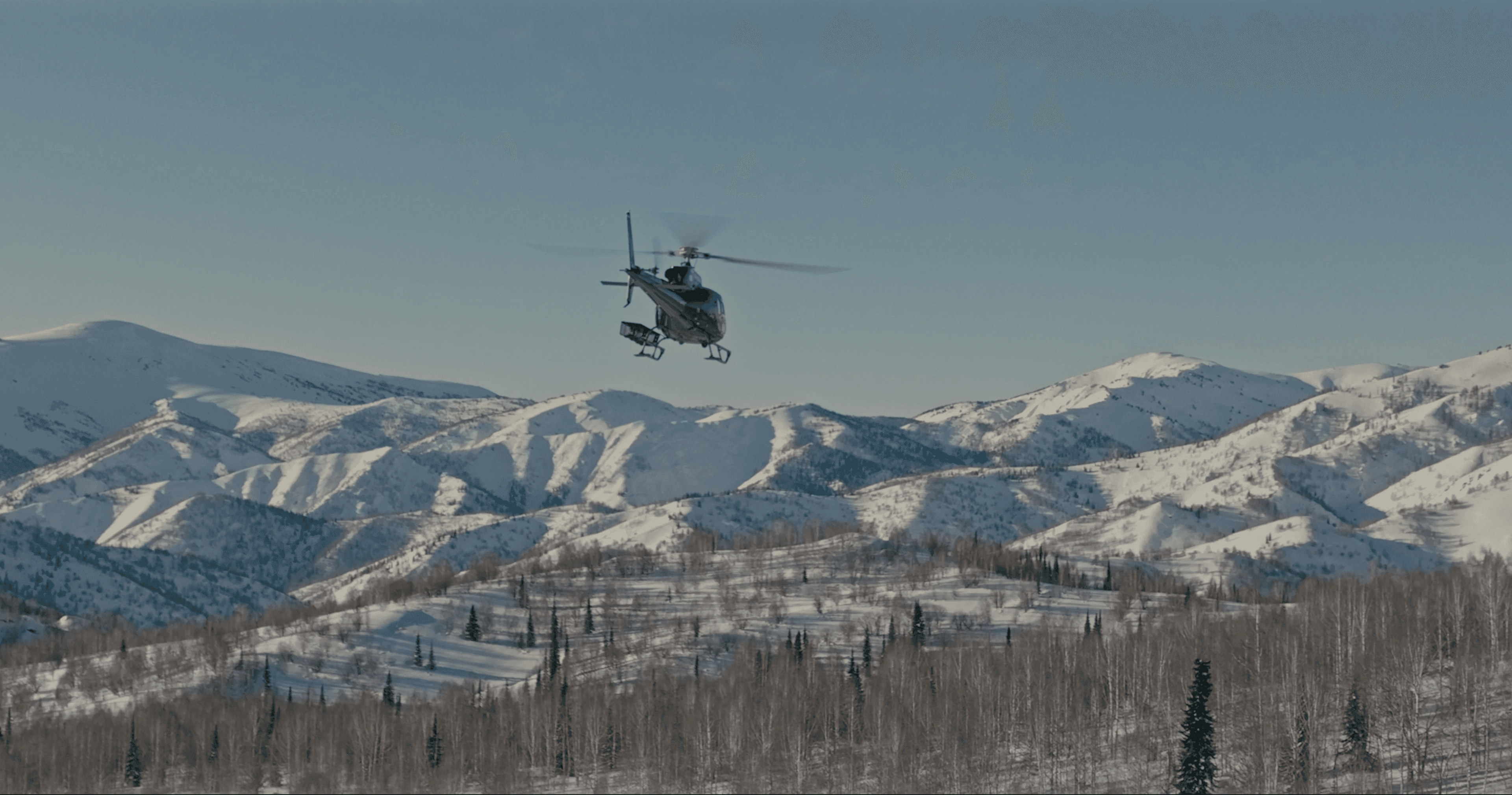
At Altai Mountains Resort in Ridder, Western Altai, East Kazakhstan, winter options include cat-skiing and freeriding, heli-skiing, guided deep-snow snowmobiling and Snow Safari. Dates, routes and operations depend on current conditions and availability.
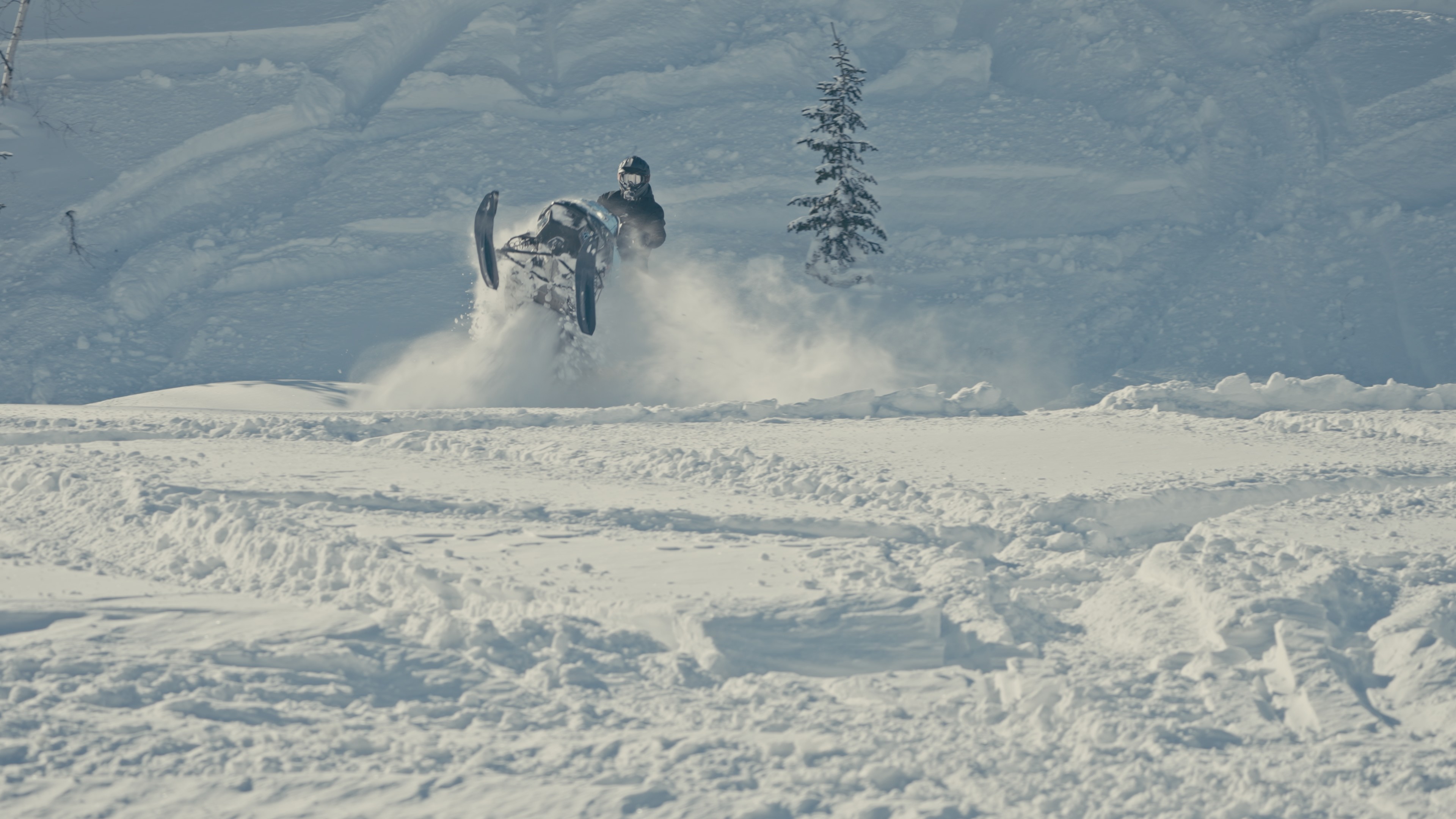
For a trip centered on cat-skiing or heli-skiing, prioritize repeatable leg strength, balance and aerobic capacity rather than one demanding gym test. For snowmobile days, include general trunk and upper-body work alongside leg conditioning. Once you are in the mountains, describe your experience, fatigue and comfort level honestly, and follow the activity briefing and your guide’s instructions.
An online workout cannot determine readiness for a particular slope, route or weather pattern. Fitness is one part of preparation; current conditions, equipment, technical ability and conservative decisions remain central.
Before you travel: booking, transfers and current conditions
Altai Mountains Resort is around 120 km from Öskemen (Ust-Kamenogorsk), with an indicative road journey of 1.5–2 hours. Travel time varies with road and weather conditions. You can use our contact and location details to plan the journey and ask about private road or optional helicopter transfers; availability and inclusion depend on your dates and booking.
When your training window and intended activities are clear, send your dates through the Altai Mountains Resort booking page. Our team can talk you through current activity availability, the experience level expected, what your package includes, selected equipment rental, arrival timing, accommodation and transfer options. From there, you can shape the fitness work around the mountain days you are preparing to enjoy.
All Articles
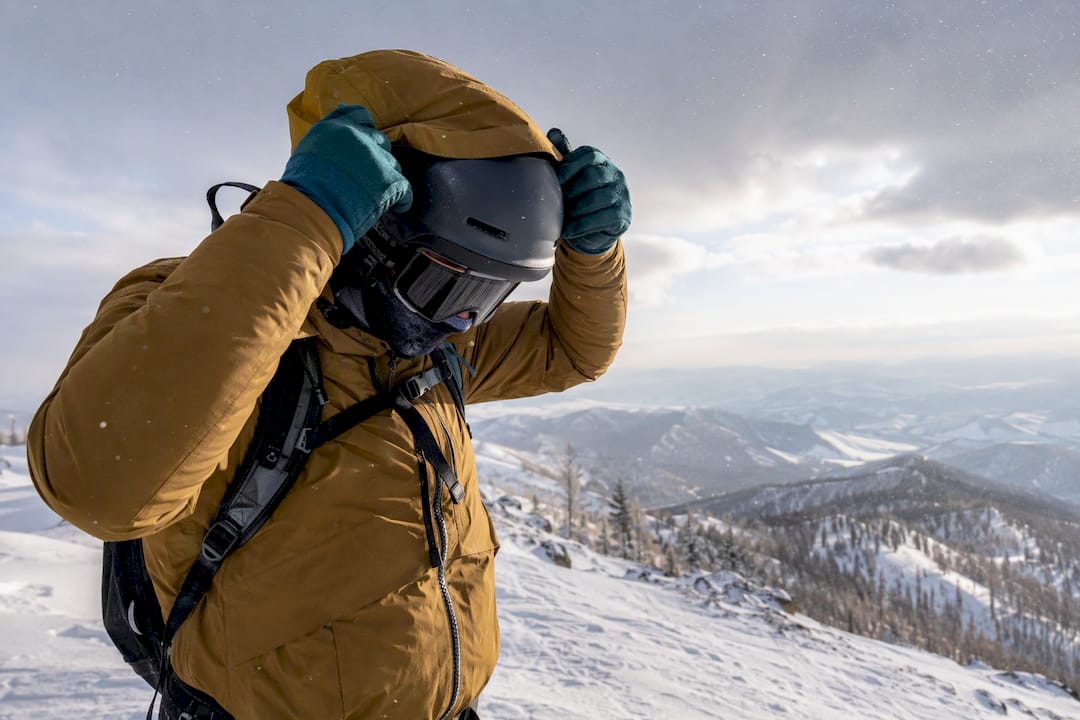
Practical cold injury prevention for winter travel: layering, dry spares, warning signs, first aid and planning for mountain activities.
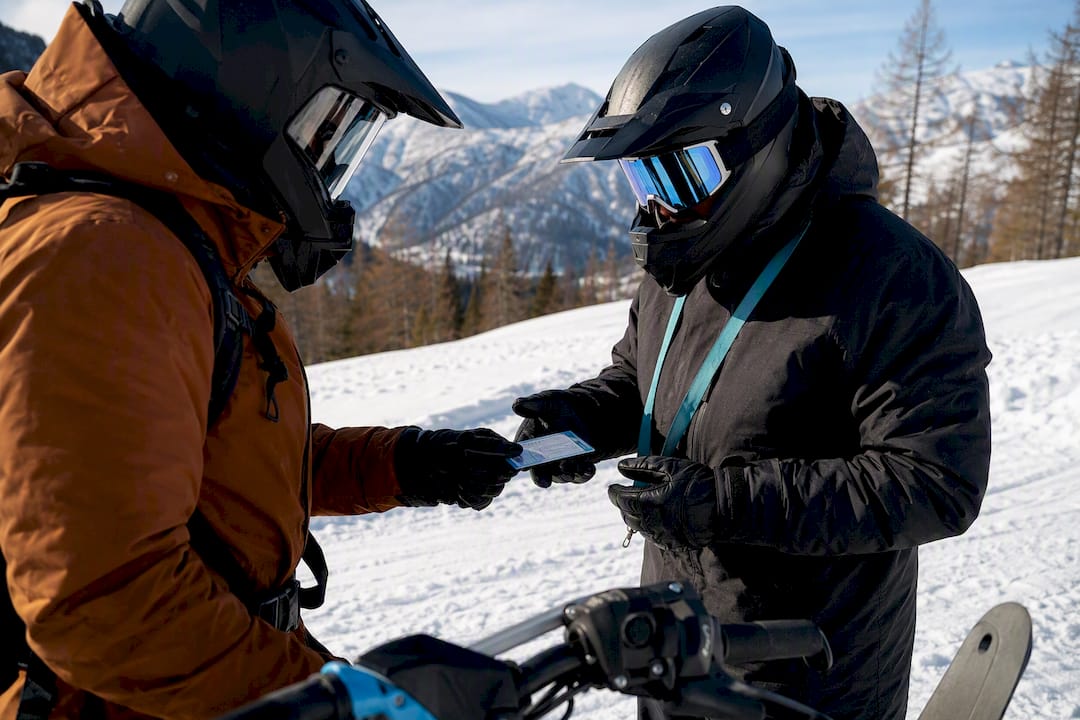
Planning snowmobiling in Ridder? Understand how experience, training, equipment and Kazakhstan rules shape your trip with Altai Mountains Resort.
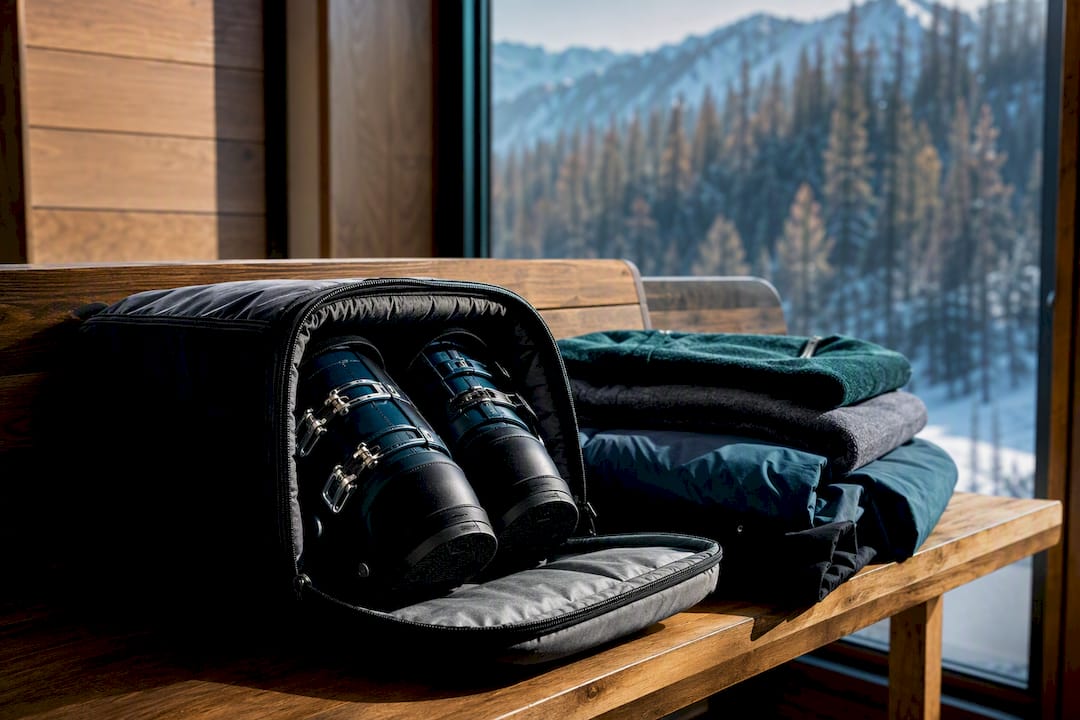
Travel with ski gear confidently: carry boots when cabin rules allow, pack skis securely, understand airline baggage rules and prepare for delays.
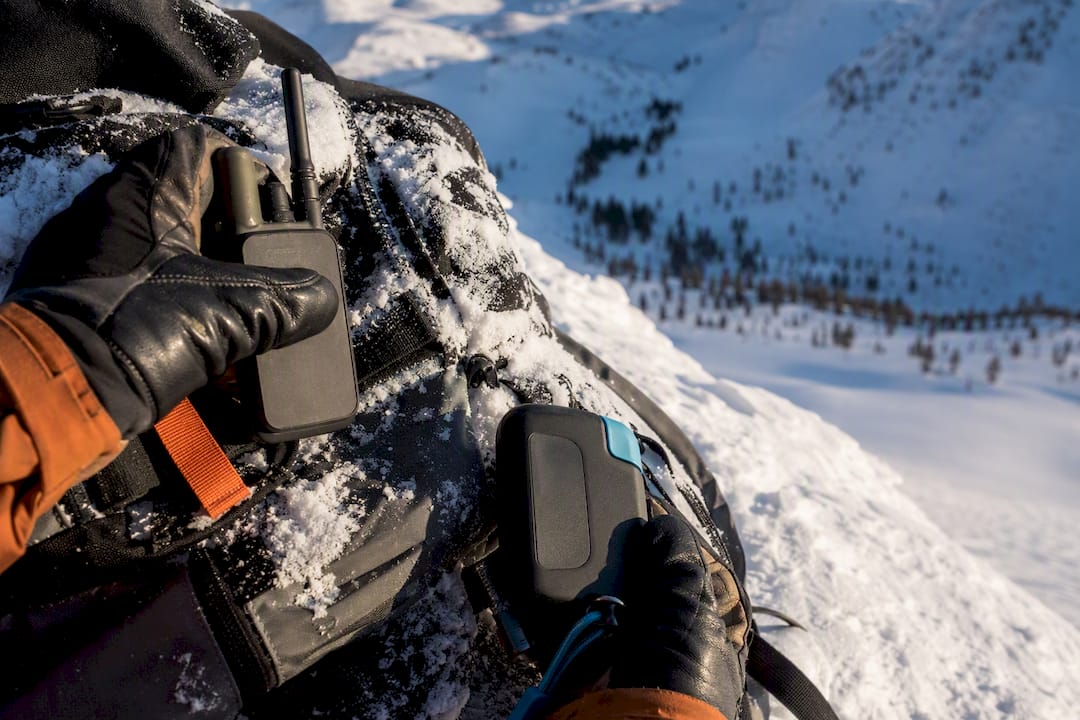
Build a practical backcountry radio communication plan with party radios, satellite SOS or PLB backup, cold-weather care and regional legal essentials.

Satellite messenger basics for remote Altai trips: compare PLBs and two-way devices, understand SOS limits, and prepare your communications plan.
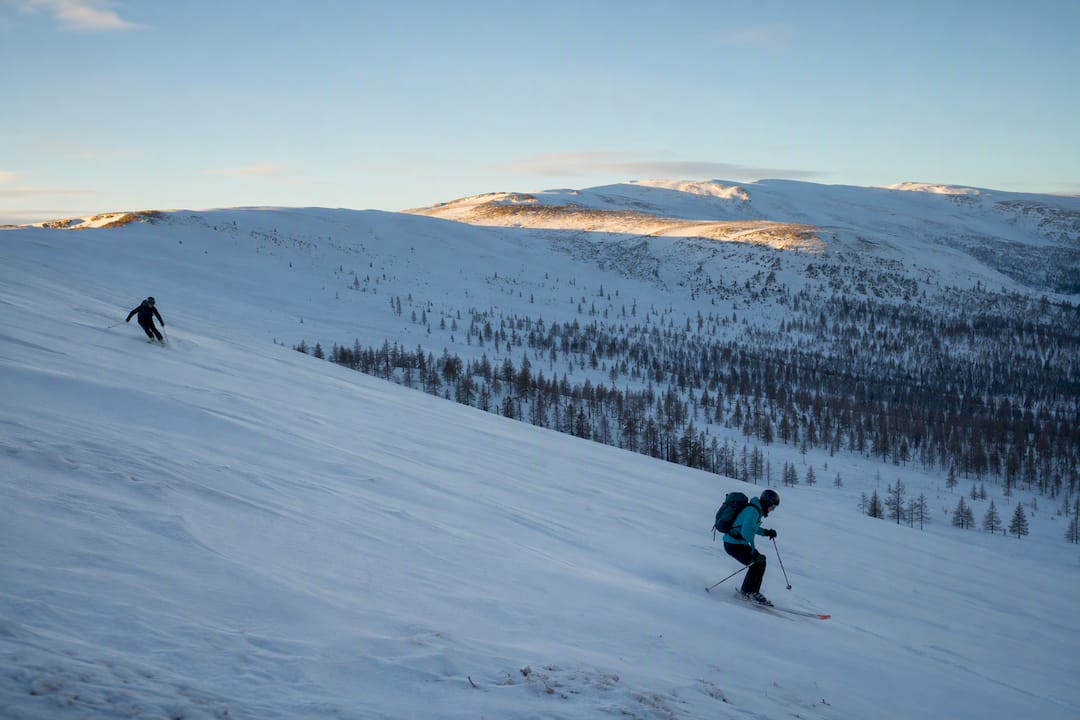
Avoid ski crowds with flexible dates, midweek skiing, early starts and smarter lift choices. Explore guided off-piste options near Ridder.

Learn how heli-skiing passenger weight and baggage rules differ by operator, with practical packing steps and Altai Mountains Resort booking guidance.
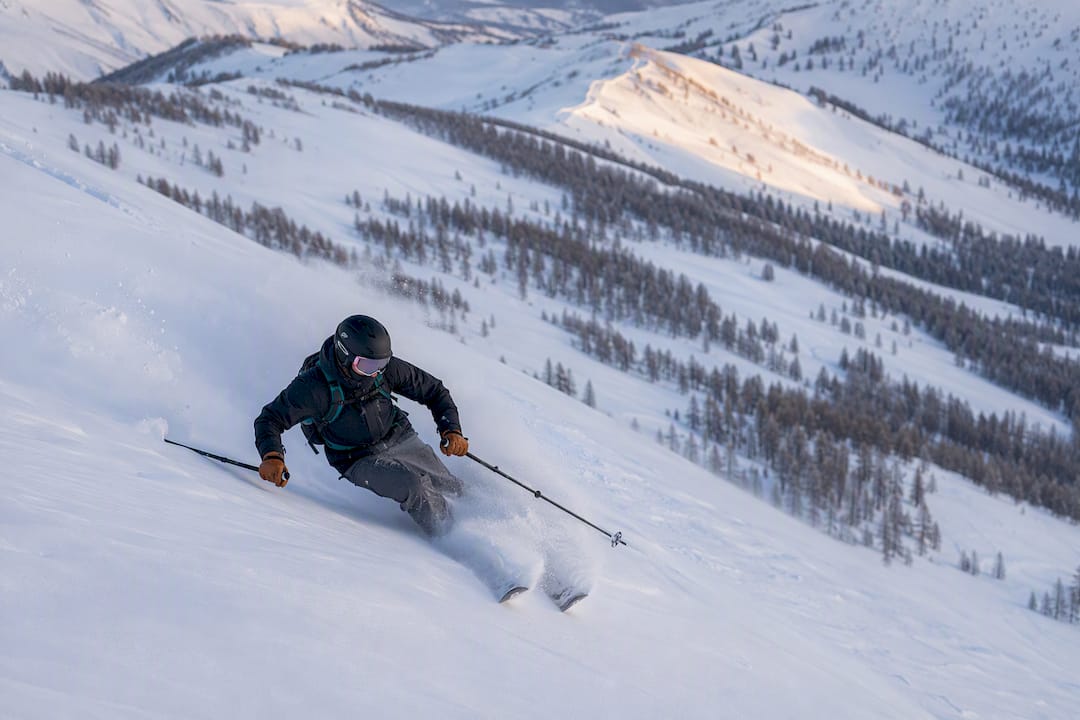
Understand the cat skiing skill level needed for Altai Mountains Resort, with practical guidance on off-piste ability, fitness and avalanche readiness.
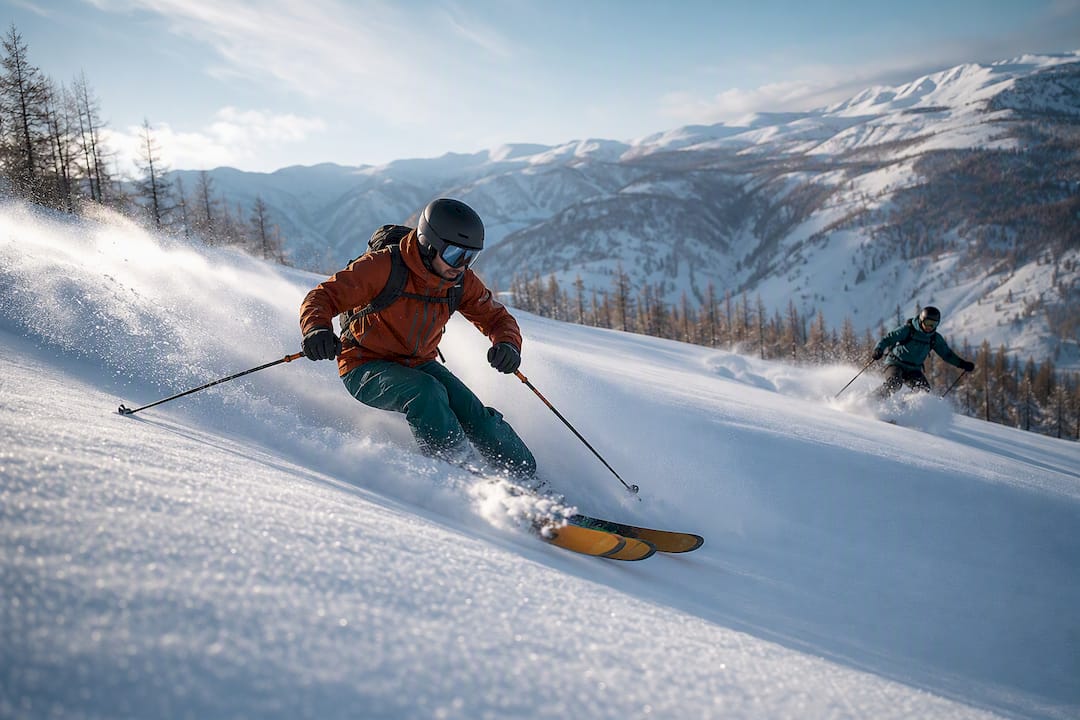
Decide whether Ridder suits your advanced Altai ski trip, with practical guidance on transfers, season timing, avalanche gear and guided programmes.
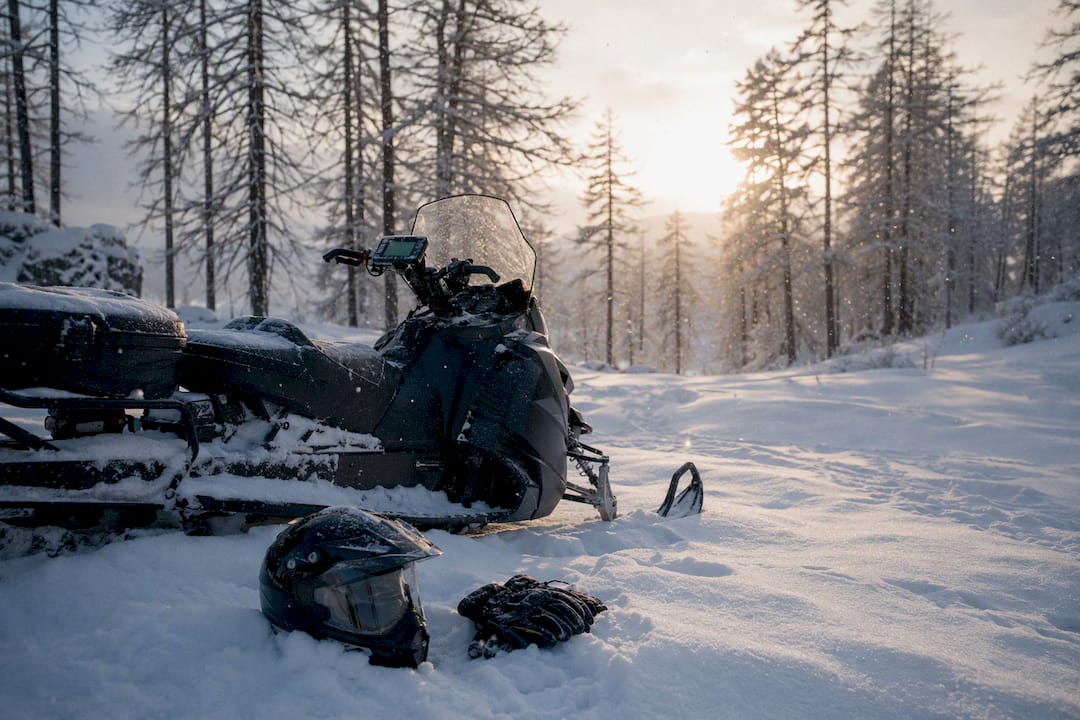
Compare snowmobile tour prices by duration, understand what shapes the final cost, and explore quote-based snowmobiling at Altai Mountains Resort.
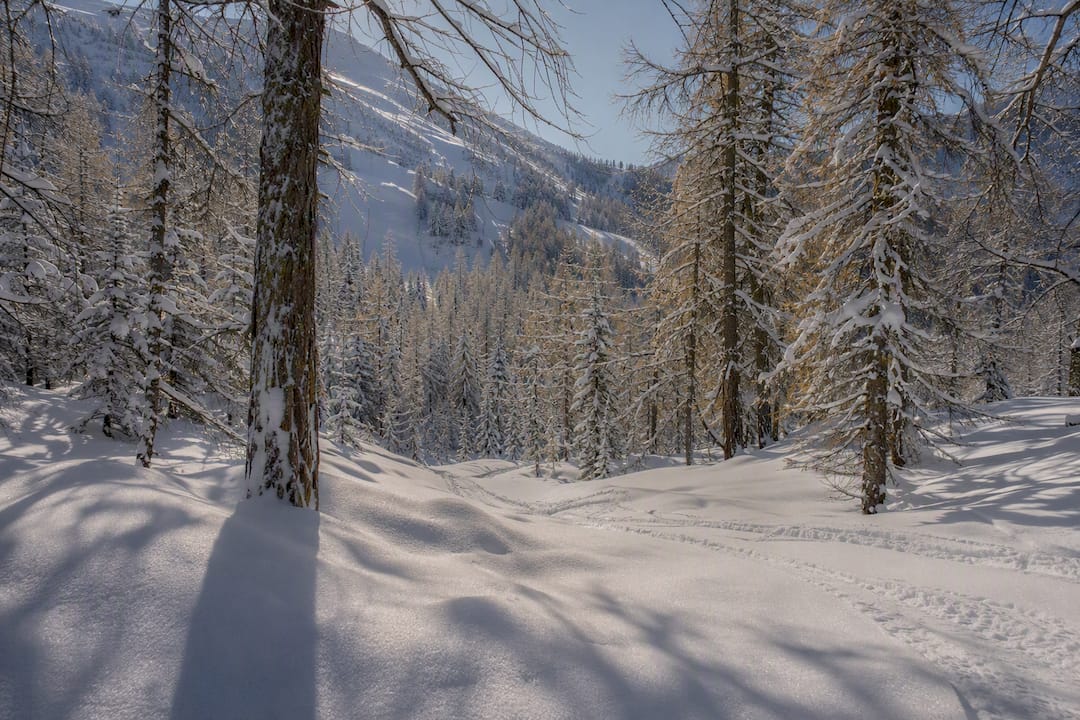
Compare Western Altai, Almaty and Turgen for Kazakhstan powder skiing, with practical guidance on access, safety and Ridder logistics.

Plan Altai heli skiing near Ridder with practical guidance on terrain, season, package inclusions, access, safety gear and booking.
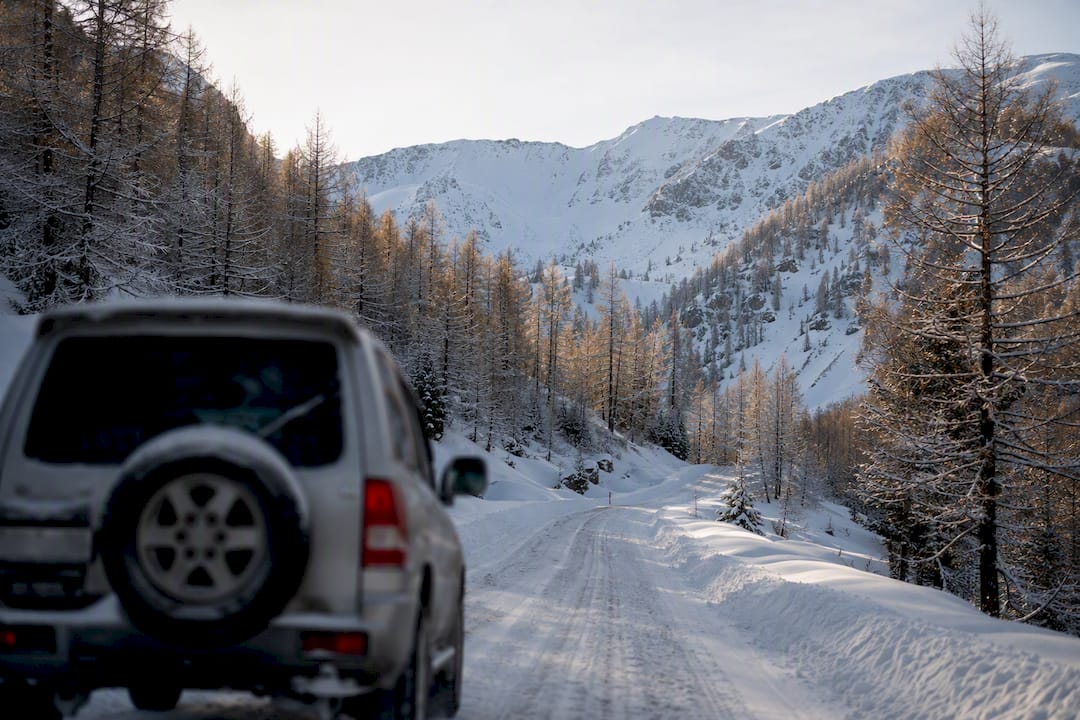
Compare flight, rail and self-drive routes from Almaty to the Kazakh Altai, with practical guidance for reaching Ridder and Ulba village.

Learn deep powder snowmobiling setup, riding technique, safe recovery and avalanche preparation, plus guided training near Ridder.
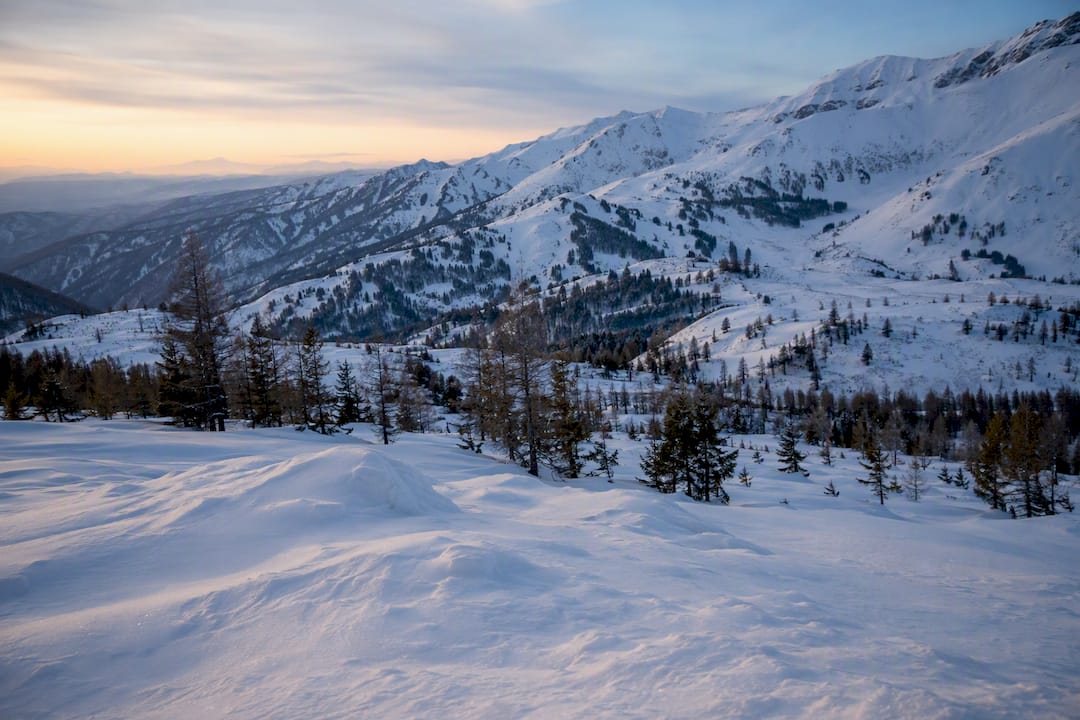
Plan an Altai Mountains winter stay from Ridder, with activity timing, travel from Öskemen, packing advice and practical mountain guidance.

Practical helicopter passenger safety guidance on boarding, seatbelts, exits, dropped items and following crew instructions.

Practical off-piste slope etiquette for safer skiing: right of way, avalanche preparation, group spacing, closures and guided skiing in the Western Altai.

Plan an Altai Mountains trip across Russian, Mongolian and Kazakh sectors, with permit, safety and winter-stay guidance for Ridder Lodge.
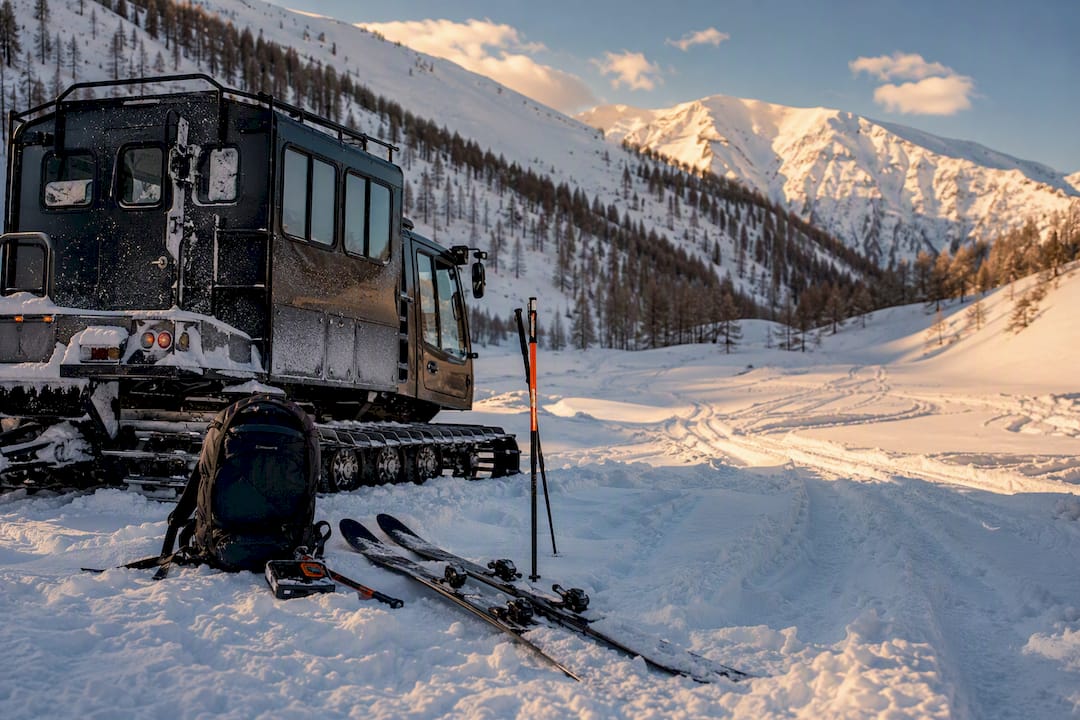
Learn how to plan guided freeride tours, from off-piste experience and avalanche gear to guide scope, changing mountain conditions and cat-skiing in the Altai.
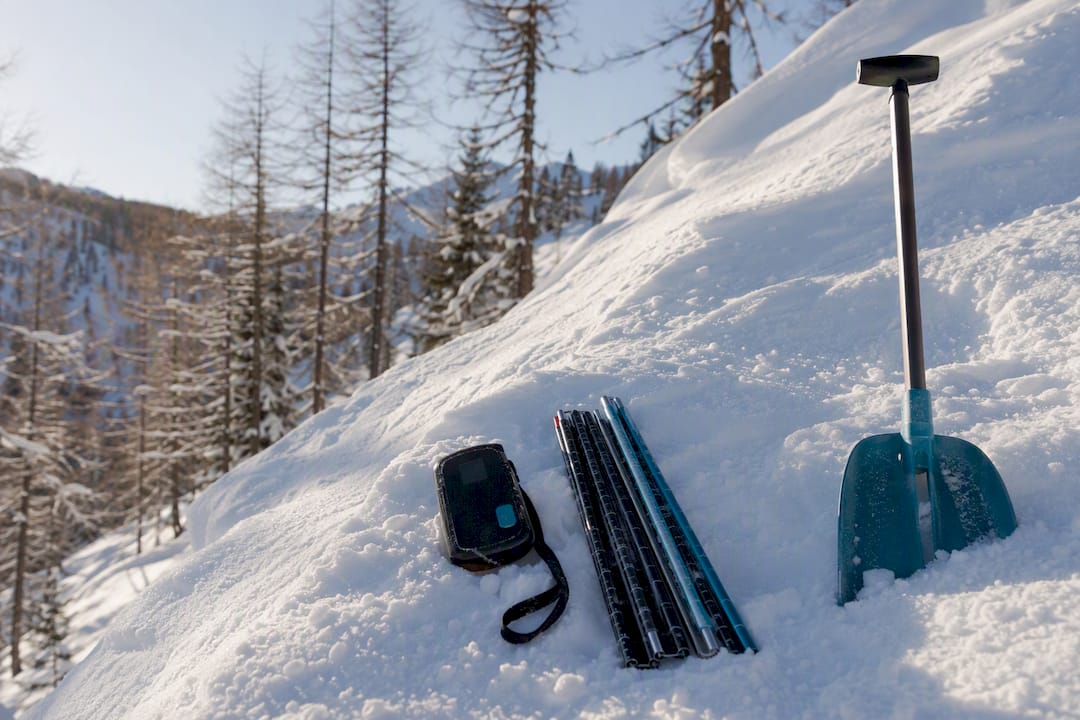
Learn avalanche beacon basics: 457 kHz transceivers, essential rescue gear, trailhead checks, interference and companion-rescue practice.

Learn which avalanche course suits your plans, what companion-rescue skills to practise and how to prepare for a winter trip to Altai.
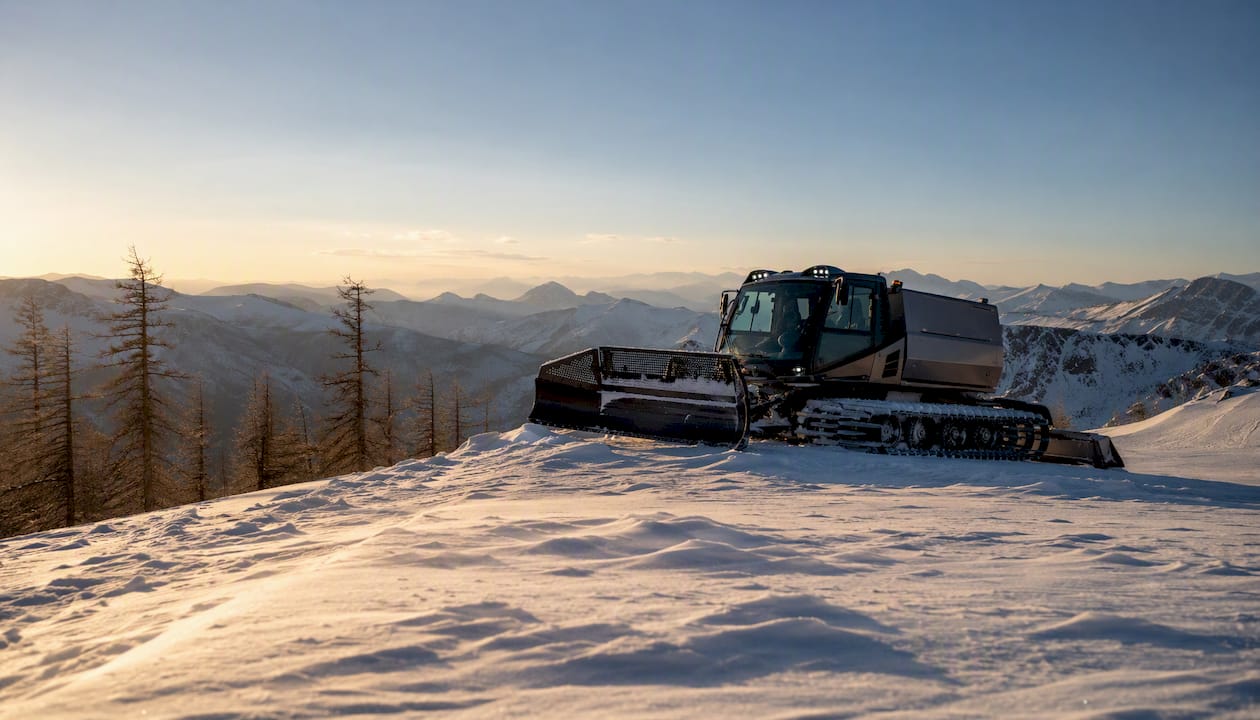
Learn what cat skiing is, who it suits, what to pack and how to plan a guided cat-skiing trip, including options near Ridder, Kazakhstan.
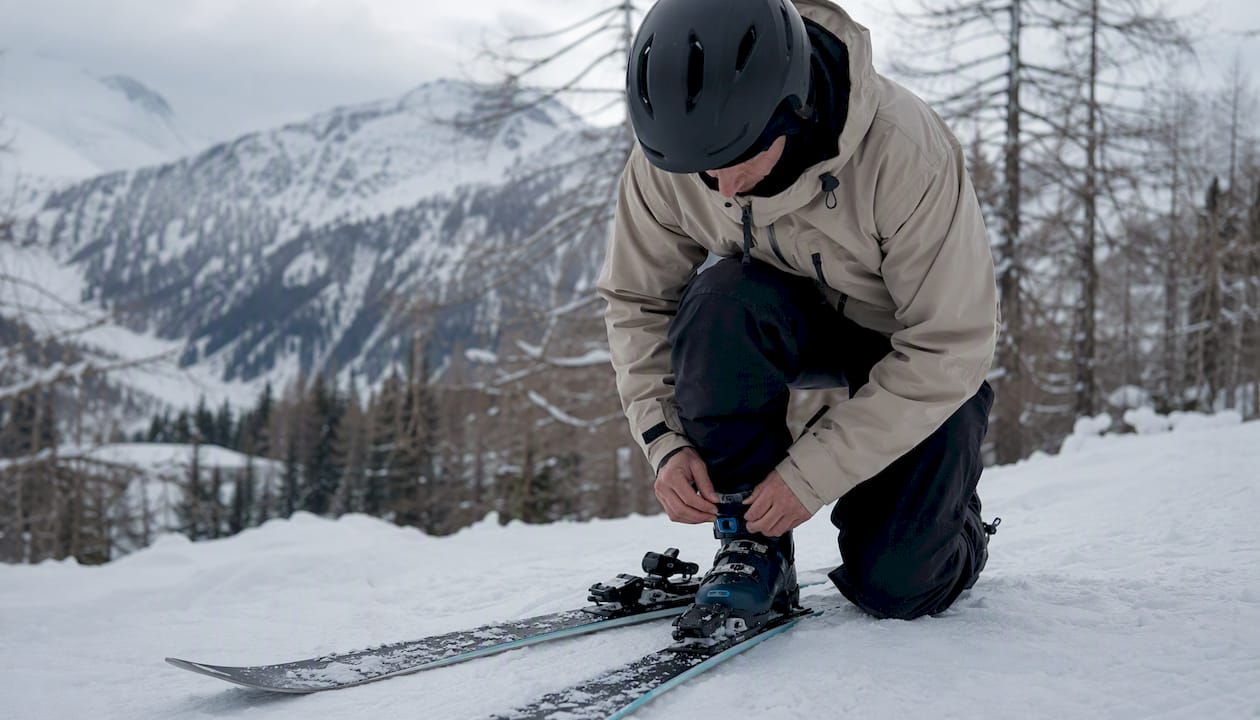
A practical ski rental Kazakhstan guide to Shymbulak and Medeu, current tariffs, equipment fit, transport and guided freeride near Ridder.

Understand ski guide benefits for freeride and backcountry trips, including local planning, terrain choices, qualifications, safety gear and access options.

Plan a snowmobile expedition near Ridder, Kazakhstan, with practical guidance on routes, rider experience, equipment, mountain safety and transfers.
Use this mountain lodge amenities checklist to compare rooms, meals, wellness access, transfers, activities and paid extras before booking.
A practical Kazakhstan currency guide to the tenge, cards, ATMs, currency exchange, DCC and cash planning for cities and the Western Altai.
Plan the Kazakhstan ski season by month, compare lift-served Shymbulak with guided trips around Ridder, and prepare for changing snow and mountain conditions.
A practical guide to spa after skiing, including gentle massage, sauna and hammam, optional cold immersion and signs that need medical attention.
Plan a remote ski trip from the UK to Ridder, with practical guidance on activities, Kazakhstan entry, Öskemen transfers, insurance and ski baggage.
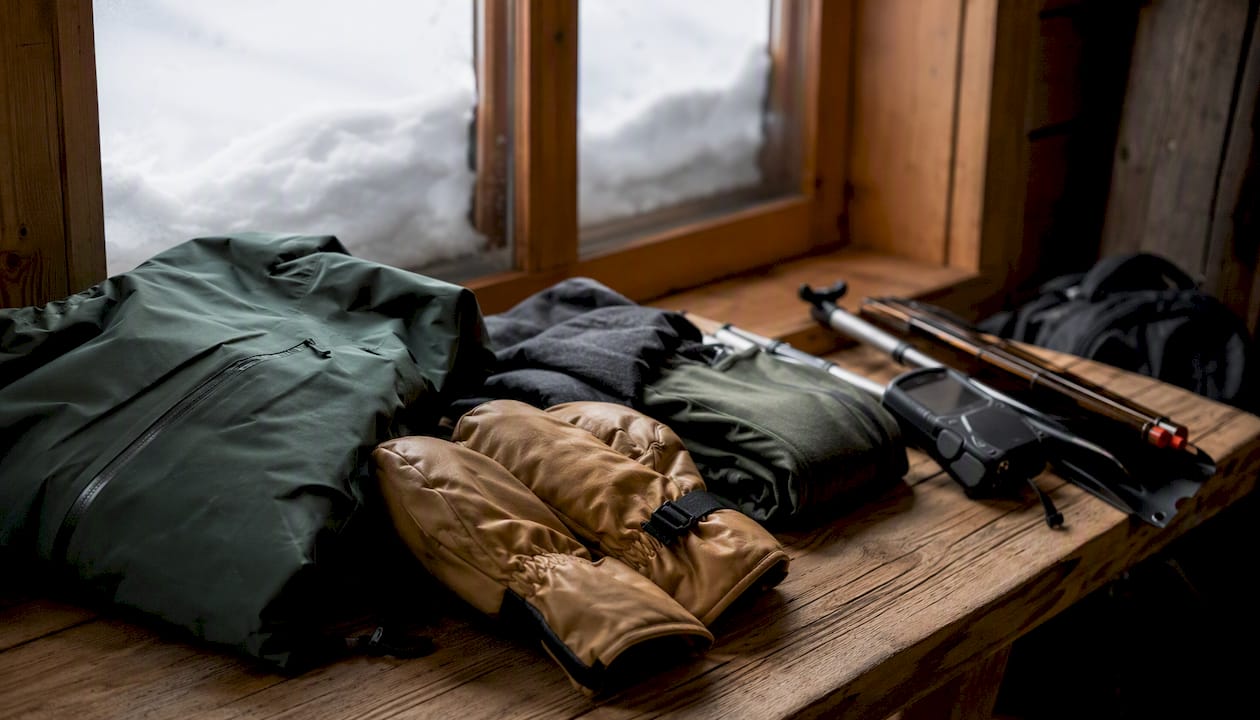
A practical heli skiing packing list covering clothing, avalanche equipment, ski baggage, batteries, travel documents and rental options.
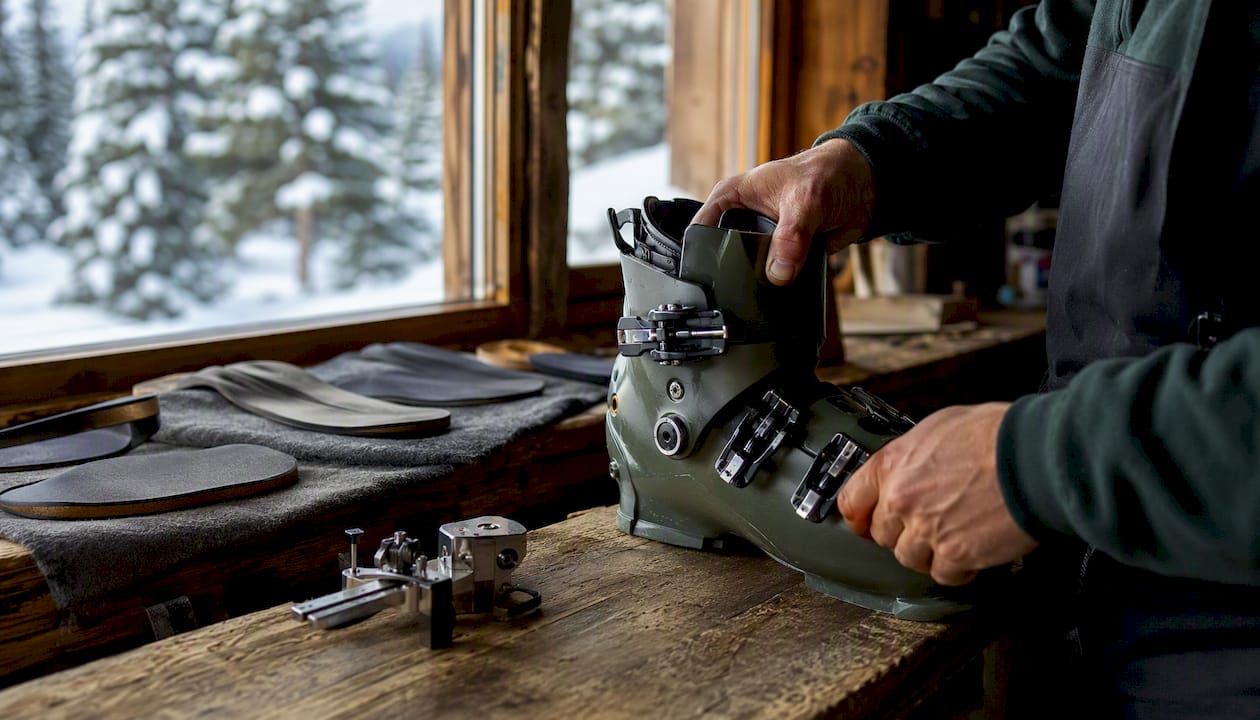
A practical UK guide to ski boot fitting: appointment steps, services, current provider price examples, aftercare and warning signs.
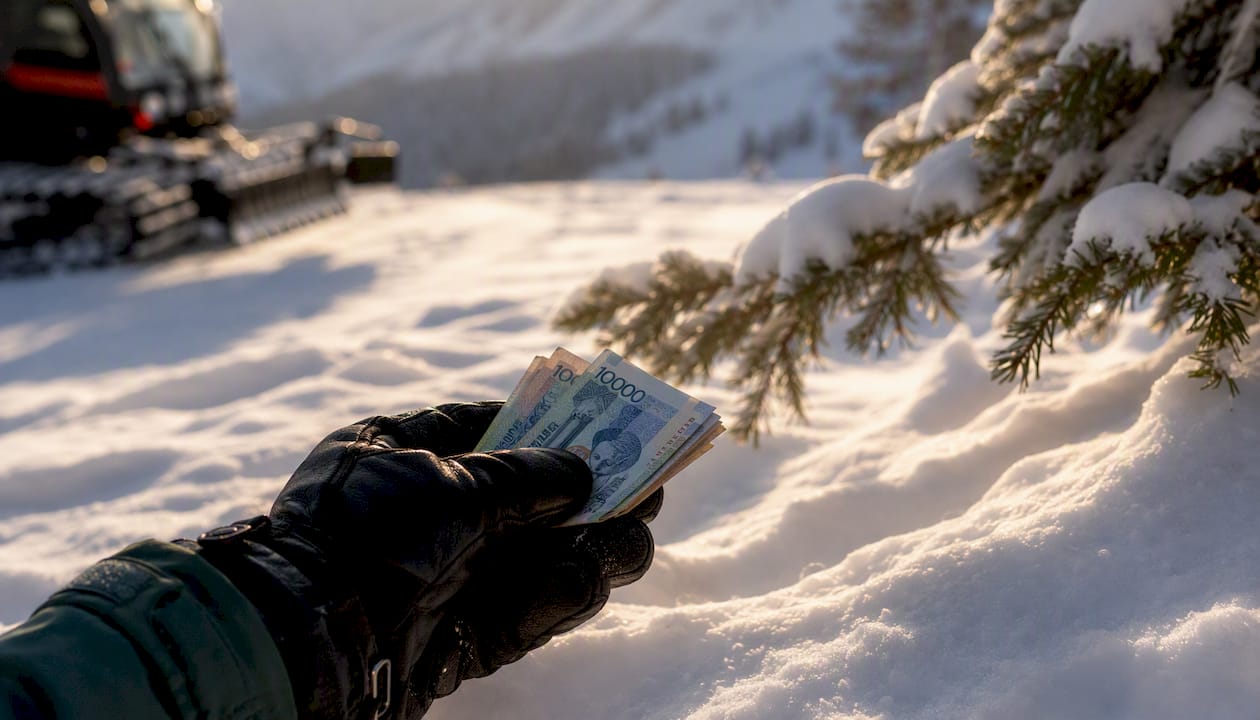
Should you tip a ski guide? Learn how customs vary, when a gratuity may feel appropriate and how to plan for tipping in Kazakhstan.
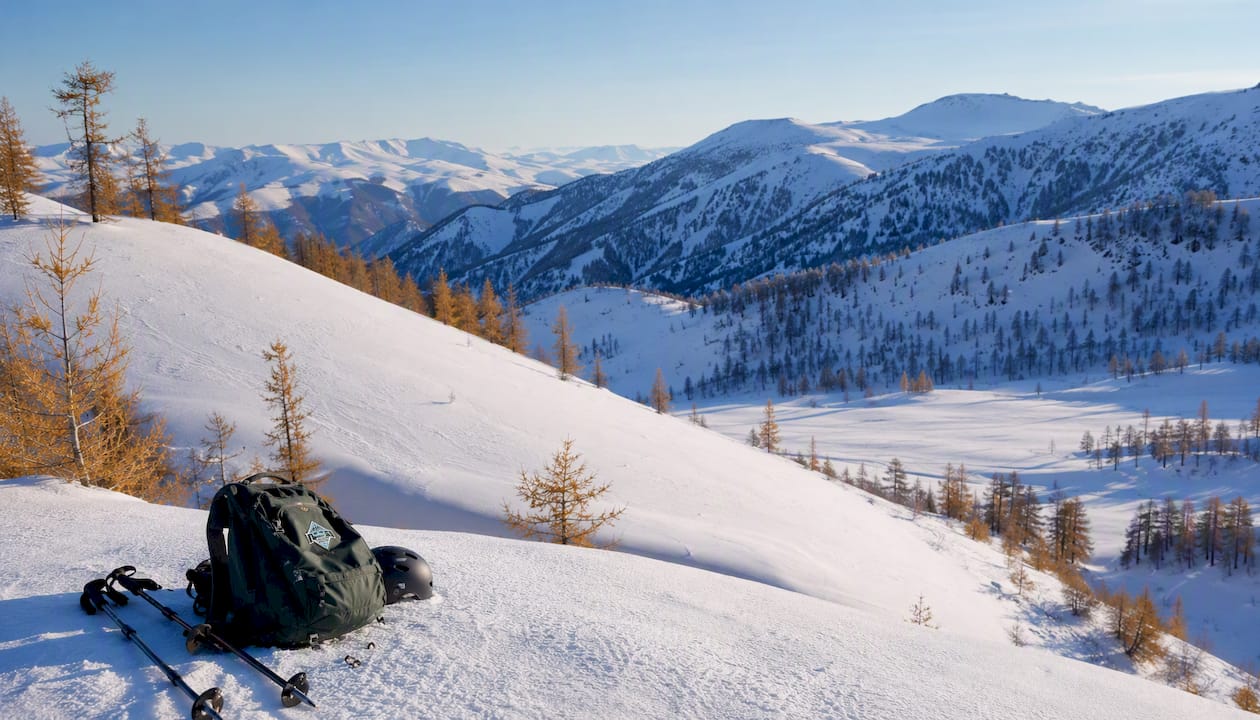
An Altai cuisine guide to kan, kurut, chegen and talkan, with dining at Restaurant Altai, food safety and travel from Öskemen to Ridder.
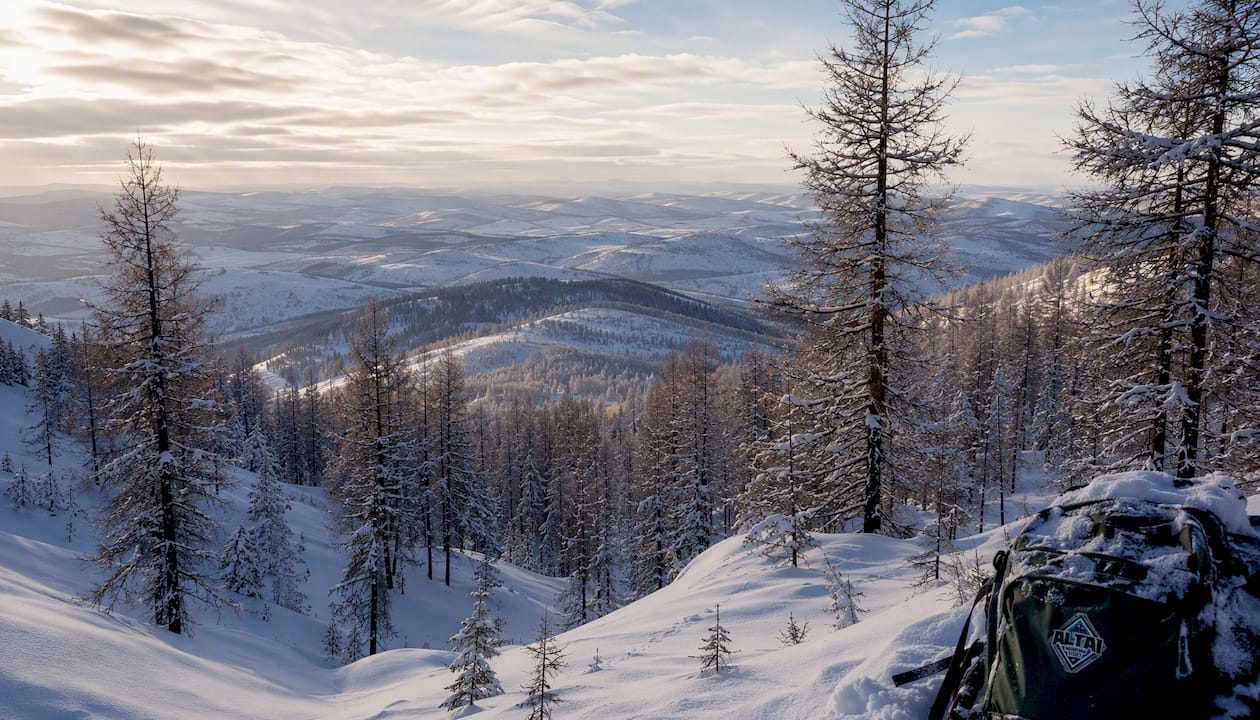
Compare banya vs sauna: heat, steam, venik and löyly rituals, etiquette, health evidence, safety basics and the Altai Banya experience.
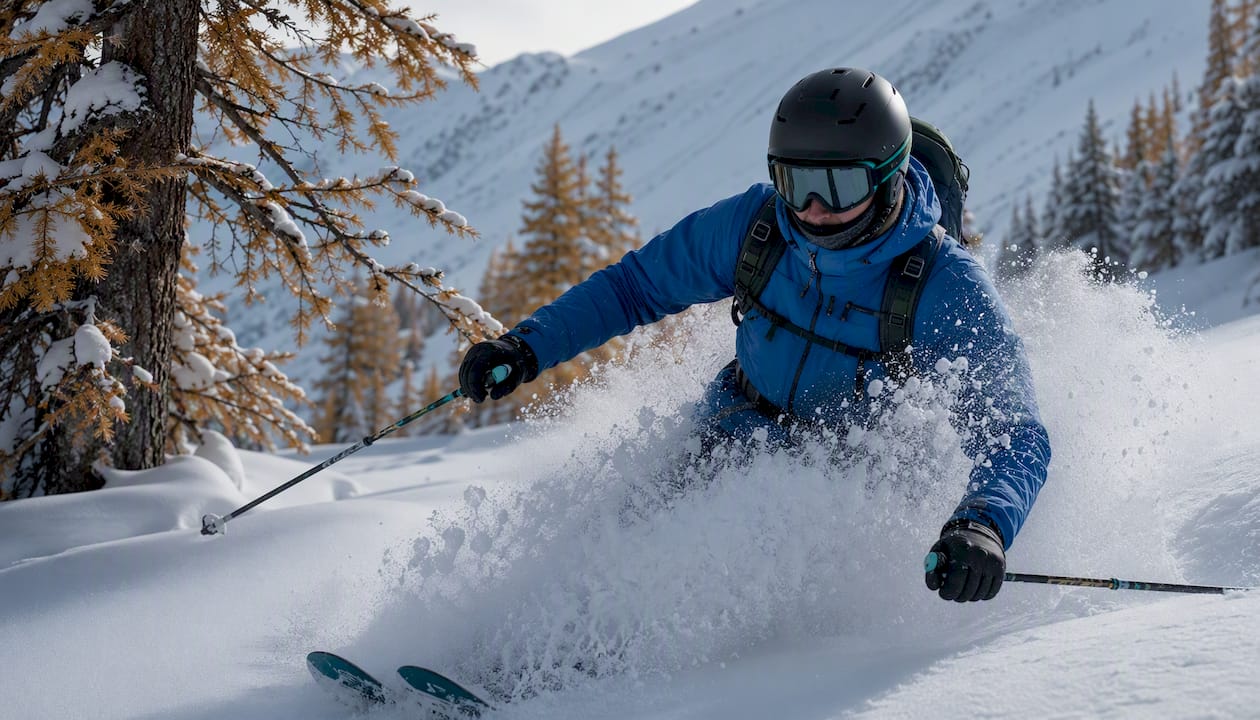
Learn how to ski deep powder with centred balance, smooth turns, speed control, practice steps, gear guidance, and avalanche and tree-well precautions.

Plan a mountain wellness retreat in Ridder with freeride, heli-skiing, snowmobiling, Ridder Lodge, Altai Banya and practical winter travel guidance.

A practical snowmobile gear list for UK travellers heading to Altai Mountains Resort, with clothing, safety equipment, battery and travel guidance.

Understand Ridder Lodge’s ski-in/snowmobile-out access, guided ski-day logistics, transfers from Öskemen and practical planning for your stay.
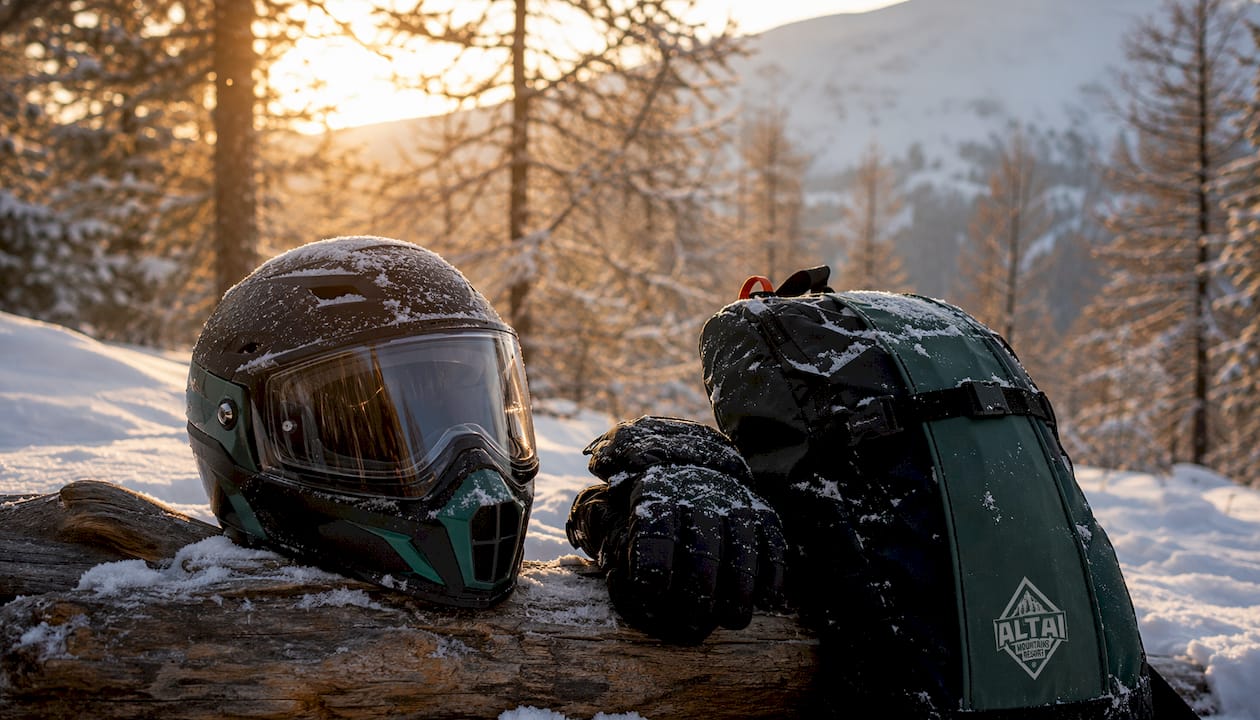
Prepare for a guided snowmobile ride with a practical gear checklist covering helmets, winter layers, avalanche equipment and cold exposure in Ridder.

A practical heli skiing guide to ability, avalanche equipment, packing, weather and planning your first trip to Kazakhstan.
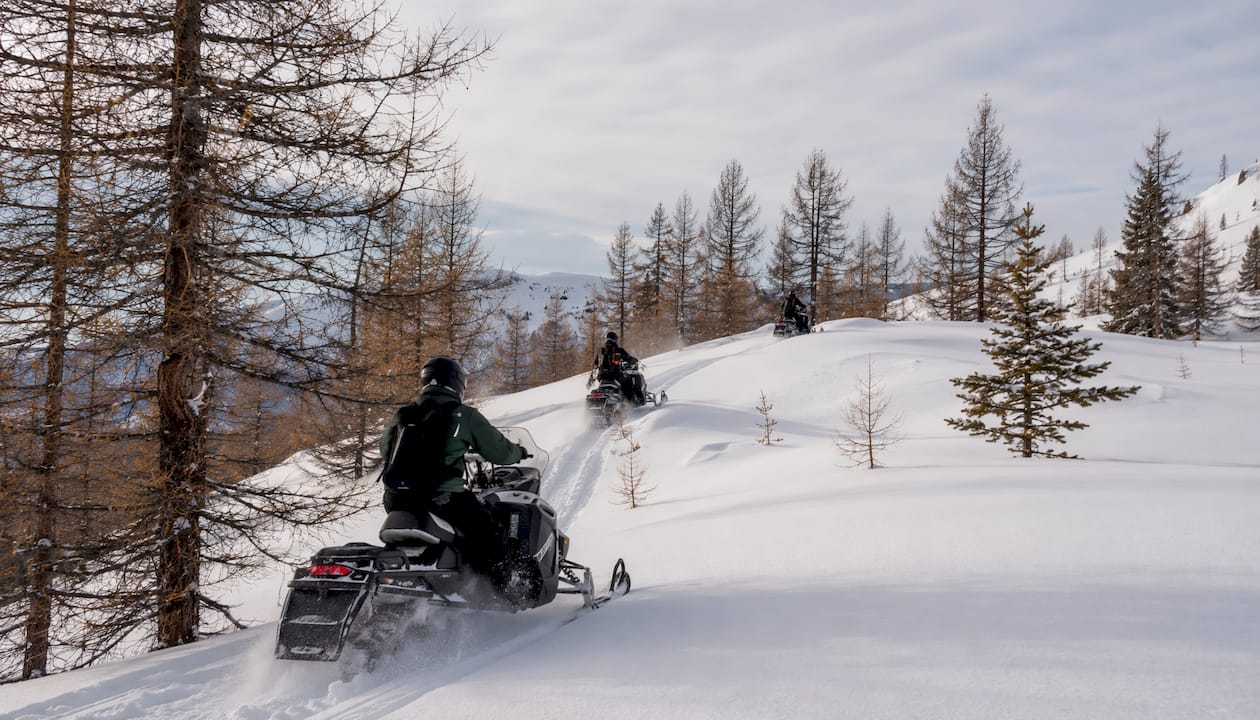
Plan guided deep snow snowmobiling in Ridder, with practical details on training, rentals, equipment, transfers and staying at Ridder Lodge.
How to choose Kazakhstan travel insurance for heli-skiing, cat-skiing or snowmobiling, including medical treatment and evacuation cover.
Kazakhstan visa requirements for UK visitors to Ridder, including visa-free limits, e-visas, passport rules, airports and Öskemen transfers.
Build strength, balance and endurance before cat-skiing, heli-skiing or snowmobiling with an adaptable six-to-eight-week ski fitness program.

Explore cold plunge benefits for skiers, from short-term soreness and recovery evidence to cold-shock risks, timing and Altai Banya options.

Understand heli skiing cost in 2026 with current operator examples, a total-budget checklist, and key booking, safety and insurance questions.