Satellite messenger basics for remote Altai trips: compare PLBs and two-way devices, understand SOS limits, and prepare your communications plan.

A satellite messenger is a compact device for sending messages, sharing a location and activating an SOS when mobile coverage is unavailable. For remote travel, it is a useful communication layer—not a replacement for route planning, weather awareness, sound decisions or local rescue knowledge.
For guests travelling into the Western Altai near Ridder, the most useful choice is usually one that suits the length and remoteness of the trip, is fully set up before departure and is familiar enough to use without hesitation.
What is a satellite messenger?
Most satellite messengers combine several practical functions: preset check-in messages, location sharing, two-way text messaging and SOS. Exact features vary by device and service plan.
A two-way communicator lets you send and receive short messages beyond mobile coverage. This can help you update a trusted contact, coordinate a non-urgent change of plan or provide further information after an SOS has been activated. Tracking, where offered, shares location points at selected intervals; it is an aid to communication, not a substitute for leaving someone with your itinerary.
Garmin inReach devices support satellite two-way messaging and interactive SOS through Garmin Response with an active service plan. Explore Garmin inReach messaging and SOS. ZOLEO is another example: it uses the Iridium network for two-way messages and offers 24/7 SOS monitoring with an active plan. Explore ZOLEO’s satellite communicator.
Satellite messenger vs PLB: which is right?
The clearest choice is usually between a personal locator beacon (PLB) and a two-way satellite messenger.
Device type | Best suited to | What it does |
|---|---|---|
PLB | A dedicated emergency backstop | Sends a distress alert through the Cospas-Sarsat search-and-rescue system; it does not provide routine texting. |
Two-way satellite messenger | Trips where updates and SOS communication matter | Supports satellite messages, location sharing and SOS functions, subject to the model and active plan. |
Satellite phone | Trips requiring voice communication | Provides satellite calling, generally with larger hardware and higher operating costs. |
Ocean Signal’s rescueME PLB1, for example, is a 406 MHz PLB designed to work with the Cospas-Sarsat system. Learn about the rescueME PLB1 emergency function. A PLB can suit someone who wants a straightforward distress beacon. A two-way messenger is better for travellers who also want to communicate with contacts or responders.
Neither category makes an outing risk-free. An SOS alert begins a response process; it does not create an immediate evacuation or guarantee a particular type of rescue.
How satellite networks affect messaging
Satellite messaging depends on the device, its service, the terrain and a usable view of the sky. Trees, steep valley walls, buildings and the way a device is carried can all affect transmission.
Iridium operates 66 low-Earth-orbit satellites in a cross-linked mesh architecture. Its network architecture is outlined in Iridium’s annual report. Its global network is one reason Iridium-based communicators are widely considered for remote international travel, but even these devices need suitable sky visibility to send and receive messages. Iridium runs 66 cross-linked satellites in low Earth orbit
Different satellite services have different coverage footprints and operating requirements. Review the provider’s current coverage information for your intended route, then test your own device outdoors before relying on it. Message transmission can take up to around five minutes depending on satellite visibility and sky conditions
Direct-to-cell features on compatible phones are developing quickly and can be convenient where available, but they are not automatically equivalent to a dedicated SOS communicator. Treat them as an additional option only after understanding local availability, device compatibility and emergency features.
What happens when you press SOS?
An SOS activation sends a distress alert through the system attached to your device. The workflow differs between products. A PLB sends its emergency signal through the search-and-rescue satellite system, while a monitored two-way messenger generally connects with the provider’s coordination service, which may use messaging to gather information and liaise with relevant local emergency services.
Two-way communication can help responders understand the situation, but it should never delay an SOS in a genuine emergency. Follow the device instructions, keep the unit positioned for the best practical view of the sky and remain where it is safe to do so unless conditions require otherwise. it works best alongside solid trip preparation and knowledge of the area's rescue infrastructure
Before travel, read the manual for the exact model you carry. It explains how SOS is triggered, how the device shows its status and what to do if a message does not send immediately.
How to choose a device for your trip
Choose the category first, then compare individual models. A simple decision process keeps the choice grounded in the trip you are actually planning.
Consider the route and duration. A short outing close to services has different communication needs from several days in remote winter terrain.
Decide what communication you need. A PLB covers emergency alerting. A two-way messenger adds the ability to exchange messages outside mobile coverage.
Plan for power and carry weight. Consider the messenger’s stated battery performance in the conditions you expect, its size and weight, and the power needs of any paired phone.
Choose an interface you will use. Some devices work independently; others are most practical when paired with a phone for typing and account management. On supported products, pairing can also provide maps and additional features.
Understand the service commitment. Satellite messaging and SOS services commonly require activation and an ongoing plan. Plans commonly auto-renew and carry activation or early-termination terms
The SPOT X is one example of a handheld two-way satellite messenger in this wider product category. SPOT X 2-Way Satellite Messenger Product features, plans and coverage evolve, so rely on the manufacturer’s current documentation rather than an older comparison chart.
Before you leave: setup and testing checklist
A messenger is most useful when preparation is complete well before the journey begins. Charge it, activate the appropriate plan, add emergency contacts and install any available firmware updates at home.
Read the device manual and learn its own status lights, prompts and SOS sequence.
Send a routine test message outdoors after activation, following the provider’s instructions.
Share your itinerary, planned return time and relevant contact details with a trusted person.
Carry suitable backup power for the trip, especially if the messenger relies on a phone app.
Keep the device accessible and oriented as instructed by its manufacturer rather than buried in a pack.
Testing and pre-trip checks are frequently skipped yet materially improve reliability The practical lesson is simple: become familiar with the exact unit you own before a remote day, rather than learning its controls in poor weather or under pressure.
Phone pairing and everyday use
Phone pairing often makes a messenger easier to use, with a familiar keyboard and a larger screen for messages. Some companion apps also offer account settings, maps or message history, but these functions differ by product, phone settings and subscription.
If quieter time is part of your stay, WiFi‑free cabin for couples offers a complementary perspective on stepping away from routine connectivity. A satellite messenger serves a different purpose: it is there for deliberate, practical communication when ordinary networks are absent. The same distinction applies to WiFi‑free cabin for couples—limited connectivity should be planned, not mistaken for a lack of preparation.
If you use a phone-paired device, protect the phone from cold and moisture, preserve battery life and make sure the messenger can still perform its core functions if the phone is unavailable.
Planning communications for Altai Mountains Resort activities
At Altai Mountains Resort, winter activities in the Ridder area include heli-skiing, cat-skiing and freeriding, guided deep-snow snowmobiling and snowmobile experiences. Depending on the activity, our planning includes safety briefings, equipment checks, GPS/satellite communication, emergency protocols and qualified guides.
If you bring your own messenger, arrive with it charged, activated and tested, let your guide know that you are carrying it, and follow the activity briefing. A personal device should complement—not override—the group’s agreed communication and safety arrangements. Guests considering heli-skiing or guided deep-snow snowmobiling can explore the relevant activity pages while planning.
Before travelling, familiarise yourself with the current rules for carrying and using satellite communication equipment in Kazakhstan, as well as your provider’s local coverage and service availability. For activity dates, inclusions and practical arrangements, our team can help through the booking page.
Keep your communication plan current
Satellite communication products, subscriptions, coverage and emergency workflows change over time. You hit the SOS button — what happens next? (Backpacker) offers a general consumer perspective on SOS workflows, while Satellite messaging devices — Backpacking Light looks more broadly at satellite messaging devices.
For further trip-planning reading, Do you need a satellite messenger? (WIRED) considers the role of a satellite messenger in outdoor preparation, and Which satellite messenger should you get? (REI Learn) explores the distinction between locator beacons and messengers. Those choosing a SPOT product may also find SPOT satellite GPS messenger user guide (Globalstar / SPOT) useful alongside the exact manual and service terms for their model.
The right device is the one you understand, maintain and carry as part of a wider plan. In remote country, thoughtful preparation remains the most dependable signal you can send.
All Articles
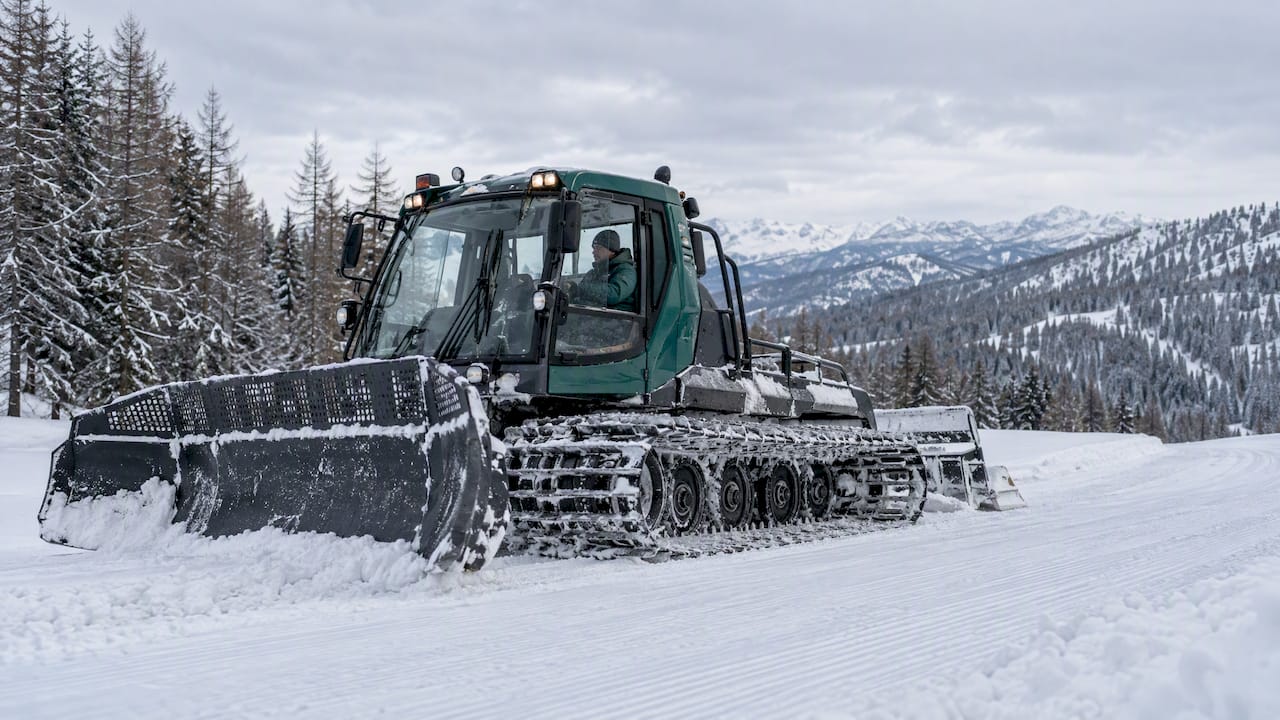
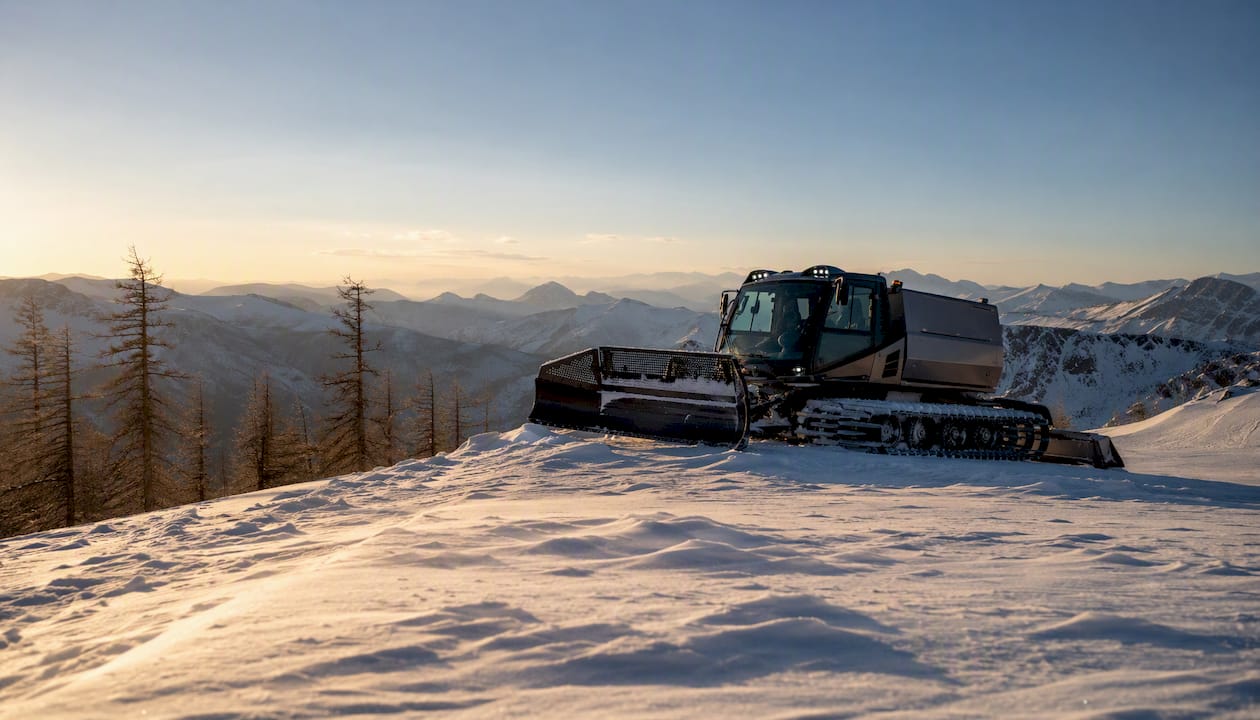
Learn how snowcats groom pistes and support guided cat-skiing, with practical safety guidance and what to expect in Kazakhstan’s Western Altai.
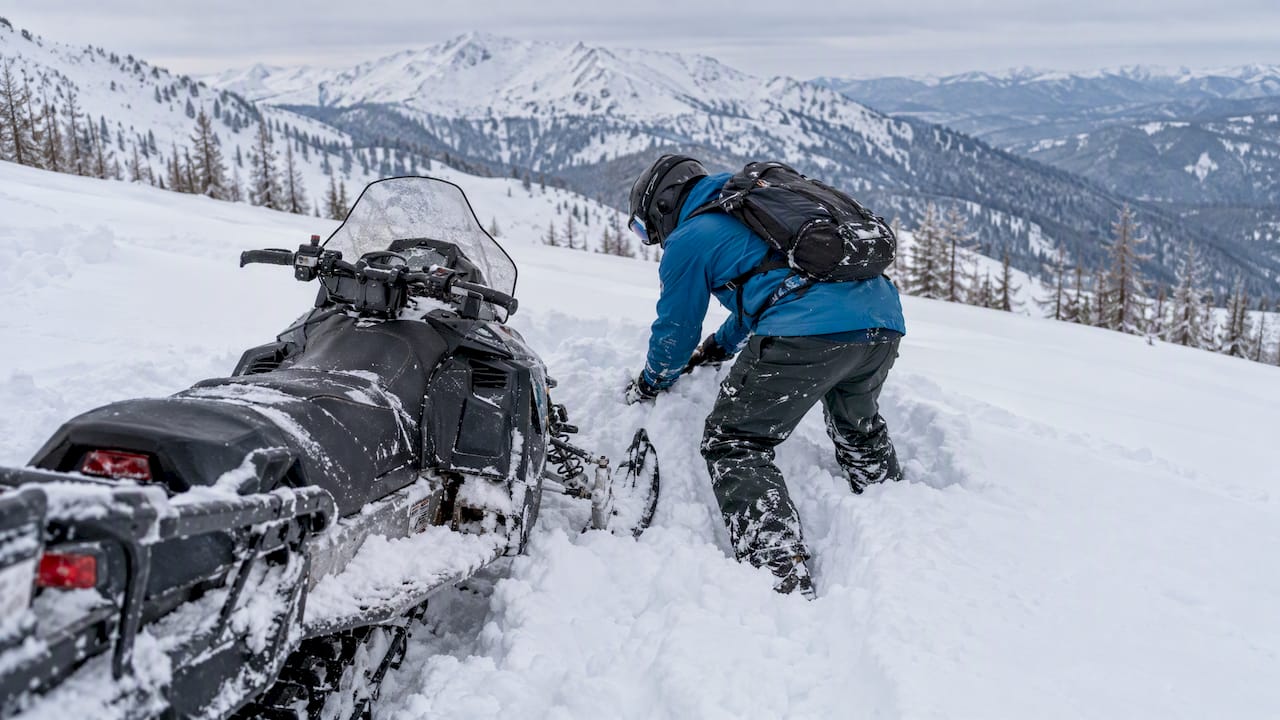
Learn how to recover a snowmobile stuck in deep snow: stop track spin, clear the sled, pack a short path and know when to seek help.
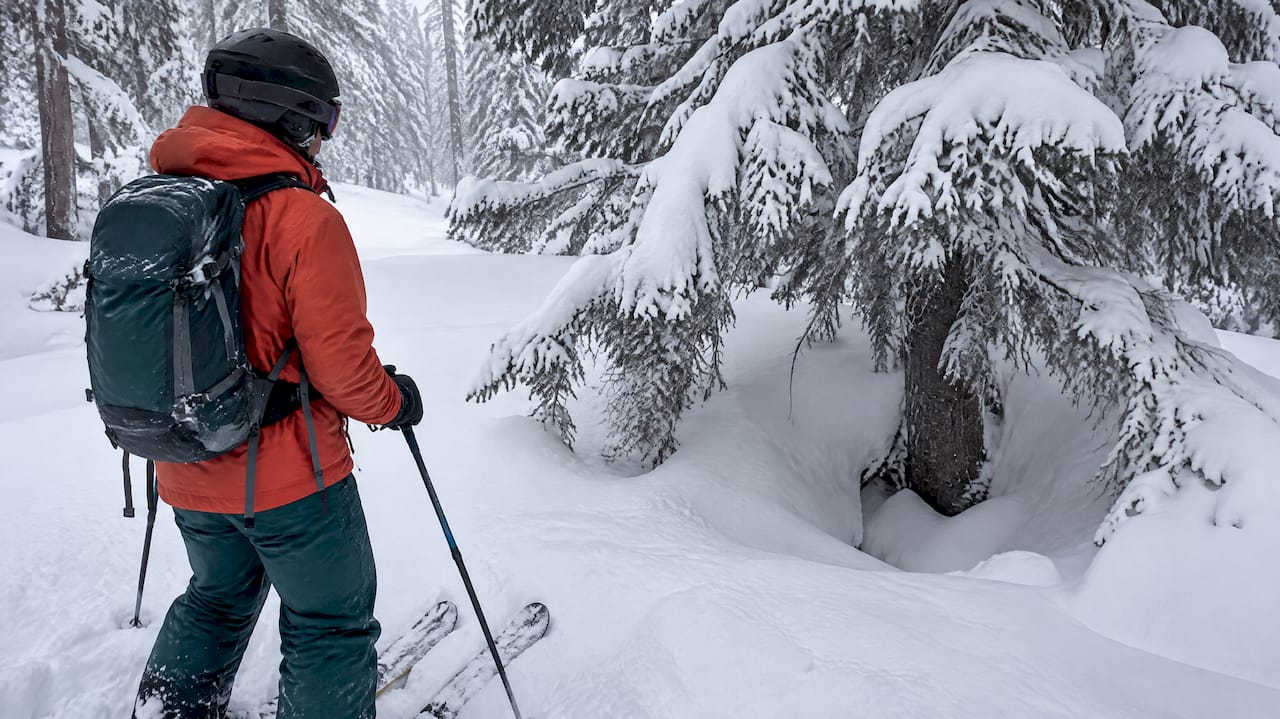
Learn how to prevent tree-well burial, keep riding partners in sight and begin immediate companion rescue in deep snow.

Compare aluminum and carbon ski poles for touring, resort skiing, park laps, freeride and racing, with practical guidance on fit, care and safety.

Compare wide vs narrow skis for groomers, soft snow and mixed conditions. See why 90–100mm is a useful starting point and how to try skis thoughtfully.
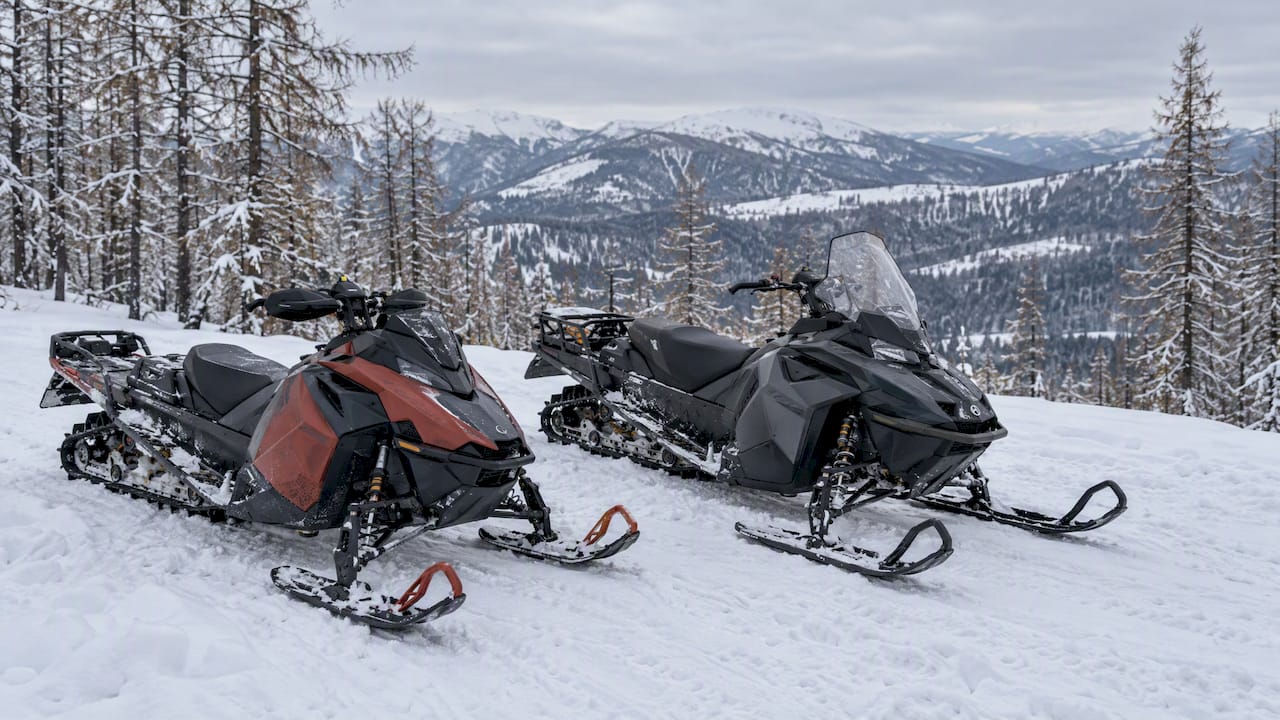
Compare 2-stroke and 4-stroke snowmobiles by handling, fuel use, emissions and upkeep, with guidance for a guided snowmobiling day near Ridder.
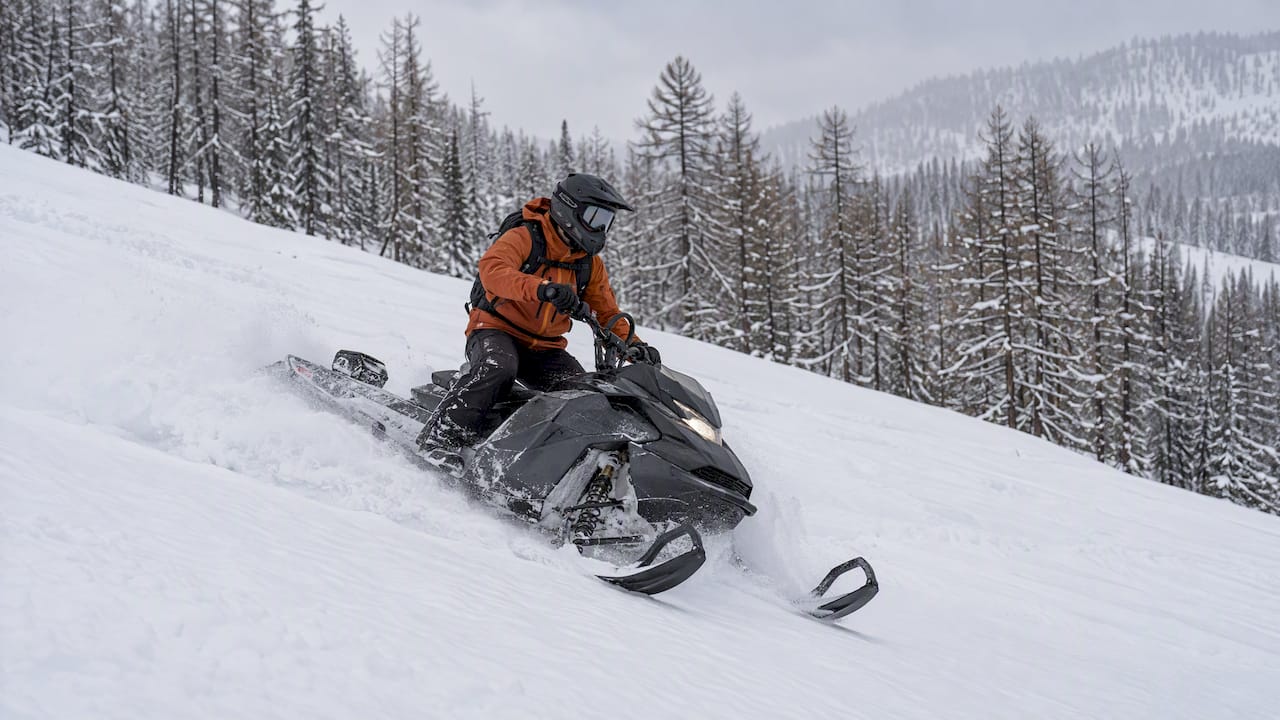
Learn snowmobile carving techniques for powder: stance, counter-steering, throttle timing, beginner drills and avalanche-safety essentials.
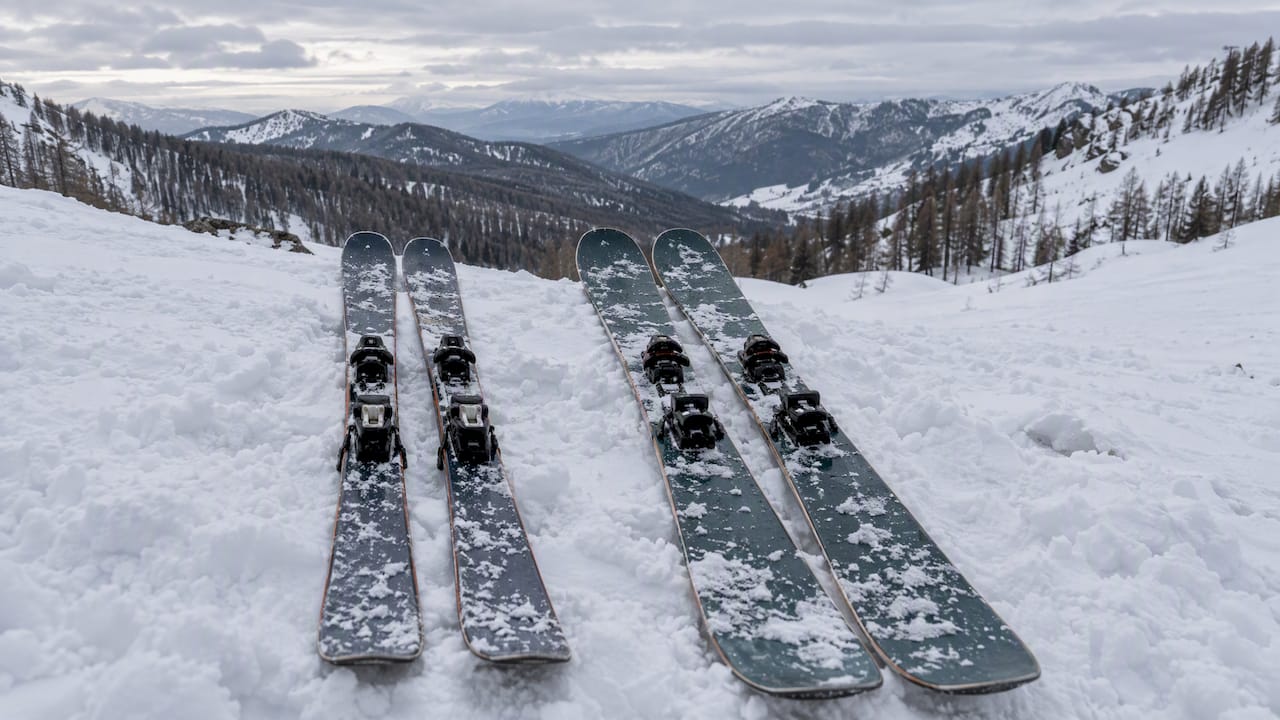
Compare powder and all-mountain skis by width, rocker and conditions, then decide whether to buy, rent or demo for deep-snow trips.
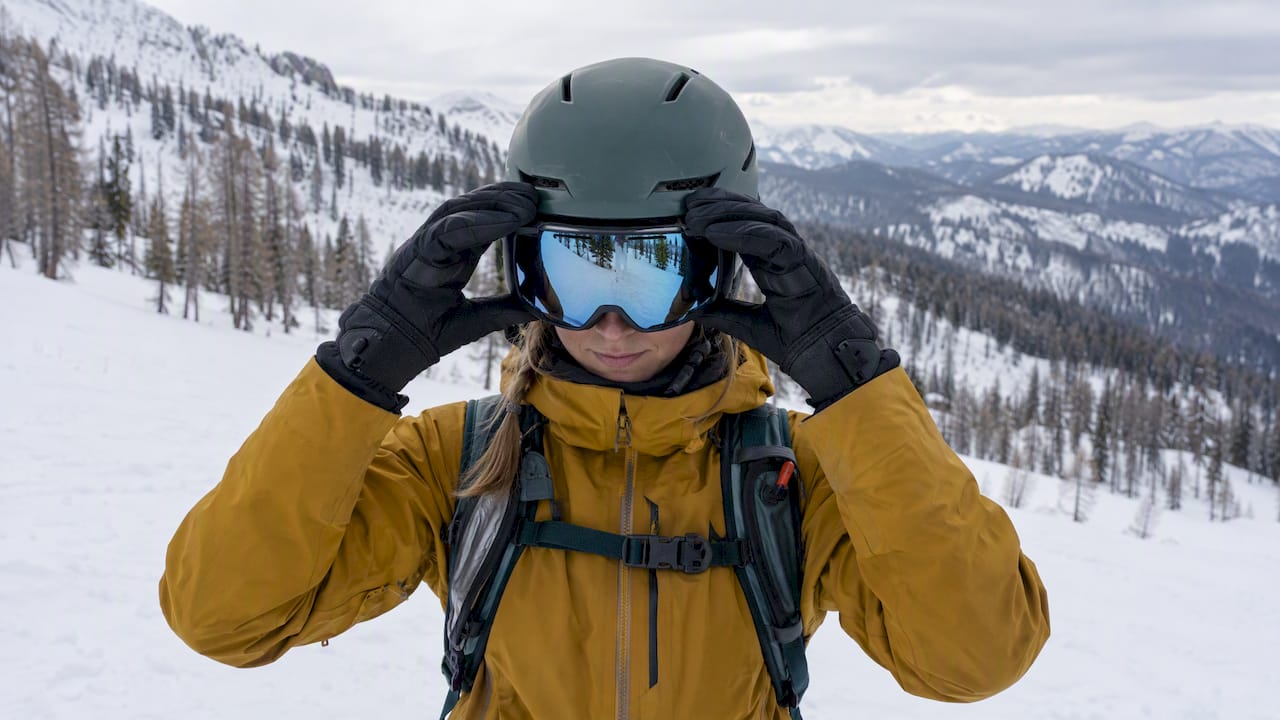
Prevent goggle fogging with five practical checks for lens care, fit, vents, breath and body heat—plus safe steps for fog on the move.
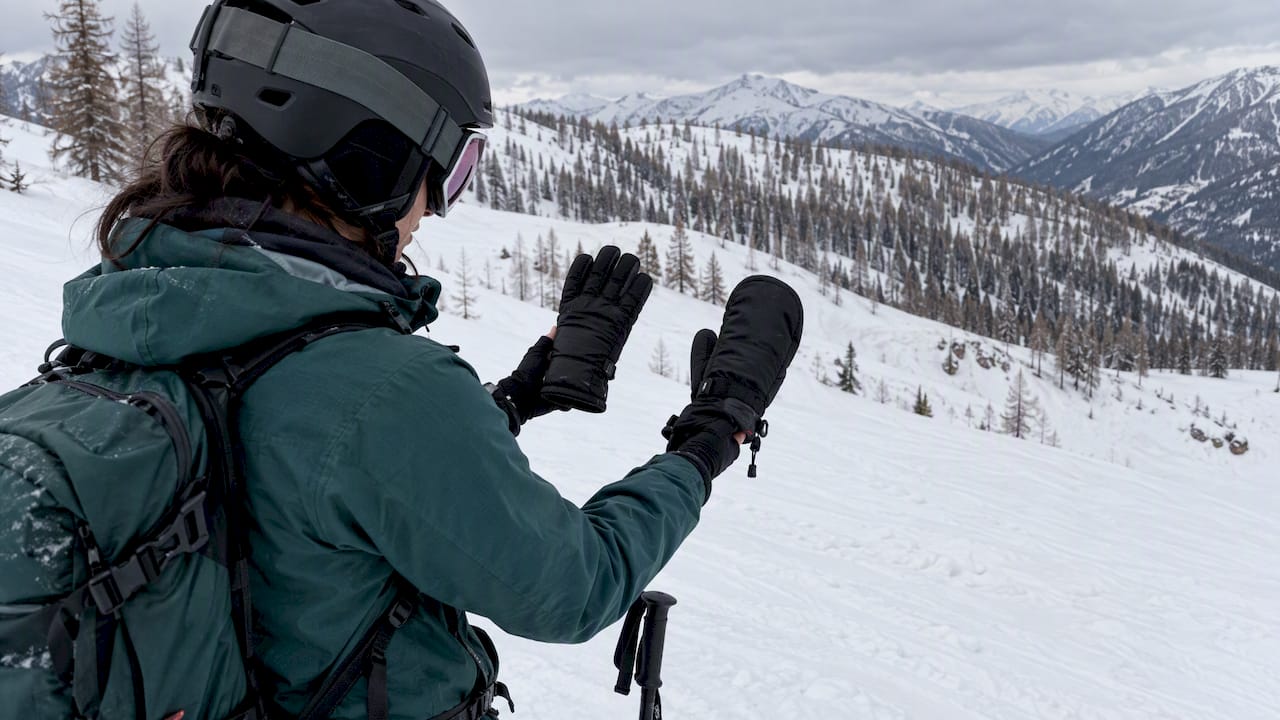
Choosing ski mittens vs. gloves? Compare warmth, dexterity, liners, fit and lobster mitts for piste skiing, powder days and touring.
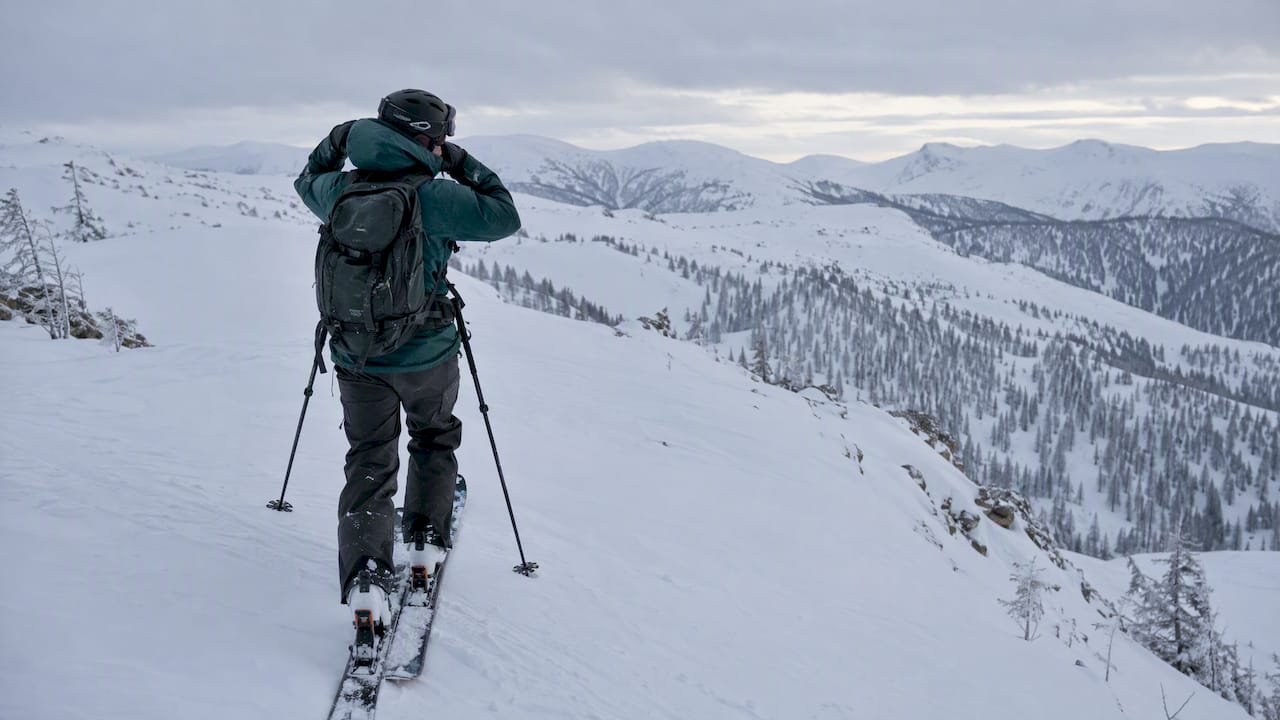
Choose an insulated or shell ski jacket for resort, touring, cat and heli days, with practical guidance on 2.5L, 3L and layering.

Compare neck gaiters and balaclavas for cold-weather activities, with practical guidance on coverage, ventilation, helmet fit, moisture management and winter packing.
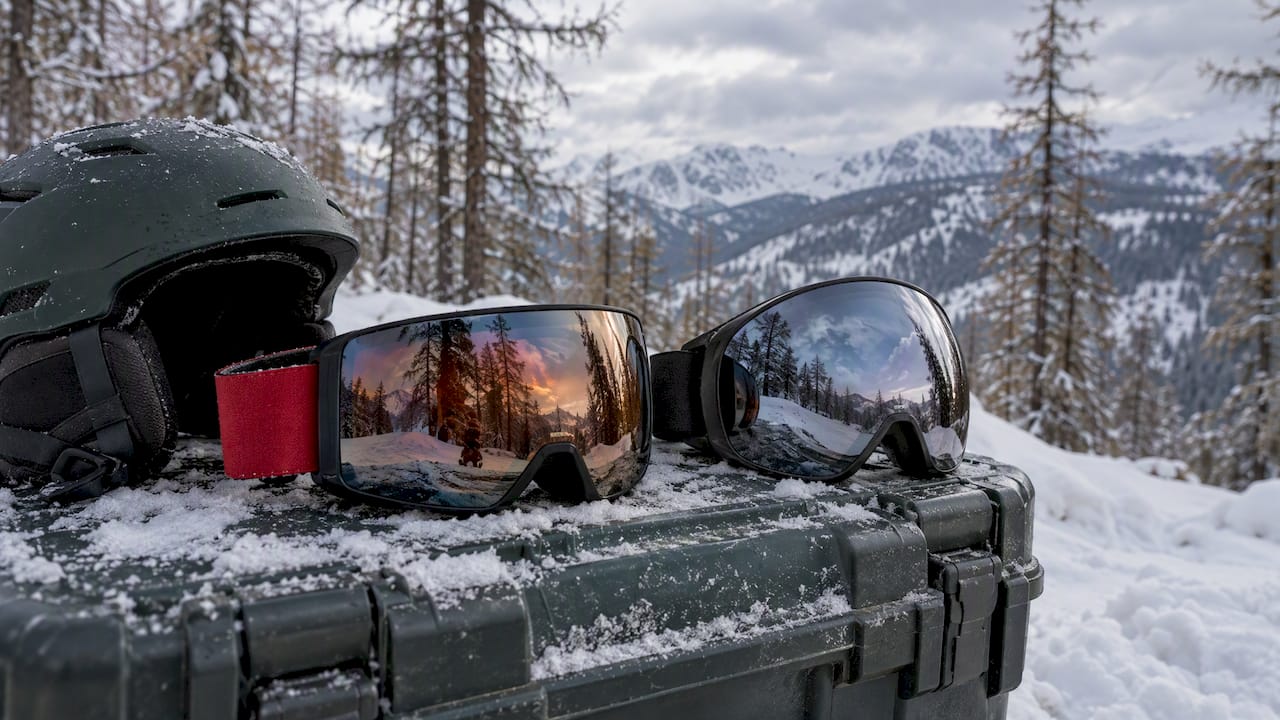
Choose between cylindrical, spherical and toric ski goggles, with practical guidance on tint, anti-fog performance, helmet fit and packing for Altai winter trips.
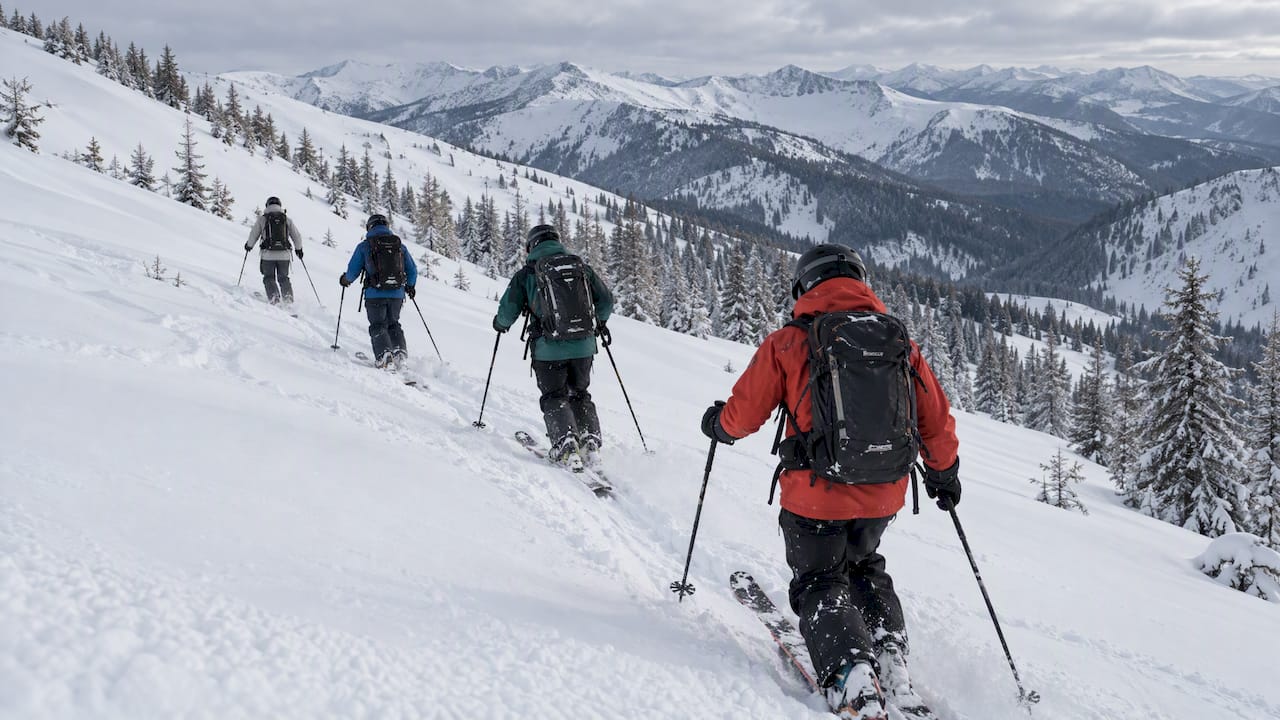
A practical cat-skiing safety checklist for first-timers, covering avalanche gear, companion-rescue practice, ability preparation and guided mountain days.
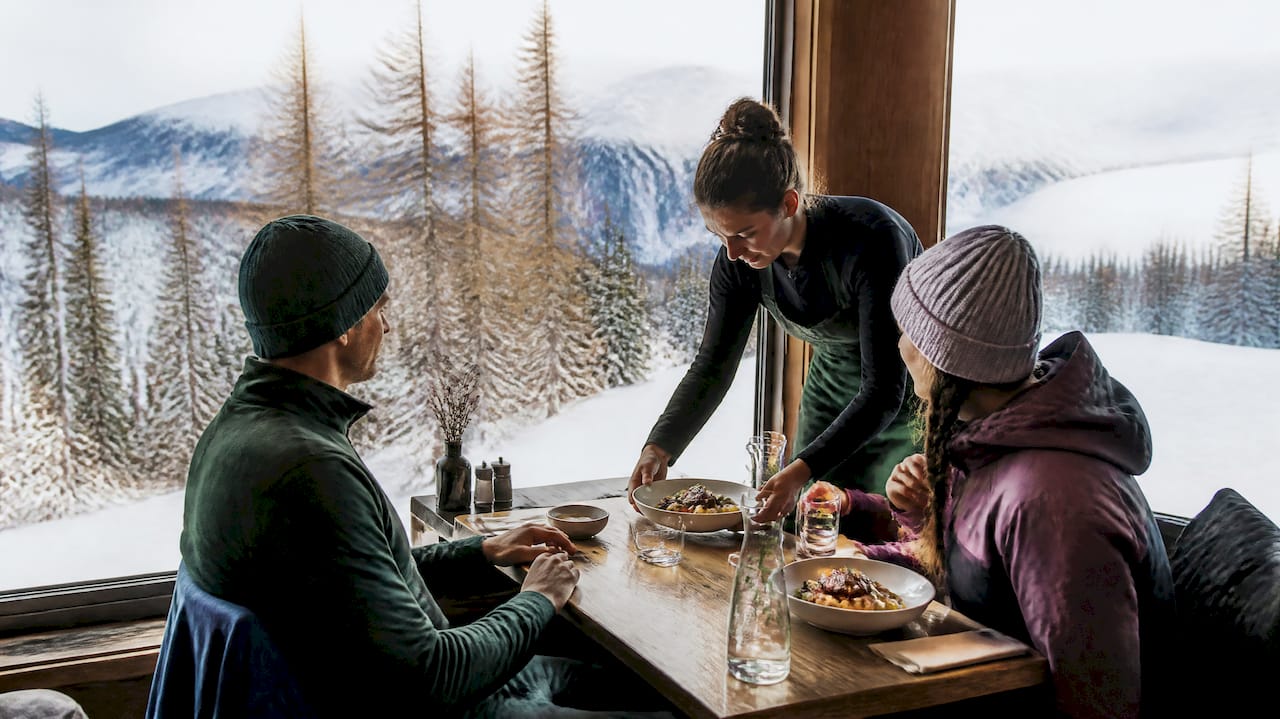
Plan on-mountain dining with four practical considerations: access, reservations, menus and dietary needs, plus weather and mountain safety preparation.

A practical Siberian cuisine guide to Restaurant Altai, East Kazakhstan dishes, dietary requests and Ridder Lodge accommodation rates.
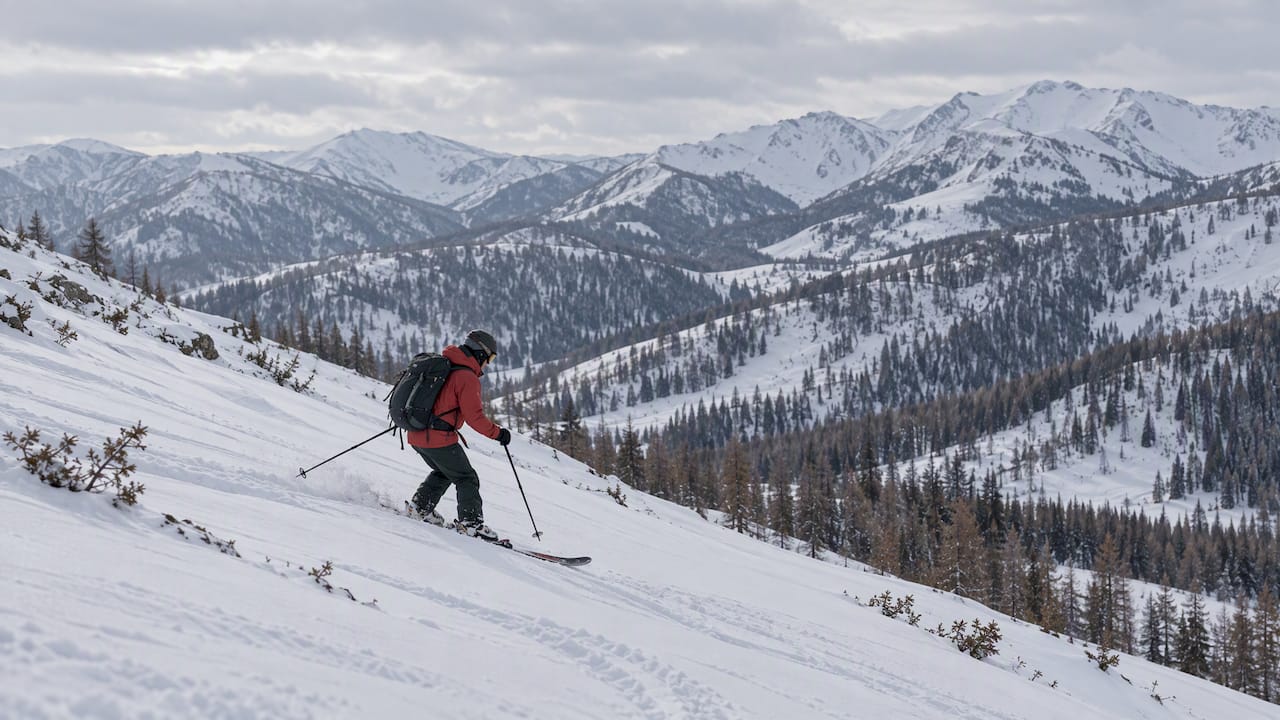
Explore heli-skiing’s environmental impact, including helicopter emissions, wildlife considerations, aviation effects and practical planning questions.
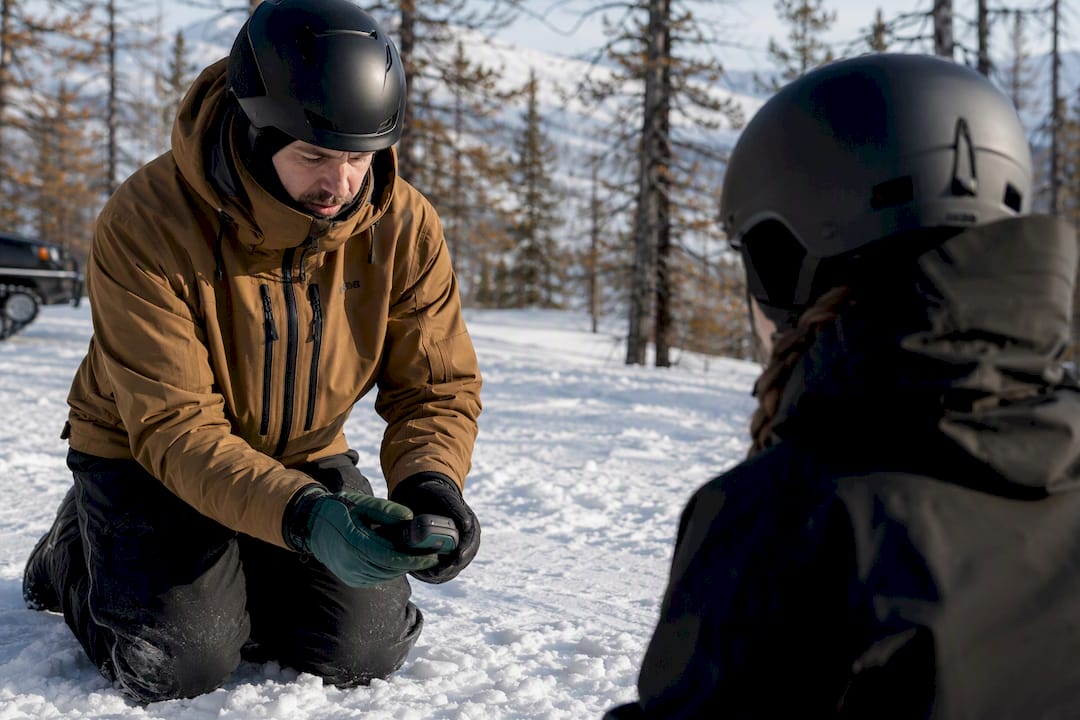
Learn what a snowcat safety briefing covers, including avalanche equipment, transceiver checks, the 20 cm/50 cm rule and cat-skiing preparation in Altai.
Practical ski locker etiquette for shared storage: keep equipment tidy, use boot dryers fairly and follow the rules in your drying room.
Plan a heli-accessed splitboard trip with practical guidance on formats, costs, rescue readiness, personal kit and Altai Mountains Resort options.
Explore Kazakhstan winter culture through holiday traditions, food, living heritage, regional rhythms and practical etiquette for visitors.
A practical luxury ski packing list for fitted essentials, lighter luggage and guided off-piste or heli-ski days at Altai Mountains Resort.

A practical heli-skiing safety guide for expert skiers, covering operator decisions, avalanche equipment, helicopter procedures, rescue planning and insurance.
Compare lift-assisted, touring and Western Altai ski options in Kazakhstan, with practical safety, travel and booking guidance.

Learn the heli-skiing skill level typically expected, the off-piste skills to practise, safety preparation and an adaptable 8–12-week training framework.

Plan the Kazakhstan skiing season with a practical comparison of Almaty and Ridder, month-by-month timing, mountain safety and trip planning.
Use this snowmobile layering guide to build a flexible base, insulation and shell system, manage moisture and pack dry spares for changing conditions.

Learn what to rent for avalanche terrain, how to prepare a beacon, probe and shovel, and what to know about airbag packs and flights.
Practical ski photography tips for beginners: camera settings, snow exposure, timing, cold-weather camera care and safe mountain positioning.

Learn how to read an avalanche forecast, interpret danger ratings, roses and avalanche problems, and plan more conservative terrain choices.
Practical cold injury prevention for winter travel: layering, dry spares, warning signs, first aid and planning for mountain activities.
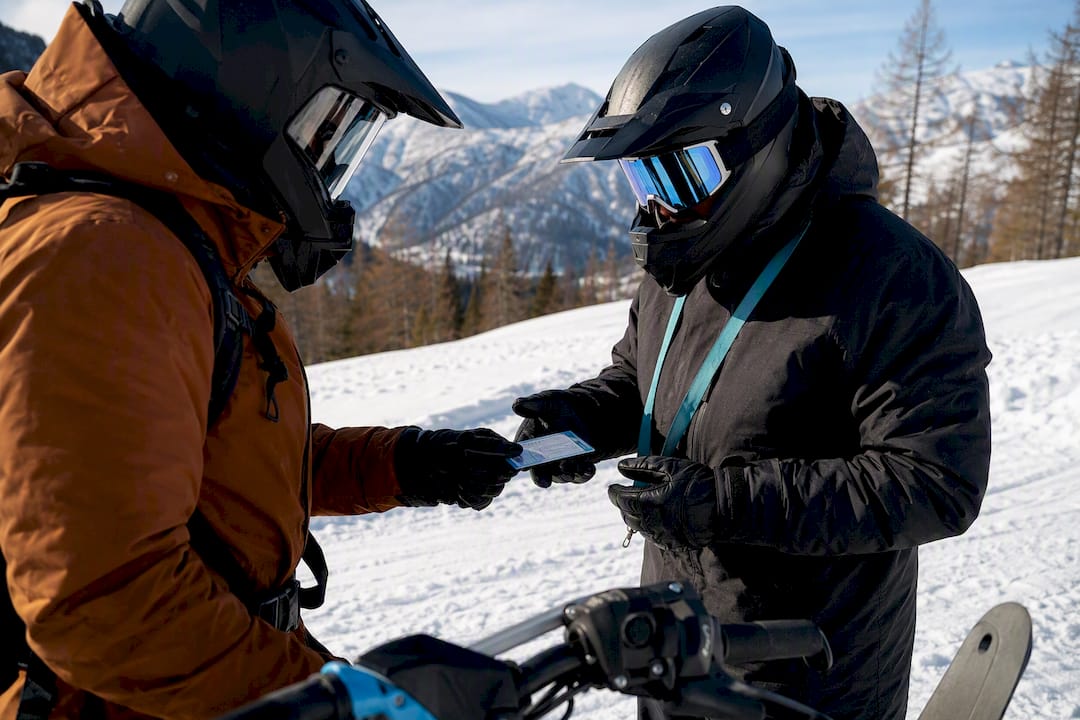
Planning snowmobiling in Ridder? Understand how experience, training, equipment and Kazakhstan rules shape your trip with Altai Mountains Resort.
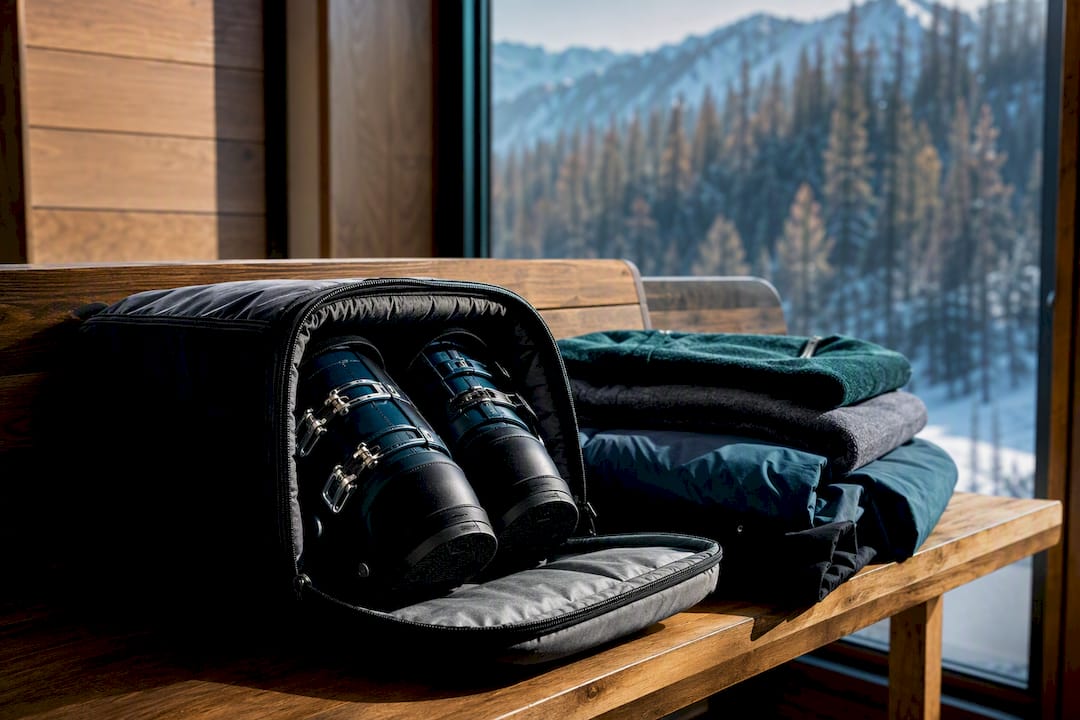
Travel with ski gear confidently: carry boots when cabin rules allow, pack skis securely, understand airline baggage rules and prepare for delays.
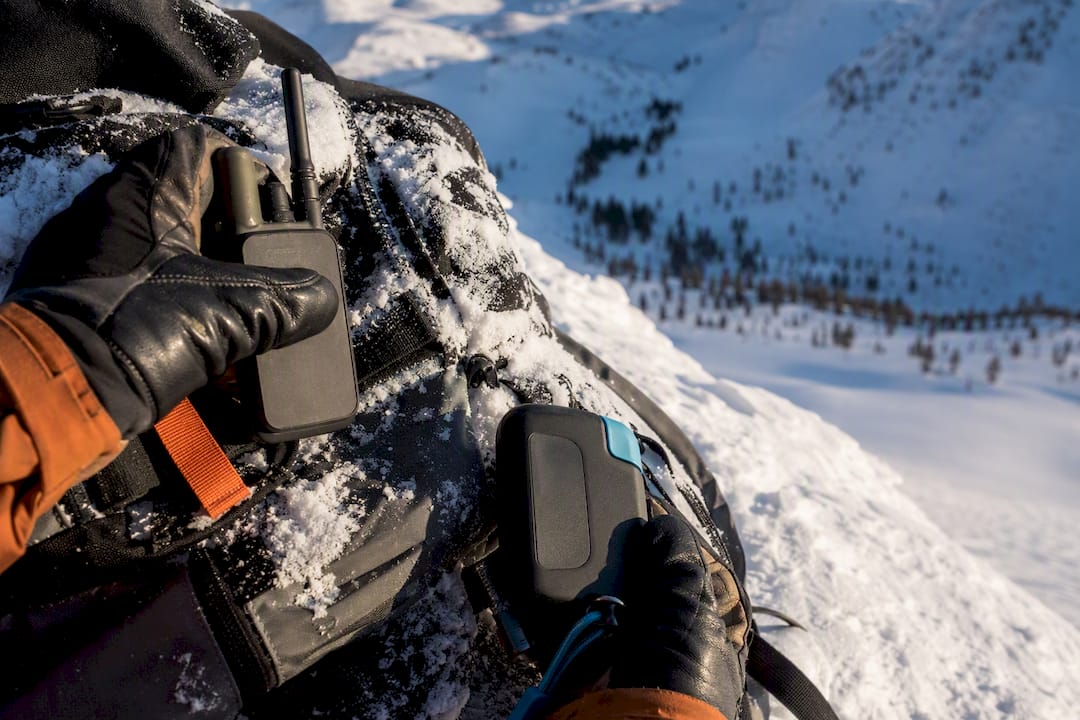
Build a practical backcountry radio communication plan with party radios, satellite SOS or PLB backup, cold-weather care and regional legal essentials.
Satellite messenger basics for remote Altai trips: compare PLBs and two-way devices, understand SOS limits, and prepare your communications plan.
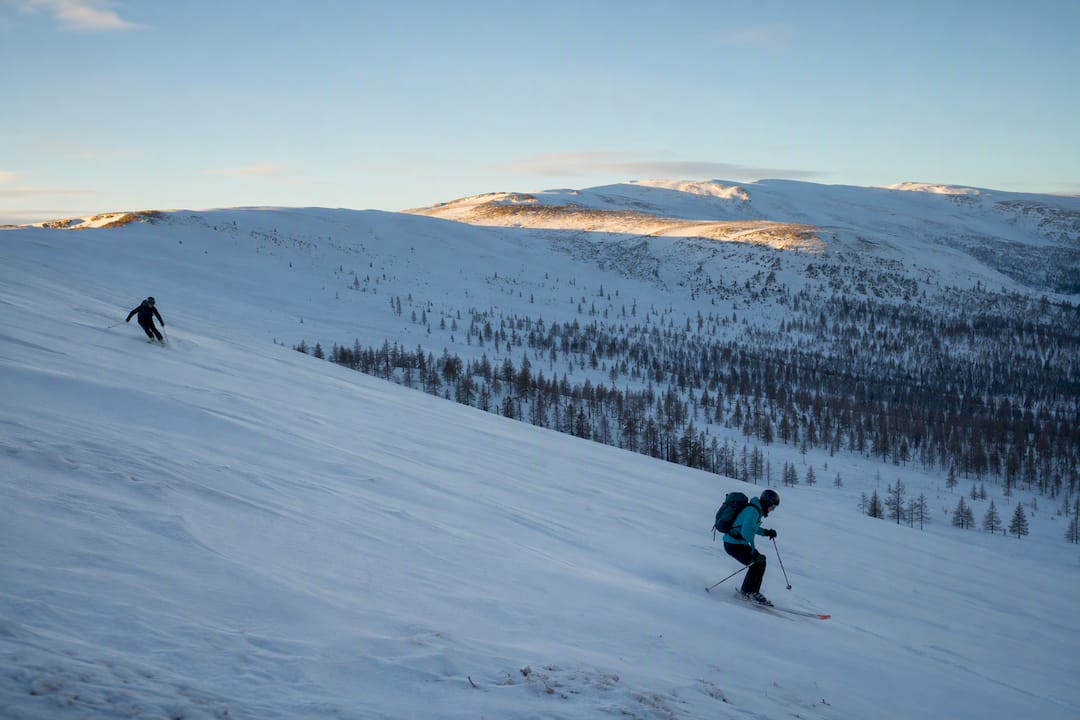
Avoid ski crowds with flexible dates, midweek skiing, early starts and smarter lift choices. Explore guided off-piste options near Ridder.

Learn how heli-skiing passenger weight and baggage rules differ by operator, with practical packing steps and Altai Mountains Resort booking guidance.
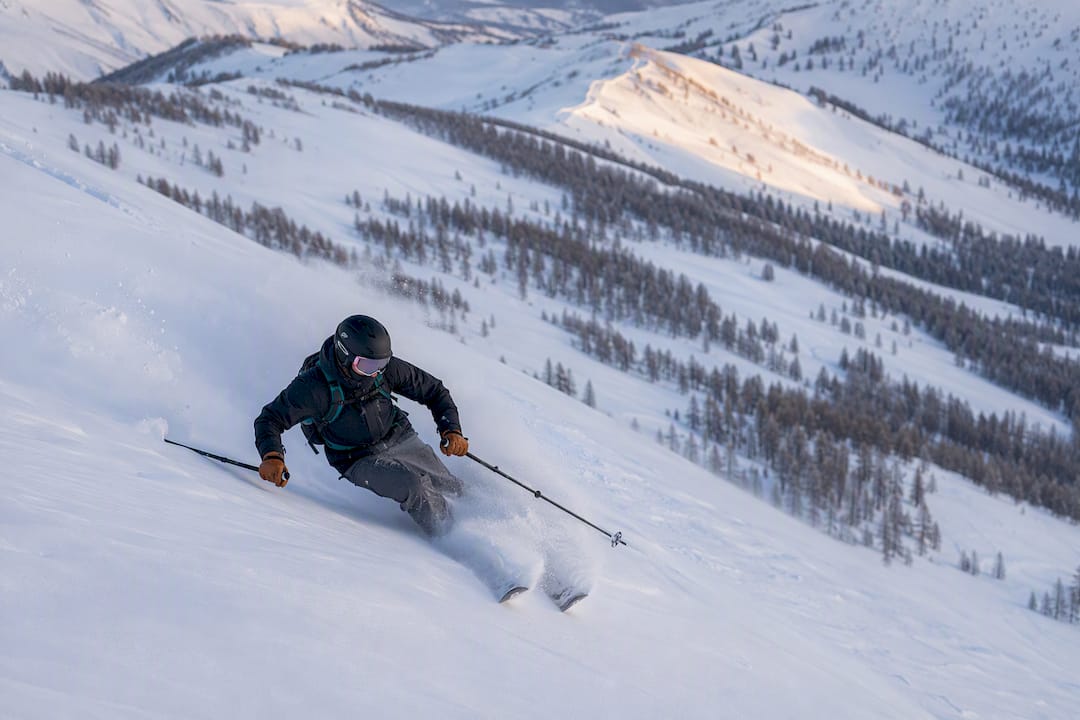
Understand the cat skiing skill level needed for Altai Mountains Resort, with practical guidance on off-piste ability, fitness and avalanche readiness.
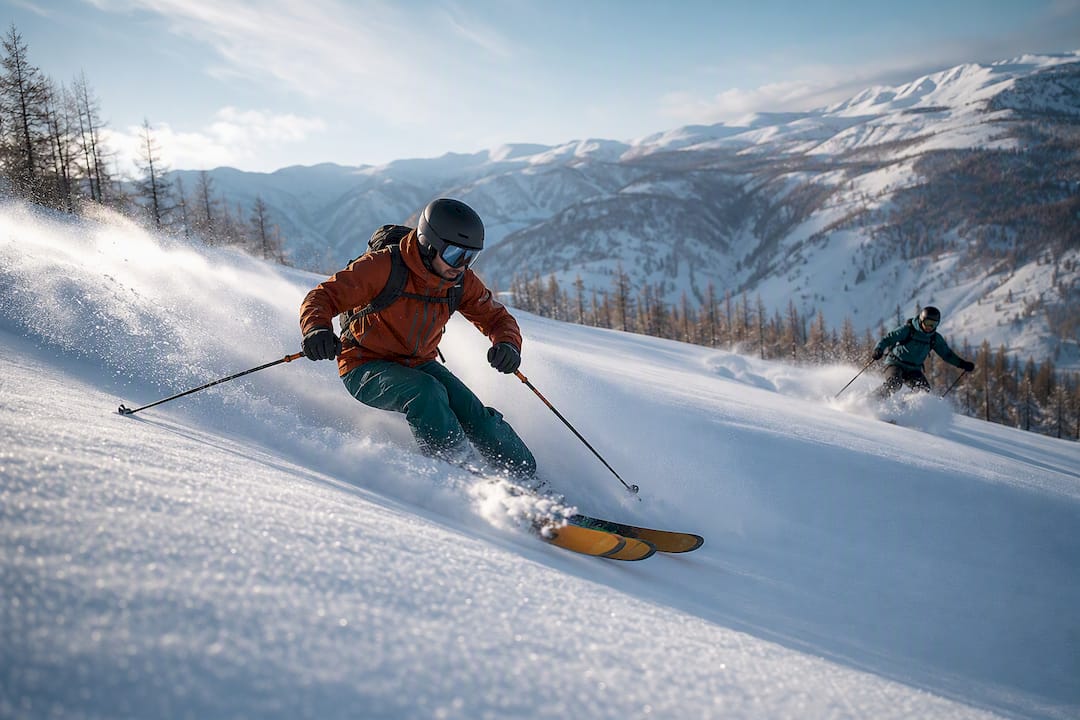
Decide whether Ridder suits your advanced Altai ski trip, with practical guidance on transfers, season timing, avalanche gear and guided programmes.
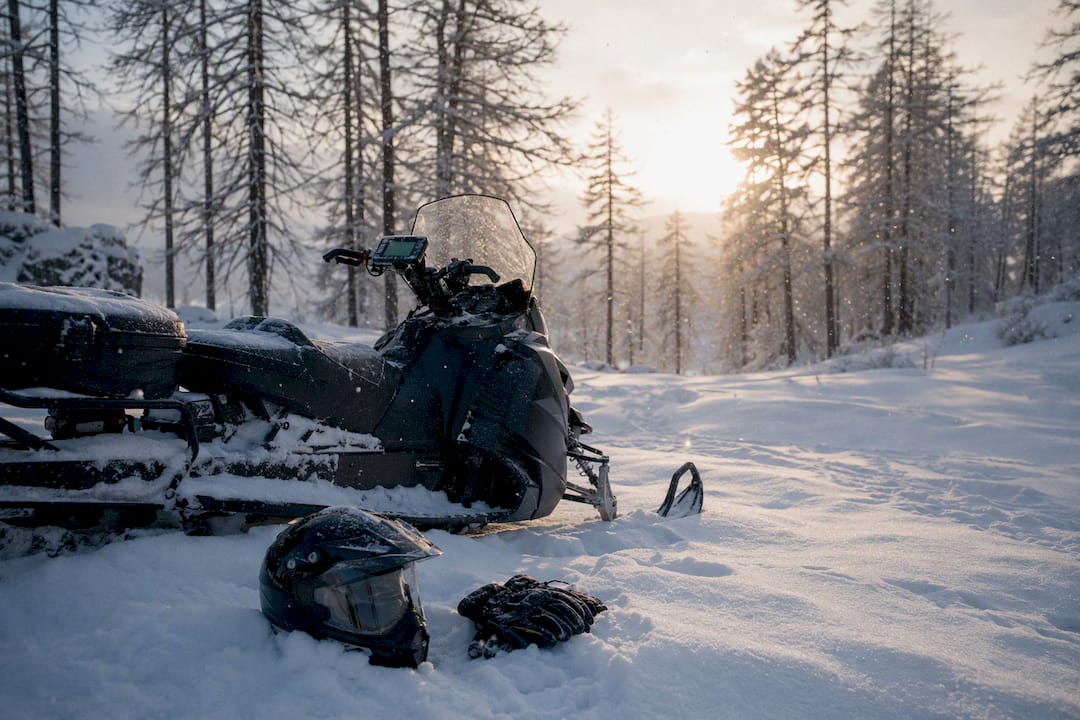
Compare snowmobile tour prices by duration, understand what shapes the final cost, and explore quote-based snowmobiling at Altai Mountains Resort.
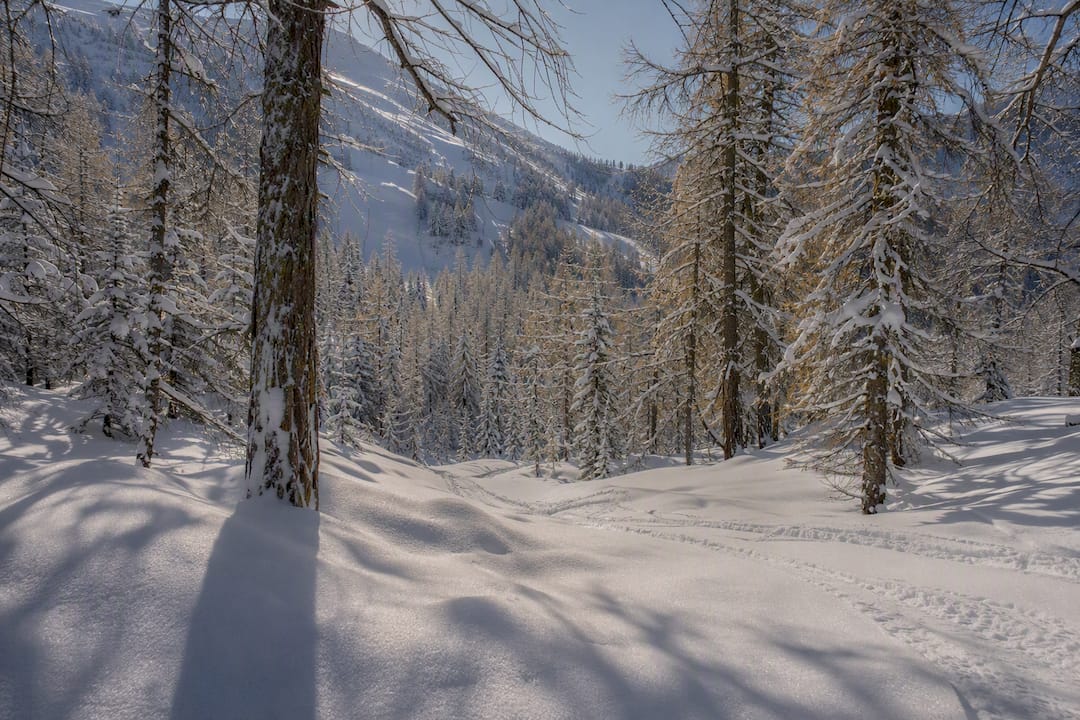
Compare Western Altai, Almaty and Turgen for Kazakhstan powder skiing, with practical guidance on access, safety and Ridder logistics.

Plan Altai heli skiing near Ridder with practical guidance on terrain, season, package inclusions, access, safety gear and booking.
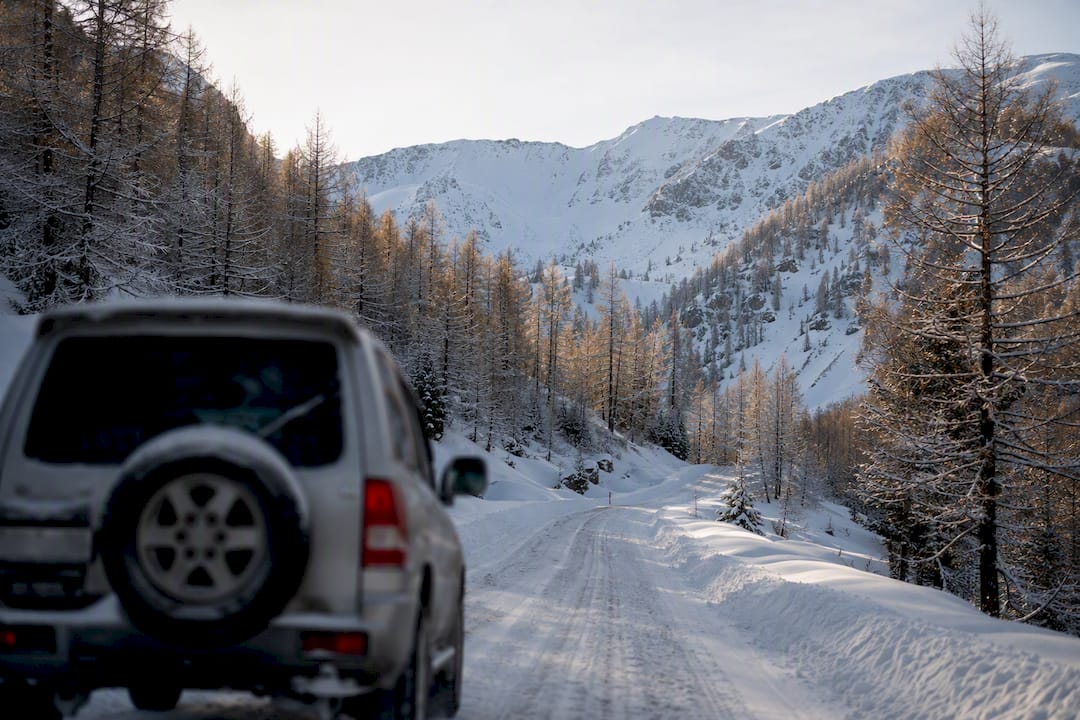
Compare flight, rail and self-drive routes from Almaty to the Kazakh Altai, with practical guidance for reaching Ridder and Ulba village.

Learn deep powder snowmobiling setup, riding technique, safe recovery and avalanche preparation, plus guided training near Ridder.
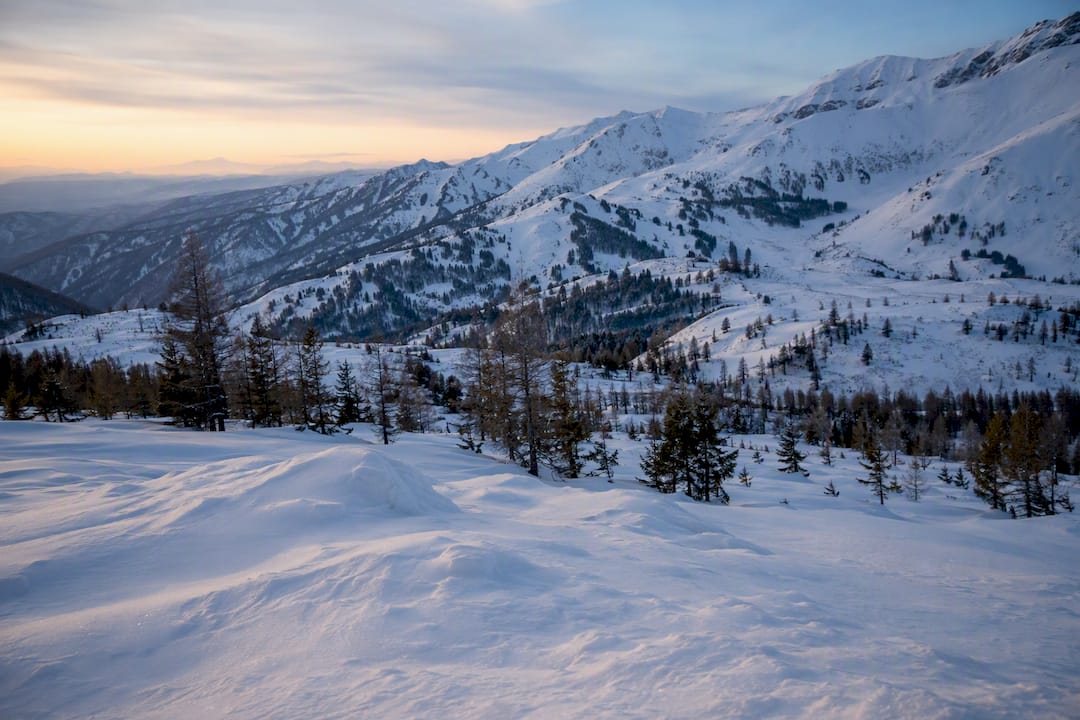
Plan an Altai Mountains winter stay from Ridder, with activity timing, travel from Öskemen, packing advice and practical mountain guidance.

Practical helicopter passenger safety guidance on boarding, seatbelts, exits, dropped items and following crew instructions.

Practical off-piste slope etiquette for safer skiing: right of way, avalanche preparation, group spacing, closures and guided skiing in the Western Altai.

Plan an Altai Mountains trip across Russian, Mongolian and Kazakh sectors, with permit, safety and winter-stay guidance for Ridder Lodge.
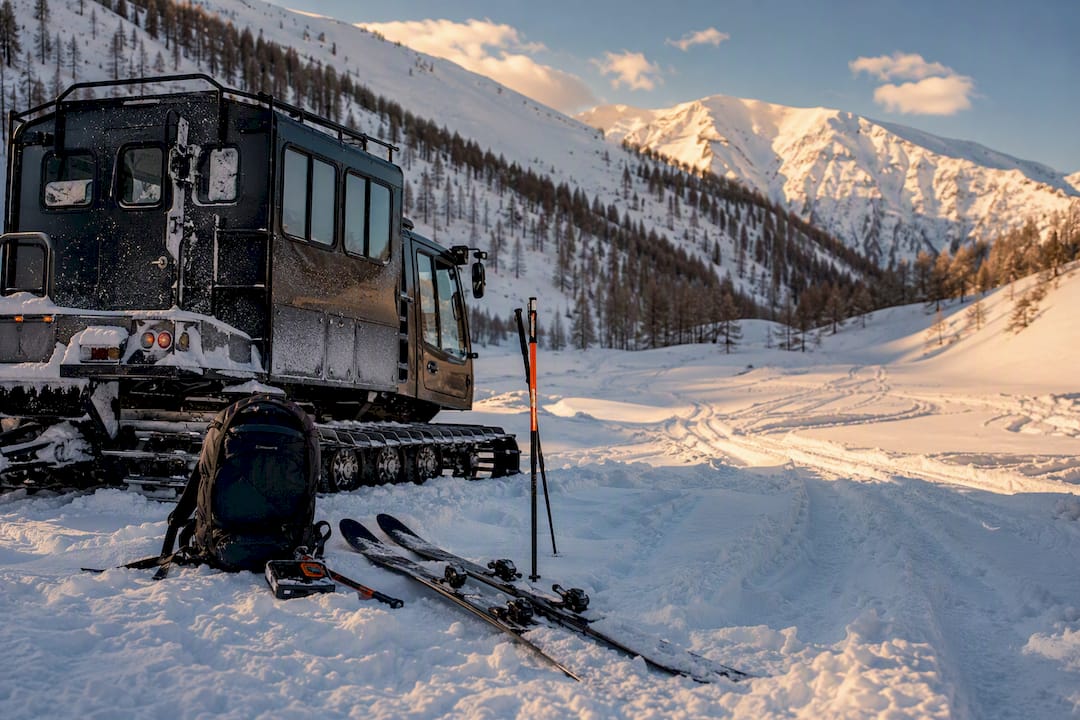
Learn how to plan guided freeride tours, from off-piste experience and avalanche gear to guide scope, changing mountain conditions and cat-skiing in the Altai.
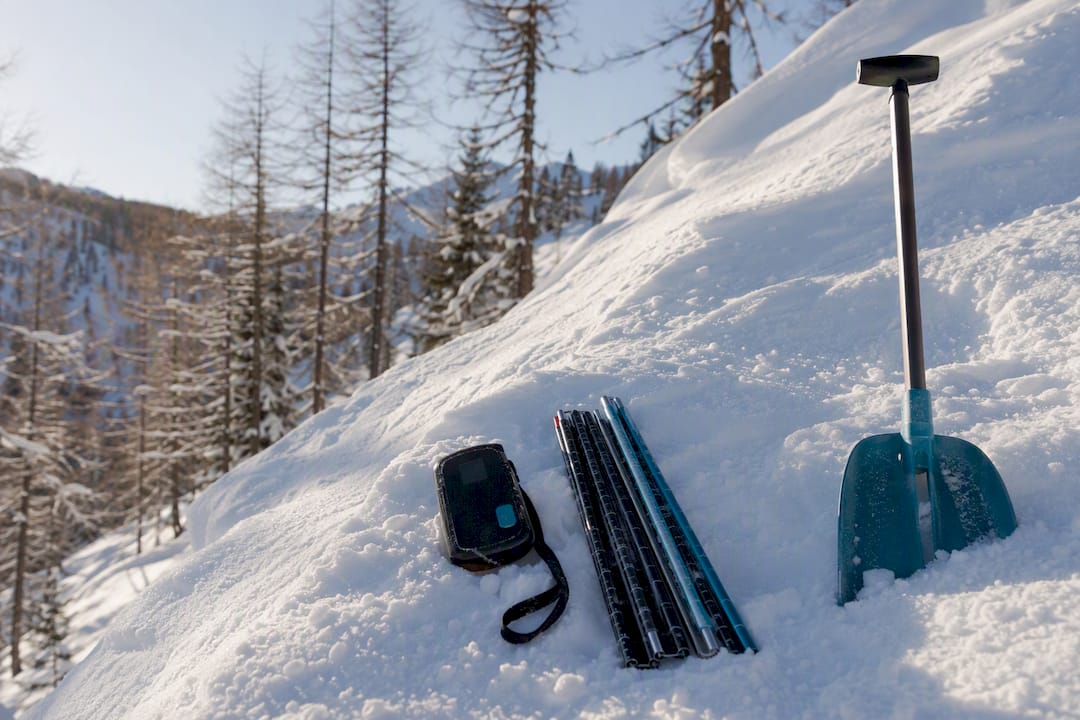
Learn avalanche beacon basics: 457 kHz transceivers, essential rescue gear, trailhead checks, interference and companion-rescue practice.

Learn which avalanche course suits your plans, what companion-rescue skills to practise and how to prepare for a winter trip to Altai.
Learn what cat skiing is, who it suits, what to pack and how to plan a guided cat-skiing trip, including options near Ridder, Kazakhstan.
A practical ski rental Kazakhstan guide to Shymbulak and Medeu, current tariffs, equipment fit, transport and guided freeride near Ridder.

Understand ski guide benefits for freeride and backcountry trips, including local planning, terrain choices, qualifications, safety gear and access options.

Plan a snowmobile expedition near Ridder, Kazakhstan, with practical guidance on routes, rider experience, equipment, mountain safety and transfers.

Use this mountain lodge amenities checklist to compare rooms, meals, wellness access, transfers, activities and paid extras before booking.
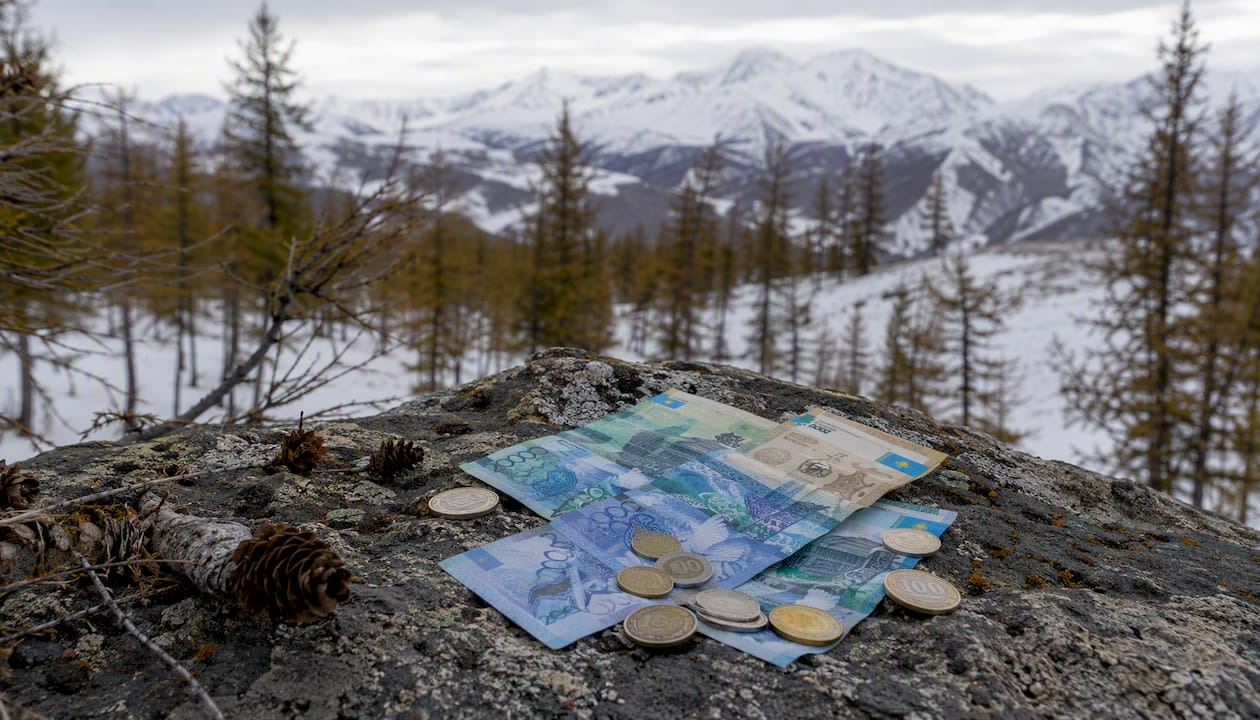
A practical Kazakhstan currency guide to the tenge, cards, ATMs, currency exchange, DCC and cash planning for cities and the Western Altai.
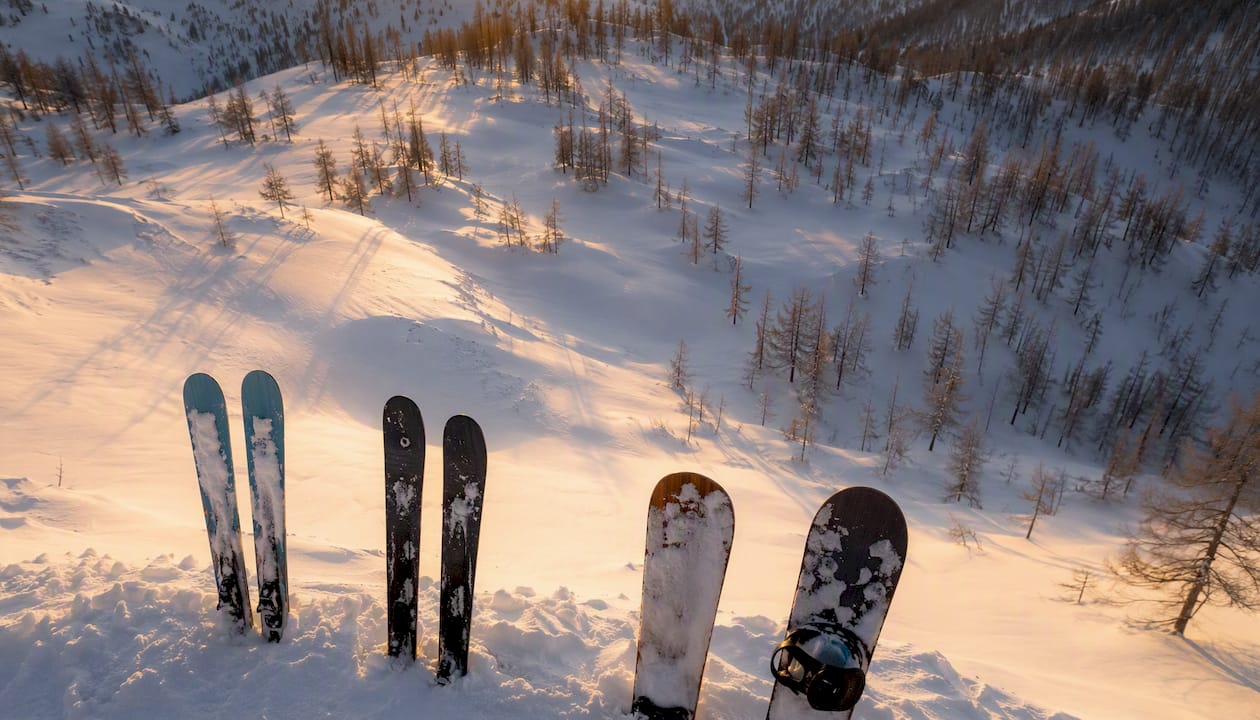
Plan the Kazakhstan ski season by month, compare lift-served Shymbulak with guided trips around Ridder, and prepare for changing snow and mountain conditions.
A practical guide to spa after skiing, including gentle massage, sauna and hammam, optional cold immersion and signs that need medical attention.
Plan a remote ski trip from the UK to Ridder, with practical guidance on activities, Kazakhstan entry, Öskemen transfers, insurance and ski baggage.
A practical heli skiing packing list covering clothing, avalanche equipment, ski baggage, batteries, travel documents and rental options.
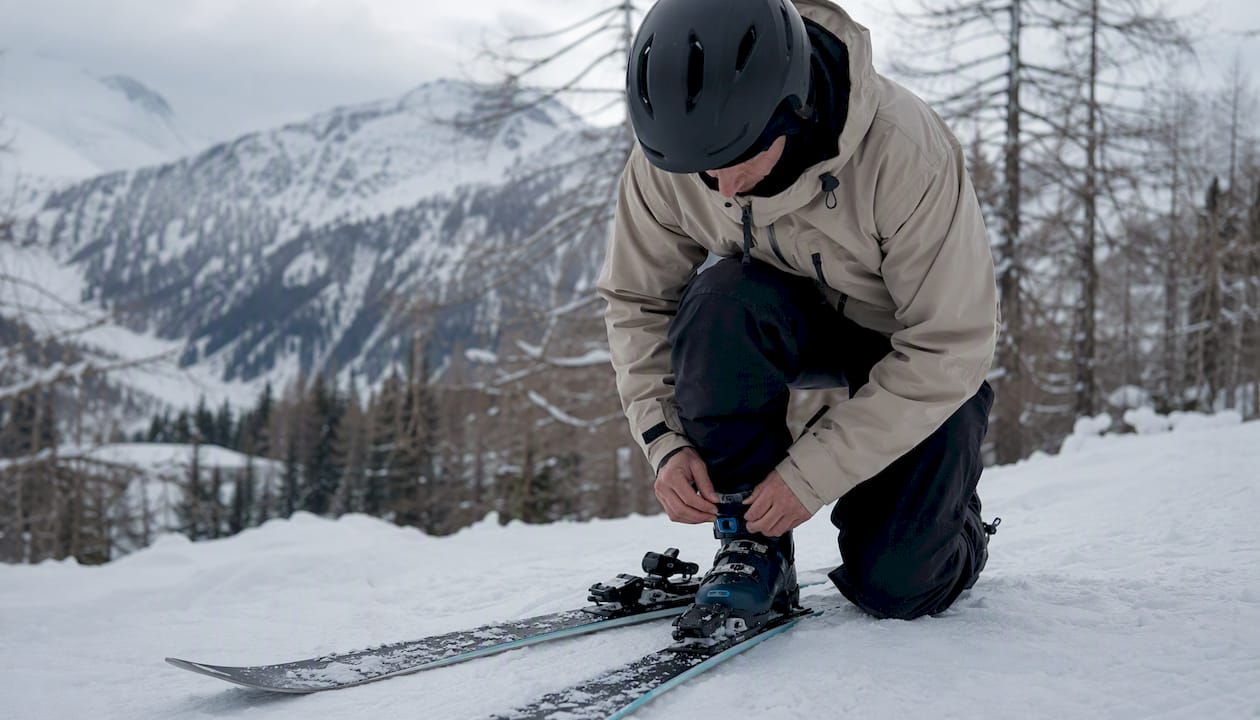
A practical UK guide to ski boot fitting: appointment steps, services, current provider price examples, aftercare and warning signs.
Should you tip a ski guide? Learn how customs vary, when a gratuity may feel appropriate and how to plan for tipping in Kazakhstan.
An Altai cuisine guide to kan, kurut, chegen and talkan, with dining at Restaurant Altai, food safety and travel from Öskemen to Ridder.
Compare banya vs sauna: heat, steam, venik and löyly rituals, etiquette, health evidence, safety basics and the Altai Banya experience.
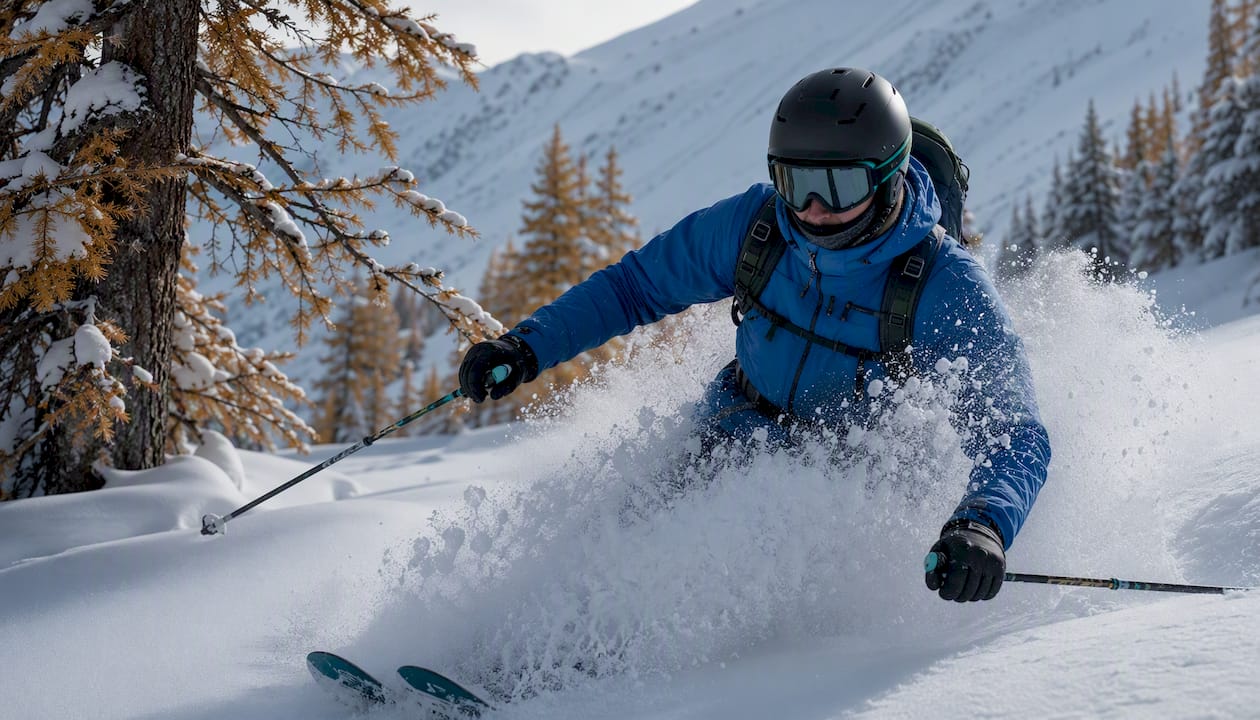
Learn how to ski deep powder with centred balance, smooth turns, speed control, practice steps, gear guidance, and avalanche and tree-well precautions.

Plan a mountain wellness retreat in Ridder with freeride, heli-skiing, snowmobiling, Ridder Lodge, Altai Banya and practical winter travel guidance.

A practical snowmobile gear list for UK travellers heading to Altai Mountains Resort, with clothing, safety equipment, battery and travel guidance.

Understand Ridder Lodge’s ski-in/snowmobile-out access, guided ski-day logistics, transfers from Öskemen and practical planning for your stay.
Prepare for a guided snowmobile ride with a practical gear checklist covering helmets, winter layers, avalanche equipment and cold exposure in Ridder.

A practical heli skiing guide to ability, avalanche equipment, packing, weather and planning your first trip to Kazakhstan.
Plan guided deep snow snowmobiling in Ridder, with practical details on training, rentals, equipment, transfers and staying at Ridder Lodge.
How to choose Kazakhstan travel insurance for heli-skiing, cat-skiing or snowmobiling, including medical treatment and evacuation cover.
Kazakhstan visa requirements for UK visitors to Ridder, including visa-free limits, e-visas, passport rules, airports and Öskemen transfers.
Build strength, balance and endurance before cat-skiing, heli-skiing or snowmobiling with an adaptable six-to-eight-week ski fitness program.

Explore cold plunge benefits for skiers, from short-term soreness and recovery evidence to cold-shock risks, timing and Altai Banya options.

Understand heli skiing cost in 2026 with current operator examples, a total-budget checklist, and key booking, safety and insurance questions.