Plan an Altai Mountains trip across Russian, Mongolian and Kazakh sectors, with permit, safety and winter-stay guidance for Ridder Lodge.

This Altai Mountains travel guide begins with the decision that shapes the rest of your trip: choose one sector. The range extends across Russia, Mongolia, Kazakhstan and China, while this guide focuses on the three sectors most often used for independent and lodge-based travel; China is outside its scope. A single-sector itinerary gives you more time in the landscape and less time spent on border crossings and long transfers.
Russian Altai suits travellers drawn to established trekking objectives and mountain routes. Mongolia is often chosen for a remote overland journey and Altai Tavan Bogd. Kazakhstan offers a different kind of winter escape, based at Ridder Lodge. Let that first choice guide your flights, permits and accommodation.
Which Altai sector should you visit?
Sector | Best starting point | Travel style |
|---|---|---|
Russian Altai | A regional gateway and onward road travel | Multi-day trekking, mountain routes and road journeys |
Mongolian Altai | Ölgii and an arranged overland journey | Remote trekking and camp-based travel |
Kazakh Altai | Öskemen and Ridder | Winter activities from a fixed lodge base |
Russian Altai is a natural fit when Mount Belukha, Lake Teletskoye or longer mountain walks sit at the centre of your plans. For background on these well-known places, see Mount Belukha and Lake Teletskoye. Mongolia’s Altai works best as a self-contained journey, with enough time for the road from Ölgii to the park area; an overland perspective begins at Ölgii into Altai Tavan Bogd National Park.
In winter, Kazakhstan’s Western Altai moves at a different pace. Altai Mountains Resort is in Ridder, East Kazakhstan, offering a lodge-based stay for guests who prefer guided snow activities to a self-supported trek. Öskemen is the regional gateway for this part of Kazakhstan; Öskemen offers further destination context.
How to reach each Altai sector
Plan for a connecting journey. Your gateway, onward road transport and final accommodation are all part of the itinerary, particularly beyond the larger towns. Leave room between flights and onward travel, and have your transport in place before setting out for a remote trailhead or winter base.
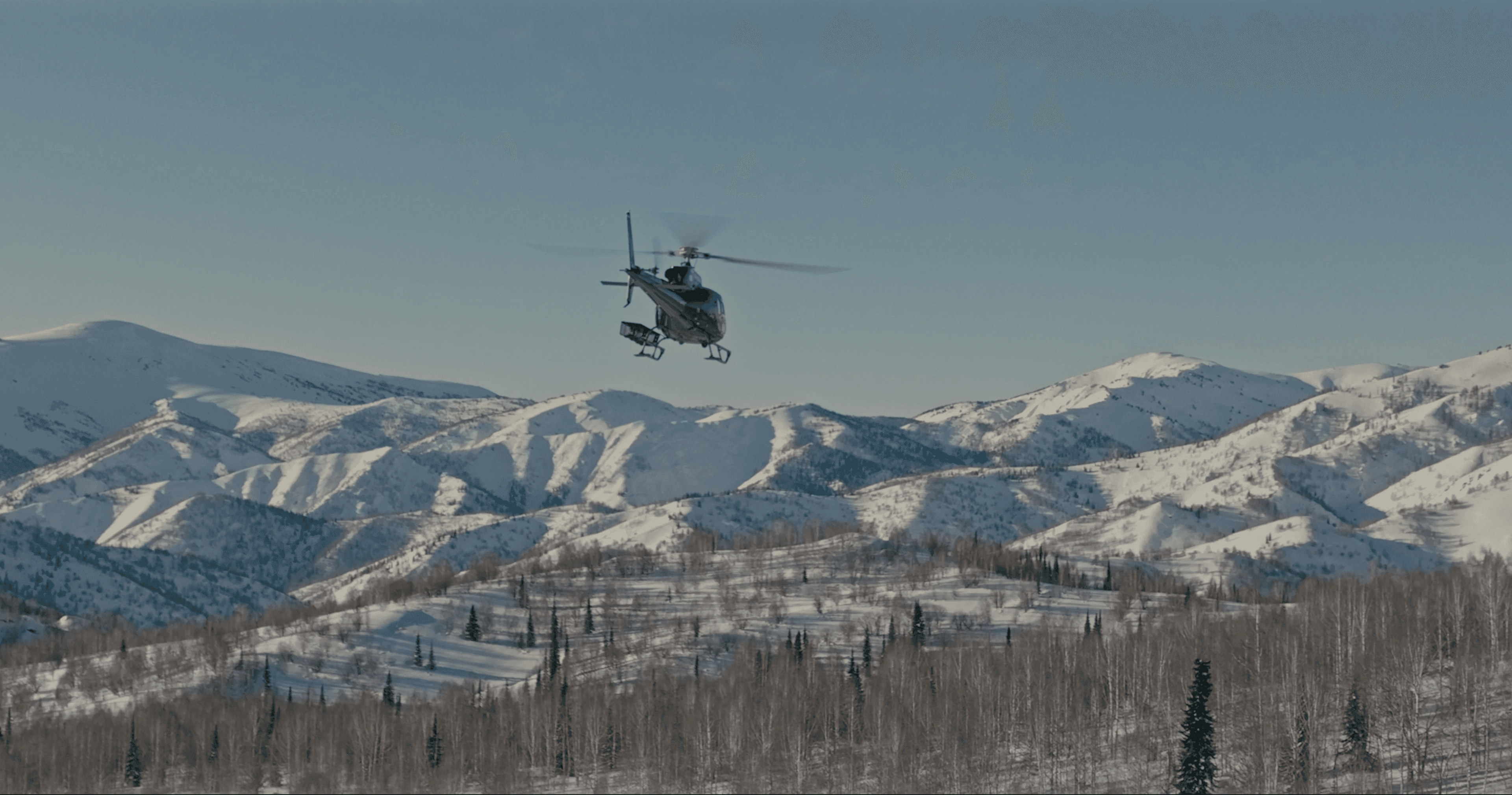
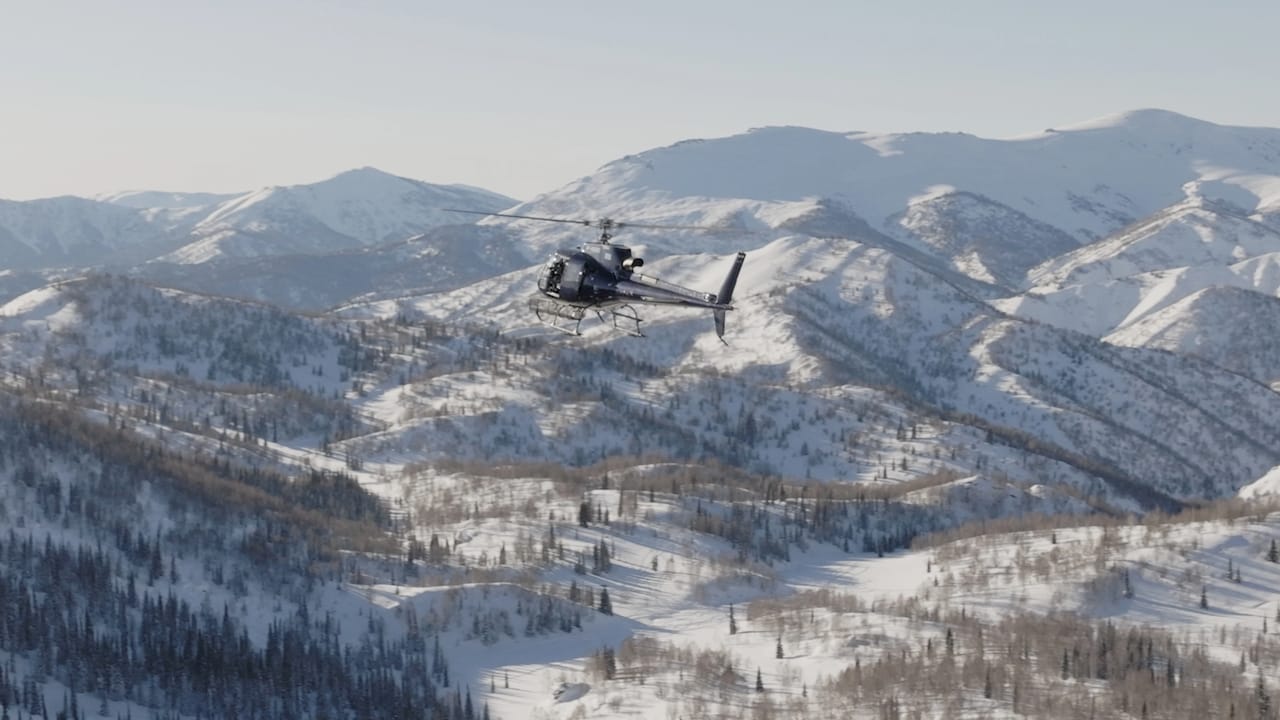
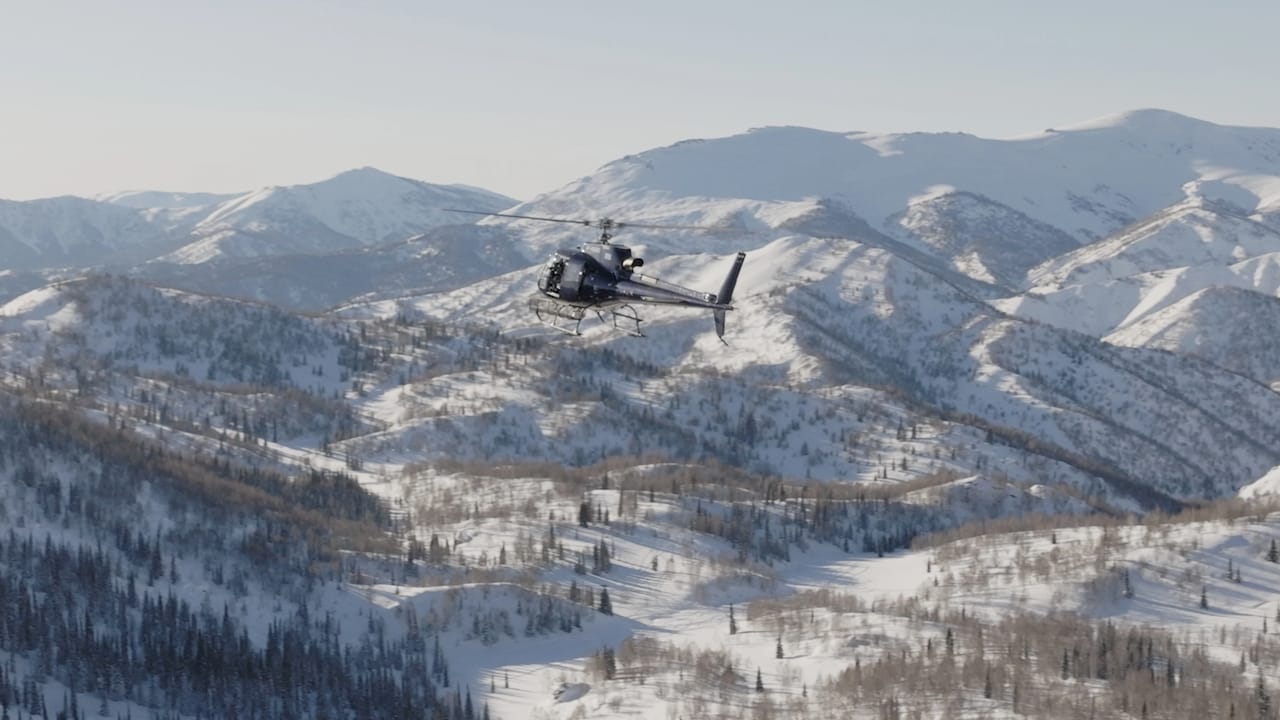
Ridder is approximately 120 km from Öskemen, a road journey of around 1.5–2 hours. Private road transfers can be arranged through Altai Mountains Resort, and an optional helicopter transfer may be available depending on your dates and arrangements. Take a look at Ridder Lodge as you shape the rest of your journey.
Road conditions, seasonal access and transport schedules can change quickly in the Altai. For broader travel context, see 4×4 transfer from Öskemen.
Permits and border requirements
Permit planning matters most on routes close to national borders. In the Russian Altai, entry to border zones requires an individual or group permit through designated FSB checkpoints, and qualifying tourist routes should be registered. The Russian emergency guidance for tourist routes and border zones explains these requirements.
Elsewhere in the range, arrangements vary by route, border status, nationality and season. Russian border arrangements can take weeks or months to arrange, so allow a generous buffer and follow the instructions of the relevant park, border authority or licensed local operator.
Visa eligibility also depends on nationality and travel category. For Kazakhstan, consult the Kazakhstan visa and migration guidance as you plan your journey.
Best time for trekking and winter activities
Choose your season to suit the trip you want to make. Summer is the usual period for trekking in the Russian and Mongolian sectors, though pass conditions, river levels and local access remain specific to each route. A named route can be inaccessible even during the wider walking season, so follow guidance from the route manager or your local guide.
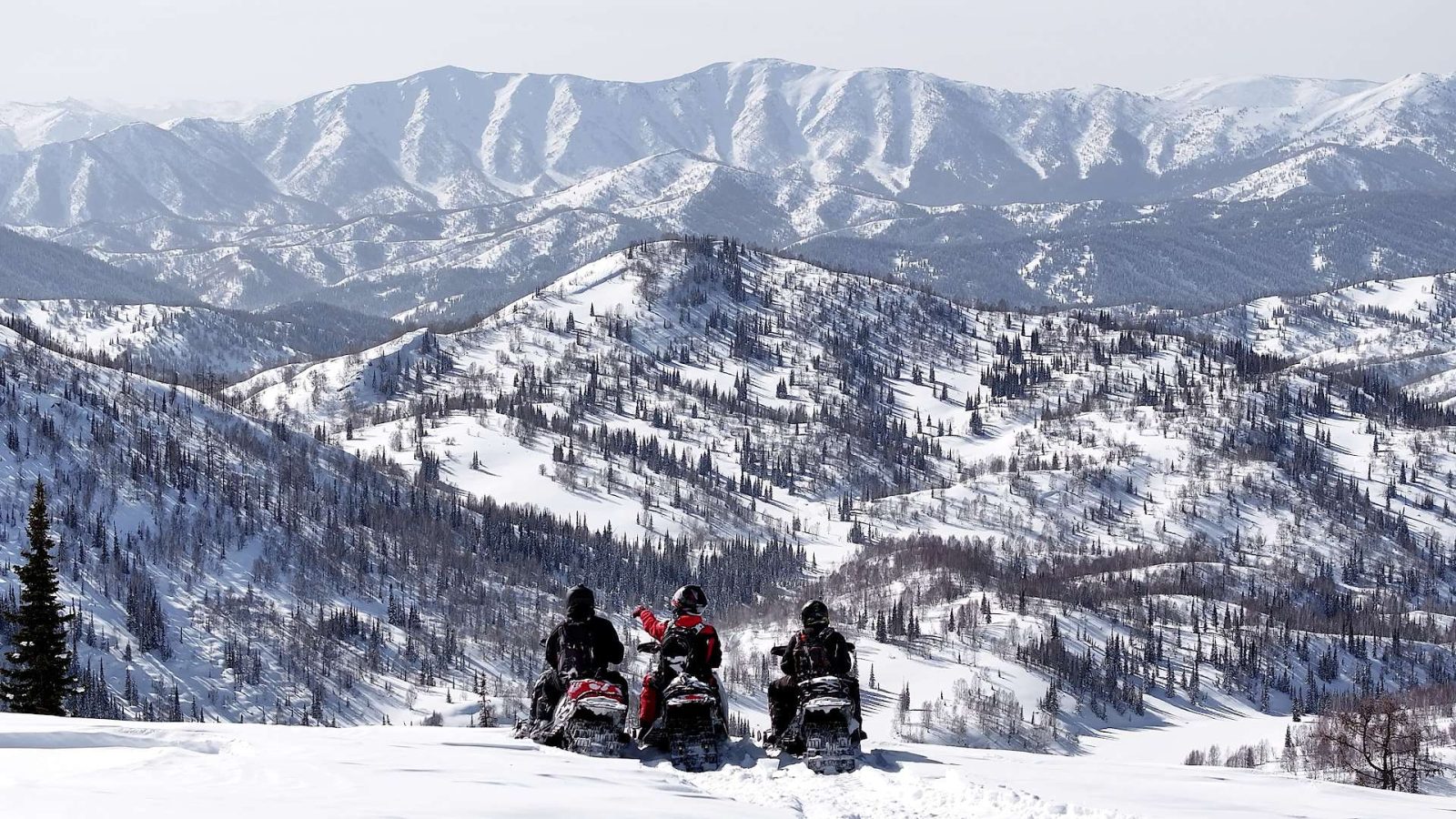
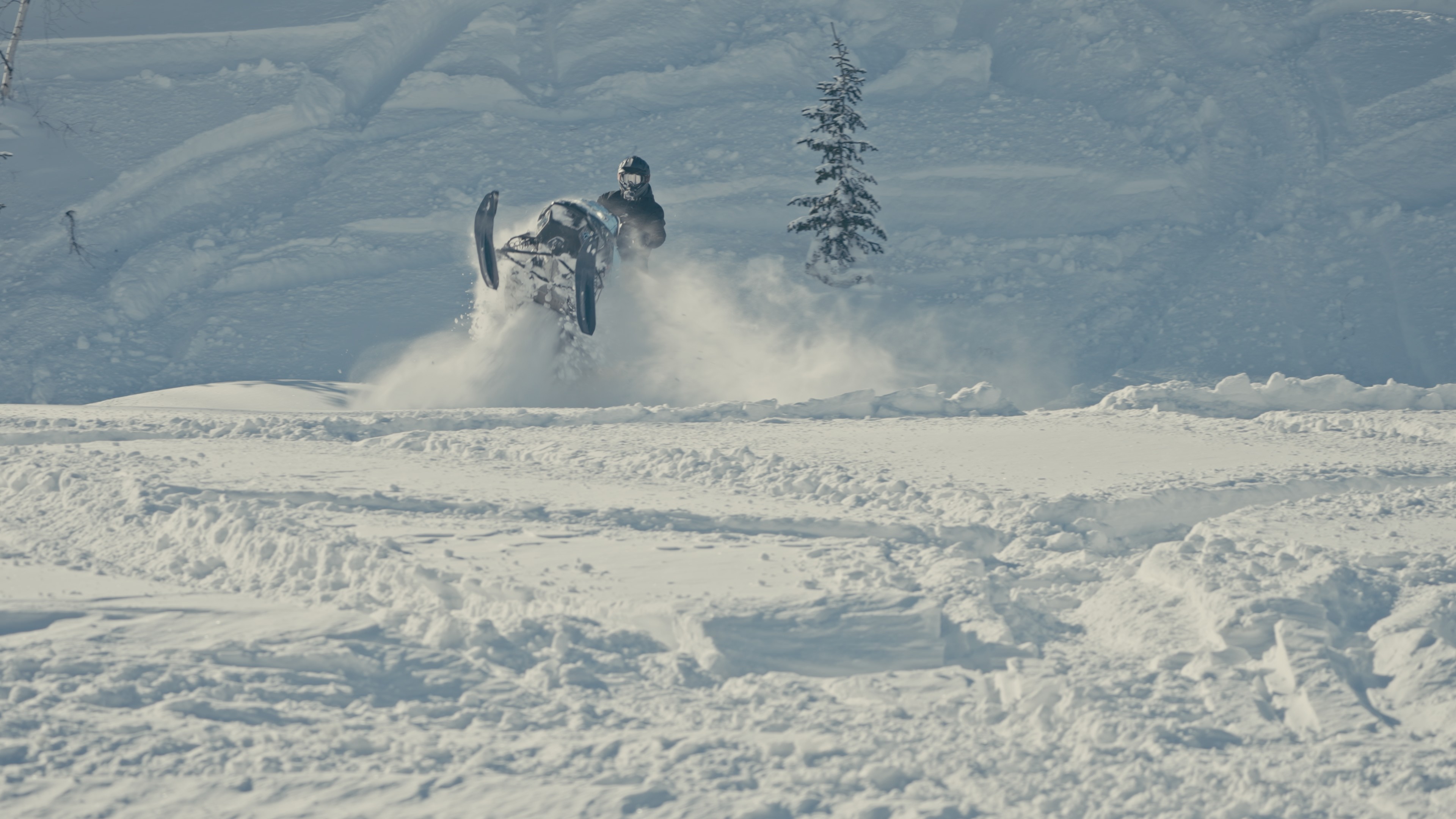
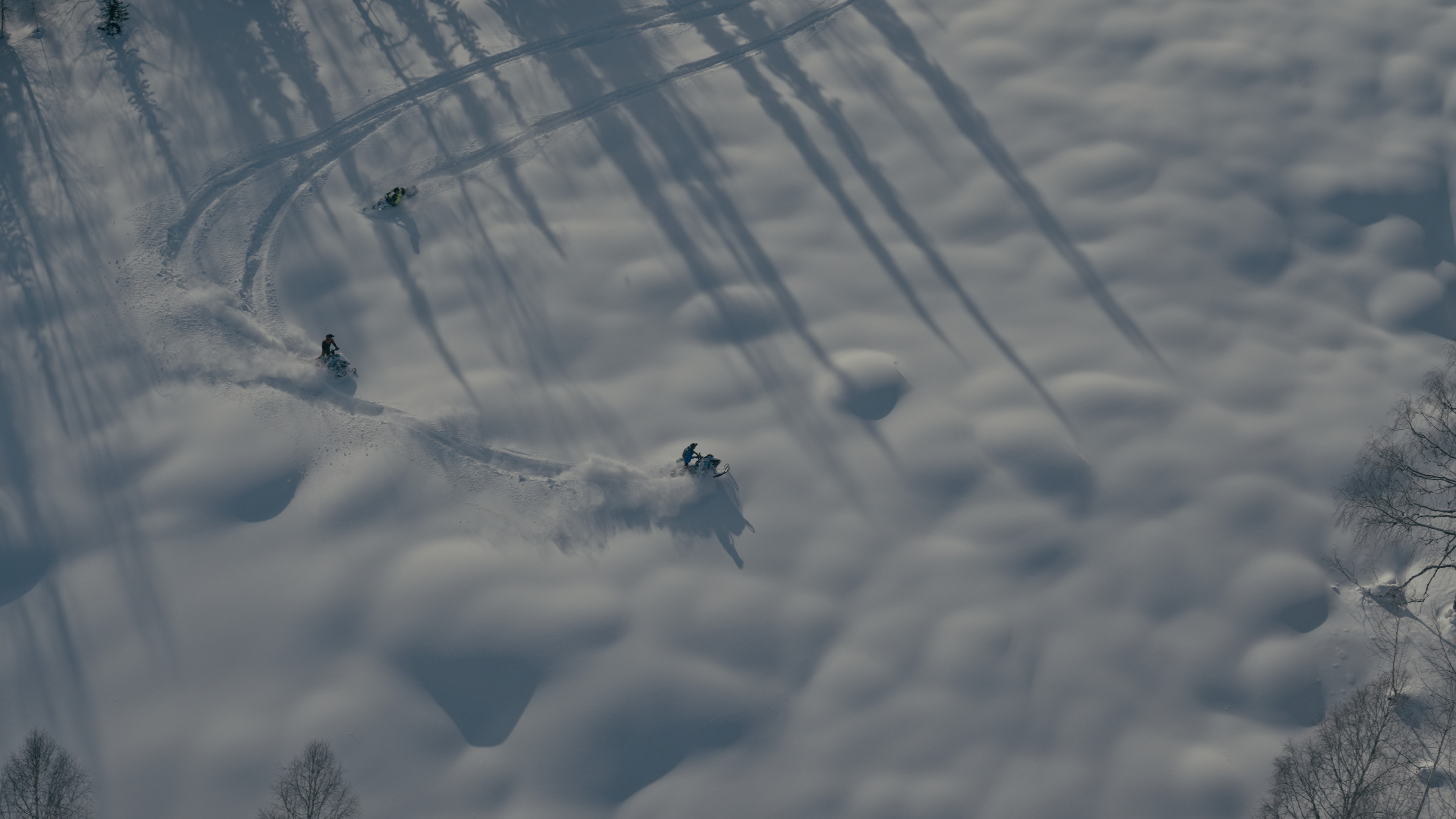
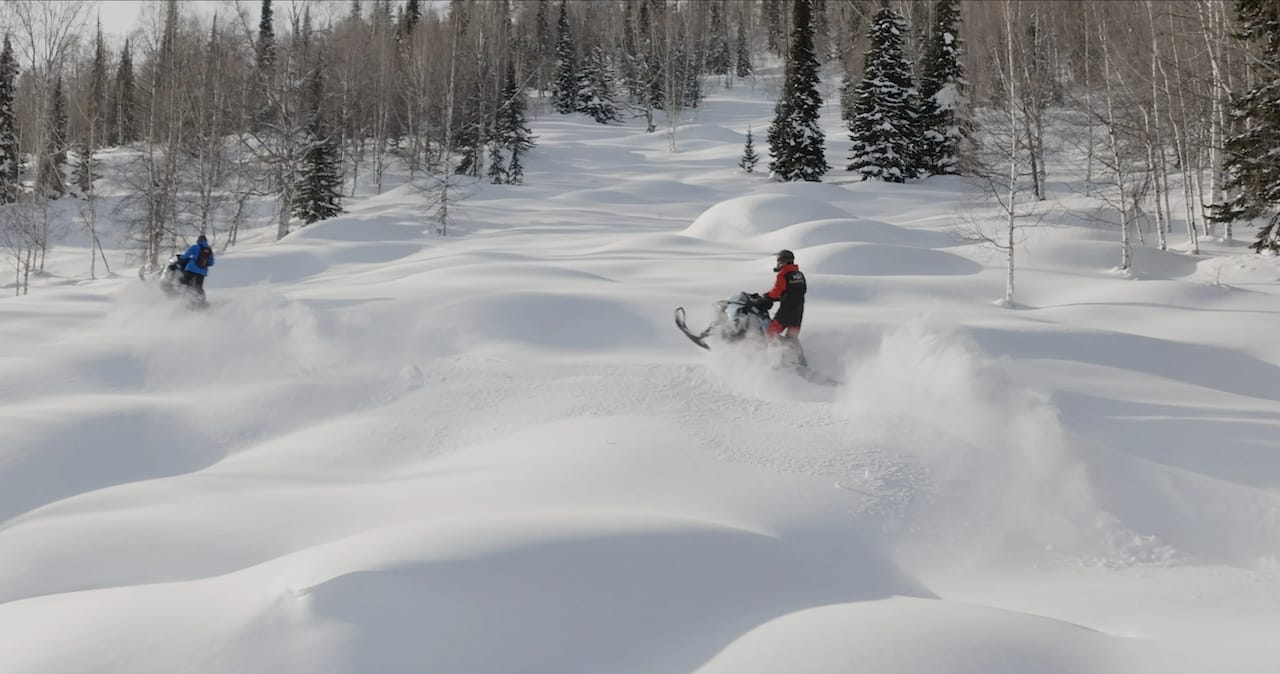
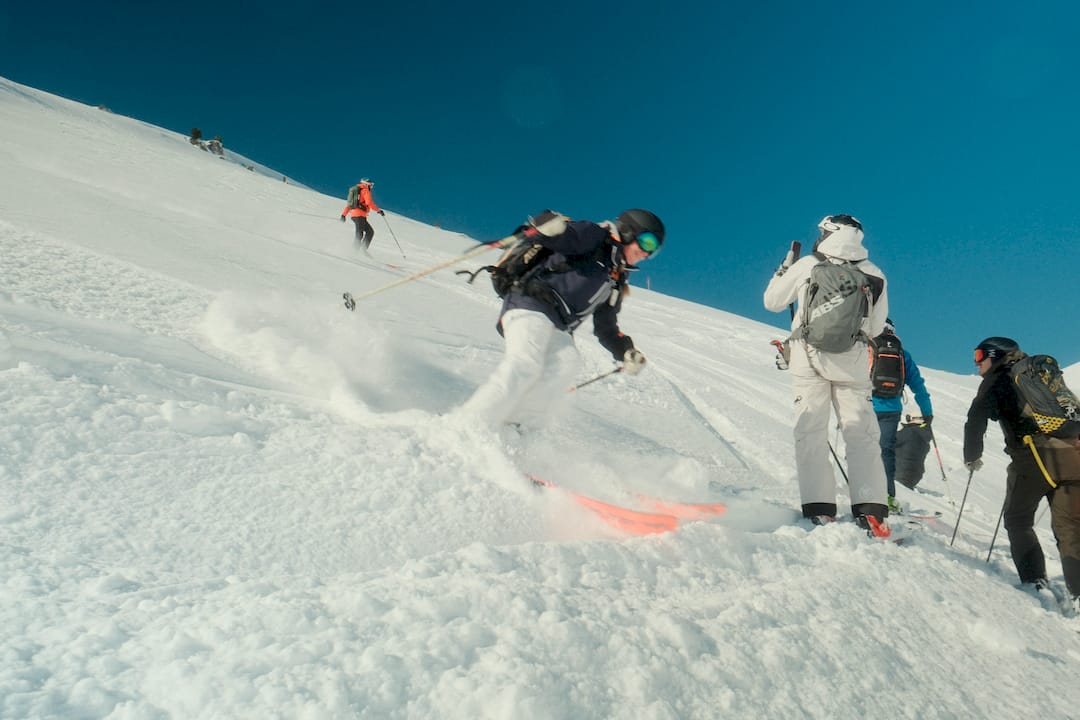
Winter in the Kazakh Altai lends itself to organised snow activities. At Ridder Lodge, our winter season runs from November to May, while individual activity windows depend on the product and conditions. We offer cat-skiing and freeriding, heli-skiing, guided deep-snow snowmobiling and Snow Safari experiences. Dates, snow conditions, equipment and capacity all shape a backcountry day.
Recommended routes by trip length
Three to four days
Choose one gateway and one nearby objective. This works well for a short valley stay, a local day walk where access is established, or a winter break at Ridder Lodge. Leave time for arrival, an activity day and a weather buffer rather than trying to complete a long-distance circuit.
One week
One week can support a focused route in either the Russian or Mongolian sector when transport and permissions are already in place. It can also suit a winter programme in Ridder, where lodge accommodation, Restaurant Altai, Altai Banya and guided activity options are all on site. Our packages provide a useful starting point for a resort-based stay.
Two weeks
Two weeks gives a trekking itinerary more breathing room: gateway arrival, overland access, acclimatisation, the main route and a return buffer. It is still wiser to remain within one national sector. Use route descriptions, walking durations and difficulty grades as planning prompts rather than fixed promises, as guides and park staff are best placed to advise on conditions.
Practical preparation for remote Altai travel
Offline maps, a charged power bank and a clear daily plan are useful throughout the Altai. Beyond towns, mobile service may be intermittent or absent. Leave your intended route and return date with your accommodation or a local contact, carry clothing for rapid changes in mountain weather, and use a guide where the route, permits or terrain call for one.
For city arrivals and gateway towns in Kazakhstan, a travel eSIM can be a practical way to organise maps and messages. It does not replace offline navigation or a satellite communication device on a remote route. The same resource appears here: travel eSIM.
Respect is practical, too. Ask before photographing people or homes, keep clear of working camps unless invited, take all rubbish with you and avoid leaving waste near streams or lakes. Local guides and drivers bring valuable knowledge of access, weather and community expectations, while keeping more of your journey’s value in the places you visit.
Health, safety and insurance
Remote mountain travel calls for realistic preparation. Unacclimatised travellers sleeping at 2,450 m or higher may be at risk of altitude illness and should ascend gradually. The CDC’s high-altitude travel guidance advises against ascending further when symptoms occur and recommends descent if symptoms worsen. Speak with a qualified travel-health professional before departure, particularly if you have a health condition or take regular medication.
Insurance deserves the same care as route planning. Policies may exclude skiing, mountaineering, wilderness rescue or evacuation, and remote assistance can involve delays or advance payment. Read the CDC guidance on travel insurance alongside the terms of your own policy.
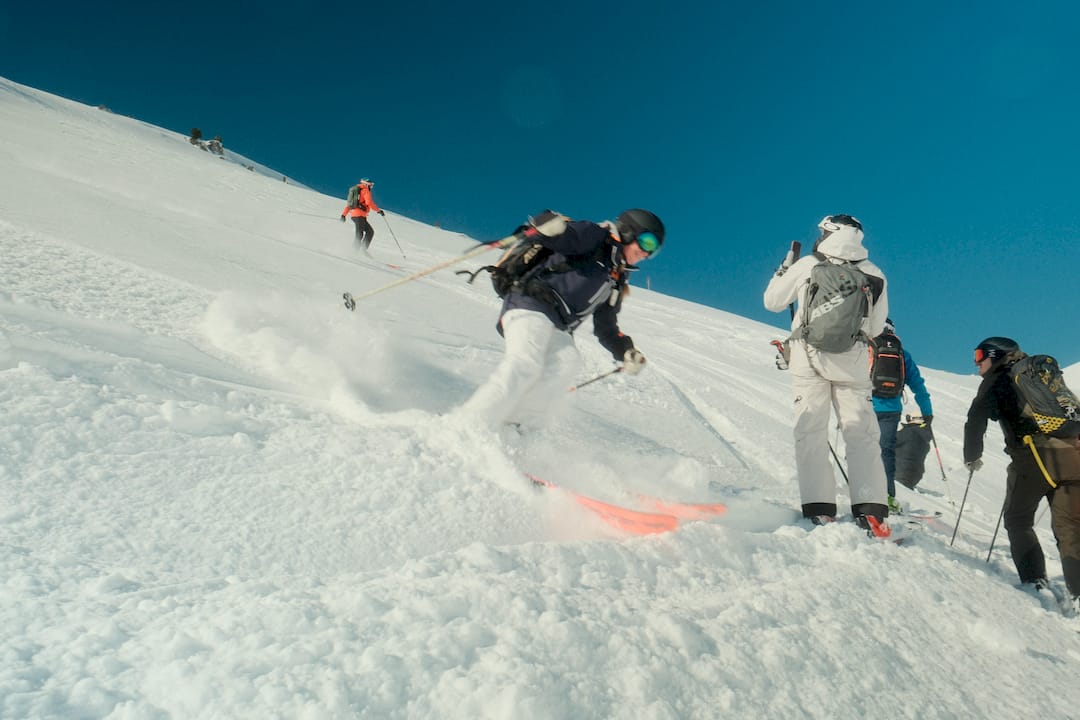
For resort activities, activity-specific procedures include safety briefings, equipment checks, avalanche equipment and communication arrangements. Follow your briefing and guide instructions closely: backcountry snow sports retain inherent risk.
Kazakh Altai winter base: Altai Mountains Resort
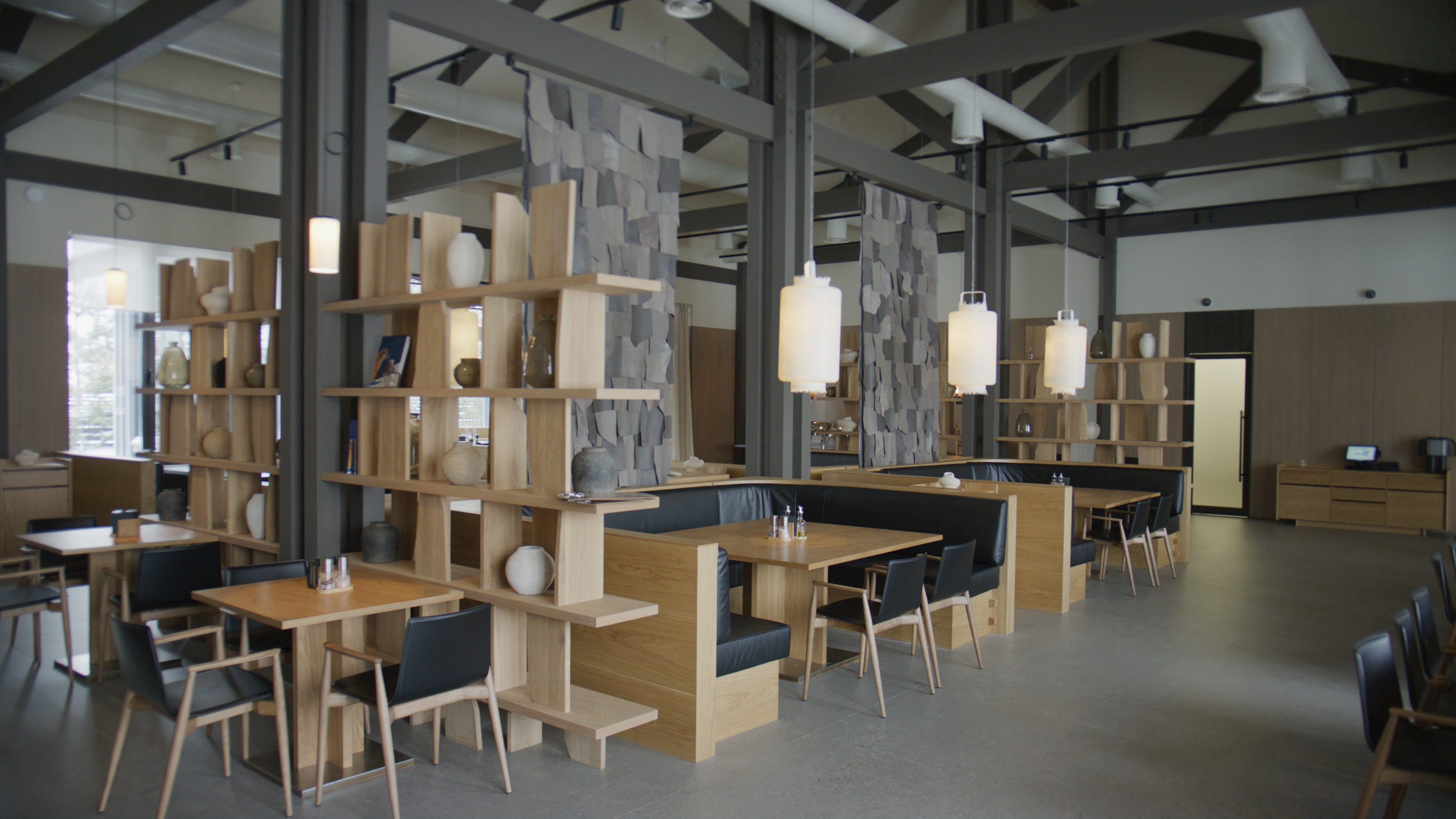
For a fixed base in the Western Altai, Altai Mountains Resort brings accommodation and winter activities together in Ridder. Ridder Lodge is your accommodation base, while Restaurant Altai and Altai Banya are separate on-site offerings to enjoy around your time in the mountains.
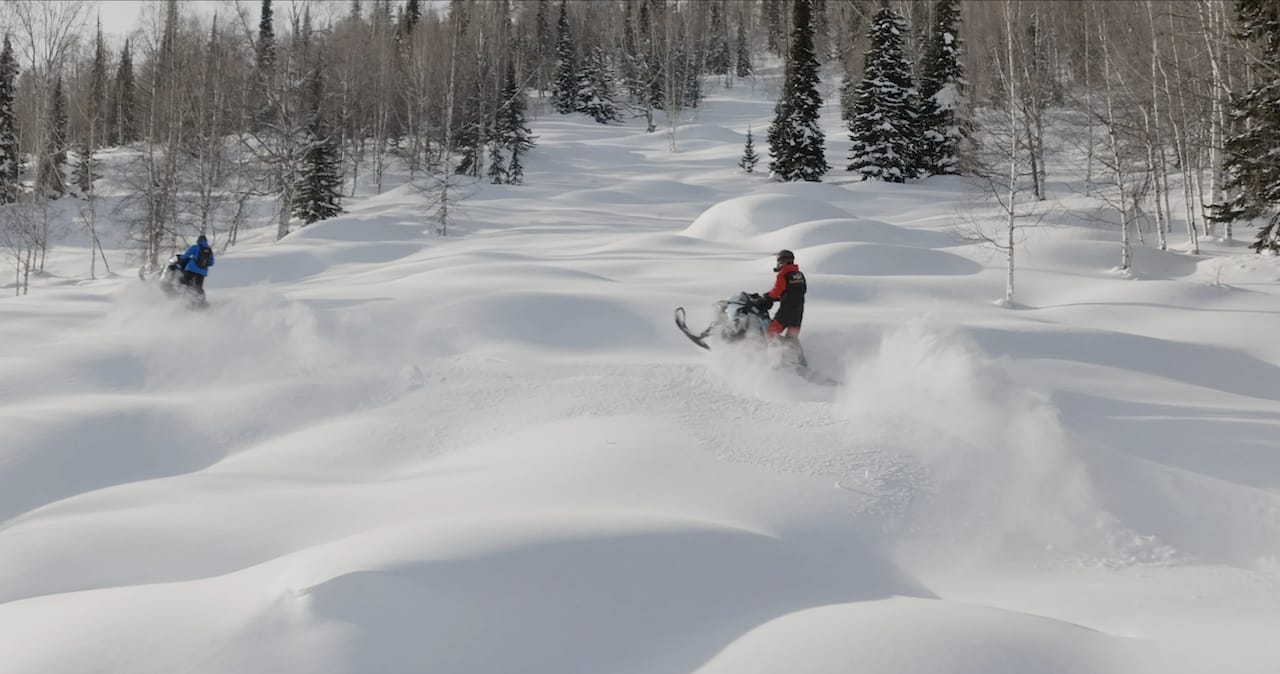
The winter programme includes guided deep-snow snowmobiling, Snow Safari, snowmobile training and rentals, along with cat-skiing and heli-skiing. Explore deep-snow expeditions, snowmobiling options and Altai Banya to find the rhythm that suits your winter stay.
Heli-ski options are available in single- and multi-day formats. Lodging, meals, guiding and safety gear form part of the heli-ski package arrangements, while flights are excluded; details vary by option and dates. Our booking team can help you shape transfers, lodge nights and preferred activities through the Altai Mountains Resort booking page.
Altai Mountains FAQ
Is one week enough for the Altai Mountains?
Yes, for one focused sector. Choose a single gateway and one main activity or route, then allow time for road travel and changing conditions.
Do I need a guide?
For remote routes, border areas, glacier terrain and backcountry winter activities, a qualified local guide or operator is a sensible starting point. Requirements differ by location and activity.
Can I combine Russian, Mongolian and Kazakh Altai in one holiday?
It is possible only with substantial time and careful border planning. For most visitors, one sector makes for a more rewarding and manageable journey.
Where can I find further independent planning reading?
For a Mongolia route perspective, Altai mountains trekking: How to guide Altai Tavan Bogd National Park — Ze Wandering Frogs. For a broad Russia-oriented overview, Altai Mountains travel guide — Wander Russia. For Kazakhstan destination background, Altai Mountains in Kazakhstan: Complete travel guide — Kazakh Travel. Another Mongolia planning reference is The Altai Mountains (Mongolia) — Pack Lightly.
The Altai rewards a journey with a clear centre of gravity. Choose the sector that suits your season and experience, leave room for the road, and let the rest of the itinerary follow naturally.
All Articles
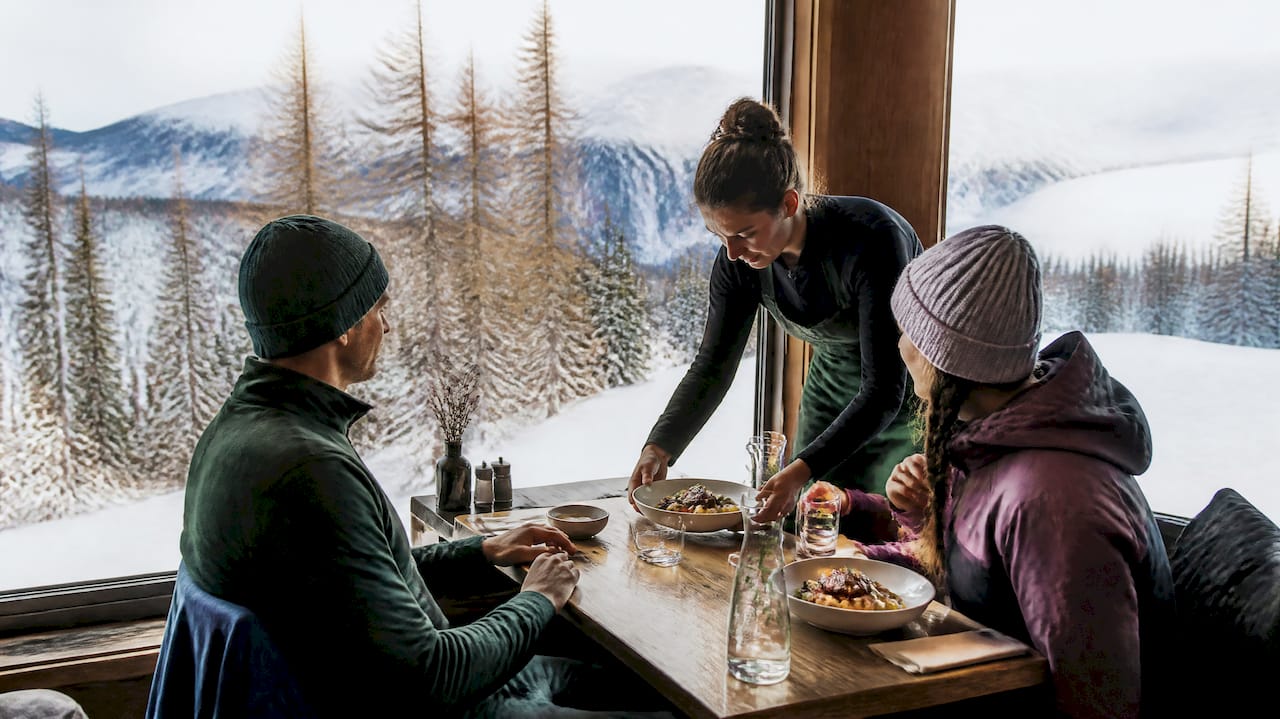
Plan on-mountain dining with four practical considerations: access, reservations, menus and dietary needs, plus weather and mountain safety preparation.

A practical Siberian cuisine guide to Restaurant Altai, East Kazakhstan dishes, dietary requests and Ridder Lodge accommodation rates.
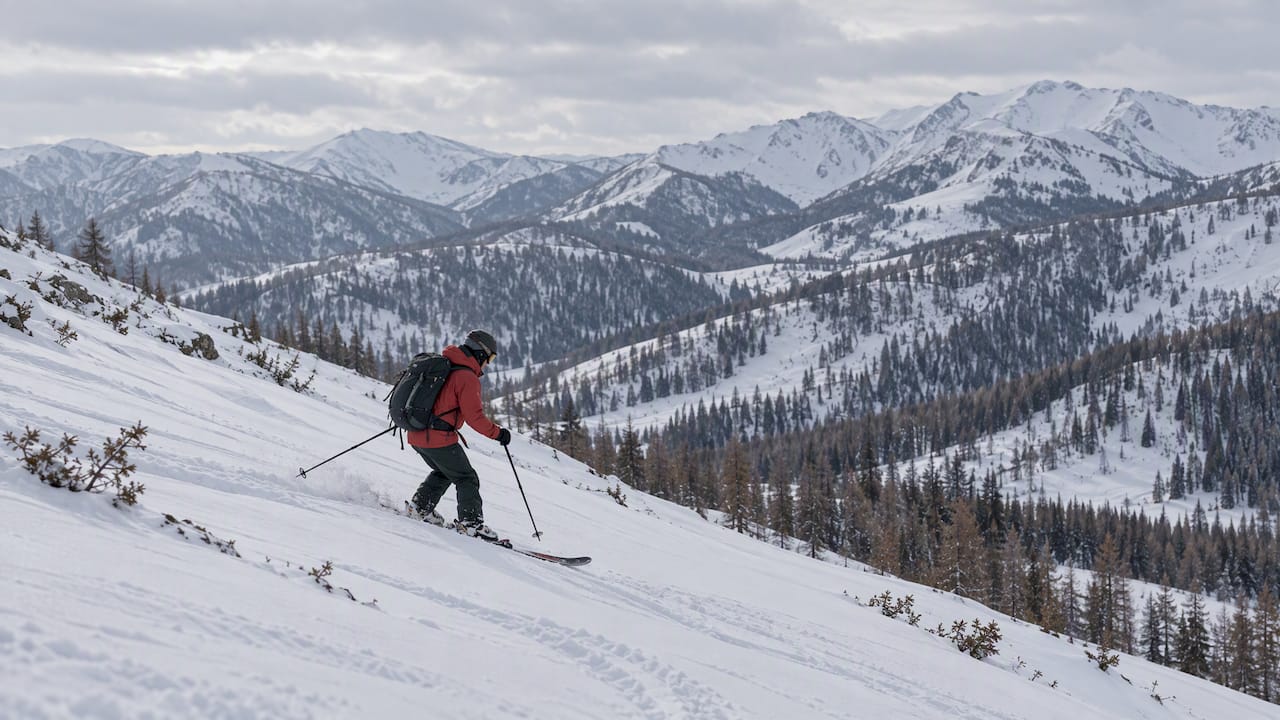
Explore heli-skiing’s environmental impact, including helicopter emissions, wildlife considerations, aviation effects and practical planning questions.
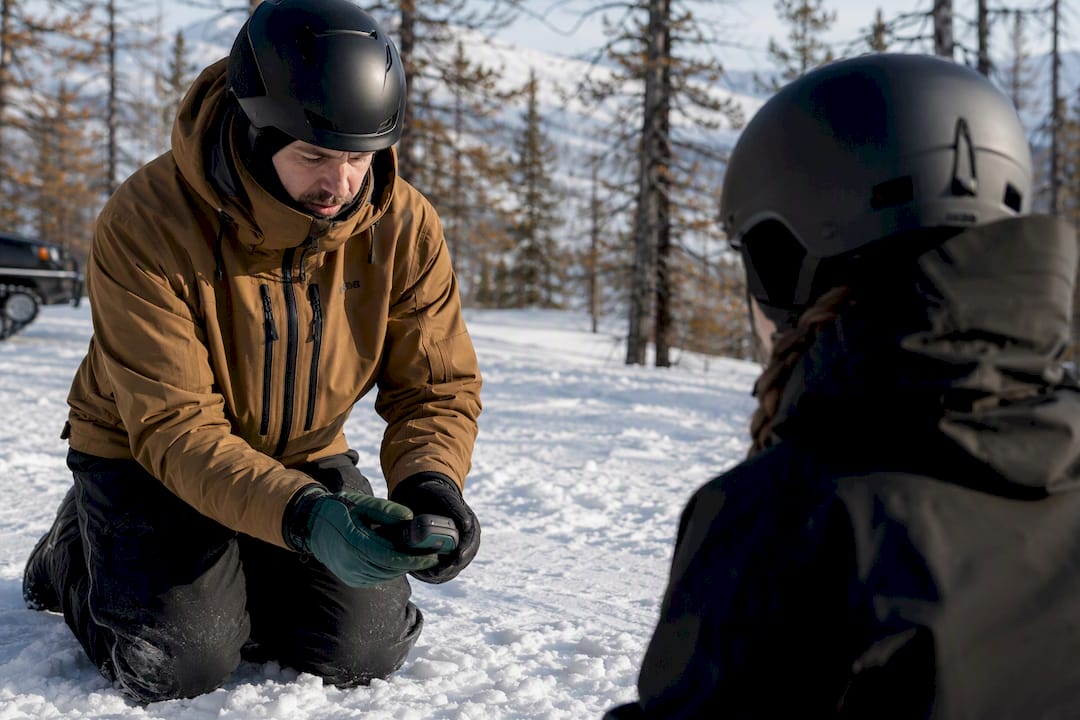
Learn what a snowcat safety briefing covers, including avalanche equipment, transceiver checks, the 20 cm/50 cm rule and cat-skiing preparation in Altai.
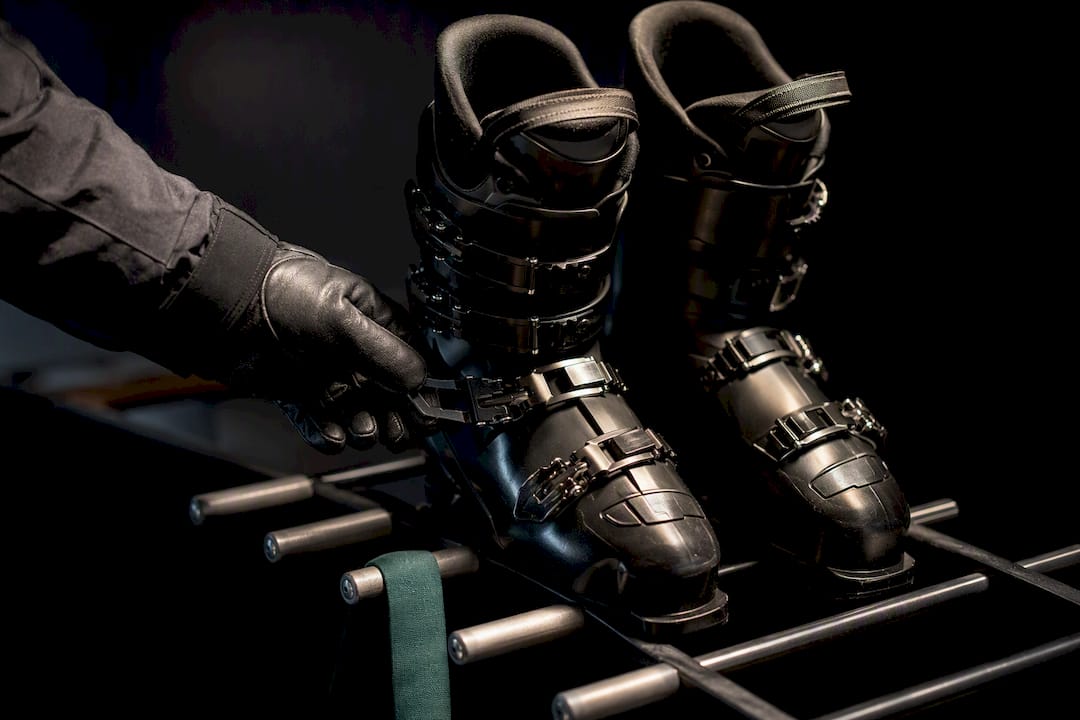
Practical ski locker etiquette for shared storage: keep equipment tidy, use boot dryers fairly and follow the rules in your drying room.
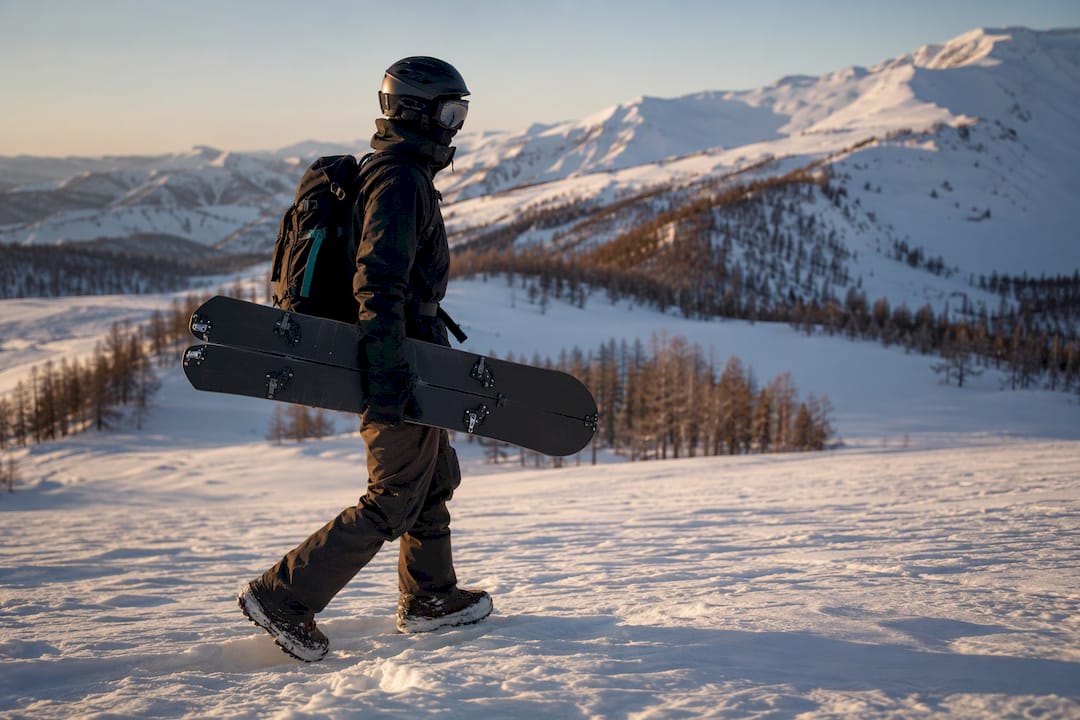
Plan a heli-accessed splitboard trip with practical guidance on formats, costs, rescue readiness, personal kit and Altai Mountains Resort options.
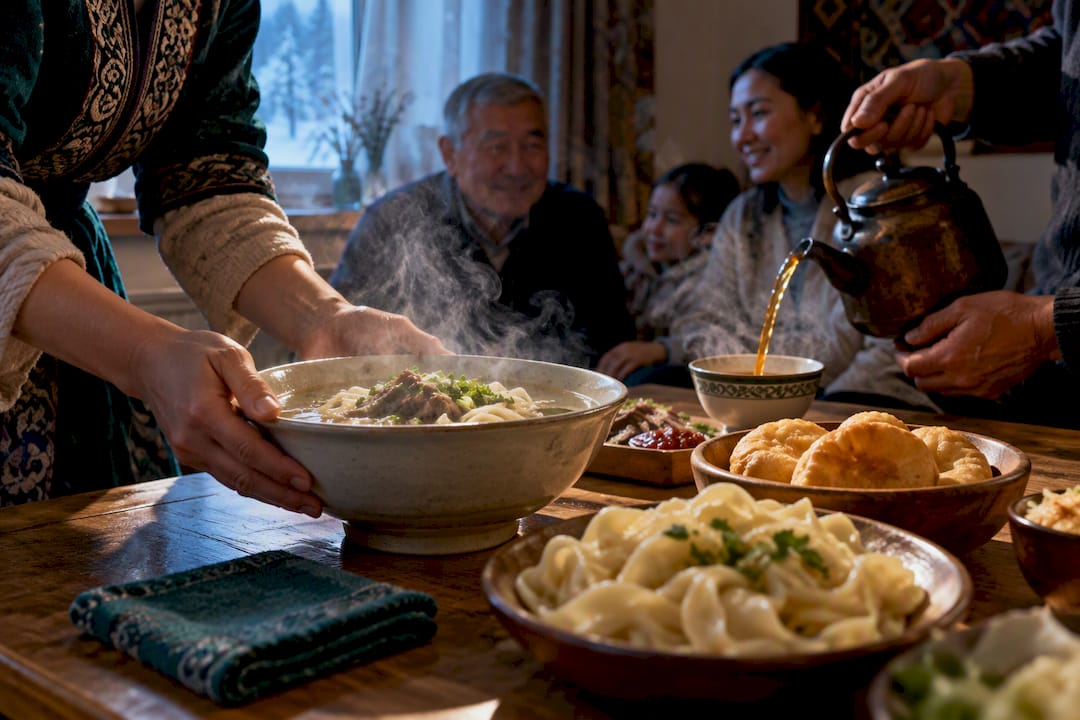
Explore Kazakhstan winter culture through holiday traditions, food, living heritage, regional rhythms and practical etiquette for visitors.
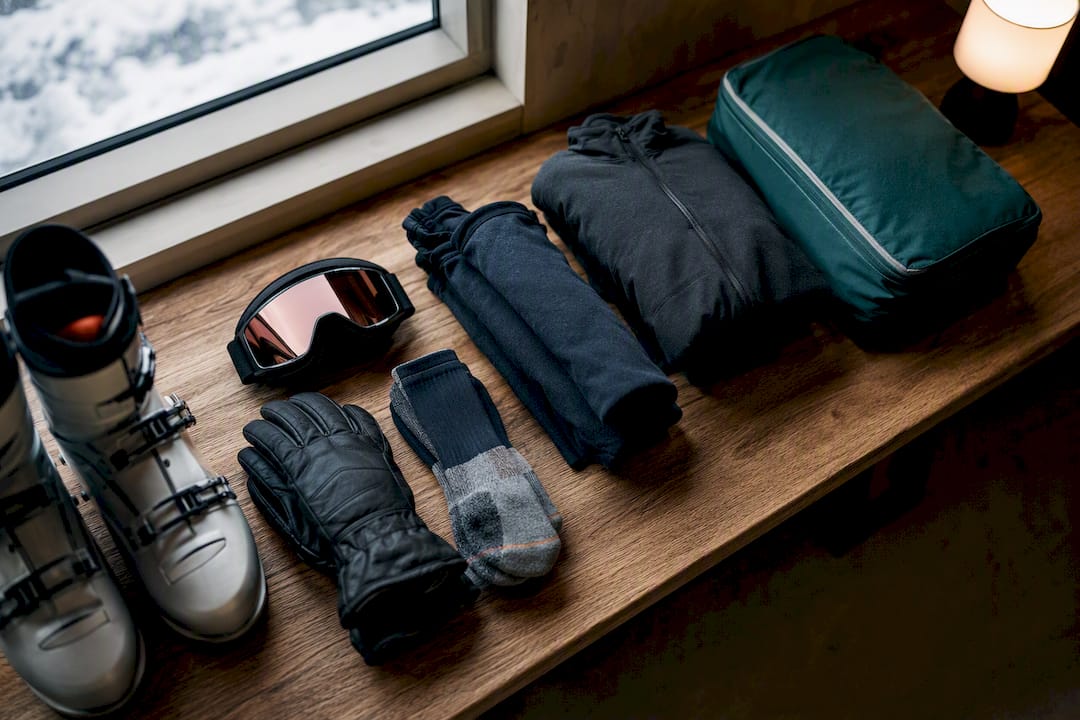
A practical luxury ski packing list for fitted essentials, lighter luggage and guided off-piste or heli-ski days at Altai Mountains Resort.

A practical heli-skiing safety guide for expert skiers, covering operator decisions, avalanche equipment, helicopter procedures, rescue planning and insurance.
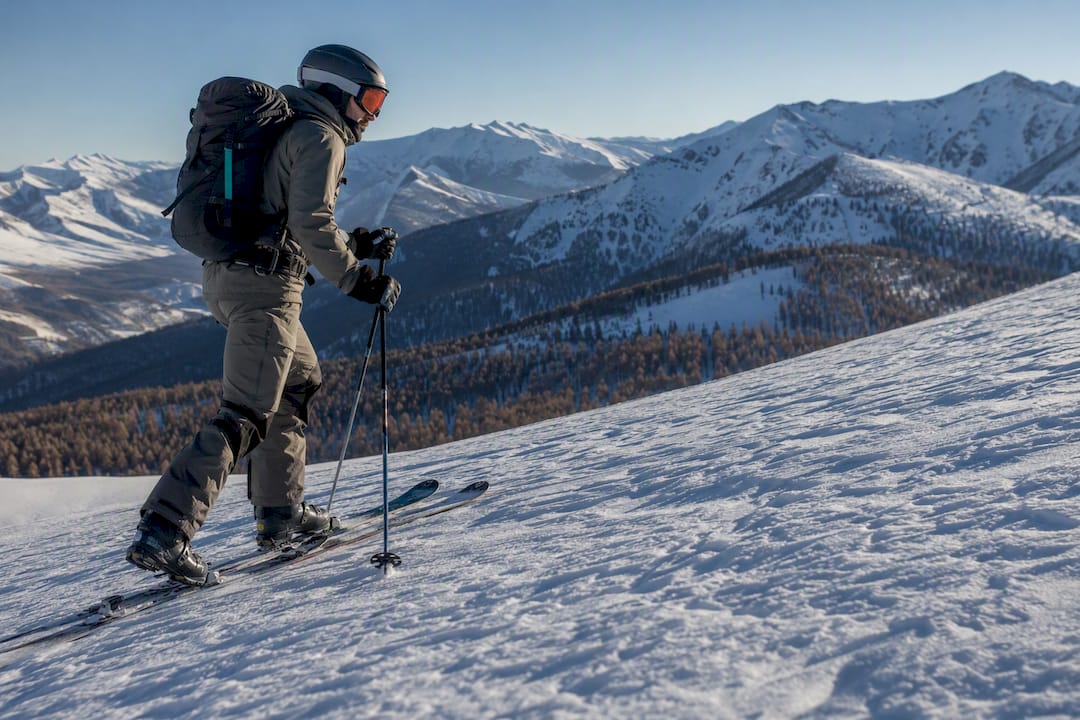
Compare lift-assisted, touring and Western Altai ski options in Kazakhstan, with practical safety, travel and booking guidance.

Learn the heli-skiing skill level typically expected, the off-piste skills to practise, safety preparation and an adaptable 8–12-week training framework.

Plan the Kazakhstan skiing season with a practical comparison of Almaty and Ridder, month-by-month timing, mountain safety and trip planning.
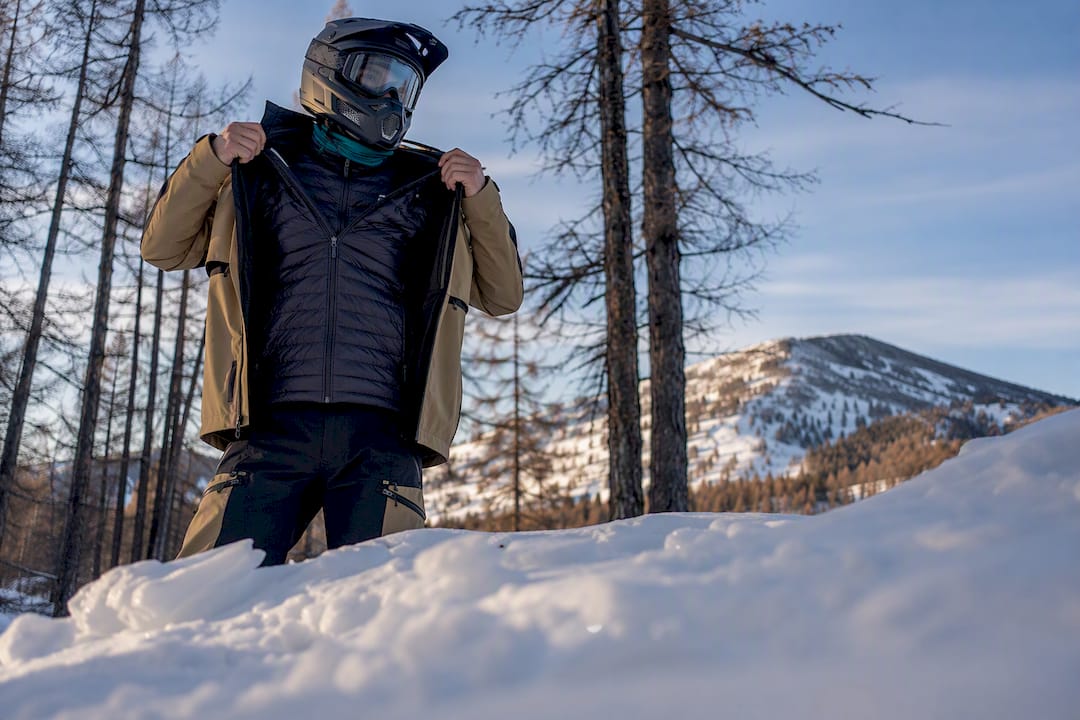
Use this snowmobile layering guide to build a flexible base, insulation and shell system, manage moisture and pack dry spares for changing conditions.

Learn what to rent for avalanche terrain, how to prepare a beacon, probe and shovel, and what to know about airbag packs and flights.
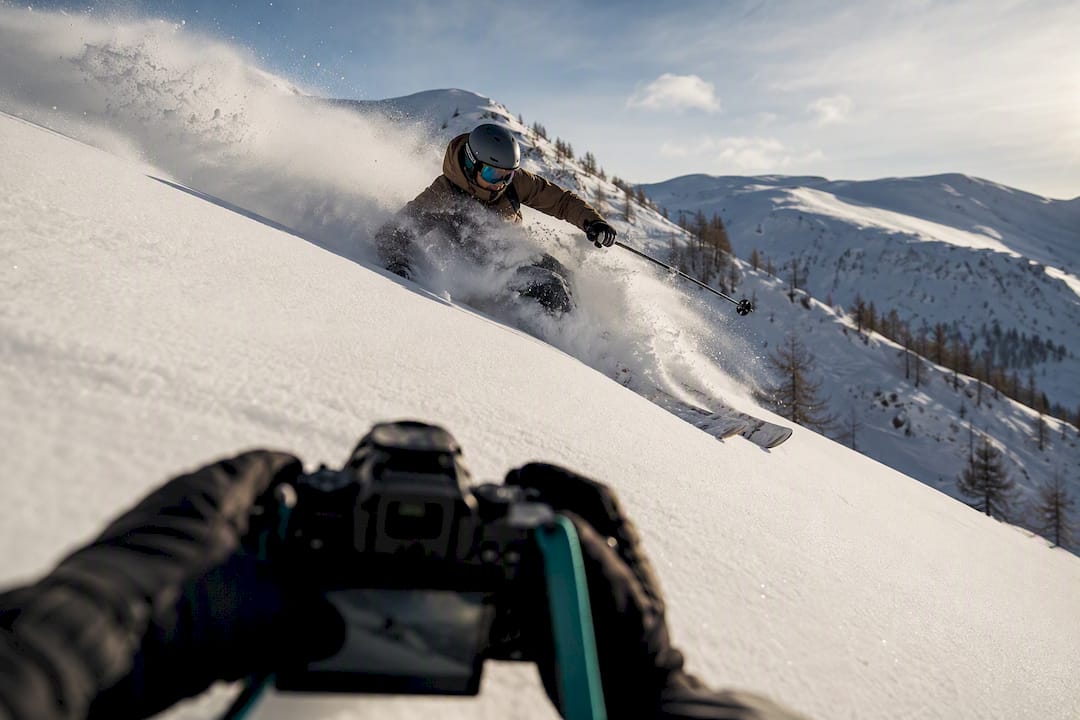
Practical ski photography tips for beginners: camera settings, snow exposure, timing, cold-weather camera care and safe mountain positioning.

Learn how to read an avalanche forecast, interpret danger ratings, roses and avalanche problems, and plan more conservative terrain choices.
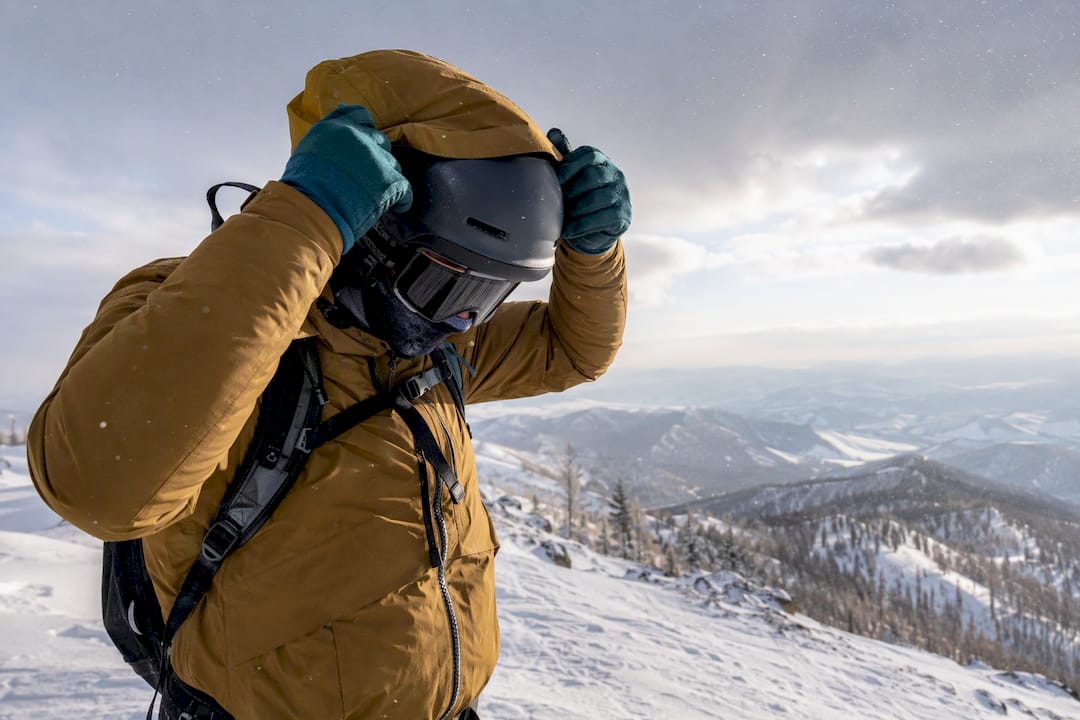
Practical cold injury prevention for winter travel: layering, dry spares, warning signs, first aid and planning for mountain activities.
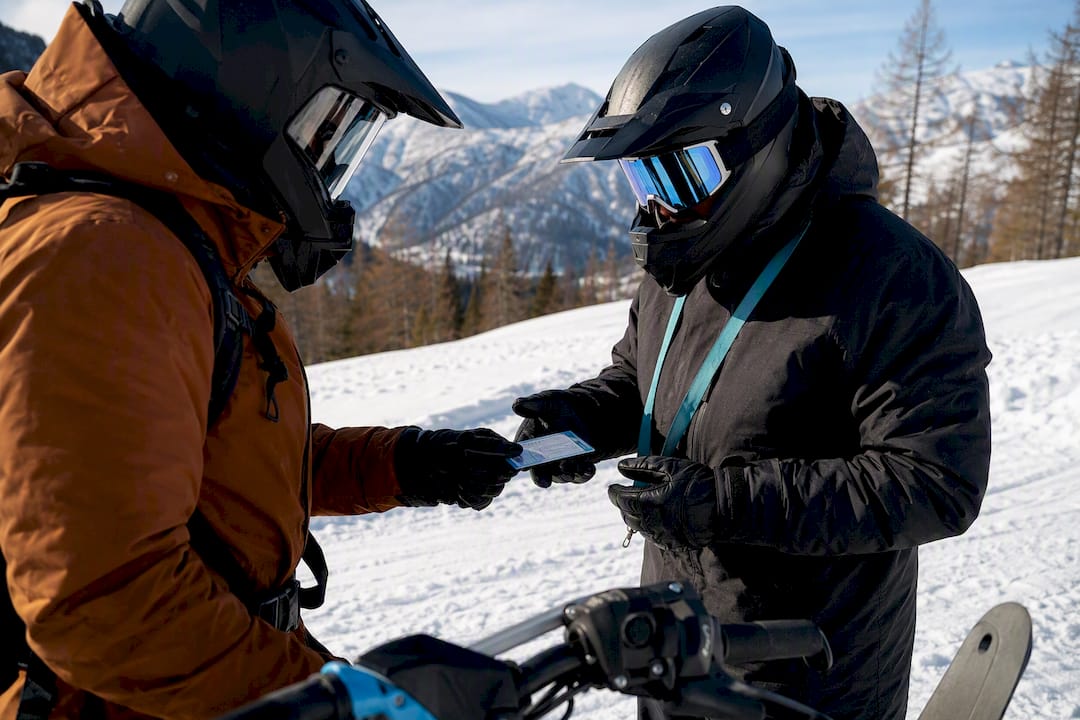
Planning snowmobiling in Ridder? Understand how experience, training, equipment and Kazakhstan rules shape your trip with Altai Mountains Resort.
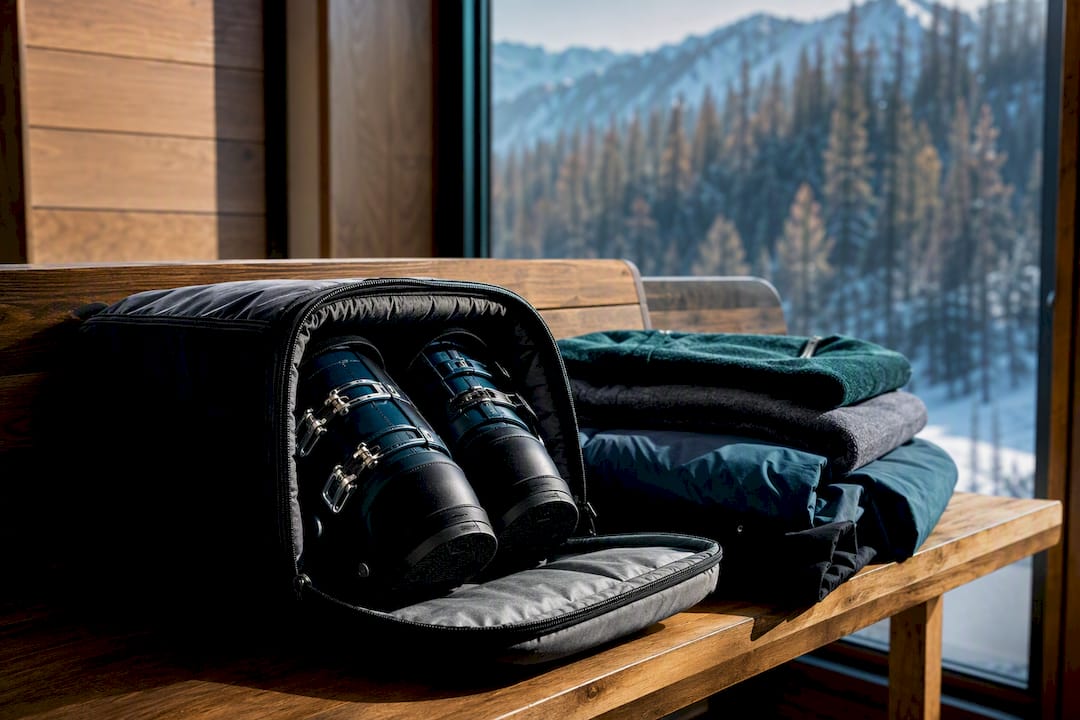
Travel with ski gear confidently: carry boots when cabin rules allow, pack skis securely, understand airline baggage rules and prepare for delays.
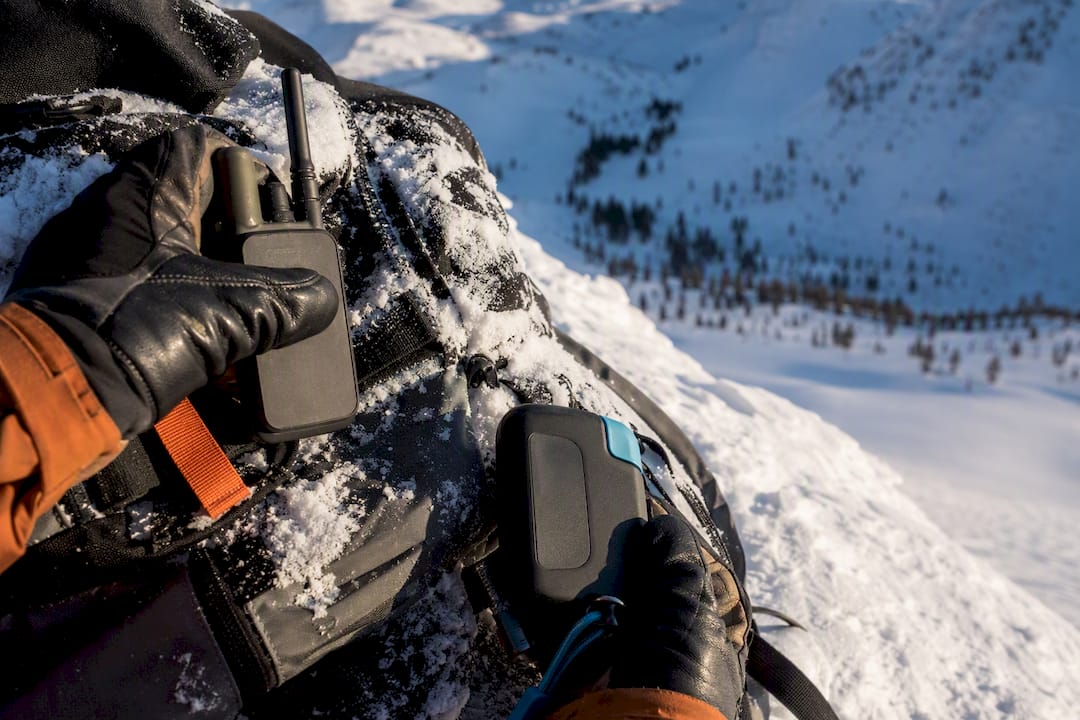
Build a practical backcountry radio communication plan with party radios, satellite SOS or PLB backup, cold-weather care and regional legal essentials.

Satellite messenger basics for remote Altai trips: compare PLBs and two-way devices, understand SOS limits, and prepare your communications plan.
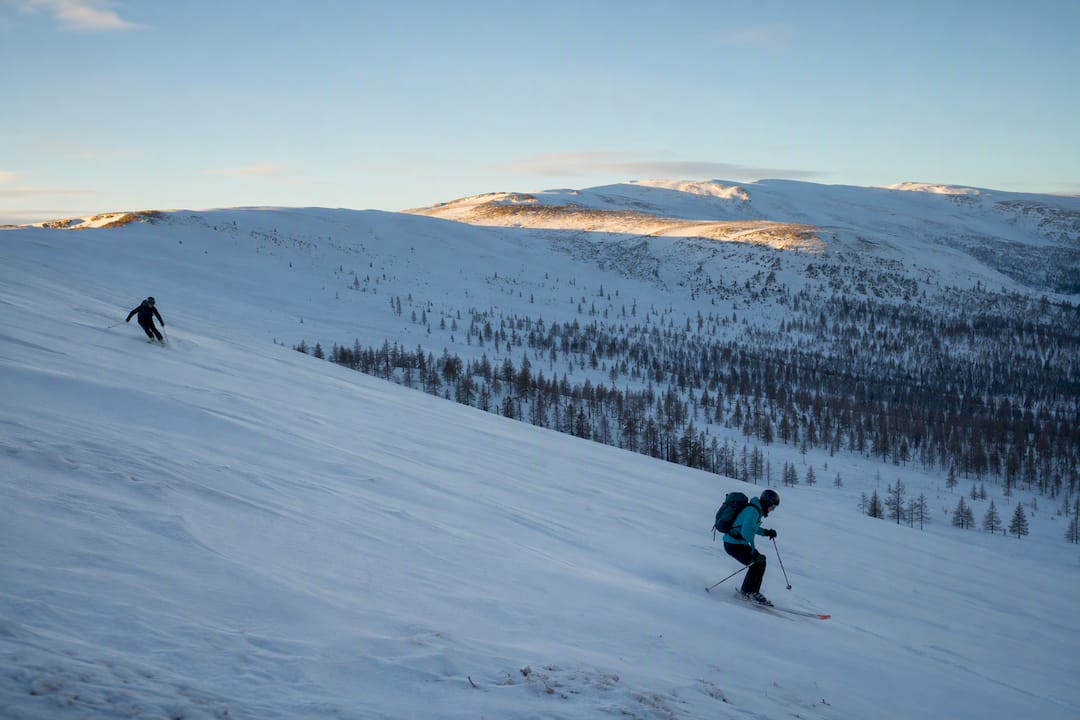
Avoid ski crowds with flexible dates, midweek skiing, early starts and smarter lift choices. Explore guided off-piste options near Ridder.

Learn how heli-skiing passenger weight and baggage rules differ by operator, with practical packing steps and Altai Mountains Resort booking guidance.
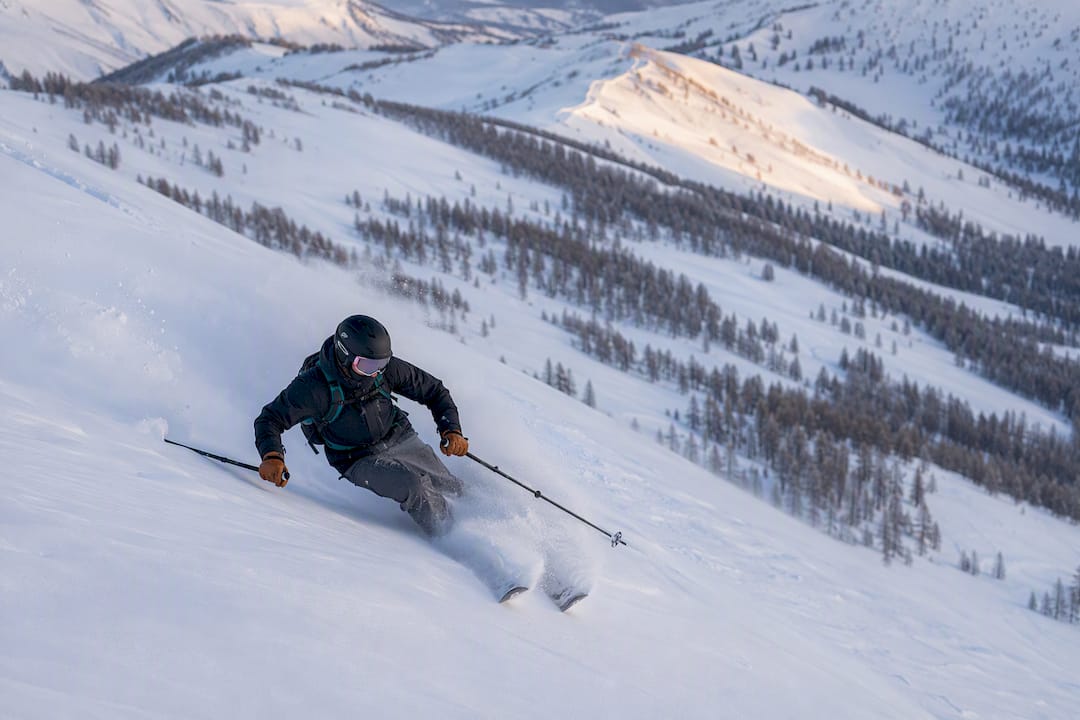
Understand the cat skiing skill level needed for Altai Mountains Resort, with practical guidance on off-piste ability, fitness and avalanche readiness.
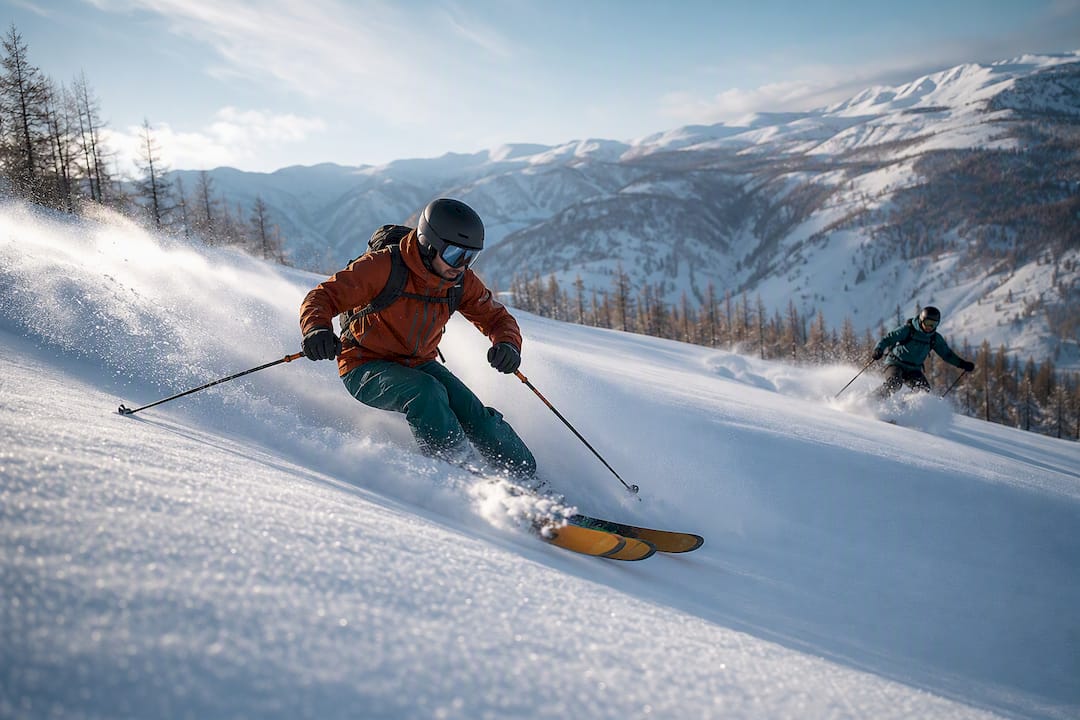
Decide whether Ridder suits your advanced Altai ski trip, with practical guidance on transfers, season timing, avalanche gear and guided programmes.
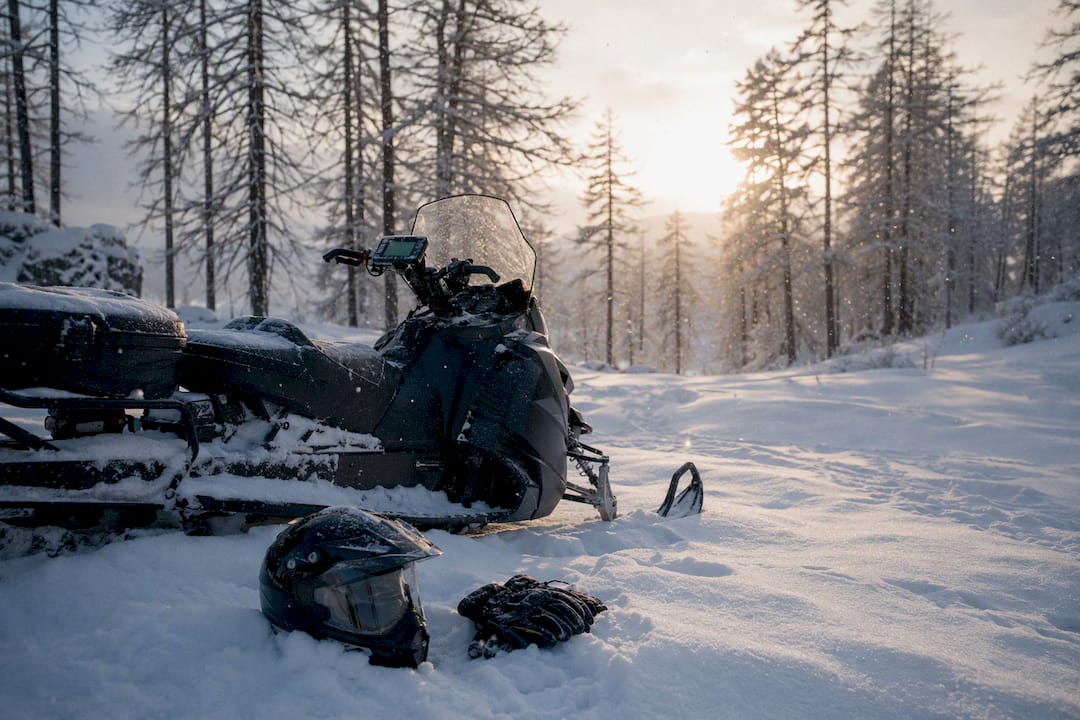
Compare snowmobile tour prices by duration, understand what shapes the final cost, and explore quote-based snowmobiling at Altai Mountains Resort.
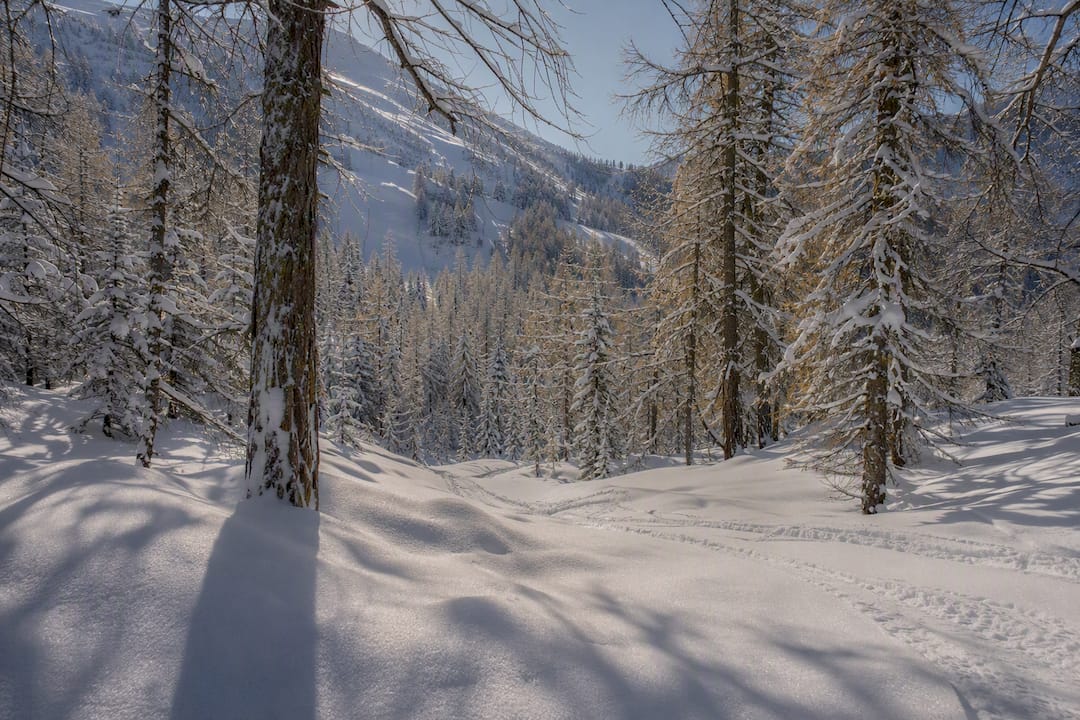
Compare Western Altai, Almaty and Turgen for Kazakhstan powder skiing, with practical guidance on access, safety and Ridder logistics.

Plan Altai heli skiing near Ridder with practical guidance on terrain, season, package inclusions, access, safety gear and booking.
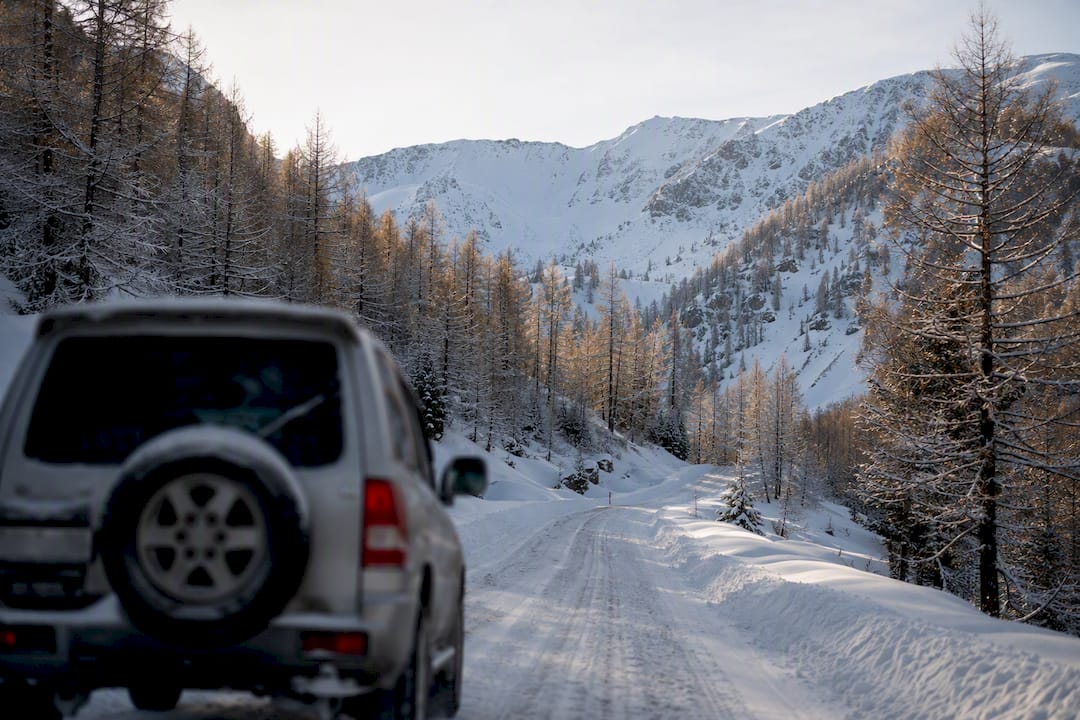
Compare flight, rail and self-drive routes from Almaty to the Kazakh Altai, with practical guidance for reaching Ridder and Ulba village.

Learn deep powder snowmobiling setup, riding technique, safe recovery and avalanche preparation, plus guided training near Ridder.
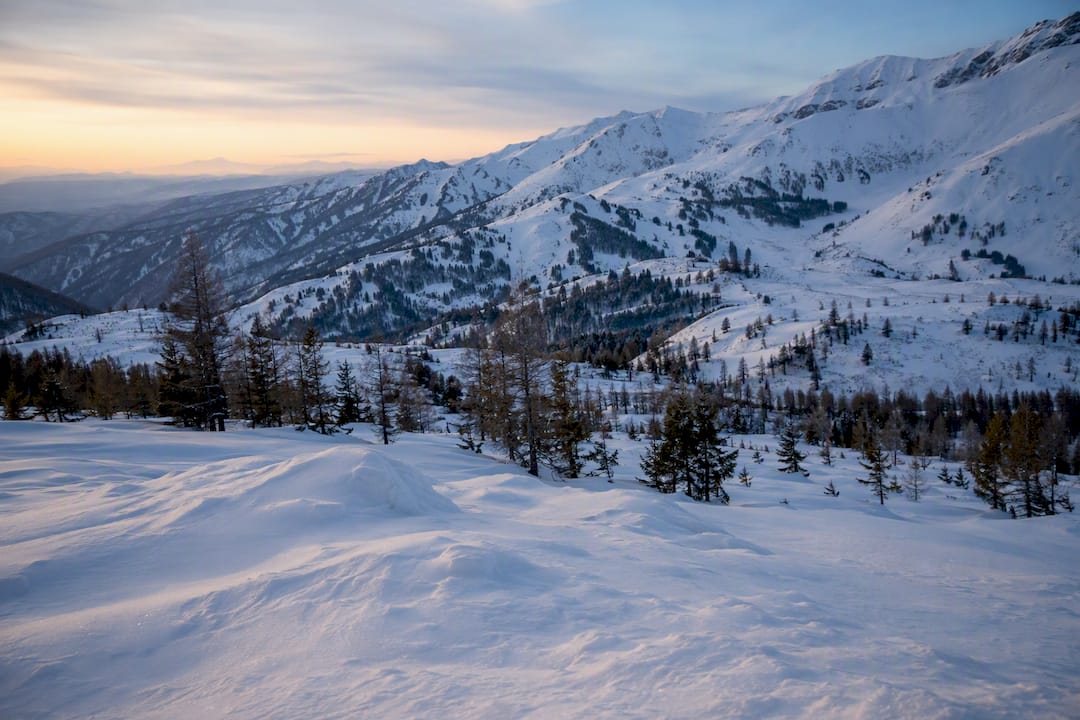
Plan an Altai Mountains winter stay from Ridder, with activity timing, travel from Öskemen, packing advice and practical mountain guidance.

Practical helicopter passenger safety guidance on boarding, seatbelts, exits, dropped items and following crew instructions.

Practical off-piste slope etiquette for safer skiing: right of way, avalanche preparation, group spacing, closures and guided skiing in the Western Altai.
Plan an Altai Mountains trip across Russian, Mongolian and Kazakh sectors, with permit, safety and winter-stay guidance for Ridder Lodge.
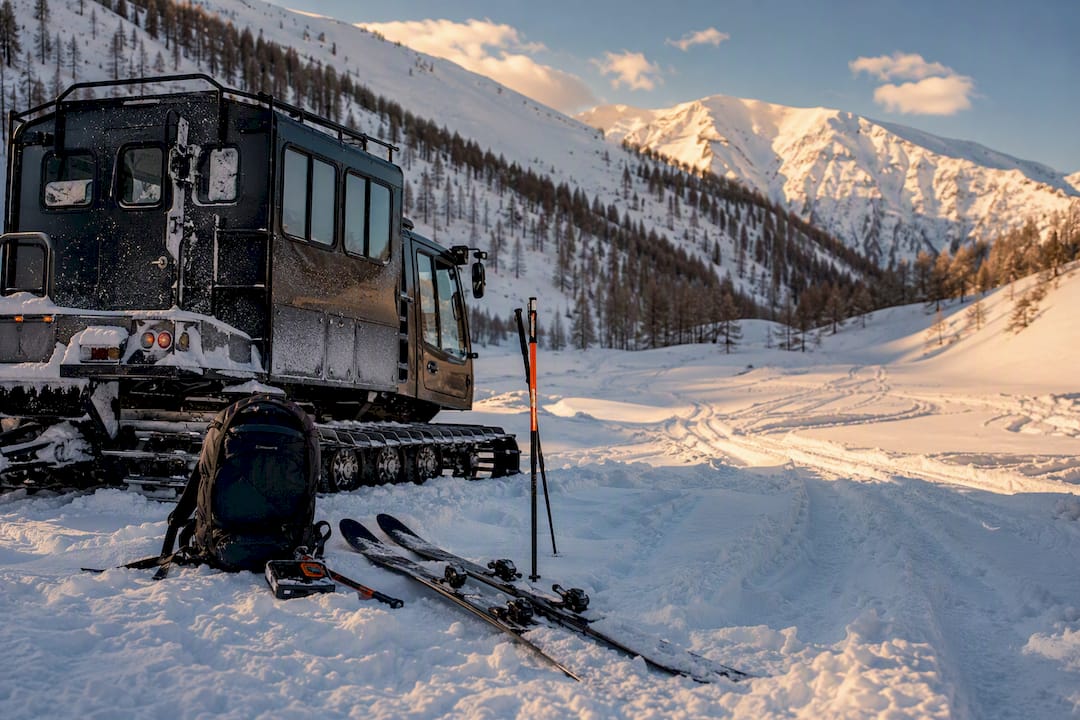
Learn how to plan guided freeride tours, from off-piste experience and avalanche gear to guide scope, changing mountain conditions and cat-skiing in the Altai.
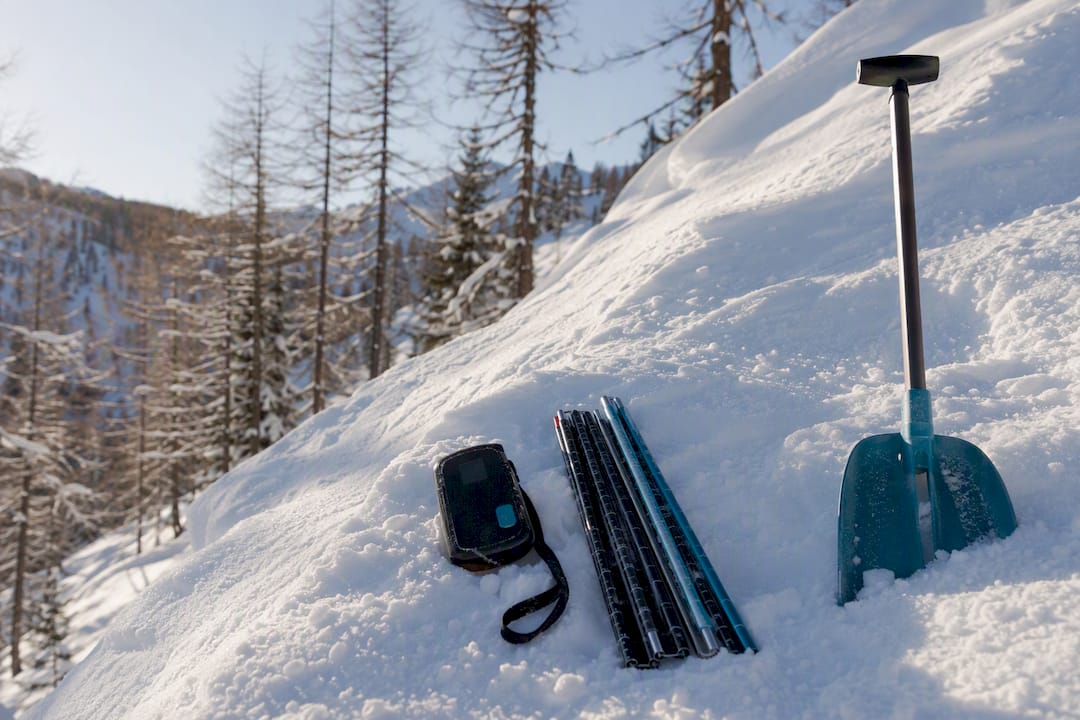
Learn avalanche beacon basics: 457 kHz transceivers, essential rescue gear, trailhead checks, interference and companion-rescue practice.

Learn which avalanche course suits your plans, what companion-rescue skills to practise and how to prepare for a winter trip to Altai.
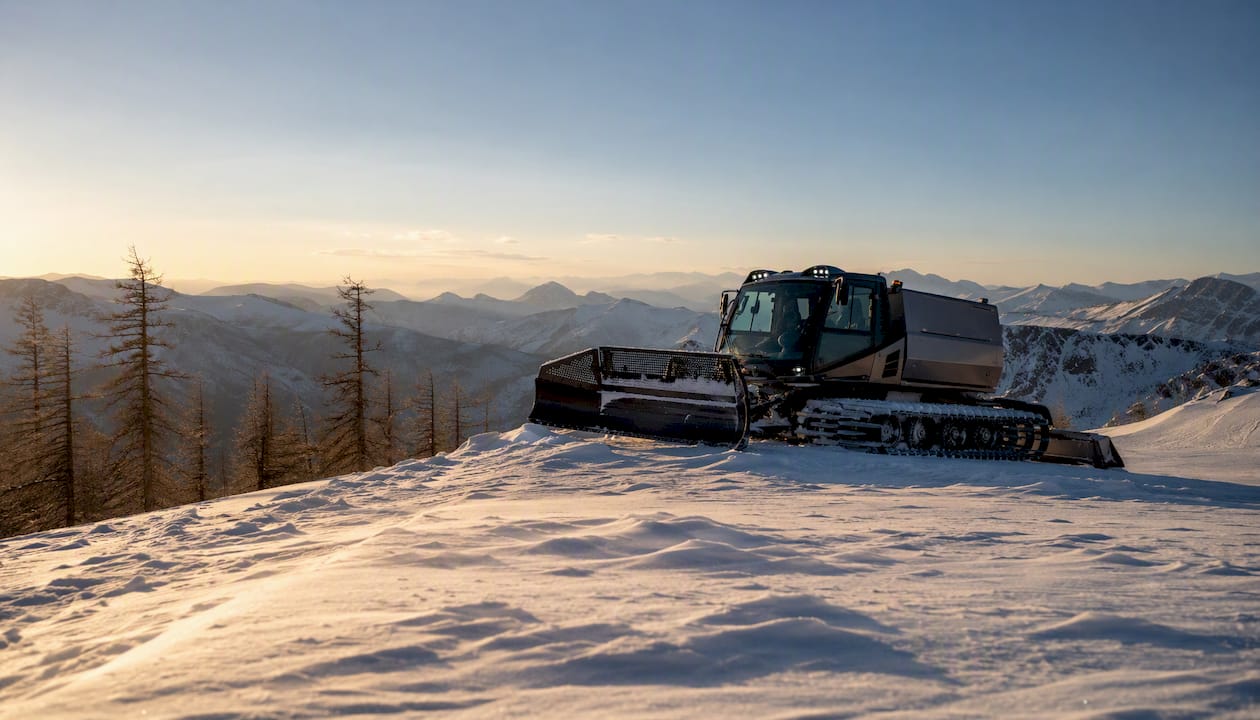
Learn what cat skiing is, who it suits, what to pack and how to plan a guided cat-skiing trip, including options near Ridder, Kazakhstan.
A practical ski rental Kazakhstan guide to Shymbulak and Medeu, current tariffs, equipment fit, transport and guided freeride near Ridder.

Understand ski guide benefits for freeride and backcountry trips, including local planning, terrain choices, qualifications, safety gear and access options.

Plan a snowmobile expedition near Ridder, Kazakhstan, with practical guidance on routes, rider experience, equipment, mountain safety and transfers.
Use this mountain lodge amenities checklist to compare rooms, meals, wellness access, transfers, activities and paid extras before booking.
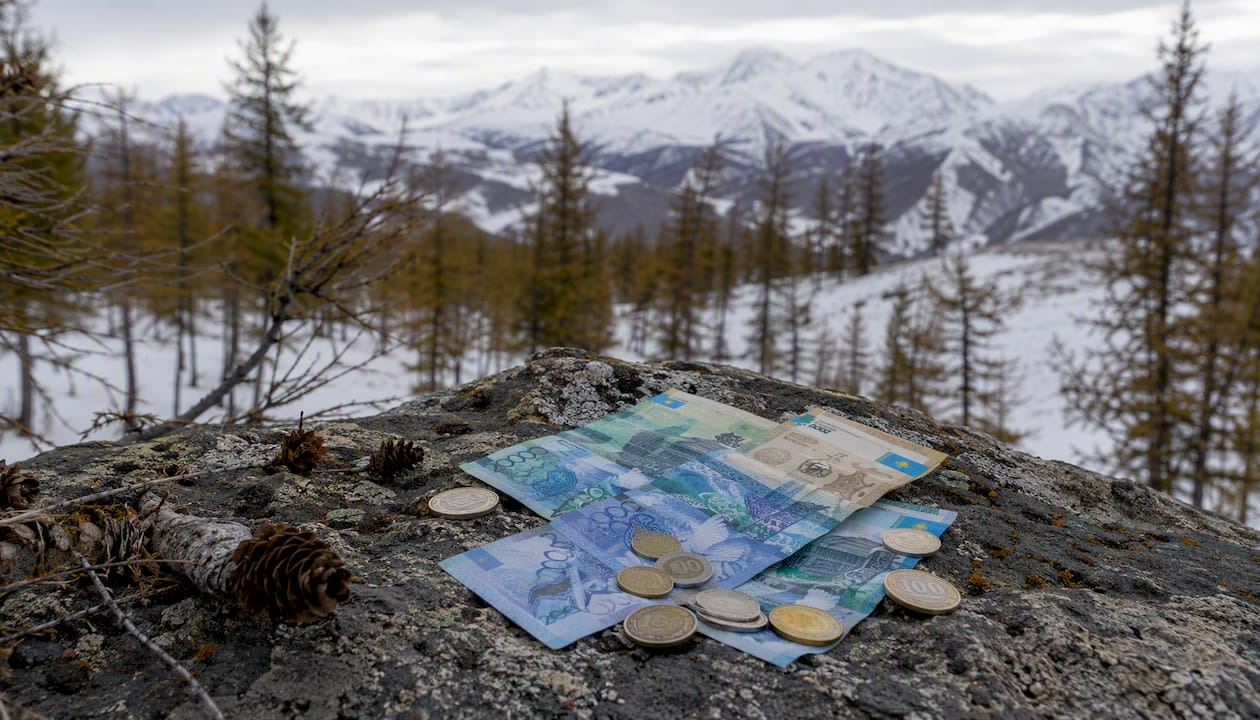
A practical Kazakhstan currency guide to the tenge, cards, ATMs, currency exchange, DCC and cash planning for cities and the Western Altai.
Plan the Kazakhstan ski season by month, compare lift-served Shymbulak with guided trips around Ridder, and prepare for changing snow and mountain conditions.
A practical guide to spa after skiing, including gentle massage, sauna and hammam, optional cold immersion and signs that need medical attention.
Plan a remote ski trip from the UK to Ridder, with practical guidance on activities, Kazakhstan entry, Öskemen transfers, insurance and ski baggage.
A practical heli skiing packing list covering clothing, avalanche equipment, ski baggage, batteries, travel documents and rental options.
A practical UK guide to ski boot fitting: appointment steps, services, current provider price examples, aftercare and warning signs.
Should you tip a ski guide? Learn how customs vary, when a gratuity may feel appropriate and how to plan for tipping in Kazakhstan.
An Altai cuisine guide to kan, kurut, chegen and talkan, with dining at Restaurant Altai, food safety and travel from Öskemen to Ridder.
Compare banya vs sauna: heat, steam, venik and löyly rituals, etiquette, health evidence, safety basics and the Altai Banya experience.
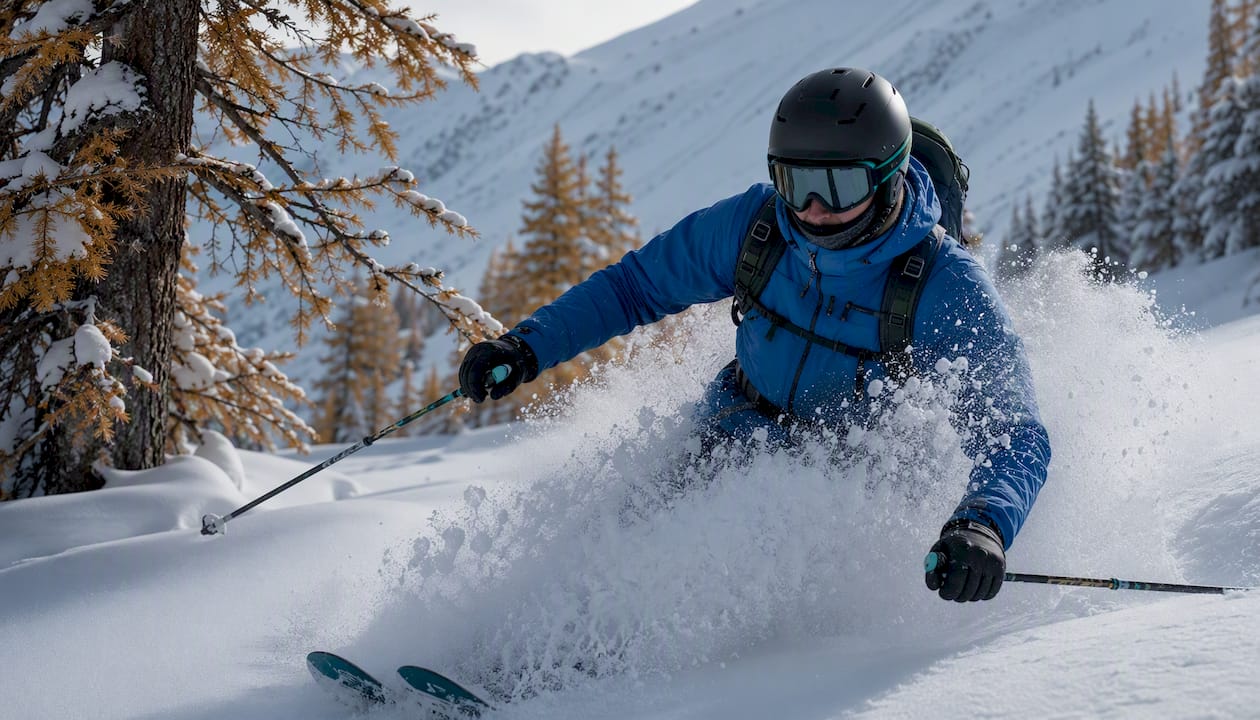
Learn how to ski deep powder with centred balance, smooth turns, speed control, practice steps, gear guidance, and avalanche and tree-well precautions.

Plan a mountain wellness retreat in Ridder with freeride, heli-skiing, snowmobiling, Ridder Lodge, Altai Banya and practical winter travel guidance.

A practical snowmobile gear list for UK travellers heading to Altai Mountains Resort, with clothing, safety equipment, battery and travel guidance.

Understand Ridder Lodge’s ski-in/snowmobile-out access, guided ski-day logistics, transfers from Öskemen and practical planning for your stay.
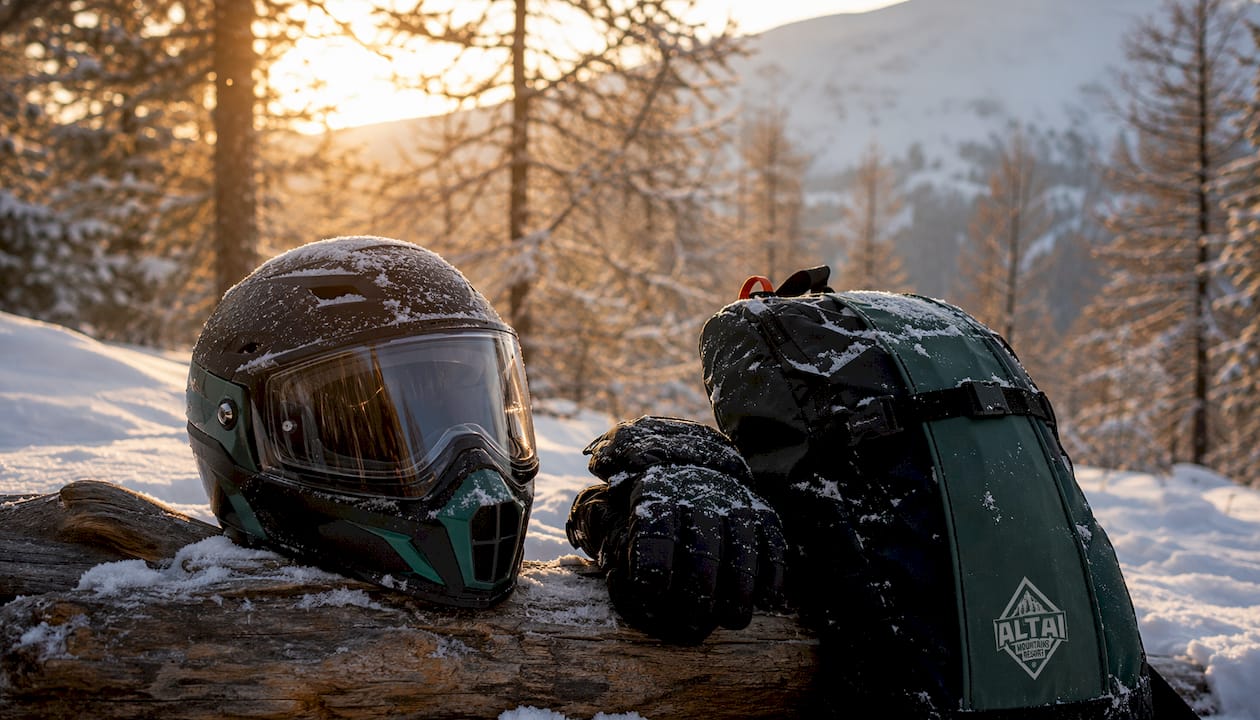
Prepare for a guided snowmobile ride with a practical gear checklist covering helmets, winter layers, avalanche equipment and cold exposure in Ridder.

A practical heli skiing guide to ability, avalanche equipment, packing, weather and planning your first trip to Kazakhstan.
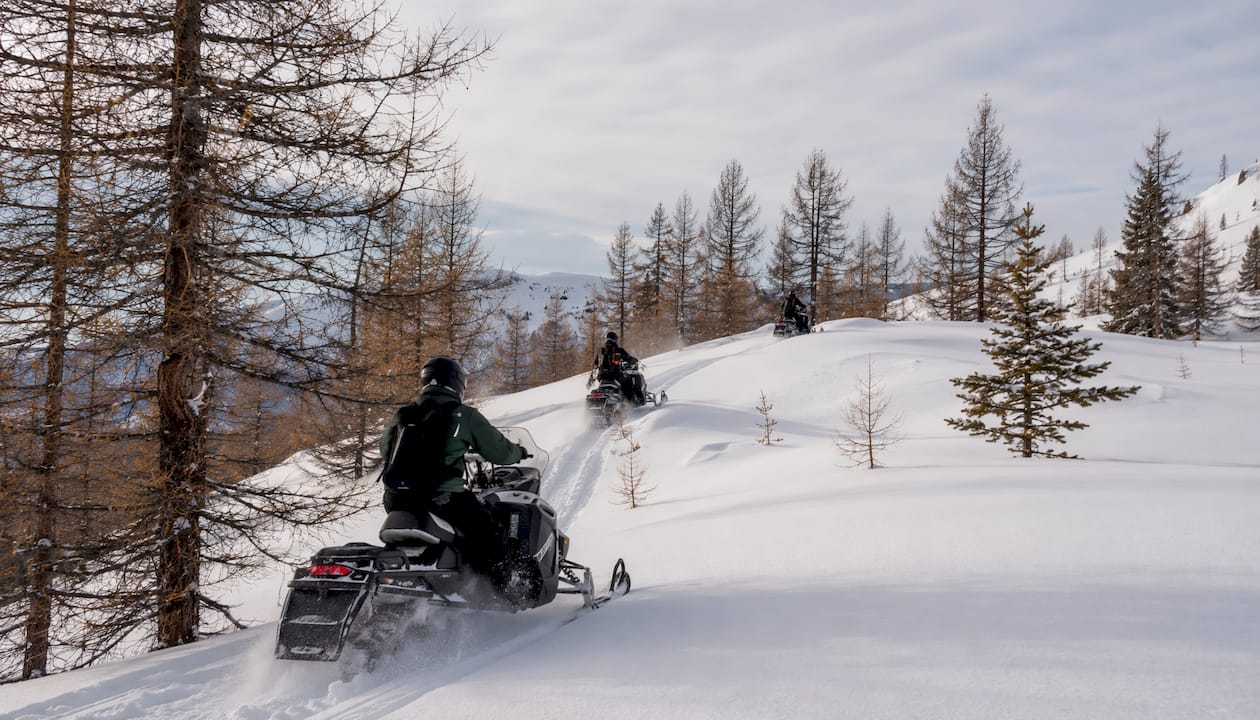
Plan guided deep snow snowmobiling in Ridder, with practical details on training, rentals, equipment, transfers and staying at Ridder Lodge.
How to choose Kazakhstan travel insurance for heli-skiing, cat-skiing or snowmobiling, including medical treatment and evacuation cover.
Kazakhstan visa requirements for UK visitors to Ridder, including visa-free limits, e-visas, passport rules, airports and Öskemen transfers.
Build strength, balance and endurance before cat-skiing, heli-skiing or snowmobiling with an adaptable six-to-eight-week ski fitness program.

Explore cold plunge benefits for skiers, from short-term soreness and recovery evidence to cold-shock risks, timing and Altai Banya options.

Understand heli skiing cost in 2026 with current operator examples, a total-budget checklist, and key booking, safety and insurance questions.