Use this snowmobile layering guide to build a flexible base, insulation and shell system, manage moisture and pack dry spares for changing conditions.
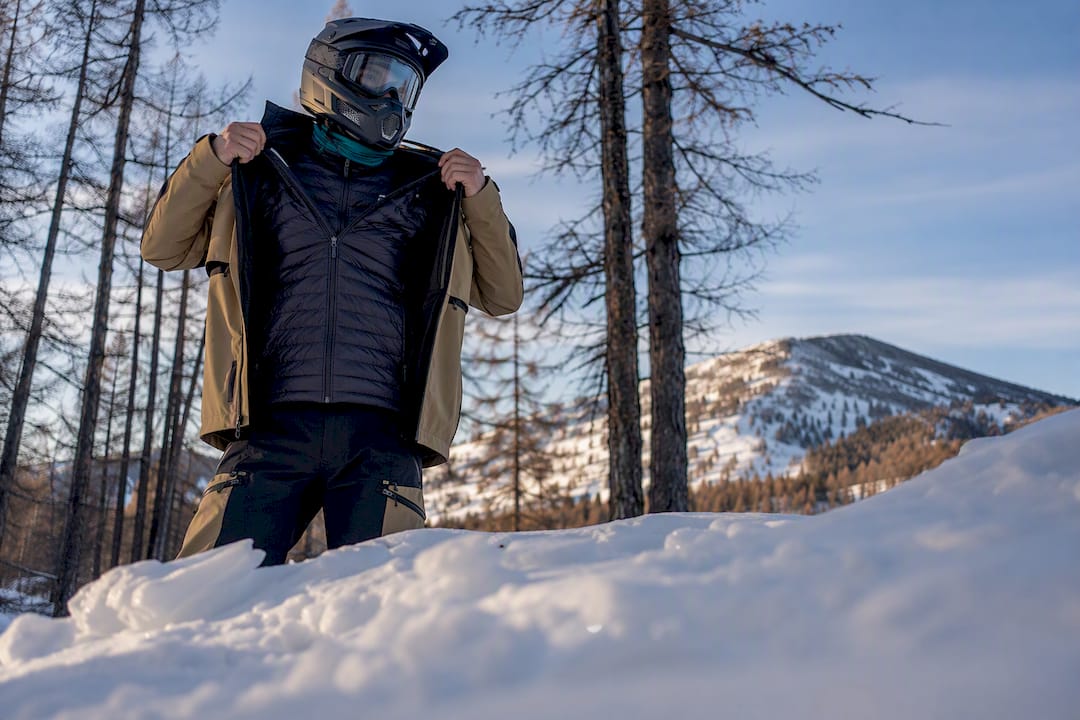
A practical snowmobile layering guide begins with three jobs: move moisture away from the skin, retain warmth and block wind and snow. Wear a moisture-managing base layer, add insulation that suits your activity, and finish with a protective outer shell. The key is being able to adjust that system as the pace, weather and exposure change.
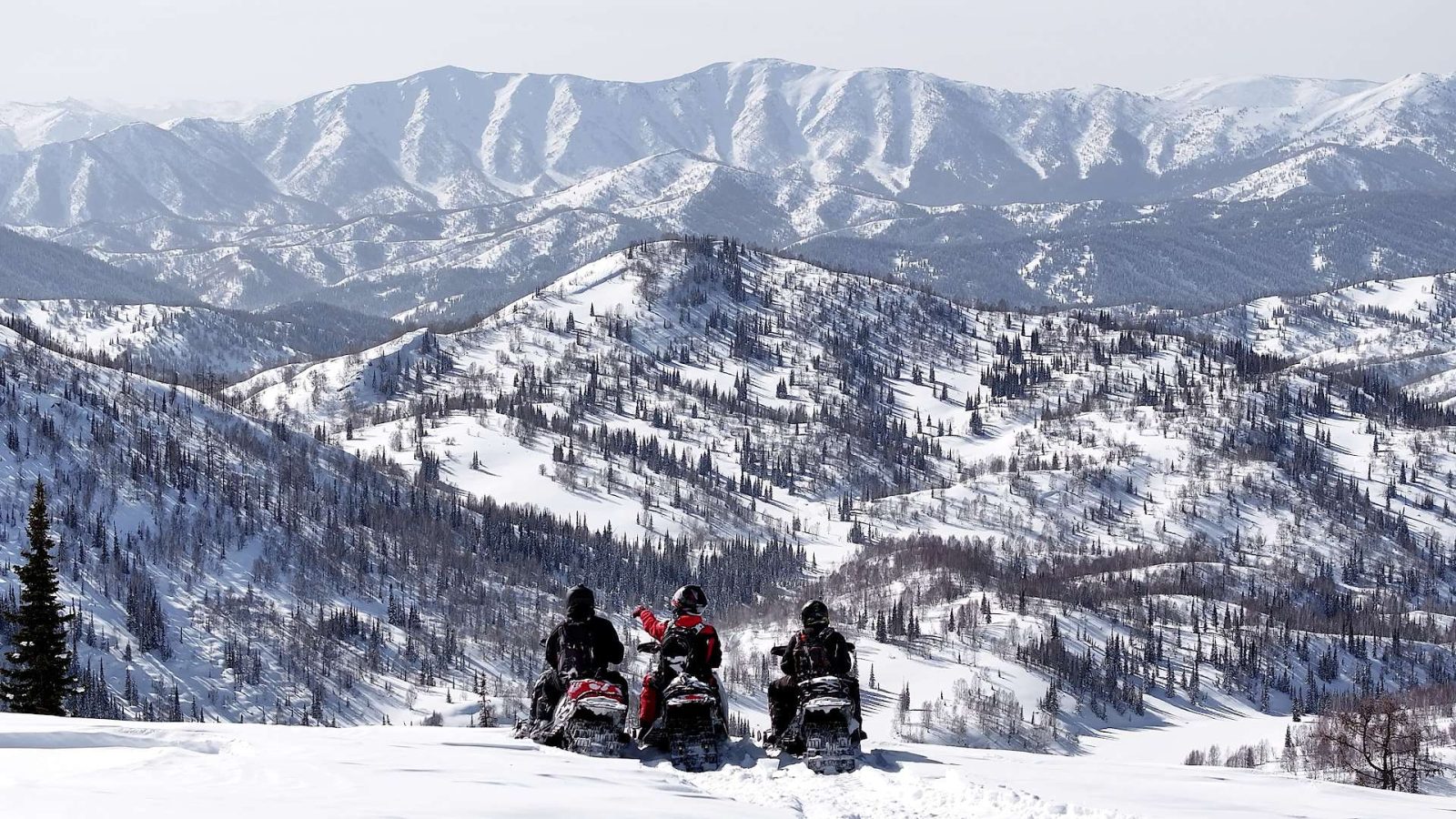
For rides around Ridder and the Western Altai, thoughtful layering helps you make the most of a winter day. Trail cruising, guided deep-snow riding and Snow Safari experiences involve different levels of effort, so a single heavy outfit is rarely as adaptable as well-chosen layers.
Three-layer system for snowmobiling
The familiar three-layer approach gives each garment a clear role, as moisture-wicking base layer, insulating mid layer and windproof outer shell illustrates.
Base layer: Choose a close-fitting, non-cotton layer that feels comfortable next to the skin. Its main purpose is moisture management, while it also contributes a little warmth.
Mid layer: Fleece or another insulating layer holds warm air. A lighter option is easier to regulate during active riding; a warmer option suits colder, lower-effort periods.
Outer shell: Wear a wind- and weather-protective layer that allows free movement and works with the layers below. Keep it properly fastened while riding, using its designed ventilation features rather than leaving it open to wind and snow.
Choose a shell with practical closures and vents, with enough room for your normal range of movement on the machine. Properly fitted cuffs, snow skirts and storm flaps can make a useful difference, as details that stop snow working its way inward explains.
There is no universal rule for how loose your layers should be. They should not restrict movement or feel compressive, and they need to work with your helmet, gloves and protective equipment. Fit guidance in outer layers that are too loose fail to trap warm air against your body can help you assess this, while What to wear trail snowmobile | Ski‑Doo (BRP) offers a second practical overview of the three-layer approach.
Trail versus mountain riding: how insulation changes
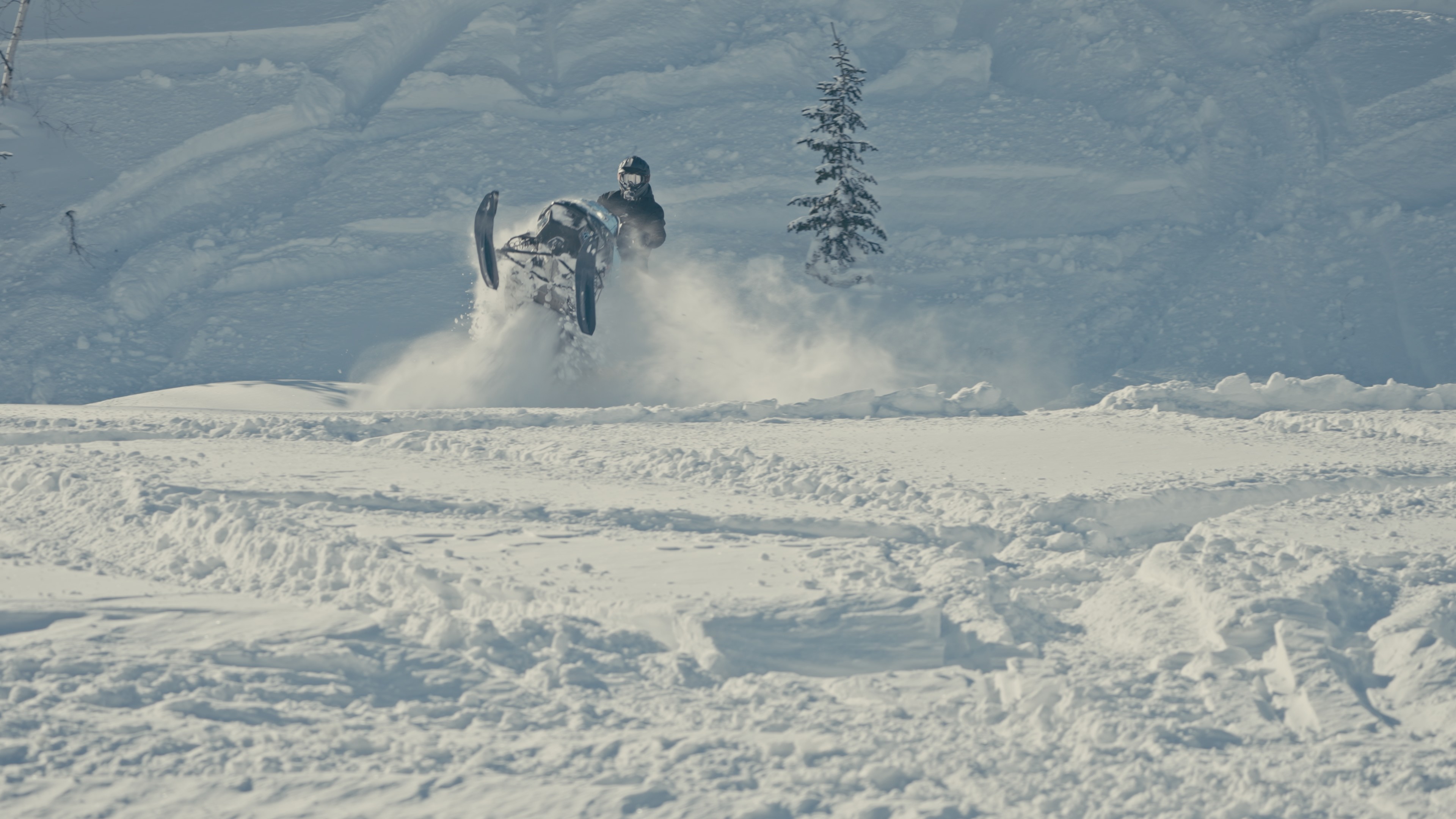
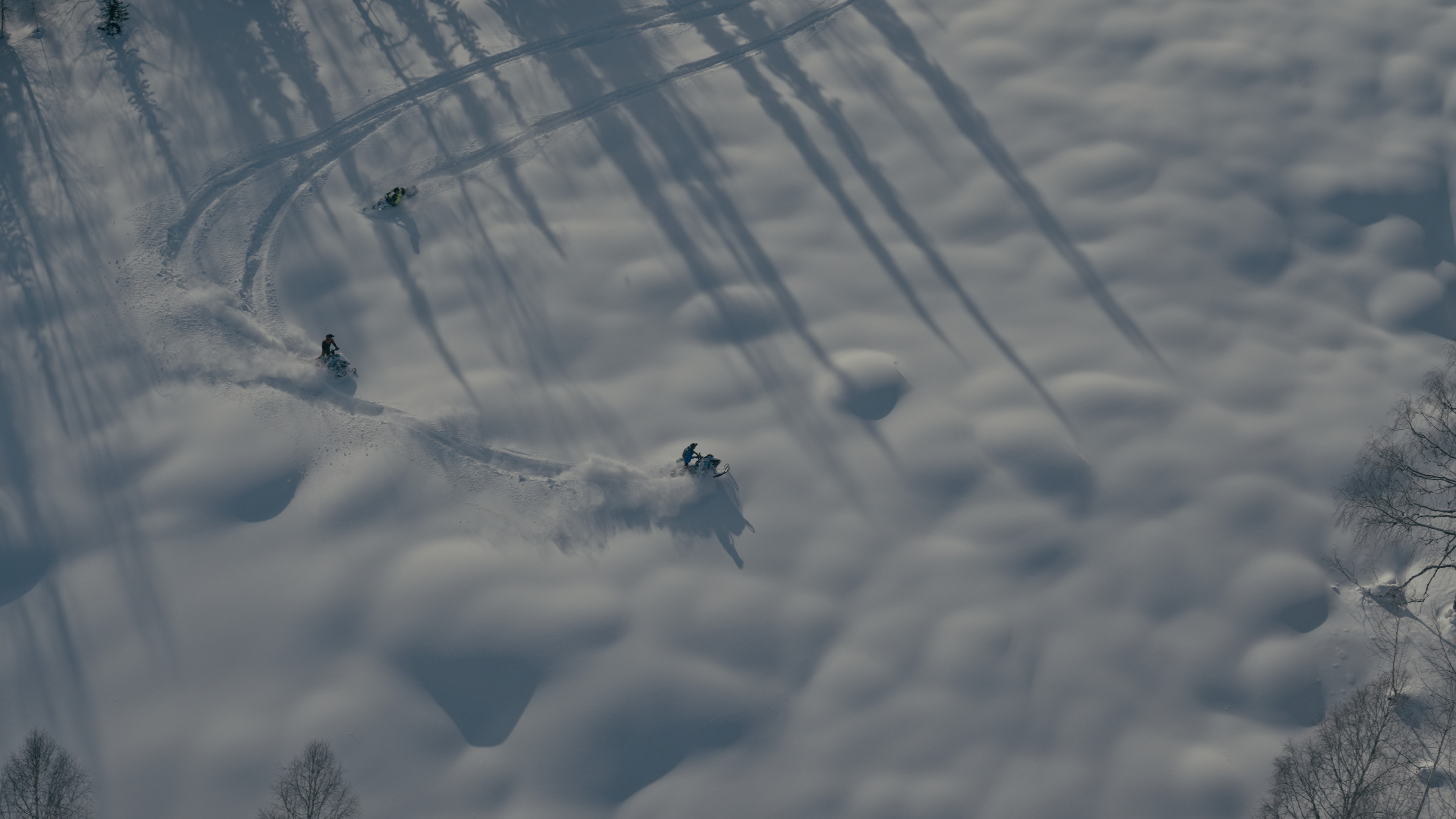
Start with the nature of the ride rather than a fixed temperature formula. Sustained trail riding often feels colder because you are exposed to steady airflow with relatively little physical effort. Higher-effort riding in deep snow or off-trail terrain often produces more body heat. Trail riding usually calls for more insulation because you're travelling at sustained speed into constant wind chill, while mountain and off-trail riding often needs lighter mid layers because the physical effort of shifting your weight and working the sled generates far more body heat explores the difference.
Neither style of riding is automatically warm or cold. Wind, dampness, stops, daylight, terrain and your own condition all matter. Begin slightly cool rather than heavily bundled, then use approved vents or add and remove insulation at suitable stops before sweat builds up.
For a quieter, trail-oriented outing, keep a warm mid layer available. For an active programme, favour easy adjustment: a breathable mid layer, functional vents and a dry spare close at hand. Do not let exertion reduce the protection required by the conditions, your guide or the equipment instructions. For a related perspective, Snowmobile gear guide | Polaris can be useful.
Hands, feet, head and eye protection
Hands and feet deserve the same planning as your jacket and trousers. Bring insulated gloves or mitts that allow safe control of the snowmobile, and take at least one dry spare pair when practical. If gloves become wet, change them promptly. Follow the instructions for heated garments, chemical warmers and battery-powered accessories; each product has its own safe-use requirements.
Wear winter footwear that fits properly with suitable socks and leaves enough room for circulation. Cotton next to the skin is a poor choice in cold conditions; it holds moisture against your skin and loses almost all its insulating value once wet explains why. A dry pair of socks can make a long day considerably more comfortable.
Use helmet-compatible face and eye protection that preserves a secure helmet fit and clear vision. Keep goggles clean and clear, and follow the helmet and goggle manufacturers’ instructions for ventilation, anti-fog care and compatible face coverings. Wet clothing, including clothing damp from sweat, can increase the risk of hypothermia; the CDC recommends keeping vulnerable body parts covered with warm, dry clothing.
How to vent and adjust layers while riding
Moisture management is the central habit behind comfortable cold-weather riding. If you feel yourself overheating, use the shell’s intended vents at an appropriate stop and reduce insulation if needed. When activity drops or exposure increases, close the vents and restore warmth before you become chilled.
Cold stress is shaped by cold, wet and windy conditions. NIOSH identifies hypothermia and frostbite as cold-stress risks and recommends clothing suited to those conditions. That is why staying dry matters more than chasing a particular number of layers. retained sweat increases both conductive and evaporative heat loss provides additional context on cold exposure.
Cold-weather safety: when to stop and warm up
Stop riding and move to a sheltered, warm place if you or someone in your group develops uncontrolled shivering, confusion, unusual fatigue, numbness or loss of coordination. Replace wet clothing with dry clothing where possible, and seek medical help for concerning or persistent symptoms. The CDC advises on recognising and responding to possible hypothermia. Thermoregulation and cold exposure research | PMC also covers cold exposure.
What to pack as dry spares
A small, organised dry kit makes layer adjustments realistic rather than theoretical. Pack it in a waterproof bag or compartment and separate it from damp items. For a day on the snow, a sensible starting point is:
a dry base-layer top;
spare gloves or mitts;
spare socks;
an insulating layer that fits under your shell; and
any personal items specified by your guide or required for the day’s conditions.
For multi-day travel, pack enough rotation that you are not starting another day in damp clothing. The preparation principles in general trip-packing checklist transfer well to winter equipment, and an orderly packing routine can prevent avoidable problems once a trip is under way, as general trip-packing checklist demonstrates. Snowmobiling layering best tips | Intrepid Snowmobiler offers another practical look at layering choices.
Altai Mountains Resort gear and rental questions
At Altai Mountains Resort, you can explore guided deep-snow snowmobiling, Snow Safari experiences, snowmobile training and rentals near Ridder. Our snowmobiling options provide an introduction to the range of rides, while the deep-snow experience outlines activity-specific guidance and equipment arrangements.
Personal layers, gloves, winter footwear, and face and eye protection remain an important part of your preparation. Equipment, rental sizing, protective gear, inclusions and availability should be confirmed for your selected itinerary and dates. When you contact our booking team, we can help you understand the arrangements for your chosen programme and what to bring. For a more scenic format, explore our Snow Safari experiences.
For activities with us, our guides and activity teams set the relevant requirements on the day. Their instructions, together with equipment manufacturers’ instructions, take priority over general guidance.
FAQ
What is the best base layer for snowmobiling?
Choose a comfortable, non-cotton base layer designed to manage moisture. The best choice fits without restricting movement and remains comfortable beneath your insulating layer and shell. Ski-Doo's owner guidance on trail riding attire provides a practical overview.
Do trail riders need more insulation than mountain riders?
Often, trail riders benefit from more insulation because of steady airflow and lower exertion, while active off-trail riding calls for easier ventilation and adjustment. Conditions and individual comfort still decide the final setup. Polaris's snowmobile gear guide explores this distinction in more detail.
Why is it important to stay dry while snowmobiling?
Wet clothing reduces comfort and increases cold stress. Carry dry spares, manage exertion before you become sweaty, and change wet items promptly. Peer-reviewed research on thermoregulation and cold exposure provides background on the body’s response to cold exposure.
What should I bring as snowmobile spares?
Prioritise a dry base layer, spare gloves and socks, plus an extra insulating layer suited to the day. Your guide can specify any additional equipment for the itinerary. Intrepid Snowmobiler's layering tips provides another practical discussion of layering choices.
Layering works best when it remains flexible: start with dry, compatible clothing, carry a few protected spares and adapt at sensible intervals as the ride unfolds.
All Articles
Use this snowmobile layering guide to build a flexible base, insulation and shell system, manage moisture and pack dry spares for changing conditions.

Learn what to rent for avalanche terrain, how to prepare a beacon, probe and shovel, and what to know about airbag packs and flights.
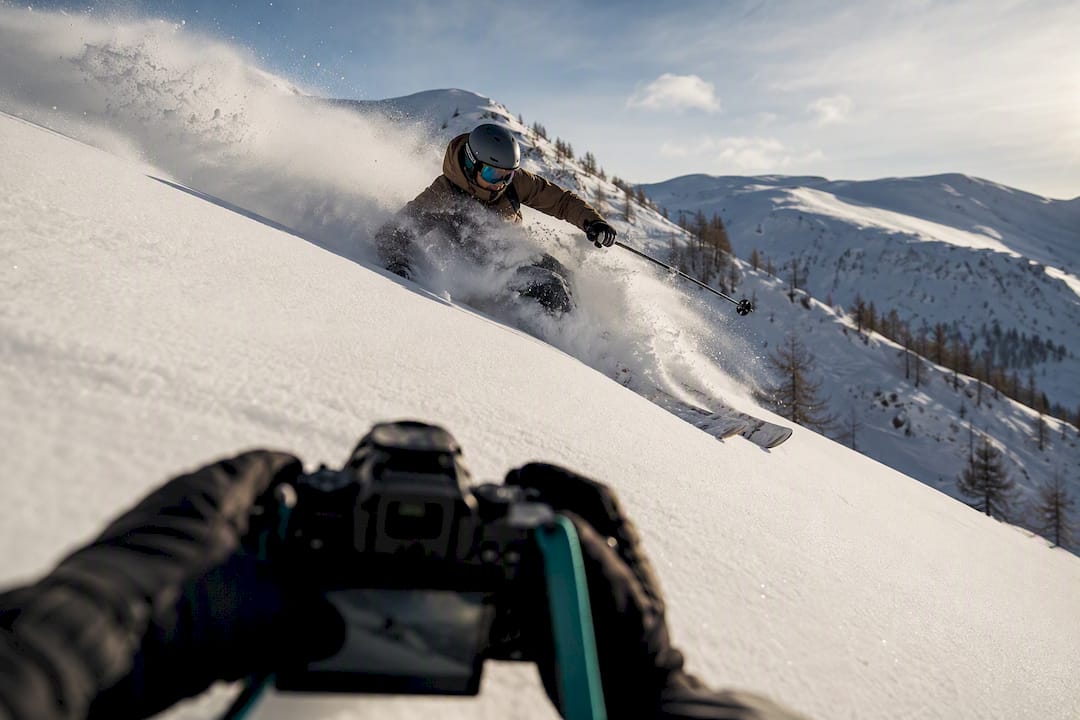
Practical ski photography tips for beginners: camera settings, snow exposure, timing, cold-weather camera care and safe mountain positioning.

Learn how to read an avalanche forecast, interpret danger ratings, roses and avalanche problems, and plan more conservative terrain choices.
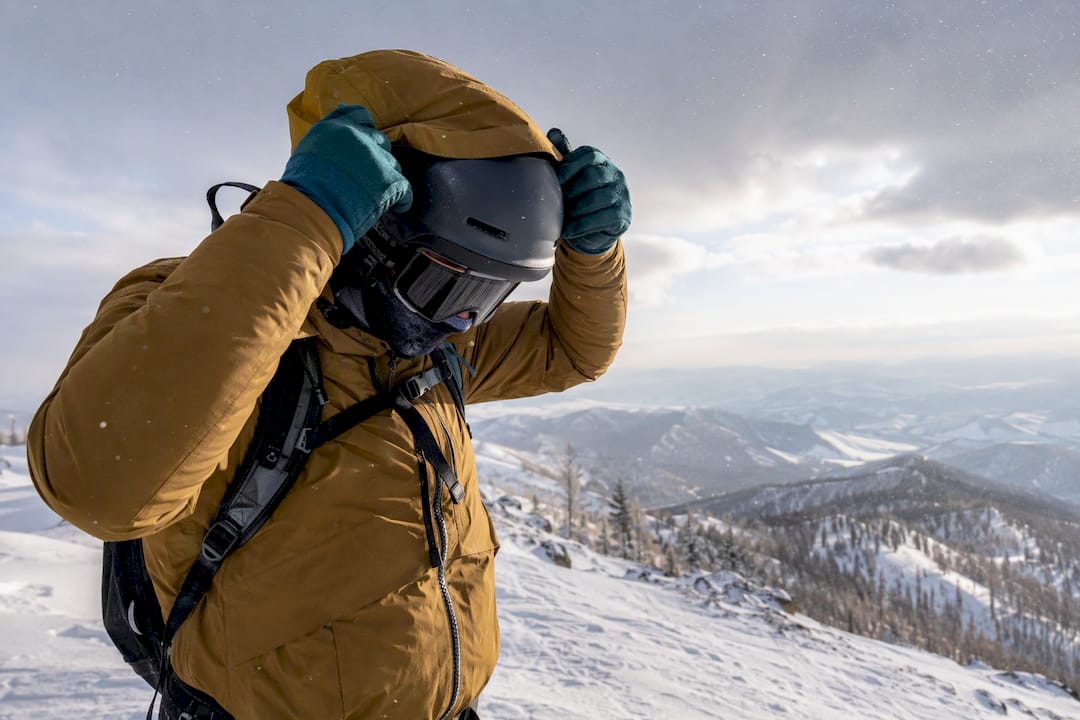
Practical cold injury prevention for winter travel: layering, dry spares, warning signs, first aid and planning for mountain activities.
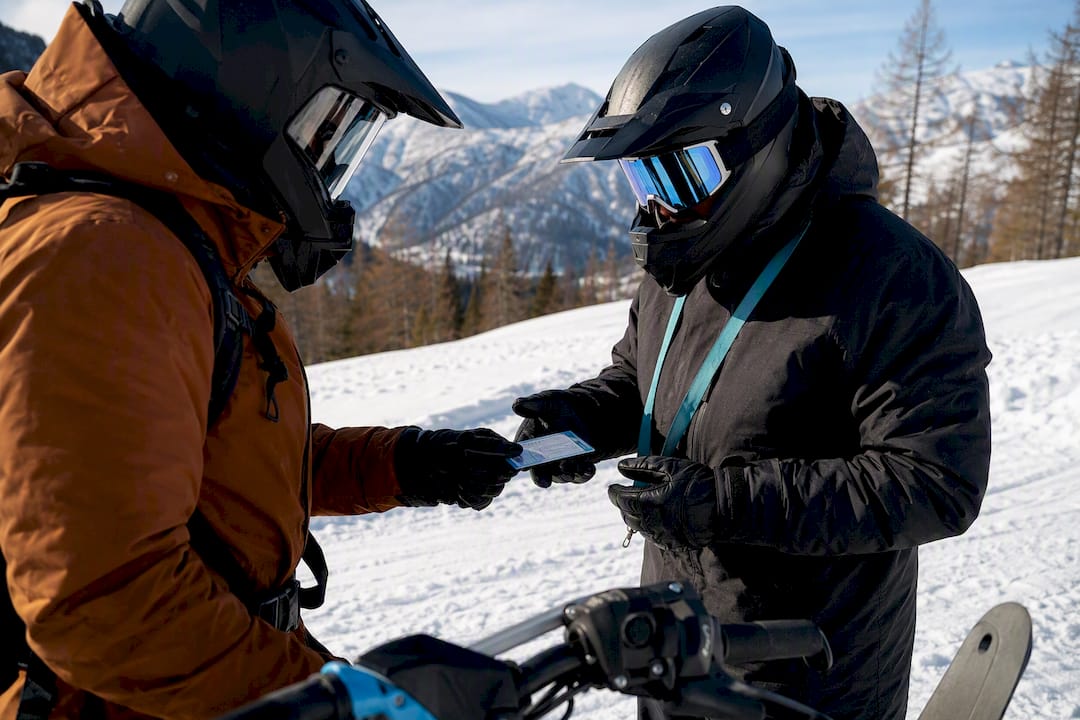
Planning snowmobiling in Ridder? Understand how experience, training, equipment and Kazakhstan rules shape your trip with Altai Mountains Resort.
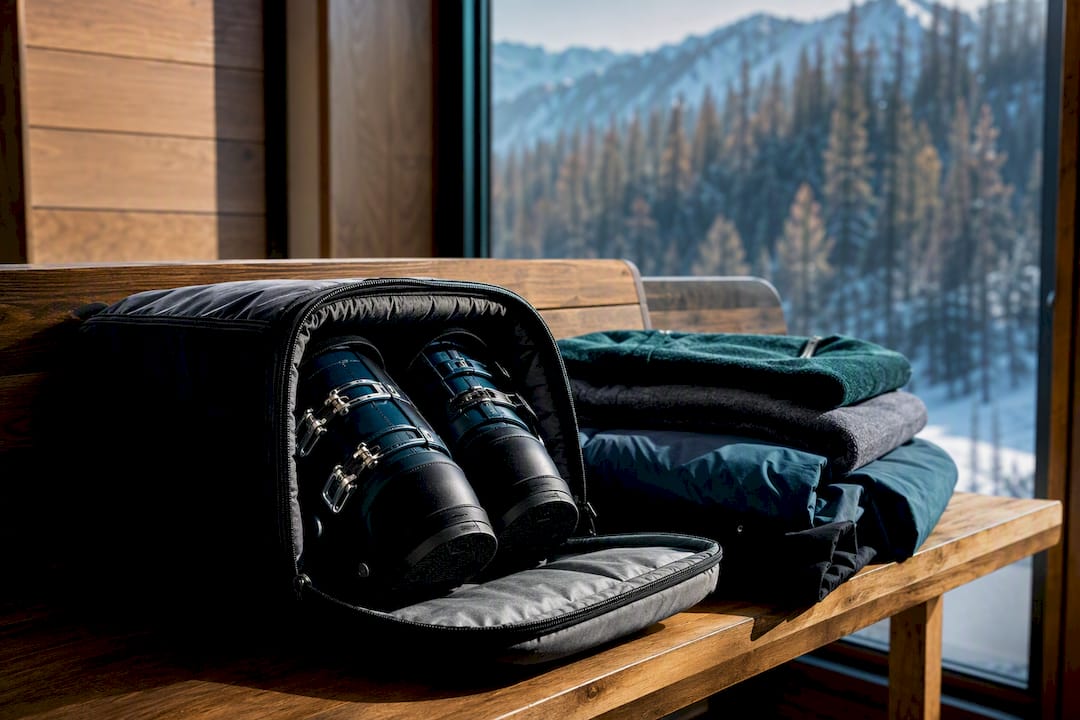
Travel with ski gear confidently: carry boots when cabin rules allow, pack skis securely, understand airline baggage rules and prepare for delays.
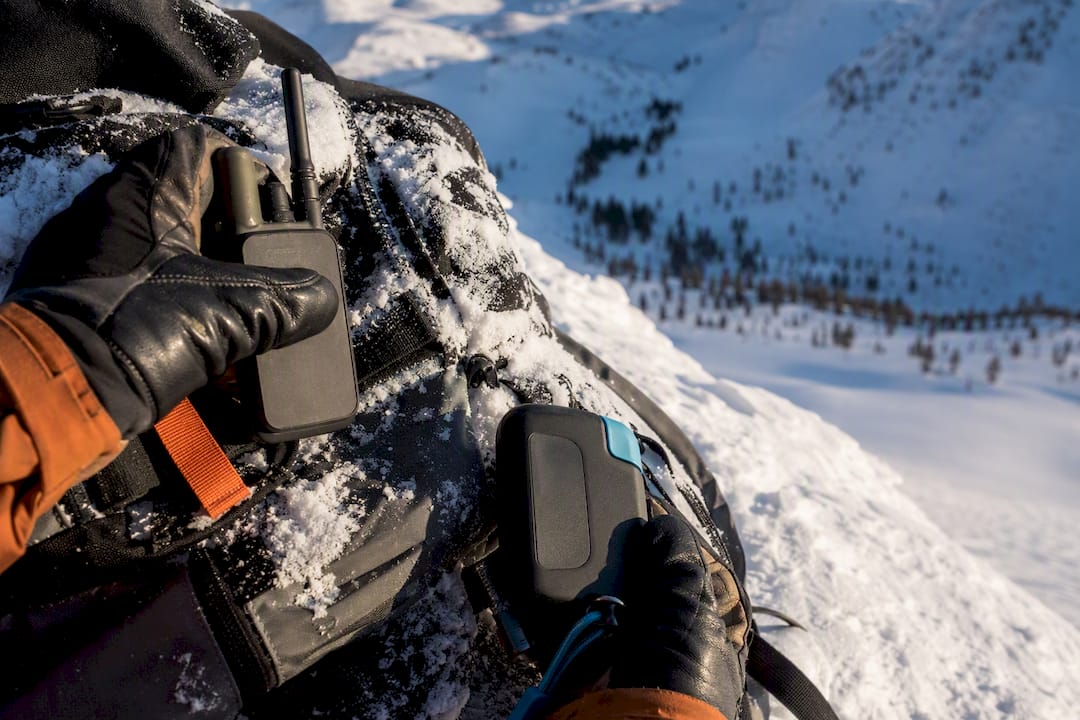
Build a practical backcountry radio communication plan with party radios, satellite SOS or PLB backup, cold-weather care and regional legal essentials.

Satellite messenger basics for remote Altai trips: compare PLBs and two-way devices, understand SOS limits, and prepare your communications plan.
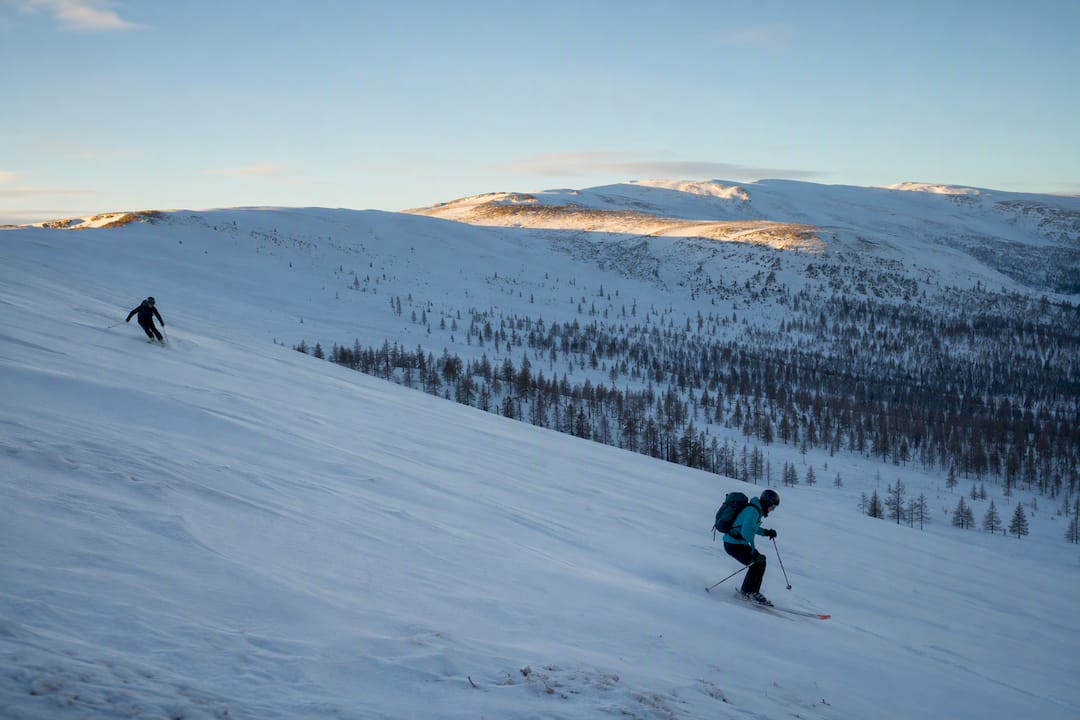
Avoid ski crowds with flexible dates, midweek skiing, early starts and smarter lift choices. Explore guided off-piste options near Ridder.

Learn how heli-skiing passenger weight and baggage rules differ by operator, with practical packing steps and Altai Mountains Resort booking guidance.
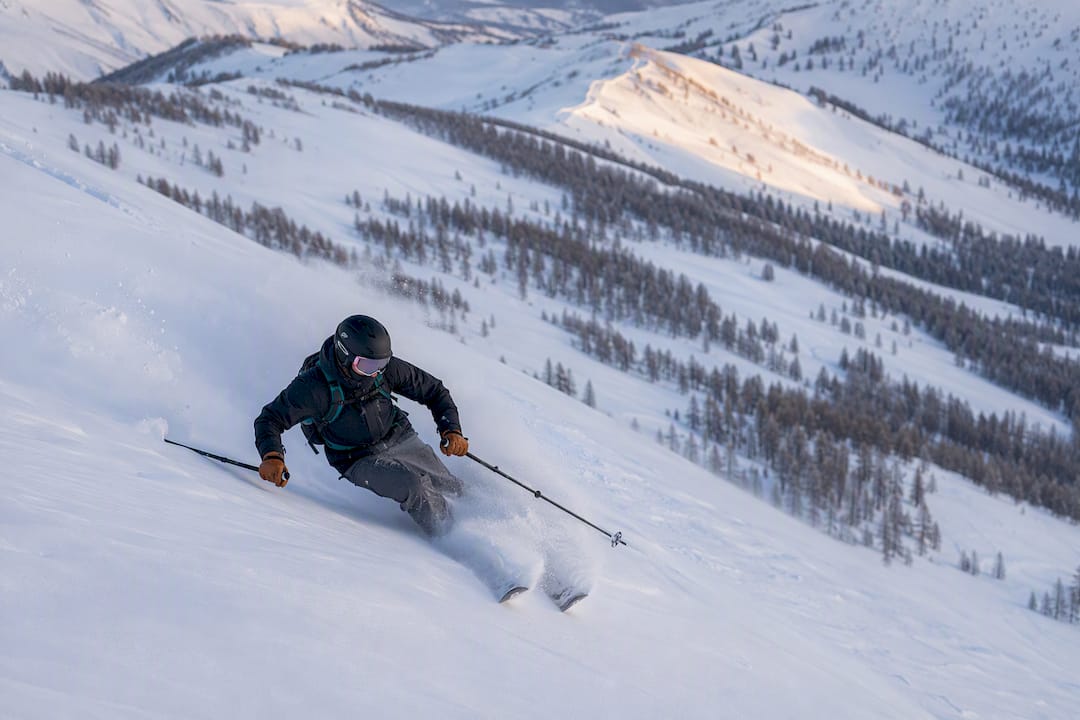
Understand the cat skiing skill level needed for Altai Mountains Resort, with practical guidance on off-piste ability, fitness and avalanche readiness.
Decide whether Ridder suits your advanced Altai ski trip, with practical guidance on transfers, season timing, avalanche gear and guided programmes.
Compare snowmobile tour prices by duration, understand what shapes the final cost, and explore quote-based snowmobiling at Altai Mountains Resort.
Compare Western Altai, Almaty and Turgen for Kazakhstan powder skiing, with practical guidance on access, safety and Ridder logistics.

Plan Altai heli skiing near Ridder with practical guidance on terrain, season, package inclusions, access, safety gear and booking.
Compare flight, rail and self-drive routes from Almaty to the Kazakh Altai, with practical guidance for reaching Ridder and Ulba village.

Learn deep powder snowmobiling setup, riding technique, safe recovery and avalanche preparation, plus guided training near Ridder.
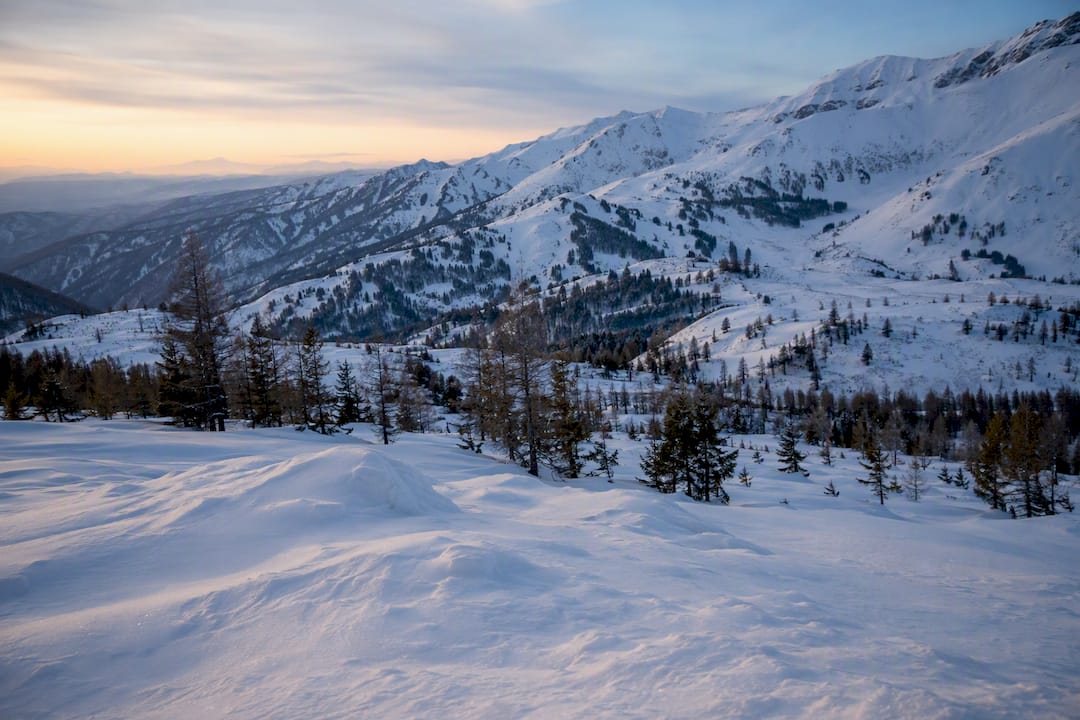
Plan an Altai Mountains winter stay from Ridder, with activity timing, travel from Öskemen, packing advice and practical mountain guidance.

Practical helicopter passenger safety guidance on boarding, seatbelts, exits, dropped items and following crew instructions.

Practical off-piste slope etiquette for safer skiing: right of way, avalanche preparation, group spacing, closures and guided skiing in the Western Altai.

Plan an Altai Mountains trip across Russian, Mongolian and Kazakh sectors, with permit, safety and winter-stay guidance for Ridder Lodge.
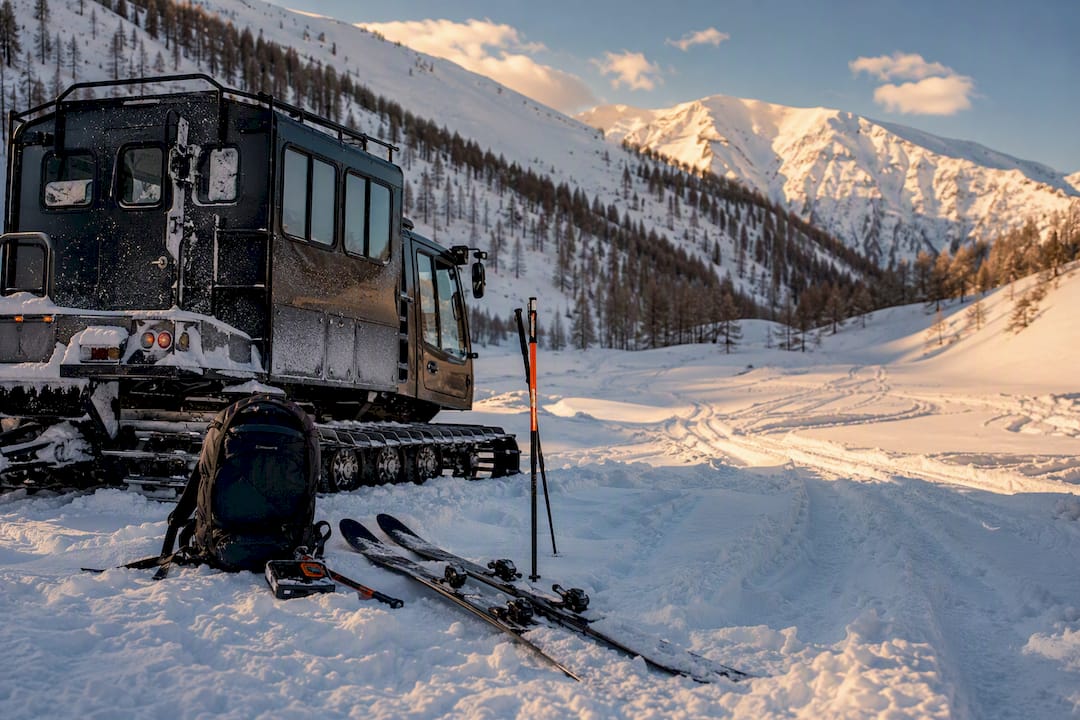
Learn how to plan guided freeride tours, from off-piste experience and avalanche gear to guide scope, changing mountain conditions and cat-skiing in the Altai.
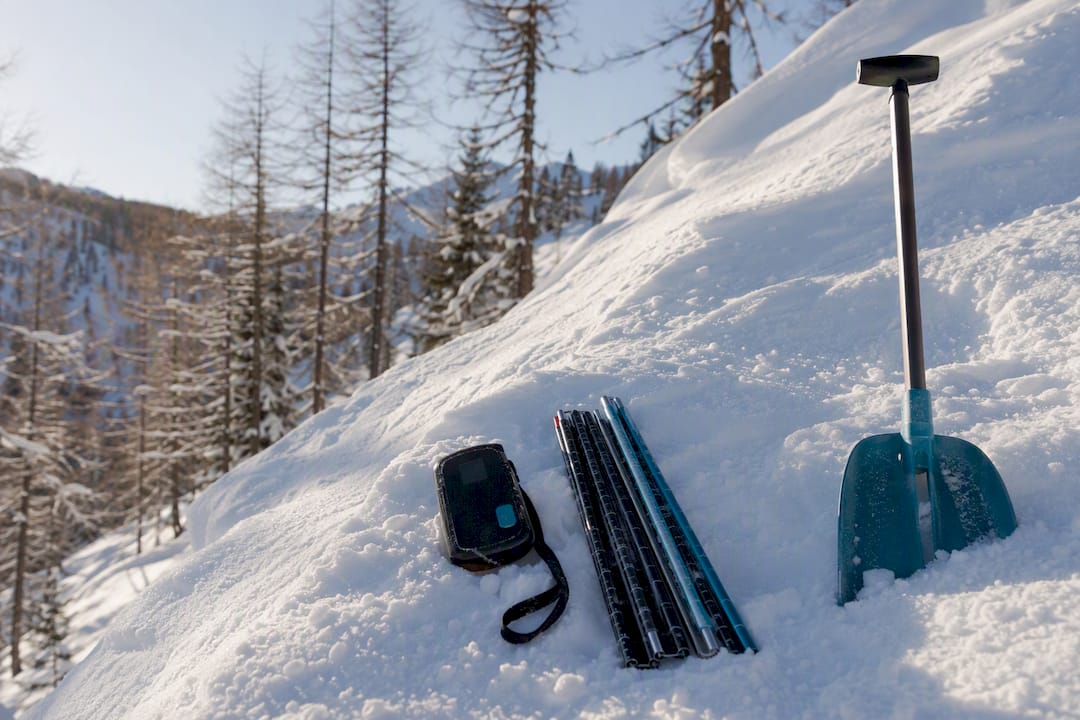
Learn avalanche beacon basics: 457 kHz transceivers, essential rescue gear, trailhead checks, interference and companion-rescue practice.

Learn which avalanche course suits your plans, what companion-rescue skills to practise and how to prepare for a winter trip to Altai.
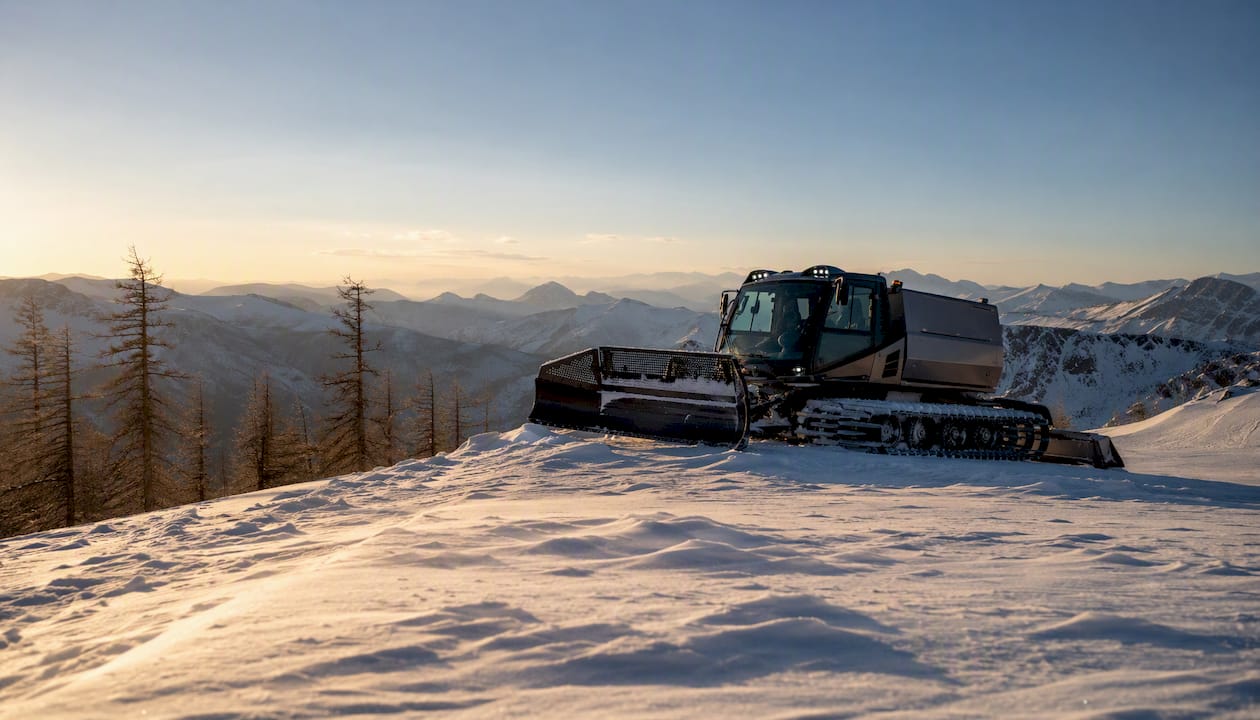
Learn what cat skiing is, who it suits, what to pack and how to plan a guided cat-skiing trip, including options near Ridder, Kazakhstan.
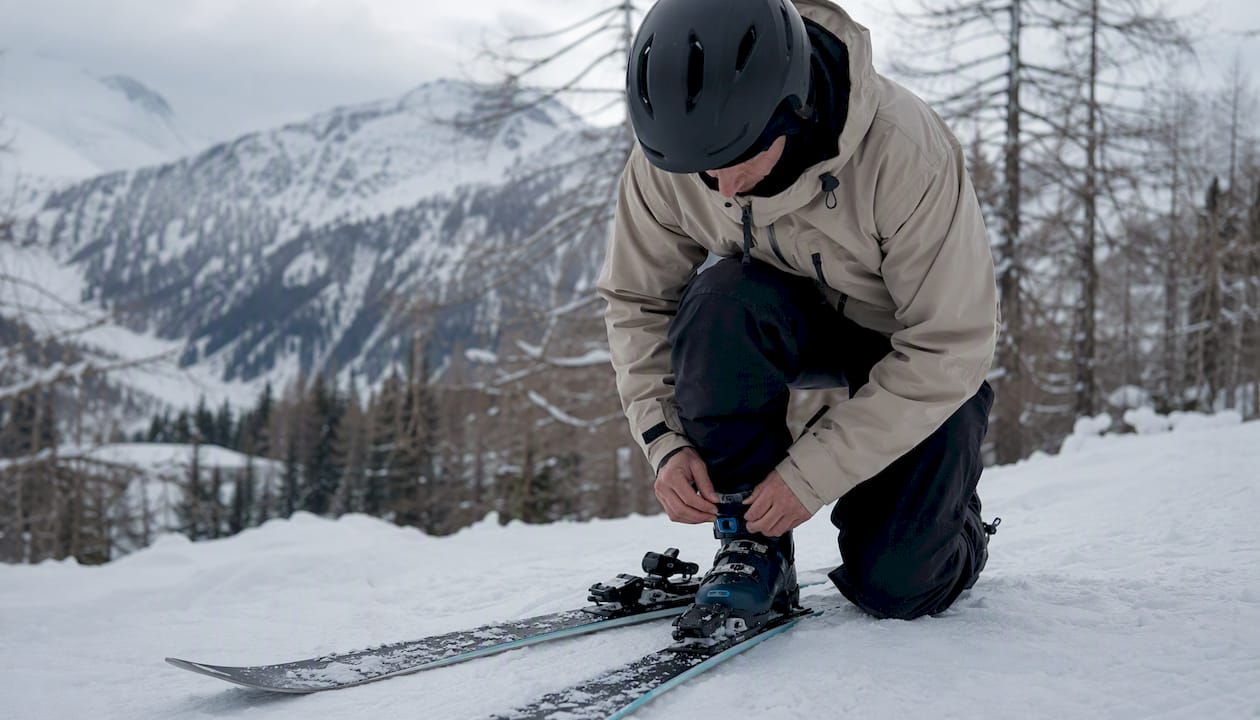
A practical ski rental Kazakhstan guide to Shymbulak and Medeu, current tariffs, equipment fit, transport and guided freeride near Ridder.

Understand ski guide benefits for freeride and backcountry trips, including local planning, terrain choices, qualifications, safety gear and access options.

Plan a snowmobile expedition near Ridder, Kazakhstan, with practical guidance on routes, rider experience, equipment, mountain safety and transfers.
Use this mountain lodge amenities checklist to compare rooms, meals, wellness access, transfers, activities and paid extras before booking.
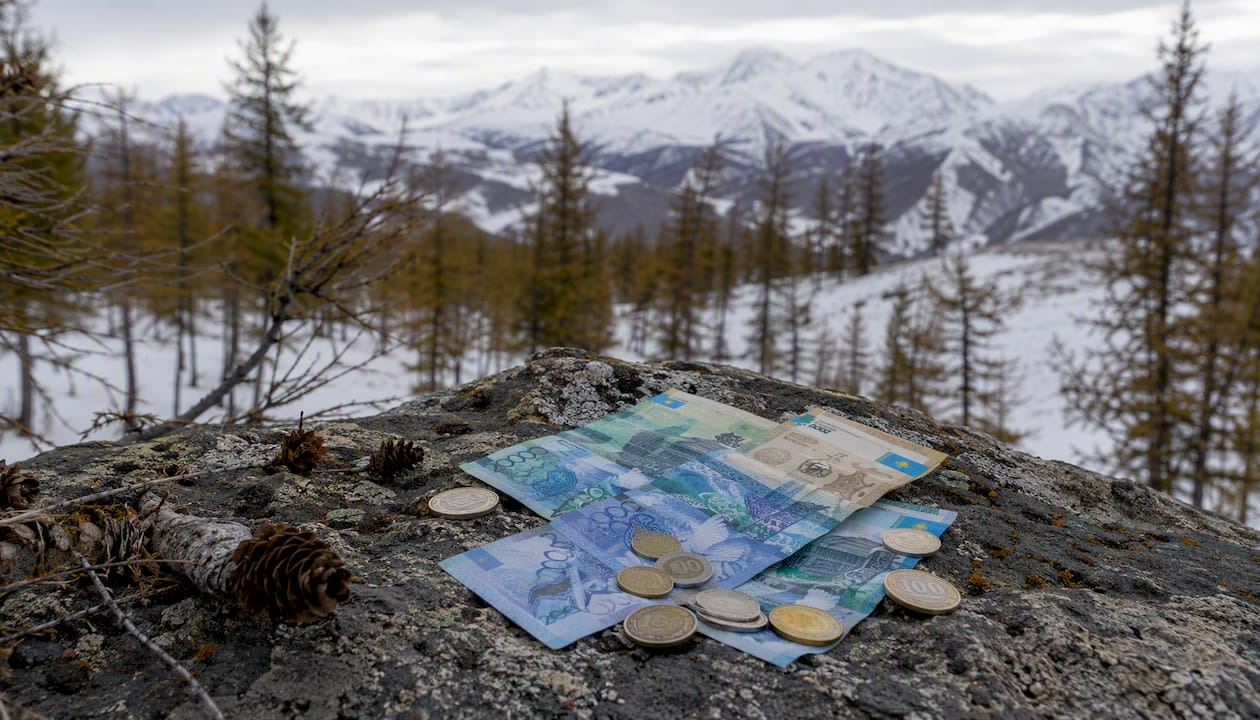
A practical Kazakhstan currency guide to the tenge, cards, ATMs, currency exchange, DCC and cash planning for cities and the Western Altai.
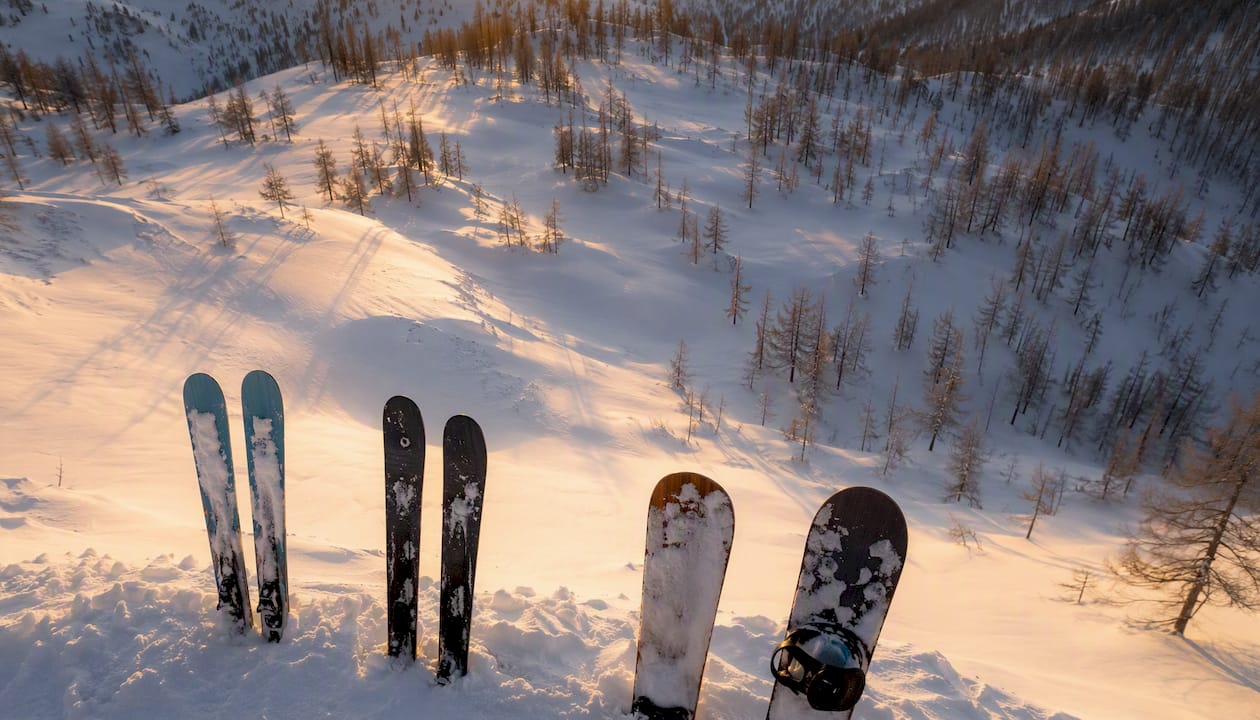
Plan the Kazakhstan ski season by month, compare lift-served Shymbulak with guided trips around Ridder, and prepare for changing snow and mountain conditions.
A practical guide to spa after skiing, including gentle massage, sauna and hammam, optional cold immersion and signs that need medical attention.
Plan a remote ski trip from the UK to Ridder, with practical guidance on activities, Kazakhstan entry, Öskemen transfers, insurance and ski baggage.
A practical heli skiing packing list covering clothing, avalanche equipment, ski baggage, batteries, travel documents and rental options.
A practical UK guide to ski boot fitting: appointment steps, services, current provider price examples, aftercare and warning signs.
Should you tip a ski guide? Learn how customs vary, when a gratuity may feel appropriate and how to plan for tipping in Kazakhstan.
An Altai cuisine guide to kan, kurut, chegen and talkan, with dining at Restaurant Altai, food safety and travel from Öskemen to Ridder.
Compare banya vs sauna: heat, steam, venik and löyly rituals, etiquette, health evidence, safety basics and the Altai Banya experience.
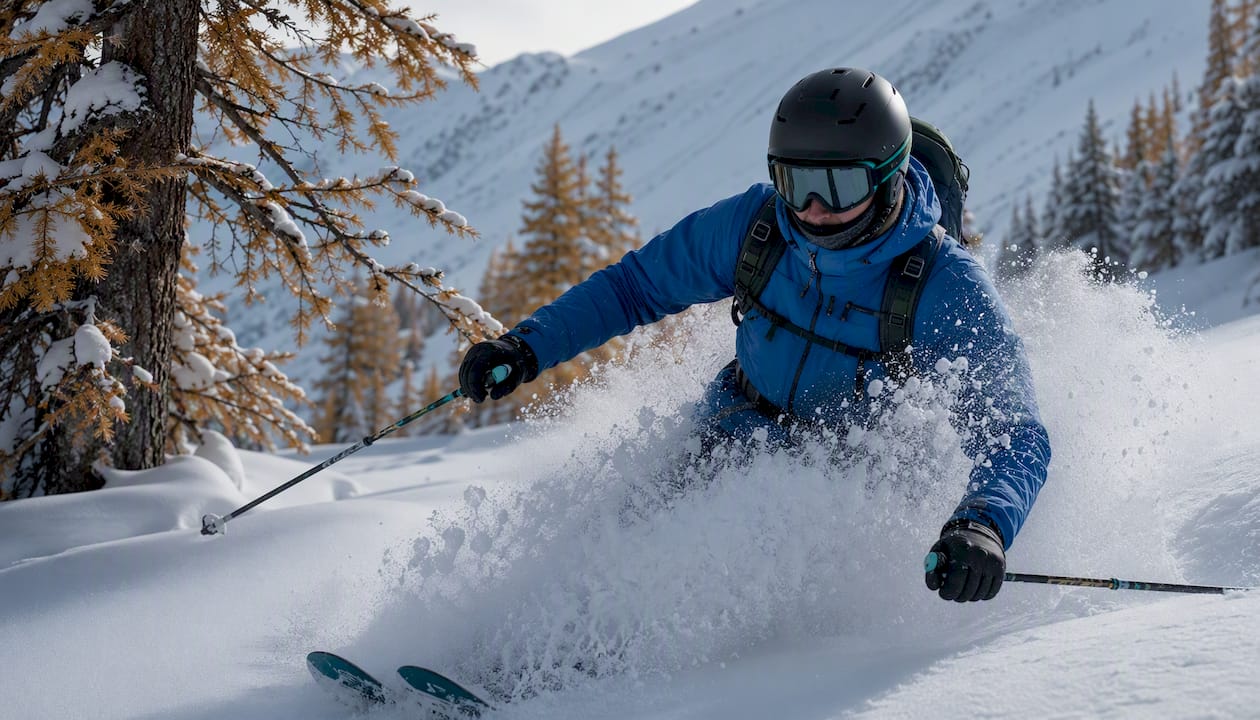
Learn how to ski deep powder with centred balance, smooth turns, speed control, practice steps, gear guidance, and avalanche and tree-well precautions.

Plan a mountain wellness retreat in Ridder with freeride, heli-skiing, snowmobiling, Ridder Lodge, Altai Banya and practical winter travel guidance.

A practical snowmobile gear list for UK travellers heading to Altai Mountains Resort, with clothing, safety equipment, battery and travel guidance.

Understand Ridder Lodge’s ski-in/snowmobile-out access, guided ski-day logistics, transfers from Öskemen and practical planning for your stay.
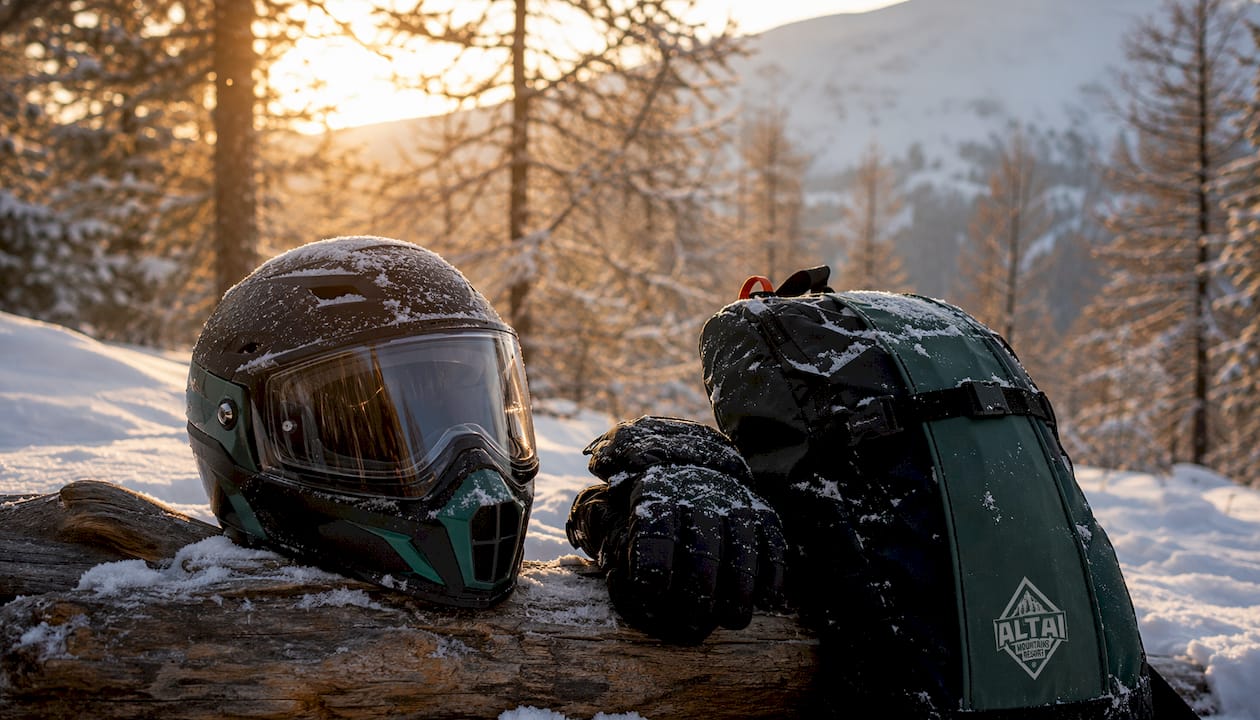
Prepare for a guided snowmobile ride with a practical gear checklist covering helmets, winter layers, avalanche equipment and cold exposure in Ridder.

A practical heli skiing guide to ability, avalanche equipment, packing, weather and planning your first trip to Kazakhstan.
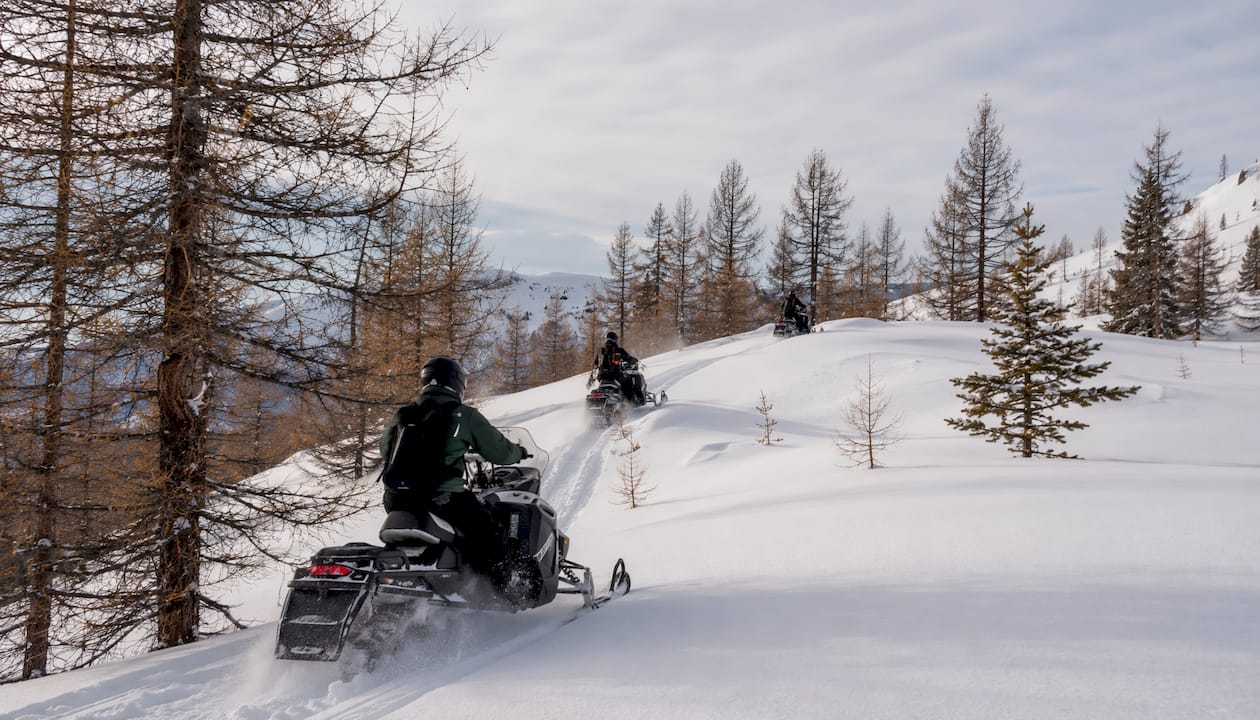
Plan guided deep snow snowmobiling in Ridder, with practical details on training, rentals, equipment, transfers and staying at Ridder Lodge.
How to choose Kazakhstan travel insurance for heli-skiing, cat-skiing or snowmobiling, including medical treatment and evacuation cover.
Kazakhstan visa requirements for UK visitors to Ridder, including visa-free limits, e-visas, passport rules, airports and Öskemen transfers.
Build strength, balance and endurance before cat-skiing, heli-skiing or snowmobiling with an adaptable six-to-eight-week ski fitness program.

Explore cold plunge benefits for skiers, from short-term soreness and recovery evidence to cold-shock risks, timing and Altai Banya options.

Understand heli skiing cost in 2026 with current operator examples, a total-budget checklist, and key booking, safety and insurance questions.