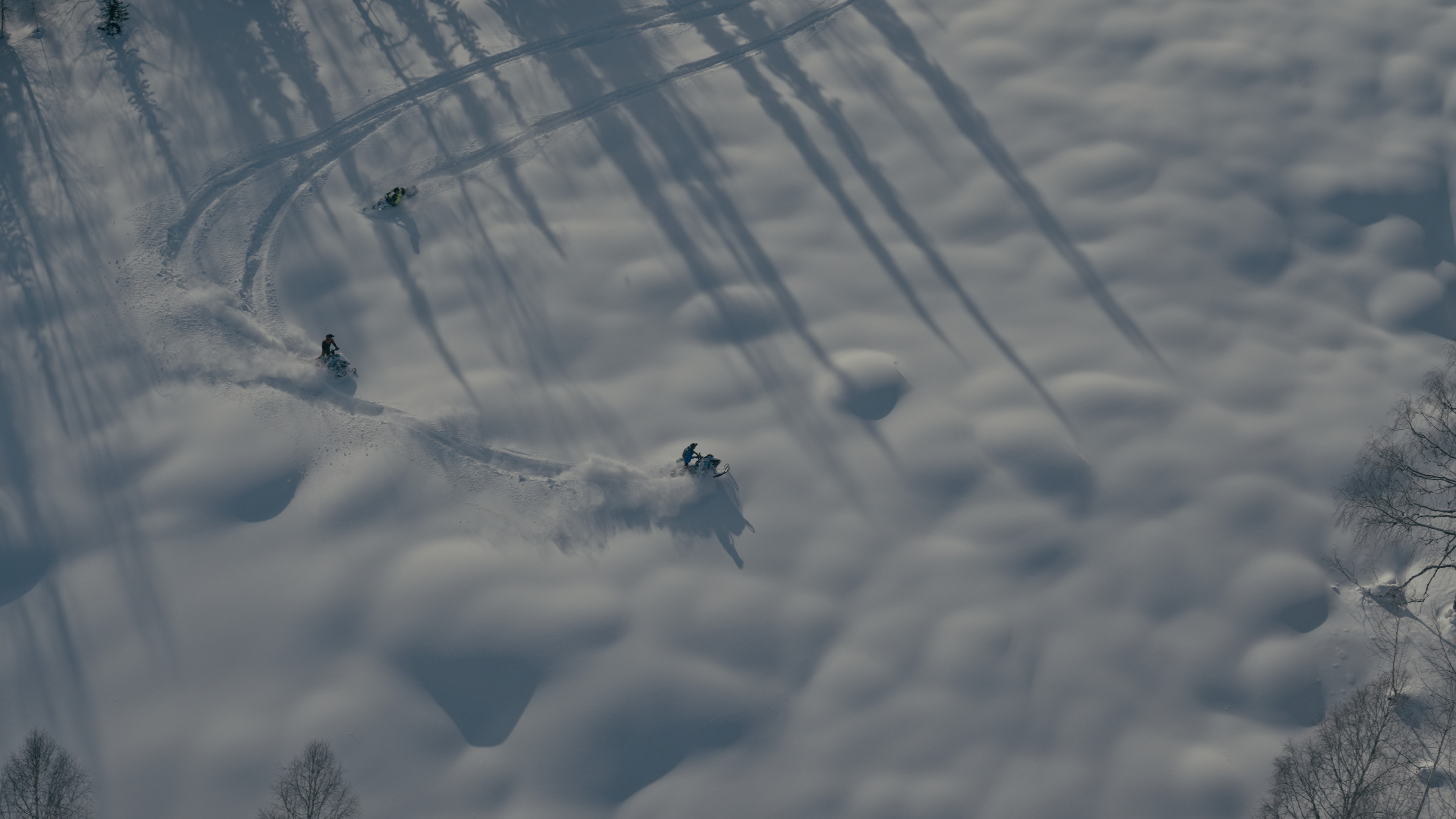
Plan a remote ski trip from the UK to Ridder, with practical guidance on activities, Kazakhstan entry, Öskemen transfers, insurance and ski baggage.
Plan a remote ski trip to Ridder from the ground up. Choose your activity and dates, shape the stay, arrange the transfer from Öskemen and select suitable insurance before committing to inflexible flights. Once those elements align, the route and equipment decisions become much simpler.
This is a different rhythm from a conventional piste holiday. Cat-skiing, heli-skiing and guided deep-snow travel depend more closely on operating capacity, weather, visibility and snow conditions, so a little flexibility belongs in the plan from the beginning.
Remote ski travel planning begins with four connected decisions
Start with a concise outline of the trip you have in mind: preferred dates, group size, ability level and first-choice activity. From there, the main decisions fit together naturally.
Activity and dates: decide whether the focus is cat-skiing, heli-skiing, snowmobiling or a combination.
Your stay: bring accommodation, meals, guiding, equipment, payment timing and cancellation terms into one clear booking summary.
Arrival: fit the flight itinerary around the available transfer from Öskemen rather than choosing flights in isolation.
Flexibility: allow for changes when weather, visibility or snow conditions affect the planned mountain day.
A room or flight being available does not necessarily mean that your preferred mountain programme has space on the same dates. Our booking team can help bring those parts together before you build the wider journey.
Confirm Altai Mountains Resort dates, activity and transfers
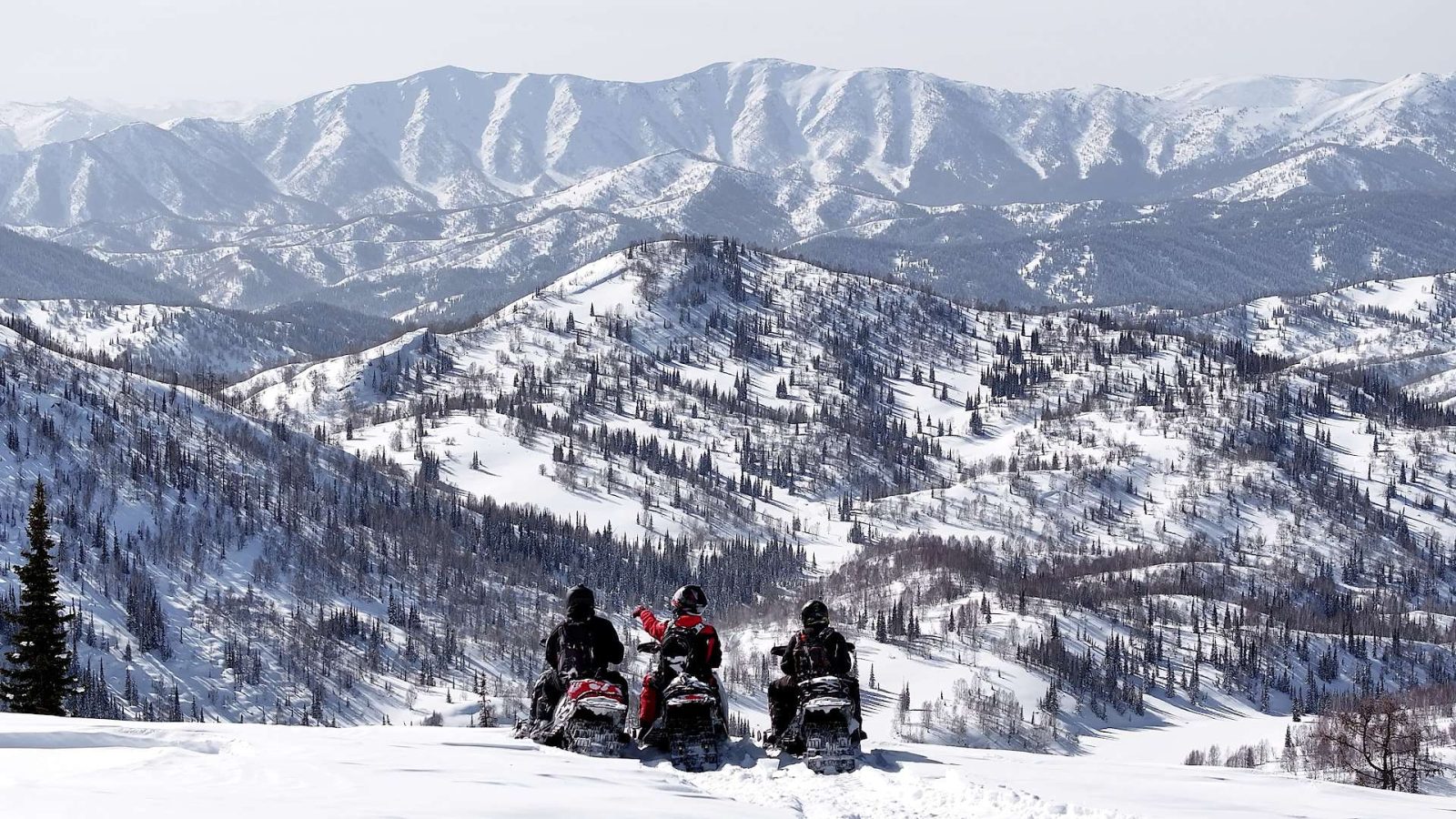
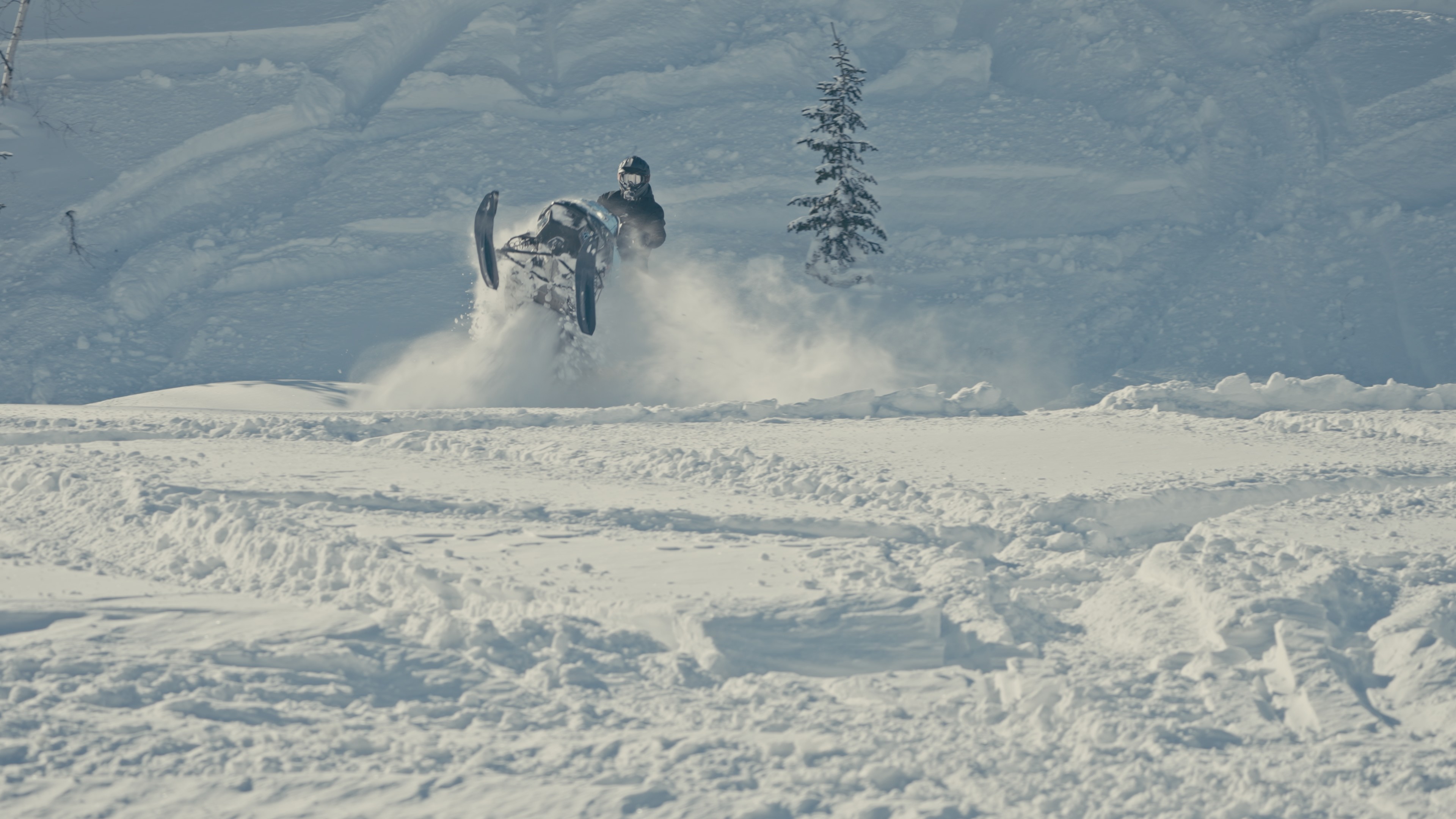
Ridder Lodge is your base near Ridder in East Kazakhstan’s Western Altai. From the lodge, you can plan cat-skiing and freeriding, heli-skiing or guided deep-snow snowmobiling.
Cat-skiing and heli-skiing powder trips are typically planned from early December to mid-March. This is an operating window rather than a promise of particular snow: the programme each day depends on conditions and the arrangements for your stay.
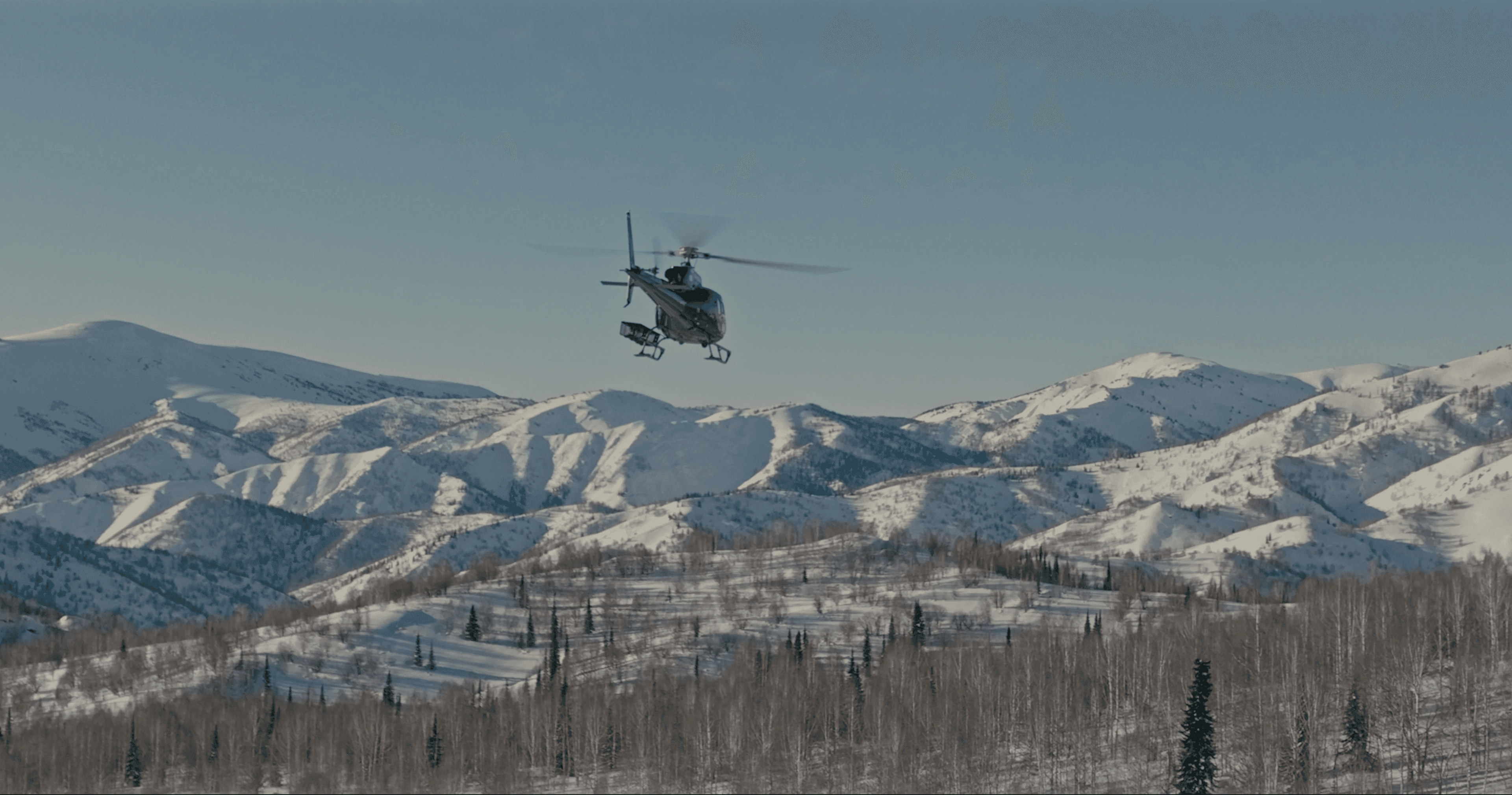
Ridder Lodge is around 120 km from Öskemen (Ust-Kamenogorsk), with an indicative road journey of 1.5–2 hours. Private road transfers and optional helicopter transfers may be available; the transfer type, timing and cost depend on your dates and package.
When you contact us, include the planned number of activity days, each traveller’s skiing or riding background and any equipment requirements. We can then shape a written summary covering accommodation, meals, guiding, avalanche equipment, other rentals, the Öskemen pickup, weather-related alternatives and the applicable payment and cancellation terms.
The same ground-first approach is useful alongside guided winter tours in Europe: settle the Ridder arrangements before choosing inflexible transport.
Kazakhstan entry requirements for UK travellers
Under the rules current on 30 July 2026, holders of a full British citizen passport can visit Kazakhstan for tourism or business without a visa for up to 30 days. The passport must remain valid for at least 30 days after arrival and contain at least one blank page. You can find the details in the FCDO’s Kazakhstan entry requirements.
Your hotel or host must also register your arrival with the Kazakh authorities within three working days. If you are travelling with another nationality or passport type, follow the rules that apply to those circumstances.
Entry requirements can change between planning and departure, so revisit the FCDO guidance shortly before travel. The passenger name on each ticket should match the passport used for the journey.
Plan travel to Öskemen and the road transfer to Ridder
Work backwards from your pickup in Öskemen. Start with the available location and time, then compare live flight schedules, connection times, baggage handling and transit requirements. This avoids building the journey around an assumed hub or an outdated route.
If the itinerary passes through another country, read its current transit and travel advice as well as Kazakhstan’s entry rules. In particular, the FCDO advises against all travel to Russia and warns that travelling against its advice could invalidate insurance. Russia should not be treated as a routine UK connection.
Leave breathing room between your scheduled arrival and the first mountain day. The right margin depends on the live flight plan, the available transfer and how much disruption you are comfortable absorbing.
Keep the operating airlines, connection and through-baggage details, pickup location, resort contact number and plan for a delayed arrival together in one accessible document. Include the latest advice for every transit country on the route.
Insurance and avalanche preparation for the terrain
Insurance should reflect the trip you are actually taking. Give the insurer the activity names—guided off-piste skiing, cat-skiing, heli-skiing or snowmobiling as relevant—rather than relying on the broad description “ski holiday”. Read the full policy wording for territorial and altitude limits as well as activity exclusions.
Useful cover to consider includes:
search and mountain-rescue expenses;
helicopter evacuation where medically or operationally necessary;
emergency treatment and medical repatriation;
equipment loss, delay or damage;
trip interruption or cancellation following weather disruption;
exclusions connected with off-piste terrain or government travel advice.
Backcountry preparation also depends on suitable equipment and practised skills. Avalanche Canada says everyone travelling in avalanche terrain needs a transceiver, shovel and probe and must know how to use them; its avalanche equipment guidance explains the core group equipment. Its training guidance describes AST 1 as covering avalanche-terrain recognition, forecasts, trip planning and companion rescue.
Training supports better decisions but does not remove mountain risk. Terrain, weather, snowpack and group choices still matter. Participation requirements, the day’s briefing, equipment procedures, guide arrangements, communications and emergency protocols vary by activity and conditions; our team can explain what applies to your chosen programme.
Packing and airline rules for ski equipment
Begin with the fare rules of every operating carrier. Ski-bag allowances, cabin dimensions, weight limits and fees vary, including on connecting itineraries issued as a single booking.
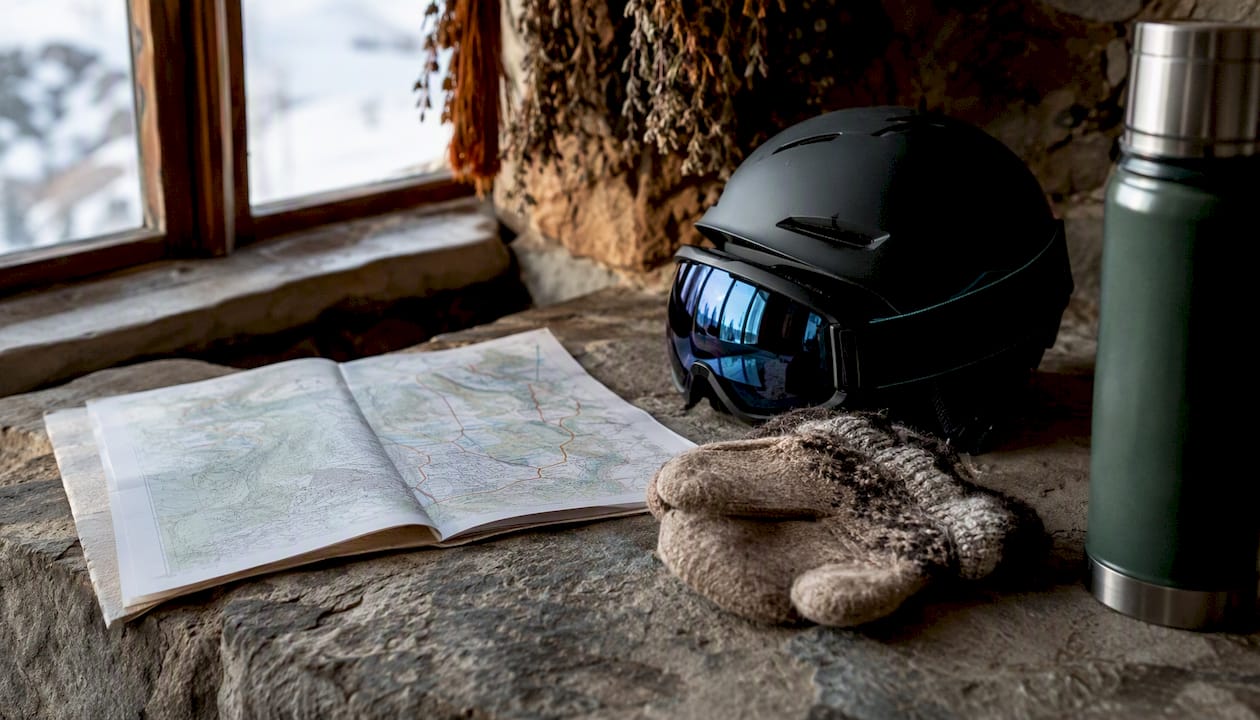
Some travellers prefer to carry ski boots in the cabin because fit is personal and replacements may be difficult to source. Treat this as a preference rather than a universal rule: the boots must still fit within the airline’s current cabin allowance.
IATA advises passengers to consult their airline about special items and dangerous goods that need approval. Its passenger baggage guidance includes specific conditions for lithium-battery items and avalanche rescue backpacks. Follow the operating carrier’s instructions when packing a transceiver, airbag system, power bank or spare batteries.
Personal items that deserve priority
passport and travel documents;
insurance policy details and emergency number;
prescribed medication in its original packaging;
boots, if accepted within the chosen cabin allowance;
goggles, gloves and essential technical layers;
phone, chargers and permitted spare batteries.
Equipment arrangements for the journey
ski and pole carriage or local rental;
transceiver, shovel and probe provision;
avalanche airbag transport requirements;
helmet and selected equipment availability;
ski-bag fees and through-baggage arrangements.
A practical planning timeline for a Ridder trip
There is no universal lead time for a remote ski journey. Peak dates, group needs and activity capacity all influence when the pieces come together. A milestone-based sequence is more useful than an arbitrary number of months.
Stage | What happens |
|---|---|
Initial enquiry | Share your dates, group size, ability and preferred activities with Altai Mountains Resort. |
Shape the stay | Bring the accommodation, activity, transfer, equipment, payment and weather arrangements into one summary. |
Build the journey | Match live flight services to the Öskemen pickup and review advice for each transit country. |
Prepare for the terrain | Arrange insurance for the named activities and begin suitable physical and avalanche preparation. |
Pack for the route | Review sports-equipment and battery rules for every operating airline, then arrange any local rentals. |
Approaching departure | Revisit entry guidance, save key contacts offline and note the latest arrival and transfer details. |
Keep an offline copy of the itinerary, policy number, insurer’s emergency line, resort contact, pickup information and a contact at home. It is a small precaution that becomes particularly useful if a connection or road journey changes at short notice.
From planning to arrival in Ridder
At Altai Mountains Resort, we can help align your accommodation, mountain activity and arrival plan once we know your dates, group and preferred programme. The most useful enquiry includes each traveller’s skiing or riding background and any equipment needs.
Send those details through the Altai Mountains Resort booking page. Prices, schedules, package inclusions, equipment and transfers are finalised around the specific stay, while operating plans remain subject to availability, weather and snow conditions.
Once those pieces align, the journey gains a dependable structure: flights serve the transfer, insurance reflects the activities and the kit list suits both the mountain programme and the airline. From there, your route leads naturally through Öskemen and on towards Ridder Lodge.
All Articles
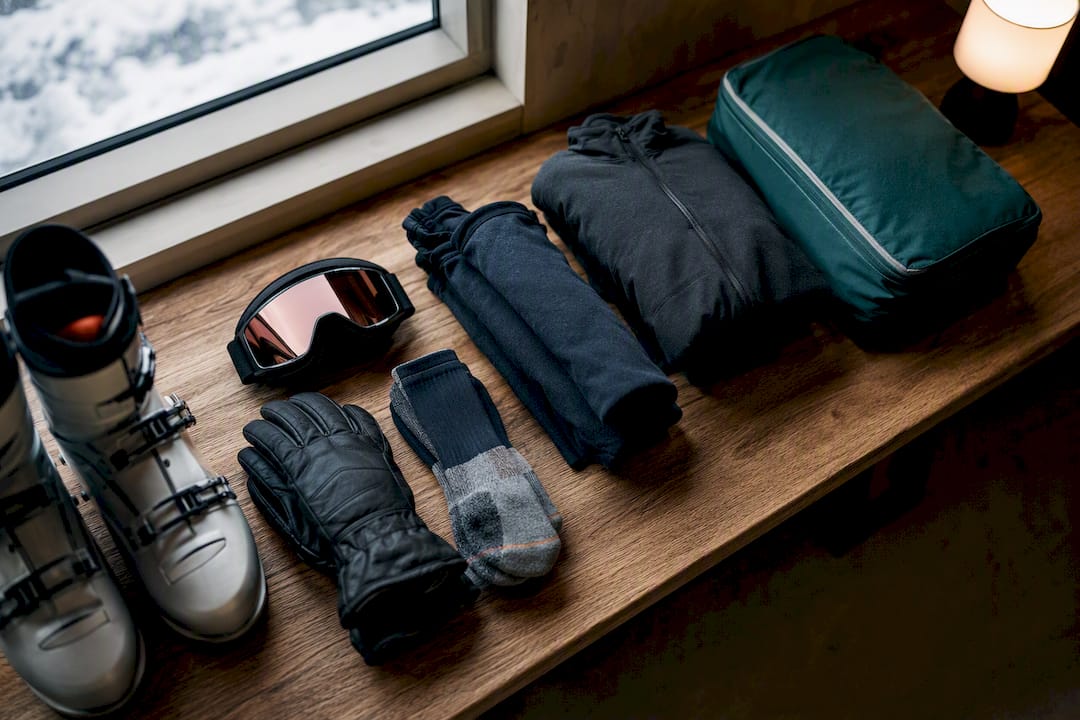
A practical luxury ski packing list for fitted essentials, lighter luggage and guided off-piste or heli-ski days at Altai Mountains Resort.

A practical heli-skiing safety guide for expert skiers, covering operator decisions, avalanche equipment, helicopter procedures, rescue planning and insurance.
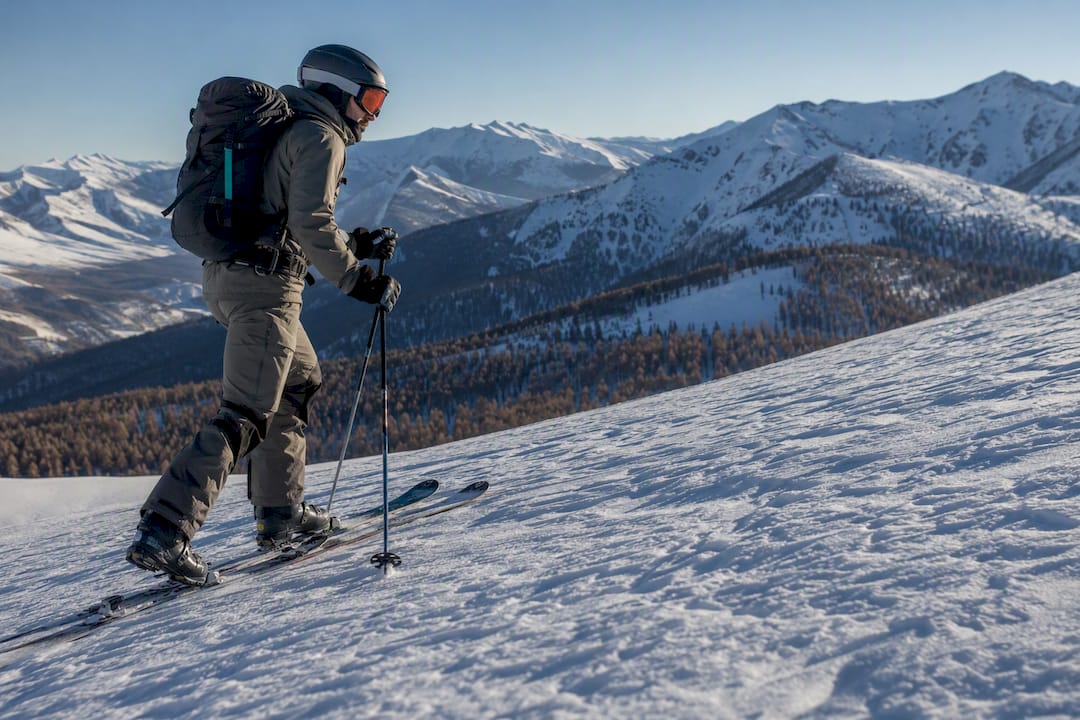
Compare lift-assisted, touring and Western Altai ski options in Kazakhstan, with practical safety, travel and booking guidance.

Learn the heli-skiing skill level typically expected, the off-piste skills to practise, safety preparation and an adaptable 8–12-week training framework.

Plan the Kazakhstan skiing season with a practical comparison of Almaty and Ridder, month-by-month timing, mountain safety and trip planning.
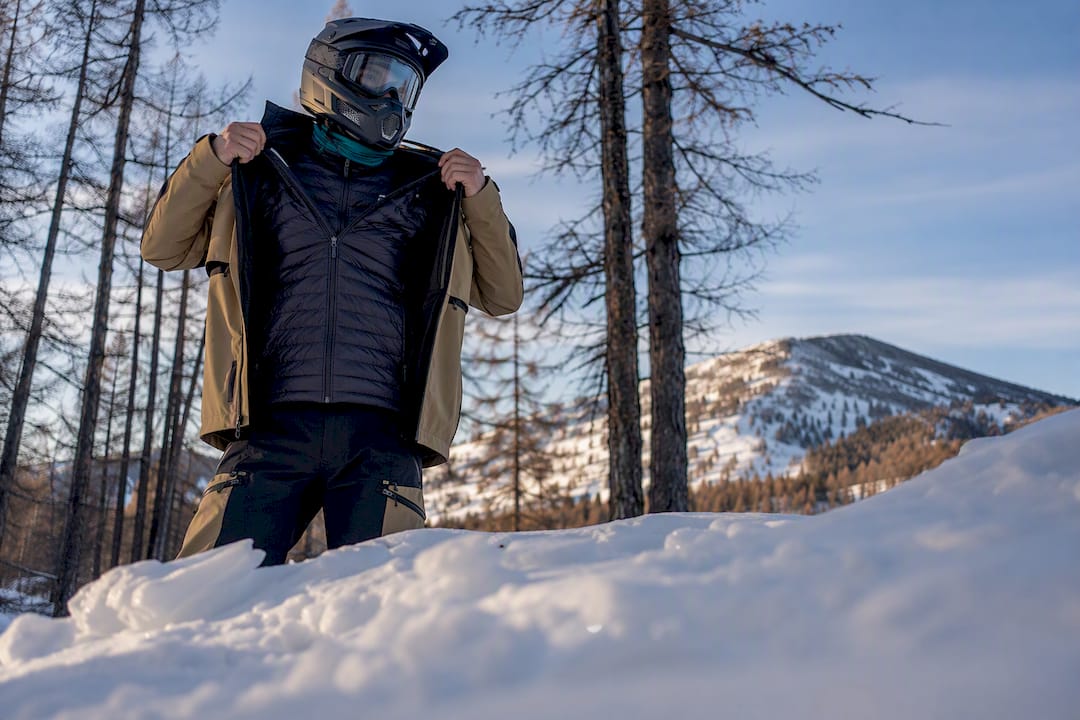
Use this snowmobile layering guide to build a flexible base, insulation and shell system, manage moisture and pack dry spares for changing conditions.

Learn what to rent for avalanche terrain, how to prepare a beacon, probe and shovel, and what to know about airbag packs and flights.
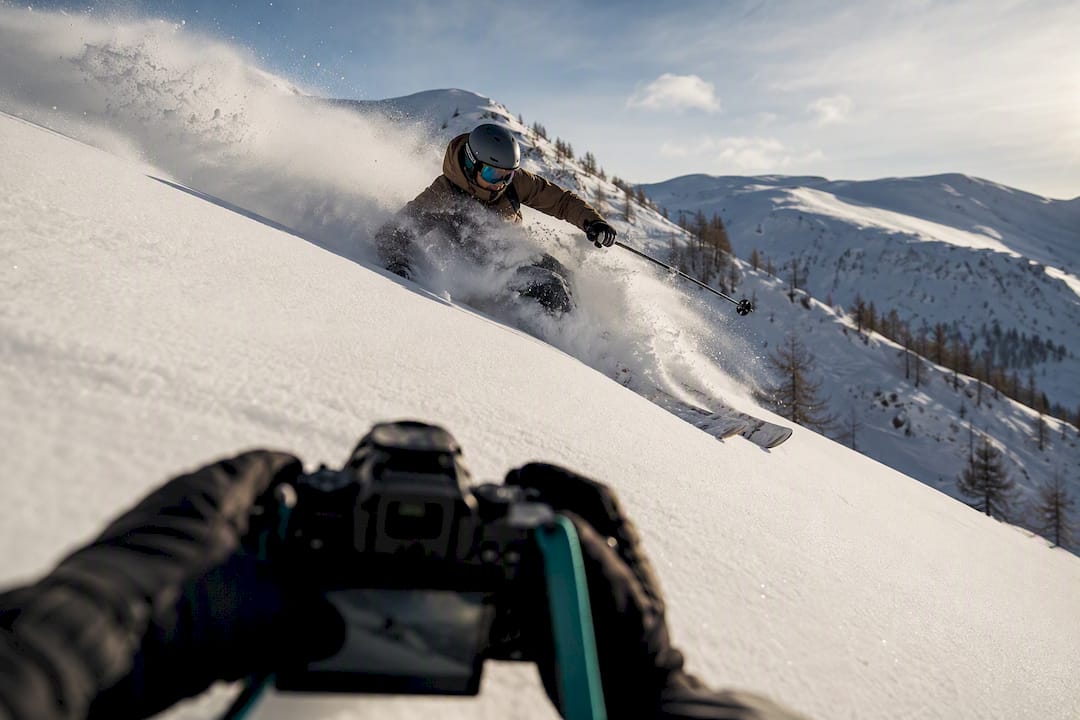
Practical ski photography tips for beginners: camera settings, snow exposure, timing, cold-weather camera care and safe mountain positioning.

Learn how to read an avalanche forecast, interpret danger ratings, roses and avalanche problems, and plan more conservative terrain choices.
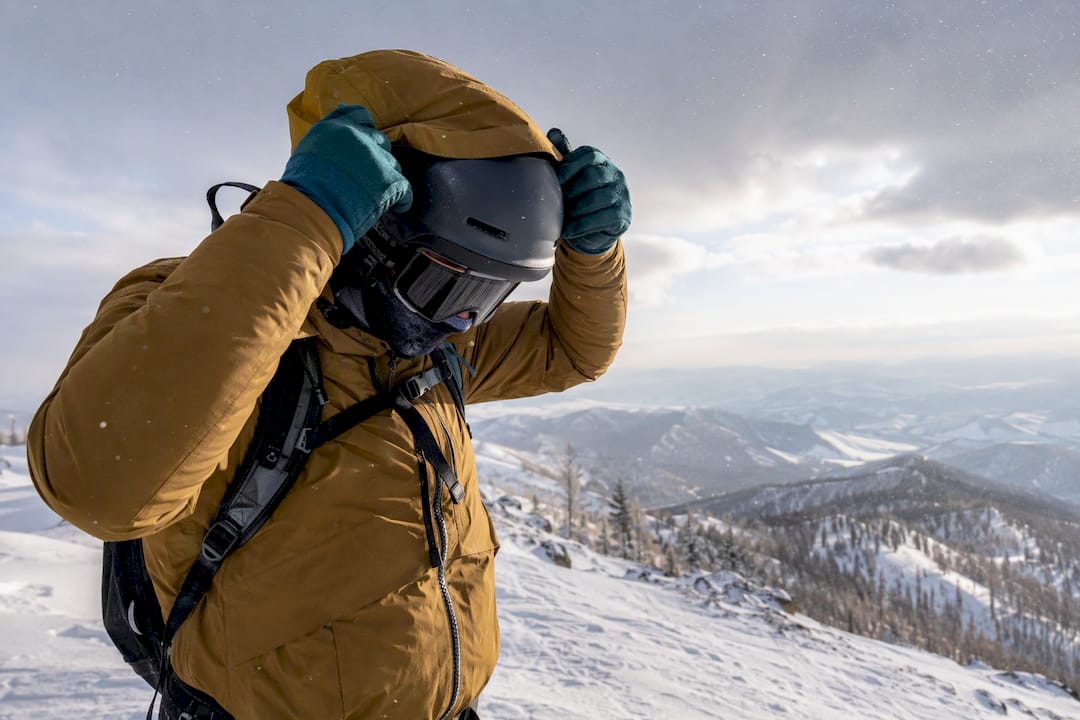
Practical cold injury prevention for winter travel: layering, dry spares, warning signs, first aid and planning for mountain activities.
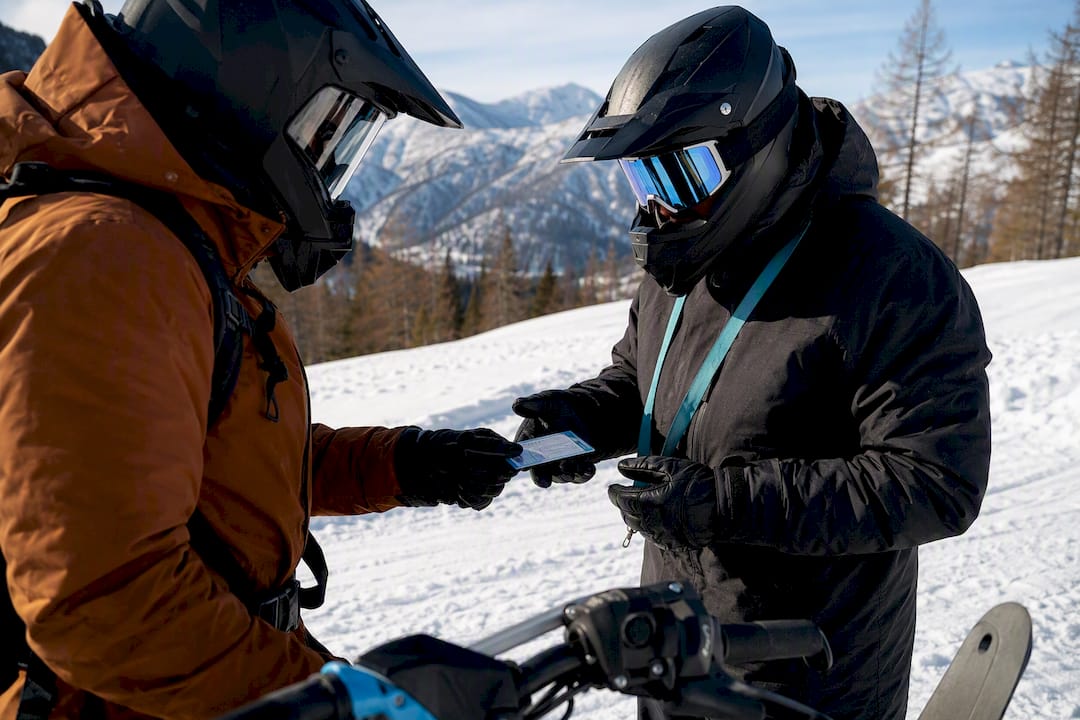
Planning snowmobiling in Ridder? Understand how experience, training, equipment and Kazakhstan rules shape your trip with Altai Mountains Resort.
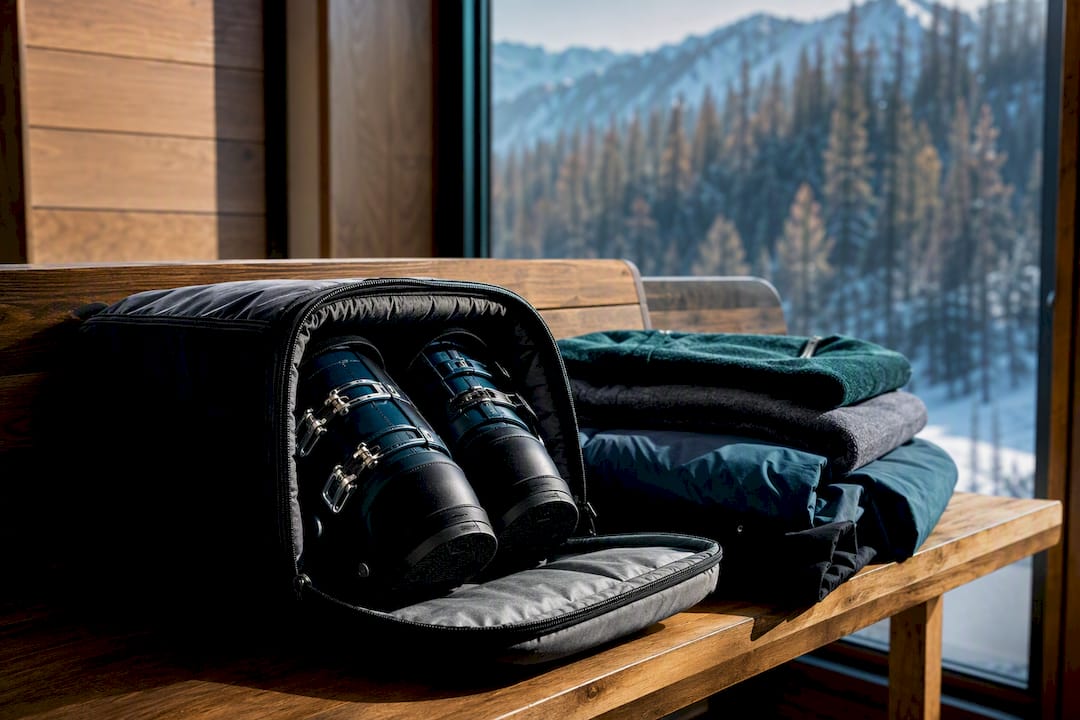
Travel with ski gear confidently: carry boots when cabin rules allow, pack skis securely, understand airline baggage rules and prepare for delays.
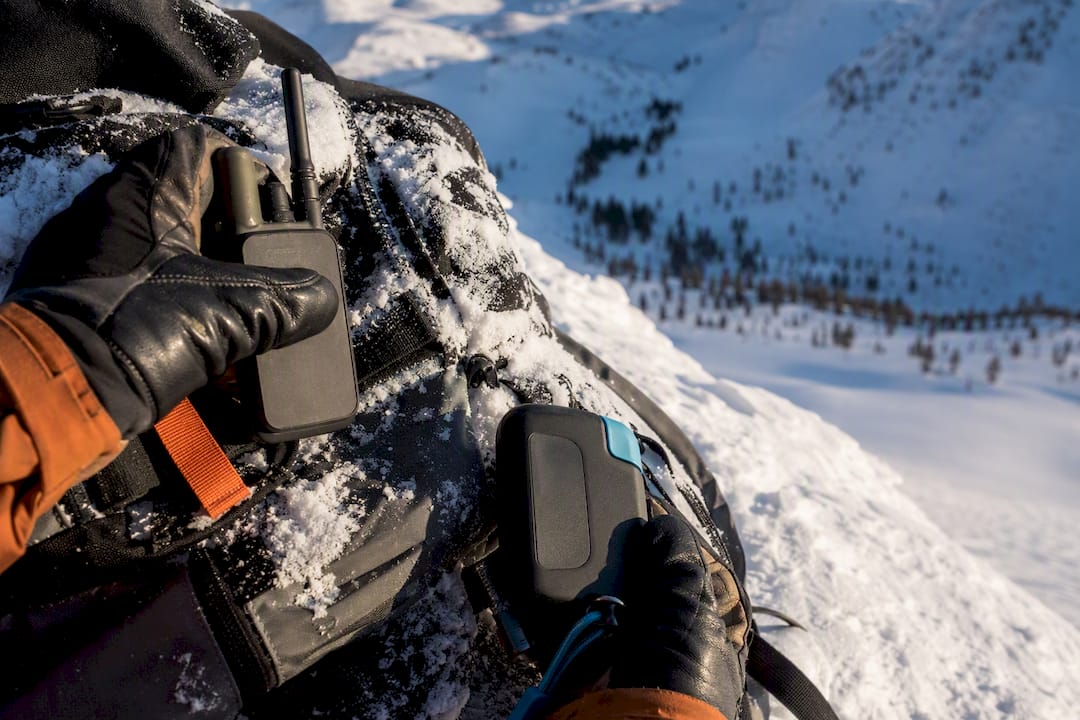
Build a practical backcountry radio communication plan with party radios, satellite SOS or PLB backup, cold-weather care and regional legal essentials.

Satellite messenger basics for remote Altai trips: compare PLBs and two-way devices, understand SOS limits, and prepare your communications plan.
Avoid ski crowds with flexible dates, midweek skiing, early starts and smarter lift choices. Explore guided off-piste options near Ridder.

Learn how heli-skiing passenger weight and baggage rules differ by operator, with practical packing steps and Altai Mountains Resort booking guidance.
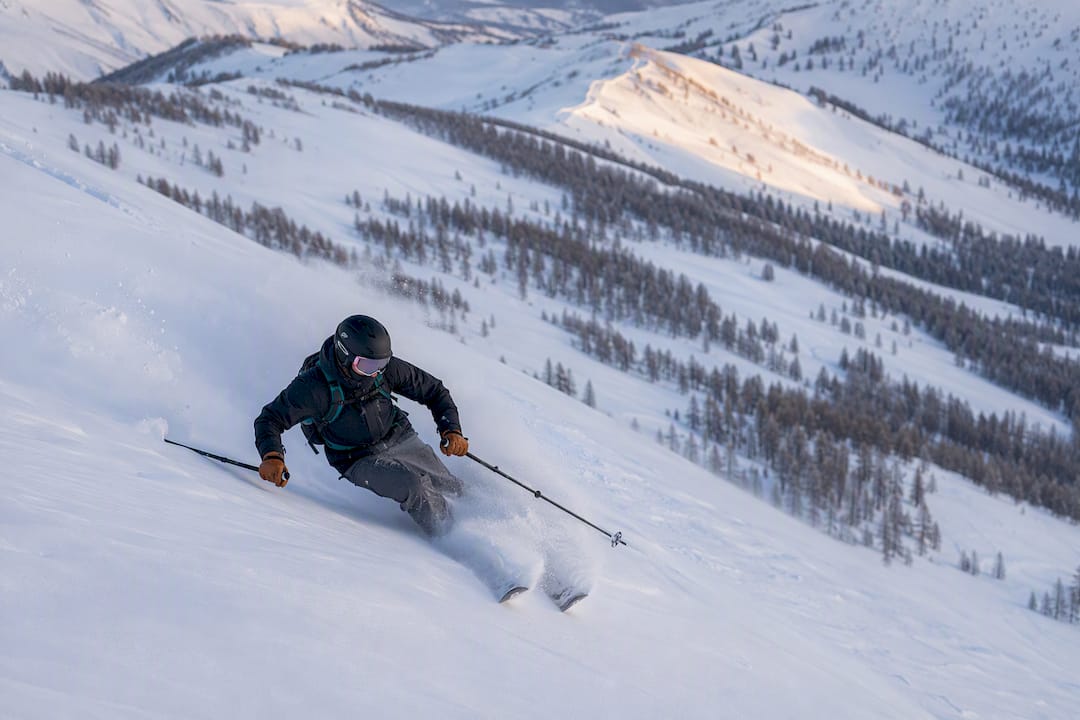
Understand the cat skiing skill level needed for Altai Mountains Resort, with practical guidance on off-piste ability, fitness and avalanche readiness.
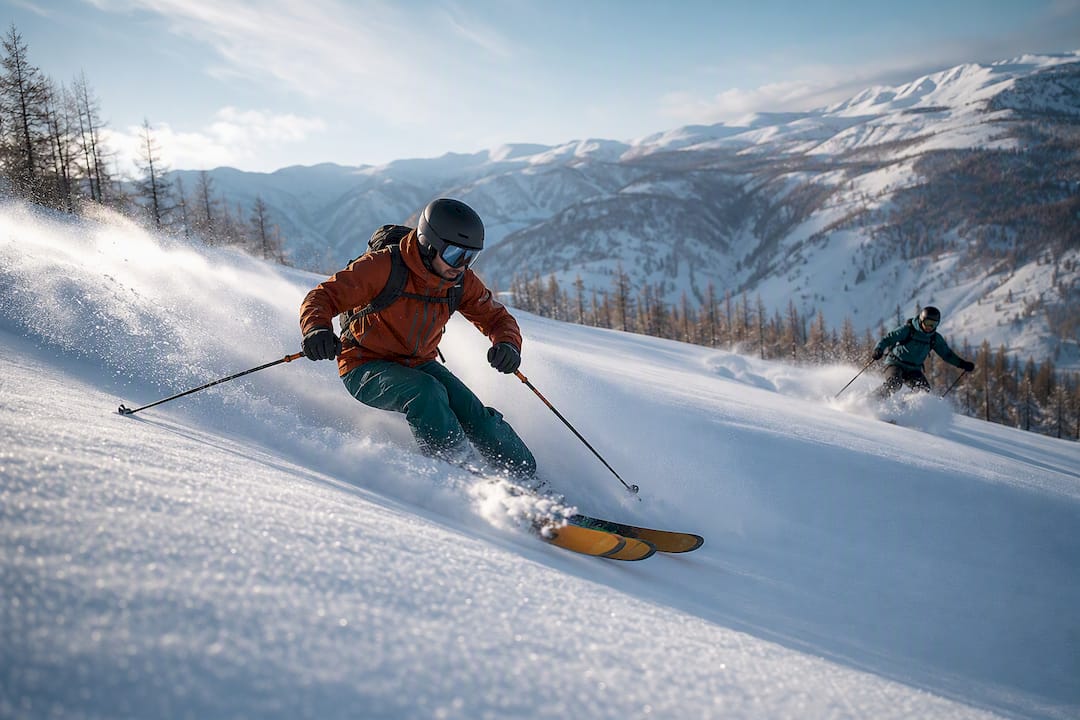
Decide whether Ridder suits your advanced Altai ski trip, with practical guidance on transfers, season timing, avalanche gear and guided programmes.
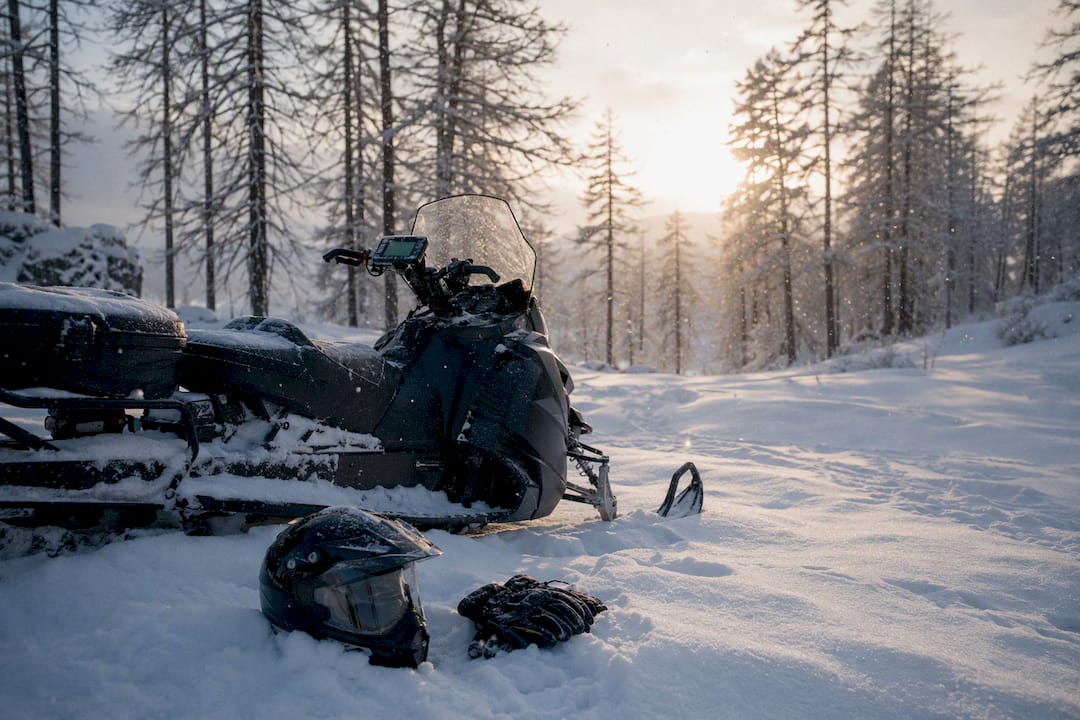
Compare snowmobile tour prices by duration, understand what shapes the final cost, and explore quote-based snowmobiling at Altai Mountains Resort.
Compare Western Altai, Almaty and Turgen for Kazakhstan powder skiing, with practical guidance on access, safety and Ridder logistics.

Plan Altai heli skiing near Ridder with practical guidance on terrain, season, package inclusions, access, safety gear and booking.
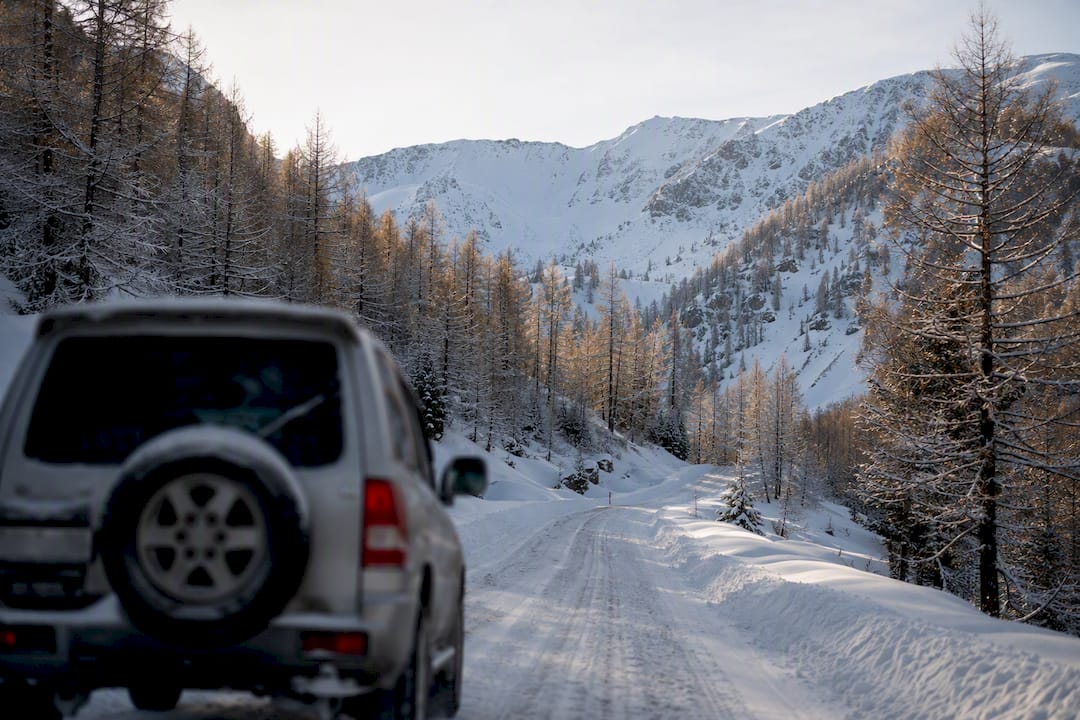
Compare flight, rail and self-drive routes from Almaty to the Kazakh Altai, with practical guidance for reaching Ridder and Ulba village.

Learn deep powder snowmobiling setup, riding technique, safe recovery and avalanche preparation, plus guided training near Ridder.
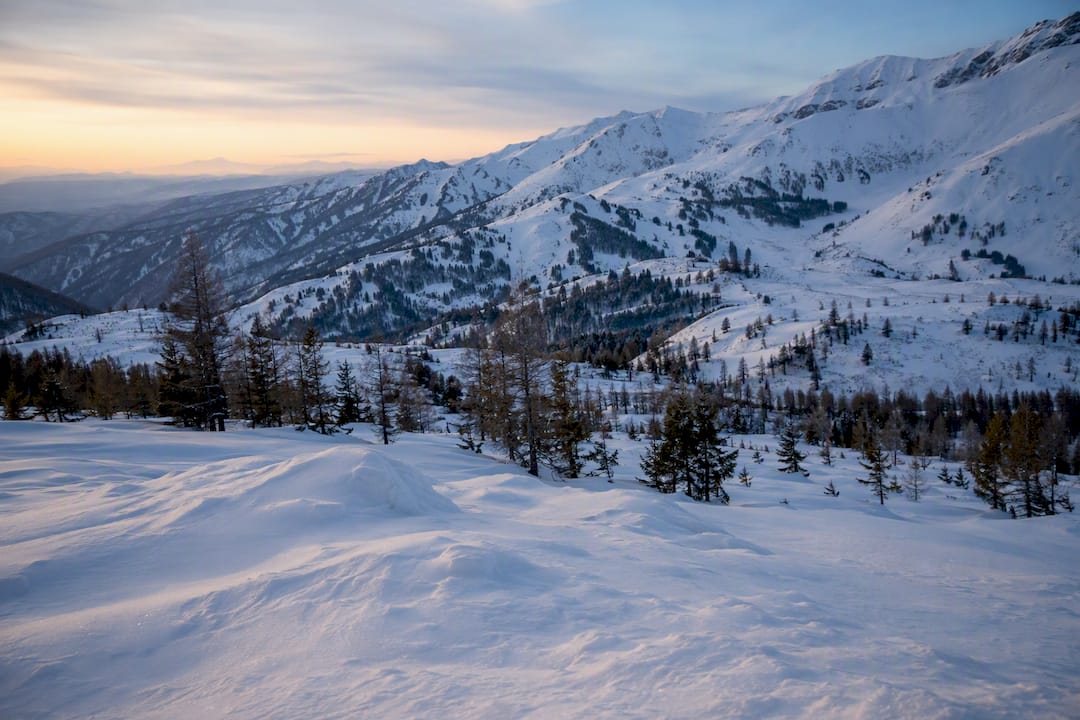
Plan an Altai Mountains winter stay from Ridder, with activity timing, travel from Öskemen, packing advice and practical mountain guidance.

Practical helicopter passenger safety guidance on boarding, seatbelts, exits, dropped items and following crew instructions.

Practical off-piste slope etiquette for safer skiing: right of way, avalanche preparation, group spacing, closures and guided skiing in the Western Altai.

Plan an Altai Mountains trip across Russian, Mongolian and Kazakh sectors, with permit, safety and winter-stay guidance for Ridder Lodge.
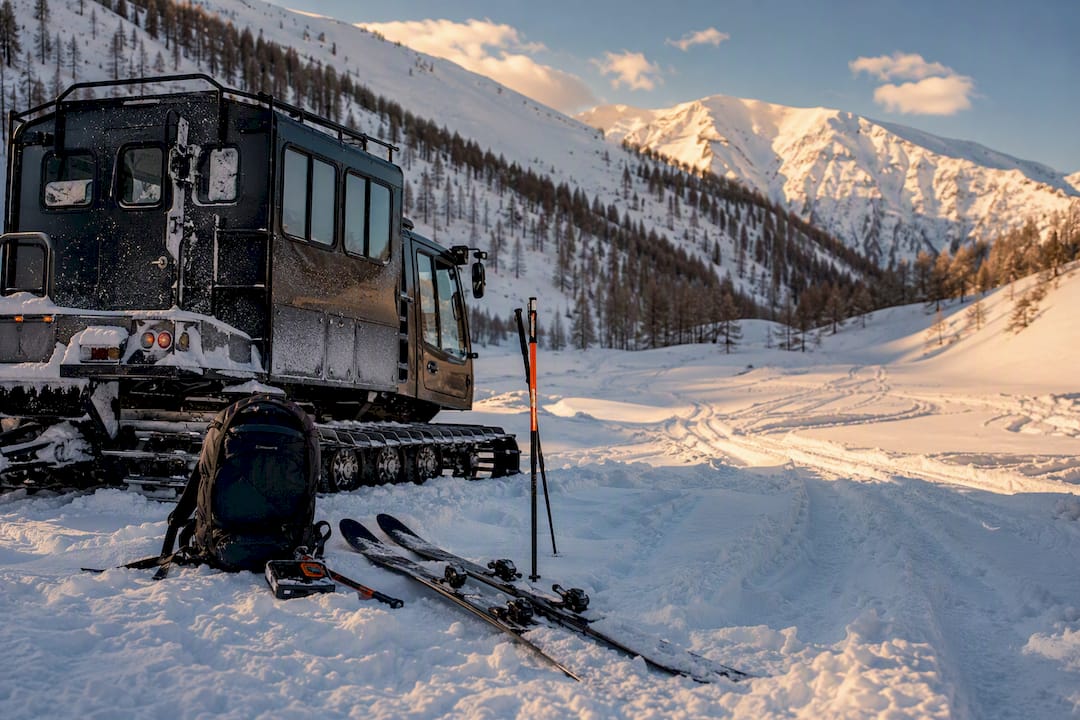
Learn how to plan guided freeride tours, from off-piste experience and avalanche gear to guide scope, changing mountain conditions and cat-skiing in the Altai.
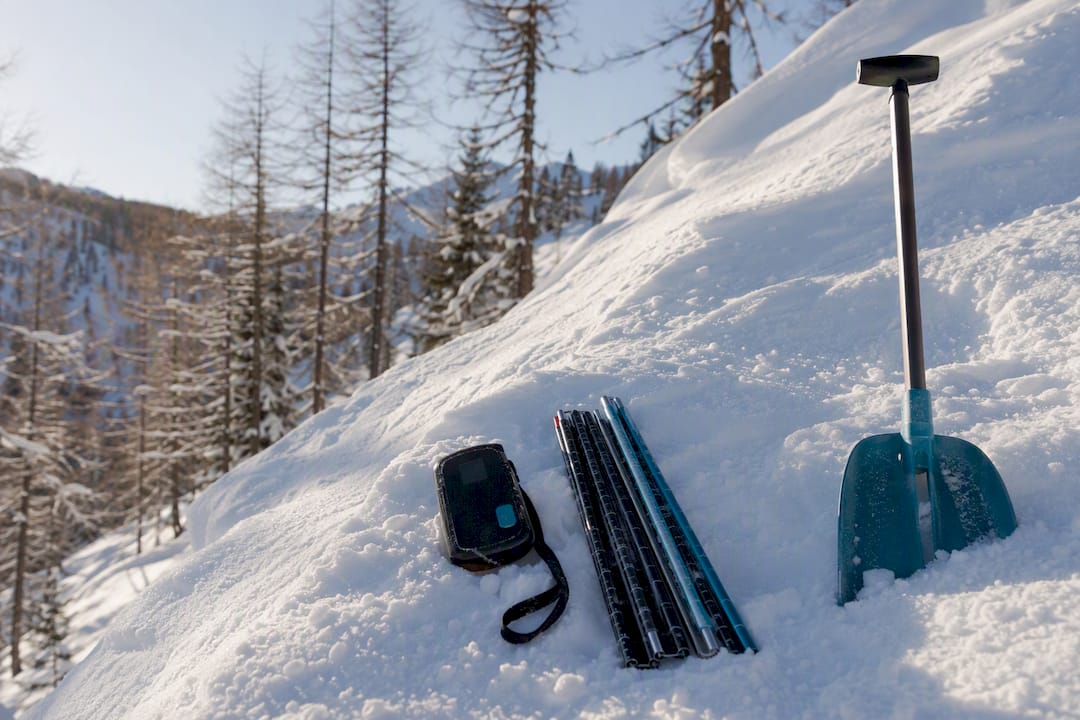
Learn avalanche beacon basics: 457 kHz transceivers, essential rescue gear, trailhead checks, interference and companion-rescue practice.

Learn which avalanche course suits your plans, what companion-rescue skills to practise and how to prepare for a winter trip to Altai.
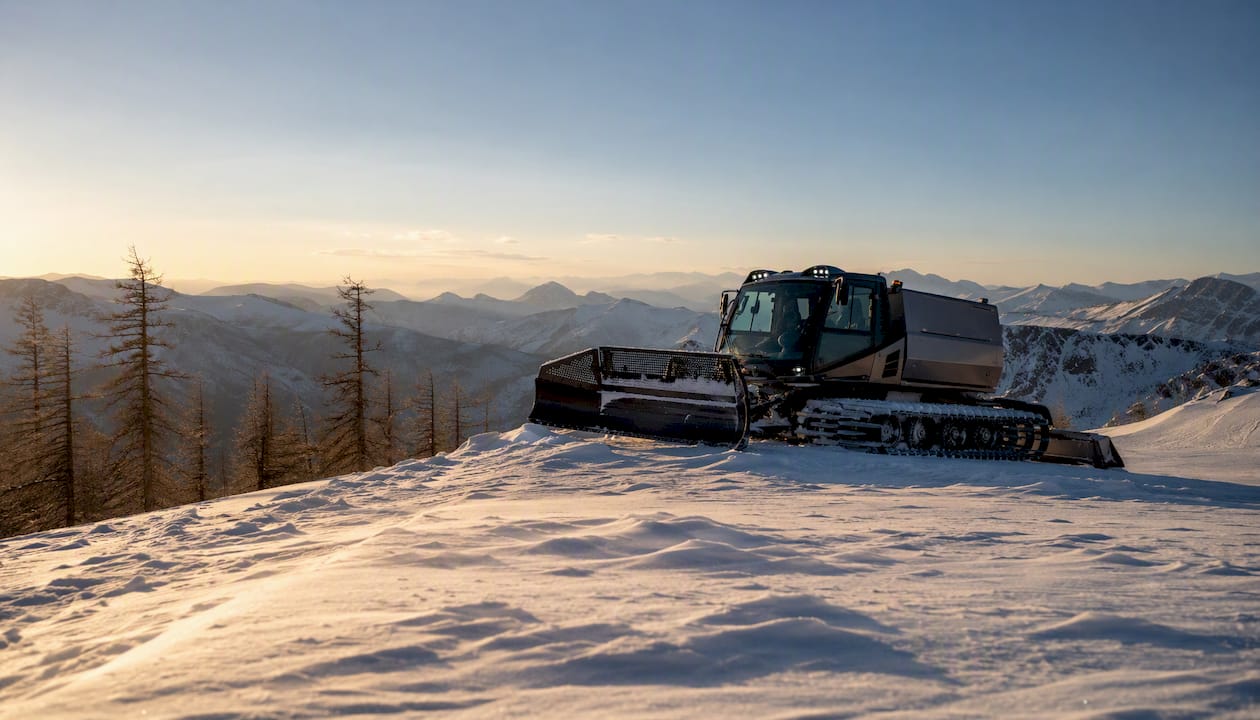
Learn what cat skiing is, who it suits, what to pack and how to plan a guided cat-skiing trip, including options near Ridder, Kazakhstan.
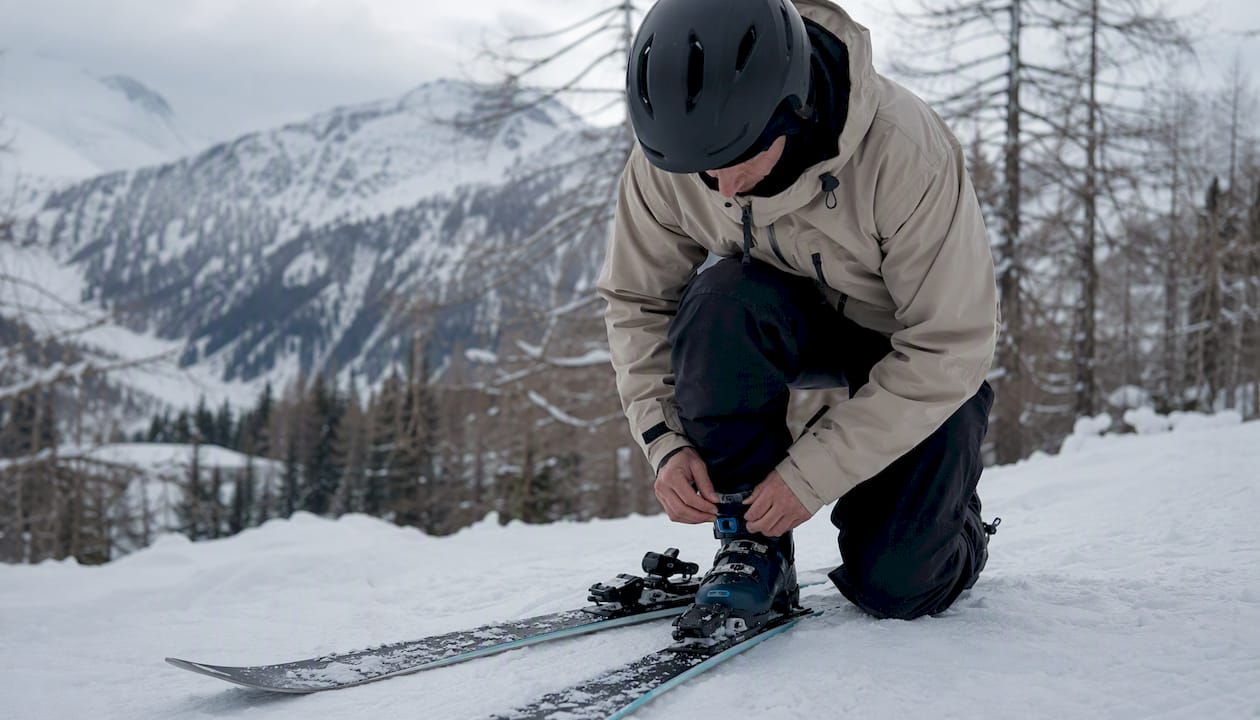
A practical ski rental Kazakhstan guide to Shymbulak and Medeu, current tariffs, equipment fit, transport and guided freeride near Ridder.

Understand ski guide benefits for freeride and backcountry trips, including local planning, terrain choices, qualifications, safety gear and access options.

Plan a snowmobile expedition near Ridder, Kazakhstan, with practical guidance on routes, rider experience, equipment, mountain safety and transfers.
Use this mountain lodge amenities checklist to compare rooms, meals, wellness access, transfers, activities and paid extras before booking.
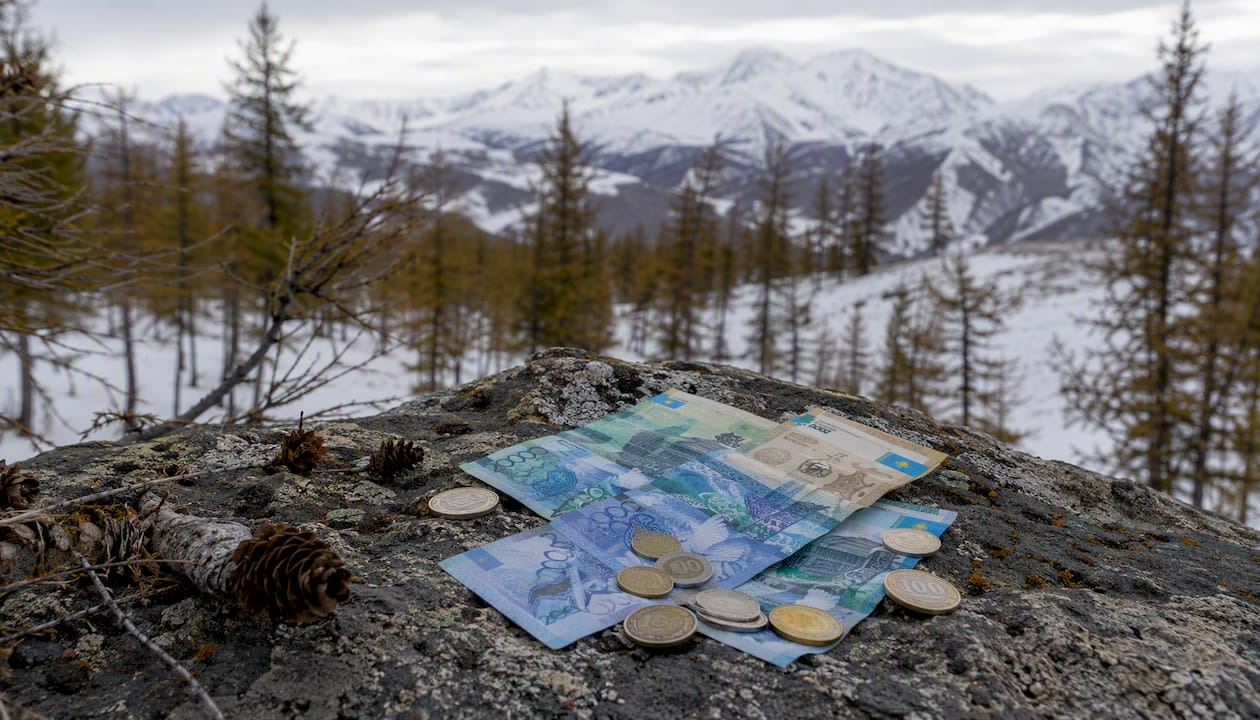
A practical Kazakhstan currency guide to the tenge, cards, ATMs, currency exchange, DCC and cash planning for cities and the Western Altai.
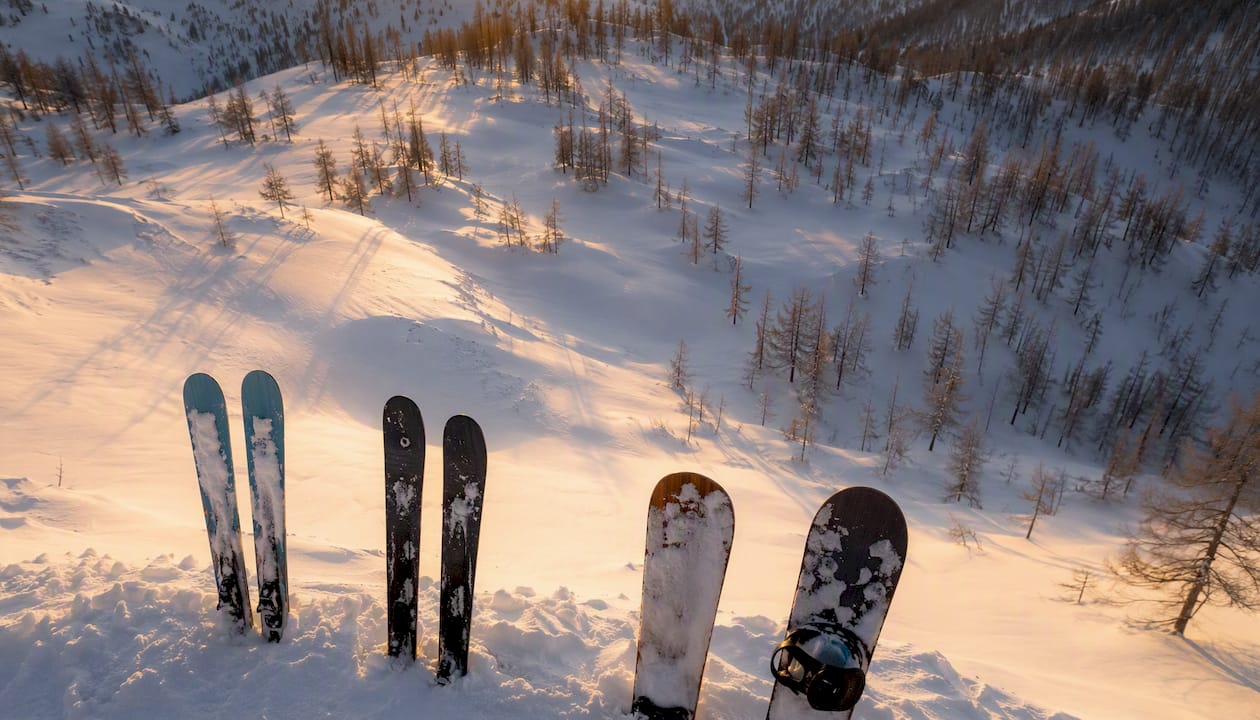
Plan the Kazakhstan ski season by month, compare lift-served Shymbulak with guided trips around Ridder, and prepare for changing snow and mountain conditions.
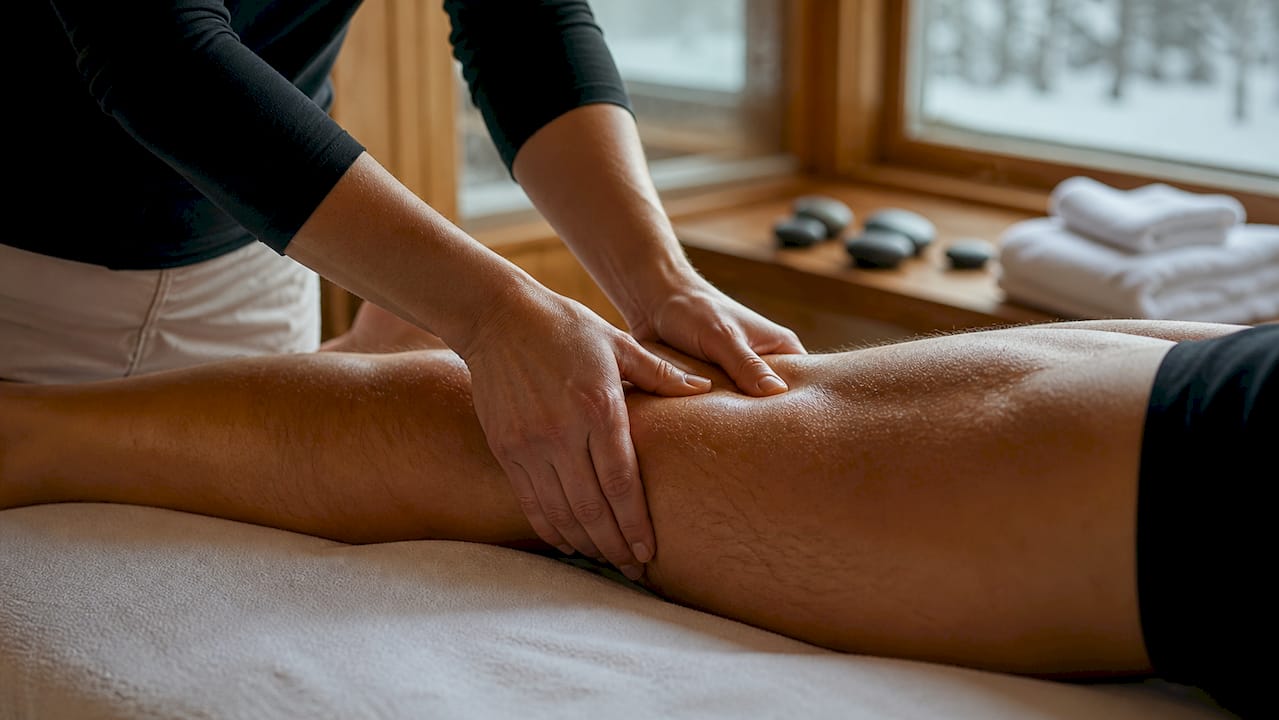
A practical guide to spa after skiing, including gentle massage, sauna and hammam, optional cold immersion and signs that need medical attention.
Plan a remote ski trip from the UK to Ridder, with practical guidance on activities, Kazakhstan entry, Öskemen transfers, insurance and ski baggage.
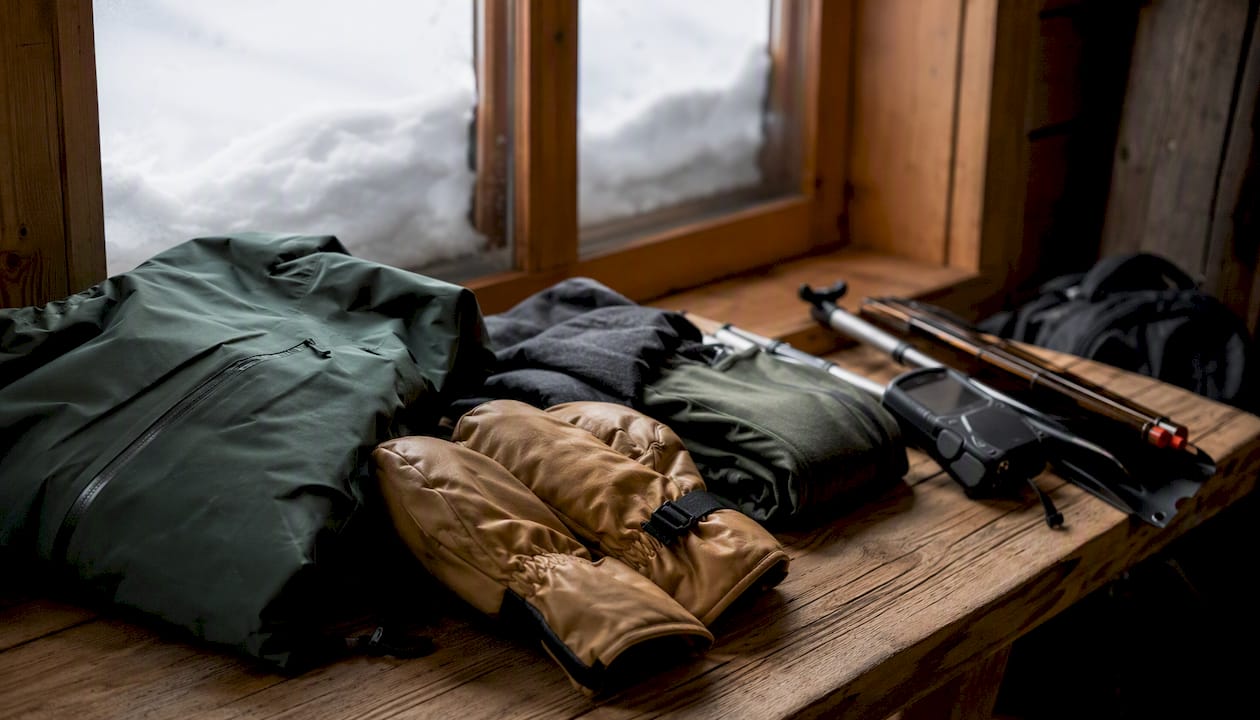
A practical heli skiing packing list covering clothing, avalanche equipment, ski baggage, batteries, travel documents and rental options.
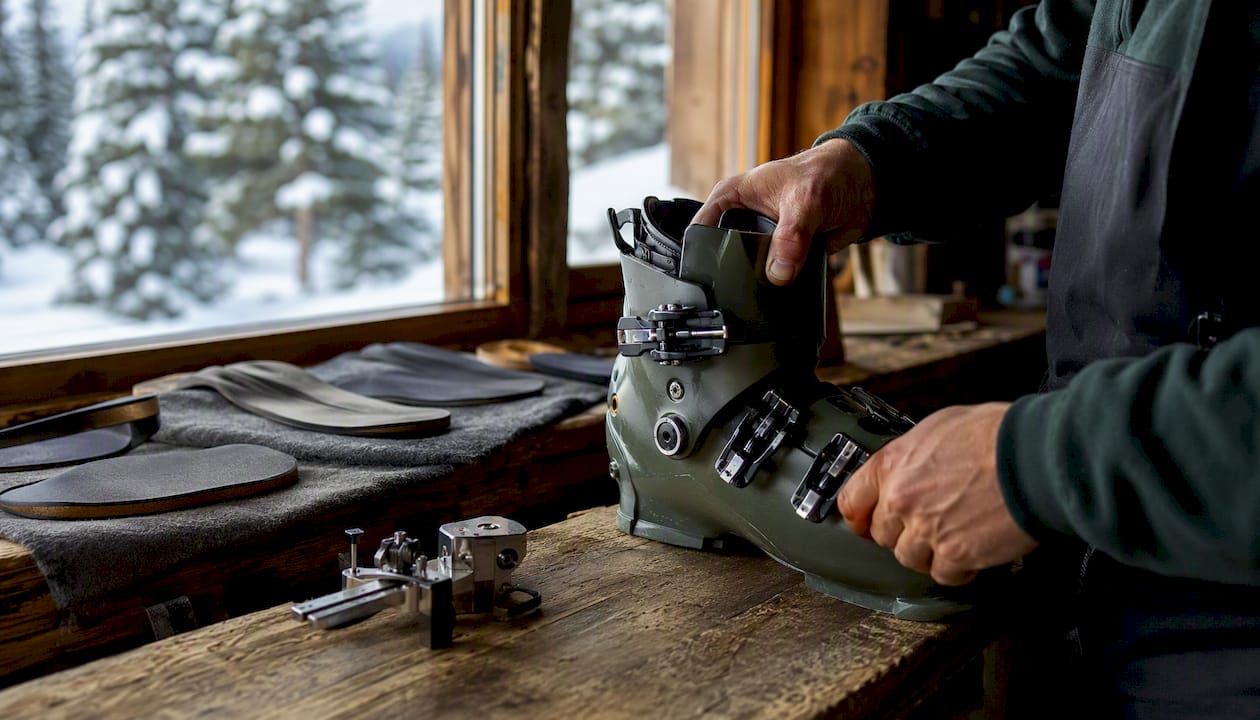
A practical UK guide to ski boot fitting: appointment steps, services, current provider price examples, aftercare and warning signs.
Should you tip a ski guide? Learn how customs vary, when a gratuity may feel appropriate and how to plan for tipping in Kazakhstan.
An Altai cuisine guide to kan, kurut, chegen and talkan, with dining at Restaurant Altai, food safety and travel from Öskemen to Ridder.
Compare banya vs sauna: heat, steam, venik and löyly rituals, etiquette, health evidence, safety basics and the Altai Banya experience.
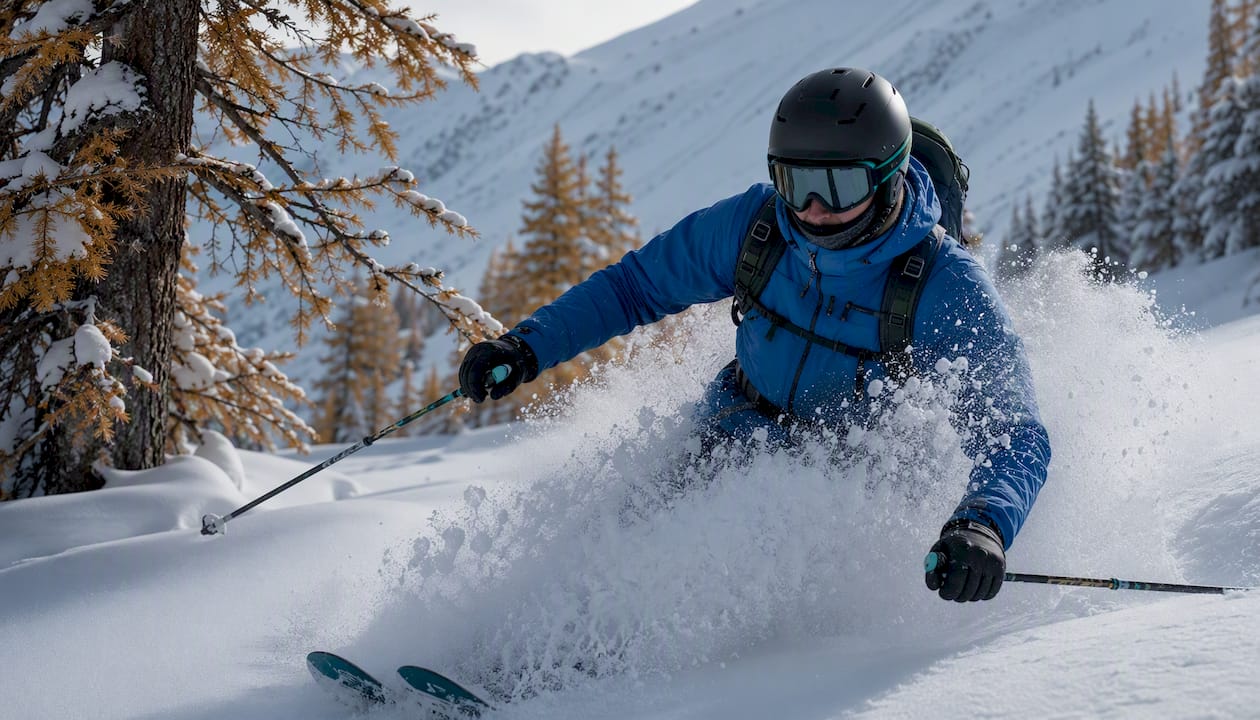
Learn how to ski deep powder with centred balance, smooth turns, speed control, practice steps, gear guidance, and avalanche and tree-well precautions.

Plan a mountain wellness retreat in Ridder with freeride, heli-skiing, snowmobiling, Ridder Lodge, Altai Banya and practical winter travel guidance.

A practical snowmobile gear list for UK travellers heading to Altai Mountains Resort, with clothing, safety equipment, battery and travel guidance.

Understand Ridder Lodge’s ski-in/snowmobile-out access, guided ski-day logistics, transfers from Öskemen and practical planning for your stay.
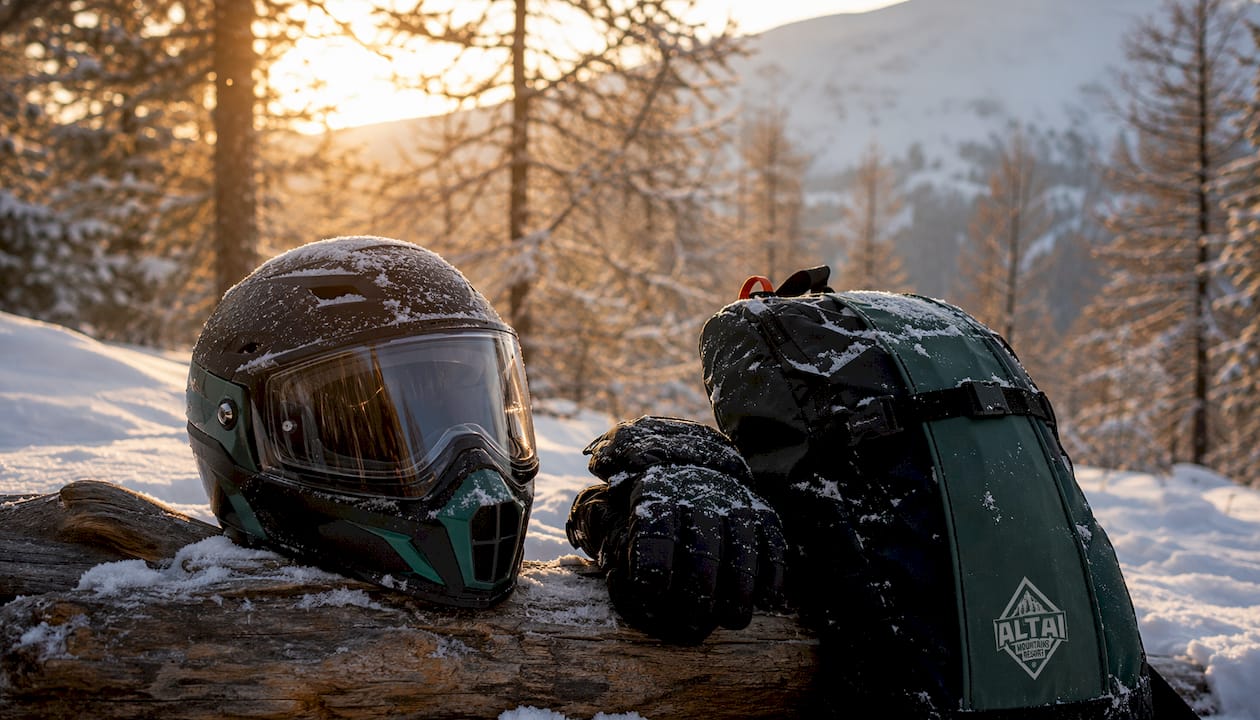
Prepare for a guided snowmobile ride with a practical gear checklist covering helmets, winter layers, avalanche equipment and cold exposure in Ridder.

A practical heli skiing guide to ability, avalanche equipment, packing, weather and planning your first trip to Kazakhstan.
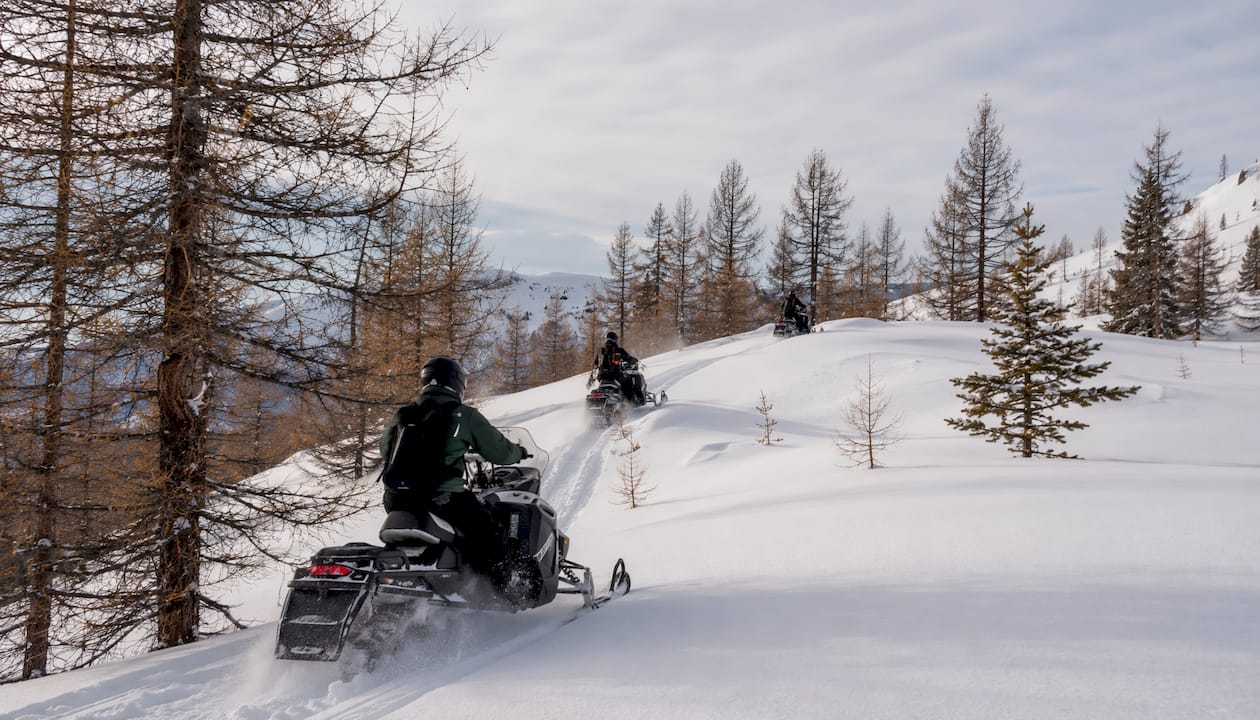
Plan guided deep snow snowmobiling in Ridder, with practical details on training, rentals, equipment, transfers and staying at Ridder Lodge.
How to choose Kazakhstan travel insurance for heli-skiing, cat-skiing or snowmobiling, including medical treatment and evacuation cover.
Kazakhstan visa requirements for UK visitors to Ridder, including visa-free limits, e-visas, passport rules, airports and Öskemen transfers.
Build strength, balance and endurance before cat-skiing, heli-skiing or snowmobiling with an adaptable six-to-eight-week ski fitness program.

Explore cold plunge benefits for skiers, from short-term soreness and recovery evidence to cold-shock risks, timing and Altai Banya options.

Understand heli skiing cost in 2026 with current operator examples, a total-budget checklist, and key booking, safety and insurance questions.