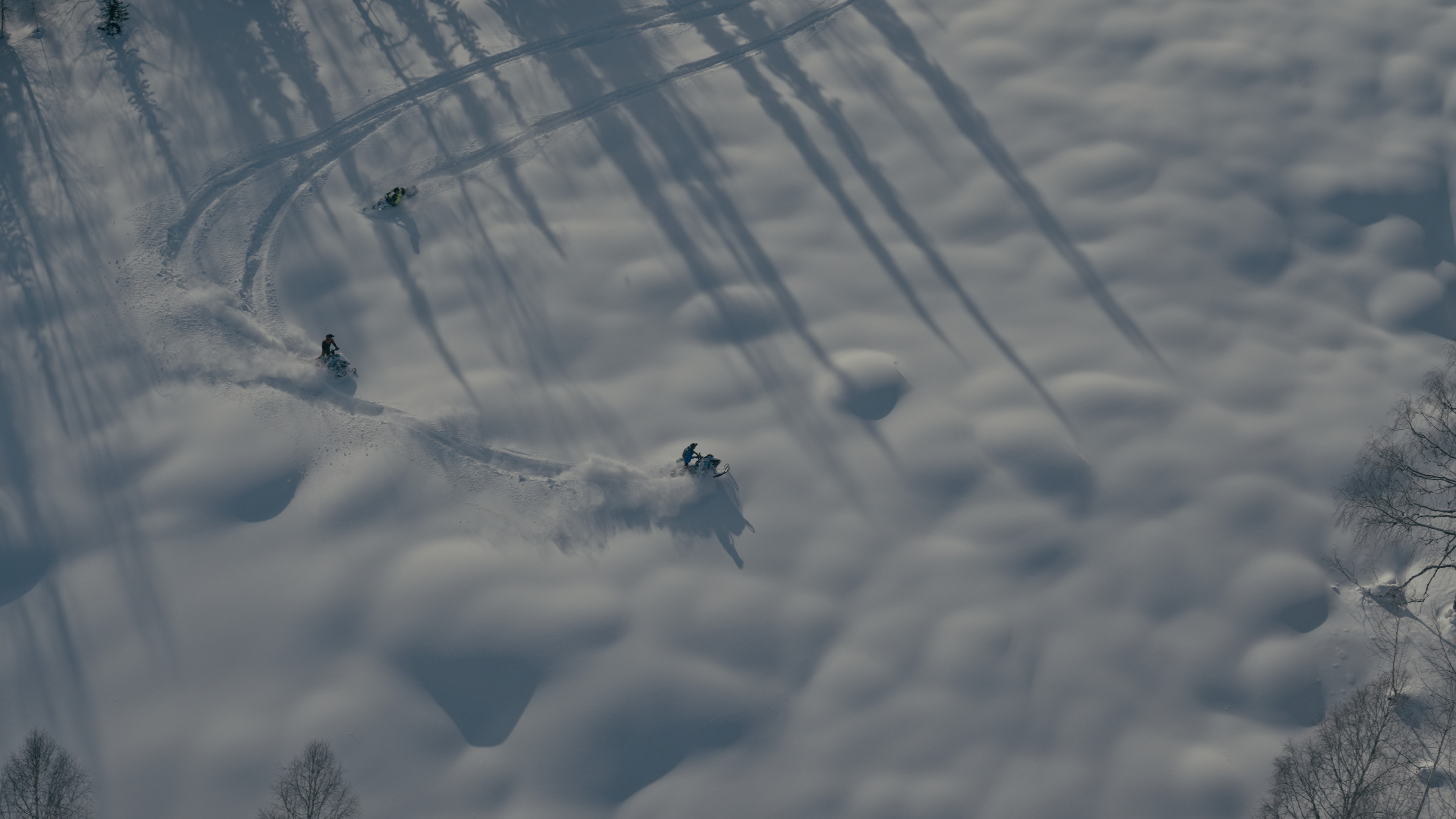
How to choose Kazakhstan travel insurance for heli-skiing, cat-skiing or snowmobiling, including medical treatment and evacuation cover.
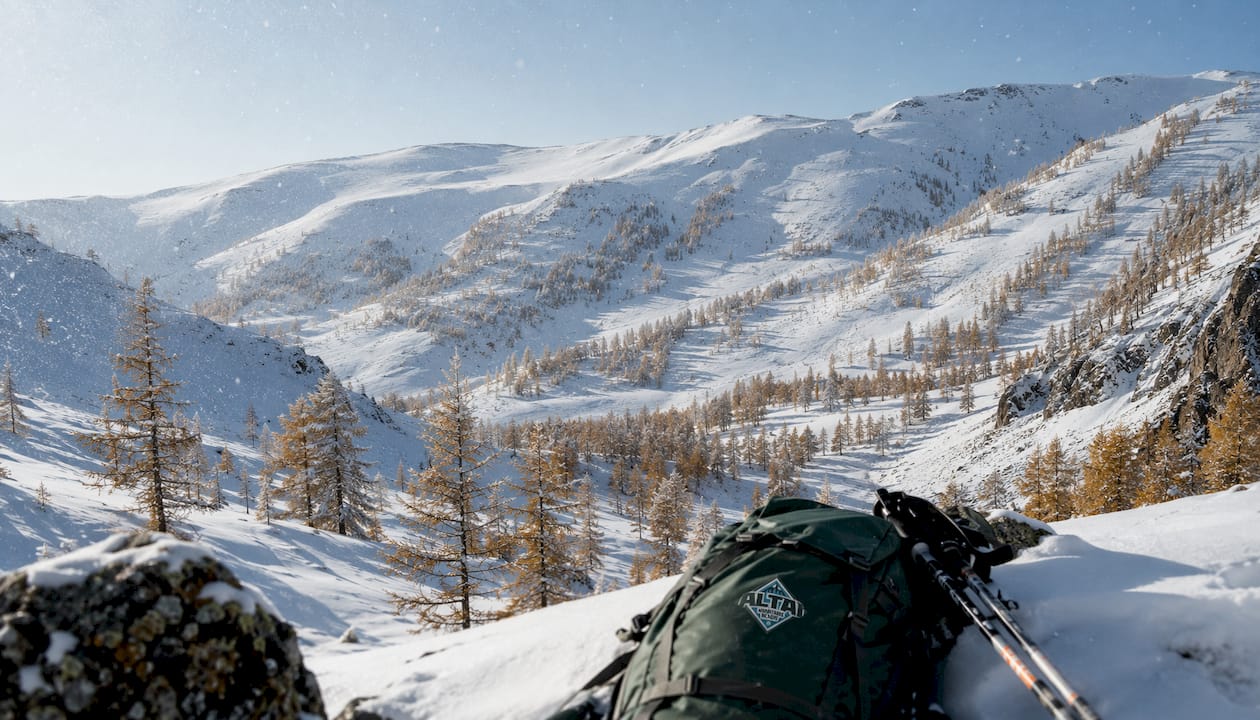
For heli-skiing, cat-skiing or snowmobiling in Kazakhstan, choose travel insurance that expressly covers the exact activity you plan to do. Give equal attention to emergency medical treatment, evacuation and repatriation.
There is no single policy type for every traveller. Cover varies by insurer, country of residence, medical history and itinerary. UK travel advice recommends insurance covering your planned activities and emergency expenses, while the Association of British Insurers notes that winter sports are commonly offered as an add-on rather than automatically included. See the FCDO insurance guidance for Kazakhstan and the ABI guidance on choosing travel insurance.
Kazakhstan winter-sports insurance: the short answer
Begin with your real itinerary, not the name of the insurance package. A policy labelled “winter sports” is useful only when its definitions, activity terms and exclusions fit what you have booked.
For a winter trip to the Western Altai, focus on these areas:
The exact activity: heli-skiing, cat-skiing, off-piste or freeride skiing, guided deep-snow snowmobiling, and any other activity in your itinerary.
Emergency medical expenses: the geographical scope, financial limits, excess and exclusions.
Medical evacuation and repatriation: which events qualify, who authorises transport and what limits apply.
Emergency assistance: contact methods, operating hours and the procedure for obtaining help overseas.
Your circumstances: medical screening, age limits, trip duration and any destination or altitude restrictions.
To keep the planning manageable, place your itinerary beside the full policy wording and work through it once. We can help you confirm the activity names and dates for your booking, while your insurer can explain how its terms apply to your circumstances. Cancellation, personal liability and equipment protection are separate considerations; their value depends on your prepaid bookings, rental arrangements and existing cover.
Check that your exact activity is covered
Insurers do not classify mountain activities uniformly. Heli-skiing and cat-skiing may be treated as off-piste skiing, guided adventure activities or separately named sports. Snowmobiling may fall under winter sports, motorised activities or an optional extension.
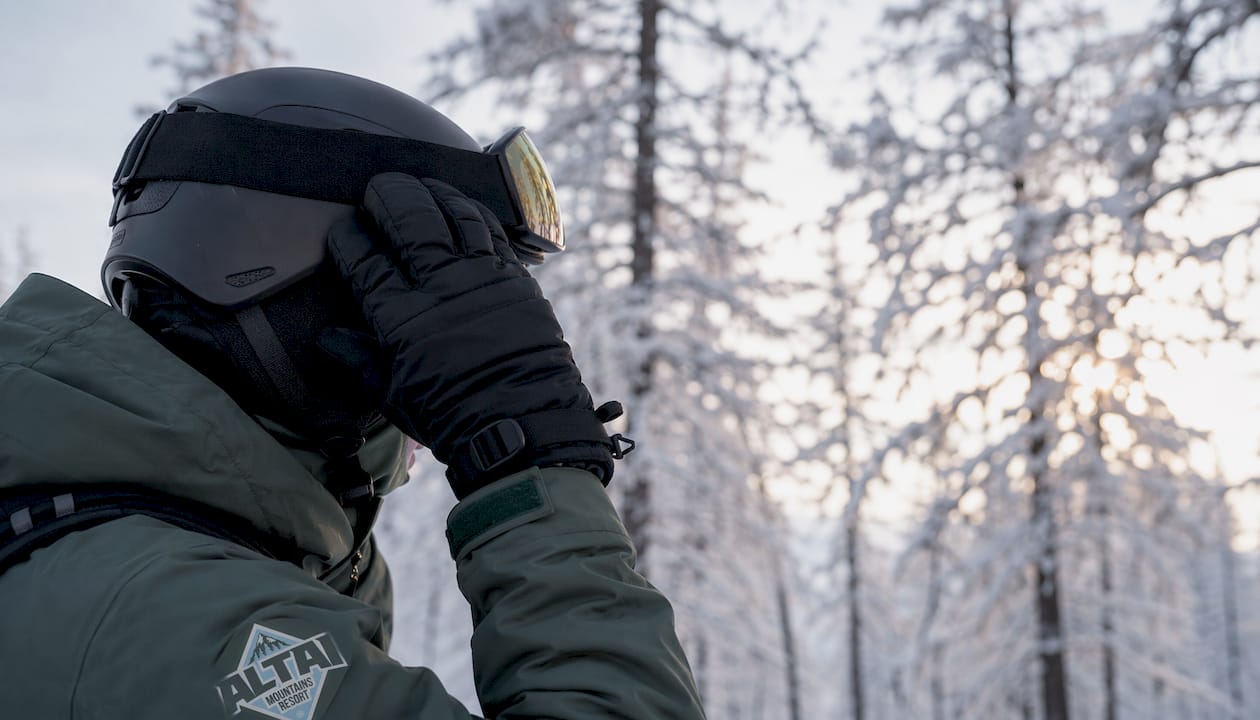
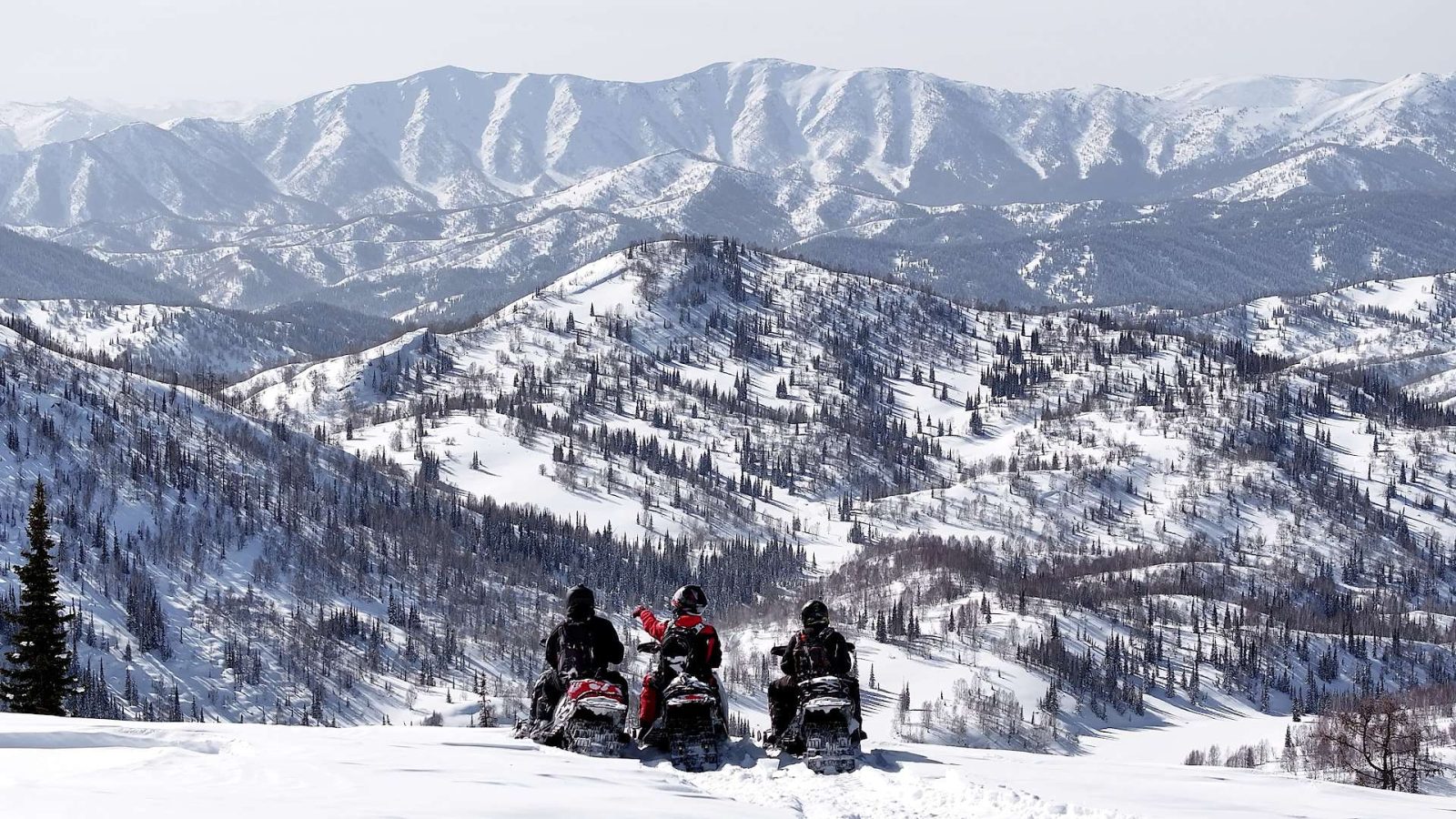
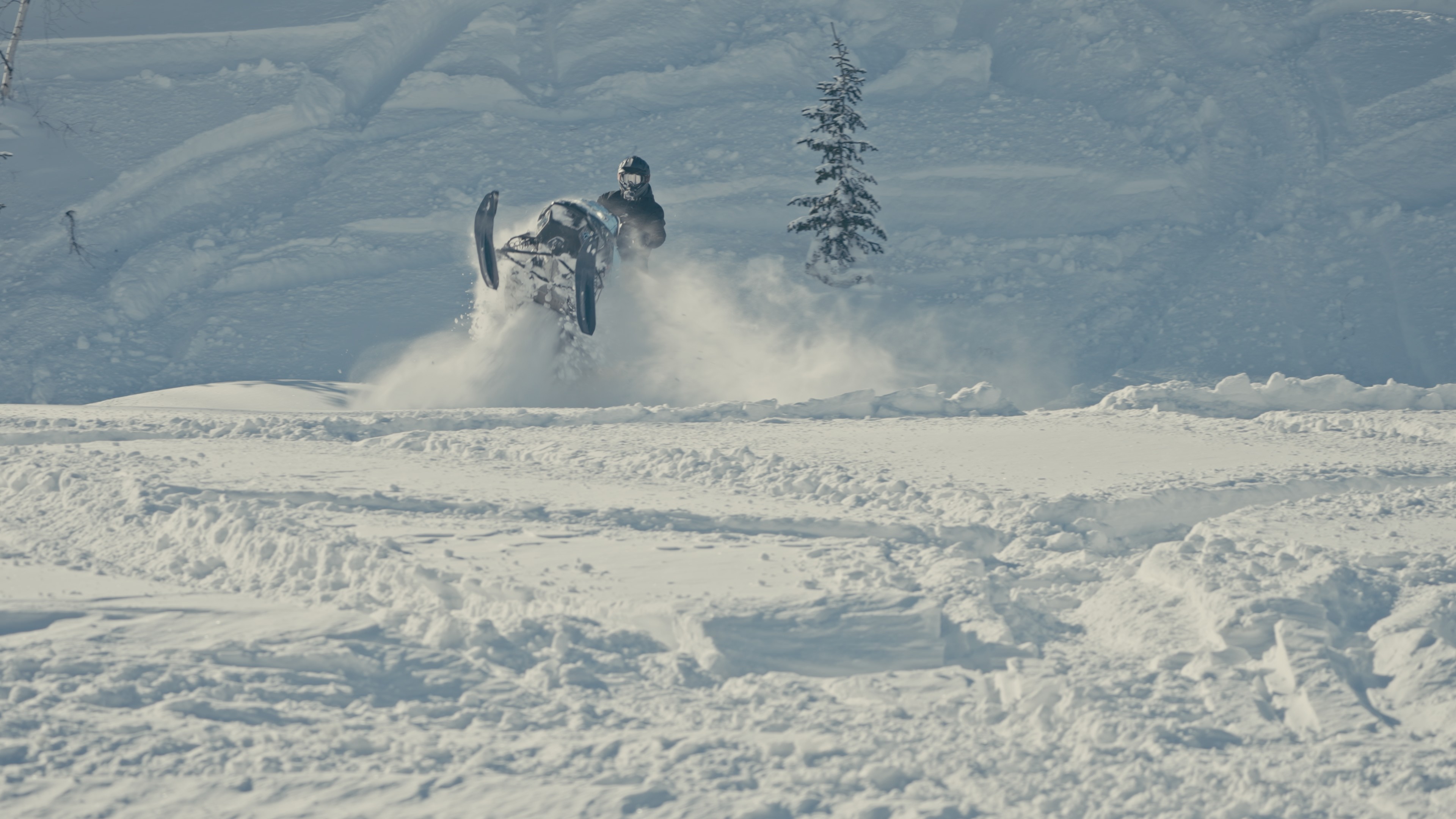
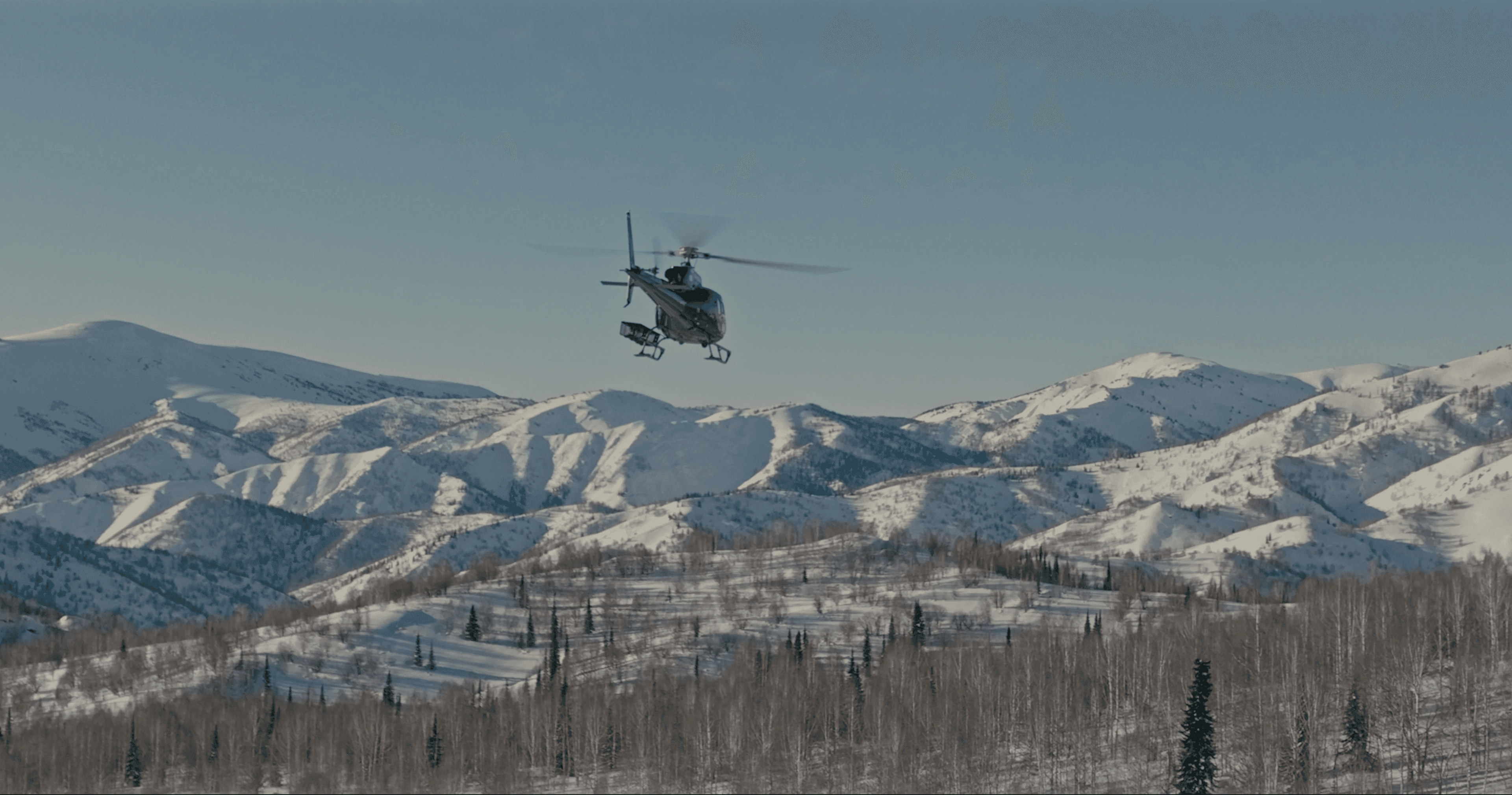
At Altai Mountains Resort, our winter programme includes heli-skiing, cat-skiing and freeriding, and guided deep-snow snowmobiling. Use the same activity name shown in your itinerary when reading the insurer’s schedule. If that name is absent or the meaning is unclear, ask the insurer how the policy would treat it before buying.
As you compare the activity terms, look for:
whether guided and off-piste activity is included;
any geographical, altitude or seasonal restrictions;
conditions attached to motorised activities;
requirements concerning guides, safety equipment or adherence to operator instructions;
personal liability exclusions and whether rented equipment is covered;
the effect of alcohol or other policy exclusions on a claim.
Kazakhstan’s tourism regulation and safety inspection can be uneven, according to the U.S. State Department’s Kazakhstan guidance, which makes clear documentation particularly useful.
Medical treatment, evacuation and repatriation
Medical cover deserves close attention when your itinerary includes remote mountain terrain. Government of Canada advice says medical facilities may lack adequate equipment and supplies, particularly in rural areas, and recommends insurance that includes hospital stays and medical evacuation. See the Government of Canada travel advice for Kazakhstan.
Read how the policy handles each stage of assistance rather than looking for one prescribed phrase:
Treatment: which medical expenses are eligible and whether an excess applies.
Transfer or evacuation: how medical necessity is assessed, who selects the destination and when prior authorisation is required.
Repatriation: whether medically necessary return to your home country is included and under what conditions.
Assistance: whether the insurer operates a round-the-clock service and how it handles urgent cases when telephone access is limited.
Payment: whether you need accessible funds for initial expenses and what evidence is needed for reimbursement.
FCDO guidance advises travellers to have adequate health insurance and accessible funds for treatment, air-ambulance evacuation and repatriation. It also notes that medical staff in Kazakhstan do not typically speak English. These considerations are covered in the FCDO health guidance for Kazakhstan.
Appropriate limits depend on your policy market, health, itinerary and financial circumstances. Clear definitions and realistic cover matter more than assuming the highest headline figure provides the broadest protection.
Pre-existing conditions, cancellation and equipment
Answer medical-screening questions accurately and report relevant changes in health when the policy requires it. An insurer may cover a condition, apply an additional premium or exclude related claims. The outcome depends on its underwriting and your answers.
If you have prepaid flights, accommodation or activities that are non-refundable, compare cancellation and curtailment cover with those costs. You may wish to arrange it when you make your first non-refundable commitment, taking account of the policy’s start date, covered reasons, exclusions and treatment of events already known.
Equipment cover also varies. Read whether the policy applies to your own kit, rented equipment or both, along with its limits for theft, loss and accidental damage. Rental agreements may make you responsible for damage that falls outside a travel policy.
If you are buying insurance in the UK
The ABI advises travellers to consider their destination, activities, medical conditions and the belongings they are taking. Some policies include many holiday activities, but winter sports commonly require additional cover. If you live elsewhere, use insurance products and guidance applicable to your country of residence.
If an incident happens in remote terrain
Remote travel in Kazakhstan can involve limited mobile or satellite coverage, basic medical facilities and difficult emergency access, according to the FCDO safety guidance. Before setting out, know the guide or operator’s emergency procedure.
Prioritise immediate safety. Follow the guide or operator’s emergency procedure and seek urgent assistance without delaying care for insurance administration.
Call emergency services when possible. Kazakhstan uses 112 for general emergencies and rescue, and 103 for ambulance services. Both numbers appear in the FCDO emergency guidance.
Give a clear location and incident description. Follow instructions from local responders and the activity operator.
Contact the insurer when it is safe and practical. Its assistance team can explain the process for non-immediate transport and treatment arrangements. Prior-authorisation rules differ between policies.
An incident will not necessarily follow a fixed evacuation route. The response depends on location, weather, access, available services and the casualty’s condition.
Before you travel to Ridder: documents, contacts and current advice
Before departure, you can make one offline file with your policy certificate and wording, emergency contacts, booking and rental documents, required travel documents, essential medical information, and accommodation and operator contacts. An insurer may need these records to understand what you booked and whether it fell within the policy terms. Leave a second copy with a trusted contact. If an incident occurs, keep any treatment documents, receipts or incident report you receive. Connectivity may be limited in remote areas, so know where you will receive departure details and emergency instructions.
Travel advice and entry requirements can change. Review the guidance for your nationality and country of residence shortly before departure, and revisit it if your itinerary changes.
Planning winter activities at Altai Mountains Resort
Altai Mountains Resort is in Ridder, in the Western Altai of East Kazakhstan. Winter activities include heli-skiing, cat-skiing and freeriding, guided deep-snow snowmobiling and Snow Safari tours. Ridder Lodge provides accommodation, with Restaurant Altai and Altai Banya also at the resort.
Ridder is approximately 120 kilometres by road from Öskemen, with a journey time of around 1.5–2 hours. You can use our travel information for Ridder to plan the route. Timing is indicative, and winter road conditions can affect the journey. You can also ask our team about a private road transfer when you book; availability and terms depend on your dates.
When your itinerary begins to take shape, send us your dates through the booking page. We can help with current activity dates, prices, package inclusions, equipment options, transfer availability and booking terms in one conversation.
You can then begin the journey to Ridder with the practical details settled and the Western Altai ahead.
All Articles

Learn how to read an avalanche forecast, interpret danger ratings, roses and avalanche problems, and plan more conservative terrain choices.
Practical cold injury prevention for winter travel: layering, dry spares, warning signs, first aid and planning for mountain activities.
Planning snowmobiling in Ridder? Understand how experience, training, equipment and Kazakhstan rules shape your trip with Altai Mountains Resort.
Travel with ski gear confidently: carry boots when cabin rules allow, pack skis securely, understand airline baggage rules and prepare for delays.
Build a practical backcountry radio communication plan with party radios, satellite SOS or PLB backup, cold-weather care and regional legal essentials.

Satellite messenger basics for remote Altai trips: compare PLBs and two-way devices, understand SOS limits, and prepare your communications plan.
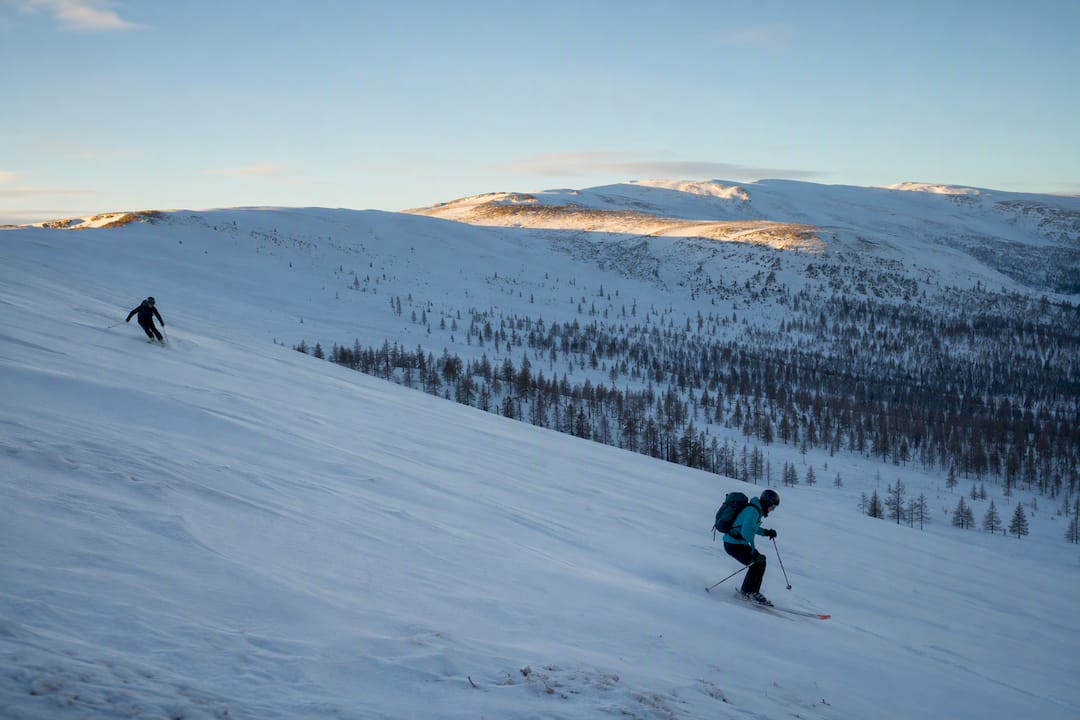
Avoid ski crowds with flexible dates, midweek skiing, early starts and smarter lift choices. Explore guided off-piste options near Ridder.

Learn how heli-skiing passenger weight and baggage rules differ by operator, with practical packing steps and Altai Mountains Resort booking guidance.
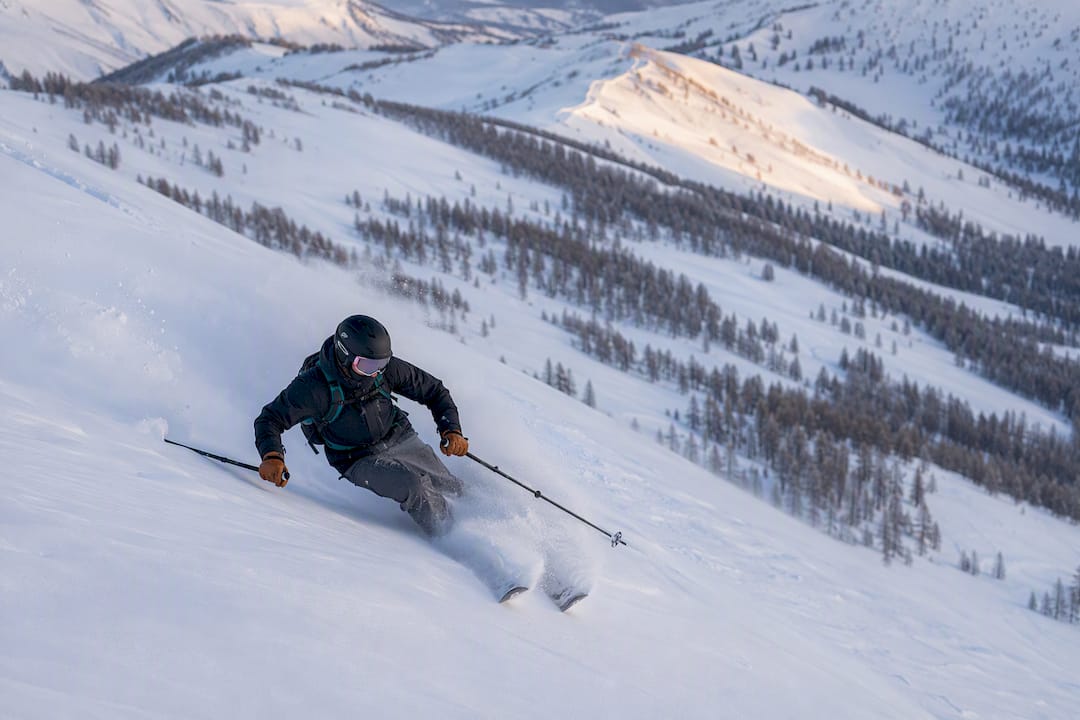
Understand the cat skiing skill level needed for Altai Mountains Resort, with practical guidance on off-piste ability, fitness and avalanche readiness.
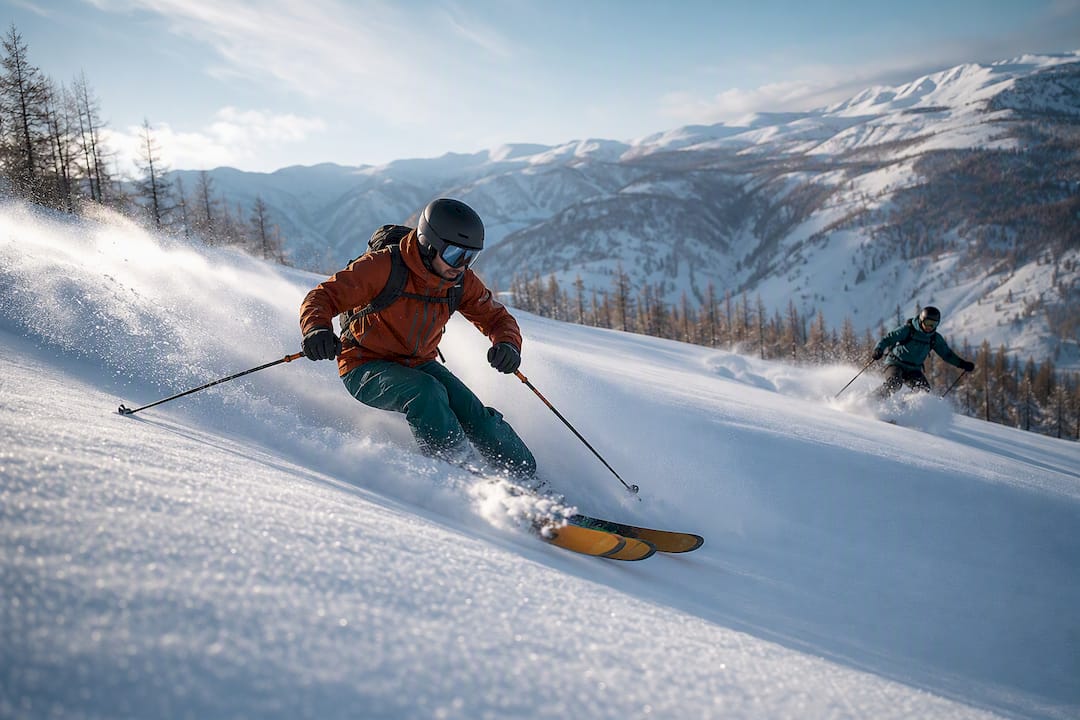
Decide whether Ridder suits your advanced Altai ski trip, with practical guidance on transfers, season timing, avalanche gear and guided programmes.
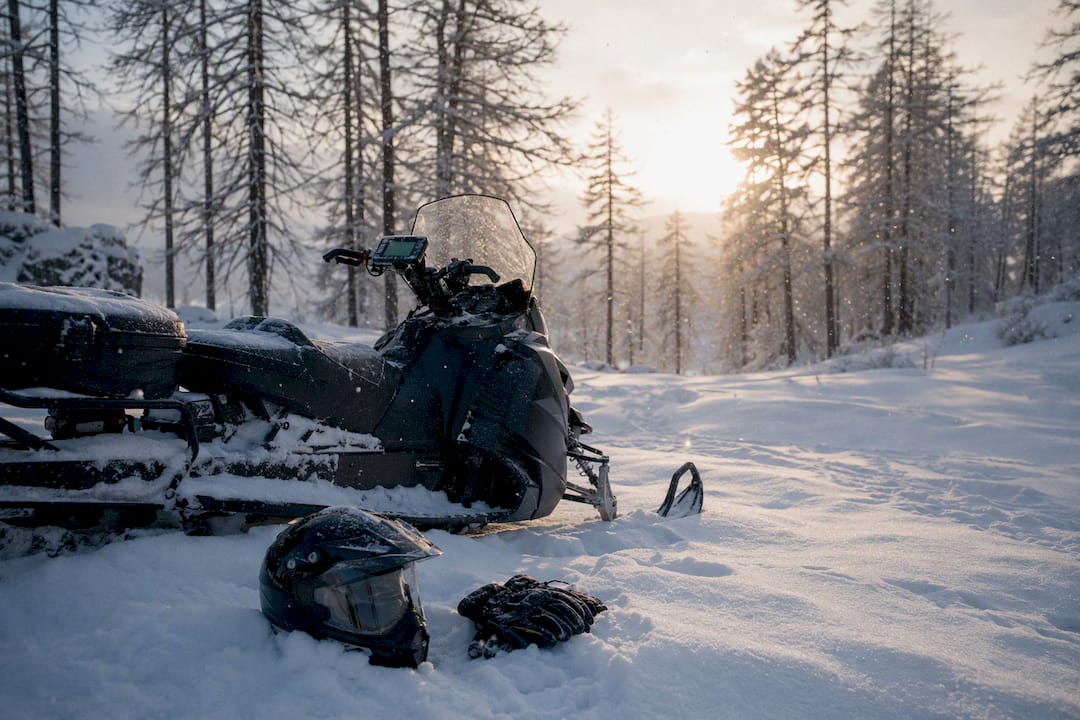
Compare snowmobile tour prices by duration, understand what shapes the final cost, and explore quote-based snowmobiling at Altai Mountains Resort.
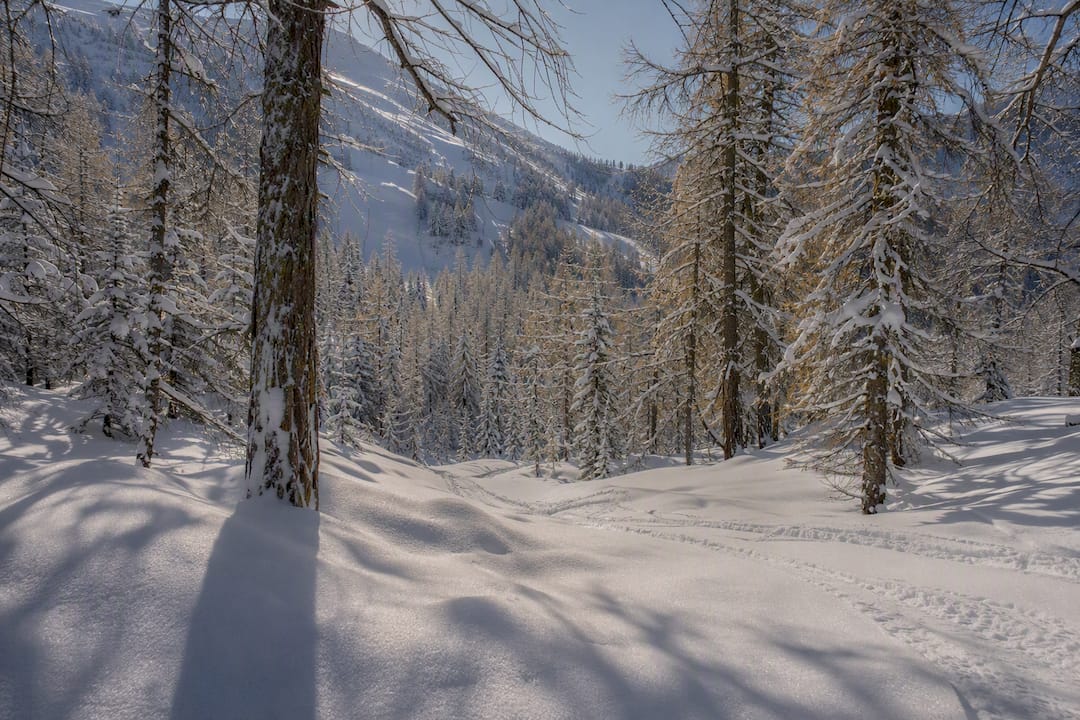
Compare Western Altai, Almaty and Turgen for Kazakhstan powder skiing, with practical guidance on access, safety and Ridder logistics.

Plan Altai heli skiing near Ridder with practical guidance on terrain, season, package inclusions, access, safety gear and booking.
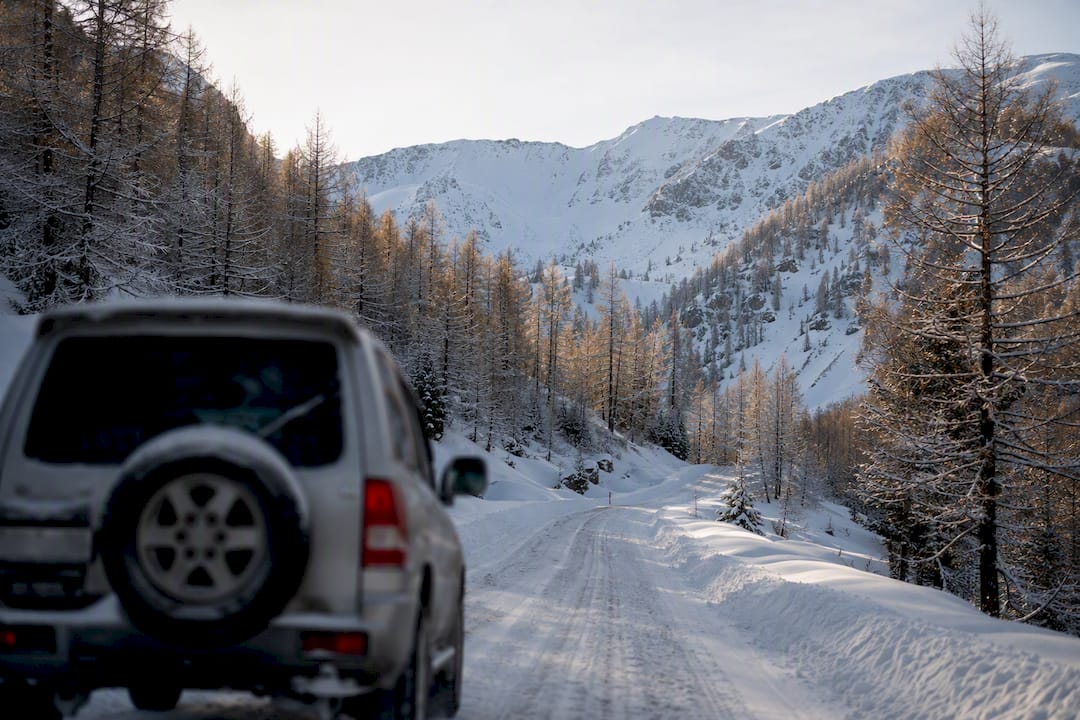
Compare flight, rail and self-drive routes from Almaty to the Kazakh Altai, with practical guidance for reaching Ridder and Ulba village.

Learn deep powder snowmobiling setup, riding technique, safe recovery and avalanche preparation, plus guided training near Ridder.
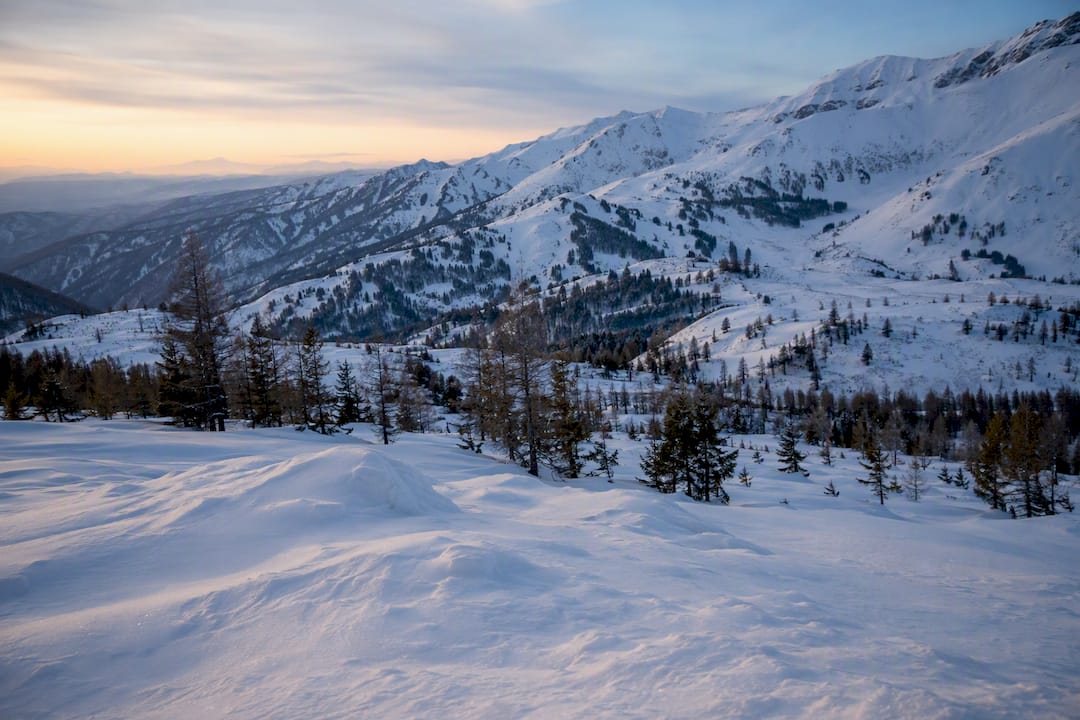
Plan an Altai Mountains winter stay from Ridder, with activity timing, travel from Öskemen, packing advice and practical mountain guidance.

Practical helicopter passenger safety guidance on boarding, seatbelts, exits, dropped items and following crew instructions.

Practical off-piste slope etiquette for safer skiing: right of way, avalanche preparation, group spacing, closures and guided skiing in the Western Altai.

Plan an Altai Mountains trip across Russian, Mongolian and Kazakh sectors, with permit, safety and winter-stay guidance for Ridder Lodge.
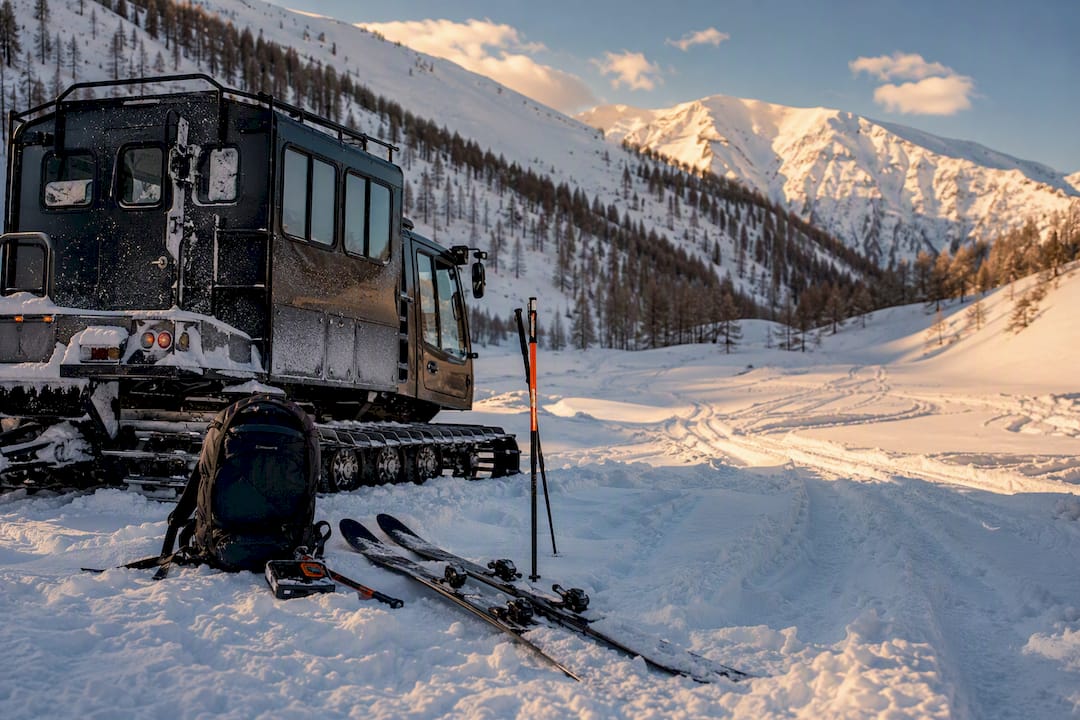
Learn how to plan guided freeride tours, from off-piste experience and avalanche gear to guide scope, changing mountain conditions and cat-skiing in the Altai.
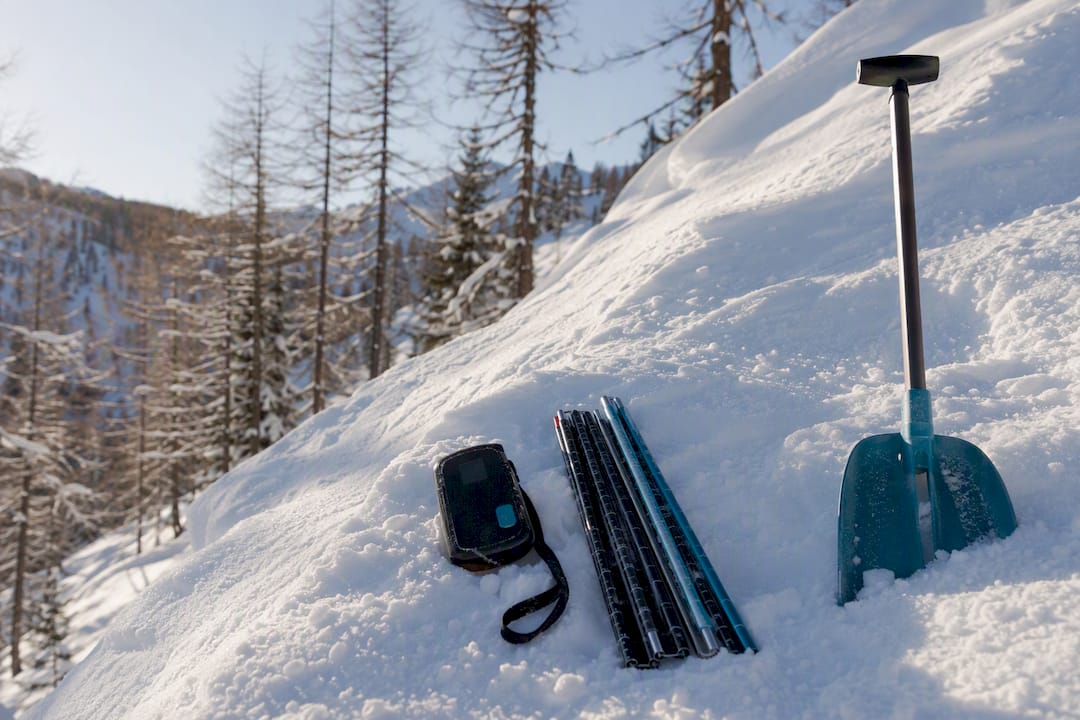
Learn avalanche beacon basics: 457 kHz transceivers, essential rescue gear, trailhead checks, interference and companion-rescue practice.

Learn which avalanche course suits your plans, what companion-rescue skills to practise and how to prepare for a winter trip to Altai.
Learn what cat skiing is, who it suits, what to pack and how to plan a guided cat-skiing trip, including options near Ridder, Kazakhstan.
A practical ski rental Kazakhstan guide to Shymbulak and Medeu, current tariffs, equipment fit, transport and guided freeride near Ridder.

Understand ski guide benefits for freeride and backcountry trips, including local planning, terrain choices, qualifications, safety gear and access options.

Plan a snowmobile expedition near Ridder, Kazakhstan, with practical guidance on routes, rider experience, equipment, mountain safety and transfers.
Use this mountain lodge amenities checklist to compare rooms, meals, wellness access, transfers, activities and paid extras before booking.
A practical Kazakhstan currency guide to the tenge, cards, ATMs, currency exchange, DCC and cash planning for cities and the Western Altai.
Plan the Kazakhstan ski season by month, compare lift-served Shymbulak with guided trips around Ridder, and prepare for changing snow and mountain conditions.
A practical guide to spa after skiing, including gentle massage, sauna and hammam, optional cold immersion and signs that need medical attention.
Plan a remote ski trip from the UK to Ridder, with practical guidance on activities, Kazakhstan entry, Öskemen transfers, insurance and ski baggage.
A practical heli skiing packing list covering clothing, avalanche equipment, ski baggage, batteries, travel documents and rental options.
A practical UK guide to ski boot fitting: appointment steps, services, current provider price examples, aftercare and warning signs.
Should you tip a ski guide? Learn how customs vary, when a gratuity may feel appropriate and how to plan for tipping in Kazakhstan.
An Altai cuisine guide to kan, kurut, chegen and talkan, with dining at Restaurant Altai, food safety and travel from Öskemen to Ridder.
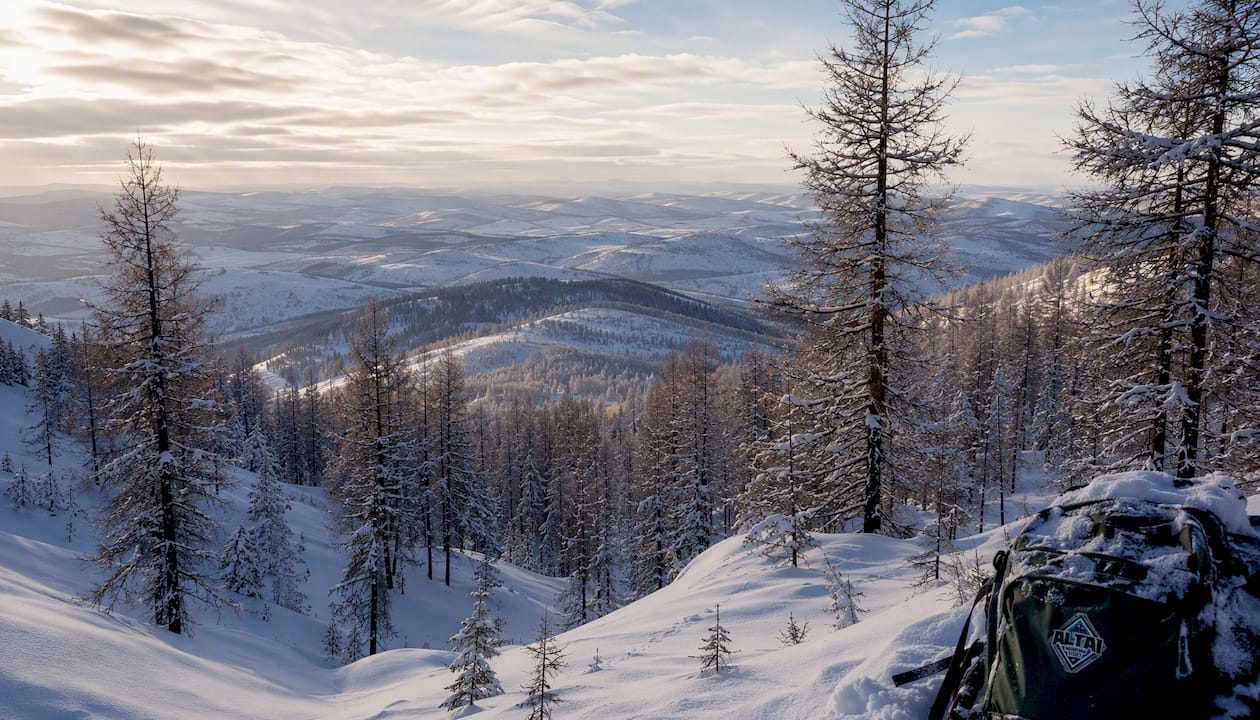
Compare banya vs sauna: heat, steam, venik and löyly rituals, etiquette, health evidence, safety basics and the Altai Banya experience.
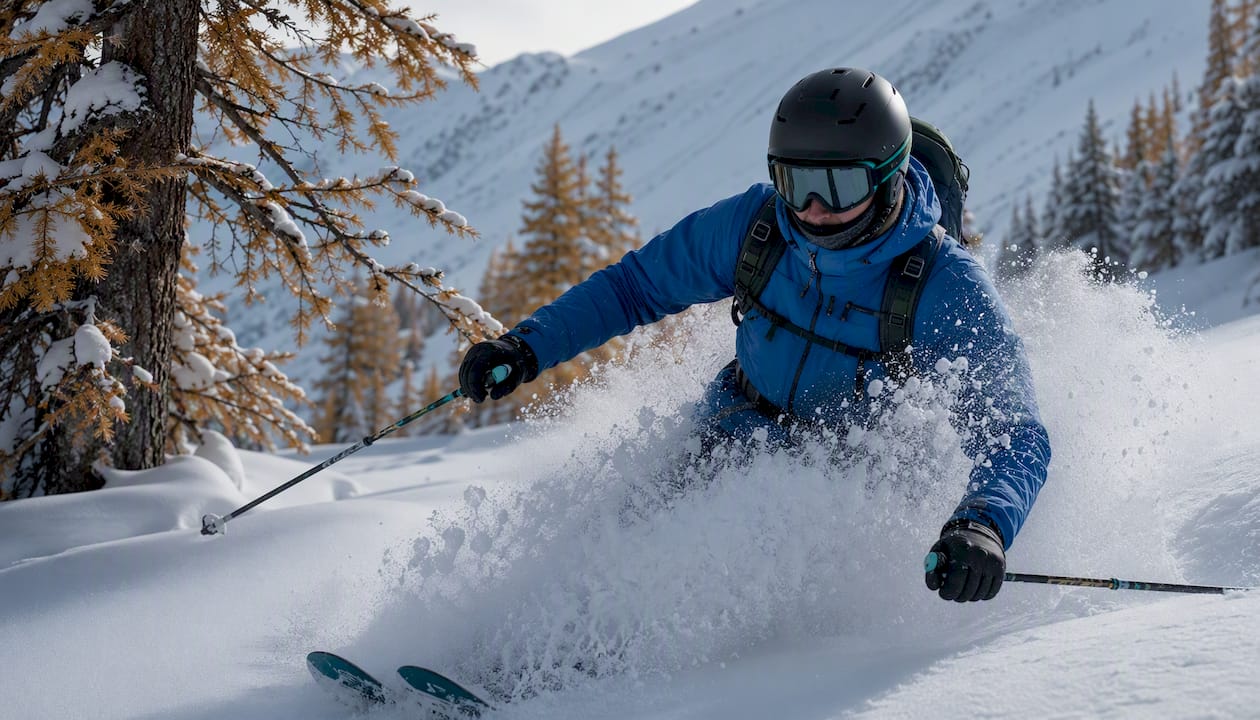
Learn how to ski deep powder with centred balance, smooth turns, speed control, practice steps, gear guidance, and avalanche and tree-well precautions.

Plan a mountain wellness retreat in Ridder with freeride, heli-skiing, snowmobiling, Ridder Lodge, Altai Banya and practical winter travel guidance.

A practical snowmobile gear list for UK travellers heading to Altai Mountains Resort, with clothing, safety equipment, battery and travel guidance.

Understand Ridder Lodge’s ski-in/snowmobile-out access, guided ski-day logistics, transfers from Öskemen and practical planning for your stay.
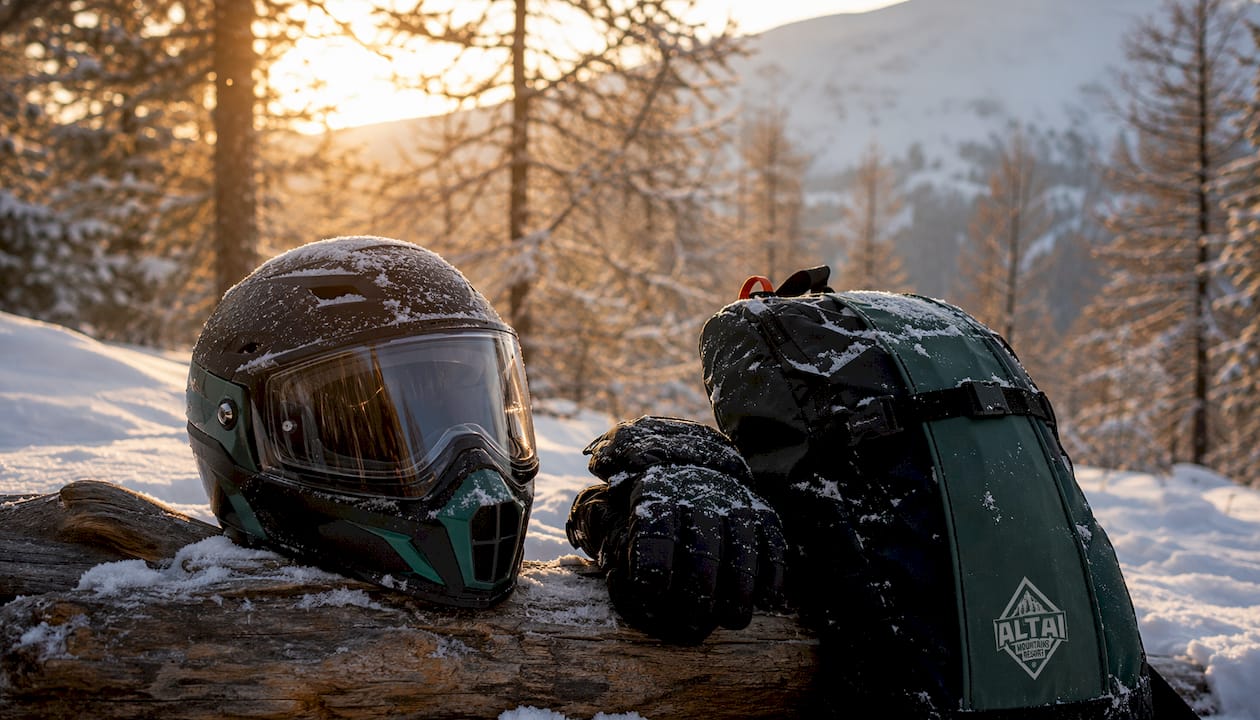
Prepare for a guided snowmobile ride with a practical gear checklist covering helmets, winter layers, avalanche equipment and cold exposure in Ridder.

A practical heli skiing guide to ability, avalanche equipment, packing, weather and planning your first trip to Kazakhstan.
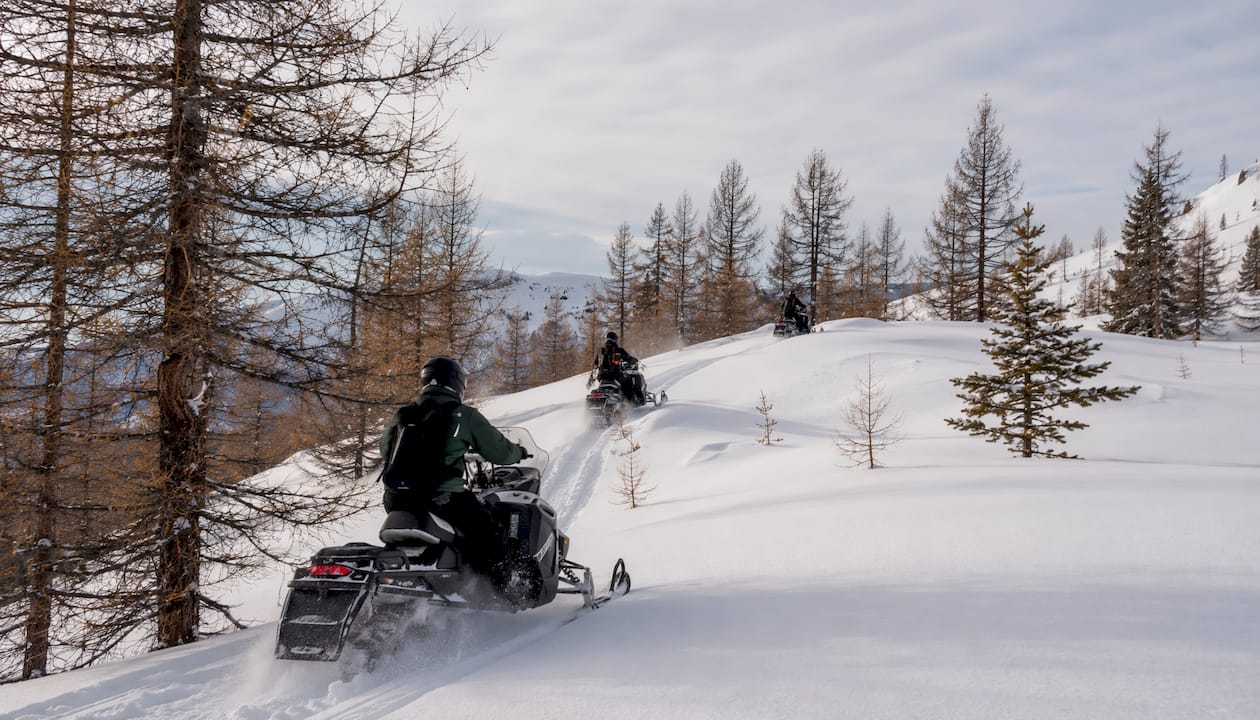
Plan guided deep snow snowmobiling in Ridder, with practical details on training, rentals, equipment, transfers and staying at Ridder Lodge.
How to choose Kazakhstan travel insurance for heli-skiing, cat-skiing or snowmobiling, including medical treatment and evacuation cover.
Kazakhstan visa requirements for UK visitors to Ridder, including visa-free limits, e-visas, passport rules, airports and Öskemen transfers.
Build strength, balance and endurance before cat-skiing, heli-skiing or snowmobiling with an adaptable six-to-eight-week ski fitness program.

Explore cold plunge benefits for skiers, from short-term soreness and recovery evidence to cold-shock risks, timing and Altai Banya options.

Understand heli skiing cost in 2026 with current operator examples, a total-budget checklist, and key booking, safety and insurance questions.