Should you tip a ski guide? Learn how customs vary, when a gratuity may feel appropriate and how to plan for tipping in Kazakhstan.
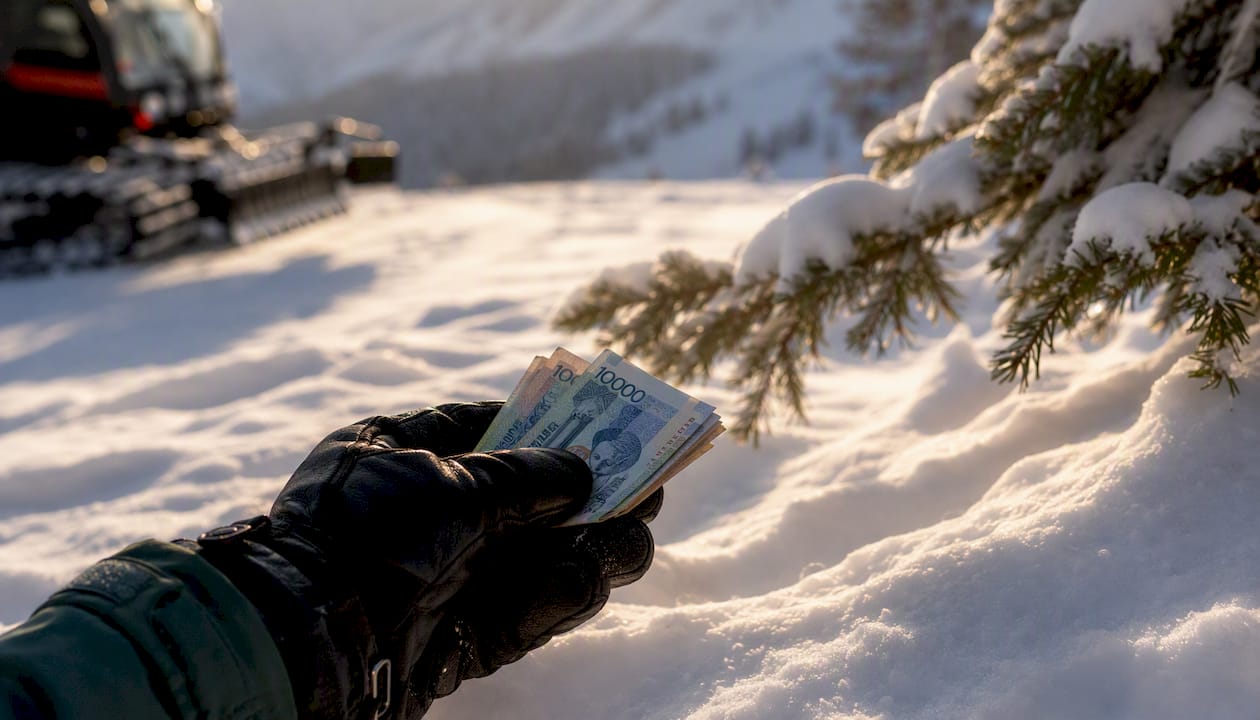
Yes, you can tip a ski guide when the service has been good, but there is no worldwide rule. A thoughtful amount depends on local custom, the type of trip, the service and your budget.
Ski lessons, private guided days and multi-day mountain trips often handle gratuities differently. A flat amount may suit a lesson, while some guided-trip operators suggest a percentage. Neither approach is universal.
Quick answer: check the operator’s policy first
Start with the guidance for your trip. A gratuity may already be included, accepted separately or left to your discretion, while team practices and payment options can vary. If you choose to tip, the end of a lesson or single-day trip is a natural moment; on a multi-day itinerary, the final day is usually simplest. Whatever you decide, a warm thank-you and specific feedback are always worthwhile.
How much should you tip a ski guide?
There is no reliable global percentage. Many familiar figures come from North American businesses and magazines, where tipping culture differs from that of Kazakhstan and many other destinations.
For context, Alaska-based Exit Glacier Guides suggests 10–20% for its guided trips, while Outside’s US-oriented adventure-guide advice also discusses percentage-based gratuities. They offer useful context, but local custom and the guidance for your trip should shape your decision.
When no figure is provided, use the following framework rather than converting another operator’s foreign-currency suggestion:
Experience | Practical approach | Natural timing |
|---|---|---|
Group ski lesson | A modest flat amount from each participant or household, if tips are accepted | After the final lesson |
Private lesson | One gratuity from the booking party, based on the quality and length of the session | At the end of the lesson |
Single-day guided trip | A flat amount or locally appropriate percentage, guided by the details for your trip | After the day’s programme |
Multi-day guided trip | Set one overall gratuity budget and follow any shared approach explained for the trip | On the final day |
A larger booking does not create an automatic obligation to use a large percentage. If there is no suggested amount, choose one you can give comfortably and without pressure.
When a tip may be appropriate
A gratuity is most meaningful when it reflects the guide’s actual contribution rather than factors outside their control. You might consider:
clear, respectful communication throughout the session;
punctuality and good organisation;
attention to the group’s agreed ability level and pace;
a well-explained briefing and thoughtful group management;
helpful instruction that improved your technique or understanding;
extra care or time within the agreed programme.
Weather, visibility, snow quality and operational changes are poor measures of personal service. A changed route or shortened plan does not by itself mean the guide performed badly.
If the experience was excellent, a higher voluntary amount is one way to recognise it. A concise message naming the guide and describing what they did well adds useful context. If the service fell short, offer factual feedback with the date, activity and specific concern; there is no need to leave a tip simply to avoid an awkward moment.
Questions to ask before your trip
One short message is usually enough:
“Could you let me know whether gratuities are included or accepted, whether a team arrangement applies, and which payment method and currency work best?”
Cash, cards and currency in Kazakhstan
The National Bank of Kazakhstan identifies the tenge as the country’s national currency. Foreign currencies may not be convenient for a guide to receive.
If cash is preferred, arrange a suitable amount of tenge through a bank or authorised exchange. Where card or digital gratuities are accepted, it is sensible to understand the process before heading into the mountains rather than relying on connectivity at the end of the day.
Tipping on multi-day guided trips
Multi-day programmes benefit from a little more planning because the guide you spend the day with may be one member of a wider team. A trip may handle gratuities individually or through a shared approach, so ask which roles are covered if this applies.
For your own budgeting, one total amount for the trip is usually easier to manage than a series of daily decisions. Members of the same travel party can agree on their approach before the final day, avoiding duplicate gratuities or the assumption that somebody else has taken care of them.
Guided skiing at Altai Mountains Resort
Altai Mountains Resort is based in Ulba village near Ridder, in the Western Altai of East Kazakhstan. We offer single- and multi-day heli-skiing and cat-skiing and freeriding.
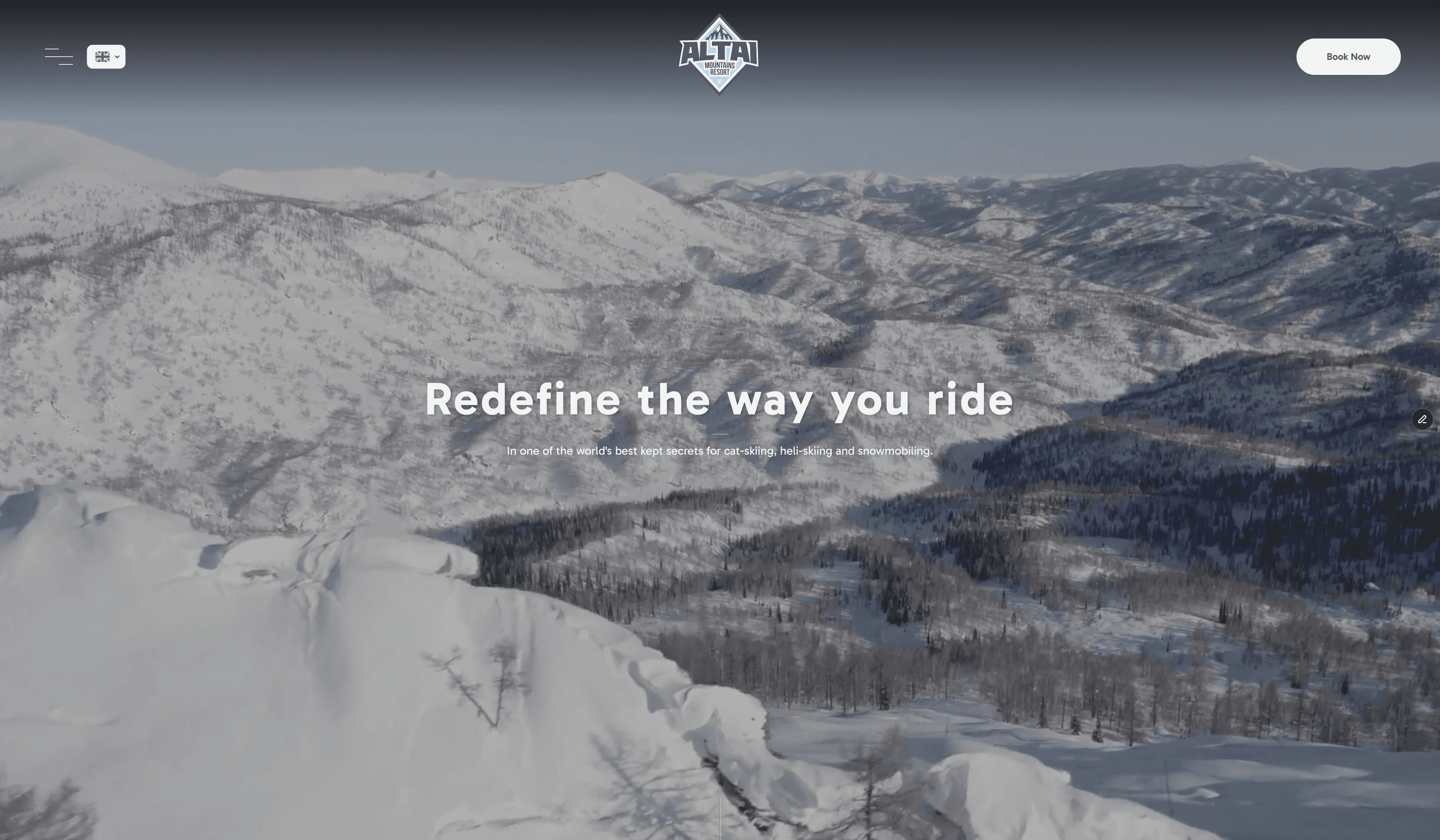
Guests on a multi-day itinerary may stay at Ridder Lodge. Schedules, prices, availability, package inclusions, equipment and transfer options may vary with dates and conditions.
Before travelling, please ask us whether gratuities are included or accepted, whether any team arrangement applies and which payment methods may be suitable for your booking. You can start your booking here or contact our team.
Sources and booking terms
Tipping advice from another country can provide context, but figures from elsewhere are examples rather than rules. The current details for your trip should guide any decision about gratuities and payment options.
A gratuity is only one possible gesture. A sincere thank-you and precise feedback can be equally fitting after the final lesson, guided descent or day in the mountains.
All Articles

A practical heli-skiing safety guide for expert skiers, covering operator decisions, avalanche equipment, helicopter procedures, rescue planning and insurance.
Compare lift-assisted, touring and Western Altai ski options in Kazakhstan, with practical safety, travel and booking guidance.

Learn the heli-skiing skill level typically expected, the off-piste skills to practise, safety preparation and an adaptable 8–12-week training framework.

Plan the Kazakhstan skiing season with a practical comparison of Almaty and Ridder, month-by-month timing, mountain safety and trip planning.
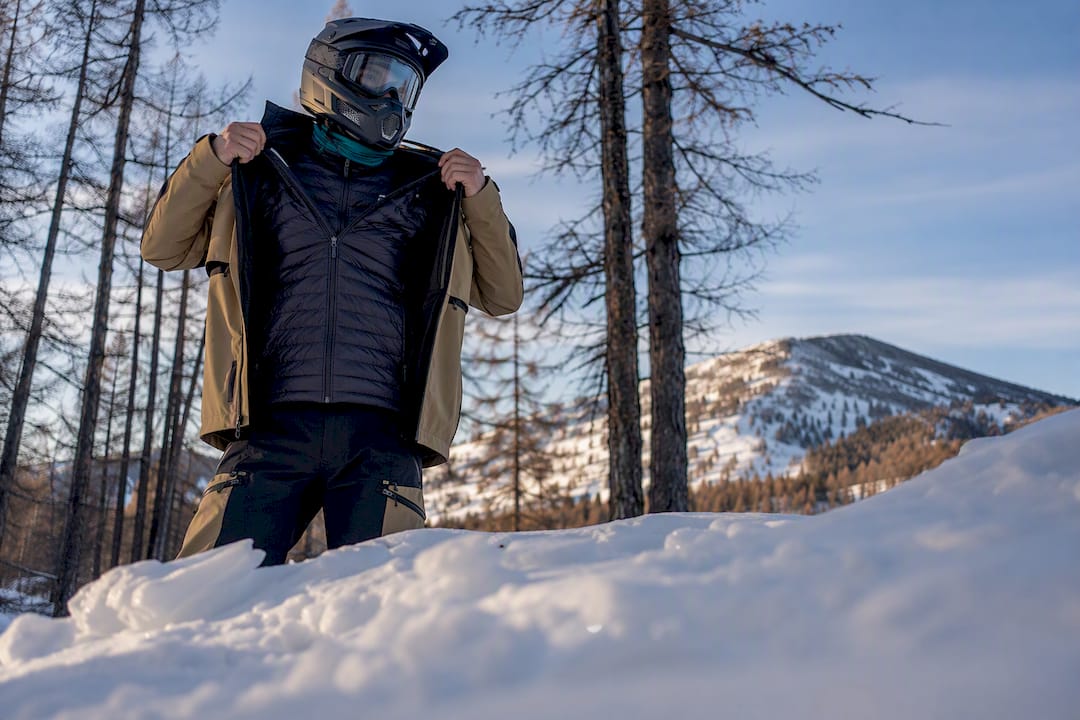
Use this snowmobile layering guide to build a flexible base, insulation and shell system, manage moisture and pack dry spares for changing conditions.

Learn what to rent for avalanche terrain, how to prepare a beacon, probe and shovel, and what to know about airbag packs and flights.
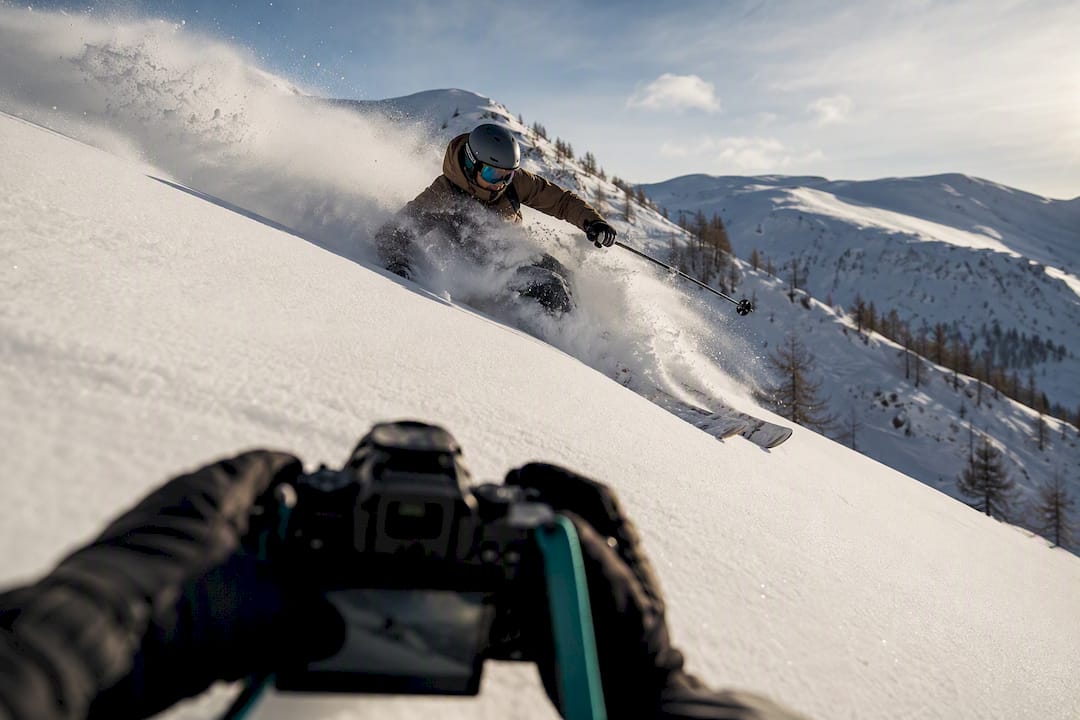
Practical ski photography tips for beginners: camera settings, snow exposure, timing, cold-weather camera care and safe mountain positioning.

Learn how to read an avalanche forecast, interpret danger ratings, roses and avalanche problems, and plan more conservative terrain choices.
Practical cold injury prevention for winter travel: layering, dry spares, warning signs, first aid and planning for mountain activities.
Planning snowmobiling in Ridder? Understand how experience, training, equipment and Kazakhstan rules shape your trip with Altai Mountains Resort.
Travel with ski gear confidently: carry boots when cabin rules allow, pack skis securely, understand airline baggage rules and prepare for delays.
Build a practical backcountry radio communication plan with party radios, satellite SOS or PLB backup, cold-weather care and regional legal essentials.

Satellite messenger basics for remote Altai trips: compare PLBs and two-way devices, understand SOS limits, and prepare your communications plan.
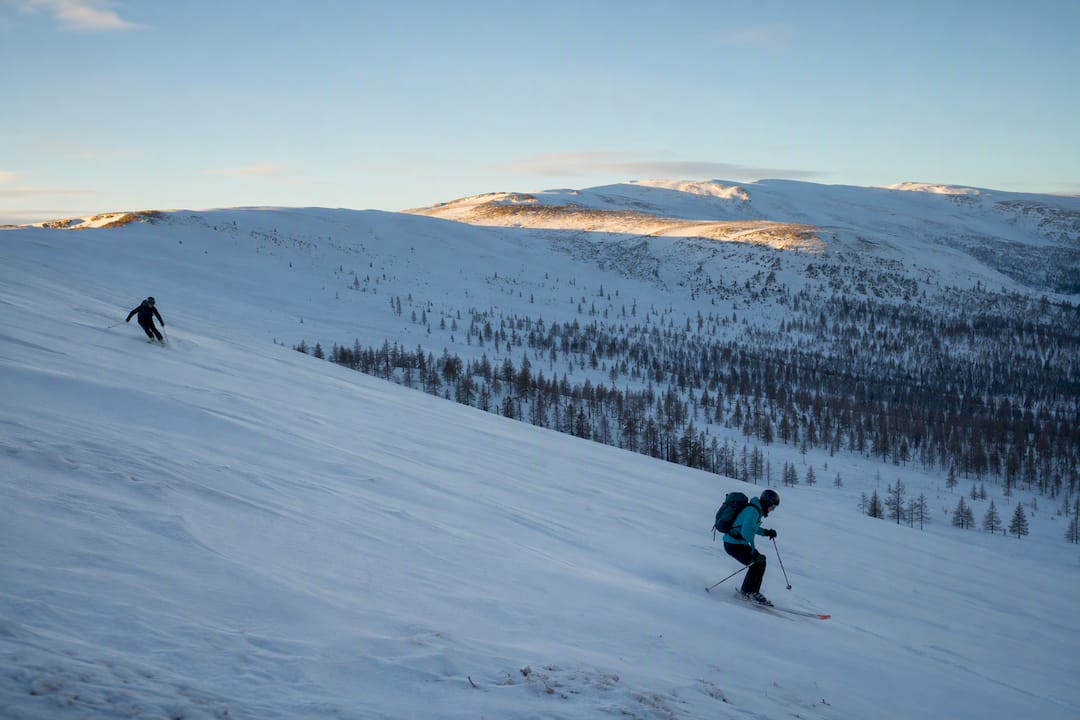
Avoid ski crowds with flexible dates, midweek skiing, early starts and smarter lift choices. Explore guided off-piste options near Ridder.

Learn how heli-skiing passenger weight and baggage rules differ by operator, with practical packing steps and Altai Mountains Resort booking guidance.
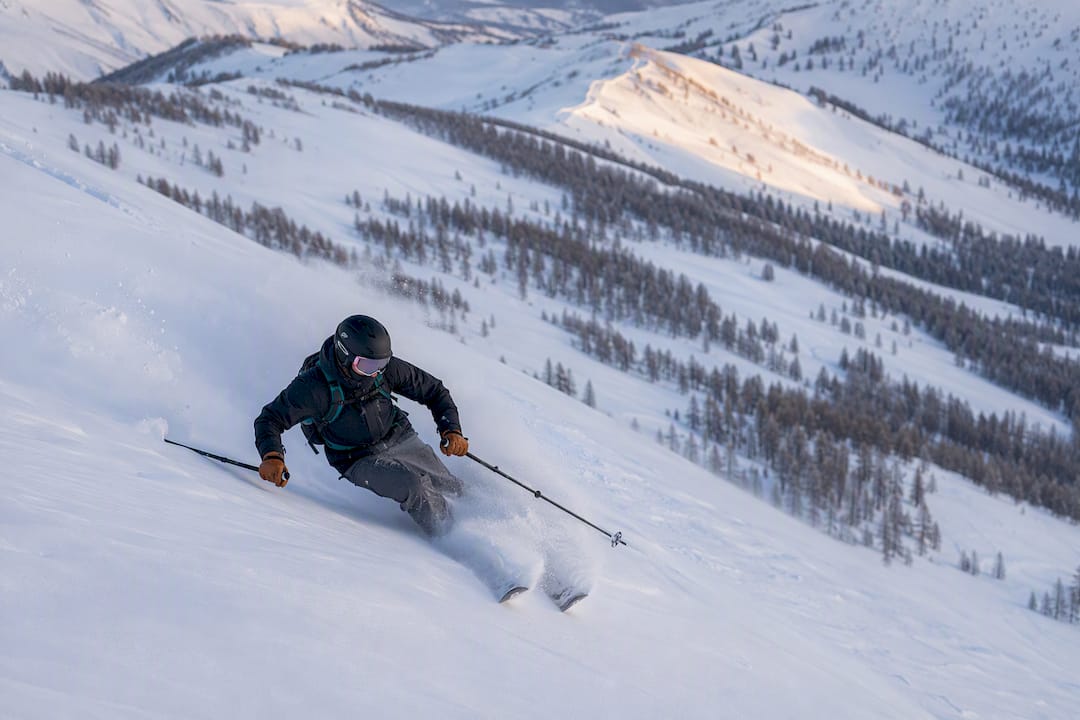
Understand the cat skiing skill level needed for Altai Mountains Resort, with practical guidance on off-piste ability, fitness and avalanche readiness.
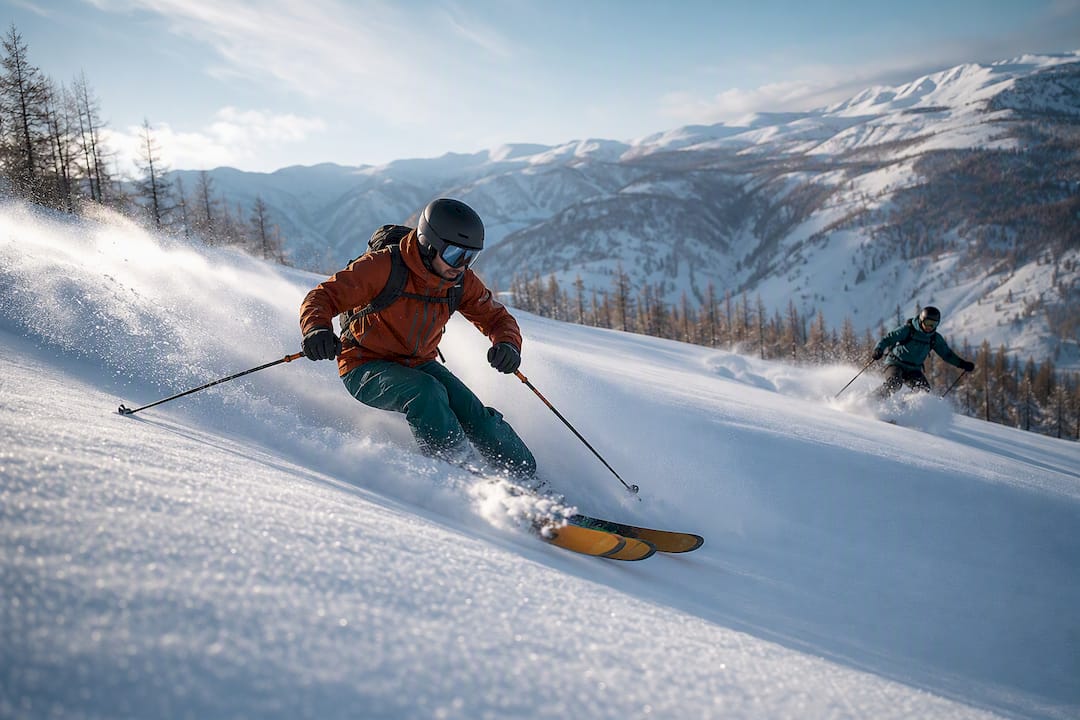
Decide whether Ridder suits your advanced Altai ski trip, with practical guidance on transfers, season timing, avalanche gear and guided programmes.
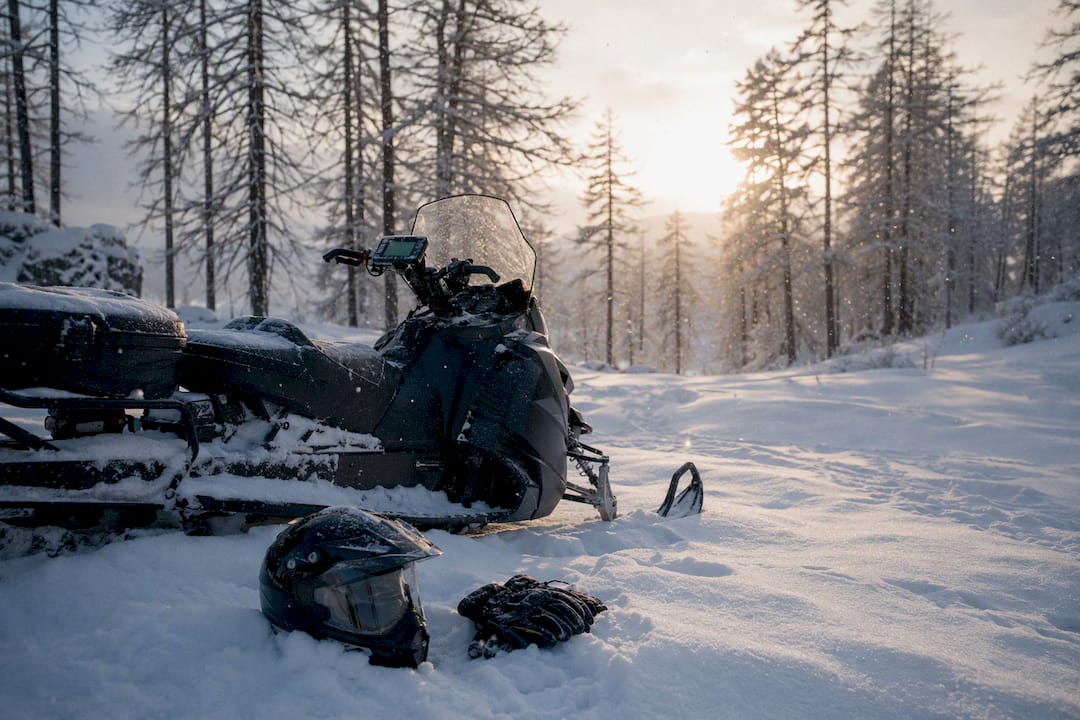
Compare snowmobile tour prices by duration, understand what shapes the final cost, and explore quote-based snowmobiling at Altai Mountains Resort.
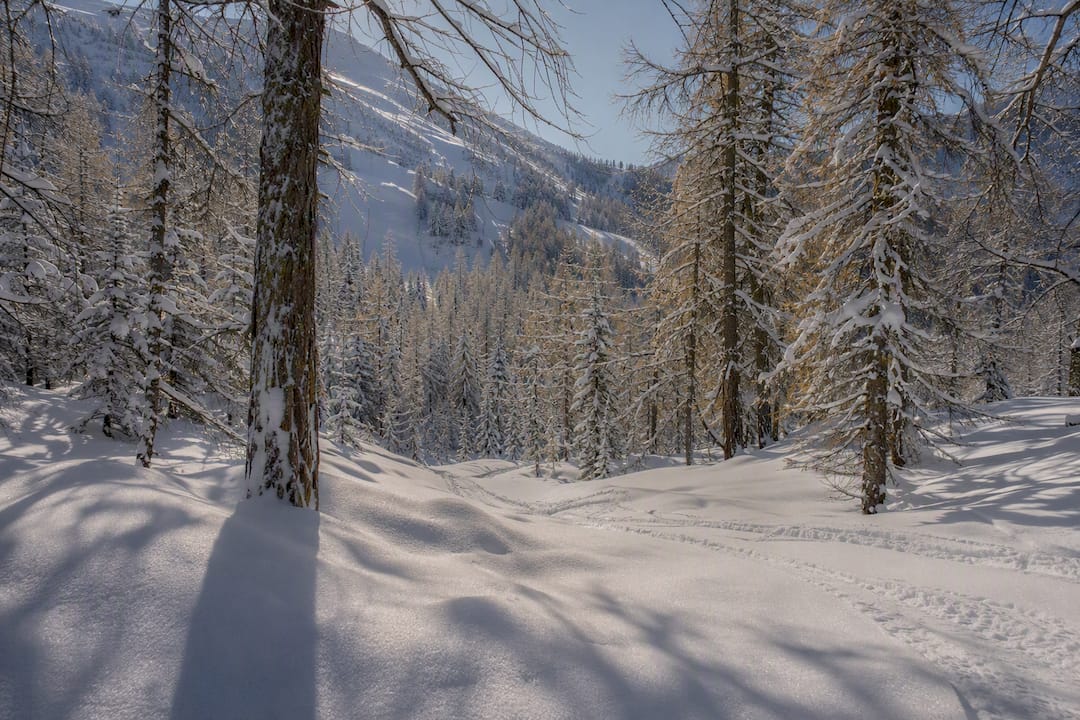
Compare Western Altai, Almaty and Turgen for Kazakhstan powder skiing, with practical guidance on access, safety and Ridder logistics.

Plan Altai heli skiing near Ridder with practical guidance on terrain, season, package inclusions, access, safety gear and booking.
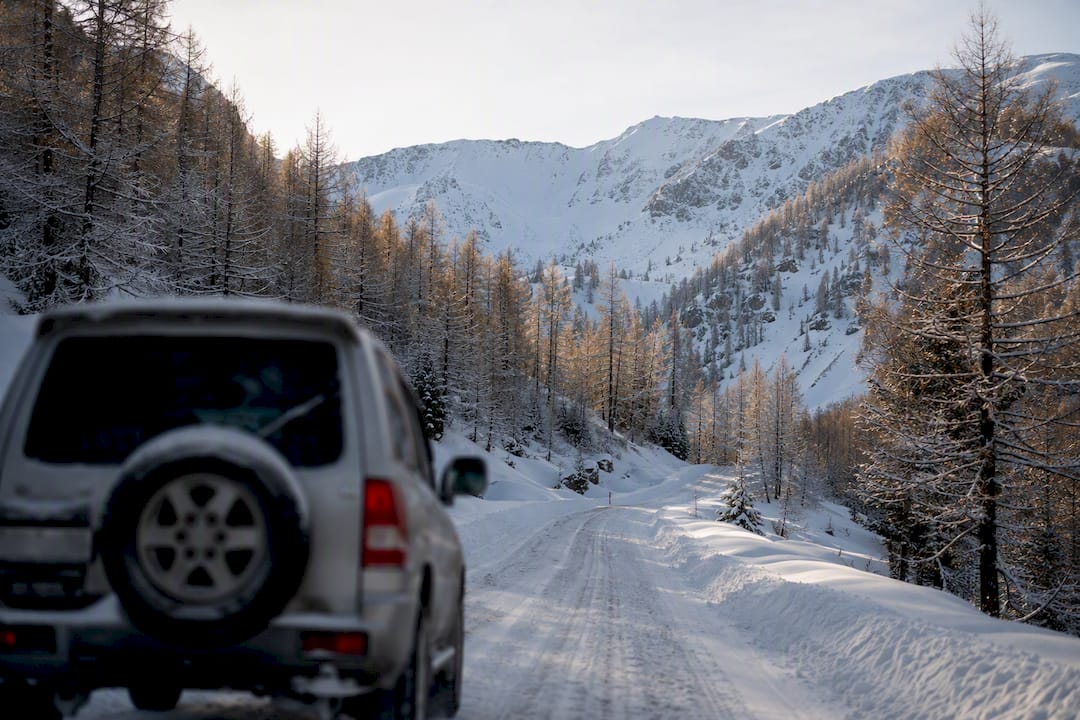
Compare flight, rail and self-drive routes from Almaty to the Kazakh Altai, with practical guidance for reaching Ridder and Ulba village.

Learn deep powder snowmobiling setup, riding technique, safe recovery and avalanche preparation, plus guided training near Ridder.
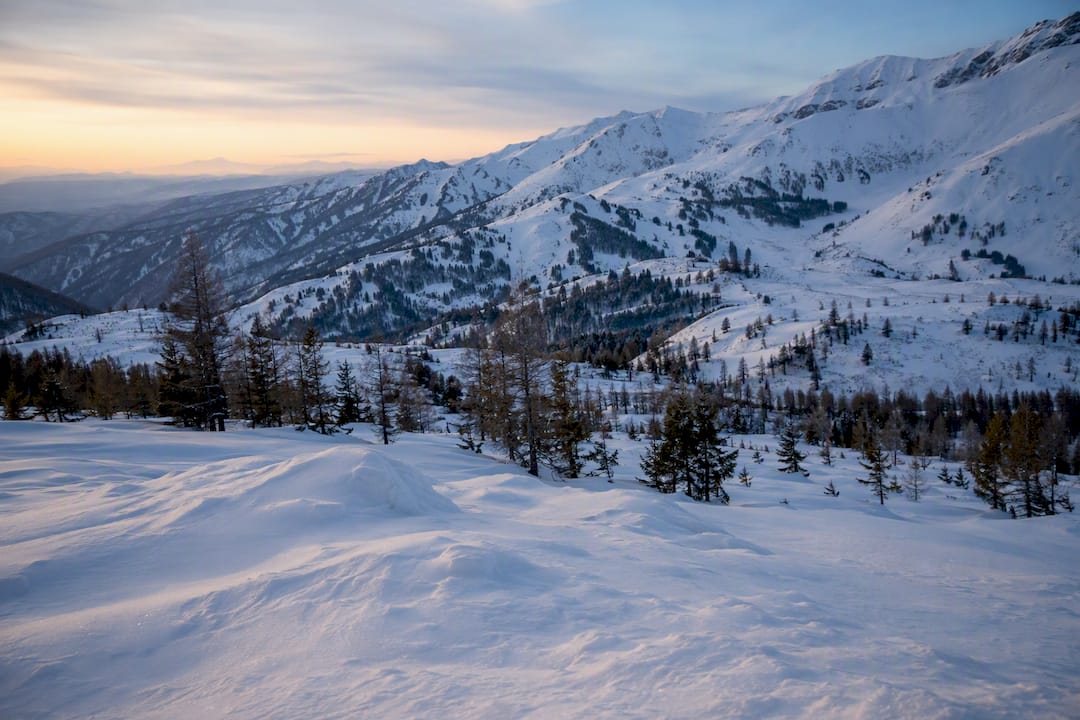
Plan an Altai Mountains winter stay from Ridder, with activity timing, travel from Öskemen, packing advice and practical mountain guidance.

Practical helicopter passenger safety guidance on boarding, seatbelts, exits, dropped items and following crew instructions.

Practical off-piste slope etiquette for safer skiing: right of way, avalanche preparation, group spacing, closures and guided skiing in the Western Altai.

Plan an Altai Mountains trip across Russian, Mongolian and Kazakh sectors, with permit, safety and winter-stay guidance for Ridder Lodge.
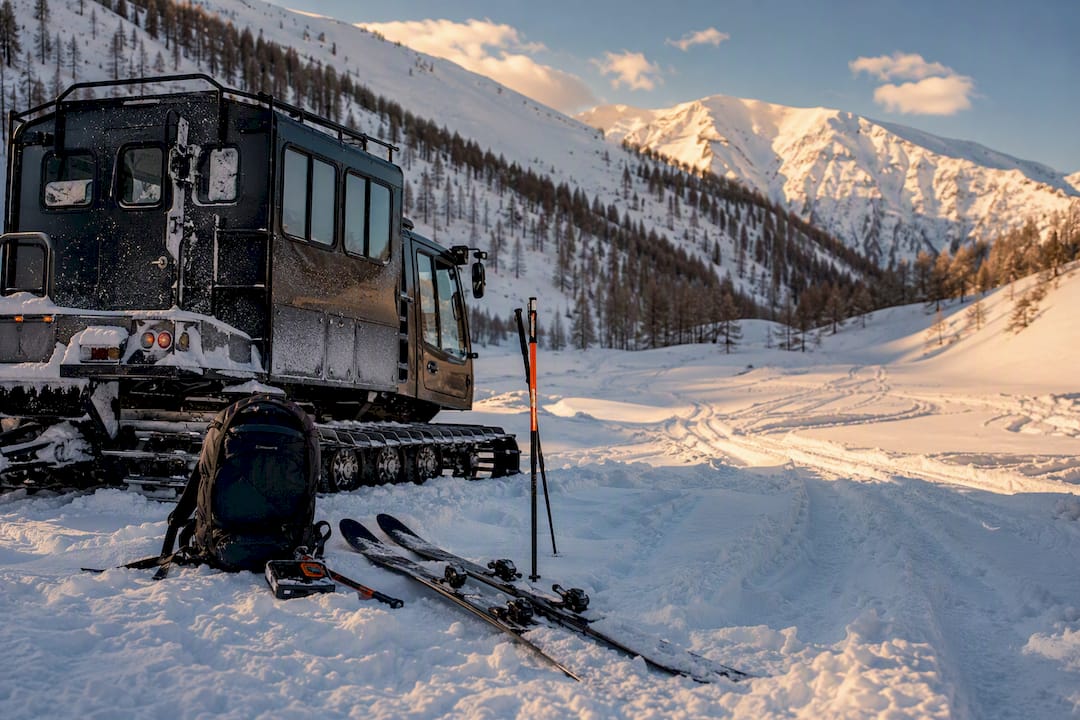
Learn how to plan guided freeride tours, from off-piste experience and avalanche gear to guide scope, changing mountain conditions and cat-skiing in the Altai.
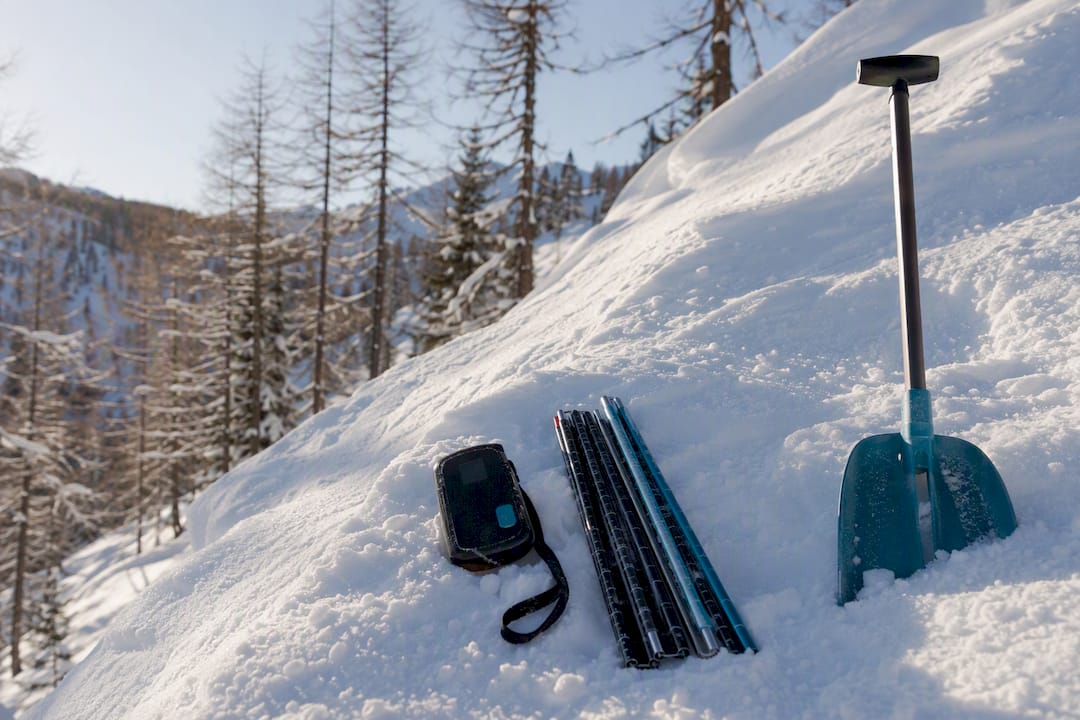
Learn avalanche beacon basics: 457 kHz transceivers, essential rescue gear, trailhead checks, interference and companion-rescue practice.

Learn which avalanche course suits your plans, what companion-rescue skills to practise and how to prepare for a winter trip to Altai.
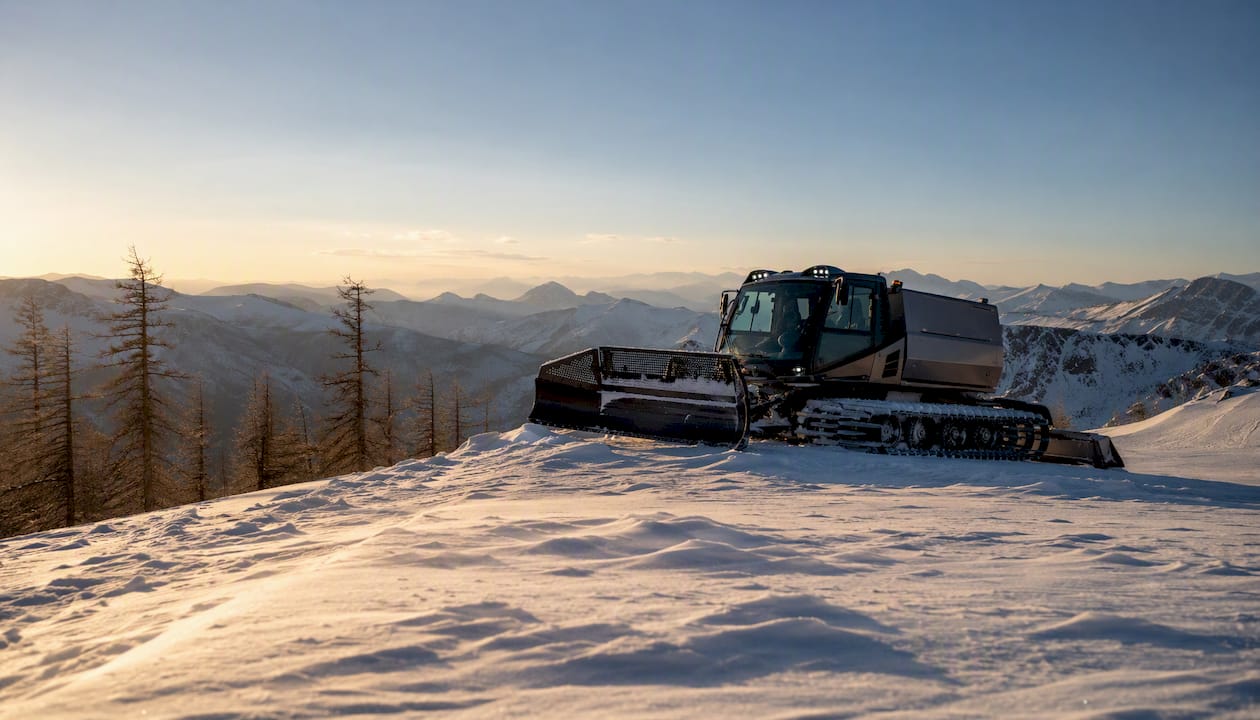
Learn what cat skiing is, who it suits, what to pack and how to plan a guided cat-skiing trip, including options near Ridder, Kazakhstan.
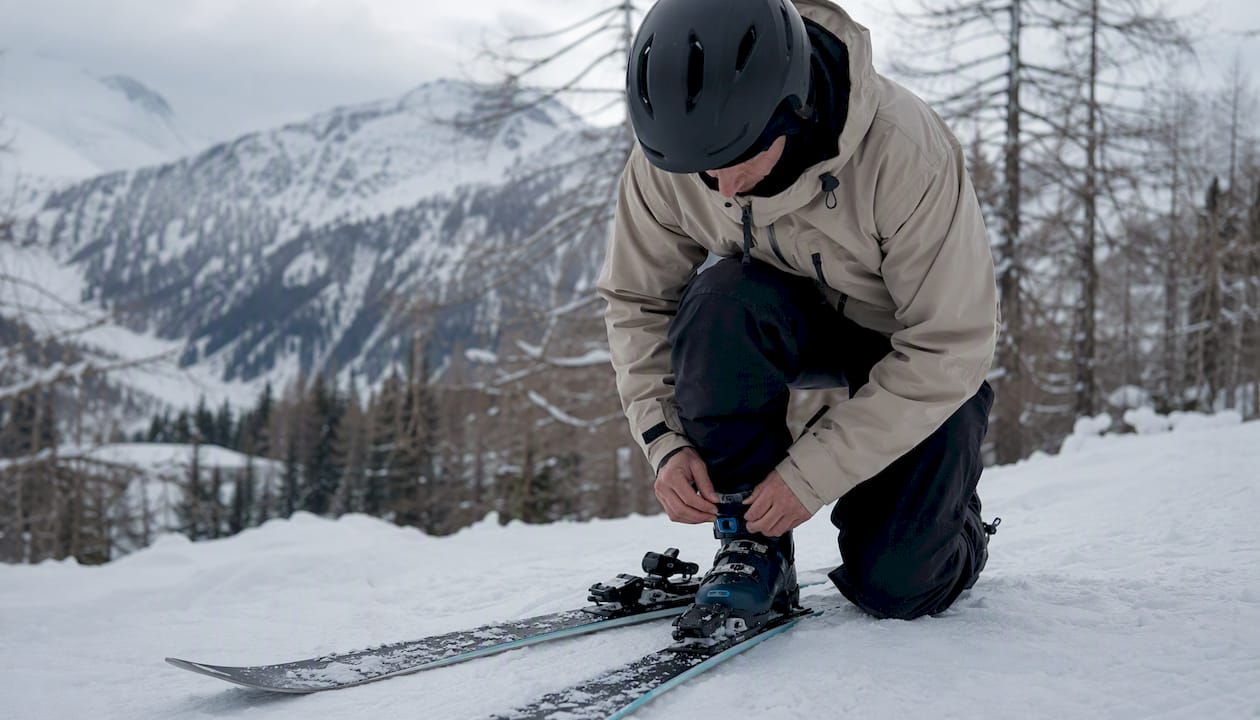
A practical ski rental Kazakhstan guide to Shymbulak and Medeu, current tariffs, equipment fit, transport and guided freeride near Ridder.

Understand ski guide benefits for freeride and backcountry trips, including local planning, terrain choices, qualifications, safety gear and access options.

Plan a snowmobile expedition near Ridder, Kazakhstan, with practical guidance on routes, rider experience, equipment, mountain safety and transfers.
Use this mountain lodge amenities checklist to compare rooms, meals, wellness access, transfers, activities and paid extras before booking.
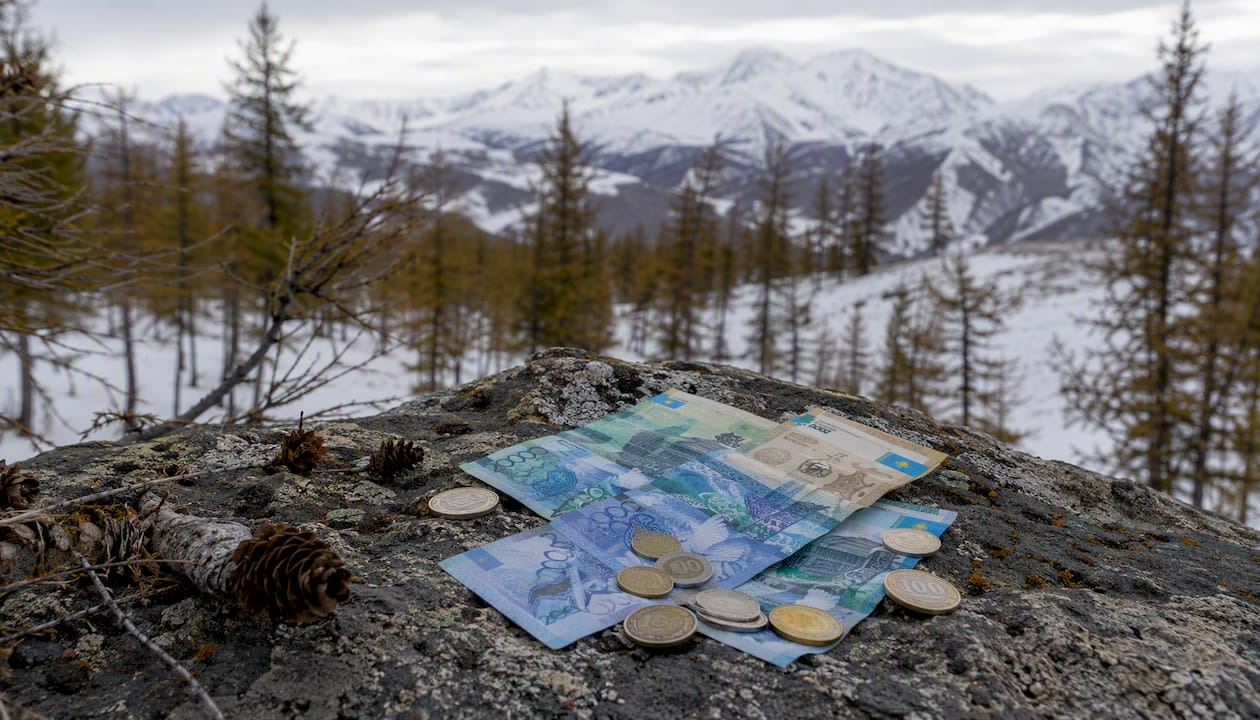
A practical Kazakhstan currency guide to the tenge, cards, ATMs, currency exchange, DCC and cash planning for cities and the Western Altai.
Plan the Kazakhstan ski season by month, compare lift-served Shymbulak with guided trips around Ridder, and prepare for changing snow and mountain conditions.
A practical guide to spa after skiing, including gentle massage, sauna and hammam, optional cold immersion and signs that need medical attention.
Plan a remote ski trip from the UK to Ridder, with practical guidance on activities, Kazakhstan entry, Öskemen transfers, insurance and ski baggage.
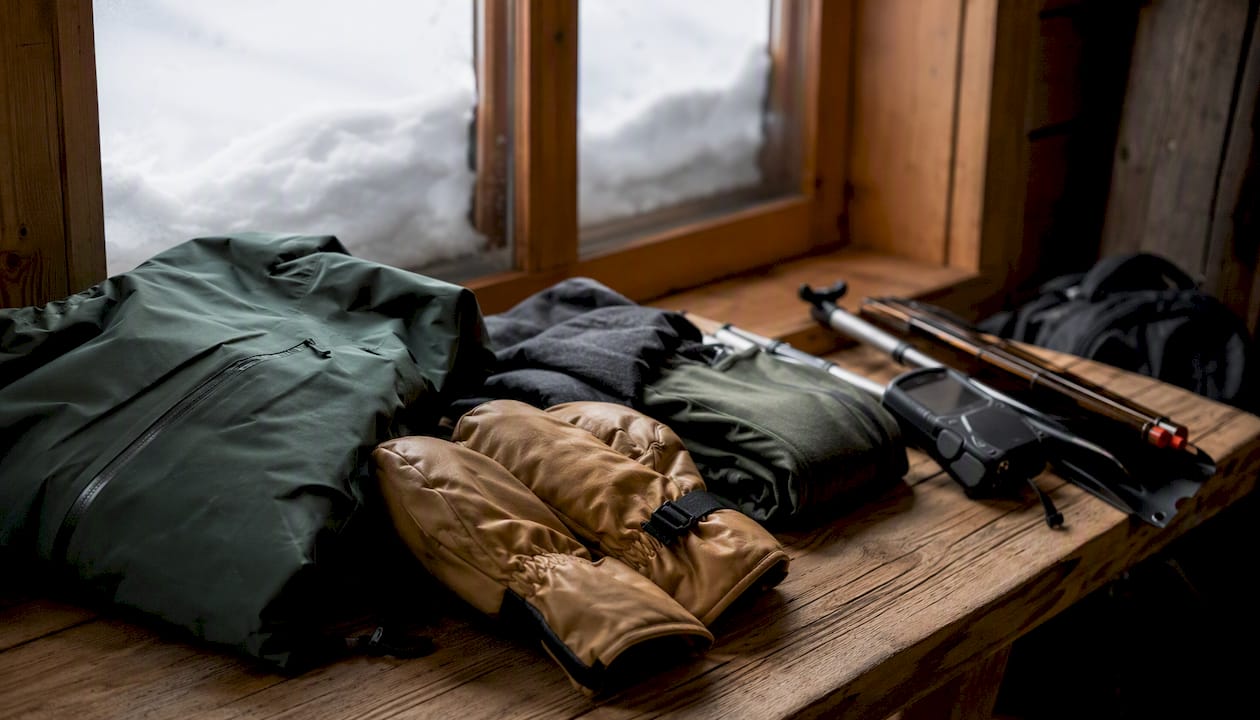
A practical heli skiing packing list covering clothing, avalanche equipment, ski baggage, batteries, travel documents and rental options.
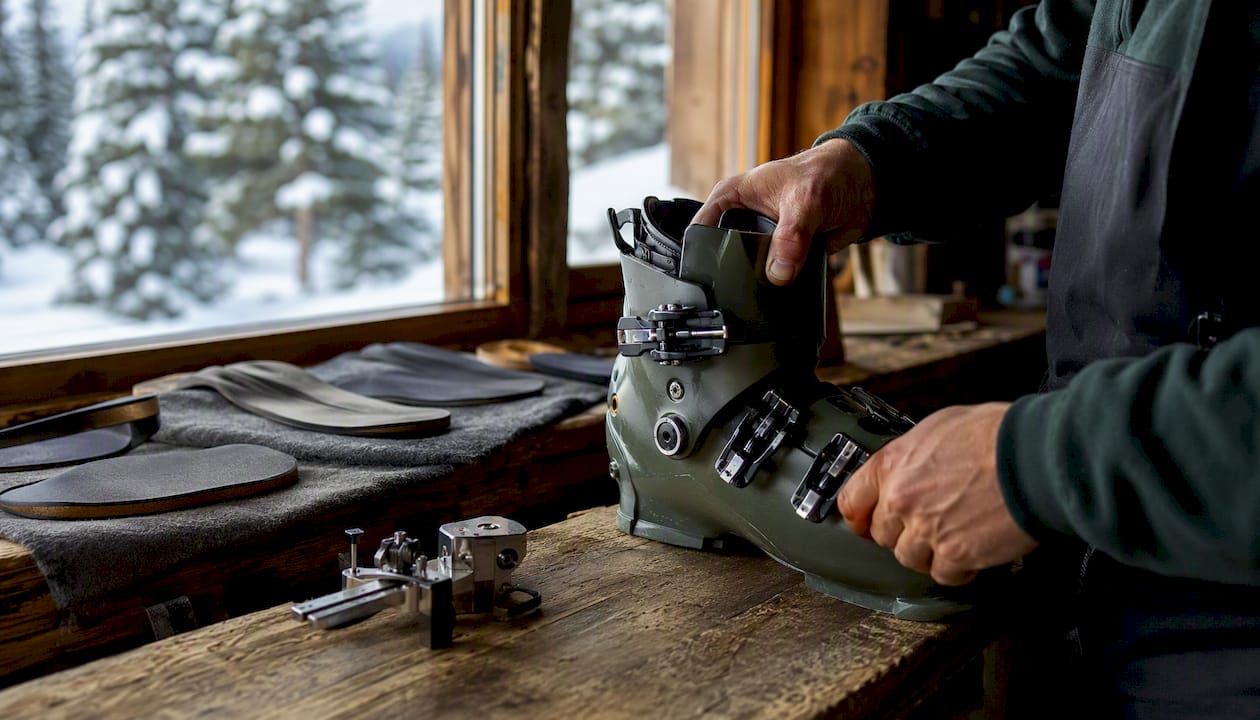
A practical UK guide to ski boot fitting: appointment steps, services, current provider price examples, aftercare and warning signs.
Should you tip a ski guide? Learn how customs vary, when a gratuity may feel appropriate and how to plan for tipping in Kazakhstan.
An Altai cuisine guide to kan, kurut, chegen and talkan, with dining at Restaurant Altai, food safety and travel from Öskemen to Ridder.
Compare banya vs sauna: heat, steam, venik and löyly rituals, etiquette, health evidence, safety basics and the Altai Banya experience.
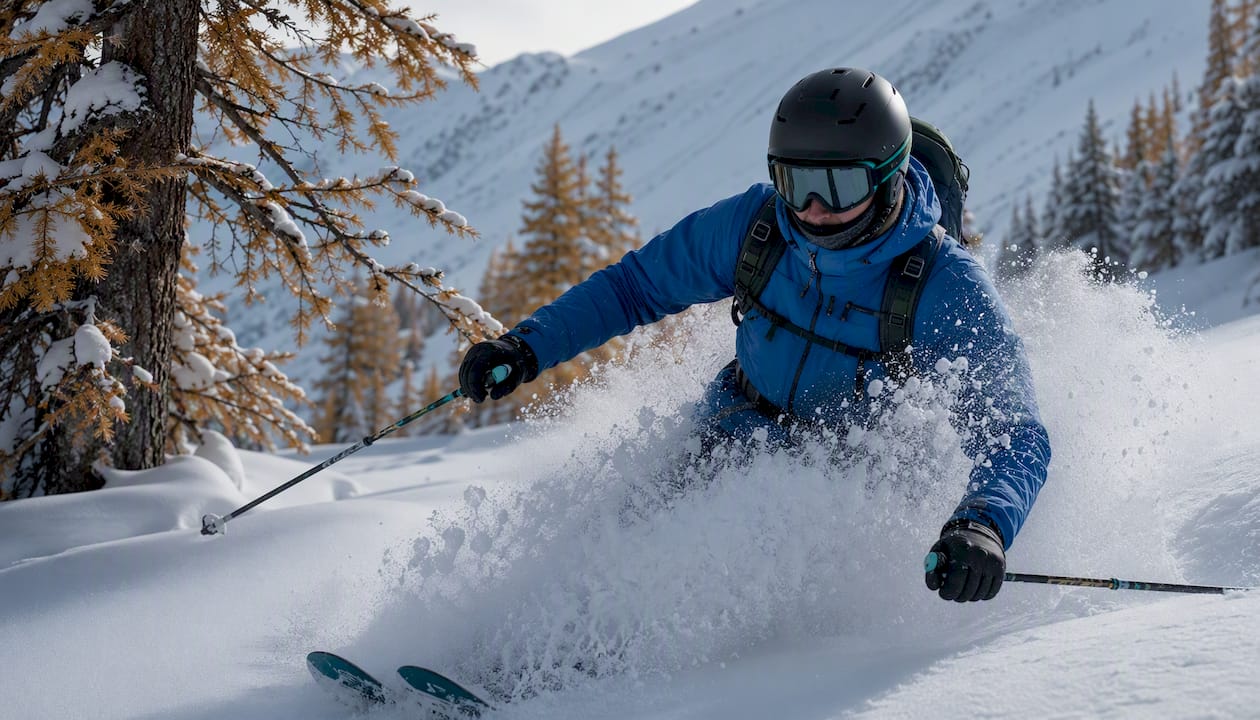
Learn how to ski deep powder with centred balance, smooth turns, speed control, practice steps, gear guidance, and avalanche and tree-well precautions.

Plan a mountain wellness retreat in Ridder with freeride, heli-skiing, snowmobiling, Ridder Lodge, Altai Banya and practical winter travel guidance.

A practical snowmobile gear list for UK travellers heading to Altai Mountains Resort, with clothing, safety equipment, battery and travel guidance.

Understand Ridder Lodge’s ski-in/snowmobile-out access, guided ski-day logistics, transfers from Öskemen and practical planning for your stay.
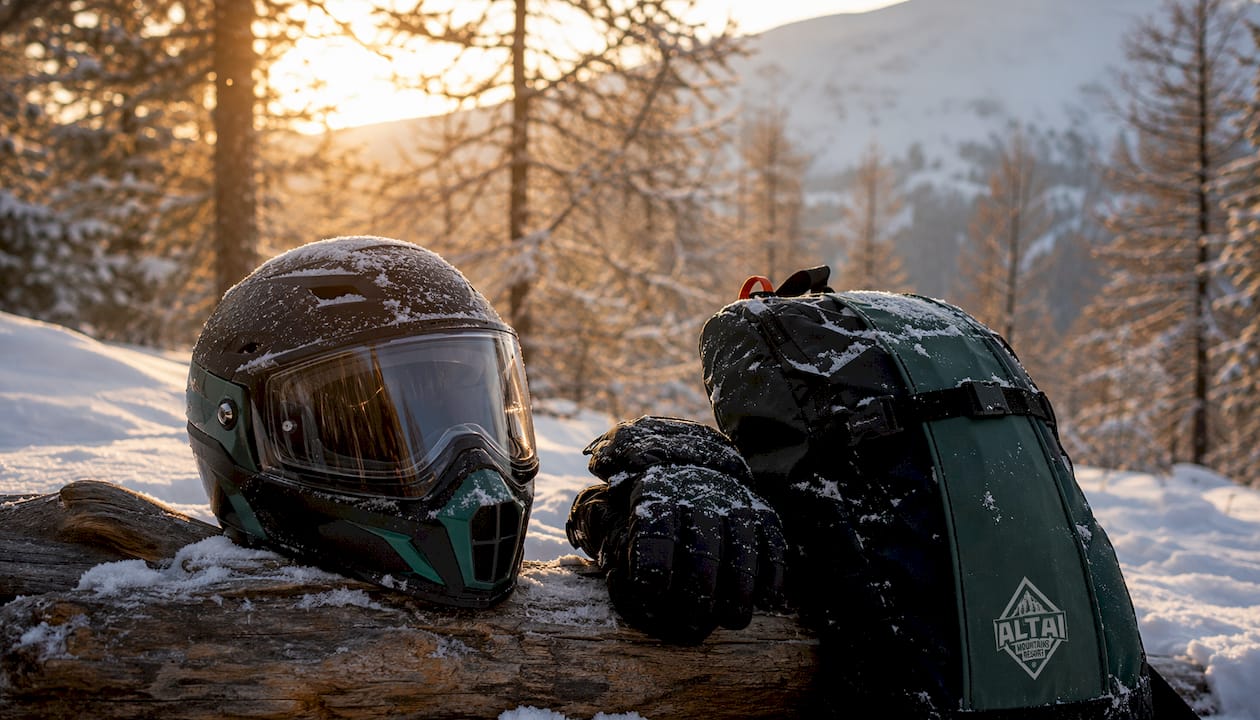
Prepare for a guided snowmobile ride with a practical gear checklist covering helmets, winter layers, avalanche equipment and cold exposure in Ridder.

A practical heli skiing guide to ability, avalanche equipment, packing, weather and planning your first trip to Kazakhstan.
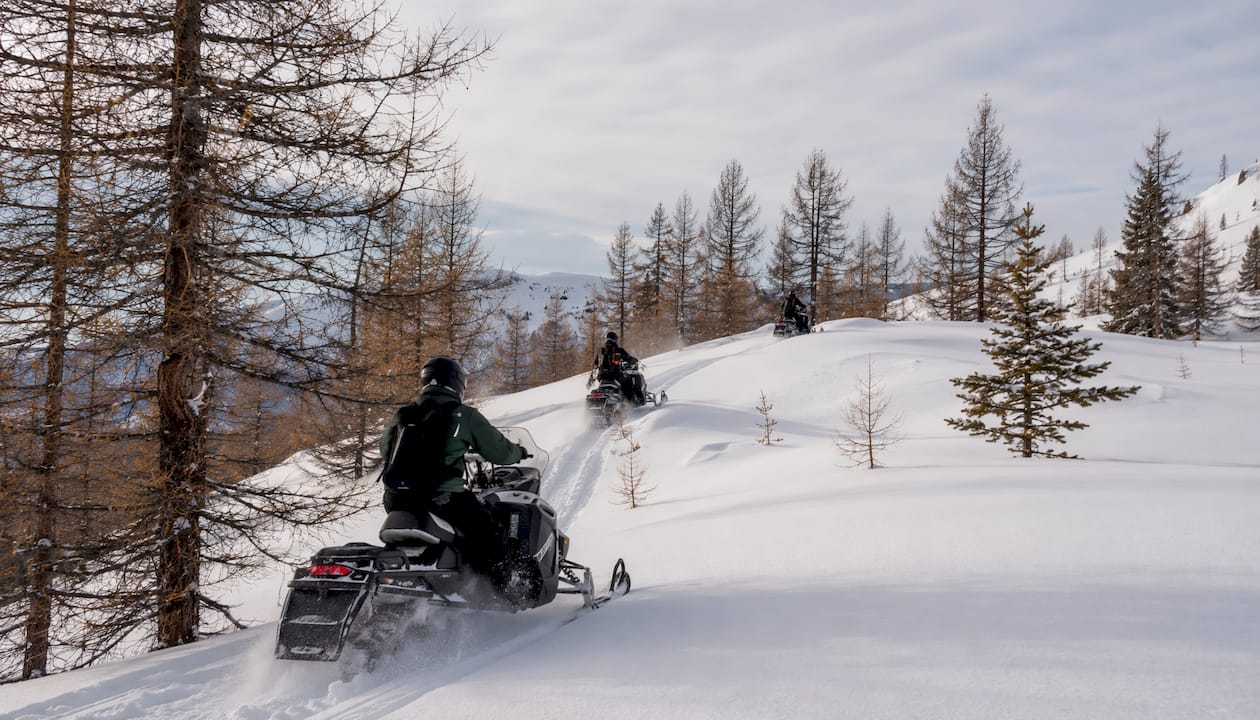
Plan guided deep snow snowmobiling in Ridder, with practical details on training, rentals, equipment, transfers and staying at Ridder Lodge.
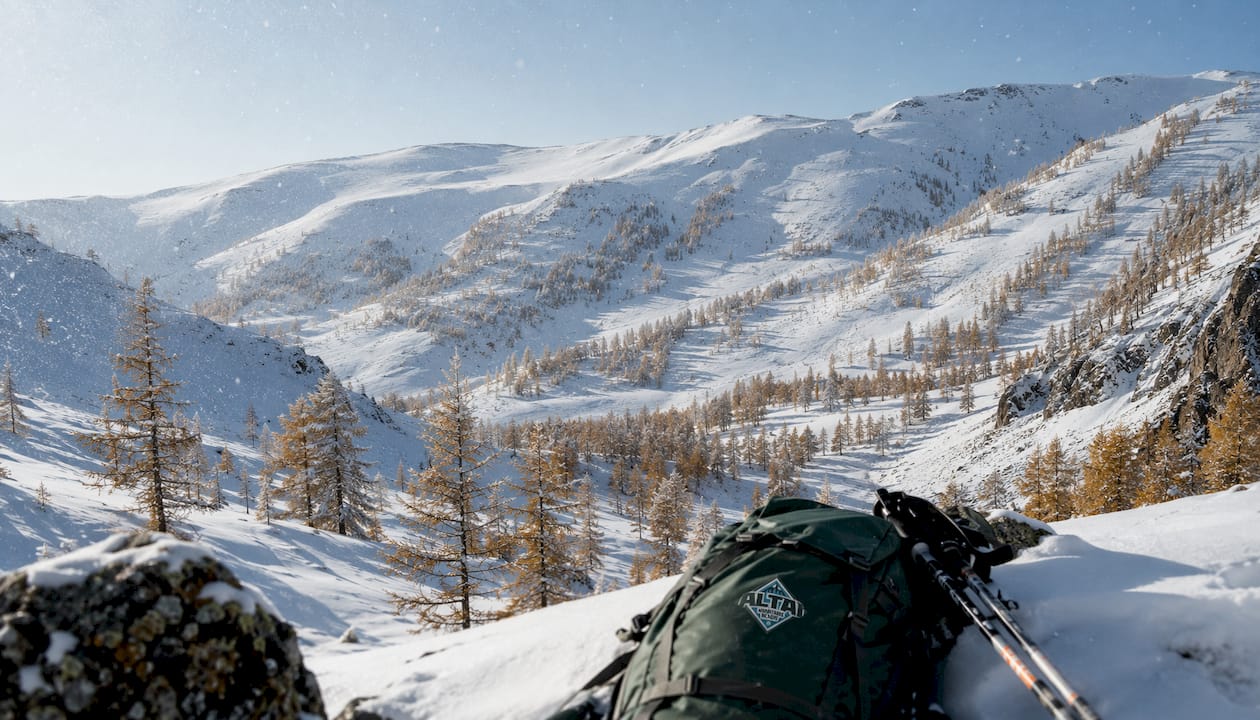
How to choose Kazakhstan travel insurance for heli-skiing, cat-skiing or snowmobiling, including medical treatment and evacuation cover.
Kazakhstan visa requirements for UK visitors to Ridder, including visa-free limits, e-visas, passport rules, airports and Öskemen transfers.
Build strength, balance and endurance before cat-skiing, heli-skiing or snowmobiling with an adaptable six-to-eight-week ski fitness program.

Explore cold plunge benefits for skiers, from short-term soreness and recovery evidence to cold-shock risks, timing and Altai Banya options.

Understand heli skiing cost in 2026 with current operator examples, a total-budget checklist, and key booking, safety and insurance questions.