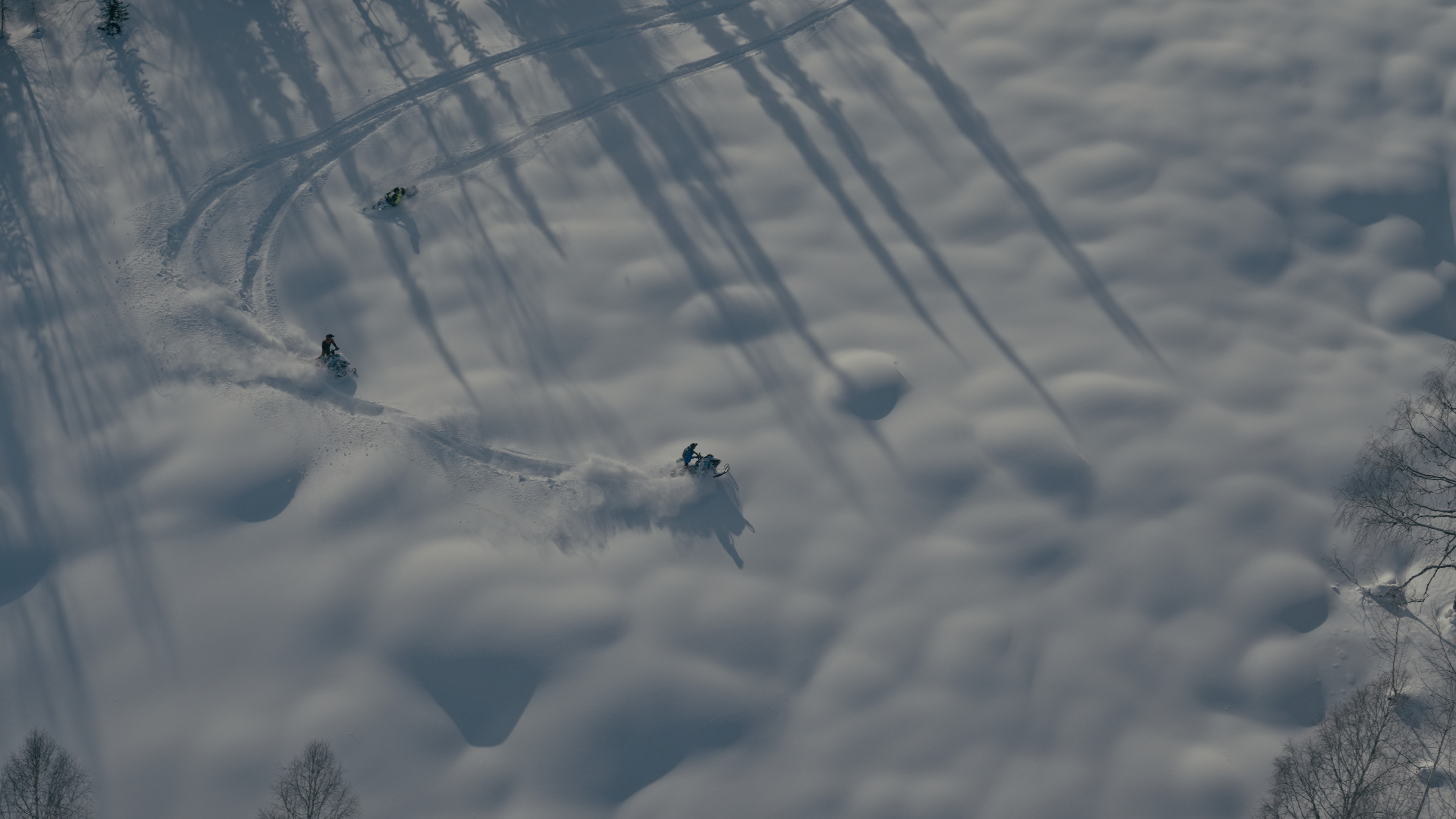
A practical heli-skiing safety guide for expert skiers, covering operator decisions, avalanche equipment, helicopter procedures, rescue planning and insurance.

Heli-skiing safety comes down to disciplined decisions before and during each day in the mountains. For an expert skier, that means arriving ready for variable off-piste terrain, understanding how the operation manages avalanche and aviation risk, and making sure your insurance suits the activities ahead.
Guiding, training and equipment can reduce risk, but they cannot remove it. In the Western Altai near Ridder, changing snow, weather and visibility are part of the experience, so a flexible plan is sound mountain practice.
Is heli-skiing safe?
Heli-skiing takes place in uncontrolled mountain terrain, where avalanches, falls, collisions, deep snow and changing weather all require careful management. A peer-reviewed Canadian study of mechanised skiing from 1997 to 2016 estimated 18.6 deaths from natural winter hazards per million skier days; avalanches accounted for 77% of those deaths. Read the study of Canadian mechanised skiing incidents alongside its methods and scope.
The same Canadian dataset found that avalanche-death risk in snowcat skiing was about half that in helicopter skiing. This is a historical comparison within that dataset, rather than a prediction for an individual trip. The related comparison of helicopter and snowcat operations explores helicopter and snowcat skiing in greater detail, while analysis of mechanised skiing incidents between 1997 and 2016 provides the underlying research context.
The useful question is how the day adapts to current information. Snow, weather and visibility can change after the first landing, and a guide or pilot who adjusts the plan is responding to the conditions at hand.
Choosing a heli-ski operator
A good pre-trip conversation gives you a clear picture of how the day is run. Heli-Ski U.S. guidance recommends daily snow and weather data collection and gives pilots and lead guides authority to cancel or end operations when conditions warrant. The Heli-Ski U.S. Association shares this guidance for the industry.
Guiding and decisions: Who leads the group, how is terrain selected, and who has final authority to alter or stop skiing?
Group fit: What level of off-piste experience, fitness and powder-skiing ability is expected?
Briefing and practice: When does the safety briefing take place, and when will you practise with the rescue equipment provided?
Communication: How does the team communicate in the operating area, and how does the plan change with the weather?
Emergency planning: How is an incident managed in remote terrain, and what may affect an evacuation?
Clear answers matter more than a fixed itinerary. The mountain sets the day’s limits, and conservative decisions are part of responsible operations.
Avalanche equipment and companion rescue
A transceiver, probe and shovel are essential rescue equipment for travel in avalanche terrain, and training in their use is critical, according to Avalanche Canada’s training guidance. Its avalanche-rescue equipment guidance explains the role of this core kit.
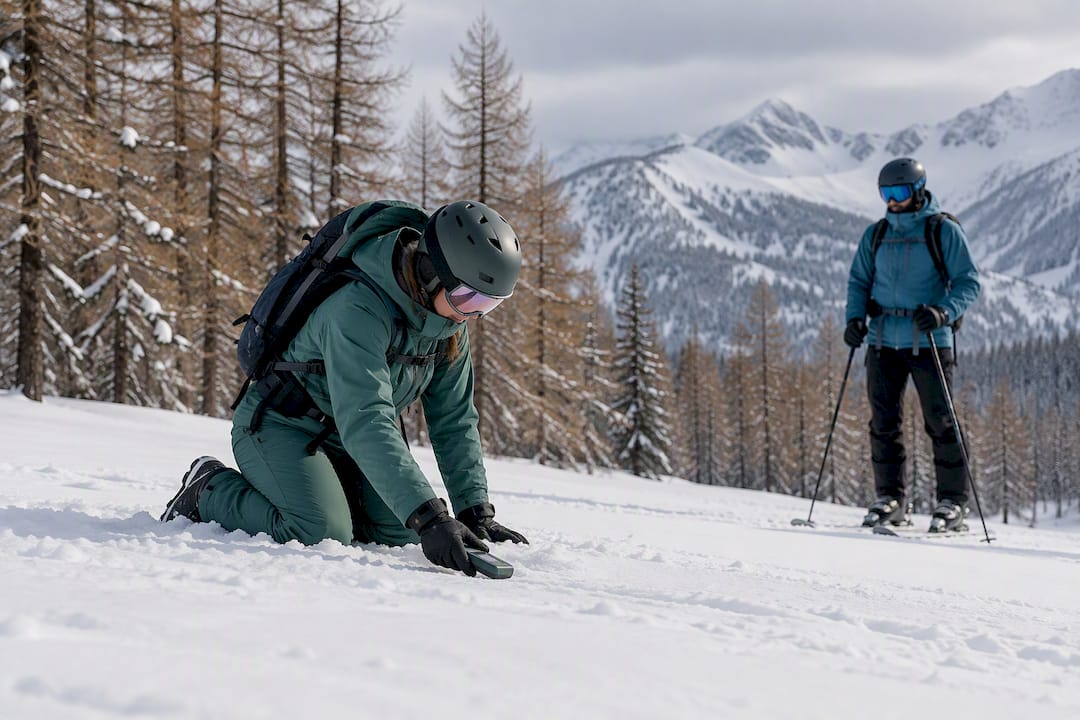
Equipment arrangements differ between heli-ski programmes. Make sure you understand what is included, available to rent and needed from your own kit. Radios and avalanche airbags can form part of an operator’s arrangements, but they are package-specific rather than universal. For a broader view of common guest equipment, heli-skiing industry is a useful industry reference.
In an avalanche burial, companion rescue is time-critical: the people already on the slope begin the search while further help is arranged. Take part fully in the practice session, carry equipment as instructed, and follow the guide’s spacing, route and stopping points throughout the day.
The Heli-ski Activity Safety Guideline offers further context on the wider safety considerations within a heli-ski operation. Your selected programme should make its own briefing and equipment process clear before travel.
Helicopter and weather risks
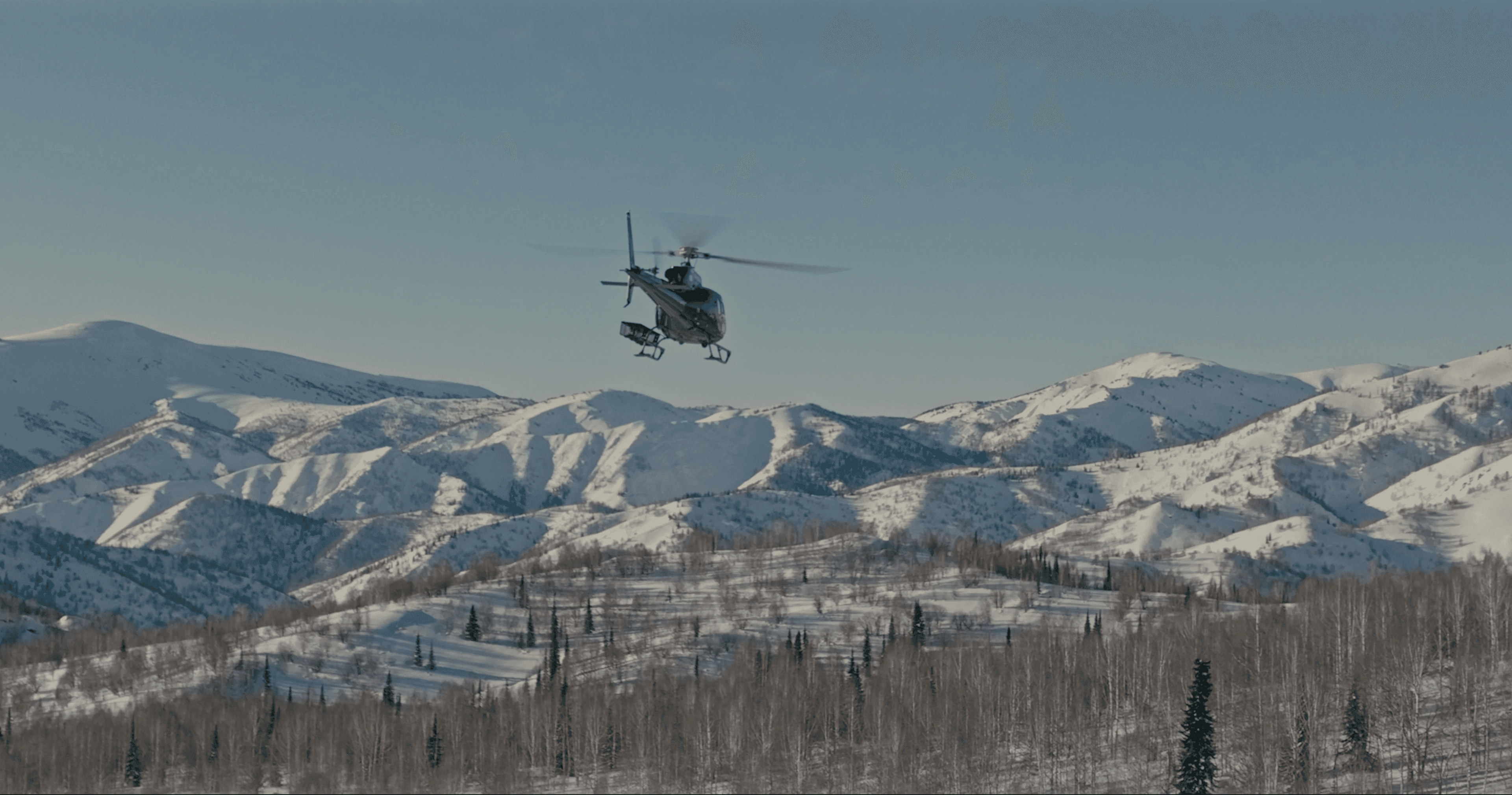
Helicopter operations add aviation risks alongside skiing risks. Weather, visibility, terrain, aircraft performance, maintenance and passenger procedures all matter. New Zealand’s civil aviation resources on helicopter safety and heliski operations cover operational environments, hazards and mitigation processes.
Follow the crew’s instructions around every aircraft. Approach, board, load and unload only when directed; secure loose equipment; and keep clear of areas identified in the briefing. These procedures depend on the aircraft, landing area and conditions on the day. The aviation-focused guidance offers additional aviation-focused reading on heliski risk management.
A weather delay can be disappointing, particularly on a short trip, but it is an ordinary part of mountain flying. Leave room in your travel plans for a day that may not unfold exactly as scheduled.
Insurance and evacuation questions
Insurance deserves the same attention as skis and avalanche equipment. Some policies cover search, rescue or medical evacuation, but exclusions and limits vary. Before travelling, ensure that your policy applies to heli-skiing, helicopter evacuation, mountain rescue and emergency medical treatment at your destination.
Remote evacuation may not be immediate. Weather, terrain, visibility and aircraft availability can affect what is possible and when. Emergency arrangements are an important part of the pre-trip discussion, while conditions in the mountains remain the deciding factor.
If you have a relevant medical condition, injury or medication, share it before travel and speak with a qualified clinician about whether the trip is suitable for you.
Pre-trip heli-skiing safety checklist
Assess your skiing honestly. Be ready for off-piste skiing in variable snow and for a full day in a mountain environment.
Understand the ability requirements. Choose a programme that suits your actual experience, not simply your resort-skiing confidence.
Review the equipment plan. Know what is supplied, rented and personally required, including avalanche equipment.
Review your insurance cover. Keep policy details and emergency contact information accessible.
Pack to the current limits. Helicopter payload and baggage arrangements are operational matters, so follow the instructions provided for your trip.
Attend every briefing and practice session. Procedures vary by place, group and conditions.
Speak up early. Tell the guide if you are injured, unusually fatigued, cold or uneasy about your ability to ski the planned line.
These preparations help the whole group. Accurate information about ability, health and equipment gives the team a realistic understanding of who is travelling together.
Altai Mountains Resort: what to confirm before booking
At Altai Mountains Resort, we offer guided heli-skiing in the Western Altai in single- and multi-day formats, subject to dates and conditions. Depending on the package, the heli-ski experience includes avalanche training, certified guides, GPS or satellite communication, emergency protocols and avalanche-equipment rental.
Heli-ski packages include lodging, meals, guiding and safety gear, while flights are separate. The resort is in Ulba village near Ridder, around 120 km and 1.5–2 hours by road from Öskemen. Private road transfers and optional helicopter transfers are available for some bookings. Our booking team can help you understand the current package inclusions, equipment arrangements and transfer options for your dates through the booking page or the resort contact page.
The right trip begins with a candid discussion of your experience and a shared understanding that the mountain sets the day’s limits. That leaves room for the reason expert skiers travel here: guided access to the winter landscape of the Western Altai, with decisions made carefully as conditions evolve.
Frequently asked questions
What is the most important heli-skiing safety equipment?
For avalanche terrain, the core rescue equipment is a transceiver, probe and shovel, backed by training and practice. Equipment provision varies, so understand your personal kit and the arrangements for your chosen programme before travelling.
Are avalanches the main heli-skiing hazard?
Avalanches were the leading cause of natural-hazard deaths in the Canadian 1997–2016 mechanised-skiing study. Falls, collisions, deep snow, terrain features and aviation hazards also require active management. The Mechanized skiing risk study (1997–2016) — PubMed listing is a direct reference for the study, and Risk of death and major injury in helicopter and snowcat skiing — WEM article (DOI) examines the helicopter and snowcat comparison.
How do rescue and evacuation work in remote terrain?
In an incident, the people already on the slope begin companion rescue while further assistance is arranged. Weather, terrain, visibility and aircraft availability may affect evacuation timing, which is why equipment practice and clear emergency arrangements matter.
Does Altai Mountains Resort provide avalanche equipment?
Our heli-ski offering includes avalanche-equipment rental alongside avalanche training and safety-related communication systems. The exact equipment allocation, rental arrangements and briefing schedule depend on your selected package and dates.
For further reading, Heli-Ski U.S. Association HSOG draft and Heli-ski safety and risk management guidance (Aviation NZ) offer wider industry and aviation context.
All Articles
A practical heli-skiing safety guide for expert skiers, covering operator decisions, avalanche equipment, helicopter procedures, rescue planning and insurance.
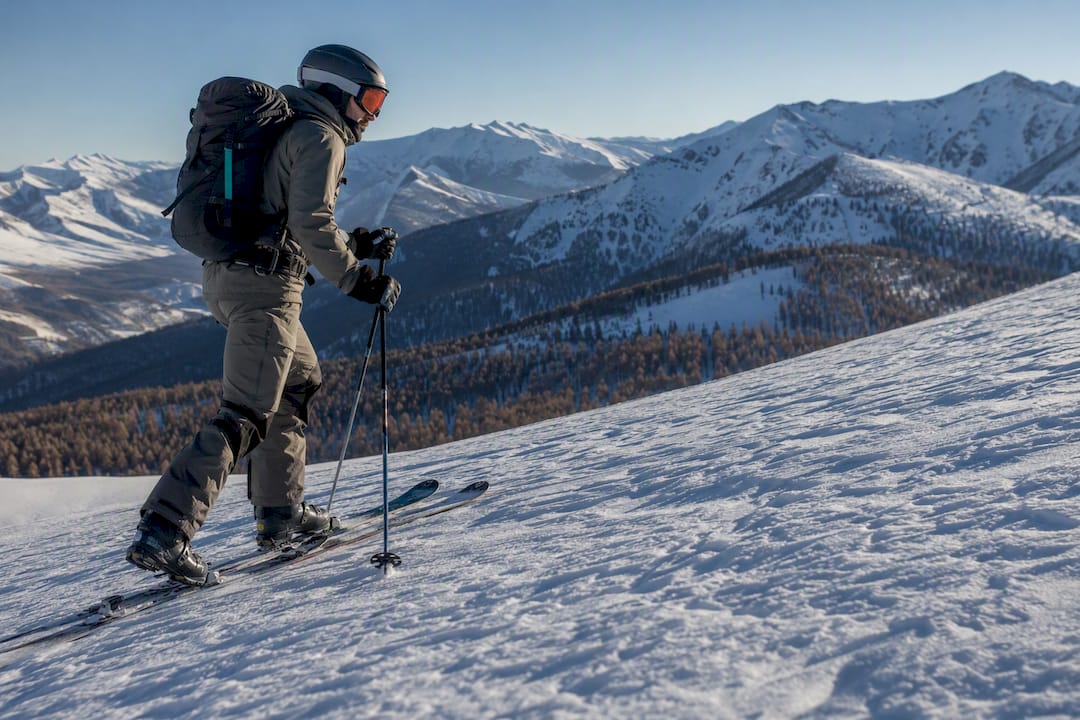
Compare lift-assisted, touring and Western Altai ski options in Kazakhstan, with practical safety, travel and booking guidance.

Learn the heli-skiing skill level typically expected, the off-piste skills to practise, safety preparation and an adaptable 8–12-week training framework.

Plan the Kazakhstan skiing season with a practical comparison of Almaty and Ridder, month-by-month timing, mountain safety and trip planning.
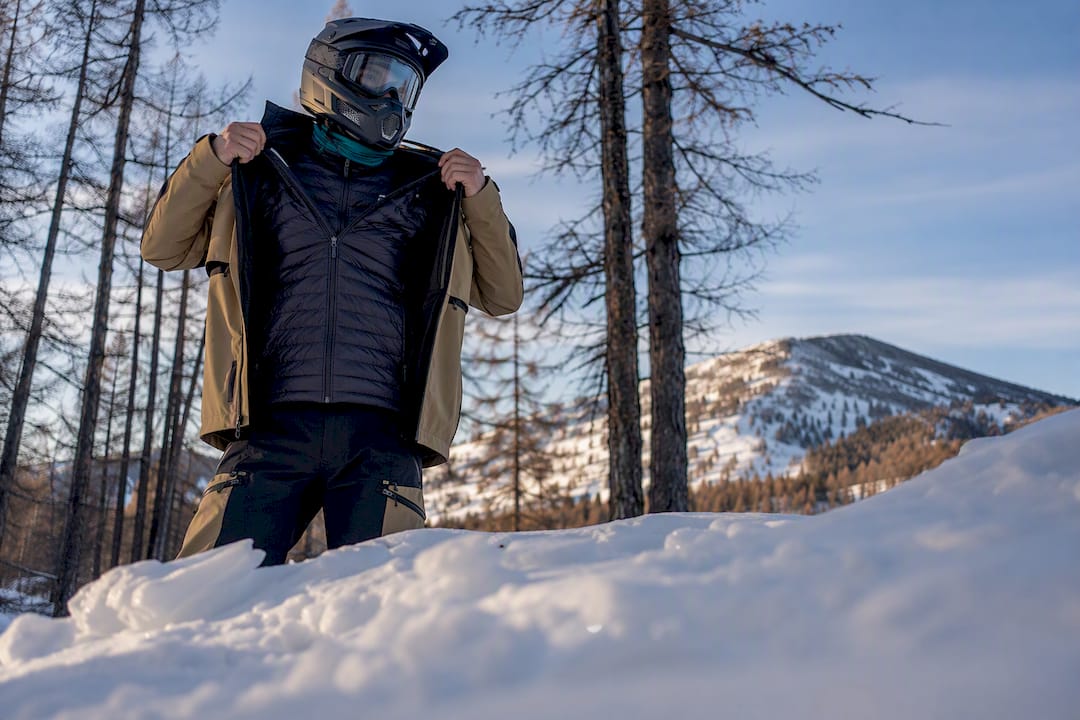
Use this snowmobile layering guide to build a flexible base, insulation and shell system, manage moisture and pack dry spares for changing conditions.

Learn what to rent for avalanche terrain, how to prepare a beacon, probe and shovel, and what to know about airbag packs and flights.
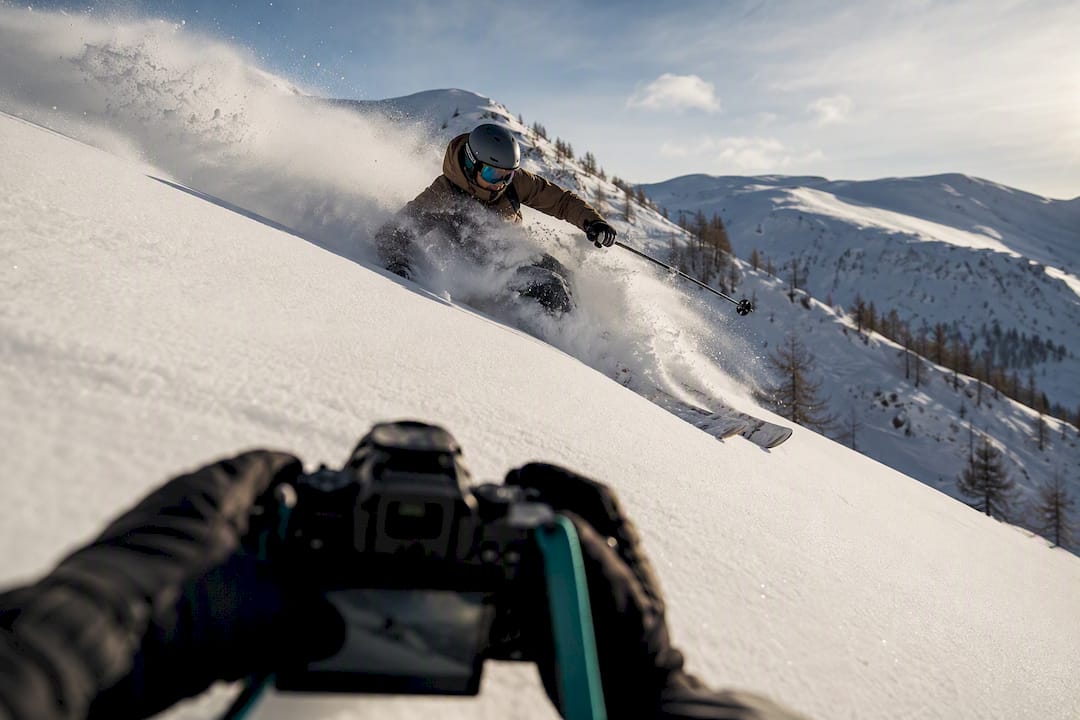
Practical ski photography tips for beginners: camera settings, snow exposure, timing, cold-weather camera care and safe mountain positioning.

Learn how to read an avalanche forecast, interpret danger ratings, roses and avalanche problems, and plan more conservative terrain choices.
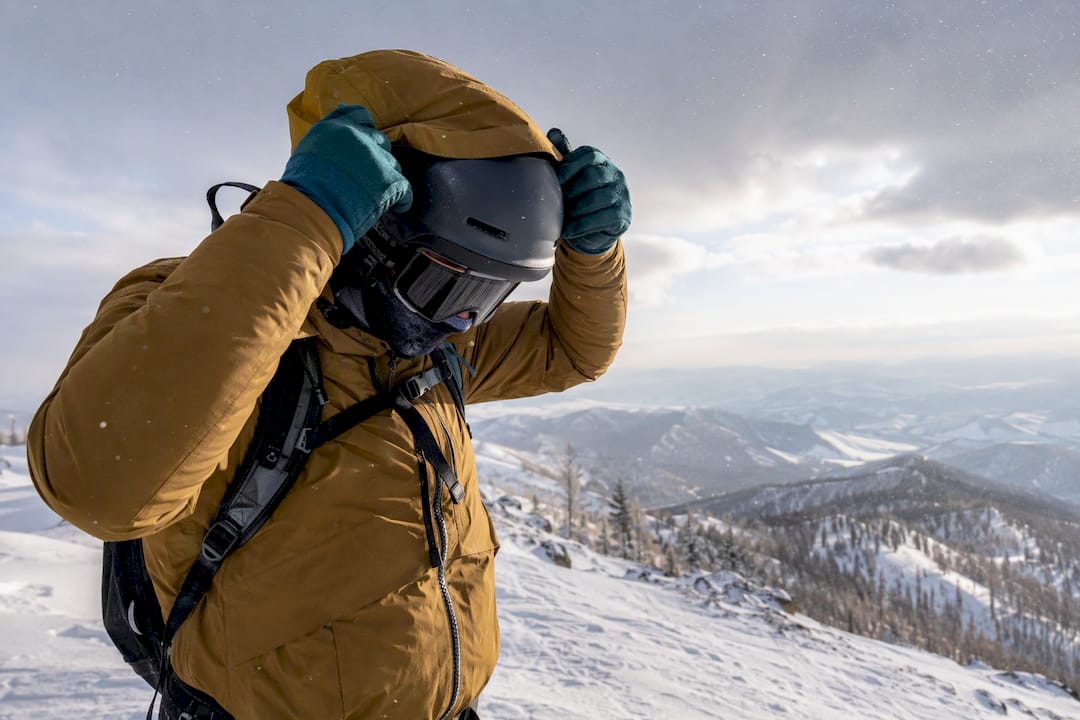
Practical cold injury prevention for winter travel: layering, dry spares, warning signs, first aid and planning for mountain activities.
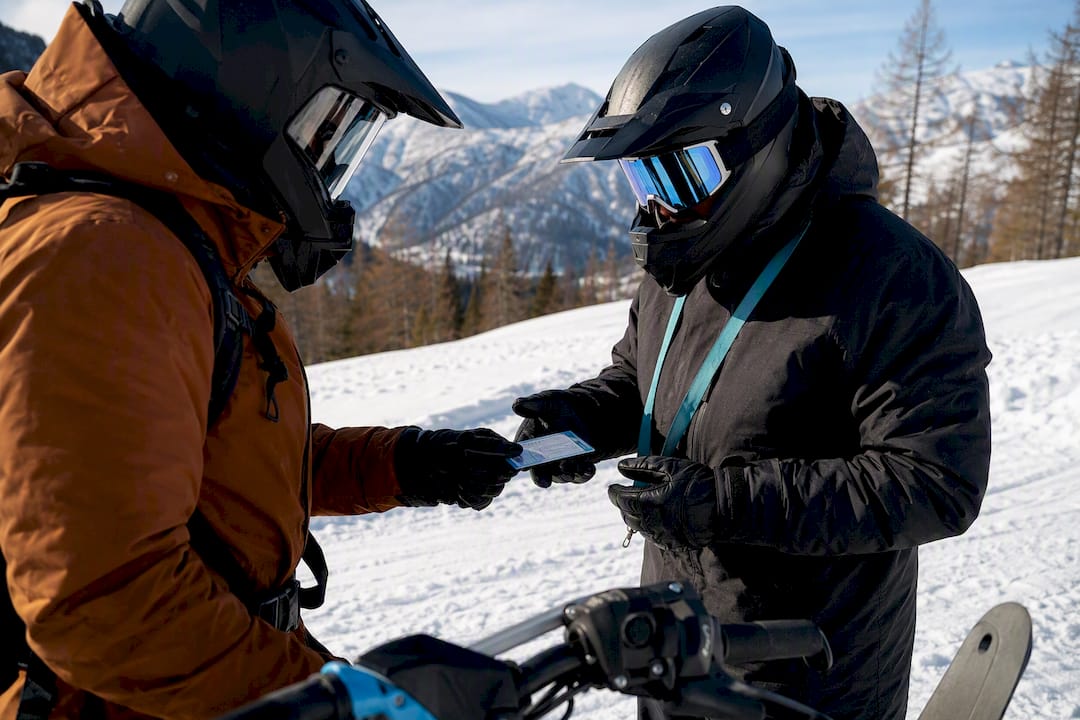
Planning snowmobiling in Ridder? Understand how experience, training, equipment and Kazakhstan rules shape your trip with Altai Mountains Resort.
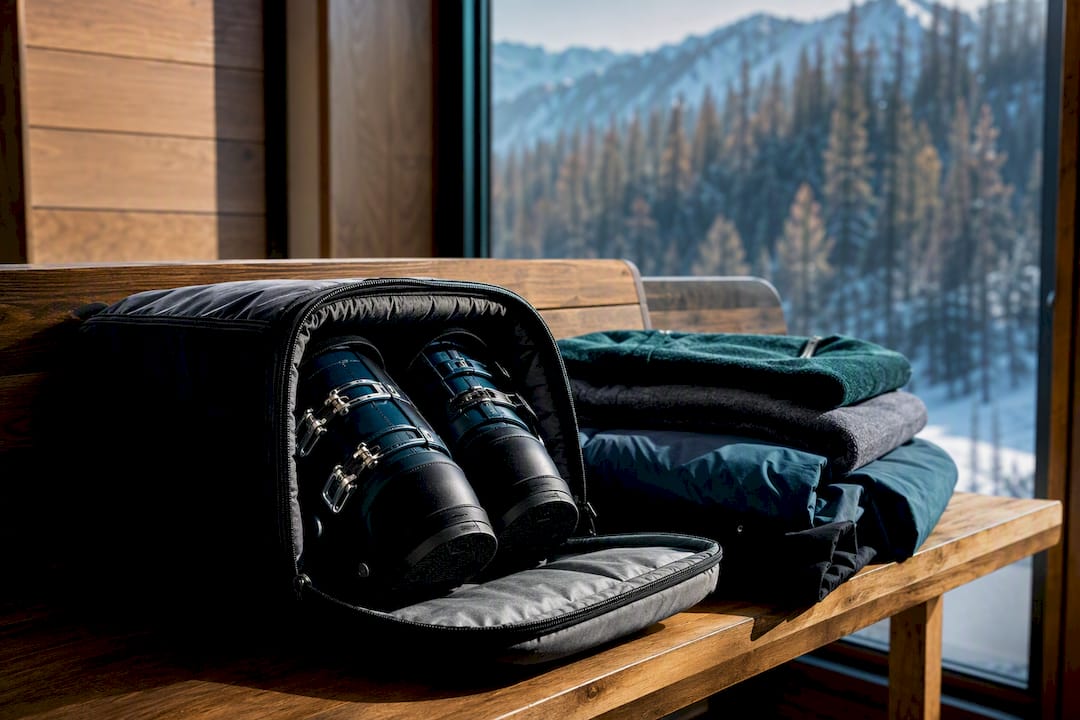
Travel with ski gear confidently: carry boots when cabin rules allow, pack skis securely, understand airline baggage rules and prepare for delays.
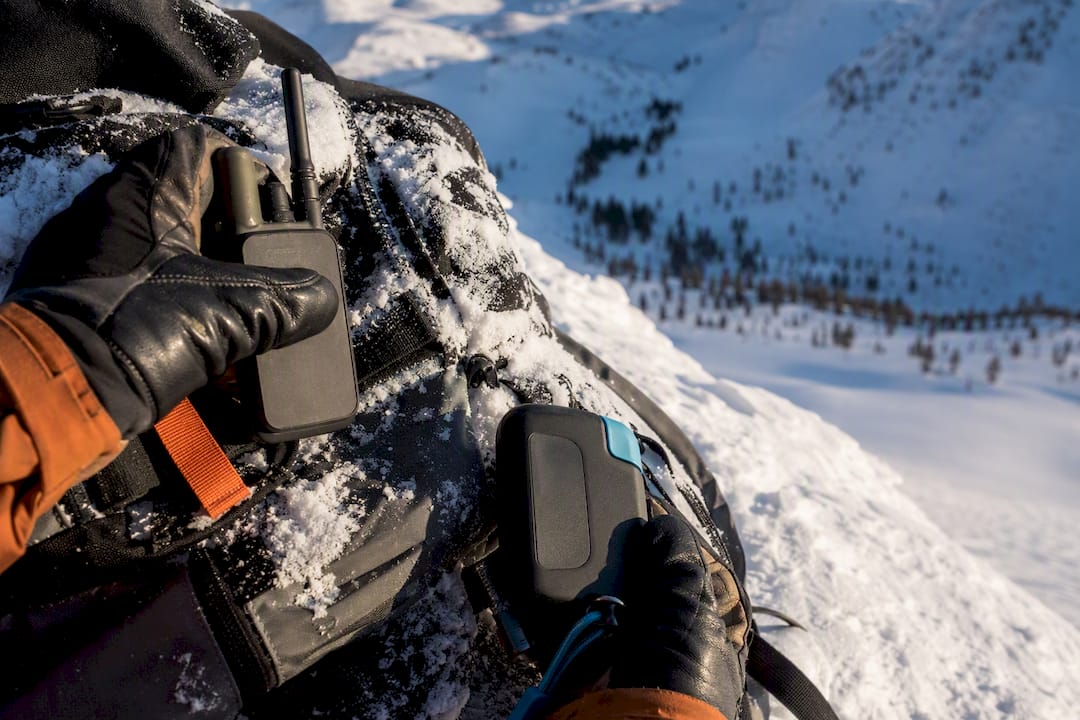
Build a practical backcountry radio communication plan with party radios, satellite SOS or PLB backup, cold-weather care and regional legal essentials.

Satellite messenger basics for remote Altai trips: compare PLBs and two-way devices, understand SOS limits, and prepare your communications plan.
Avoid ski crowds with flexible dates, midweek skiing, early starts and smarter lift choices. Explore guided off-piste options near Ridder.

Learn how heli-skiing passenger weight and baggage rules differ by operator, with practical packing steps and Altai Mountains Resort booking guidance.
Understand the cat skiing skill level needed for Altai Mountains Resort, with practical guidance on off-piste ability, fitness and avalanche readiness.
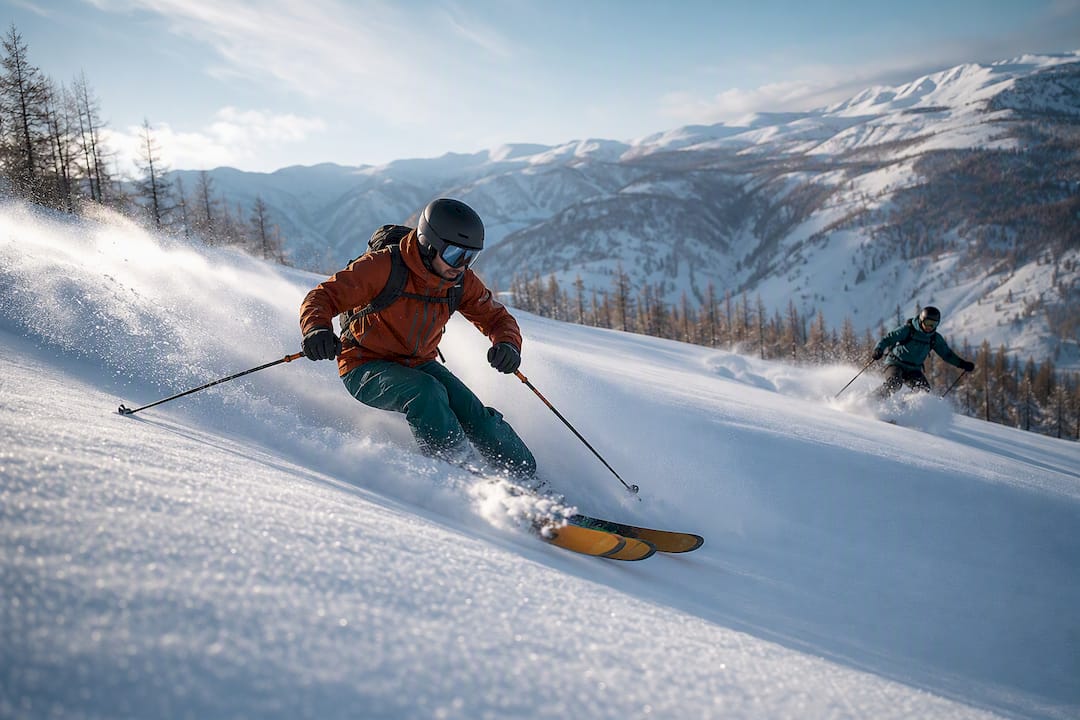
Decide whether Ridder suits your advanced Altai ski trip, with practical guidance on transfers, season timing, avalanche gear and guided programmes.
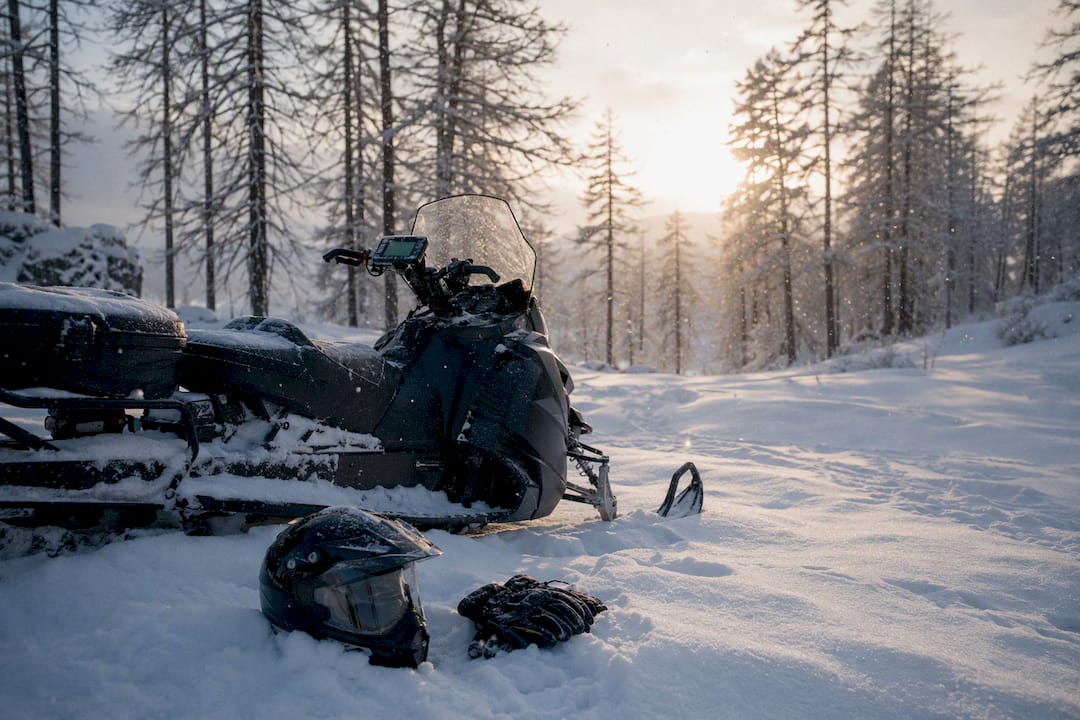
Compare snowmobile tour prices by duration, understand what shapes the final cost, and explore quote-based snowmobiling at Altai Mountains Resort.
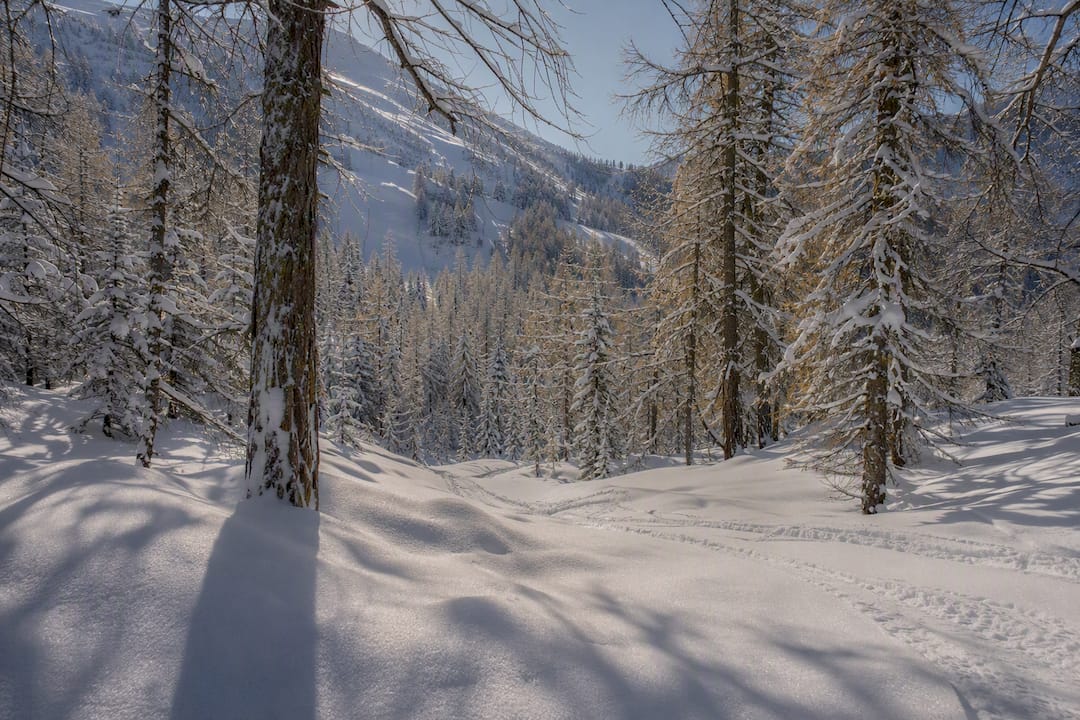
Compare Western Altai, Almaty and Turgen for Kazakhstan powder skiing, with practical guidance on access, safety and Ridder logistics.

Plan Altai heli skiing near Ridder with practical guidance on terrain, season, package inclusions, access, safety gear and booking.
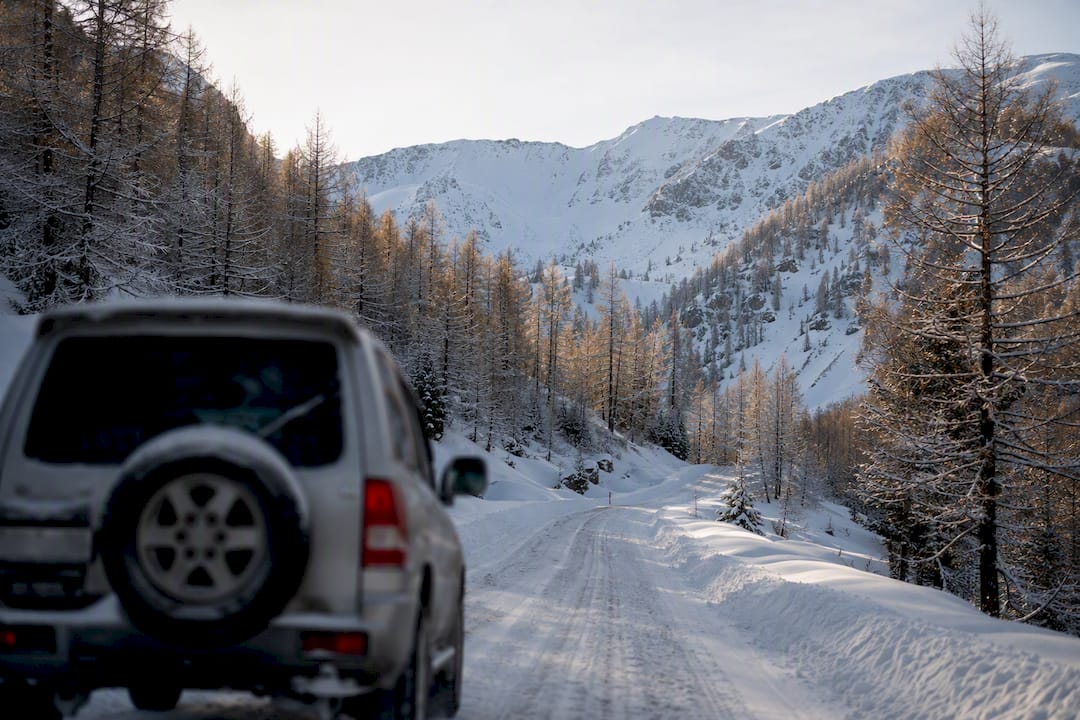
Compare flight, rail and self-drive routes from Almaty to the Kazakh Altai, with practical guidance for reaching Ridder and Ulba village.

Learn deep powder snowmobiling setup, riding technique, safe recovery and avalanche preparation, plus guided training near Ridder.
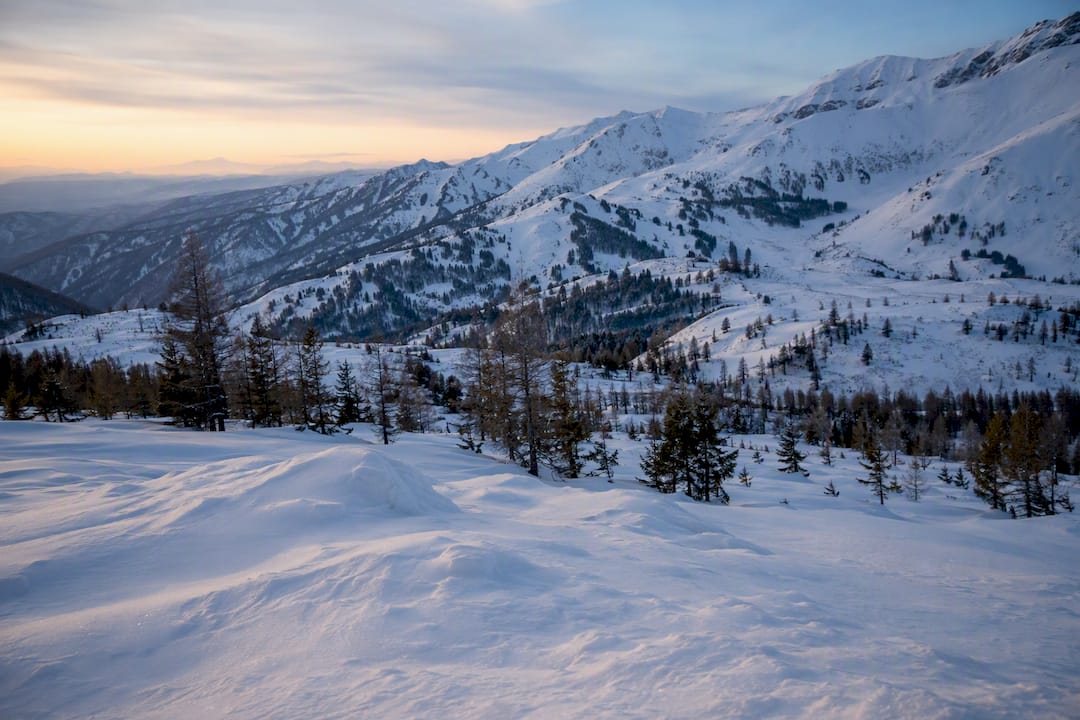
Plan an Altai Mountains winter stay from Ridder, with activity timing, travel from Öskemen, packing advice and practical mountain guidance.

Practical helicopter passenger safety guidance on boarding, seatbelts, exits, dropped items and following crew instructions.

Practical off-piste slope etiquette for safer skiing: right of way, avalanche preparation, group spacing, closures and guided skiing in the Western Altai.

Plan an Altai Mountains trip across Russian, Mongolian and Kazakh sectors, with permit, safety and winter-stay guidance for Ridder Lodge.
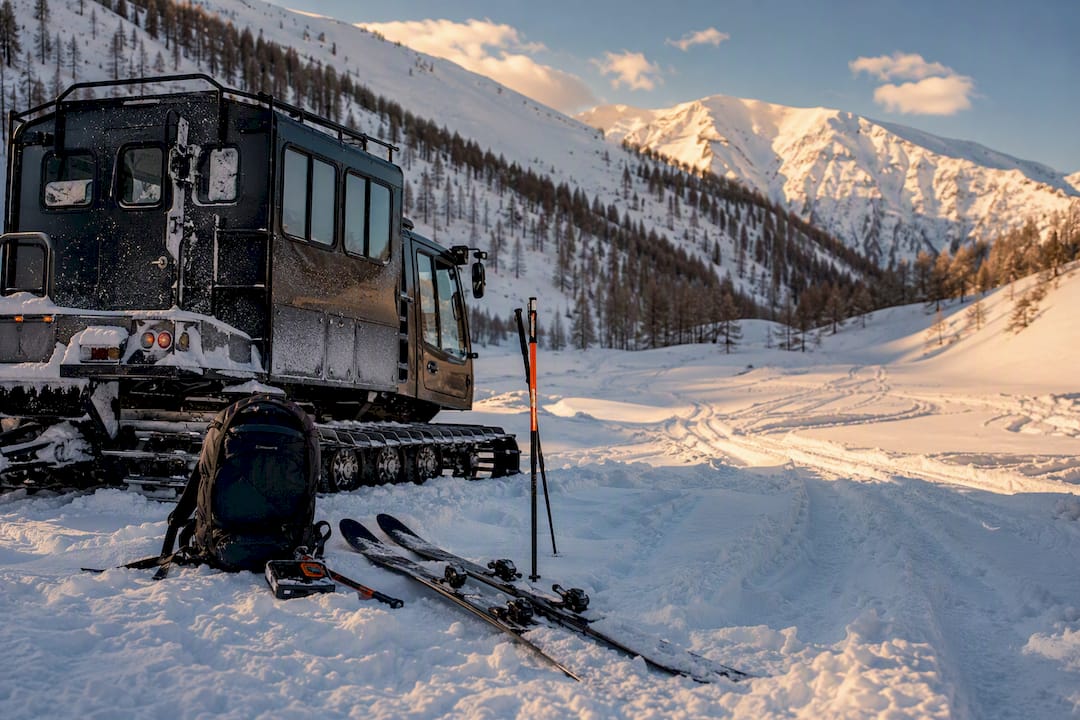
Learn how to plan guided freeride tours, from off-piste experience and avalanche gear to guide scope, changing mountain conditions and cat-skiing in the Altai.
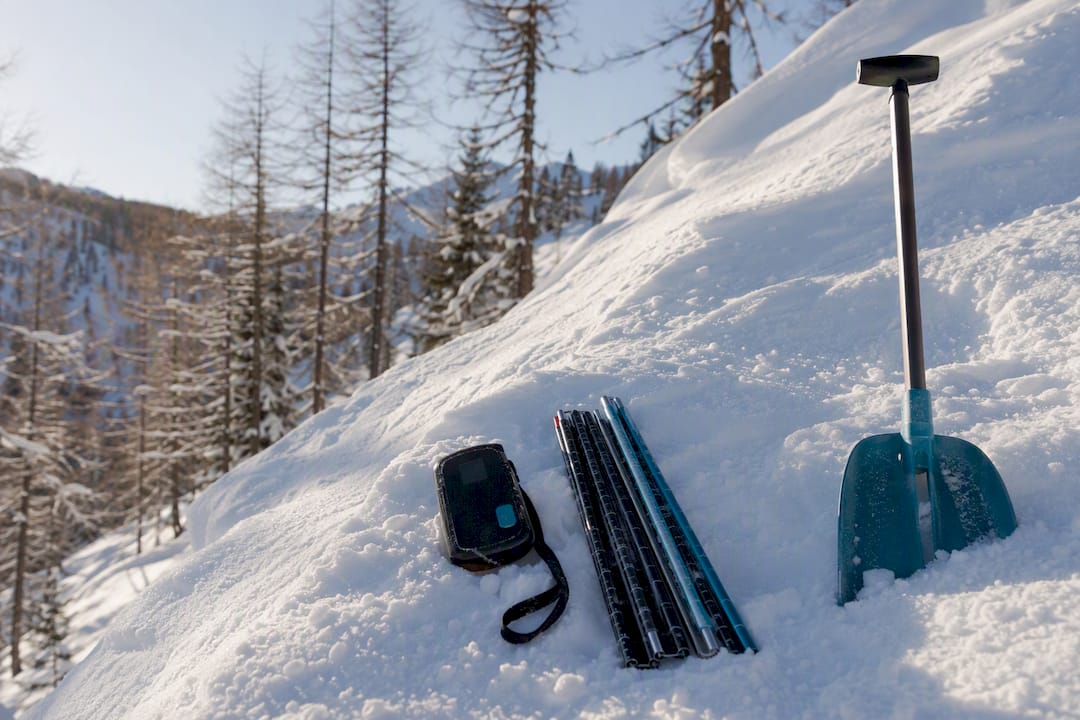
Learn avalanche beacon basics: 457 kHz transceivers, essential rescue gear, trailhead checks, interference and companion-rescue practice.

Learn which avalanche course suits your plans, what companion-rescue skills to practise and how to prepare for a winter trip to Altai.
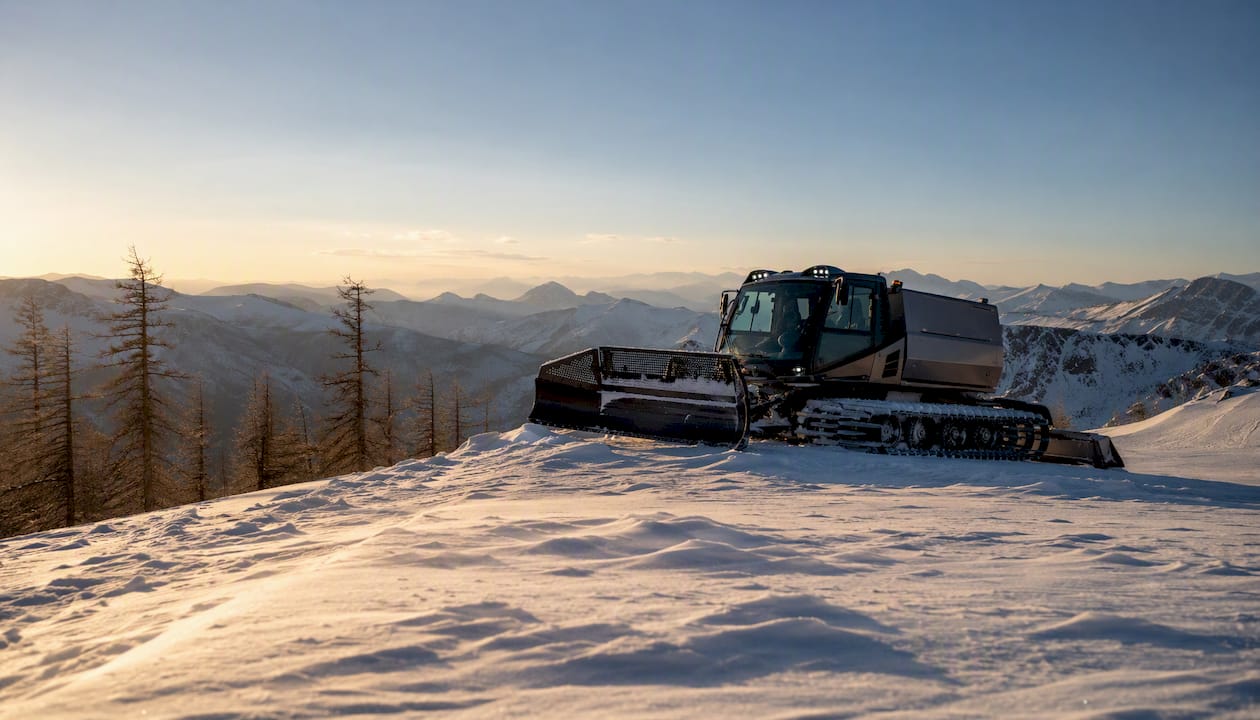
Learn what cat skiing is, who it suits, what to pack and how to plan a guided cat-skiing trip, including options near Ridder, Kazakhstan.
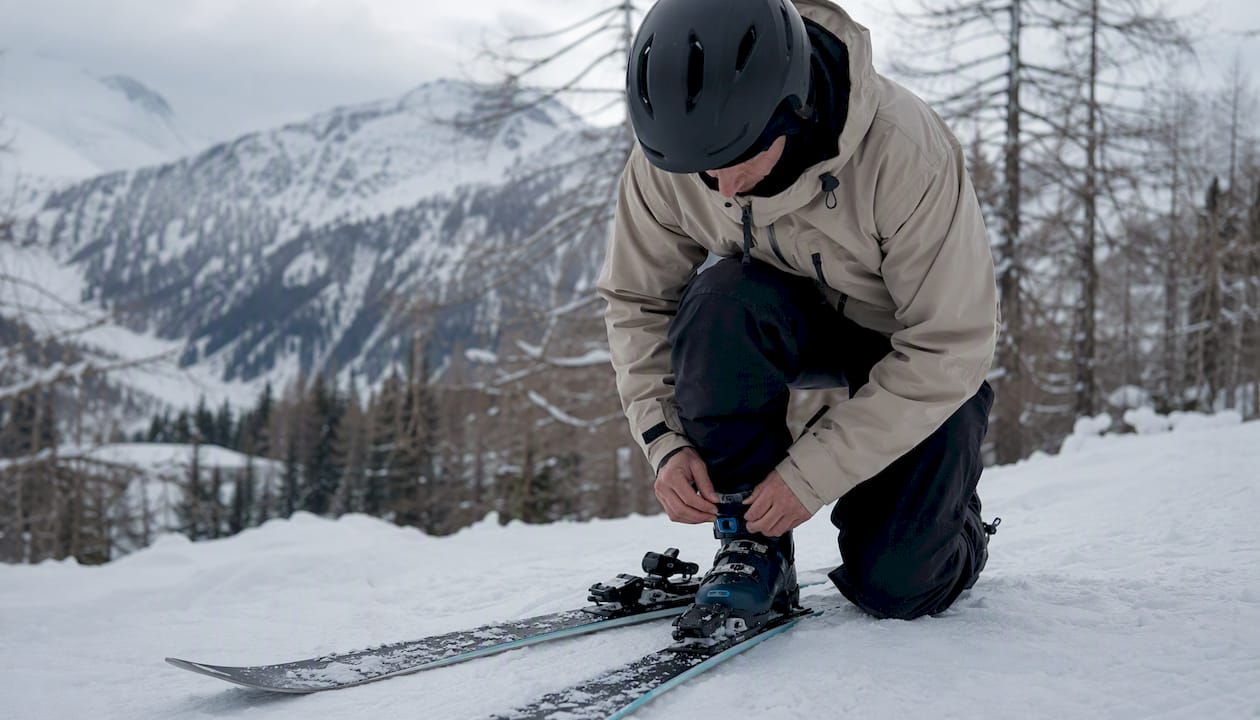
A practical ski rental Kazakhstan guide to Shymbulak and Medeu, current tariffs, equipment fit, transport and guided freeride near Ridder.

Understand ski guide benefits for freeride and backcountry trips, including local planning, terrain choices, qualifications, safety gear and access options.

Plan a snowmobile expedition near Ridder, Kazakhstan, with practical guidance on routes, rider experience, equipment, mountain safety and transfers.
Use this mountain lodge amenities checklist to compare rooms, meals, wellness access, transfers, activities and paid extras before booking.
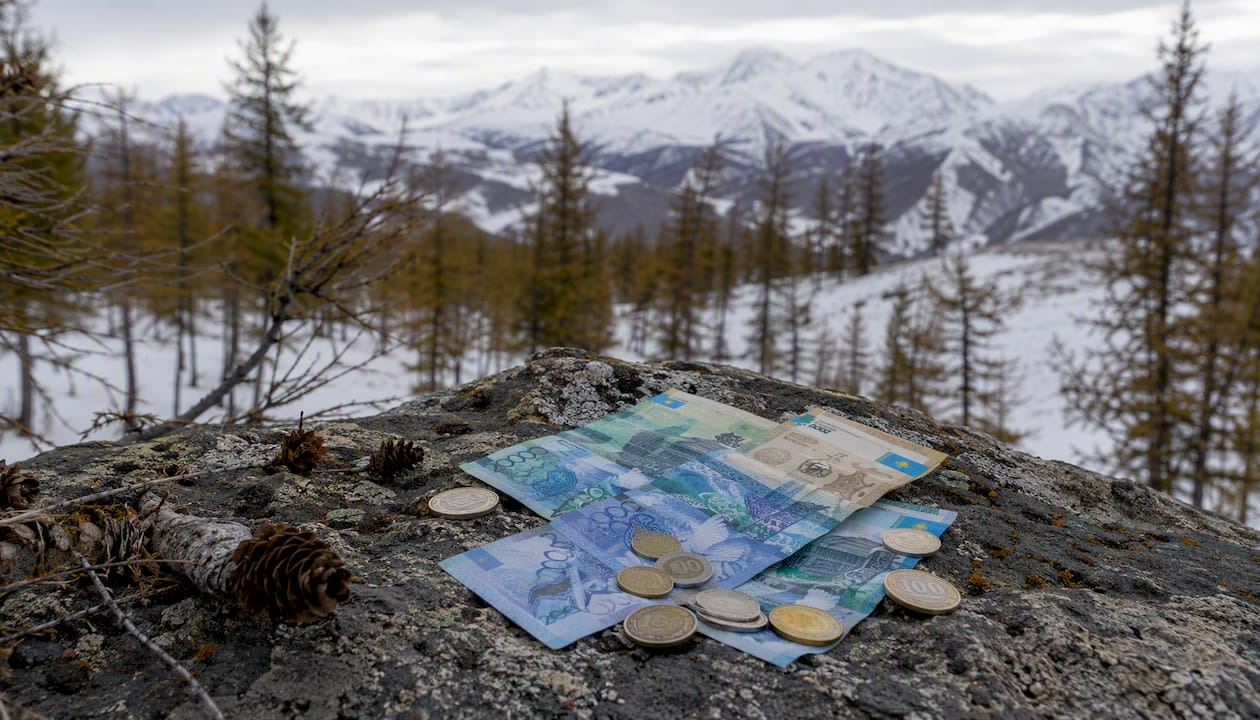
A practical Kazakhstan currency guide to the tenge, cards, ATMs, currency exchange, DCC and cash planning for cities and the Western Altai.
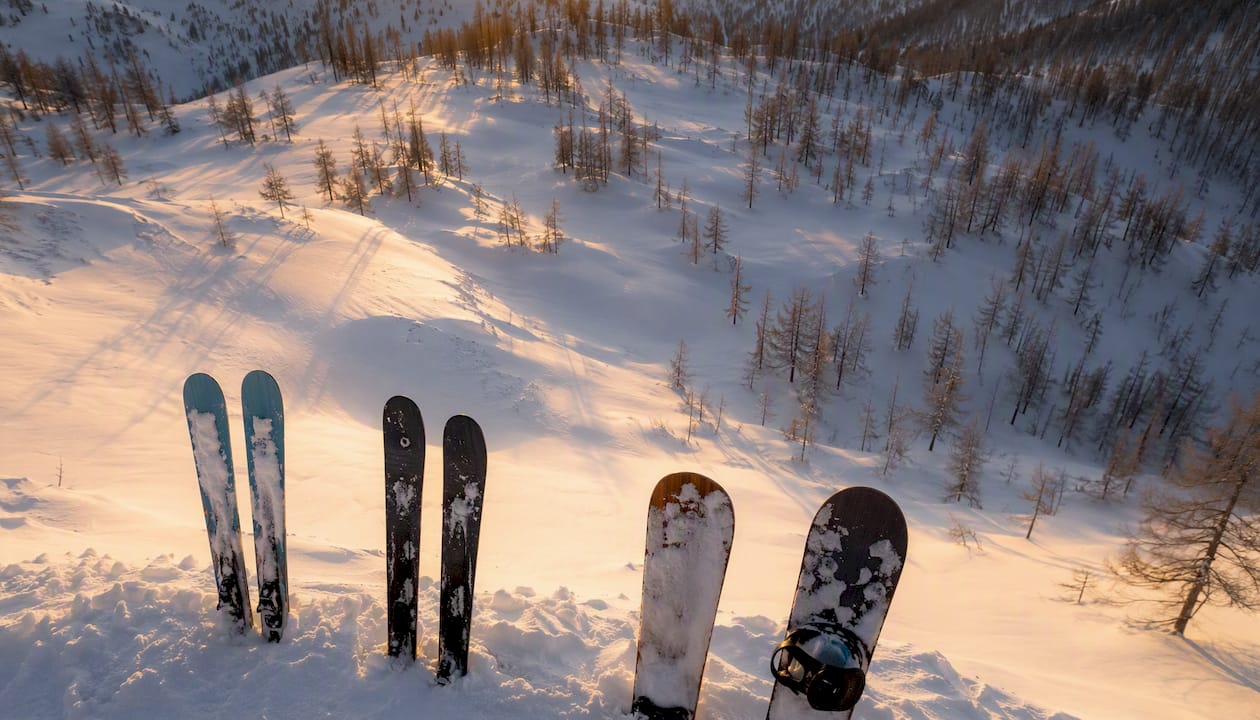
Plan the Kazakhstan ski season by month, compare lift-served Shymbulak with guided trips around Ridder, and prepare for changing snow and mountain conditions.
A practical guide to spa after skiing, including gentle massage, sauna and hammam, optional cold immersion and signs that need medical attention.
Plan a remote ski trip from the UK to Ridder, with practical guidance on activities, Kazakhstan entry, Öskemen transfers, insurance and ski baggage.
A practical heli skiing packing list covering clothing, avalanche equipment, ski baggage, batteries, travel documents and rental options.
A practical UK guide to ski boot fitting: appointment steps, services, current provider price examples, aftercare and warning signs.
Should you tip a ski guide? Learn how customs vary, when a gratuity may feel appropriate and how to plan for tipping in Kazakhstan.
An Altai cuisine guide to kan, kurut, chegen and talkan, with dining at Restaurant Altai, food safety and travel from Öskemen to Ridder.
Compare banya vs sauna: heat, steam, venik and löyly rituals, etiquette, health evidence, safety basics and the Altai Banya experience.
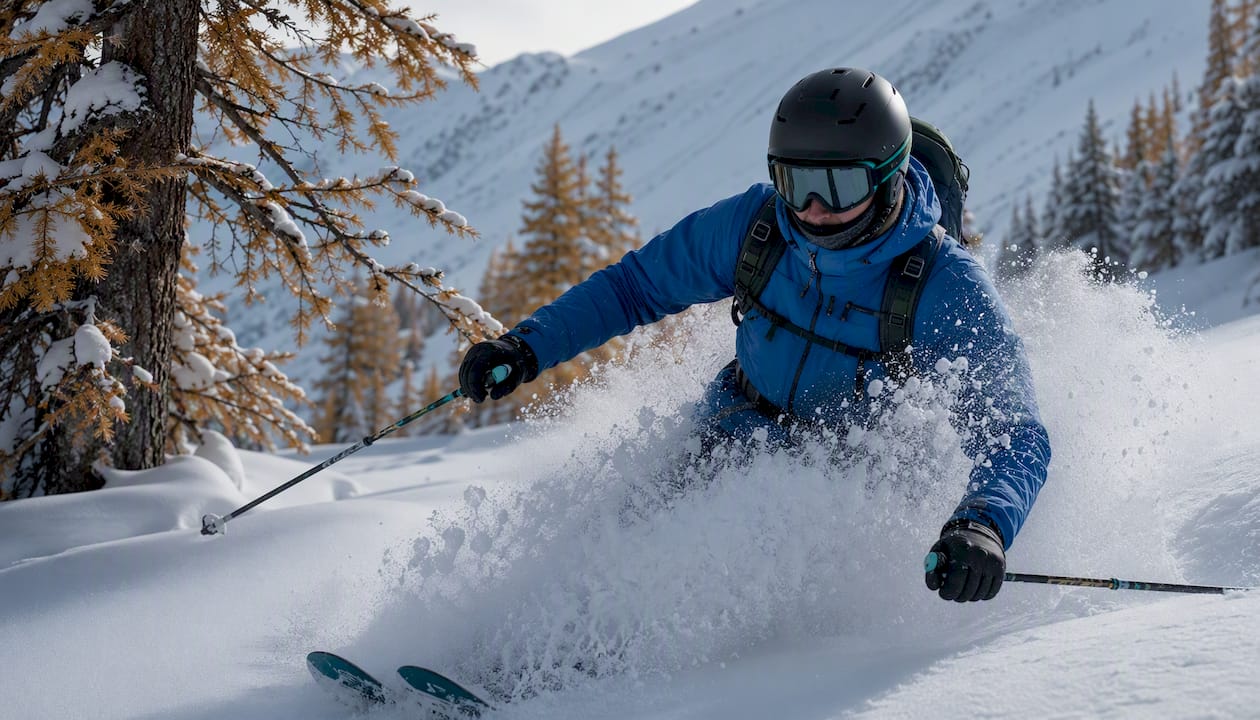
Learn how to ski deep powder with centred balance, smooth turns, speed control, practice steps, gear guidance, and avalanche and tree-well precautions.

Plan a mountain wellness retreat in Ridder with freeride, heli-skiing, snowmobiling, Ridder Lodge, Altai Banya and practical winter travel guidance.

A practical snowmobile gear list for UK travellers heading to Altai Mountains Resort, with clothing, safety equipment, battery and travel guidance.

Understand Ridder Lodge’s ski-in/snowmobile-out access, guided ski-day logistics, transfers from Öskemen and practical planning for your stay.
Prepare for a guided snowmobile ride with a practical gear checklist covering helmets, winter layers, avalanche equipment and cold exposure in Ridder.

A practical heli skiing guide to ability, avalanche equipment, packing, weather and planning your first trip to Kazakhstan.
Plan guided deep snow snowmobiling in Ridder, with practical details on training, rentals, equipment, transfers and staying at Ridder Lodge.
How to choose Kazakhstan travel insurance for heli-skiing, cat-skiing or snowmobiling, including medical treatment and evacuation cover.
Kazakhstan visa requirements for UK visitors to Ridder, including visa-free limits, e-visas, passport rules, airports and Öskemen transfers.
Build strength, balance and endurance before cat-skiing, heli-skiing or snowmobiling with an adaptable six-to-eight-week ski fitness program.

Explore cold plunge benefits for skiers, from short-term soreness and recovery evidence to cold-shock risks, timing and Altai Banya options.

Understand heli skiing cost in 2026 with current operator examples, a total-budget checklist, and key booking, safety and insurance questions.