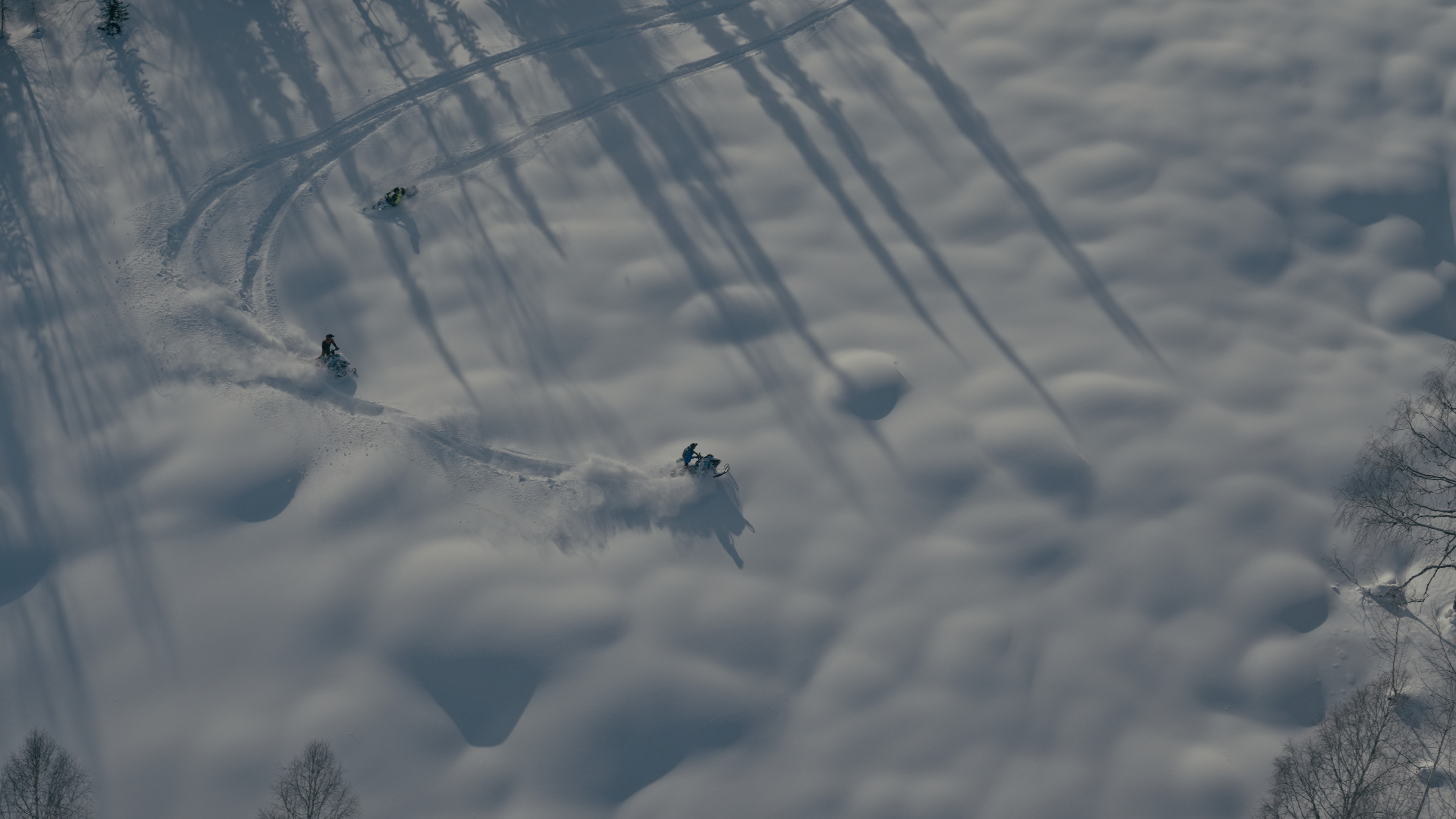
Explore heli-skiing’s environmental impact, including helicopter emissions, wildlife considerations, aviation effects and practical planning questions.
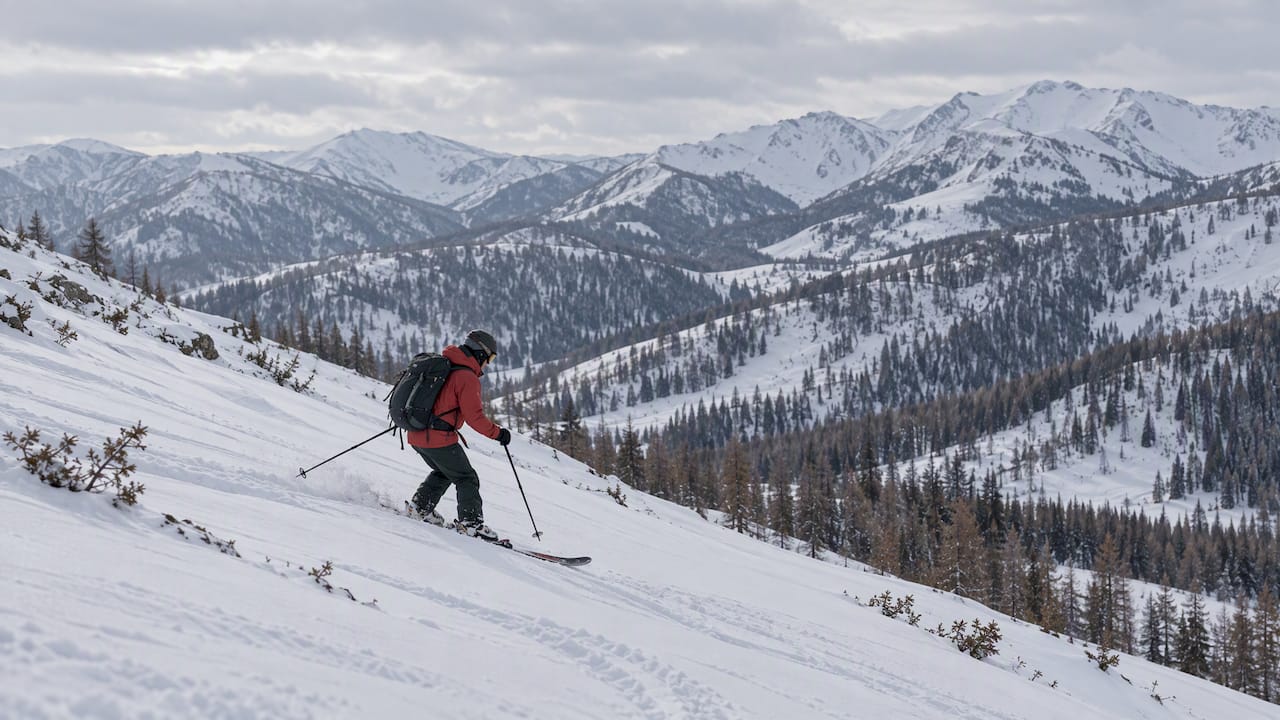
Heli-skiing has an environmental impact because it relies on helicopter flights in mountain terrain. Fuel use is only part of the picture: lodge energy, ground transfers, travel to the destination and planning around sensitive wildlife can all matter.
A carbon-neutral label alone does not provide enough detail. A more useful assessment considers what an emissions calculation includes, how wildlife is addressed locally and which direct reductions an operator can document.
What is the environmental impact of heli-skiing?
The direct climate impact begins with aviation fuel, but there is no reliable single figure for every heli-ski day. Flight time, helicopter type, group size, terrain, lodge energy, transfers and the journey to the destination all affect the result.
In a PowderGuide interview, one Canadian operator discussed calculations covering its lodges, generators and helicopter use, while treating guests’ travel to Terrace separately. That distinction matters: an operator’s footprint is not the same as the footprint of a guest’s whole journey.
Readers may encounter a figure of 0.62 tonnes CO2-equivalent in connection with that operator’s approach, including in Snow of tomorrow | "Green heliskiing" - are they serious? | PowderGuide. It is not an industry average and does not include travel to the destination.
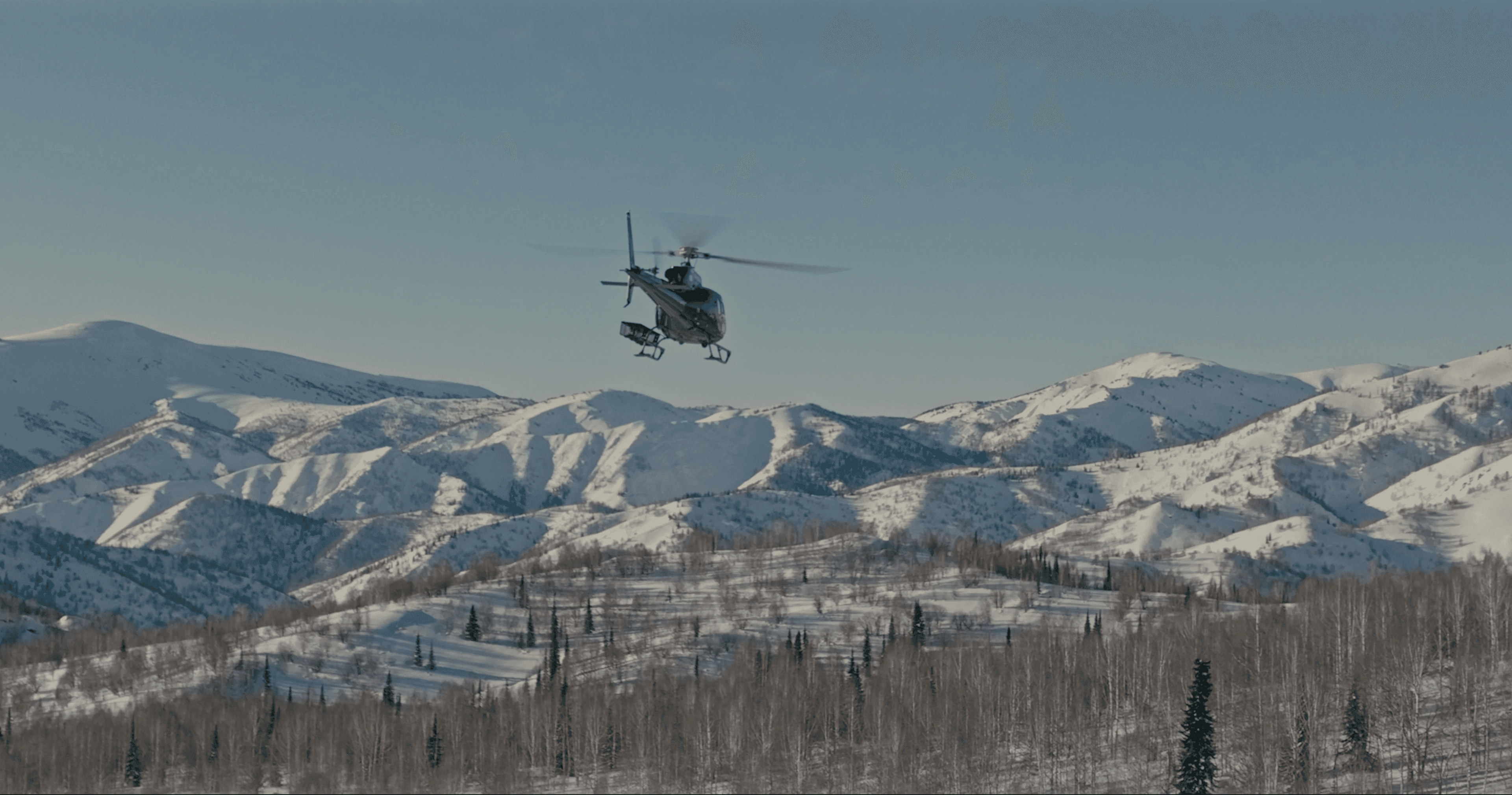
Heli-skiing also has local implications. Aircraft noise and proximity can disturb wildlife, while repeated activity can have different effects in different landscapes. The ecological setting is as important as the activity itself.
How to interpret a heli-ski carbon footprint
A useful carbon figure states its boundaries clearly. Without them, two numbers that seem comparable may measure very different things.
Operational emissions: helicopter fuel, vehicles, accommodation energy and other activity run by the operator.
Guest travel: flights, road transfers and other travel needed to reach the ski area.
Allocation: how shared helicopter, lodge and vehicle emissions are divided among guests.
Time period: whether the figure covers a day, a package, a season or a future estimate.
There is no simple comparison between heli-skiing and lift-served skiing without matching those boundaries. Energy sources, snowmaking and visitor travel vary among lift-served destinations, just as helicopter hours and transfer distances vary on heli-ski trips.
Reductions first, offsets second
Direct reductions are easiest to assess when the change is specific, such as lower lodge energy use, a revised transport arrangement or a documented operational adjustment. Offsets require similar detail. A project listed in the Gold Standard marketplace does not by itself validate an operator’s wider carbon-neutral claim.
Where offsets are used, ask for the project name, supporting documentation, methodology, registry record, quantity and vintage. Gold Standard and Gold Standard — offset your emissions concern voluntary-carbon-market offsetting, but neither replaces evidence for an individual operator’s programme.
What research says about wildlife disturbance
The strongest research cited here concerns caribou in specific North American study settings. A study published in Rangifer found a 78% probability of a concerned-to-very-alarmed response when helicopter encounters occurred at 100–500 metres. The probability fell below 20% beyond 1,000 metres.
These findings show why distance and route planning deserve attention. They do not establish a universal buffer for every species, season or destination. Wildlife planning needs to reflect the animals present, local authority requirements and conditions at the time of travel. The evidence remains specific to its caribou study context (100 to 500 metres; Rangifer journal article (helicopter and snowcat skiing encounter responses)).
A regional case study from British Columbia
Research reported by The Wildlife Society examined caribou and heli-skiing in British Columbia. It described caribou home ranges as almost twice as large during a COVID-related period without skiers and identified approximately 400 km² of conflict area within 3,116 km² considered suitable for heli-skiing.
This is regional evidence, not a finding that transfers automatically to Kazakhstan or another destination. The wider British Columbia context reflected in The Wildlife Society, The Narwhal and Helicopter skiing reduces caribou range in British Columbia - The Wildlife Society should likewise not be treated as a universal model.
What non-CO2 aviation effects mean here
Aviation’s climate effects are not limited to carbon dioxide. Aircraft emissions can also influence atmospheric chemistry and cloud formation. The International Civil Aviation Organization’s technical work on contrails and non-CO2 effects addresses these issues across aviation.
It is not a heli-ski-specific assessment. It does not provide a precise non-CO2 figure for an individual mountain helicopter flight or establish that routing measures developed for commercial aircraft apply to short, variable rotorcraft operations. International Civil Aviation Organization and Report on operational opportunities to reduce contrails and non‑CO2 (ICAO CAEP WG2) address this broader aviation context.
Questions to ask a heli-ski operator
These questions can help clarify the environmental context of a particular trip.
What does your emissions calculation include and exclude, particularly guest travel, lodge energy and transfers?
What period does the calculation cover, and can you share the methodology?
Which direct reduction measures are already in place, and what comes next?
Which wildlife species and sensitive areas shape flight and terrain planning?
Do local authorities set seasonal, route or access conditions in the operating area?
If offsets are used, what are the project name, registry record, methodology and vintage?
Regulation and community impacts depend on destination
Before travelling, confirm current environmental, access and operating requirements directly with the destination’s official authorities and the operator. Conditions can change, including any seasonal or area-specific restrictions.
Community considerations are equally local. The British Columbia case should not be used to draw conclusions about Indigenous or traditional land use elsewhere. Where a destination has community consultation, access rules or protected cultural landscapes, those circumstances need their own local context.
What Altai Mountains Resort publishes
Altai Mountains Resort is based in Ridder, in the Western Altai of East Kazakhstan. From Ridder Lodge, guests can plan single- and multi-day heli-skiing stays, as well as cat-skiing and freeriding.
Our heli-ski packages can include lodging, meals, guiding and safety equipment, while flights sit outside the package. We do not currently publish a carbon audit, wildlife-monitoring dataset or offset programme. Dates, prices, capacity and inclusions vary with the trip, so our booking team can help you understand the current arrangements before you select dates.
FAQ
Is heli-skiing environmentally friendly?
Heli-skiing carries an environmental cost because it uses helicopter flights and takes place in mountain environments where wildlife and land-use considerations can be important. Its impact is best understood through transparent emissions accounting and destination-specific environmental information, rather than a simple label.
What should I look for in a sustainable heli-skiing claim?
Look for a defined carbon-accounting boundary, a practical reduction plan, locally relevant wildlife planning and clear documentation for any offsets. The most useful explanation states what was measured, what changed and what remains outside the calculation.
Does wildlife research from Canada apply to every heli-ski destination?
No. The caribou findings cited here are important evidence from Canadian study areas, but wildlife species, habitat, regulation and operating conditions vary by destination. They are a reason to seek local context, not a universal prescription.
All Articles
Plan on-mountain dining with four practical considerations: access, reservations, menus and dietary needs, plus weather and mountain safety preparation.

A practical Siberian cuisine guide to Restaurant Altai, East Kazakhstan dishes, dietary requests and Ridder Lodge accommodation rates.
Explore heli-skiing’s environmental impact, including helicopter emissions, wildlife considerations, aviation effects and practical planning questions.
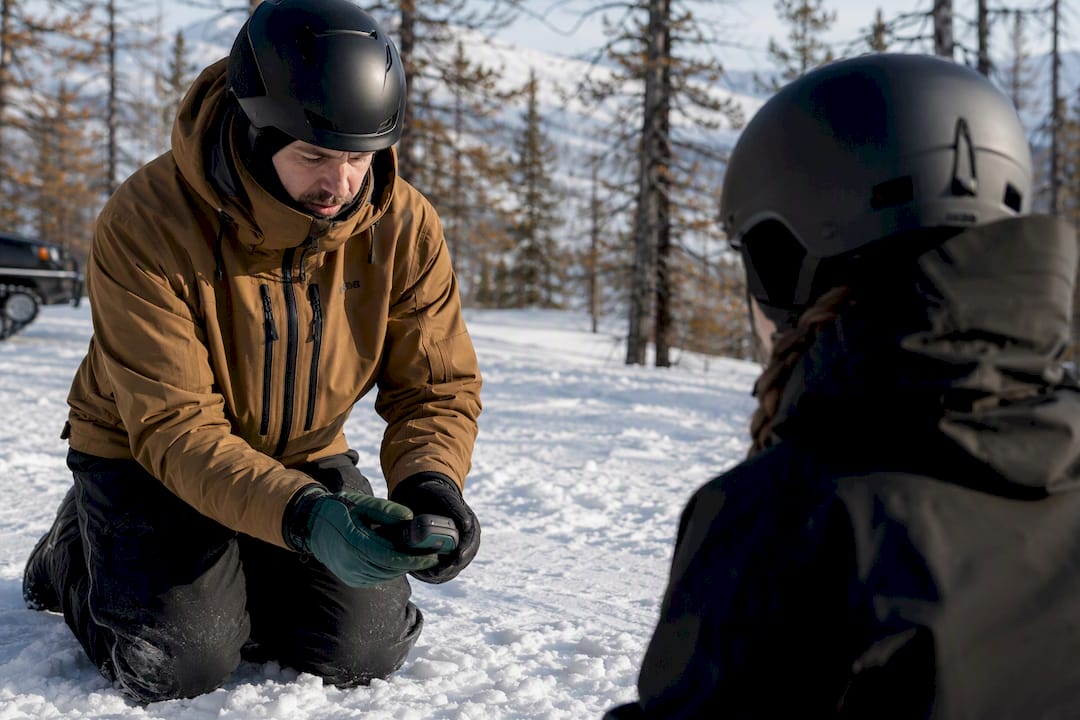
Learn what a snowcat safety briefing covers, including avalanche equipment, transceiver checks, the 20 cm/50 cm rule and cat-skiing preparation in Altai.
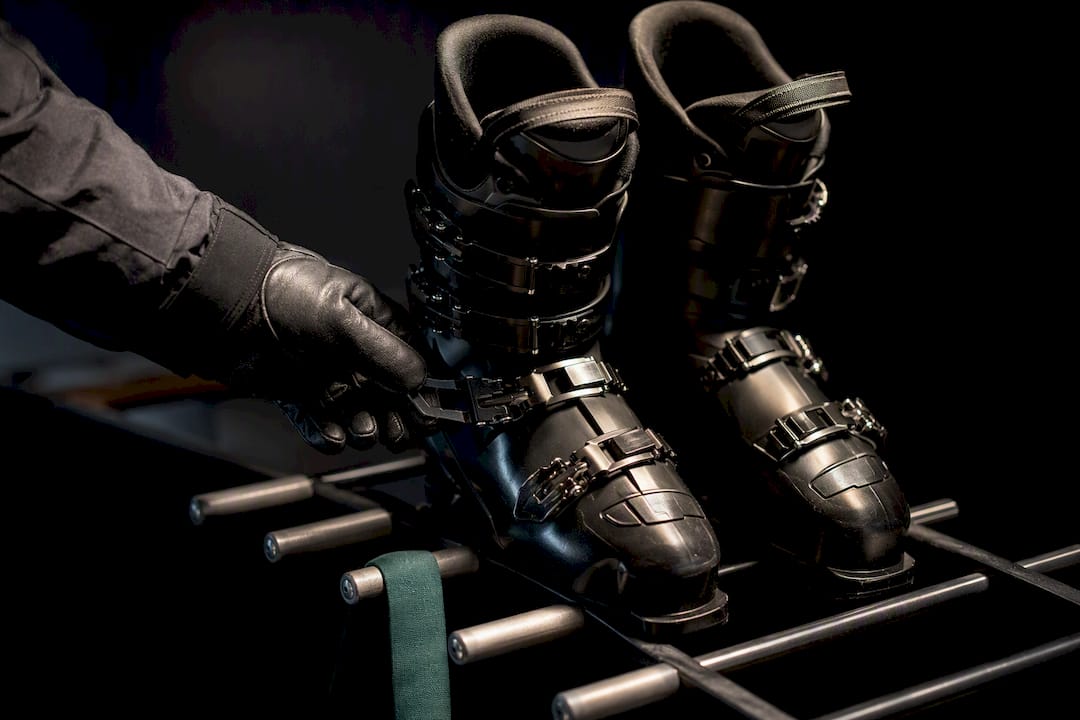
Practical ski locker etiquette for shared storage: keep equipment tidy, use boot dryers fairly and follow the rules in your drying room.
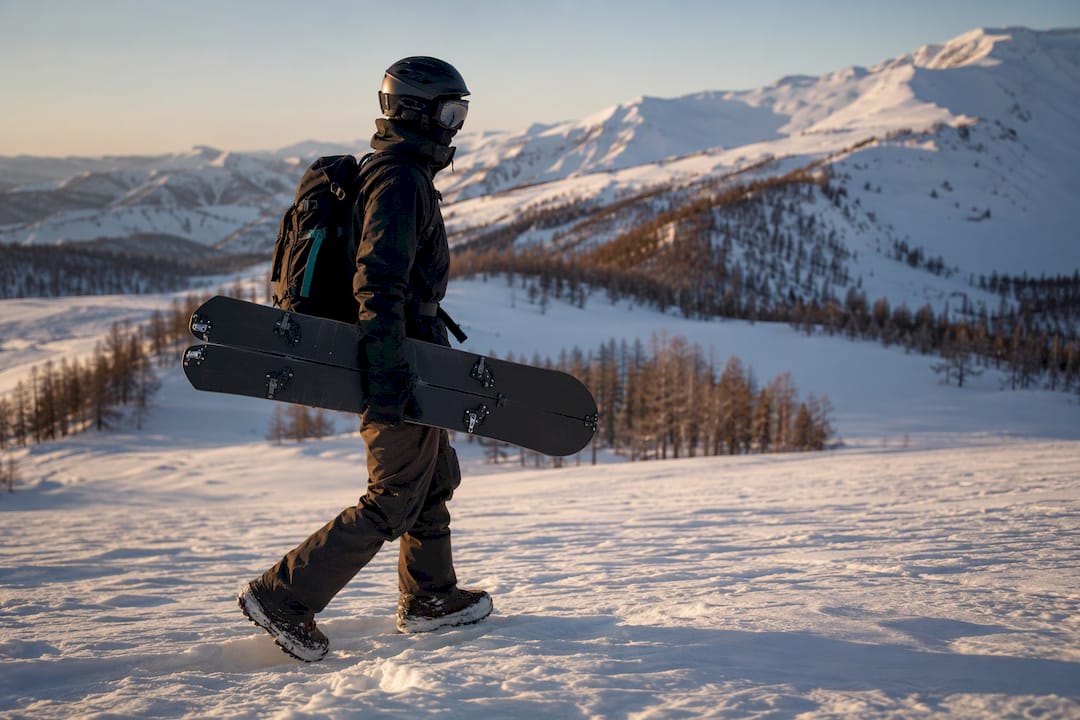
Plan a heli-accessed splitboard trip with practical guidance on formats, costs, rescue readiness, personal kit and Altai Mountains Resort options.
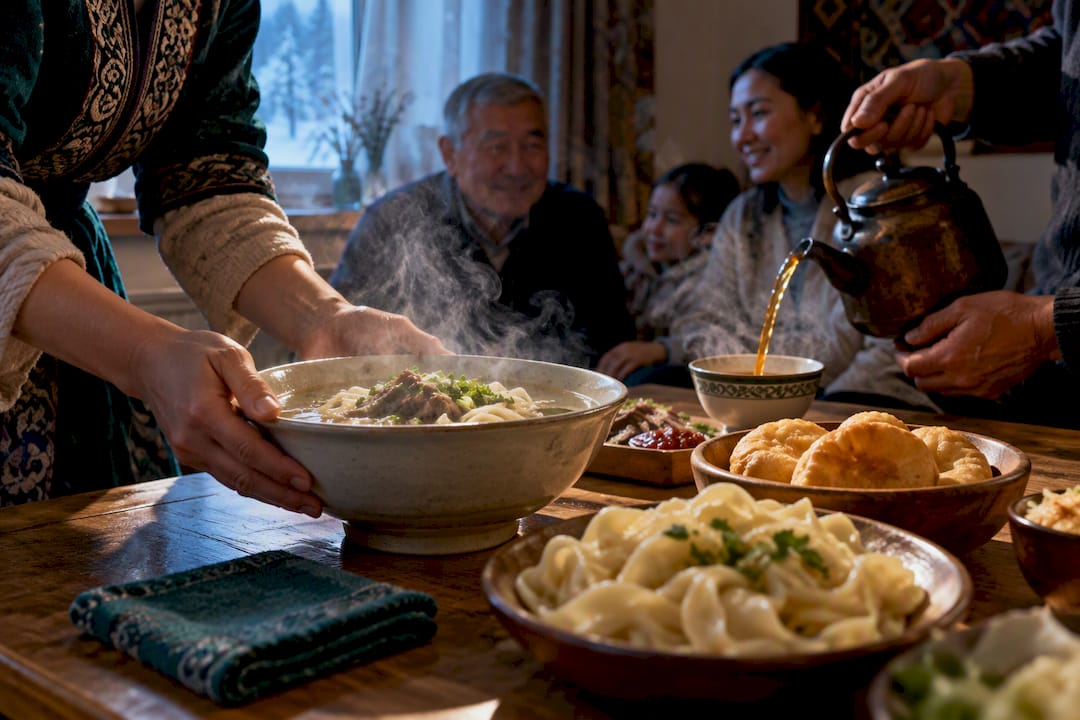
Explore Kazakhstan winter culture through holiday traditions, food, living heritage, regional rhythms and practical etiquette for visitors.
A practical luxury ski packing list for fitted essentials, lighter luggage and guided off-piste or heli-ski days at Altai Mountains Resort.

A practical heli-skiing safety guide for expert skiers, covering operator decisions, avalanche equipment, helicopter procedures, rescue planning and insurance.
Compare lift-assisted, touring and Western Altai ski options in Kazakhstan, with practical safety, travel and booking guidance.

Learn the heli-skiing skill level typically expected, the off-piste skills to practise, safety preparation and an adaptable 8–12-week training framework.

Plan the Kazakhstan skiing season with a practical comparison of Almaty and Ridder, month-by-month timing, mountain safety and trip planning.
Use this snowmobile layering guide to build a flexible base, insulation and shell system, manage moisture and pack dry spares for changing conditions.

Learn what to rent for avalanche terrain, how to prepare a beacon, probe and shovel, and what to know about airbag packs and flights.
Practical ski photography tips for beginners: camera settings, snow exposure, timing, cold-weather camera care and safe mountain positioning.

Learn how to read an avalanche forecast, interpret danger ratings, roses and avalanche problems, and plan more conservative terrain choices.
Practical cold injury prevention for winter travel: layering, dry spares, warning signs, first aid and planning for mountain activities.
Planning snowmobiling in Ridder? Understand how experience, training, equipment and Kazakhstan rules shape your trip with Altai Mountains Resort.
Travel with ski gear confidently: carry boots when cabin rules allow, pack skis securely, understand airline baggage rules and prepare for delays.
Build a practical backcountry radio communication plan with party radios, satellite SOS or PLB backup, cold-weather care and regional legal essentials.

Satellite messenger basics for remote Altai trips: compare PLBs and two-way devices, understand SOS limits, and prepare your communications plan.
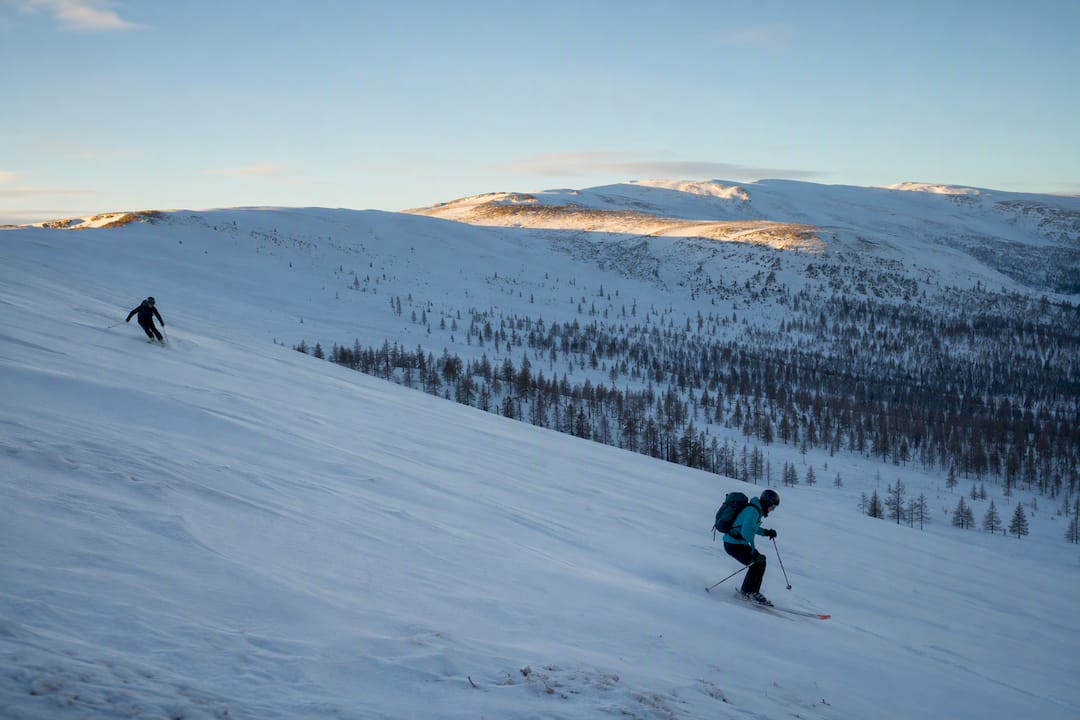
Avoid ski crowds with flexible dates, midweek skiing, early starts and smarter lift choices. Explore guided off-piste options near Ridder.

Learn how heli-skiing passenger weight and baggage rules differ by operator, with practical packing steps and Altai Mountains Resort booking guidance.
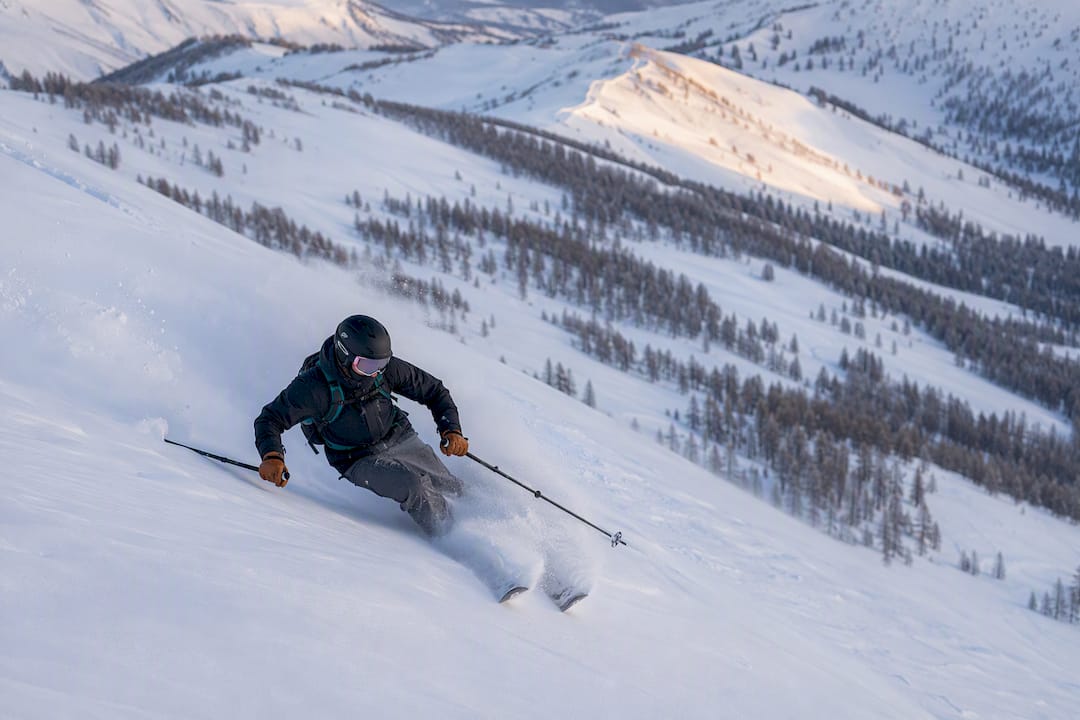
Understand the cat skiing skill level needed for Altai Mountains Resort, with practical guidance on off-piste ability, fitness and avalanche readiness.
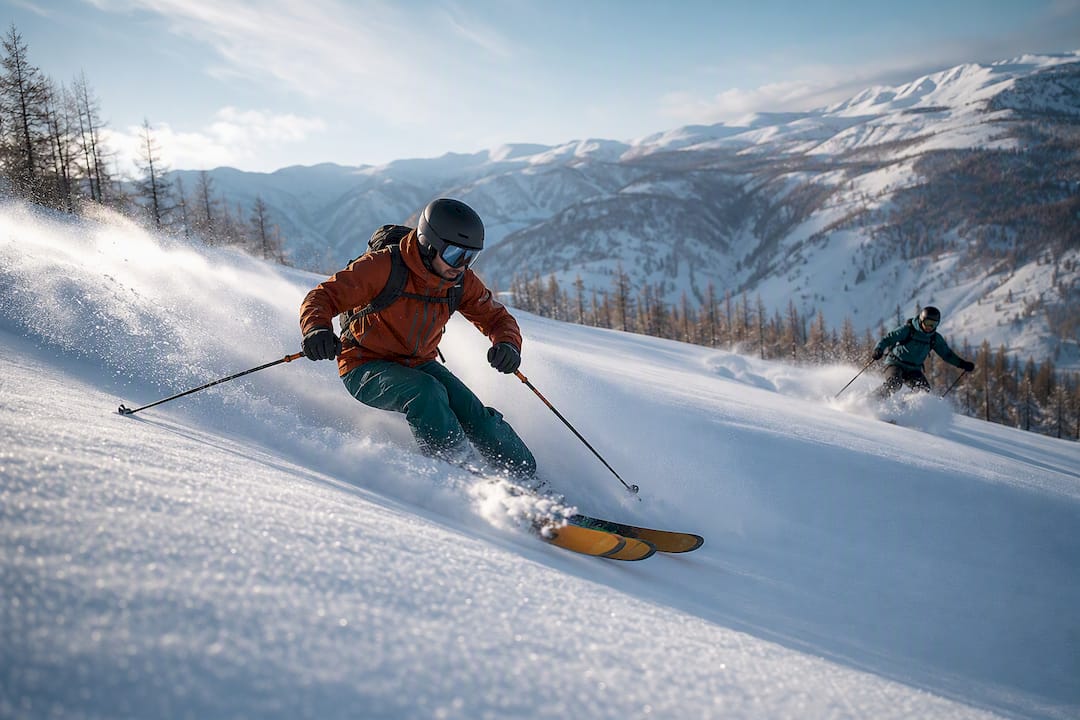
Decide whether Ridder suits your advanced Altai ski trip, with practical guidance on transfers, season timing, avalanche gear and guided programmes.
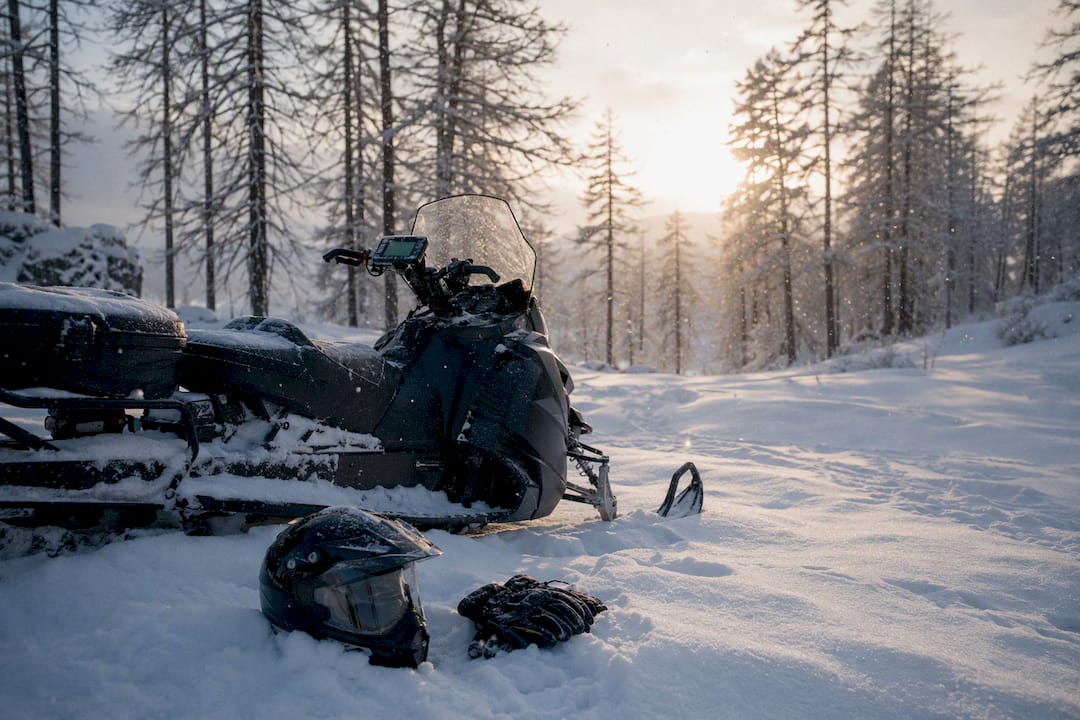
Compare snowmobile tour prices by duration, understand what shapes the final cost, and explore quote-based snowmobiling at Altai Mountains Resort.
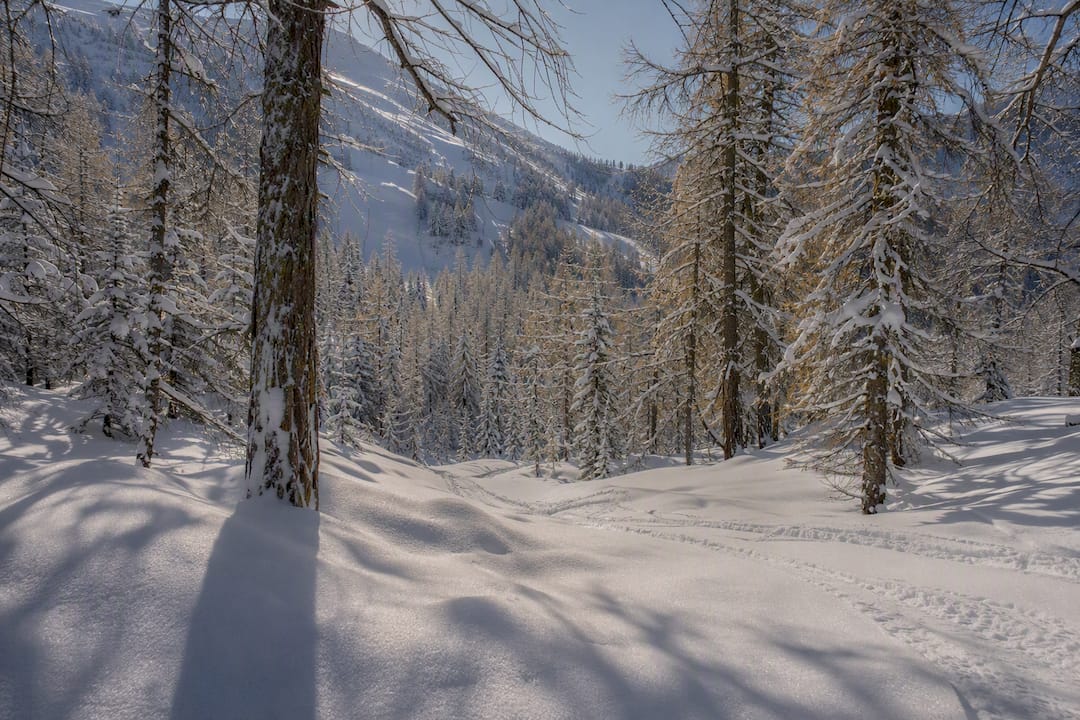
Compare Western Altai, Almaty and Turgen for Kazakhstan powder skiing, with practical guidance on access, safety and Ridder logistics.

Plan Altai heli skiing near Ridder with practical guidance on terrain, season, package inclusions, access, safety gear and booking.
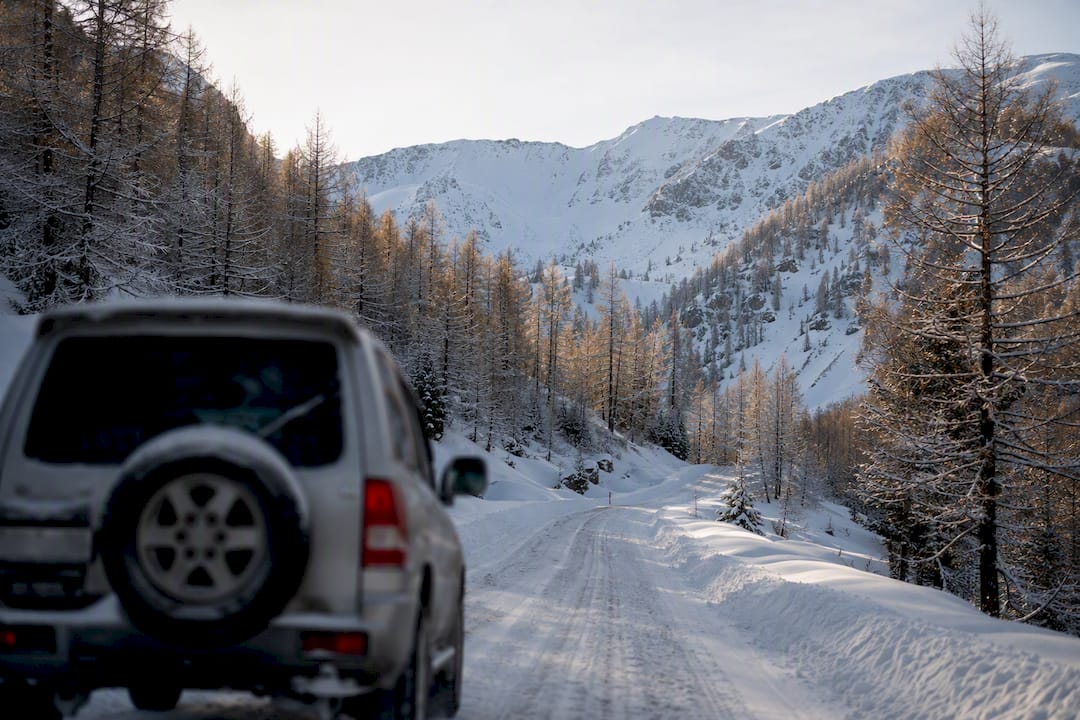
Compare flight, rail and self-drive routes from Almaty to the Kazakh Altai, with practical guidance for reaching Ridder and Ulba village.

Learn deep powder snowmobiling setup, riding technique, safe recovery and avalanche preparation, plus guided training near Ridder.
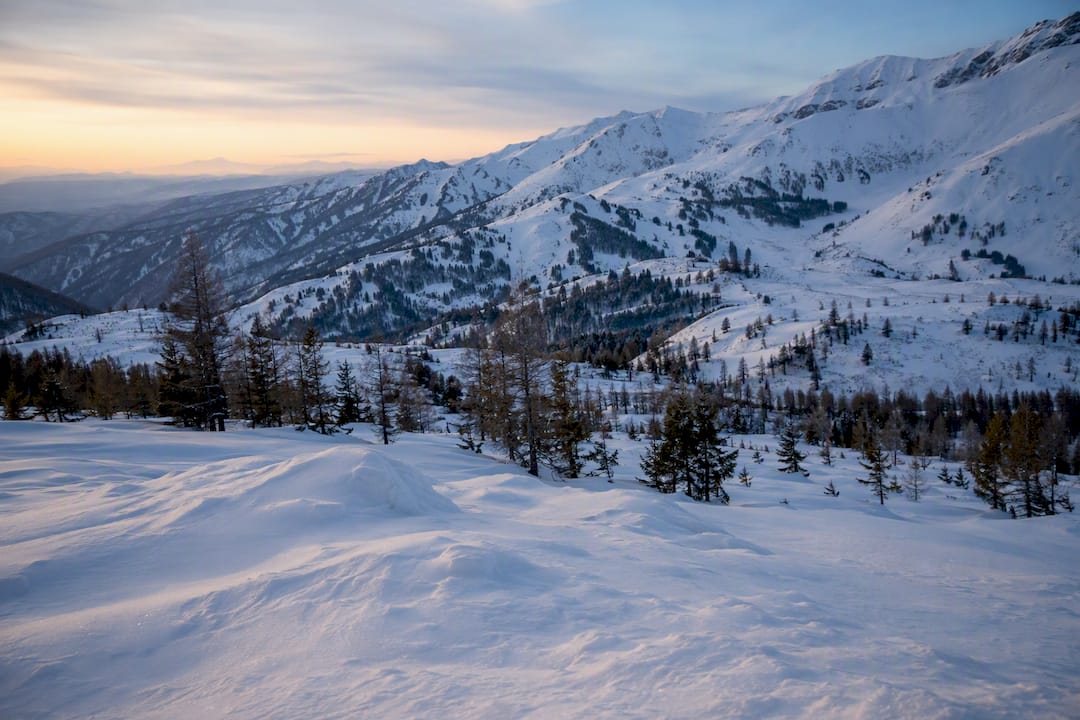
Plan an Altai Mountains winter stay from Ridder, with activity timing, travel from Öskemen, packing advice and practical mountain guidance.

Practical helicopter passenger safety guidance on boarding, seatbelts, exits, dropped items and following crew instructions.

Practical off-piste slope etiquette for safer skiing: right of way, avalanche preparation, group spacing, closures and guided skiing in the Western Altai.

Plan an Altai Mountains trip across Russian, Mongolian and Kazakh sectors, with permit, safety and winter-stay guidance for Ridder Lodge.
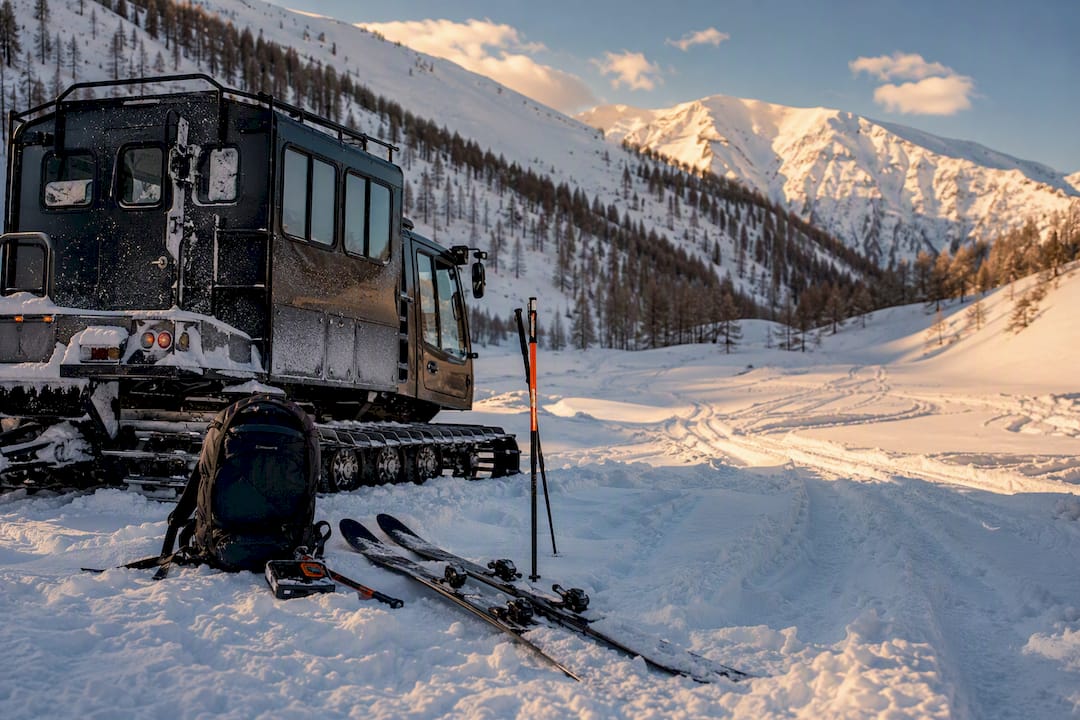
Learn how to plan guided freeride tours, from off-piste experience and avalanche gear to guide scope, changing mountain conditions and cat-skiing in the Altai.
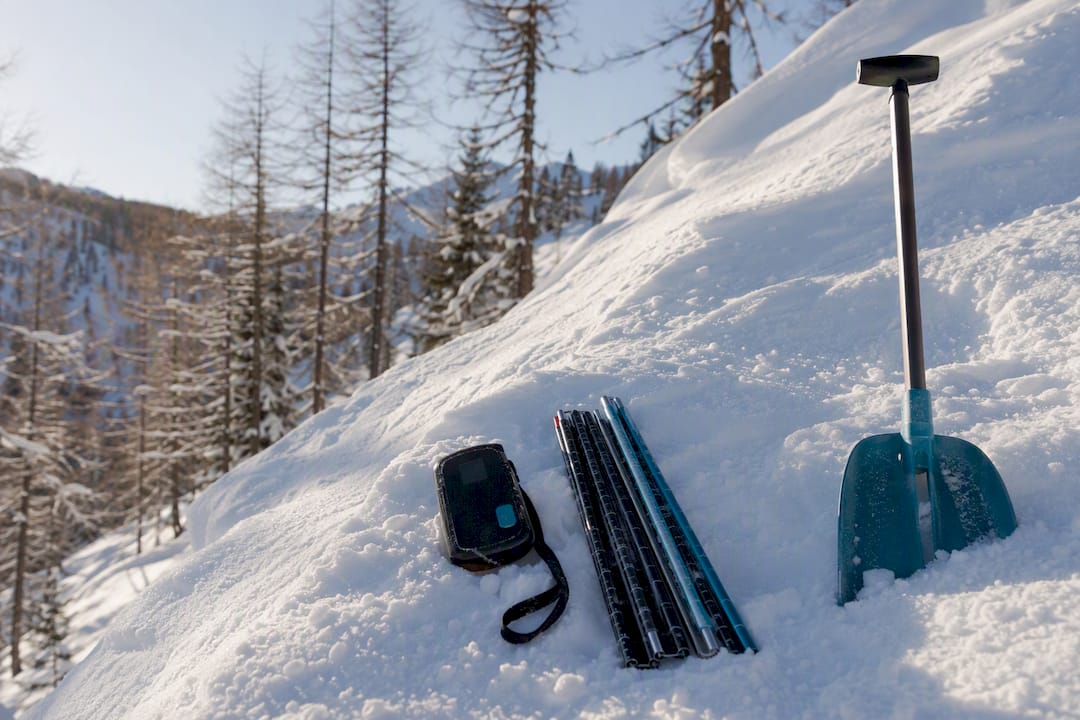
Learn avalanche beacon basics: 457 kHz transceivers, essential rescue gear, trailhead checks, interference and companion-rescue practice.

Learn which avalanche course suits your plans, what companion-rescue skills to practise and how to prepare for a winter trip to Altai.
Learn what cat skiing is, who it suits, what to pack and how to plan a guided cat-skiing trip, including options near Ridder, Kazakhstan.
A practical ski rental Kazakhstan guide to Shymbulak and Medeu, current tariffs, equipment fit, transport and guided freeride near Ridder.

Understand ski guide benefits for freeride and backcountry trips, including local planning, terrain choices, qualifications, safety gear and access options.

Plan a snowmobile expedition near Ridder, Kazakhstan, with practical guidance on routes, rider experience, equipment, mountain safety and transfers.
Use this mountain lodge amenities checklist to compare rooms, meals, wellness access, transfers, activities and paid extras before booking.
A practical Kazakhstan currency guide to the tenge, cards, ATMs, currency exchange, DCC and cash planning for cities and the Western Altai.
Plan the Kazakhstan ski season by month, compare lift-served Shymbulak with guided trips around Ridder, and prepare for changing snow and mountain conditions.
A practical guide to spa after skiing, including gentle massage, sauna and hammam, optional cold immersion and signs that need medical attention.
Plan a remote ski trip from the UK to Ridder, with practical guidance on activities, Kazakhstan entry, Öskemen transfers, insurance and ski baggage.
A practical heli skiing packing list covering clothing, avalanche equipment, ski baggage, batteries, travel documents and rental options.
A practical UK guide to ski boot fitting: appointment steps, services, current provider price examples, aftercare and warning signs.
Should you tip a ski guide? Learn how customs vary, when a gratuity may feel appropriate and how to plan for tipping in Kazakhstan.
An Altai cuisine guide to kan, kurut, chegen and talkan, with dining at Restaurant Altai, food safety and travel from Öskemen to Ridder.
Compare banya vs sauna: heat, steam, venik and löyly rituals, etiquette, health evidence, safety basics and the Altai Banya experience.
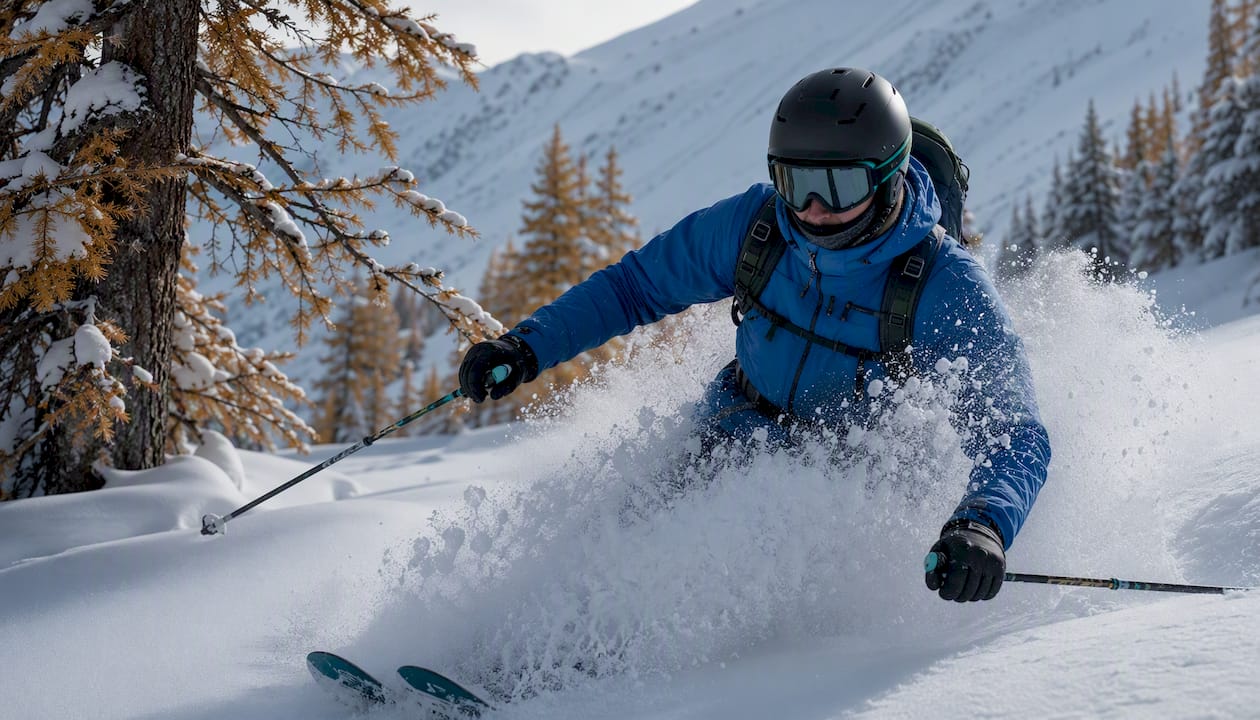
Learn how to ski deep powder with centred balance, smooth turns, speed control, practice steps, gear guidance, and avalanche and tree-well precautions.

Plan a mountain wellness retreat in Ridder with freeride, heli-skiing, snowmobiling, Ridder Lodge, Altai Banya and practical winter travel guidance.

A practical snowmobile gear list for UK travellers heading to Altai Mountains Resort, with clothing, safety equipment, battery and travel guidance.

Understand Ridder Lodge’s ski-in/snowmobile-out access, guided ski-day logistics, transfers from Öskemen and practical planning for your stay.
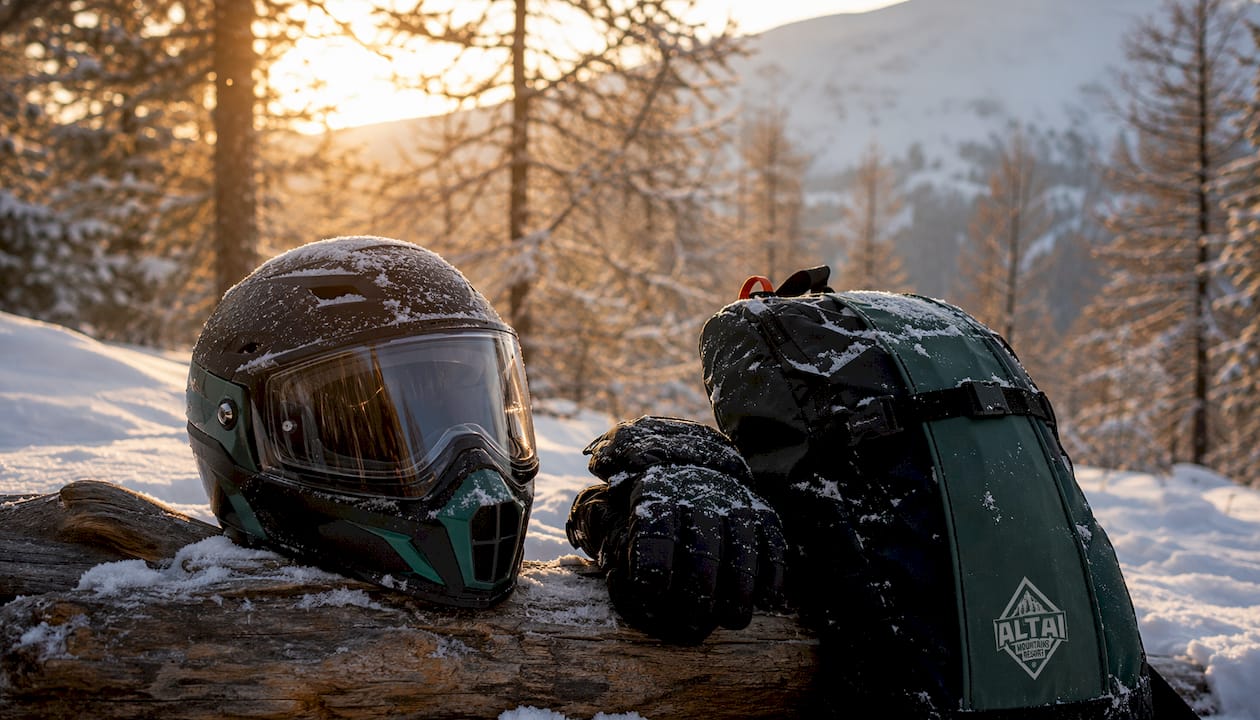
Prepare for a guided snowmobile ride with a practical gear checklist covering helmets, winter layers, avalanche equipment and cold exposure in Ridder.

A practical heli skiing guide to ability, avalanche equipment, packing, weather and planning your first trip to Kazakhstan.
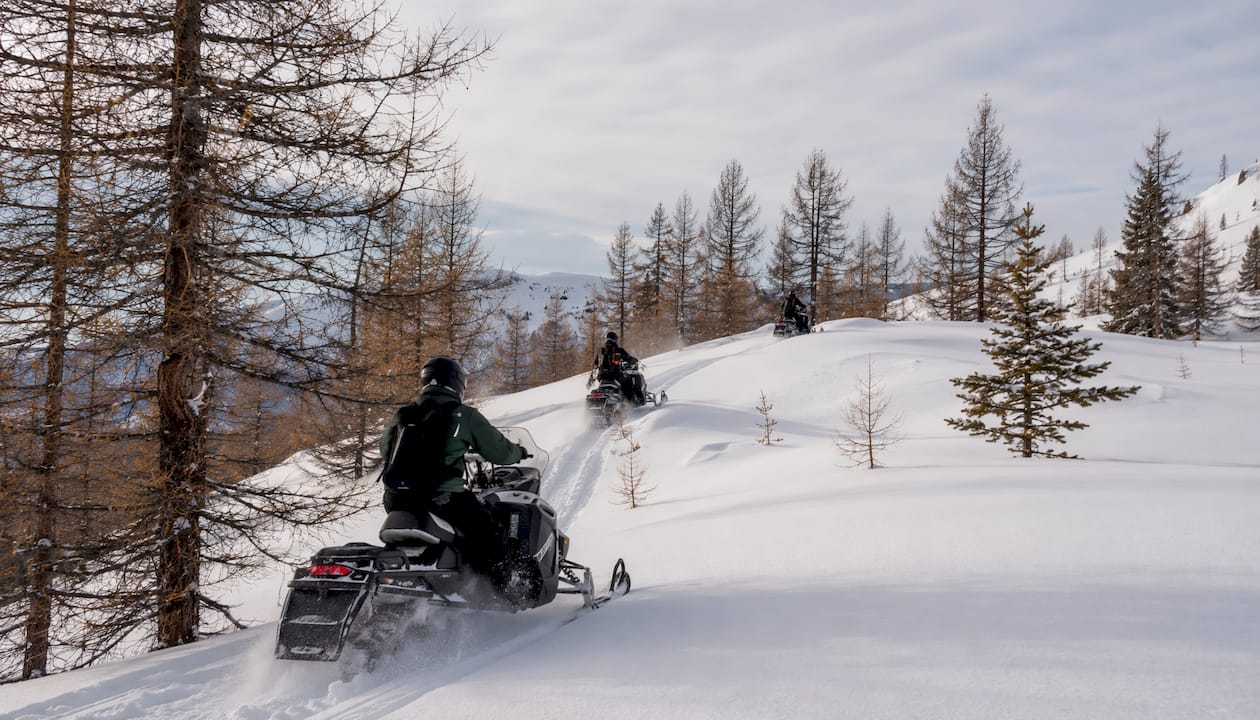
Plan guided deep snow snowmobiling in Ridder, with practical details on training, rentals, equipment, transfers and staying at Ridder Lodge.
How to choose Kazakhstan travel insurance for heli-skiing, cat-skiing or snowmobiling, including medical treatment and evacuation cover.
Kazakhstan visa requirements for UK visitors to Ridder, including visa-free limits, e-visas, passport rules, airports and Öskemen transfers.
Build strength, balance and endurance before cat-skiing, heli-skiing or snowmobiling with an adaptable six-to-eight-week ski fitness program.

Explore cold plunge benefits for skiers, from short-term soreness and recovery evidence to cold-shock risks, timing and Altai Banya options.

Understand heli skiing cost in 2026 with current operator examples, a total-budget checklist, and key booking, safety and insurance questions.