Choosing ski mittens vs. gloves? Compare warmth, dexterity, liners, fit and lobster mitts for piste skiing, powder days and touring.
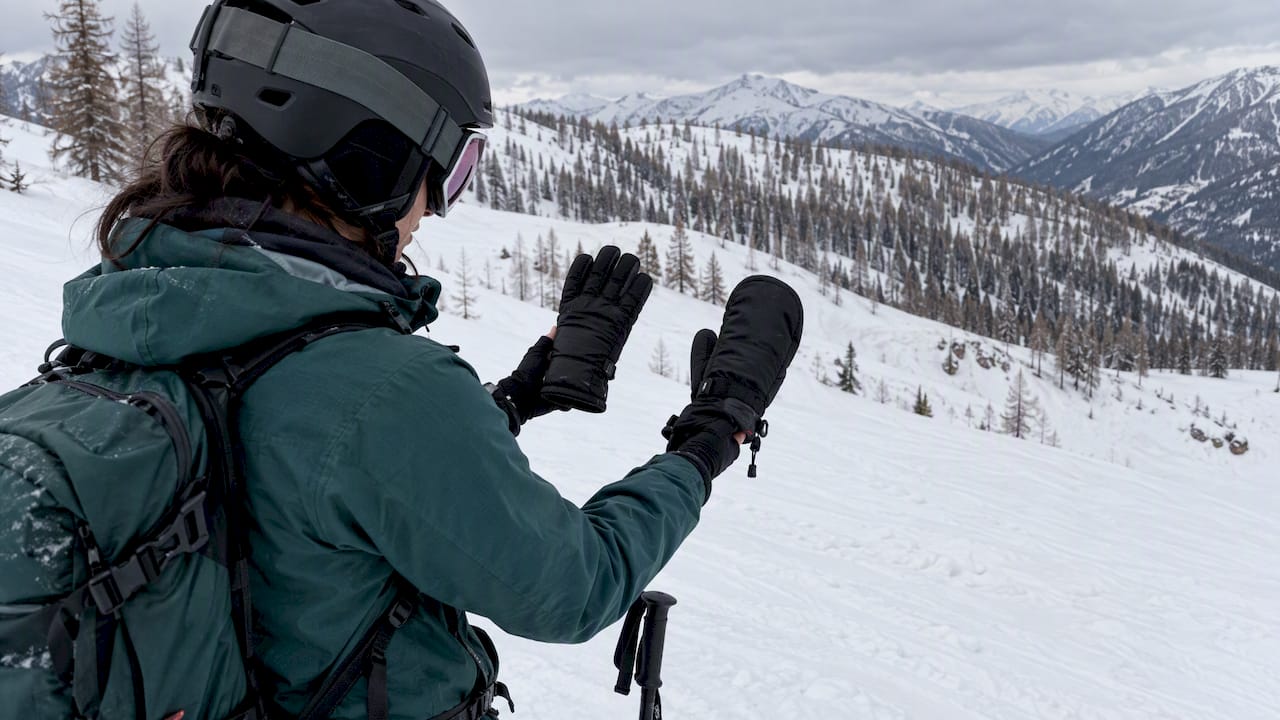
For most skiers, mittens are the warmth-first choice, while gloves put dexterity first. Mittens keep your fingers together in one shared space; gloves separate them for easier use of pole straps, zips, buckles and other small items. The right ski handwear depends on the temperature, how hard you expect to work and how often you will need to handle your gear.
A practical approach is to pack two options: insulated mittens for colder or slower days, plus gloves or split mitts for days with frequent adjustments. A thin liner adds useful flexibility to either system.
Ski mittens vs. gloves: the short answer
Choose | Best for | Main trade-off |
|---|---|---|
Mittens | Cold lift rides, lower-output skiing, waiting outdoors and warmth-focused days | Less control for buckles, phones and small zips |
Gloves | Piste skiing, pole straps, boot adjustments and regular gear handling | Usually less warmth than a comparable mitten |
Lobster mitts | Cold days when you still want more pole and buckle control | More dexterity than mittens, less than five-finger gloves |
Mittens are a sensible starting point if cold hands regularly shorten your ski day. Gloves suit skiers who value independent finger movement, particularly for resort laps, lessons, touring transitions and managing equipment. Neither style will feel effective if it is too tight, wet inside or poorly matched to the day.
Warmth and dexterity: what the evidence shows
The warmth advantage of mittens is straightforward: your fingers sit together rather than in separate compartments. This makes mittens a common choice when warmth is the priority, though insulation, fit, moisture and activity level all make a substantial difference.
Cold exposure also affects fine hand movements. In a small pilot study of six men using protective work gloves at +5°C and −1°C, manual-task performance declined after approximately 45 minutes. This climatic-chamber study was not conducted on skis and did not test mittens. Its lesson for skiers is modest but useful: even five-finger gloves do not preserve dexterity indefinitely in the cold.
Compression matters too. A laboratory study using a thermal hand model found that simulated contact pressure reduced insulation in tested cold-protective gloves and mitts. The largest reduction, 30.46%, occurred in one mitt under metal contact at −10°C. It does not measure ski-pole use, but it is a useful reminder that warmth on the mountain is shaped by fit and contact as well as insulation.
Which handwear suits piste, powder, and touring?
Piste skiing and everyday resort days
Gloves are often the easy choice for days with frequent lift passes, pole straps, pockets, helmet clips and boot buckles. In colder weather, a well-insulated glove with a liner can add warmth without giving up the convenience of separate fingers.
Cold powder days and slower-paced skiing
Mittens suit days when warmth matters more than fine handwork. They are particularly practical for cold starts, chairlift rides and time spent waiting for a group. Keep a liner underneath if you expect to remove an outer mitten for a quick adjustment.
Touring, transitions and technical tasks
Gloves or lobster mitts usually make more sense when skins, bindings, zips and repeated transitions are part of the plan. A lobster mitt groups fingers into two sections, offering more warmth than a conventional glove while retaining more control than a full mitten.
For a mixed day, a simple system works well: wear gloves or lobster mitts while actively handling equipment, then carry a warmer over-mitt or mitten for pauses and colder periods.
Liners, insulation, waterproofing, and heated options
A liner glove is one of the most useful additions to a ski kit. It gives you a light layer while you deal with a zip, map or phone, so bare skin is not exposed each time the outer layer comes off. It also makes it easier to adapt as the day changes.
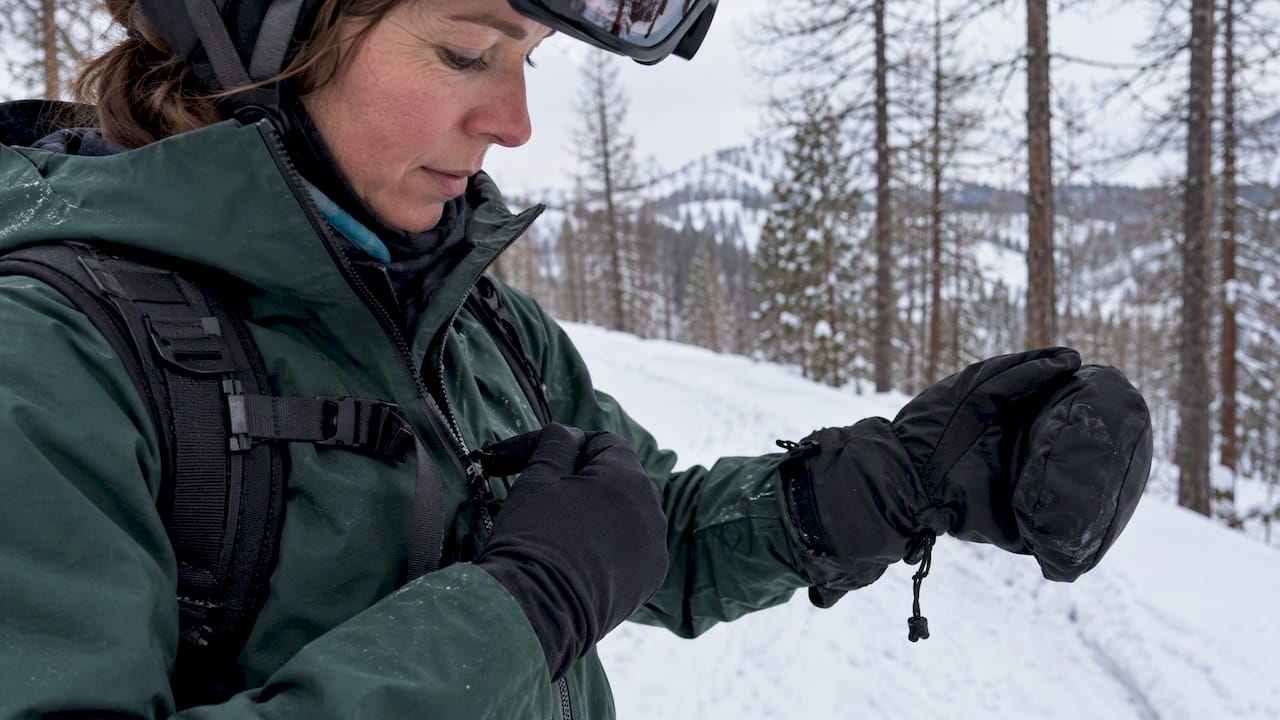
Shell: Choose an outer material suited to snow and regular wear. A longer gauntlet cuff fits over a jacket sleeve and helps keep snow out after a fall; an under-cuff glove sits neatly beneath a close-fitting sleeve.
Insulation: Compare insulation details, intended use and care guidance rather than relying on one material alone. In damp or variable conditions, consider how the complete glove or mitten manages moisture.
Palms: Reinforced palms are worth considering for regular pole use and for carrying skis or boards.
Heated handwear: Battery-powered gloves and mittens are an option for some skiers, but battery performance and warmth vary with the product, fit and conditions. Follow the manufacturer’s instructions for charging, use and care.
Dry handwear fully between ski days. For leather palms and water-repellent shells, follow the manufacturer’s care instructions rather than applying direct heat or unsuitable treatments.
How to choose the right fit
Fit has as much influence on comfort as the choice between mittens and gloves. Your handwear should feel secure without pinching fingers, restricting circulation or making a pole grip uncomfortable.
Try the outer layer with the liner you intend to wear.
Make a fist and hold a ski pole as you would on the hill.
Operate a jacket zip and a boot buckle before buying.
Make sure your fingertips do not press firmly into the ends of gloves or mittens.
Choose a cuff that works with your jacket rather than leaving a gap at the wrist.
After a wet day, bring handwear inside your jacket or lodge and allow it to dry naturally. If your fingers become persistently numb, painful or unusually pale, stop exposing them to the cold and warm them gradually.
Lobster mitts and other hybrid options
Lobster mitts, also called split mitts, place the index finger separately while grouping the remaining fingers together, or divide the hand into two finger sections. This gives you more control than a standard mitten for poles and fastening systems while retaining some of the shared-finger warmth that makes mittens appealing.
They are a useful middle ground if gloves feel too cold and full mittens feel too limiting. Try them with your poles and jacket before committing, as seam placement and the shape of the finger sections vary considerably between models.
Packing handwear for Altai Mountains Resort
Winter days in the Western Altai call for a flexible handwear plan. For a stay at Altai Mountains Resort in Ridder, pack a primary pair, a warmer backup pair or over-mitt, and liner gloves if you expect to take your outer handwear off for equipment adjustments.
Our deep-snow activities and selected equipment rental may suit different plans; explore the available options in our deep-snow activity information. Ridder Lodge provides your base for a winter stay, and you can find practical details on the Ridder Lodge page. Activity arrangements, equipment and availability vary by date and conditions, so let us know about your handwear needs when you enquire through our booking page.
FAQ
Are ski mittens warmer than ski gloves?
Often, yes. Mittens keep your fingers together, which generally favours warmth. However, a well-fitted insulated glove may be the more practical choice if you need to use poles, buckles and zips frequently.
Should I wear liners under ski mittens?
A thin liner is useful under ski mittens because it gives you a light layer for short tasks when the outer mitten comes off. It should fit smoothly and not make the outer mitten tight.
What are lobster mitts?
Lobster mitts are hybrid handwear with fingers grouped into sections rather than placed individually as in a glove or all together as in a mitten. They offer a compromise between warmth and dexterity.
Are heated ski gloves worth it?
They can be worthwhile for skiers who consistently struggle with cold hands, provided the fit, battery system and intended conditions suit their needs. Follow the product instructions and do not treat battery-powered heat as a substitute for dry, properly fitted handwear.
Should I choose gloves or mittens for skiing?
Choose mittens for a warmth-first setup, gloves for regular fine-motor tasks, and lobster mitts if you want a middle ground. A thin liner and a spare dry pair can make the biggest difference over a full ski day.
All Articles
Choosing ski mittens vs. gloves? Compare warmth, dexterity, liners, fit and lobster mitts for piste skiing, powder days and touring.
Choose an insulated or shell ski jacket for resort, touring, cat and heli days, with practical guidance on 2.5L, 3L and layering.

Compare neck gaiters and balaclavas for cold-weather activities, with practical guidance on coverage, ventilation, helmet fit, moisture management and winter packing.
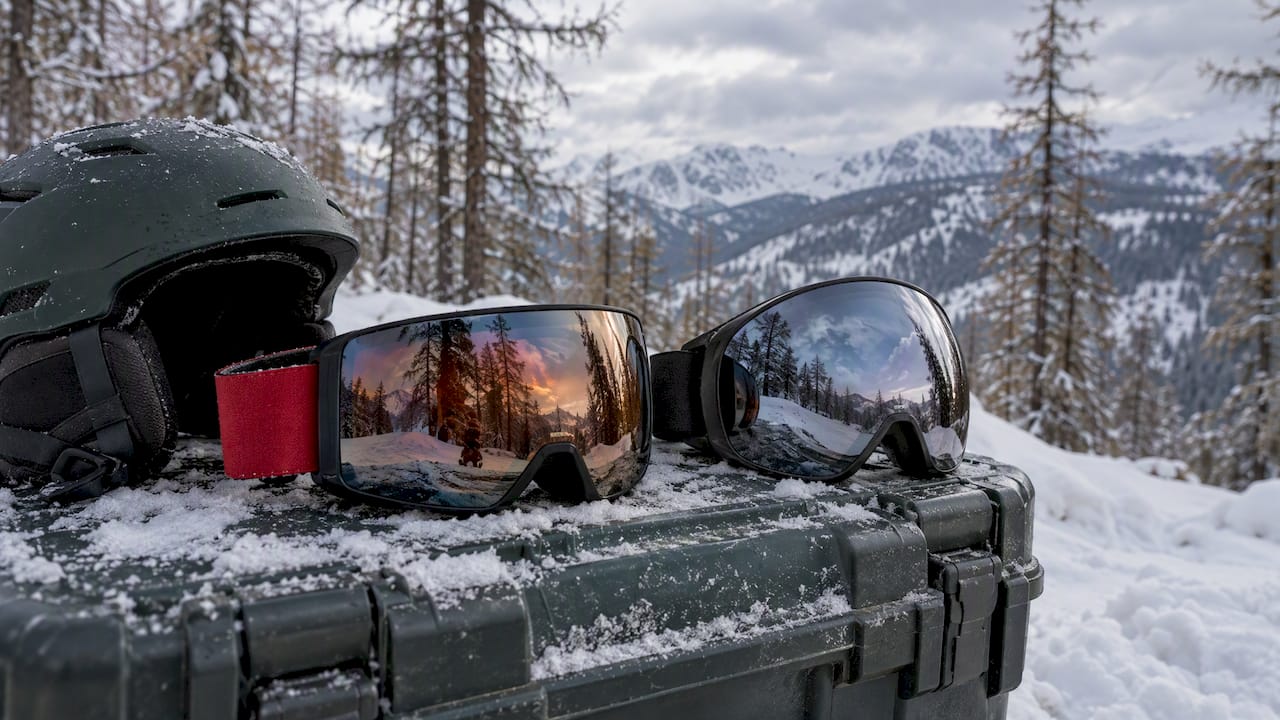
Choose between cylindrical, spherical and toric ski goggles, with practical guidance on tint, anti-fog performance, helmet fit and packing for Altai winter trips.
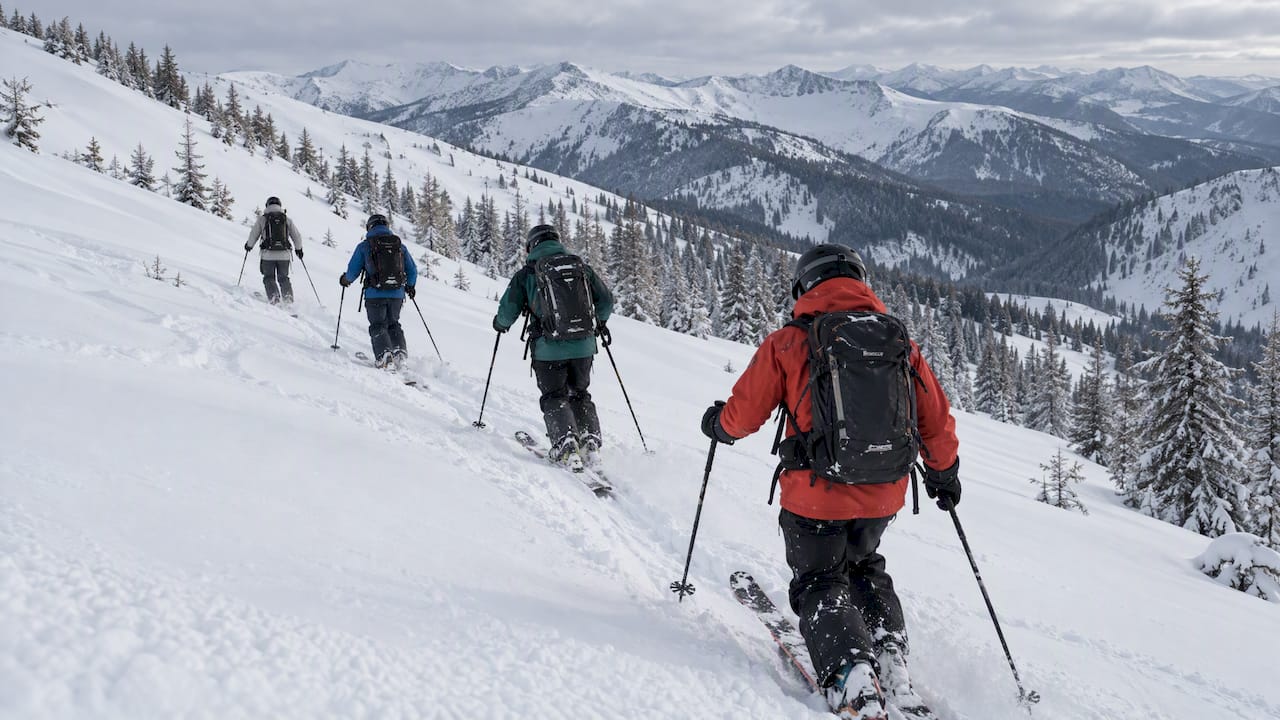
A practical cat-skiing safety checklist for first-timers, covering avalanche gear, companion-rescue practice, ability preparation and guided mountain days.
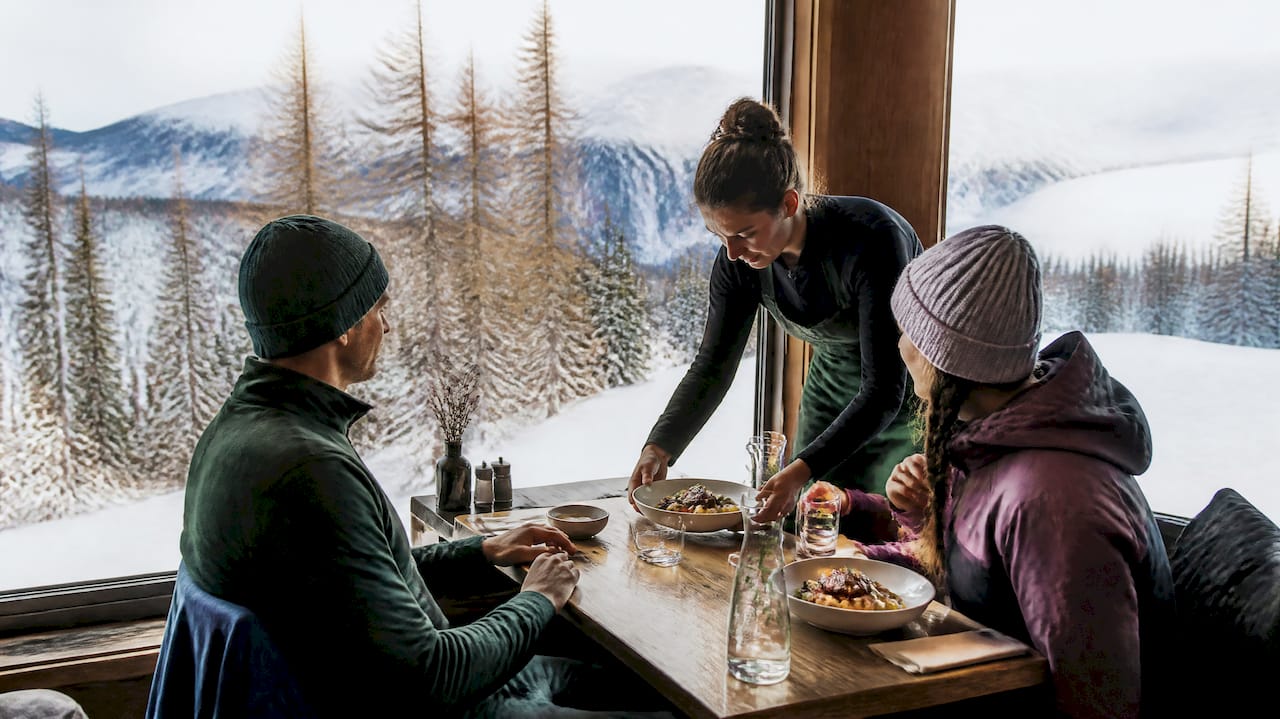
Plan on-mountain dining with four practical considerations: access, reservations, menus and dietary needs, plus weather and mountain safety preparation.

A practical Siberian cuisine guide to Restaurant Altai, East Kazakhstan dishes, dietary requests and Ridder Lodge accommodation rates.
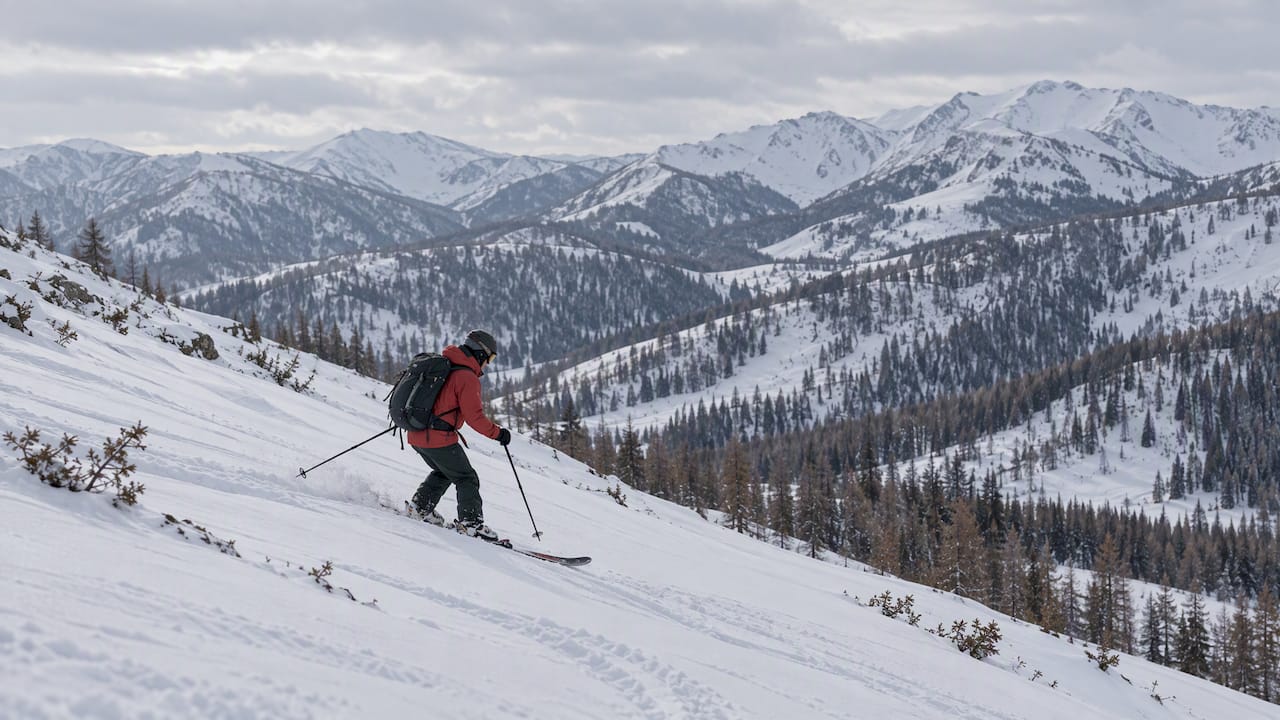
Explore heli-skiing’s environmental impact, including helicopter emissions, wildlife considerations, aviation effects and practical planning questions.
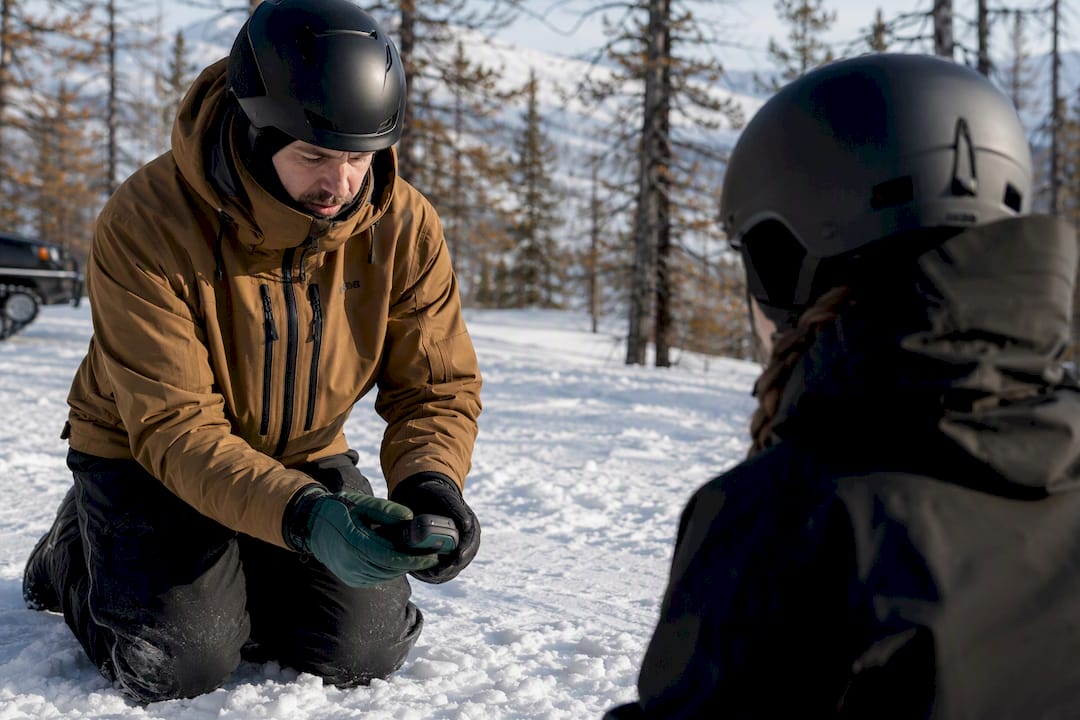
Learn what a snowcat safety briefing covers, including avalanche equipment, transceiver checks, the 20 cm/50 cm rule and cat-skiing preparation in Altai.
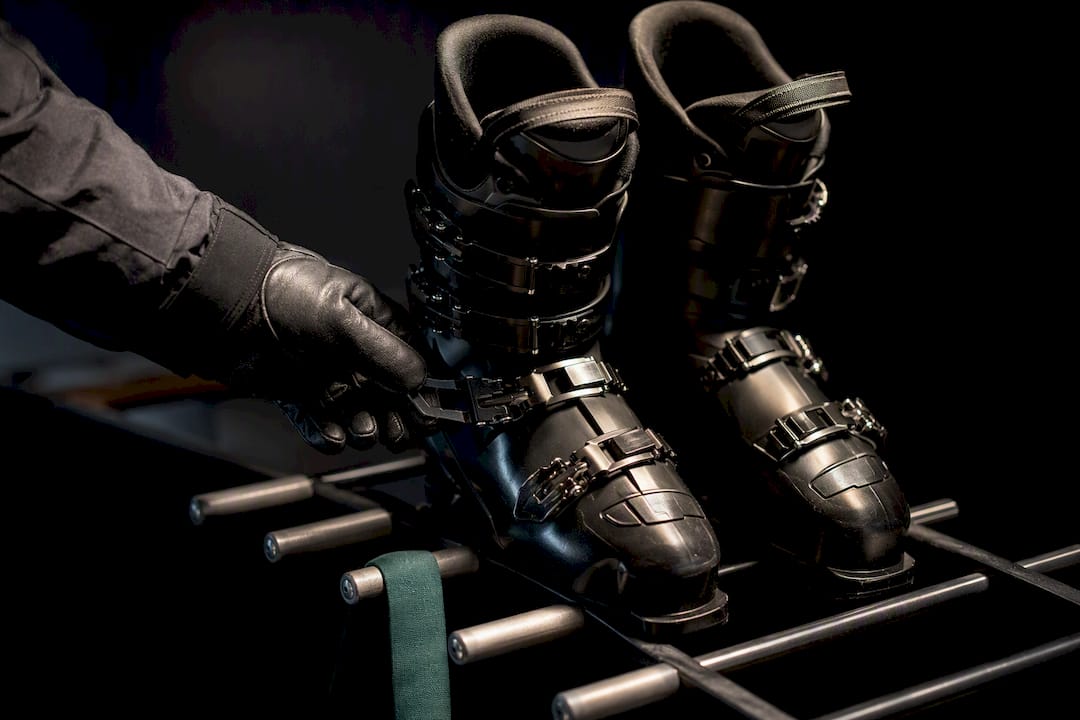
Practical ski locker etiquette for shared storage: keep equipment tidy, use boot dryers fairly and follow the rules in your drying room.
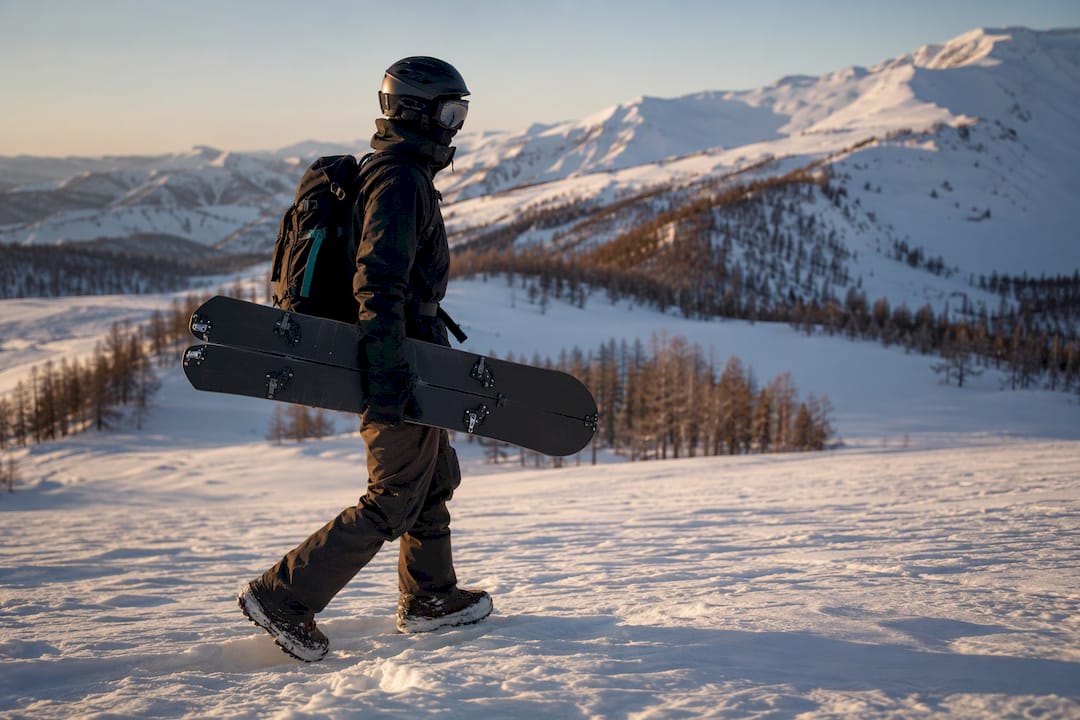
Plan a heli-accessed splitboard trip with practical guidance on formats, costs, rescue readiness, personal kit and Altai Mountains Resort options.
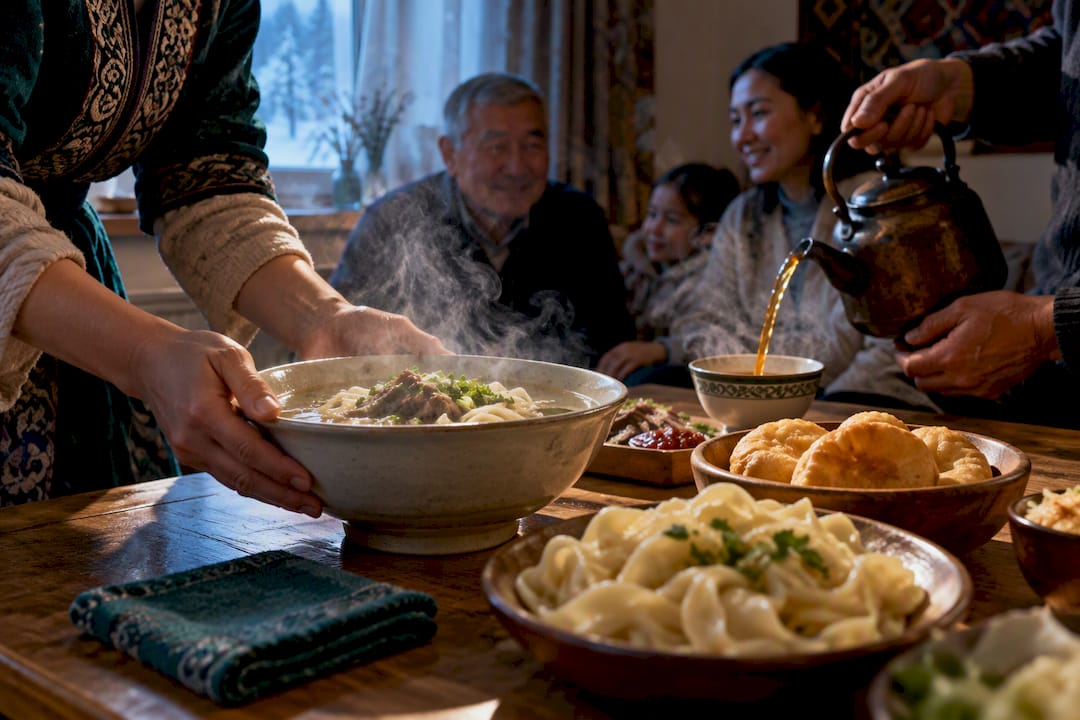
Explore Kazakhstan winter culture through holiday traditions, food, living heritage, regional rhythms and practical etiquette for visitors.
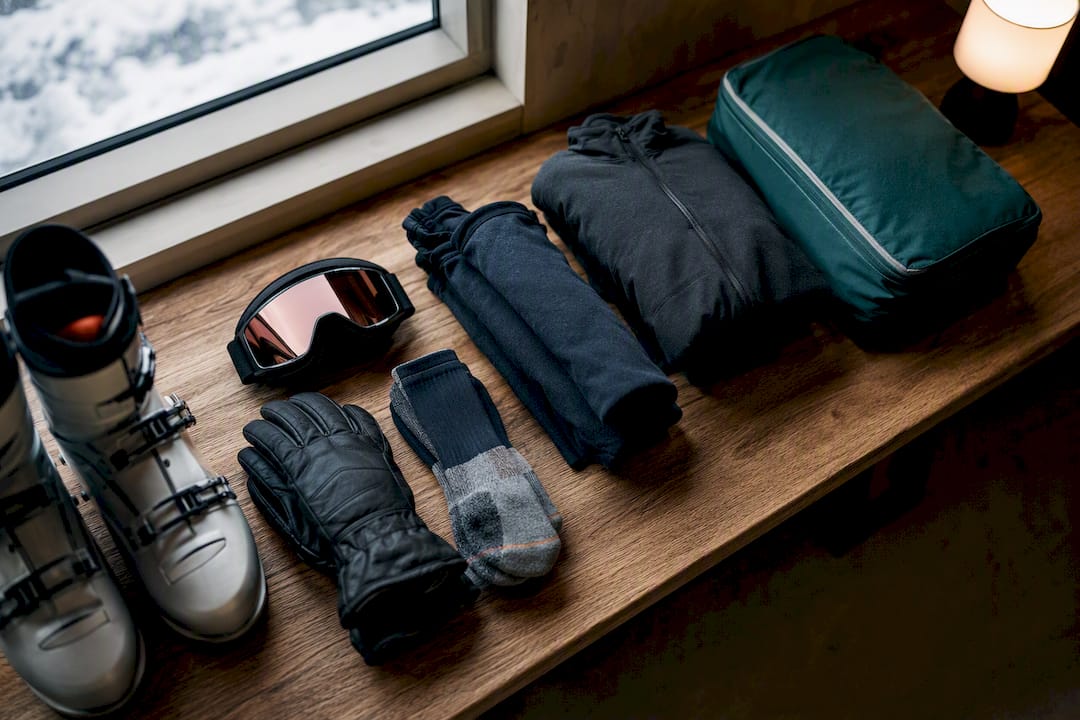
A practical luxury ski packing list for fitted essentials, lighter luggage and guided off-piste or heli-ski days at Altai Mountains Resort.

A practical heli-skiing safety guide for expert skiers, covering operator decisions, avalanche equipment, helicopter procedures, rescue planning and insurance.
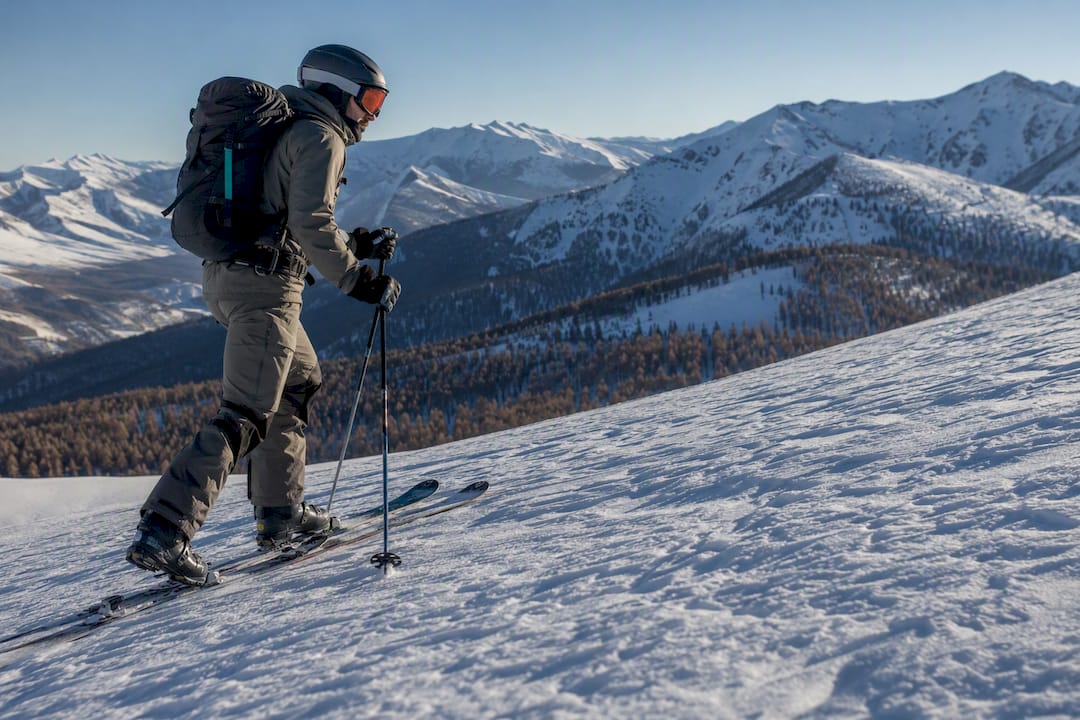
Compare lift-assisted, touring and Western Altai ski options in Kazakhstan, with practical safety, travel and booking guidance.

Learn the heli-skiing skill level typically expected, the off-piste skills to practise, safety preparation and an adaptable 8–12-week training framework.

Plan the Kazakhstan skiing season with a practical comparison of Almaty and Ridder, month-by-month timing, mountain safety and trip planning.
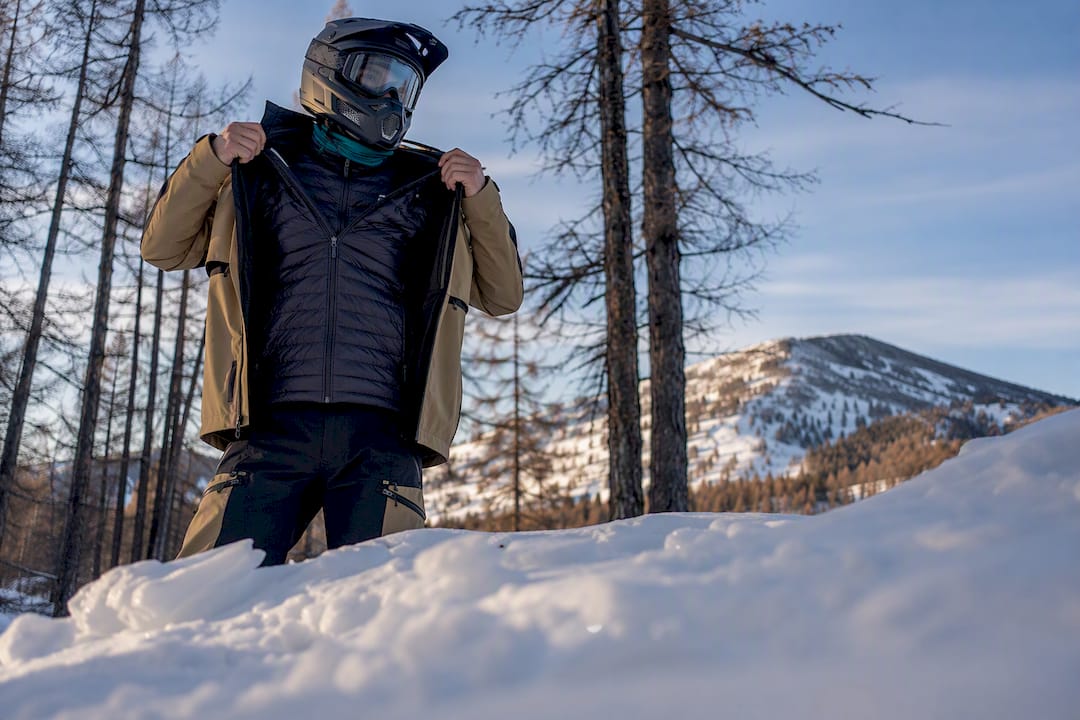
Use this snowmobile layering guide to build a flexible base, insulation and shell system, manage moisture and pack dry spares for changing conditions.

Learn what to rent for avalanche terrain, how to prepare a beacon, probe and shovel, and what to know about airbag packs and flights.
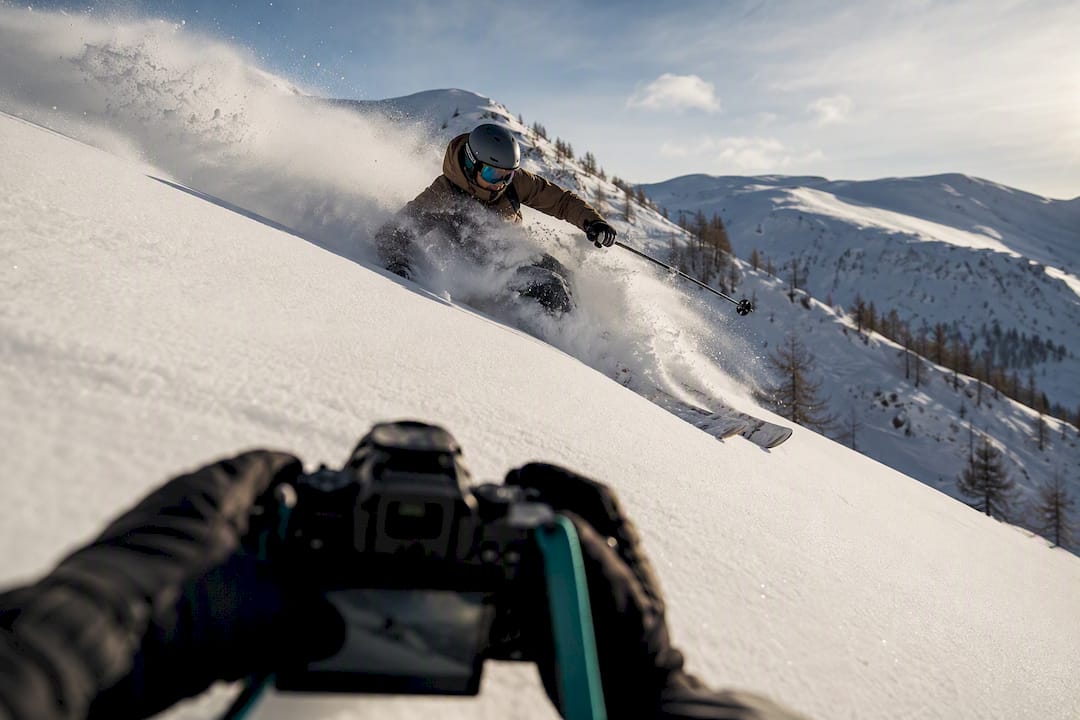
Practical ski photography tips for beginners: camera settings, snow exposure, timing, cold-weather camera care and safe mountain positioning.

Learn how to read an avalanche forecast, interpret danger ratings, roses and avalanche problems, and plan more conservative terrain choices.
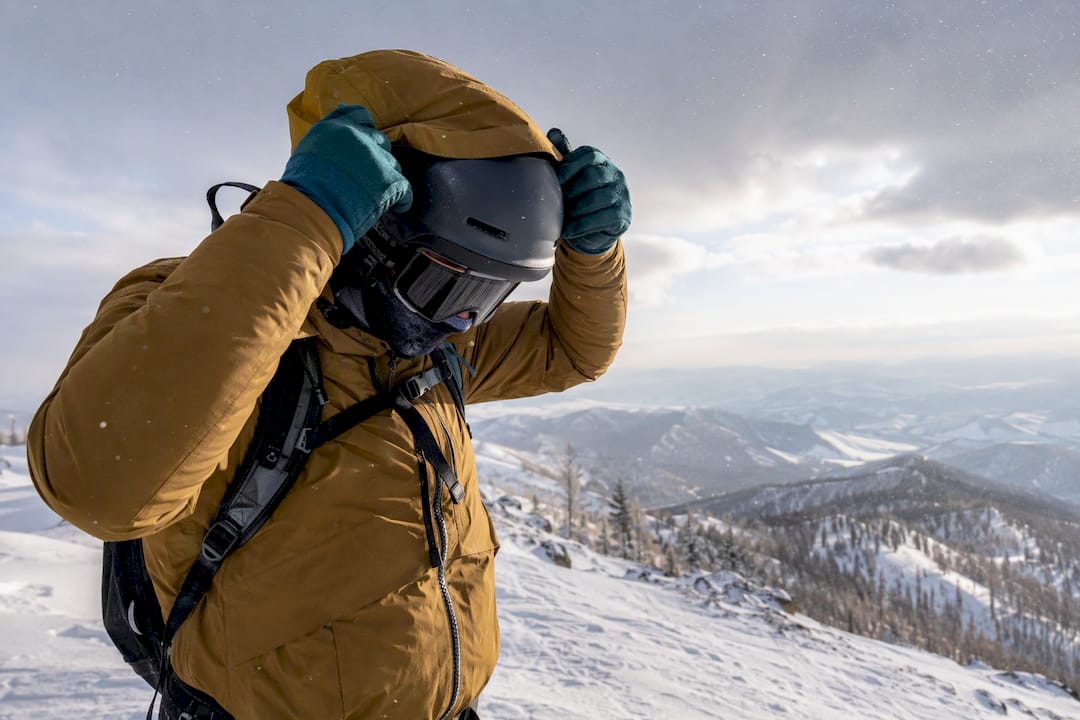
Practical cold injury prevention for winter travel: layering, dry spares, warning signs, first aid and planning for mountain activities.
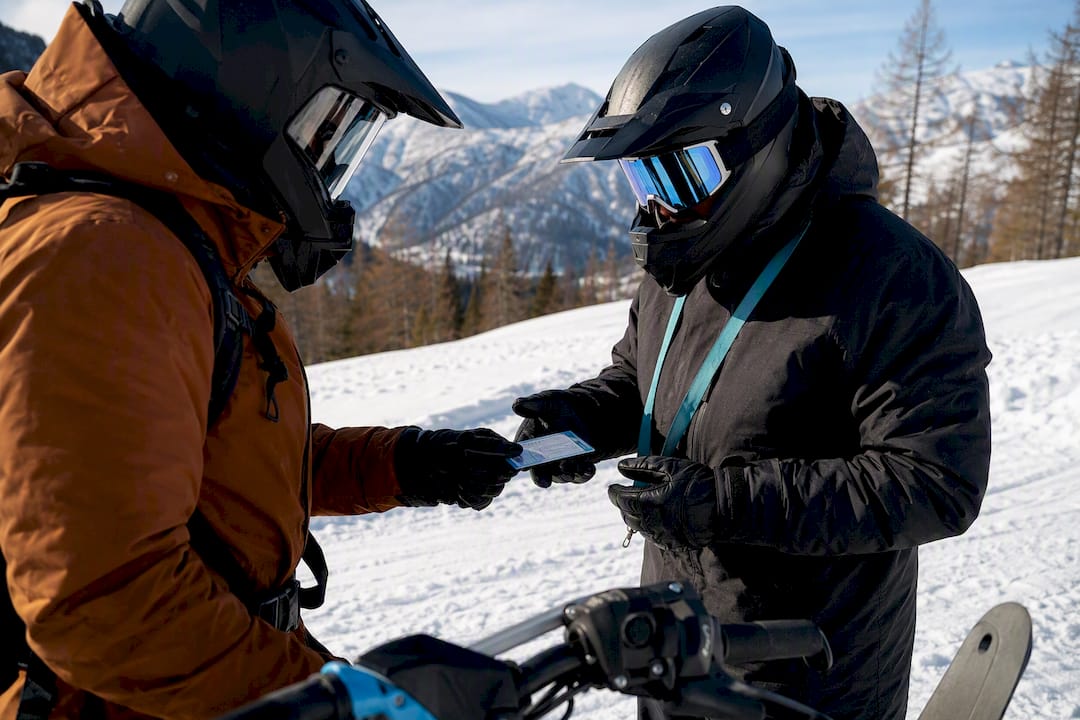
Planning snowmobiling in Ridder? Understand how experience, training, equipment and Kazakhstan rules shape your trip with Altai Mountains Resort.
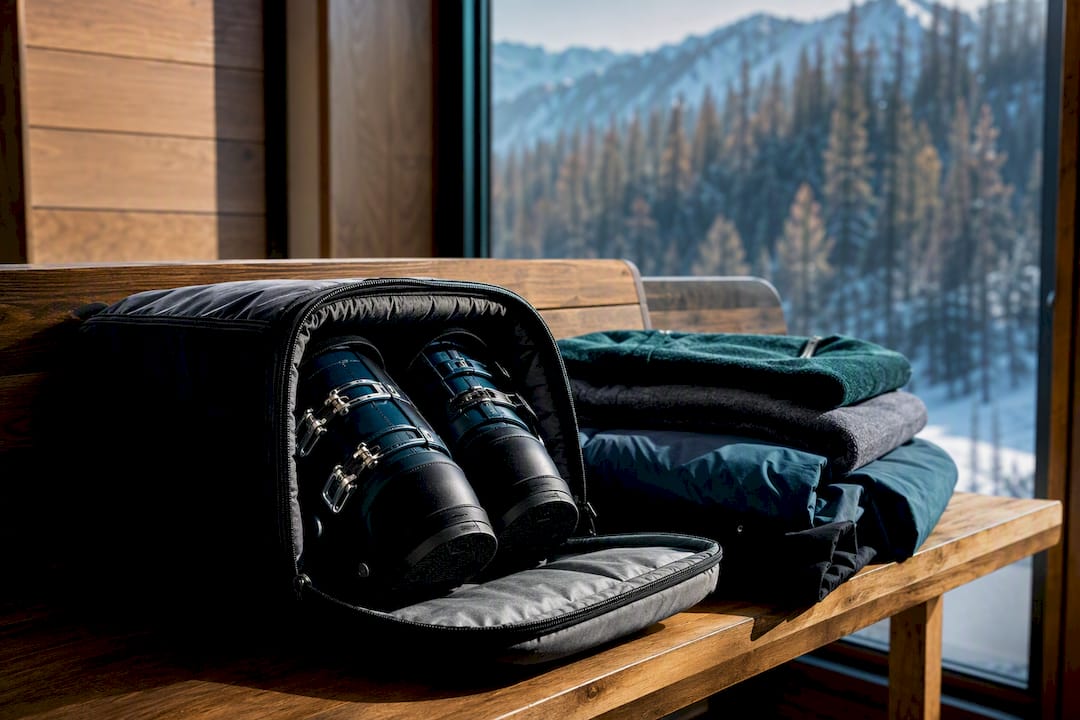
Travel with ski gear confidently: carry boots when cabin rules allow, pack skis securely, understand airline baggage rules and prepare for delays.
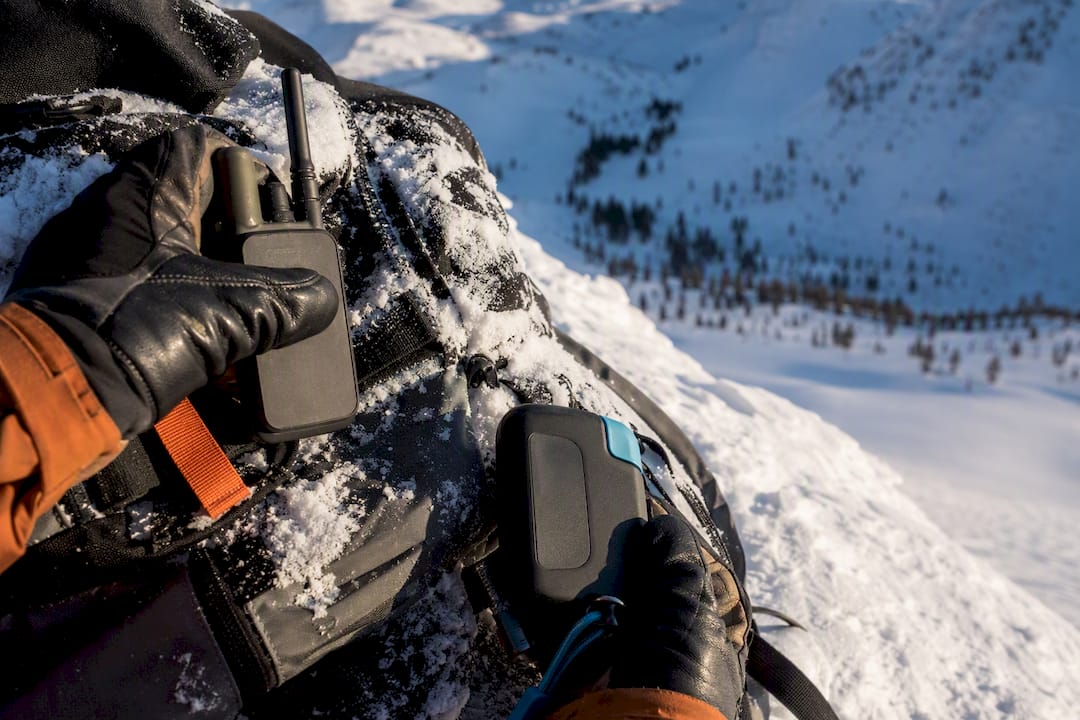
Build a practical backcountry radio communication plan with party radios, satellite SOS or PLB backup, cold-weather care and regional legal essentials.

Satellite messenger basics for remote Altai trips: compare PLBs and two-way devices, understand SOS limits, and prepare your communications plan.
Avoid ski crowds with flexible dates, midweek skiing, early starts and smarter lift choices. Explore guided off-piste options near Ridder.

Learn how heli-skiing passenger weight and baggage rules differ by operator, with practical packing steps and Altai Mountains Resort booking guidance.
Understand the cat skiing skill level needed for Altai Mountains Resort, with practical guidance on off-piste ability, fitness and avalanche readiness.
Decide whether Ridder suits your advanced Altai ski trip, with practical guidance on transfers, season timing, avalanche gear and guided programmes.
Compare snowmobile tour prices by duration, understand what shapes the final cost, and explore quote-based snowmobiling at Altai Mountains Resort.
Compare Western Altai, Almaty and Turgen for Kazakhstan powder skiing, with practical guidance on access, safety and Ridder logistics.

Plan Altai heli skiing near Ridder with practical guidance on terrain, season, package inclusions, access, safety gear and booking.
Compare flight, rail and self-drive routes from Almaty to the Kazakh Altai, with practical guidance for reaching Ridder and Ulba village.

Learn deep powder snowmobiling setup, riding technique, safe recovery and avalanche preparation, plus guided training near Ridder.
Plan an Altai Mountains winter stay from Ridder, with activity timing, travel from Öskemen, packing advice and practical mountain guidance.

Practical helicopter passenger safety guidance on boarding, seatbelts, exits, dropped items and following crew instructions.

Practical off-piste slope etiquette for safer skiing: right of way, avalanche preparation, group spacing, closures and guided skiing in the Western Altai.

Plan an Altai Mountains trip across Russian, Mongolian and Kazakh sectors, with permit, safety and winter-stay guidance for Ridder Lodge.
Learn how to plan guided freeride tours, from off-piste experience and avalanche gear to guide scope, changing mountain conditions and cat-skiing in the Altai.
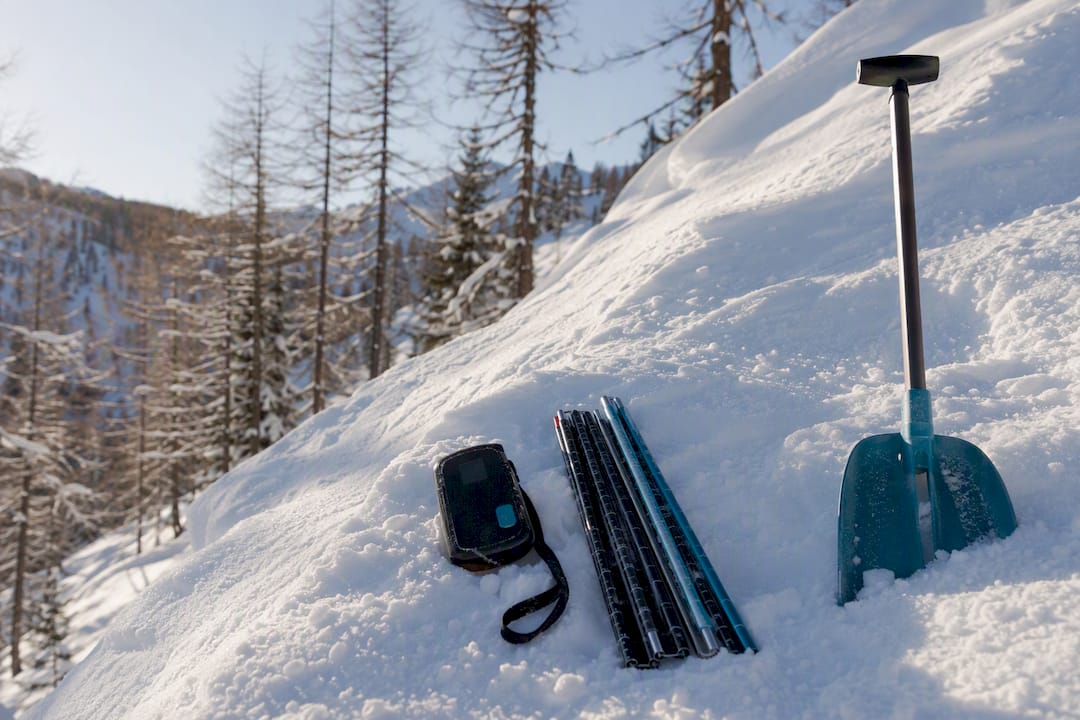
Learn avalanche beacon basics: 457 kHz transceivers, essential rescue gear, trailhead checks, interference and companion-rescue practice.

Learn which avalanche course suits your plans, what companion-rescue skills to practise and how to prepare for a winter trip to Altai.
Learn what cat skiing is, who it suits, what to pack and how to plan a guided cat-skiing trip, including options near Ridder, Kazakhstan.
A practical ski rental Kazakhstan guide to Shymbulak and Medeu, current tariffs, equipment fit, transport and guided freeride near Ridder.

Understand ski guide benefits for freeride and backcountry trips, including local planning, terrain choices, qualifications, safety gear and access options.

Plan a snowmobile expedition near Ridder, Kazakhstan, with practical guidance on routes, rider experience, equipment, mountain safety and transfers.
Use this mountain lodge amenities checklist to compare rooms, meals, wellness access, transfers, activities and paid extras before booking.
A practical Kazakhstan currency guide to the tenge, cards, ATMs, currency exchange, DCC and cash planning for cities and the Western Altai.
Plan the Kazakhstan ski season by month, compare lift-served Shymbulak with guided trips around Ridder, and prepare for changing snow and mountain conditions.
A practical guide to spa after skiing, including gentle massage, sauna and hammam, optional cold immersion and signs that need medical attention.
Plan a remote ski trip from the UK to Ridder, with practical guidance on activities, Kazakhstan entry, Öskemen transfers, insurance and ski baggage.
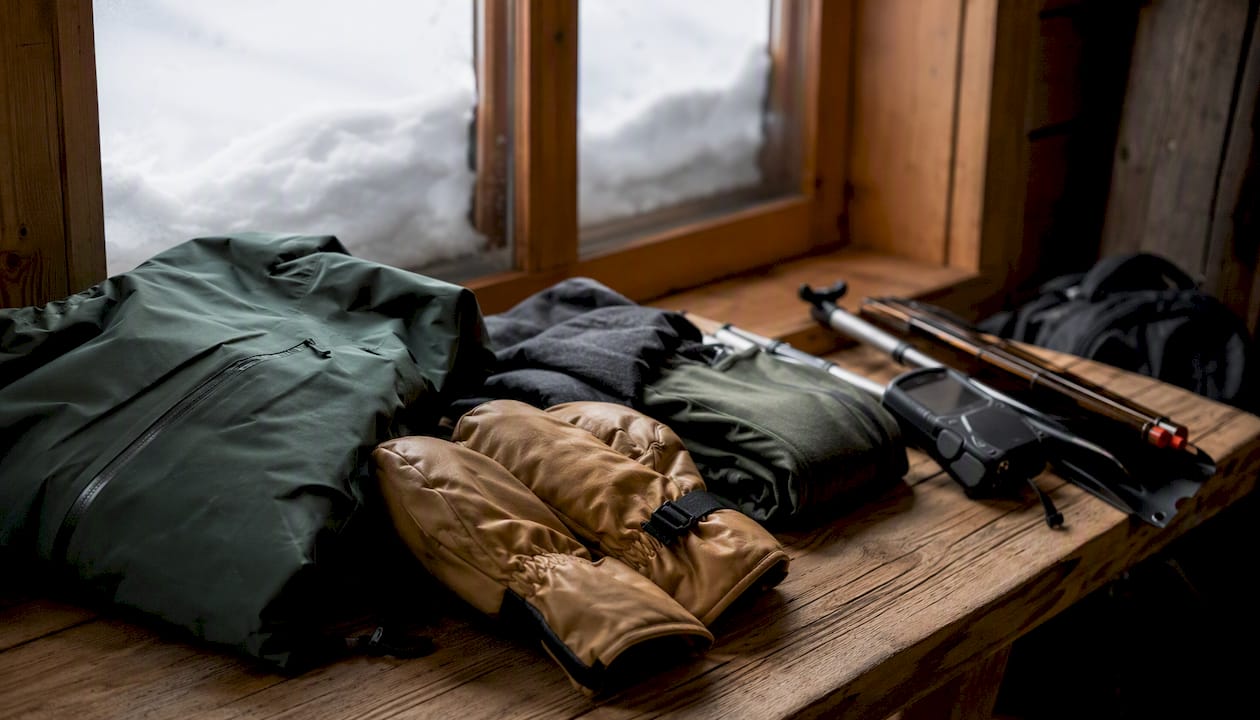
A practical heli skiing packing list covering clothing, avalanche equipment, ski baggage, batteries, travel documents and rental options.
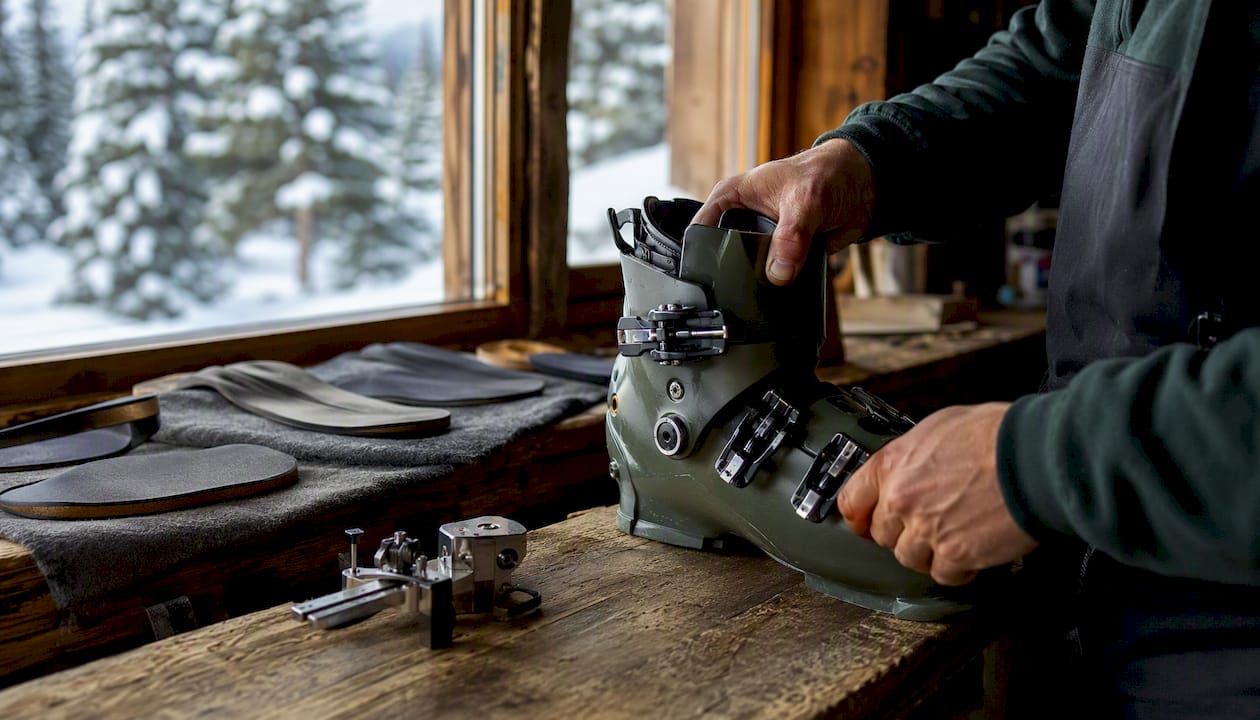
A practical UK guide to ski boot fitting: appointment steps, services, current provider price examples, aftercare and warning signs.
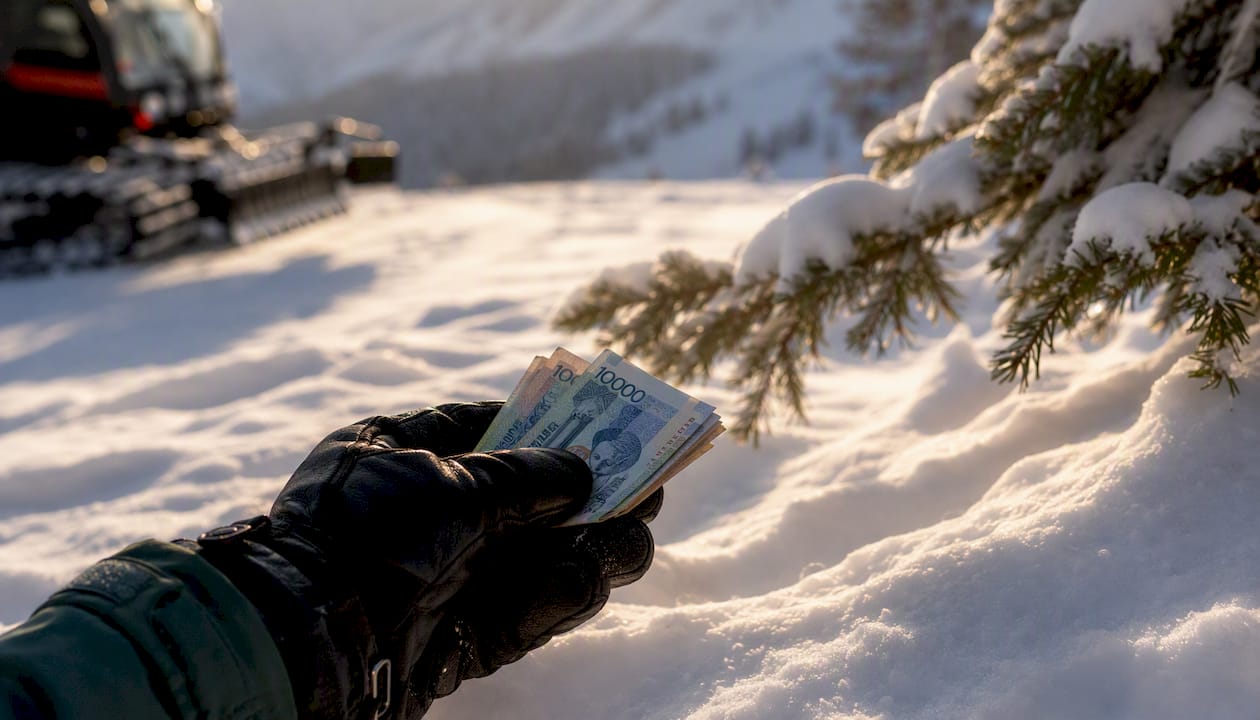
Should you tip a ski guide? Learn how customs vary, when a gratuity may feel appropriate and how to plan for tipping in Kazakhstan.
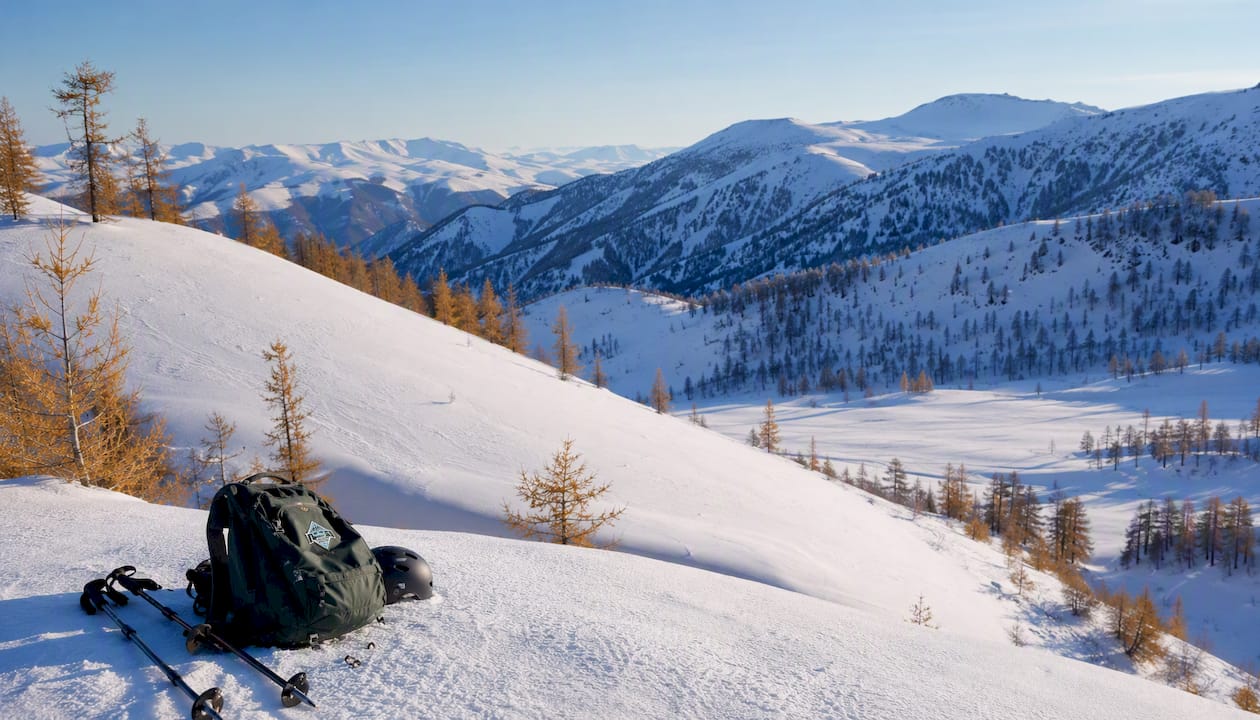
An Altai cuisine guide to kan, kurut, chegen and talkan, with dining at Restaurant Altai, food safety and travel from Öskemen to Ridder.
Compare banya vs sauna: heat, steam, venik and löyly rituals, etiquette, health evidence, safety basics and the Altai Banya experience.
Learn how to ski deep powder with centred balance, smooth turns, speed control, practice steps, gear guidance, and avalanche and tree-well precautions.

Plan a mountain wellness retreat in Ridder with freeride, heli-skiing, snowmobiling, Ridder Lodge, Altai Banya and practical winter travel guidance.

A practical snowmobile gear list for UK travellers heading to Altai Mountains Resort, with clothing, safety equipment, battery and travel guidance.

Understand Ridder Lodge’s ski-in/snowmobile-out access, guided ski-day logistics, transfers from Öskemen and practical planning for your stay.
Prepare for a guided snowmobile ride with a practical gear checklist covering helmets, winter layers, avalanche equipment and cold exposure in Ridder.

A practical heli skiing guide to ability, avalanche equipment, packing, weather and planning your first trip to Kazakhstan.
Plan guided deep snow snowmobiling in Ridder, with practical details on training, rentals, equipment, transfers and staying at Ridder Lodge.
How to choose Kazakhstan travel insurance for heli-skiing, cat-skiing or snowmobiling, including medical treatment and evacuation cover.
Kazakhstan visa requirements for UK visitors to Ridder, including visa-free limits, e-visas, passport rules, airports and Öskemen transfers.
Build strength, balance and endurance before cat-skiing, heli-skiing or snowmobiling with an adaptable six-to-eight-week ski fitness program.

Explore cold plunge benefits for skiers, from short-term soreness and recovery evidence to cold-shock risks, timing and Altai Banya options.

Understand heli skiing cost in 2026 with current operator examples, a total-budget checklist, and key booking, safety and insurance questions.