A practical guide to spa after skiing, including gentle massage, sauna and hammam, optional cold immersion and signs that need medical attention.
After skiing, a spa session works best as a comfortable way to warm up and unwind—not a compulsory recovery protocol. Change out of wet clothing, drink when you are thirsty, eat when you are hungry and keep moving gently if that feels comfortable. Massage, sauna or hammam may help you relax, but there is no universal treatment, fixed sequence or two-hour recovery window.
The important distinction is between ordinary tiredness and a possible injury. Familiar muscle stiffness may suit a quiet spa session; unusual pain, marked swelling, numbness or symptoms after a fall deserve assessment instead.
Post-ski spa recovery: the short answer
If you finish the day with general fatigue and no sign of injury, a simple routine is enough:
Get warm and dry. Remove damp base layers, socks and gloves before settling down.
Drink and eat. Water with a normal meal or snack is suitable for many people. An electrolyte drink is an option after substantial sweating if it is appropriate for you.
Move gently. A short walk and easy, pain-free movements can feel better than immediately sitting still for the evening.
Choose one relaxing treatment. A comfortable massage, sauna or hammam session is a reasonable choice when you feel well.
Allow time to rest. Recovery between ski days also depends on food, sleep and adjusting the next day’s effort to how your body feels.
There is no need to follow a rigid clock. The right pace depends on the day’s exertion, the conditions and your usual response to exercise.
What to do after skiing before a spa session
Start by changing into dry clothing. In cold environments, this is more than a matter of comfort: the CDC guidance on heat and cold illness in travellers notes that sweat, wet clothing and cold water can contribute to rapid cooling and hypothermia risk.
Once indoors, take a moment to notice how you feel. General leg heaviness and familiar stiffness after skiing are different from sharp pain, a newly swollen joint, persistent numbness or symptoms following a head impact. Do not use massage or heat to test whether an injury will improve.
For an uncomplicated end to the day, these preparations are practical:
Remove wet clothing and let your body return to a comfortable temperature.
Drink to thirst and have a meal or snack rather than following a prescribed volume or deadline.
Walk gently or move the ankles, knees, hips and shoulders through a comfortable range.
Tell the massage practitioner about any falls, tender areas or previous injuries before treatment begins.
Avoid alcohol before a sauna, hammam or optional cold exposure.
Massage, sauna and hammam: what may help
A systematic review of massage and post-exercise soreness found evidence that massage can reduce delayed-onset muscle soreness after strenuous exercise. However, there is no established ideal treatment length, pressure, muscle order or ski-specific technique.
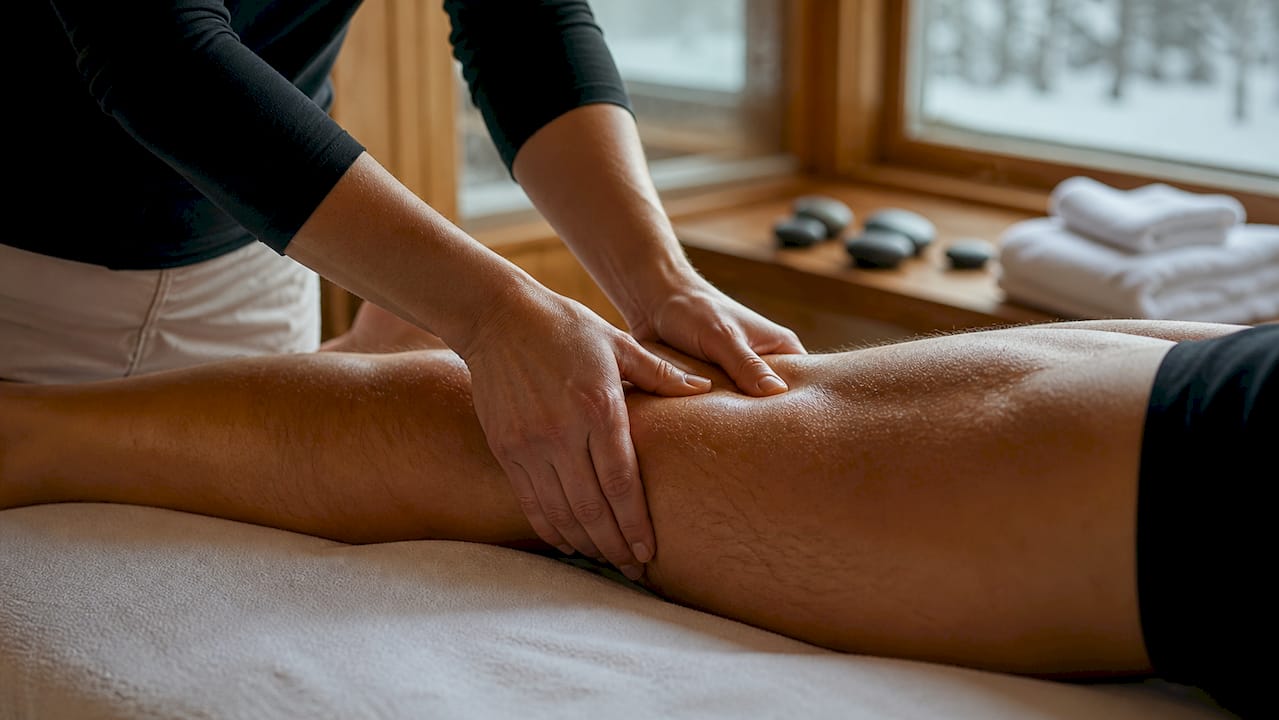
For tired legs, choose pressure that feels comfortable rather than assuming deeper work is better. A focused leg massage can be convenient when time is limited, while a broader relaxation treatment may suit you if you also feel tension through the back and shoulders. Avoid direct work on an area that is acutely painful, numb, bruised or newly swollen.
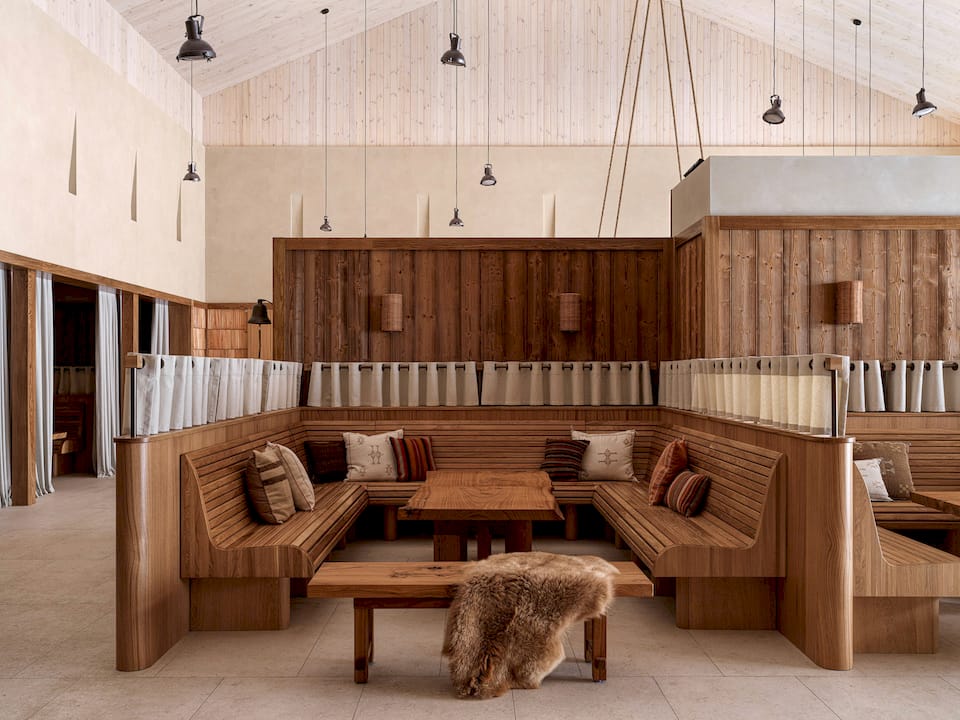
Sauna and hammam offer warmth and a quieter transition from the mountain to the evening. Begin only after changing into dry clothing and settling comfortably indoors. Follow the facility’s instructions, take breaks and leave the heat if you feel unwell. If a clinician has advised you to avoid heat, continue to follow that advice.
How you feel | A reasonable option | Useful boundary |
|---|---|---|
General muscle tiredness | Comfortable massage or gentle self-massage | Pressure should not cause sharp pain |
Cold but otherwise well | Dry clothing, food and gradual warmth; sauna or hammam later | Do not enter intense heat while still feeling chilled or unwell |
Ready for quiet recovery | Warm treatment followed by rest | No contrast cycle is required |
New swelling, numbness or injury symptoms | Pause spa plans and arrange assessment | Do not massage the affected area |
Cold-water immersion: optional, not essential
Cold-water immersion is sometimes used after exercise, but it is not a necessary part of post-ski recovery. A 2023 systematic review of cold-water immersion after exercise found that it may reduce post-exercise muscle soreness. No single temperature, duration or contrast routine has been shown to suit everyone.
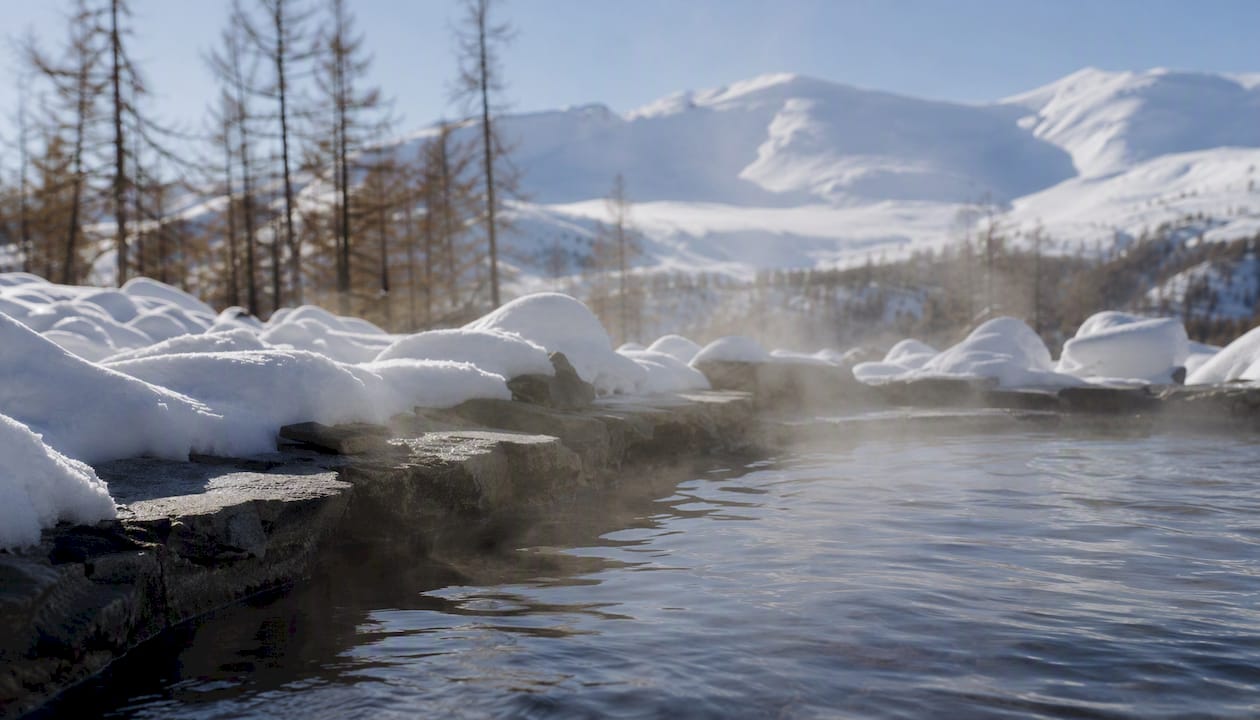
Cold water also cools the body rapidly. Follow the operating instructions at a properly managed facility rather than improvising a plunge in outdoor water, and stop if you feel unwell. People with cardiovascular, blood-pressure, circulation or cold-sensitivity concerns should seek individual clinical advice before cold immersion.
Please do not assume cold-water immersion will be available at Altai Mountains Resort. If you are interested, ask our team what may be operating for your dates.
When to skip the spa and seek medical help
A spa treatment is not an appropriate response to symptoms of head injury, cold injury or significant musculoskeletal injury. Seek urgent medical care after a head impact if there is a worsening headache, repeated vomiting, confusion, unusual behaviour, severe drowsiness, weakness, poor coordination or a seizure. These are recognised danger signs in the CDC guidance on traumatic brain injury.
Numbness with white or waxy skin can indicate frostbite and requires prompt medical attention. The CDC frostbite safety sheet advises against rubbing or massaging suspected frostbite. Suspected hypothermia also calls for prompt help: move indoors, remove wet clothing and warm the person gradually. The CDC advice for travel to cold climates identifies symptoms of frostbite and hypothermia.
New marked or painful swelling, an open wound, visible deformity or an inability to use a limb normally should also be assessed before massage, sauna or cold exposure. If the symptoms do not resemble your usual post-exercise fatigue, postpone the spa.
Post-ski recovery at Altai Mountains Resort
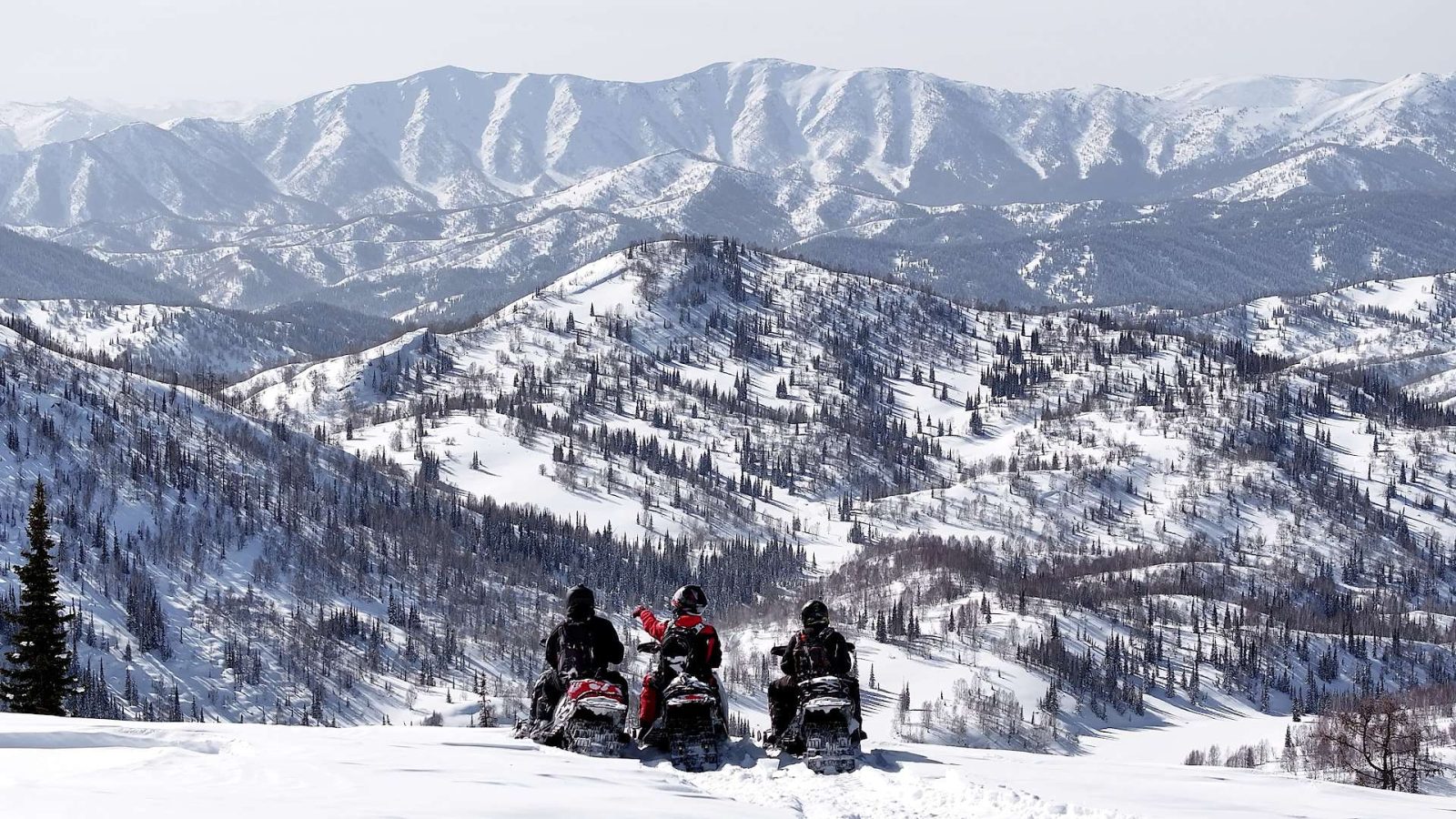
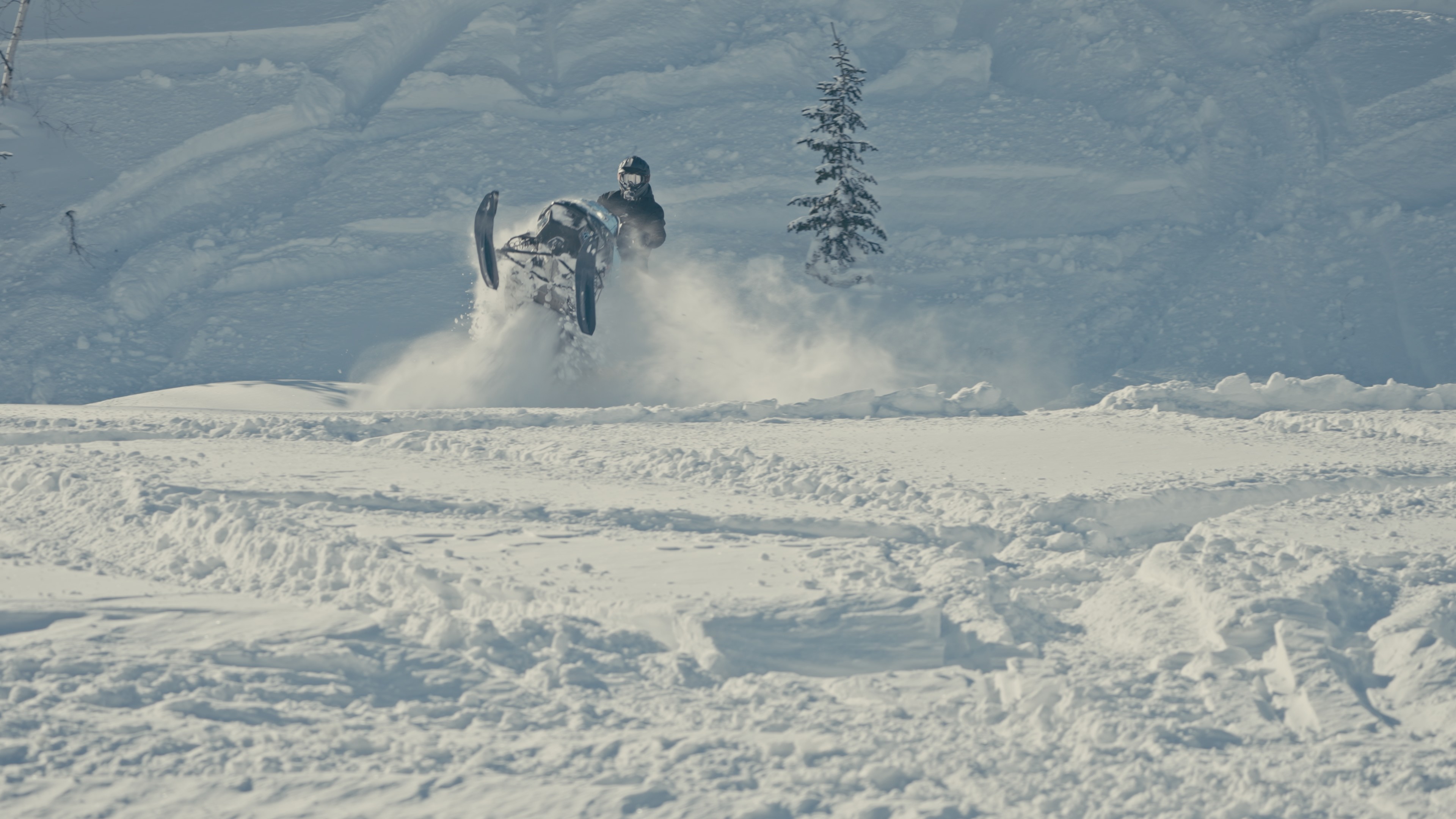
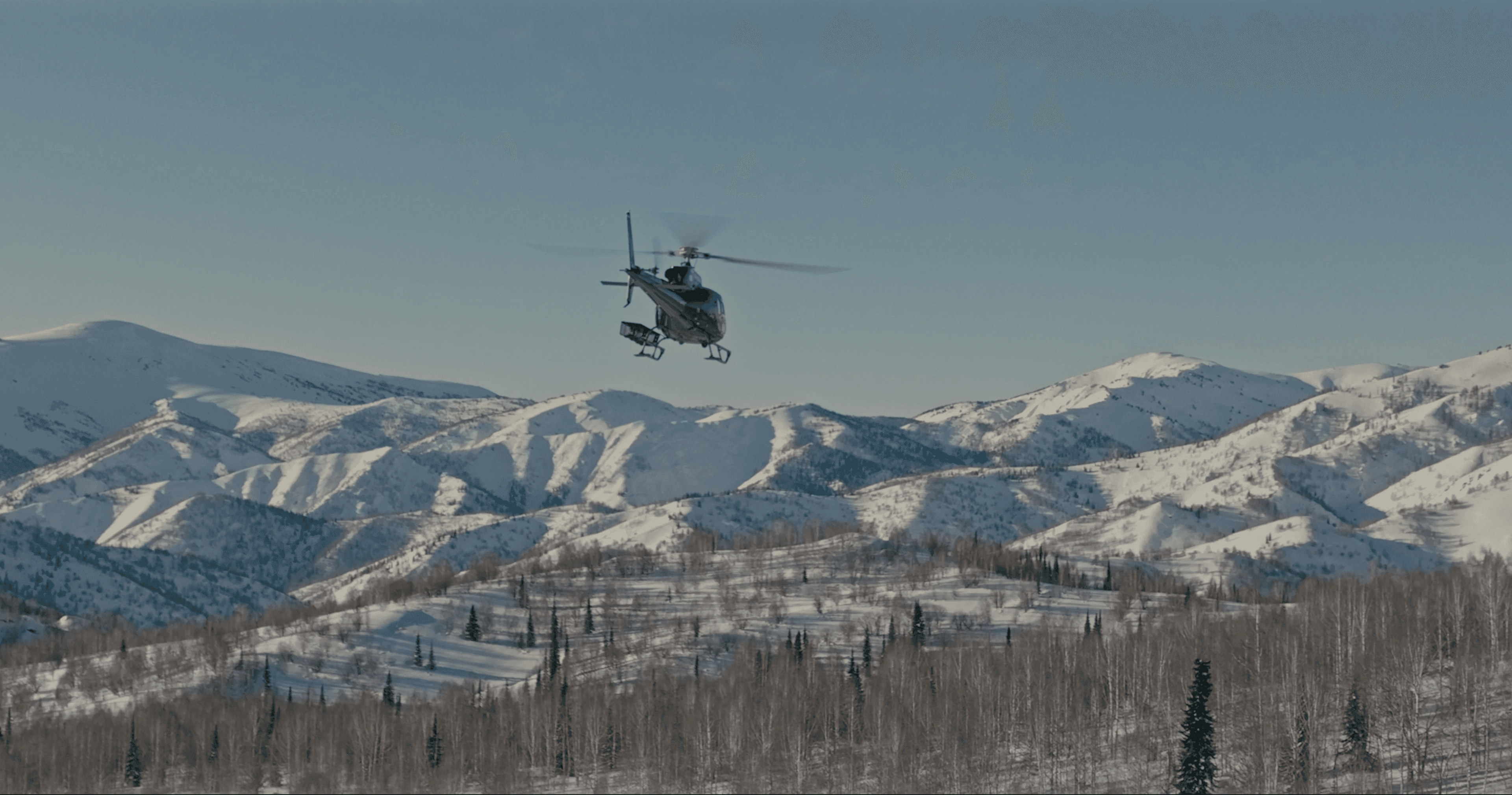
After a day in the Western Altai—whether on a cat-skiing itinerary or a heli-skiing day—Altai Banya offers a natural place to slow down.
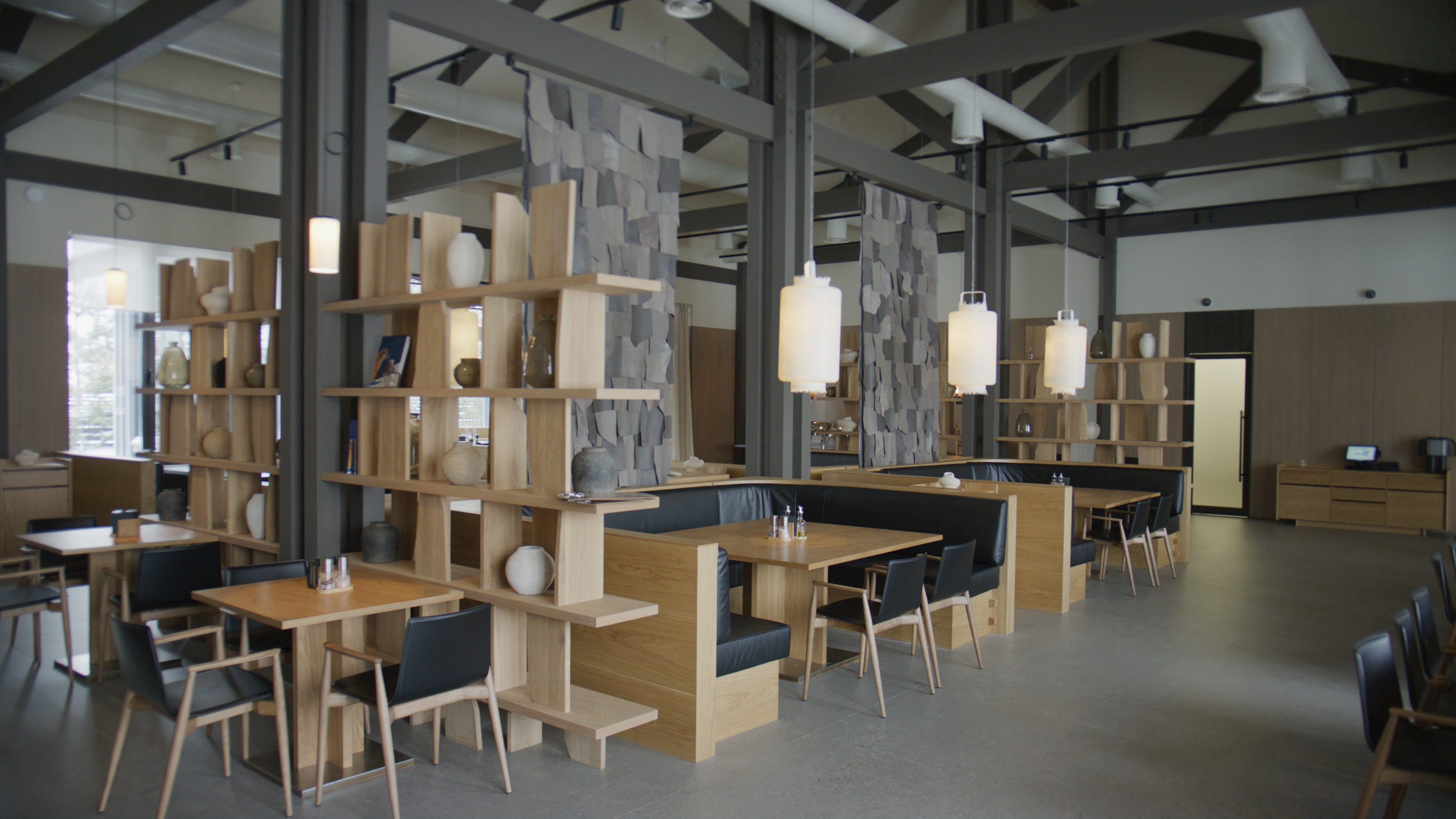
At Ridder Lodge, you will find a traditional Siberian steam sauna, private saunas, a Turkish-style hammam, aromatherapy and herbal treatments. Massage is available on request. You can explore Altai Banya and the wider facilities at Ridder Lodge.
When you plan your stay, our booking team can help with the current treatment menu, opening times, massage appointments, prices, inclusions and any cold-water option that may be operating for your dates. Treatments and timings can vary, so use the booking page to build spa time naturally into your itinerary.
Once your skis are put away and you are warm and dry, choose the quietest option that suits how you feel: steam, a comfortable treatment or simply time to rest.
All Articles
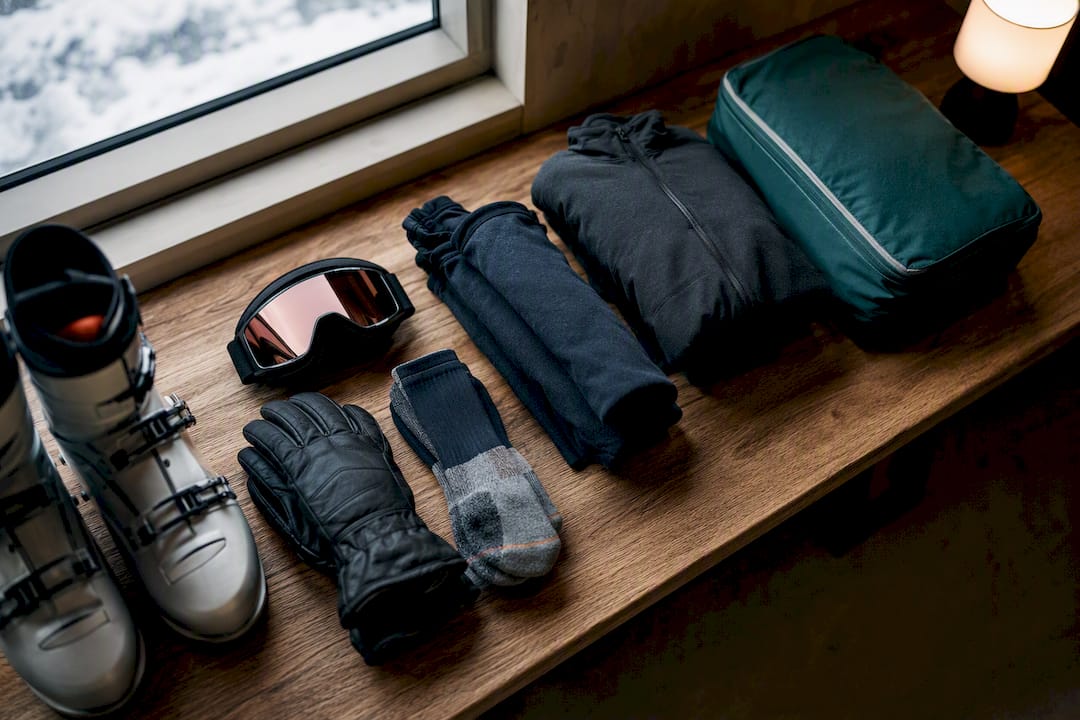
A practical luxury ski packing list for fitted essentials, lighter luggage and guided off-piste or heli-ski days at Altai Mountains Resort.

A practical heli-skiing safety guide for expert skiers, covering operator decisions, avalanche equipment, helicopter procedures, rescue planning and insurance.
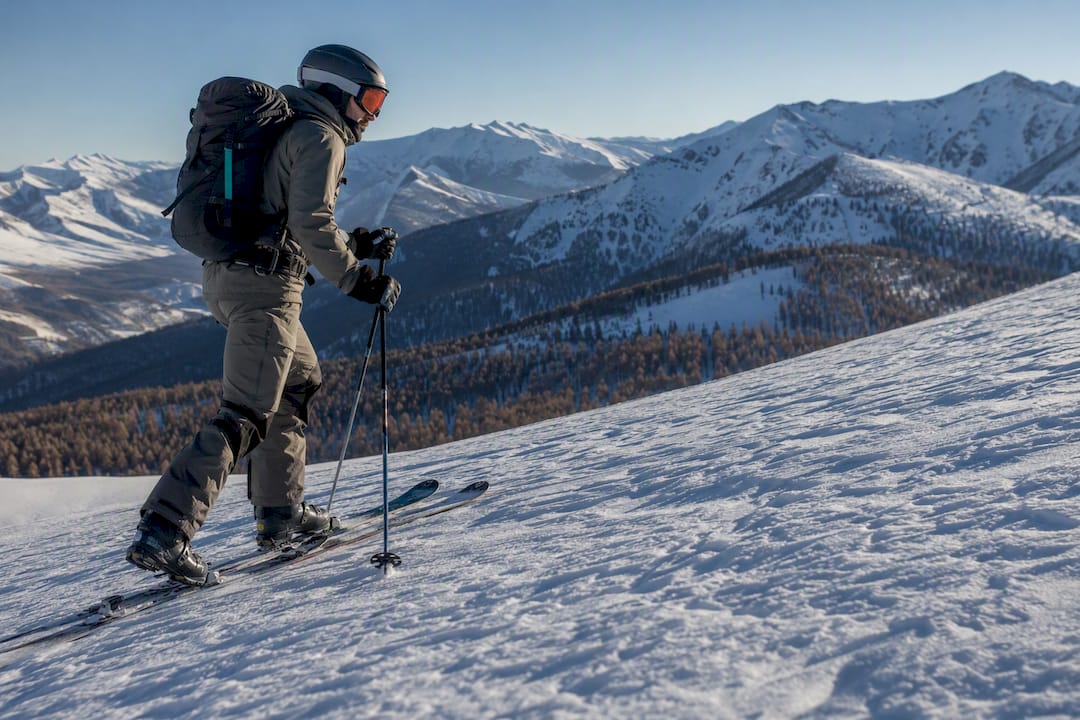
Compare lift-assisted, touring and Western Altai ski options in Kazakhstan, with practical safety, travel and booking guidance.

Learn the heli-skiing skill level typically expected, the off-piste skills to practise, safety preparation and an adaptable 8–12-week training framework.

Plan the Kazakhstan skiing season with a practical comparison of Almaty and Ridder, month-by-month timing, mountain safety and trip planning.
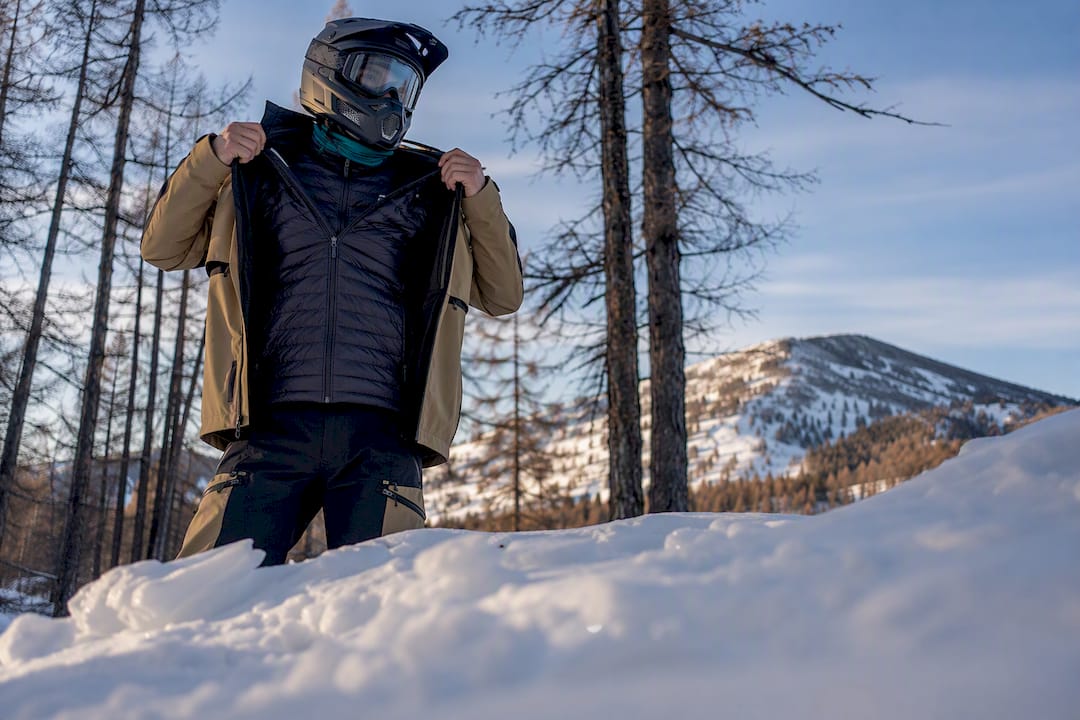
Use this snowmobile layering guide to build a flexible base, insulation and shell system, manage moisture and pack dry spares for changing conditions.

Learn what to rent for avalanche terrain, how to prepare a beacon, probe and shovel, and what to know about airbag packs and flights.
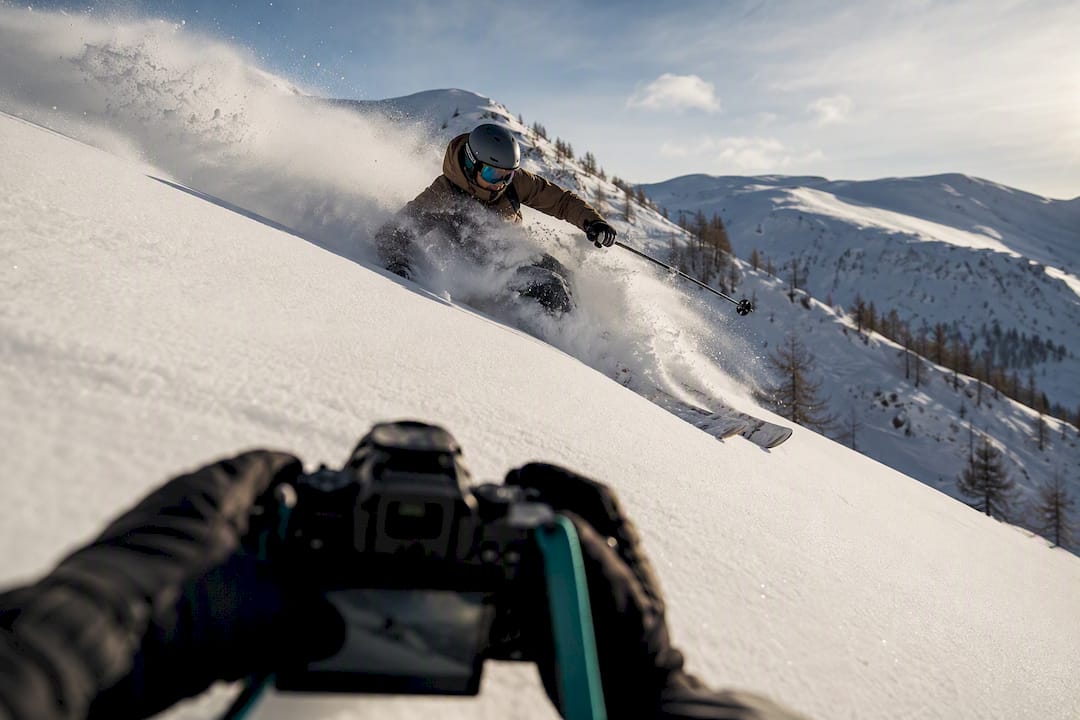
Practical ski photography tips for beginners: camera settings, snow exposure, timing, cold-weather camera care and safe mountain positioning.

Learn how to read an avalanche forecast, interpret danger ratings, roses and avalanche problems, and plan more conservative terrain choices.
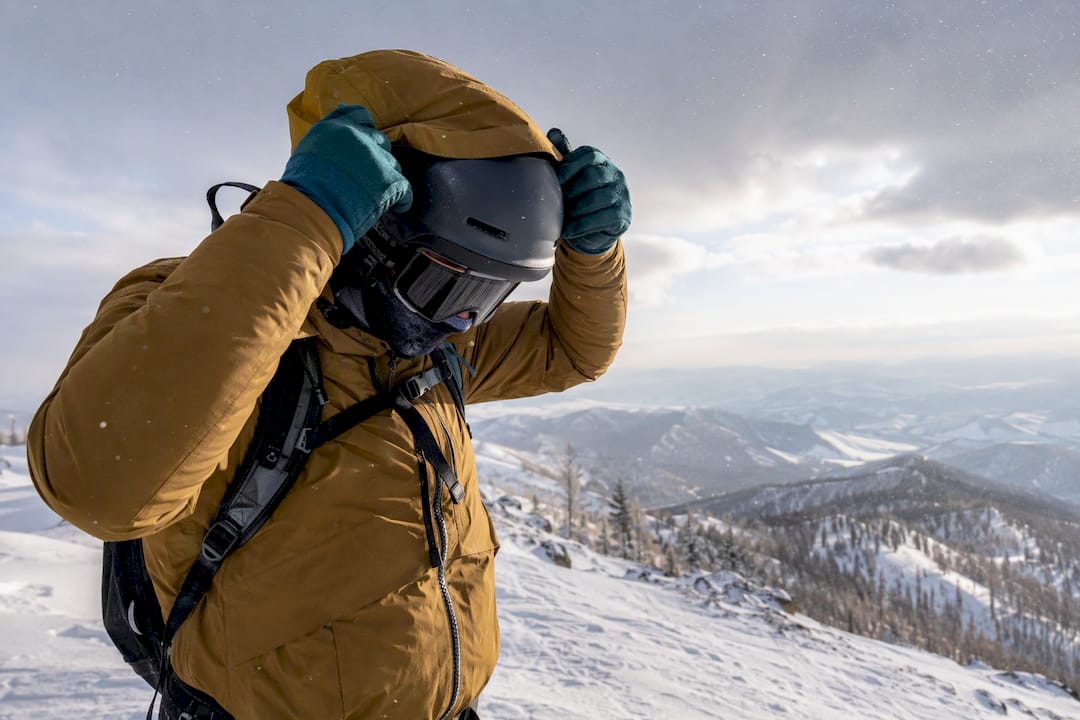
Practical cold injury prevention for winter travel: layering, dry spares, warning signs, first aid and planning for mountain activities.
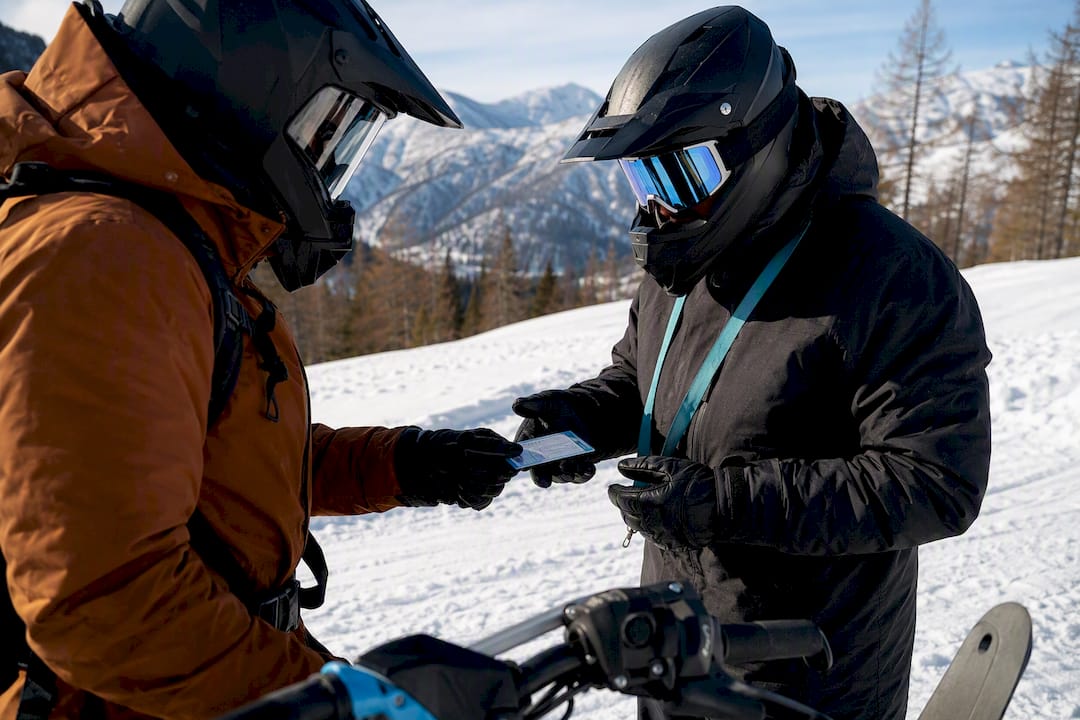
Planning snowmobiling in Ridder? Understand how experience, training, equipment and Kazakhstan rules shape your trip with Altai Mountains Resort.
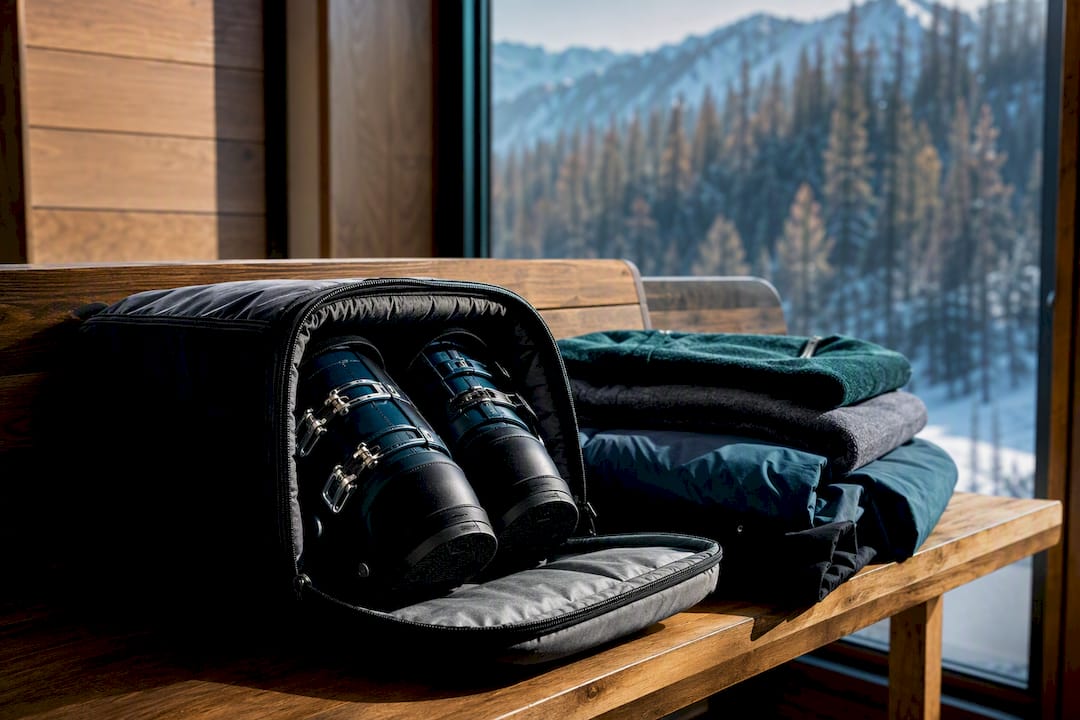
Travel with ski gear confidently: carry boots when cabin rules allow, pack skis securely, understand airline baggage rules and prepare for delays.
Build a practical backcountry radio communication plan with party radios, satellite SOS or PLB backup, cold-weather care and regional legal essentials.

Satellite messenger basics for remote Altai trips: compare PLBs and two-way devices, understand SOS limits, and prepare your communications plan.
Avoid ski crowds with flexible dates, midweek skiing, early starts and smarter lift choices. Explore guided off-piste options near Ridder.

Learn how heli-skiing passenger weight and baggage rules differ by operator, with practical packing steps and Altai Mountains Resort booking guidance.
Understand the cat skiing skill level needed for Altai Mountains Resort, with practical guidance on off-piste ability, fitness and avalanche readiness.
Decide whether Ridder suits your advanced Altai ski trip, with practical guidance on transfers, season timing, avalanche gear and guided programmes.
Compare snowmobile tour prices by duration, understand what shapes the final cost, and explore quote-based snowmobiling at Altai Mountains Resort.
Compare Western Altai, Almaty and Turgen for Kazakhstan powder skiing, with practical guidance on access, safety and Ridder logistics.

Plan Altai heli skiing near Ridder with practical guidance on terrain, season, package inclusions, access, safety gear and booking.
Compare flight, rail and self-drive routes from Almaty to the Kazakh Altai, with practical guidance for reaching Ridder and Ulba village.

Learn deep powder snowmobiling setup, riding technique, safe recovery and avalanche preparation, plus guided training near Ridder.
Plan an Altai Mountains winter stay from Ridder, with activity timing, travel from Öskemen, packing advice and practical mountain guidance.

Practical helicopter passenger safety guidance on boarding, seatbelts, exits, dropped items and following crew instructions.

Practical off-piste slope etiquette for safer skiing: right of way, avalanche preparation, group spacing, closures and guided skiing in the Western Altai.

Plan an Altai Mountains trip across Russian, Mongolian and Kazakh sectors, with permit, safety and winter-stay guidance for Ridder Lodge.
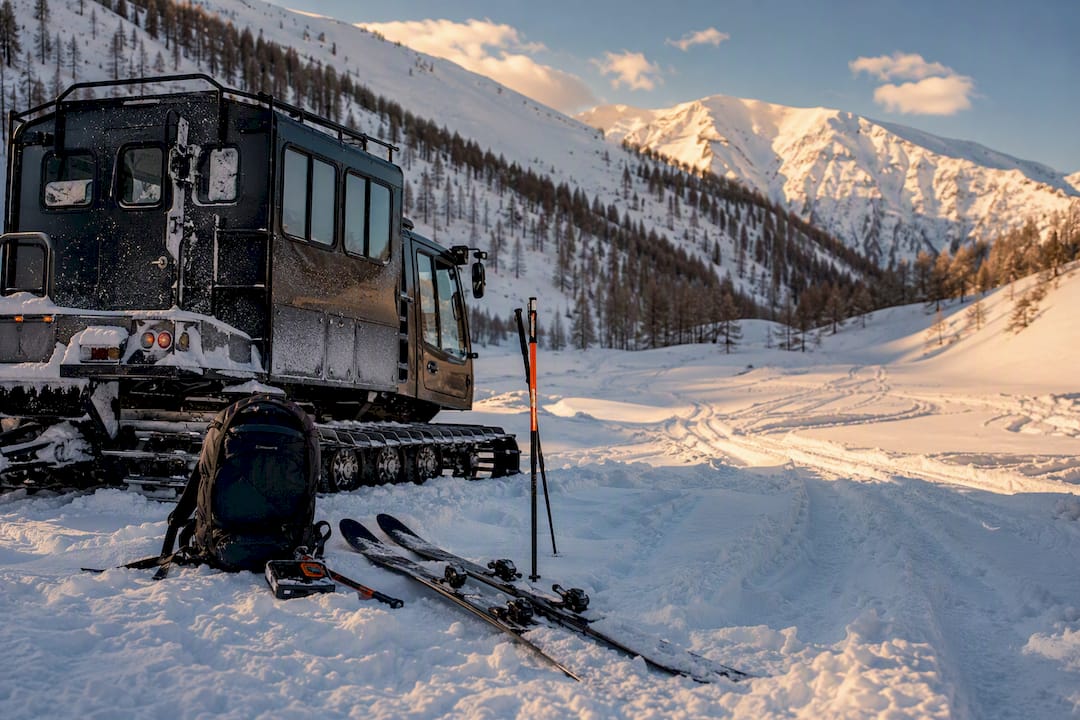
Learn how to plan guided freeride tours, from off-piste experience and avalanche gear to guide scope, changing mountain conditions and cat-skiing in the Altai.
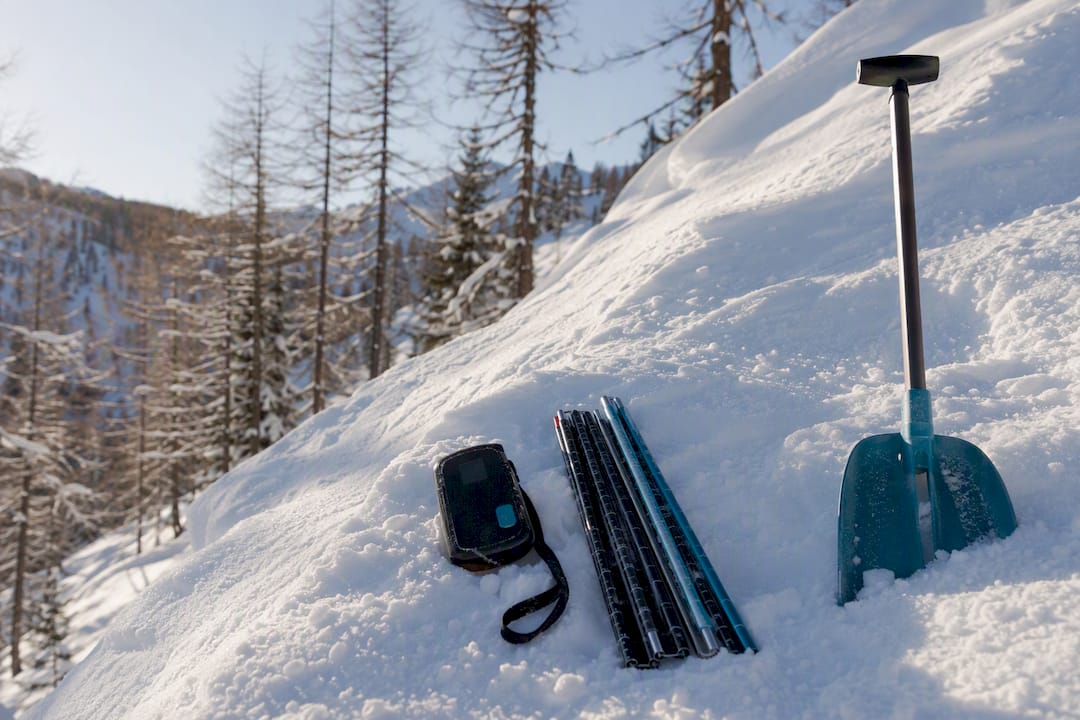
Learn avalanche beacon basics: 457 kHz transceivers, essential rescue gear, trailhead checks, interference and companion-rescue practice.

Learn which avalanche course suits your plans, what companion-rescue skills to practise and how to prepare for a winter trip to Altai.
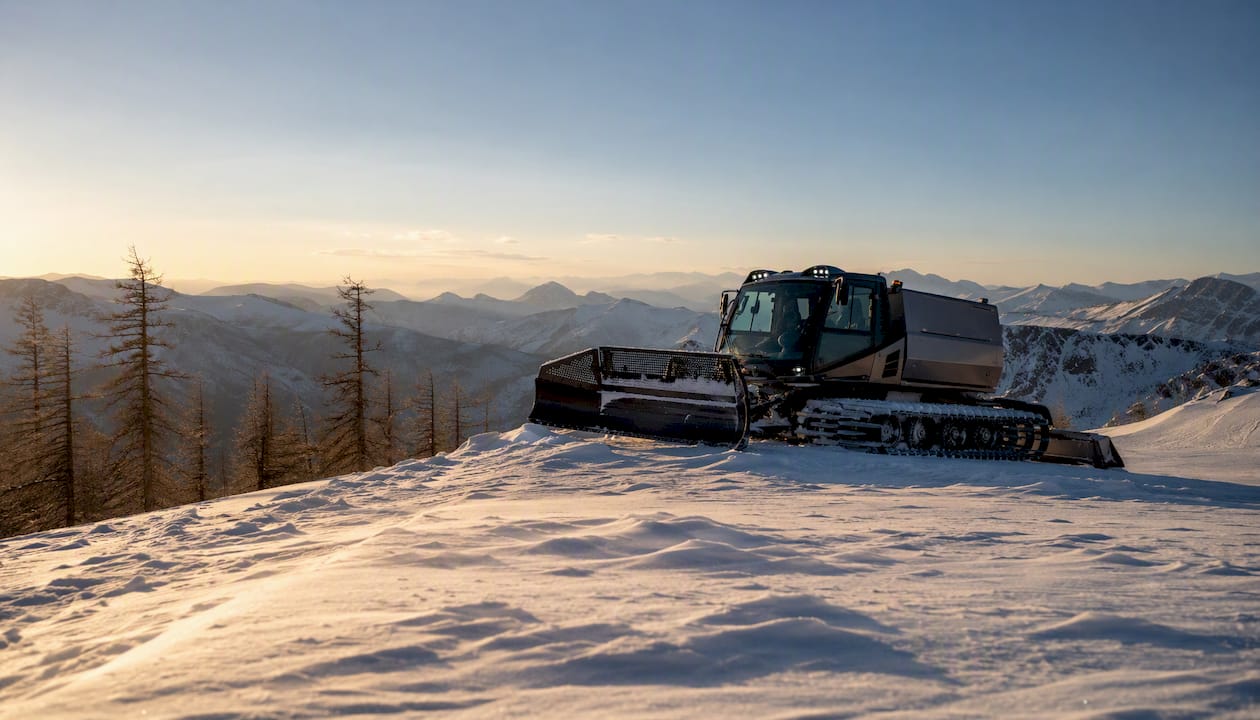
Learn what cat skiing is, who it suits, what to pack and how to plan a guided cat-skiing trip, including options near Ridder, Kazakhstan.
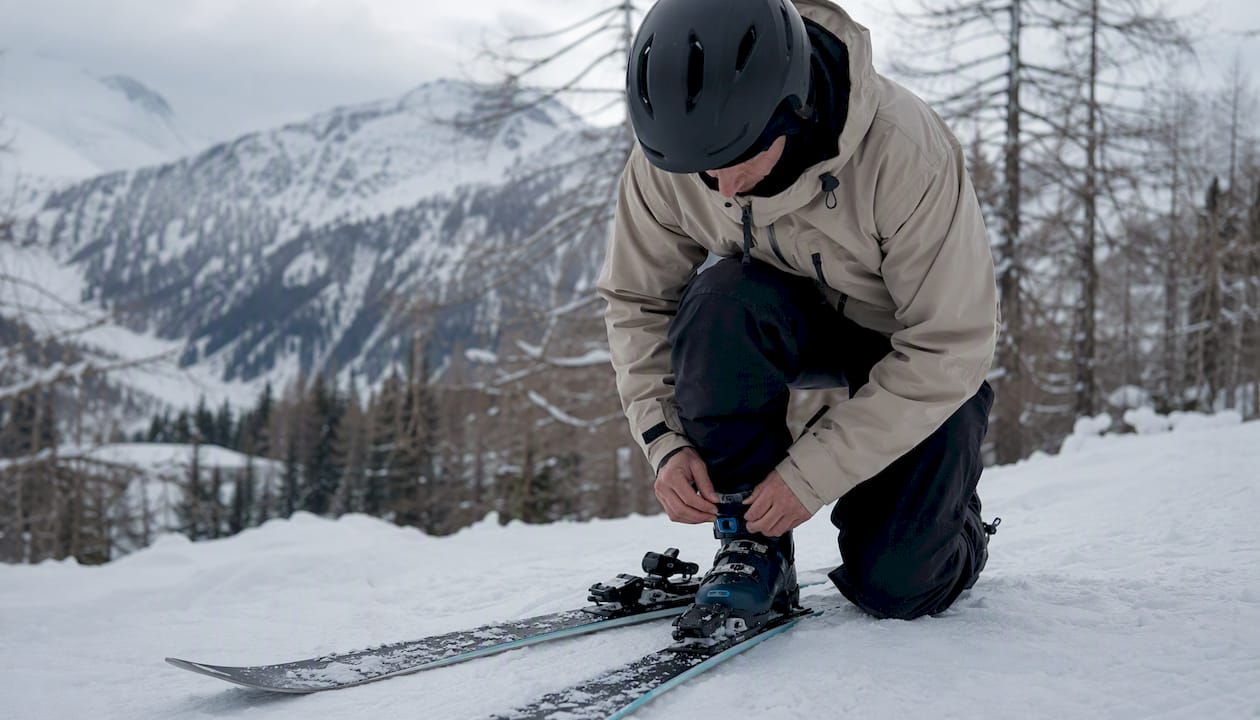
A practical ski rental Kazakhstan guide to Shymbulak and Medeu, current tariffs, equipment fit, transport and guided freeride near Ridder.

Understand ski guide benefits for freeride and backcountry trips, including local planning, terrain choices, qualifications, safety gear and access options.

Plan a snowmobile expedition near Ridder, Kazakhstan, with practical guidance on routes, rider experience, equipment, mountain safety and transfers.
Use this mountain lodge amenities checklist to compare rooms, meals, wellness access, transfers, activities and paid extras before booking.
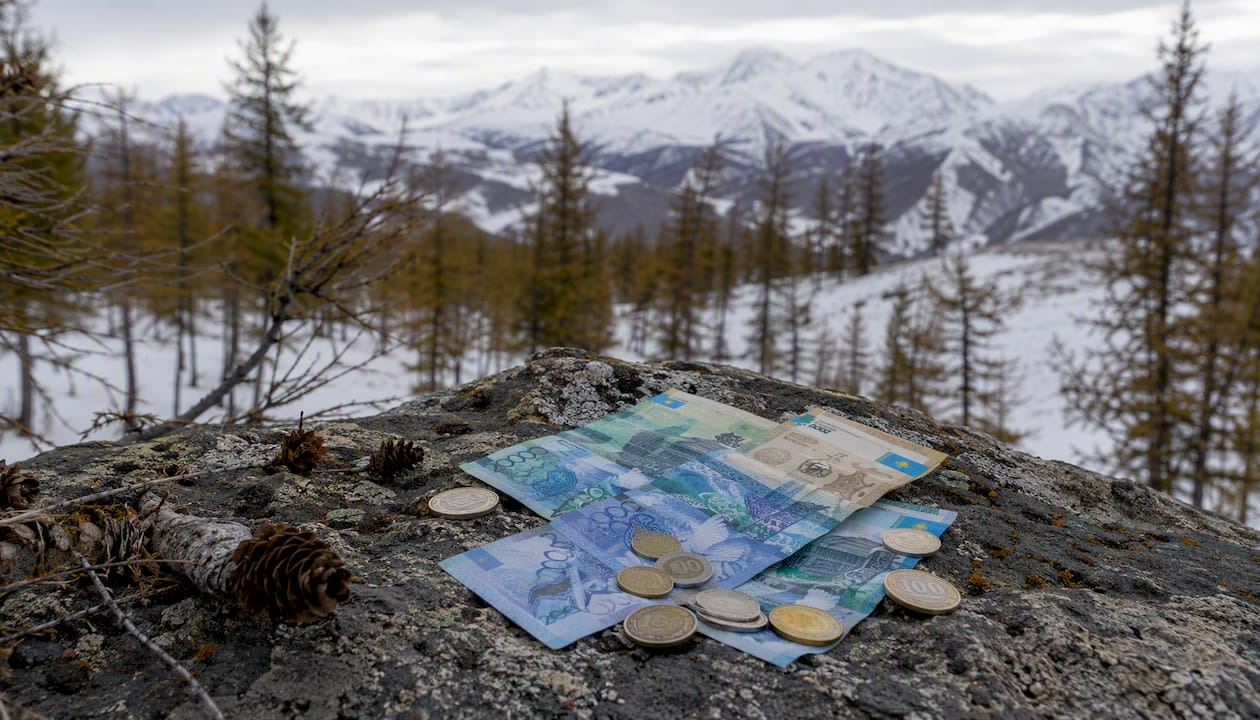
A practical Kazakhstan currency guide to the tenge, cards, ATMs, currency exchange, DCC and cash planning for cities and the Western Altai.
Plan the Kazakhstan ski season by month, compare lift-served Shymbulak with guided trips around Ridder, and prepare for changing snow and mountain conditions.
A practical guide to spa after skiing, including gentle massage, sauna and hammam, optional cold immersion and signs that need medical attention.
Plan a remote ski trip from the UK to Ridder, with practical guidance on activities, Kazakhstan entry, Öskemen transfers, insurance and ski baggage.
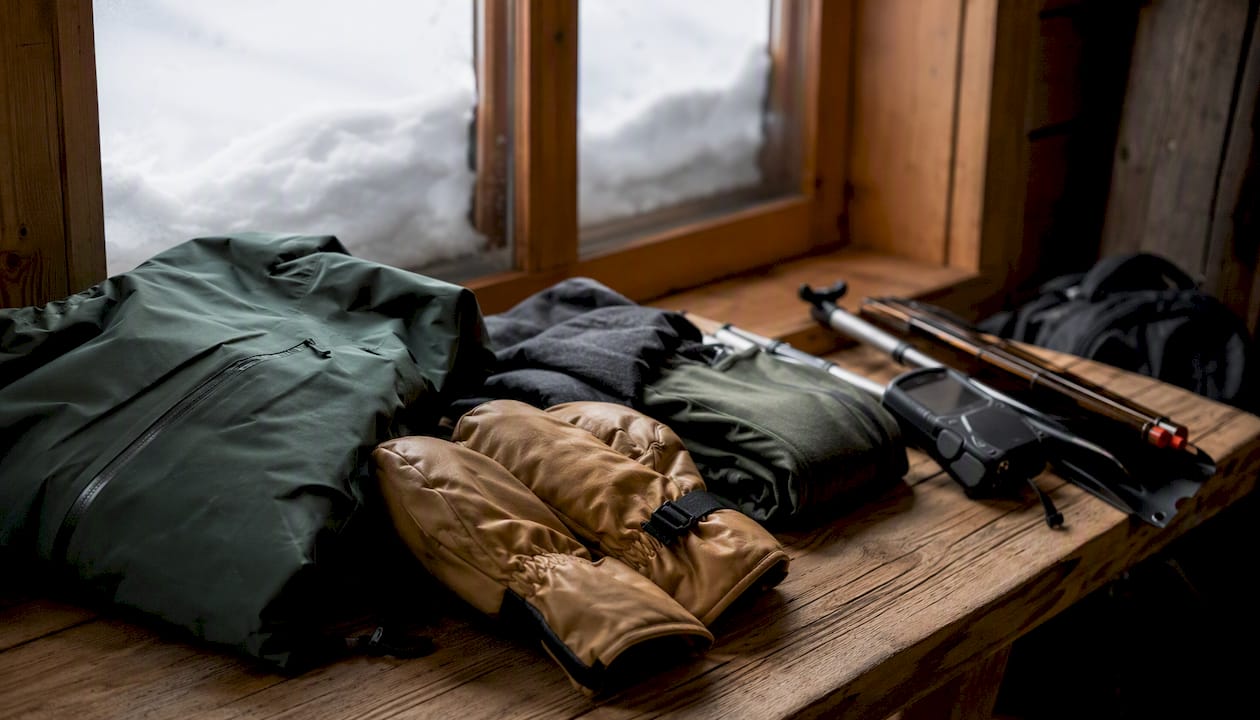
A practical heli skiing packing list covering clothing, avalanche equipment, ski baggage, batteries, travel documents and rental options.
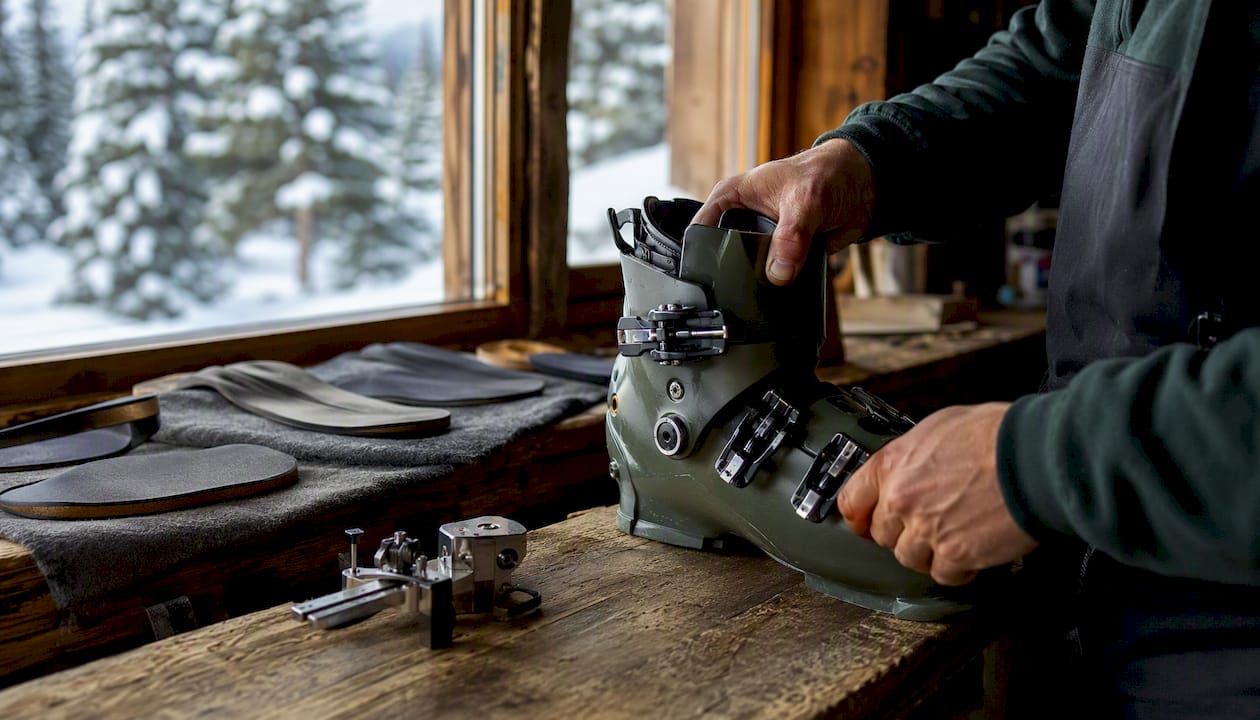
A practical UK guide to ski boot fitting: appointment steps, services, current provider price examples, aftercare and warning signs.
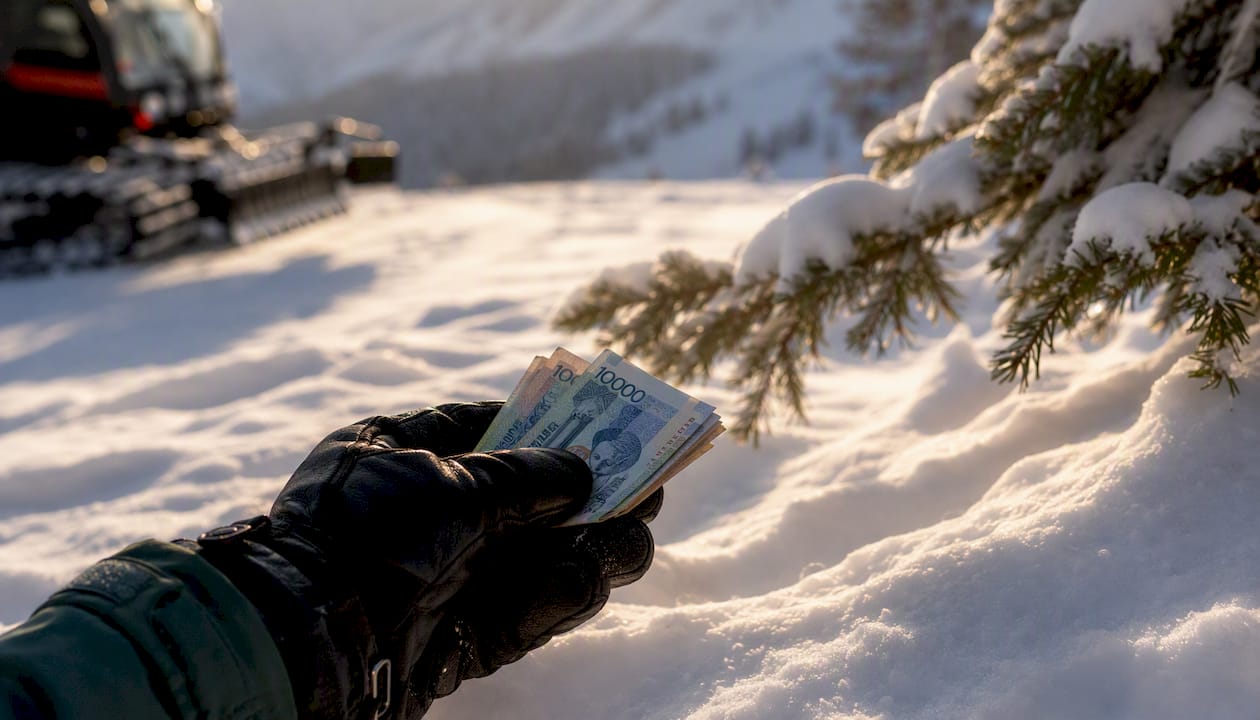
Should you tip a ski guide? Learn how customs vary, when a gratuity may feel appropriate and how to plan for tipping in Kazakhstan.
An Altai cuisine guide to kan, kurut, chegen and talkan, with dining at Restaurant Altai, food safety and travel from Öskemen to Ridder.
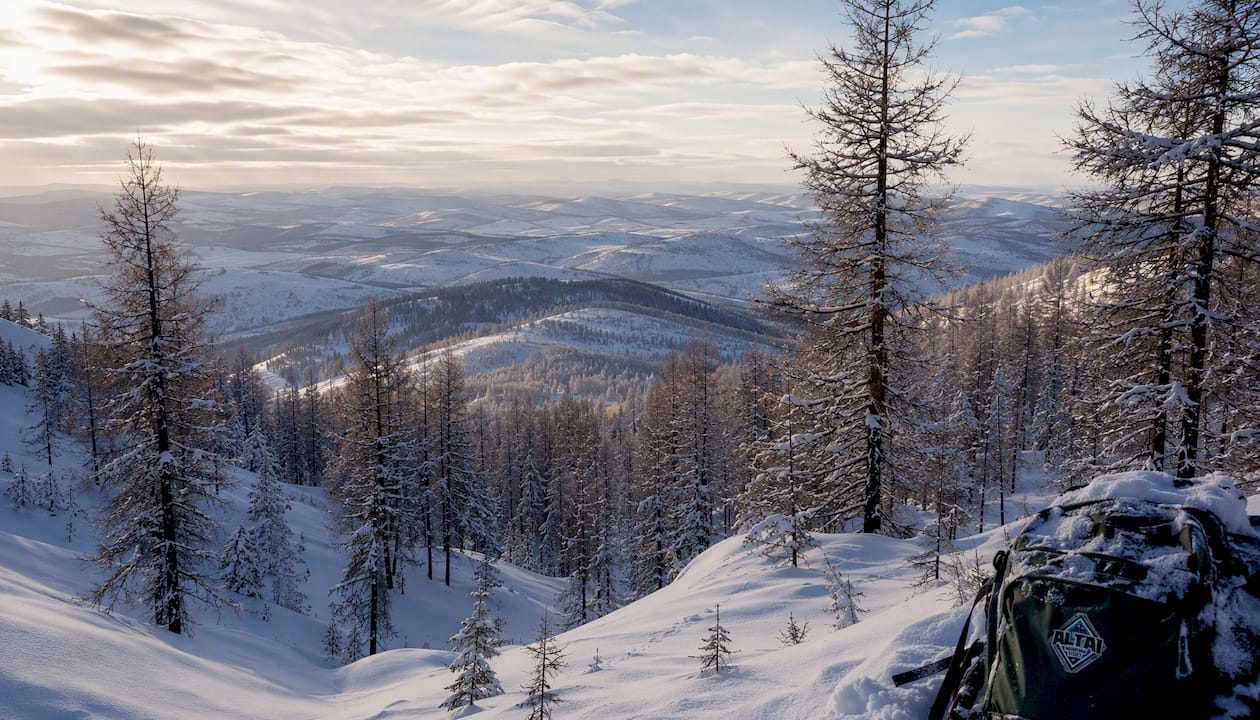
Compare banya vs sauna: heat, steam, venik and löyly rituals, etiquette, health evidence, safety basics and the Altai Banya experience.
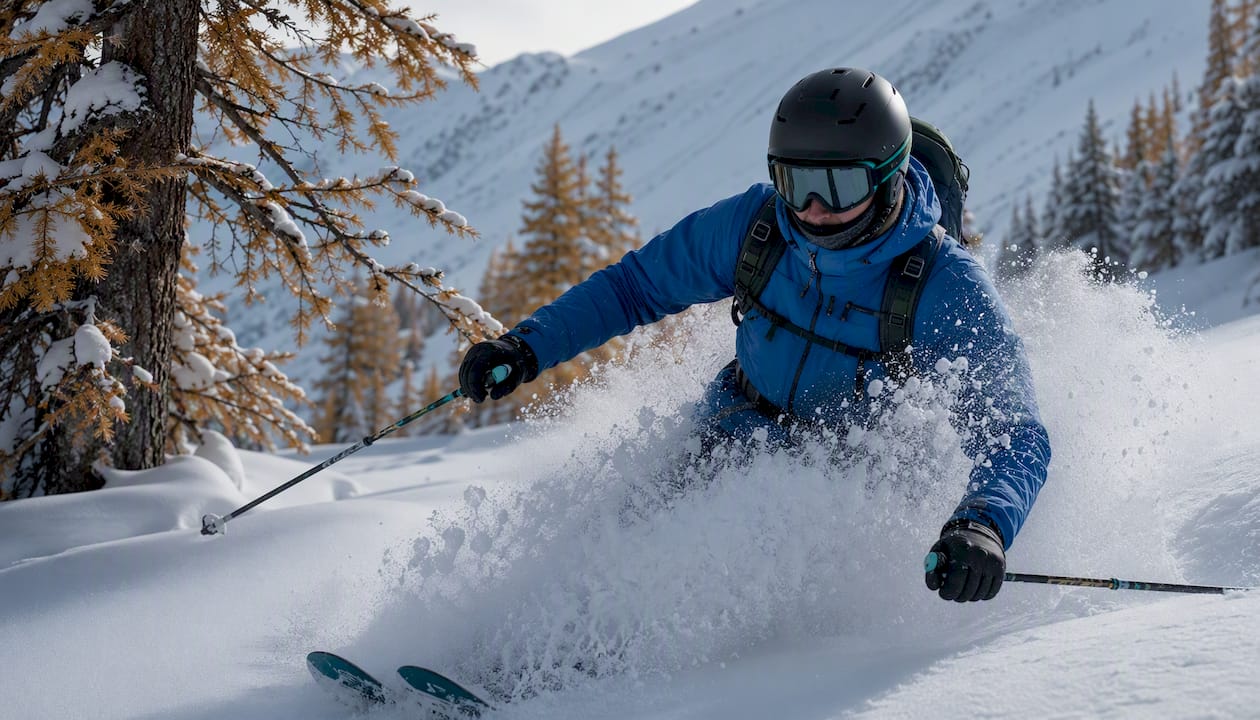
Learn how to ski deep powder with centred balance, smooth turns, speed control, practice steps, gear guidance, and avalanche and tree-well precautions.

Plan a mountain wellness retreat in Ridder with freeride, heli-skiing, snowmobiling, Ridder Lodge, Altai Banya and practical winter travel guidance.

A practical snowmobile gear list for UK travellers heading to Altai Mountains Resort, with clothing, safety equipment, battery and travel guidance.

Understand Ridder Lodge’s ski-in/snowmobile-out access, guided ski-day logistics, transfers from Öskemen and practical planning for your stay.
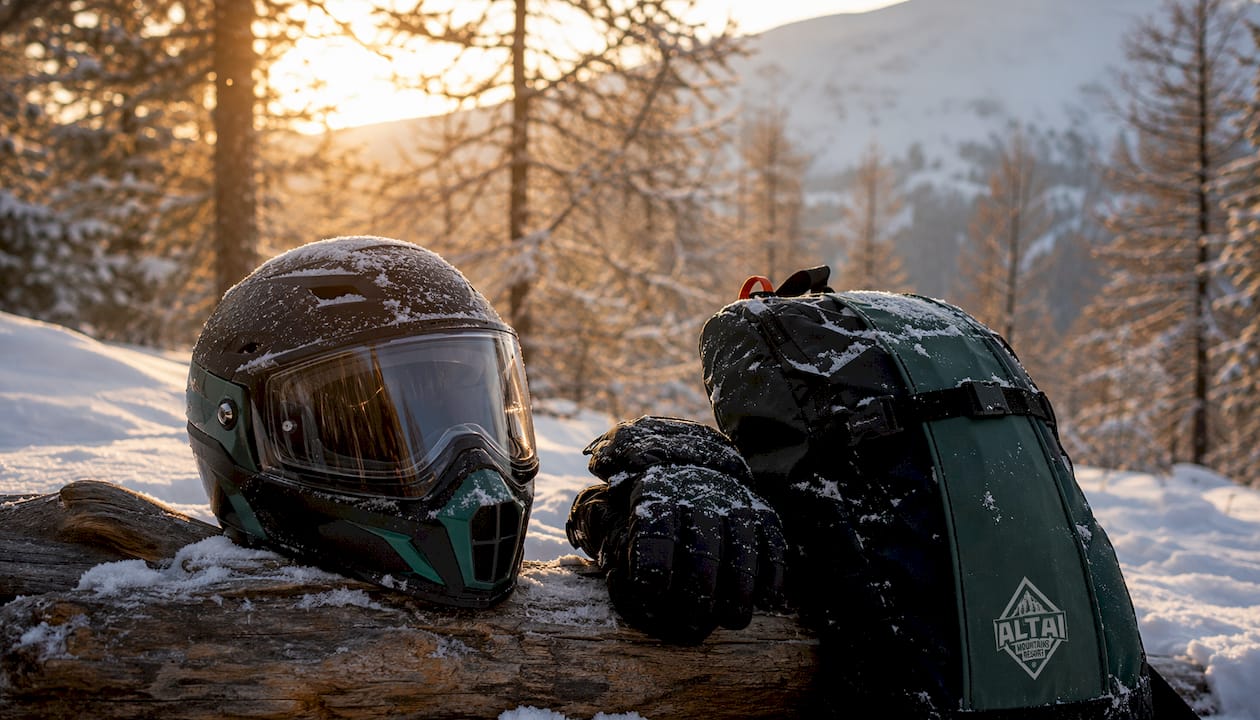
Prepare for a guided snowmobile ride with a practical gear checklist covering helmets, winter layers, avalanche equipment and cold exposure in Ridder.

A practical heli skiing guide to ability, avalanche equipment, packing, weather and planning your first trip to Kazakhstan.
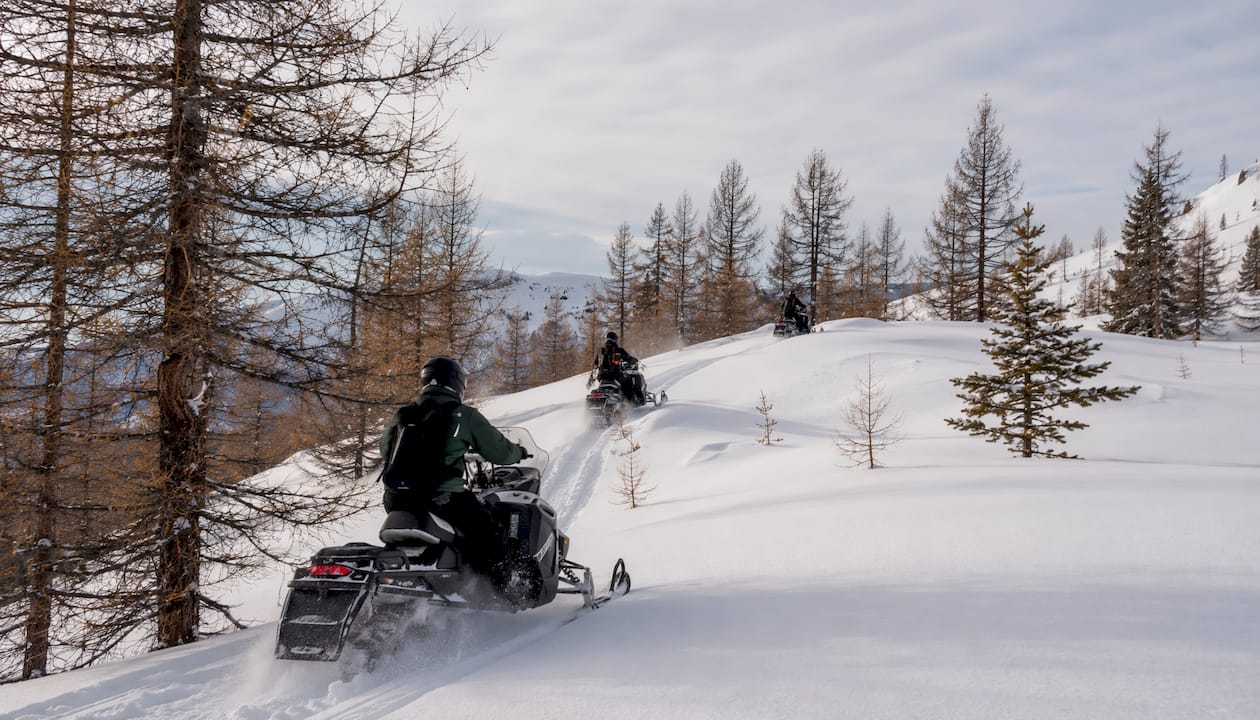
Plan guided deep snow snowmobiling in Ridder, with practical details on training, rentals, equipment, transfers and staying at Ridder Lodge.
How to choose Kazakhstan travel insurance for heli-skiing, cat-skiing or snowmobiling, including medical treatment and evacuation cover.
Kazakhstan visa requirements for UK visitors to Ridder, including visa-free limits, e-visas, passport rules, airports and Öskemen transfers.
Build strength, balance and endurance before cat-skiing, heli-skiing or snowmobiling with an adaptable six-to-eight-week ski fitness program.

Explore cold plunge benefits for skiers, from short-term soreness and recovery evidence to cold-shock risks, timing and Altai Banya options.

Understand heli skiing cost in 2026 with current operator examples, a total-budget checklist, and key booking, safety and insurance questions.