Plan on-mountain dining with four practical considerations: access, reservations, menus and dietary needs, plus weather and mountain safety preparation.
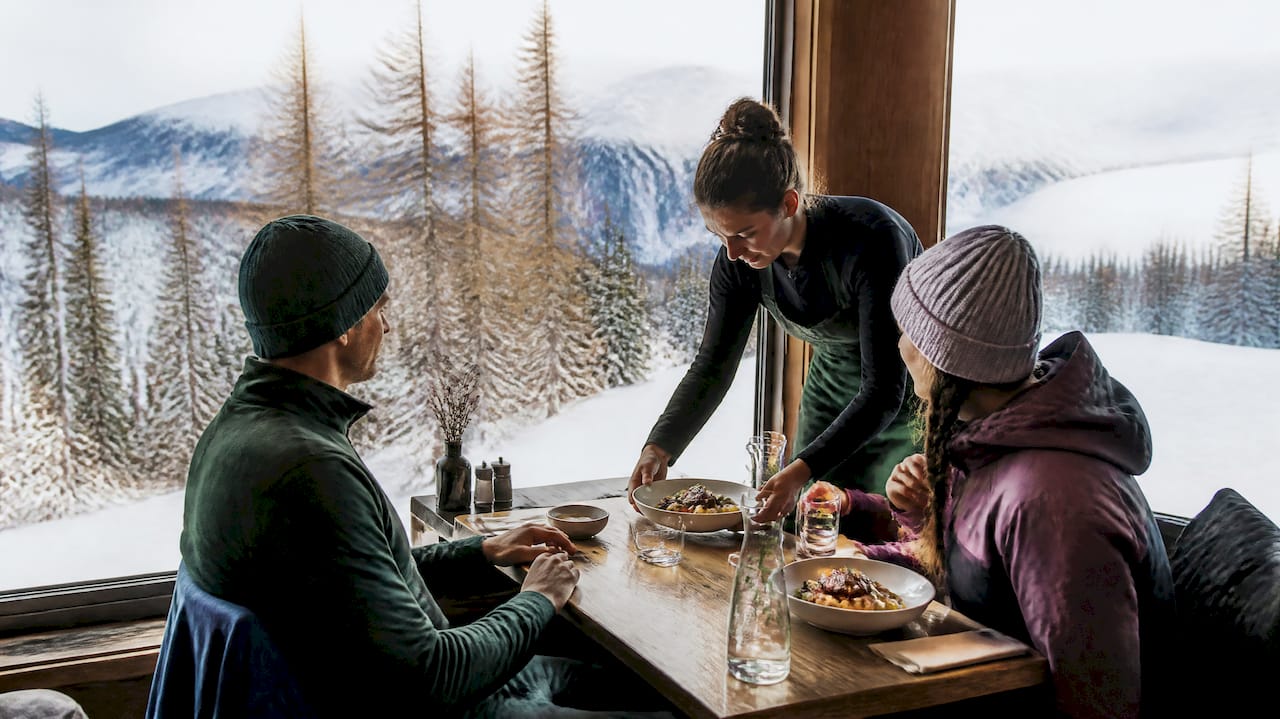
On-mountain dining can be a memorable part of a ski day or winter outing, provided the journey is planned as carefully as the meal. Think beyond your table time: how you will arrive, how you will return, and whether the menu and setting suit everyone in your party.
The essentials come down to four considerations: access; reservations and cancellation terms; food, dietary and family needs; and practical mountain preparation. At Altai Mountains Resort, Restaurant Altai is the lodge restaurant at Ridder Lodge near Ridder, rather than a lift-served summit restaurant—an important distinction when shaping your day.
On-mountain dining: the four checks to make before booking
Access: plan the route, lift or transfer, including the final return journey.
Reservations: check seating times, deposits and arrangements if weather affects access.
Food and group needs: share dietary requirements early and consider children or larger parties.
Mountain readiness: dress for the journey, carry what you need and allow for changing conditions.
The same approach works for a gondola restaurant, a remote hut, a ticketed mountain dinner or a lodge restaurant. The details differ, but a well-planned journey leaves more room to enjoy the meal.
Check access, lift hours and the last return journey
Begin with the complete journey rather than the reservation time alone. A restaurant may be reached by gondola, chairlift, marked walking route, ski route or dedicated transfer. Factor in the final uphill and downhill service, as well as the walk from the arrival point to your table.
La Pasay, for example, provides access by cable car and chairlift and has seasonal opening dates. At revolving restaurant at Hoher Kasten, the revolving restaurant completes one rotation an hour and operates during cableway hours. Leave time for equipment, changing out of ski boots where appropriate and reaching the last service back. Conditions and operating decisions can affect mountain access, so the return journey deserves as much thought as the way up.
Check reservations, deposits and weather cancellation terms
A mountain-table reservation can involve more moving parts than dinner in town: limited seating, a set arrival time or transport tied to the booking. Keep the latest arrival time, final return service and cancellation window in view when choosing your table.
For larger parties, space and event arrangements matter as much as the menu. The Panorama Restaurant at Harder Kulm sits at 1,322 metres and welcomes larger events alongside its daily dining service. For a further group-dining reference, Panorama Restaurant Harder Kulm.
Ticketed mountain events may bring transport, dining and timing together in one evening. Wild Blue long-table dinner at Whistler offers an example of this kind of occasion, while La Pasay provides another venue reference. Their appeal lies in the setting, but the practical details always depend on the date and conditions.
Check menus, dietary needs and family arrangements
Mountain restaurants vary widely, from quick daytime stops to long lunches, set menus and evening events. Let the restaurant’s particular format guide your expectations rather than assuming a standard service.
Share allergies, dietary requirements and preferences when reserving so the kitchen can advise on what it can accommodate. If you are travelling with children, consider portions, high chairs and the timing of the meal. Family facilities such as children’s menus and a high chair are venue-specific, so confirm them directly.
Dining can also offer a route into a destination’s food culture. For broader reading, ordering from local chefs offers one perspective, and Falstaff's reporting on Hållfjället explores a destination restaurant. Your chosen venue remains the best guide to the meal available on the day.
Check altitude, clothing, payment and emergency planning
Dress for the journey and the conditions at the restaurant, not only for the temperature at your accommodation. Warm layers, gloves and footwear suited to the access route are sensible essentials. Keep reservation details, a working payment method and anything needed before the final return service close at hand.
Elevation deserves separate thought if your itinerary involves sleeping high or ascending quickly. The CDC’s altitude-travel guidance notes that unacclimatised travellers sleeping at or above roughly 2,450 metres may be at risk of altitude illness and recommends gradual acclimatisation. Do not continue to ascend if symptoms develop; if they worsen at the same elevation, descend and seek medical help.
For mountain travel more broadly, the U.S. State Department’s mountain-safety guidance recommends checking local conditions, preparing for limited connectivity, carrying suitable equipment and ensuring that health and evacuation cover meets your needs. If you have a health condition or concerns about altitude, speak with a qualified clinician before travelling.
Examples of lift-access and summit dining
There is no single model for on-mountain dining. A restaurant may sit beside a cableway station, form part of a ski day or become a destination in its own right. Wild Blue long table dinner, Whistler — Pique Newsmagazine offers one example of event-led mountain dining, while Restaurant de La Pasay provides practical restaurant-access information.
For a panoramic format, Revolving Restaurant — Hoher Kasten introduces the Hoher Kasten restaurant. For group-oriented summit dining, Panorama Restaurant Harder Kulm is another useful point of reference. Let each venue’s access, opening period and dining arrangements set the pace.
Restaurant Altai at Ridder Lodge: what to confirm
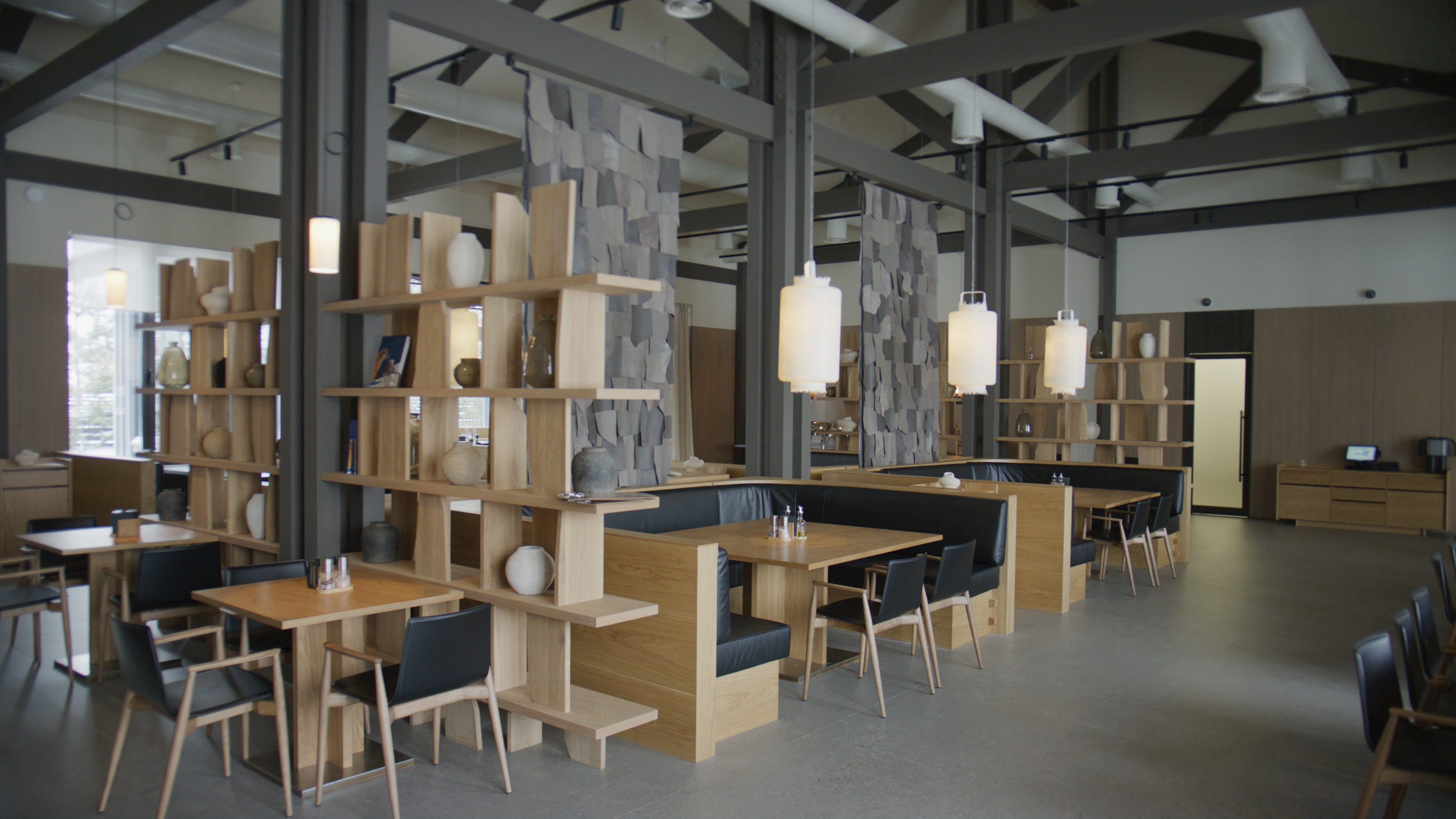
Restaurant Altai is part of Ridder Lodge at Altai Mountains Resort in Ridder, Western Altai, East Kazakhstan. The menu brings together Kazakh, Siberian and European cuisine, with dietary accommodations available on request. It is a dining option within a lodge stay, without a lift journey to a mountain summit.
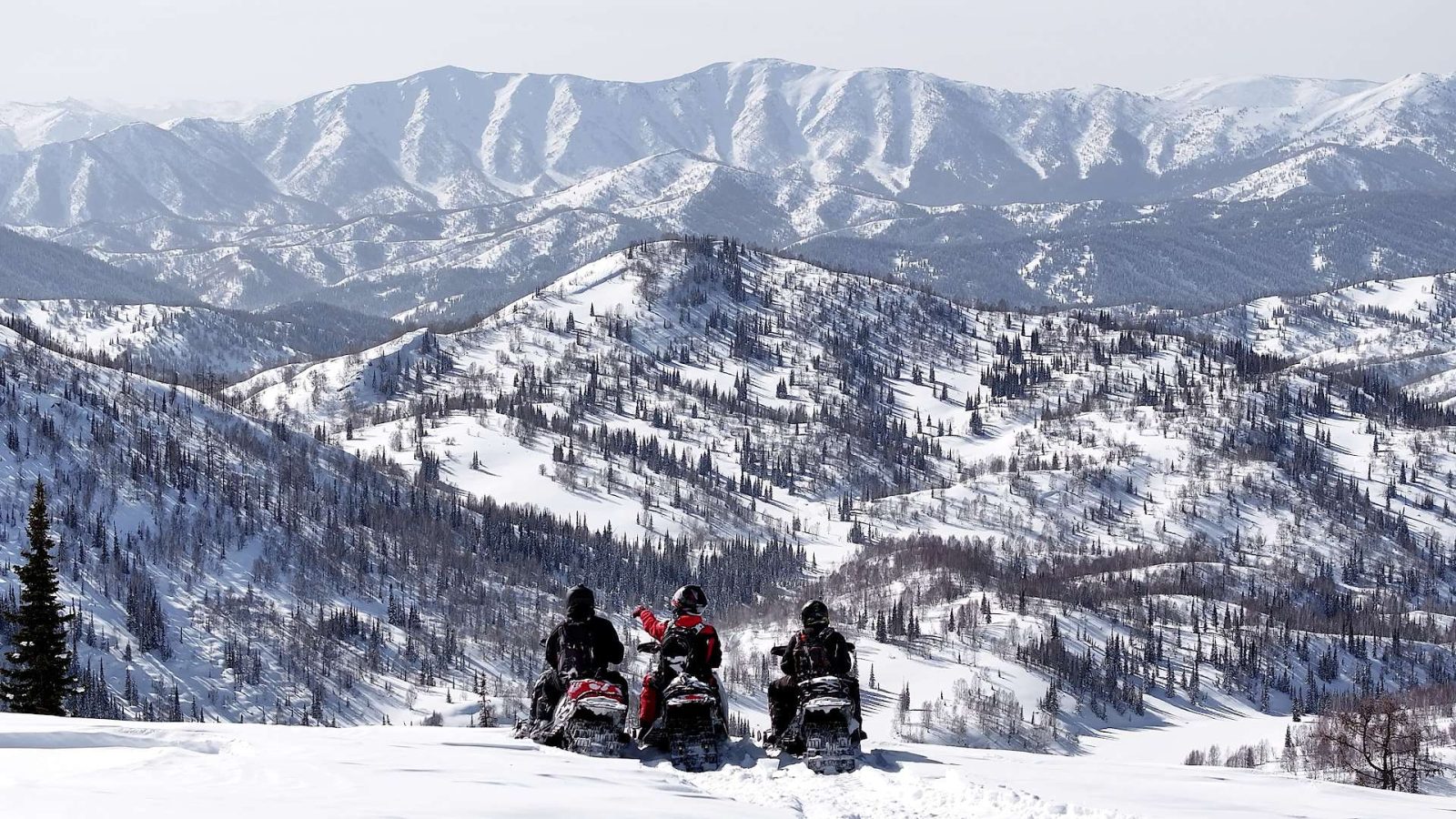
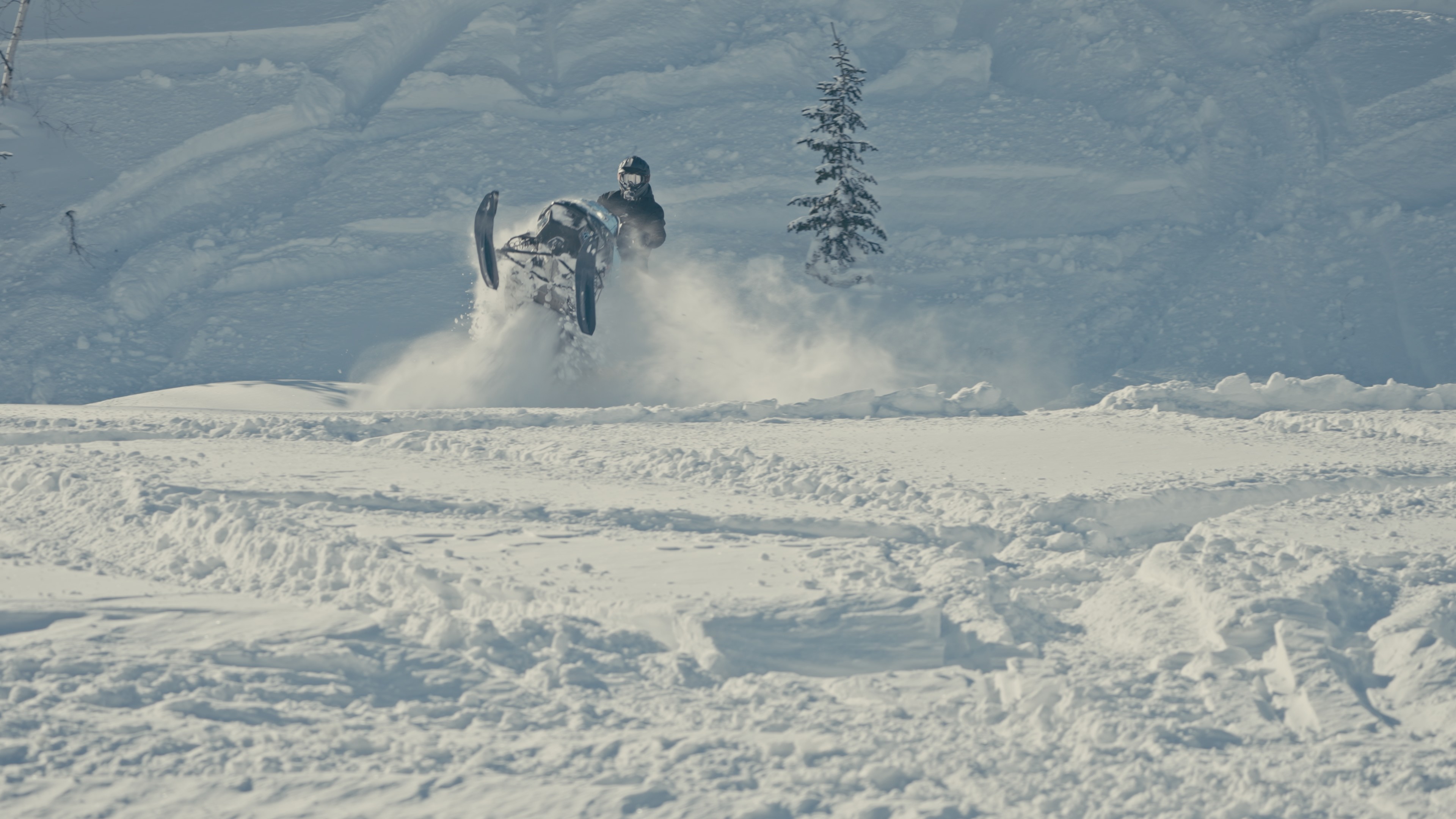
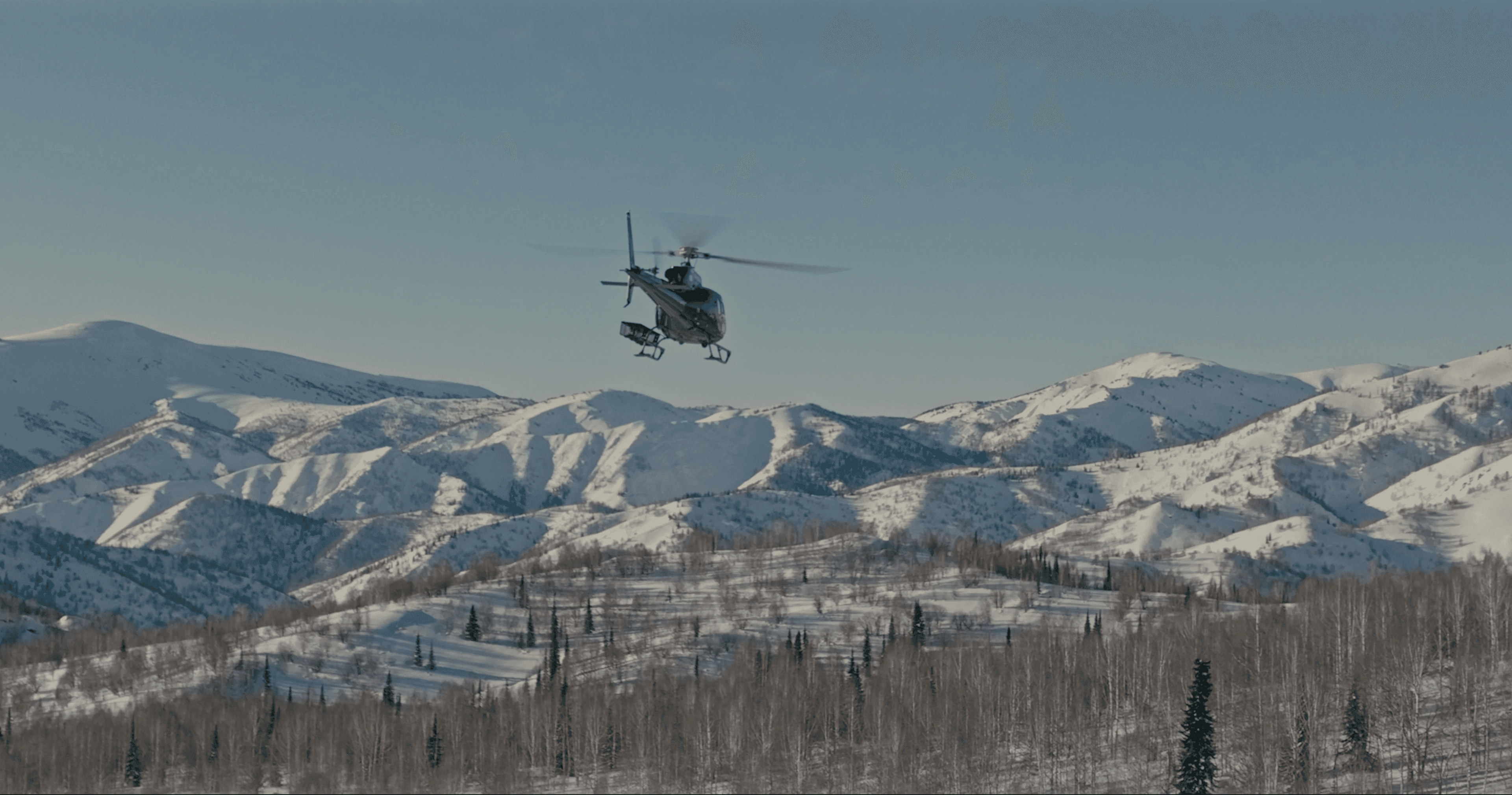
If your stay includes heli-skiing, cat-skiing, snowmobiling or a Snow Safari, build meal times around the schedule for your dates. Heli-skiing package inclusions can cover lodging, meals, guiding and safety gear, while flights are separate; activity dates, transfers and other inclusions depend on the programme and booking. You can explore our packages, heli-skiing and guided snowmobiling options as you shape your itinerary.
When you book, our team can help with dining details, accommodation availability and the rhythm of your programme. Share dietary requirements early, and visit the Ridder Lodge page for accommodation information for your intended dates.
FAQ
How far ahead should I reserve on-mountain dining?
Reserve once your travel dates are firm if the venue has limited seating, a fixed transport timetable or a special-event format. Earlier planning is particularly helpful for weekends and larger groups.
What happens if weather affects lift access?
Weather or operating decisions may interrupt access. Choose a reservation time with the last return journey in mind, and allow flexibility in your wider plans.
Can a mountain restaurant accommodate dietary requirements?
Many venues can discuss dietary needs, although notice and available options vary. Include clear requirements when you reserve rather than leaving them until arrival.
Is Restaurant Altai on the mountain?
Restaurant Altai is the dining offering at Ridder Lodge near Ridder. It is lodge-based rather than a conventional lift-served summit restaurant, making it a natural part of a stay at Altai Mountains Resort.
For a stay at Ridder Lodge, our booking team can help you bring together the current programme, accommodation and dining arrangements for your dates.
For another editorial perspective on destination dining, see Hållfjället: a destination restaurant above the tree line — Falstaff.
All Articles
Plan on-mountain dining with four practical considerations: access, reservations, menus and dietary needs, plus weather and mountain safety preparation.

A practical Siberian cuisine guide to Restaurant Altai, East Kazakhstan dishes, dietary requests and Ridder Lodge accommodation rates.
Explore heli-skiing’s environmental impact, including helicopter emissions, wildlife considerations, aviation effects and practical planning questions.
Learn what a snowcat safety briefing covers, including avalanche equipment, transceiver checks, the 20 cm/50 cm rule and cat-skiing preparation in Altai.
Practical ski locker etiquette for shared storage: keep equipment tidy, use boot dryers fairly and follow the rules in your drying room.
Plan a heli-accessed splitboard trip with practical guidance on formats, costs, rescue readiness, personal kit and Altai Mountains Resort options.
Explore Kazakhstan winter culture through holiday traditions, food, living heritage, regional rhythms and practical etiquette for visitors.
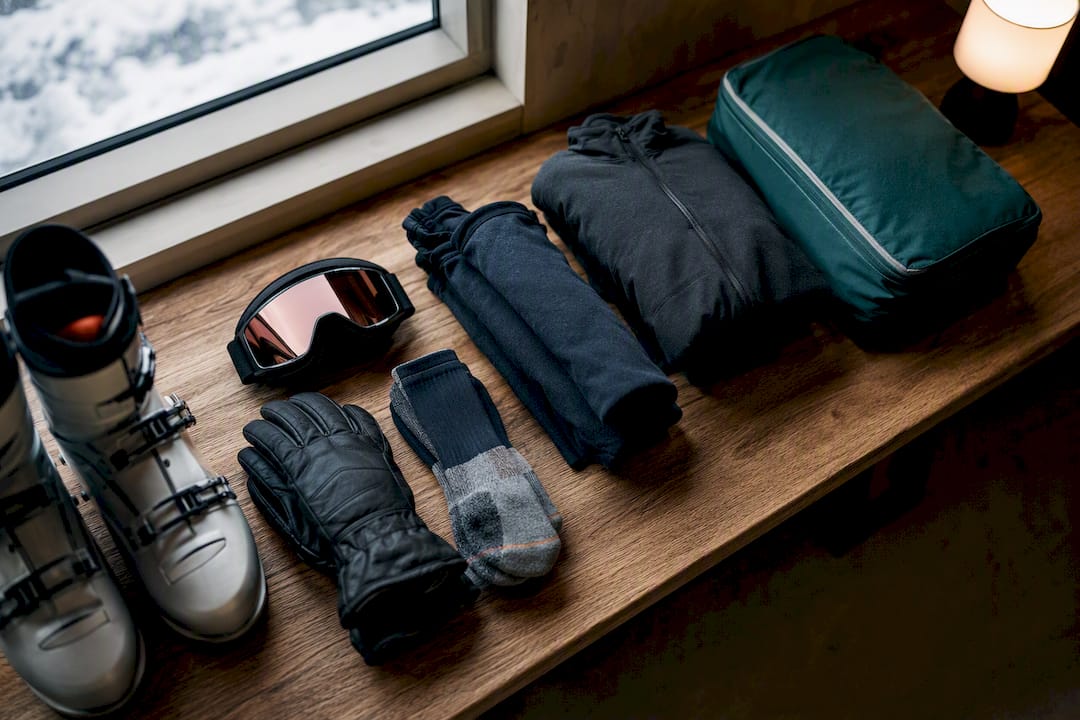
A practical luxury ski packing list for fitted essentials, lighter luggage and guided off-piste or heli-ski days at Altai Mountains Resort.

A practical heli-skiing safety guide for expert skiers, covering operator decisions, avalanche equipment, helicopter procedures, rescue planning and insurance.
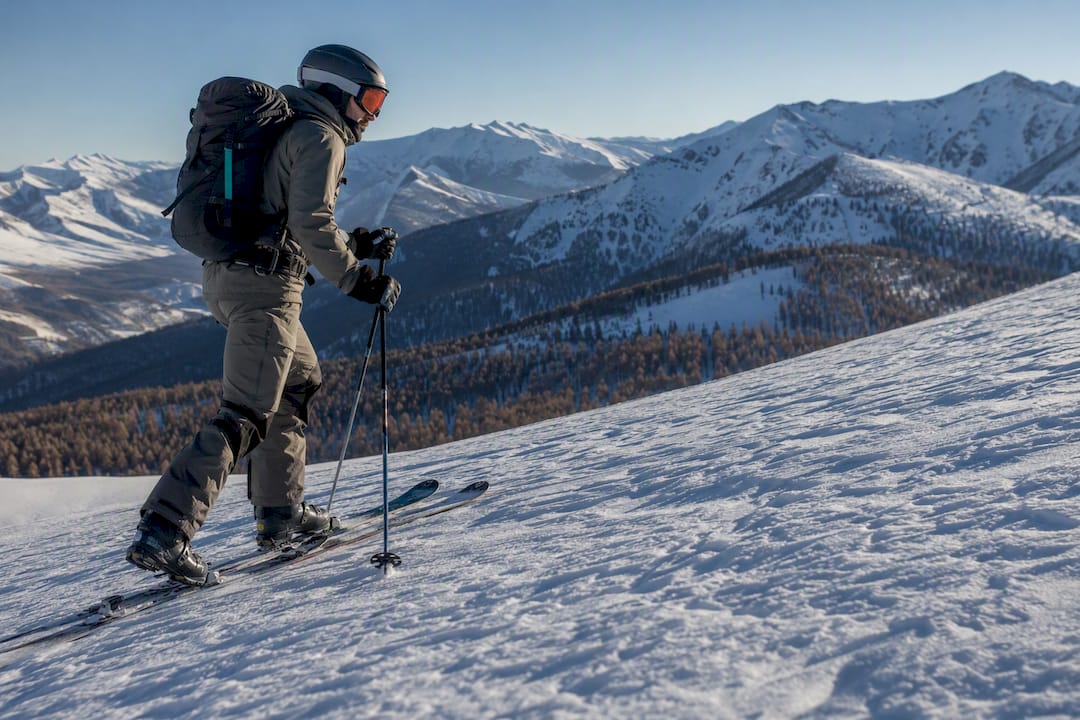
Compare lift-assisted, touring and Western Altai ski options in Kazakhstan, with practical safety, travel and booking guidance.

Learn the heli-skiing skill level typically expected, the off-piste skills to practise, safety preparation and an adaptable 8–12-week training framework.

Plan the Kazakhstan skiing season with a practical comparison of Almaty and Ridder, month-by-month timing, mountain safety and trip planning.
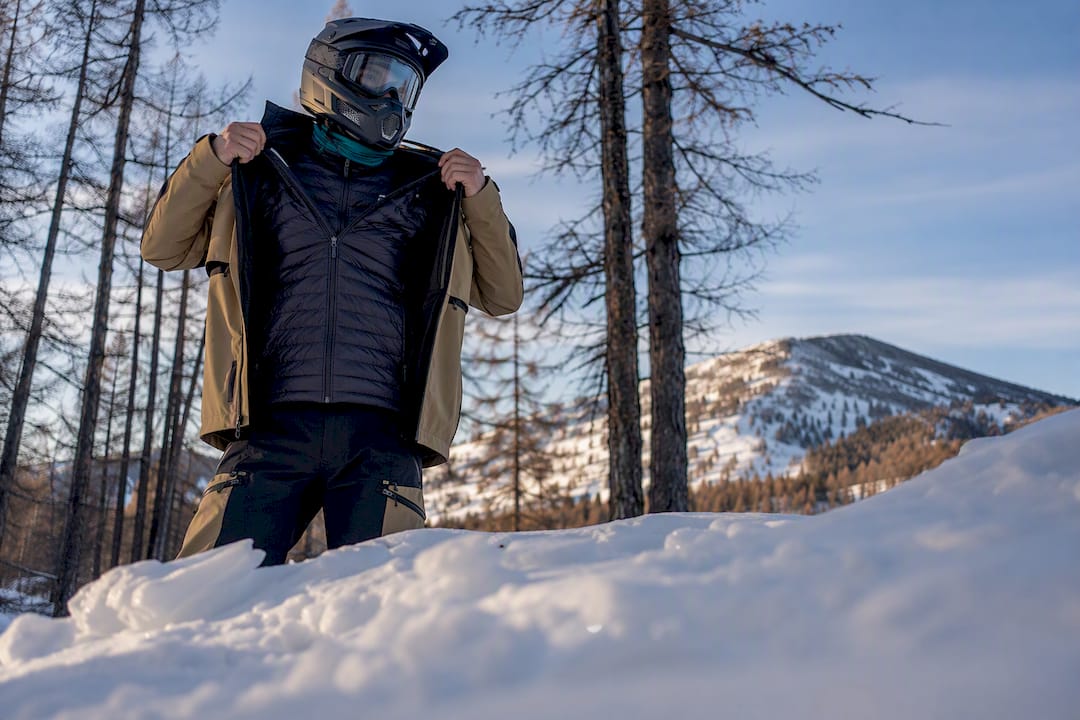
Use this snowmobile layering guide to build a flexible base, insulation and shell system, manage moisture and pack dry spares for changing conditions.

Learn what to rent for avalanche terrain, how to prepare a beacon, probe and shovel, and what to know about airbag packs and flights.
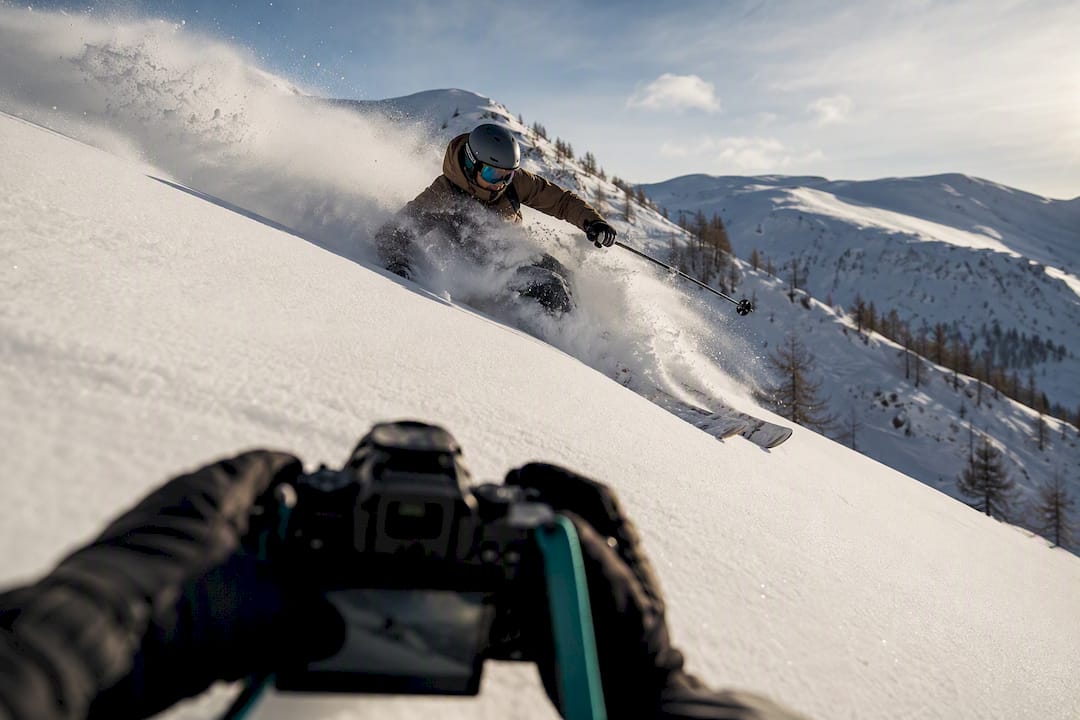
Practical ski photography tips for beginners: camera settings, snow exposure, timing, cold-weather camera care and safe mountain positioning.

Learn how to read an avalanche forecast, interpret danger ratings, roses and avalanche problems, and plan more conservative terrain choices.
Practical cold injury prevention for winter travel: layering, dry spares, warning signs, first aid and planning for mountain activities.
Planning snowmobiling in Ridder? Understand how experience, training, equipment and Kazakhstan rules shape your trip with Altai Mountains Resort.
Travel with ski gear confidently: carry boots when cabin rules allow, pack skis securely, understand airline baggage rules and prepare for delays.
Build a practical backcountry radio communication plan with party radios, satellite SOS or PLB backup, cold-weather care and regional legal essentials.

Satellite messenger basics for remote Altai trips: compare PLBs and two-way devices, understand SOS limits, and prepare your communications plan.
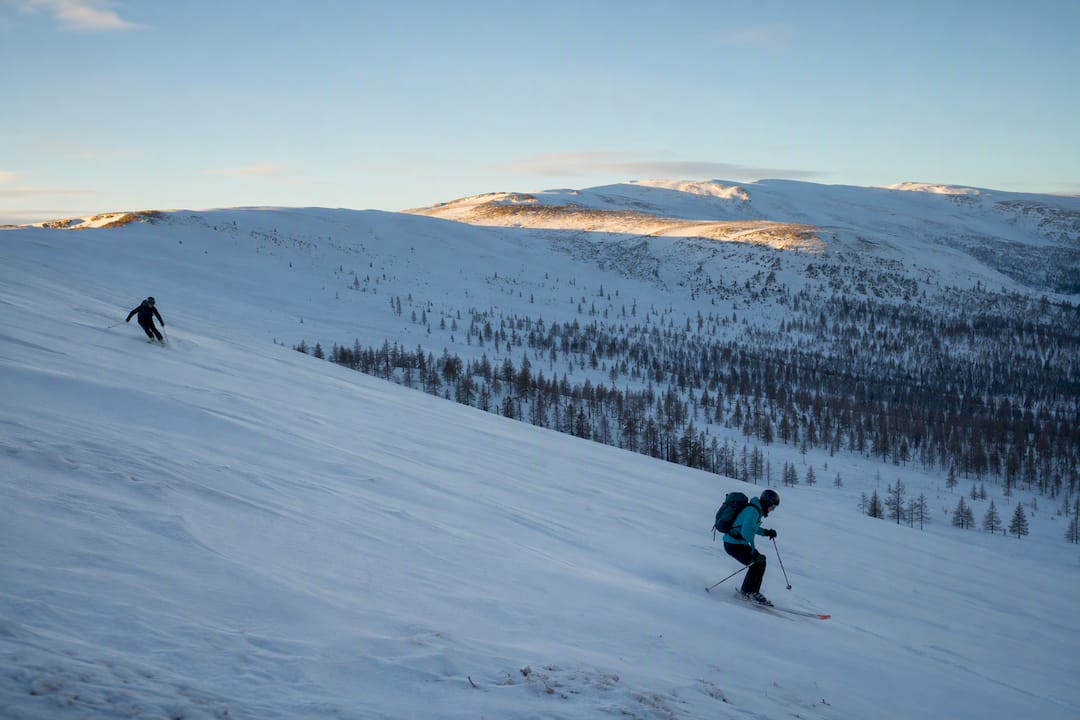
Avoid ski crowds with flexible dates, midweek skiing, early starts and smarter lift choices. Explore guided off-piste options near Ridder.

Learn how heli-skiing passenger weight and baggage rules differ by operator, with practical packing steps and Altai Mountains Resort booking guidance.
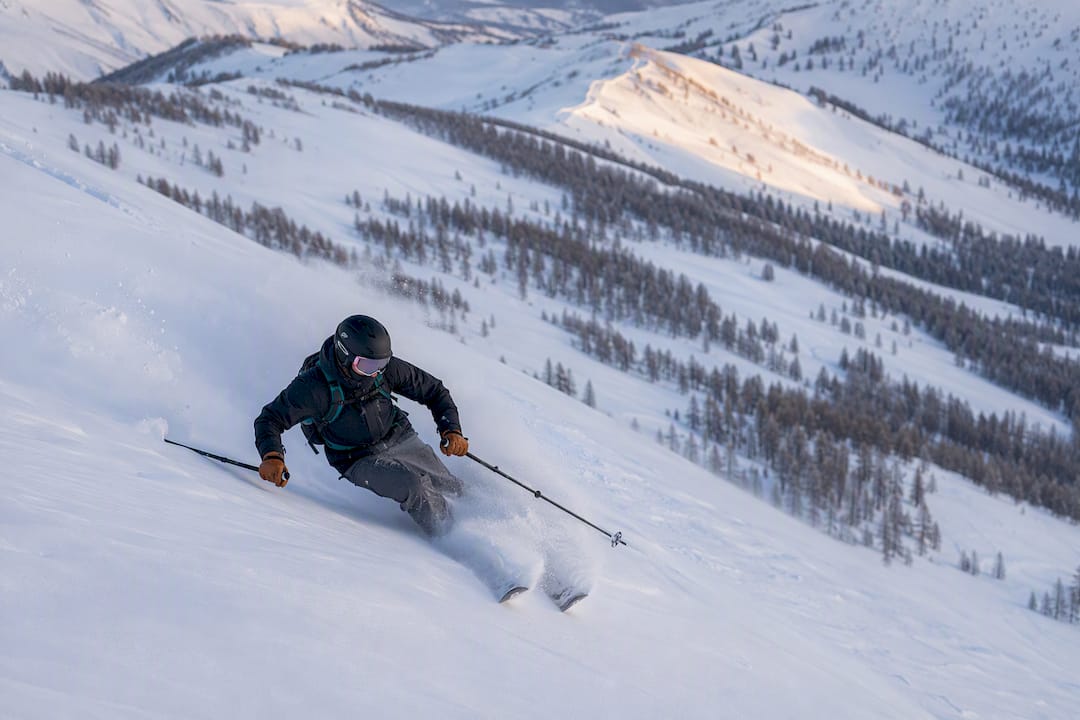
Understand the cat skiing skill level needed for Altai Mountains Resort, with practical guidance on off-piste ability, fitness and avalanche readiness.
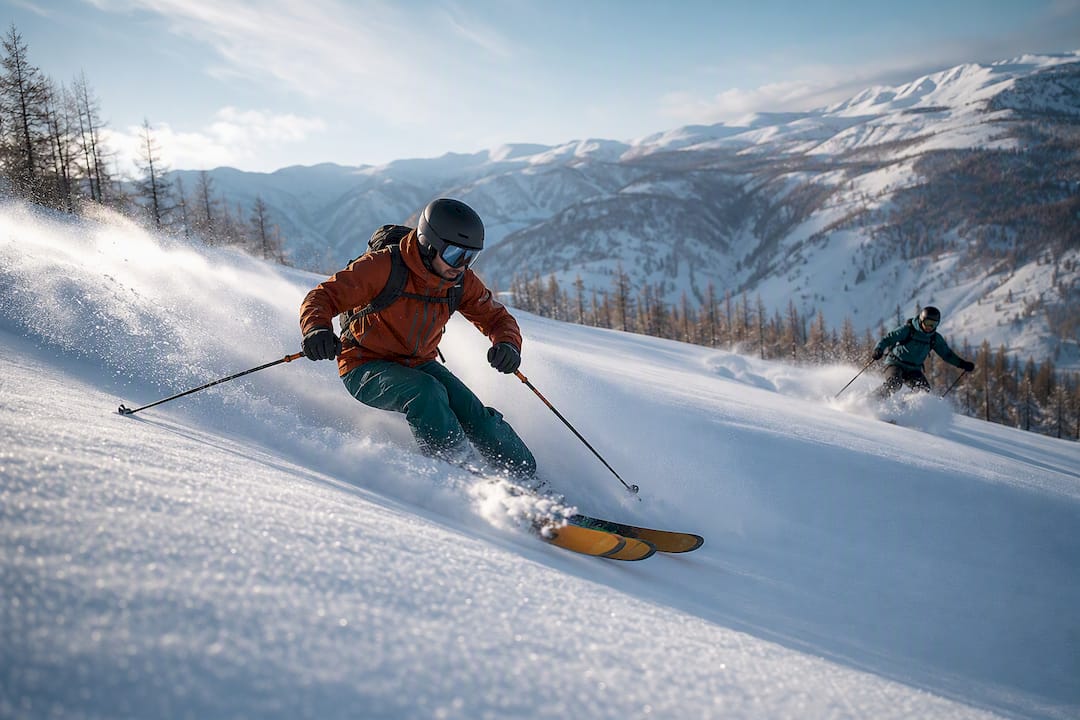
Decide whether Ridder suits your advanced Altai ski trip, with practical guidance on transfers, season timing, avalanche gear and guided programmes.
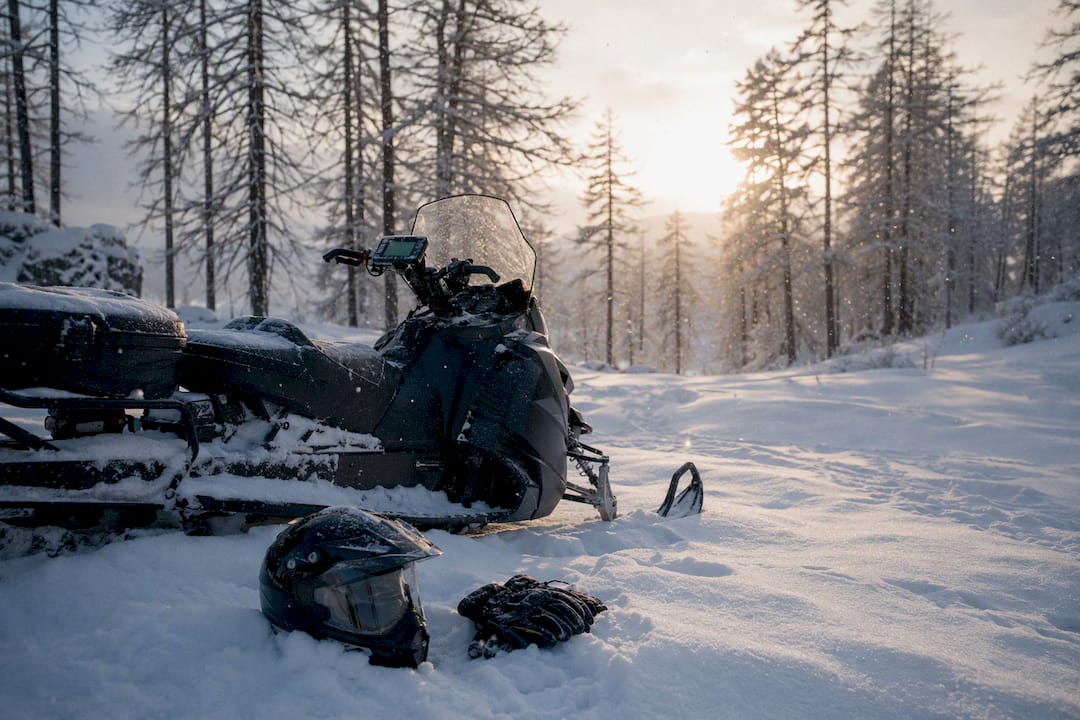
Compare snowmobile tour prices by duration, understand what shapes the final cost, and explore quote-based snowmobiling at Altai Mountains Resort.
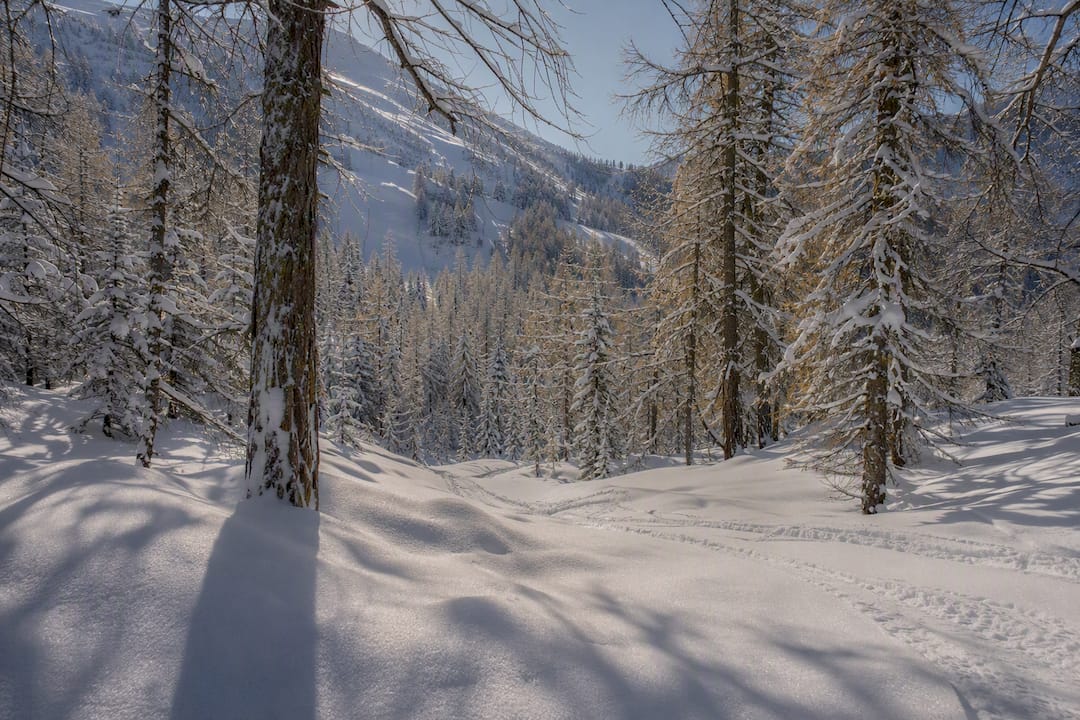
Compare Western Altai, Almaty and Turgen for Kazakhstan powder skiing, with practical guidance on access, safety and Ridder logistics.

Plan Altai heli skiing near Ridder with practical guidance on terrain, season, package inclusions, access, safety gear and booking.
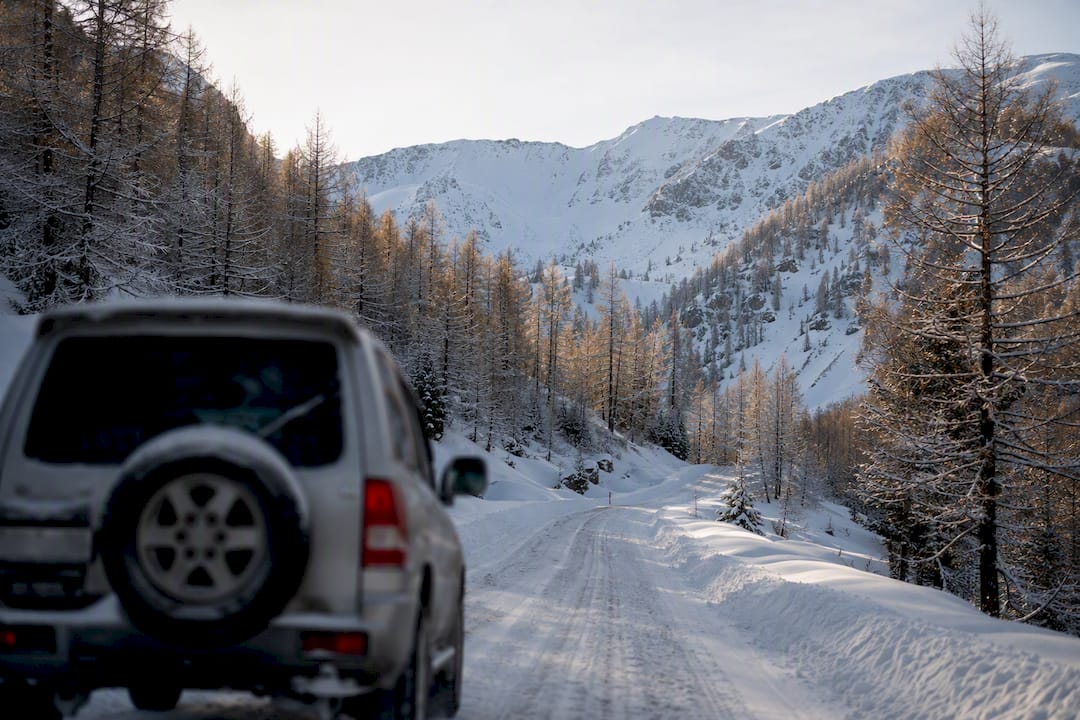
Compare flight, rail and self-drive routes from Almaty to the Kazakh Altai, with practical guidance for reaching Ridder and Ulba village.

Learn deep powder snowmobiling setup, riding technique, safe recovery and avalanche preparation, plus guided training near Ridder.
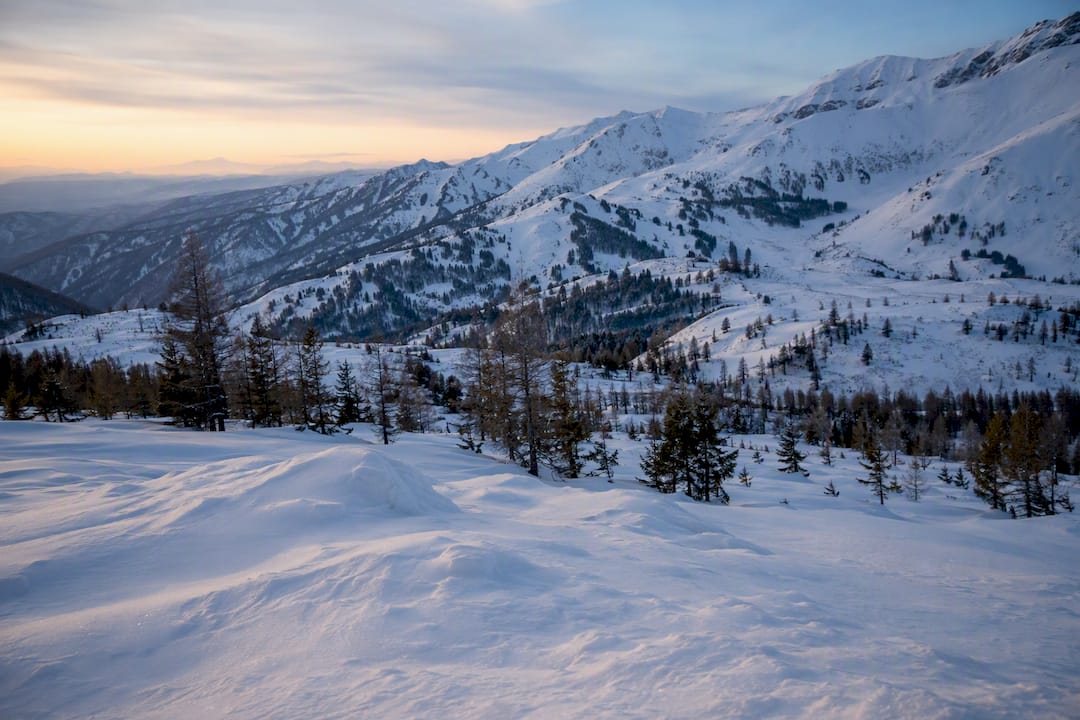
Plan an Altai Mountains winter stay from Ridder, with activity timing, travel from Öskemen, packing advice and practical mountain guidance.

Practical helicopter passenger safety guidance on boarding, seatbelts, exits, dropped items and following crew instructions.

Practical off-piste slope etiquette for safer skiing: right of way, avalanche preparation, group spacing, closures and guided skiing in the Western Altai.

Plan an Altai Mountains trip across Russian, Mongolian and Kazakh sectors, with permit, safety and winter-stay guidance for Ridder Lodge.
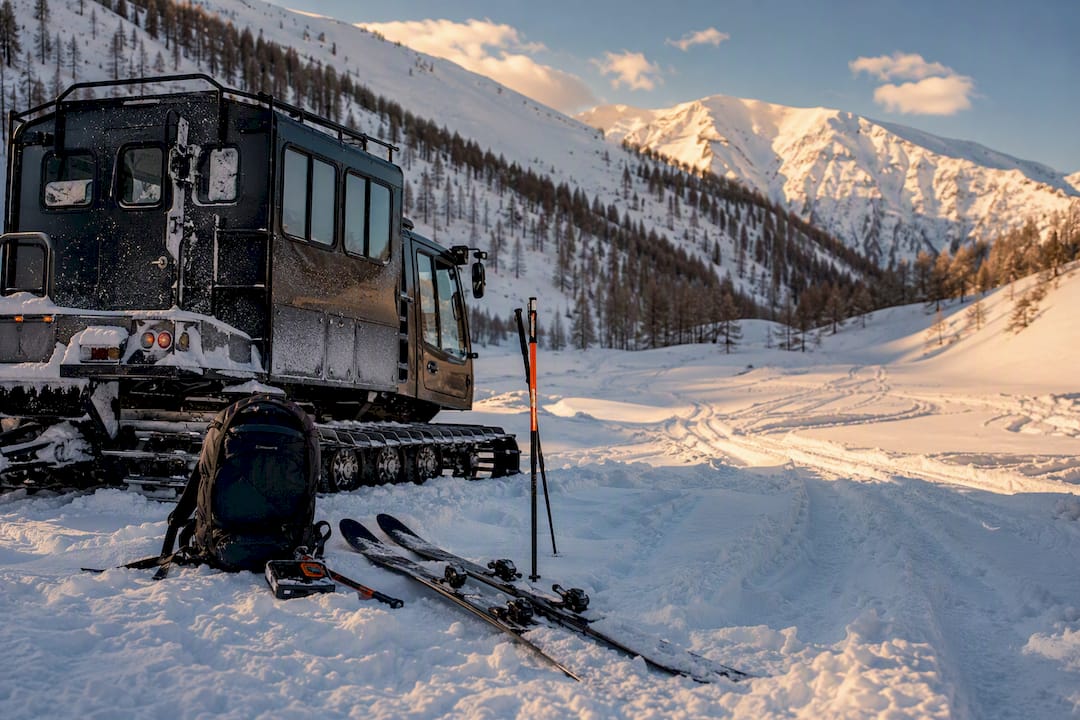
Learn how to plan guided freeride tours, from off-piste experience and avalanche gear to guide scope, changing mountain conditions and cat-skiing in the Altai.
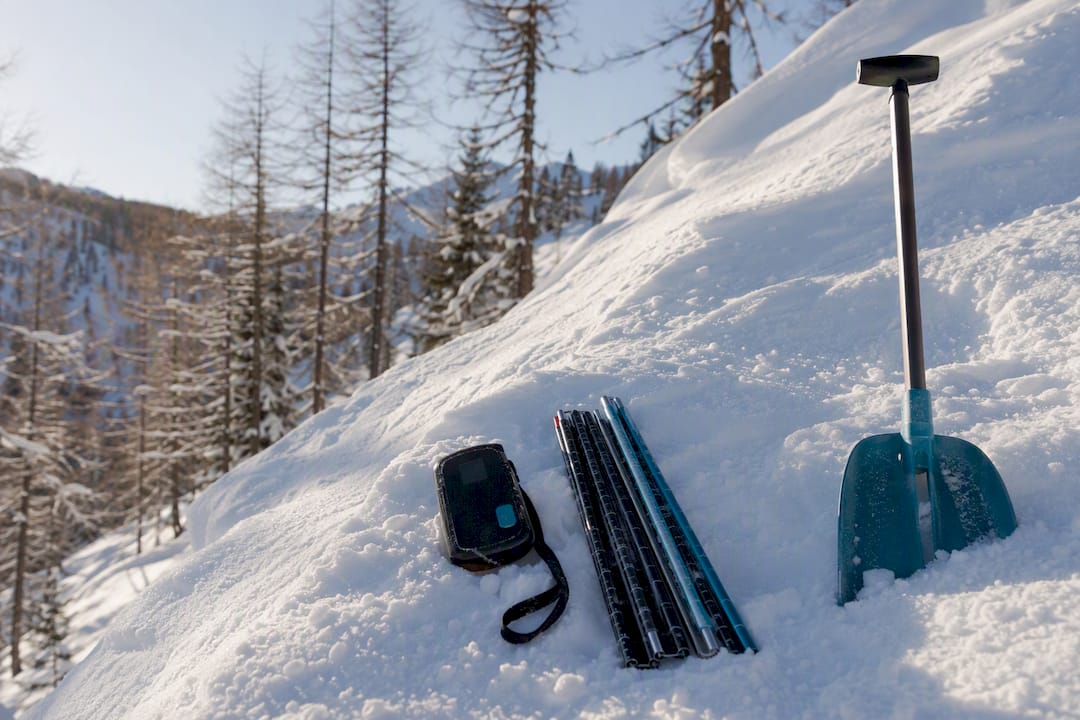
Learn avalanche beacon basics: 457 kHz transceivers, essential rescue gear, trailhead checks, interference and companion-rescue practice.

Learn which avalanche course suits your plans, what companion-rescue skills to practise and how to prepare for a winter trip to Altai.
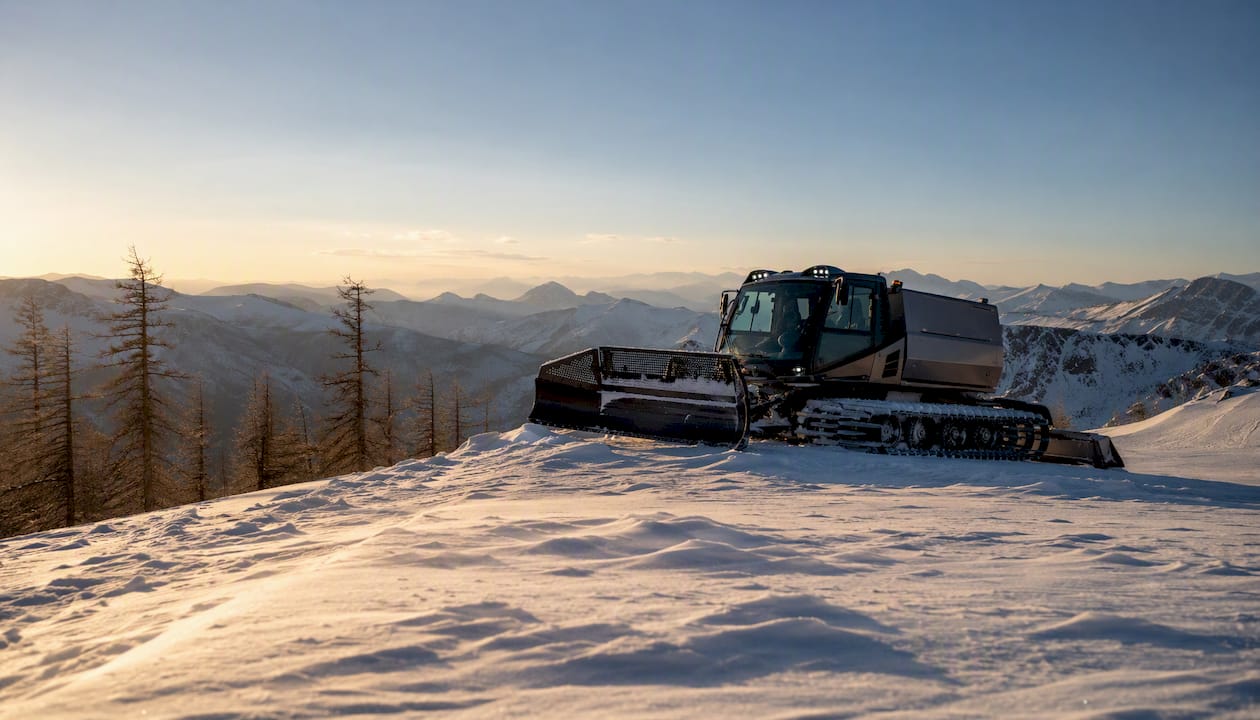
Learn what cat skiing is, who it suits, what to pack and how to plan a guided cat-skiing trip, including options near Ridder, Kazakhstan.
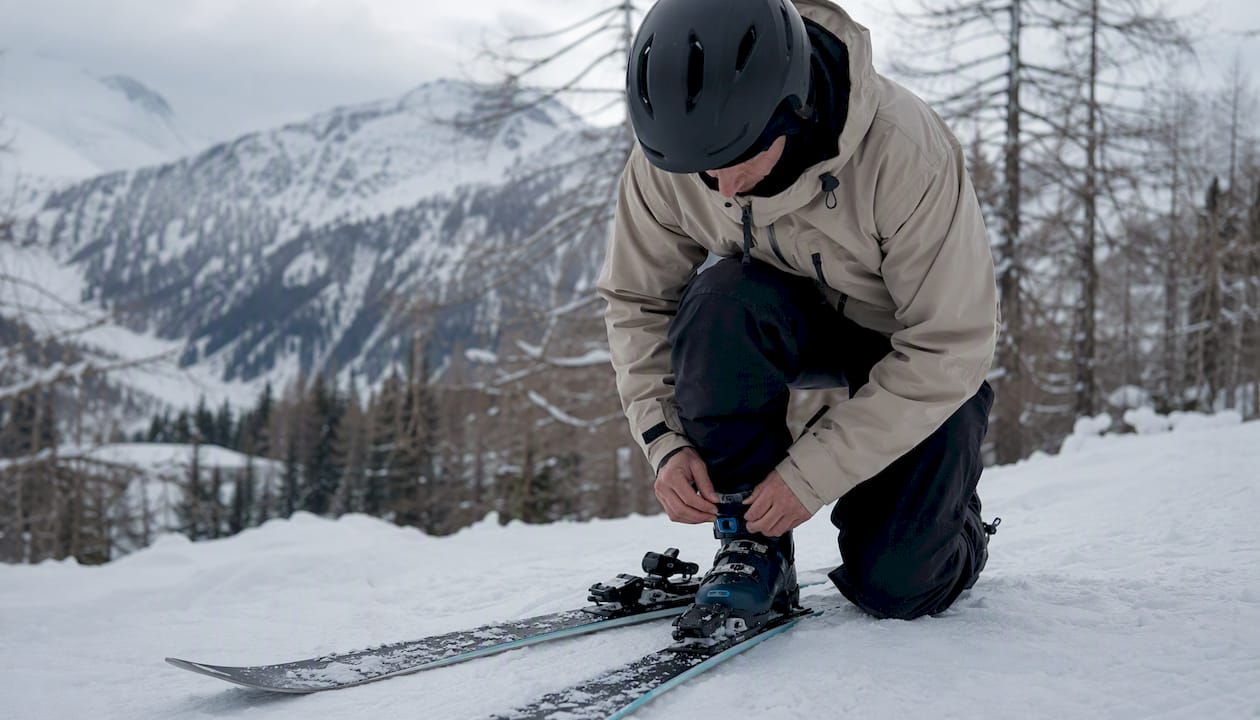
A practical ski rental Kazakhstan guide to Shymbulak and Medeu, current tariffs, equipment fit, transport and guided freeride near Ridder.

Understand ski guide benefits for freeride and backcountry trips, including local planning, terrain choices, qualifications, safety gear and access options.

Plan a snowmobile expedition near Ridder, Kazakhstan, with practical guidance on routes, rider experience, equipment, mountain safety and transfers.
Use this mountain lodge amenities checklist to compare rooms, meals, wellness access, transfers, activities and paid extras before booking.
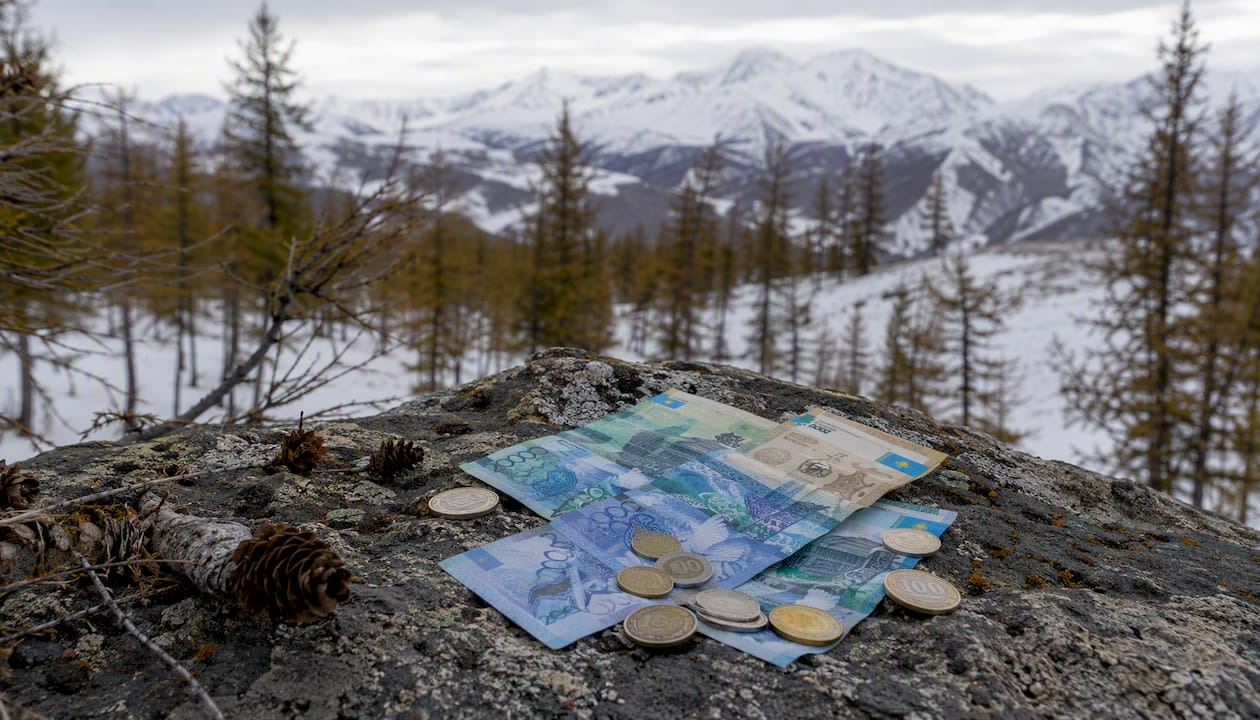
A practical Kazakhstan currency guide to the tenge, cards, ATMs, currency exchange, DCC and cash planning for cities and the Western Altai.
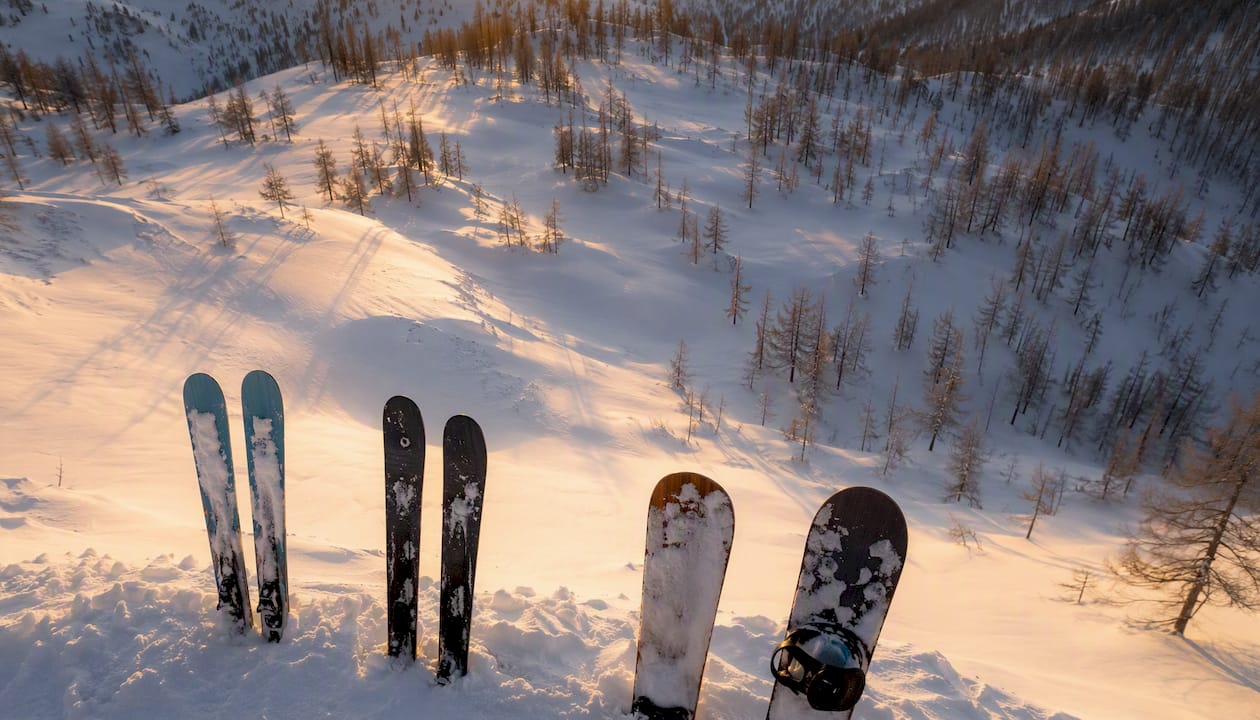
Plan the Kazakhstan ski season by month, compare lift-served Shymbulak with guided trips around Ridder, and prepare for changing snow and mountain conditions.
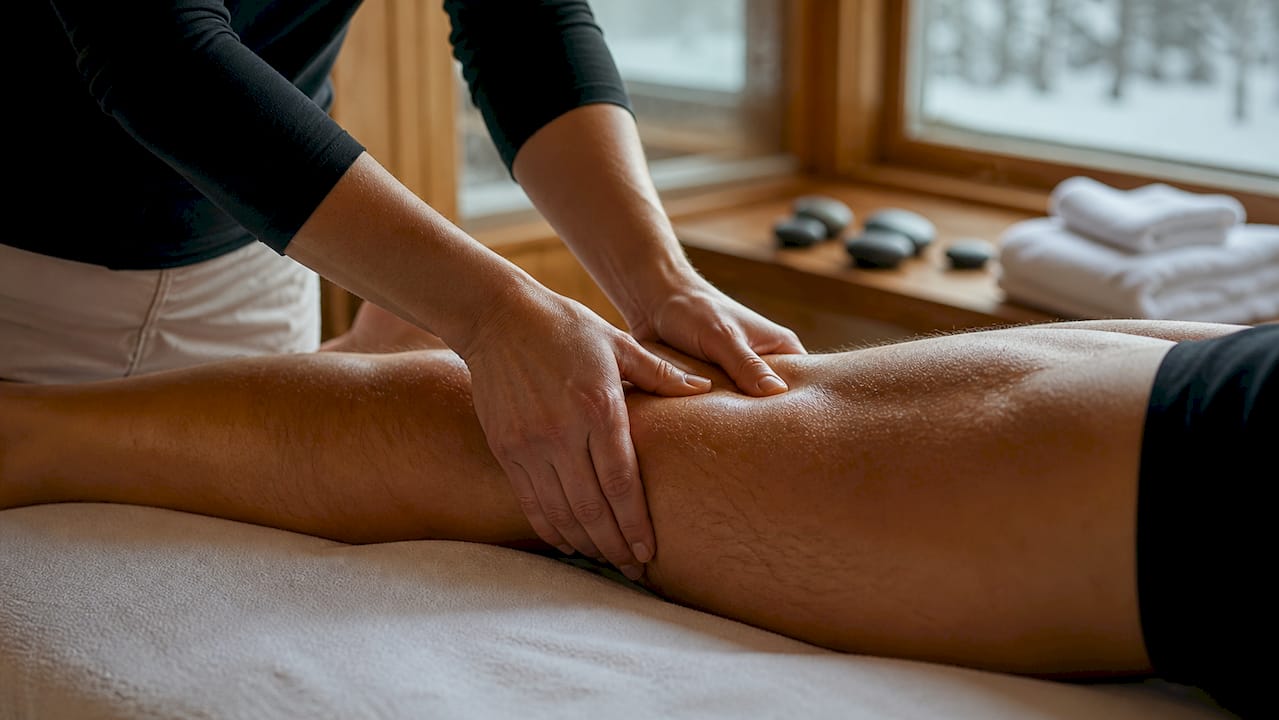
A practical guide to spa after skiing, including gentle massage, sauna and hammam, optional cold immersion and signs that need medical attention.
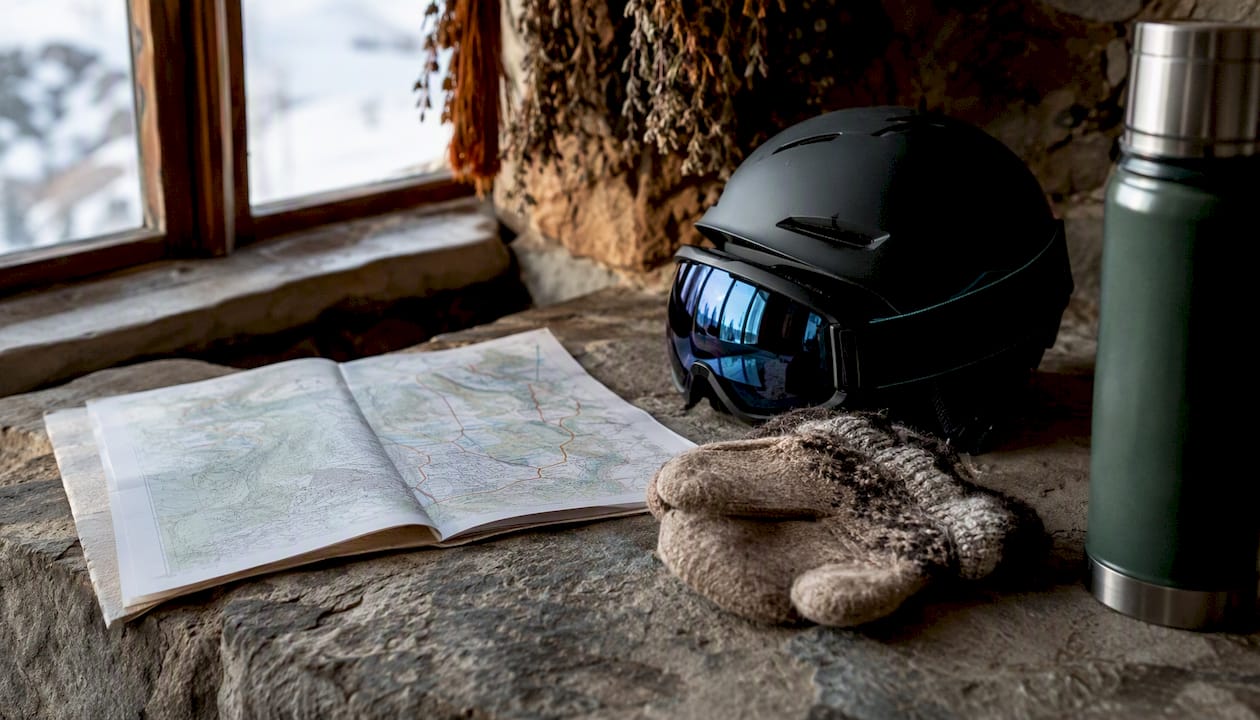
Plan a remote ski trip from the UK to Ridder, with practical guidance on activities, Kazakhstan entry, Öskemen transfers, insurance and ski baggage.
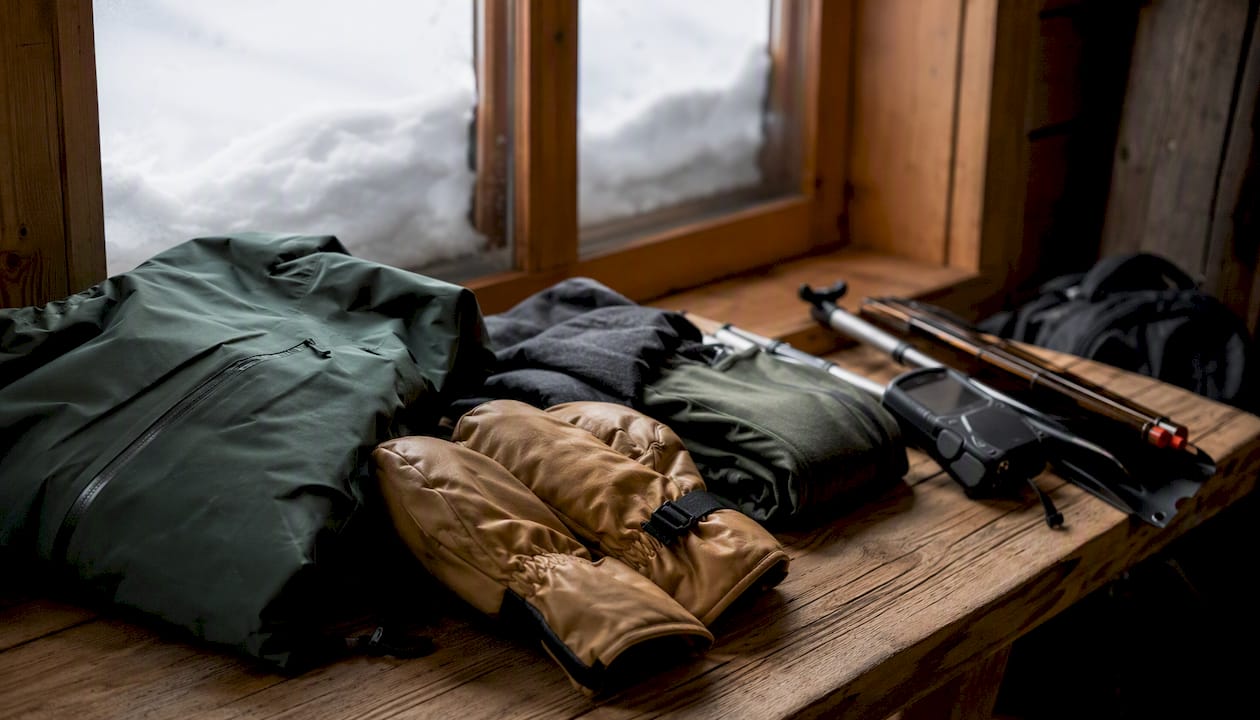
A practical heli skiing packing list covering clothing, avalanche equipment, ski baggage, batteries, travel documents and rental options.
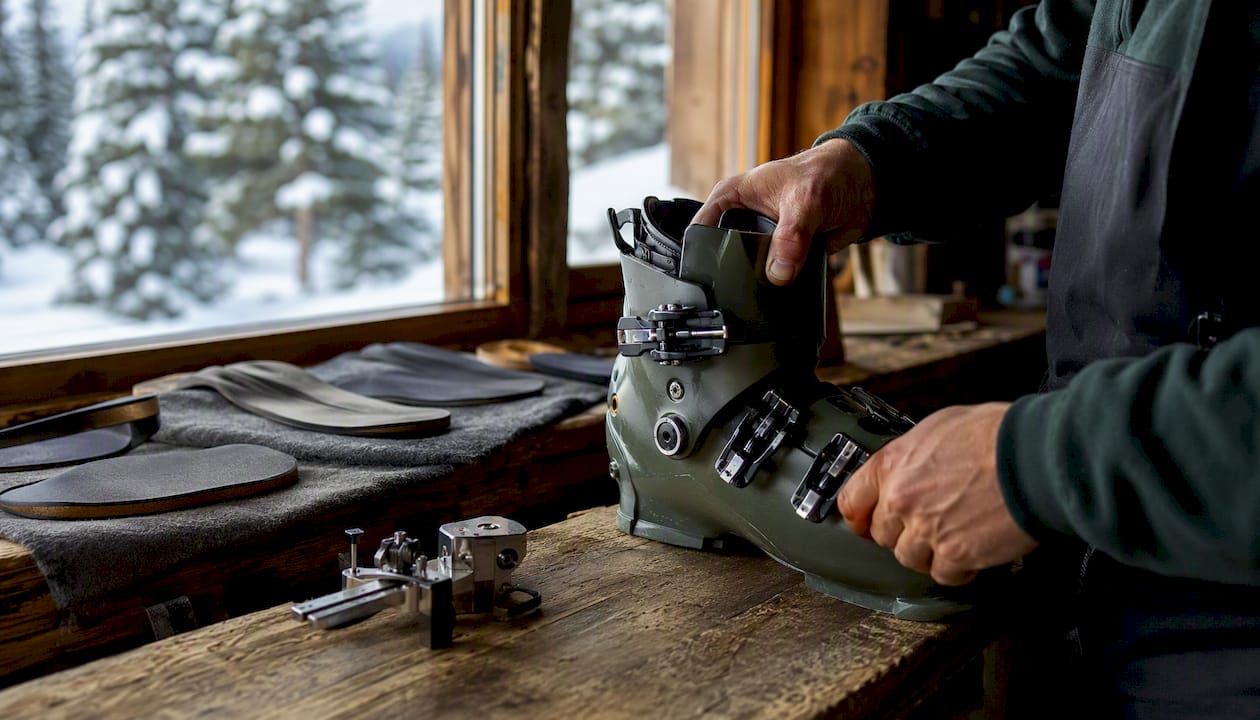
A practical UK guide to ski boot fitting: appointment steps, services, current provider price examples, aftercare and warning signs.
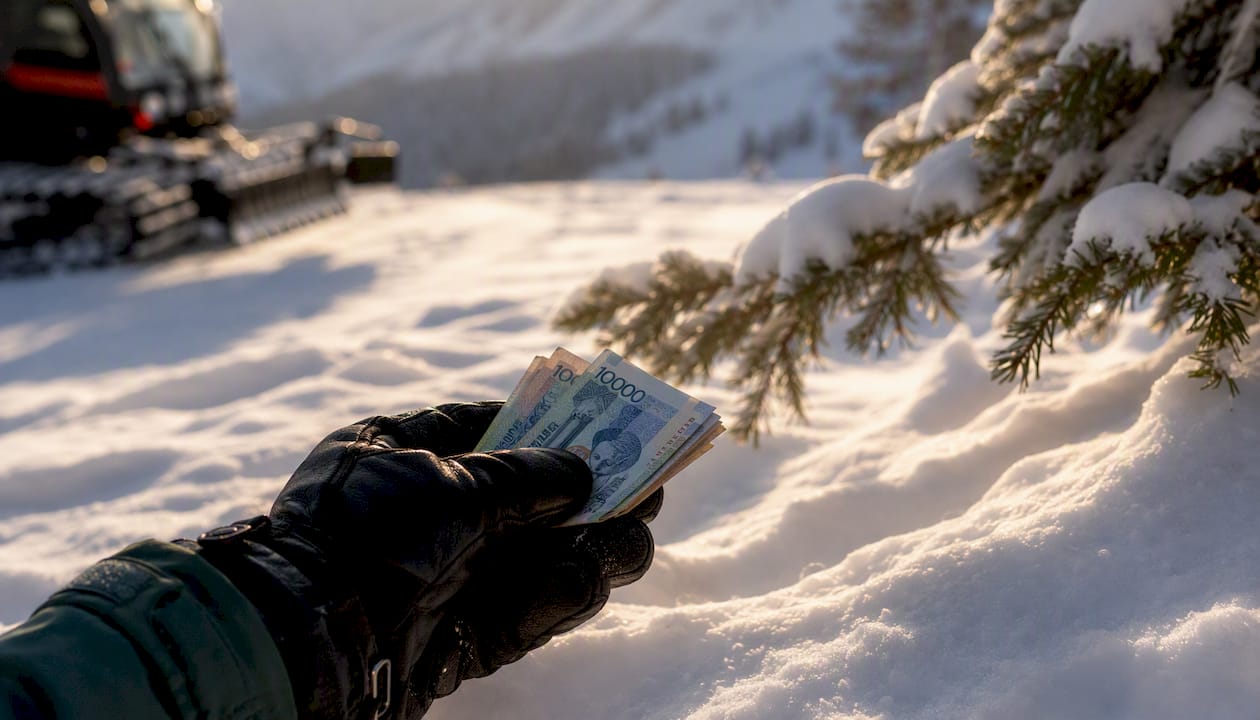
Should you tip a ski guide? Learn how customs vary, when a gratuity may feel appropriate and how to plan for tipping in Kazakhstan.
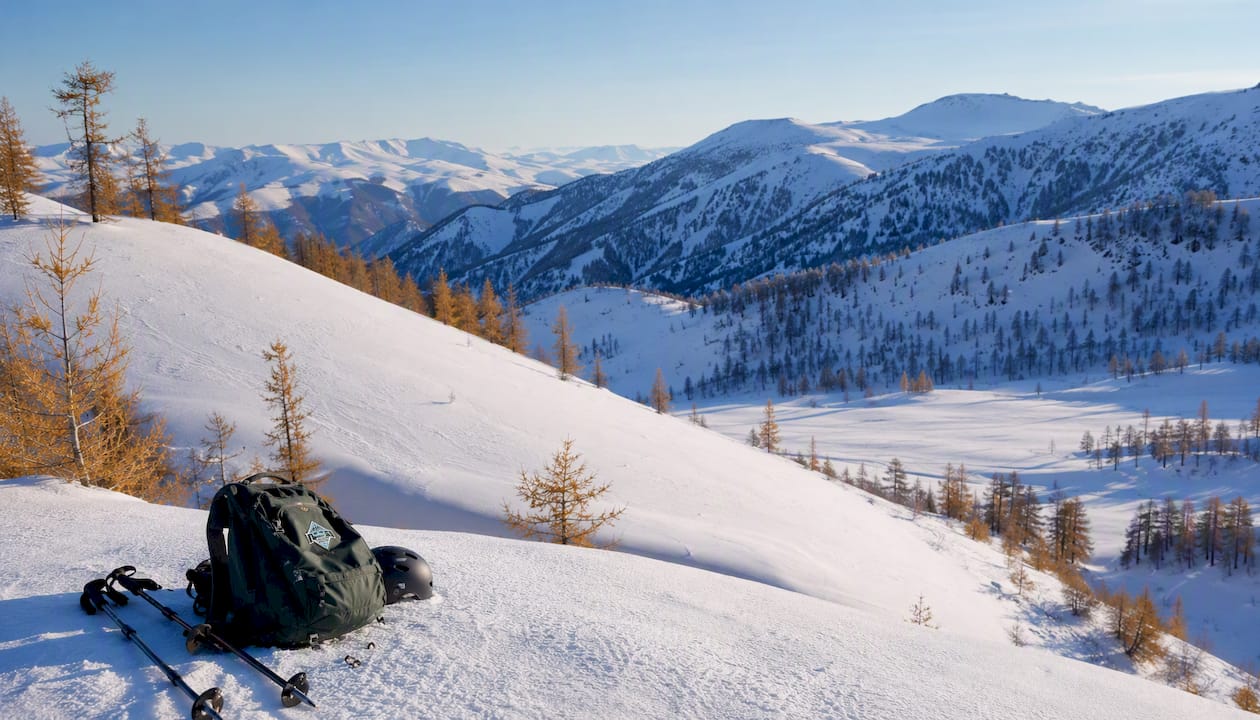
An Altai cuisine guide to kan, kurut, chegen and talkan, with dining at Restaurant Altai, food safety and travel from Öskemen to Ridder.
Compare banya vs sauna: heat, steam, venik and löyly rituals, etiquette, health evidence, safety basics and the Altai Banya experience.
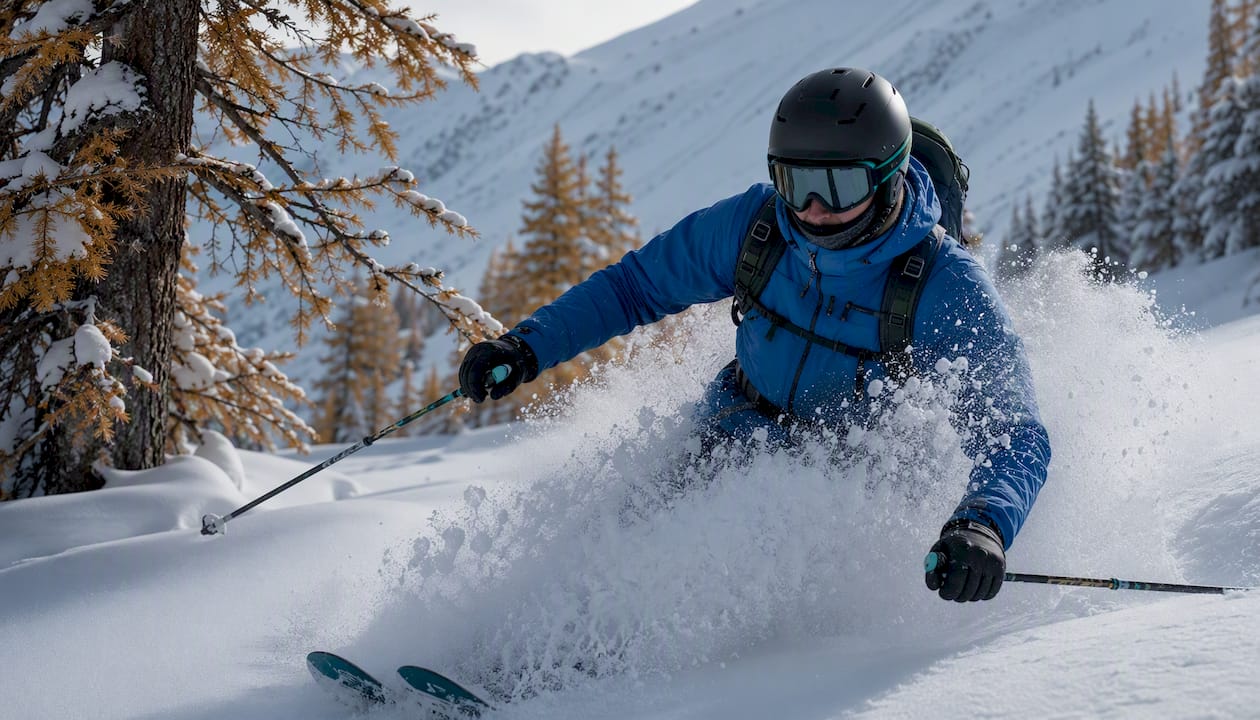
Learn how to ski deep powder with centred balance, smooth turns, speed control, practice steps, gear guidance, and avalanche and tree-well precautions.

Plan a mountain wellness retreat in Ridder with freeride, heli-skiing, snowmobiling, Ridder Lodge, Altai Banya and practical winter travel guidance.

A practical snowmobile gear list for UK travellers heading to Altai Mountains Resort, with clothing, safety equipment, battery and travel guidance.

Understand Ridder Lodge’s ski-in/snowmobile-out access, guided ski-day logistics, transfers from Öskemen and practical planning for your stay.
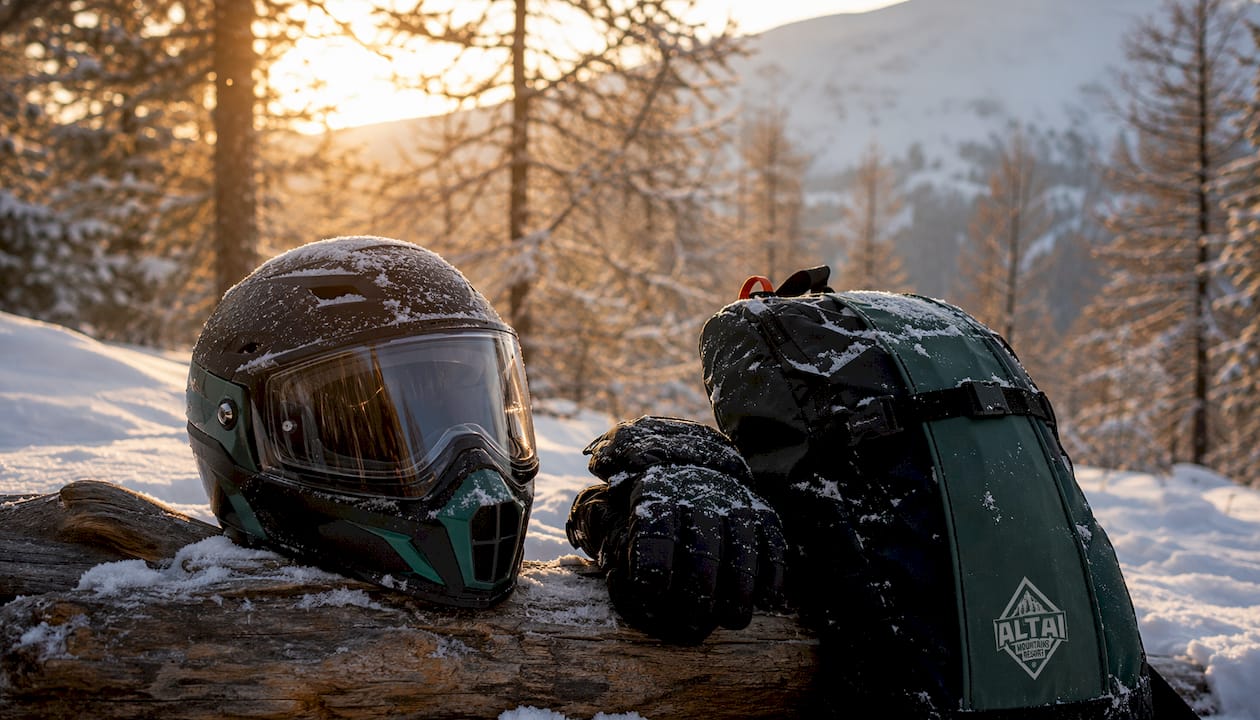
Prepare for a guided snowmobile ride with a practical gear checklist covering helmets, winter layers, avalanche equipment and cold exposure in Ridder.

A practical heli skiing guide to ability, avalanche equipment, packing, weather and planning your first trip to Kazakhstan.
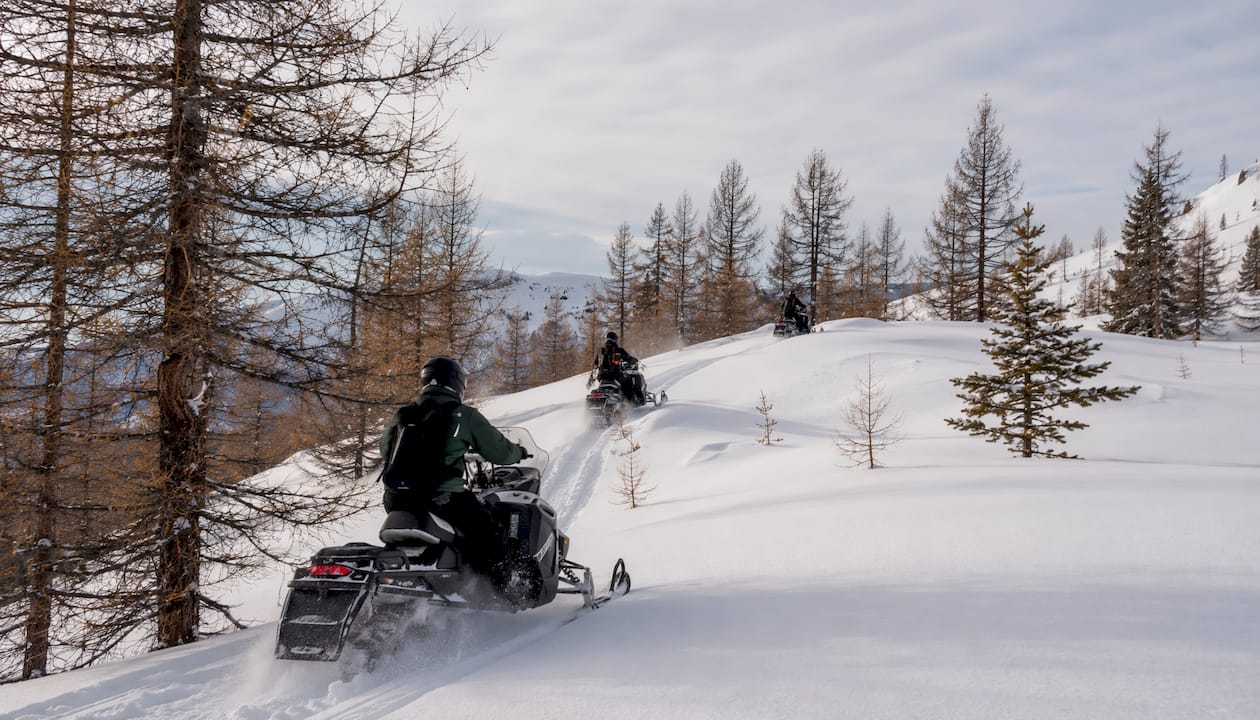
Plan guided deep snow snowmobiling in Ridder, with practical details on training, rentals, equipment, transfers and staying at Ridder Lodge.
How to choose Kazakhstan travel insurance for heli-skiing, cat-skiing or snowmobiling, including medical treatment and evacuation cover.
Kazakhstan visa requirements for UK visitors to Ridder, including visa-free limits, e-visas, passport rules, airports and Öskemen transfers.
Build strength, balance and endurance before cat-skiing, heli-skiing or snowmobiling with an adaptable six-to-eight-week ski fitness program.

Explore cold plunge benefits for skiers, from short-term soreness and recovery evidence to cold-shock risks, timing and Altai Banya options.

Understand heli skiing cost in 2026 with current operator examples, a total-budget checklist, and key booking, safety and insurance questions.