A practical cold weather skin care routine for dry winter skin, with face, hands, lips, SPF and snow-day tips.

Cold weather skin care is mostly about protecting your skin barrier from a steady combination of cold air, wind, dry heated rooms and frequent washing. Keep cleansing gentle, moisturise straight after washing, cover exposed skin outdoors and use sunscreen on uncovered areas—even on snowy days.
This simple routine suits everyday winter life and longer days outside in the mountains. Persistent, painful or infected-looking skin needs advice from a local healthcare professional.
Quick winter skin care routine
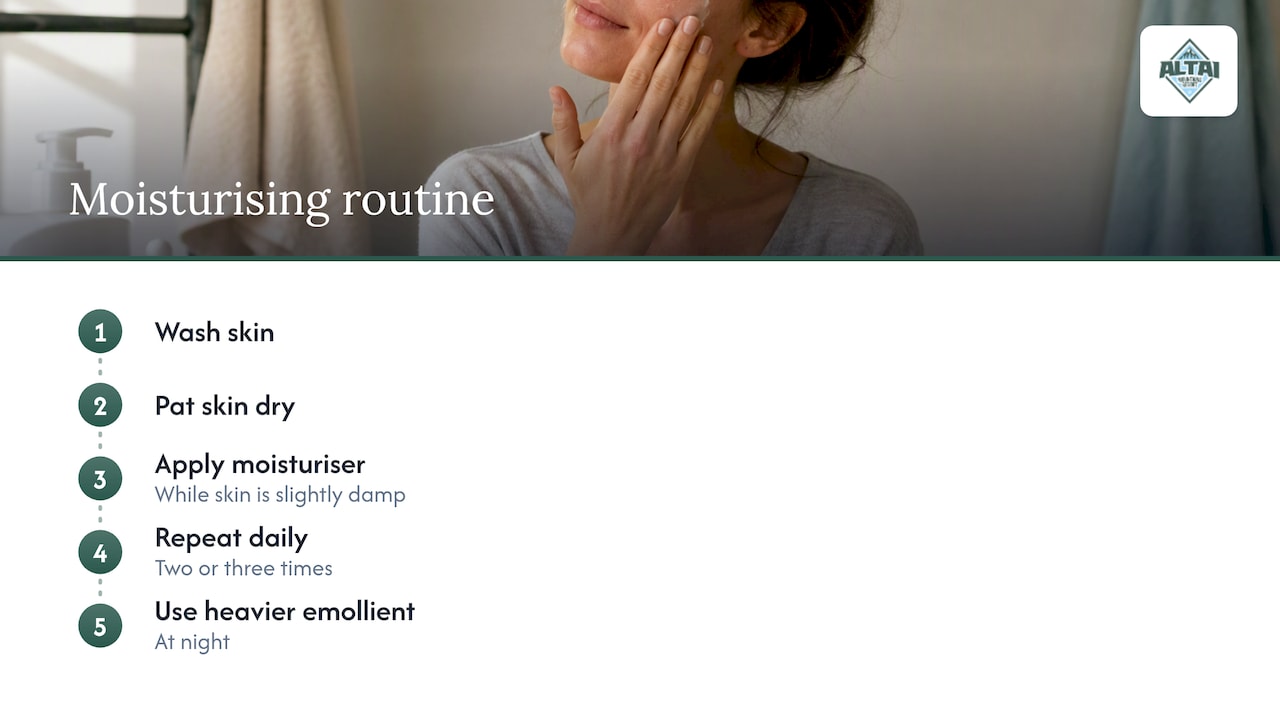
Wash briefly and warmly. Take short showers or baths with warm—not hot—water, use a gentle cleanser, and pat skin dry rather than rubbing. Mayo Clinic dry-skin guidance supports this straightforward approach.
Moisturise while skin is still damp. Apply a cream or ointment after washing, before the skin has fully dried. Richer creams and ointments are often useful on very dry areas and at night.
Keep a hand cream within reach. Reapply after handwashing and before heading out.
Protect the outdoors-facing areas. Use lip balm, gloves, a scarf or neck covering, and sunscreen on skin that remains uncovered.
Repeat in the evening. A gentle wash followed by moisturiser is usually enough; winter is rarely the time to add abrasive scrubs or multiple new active products.
Why cold weather dries the skin
Your skin barrier helps retain water and keeps irritants out. Cold, dry air and indoor heating both make it easier for skin to lose moisture. Wind adds friction and exposure, while hot water, soap and repeated washing can leave skin feeling tight, flaky or itchy.
This is why a small change in routine often goes further than a crowded bathroom shelf. Simplifying your products for a few weeks gives dry or reactive skin fewer potential irritants to contend with. Fragrance-free options are a sensible starting point for skin that stings or becomes easily irritated.
How to wash and moisturise in winter
Start with the basics: a short, warm shower; a mild cleanser where it is needed; and a soft towel used with a light patting motion. Moisturiser works best as the next step, while a little water remains on the skin. The American Academy of Dermatology winter skin guidance also recommends applying moisturiser to damp skin and choosing creams or ointments for dry skin.
A lotion may feel comfortable during the day, while a cream or ointment can offer more lasting comfort on dry hands, shins, elbows and other rough patches. Use the texture that you will apply consistently. If a product burns, causes a rash or makes symptoms worse, stop using it and seek professional advice if needed.
For prescribed emollients, follow the product directions. The NHS guidance on emollients notes that ointments can suit very dry skin and night-time use. It also carries an important safety point: emollient residue on clothing, towels or bedding can increase fire risk. Keep treated fabrics away from naked flames, cigarettes and other heat sources, and follow the label instructions.
Protecting skin outdoors in snow and wind
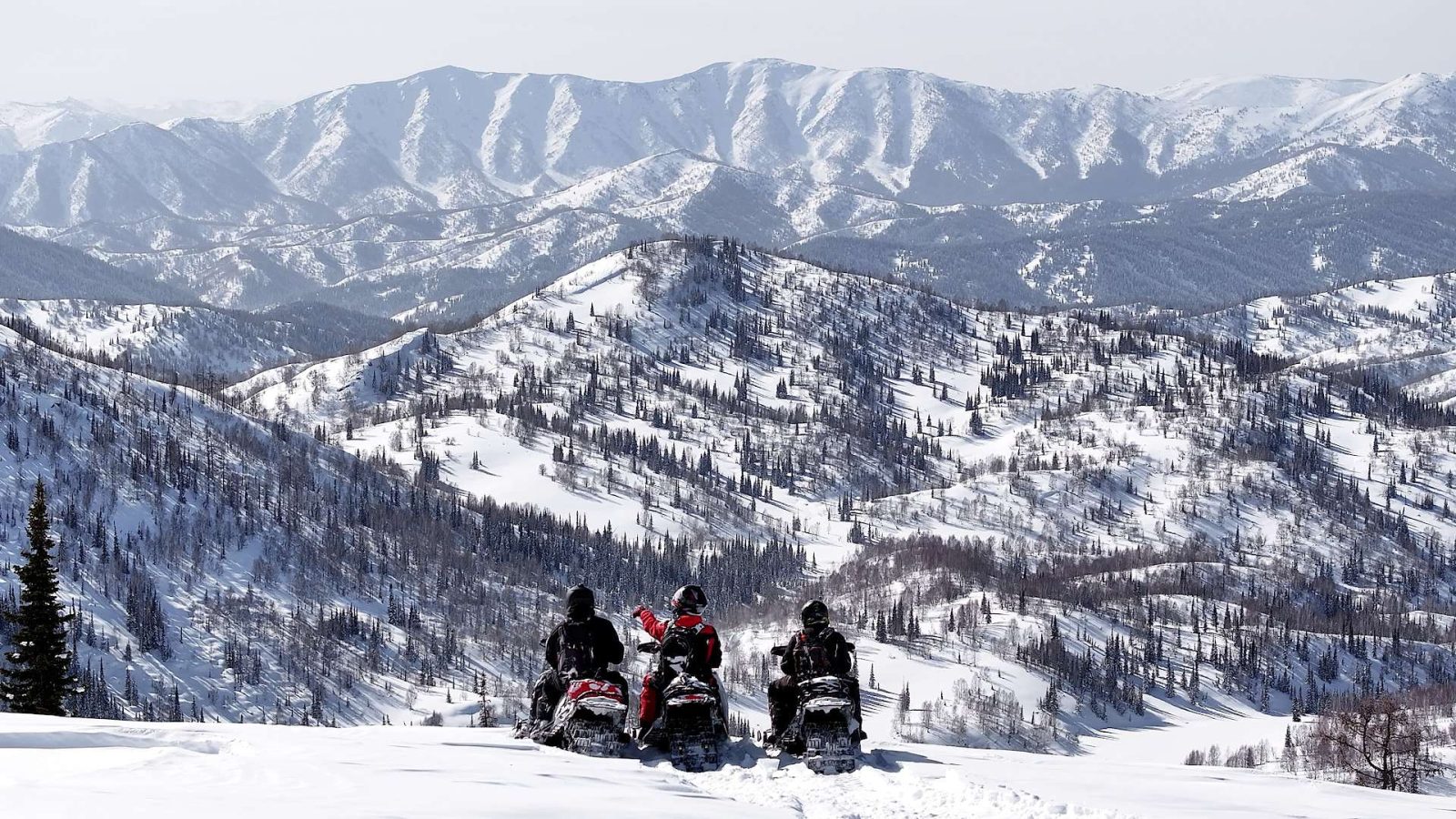
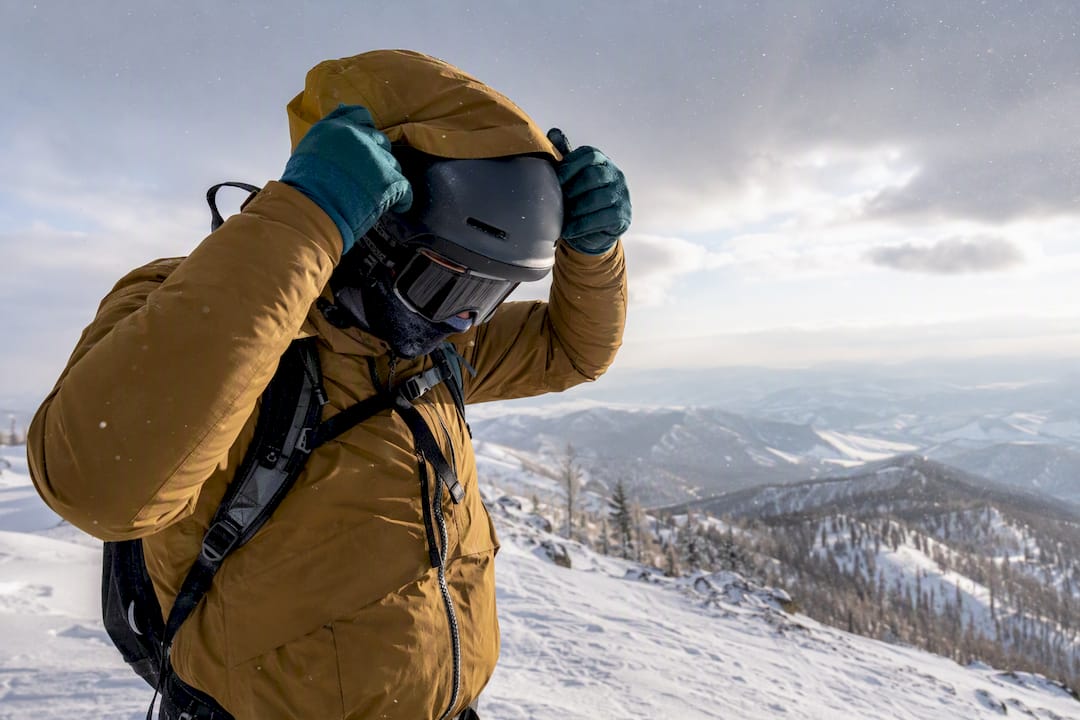
Before a winter walk, ski day or snowmobile outing, put moisturiser on exposed skin and allow it a moment to settle. Add lip balm, gloves and a scarf, buff or face covering where practical. Soft, comfortable layers help reduce rubbing; change out of damp clothing after activity rather than staying in it.
Sunscreen belongs in cold weather skin care too. UV exposure continues through winter, and snow reflects sunlight. The AAD’s cold-weather sun advice highlights the added relevance of reflected light from snow and higher-altitude exposure. Apply broad-spectrum, water-resistant SPF 30 or higher to uncovered face, ears, neck and hands, following the product’s reapplication directions.
Cold injury is separate from dry skin. Numbness, skin turning white or waxy, or pain that does not settle after warming up calls for prompt local medical assessment. Prepare your clothing and activity plan for the conditions rather than relying on skincare alone.
Indoor heating and humidity
Heated rooms are welcome after time outside, but very dry indoor air can prolong winter discomfort. Keep showers warm rather than hot, avoid sitting directly beside a strong heat source for long periods, and use hand cream after washing.
A humidifier is optional, not essential. If you use one, measure humidity where possible, keep it in the manufacturer’s recommended range, and clean it exactly as directed to avoid introducing mould or poor air quality into the room. For many people, regular moisturising and gentler washing remain the most useful first steps.
Hands, lips, face and body: where to focus
Hands: Wash with lukewarm water where possible, dry carefully and apply hand cream afterwards. Gloves protect hands from cold air and wind.
Lips: Apply a comfortable balm before going outside and after eating or drinking. Try not to lick dry lips, as this can leave them feeling drier.
Face: Use a gentle cleanser, moisturiser and sunscreen on exposed skin. Pause scrubs or exfoliating products if your skin feels sore or stings.
Body: Apply moisturiser after bathing, giving attention to any areas that feel rough, itchy or flaky.
Cold weather skin care for a day in the mountains
Long periods outdoors bring repeated transitions between cold air and warm interiors. Pack a small skincare pouch with lip balm, hand cream, face moisturiser and sunscreen, then use it as part of getting ready rather than as an afterthought. Keep your face covering and gloves dry, and replace damp layers when you return indoors.
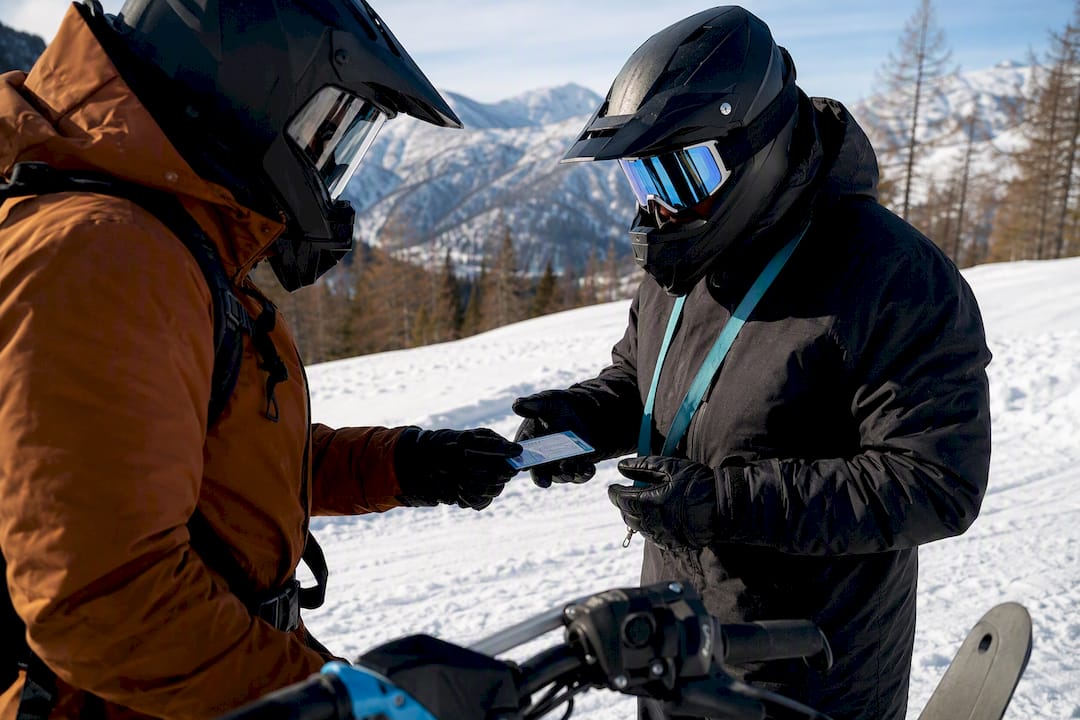
At Altai Mountains Resort in Ridder, Western Altai, we offer guided deep-snow activities alongside time at Ridder Lodge. For guests joining a guided snowmobiling experience, clothing, skin protection and sun protection all deserve the same attention before heading out. Conditions, activity requirements and equipment availability vary, so our booking team can help with the practical details for your dates.
After an active day, keep recovery uncomplicated: a warm, brief wash, moisturiser on damp skin and dry clothing. Guests who wish to make time for warmth and rest can explore Altai Banya, a spa and banya experience rather than a substitute for dermatological care.
When to seek medical help
Dryness that does not improve with gentle care and regular moisturising is worth discussing with a pharmacist, dermatologist or other local healthcare professional. Seek urgent local medical care if skin becomes increasingly painful, hot, swollen, weeping, crusted, or produces pus, or if you feel feverish or unwell. Cracked skin can become infected, as the NHS Wales dry-skin leaflet explains.
People with eczema, psoriasis or another diagnosed skin condition should continue their clinician-recommended plan and get tailored advice before changing prescribed treatment.
Winter skin care at Altai Mountains Resort
A well-prepared winter stay leaves more room for the landscape and the rhythm of the day. Ridder Lodge provides accommodation in Ridder, while we also offer winter experiences including heli-skiing and guided deep-snow snowmobiling, alongside Altai Banya. Explore Ridder Lodge for accommodation details, or send a booking enquiry for current activity dates, inclusions, transfers, selected equipment rental and availability.
Frequently asked questions
Do I need sunscreen in cold weather?
Yes. Use broad-spectrum, water-resistant SPF 30 or higher on skin that remains uncovered. This matters particularly on snow, where reflected sunlight adds to UV exposure.
What is the simplest winter skin care routine?
Keep showers short and warm, use a gentle cleanser, pat skin dry and apply moisturiser straight away. Carry hand cream and lip balm, cover up outside and use sunscreen on exposed skin.
Should I use a cream or an ointment for dry winter skin?
Both can be useful. Creams are often comfortable for regular daytime use, while ointments may suit very dry areas or night-time use. Choose a product you tolerate well and use according to its instructions.
For most winter skin, consistency is the real luxury: a few calm, protective steps before and after time outdoors.
All Articles
A practical cold weather skin care routine for dry winter skin, with face, hands, lips, SPF and snow-day tips.

Practical ways to protect phone, power-bank and action-camera batteries in cold weather while skiing, snowmobiling or travelling in winter.

Learn when two people can ride one snowmobile, the equipment required, passenger briefing essentials and why deep snow needs extra caution.
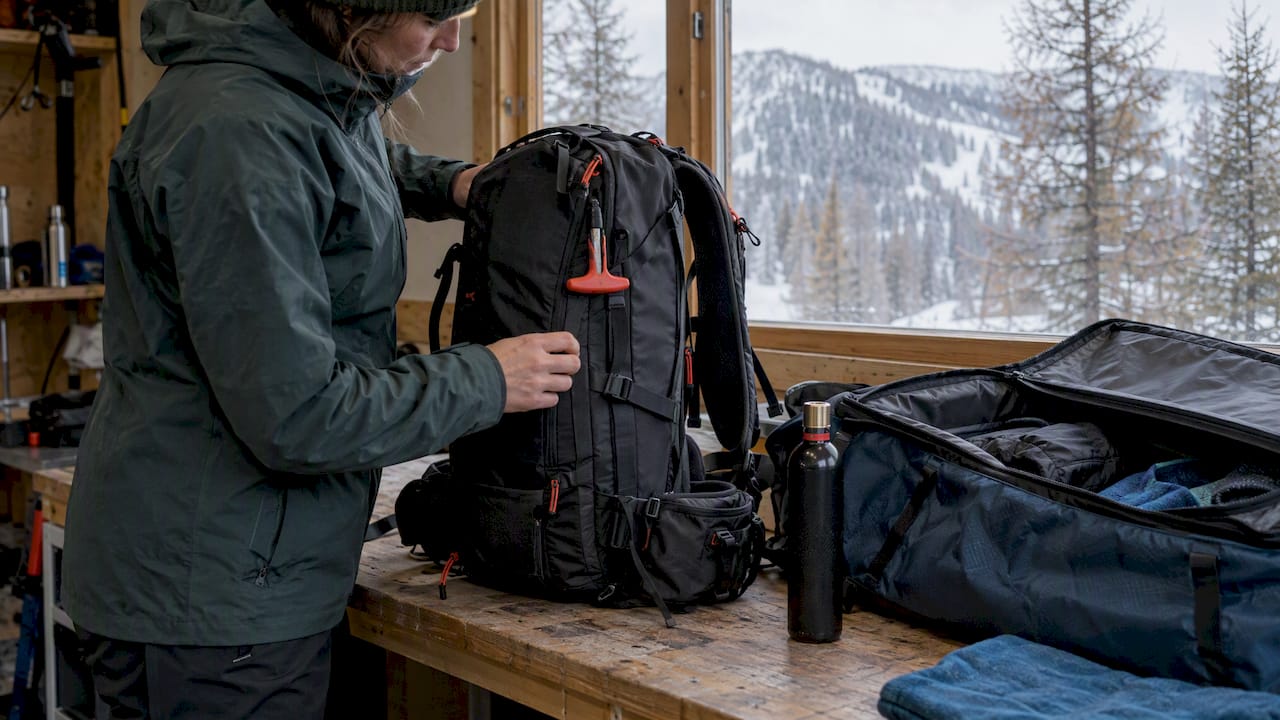
Flying with an avalanche airbag: airline approval, IATA limits, packing guidance and travel planning for a winter trip to Ridder.
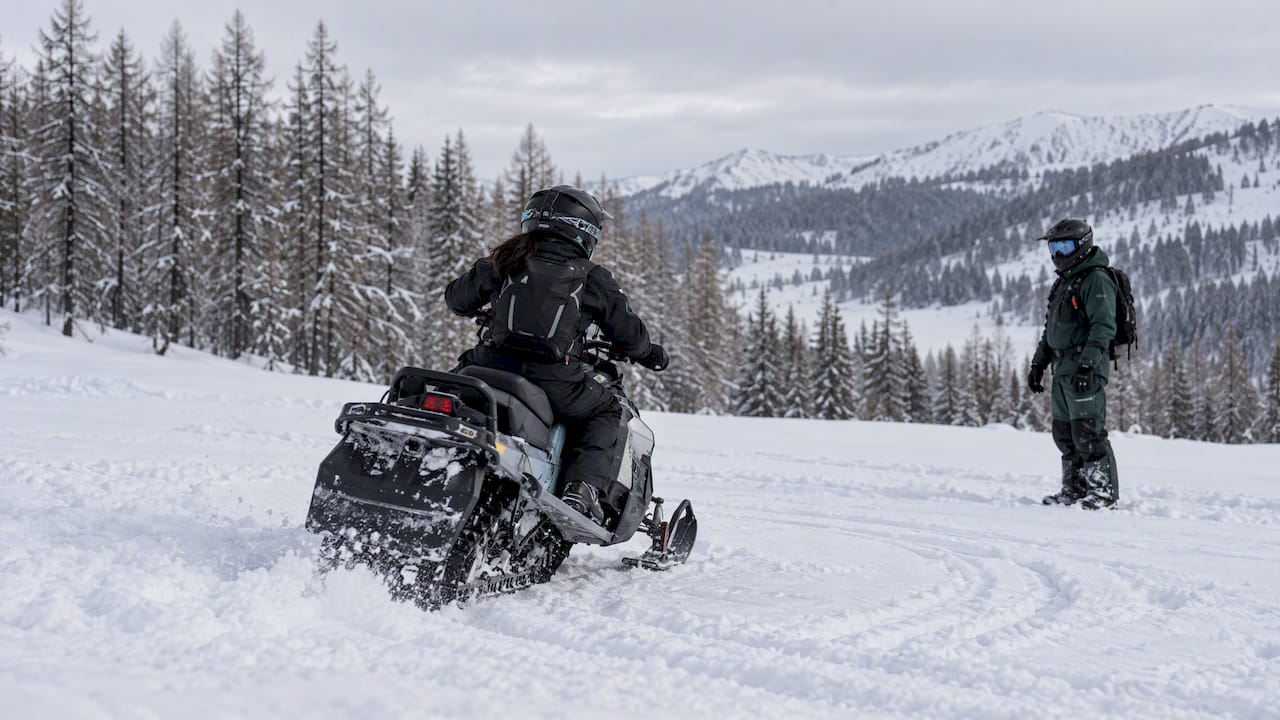
Learn snowmobile training basics: controls, pre-ride checks, riding positions, essential gear and avalanche awareness for first-time riders.
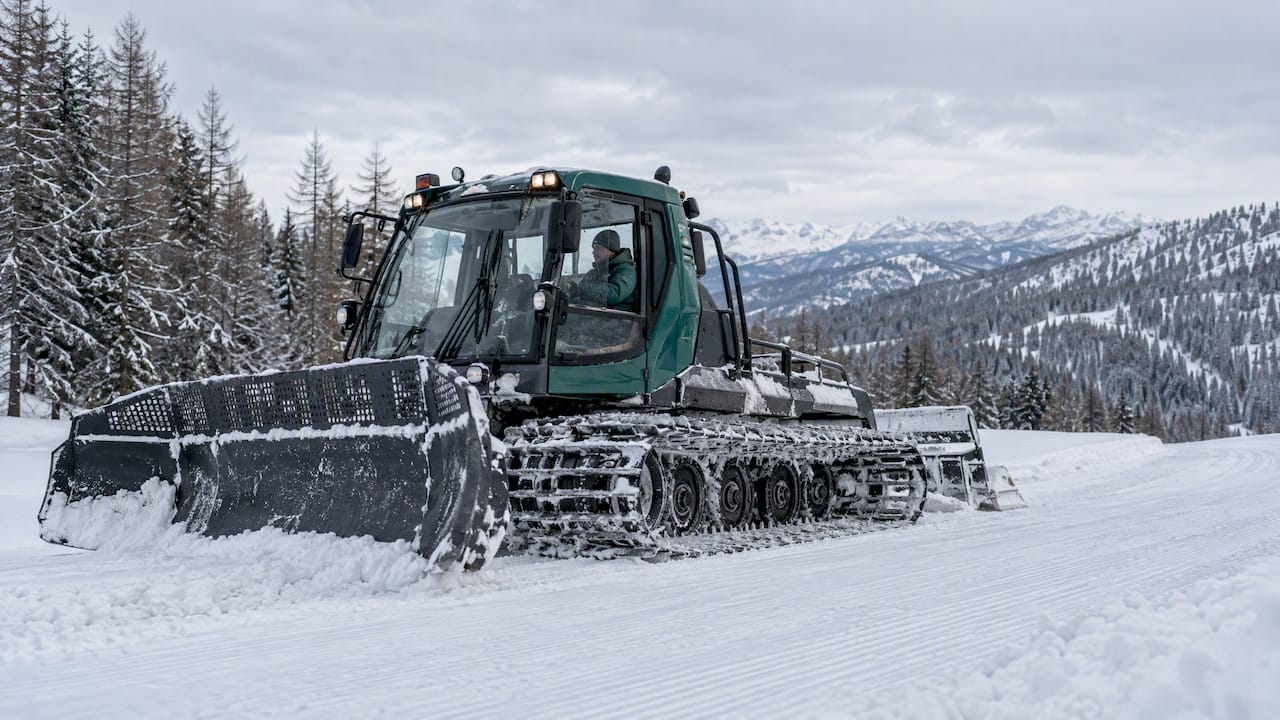
Learn how snowcats groom pistes and support guided cat-skiing, with practical safety guidance and what to expect in Kazakhstan’s Western Altai.
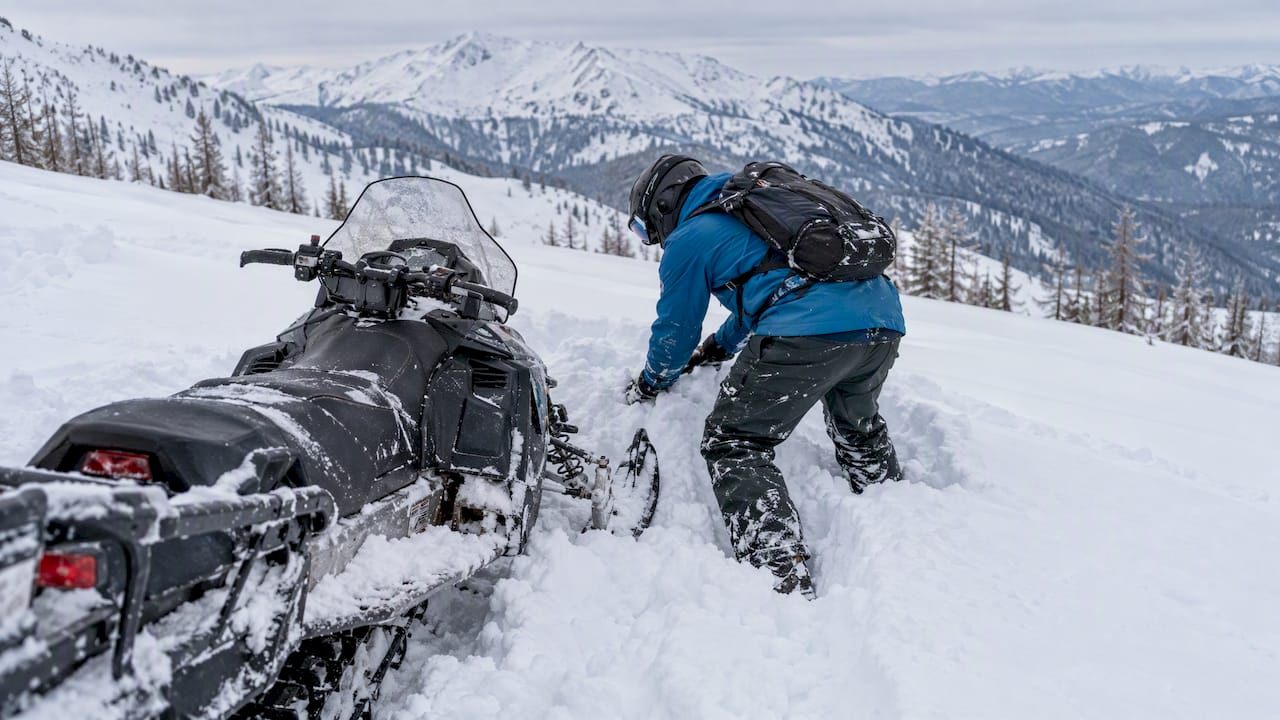
Learn how to recover a snowmobile stuck in deep snow: stop track spin, clear the sled, pack a short path and know when to seek help.
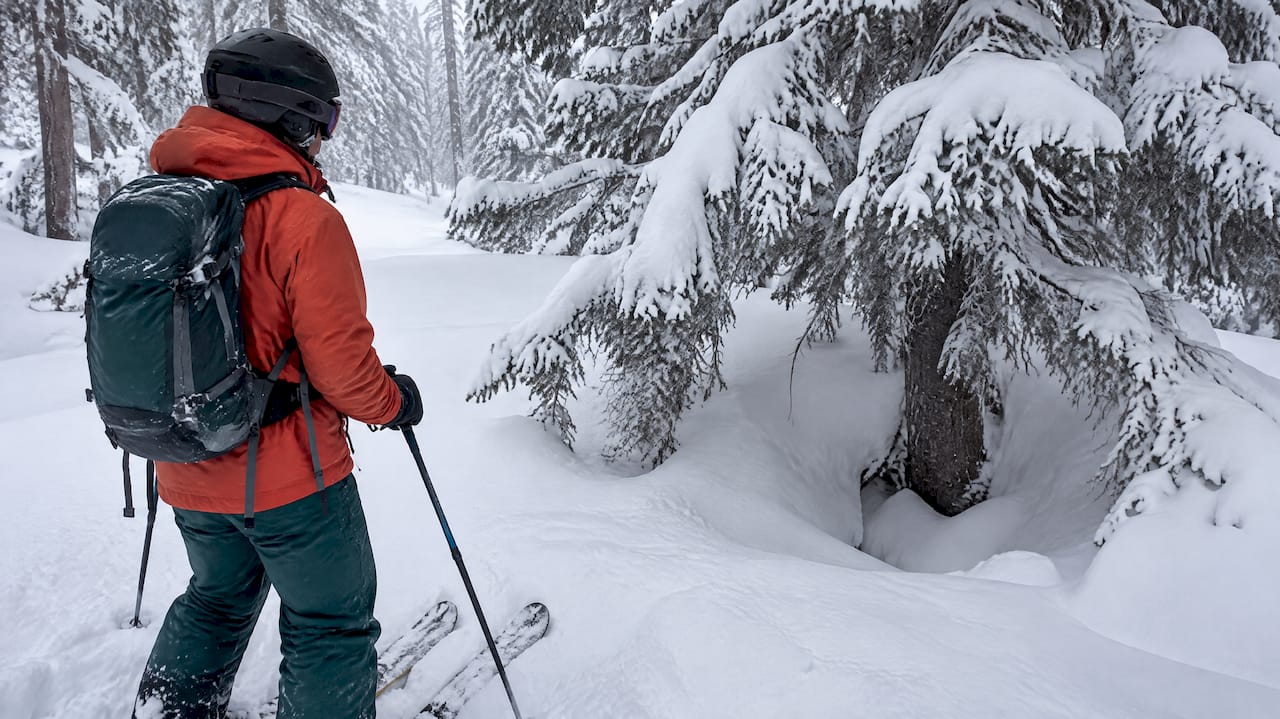
Learn how to prevent tree-well burial, keep riding partners in sight and begin immediate companion rescue in deep snow.

Compare aluminum and carbon ski poles for touring, resort skiing, park laps, freeride and racing, with practical guidance on fit, care and safety.

Compare wide vs narrow skis for groomers, soft snow and mixed conditions. See why 90–100mm is a useful starting point and how to try skis thoughtfully.
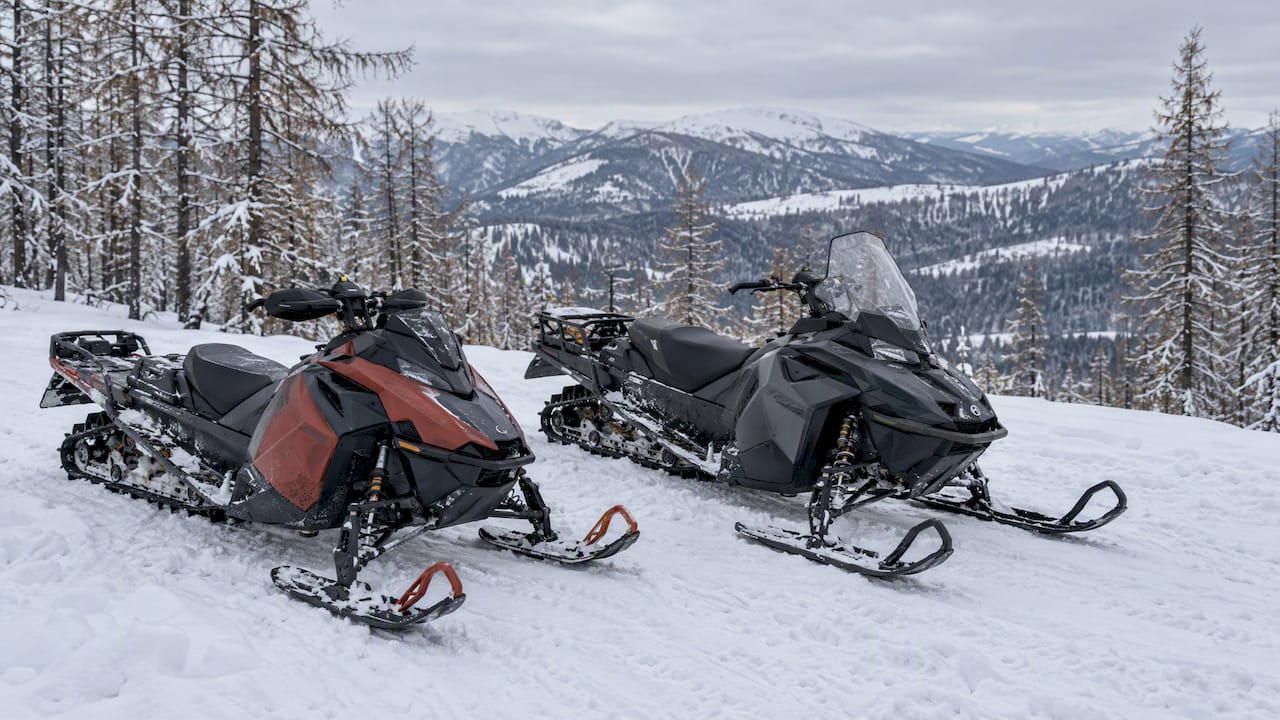
Compare 2-stroke and 4-stroke snowmobiles by handling, fuel use, emissions and upkeep, with guidance for a guided snowmobiling day near Ridder.
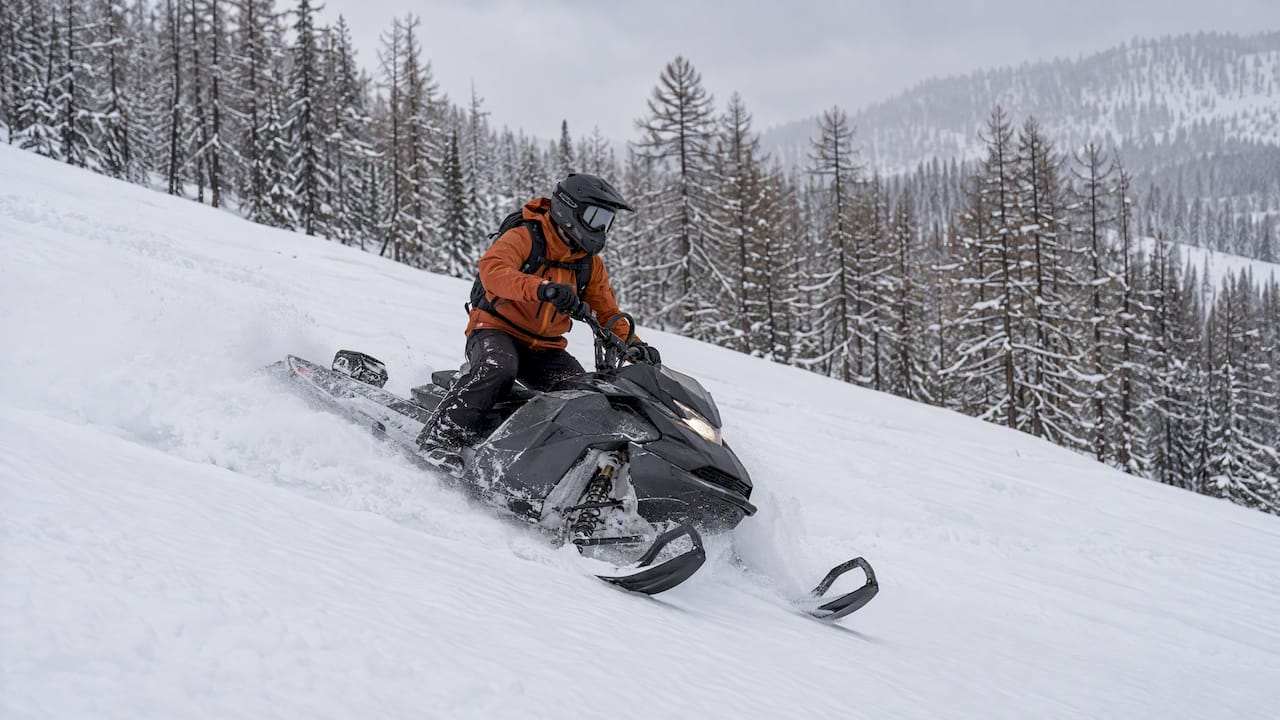
Learn snowmobile carving techniques for powder: stance, counter-steering, throttle timing, beginner drills and avalanche-safety essentials.
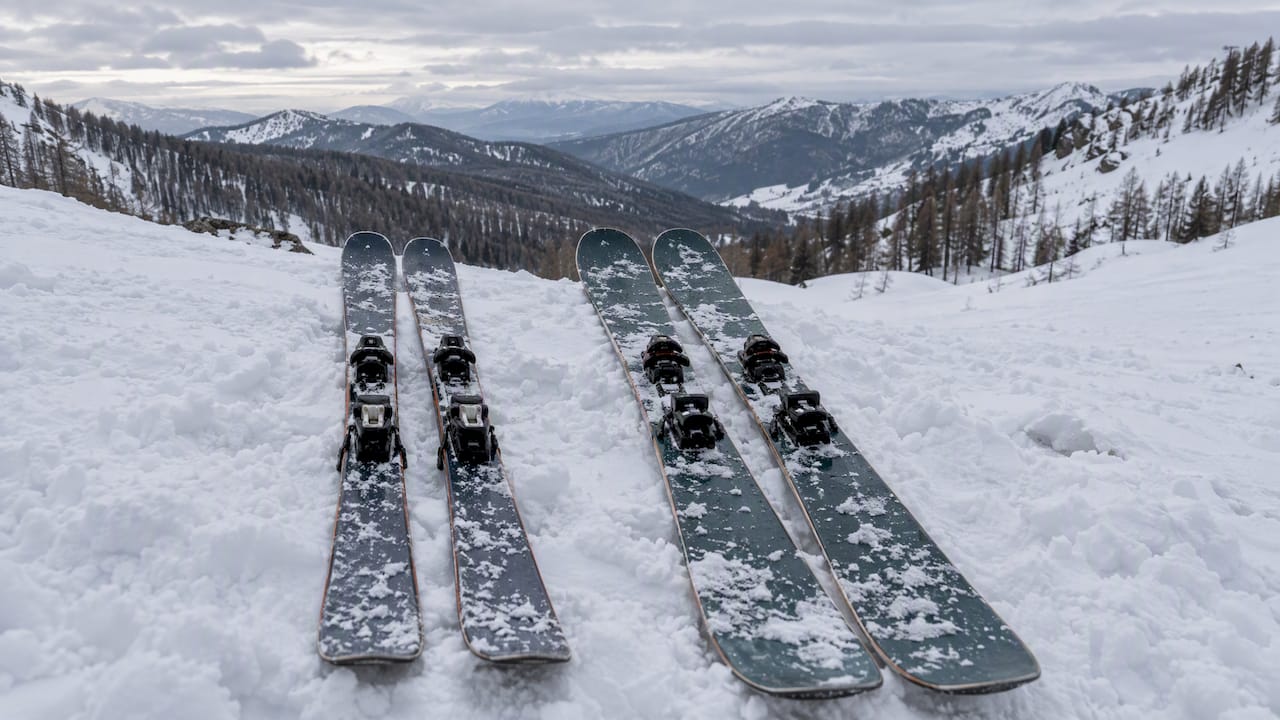
Compare powder and all-mountain skis by width, rocker and conditions, then decide whether to buy, rent or demo for deep-snow trips.
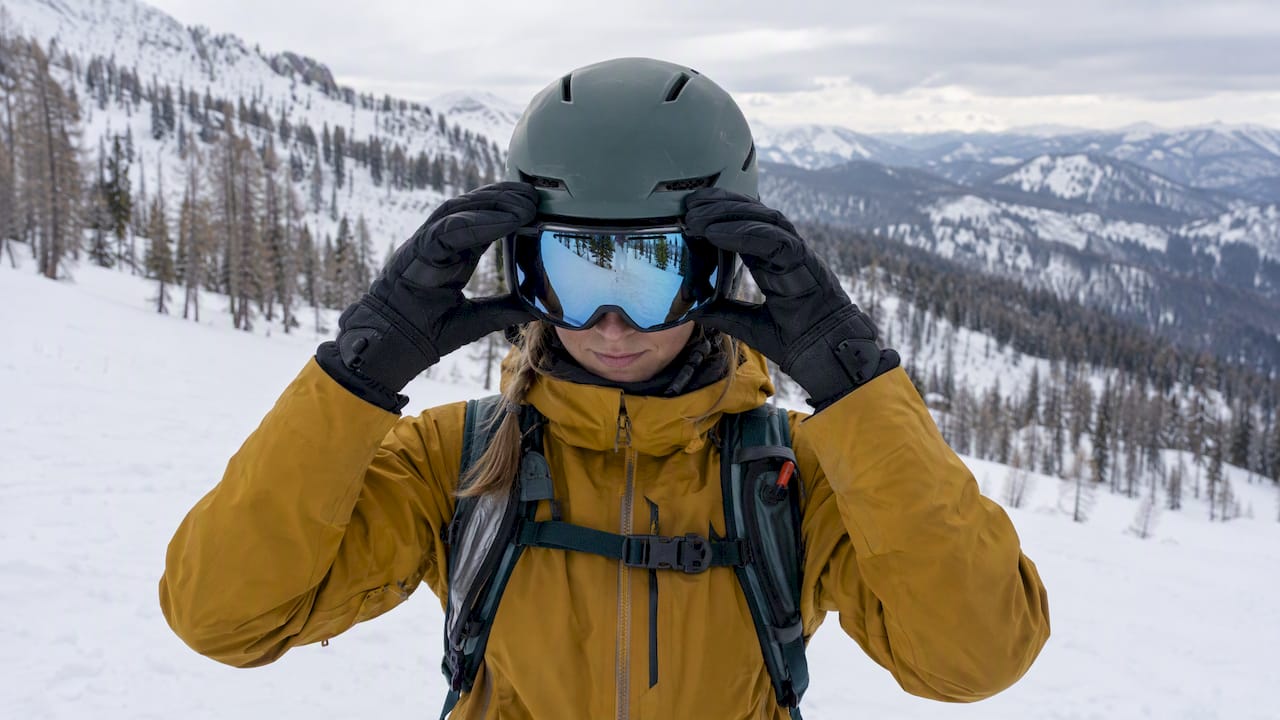
Prevent goggle fogging with five practical checks for lens care, fit, vents, breath and body heat—plus safe steps for fog on the move.
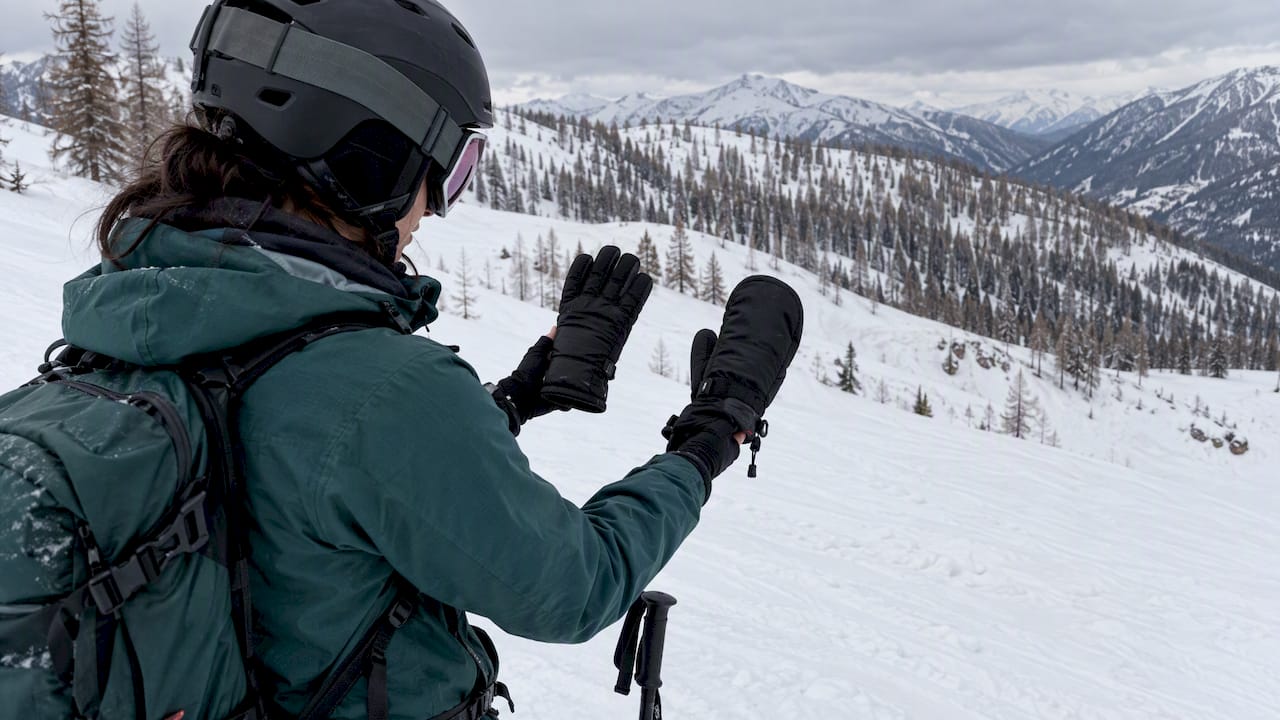
Choosing ski mittens vs. gloves? Compare warmth, dexterity, liners, fit and lobster mitts for piste skiing, powder days and touring.
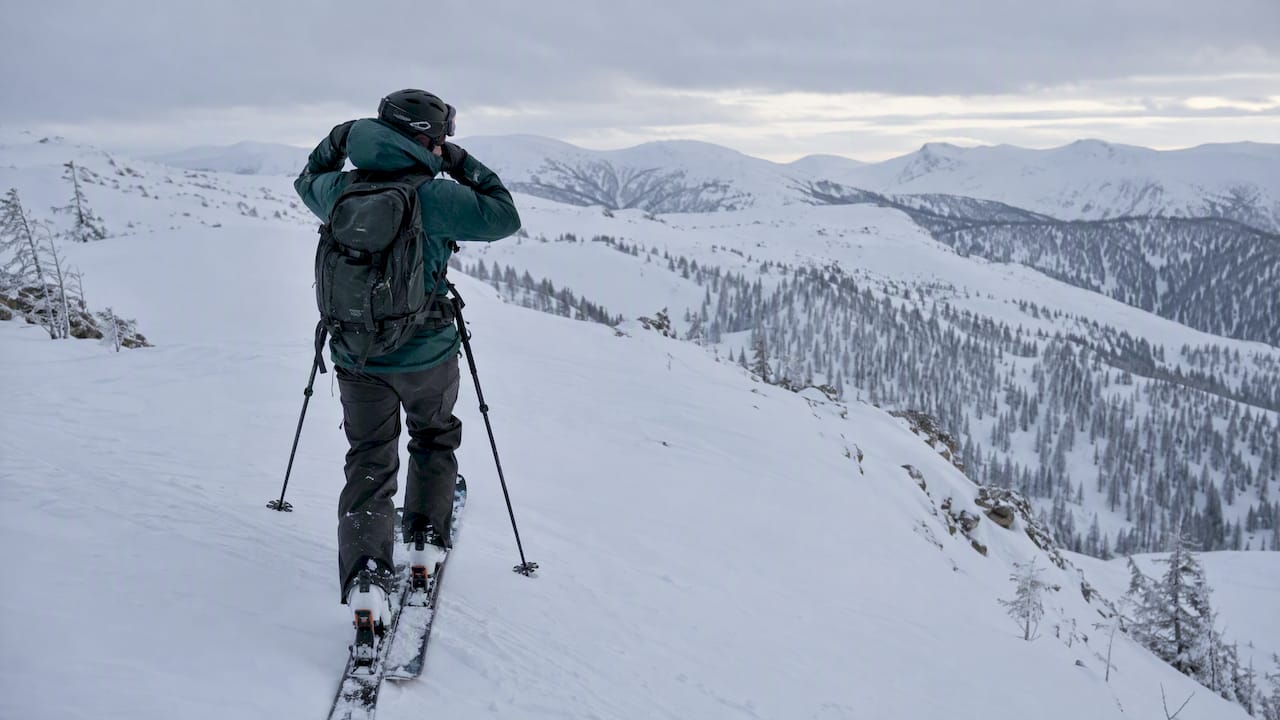
Choose an insulated or shell ski jacket for resort, touring, cat and heli days, with practical guidance on 2.5L, 3L and layering.

Compare neck gaiters and balaclavas for cold-weather activities, with practical guidance on coverage, ventilation, helmet fit, moisture management and winter packing.
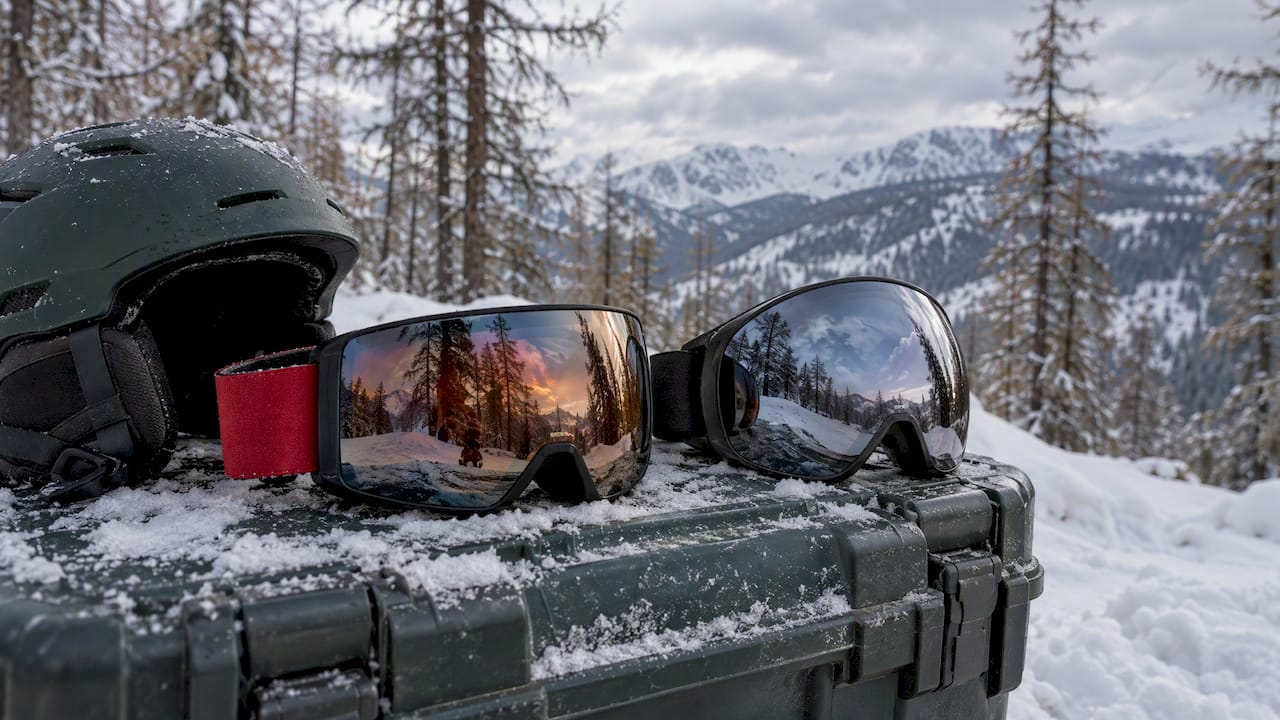
Choose between cylindrical, spherical and toric ski goggles, with practical guidance on tint, anti-fog performance, helmet fit and packing for Altai winter trips.
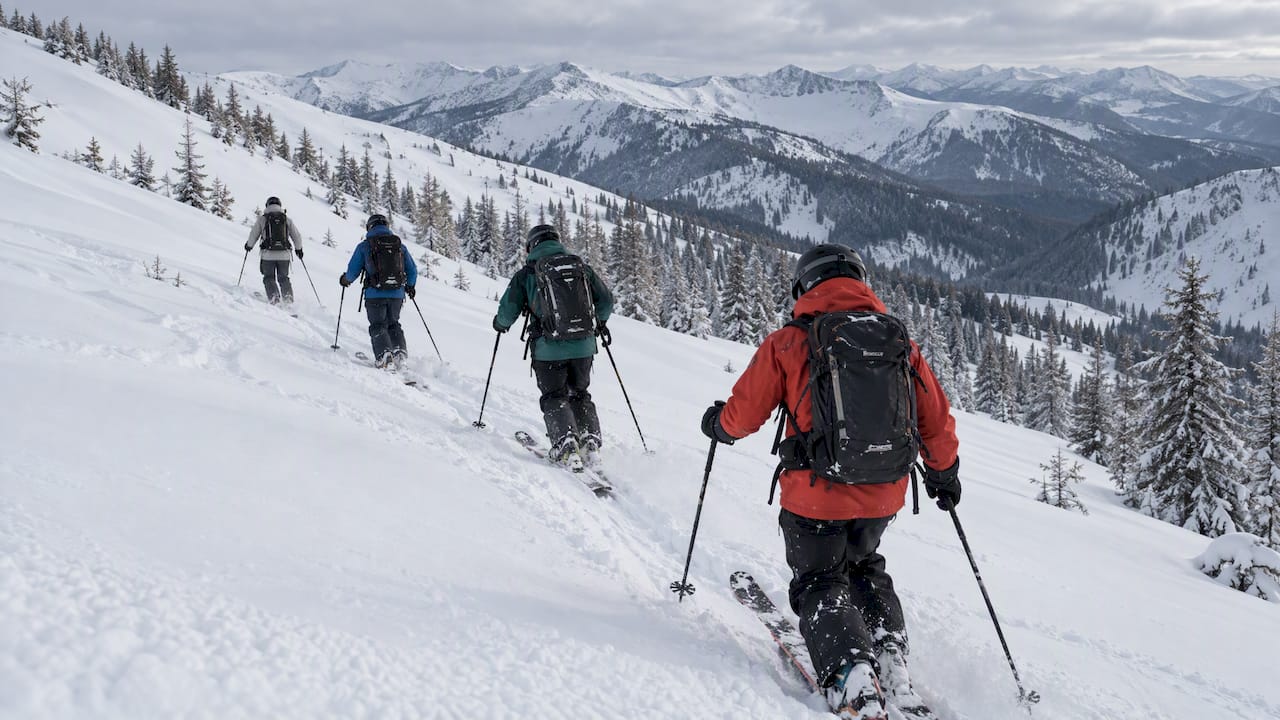
A practical cat-skiing safety checklist for first-timers, covering avalanche gear, companion-rescue practice, ability preparation and guided mountain days.
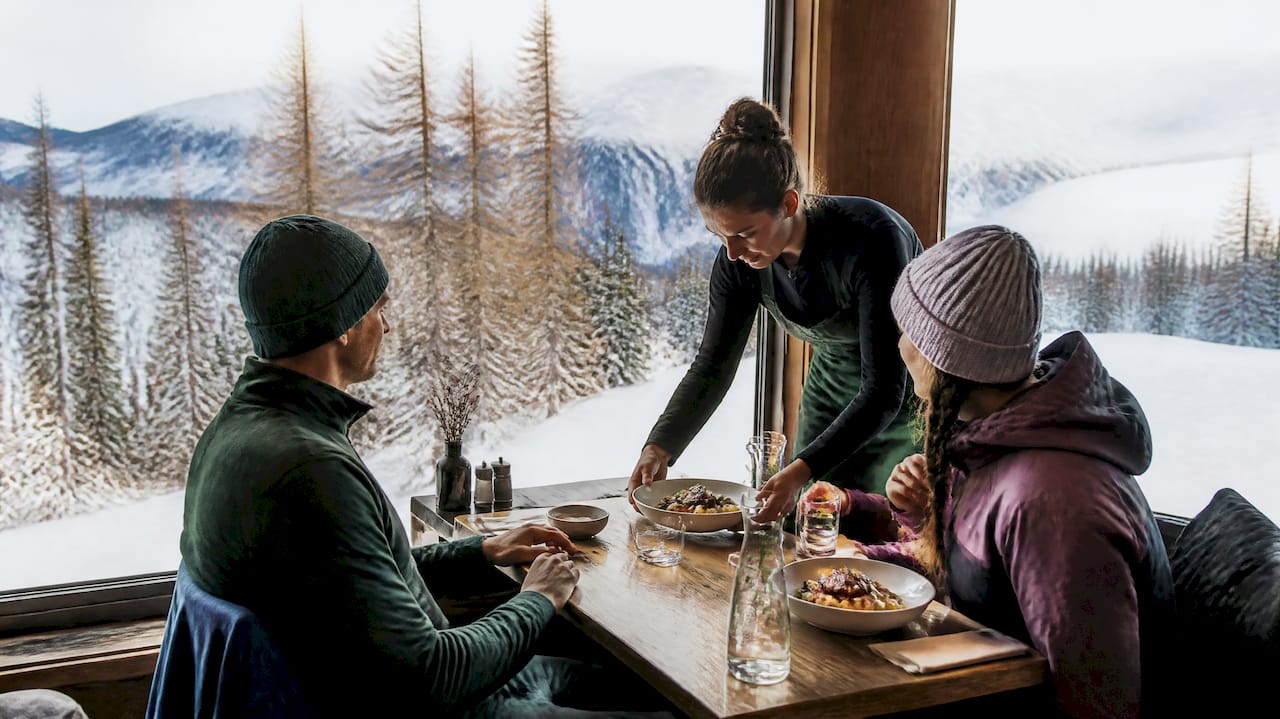
Plan on-mountain dining with four practical considerations: access, reservations, menus and dietary needs, plus weather and mountain safety preparation.

A practical Siberian cuisine guide to Restaurant Altai, East Kazakhstan dishes, dietary requests and Ridder Lodge accommodation rates.
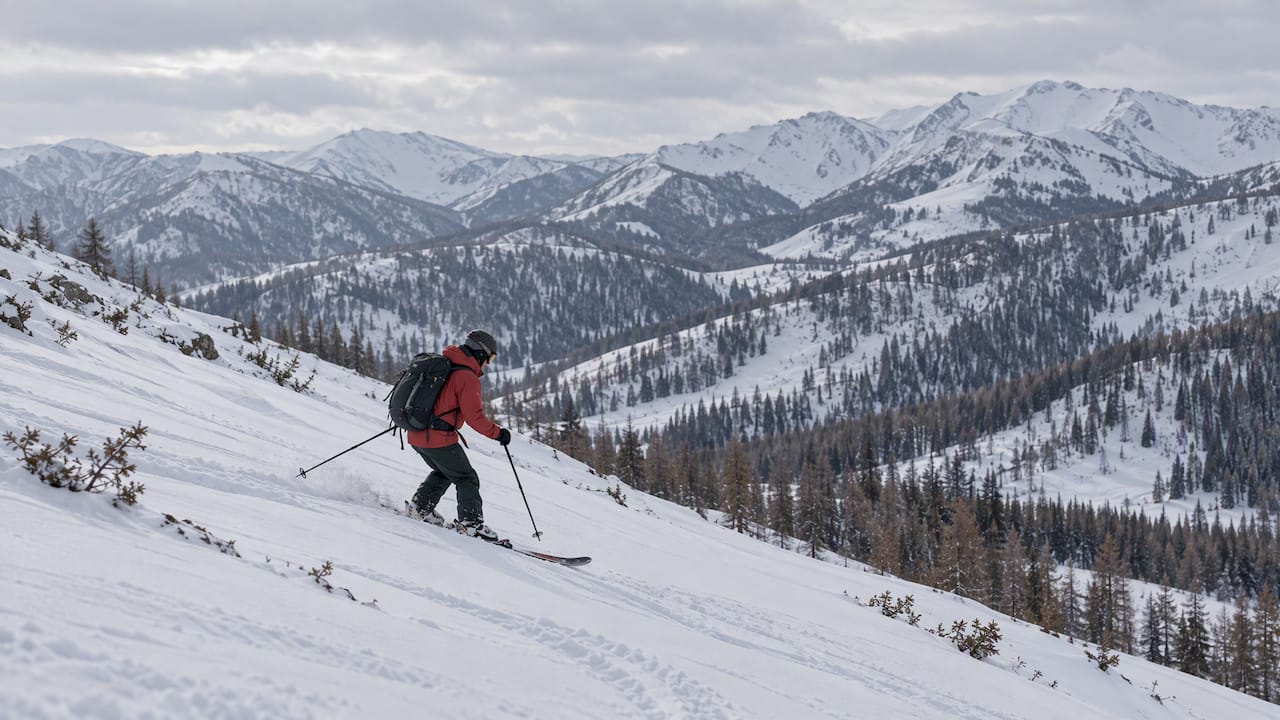
Explore heli-skiing’s environmental impact, including helicopter emissions, wildlife considerations, aviation effects and practical planning questions.
Learn what a snowcat safety briefing covers, including avalanche equipment, transceiver checks, the 20 cm/50 cm rule and cat-skiing preparation in Altai.
Practical ski locker etiquette for shared storage: keep equipment tidy, use boot dryers fairly and follow the rules in your drying room.
Plan a heli-accessed splitboard trip with practical guidance on formats, costs, rescue readiness, personal kit and Altai Mountains Resort options.
Explore Kazakhstan winter culture through holiday traditions, food, living heritage, regional rhythms and practical etiquette for visitors.
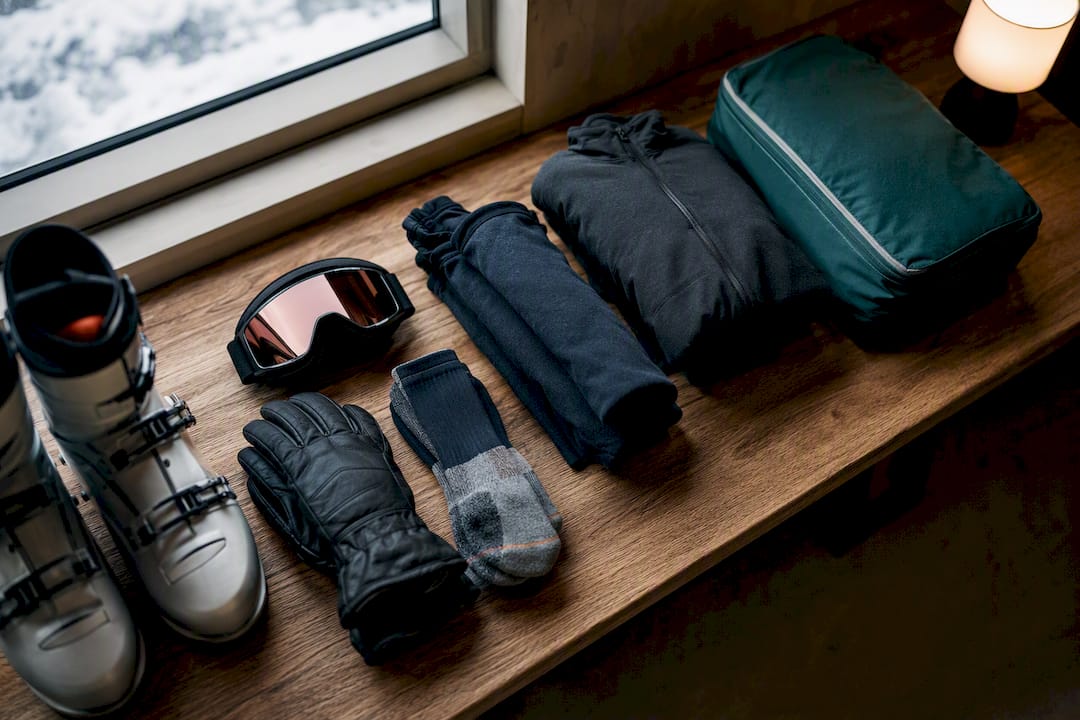
A practical luxury ski packing list for fitted essentials, lighter luggage and guided off-piste or heli-ski days at Altai Mountains Resort.

A practical heli-skiing safety guide for expert skiers, covering operator decisions, avalanche equipment, helicopter procedures, rescue planning and insurance.
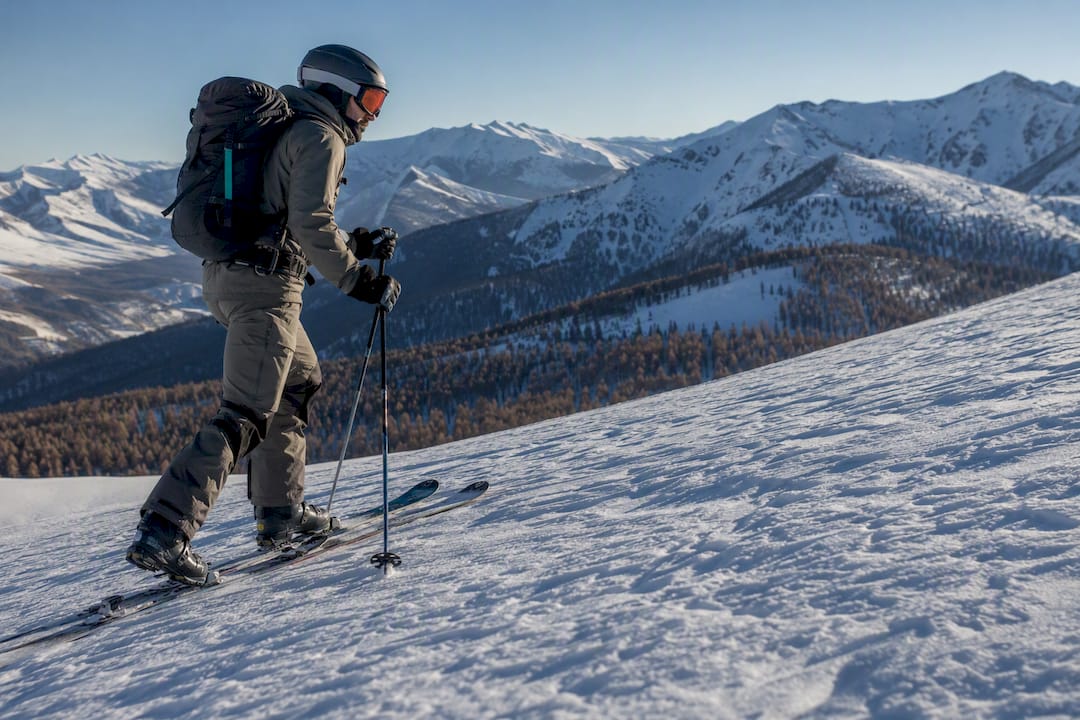
Compare lift-assisted, touring and Western Altai ski options in Kazakhstan, with practical safety, travel and booking guidance.

Learn the heli-skiing skill level typically expected, the off-piste skills to practise, safety preparation and an adaptable 8–12-week training framework.

Plan the Kazakhstan skiing season with a practical comparison of Almaty and Ridder, month-by-month timing, mountain safety and trip planning.
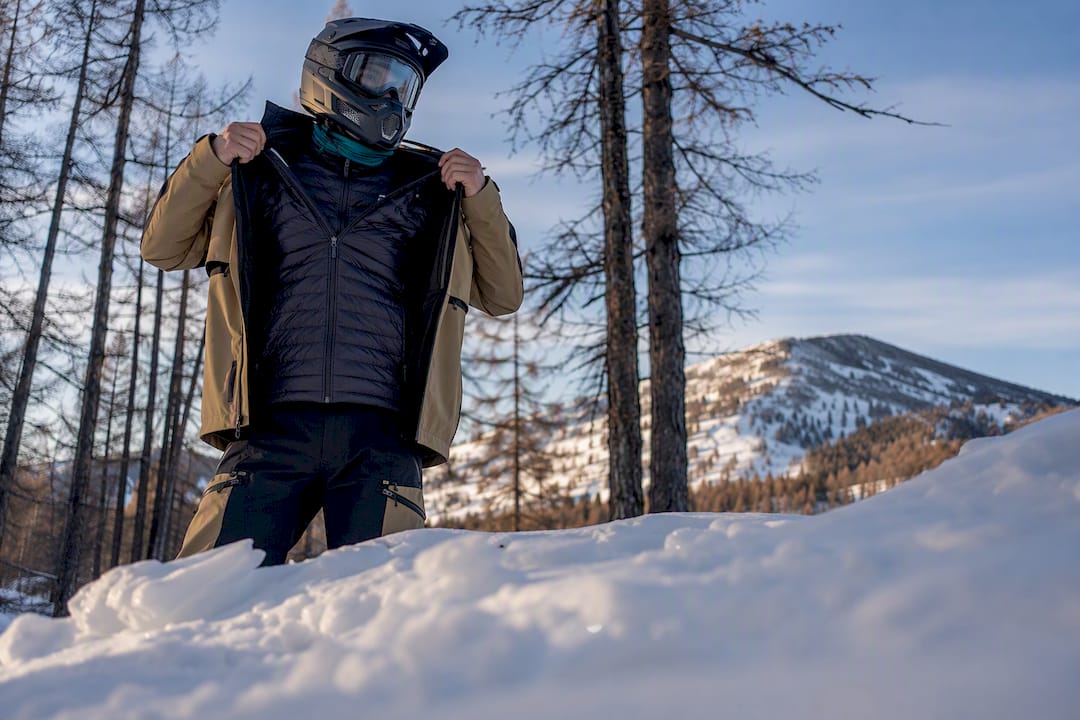
Use this snowmobile layering guide to build a flexible base, insulation and shell system, manage moisture and pack dry spares for changing conditions.

Learn what to rent for avalanche terrain, how to prepare a beacon, probe and shovel, and what to know about airbag packs and flights.
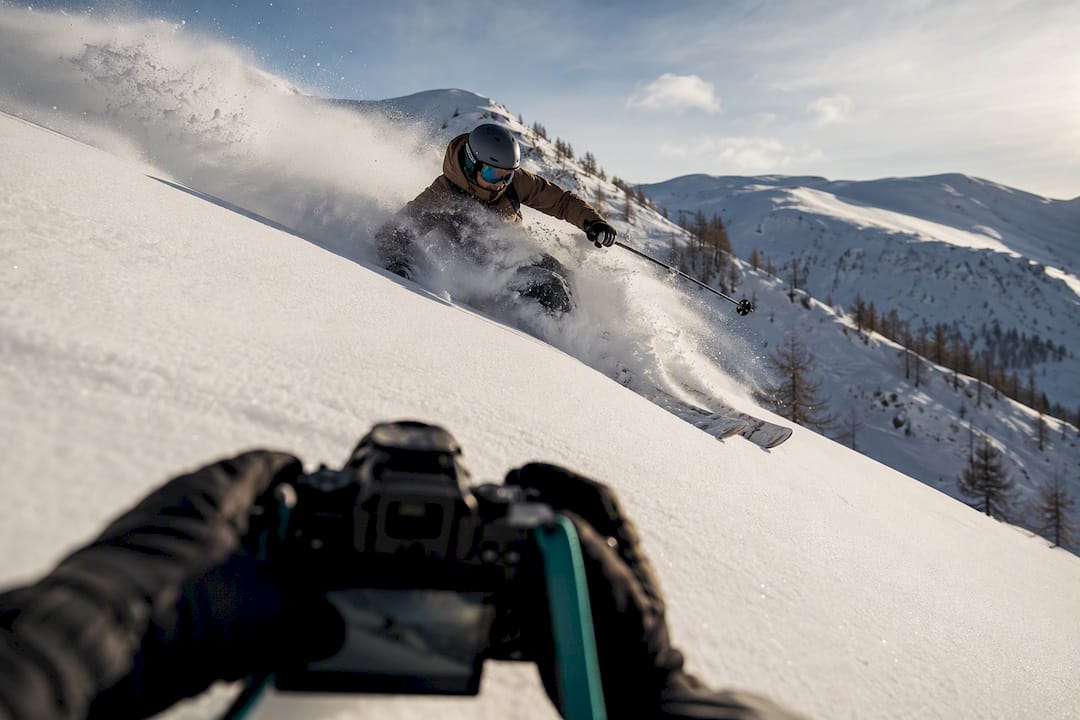
Practical ski photography tips for beginners: camera settings, snow exposure, timing, cold-weather camera care and safe mountain positioning.

Learn how to read an avalanche forecast, interpret danger ratings, roses and avalanche problems, and plan more conservative terrain choices.
Practical cold injury prevention for winter travel: layering, dry spares, warning signs, first aid and planning for mountain activities.
Planning snowmobiling in Ridder? Understand how experience, training, equipment and Kazakhstan rules shape your trip with Altai Mountains Resort.
Travel with ski gear confidently: carry boots when cabin rules allow, pack skis securely, understand airline baggage rules and prepare for delays.
Build a practical backcountry radio communication plan with party radios, satellite SOS or PLB backup, cold-weather care and regional legal essentials.

Satellite messenger basics for remote Altai trips: compare PLBs and two-way devices, understand SOS limits, and prepare your communications plan.
Avoid ski crowds with flexible dates, midweek skiing, early starts and smarter lift choices. Explore guided off-piste options near Ridder.

Learn how heli-skiing passenger weight and baggage rules differ by operator, with practical packing steps and Altai Mountains Resort booking guidance.
Understand the cat skiing skill level needed for Altai Mountains Resort, with practical guidance on off-piste ability, fitness and avalanche readiness.
Decide whether Ridder suits your advanced Altai ski trip, with practical guidance on transfers, season timing, avalanche gear and guided programmes.
Compare snowmobile tour prices by duration, understand what shapes the final cost, and explore quote-based snowmobiling at Altai Mountains Resort.
Compare Western Altai, Almaty and Turgen for Kazakhstan powder skiing, with practical guidance on access, safety and Ridder logistics.

Plan Altai heli skiing near Ridder with practical guidance on terrain, season, package inclusions, access, safety gear and booking.
Compare flight, rail and self-drive routes from Almaty to the Kazakh Altai, with practical guidance for reaching Ridder and Ulba village.

Learn deep powder snowmobiling setup, riding technique, safe recovery and avalanche preparation, plus guided training near Ridder.
Plan an Altai Mountains winter stay from Ridder, with activity timing, travel from Öskemen, packing advice and practical mountain guidance.

Practical helicopter passenger safety guidance on boarding, seatbelts, exits, dropped items and following crew instructions.

Practical off-piste slope etiquette for safer skiing: right of way, avalanche preparation, group spacing, closures and guided skiing in the Western Altai.

Plan an Altai Mountains trip across Russian, Mongolian and Kazakh sectors, with permit, safety and winter-stay guidance for Ridder Lodge.
Learn how to plan guided freeride tours, from off-piste experience and avalanche gear to guide scope, changing mountain conditions and cat-skiing in the Altai.
Learn avalanche beacon basics: 457 kHz transceivers, essential rescue gear, trailhead checks, interference and companion-rescue practice.

Learn which avalanche course suits your plans, what companion-rescue skills to practise and how to prepare for a winter trip to Altai.
Learn what cat skiing is, who it suits, what to pack and how to plan a guided cat-skiing trip, including options near Ridder, Kazakhstan.
A practical ski rental Kazakhstan guide to Shymbulak and Medeu, current tariffs, equipment fit, transport and guided freeride near Ridder.

Understand ski guide benefits for freeride and backcountry trips, including local planning, terrain choices, qualifications, safety gear and access options.

Plan a snowmobile expedition near Ridder, Kazakhstan, with practical guidance on routes, rider experience, equipment, mountain safety and transfers.
Use this mountain lodge amenities checklist to compare rooms, meals, wellness access, transfers, activities and paid extras before booking.
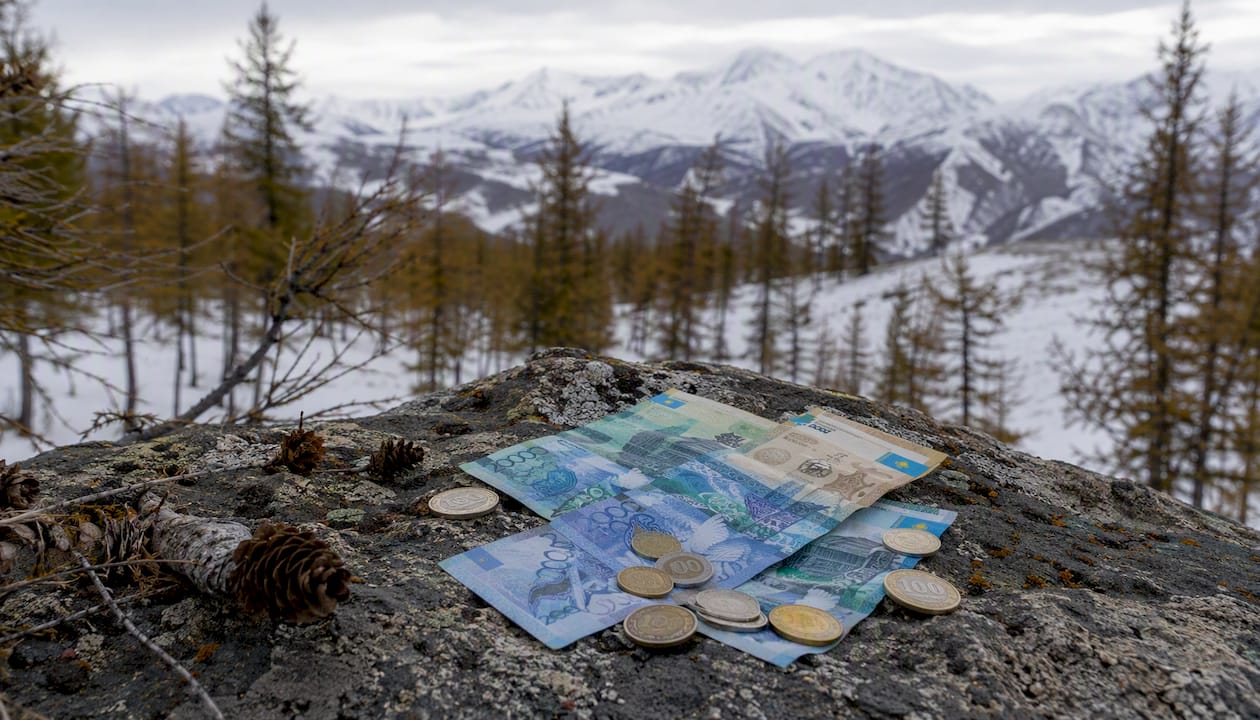
A practical Kazakhstan currency guide to the tenge, cards, ATMs, currency exchange, DCC and cash planning for cities and the Western Altai.
Plan the Kazakhstan ski season by month, compare lift-served Shymbulak with guided trips around Ridder, and prepare for changing snow and mountain conditions.
A practical guide to spa after skiing, including gentle massage, sauna and hammam, optional cold immersion and signs that need medical attention.
Plan a remote ski trip from the UK to Ridder, with practical guidance on activities, Kazakhstan entry, Öskemen transfers, insurance and ski baggage.
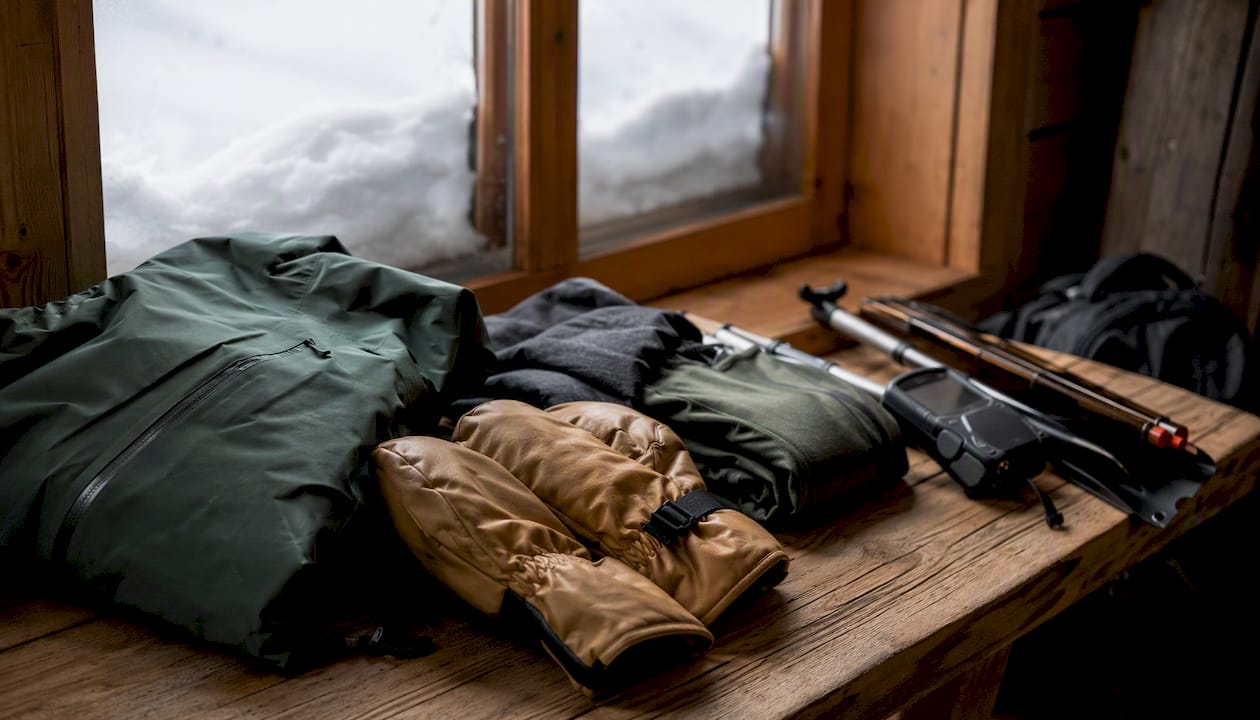
A practical heli skiing packing list covering clothing, avalanche equipment, ski baggage, batteries, travel documents and rental options.
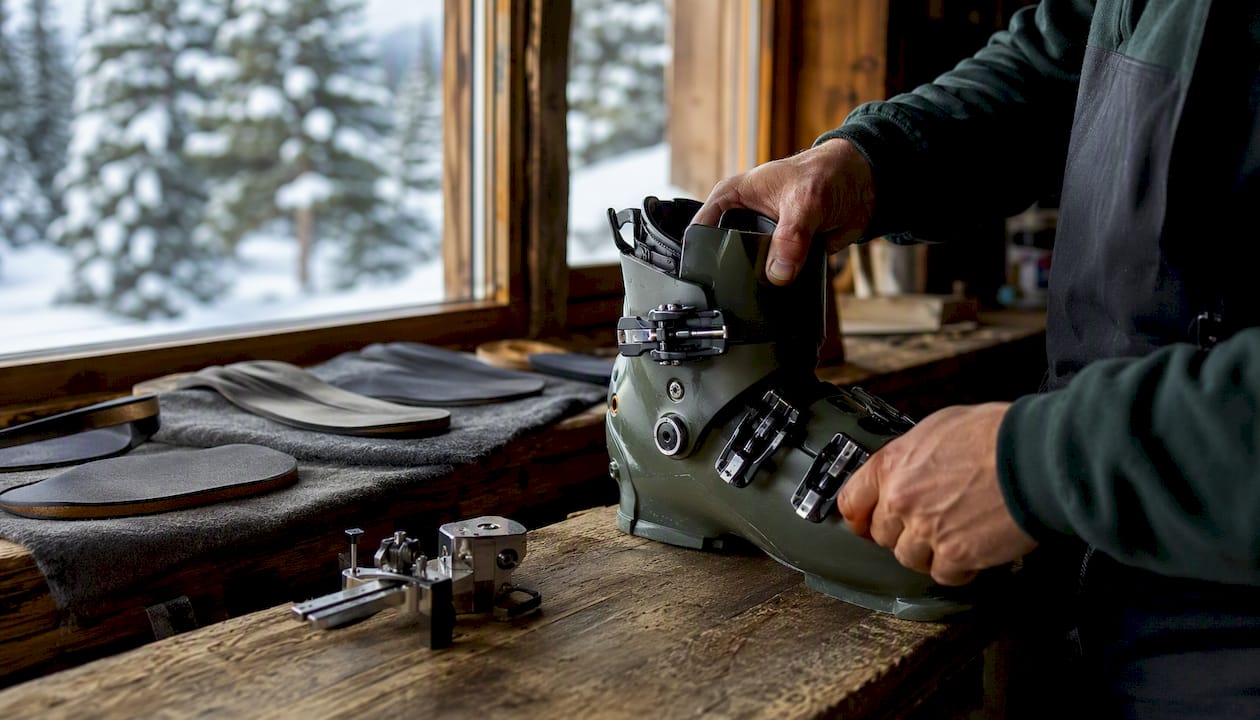
A practical UK guide to ski boot fitting: appointment steps, services, current provider price examples, aftercare and warning signs.
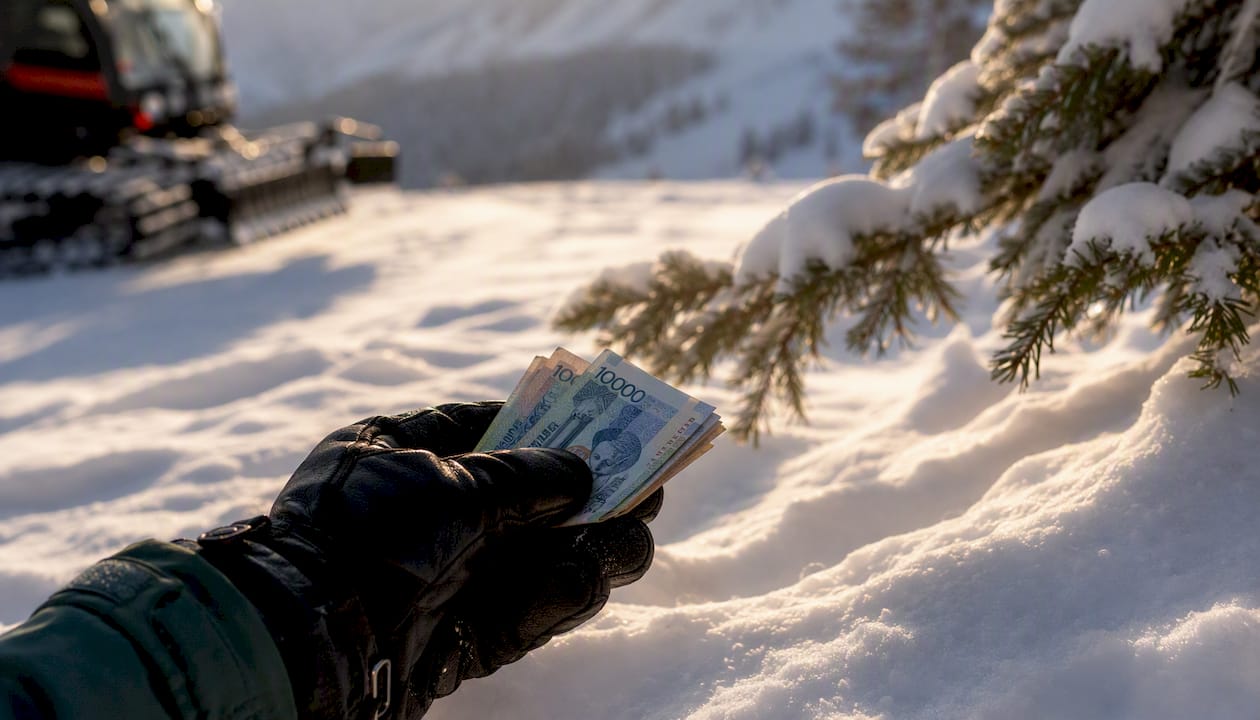
Should you tip a ski guide? Learn how customs vary, when a gratuity may feel appropriate and how to plan for tipping in Kazakhstan.
An Altai cuisine guide to kan, kurut, chegen and talkan, with dining at Restaurant Altai, food safety and travel from Öskemen to Ridder.
Compare banya vs sauna: heat, steam, venik and löyly rituals, etiquette, health evidence, safety basics and the Altai Banya experience.
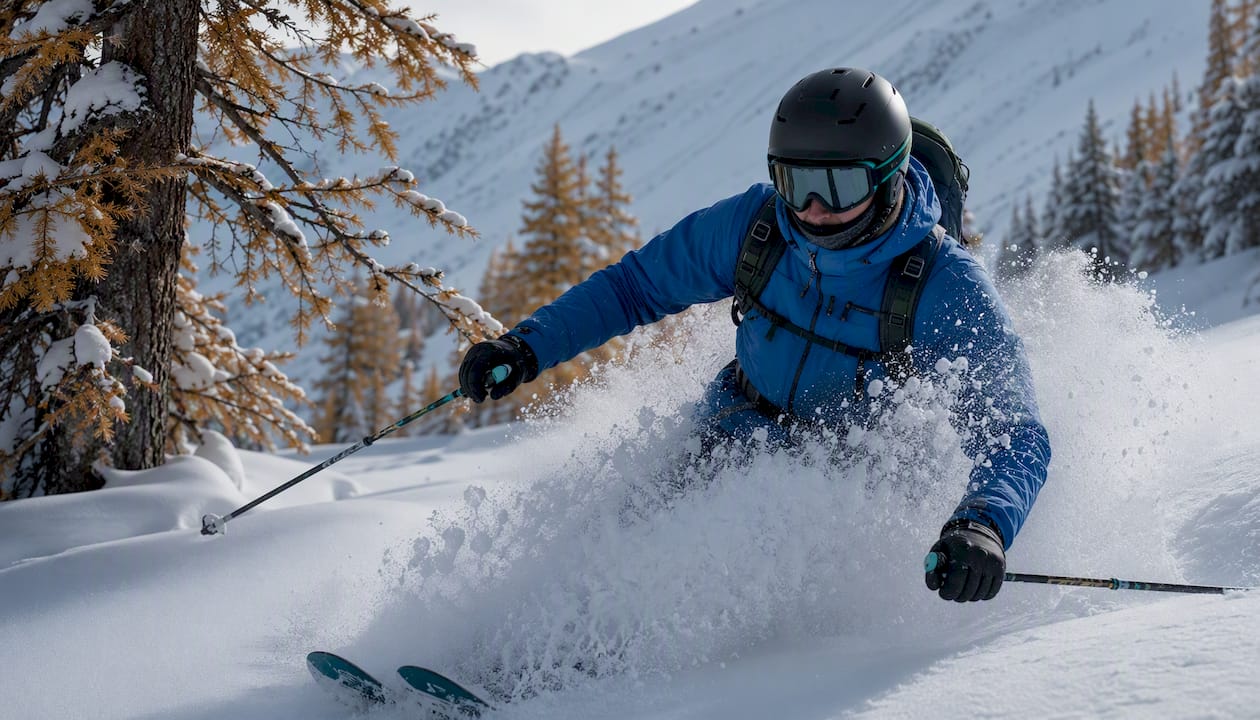
Learn how to ski deep powder with centred balance, smooth turns, speed control, practice steps, gear guidance, and avalanche and tree-well precautions.

Plan a mountain wellness retreat in Ridder with freeride, heli-skiing, snowmobiling, Ridder Lodge, Altai Banya and practical winter travel guidance.

A practical snowmobile gear list for UK travellers heading to Altai Mountains Resort, with clothing, safety equipment, battery and travel guidance.

Understand Ridder Lodge’s ski-in/snowmobile-out access, guided ski-day logistics, transfers from Öskemen and practical planning for your stay.
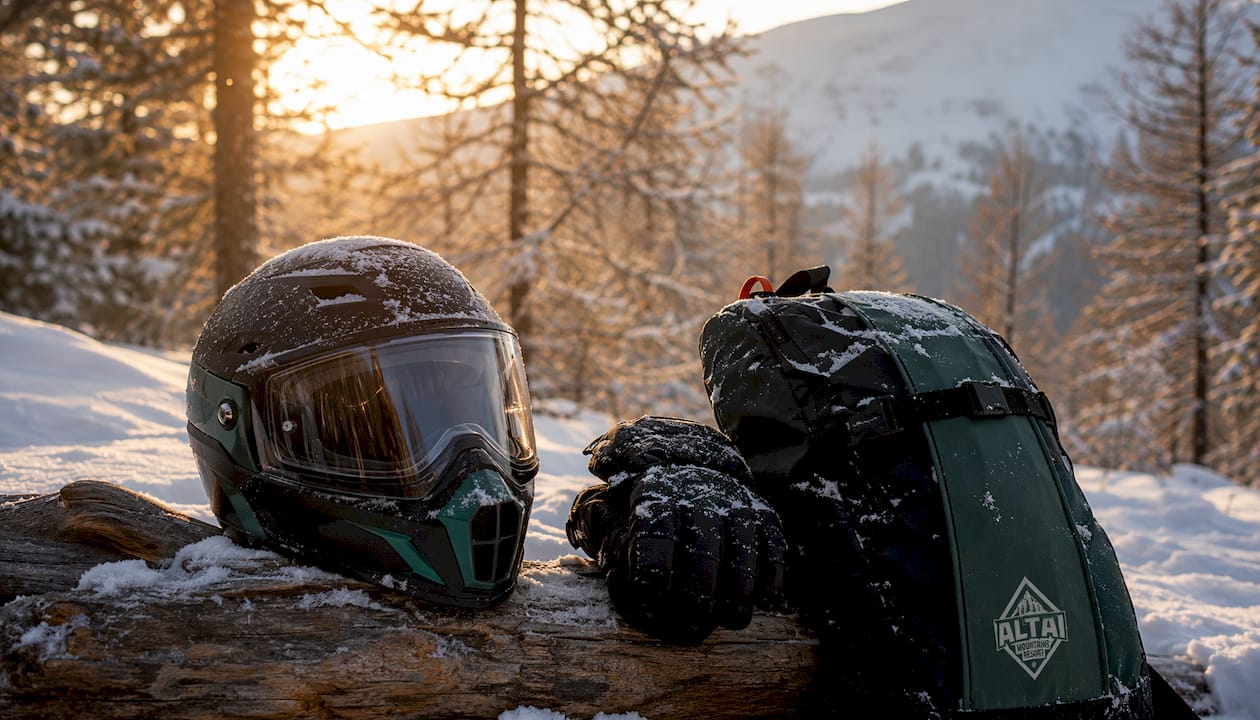
Prepare for a guided snowmobile ride with a practical gear checklist covering helmets, winter layers, avalanche equipment and cold exposure in Ridder.

A practical heli skiing guide to ability, avalanche equipment, packing, weather and planning your first trip to Kazakhstan.
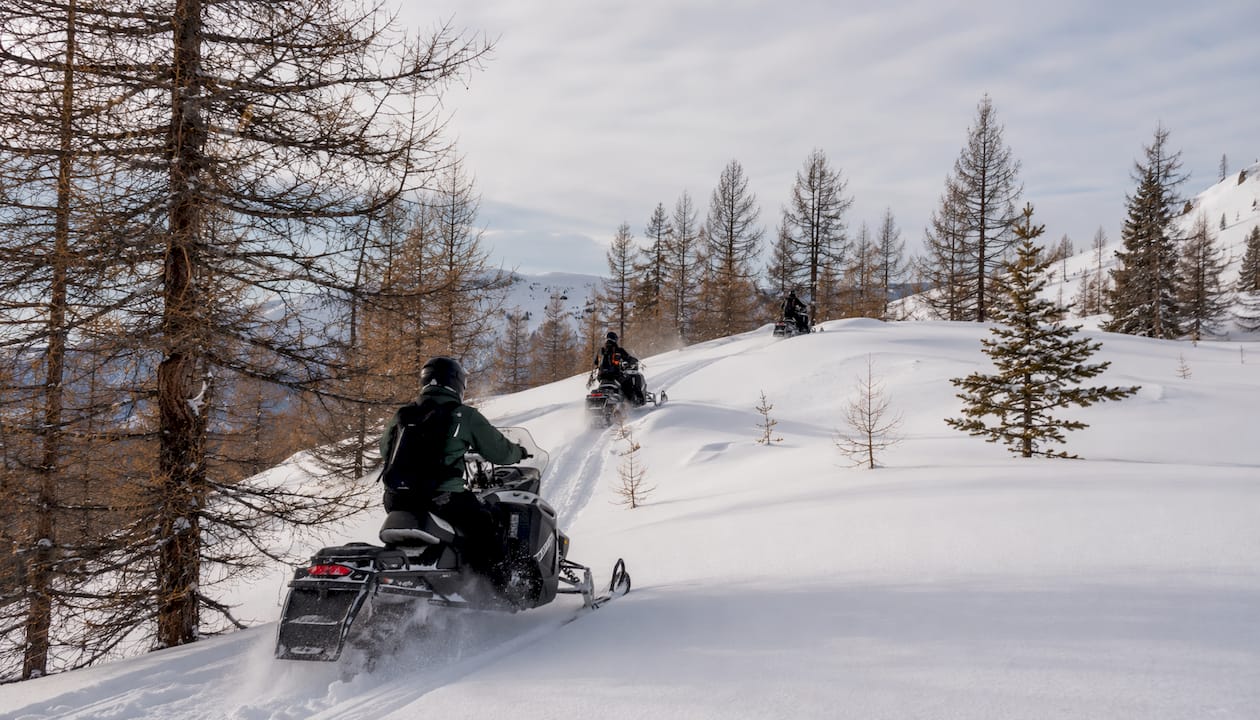
Plan guided deep snow snowmobiling in Ridder, with practical details on training, rentals, equipment, transfers and staying at Ridder Lodge.
How to choose Kazakhstan travel insurance for heli-skiing, cat-skiing or snowmobiling, including medical treatment and evacuation cover.
Kazakhstan visa requirements for UK visitors to Ridder, including visa-free limits, e-visas, passport rules, airports and Öskemen transfers.
Build strength, balance and endurance before cat-skiing, heli-skiing or snowmobiling with an adaptable six-to-eight-week ski fitness program.

Explore cold plunge benefits for skiers, from short-term soreness and recovery evidence to cold-shock risks, timing and Altai Banya options.

Understand heli skiing cost in 2026 with current operator examples, a total-budget checklist, and key booking, safety and insurance questions.