Compare neck gaiters and balaclavas for cold-weather activities, with practical guidance on coverage, ventilation, helmet fit, moisture management and winter packing.

For most active winter days, a neck gaiter is the more adaptable choice: lower it as your effort rises, then pull it back up when the wind arrives. A balaclava gives more continuous coverage around the head, ears, neck and face, making it useful for sustained wind, lower-output time outdoors and helmeted activities.
The right choice does not come down to one temperature. Wind, moisture, time outside, helmet and goggle fit, and the amount of exposed skin all matter. For a day that combines exertion with long descents, snowmobile travel or time spent waiting outdoors, carrying both is often the simplest approach.
Neck gaiter vs balaclava: the short answer
A neck gaiter is a fabric tube worn around the neck or drawn over the lower face. A balaclava is a shaped head covering that usually protects the neck, ears and head, as well as much of the face.
Choose a neck gaiter for changing effort levels, uphill travel, walking and other activities where you expect to release heat regularly.
Choose a balaclava for steady wind exposure, slower periods in cold weather, or activities where you want coverage to remain in place beneath a compatible helmet.
Pack both for days that mix hard effort with long descents, snowmobile travel or waiting outdoors.
In extreme cold, the CDC advises covering the face and mouth. The nose, ears, cheeks and chin are among the areas commonly affected by frostbite, so take a moment to read its winter frostbite guidance before an exposed day outside.
Coverage, fit and ventilation
The practical difference is in how each piece moves with you. A gaiter offers quick, adjustable coverage: wear it loose at the neck while moving, then bring it over the mouth and nose as the conditions change. It also slips easily into a pocket.
A shaped balaclava covers more of the head and neck in one piece. A well-fitting model may stay in place more reliably than a loose gaiter, particularly around the ears and jacket collar. Construction varies considerably, however, so try either option with your jacket, helmet and eye protection before relying on it. Look for pressure points, restricted movement, obstructed vision and any exposed skin.
More coverage is not always more comfortable during hard work. The NIOSH bulletin on cold-weather PPE notes that heavy insulation during strenuous activity can lead to sweating followed by additional cooling, and that tight face coverings can create concerns in cold conditions. Keep breathing easy, avoid sealing fabric too tightly over the face, and adjust layers before you become damp.
Materials, warmth and moisture management
Fibre content is only one part of warmth. Fabric thickness, weave, wind exposure, fit and the rest of your clothing system all affect how a gaiter or balaclava performs. A thin, breathable piece can suit high-output movement; a warmer construction is often more comfortable during quieter, colder periods.
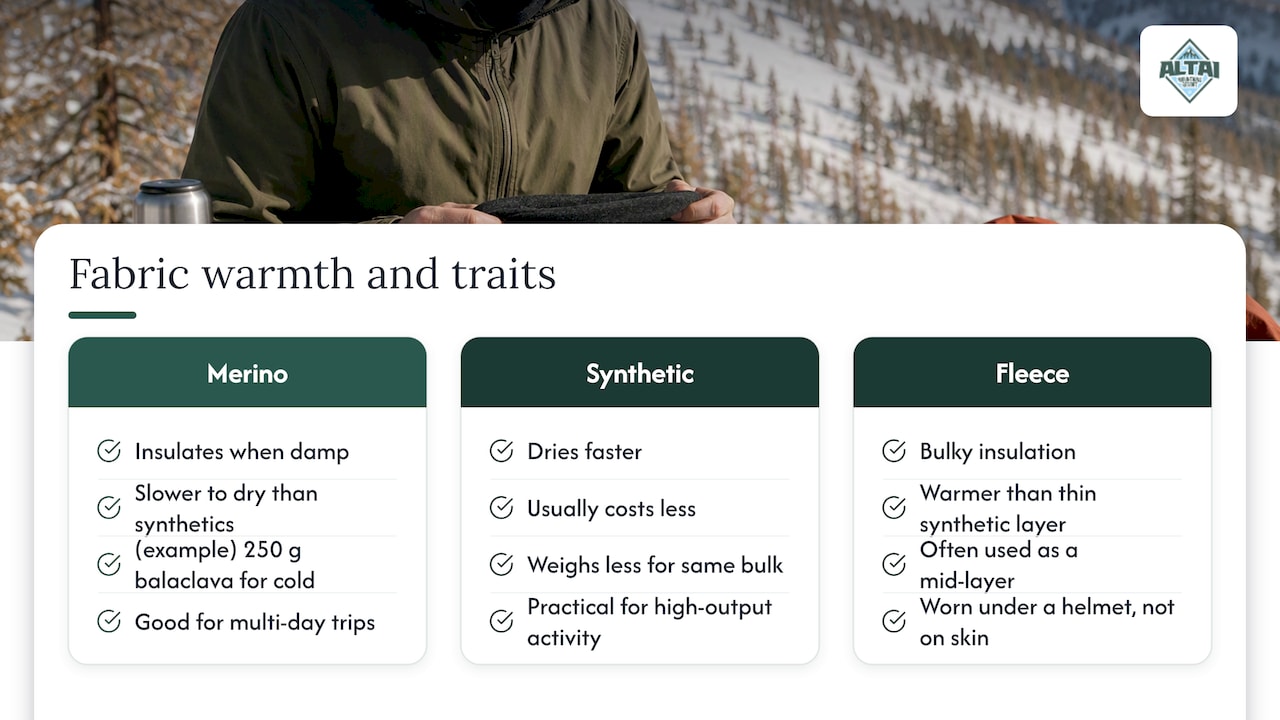
Merino wool, synthetic blends and fleece are all used in winter face coverings. Their performance varies with the blend, construction and individual garment, so compare the intended use, care guidance and thickness rather than assuming one fabric will always be warmer or faster drying. Merino Protect, for example, compares its own 250g balaclava and gaiter products; those product-specific comparisons are not universal temperature ratings for every merino face covering.
Build a practical system around a piece you can breathe through comfortably, then add insulation elsewhere rather than expecting a face covering to solve every cold-weather problem. A dry spare gaiter can be welcome after a long, active session.
Helmet and goggle fit
A balaclava can sit neatly beneath a helmet when the fabric is thin enough and the whole system feels comfortable. A gaiter may suit you better if you need to uncover your face quickly, although it can shift as you turn your head. Neither design will work equally well with every helmet or pair of goggles.
Approach fogging as a system issue. Follow the fitting guidance for your goggles and helmet, keep ventilation ports clear, and avoid lifting goggles onto a warm, damp forehead between runs. An Oakley goggle manual, for example, advises keeping vents clear and keeping goggles on the face to help minimise fogging. Apply any anti-fog treatment only as directed for your lenses.
Do not restrict breathing in an effort to prevent fogging. If condensation keeps building, pause somewhere sheltered, dry the face covering if needed, and reset your helmet, goggles and layers before continuing.
Choosing by activity and conditions
Situation | Useful starting point | Why |
|---|---|---|
Walking, hiking or active climbs | Neck gaiter | Quick to raise or lower as effort changes. |
Windy, lower-output time outdoors | Balaclava | Continuous coverage can limit gaps around the ears, neck and head. |
Helmeted skiing, riding or snowmobiling | Try a thin balaclava or gaiter with your helmet and goggles | Comfort, ventilation and fit depend on the individual pieces. |
Mixed-intensity winter day | Bring both | Use the gaiter while working hard and add the balaclava when exposure increases. |
There is no universal point at which a balaclava wins. In sustained cold and high wind, a well-fitted balaclava may reduce exposed gaps. In milder conditions or during hard effort, a gaiter’s easy ventilation is often the more comfortable advantage.
How to wear each option
Neck gaiter
Wear it loose at the neck while moving hard.
Pull it over the mouth and nose as wind exposure rises, provided breathing remains easy.
Use it beneath compatible eye protection only when it does not interfere with the seal, vents or vision.
Carry a dry spare on long days if the first one becomes damp.
Balaclava
Choose a profile that sits smoothly under your helmet without bunching at the neck or temples.
Put it on with your jacket collar, helmet and goggles before leaving shelter, then make sure you can turn your head and breathe freely.
Lower or remove it during high exertion if you are overheating rather than allowing sweat to build up.
Care and storage
Follow the care label on the individual garment. Fibre blends, coatings and elastic components can all affect washing and drying requirements. Dry face coverings fully before storing them; a clean, dry piece is more comfortable to wear and less likely to carry odour into the next day.
It is time to replace a gaiter or balaclava when it no longer holds its shape, develops holes where coverage matters, or becomes uncomfortable beneath the rest of your winter equipment.
Winter packing for Altai Mountains Resort
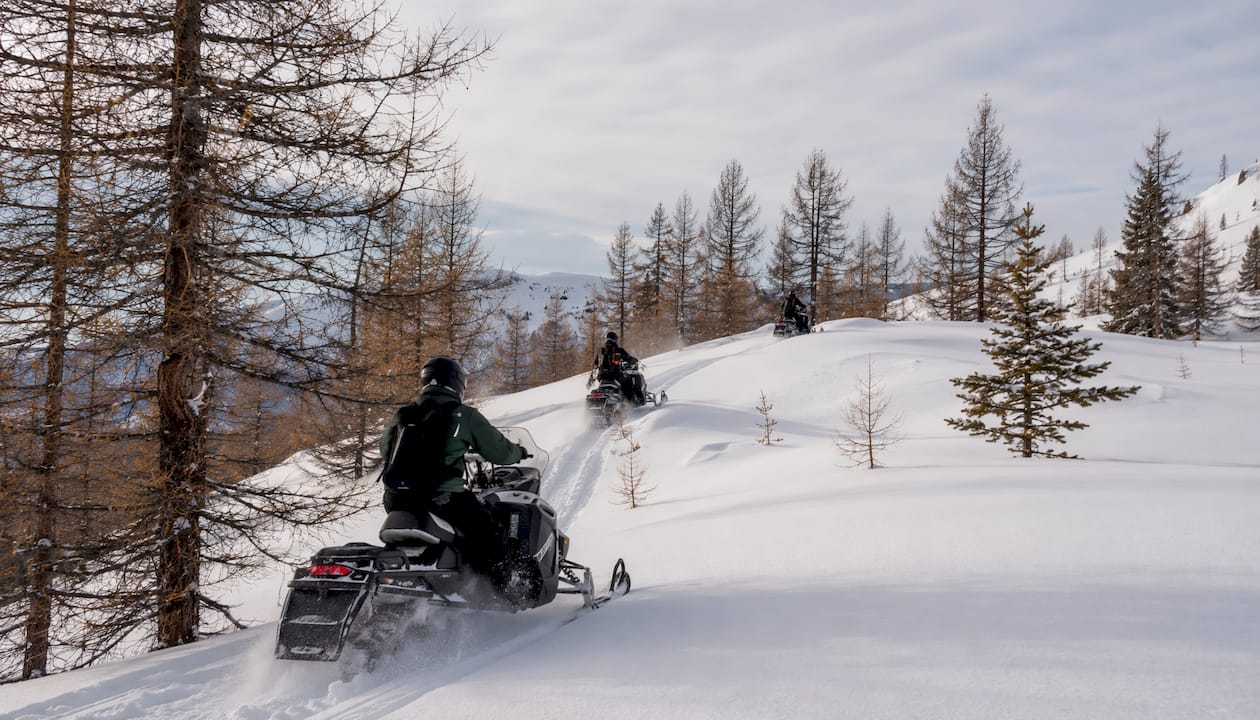
For guests joining our guided deep-snow snowmobiling, a gaiter-and-balaclava combination gives you flexible coverage without taking much room in a bag. A gaiter is useful while your effort is high; a balaclava can add more consistent coverage when wind exposure or time at rest increases. You can also explore our snowmobile training and rental options as you plan your time in Ridder.
Selected equipment rental is available for some trips, while clothing and protective-equipment inclusions vary. Our booking team can help with the equipment options for your dates. For a longer winter stay, take a look at Ridder Lodge accommodation in Ridder, East Kazakhstan.
For broader trip organisation beyond technical winter equipment, this adventure traveller packing guide can sit alongside your packing plan.
This guide covers general outdoor-clothing considerations. If a health condition affects your circulation, breathing or cold tolerance, seek personalised advice from a qualified clinician before prolonged cold exposure.
FAQ
What is the difference between a balaclava and a neck gaiter?
A neck gaiter is an adjustable fabric tube for the neck and lower face. A balaclava is a shaped covering for the head, neck and much of the face. The gaiter is generally easier to vent, while the balaclava generally gives more continuous coverage.
Is a balaclava warmer than a neck gaiter?
It often covers more skin, but warmth depends on fabric weight, construction, fit, wind and how the rest of your layers manage moisture. A warm gaiter with a hat can suit some conditions, while a thin balaclava may suit others.
Can I wear a balaclava under a helmet?
Yes, when the balaclava works comfortably with the helmet and goggles. Try the complete setup for pressure, clear vision, free head movement, unobstructed vents and easy breathing before heading out.
What helps prevent ski goggle fogging?
Keep goggle vents clear, maintain the intended fit and avoid placing goggles on a warm, damp forehead. Use lens treatments and ventilation features in line with the guidance for your particular goggles.
Should I bring both a neck gaiter and a balaclava?
For a winter day with changing weather or activity levels, bringing both is practical. Use the gaiter for adaptable coverage and add the balaclava when you want more consistent protection from wind and cold.
All Articles
Compare neck gaiters and balaclavas for cold-weather activities, with practical guidance on coverage, ventilation, helmet fit, moisture management and winter packing.
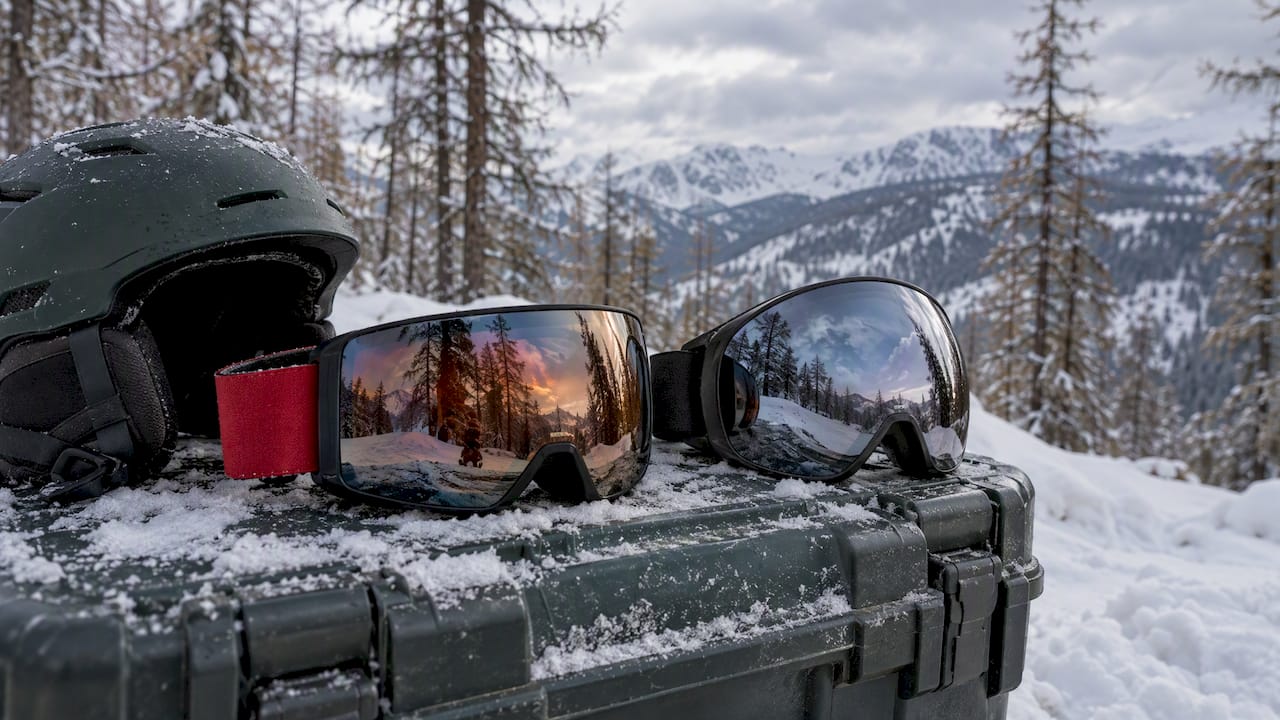
Choose between cylindrical, spherical and toric ski goggles, with practical guidance on tint, anti-fog performance, helmet fit and packing for Altai winter trips.
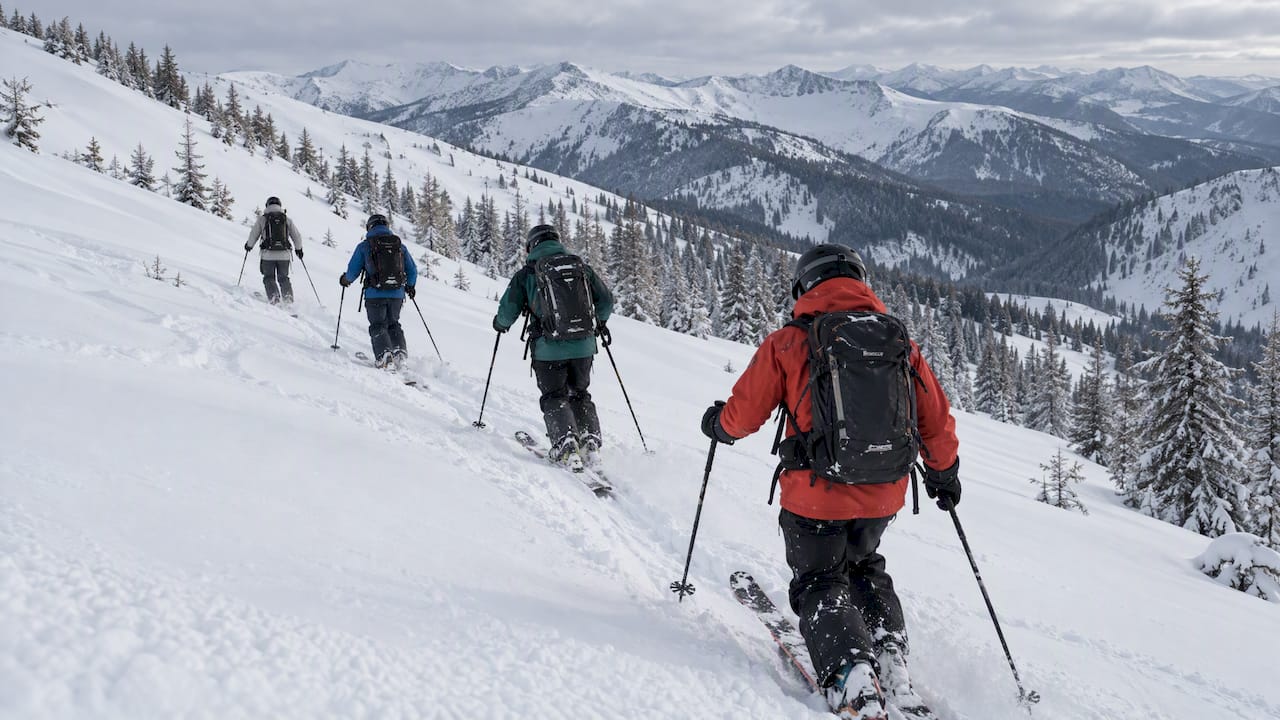
A practical cat-skiing safety checklist for first-timers, covering avalanche gear, companion-rescue practice, ability preparation and guided mountain days.
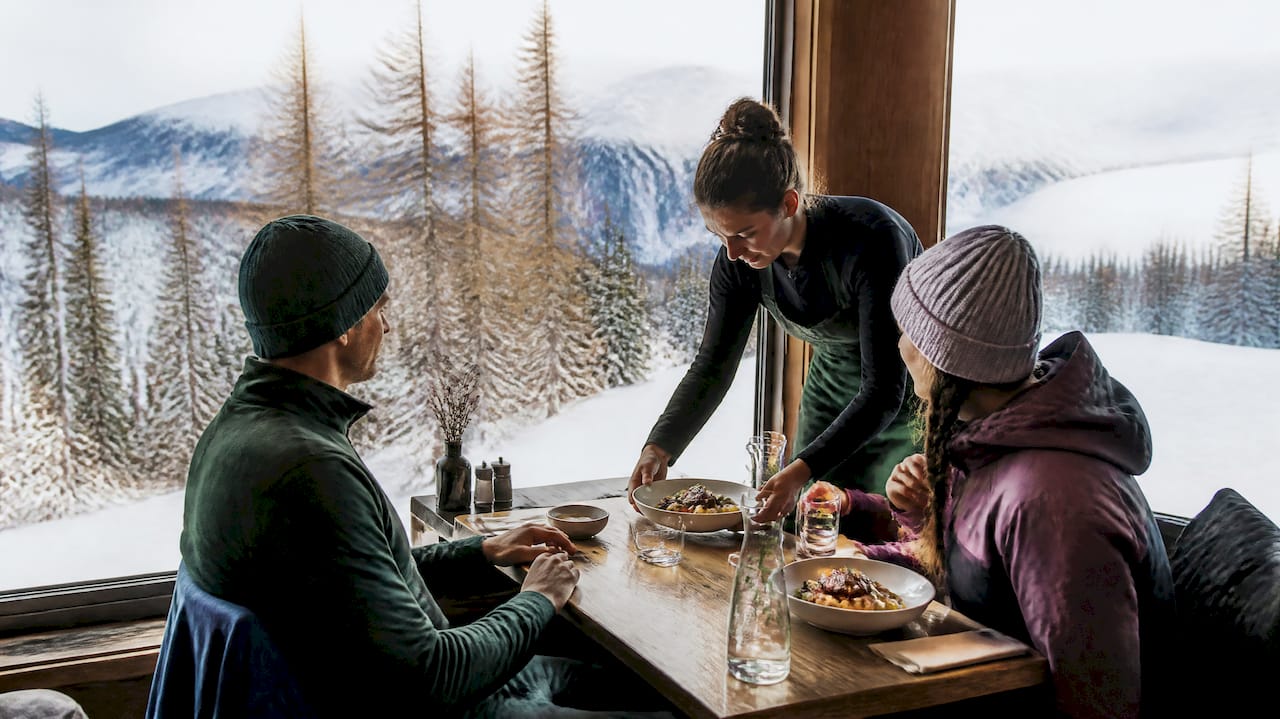
Plan on-mountain dining with four practical considerations: access, reservations, menus and dietary needs, plus weather and mountain safety preparation.

A practical Siberian cuisine guide to Restaurant Altai, East Kazakhstan dishes, dietary requests and Ridder Lodge accommodation rates.
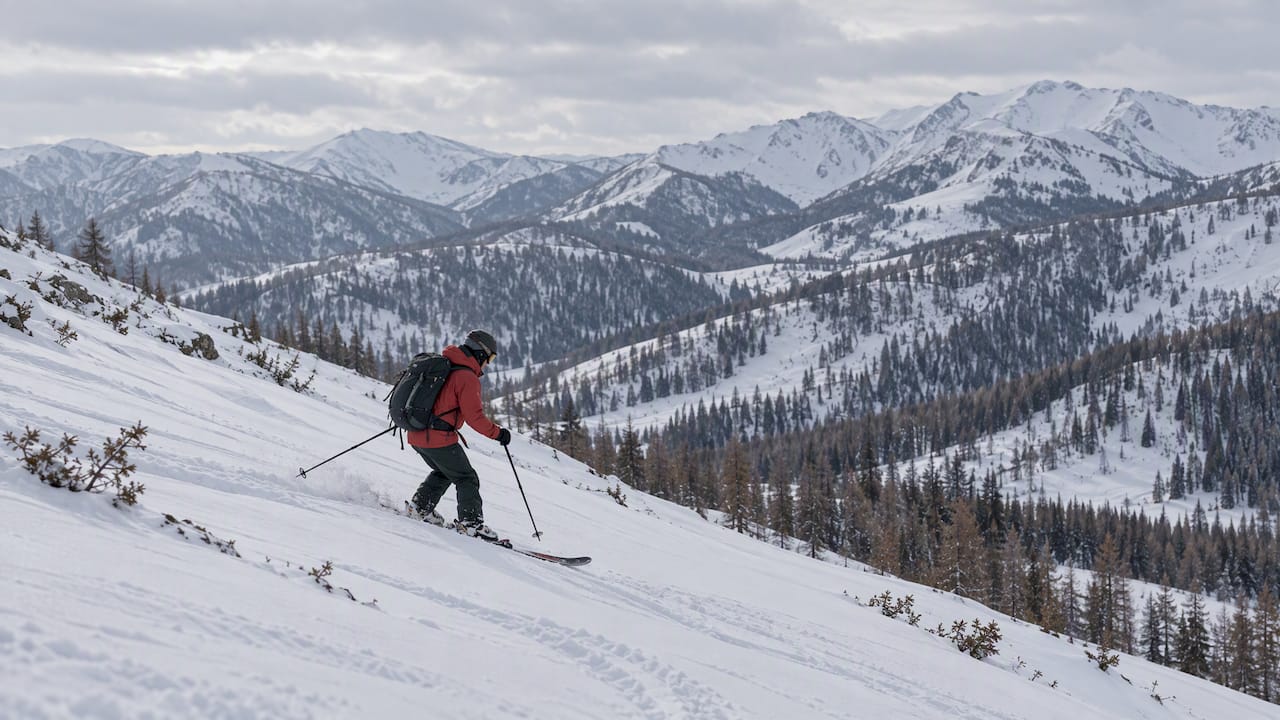
Explore heli-skiing’s environmental impact, including helicopter emissions, wildlife considerations, aviation effects and practical planning questions.
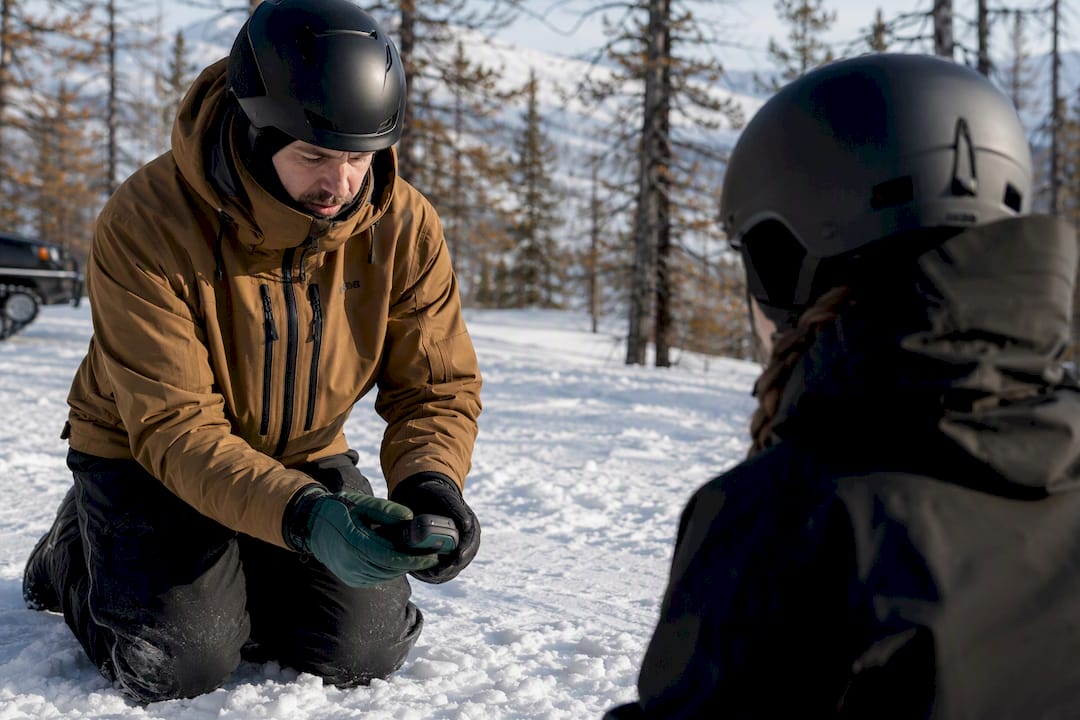
Learn what a snowcat safety briefing covers, including avalanche equipment, transceiver checks, the 20 cm/50 cm rule and cat-skiing preparation in Altai.
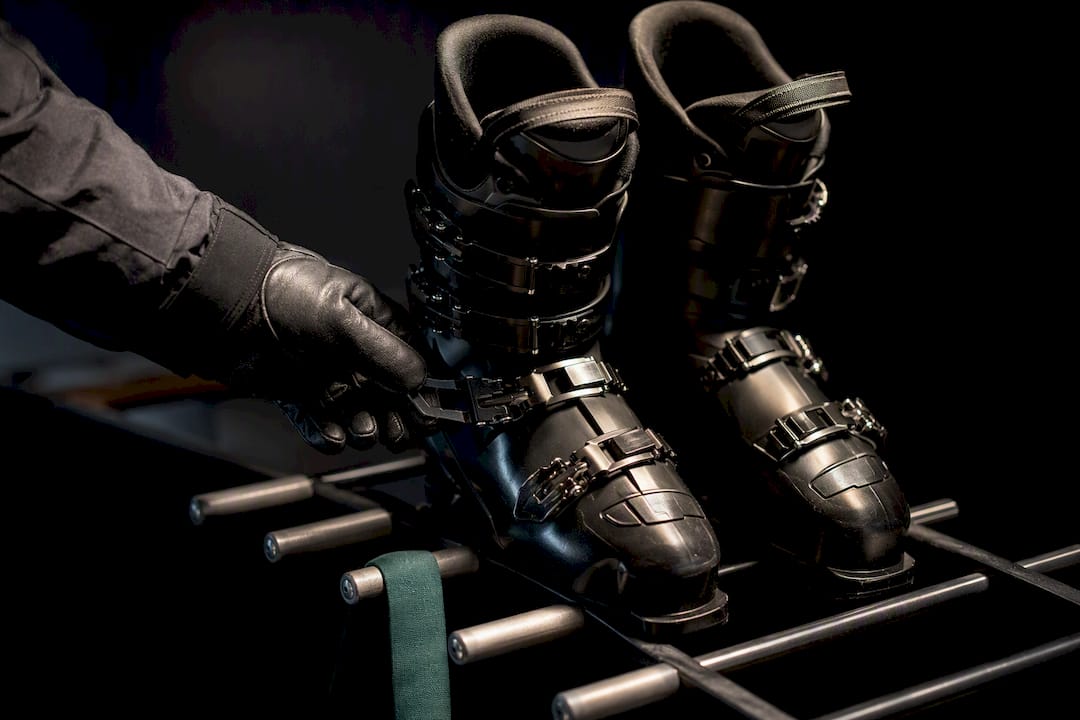
Practical ski locker etiquette for shared storage: keep equipment tidy, use boot dryers fairly and follow the rules in your drying room.
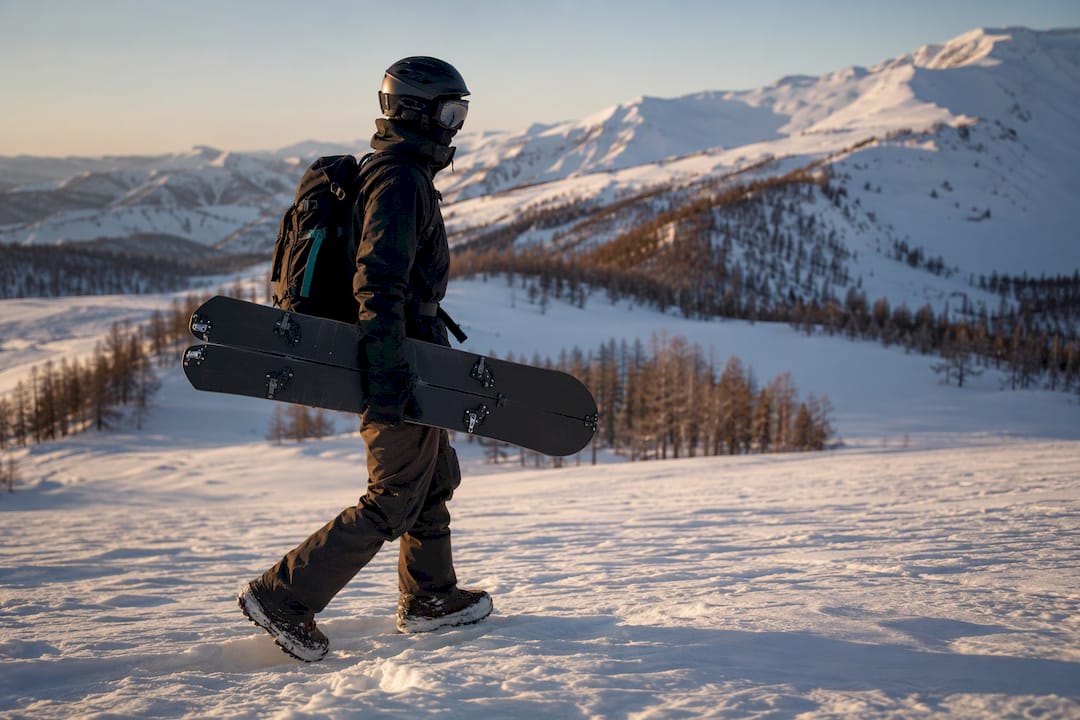
Plan a heli-accessed splitboard trip with practical guidance on formats, costs, rescue readiness, personal kit and Altai Mountains Resort options.

Explore Kazakhstan winter culture through holiday traditions, food, living heritage, regional rhythms and practical etiquette for visitors.
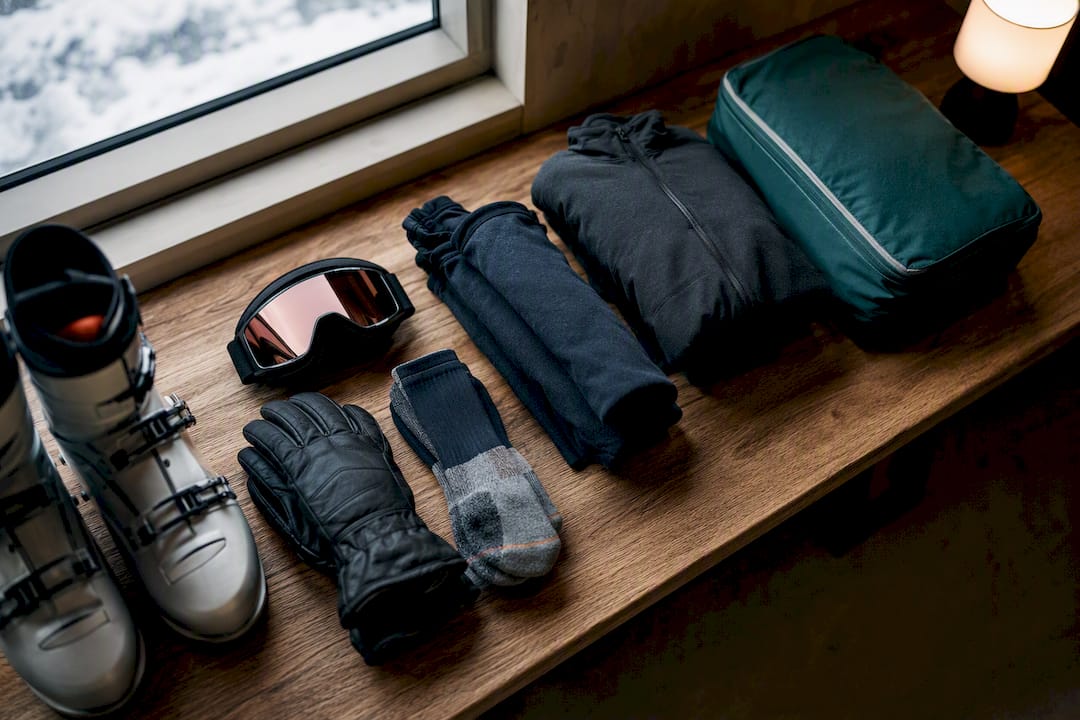
A practical luxury ski packing list for fitted essentials, lighter luggage and guided off-piste or heli-ski days at Altai Mountains Resort.

A practical heli-skiing safety guide for expert skiers, covering operator decisions, avalanche equipment, helicopter procedures, rescue planning and insurance.
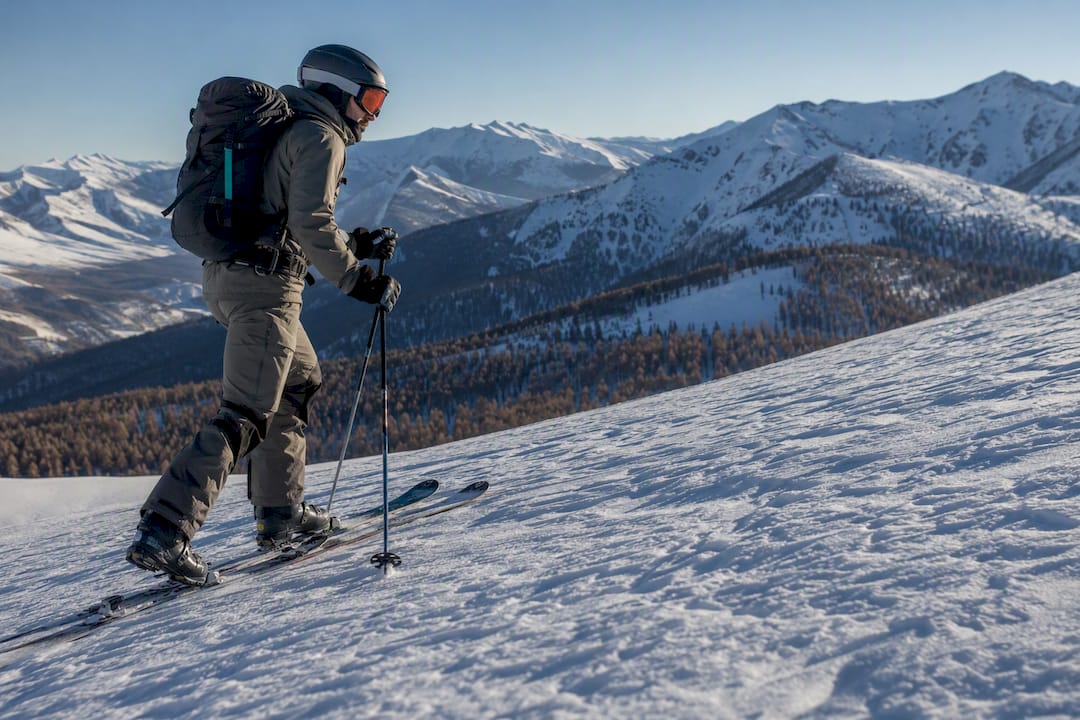
Compare lift-assisted, touring and Western Altai ski options in Kazakhstan, with practical safety, travel and booking guidance.

Learn the heli-skiing skill level typically expected, the off-piste skills to practise, safety preparation and an adaptable 8–12-week training framework.

Plan the Kazakhstan skiing season with a practical comparison of Almaty and Ridder, month-by-month timing, mountain safety and trip planning.
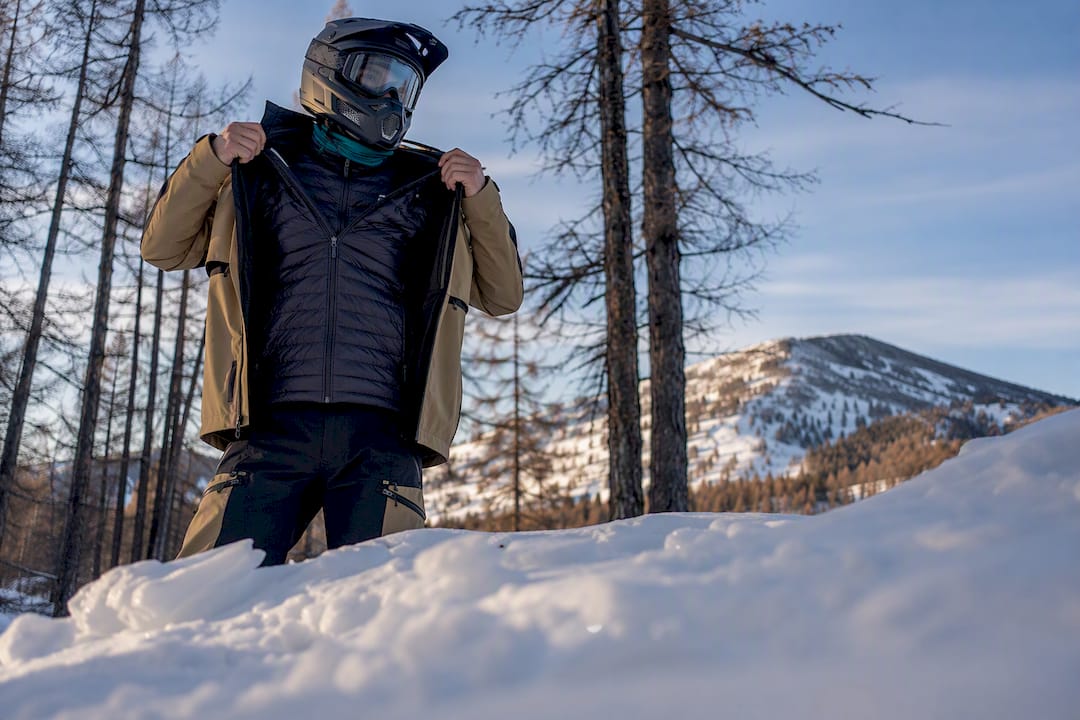
Use this snowmobile layering guide to build a flexible base, insulation and shell system, manage moisture and pack dry spares for changing conditions.

Learn what to rent for avalanche terrain, how to prepare a beacon, probe and shovel, and what to know about airbag packs and flights.
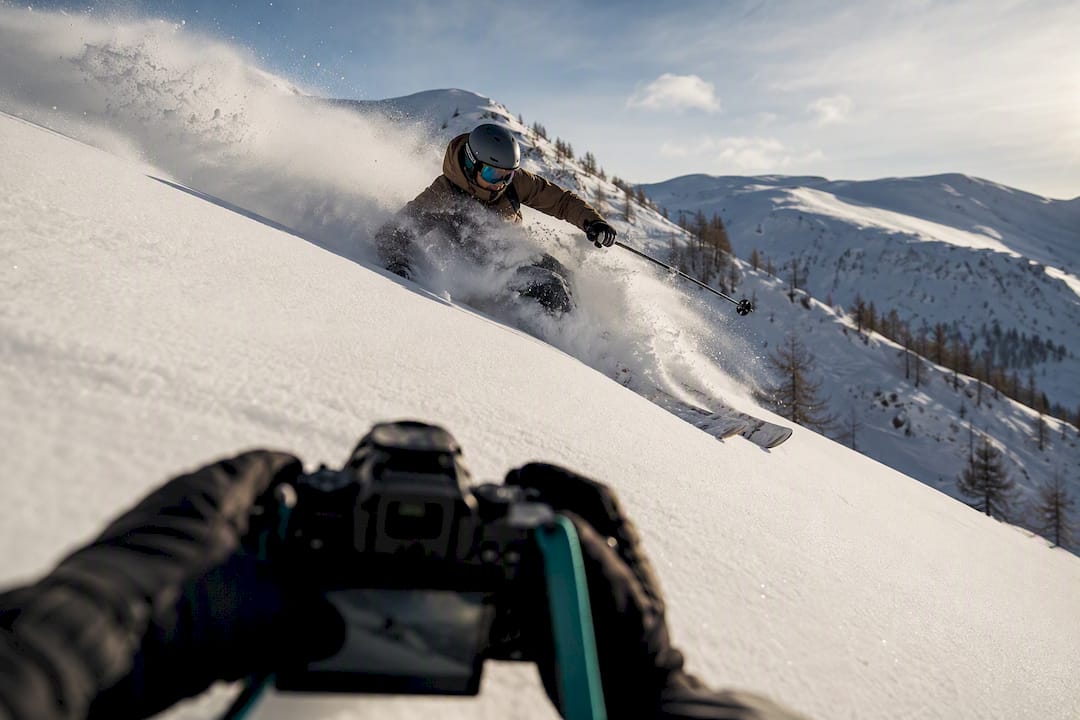
Practical ski photography tips for beginners: camera settings, snow exposure, timing, cold-weather camera care and safe mountain positioning.

Learn how to read an avalanche forecast, interpret danger ratings, roses and avalanche problems, and plan more conservative terrain choices.
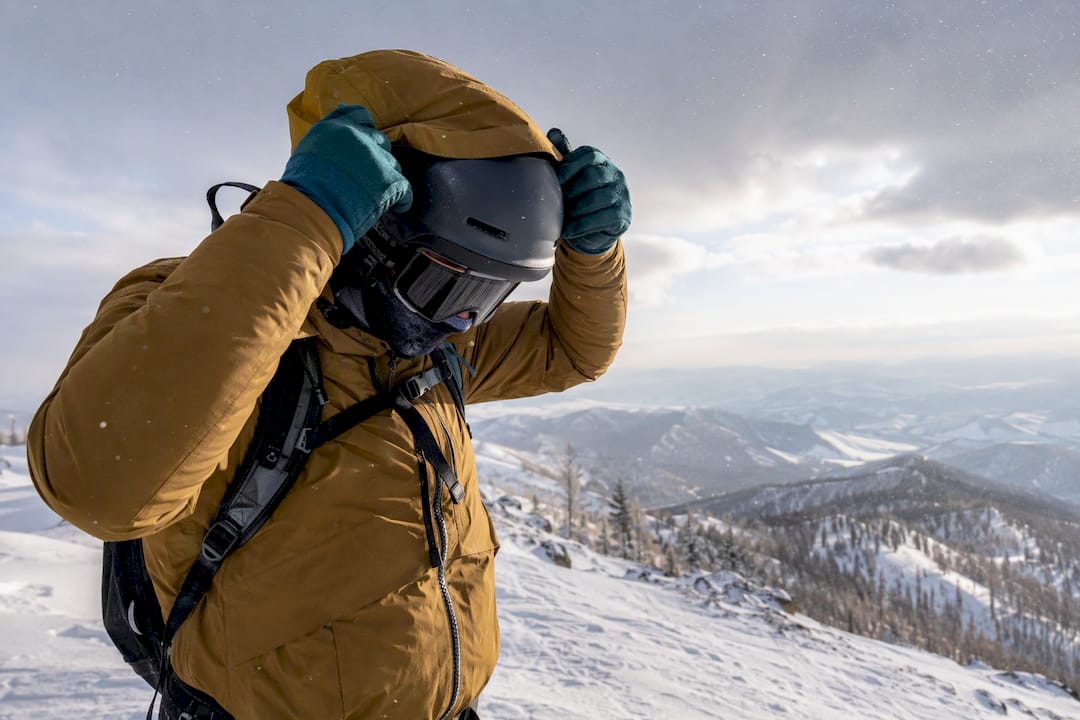
Practical cold injury prevention for winter travel: layering, dry spares, warning signs, first aid and planning for mountain activities.
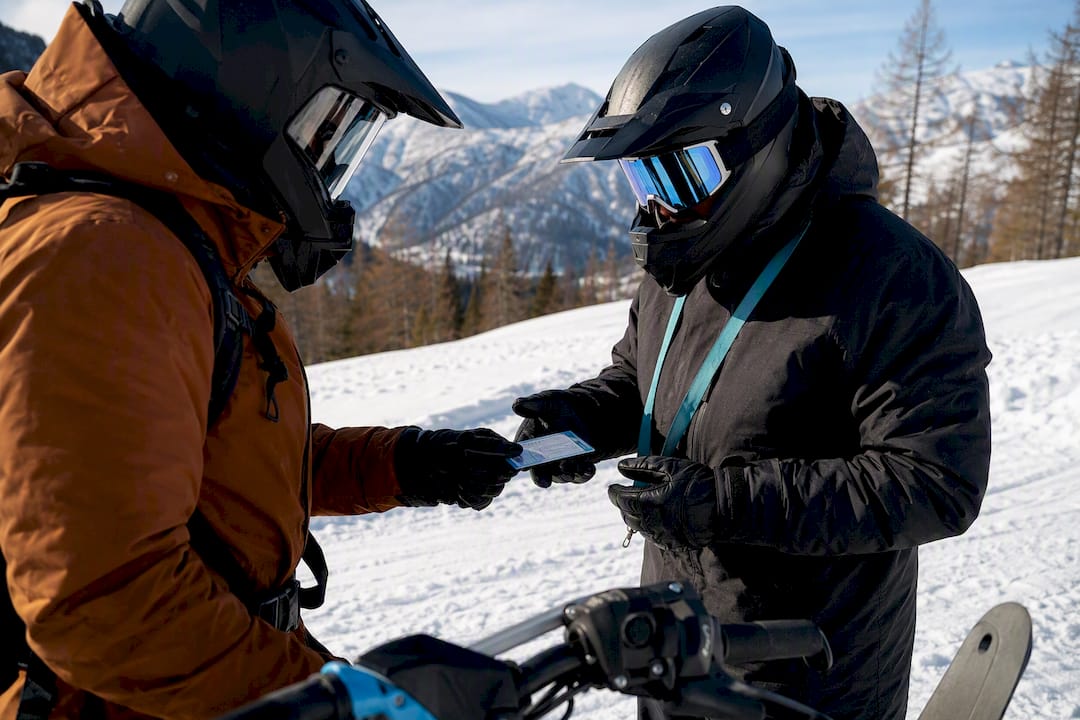
Planning snowmobiling in Ridder? Understand how experience, training, equipment and Kazakhstan rules shape your trip with Altai Mountains Resort.
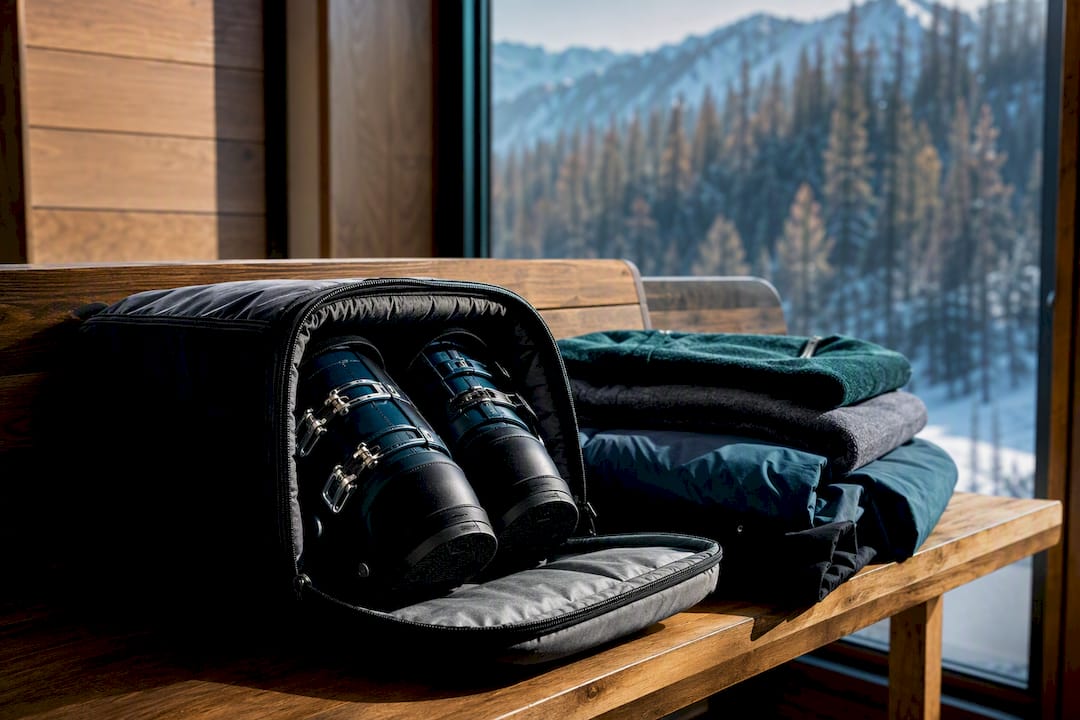
Travel with ski gear confidently: carry boots when cabin rules allow, pack skis securely, understand airline baggage rules and prepare for delays.
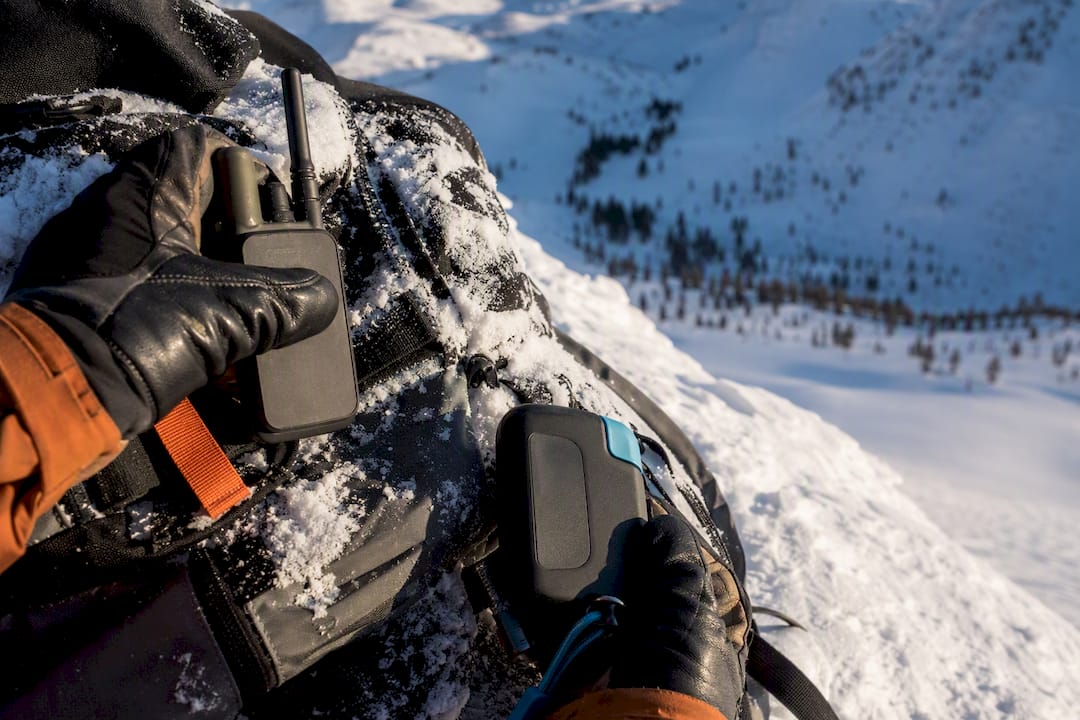
Build a practical backcountry radio communication plan with party radios, satellite SOS or PLB backup, cold-weather care and regional legal essentials.

Satellite messenger basics for remote Altai trips: compare PLBs and two-way devices, understand SOS limits, and prepare your communications plan.
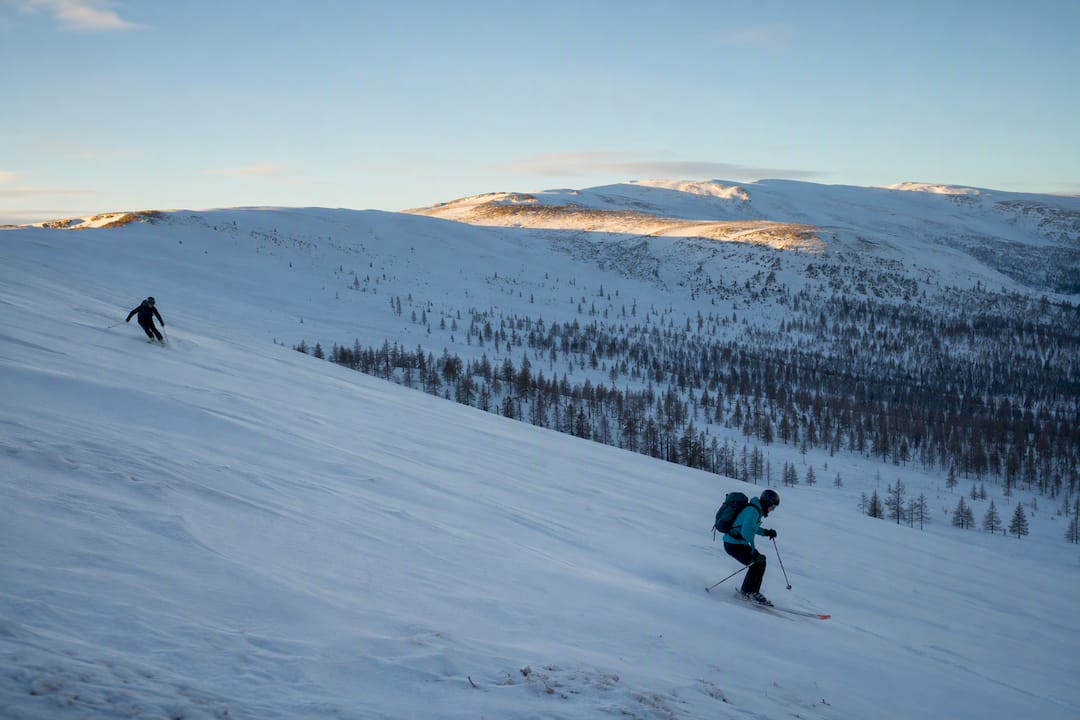
Avoid ski crowds with flexible dates, midweek skiing, early starts and smarter lift choices. Explore guided off-piste options near Ridder.

Learn how heli-skiing passenger weight and baggage rules differ by operator, with practical packing steps and Altai Mountains Resort booking guidance.
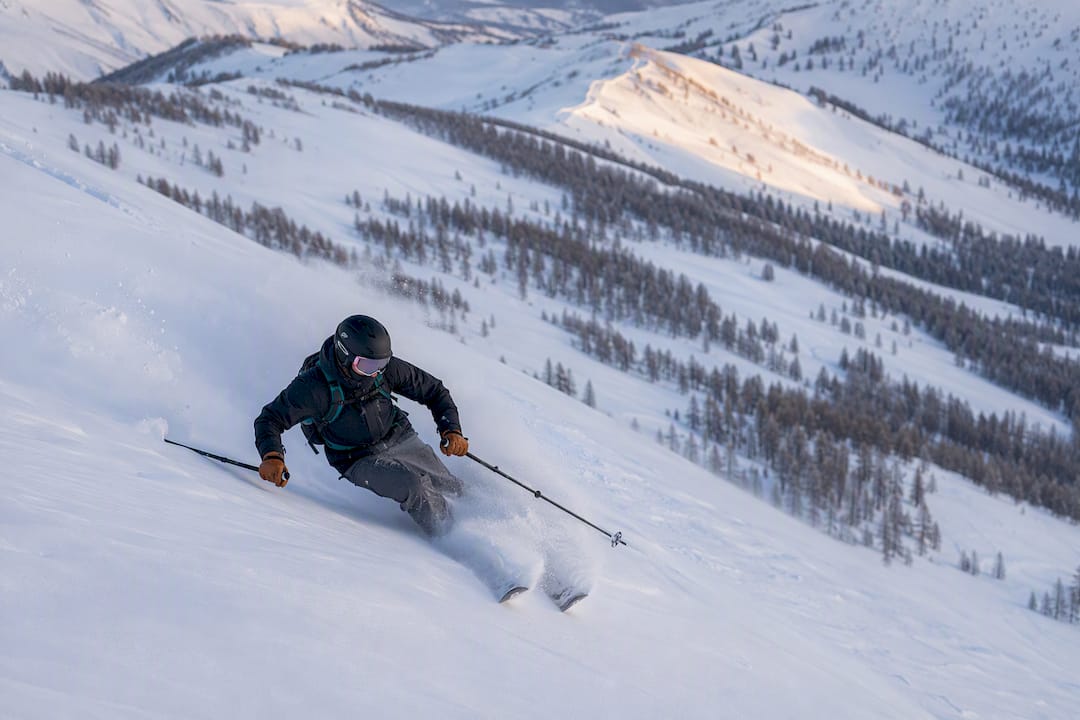
Understand the cat skiing skill level needed for Altai Mountains Resort, with practical guidance on off-piste ability, fitness and avalanche readiness.
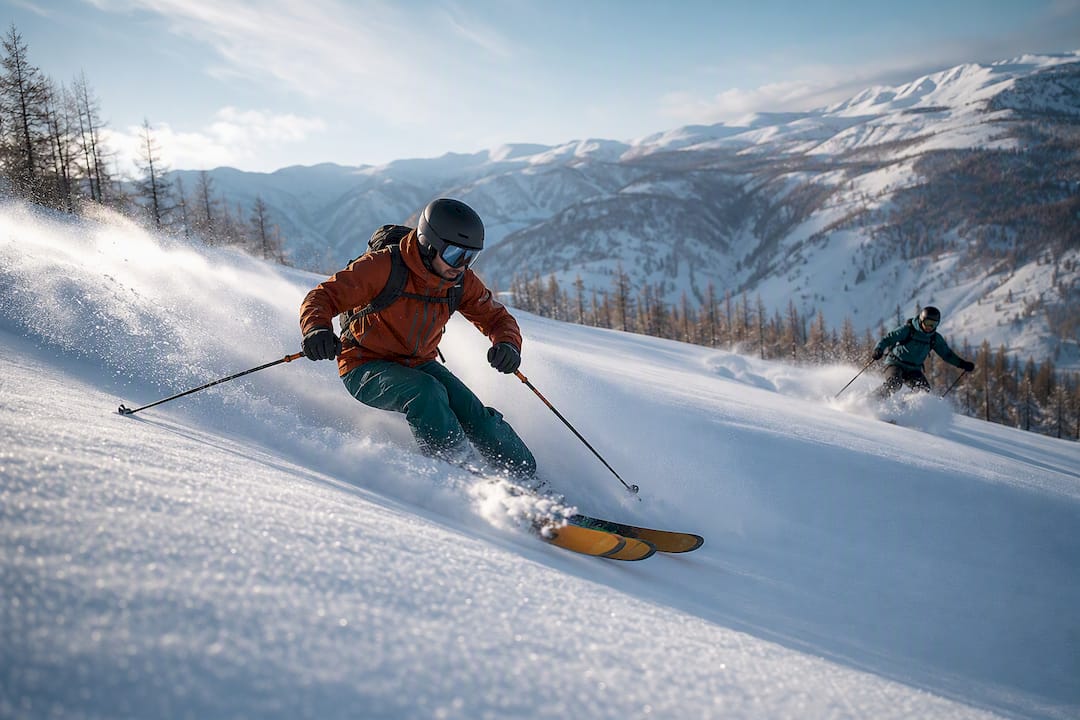
Decide whether Ridder suits your advanced Altai ski trip, with practical guidance on transfers, season timing, avalanche gear and guided programmes.
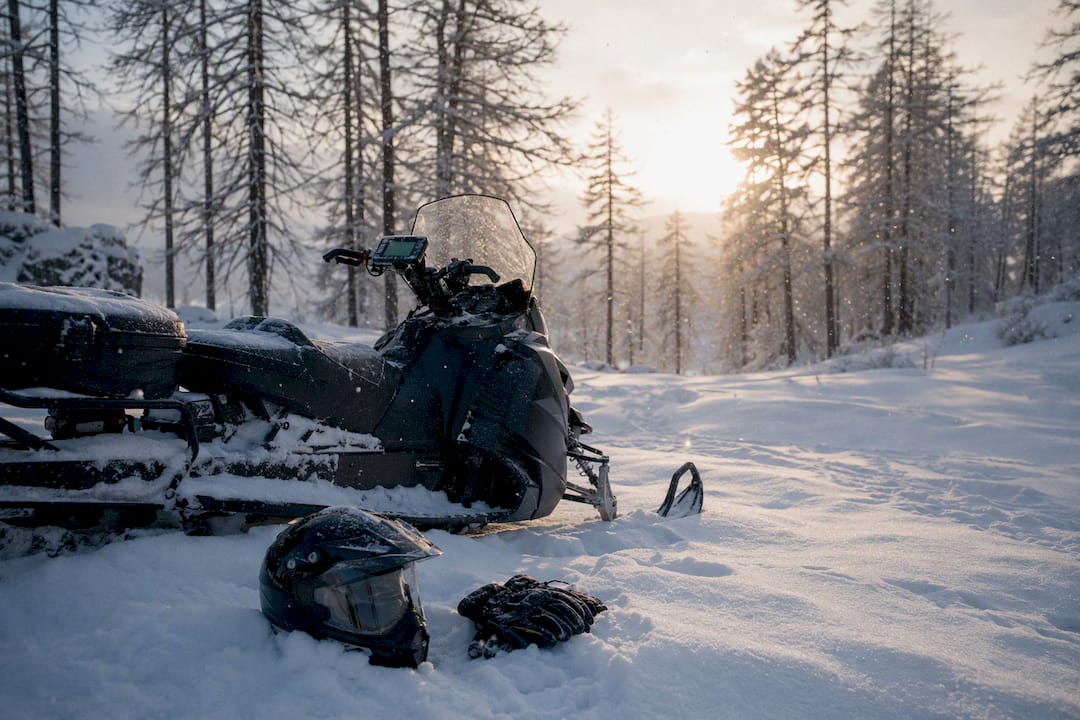
Compare snowmobile tour prices by duration, understand what shapes the final cost, and explore quote-based snowmobiling at Altai Mountains Resort.
Compare Western Altai, Almaty and Turgen for Kazakhstan powder skiing, with practical guidance on access, safety and Ridder logistics.

Plan Altai heli skiing near Ridder with practical guidance on terrain, season, package inclusions, access, safety gear and booking.
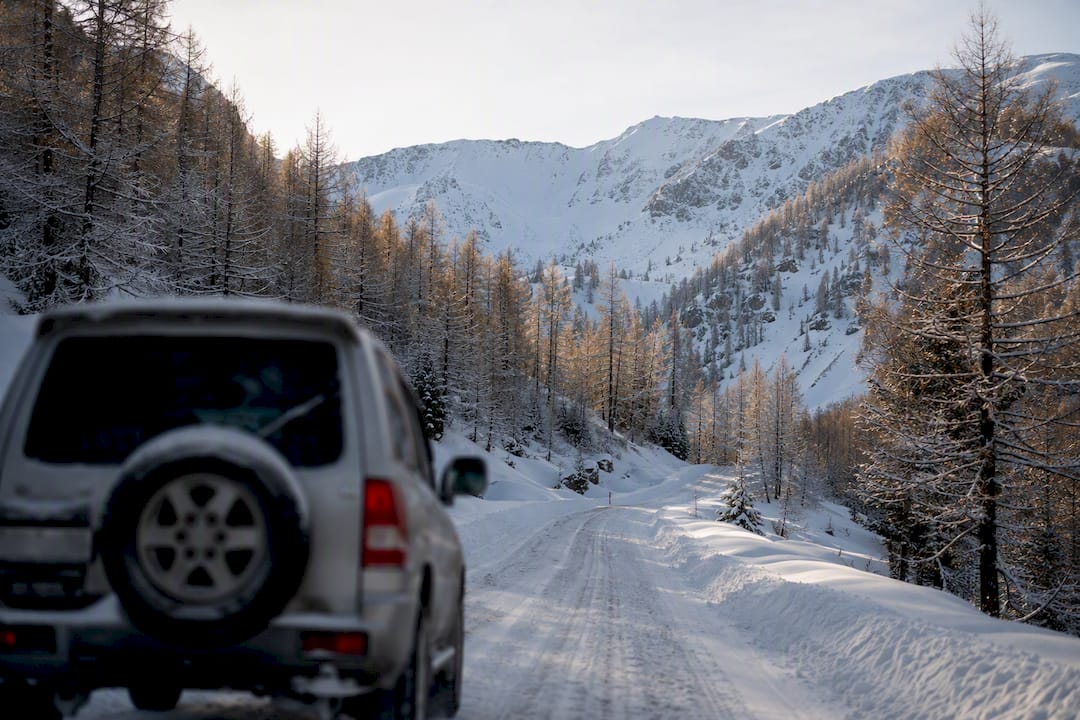
Compare flight, rail and self-drive routes from Almaty to the Kazakh Altai, with practical guidance for reaching Ridder and Ulba village.

Learn deep powder snowmobiling setup, riding technique, safe recovery and avalanche preparation, plus guided training near Ridder.
Plan an Altai Mountains winter stay from Ridder, with activity timing, travel from Öskemen, packing advice and practical mountain guidance.

Practical helicopter passenger safety guidance on boarding, seatbelts, exits, dropped items and following crew instructions.

Practical off-piste slope etiquette for safer skiing: right of way, avalanche preparation, group spacing, closures and guided skiing in the Western Altai.

Plan an Altai Mountains trip across Russian, Mongolian and Kazakh sectors, with permit, safety and winter-stay guidance for Ridder Lodge.
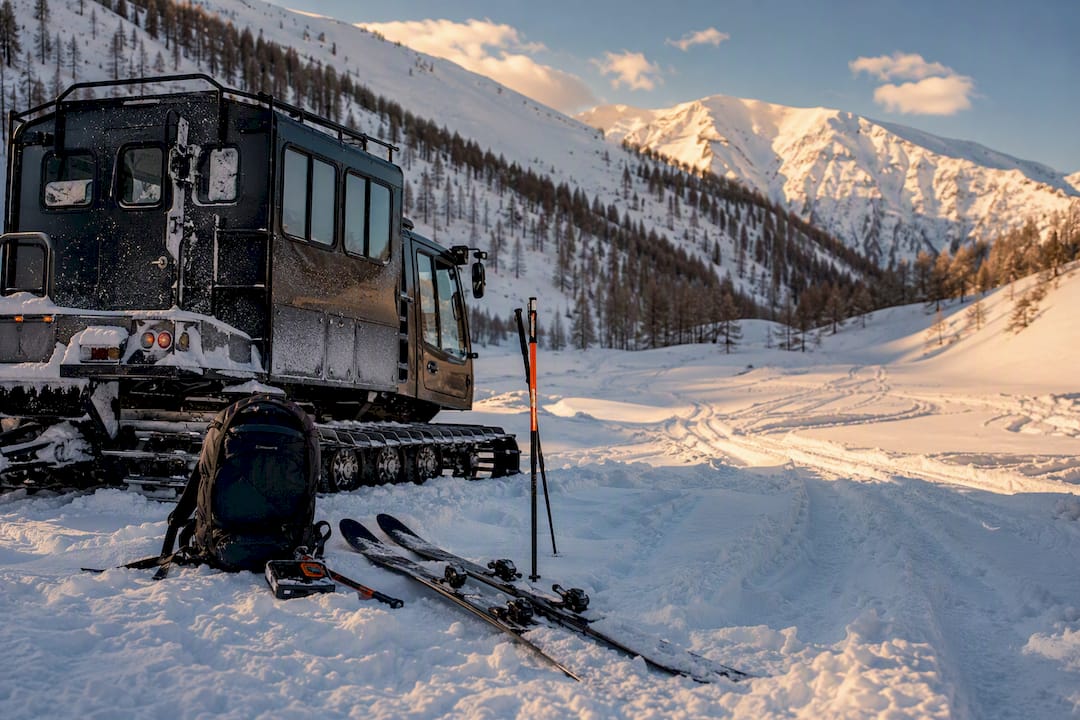
Learn how to plan guided freeride tours, from off-piste experience and avalanche gear to guide scope, changing mountain conditions and cat-skiing in the Altai.
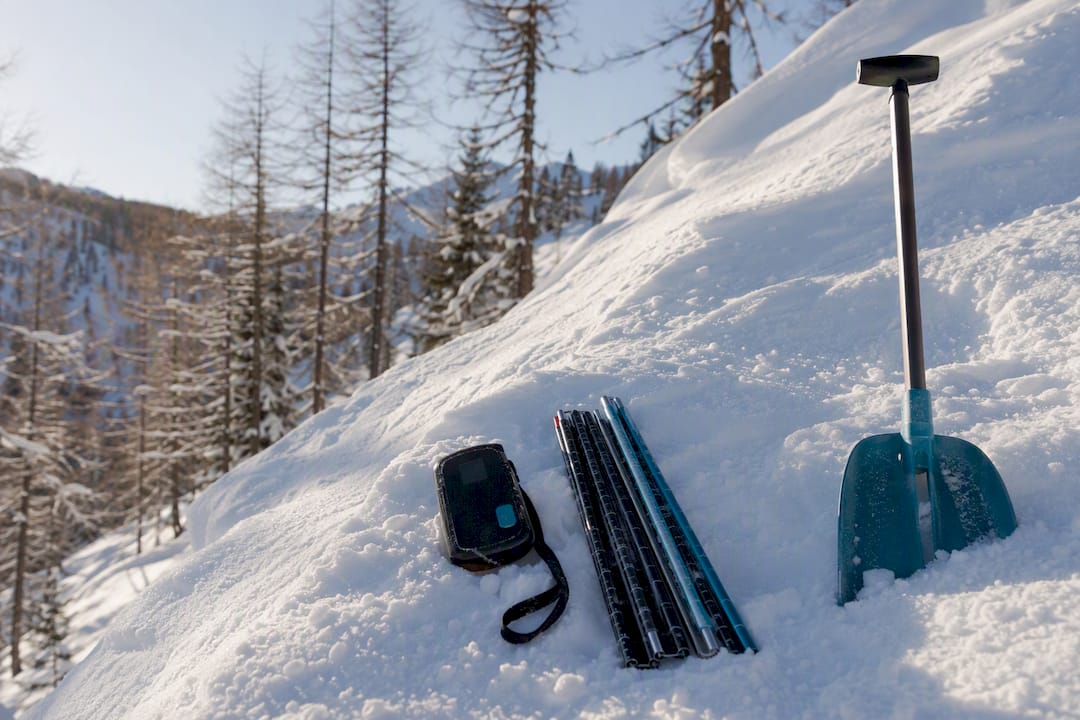
Learn avalanche beacon basics: 457 kHz transceivers, essential rescue gear, trailhead checks, interference and companion-rescue practice.

Learn which avalanche course suits your plans, what companion-rescue skills to practise and how to prepare for a winter trip to Altai.
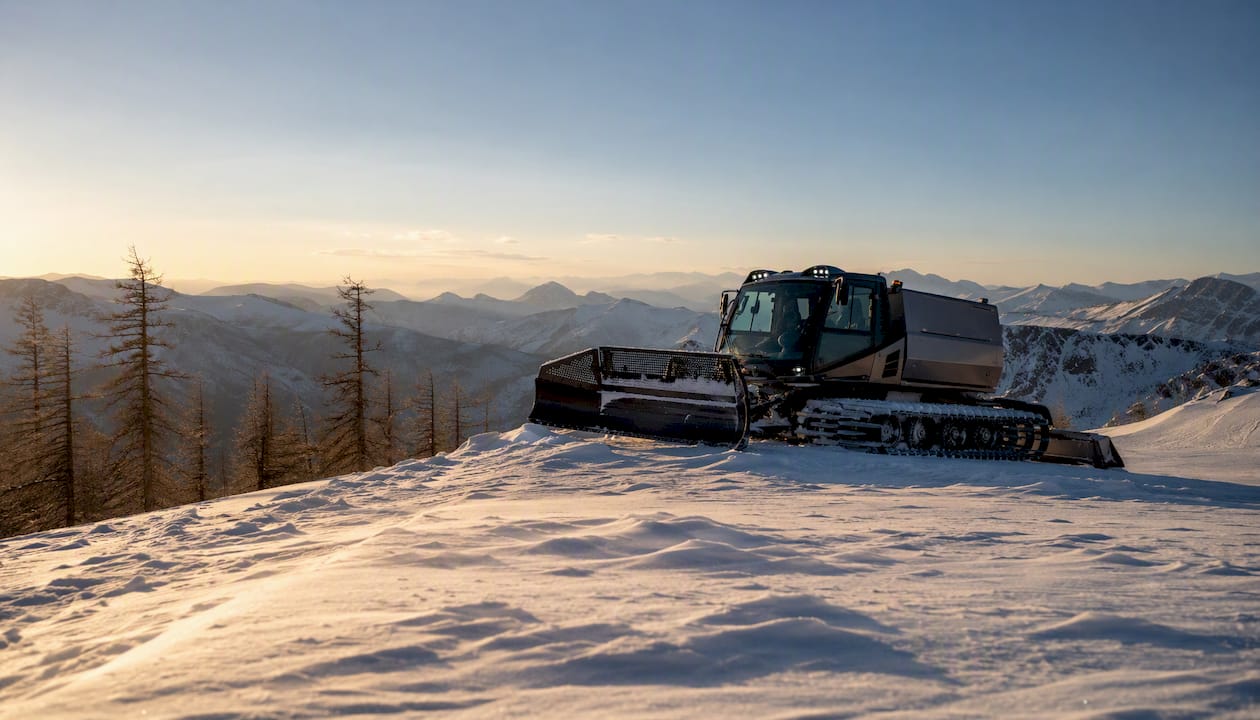
Learn what cat skiing is, who it suits, what to pack and how to plan a guided cat-skiing trip, including options near Ridder, Kazakhstan.
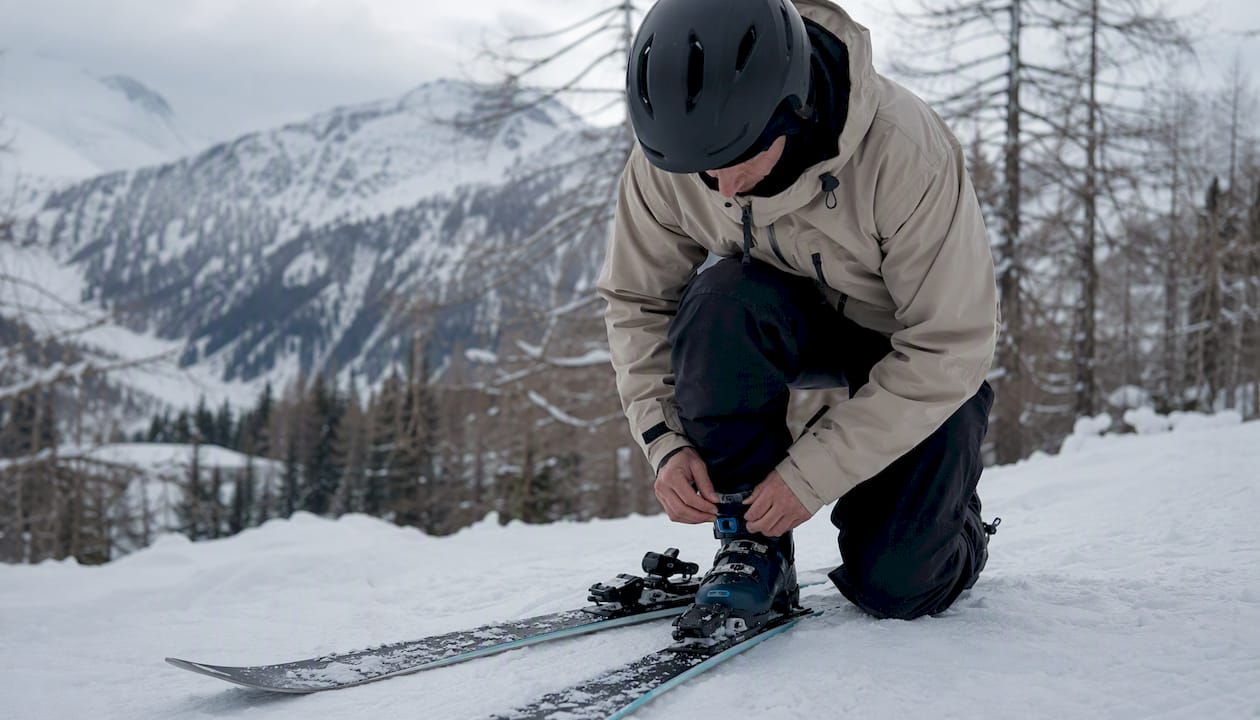
A practical ski rental Kazakhstan guide to Shymbulak and Medeu, current tariffs, equipment fit, transport and guided freeride near Ridder.

Understand ski guide benefits for freeride and backcountry trips, including local planning, terrain choices, qualifications, safety gear and access options.

Plan a snowmobile expedition near Ridder, Kazakhstan, with practical guidance on routes, rider experience, equipment, mountain safety and transfers.
Use this mountain lodge amenities checklist to compare rooms, meals, wellness access, transfers, activities and paid extras before booking.
A practical Kazakhstan currency guide to the tenge, cards, ATMs, currency exchange, DCC and cash planning for cities and the Western Altai.
Plan the Kazakhstan ski season by month, compare lift-served Shymbulak with guided trips around Ridder, and prepare for changing snow and mountain conditions.
A practical guide to spa after skiing, including gentle massage, sauna and hammam, optional cold immersion and signs that need medical attention.
Plan a remote ski trip from the UK to Ridder, with practical guidance on activities, Kazakhstan entry, Öskemen transfers, insurance and ski baggage.
A practical heli skiing packing list covering clothing, avalanche equipment, ski baggage, batteries, travel documents and rental options.
A practical UK guide to ski boot fitting: appointment steps, services, current provider price examples, aftercare and warning signs.
Should you tip a ski guide? Learn how customs vary, when a gratuity may feel appropriate and how to plan for tipping in Kazakhstan.
An Altai cuisine guide to kan, kurut, chegen and talkan, with dining at Restaurant Altai, food safety and travel from Öskemen to Ridder.
Compare banya vs sauna: heat, steam, venik and löyly rituals, etiquette, health evidence, safety basics and the Altai Banya experience.
Learn how to ski deep powder with centred balance, smooth turns, speed control, practice steps, gear guidance, and avalanche and tree-well precautions.

Plan a mountain wellness retreat in Ridder with freeride, heli-skiing, snowmobiling, Ridder Lodge, Altai Banya and practical winter travel guidance.

A practical snowmobile gear list for UK travellers heading to Altai Mountains Resort, with clothing, safety equipment, battery and travel guidance.

Understand Ridder Lodge’s ski-in/snowmobile-out access, guided ski-day logistics, transfers from Öskemen and practical planning for your stay.
Prepare for a guided snowmobile ride with a practical gear checklist covering helmets, winter layers, avalanche equipment and cold exposure in Ridder.

A practical heli skiing guide to ability, avalanche equipment, packing, weather and planning your first trip to Kazakhstan.
Plan guided deep snow snowmobiling in Ridder, with practical details on training, rentals, equipment, transfers and staying at Ridder Lodge.
How to choose Kazakhstan travel insurance for heli-skiing, cat-skiing or snowmobiling, including medical treatment and evacuation cover.
Kazakhstan visa requirements for UK visitors to Ridder, including visa-free limits, e-visas, passport rules, airports and Öskemen transfers.
Build strength, balance and endurance before cat-skiing, heli-skiing or snowmobiling with an adaptable six-to-eight-week ski fitness program.

Explore cold plunge benefits for skiers, from short-term soreness and recovery evidence to cold-shock risks, timing and Altai Banya options.

Understand heli skiing cost in 2026 with current operator examples, a total-budget checklist, and key booking, safety and insurance questions.