Practical ski locker etiquette for shared storage: keep equipment tidy, use boot dryers fairly and follow the rules in your drying room.
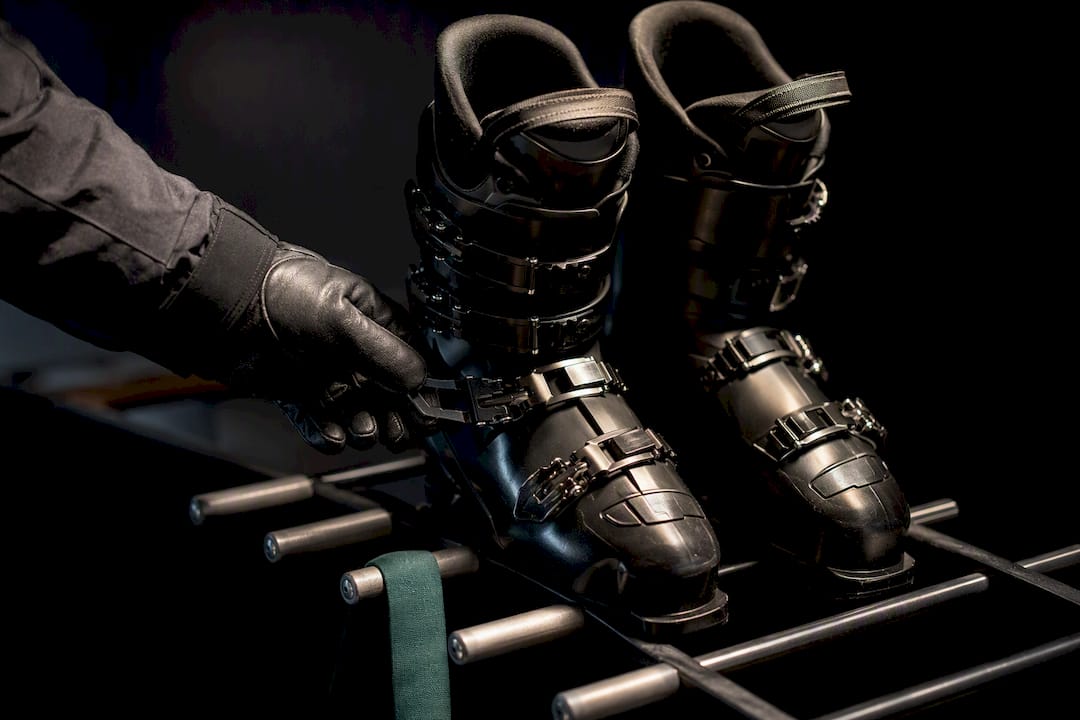
Ski locker etiquette is simple: leave shared storage as easy to use as you found it. Keep aisles clear, store equipment compactly, collect boots once they are dry and follow the rules in that particular facility. There is no universal one-week rule for boots on a drying rack; time limits, removal procedures and lost-property arrangements are set locally.
For a winter stay in Ridder and the Western Altai, a little organisation at the beginning and end of each ski day makes the drying room more comfortable for everyone.
Quick answer: there is no universal one-week rule
A boot left on a shared dryer is not automatically abandoned after seven days. Some facilities set their own deadlines and removal procedures, while others work differently. Read the notices in the locker room and the information provided with your stay; these are the rules that apply to your equipment.
If boots or other gear have remained in a space beyond the local limit, do not move them yourself. Let reception or the facility team deal with it, so a straightforward oversight does not become a lost-property issue.
Before using a shared ski locker
Begin with a compact routine. Choose one place to change, sit down to put boots on or take them off, and keep bags, jackets and loose equipment out of walkways. A few thoughtful arrival and boot-change habits make a busy changing area calmer for early starters and guests returning at the end of the day.
Keep skis, boards, poles and bags close to your own locker or bench space.
Use only the locker, rack or dryer position assigned to you.
Read the opening hours, access instructions and drying limits before leaving equipment overnight.
Collect all your gear before departure, including gloves, goggles and liners.
Report a damaged lock, door or dryer promptly rather than attempting a repair yourself.
Locker access systems vary. Follow the instructions supplied for your locker, keep any key or access code separate from the locker itself, and avoid leaving irreplaceable items in shared storage.
How to store skis, boots and small gear
A tidy locker is easier to use and dry. Put boots where the facility intends them to go, place skis or a snowboard so they cannot fall into the door or aisle, and keep small items together in a bag or pocket. Avoid balancing helmets or goggles on wet boots, where they can easily be knocked or scratched.
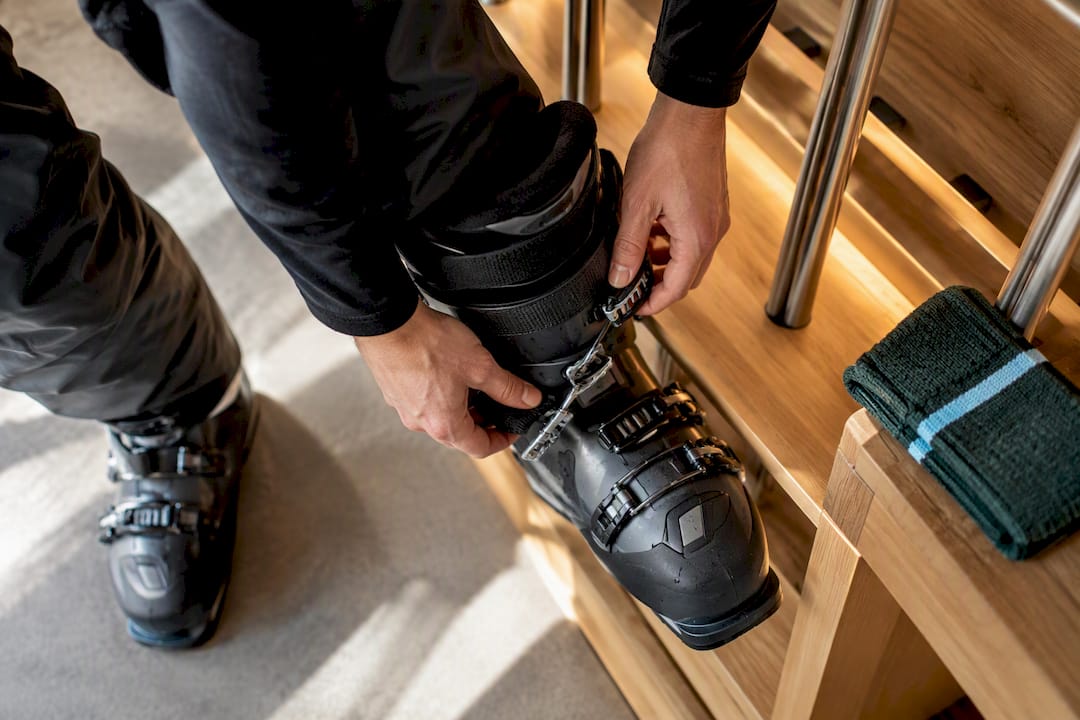
Shake off excess snow before bringing equipment into the storage area.
Place boots on the allocated tray or dryer without blocking another guest’s position.
Stand skis, boards and poles securely in the designated rack or inside your locker.
Keep gloves, goggles and helmets together and away from pooled water.
Close and secure the locker before leaving the room.
Locker designs differ. Some systems, including one described in dedicated ventilation duct for boots, combine boot heating or ventilation with drainage, hooks or nets for smaller equipment. These features work best when gear is placed where the system is designed to dry it.
Do not bring electrical heaters, wax irons or extension leads into a locker or drying room unless the facility expressly permits them. The U.S. Consumer Product Safety Commission warns that household extension cords can cause fires. Its winter space-heater safety guidance also advises plugging electric space heaters directly into a wall outlet, rather than an extension cord or power strip. In a shared ski facility, the practical approach is to use only the equipment provided and follow the room instructions.
A facility’s own terms, such as expressly prohibit waxing equipment, apply only at that facility.
Boot dryer and drying-rack etiquette
Boot dryers are shared resources. Put your boots in a free position, remove them once the permitted drying period has ended, and leave the slot ready for the next person. Where the room has a time limit, that takes priority over general advice online.
Use only the number of dryer positions allocated to your party.
Do not place wet gloves, helmets or bags over another guest’s boots.
Do not remove, relocate or unplug someone else’s equipment.
Tell staff if a dryer is cold, a rack is unstable or an item appears to have been left behind.
For multi-day stays, follow the room instructions for overnight or longer-term storage rather than treating the dryer as permanent storage.
Routine seasonal care, including the measures outlined in testing shoe dryers and lock systems, helps keep drying facilities working well. Guests can help by reporting faults early, keeping ventilation openings clear and avoiding improvised electrical equipment.
Valuables, lost property and liability
A shared ski locker is best used for equipment and outerwear needed during the day. Keep passports, significant cash, jewellery and other irreplaceable belongings with you or in the secure location provided by your accommodation.
Liability and lost-property arrangements differ between facilities. Read the terms for the locker you are using, particularly if you plan to leave equipment overnight or for several days. If an item goes missing, notify the relevant team promptly with a clear description, the locker number and the time you last saw it.
Policies can differ, as the example in Mountain Haus Ski Locker terms and conditions illustrates. It is not a universal standard or a policy for Altai Mountains Resort.
Which locker terms control
The rules at the facility are the ones to follow. They may cover access hours, keys or codes, overnight storage, drying positions, prohibited items, cleaning, faults and the handling of property left after a stay ends. Read them before your first ski day, especially when sharing a locker with friends or travelling with a larger amount of equipment.
The FIS rulebook concerns ski competition rather than shared storage etiquette. For locker use, follow the guidance in your accommodation or facility.
If you are interested in the equipment itself, Depot Locker Sequence 500 product page offers one approach to ventilated ski storage, while Start of the winter season guidance provides general maintenance background for drying rooms. Neither replaces the rules in the room you are using.
Storage and drying facilities at Ridder Lodge
At Ridder Lodge, we provide heated drying rooms and private ventilated lockers for guests, giving ski and snowmobile equipment a designated place between days rather than bringing wet gear into living spaces.
We can also help arrange long-term storage and equipment-related services for an individual stay. Availability, storage arrangements and inclusions depend on your dates, so our booking team can guide you before arrival; you can also reach us through our contact page.
For guests heading out on cat-skiing, heli-skiing or guided deep-snow snowmobiling, a clear routine keeps the transition between lodge and mountain straightforward: dry what needs drying, secure what needs storing and take only the equipment required for the day. You can find more about the accommodation at Ridder Lodge.
FAQ
How long can boots stay on a ski-resort dryer?
There is no standard period that applies everywhere. Follow the time limit displayed in the drying room or provided with your stay. If no limit is clear, speak with the facility team before leaving boots overnight.
Should I move boots that have been left on a shared dryer?
No. Leave another guest’s equipment in place and report the situation to staff. They can apply the facility’s lost-property or storage procedure fairly.
What should I keep out of a shared ski locker?
Do not store irreplaceable valuables there, and do not use heaters, irons, extension leads or other electrical equipment unless the facility explicitly permits them. Keep food, loose rubbish and anything that could obstruct ventilation out of the locker as well.
What if my locker or boot dryer is not working?
Tell reception or the relevant facility team as soon as you notice the problem. Do not force a lock, alter wiring or use another guest’s assigned storage space.
For further background on shared ski-lodge courtesy, Ski lodge etiquette guidance may be useful. Another example of operator terms appears in Mountain Haus Ski Locker terms and conditions (2026). The FIS rulebook (equipment rules excerpt) remains a competition reference rather than a locker policy, while Depot Locker Sequence 500 — QBL Systems describes a particular locker product. For maintenance-oriented reading, see Start of the winter season — My ski room. Another informal overview is available at Important ski lodge etiquette to know — EatHealthy365.
All Articles
Compare 2-stroke and 4-stroke snowmobiles by handling, fuel use, emissions and upkeep, with guidance for a guided snowmobiling day near Ridder.
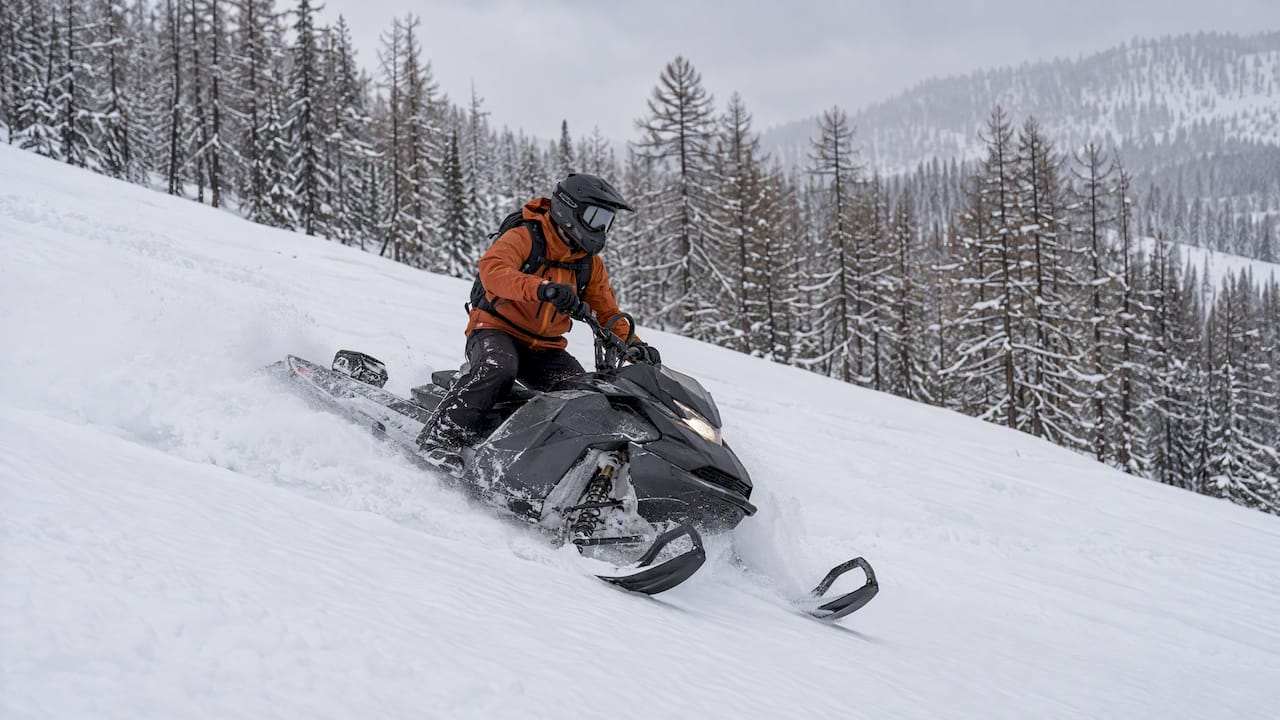
Learn snowmobile carving techniques for powder: stance, counter-steering, throttle timing, beginner drills and avalanche-safety essentials.
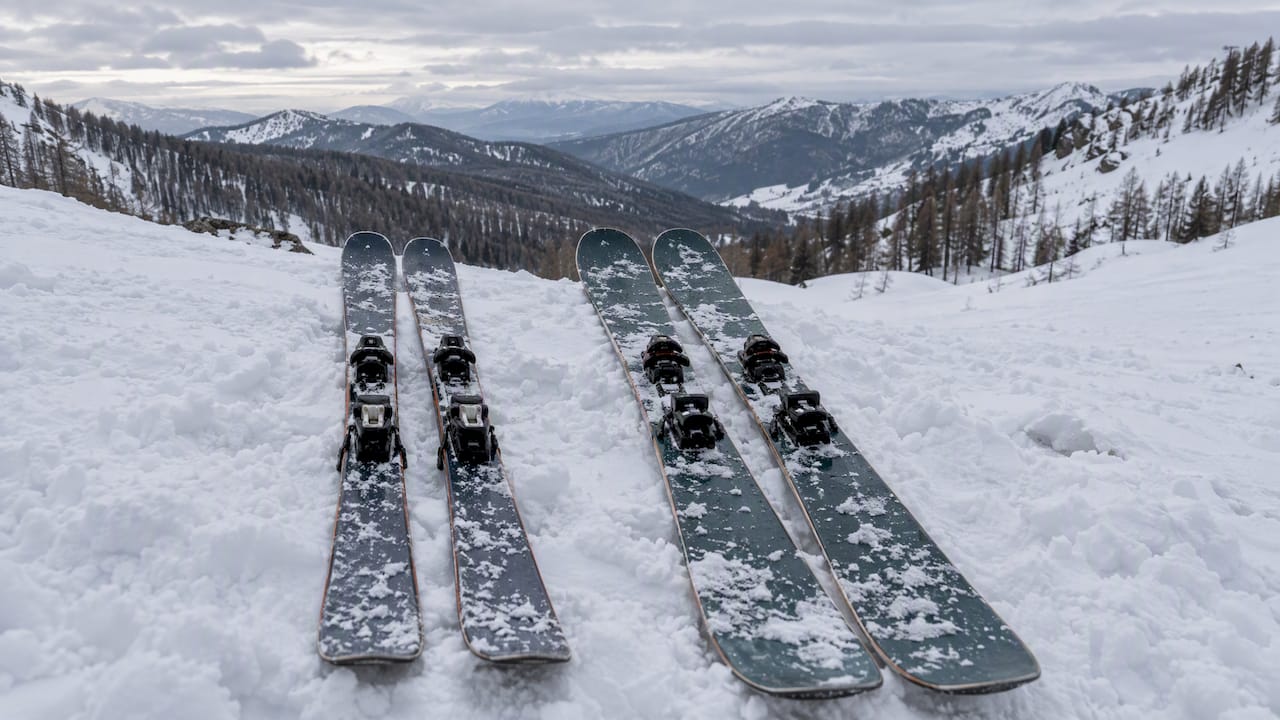
Compare powder and all-mountain skis by width, rocker and conditions, then decide whether to buy, rent or demo for deep-snow trips.
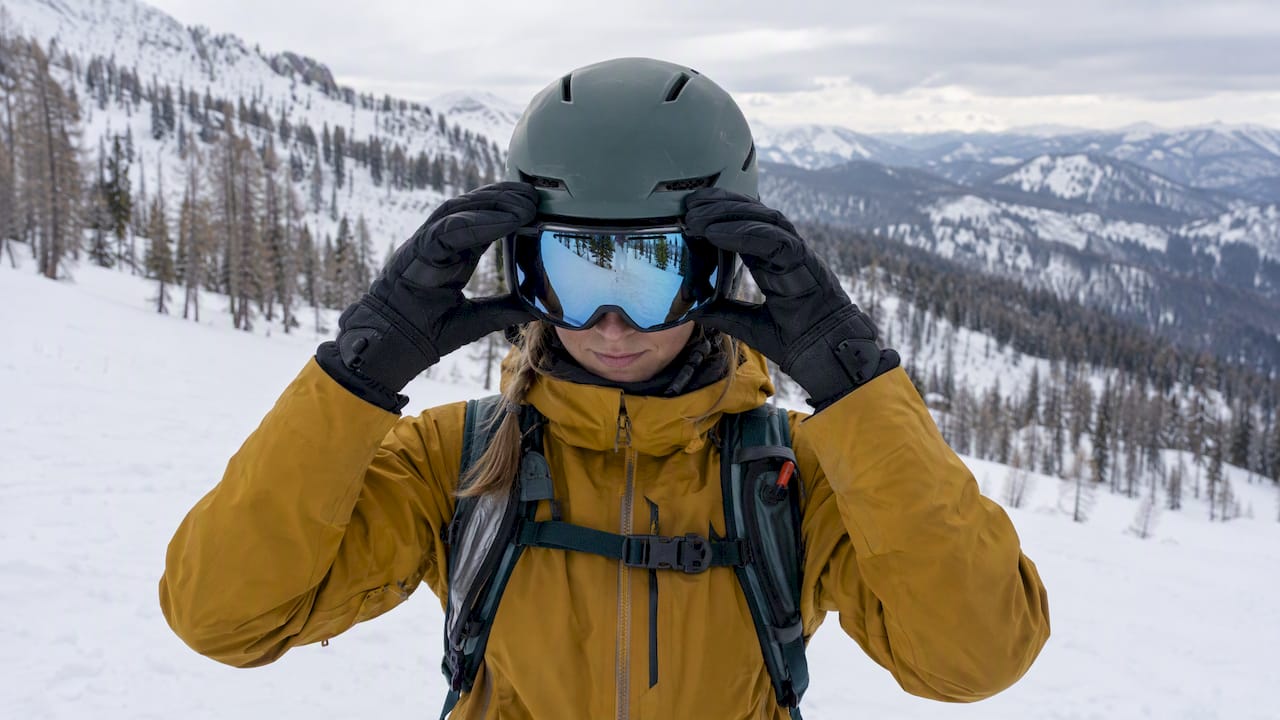
Prevent goggle fogging with five practical checks for lens care, fit, vents, breath and body heat—plus safe steps for fog on the move.
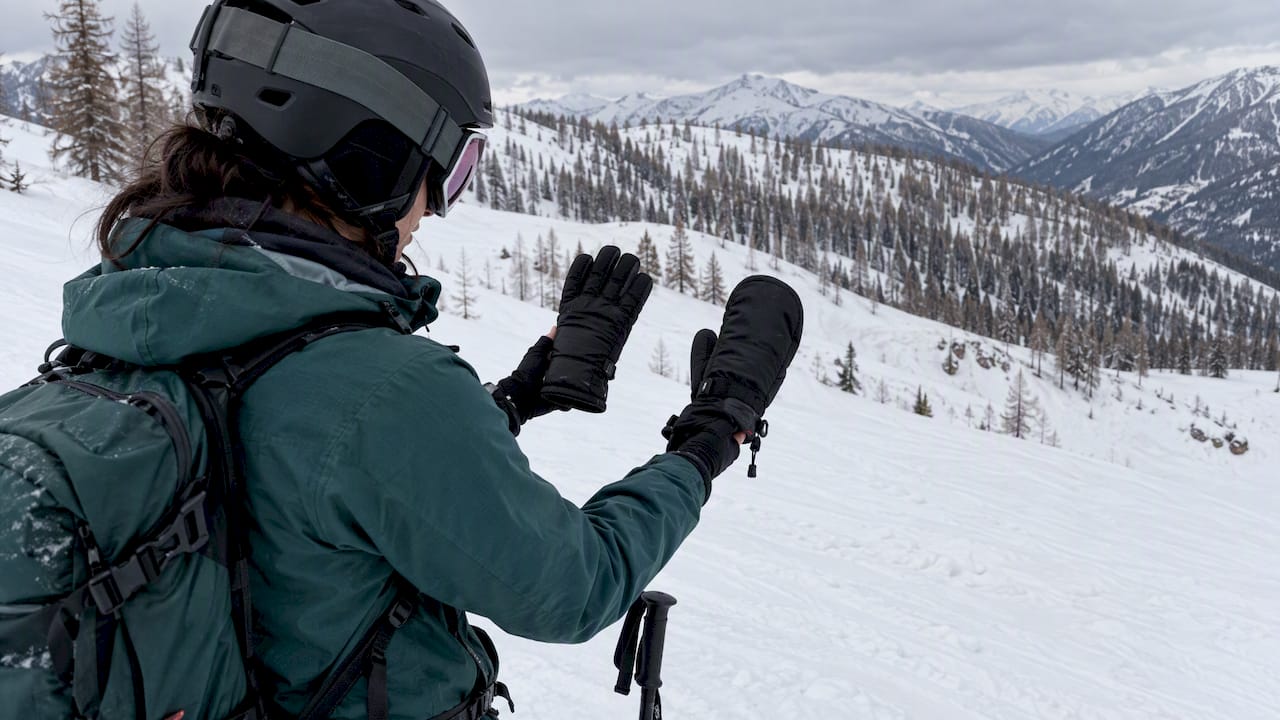
Choosing ski mittens vs. gloves? Compare warmth, dexterity, liners, fit and lobster mitts for piste skiing, powder days and touring.
Choose an insulated or shell ski jacket for resort, touring, cat and heli days, with practical guidance on 2.5L, 3L and layering.

Compare neck gaiters and balaclavas for cold-weather activities, with practical guidance on coverage, ventilation, helmet fit, moisture management and winter packing.
Choose between cylindrical, spherical and toric ski goggles, with practical guidance on tint, anti-fog performance, helmet fit and packing for Altai winter trips.
A practical cat-skiing safety checklist for first-timers, covering avalanche gear, companion-rescue practice, ability preparation and guided mountain days.
Plan on-mountain dining with four practical considerations: access, reservations, menus and dietary needs, plus weather and mountain safety preparation.

A practical Siberian cuisine guide to Restaurant Altai, East Kazakhstan dishes, dietary requests and Ridder Lodge accommodation rates.
Explore heli-skiing’s environmental impact, including helicopter emissions, wildlife considerations, aviation effects and practical planning questions.
Learn what a snowcat safety briefing covers, including avalanche equipment, transceiver checks, the 20 cm/50 cm rule and cat-skiing preparation in Altai.
Practical ski locker etiquette for shared storage: keep equipment tidy, use boot dryers fairly and follow the rules in your drying room.
Plan a heli-accessed splitboard trip with practical guidance on formats, costs, rescue readiness, personal kit and Altai Mountains Resort options.

Explore Kazakhstan winter culture through holiday traditions, food, living heritage, regional rhythms and practical etiquette for visitors.
A practical luxury ski packing list for fitted essentials, lighter luggage and guided off-piste or heli-ski days at Altai Mountains Resort.

A practical heli-skiing safety guide for expert skiers, covering operator decisions, avalanche equipment, helicopter procedures, rescue planning and insurance.
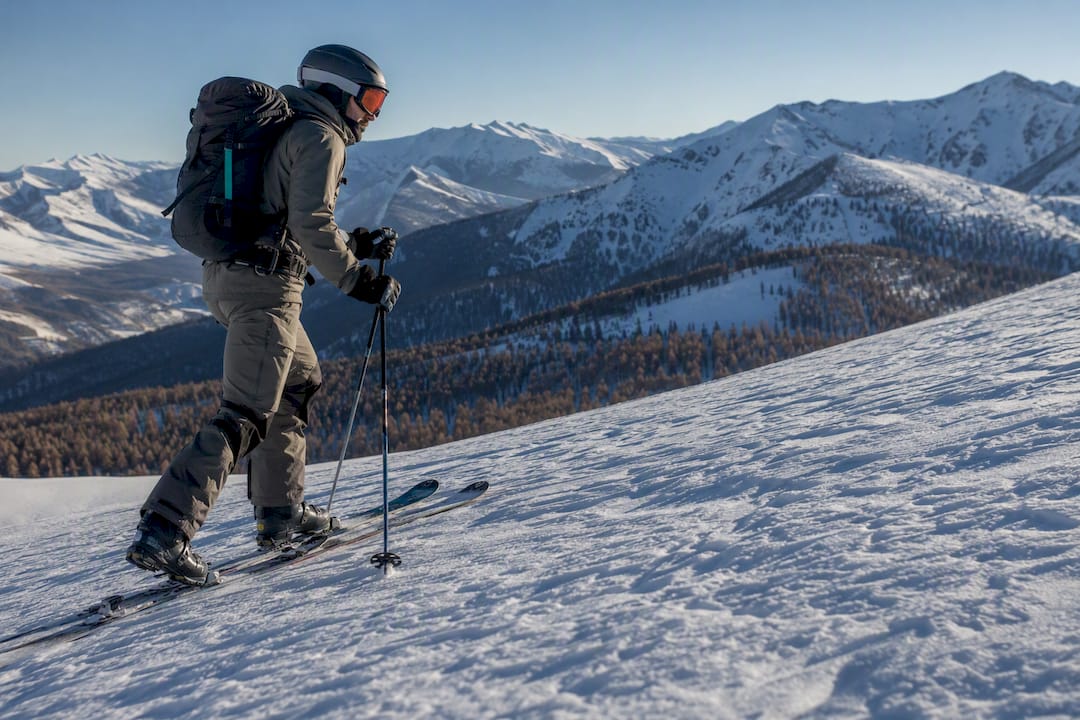
Compare lift-assisted, touring and Western Altai ski options in Kazakhstan, with practical safety, travel and booking guidance.

Learn the heli-skiing skill level typically expected, the off-piste skills to practise, safety preparation and an adaptable 8–12-week training framework.

Plan the Kazakhstan skiing season with a practical comparison of Almaty and Ridder, month-by-month timing, mountain safety and trip planning.
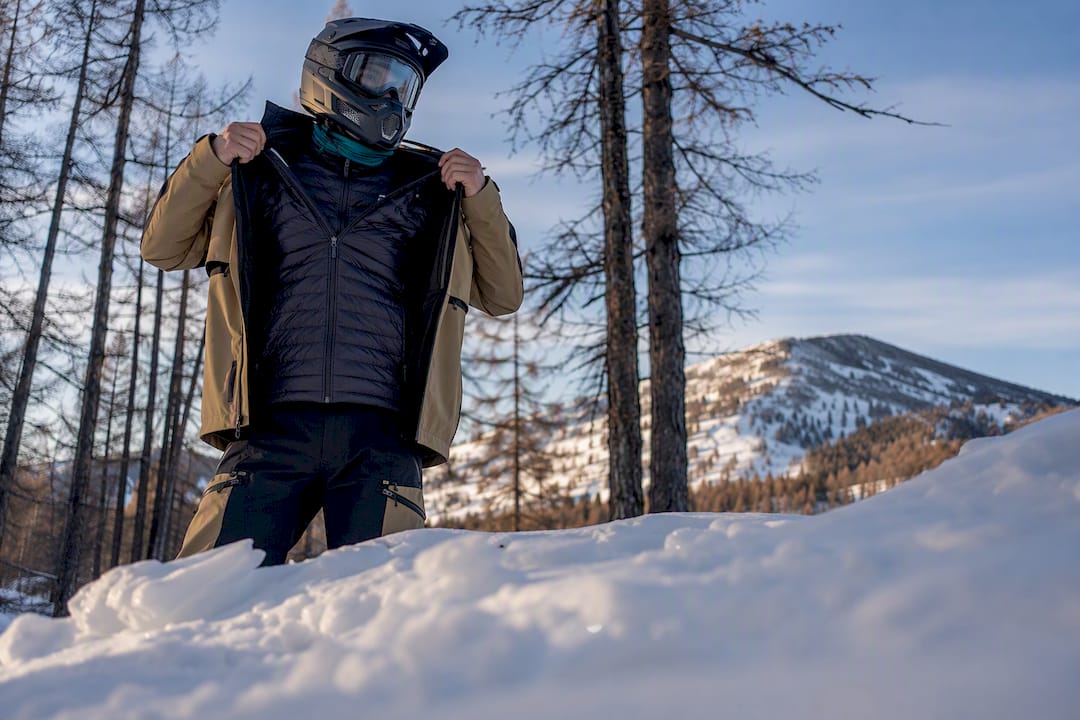
Use this snowmobile layering guide to build a flexible base, insulation and shell system, manage moisture and pack dry spares for changing conditions.

Learn what to rent for avalanche terrain, how to prepare a beacon, probe and shovel, and what to know about airbag packs and flights.
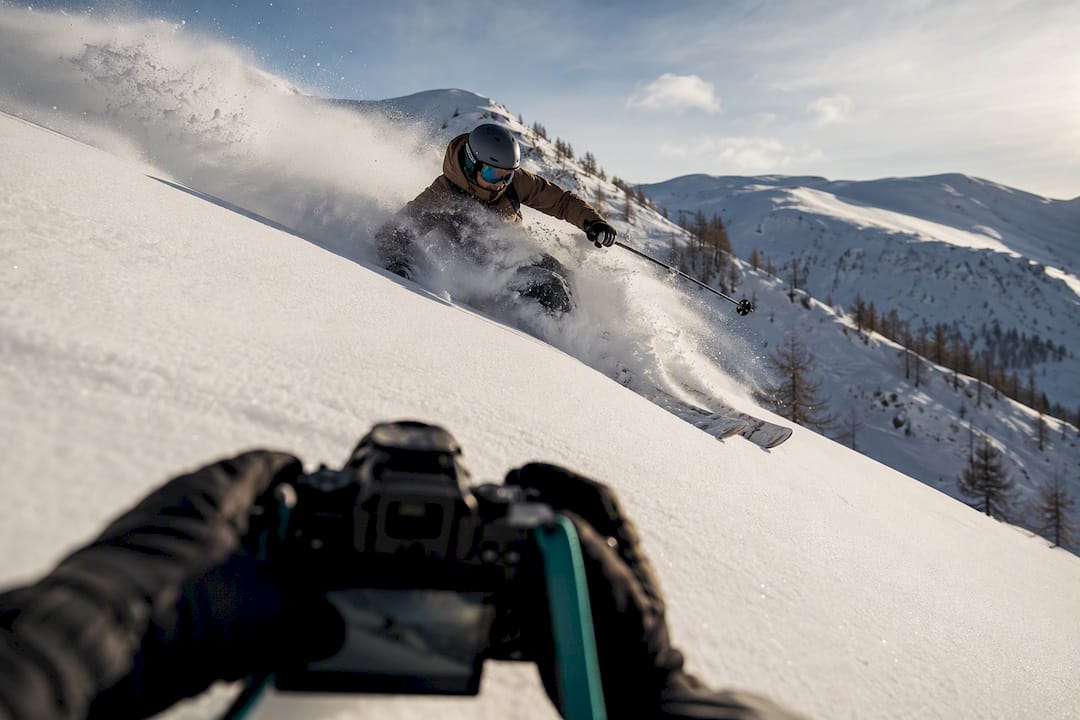
Practical ski photography tips for beginners: camera settings, snow exposure, timing, cold-weather camera care and safe mountain positioning.

Learn how to read an avalanche forecast, interpret danger ratings, roses and avalanche problems, and plan more conservative terrain choices.
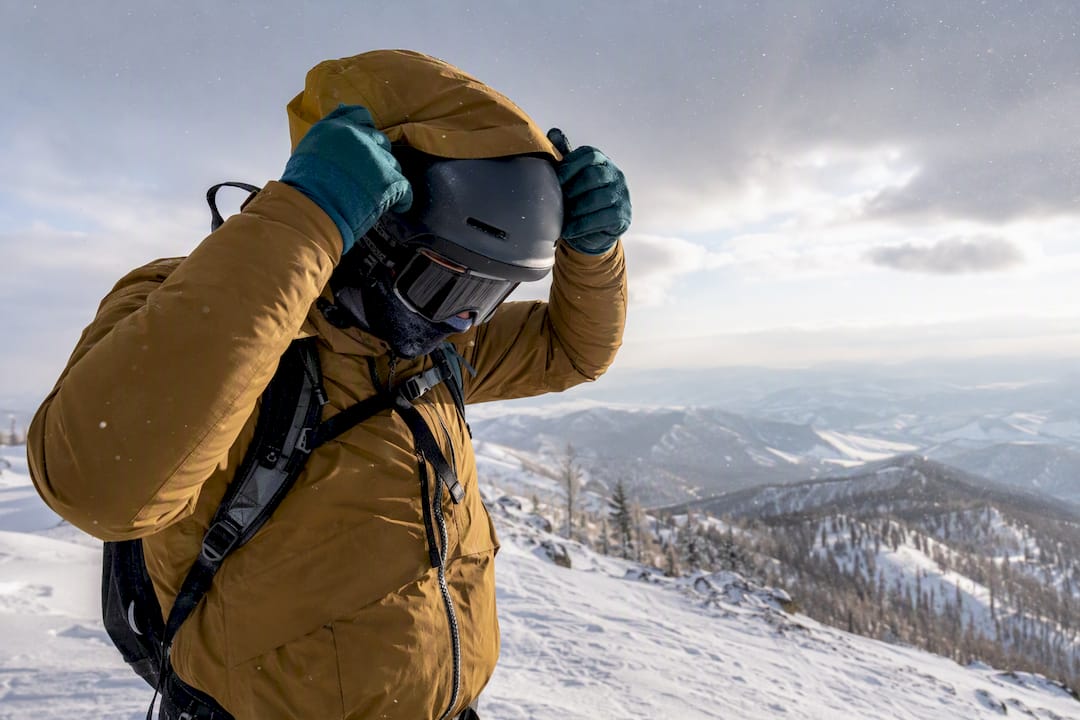
Practical cold injury prevention for winter travel: layering, dry spares, warning signs, first aid and planning for mountain activities.
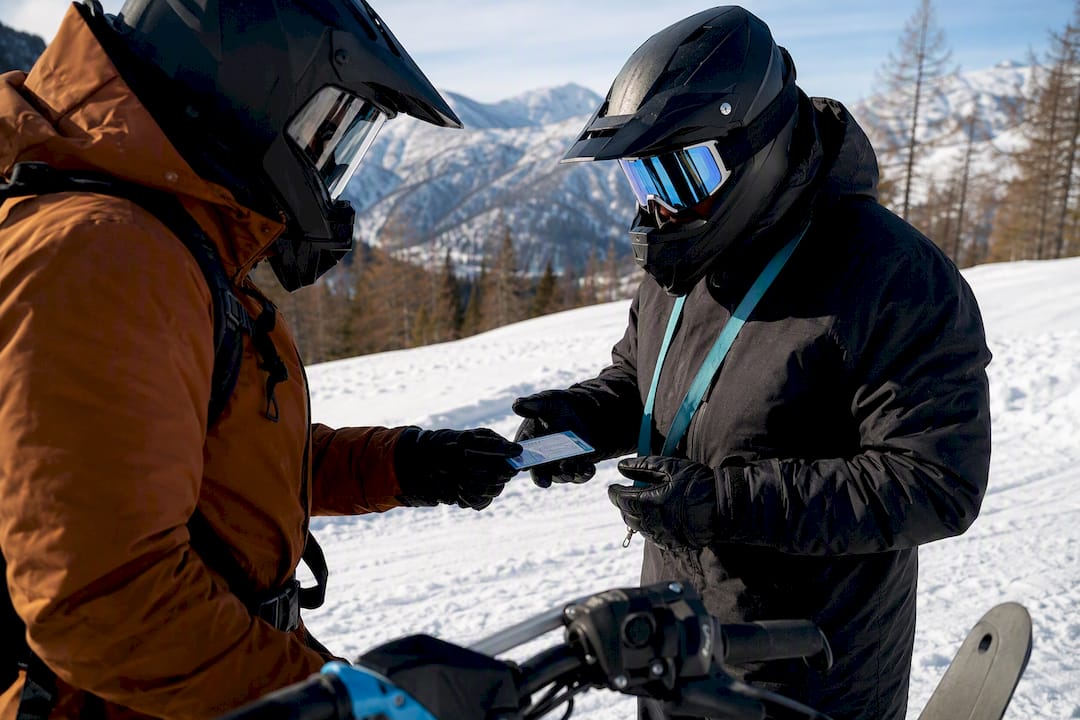
Planning snowmobiling in Ridder? Understand how experience, training, equipment and Kazakhstan rules shape your trip with Altai Mountains Resort.
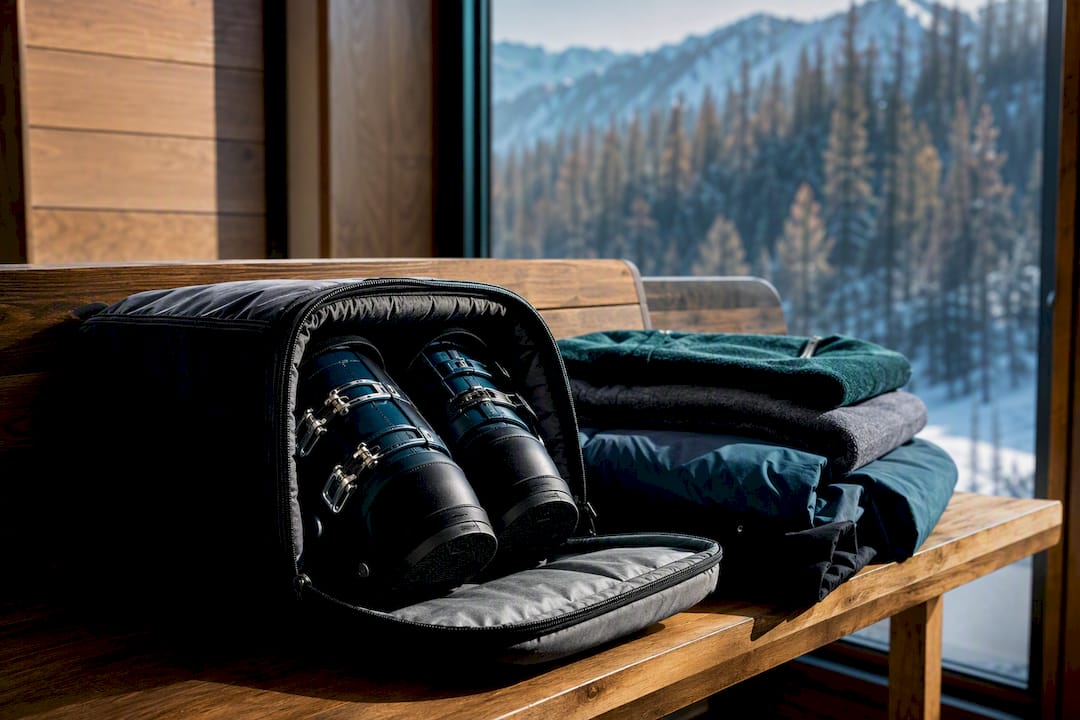
Travel with ski gear confidently: carry boots when cabin rules allow, pack skis securely, understand airline baggage rules and prepare for delays.
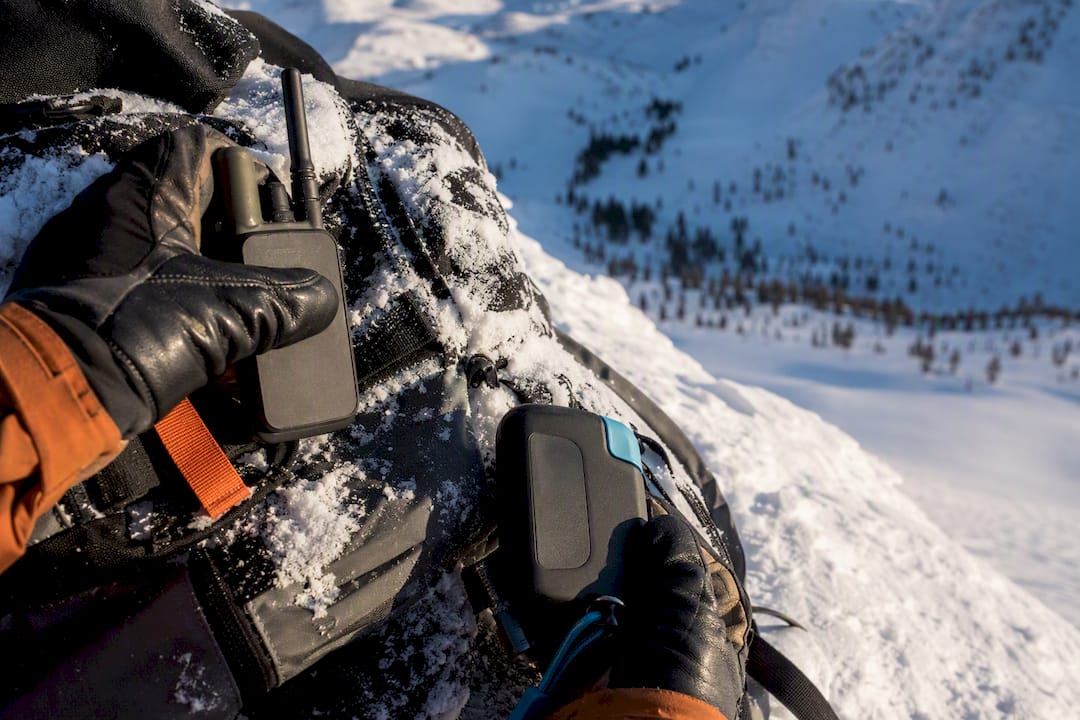
Build a practical backcountry radio communication plan with party radios, satellite SOS or PLB backup, cold-weather care and regional legal essentials.

Satellite messenger basics for remote Altai trips: compare PLBs and two-way devices, understand SOS limits, and prepare your communications plan.
Avoid ski crowds with flexible dates, midweek skiing, early starts and smarter lift choices. Explore guided off-piste options near Ridder.

Learn how heli-skiing passenger weight and baggage rules differ by operator, with practical packing steps and Altai Mountains Resort booking guidance.
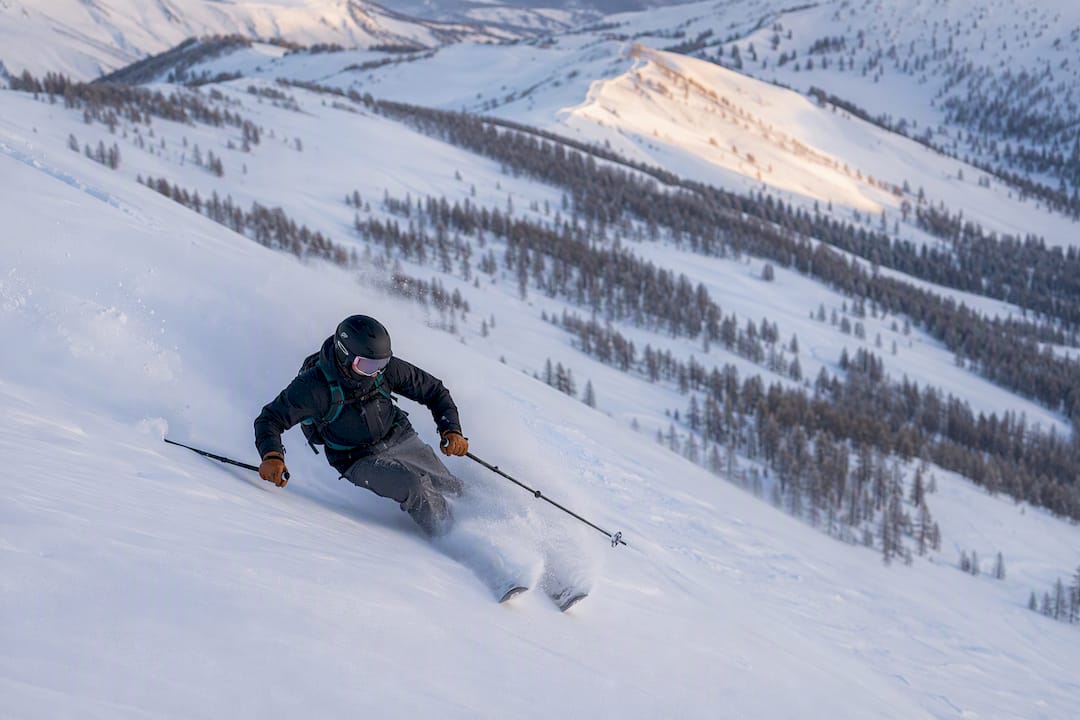
Understand the cat skiing skill level needed for Altai Mountains Resort, with practical guidance on off-piste ability, fitness and avalanche readiness.
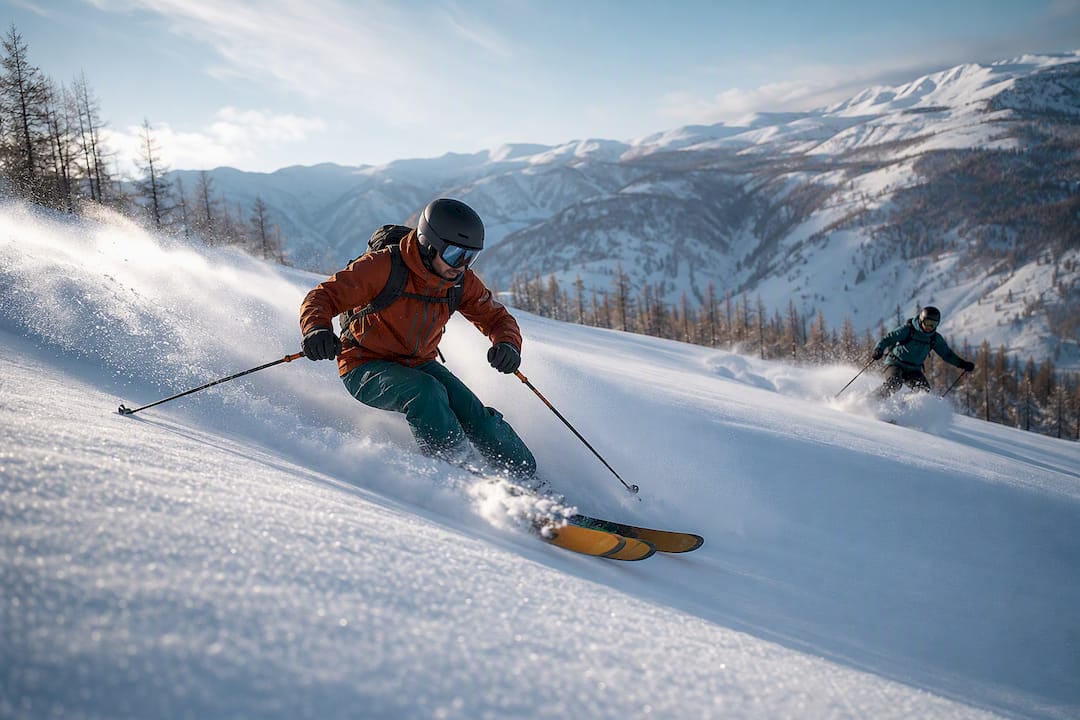
Decide whether Ridder suits your advanced Altai ski trip, with practical guidance on transfers, season timing, avalanche gear and guided programmes.
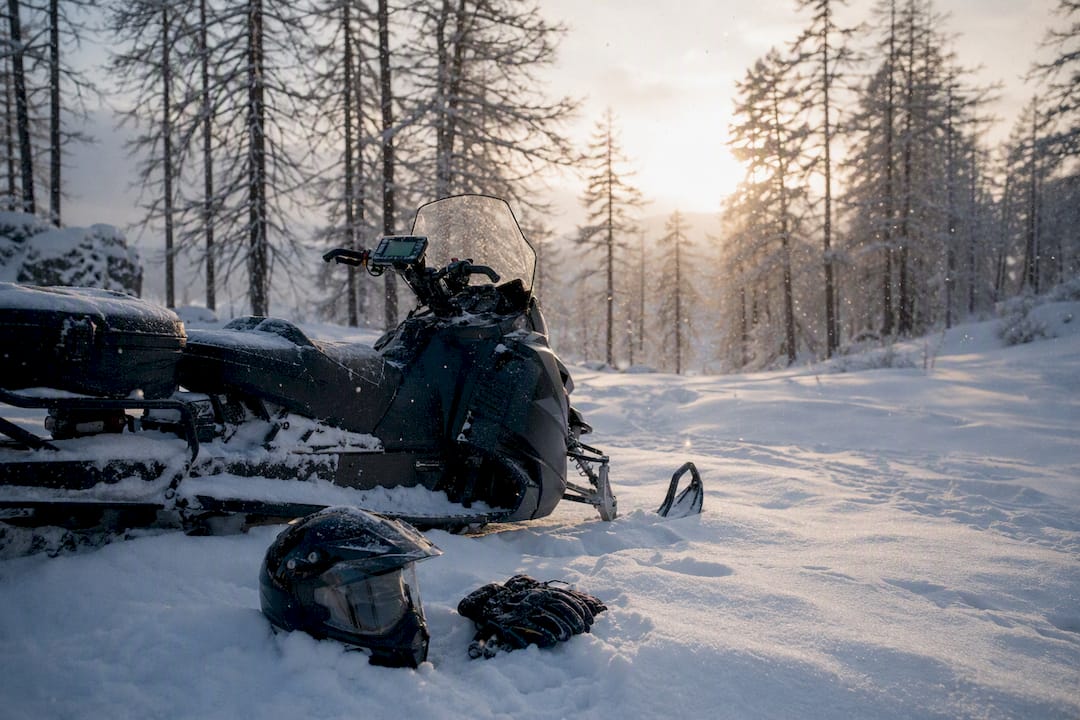
Compare snowmobile tour prices by duration, understand what shapes the final cost, and explore quote-based snowmobiling at Altai Mountains Resort.
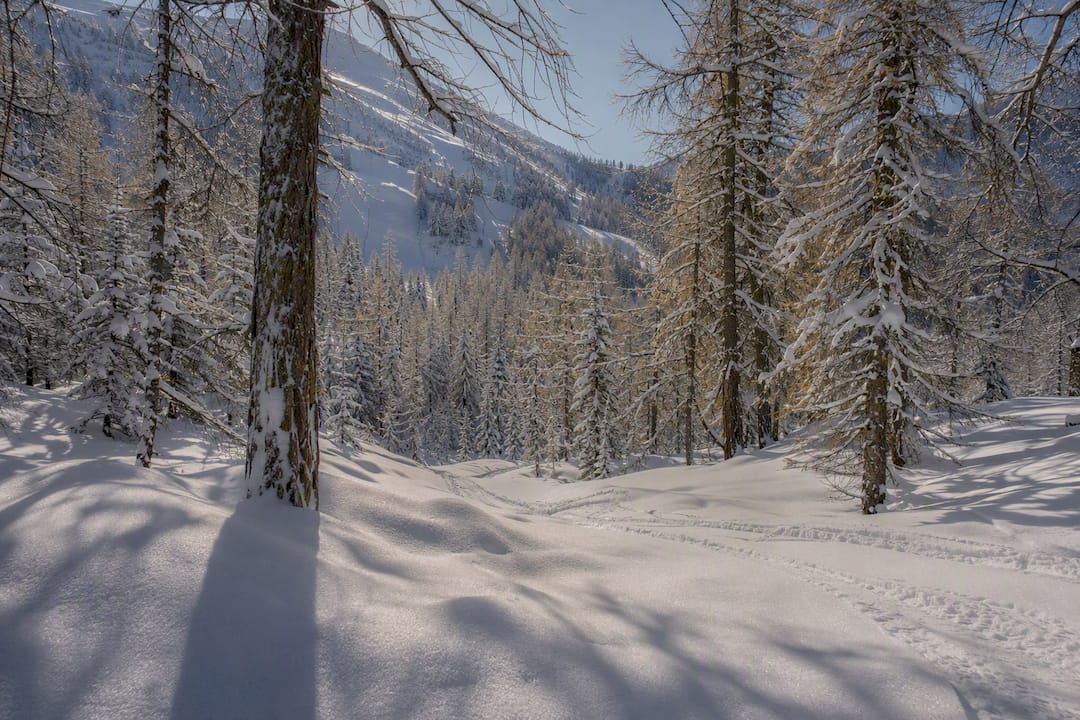
Compare Western Altai, Almaty and Turgen for Kazakhstan powder skiing, with practical guidance on access, safety and Ridder logistics.

Plan Altai heli skiing near Ridder with practical guidance on terrain, season, package inclusions, access, safety gear and booking.
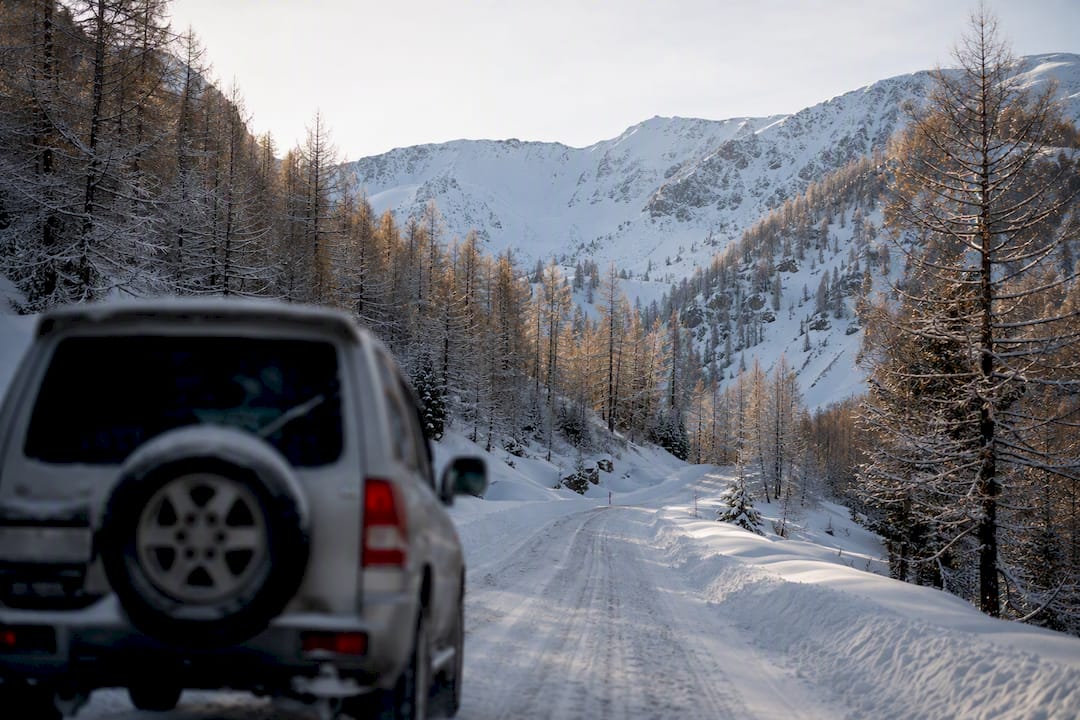
Compare flight, rail and self-drive routes from Almaty to the Kazakh Altai, with practical guidance for reaching Ridder and Ulba village.

Learn deep powder snowmobiling setup, riding technique, safe recovery and avalanche preparation, plus guided training near Ridder.
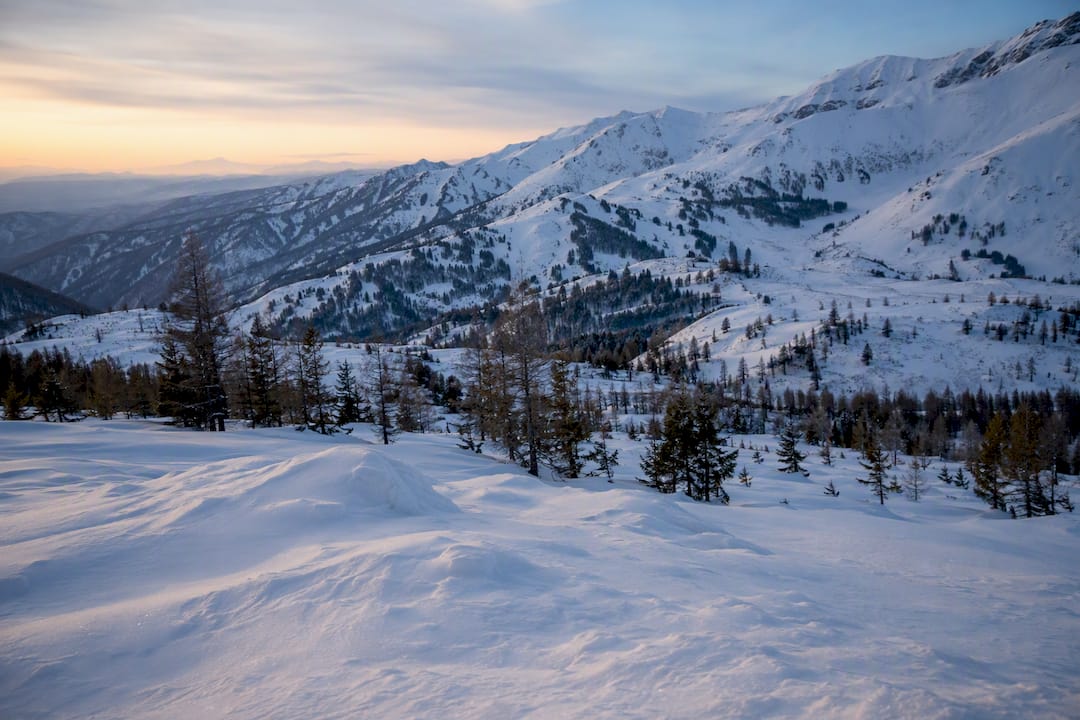
Plan an Altai Mountains winter stay from Ridder, with activity timing, travel from Öskemen, packing advice and practical mountain guidance.

Practical helicopter passenger safety guidance on boarding, seatbelts, exits, dropped items and following crew instructions.

Practical off-piste slope etiquette for safer skiing: right of way, avalanche preparation, group spacing, closures and guided skiing in the Western Altai.

Plan an Altai Mountains trip across Russian, Mongolian and Kazakh sectors, with permit, safety and winter-stay guidance for Ridder Lodge.
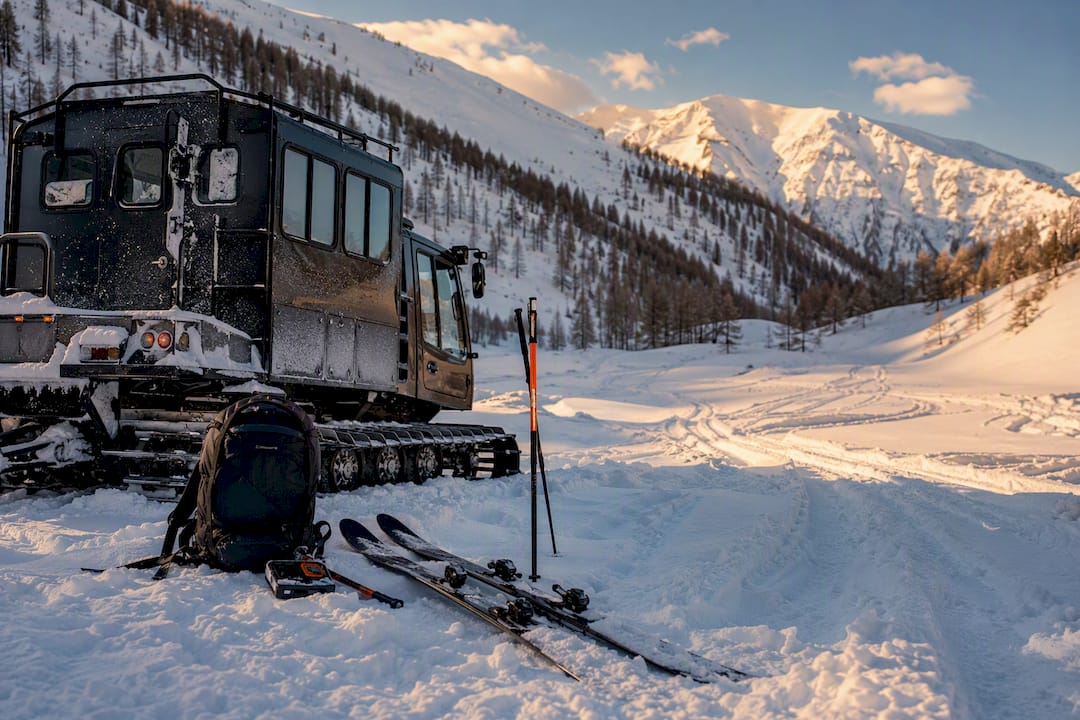
Learn how to plan guided freeride tours, from off-piste experience and avalanche gear to guide scope, changing mountain conditions and cat-skiing in the Altai.
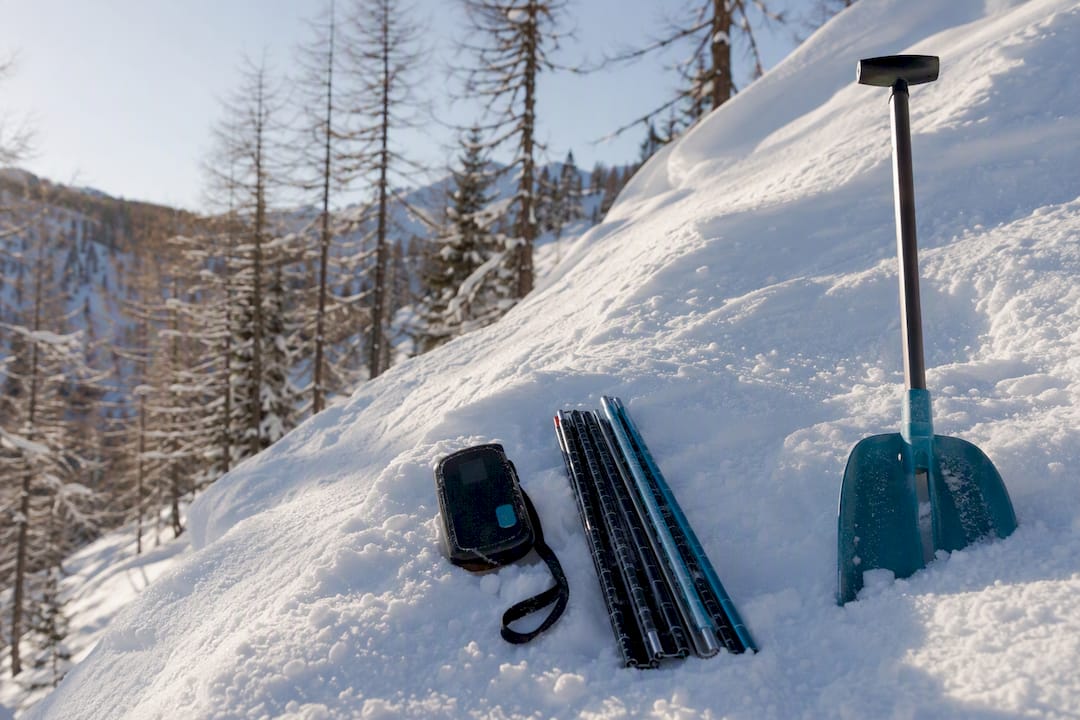
Learn avalanche beacon basics: 457 kHz transceivers, essential rescue gear, trailhead checks, interference and companion-rescue practice.

Learn which avalanche course suits your plans, what companion-rescue skills to practise and how to prepare for a winter trip to Altai.
Learn what cat skiing is, who it suits, what to pack and how to plan a guided cat-skiing trip, including options near Ridder, Kazakhstan.
A practical ski rental Kazakhstan guide to Shymbulak and Medeu, current tariffs, equipment fit, transport and guided freeride near Ridder.

Understand ski guide benefits for freeride and backcountry trips, including local planning, terrain choices, qualifications, safety gear and access options.

Plan a snowmobile expedition near Ridder, Kazakhstan, with practical guidance on routes, rider experience, equipment, mountain safety and transfers.
Use this mountain lodge amenities checklist to compare rooms, meals, wellness access, transfers, activities and paid extras before booking.
A practical Kazakhstan currency guide to the tenge, cards, ATMs, currency exchange, DCC and cash planning for cities and the Western Altai.
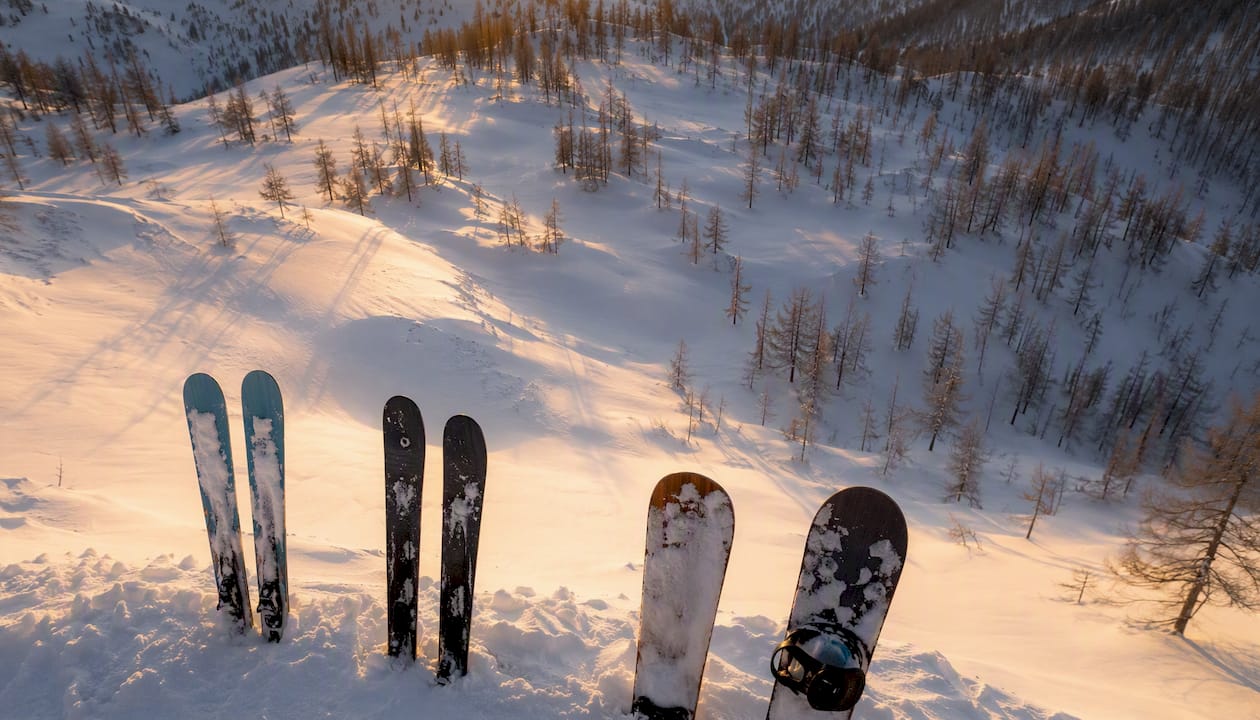
Plan the Kazakhstan ski season by month, compare lift-served Shymbulak with guided trips around Ridder, and prepare for changing snow and mountain conditions.
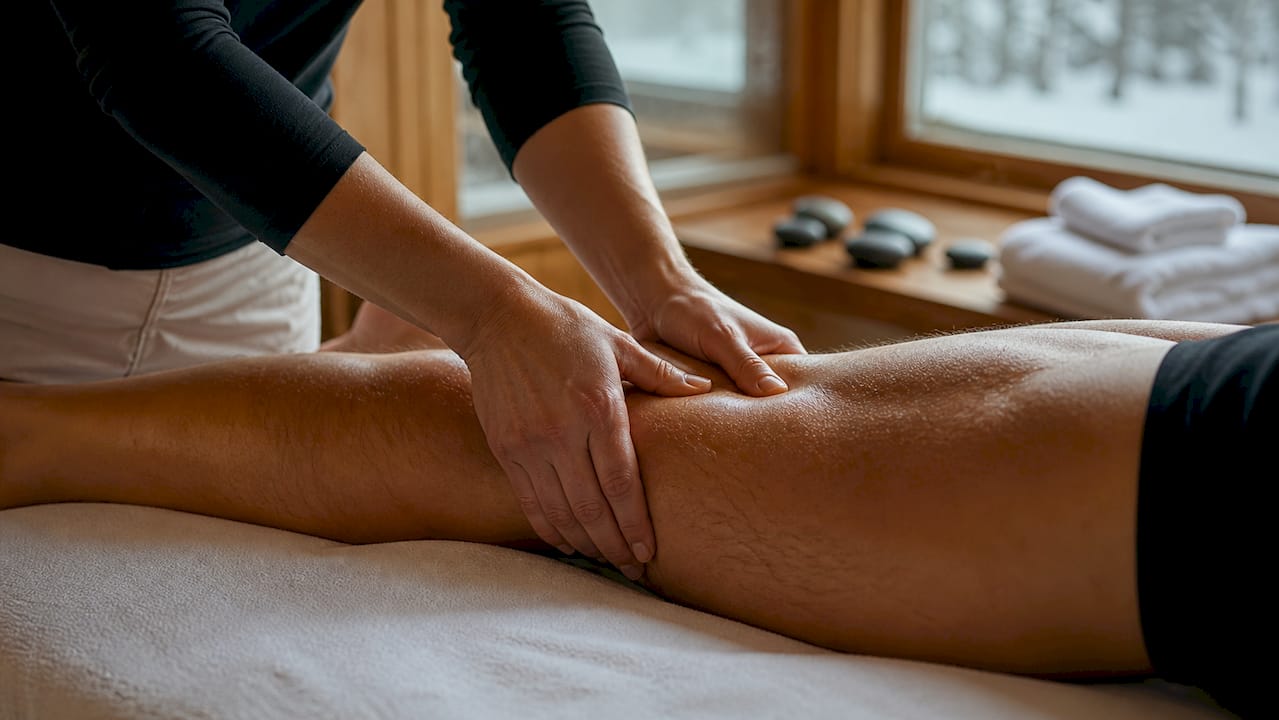
A practical guide to spa after skiing, including gentle massage, sauna and hammam, optional cold immersion and signs that need medical attention.
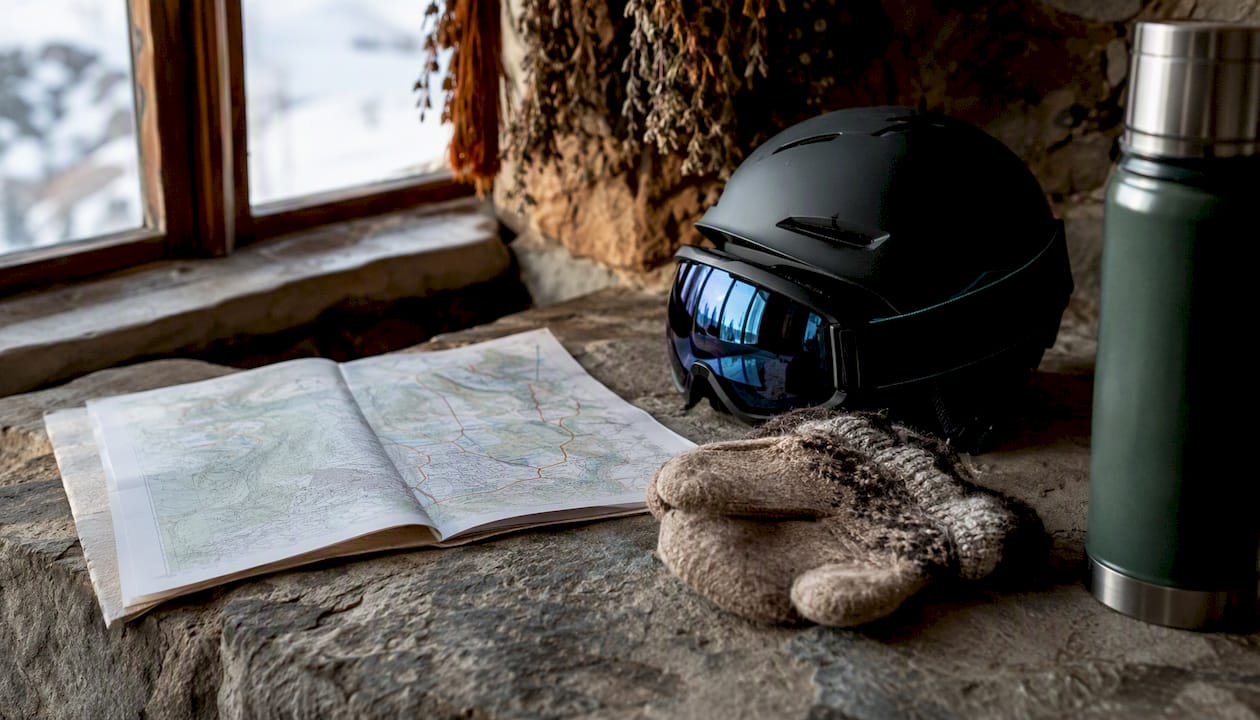
Plan a remote ski trip from the UK to Ridder, with practical guidance on activities, Kazakhstan entry, Öskemen transfers, insurance and ski baggage.
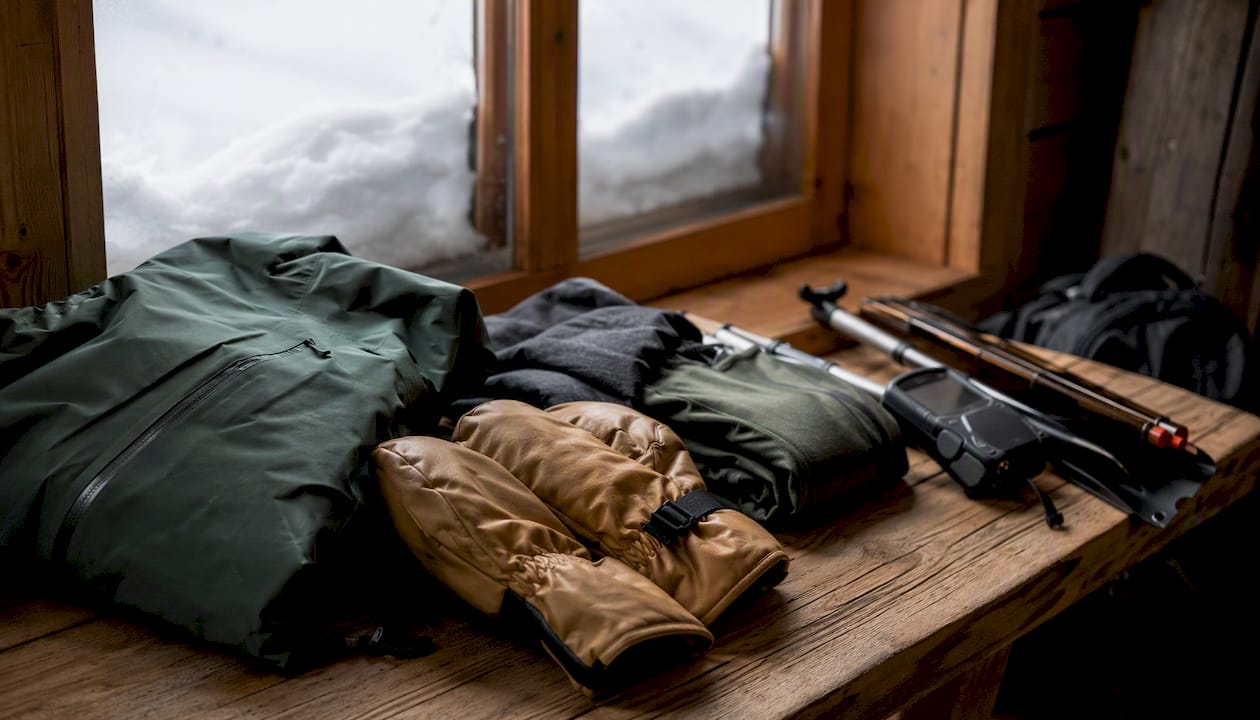
A practical heli skiing packing list covering clothing, avalanche equipment, ski baggage, batteries, travel documents and rental options.
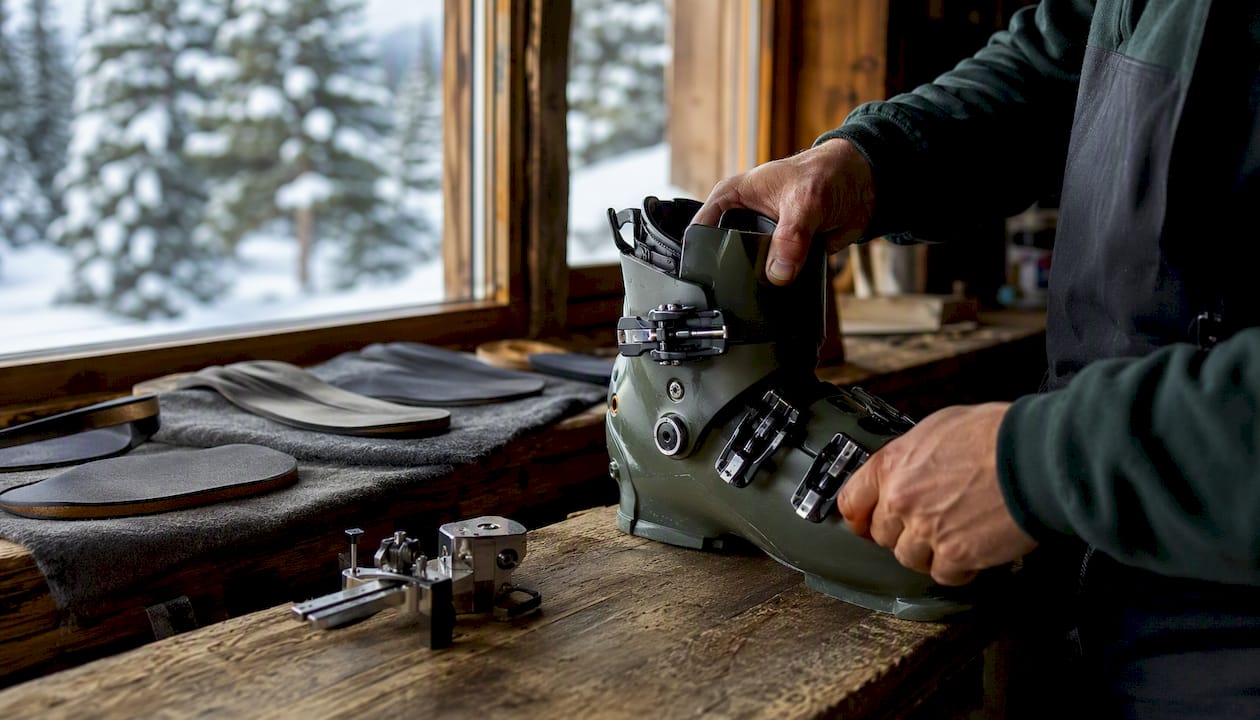
A practical UK guide to ski boot fitting: appointment steps, services, current provider price examples, aftercare and warning signs.
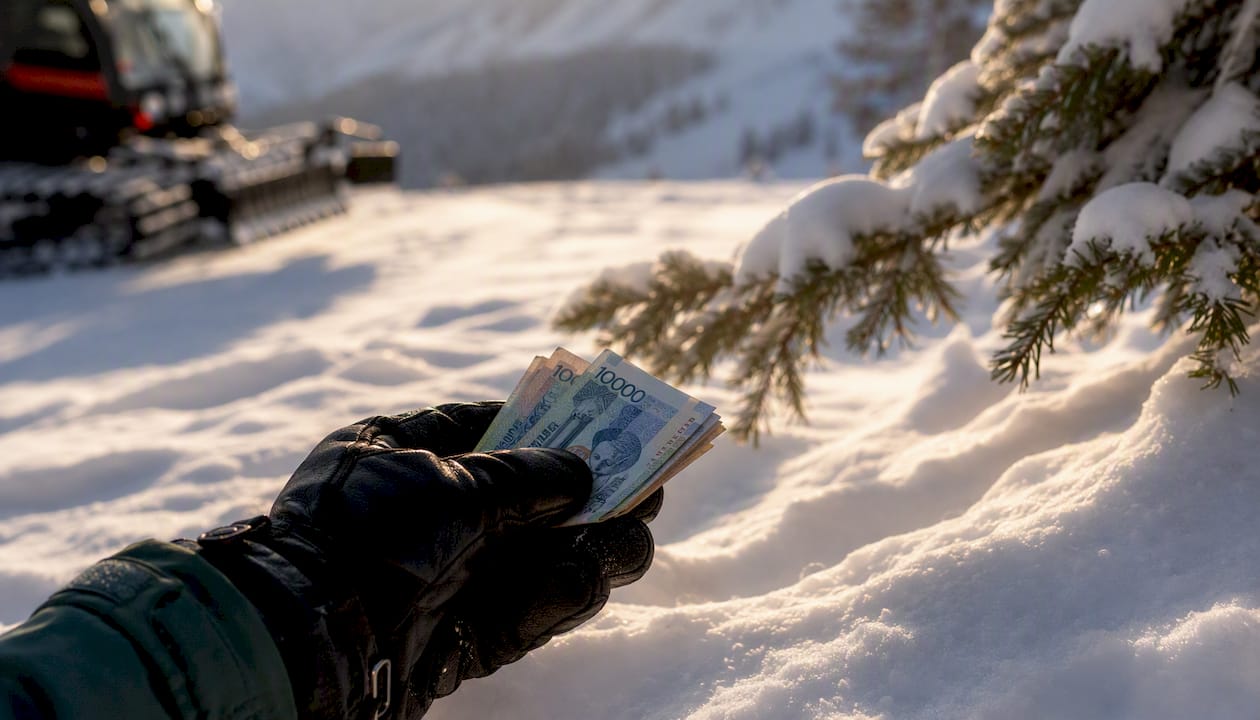
Should you tip a ski guide? Learn how customs vary, when a gratuity may feel appropriate and how to plan for tipping in Kazakhstan.
An Altai cuisine guide to kan, kurut, chegen and talkan, with dining at Restaurant Altai, food safety and travel from Öskemen to Ridder.
Compare banya vs sauna: heat, steam, venik and löyly rituals, etiquette, health evidence, safety basics and the Altai Banya experience.
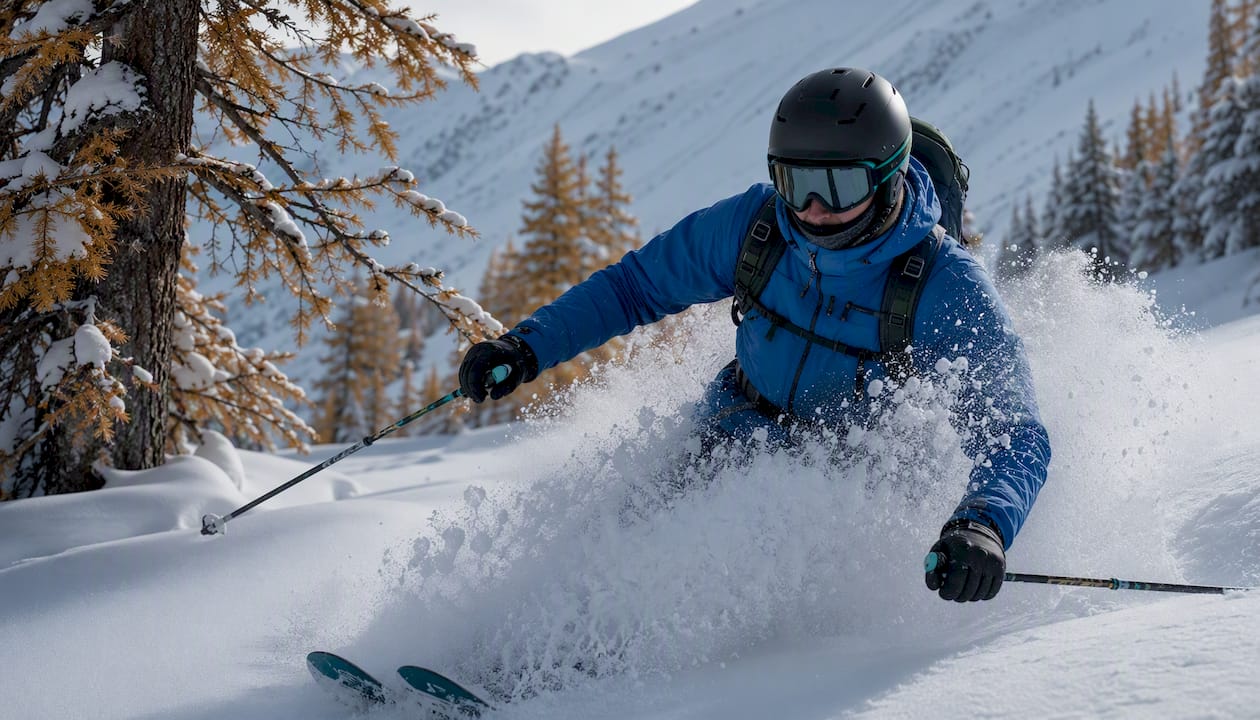
Learn how to ski deep powder with centred balance, smooth turns, speed control, practice steps, gear guidance, and avalanche and tree-well precautions.

Plan a mountain wellness retreat in Ridder with freeride, heli-skiing, snowmobiling, Ridder Lodge, Altai Banya and practical winter travel guidance.

A practical snowmobile gear list for UK travellers heading to Altai Mountains Resort, with clothing, safety equipment, battery and travel guidance.

Understand Ridder Lodge’s ski-in/snowmobile-out access, guided ski-day logistics, transfers from Öskemen and practical planning for your stay.
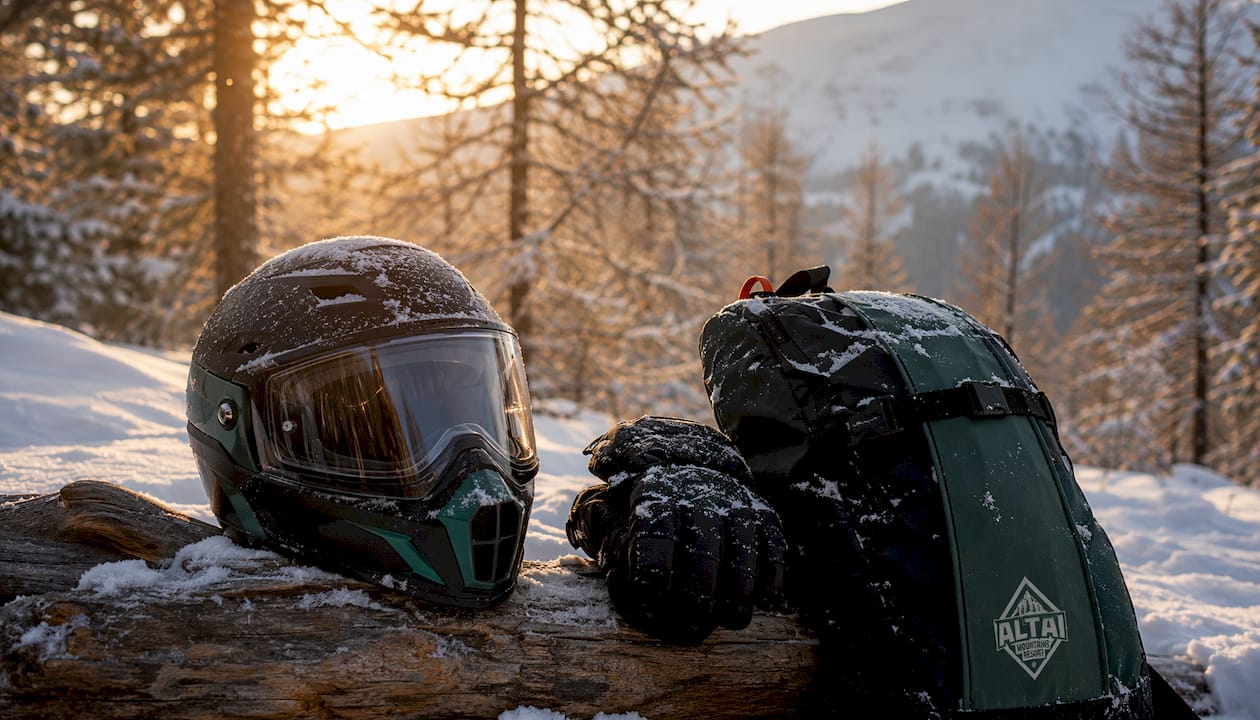
Prepare for a guided snowmobile ride with a practical gear checklist covering helmets, winter layers, avalanche equipment and cold exposure in Ridder.

A practical heli skiing guide to ability, avalanche equipment, packing, weather and planning your first trip to Kazakhstan.
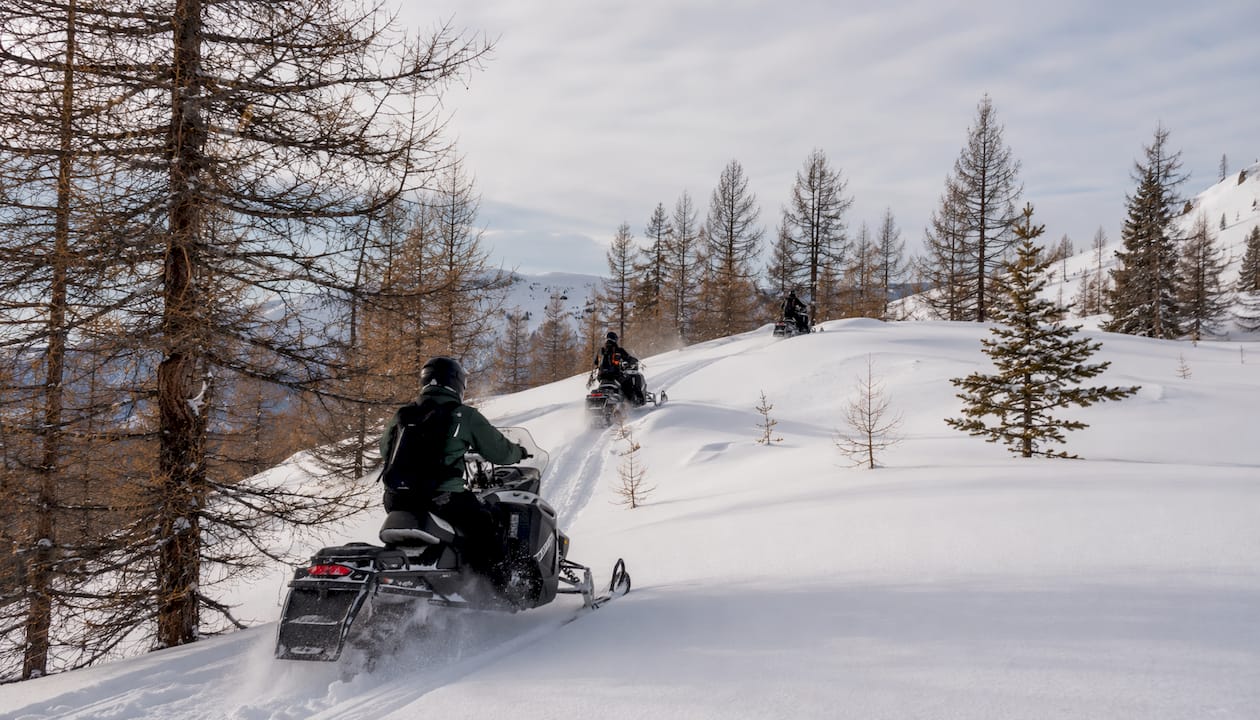
Plan guided deep snow snowmobiling in Ridder, with practical details on training, rentals, equipment, transfers and staying at Ridder Lodge.
How to choose Kazakhstan travel insurance for heli-skiing, cat-skiing or snowmobiling, including medical treatment and evacuation cover.
Kazakhstan visa requirements for UK visitors to Ridder, including visa-free limits, e-visas, passport rules, airports and Öskemen transfers.
Build strength, balance and endurance before cat-skiing, heli-skiing or snowmobiling with an adaptable six-to-eight-week ski fitness program.

Explore cold plunge benefits for skiers, from short-term soreness and recovery evidence to cold-shock risks, timing and Altai Banya options.

Understand heli skiing cost in 2026 with current operator examples, a total-budget checklist, and key booking, safety and insurance questions.