A practical Kazakhstan currency guide to the tenge, cards, ATMs, currency exchange, DCC and cash planning for cities and the Western Altai.
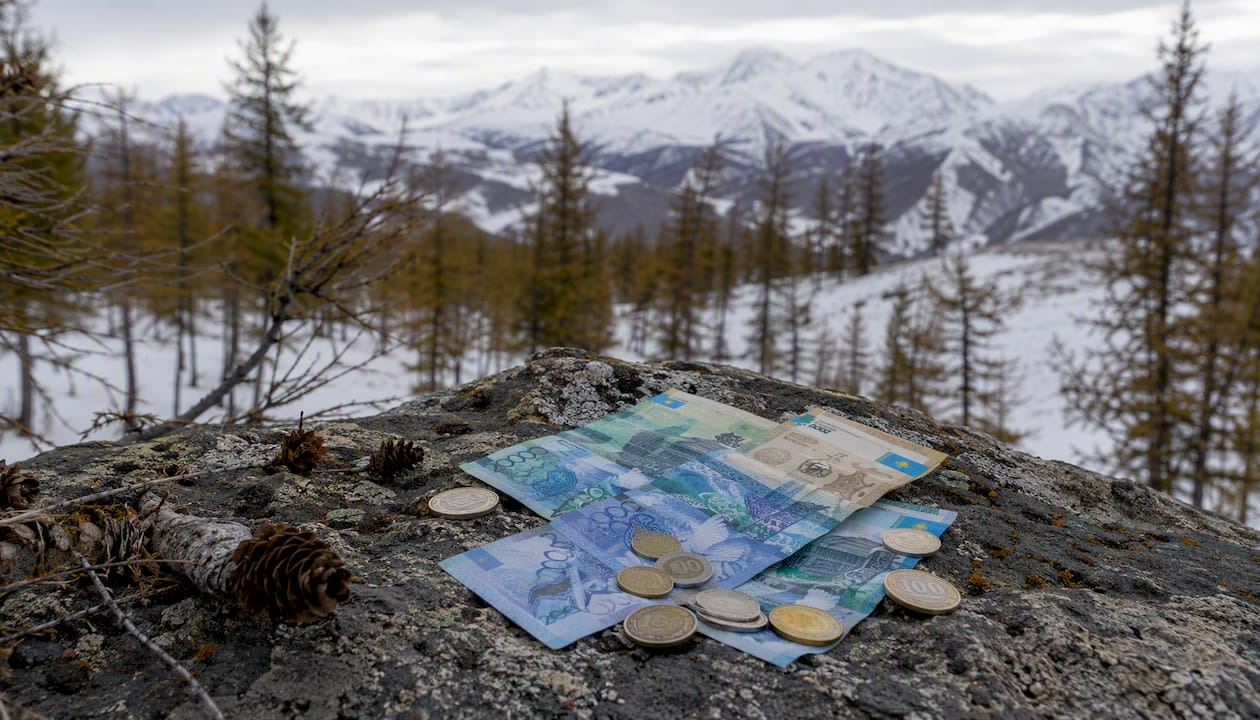
Kazakhstan’s currency is the Kazakhstani tenge, identified by the code KZT and symbol ₸. A practical approach is to pay in KZT, travel with a primary card and a backup, and keep some cash for places where electronic payment is unavailable.
This Kazakhstan currency guide covers current denominations, card and ATM conversion, currency exchange and payment planning beyond the main cities—including a stay near Ridder in the Western Altai.
Kazakhstan currency: quick answer
The tenge is legal tender throughout Kazakhstan. Card, mobile-wallet and cash acceptance varies by merchant and location, so it is sensible to have more than one way to pay.
Before departure:
Take a primary payment card and, if practical, a backup linked to a different account.
Review your card issuer’s overseas purchase fees, cash-withdrawal charges and daily limits.
Plan a KZT cash reserve around your route rather than carrying your whole trip budget.
Save your bank’s assistance number and your accommodation contacts offline.
Keep cards and cash in separate secure places while travelling.
Kazakhstani tenge denominations and current banknotes
The current tenge circulation range includes:
Type | Denominations |
|---|---|
Banknotes | ₸200, ₸500, ₸1,000, ₸2,000, ₸5,000, ₸10,000 and ₸20,000 |
Coins | ₸1, ₸2, ₸5, ₸10, ₸20, ₸50, ₸100 and ₸200 |
Kazakhstan is introducing new Saka Style banknotes denomination by denomination. The rollout began with the ₸5,000 note in December 2023, and the National Bank’s schedule continues through a new ₸20,000 note in late 2026 or early 2027. The National Bank Money Guide shows the programme and banknote designs.
During this transition, genuine notes with different designs can circulate at the same time. Old and new versions remain legal tender together only for the concurrent-circulation period assigned to that denomination. Once that period ends, banks and Kazpost exchange withdrawn notes for three years, while National Bank branches exchange them indefinitely under the relevant banknote transition arrangements.
If a banknote looks unfamiliar, compare it with the denomination-specific information from the National Bank. A photograph or single security feature is not enough to authenticate a note. Decline one that causes concern, or take it to a bank for assistance.
Paying by card, cash and mobile wallet
Card and mobile-payment acceptance can change from one merchant to the next. A restaurant, hotel or shop may accept your international card, while the next stop may require another payment method. Mobile wallets also depend on the underlying card, network and terminal.
Some QR codes connect to domestic banking systems rather than international mobile wallets, so they may not work with a foreign-issued card.
A balanced day-to-day setup is:
A physical card with a PIN you know.
A second card stored separately.
A phone wallet where your issuer and the payment terminal support it.
Enough KZT for planned purchases and a modest contingency.
Before approving a card payment, read the amount and currency shown on the terminal. Keep the receipt until the transaction appears correctly in your account.
Using ATMs and avoiding unwanted currency conversion
An ATM withdrawal can involve several separate costs: an operator fee, your issuer’s overseas cash-withdrawal charge, an exchange-rate margin and, when offered, Dynamic Currency Conversion (DCC). Read the full transaction screen before proceeding.
DCC converts a withdrawal or purchase into your card’s home currency at a rate offered by the ATM operator or merchant. Visa explains that the offer must disclose the amounts in both currencies, the conversion rate and any additional fees, and that you may decline it. If you prefer your own card issuer to perform the conversion, select KZT and decline DCC. See Visa’s explanation of Dynamic Currency Conversion.
Choosing KZT does not remove every charge. Your bank may still apply foreign-exchange or cash-withdrawal fees under your account terms.
Read the operator fee and withdrawal amount before authorising the transaction.
Cancel if the rate, currency or total cost is unclear.
Where convenient, use a machine attached to a bank branch so help is nearby if needed.
Plan more than one way to access money during a rural journey.
Exchanging money in Kazakhstan
Exchange rates, opening hours, accepted foreign currencies and identification procedures vary between providers. An airport counter, city bureau or hotel desk may offer a different rate and service.
Use a bank or an identifiable, licensed exchange provider and compare the amount of KZT you will receive after all charges. A prominent zero commission sign does not necessarily mean the best overall deal; the exchange rate itself determines much of the cost.
Read the displayed buy and sell rates carefully.
Identify the rate for the currency you are selling.
Note the final KZT amount before handing over money.
Count the cash and retain the receipt before leaving the counter.
If you intend to bring foreign banknotes, ask the provider about accepted currencies and note conditions in advance. Requirements differ, and damaged or heavily marked notes are not universally accepted.
How much cash to carry for cities and rural travel
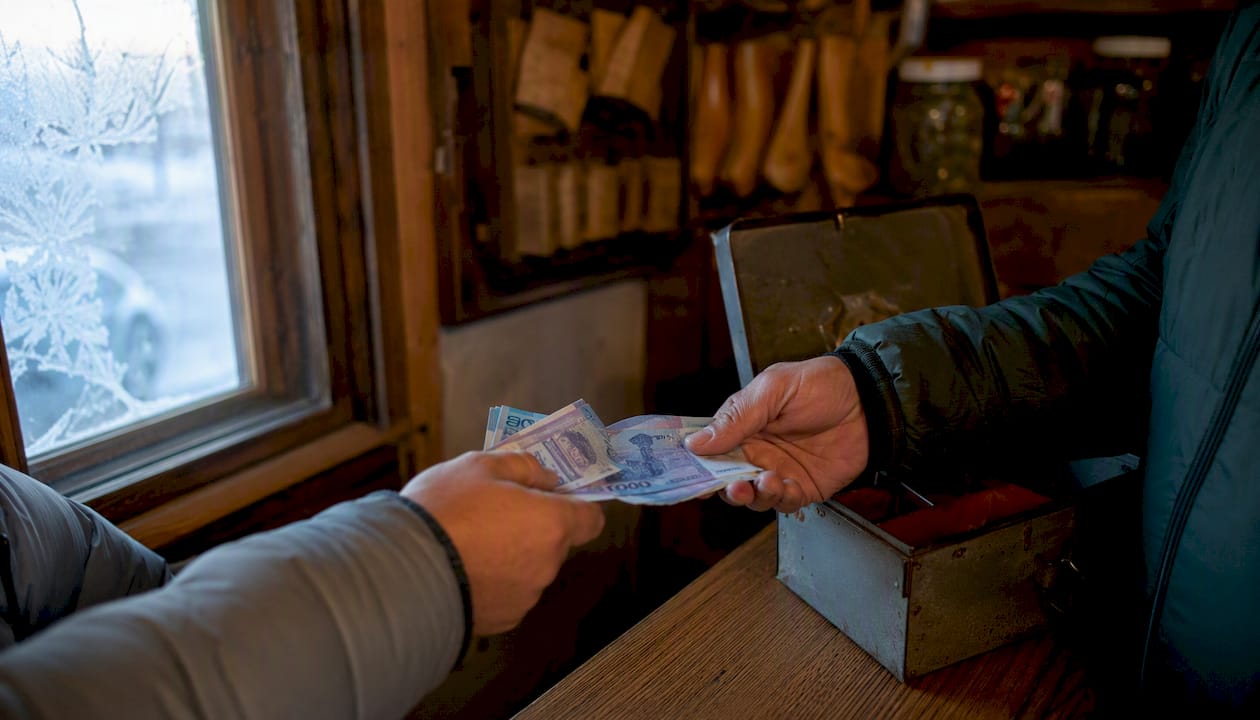
There is no useful universal daily cash figure. Your reserve should reflect your route, prepaid services, likely purchases and the time until your next planned payment opportunity.
Trip pattern | Practical approach |
|---|---|
City stay | Carry a modest KZT reserve alongside your cards for merchants that do not accept your preferred method. |
Road or rural travel | Budget for transport, food and contingencies until your next planned payment stop. |
Pre-booked mountain stay | Separate prepaid services from costs due later, then carry the reserve appropriate to those arrangements. |
In rural areas, the practical difference is distance: a failed card payment is harder to resolve when there are fewer alternatives nearby. Mixed-denomination KZT notes are generally more useful than relying on a single high-value note.
A compact payment packing list:
Primary card and separately stored backup card.
KZT cash in mixed denominations.
Offline bank and accommodation contact details.
Receipts for recent ATM withdrawals or exchanges.
A saved copy of your accommodation, activity and payment details.
Payment planning for Altai Mountains Resort
You’ll find us in Ulba village near Ridder, in East Kazakhstan’s Western Altai. Our address is Shosseynaya Street 65, Ridder 071300, around 120 km by road from Öskemen. Our guide to the resort location and setting can help you plan the journey.
A mountain stay has a different payment rhythm from a city visit. Before leaving Öskemen, settle the known arrangements and carry a measured KZT reserve rather than a large amount of unallocated cash. You can use our booking page to arrange your stay or contact us for help with the details. Keep one clear summary of the amount and currency due before arrival, the payment method and deadline, what your booking includes, any separately payable services or transport, and the relevant cancellation and refund terms. Save it offline with your booking reference, and complete any planned cash withdrawal or exchange before setting out rather than depending on facilities near the resort.
Travel insurance and remote mountain trips
Currency preparation is only one part of planning for the Western Altai. Before travelling, check that your insurance covers your itinerary, intended activities and emergency costs. Current guidance on travel insurance for Kazakhstan and medical treatment and evacuation can help you prepare.
Remote outdoor areas can have limited communications and difficult emergency access. Review current remote-area safety guidance for Kazakhstan as part of your mountain planning.
Review whether your policy covers each intended winter or mountain activity, treatment, evacuation and the insurer’s payment procedures. Save the assistance number and policy details offline. If an activity is not clearly named in the policy, speak with the insurer before you book it.
With your cards separated, a practical KZT reserve ready and essential contacts saved offline, you can leave Öskemen with the details settled and focus on the road into the Western Altai.
All Articles
Explore Kazakhstan winter culture through holiday traditions, food, living heritage, regional rhythms and practical etiquette for visitors.
A practical luxury ski packing list for fitted essentials, lighter luggage and guided off-piste or heli-ski days at Altai Mountains Resort.

A practical heli-skiing safety guide for expert skiers, covering operator decisions, avalanche equipment, helicopter procedures, rescue planning and insurance.
Compare lift-assisted, touring and Western Altai ski options in Kazakhstan, with practical safety, travel and booking guidance.

Learn the heli-skiing skill level typically expected, the off-piste skills to practise, safety preparation and an adaptable 8–12-week training framework.

Plan the Kazakhstan skiing season with a practical comparison of Almaty and Ridder, month-by-month timing, mountain safety and trip planning.
Use this snowmobile layering guide to build a flexible base, insulation and shell system, manage moisture and pack dry spares for changing conditions.

Learn what to rent for avalanche terrain, how to prepare a beacon, probe and shovel, and what to know about airbag packs and flights.
Practical ski photography tips for beginners: camera settings, snow exposure, timing, cold-weather camera care and safe mountain positioning.

Learn how to read an avalanche forecast, interpret danger ratings, roses and avalanche problems, and plan more conservative terrain choices.
Practical cold injury prevention for winter travel: layering, dry spares, warning signs, first aid and planning for mountain activities.
Planning snowmobiling in Ridder? Understand how experience, training, equipment and Kazakhstan rules shape your trip with Altai Mountains Resort.
Travel with ski gear confidently: carry boots when cabin rules allow, pack skis securely, understand airline baggage rules and prepare for delays.
Build a practical backcountry radio communication plan with party radios, satellite SOS or PLB backup, cold-weather care and regional legal essentials.

Satellite messenger basics for remote Altai trips: compare PLBs and two-way devices, understand SOS limits, and prepare your communications plan.
Avoid ski crowds with flexible dates, midweek skiing, early starts and smarter lift choices. Explore guided off-piste options near Ridder.

Learn how heli-skiing passenger weight and baggage rules differ by operator, with practical packing steps and Altai Mountains Resort booking guidance.
Understand the cat skiing skill level needed for Altai Mountains Resort, with practical guidance on off-piste ability, fitness and avalanche readiness.
Decide whether Ridder suits your advanced Altai ski trip, with practical guidance on transfers, season timing, avalanche gear and guided programmes.
Compare snowmobile tour prices by duration, understand what shapes the final cost, and explore quote-based snowmobiling at Altai Mountains Resort.
Compare Western Altai, Almaty and Turgen for Kazakhstan powder skiing, with practical guidance on access, safety and Ridder logistics.

Plan Altai heli skiing near Ridder with practical guidance on terrain, season, package inclusions, access, safety gear and booking.
Compare flight, rail and self-drive routes from Almaty to the Kazakh Altai, with practical guidance for reaching Ridder and Ulba village.

Learn deep powder snowmobiling setup, riding technique, safe recovery and avalanche preparation, plus guided training near Ridder.
Plan an Altai Mountains winter stay from Ridder, with activity timing, travel from Öskemen, packing advice and practical mountain guidance.

Practical helicopter passenger safety guidance on boarding, seatbelts, exits, dropped items and following crew instructions.

Practical off-piste slope etiquette for safer skiing: right of way, avalanche preparation, group spacing, closures and guided skiing in the Western Altai.

Plan an Altai Mountains trip across Russian, Mongolian and Kazakh sectors, with permit, safety and winter-stay guidance for Ridder Lodge.
Learn how to plan guided freeride tours, from off-piste experience and avalanche gear to guide scope, changing mountain conditions and cat-skiing in the Altai.
Learn avalanche beacon basics: 457 kHz transceivers, essential rescue gear, trailhead checks, interference and companion-rescue practice.

Learn which avalanche course suits your plans, what companion-rescue skills to practise and how to prepare for a winter trip to Altai.
Learn what cat skiing is, who it suits, what to pack and how to plan a guided cat-skiing trip, including options near Ridder, Kazakhstan.
A practical ski rental Kazakhstan guide to Shymbulak and Medeu, current tariffs, equipment fit, transport and guided freeride near Ridder.

Understand ski guide benefits for freeride and backcountry trips, including local planning, terrain choices, qualifications, safety gear and access options.

Plan a snowmobile expedition near Ridder, Kazakhstan, with practical guidance on routes, rider experience, equipment, mountain safety and transfers.
Use this mountain lodge amenities checklist to compare rooms, meals, wellness access, transfers, activities and paid extras before booking.
A practical Kazakhstan currency guide to the tenge, cards, ATMs, currency exchange, DCC and cash planning for cities and the Western Altai.
Plan the Kazakhstan ski season by month, compare lift-served Shymbulak with guided trips around Ridder, and prepare for changing snow and mountain conditions.
A practical guide to spa after skiing, including gentle massage, sauna and hammam, optional cold immersion and signs that need medical attention.
Plan a remote ski trip from the UK to Ridder, with practical guidance on activities, Kazakhstan entry, Öskemen transfers, insurance and ski baggage.
A practical heli skiing packing list covering clothing, avalanche equipment, ski baggage, batteries, travel documents and rental options.
A practical UK guide to ski boot fitting: appointment steps, services, current provider price examples, aftercare and warning signs.
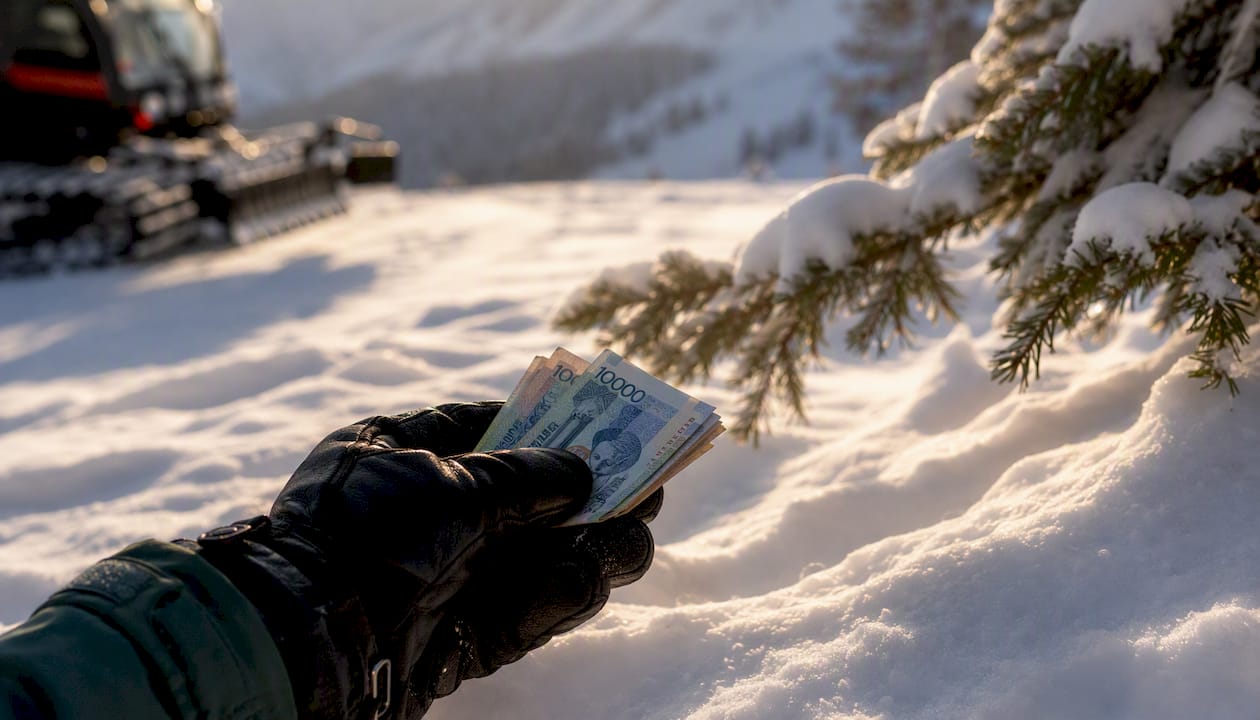
Should you tip a ski guide? Learn how customs vary, when a gratuity may feel appropriate and how to plan for tipping in Kazakhstan.
An Altai cuisine guide to kan, kurut, chegen and talkan, with dining at Restaurant Altai, food safety and travel from Öskemen to Ridder.
Compare banya vs sauna: heat, steam, venik and löyly rituals, etiquette, health evidence, safety basics and the Altai Banya experience.
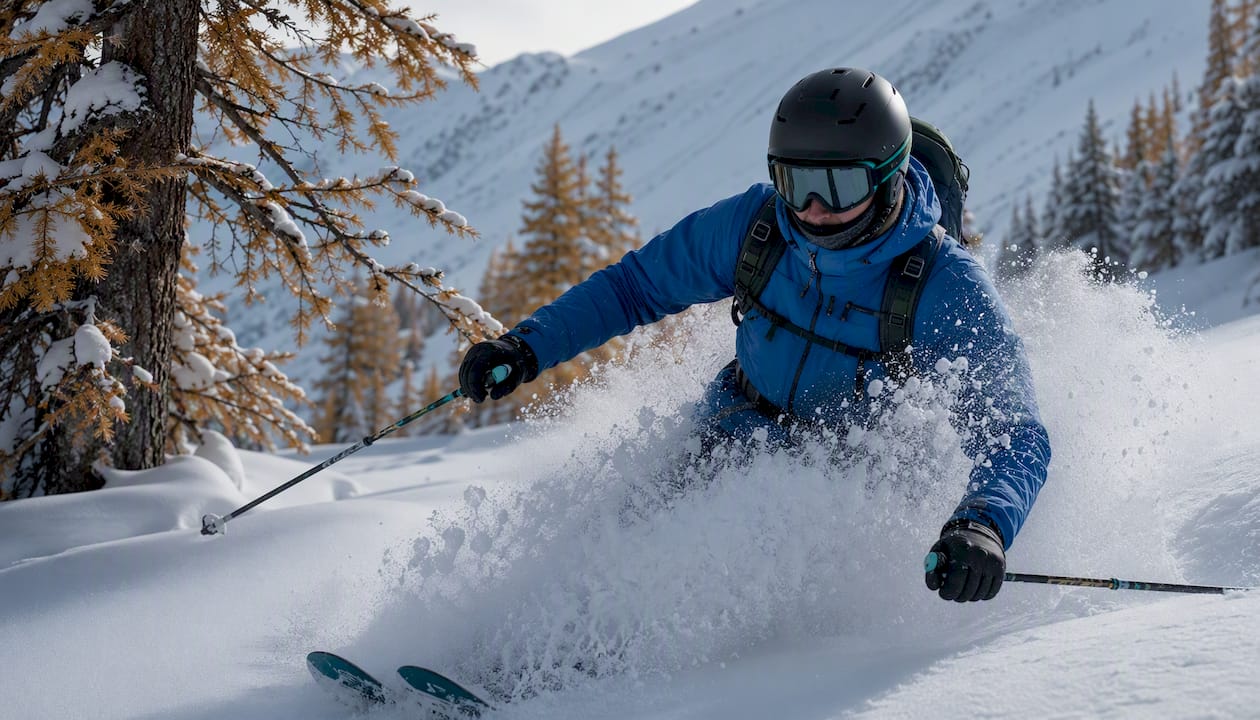
Learn how to ski deep powder with centred balance, smooth turns, speed control, practice steps, gear guidance, and avalanche and tree-well precautions.

Plan a mountain wellness retreat in Ridder with freeride, heli-skiing, snowmobiling, Ridder Lodge, Altai Banya and practical winter travel guidance.

A practical snowmobile gear list for UK travellers heading to Altai Mountains Resort, with clothing, safety equipment, battery and travel guidance.

Understand Ridder Lodge’s ski-in/snowmobile-out access, guided ski-day logistics, transfers from Öskemen and practical planning for your stay.
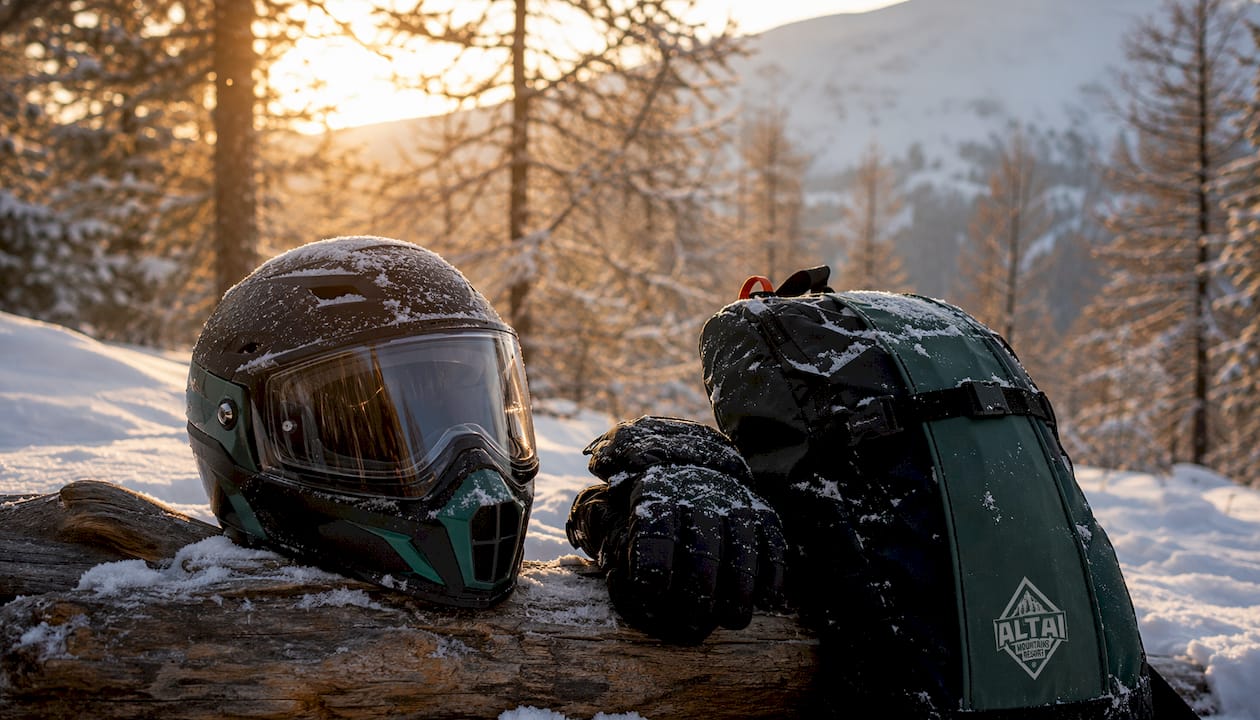
Prepare for a guided snowmobile ride with a practical gear checklist covering helmets, winter layers, avalanche equipment and cold exposure in Ridder.

A practical heli skiing guide to ability, avalanche equipment, packing, weather and planning your first trip to Kazakhstan.
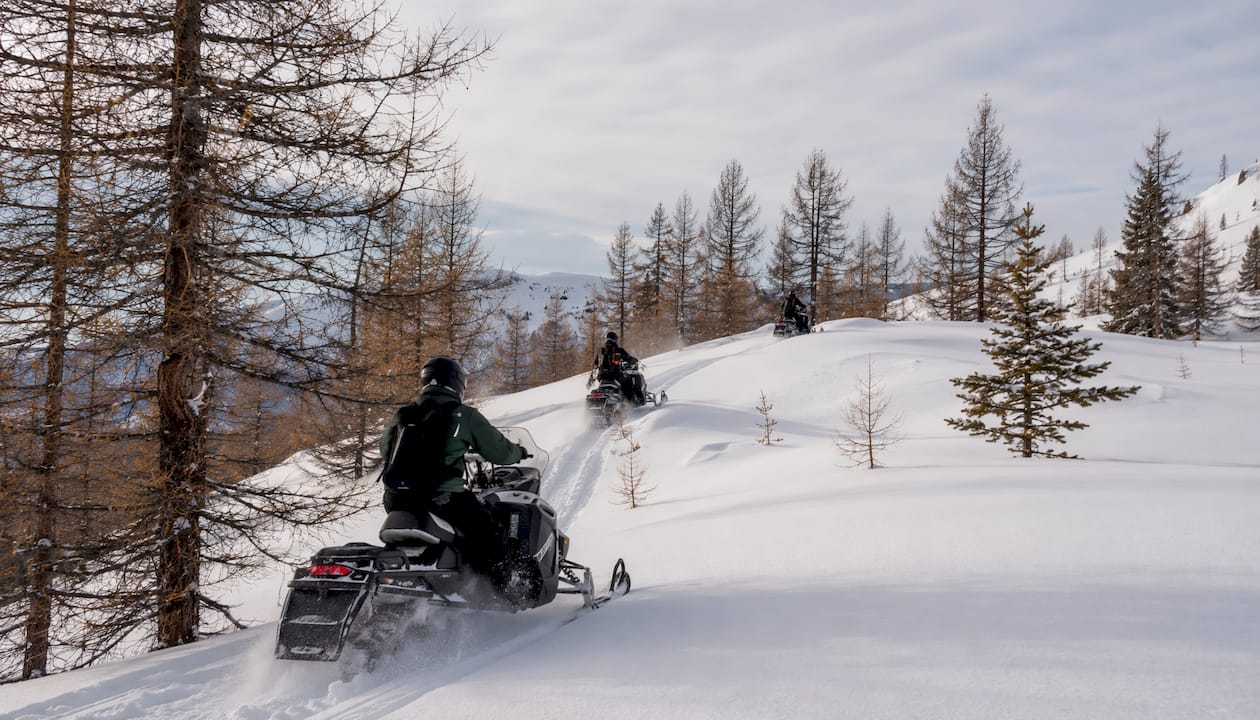
Plan guided deep snow snowmobiling in Ridder, with practical details on training, rentals, equipment, transfers and staying at Ridder Lodge.
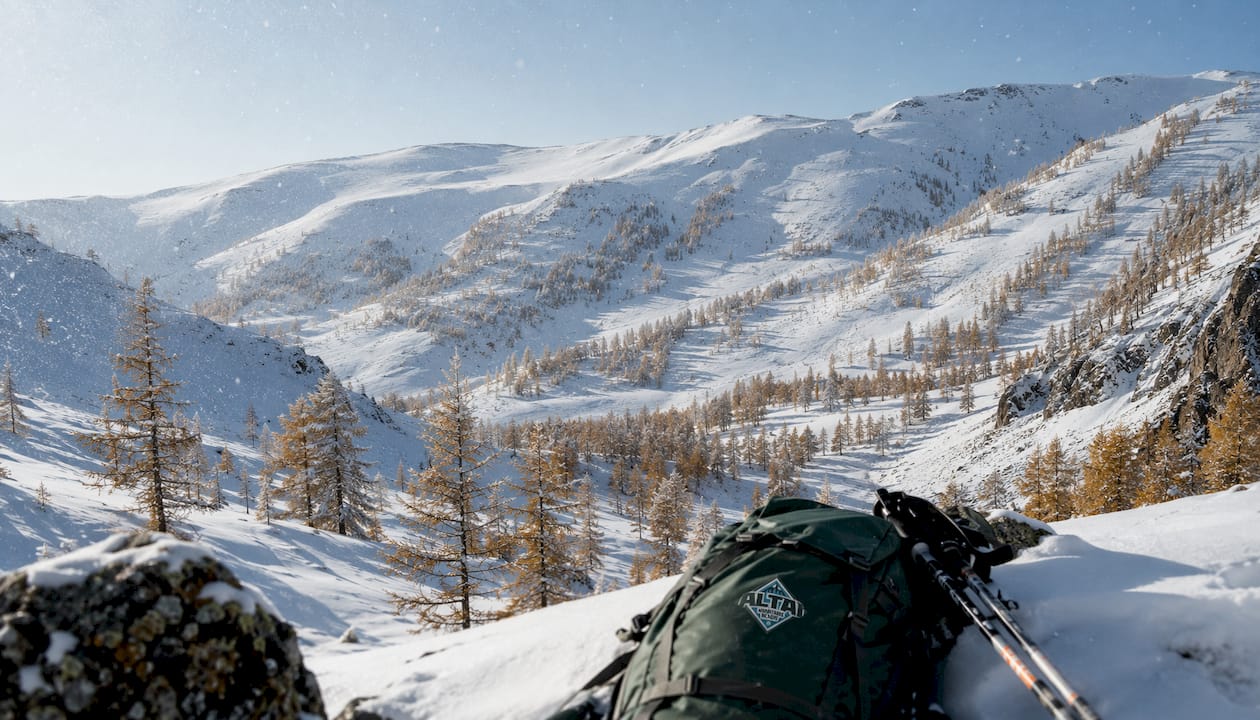
How to choose Kazakhstan travel insurance for heli-skiing, cat-skiing or snowmobiling, including medical treatment and evacuation cover.
Kazakhstan visa requirements for UK visitors to Ridder, including visa-free limits, e-visas, passport rules, airports and Öskemen transfers.
Build strength, balance and endurance before cat-skiing, heli-skiing or snowmobiling with an adaptable six-to-eight-week ski fitness program.

Explore cold plunge benefits for skiers, from short-term soreness and recovery evidence to cold-shock risks, timing and Altai Banya options.

Understand heli skiing cost in 2026 with current operator examples, a total-budget checklist, and key booking, safety and insurance questions.