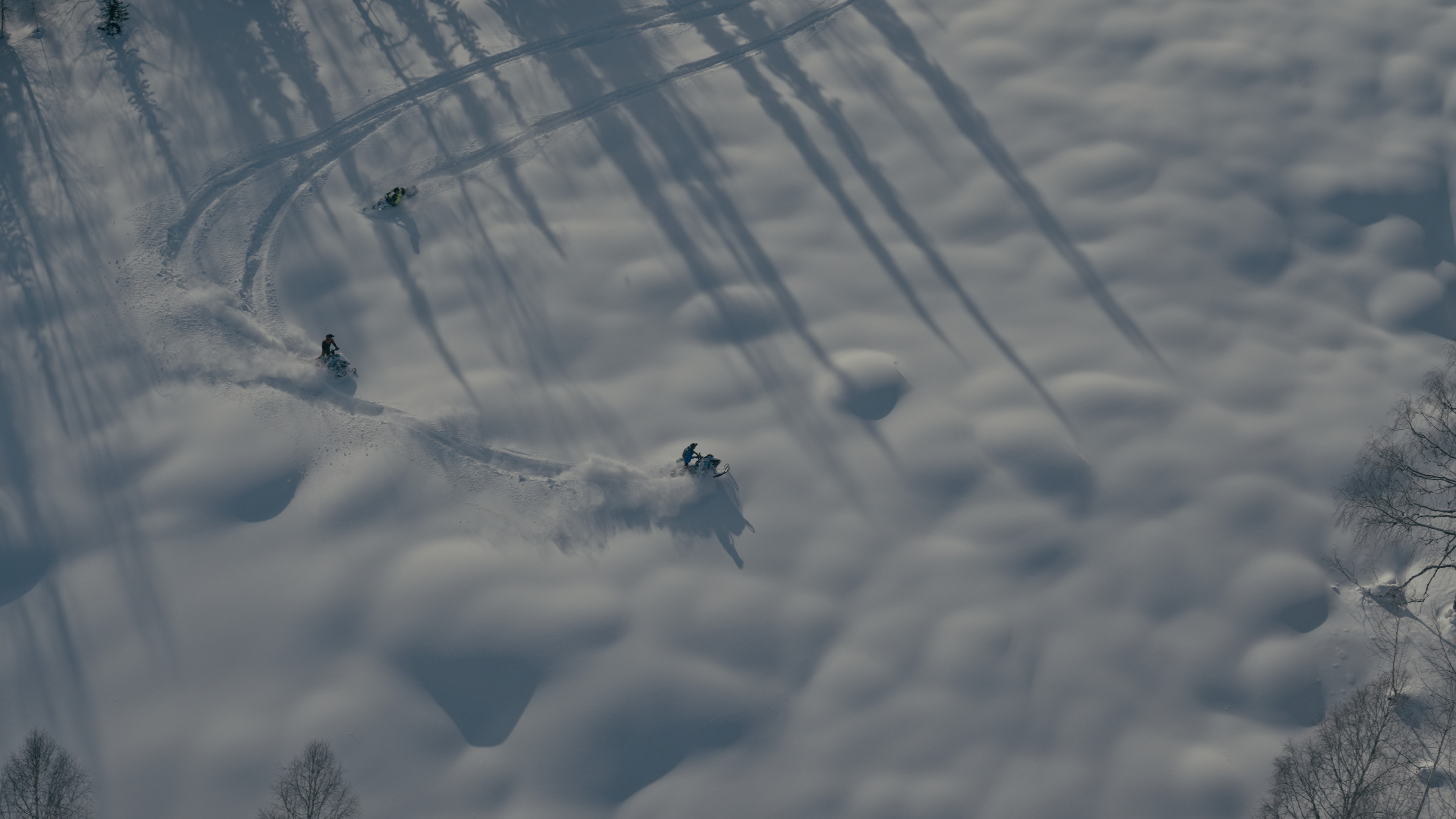
Build a practical backcountry radio communication plan with party radios, satellite SOS or PLB backup, cold-weather care and regional legal essentials.
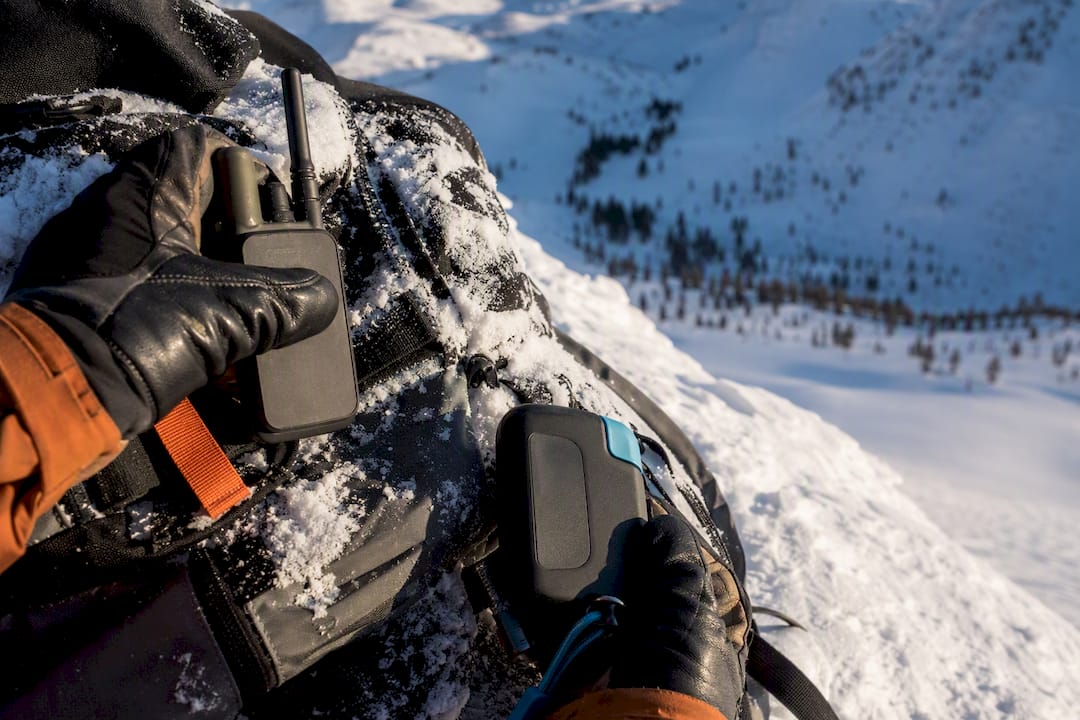
A dependable backcountry radio communication plan has two layers: a voice radio for coordinating with people nearby, and a satellite messenger or personal locator beacon (PLB) for reaching help beyond the group. Neither replaces sound route planning, avalanche preparation or good judgement, but together they give skiers and hikers a more resilient way to communicate beyond mobile coverage.
For a winter day in remote terrain, keep the system simple. Decide who carries each device, agree how the group will use it, and test every unit before leaving the trailhead.
What a two-layer backcountry communication plan does
The first layer is party coordination. Two-way radios provide immediate, short voice communication between group members, which is useful at junctions, during a regroup or when terrain briefly separates people.
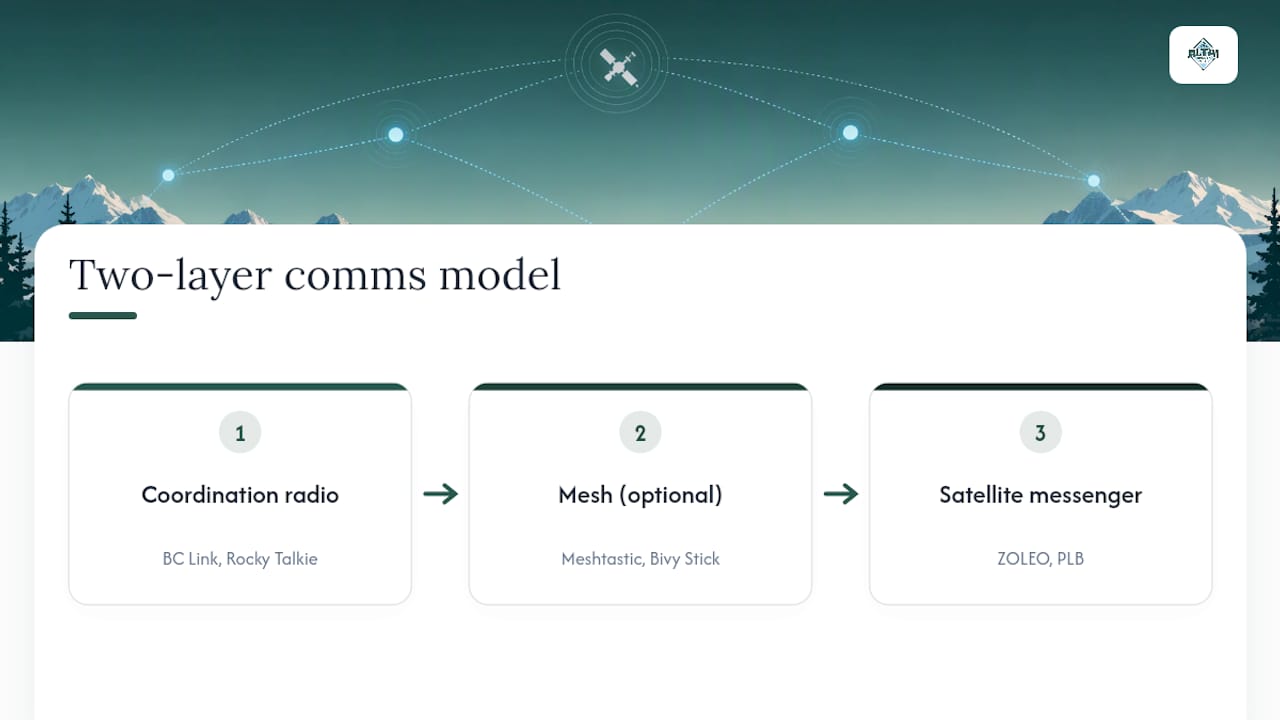
The second layer is outside notification. A satellite messenger can send messages and initiate an SOS through its satellite network, while a PLB is designed primarily to send a distress alert. This layer matters when mobile reception and direct radio contact are unavailable.
Keeping these roles separate prevents a common mistake: treating a handheld radio as an emergency beacon. A radio can only reach another listening radio within range. Satellite devices also need a suitable view of the sky and should be used in line with their instructions. ZOLEO uses the Iridium network for messaging and SOS, and its satellite communicator information notes that satellite connectivity requires a clear view of the sky.
Radio vs satellite messenger vs PLB
Tool | Main role | What it is best at | Key limitation |
|---|---|---|---|
Two-way radio | Voice coordination | Fast communication within a party | Range is shaped sharply by terrain and line of sight |
Satellite messenger | Messaging and SOS | Contact beyond mobile coverage, with two-way messaging on supported devices | Requires a suitable sky view and an active service plan where required |
PLB | Emergency distress alert | A dedicated emergency layer | It is not a routine group-communication tool |
Mesh text/data device | Local text, location and data sharing | Low-bandwidth communication between compatible nearby nodes | It is not a voice radio and does not guarantee a path to emergency services |
Choose a device for the job it needs to do. The BCA BC Link Mini is a 2-watt radio with 22 FRS channels, IP55 protection and compatibility with radios using shared FRS frequencies. BCA gives a terrain range of about 0.8–9.7 km on its BC Link Mini product page. Terrain, position and line of sight still determine what works on a particular route.
The Rocky Talkie Mountain Radio is another voice-radio option: a 2-watt, licence-free FRS radio for the United States and Canada, with IP56 protection and terrain-dependent range on the Mountain Radio page. For local text and location sharing, Meshtastic devices are a separate category from voice radios.
For satellite messaging, ZOLEO is one example of a communicator intended for messaging and SOS. Bivy Stick MESH combines Iridium satellite messaging with LoRa mesh relaying; its maker gives a mesh range of up to approximately 1.6 km for that specific product, rather than a universal range for every mesh setup.
How terrain affects radio range
Headline wattage is only one part of radio performance. Ridges, bowls, forest, gullies and the position of each person can interrupt a direct signal. A radio pair that works well across an open slope may not connect once one person drops behind a ridge.
Plan with terrain in mind. Keep visual or voice contact where possible, identify sensible regrouping points before the group spreads out, and do not use a maximum range figure as the spacing plan for the day. A short communication plan that everyone understands is more useful than a complicated channel list nobody remembers.
Mesh systems solve a different problem: compatible devices relay low-bandwidth messages between nodes. For background on that approach, Meshtastic's own documentation. The system is useful only where nodes remain within workable range, so steep valleys and widely separated teams still need their own communication and emergency arrangements.
Channel and check-in procedures
Agree the basics before moving: the channel, any tone setting, intended check-in moments and a simple regrouping point. Then carry out a proper voice test with every radio. A device that powers on may still be on the wrong channel or have an obstructed microphone.
Keep messages short: name the person you are calling, then give the essential information.
Use a primary channel and one backup channel that everyone has written down or memorised.
Set planned check-ins at natural points, such as a junction or before a descent, rather than calling continuously.
If a call is missed, follow the group’s pre-agreed trip plan and local guidance rather than improvising a search pattern.
For imminent danger, injury or a situation beyond the group’s capacity, use the emergency layer promptly and follow the device’s SOS instructions.
Become familiar with the SOS process before the trip. ZOLEO sets out the sequence in How to Send an SOS; local rescue guidance and a guide’s instructions remain central when conditions change.
Choosing equipment by group size
Solo hikers
A voice radio has limited value without another person monitoring it. A satellite messenger or PLB is usually the more meaningful communication layer, alongside a shared route plan and a reliable return-time arrangement.
Pairs and close-knit groups
A compatible radio pair supports quick coordination, while a satellite messenger or PLB provides a separate emergency option. Carry the emergency device where it remains accessible rather than storing it deep in a pack.
Larger parties
Give the group a clear radio plan and avoid splitting into subgroups without deciding who has the emergency communication device. Local mesh text/data tools can help with deliberate multi-team logistics, but they do not take the place of voice communication or satellite SOS. communication plan is a useful general reference for thinking through those separate roles.
Cold-weather battery care
Cold conditions can reduce battery performance, so treat power as part of the day’s preparation. Keep spare batteries or a power bank close to your body when practical, protect devices from snow and moisture, and run a morning function test for battery level, volume and microphone clarity.
Charging limits are device-specific. For its communicator, ZOLEO gives a charging temperature range of 0°C–45°C; follow the instructions for the exact devices in your own kit rather than applying one rule to every battery. The same care applies to weather protection: BC Link radios are water-resistant rather than fully waterproof. The BC Link radio FAQ also distinguishes North American-frequency models from EU editions and notes that transmitting outside an approved region may be illegal.
Licensing and regional legality
Radio rules are local. In the United States, the FCC distinguishes licence-free FRS operation within applicable FRS limits from GMRS operation requiring authorisation when a device exceeds those limits or operates on GMRS channels. Its guidance on FRS and GMRS operation provides the relevant distinction.
Outside the United States, permitted frequencies, power limits, type approval and import rules differ. Use a radio authorised for the country where you will transmit. Satellite devices also depend on destination-specific service availability and local rules. For a plain-language comparison of radio categories, REI's radio guide may help orient new users, while national regulator rules govern local use.
When guided resort support changes the plan
Independent travel calls for an independent communication plan. On a guided activity, communications sit within a wider operational plan, though the equipment and procedures provided depend on the activity and booking.
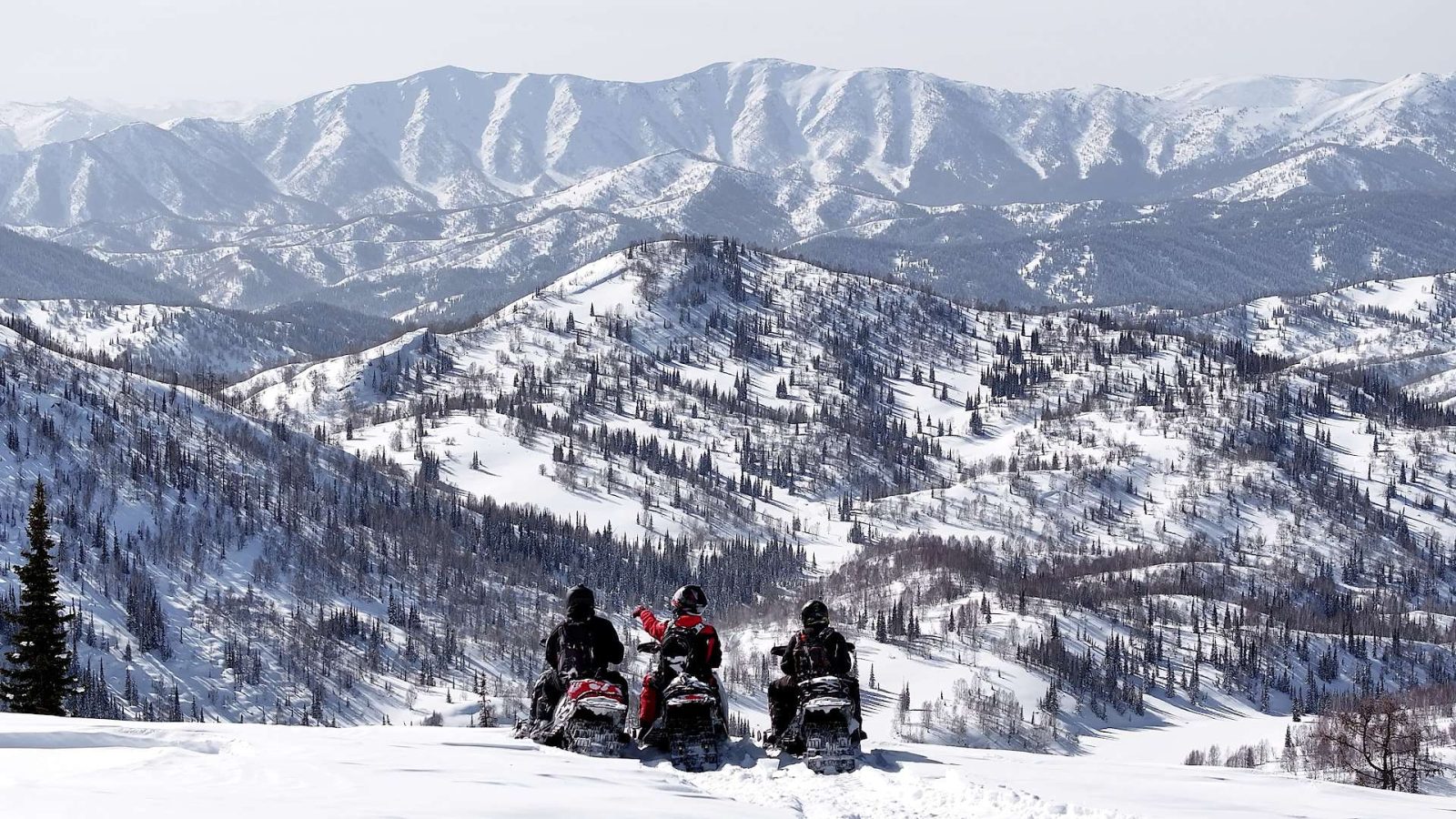
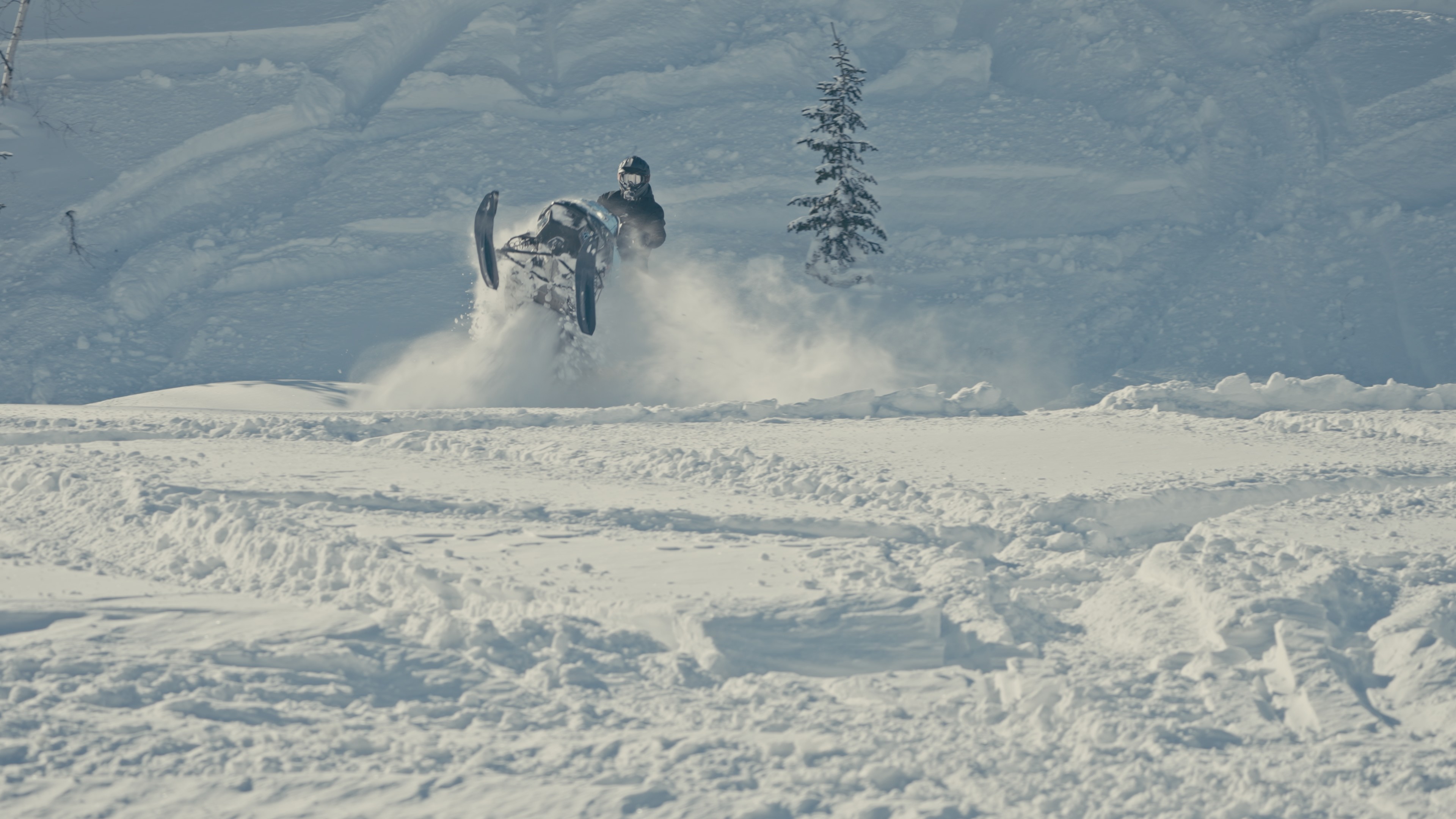
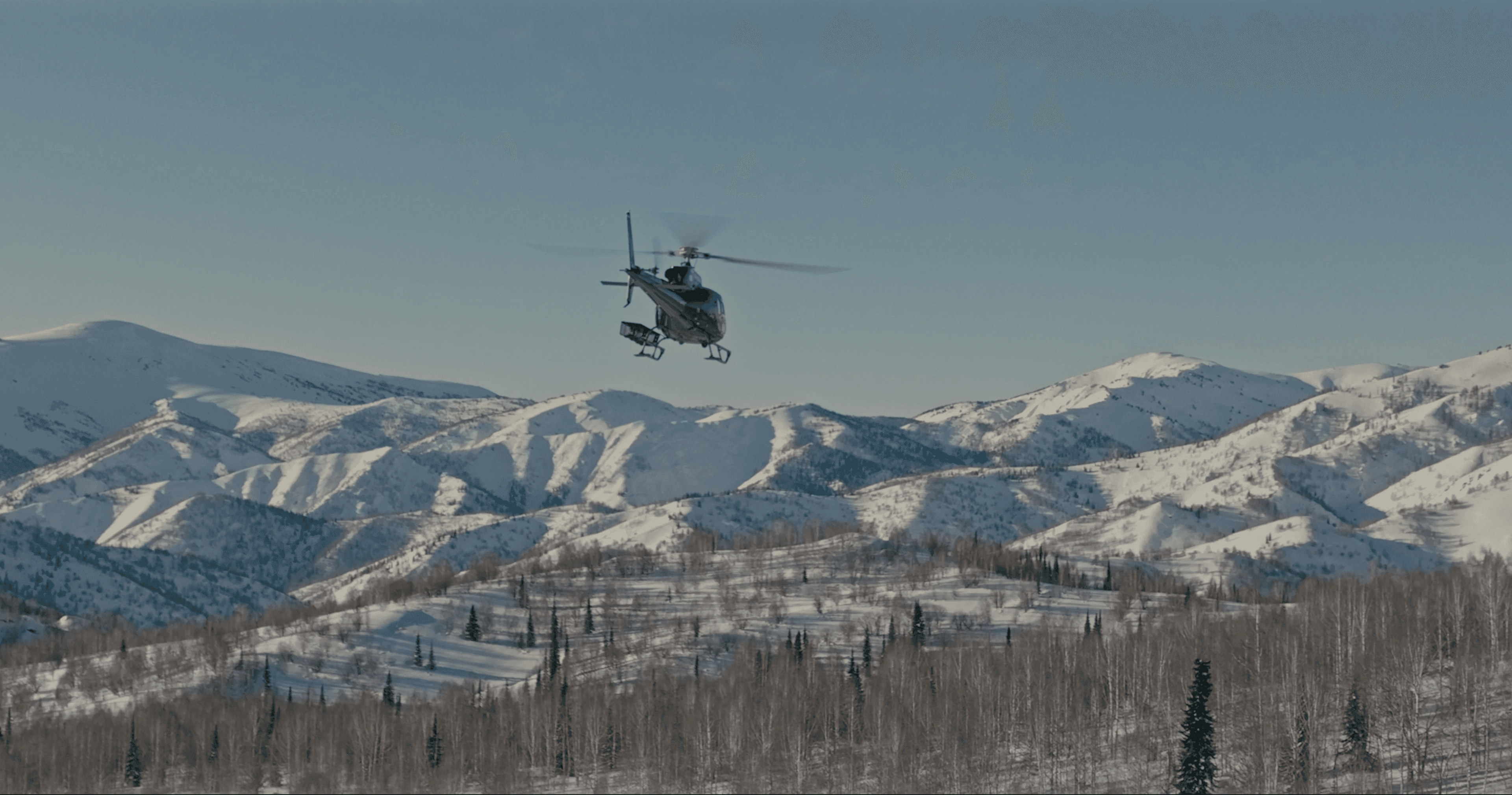
At Altai Mountains Resort in Ridder, Western Altai, you can explore cat-skiing and freeriding, heli-skiing and guided snowmobiling. Guided-day planning includes activity-specific safety briefings, equipment checks and communication equipment where relevant. Availability and inclusions vary by date and activity. Confirm the communications equipment and procedures provided for your specific activity and booking.
A two-layer plan is modest and practical: one way to speak to your group, and another to seek help beyond it. It is a sound foundation for considered winter travel, whether you are setting out independently or joining a guided day. The same principle applies when planning an off-grid holiday: shape communication around the people, terrain and support available. Some field-communication discussions also mention the Blackout Comms cluster; treat product news as background reading, not a replacement for route-specific preparation. For additional mesh context, Meshtastic provides an entry point.
If you are planning a guided winter stay in Ridder, browse current options or send an enquiry through the Altai Mountains Resort booking page. off-grid holiday offers a broader travel perspective for those considering remote stays, while REI — two-way radios explainer is another introductory resource on two-way radios.
All Articles
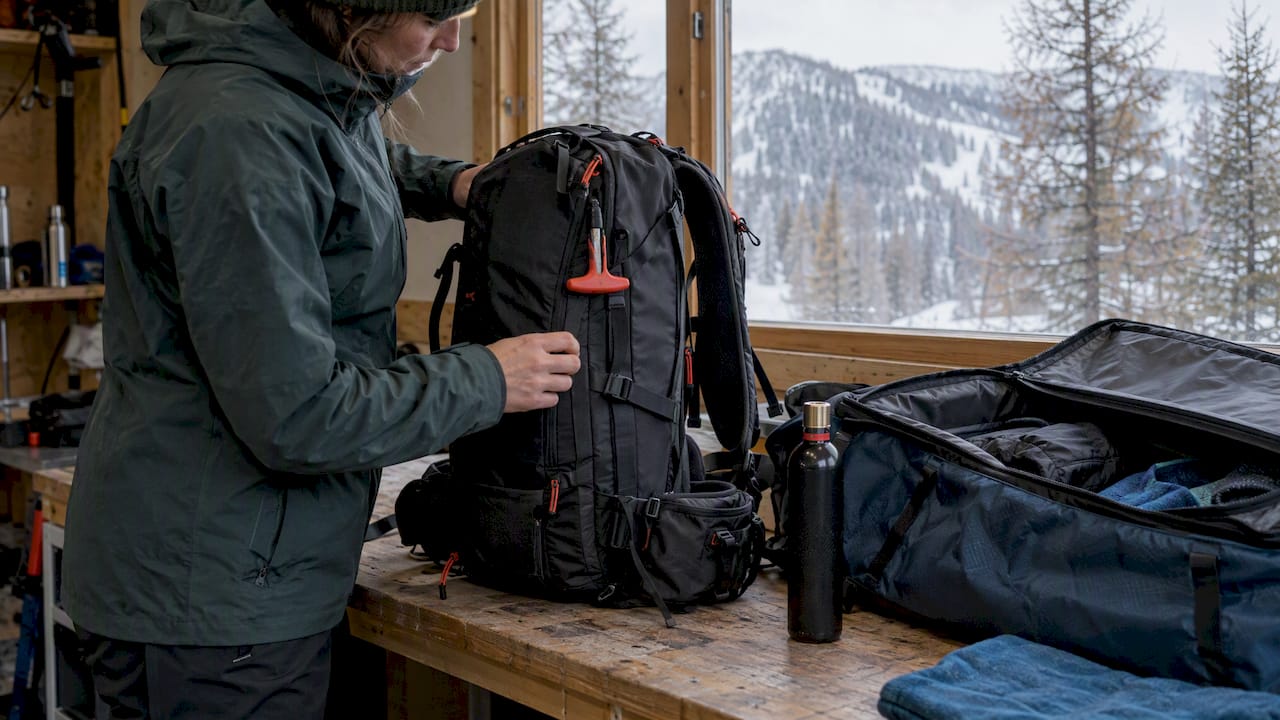
Flying with an avalanche airbag: airline approval, IATA limits, packing guidance and travel planning for a winter trip to Ridder.
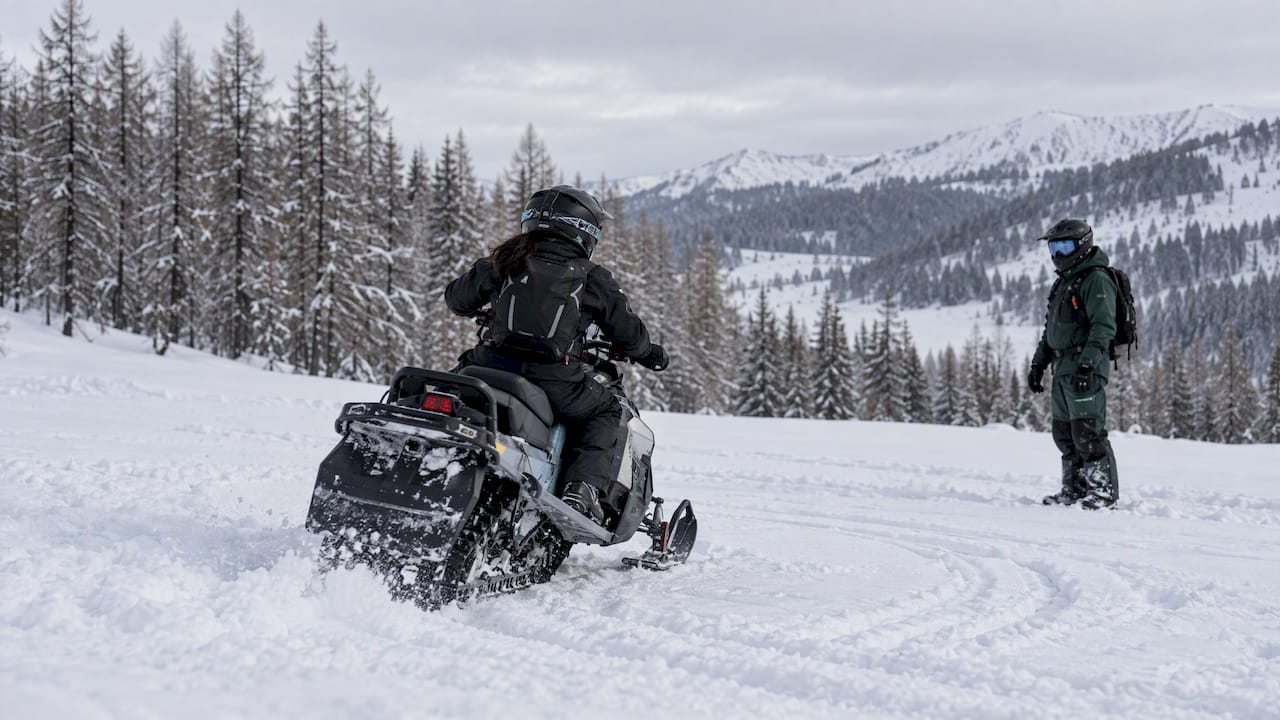
Learn snowmobile training basics: controls, pre-ride checks, riding positions, essential gear and avalanche awareness for first-time riders.
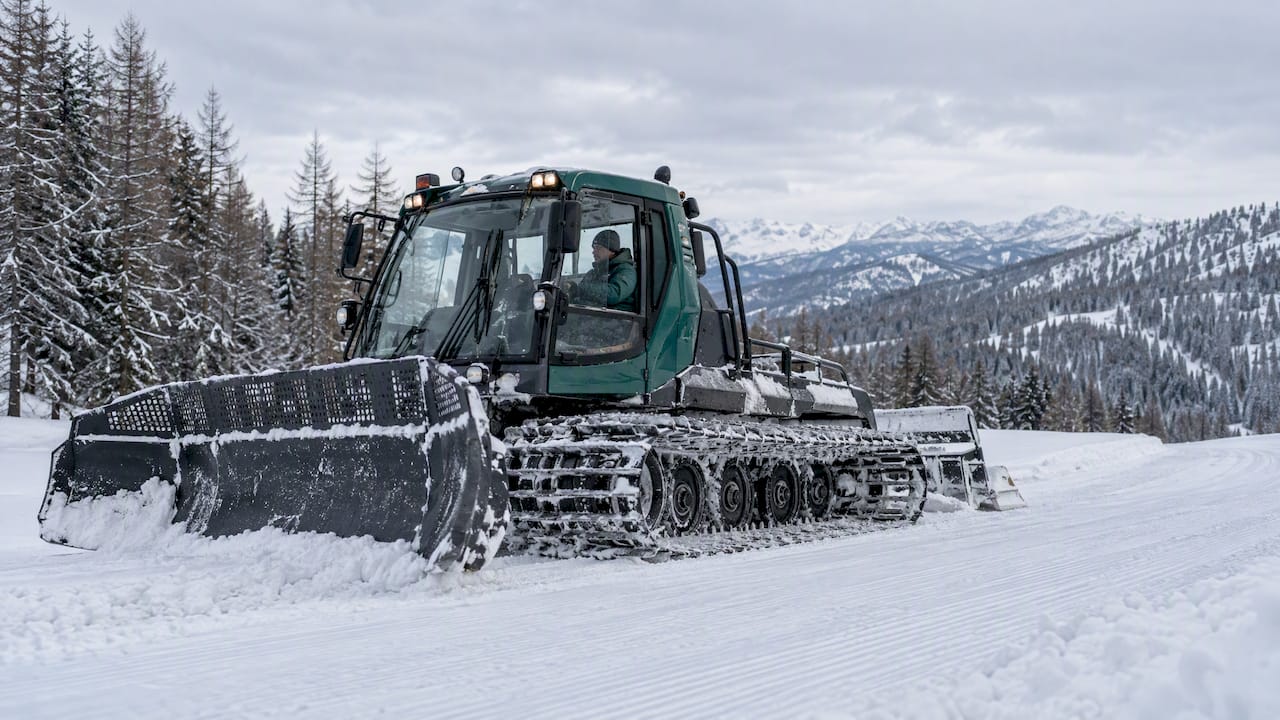
Learn how snowcats groom pistes and support guided cat-skiing, with practical safety guidance and what to expect in Kazakhstan’s Western Altai.
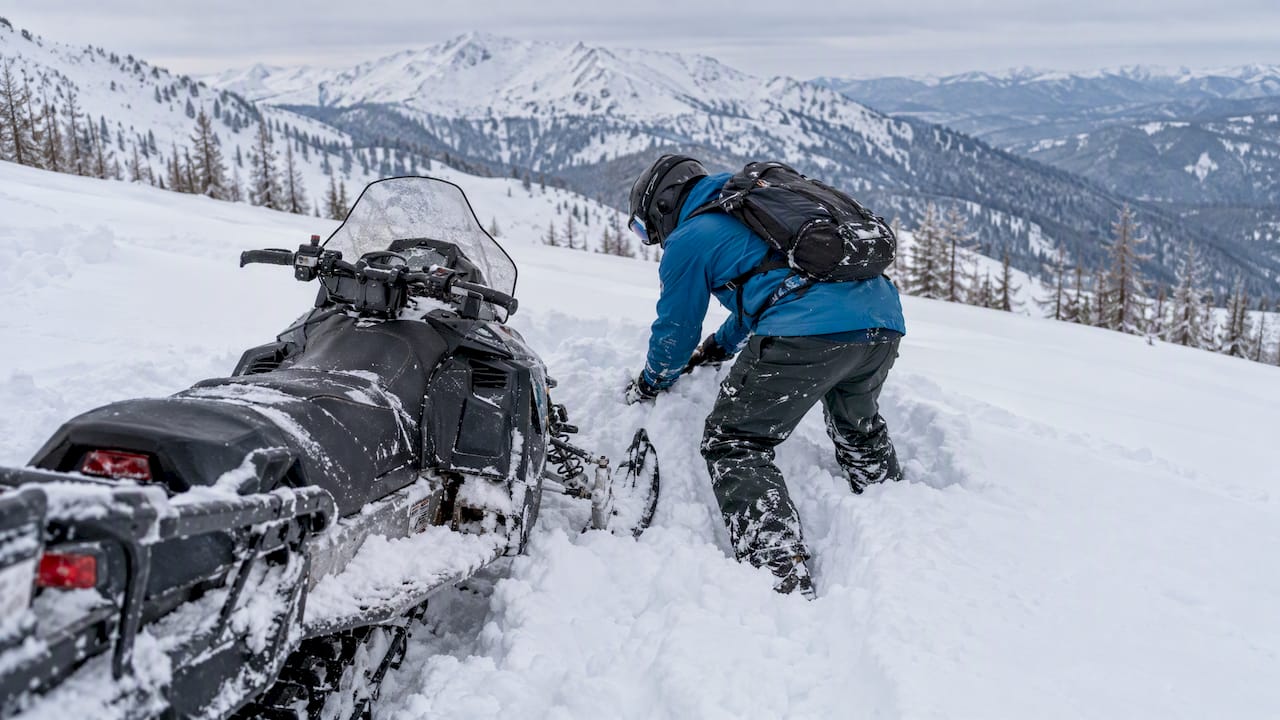
Learn how to recover a snowmobile stuck in deep snow: stop track spin, clear the sled, pack a short path and know when to seek help.
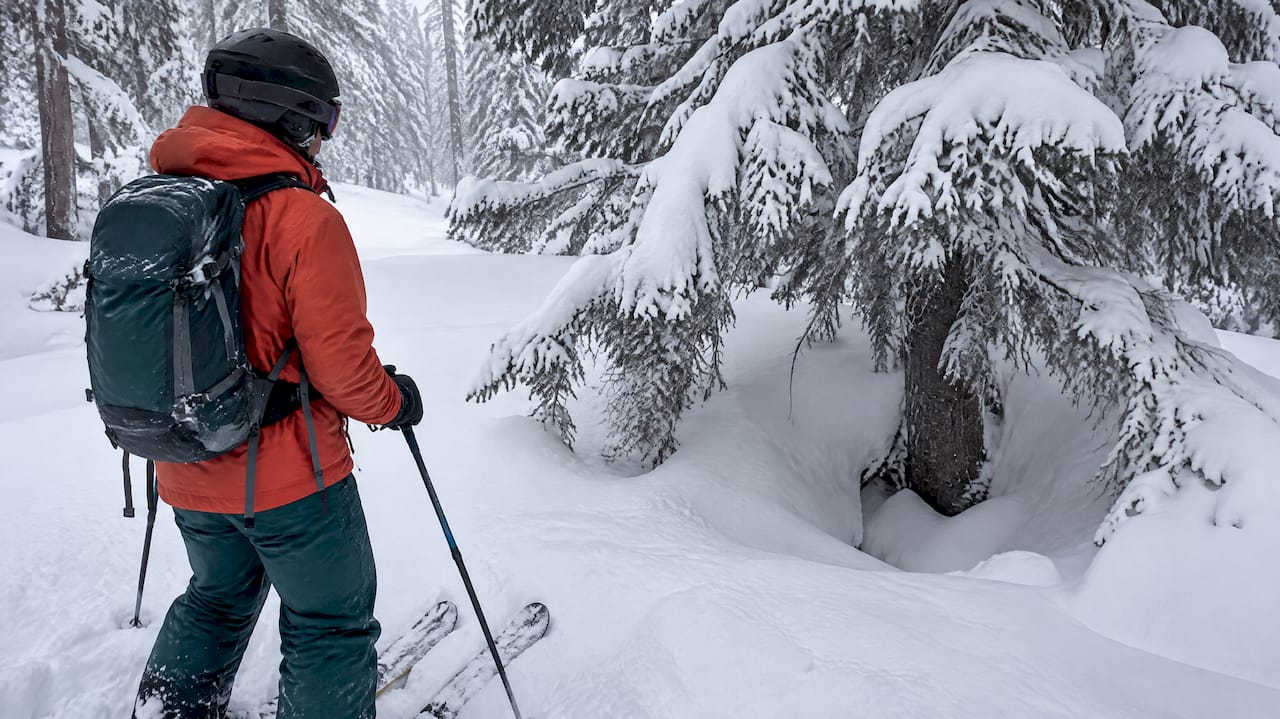
Learn how to prevent tree-well burial, keep riding partners in sight and begin immediate companion rescue in deep snow.

Compare aluminum and carbon ski poles for touring, resort skiing, park laps, freeride and racing, with practical guidance on fit, care and safety.

Compare wide vs narrow skis for groomers, soft snow and mixed conditions. See why 90–100mm is a useful starting point and how to try skis thoughtfully.
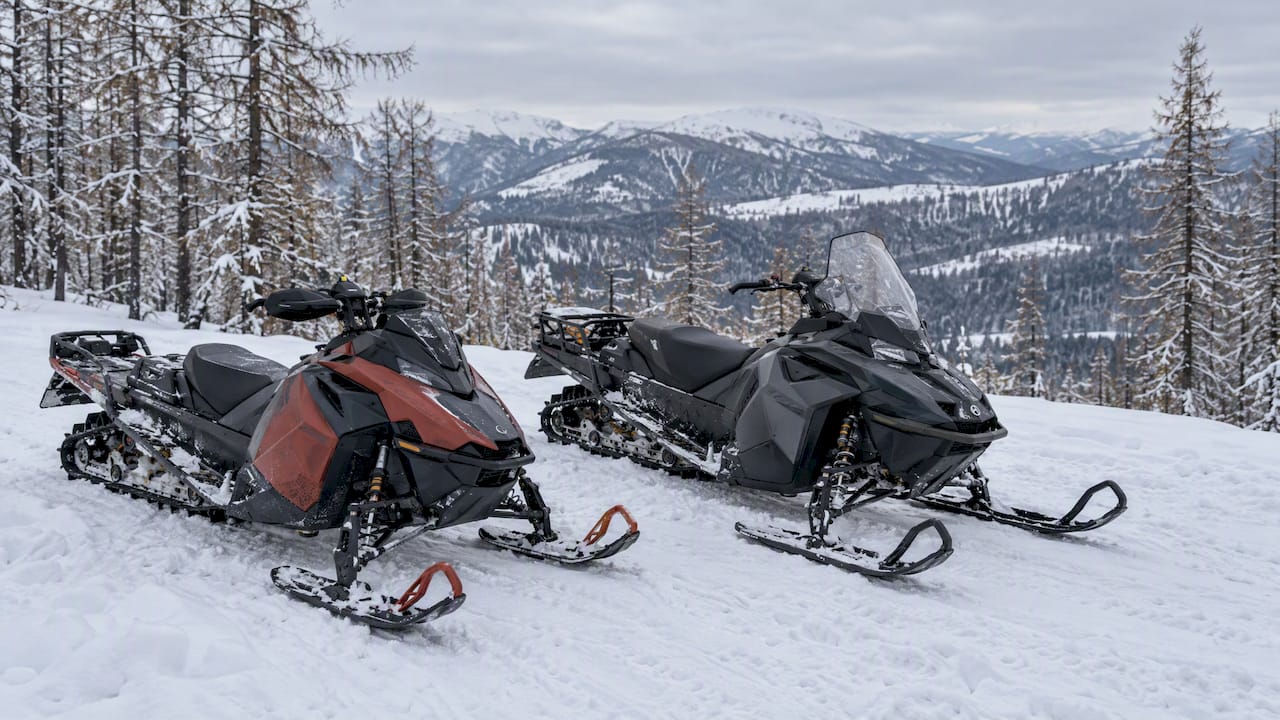
Compare 2-stroke and 4-stroke snowmobiles by handling, fuel use, emissions and upkeep, with guidance for a guided snowmobiling day near Ridder.
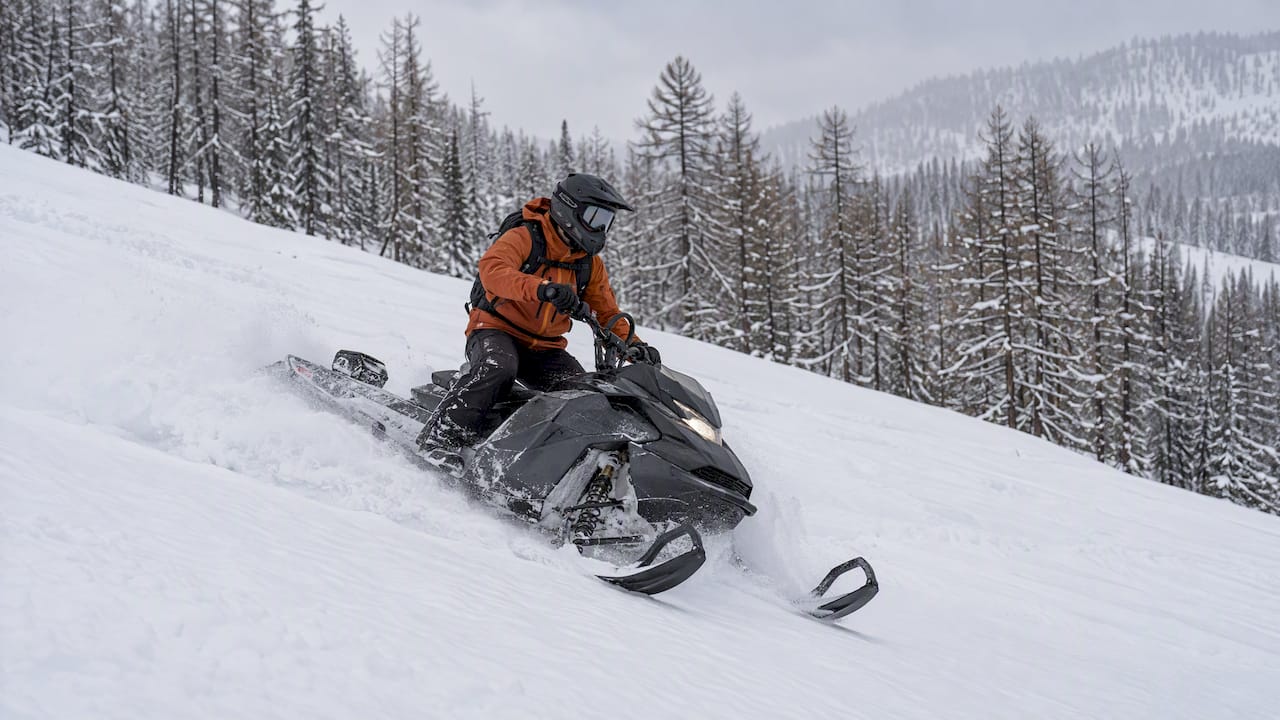
Learn snowmobile carving techniques for powder: stance, counter-steering, throttle timing, beginner drills and avalanche-safety essentials.
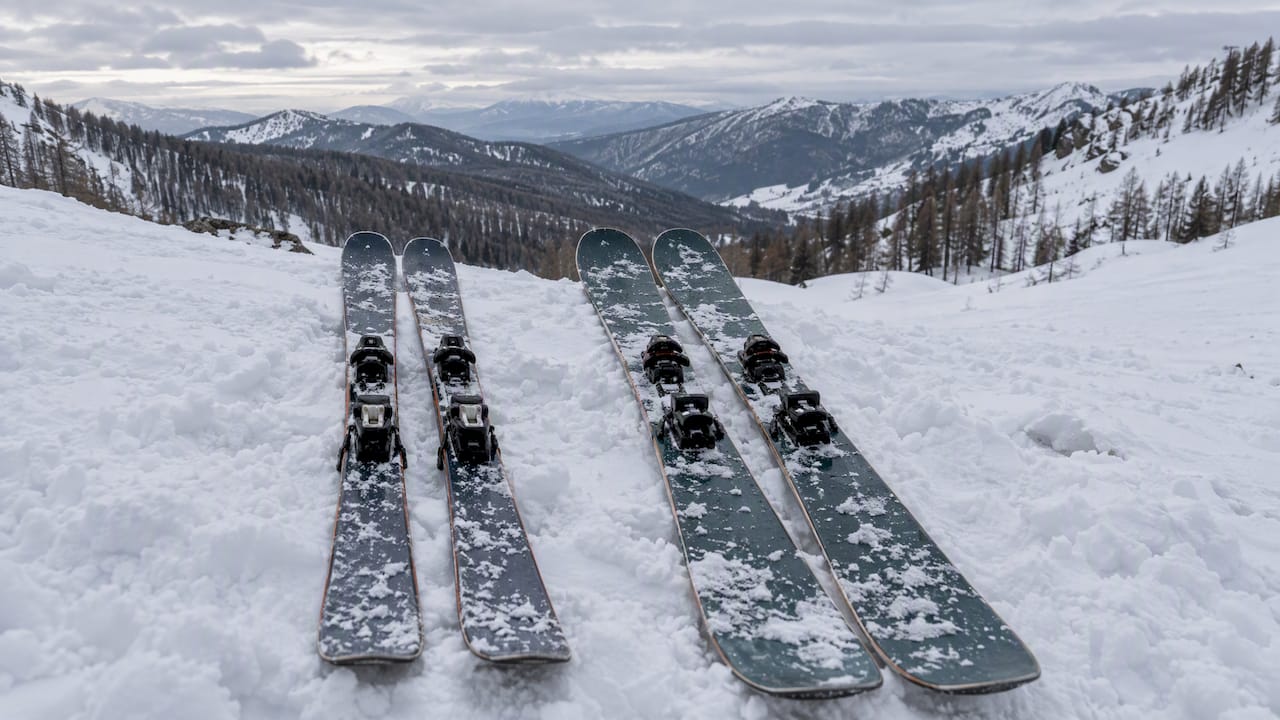
Compare powder and all-mountain skis by width, rocker and conditions, then decide whether to buy, rent or demo for deep-snow trips.
Prevent goggle fogging with five practical checks for lens care, fit, vents, breath and body heat—plus safe steps for fog on the move.
Choosing ski mittens vs. gloves? Compare warmth, dexterity, liners, fit and lobster mitts for piste skiing, powder days and touring.
Choose an insulated or shell ski jacket for resort, touring, cat and heli days, with practical guidance on 2.5L, 3L and layering.

Compare neck gaiters and balaclavas for cold-weather activities, with practical guidance on coverage, ventilation, helmet fit, moisture management and winter packing.
Choose between cylindrical, spherical and toric ski goggles, with practical guidance on tint, anti-fog performance, helmet fit and packing for Altai winter trips.
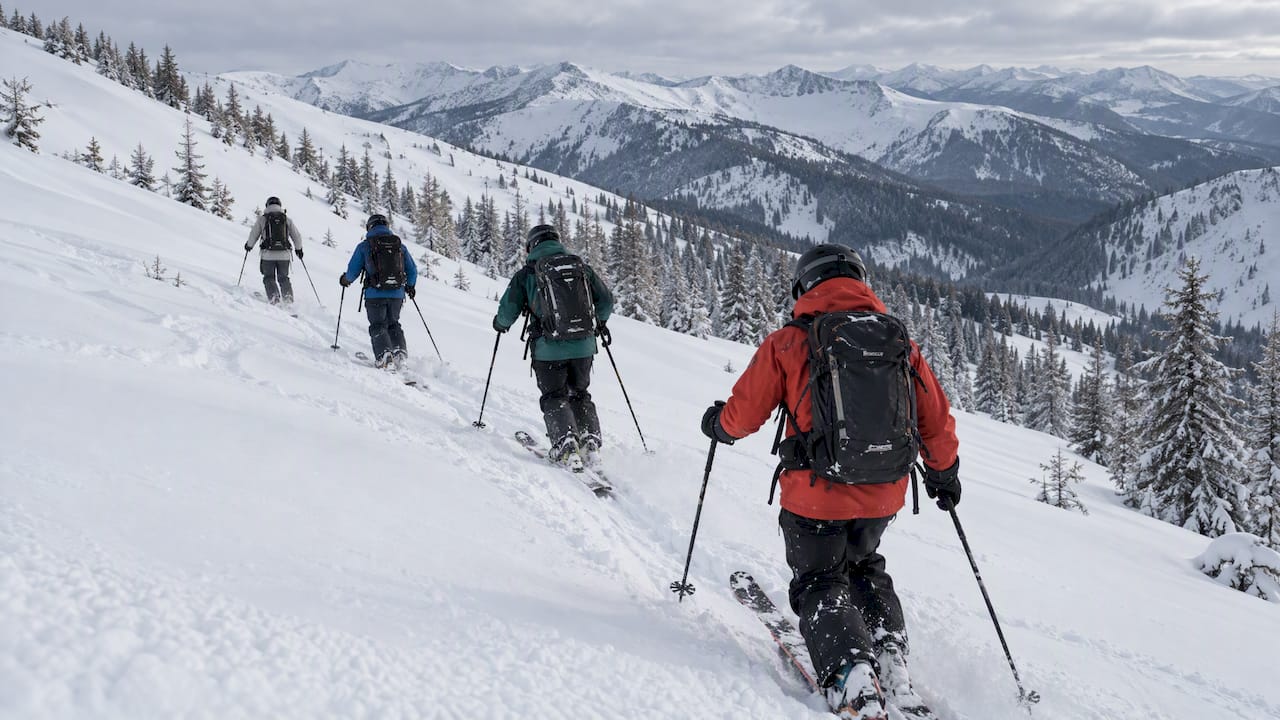
A practical cat-skiing safety checklist for first-timers, covering avalanche gear, companion-rescue practice, ability preparation and guided mountain days.
Plan on-mountain dining with four practical considerations: access, reservations, menus and dietary needs, plus weather and mountain safety preparation.

A practical Siberian cuisine guide to Restaurant Altai, East Kazakhstan dishes, dietary requests and Ridder Lodge accommodation rates.
Explore heli-skiing’s environmental impact, including helicopter emissions, wildlife considerations, aviation effects and practical planning questions.
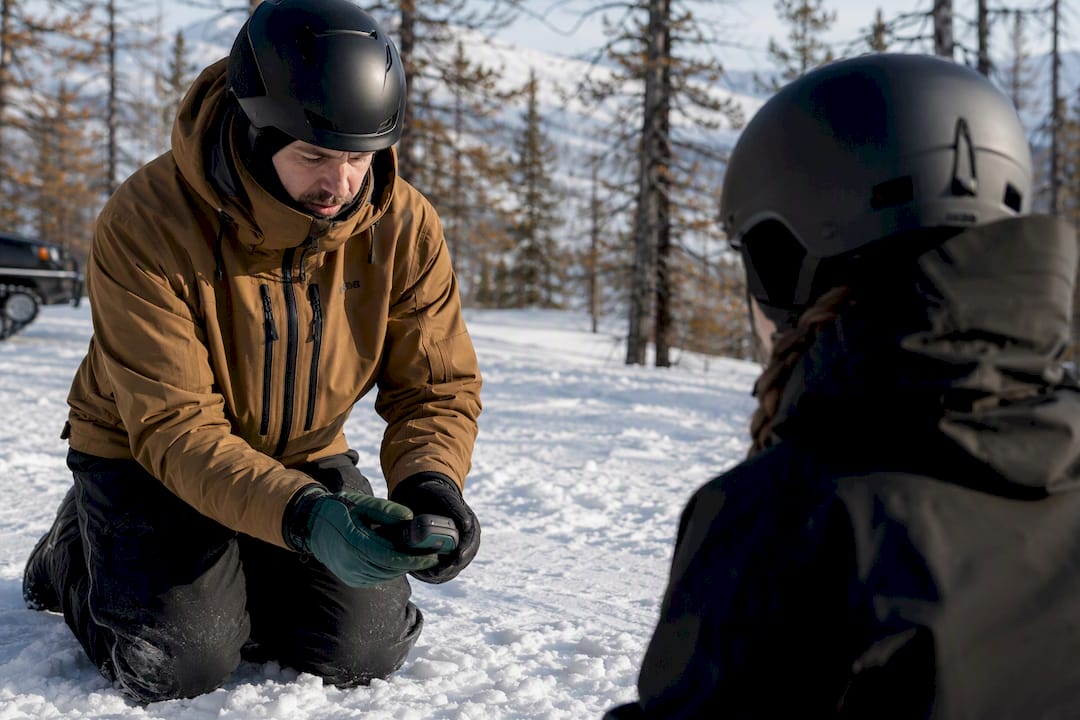
Learn what a snowcat safety briefing covers, including avalanche equipment, transceiver checks, the 20 cm/50 cm rule and cat-skiing preparation in Altai.
Practical ski locker etiquette for shared storage: keep equipment tidy, use boot dryers fairly and follow the rules in your drying room.
Plan a heli-accessed splitboard trip with practical guidance on formats, costs, rescue readiness, personal kit and Altai Mountains Resort options.
Explore Kazakhstan winter culture through holiday traditions, food, living heritage, regional rhythms and practical etiquette for visitors.
A practical luxury ski packing list for fitted essentials, lighter luggage and guided off-piste or heli-ski days at Altai Mountains Resort.

A practical heli-skiing safety guide for expert skiers, covering operator decisions, avalanche equipment, helicopter procedures, rescue planning and insurance.
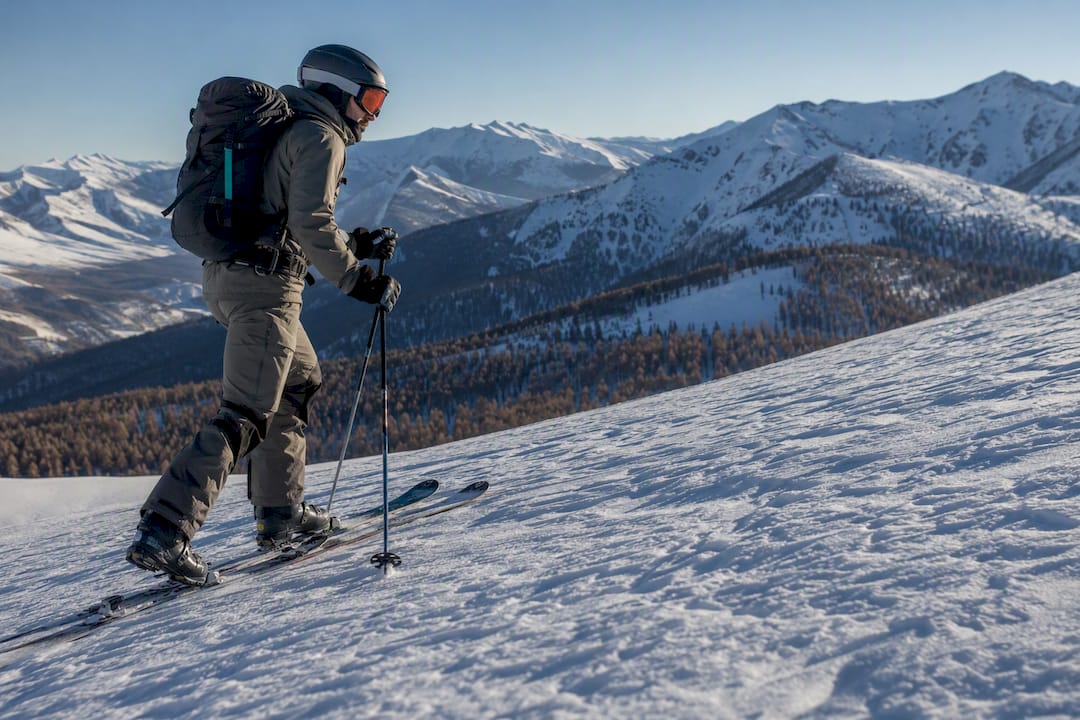
Compare lift-assisted, touring and Western Altai ski options in Kazakhstan, with practical safety, travel and booking guidance.

Learn the heli-skiing skill level typically expected, the off-piste skills to practise, safety preparation and an adaptable 8–12-week training framework.

Plan the Kazakhstan skiing season with a practical comparison of Almaty and Ridder, month-by-month timing, mountain safety and trip planning.
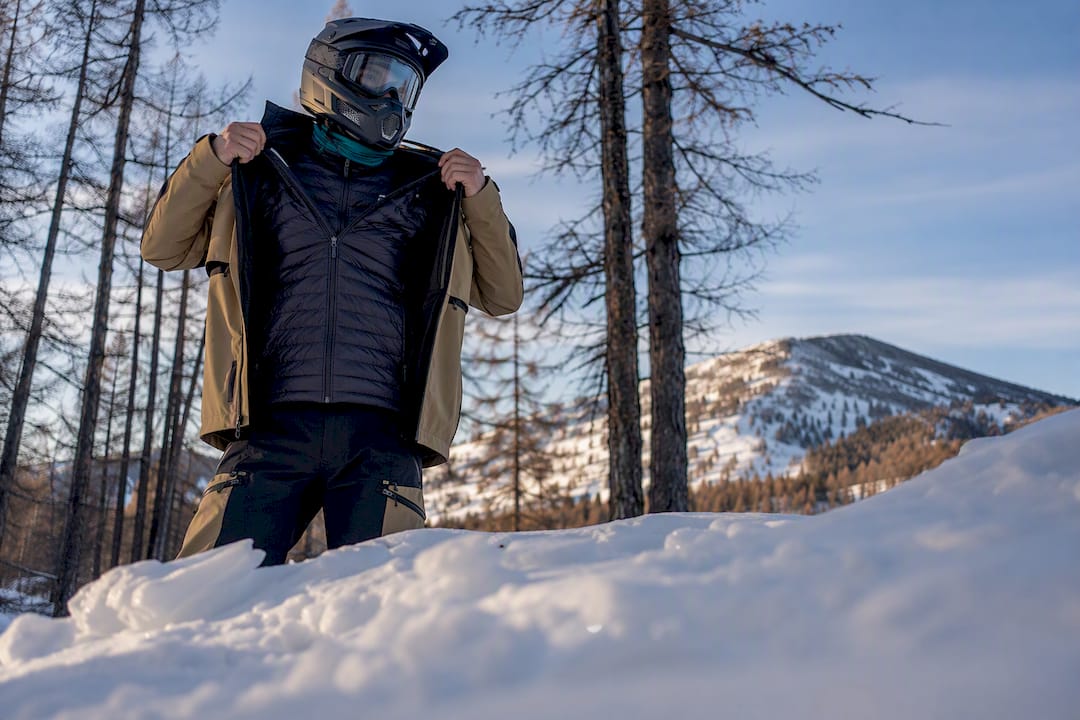
Use this snowmobile layering guide to build a flexible base, insulation and shell system, manage moisture and pack dry spares for changing conditions.

Learn what to rent for avalanche terrain, how to prepare a beacon, probe and shovel, and what to know about airbag packs and flights.
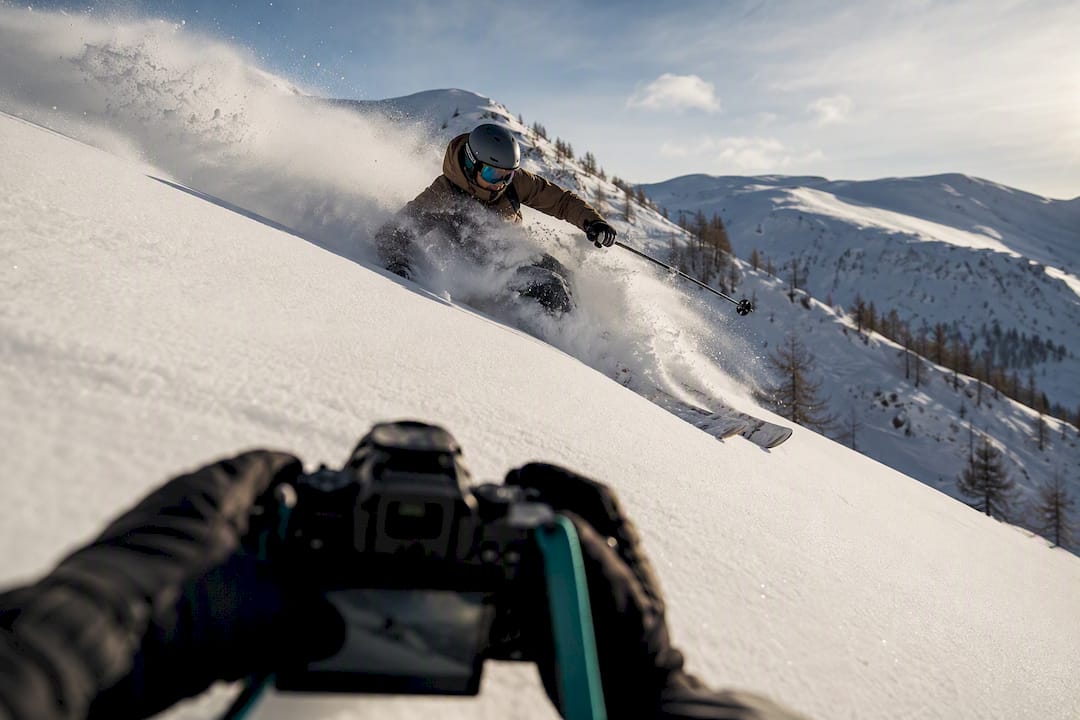
Practical ski photography tips for beginners: camera settings, snow exposure, timing, cold-weather camera care and safe mountain positioning.

Learn how to read an avalanche forecast, interpret danger ratings, roses and avalanche problems, and plan more conservative terrain choices.
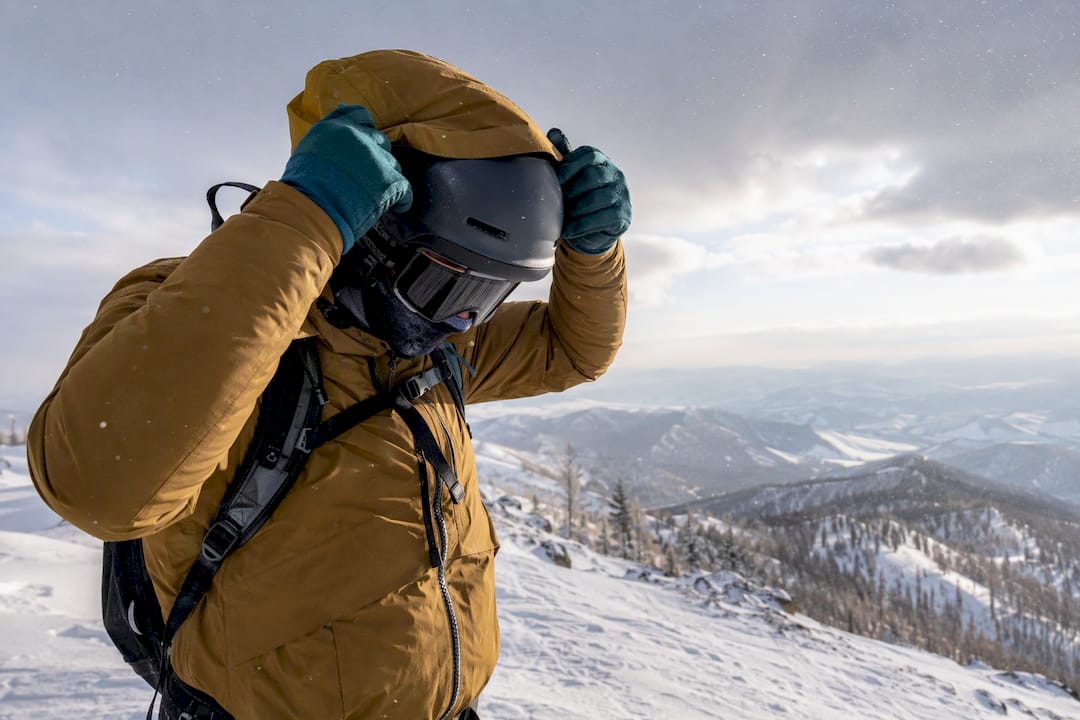
Practical cold injury prevention for winter travel: layering, dry spares, warning signs, first aid and planning for mountain activities.
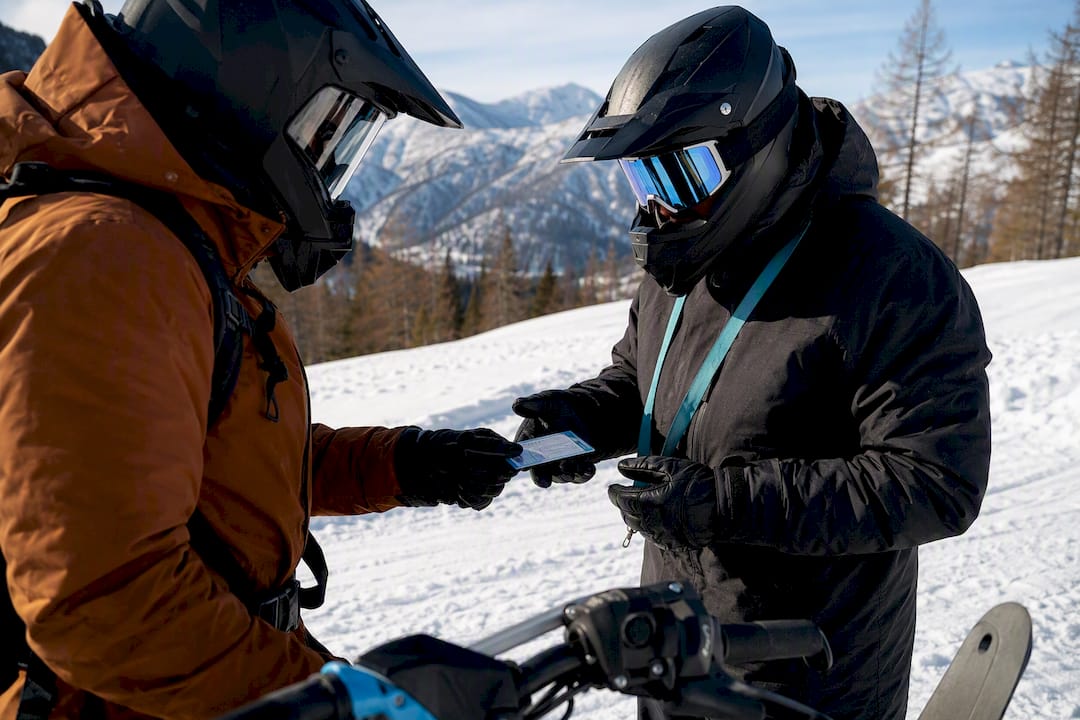
Planning snowmobiling in Ridder? Understand how experience, training, equipment and Kazakhstan rules shape your trip with Altai Mountains Resort.
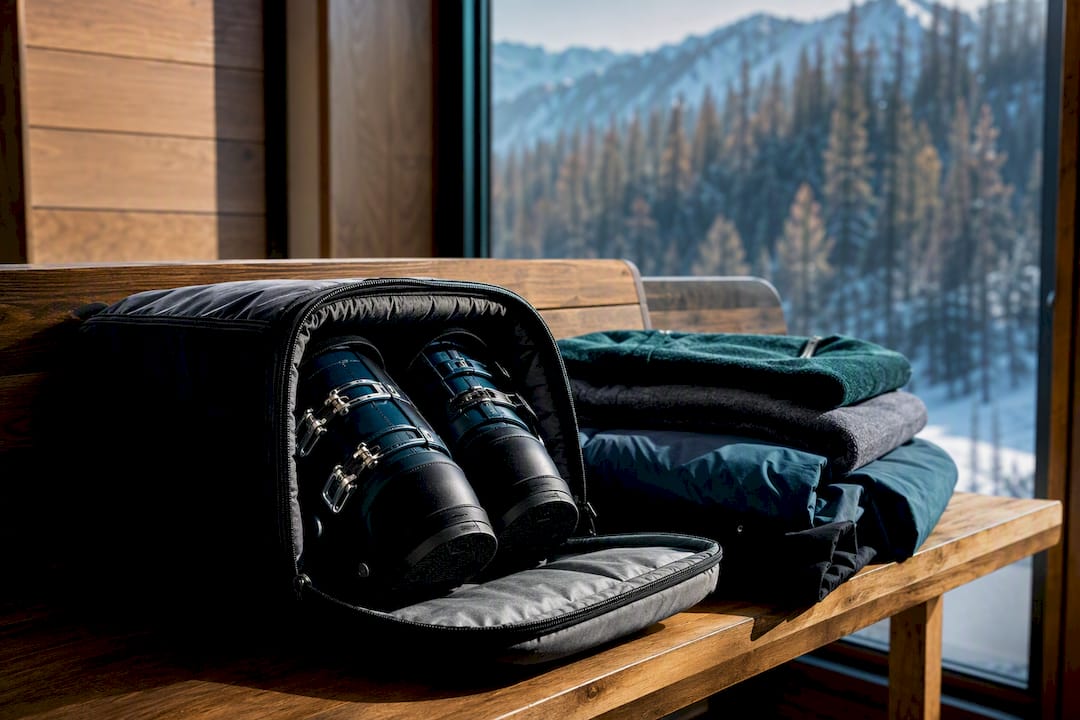
Travel with ski gear confidently: carry boots when cabin rules allow, pack skis securely, understand airline baggage rules and prepare for delays.
Build a practical backcountry radio communication plan with party radios, satellite SOS or PLB backup, cold-weather care and regional legal essentials.

Satellite messenger basics for remote Altai trips: compare PLBs and two-way devices, understand SOS limits, and prepare your communications plan.
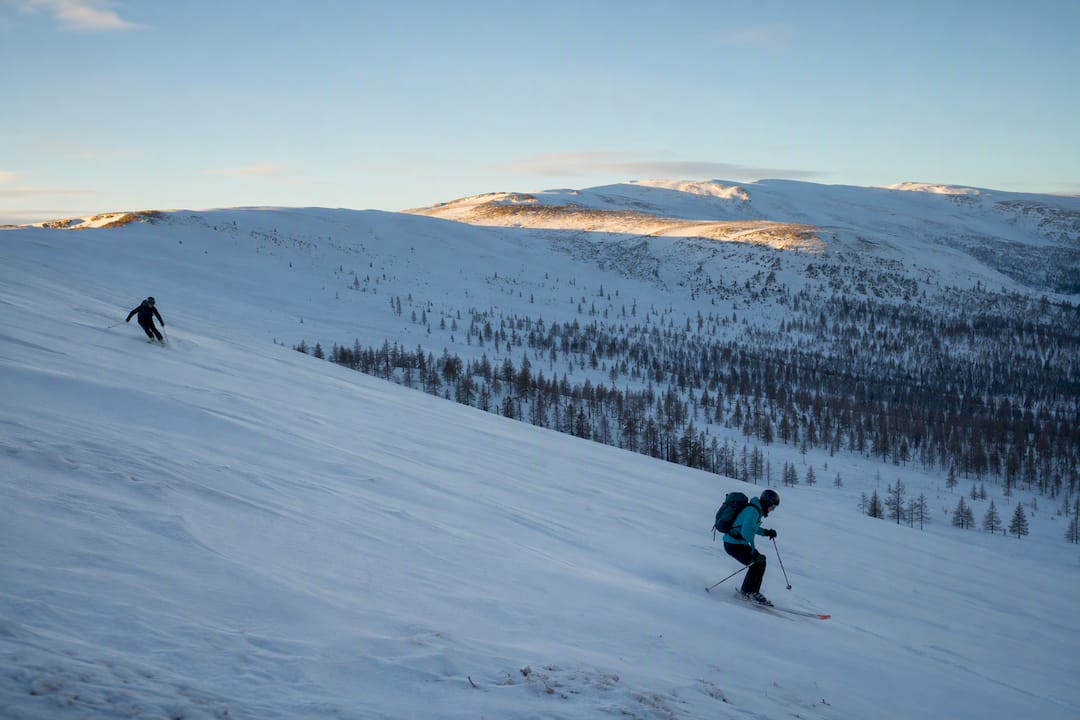
Avoid ski crowds with flexible dates, midweek skiing, early starts and smarter lift choices. Explore guided off-piste options near Ridder.

Learn how heli-skiing passenger weight and baggage rules differ by operator, with practical packing steps and Altai Mountains Resort booking guidance.
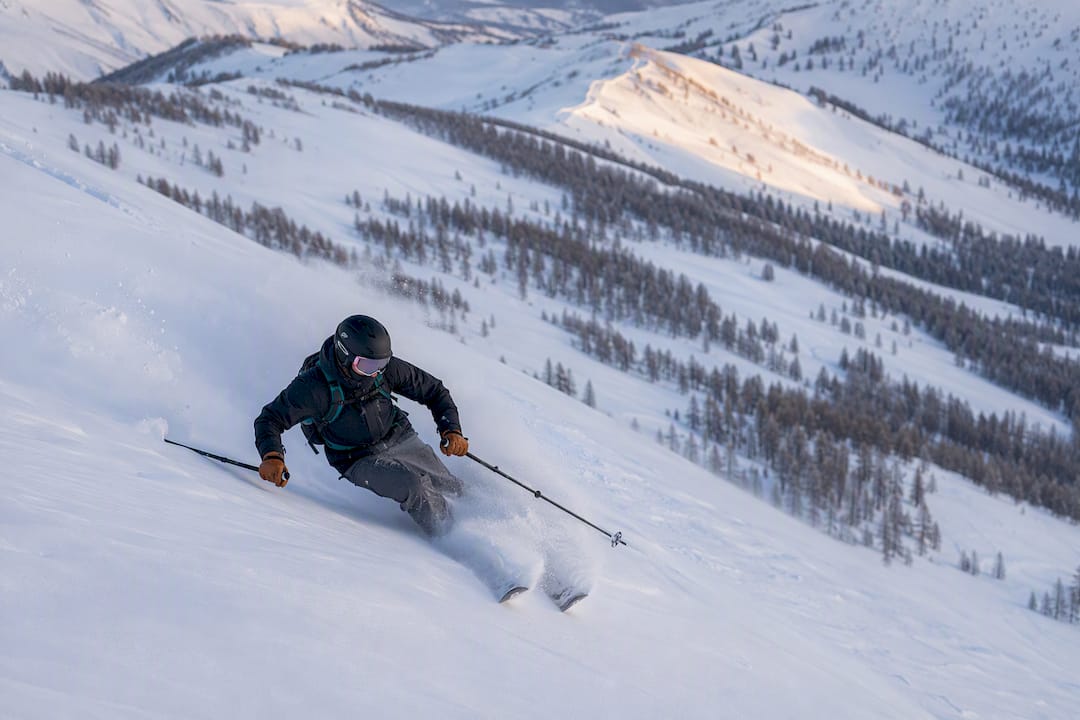
Understand the cat skiing skill level needed for Altai Mountains Resort, with practical guidance on off-piste ability, fitness and avalanche readiness.
Decide whether Ridder suits your advanced Altai ski trip, with practical guidance on transfers, season timing, avalanche gear and guided programmes.
Compare snowmobile tour prices by duration, understand what shapes the final cost, and explore quote-based snowmobiling at Altai Mountains Resort.
Compare Western Altai, Almaty and Turgen for Kazakhstan powder skiing, with practical guidance on access, safety and Ridder logistics.

Plan Altai heli skiing near Ridder with practical guidance on terrain, season, package inclusions, access, safety gear and booking.
Compare flight, rail and self-drive routes from Almaty to the Kazakh Altai, with practical guidance for reaching Ridder and Ulba village.

Learn deep powder snowmobiling setup, riding technique, safe recovery and avalanche preparation, plus guided training near Ridder.
Plan an Altai Mountains winter stay from Ridder, with activity timing, travel from Öskemen, packing advice and practical mountain guidance.

Practical helicopter passenger safety guidance on boarding, seatbelts, exits, dropped items and following crew instructions.

Practical off-piste slope etiquette for safer skiing: right of way, avalanche preparation, group spacing, closures and guided skiing in the Western Altai.

Plan an Altai Mountains trip across Russian, Mongolian and Kazakh sectors, with permit, safety and winter-stay guidance for Ridder Lodge.
Learn how to plan guided freeride tours, from off-piste experience and avalanche gear to guide scope, changing mountain conditions and cat-skiing in the Altai.
Learn avalanche beacon basics: 457 kHz transceivers, essential rescue gear, trailhead checks, interference and companion-rescue practice.

Learn which avalanche course suits your plans, what companion-rescue skills to practise and how to prepare for a winter trip to Altai.
Learn what cat skiing is, who it suits, what to pack and how to plan a guided cat-skiing trip, including options near Ridder, Kazakhstan.
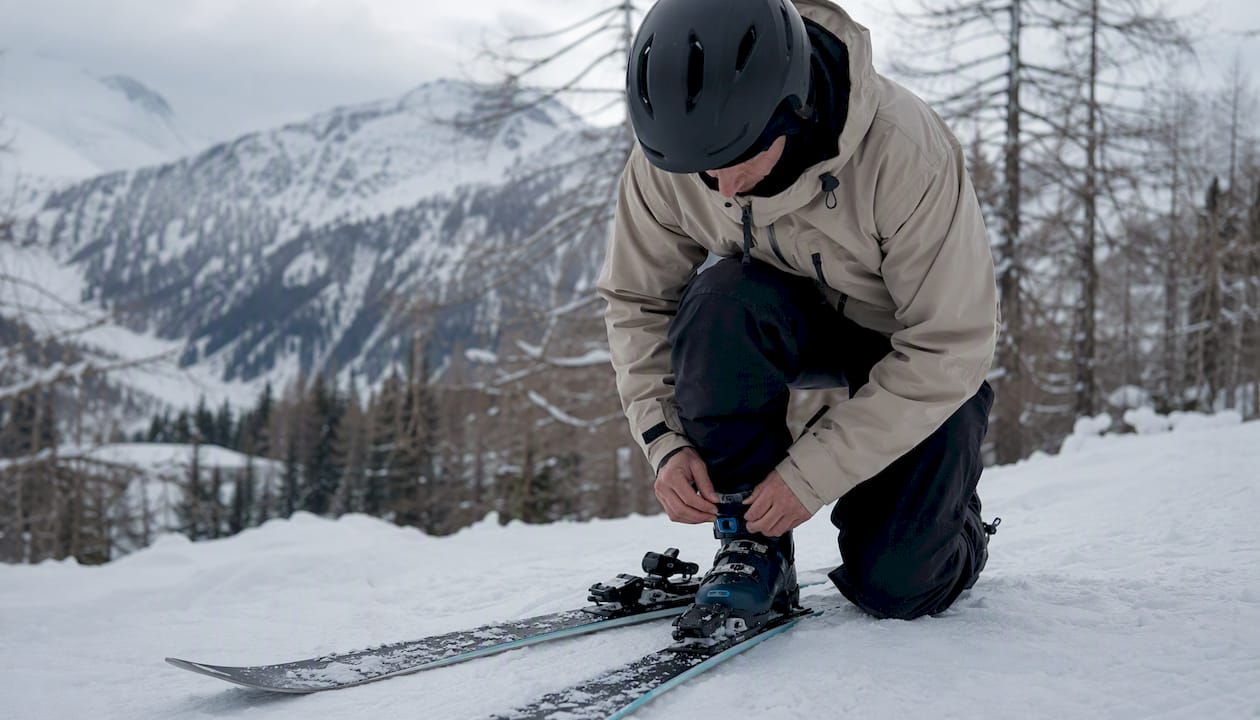
A practical ski rental Kazakhstan guide to Shymbulak and Medeu, current tariffs, equipment fit, transport and guided freeride near Ridder.

Understand ski guide benefits for freeride and backcountry trips, including local planning, terrain choices, qualifications, safety gear and access options.

Plan a snowmobile expedition near Ridder, Kazakhstan, with practical guidance on routes, rider experience, equipment, mountain safety and transfers.
Use this mountain lodge amenities checklist to compare rooms, meals, wellness access, transfers, activities and paid extras before booking.
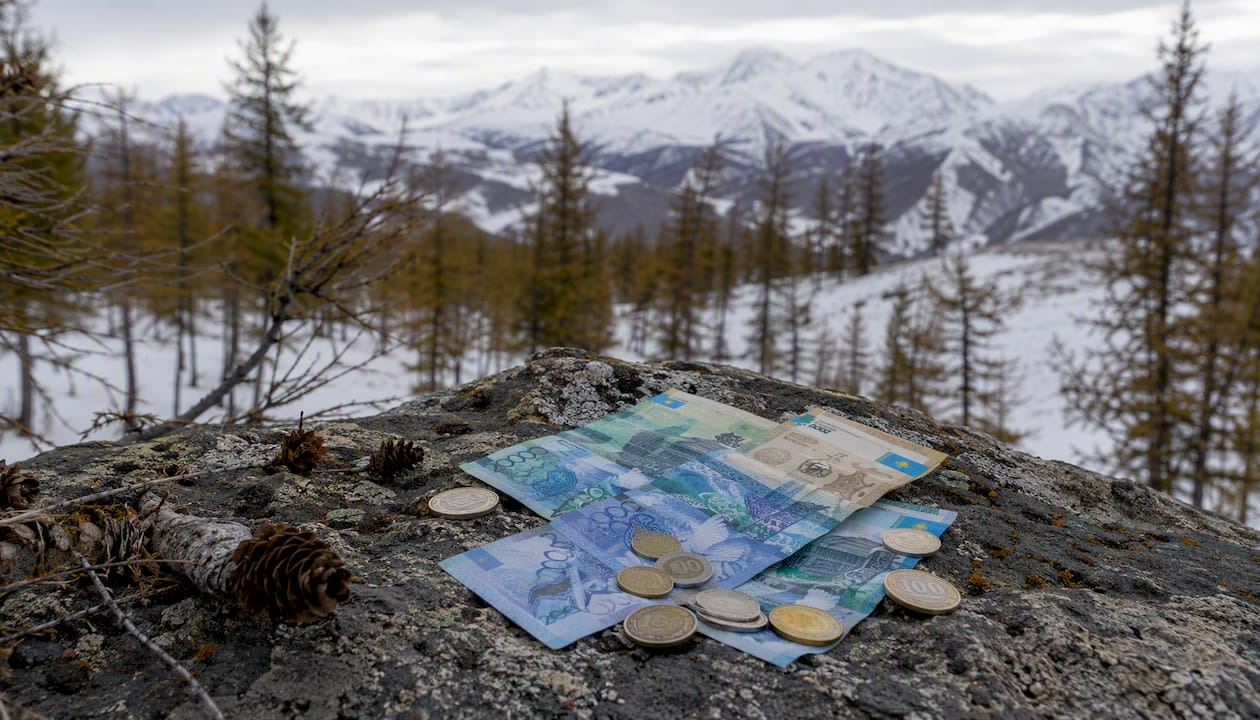
A practical Kazakhstan currency guide to the tenge, cards, ATMs, currency exchange, DCC and cash planning for cities and the Western Altai.
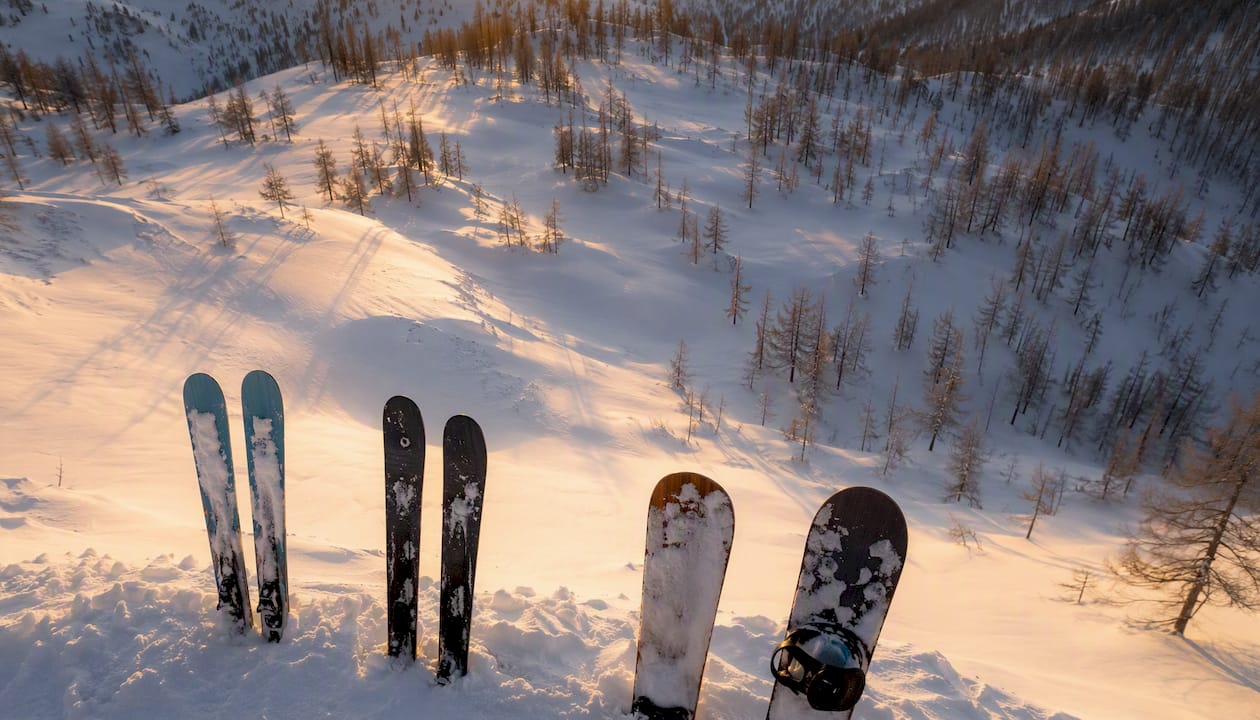
Plan the Kazakhstan ski season by month, compare lift-served Shymbulak with guided trips around Ridder, and prepare for changing snow and mountain conditions.
A practical guide to spa after skiing, including gentle massage, sauna and hammam, optional cold immersion and signs that need medical attention.
Plan a remote ski trip from the UK to Ridder, with practical guidance on activities, Kazakhstan entry, Öskemen transfers, insurance and ski baggage.
A practical heli skiing packing list covering clothing, avalanche equipment, ski baggage, batteries, travel documents and rental options.
A practical UK guide to ski boot fitting: appointment steps, services, current provider price examples, aftercare and warning signs.
Should you tip a ski guide? Learn how customs vary, when a gratuity may feel appropriate and how to plan for tipping in Kazakhstan.
An Altai cuisine guide to kan, kurut, chegen and talkan, with dining at Restaurant Altai, food safety and travel from Öskemen to Ridder.
Compare banya vs sauna: heat, steam, venik and löyly rituals, etiquette, health evidence, safety basics and the Altai Banya experience.
Learn how to ski deep powder with centred balance, smooth turns, speed control, practice steps, gear guidance, and avalanche and tree-well precautions.

Plan a mountain wellness retreat in Ridder with freeride, heli-skiing, snowmobiling, Ridder Lodge, Altai Banya and practical winter travel guidance.

A practical snowmobile gear list for UK travellers heading to Altai Mountains Resort, with clothing, safety equipment, battery and travel guidance.

Understand Ridder Lodge’s ski-in/snowmobile-out access, guided ski-day logistics, transfers from Öskemen and practical planning for your stay.
Prepare for a guided snowmobile ride with a practical gear checklist covering helmets, winter layers, avalanche equipment and cold exposure in Ridder.

A practical heli skiing guide to ability, avalanche equipment, packing, weather and planning your first trip to Kazakhstan.
Plan guided deep snow snowmobiling in Ridder, with practical details on training, rentals, equipment, transfers and staying at Ridder Lodge.
How to choose Kazakhstan travel insurance for heli-skiing, cat-skiing or snowmobiling, including medical treatment and evacuation cover.
Kazakhstan visa requirements for UK visitors to Ridder, including visa-free limits, e-visas, passport rules, airports and Öskemen transfers.
Build strength, balance and endurance before cat-skiing, heli-skiing or snowmobiling with an adaptable six-to-eight-week ski fitness program.

Explore cold plunge benefits for skiers, from short-term soreness and recovery evidence to cold-shock risks, timing and Altai Banya options.

Understand heli skiing cost in 2026 with current operator examples, a total-budget checklist, and key booking, safety and insurance questions.