Learn what to rent for avalanche terrain, how to prepare a beacon, probe and shovel, and what to know about airbag packs and flights.

Renting avalanche gear can be a practical choice for a short trip, a course or your first guided days in avalanche terrain. Begin with the essential rescue kit: a transceiver, often called a beacon, probe and shovel. Carry them in a suitable pack, and treat an avalanche airbag as an additional system rather than a replacement for those three tools, training or sound terrain decisions.
At Altai Mountains Resort in Ridder, Western Altai, selected equipment rental is available alongside guided winter activities, depending on your dates and plans. Arrange the equipment you need well ahead of your trip, then take time to understand it before entering avalanche terrain.
What is included in an avalanche gear rental?
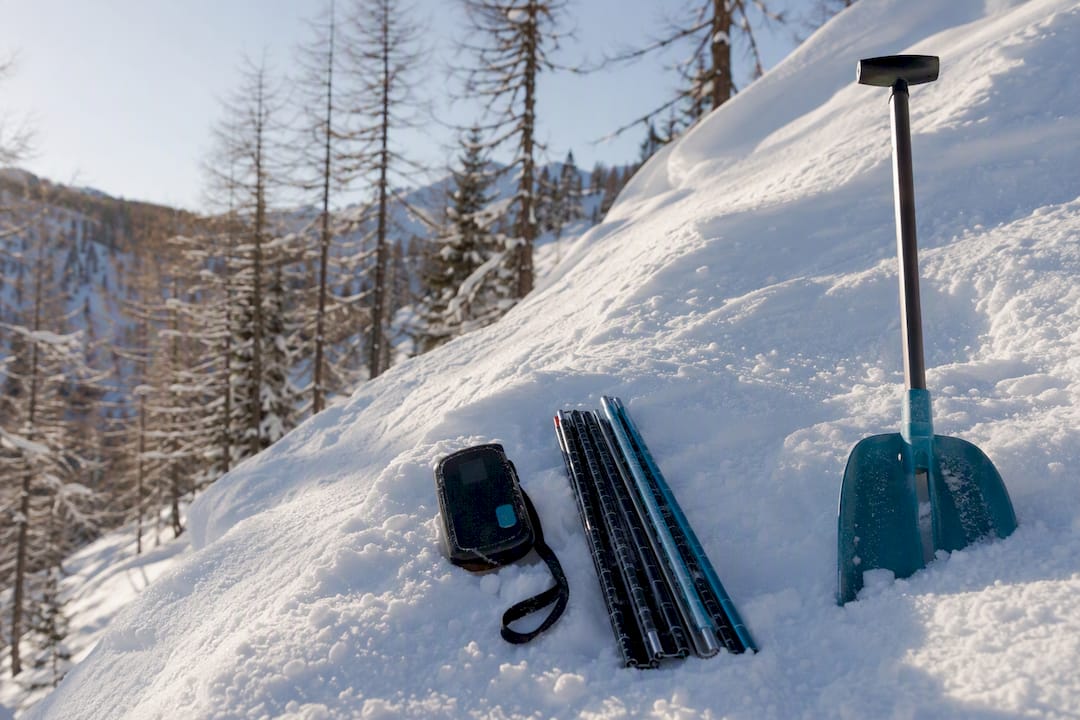
A basic avalanche rescue rental should include a beacon, probe and shovel. Avalanche.org identifies these three items as essential equipment, together with the knowledge and practice needed to use them.
Transceiver or beacon: sends and receives a signal to help locate a buried person. Wear it on your body in transmit mode, rather than leaving it inside a backpack; see Avalanche.org’s beacon guidance.
Probe: a collapsible pole used to pinpoint a buried person after a beacon search.
Shovel: a robust tool for excavation, a critical part of companion rescue.
Pack: carries your equipment. This may be a conventional skiing pack or an airbag pack.
Rental shops package equipment differently. Some provide the beacon, probe and shovel together; others rent items separately or offer an airbag pack as an addition. A careful handover matters more than a label such as pre-configured, expert-vetted rental sets: make sure each item is present, working and suited to the activity you have planned.
Beacon, probe and shovel: the essential rescue kit
The gear is only useful when it is carried correctly and practised with. Avalanche Canada advises anyone travelling in avalanche terrain to carry a transceiver, probe and shovel and to practise with avalanche rescue equipment before heading out.
At pickup, switch the beacon on and, where possible, test its transmit function with staff. Learn its search interface and wear it in its harness or designated carrying system. Keep phones, radios and other electronic or metallic items away from a beacon during a search, as electromagnetic interference can affect transceiver performance.
Extend the probe fully and become familiar with its locking mechanism. Assemble the shovel, then inspect the blade, handle and connection points for visible damage. This is not a substitute for avalanche education or a guide’s briefing; it is the minimum preparation for using rented equipment responsibly.
Avalanche airbags and airline restrictions
An avalanche airbag is intended to inflate during an avalanche. It is an additional layer of equipment, not a guarantee of survival, and it does not remove the need for a beacon, probe, shovel, training or conservative route choices.
There are two broad types. Gas-cylinder systems use a cylinder and follow the correct model-specific replacement or refill process after deployment. Electronic systems use a fan or supercapacitor. BCA’s Float E2 line, for example, uses a rechargeable Alpride E2 supercapacitor; the manufacturer explains the details in its Float avalanche airbag FAQs. That information applies to the Float E2 line, not every electronic airbag.
Air-travel rules depend on the exact pack, its mechanism, the airline and the route. The FAA’s guidance on avalanche backpacks notes that certain pyrotechnic mechanisms cannot travel in carry-on or checked baggage, while other self-inflating systems may need airline approval. International requirements can differ, so consult your airline’s current dangerous-goods policy before travel.
For a gas-cylinder rental, understand the provider’s policy for a refill or replacement canister before you leave. The details are specific to the pack model and rental terms, particularly if an activation occurs during your trip.
Preparing for equipment pickup
Make collection time part of your preparation, rather than a quick transaction at the counter. Work through the equipment with the rental provider before setting off.
Fit the pack and beacon. Adjust shoulder, waist and leg straps as applicable. Keep the beacon on your body, not loose in the pack.
Test the rescue kit. With staff guidance, turn the beacon on and learn its basic controls. Open and lock the probe, then assemble the shovel.
Inspect condition. Look for cracks, missing parts, damaged straps and obvious wear. Raise anything that does not look right before you leave.
Understand airbag status. For an airbag pack, inspect the trigger area and the charge, battery or pressure indicator. Learn how the system is reset after an authorised activation.
Do not activate an airbag without permission. A live deployment can require a reset, recharge or replacement component and may incur a charge. Use a training mode only when the provider authorises it and explains the procedure.
Understand the rental terms. Note the return time, deposit, identification requirements, damage policy and any experience requirements for the equipment.
A provider may offer time to practise deployment and receiver searches as part of the handover. Take that opportunity when it is available. Rental policies vary, including whether they require proof of avalanche training or enrolment in a guided activity, so allow for the arrangements that apply to your chosen shop.
Do you need avalanche training?
Yes—anyone going into avalanche terrain needs more than equipment. A rental kit does not teach route selection, snow assessment, group management or companion rescue. Formal education and regular practice build the judgement and speed that rescue equipment demands.
A guided day can be a sensible introduction to unfamiliar terrain, but it does not automatically meet another provider’s hiring requirements. If you are considering a avalanche training course, understand what equipment is supplied, what you need to bring and how much practical rescue training is included.
Follow local avalanche forecasts and closures, the guidance of qualified professionals and the instructions for the exact equipment in your hands.
Renting versus buying avalanche gear
Renting is often a good fit if you tour occasionally, are attending a course, want to try a particular beacon or airbag system, or are travelling without your own equipment. It also lets you discover which pack fit and controls feel intuitive before making a larger purchase.
Buying becomes more attractive for frequent users who want a familiar, consistently maintained setup. Ownership also means taking responsibility for routine battery management, inspections, manufacturer instructions and practice.
The useful question is not simply which option costs less. Choose the route that leaves you with equipment you understand, have practised with and will use appropriately. Before committing to a rental, look at the provider’s published rate tables and deposit policies for the dates and kit you have in mind.
Costs, deposits and booking questions
Rental rates, deposits, identification requirements, pack sizes and stock vary by provider and season. Airbag packs and particular beacon models can have more limited availability than a basic rescue set. When arranging gear, share your activity, dates, number of users and pack size. The current price, deposit, return details, airbag model and any activation or reset terms should be clear before pickup. If you are flying, factor the airline rules for that precise airbag model into your plans.
Equipment rental at Altai Mountains Resort
Altai Mountains Resort is in Ridder, Western Altai, East Kazakhstan. We offer selected equipment rental alongside guided winter experiences, including cat-skiing and freeriding, heli-skiing and guided deep-snow activities.
Equipment availability and package inclusions depend on the date and activity. Rental gear may be available for guided freeride dates, and some packages include avalanche equipment. Our booking team can help you understand the current options for a beacon, probe, shovel or airbag pack during your stay.
For a winter stay at Ridder Lodge, start with the guided activity that suits your experience, then match the rental request to its requirements. That leaves you free to arrive prepared for the mountain day ahead.
Frequently asked questions
How much does it cost to rent avalanche gear for a week?
There is no universal weekly price. Rates, deposits and discounts vary with the provider, season, equipment type and dates. A current quotation should cover the beacon, probe, shovel and any airbag pack separately.
Can you rent avalanche gear at ski resorts?
Some resorts and specialist shops rent avalanche equipment. At Altai Mountains Resort, selected equipment rental is available alongside guided winter activities, subject to dates and the equipment required.
Do I need training to rent an avalanche airbag or beacon?
Rental requirements differ by provider. More importantly, carrying the equipment calls for training and practice before entering avalanche terrain. Local safety information, such as Avalanche safety gear — Niseko Basecamp, may explain the requirements for a particular operation.
What is the difference between a gas-cylinder and electronic avalanche airbag?
Gas-cylinder systems use a cylinder and follow model-specific replacement or refill procedures after deployment. Electronic systems use a rechargeable electrical system, but their charging, activation and flight arrangements are also model-specific. Product information such as BCA E2-35 avalanche airbag rental — Outdoor Equipment Rentals can help identify a particular rental model; follow that manufacturer’s instructions.
Is it better to rent or buy avalanche safety gear?
Renting suits occasional users, travellers and people exploring different equipment choices. Buying suits regular users willing to maintain and practise with a familiar setup. The essential decision is to carry and know how to use a beacon, probe and shovel every time you enter avalanche terrain.
For broader product background, see ARVA equipment — FAQ and Deuter — avalanche backpacks. The aim is simple: arrive with a kit you know, and keep your attention on the terrain and the day ahead.
All Articles
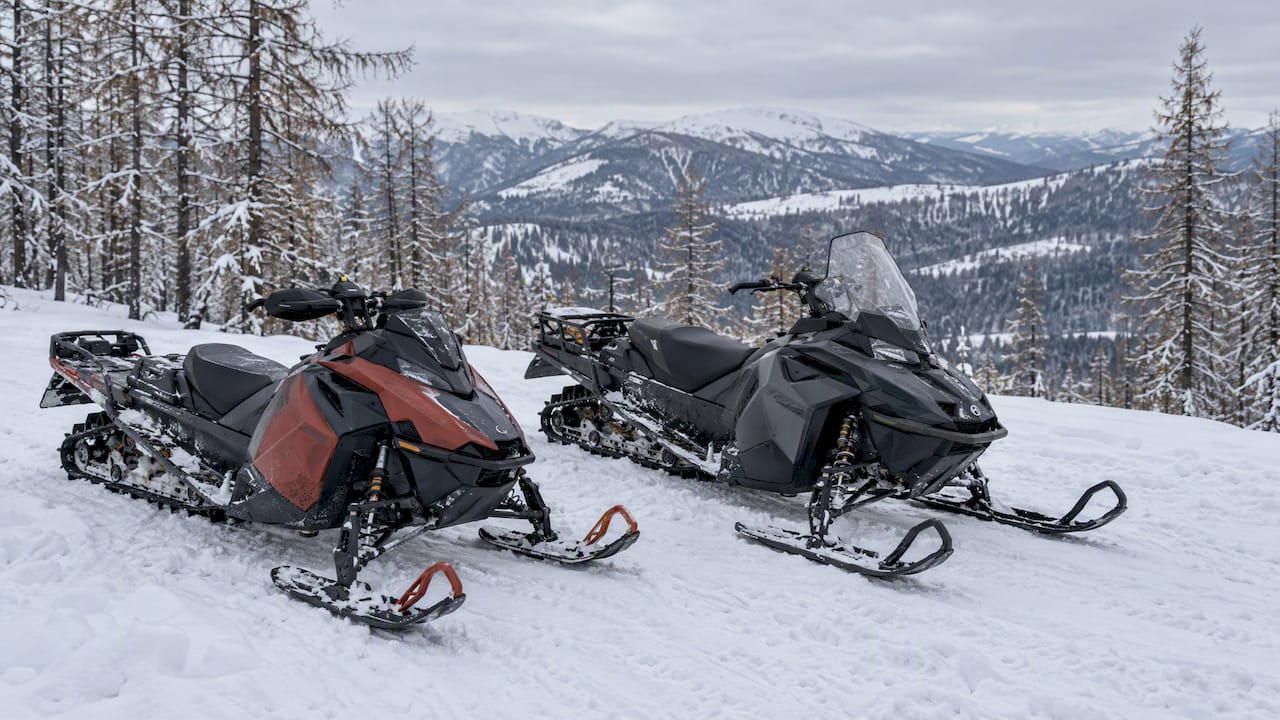
Compare 2-stroke and 4-stroke snowmobiles by handling, fuel use, emissions and upkeep, with guidance for a guided snowmobiling day near Ridder.
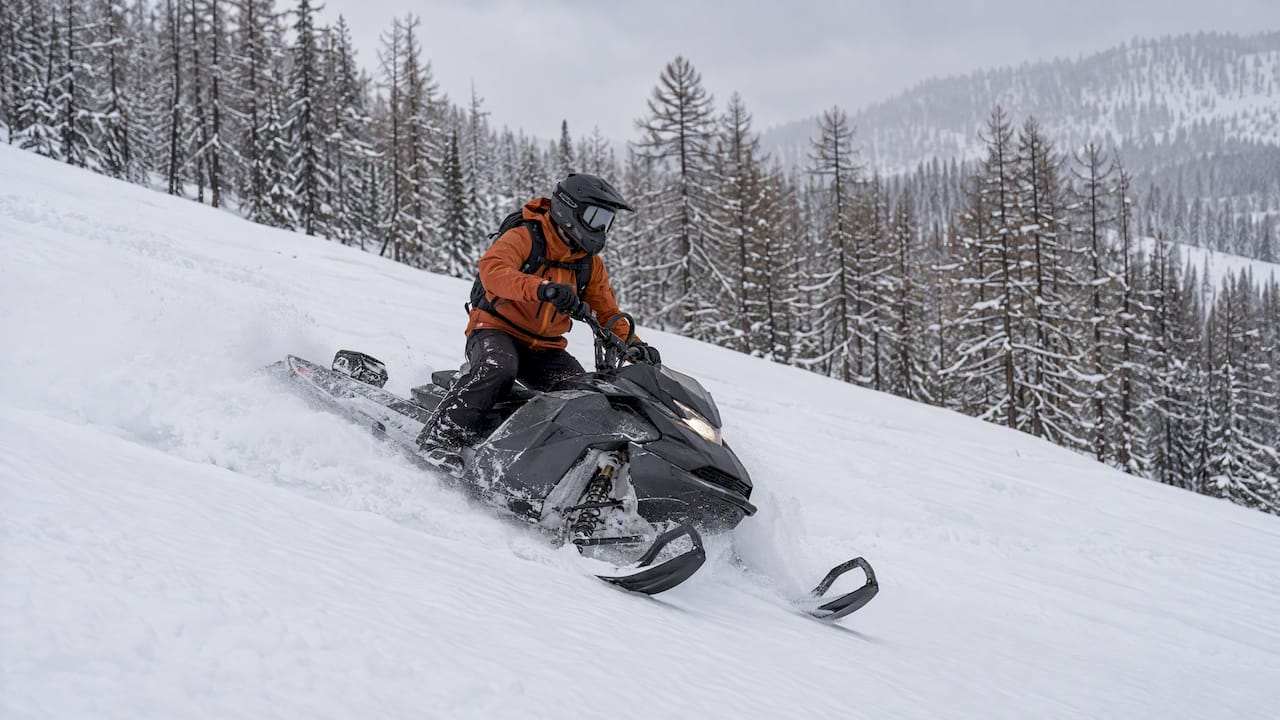
Learn snowmobile carving techniques for powder: stance, counter-steering, throttle timing, beginner drills and avalanche-safety essentials.
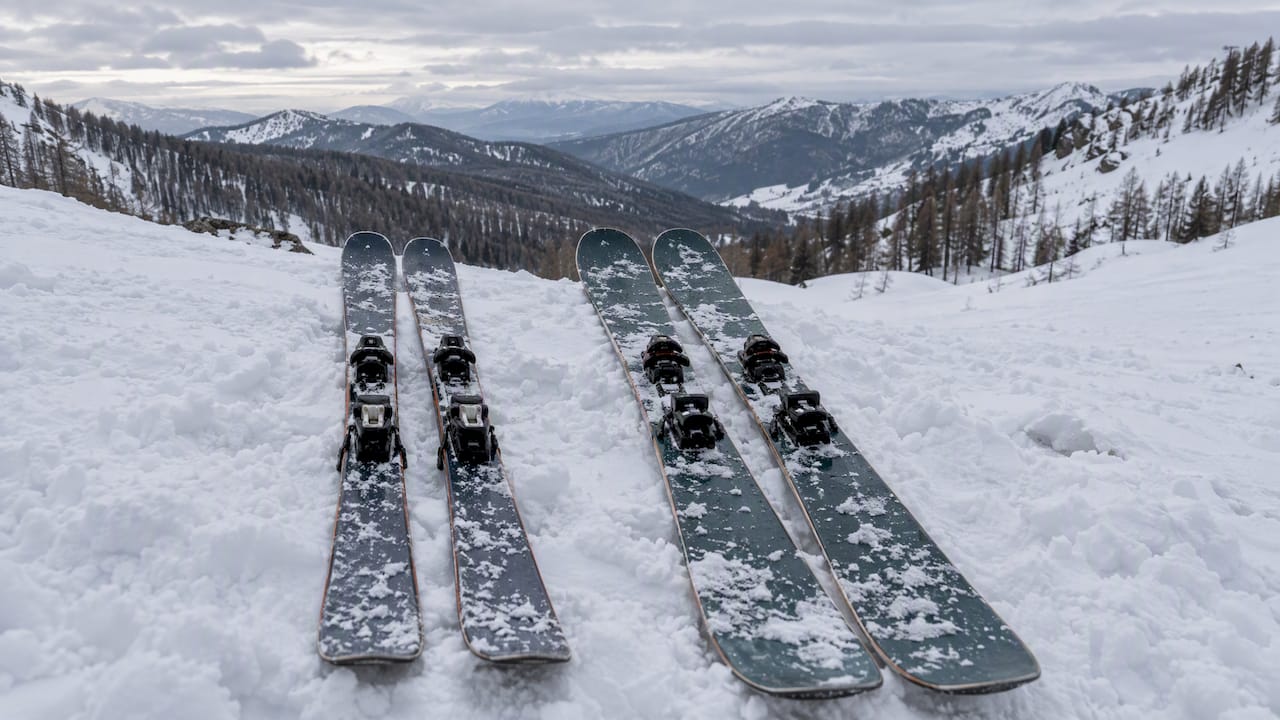
Compare powder and all-mountain skis by width, rocker and conditions, then decide whether to buy, rent or demo for deep-snow trips.
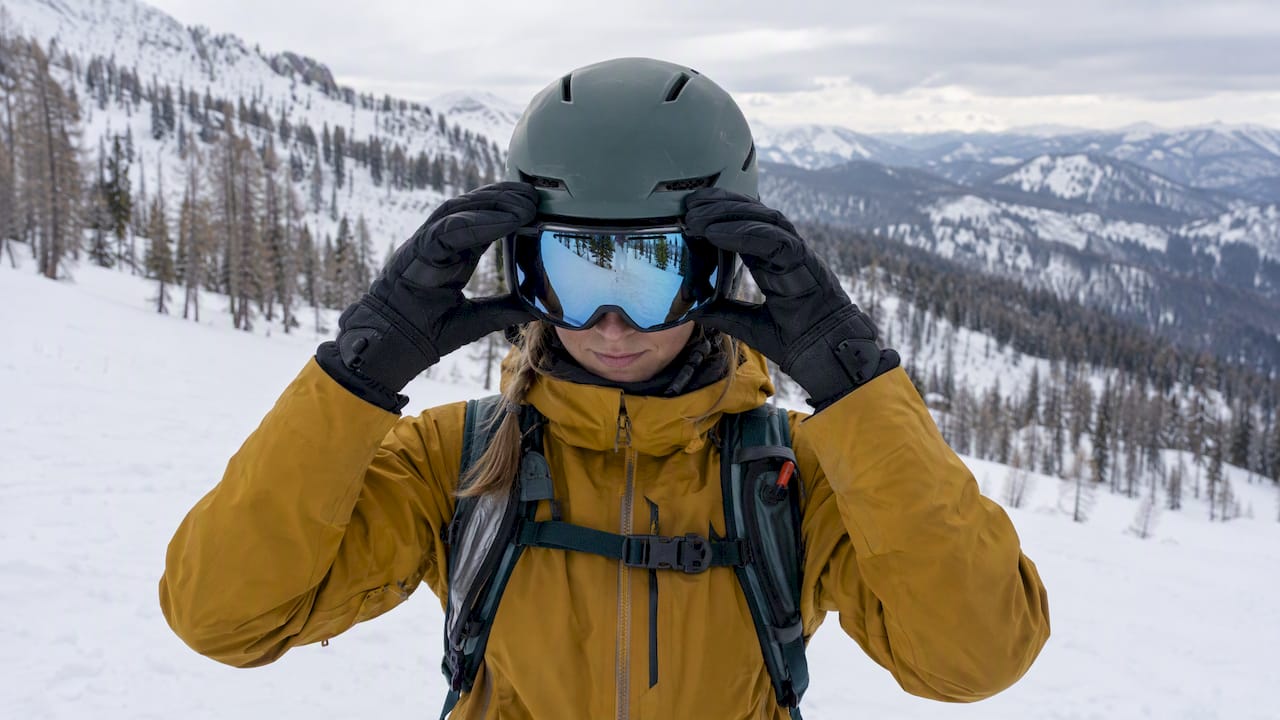
Prevent goggle fogging with five practical checks for lens care, fit, vents, breath and body heat—plus safe steps for fog on the move.
Choosing ski mittens vs. gloves? Compare warmth, dexterity, liners, fit and lobster mitts for piste skiing, powder days and touring.
Choose an insulated or shell ski jacket for resort, touring, cat and heli days, with practical guidance on 2.5L, 3L and layering.

Compare neck gaiters and balaclavas for cold-weather activities, with practical guidance on coverage, ventilation, helmet fit, moisture management and winter packing.
Choose between cylindrical, spherical and toric ski goggles, with practical guidance on tint, anti-fog performance, helmet fit and packing for Altai winter trips.
A practical cat-skiing safety checklist for first-timers, covering avalanche gear, companion-rescue practice, ability preparation and guided mountain days.
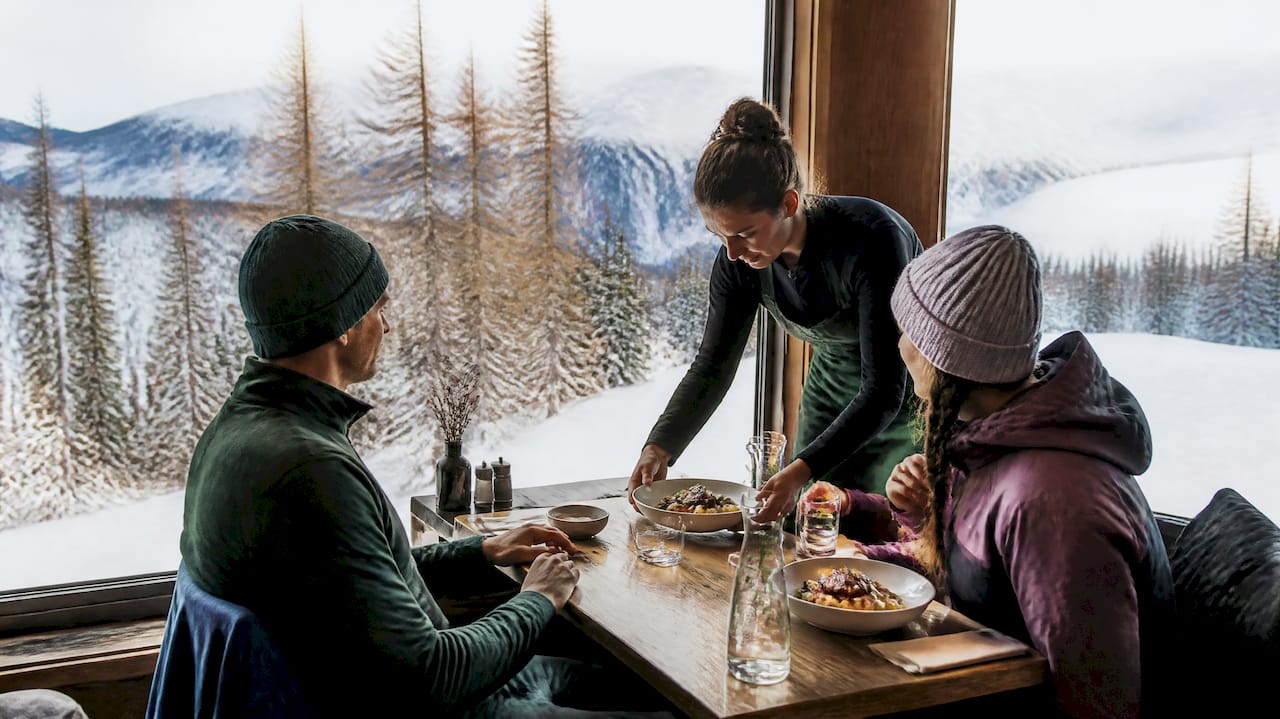
Plan on-mountain dining with four practical considerations: access, reservations, menus and dietary needs, plus weather and mountain safety preparation.

A practical Siberian cuisine guide to Restaurant Altai, East Kazakhstan dishes, dietary requests and Ridder Lodge accommodation rates.
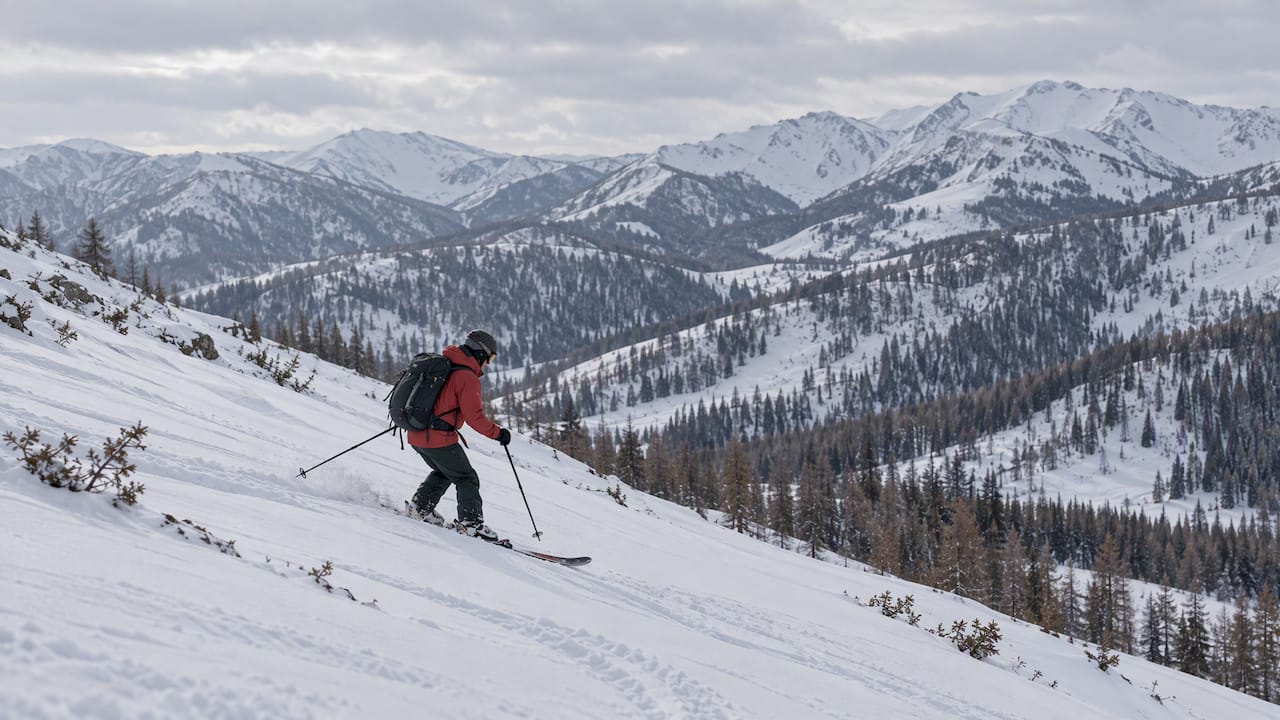
Explore heli-skiing’s environmental impact, including helicopter emissions, wildlife considerations, aviation effects and practical planning questions.
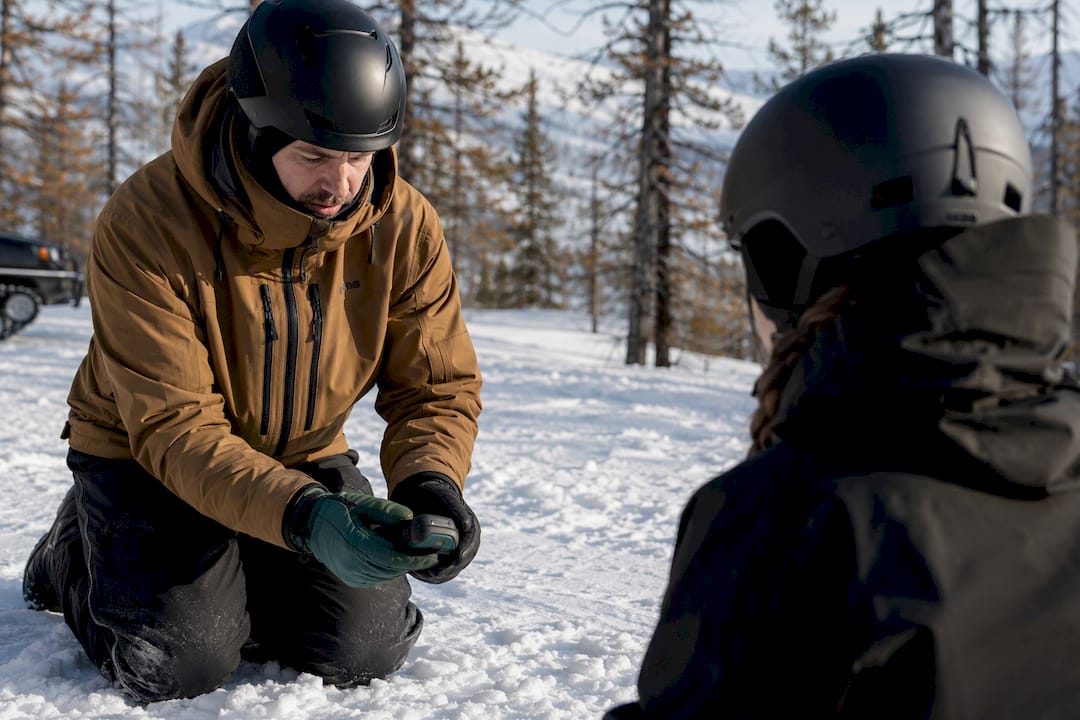
Learn what a snowcat safety briefing covers, including avalanche equipment, transceiver checks, the 20 cm/50 cm rule and cat-skiing preparation in Altai.
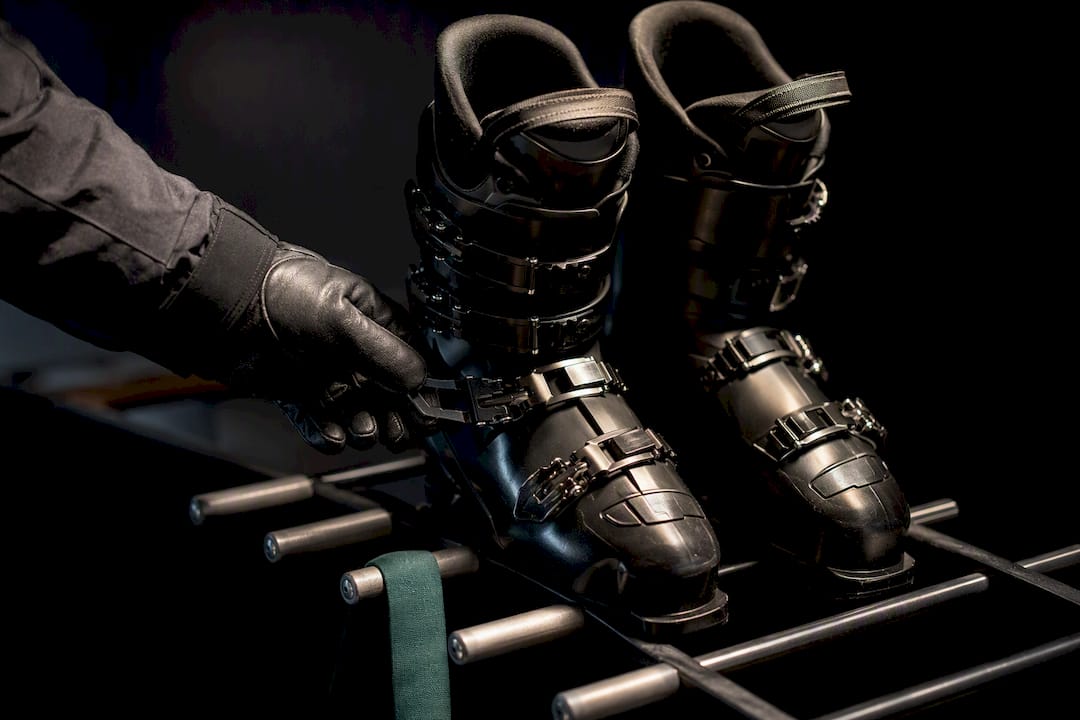
Practical ski locker etiquette for shared storage: keep equipment tidy, use boot dryers fairly and follow the rules in your drying room.
Plan a heli-accessed splitboard trip with practical guidance on formats, costs, rescue readiness, personal kit and Altai Mountains Resort options.
Explore Kazakhstan winter culture through holiday traditions, food, living heritage, regional rhythms and practical etiquette for visitors.
A practical luxury ski packing list for fitted essentials, lighter luggage and guided off-piste or heli-ski days at Altai Mountains Resort.

A practical heli-skiing safety guide for expert skiers, covering operator decisions, avalanche equipment, helicopter procedures, rescue planning and insurance.
Compare lift-assisted, touring and Western Altai ski options in Kazakhstan, with practical safety, travel and booking guidance.

Learn the heli-skiing skill level typically expected, the off-piste skills to practise, safety preparation and an adaptable 8–12-week training framework.

Plan the Kazakhstan skiing season with a practical comparison of Almaty and Ridder, month-by-month timing, mountain safety and trip planning.
Use this snowmobile layering guide to build a flexible base, insulation and shell system, manage moisture and pack dry spares for changing conditions.
Learn what to rent for avalanche terrain, how to prepare a beacon, probe and shovel, and what to know about airbag packs and flights.
Practical ski photography tips for beginners: camera settings, snow exposure, timing, cold-weather camera care and safe mountain positioning.

Learn how to read an avalanche forecast, interpret danger ratings, roses and avalanche problems, and plan more conservative terrain choices.
Practical cold injury prevention for winter travel: layering, dry spares, warning signs, first aid and planning for mountain activities.
Planning snowmobiling in Ridder? Understand how experience, training, equipment and Kazakhstan rules shape your trip with Altai Mountains Resort.
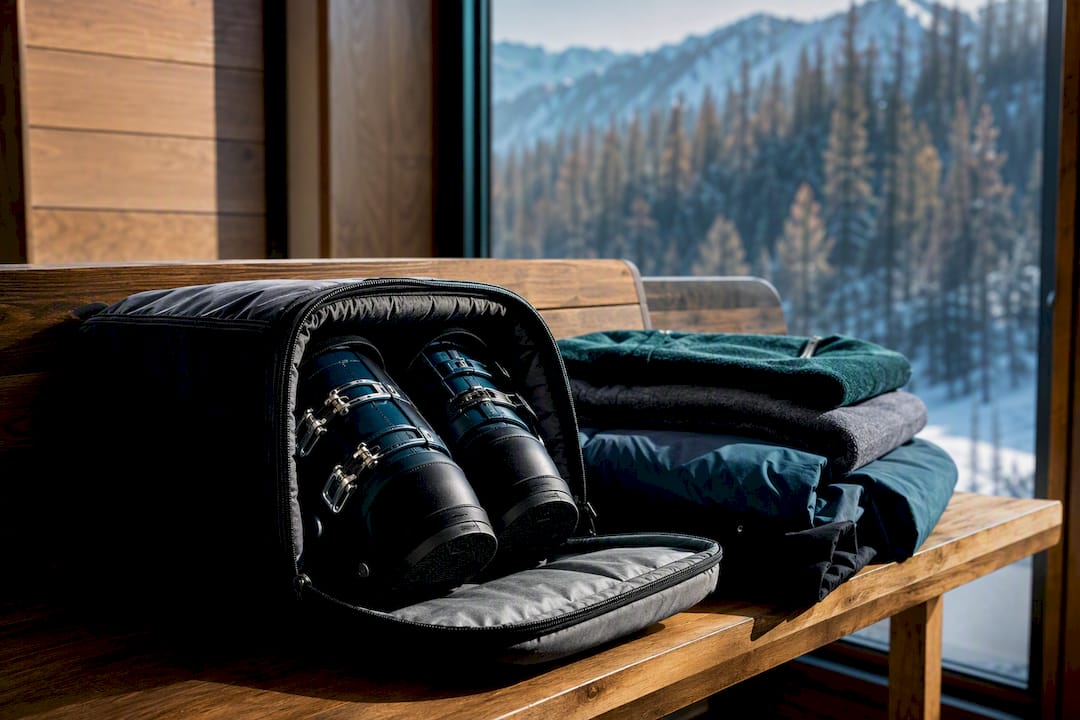
Travel with ski gear confidently: carry boots when cabin rules allow, pack skis securely, understand airline baggage rules and prepare for delays.
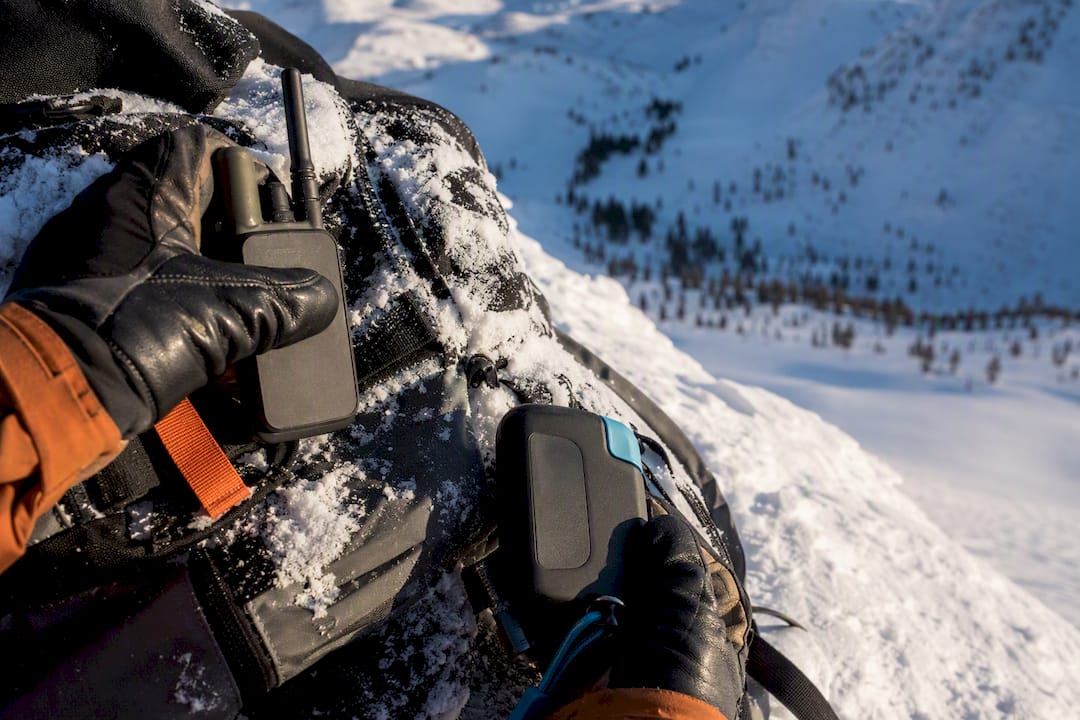
Build a practical backcountry radio communication plan with party radios, satellite SOS or PLB backup, cold-weather care and regional legal essentials.

Satellite messenger basics for remote Altai trips: compare PLBs and two-way devices, understand SOS limits, and prepare your communications plan.
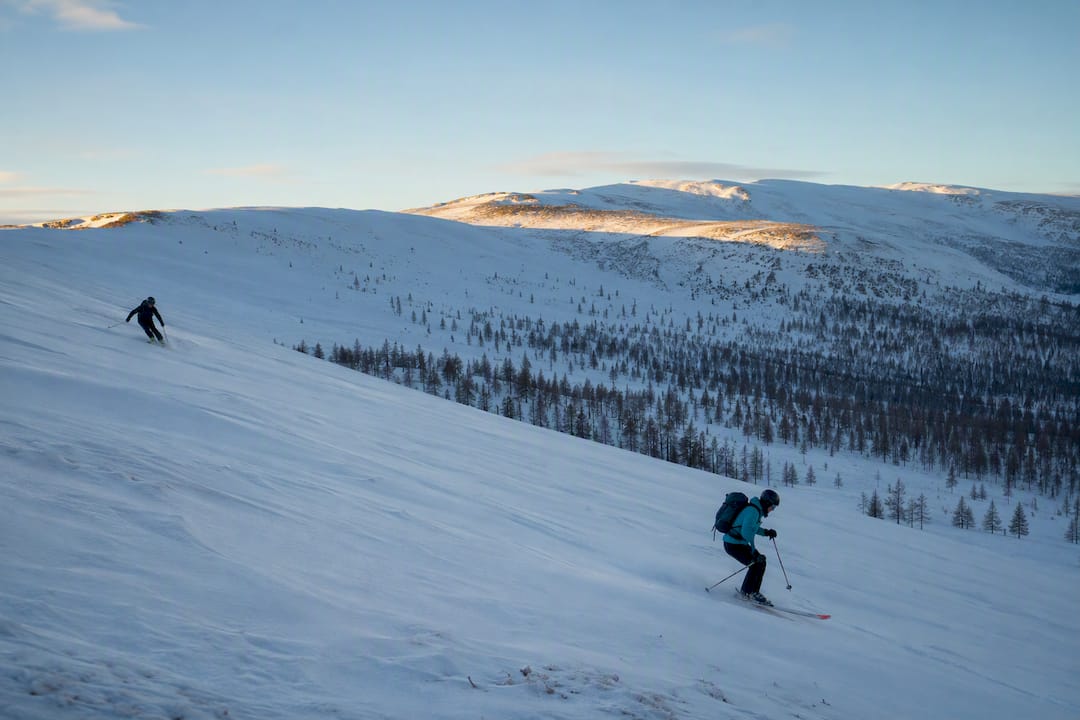
Avoid ski crowds with flexible dates, midweek skiing, early starts and smarter lift choices. Explore guided off-piste options near Ridder.

Learn how heli-skiing passenger weight and baggage rules differ by operator, with practical packing steps and Altai Mountains Resort booking guidance.
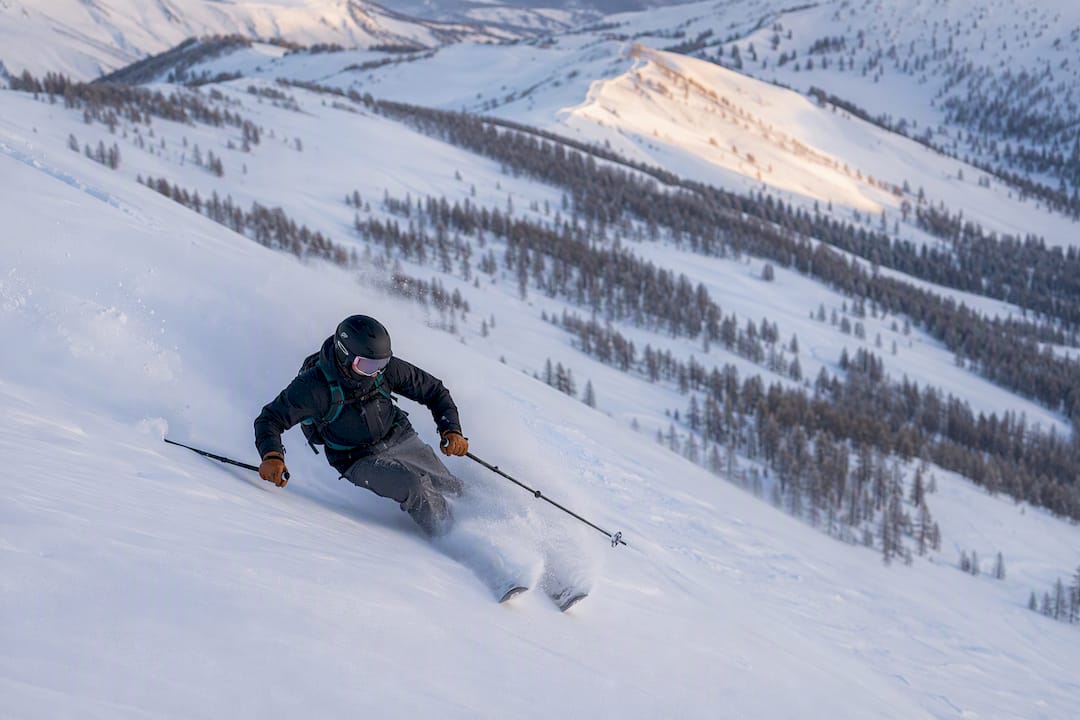
Understand the cat skiing skill level needed for Altai Mountains Resort, with practical guidance on off-piste ability, fitness and avalanche readiness.
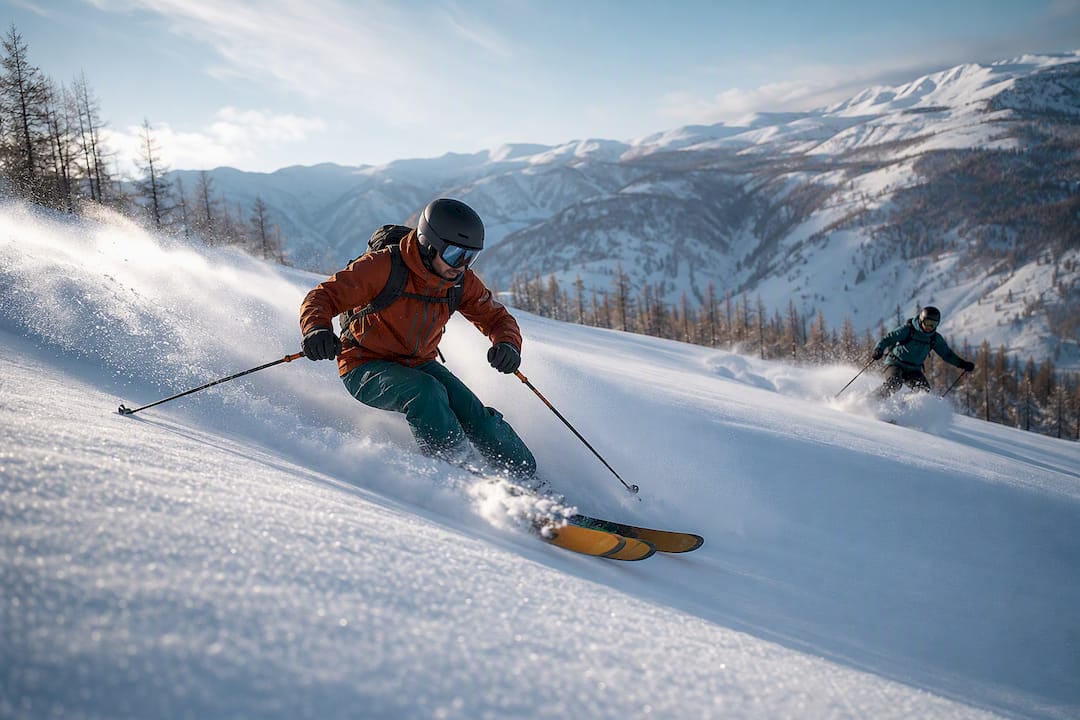
Decide whether Ridder suits your advanced Altai ski trip, with practical guidance on transfers, season timing, avalanche gear and guided programmes.
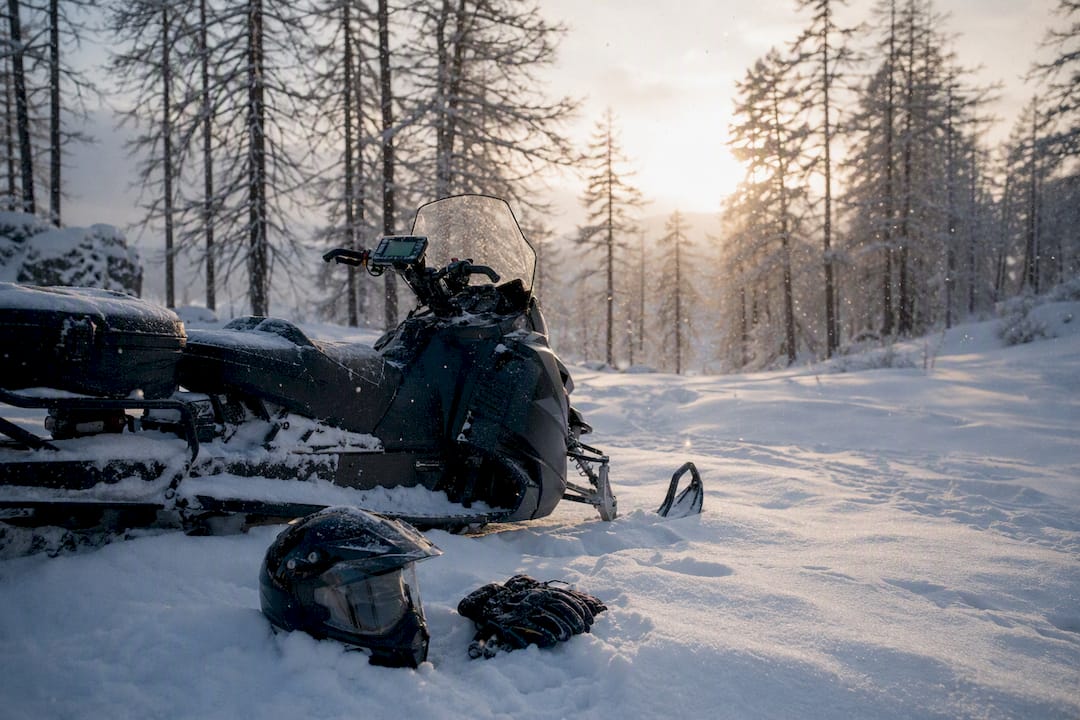
Compare snowmobile tour prices by duration, understand what shapes the final cost, and explore quote-based snowmobiling at Altai Mountains Resort.
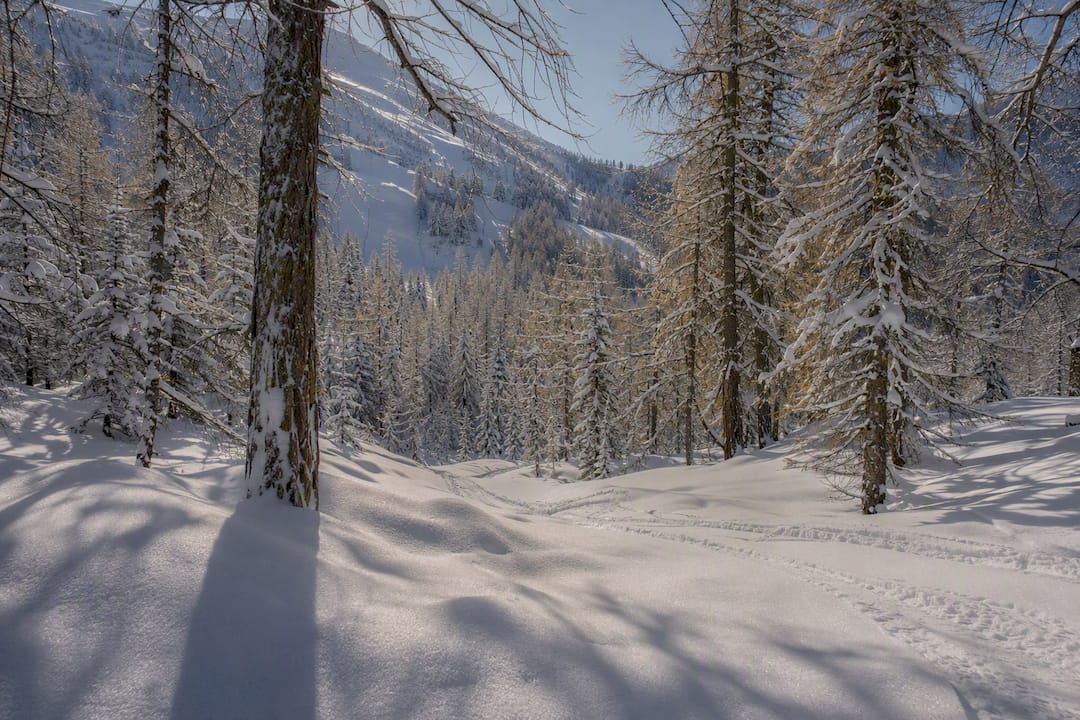
Compare Western Altai, Almaty and Turgen for Kazakhstan powder skiing, with practical guidance on access, safety and Ridder logistics.

Plan Altai heli skiing near Ridder with practical guidance on terrain, season, package inclusions, access, safety gear and booking.
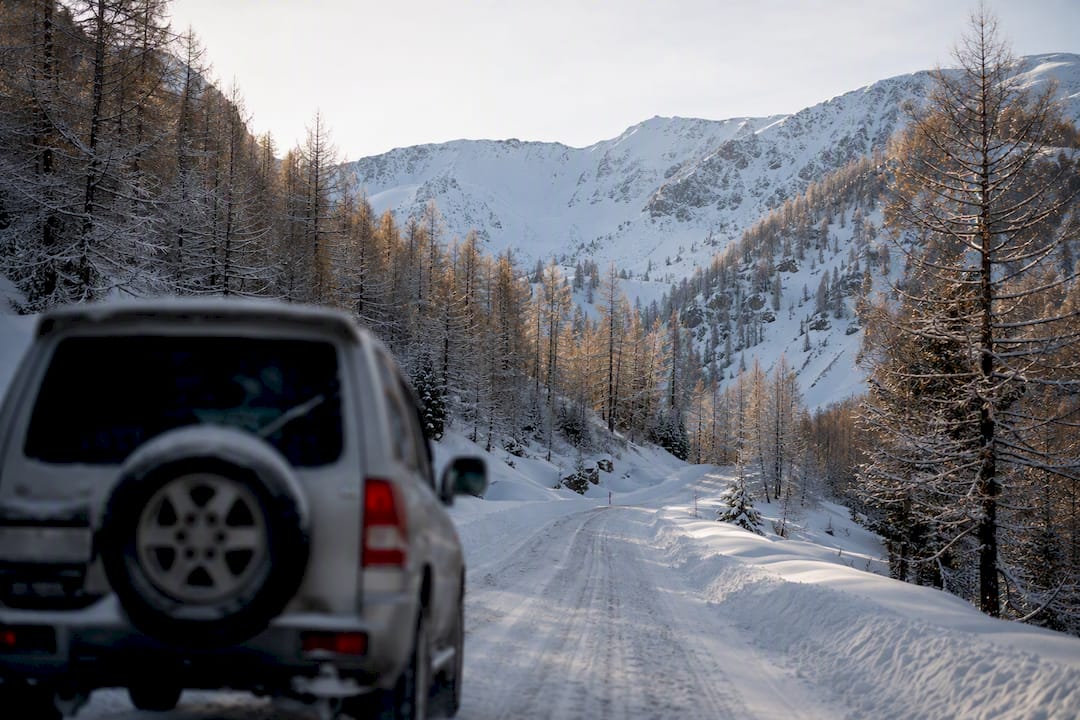
Compare flight, rail and self-drive routes from Almaty to the Kazakh Altai, with practical guidance for reaching Ridder and Ulba village.

Learn deep powder snowmobiling setup, riding technique, safe recovery and avalanche preparation, plus guided training near Ridder.
Plan an Altai Mountains winter stay from Ridder, with activity timing, travel from Öskemen, packing advice and practical mountain guidance.

Practical helicopter passenger safety guidance on boarding, seatbelts, exits, dropped items and following crew instructions.

Practical off-piste slope etiquette for safer skiing: right of way, avalanche preparation, group spacing, closures and guided skiing in the Western Altai.

Plan an Altai Mountains trip across Russian, Mongolian and Kazakh sectors, with permit, safety and winter-stay guidance for Ridder Lodge.
Learn how to plan guided freeride tours, from off-piste experience and avalanche gear to guide scope, changing mountain conditions and cat-skiing in the Altai.
Learn avalanche beacon basics: 457 kHz transceivers, essential rescue gear, trailhead checks, interference and companion-rescue practice.

Learn which avalanche course suits your plans, what companion-rescue skills to practise and how to prepare for a winter trip to Altai.
Learn what cat skiing is, who it suits, what to pack and how to plan a guided cat-skiing trip, including options near Ridder, Kazakhstan.
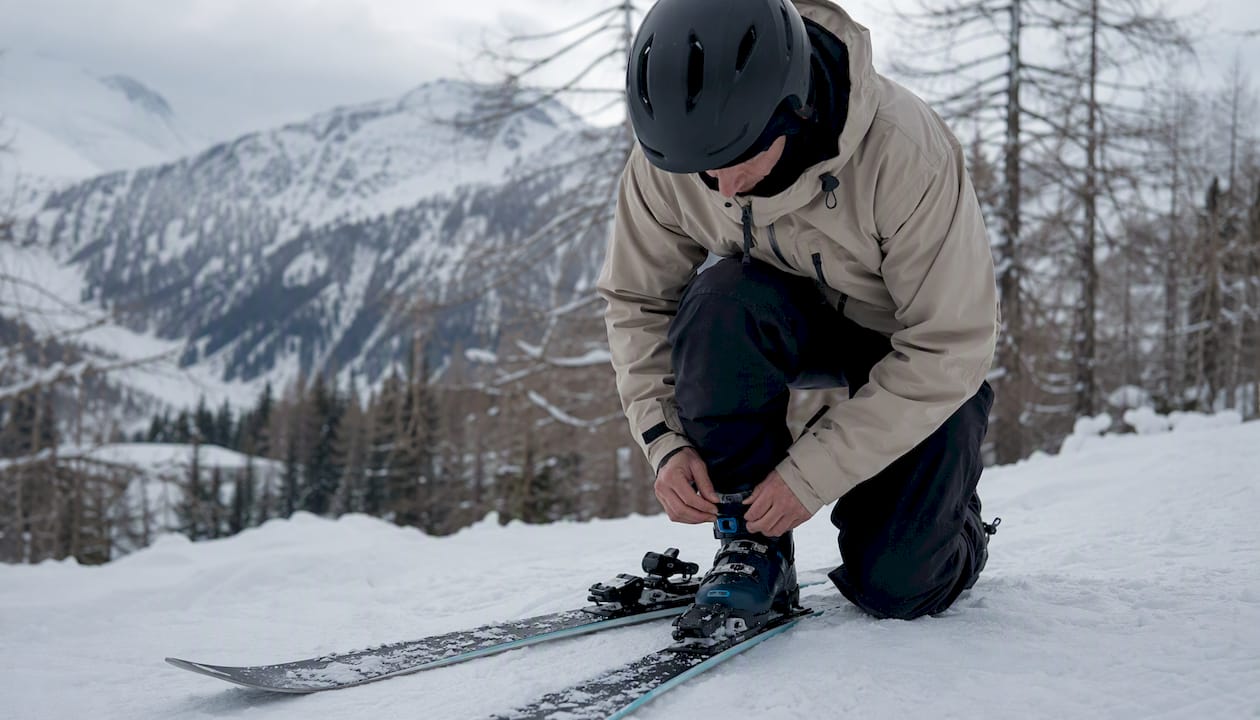
A practical ski rental Kazakhstan guide to Shymbulak and Medeu, current tariffs, equipment fit, transport and guided freeride near Ridder.

Understand ski guide benefits for freeride and backcountry trips, including local planning, terrain choices, qualifications, safety gear and access options.

Plan a snowmobile expedition near Ridder, Kazakhstan, with practical guidance on routes, rider experience, equipment, mountain safety and transfers.

Use this mountain lodge amenities checklist to compare rooms, meals, wellness access, transfers, activities and paid extras before booking.
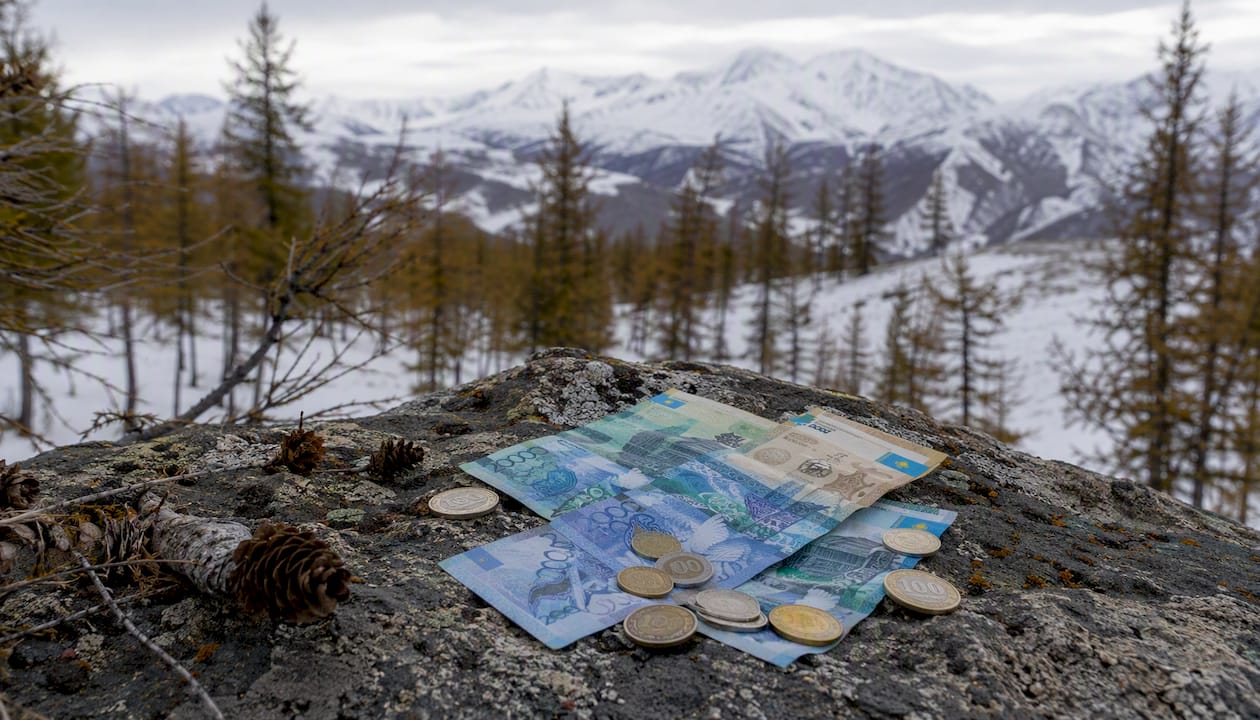
A practical Kazakhstan currency guide to the tenge, cards, ATMs, currency exchange, DCC and cash planning for cities and the Western Altai.
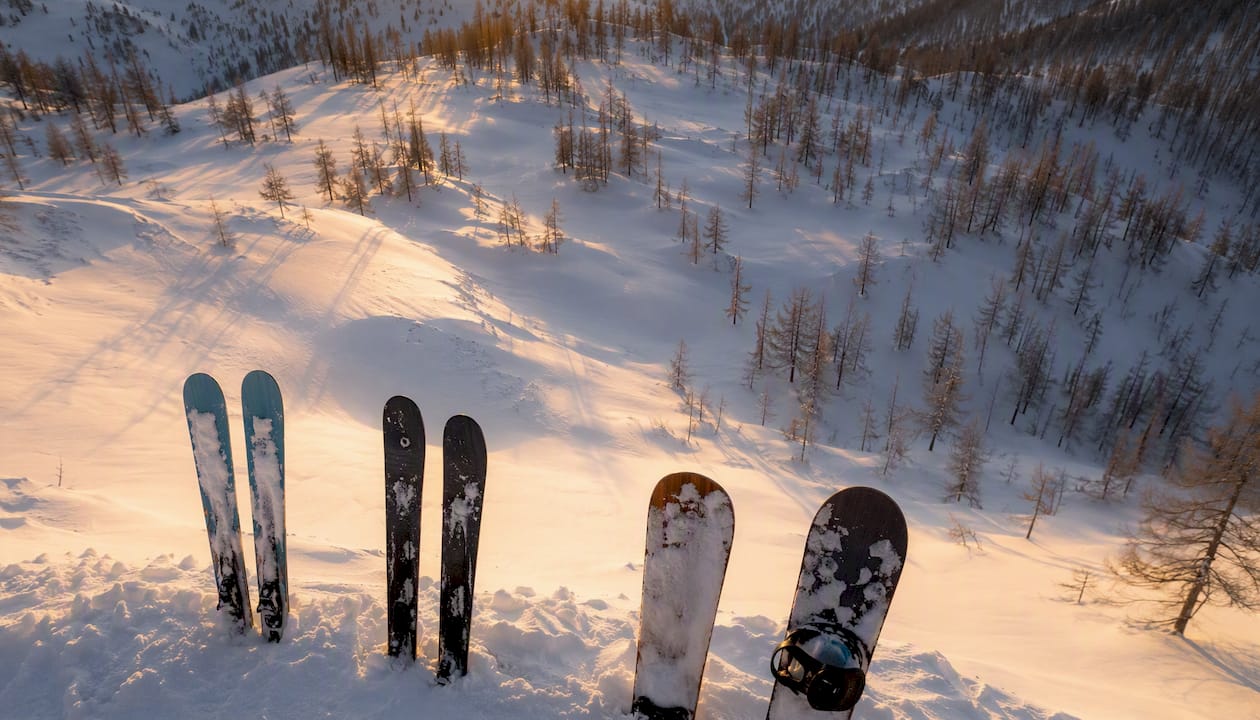
Plan the Kazakhstan ski season by month, compare lift-served Shymbulak with guided trips around Ridder, and prepare for changing snow and mountain conditions.
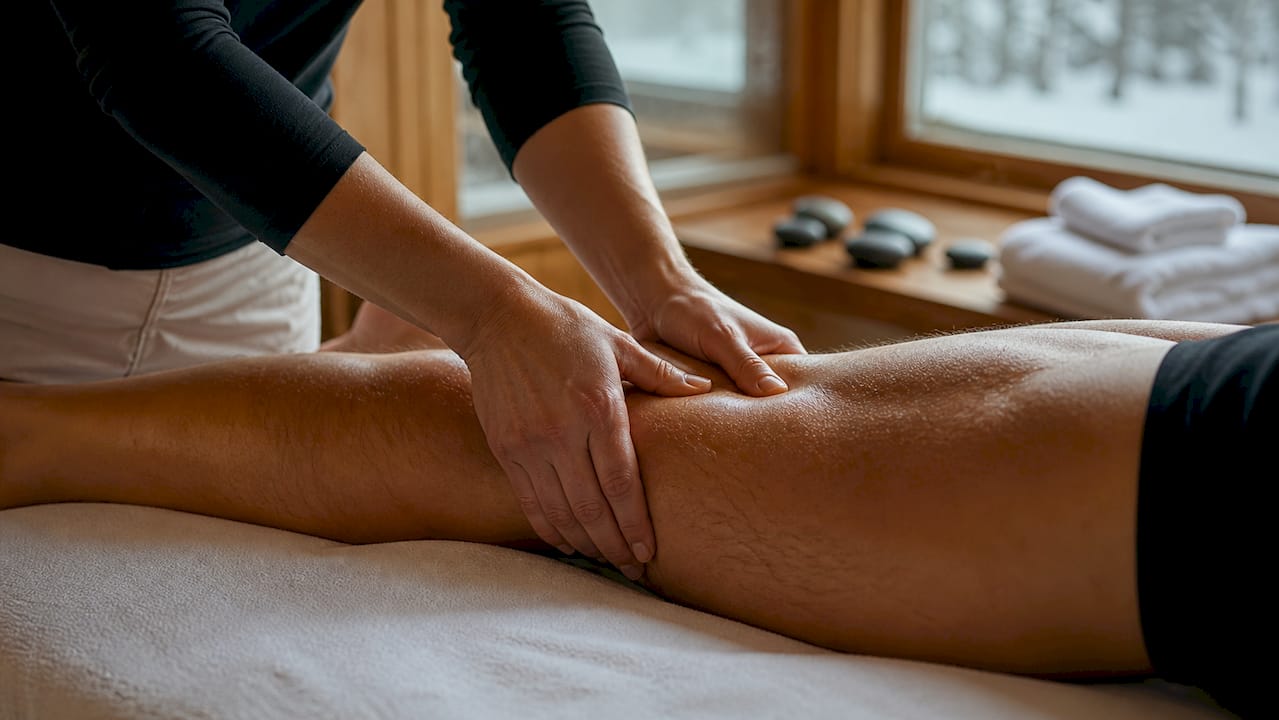
A practical guide to spa after skiing, including gentle massage, sauna and hammam, optional cold immersion and signs that need medical attention.
Plan a remote ski trip from the UK to Ridder, with practical guidance on activities, Kazakhstan entry, Öskemen transfers, insurance and ski baggage.
A practical heli skiing packing list covering clothing, avalanche equipment, ski baggage, batteries, travel documents and rental options.
A practical UK guide to ski boot fitting: appointment steps, services, current provider price examples, aftercare and warning signs.
Should you tip a ski guide? Learn how customs vary, when a gratuity may feel appropriate and how to plan for tipping in Kazakhstan.
An Altai cuisine guide to kan, kurut, chegen and talkan, with dining at Restaurant Altai, food safety and travel from Öskemen to Ridder.
Compare banya vs sauna: heat, steam, venik and löyly rituals, etiquette, health evidence, safety basics and the Altai Banya experience.
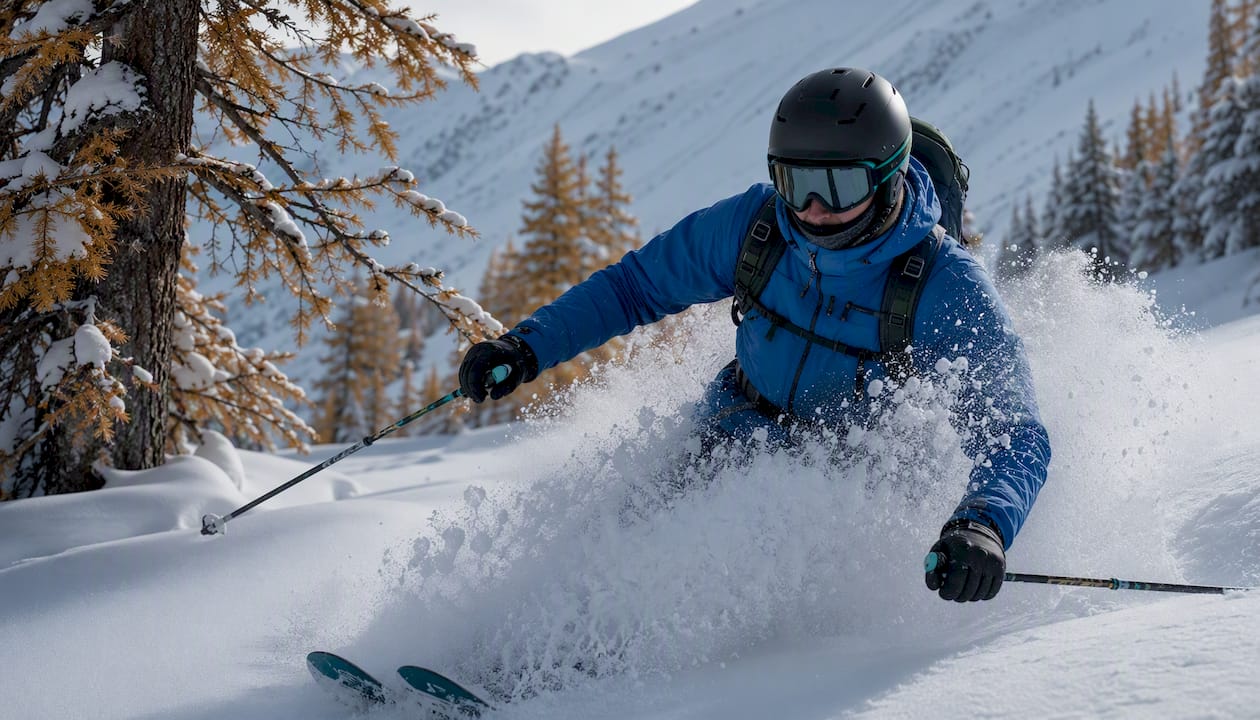
Learn how to ski deep powder with centred balance, smooth turns, speed control, practice steps, gear guidance, and avalanche and tree-well precautions.

Plan a mountain wellness retreat in Ridder with freeride, heli-skiing, snowmobiling, Ridder Lodge, Altai Banya and practical winter travel guidance.

A practical snowmobile gear list for UK travellers heading to Altai Mountains Resort, with clothing, safety equipment, battery and travel guidance.

Understand Ridder Lodge’s ski-in/snowmobile-out access, guided ski-day logistics, transfers from Öskemen and practical planning for your stay.
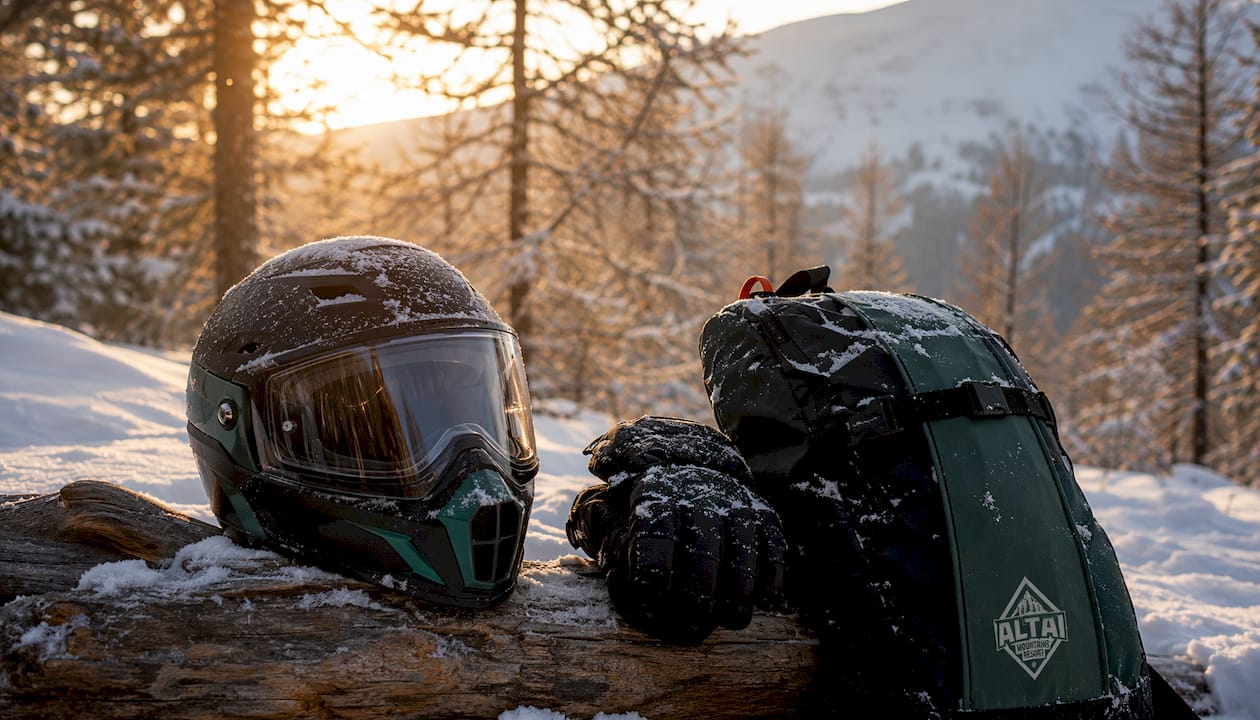
Prepare for a guided snowmobile ride with a practical gear checklist covering helmets, winter layers, avalanche equipment and cold exposure in Ridder.

A practical heli skiing guide to ability, avalanche equipment, packing, weather and planning your first trip to Kazakhstan.
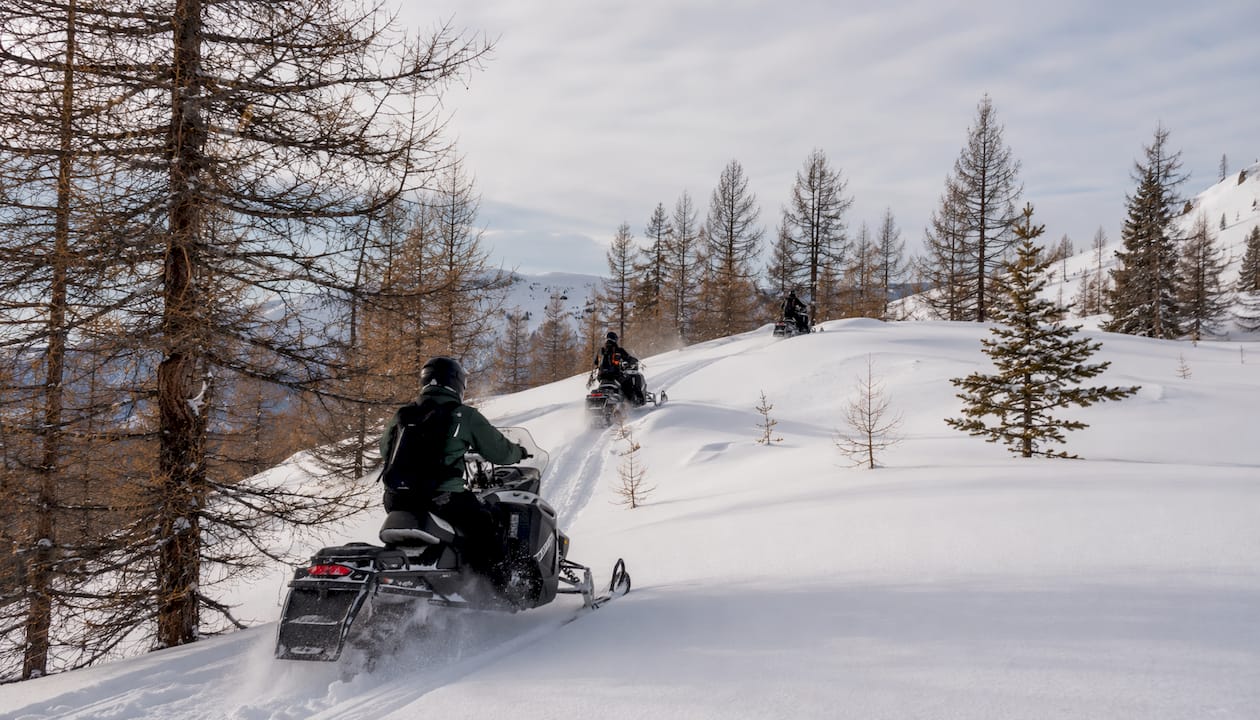
Plan guided deep snow snowmobiling in Ridder, with practical details on training, rentals, equipment, transfers and staying at Ridder Lodge.
How to choose Kazakhstan travel insurance for heli-skiing, cat-skiing or snowmobiling, including medical treatment and evacuation cover.
Kazakhstan visa requirements for UK visitors to Ridder, including visa-free limits, e-visas, passport rules, airports and Öskemen transfers.
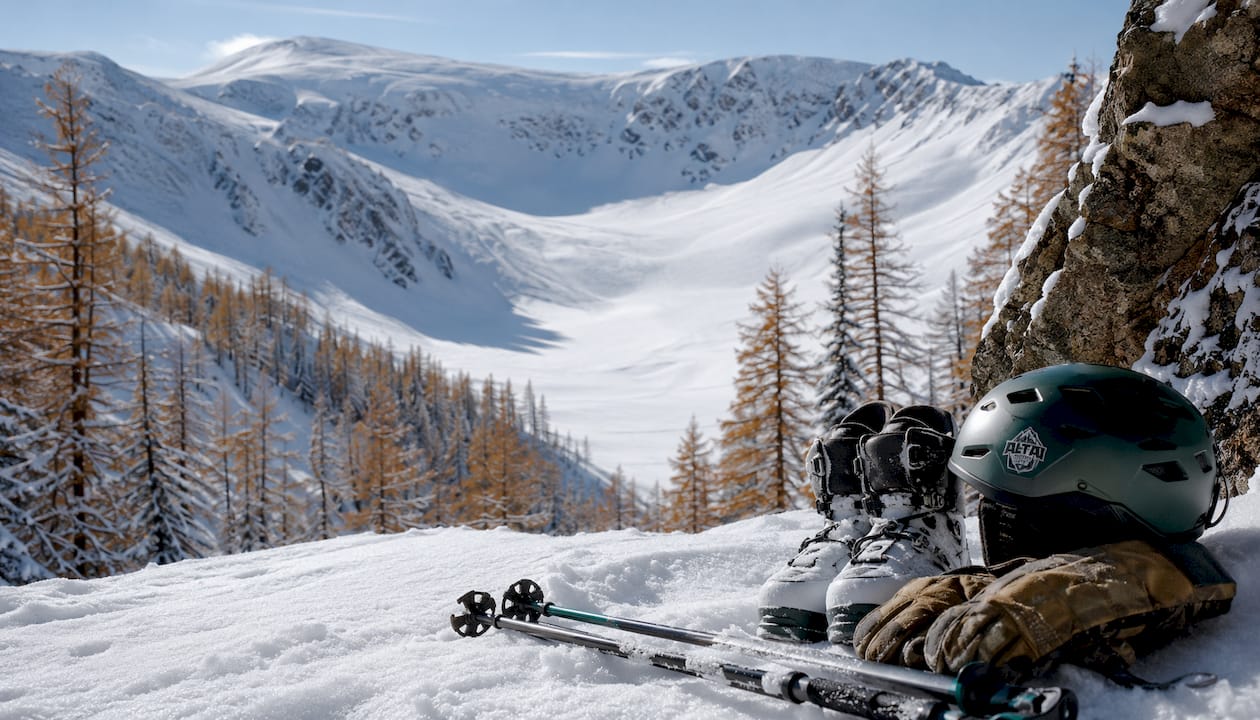
Build strength, balance and endurance before cat-skiing, heli-skiing or snowmobiling with an adaptable six-to-eight-week ski fitness program.

Explore cold plunge benefits for skiers, from short-term soreness and recovery evidence to cold-shock risks, timing and Altai Banya options.

Understand heli skiing cost in 2026 with current operator examples, a total-budget checklist, and key booking, safety and insurance questions.