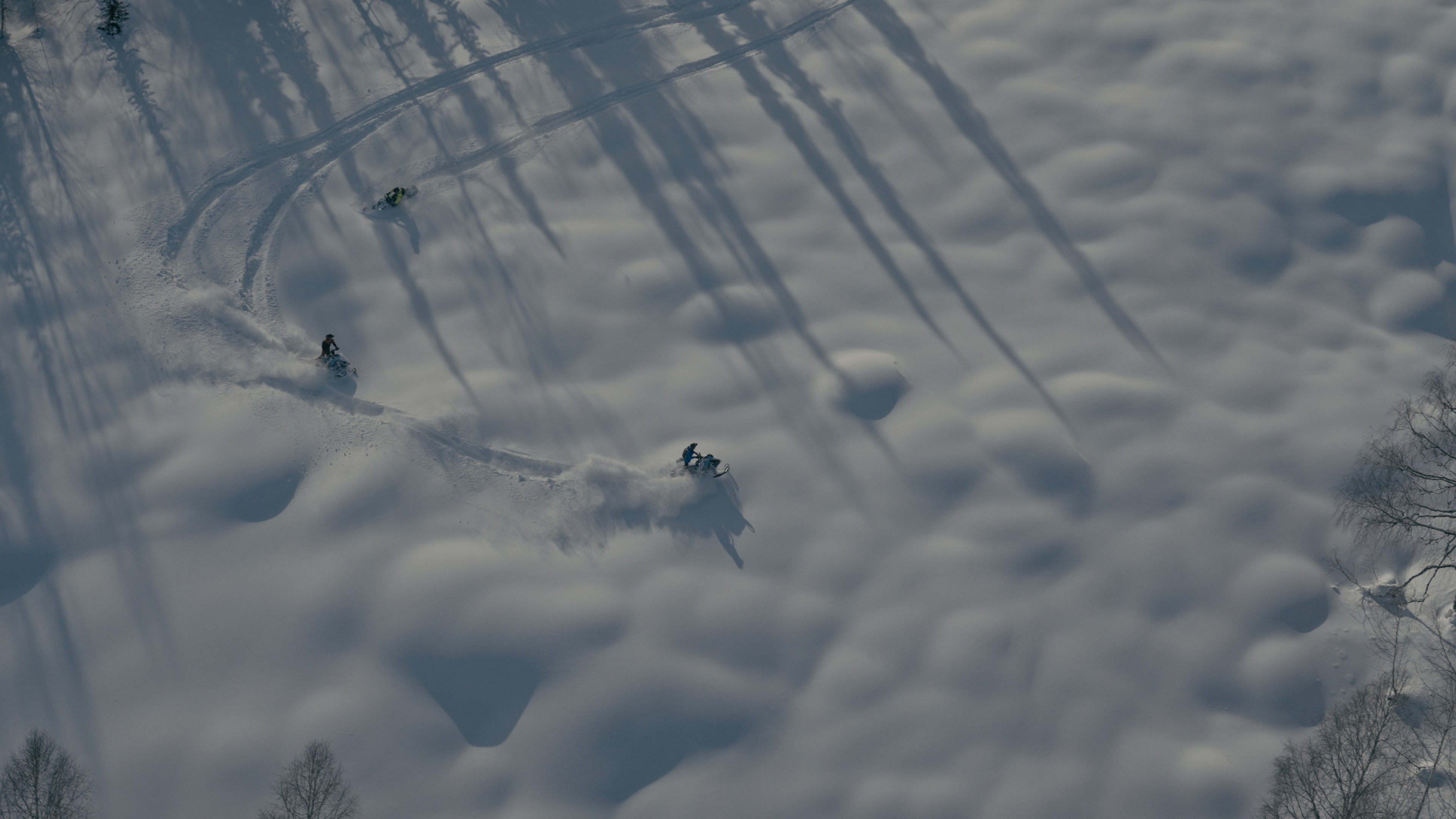
Practical whiteout snowmobiling guidance: understand flat light, prepare for poor visibility, stay together and know when to stop.

Whiteout snowmobiling calls for conservative decisions, not determination alone. When contrast disappears, reduce speed, keep the group together and stop before you can no longer read the surface, terrain or route. In true zero visibility, regroup in a safe location and follow the guide or trip leader’s procedure.
In the Western Altai near Ridder, winter light and snow conditions can change during the day. Good preparation helps keep a guided outing enjoyable—and makes an early, calm decision to pause or turn around much easier when visibility deteriorates.
What is a whiteout or flat light?
A whiteout is more than heavy snowfall. It occurs when diffuse light and reflections between cloud and snow remove contrast, making the horizon and features on the snow surface difficult or impossible to distinguish. The National Snow and Ice Data Center explains how a whiteout removes these visual references.
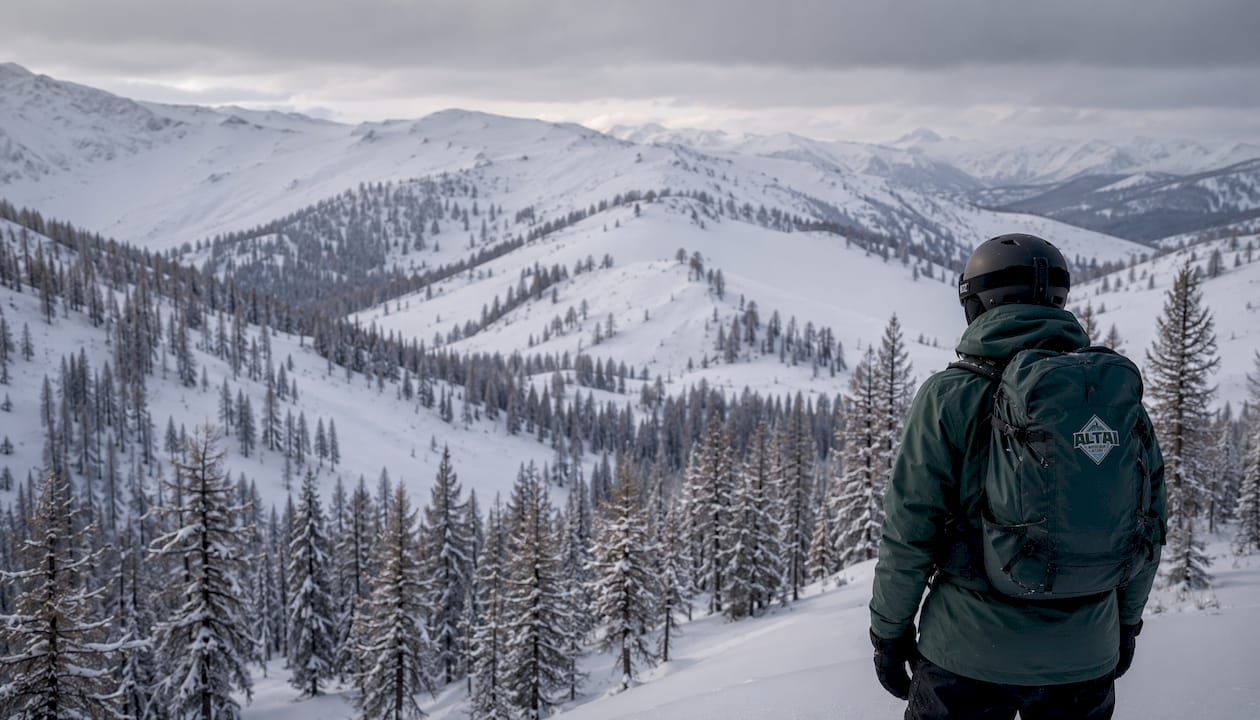
Flat light is a related, less severe condition. Daylight remains, but dips, ridges, tracked snow and changes in slope lose definition. In both cases, distance and terrain become harder to judge from a moving snowmobile.
The practical response is simple: treat fading contrast as a reason to slow down early. Do not wait until the route has vanished from view.
Why poor visibility is dangerous on a snowmobile
A snowmobile carries momentum into a landscape that may suddenly be difficult to read. A small roll in the terrain, a sharp change in slope or another rider can be harder to see than expected. Poor visibility can also cause a group to stretch out and lose visual contact.
For flat-light conditions, Wyoming State Parks advises riders to reduce speed, stay on the trail, watch for abrupt terrain changes and use amber lenses or a face shield to improve contrast. These principles are useful on any snowmobile day, particularly in unfamiliar mountain terrain.
Visibility is only one part of the decision. Terrain, fatigue, route familiarity, snow conditions and the group’s experience all matter. If you cannot read the surface or route with confidence, continuing adds exposure without adding much to the day.
Before riding: route, weather and emergency planning
Preparation begins before the engines start. For an independent ride, review the forecast, choose a route suited to the group and agree a clear return time. Let a reliable person know where you intend to go and when you expect to be back.

Set simple decision points before departure: a time to turn around regardless of progress, a point beyond which worsening visibility means returning, and an agreement that nobody rides ahead alone to investigate conditions. On a guided outing, listen to the briefing and follow the route and pace set by your guide.
Carry navigation beyond a phone
GPS is valuable, but it is not a complete navigation plan. The National Park Service recommends carrying and knowing how to use a map and compass alongside GPS because cold can affect battery performance and snow can obscure routes. Its winter safety guidance for Yosemite National Park also advises people without avalanche-avoidance and rescue training to stay out of avalanche terrain.
Keep navigation equipment accessible, protected from moisture and familiar before the trip. A device is most useful when its route information is understood in advance, rather than interpreted for the first time in a storm.
Pack for an unplanned stop
Cold becomes more serious when you are stationary after a breakdown, separation or weather delay. Kenai Fjords National Park’s snowmachine safety guidance recommends multiple non-cotton layers, enough food and water for an extended trip, tools and spare parts, plus a shovel, snowshoes and a tow rope or strap.
Goggles, a first-aid kit and an additional warm layer are sensible additions. Choose goggles and lenses for the day’s light, and keep them clean and dry; amber or contrast-enhancing lenses can help in flat conditions.
What to do when visibility starts to fail
The first sign may be subtle: the snow stops showing texture, the horizon fades or it becomes difficult to distinguish the track from the surrounding surface. Respond early and deliberately.
Reduce speed. A lower speed gives every rider more time to recognise terrain changes and stop safely.
Stay on the known route or trail. Avoid making a fresh line into terrain that cannot be assessed visually.
Maintain visual contact without crowding. Leave enough stopping distance for the speed and conditions. If a rider becomes hard to see, slow further and regroup at a safe point rather than pressing onward.
Communicate clearly. Use the group’s agreed signals or communications equipment. Do not send one person ahead alone to search for the route or the rest of the group.
Pause and assess. Once everyone is together, the guide or trip leader can assess the route, weather and exposure before deciding whether to wait, retreat by a known route or end the ride.
Moving simply to make progress is rarely a sound reason to continue in worsening visibility. An early decision preserves options; a late one can leave a group spread across terrain it can no longer read.
If you lose the group or become stuck
If you lose sight of the group, stop in a safe place rather than continuing in the direction you assume they travelled. Use available communication equipment, preserve warmth and make your position easier to identify. If you are with other riders, remain together.
A stuck snowmobile deserves the same measured approach. First make sure everyone is accounted for and protected from the weather. Then follow the guide’s or qualified leader’s recovery plan. Avoid turning a manageable recovery into a separation problem by scattering riders or attempting unfamiliar manoeuvres in poor visibility.
In a full whiteout, or where the terrain and route can no longer be read, stop, regroup and seek support where available. Move only when the route is known, conditions allow and a qualified leader directs it.
When to stop, turn back or wait
The right moment to stop is before riders are separated or the group is committed to terrain it cannot assess. Turn back or end the outing when contrast is too poor to judge the surface, when visual contact cannot be maintained at a safe distance, or when the group’s route and position are uncertain.

Waiting may be appropriate only when the group is together in a safe location, protected as far as practical from exposure and able to communicate its situation. It is not a reason to remain in avalanche terrain or improvise a route through unfamiliar ground.
For guests, this is one of the benefits of a guided format: the weather plan is managed as part of the day, rather than left to an isolated rider to resolve alone.
Snowmobiling with Altai Mountains Resort
Altai Mountains Resort is in Ulba village near Ridder, in East Kazakhstan’s Western Altai. The road journey from Öskemen (Ust-Kamenogorsk) is approximately 120 km and usually takes 1.5–2 hours, depending on conditions. Our team can help with a private road transfer for your dates; learn more about the journey to Ridder.

We offer guided snowmobiling and training, alongside Deep Snow options and Snow Safari outings. Each format has its own pace and purpose, but the same principle applies in poor visibility: your guide’s judgement and the day’s conditions shape the route and plan.
Ridder Lodge is the base for a winter stay. Routes, activity dates, equipment, transfers and inclusions vary with the booking and conditions. Our booking team can help you choose the right format, whether that is a guided ride or a scenic Snow Safari.
Whiteout snowmobiling FAQ
Can you ride a snowmobile in a whiteout?
A true whiteout removes the contrast needed to judge terrain and direction safely. Reduce speed as soon as visibility worsens, then stop and regroup when you cannot read the route or surface. Follow the guide or trip leader’s procedure rather than attempting to ride through zero visibility.
What should I do if I lose sight of the rider in front?
Slow down and stop at a safe point rather than continuing blindly. Maintain a safe stopping distance, use the group’s communication plan and regroup before any further movement. Do not ride ahead alone to search.
Is GPS enough in poor visibility?
No. GPS is a valuable tool, but winter navigation also requires a map, compass and the ability to use them. Cold can affect batteries, and GPS does not make hidden terrain hazards visible.
What lens colour helps in flat light?
Amber or contrast-enhancing lenses can improve definition in flat light, as Wyoming State Parks notes. They do not restore terrain detail in a whiteout, so speed and route decisions must still reflect the conditions.
Finish the day with margin, not a close call
A successful winter ride is not measured by how far the group pushed into difficult conditions. It is measured by sound preparation, steady decisions and everyone returning together. After a cold day outdoors, leave time to rest and warm up; winter hot tub getaways may also be useful if you are considering wider accommodation ideas for a winter break.
All Articles
Practical whiteout snowmobiling guidance: understand flat light, prepare for poor visibility, stay together and know when to stop.

Compare heli-ski packages in Kazakhstan by operating area, helicopter time, inclusions, transfers, equipment, weather terms and the Western Altai base near Ridder.

Plan tree skiing in Kazakhstan’s Western Altai, with guided options near Ridder, terrain expectations, safety essentials and practical travel details.

Compare heli-skiing trips in Asia by format, terrain access, inclusions and safety planning, with a lodge-based Western Altai option near Ridder.

Compare Ridder and Jyrgalan cat skiing: access, trip style, winter conditions, safety preparation and practical planning for your trip.

Plan skiing in Kazakhstan in English: compare Almaty pistes with guided cat-skiing, heli-skiing and snowmobiling near Ridder in the Western Altai.

Learn how cat-ski group arrangements work near Ridder, with practical guidance for solo skiers, couples and private groups planning a custom trip.

Compare deep powder skiing in Asia: Hokkaido and the Western Altai near Ridder, with a note on researching the Tien Shan and practical planning guidance.

Compare guided freeride skiing in Kazakhstan, from Almaty to the Western Altai near Ridder, with practical guidance on access, timing and safety.

Plan a Western Altai ski week near Ridder, Kazakhstan, with travel via Öskemen, Ridder Lodge, cat-skiing or heli-skiing, and practical safety and entry guidance.

Explore Central Asia freeride options by access and group fit, from Western Altai cat-skiing and heli-skiing to Kyrgyzstan touring and Safed Dara.

Learn what a beginner Snow Safari involves, what to wear, key safety habits and how to plan a guided snowmobile ride near Ridder, Kazakhstan.

Plan guided snowmobiling near Ridder in the Western Altai: Snow Safari, training, deep-snow expeditions, safety, access and booking.

Plan a March ski or snowmobile trip near Ridder in the Western Altai, with guided activities, Ridder Lodge and travel from Öskemen.

Plan a satisfying non-skier spa day while others ski, with practical booking guidance, sauna safety and a Ridder Lodge example.

Compare snowmobile training and guided tours, from first rides and Snow Safari touring to deep-snow experience, safety and booking details.

Learn what a sound snowmobile training curriculum covers, from machine checks and riding skills to group travel, recovery and avalanche education.

Plan a Snow Safari in the Western Altai: understand snowmobiling, cat-skiing and heli-skiing, prepare for winter conditions and travel to Ridder via Öskemen.

Choose between chest and helmet mounts for skiing, snowboarding and snowmobiling, with cold-weather camera care and helmet guidance.

Plan your journey from Öskemen Airport (UKK) to Ridder and Ulba village, with flight routing, winter road guidance and resort transfer planning.

Understand how a lodge buyout works, what exclusive group stays can include and how to plan a private stay at Ridder Lodge.

Learn what heli-sledding means, how it compares with heli-skiing and cat-skiing, and how to plan a guided snowmobile trip near Ridder.
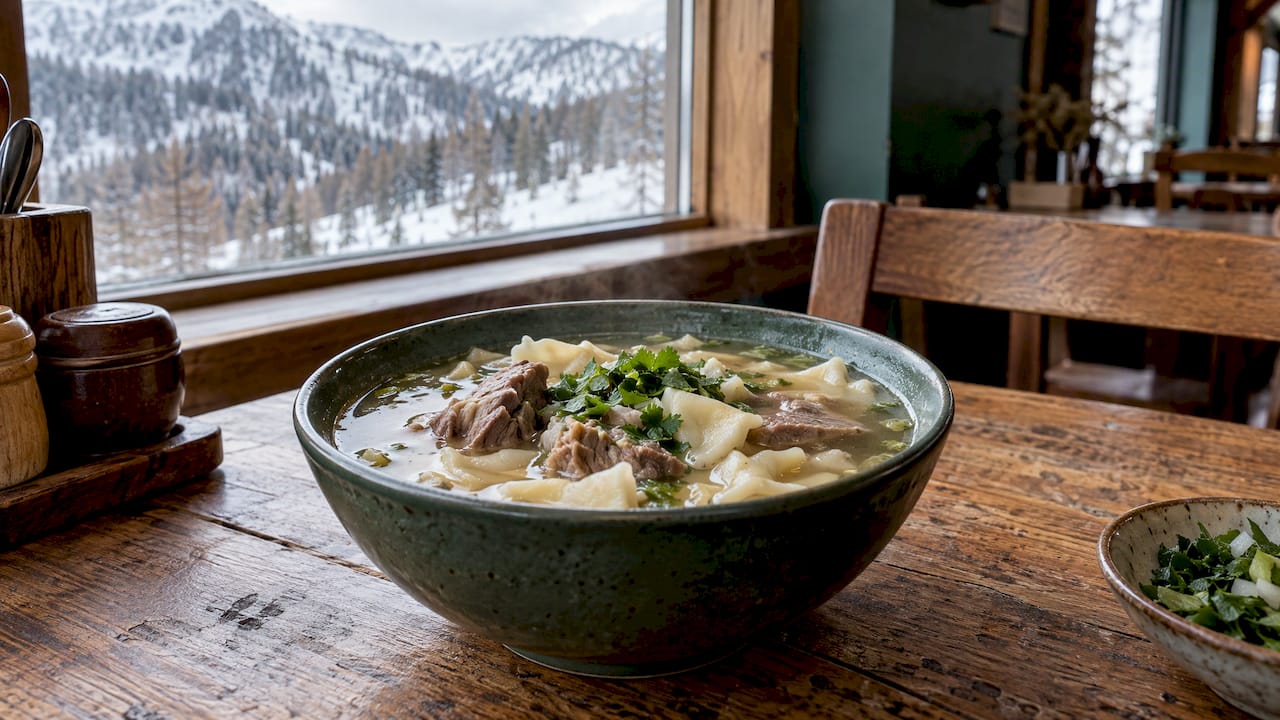
A practical guide to mountain dining in Kazakhstan, Kazakh dishes, Restaurant Altai in Ridder, dietary planning and banya etiquette.

Make the most of a winter down day near Ridder with Altai Banya, relaxed lodge time, local outing ideas and practical road planning.

Plan freeride snowboarding in Kazakhstan with practical guidance on Almaty and Ridder, including season timing, access, safety and mountain travel.

Learn how snowmobile throttle control works, how to use a thumb throttle, carry out return-to-idle checks and understand model-specific free play.
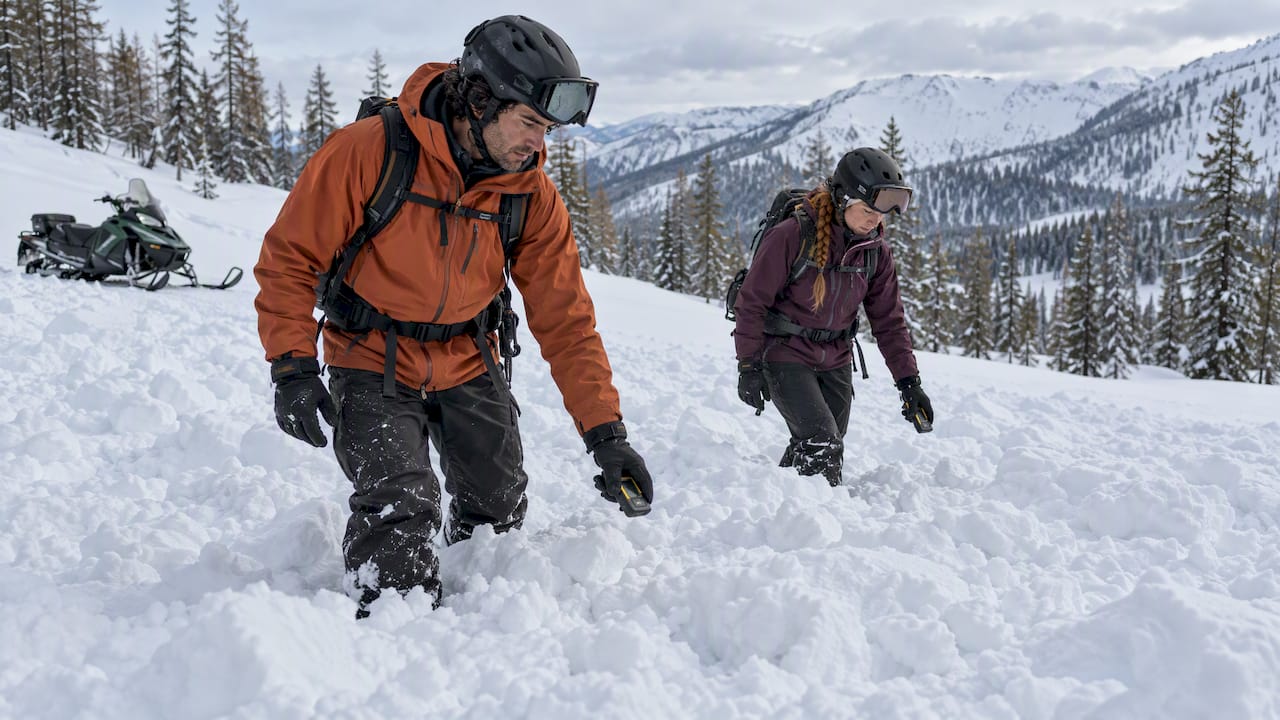
Learn the first priorities in snowmobile avalanche rescue: call for help, assess the scene, search with a transceiver, probe and dig effectively.
Sauna before or after massage? Find a comfortable order, sensible heat safety and a gentle plan for Altai Banya in Kazakhstan.

Learn what a banya hat is for, how to wear a felt sauna hat, whether it should be wet or dry, and when to leave the steam room.

A practical cold weather skin care routine for dry winter skin, with face, hands, lips, SPF and snow-day tips.

Practical ways to protect phone, power-bank and action-camera batteries in cold weather while skiing, snowmobiling or travelling in winter.

Learn when two people can ride one snowmobile, the equipment required, passenger briefing essentials and why deep snow needs extra caution.
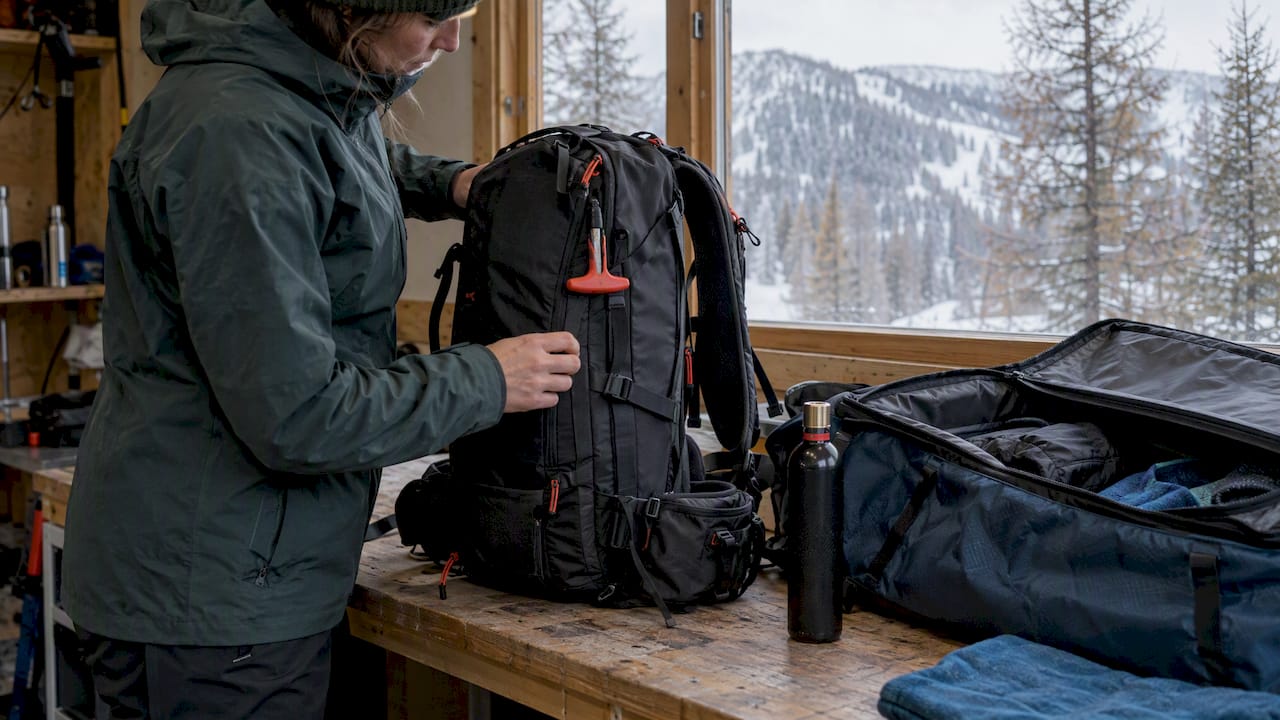
Flying with an avalanche airbag: airline approval, IATA limits, packing guidance and travel planning for a winter trip to Ridder.
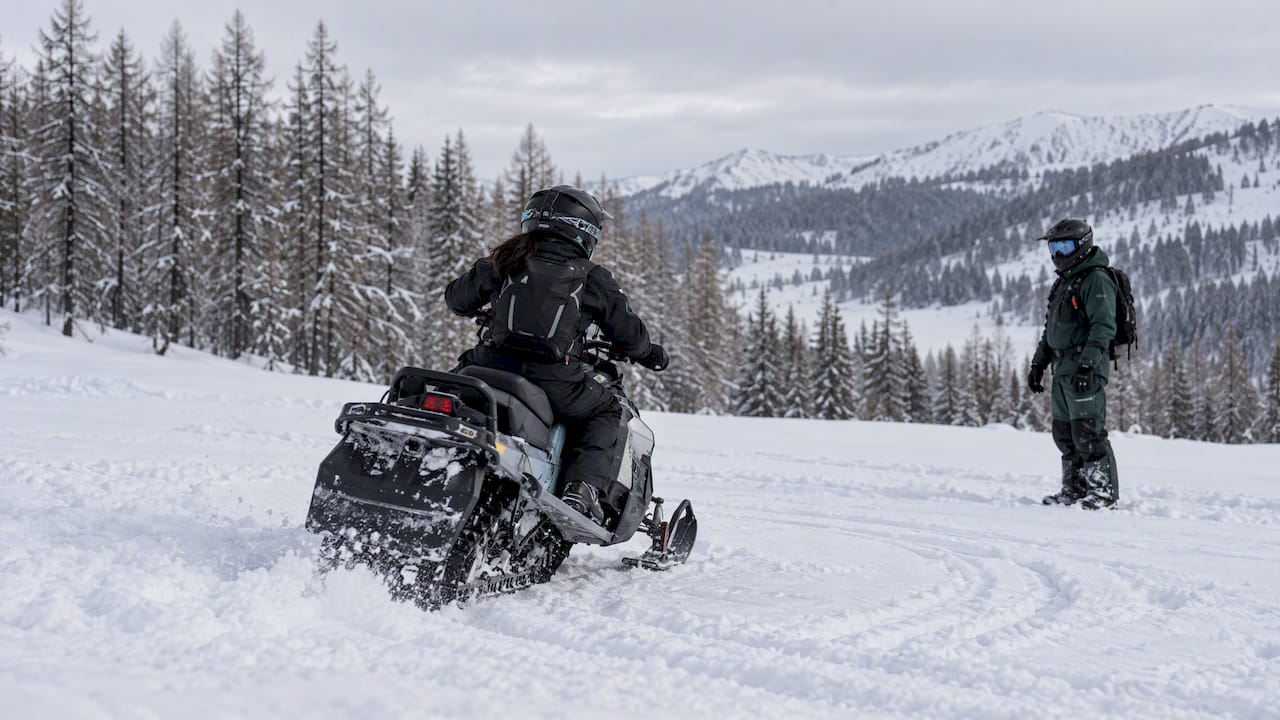
Learn snowmobile training basics: controls, pre-ride checks, riding positions, essential gear and avalanche awareness for first-time riders.
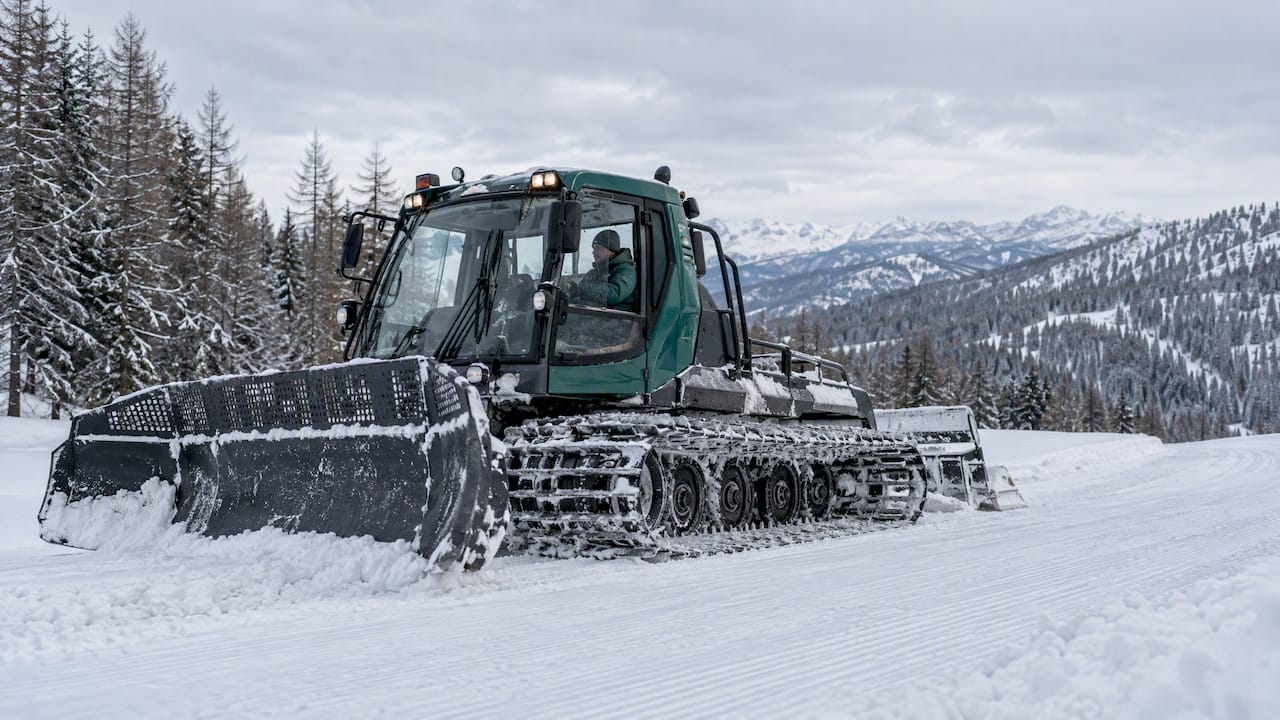
Learn how snowcats groom pistes and support guided cat-skiing, with practical safety guidance and what to expect in Kazakhstan’s Western Altai.
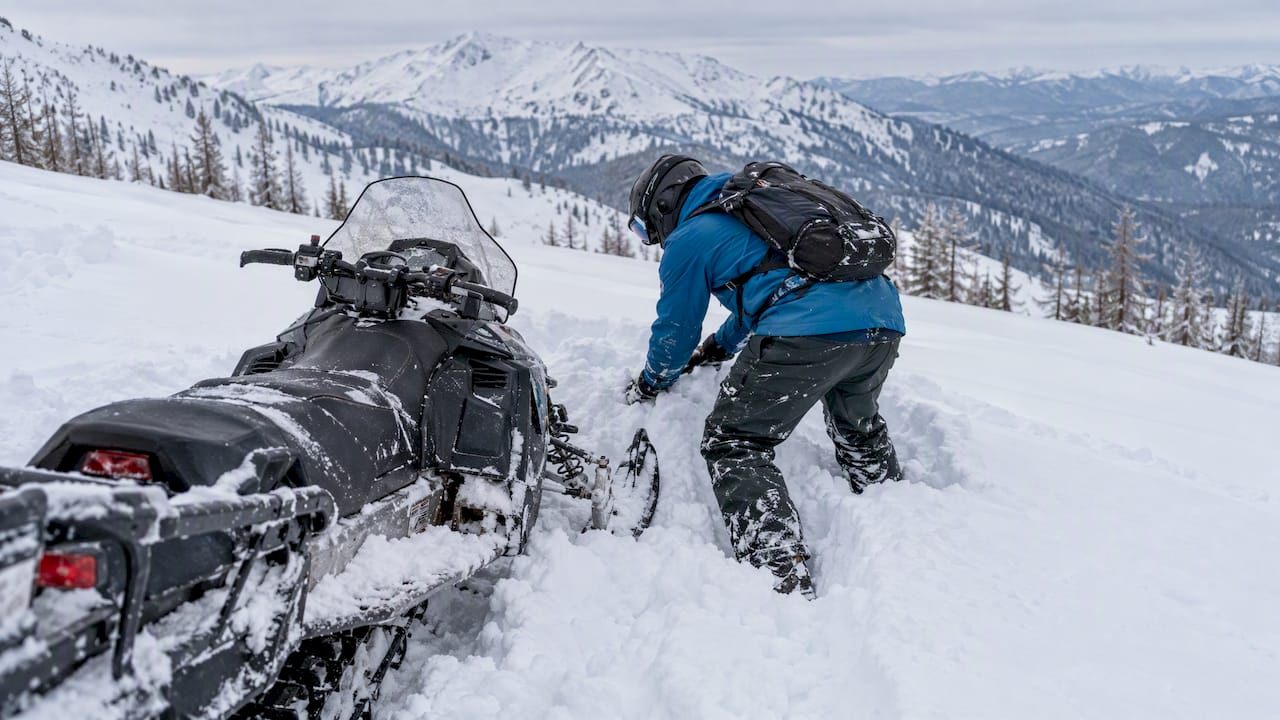
Learn how to recover a snowmobile stuck in deep snow: stop track spin, clear the sled, pack a short path and know when to seek help.
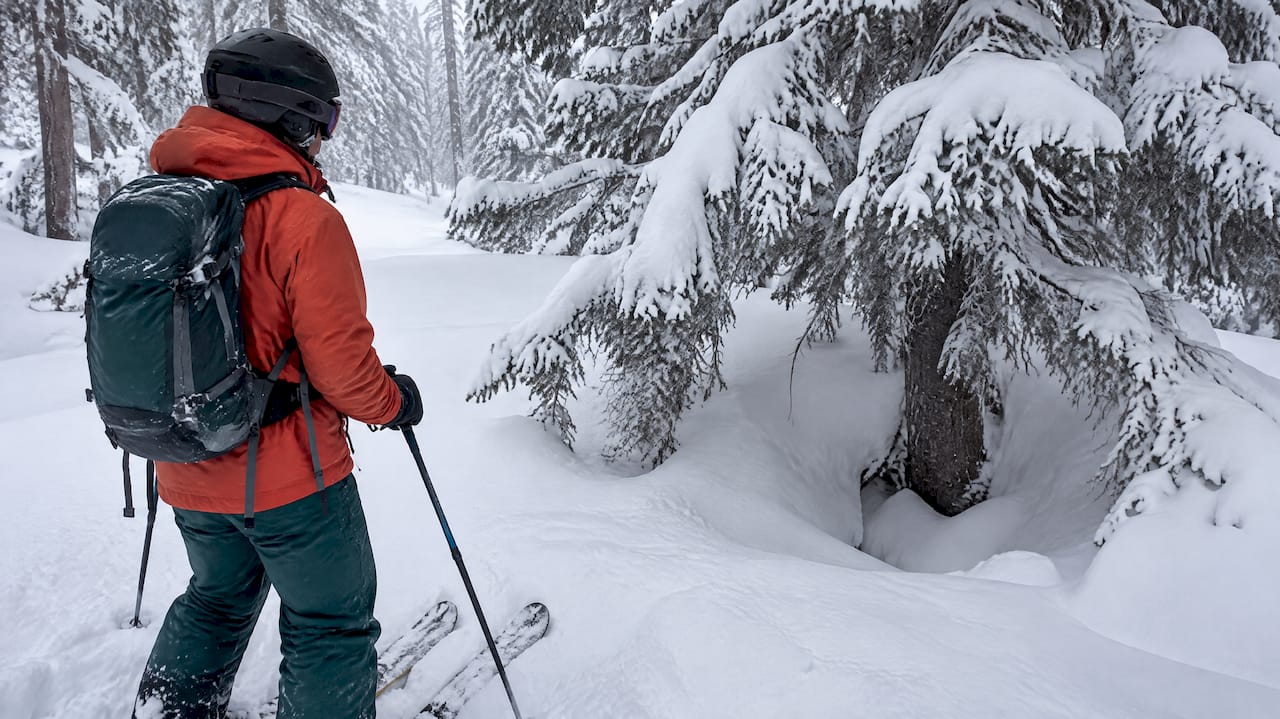
Learn how to prevent tree-well burial, keep riding partners in sight and begin immediate companion rescue in deep snow.

Compare aluminum and carbon ski poles for touring, resort skiing, park laps, freeride and racing, with practical guidance on fit, care and safety.

Compare wide vs narrow skis for groomers, soft snow and mixed conditions. See why 90–100mm is a useful starting point and how to try skis thoughtfully.
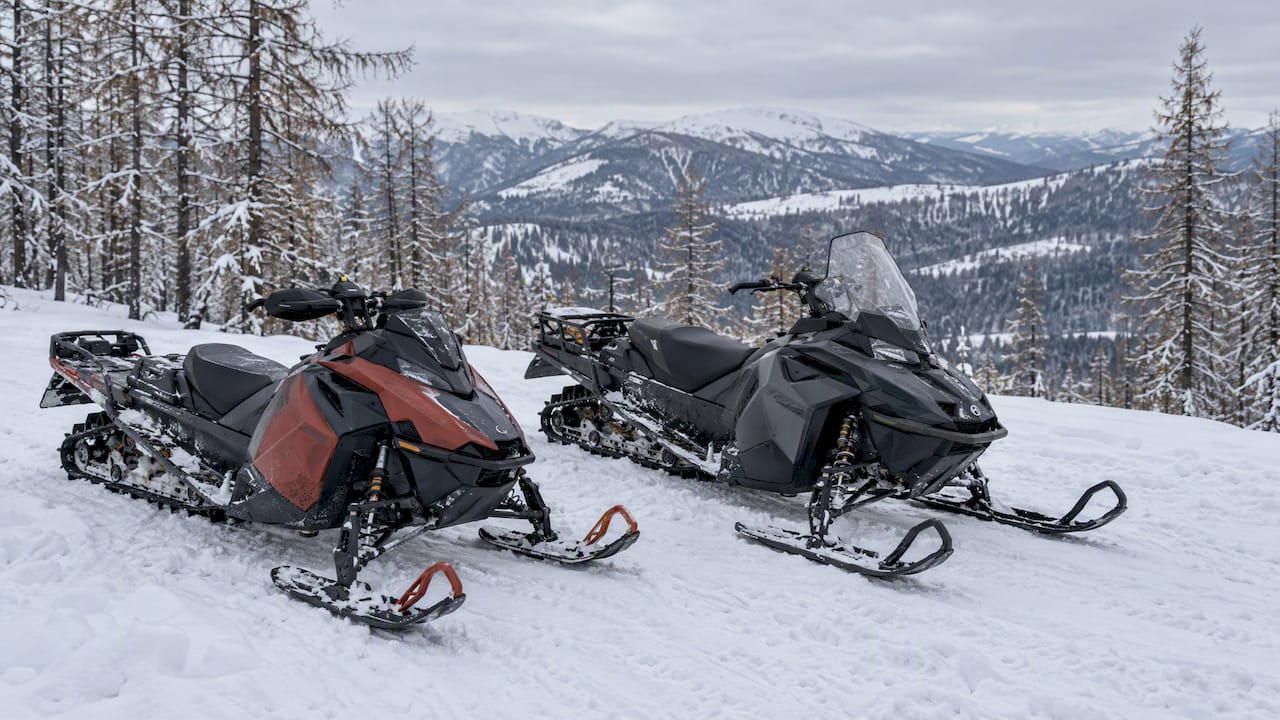
Compare 2-stroke and 4-stroke snowmobiles by handling, fuel use, emissions and upkeep, with guidance for a guided snowmobiling day near Ridder.
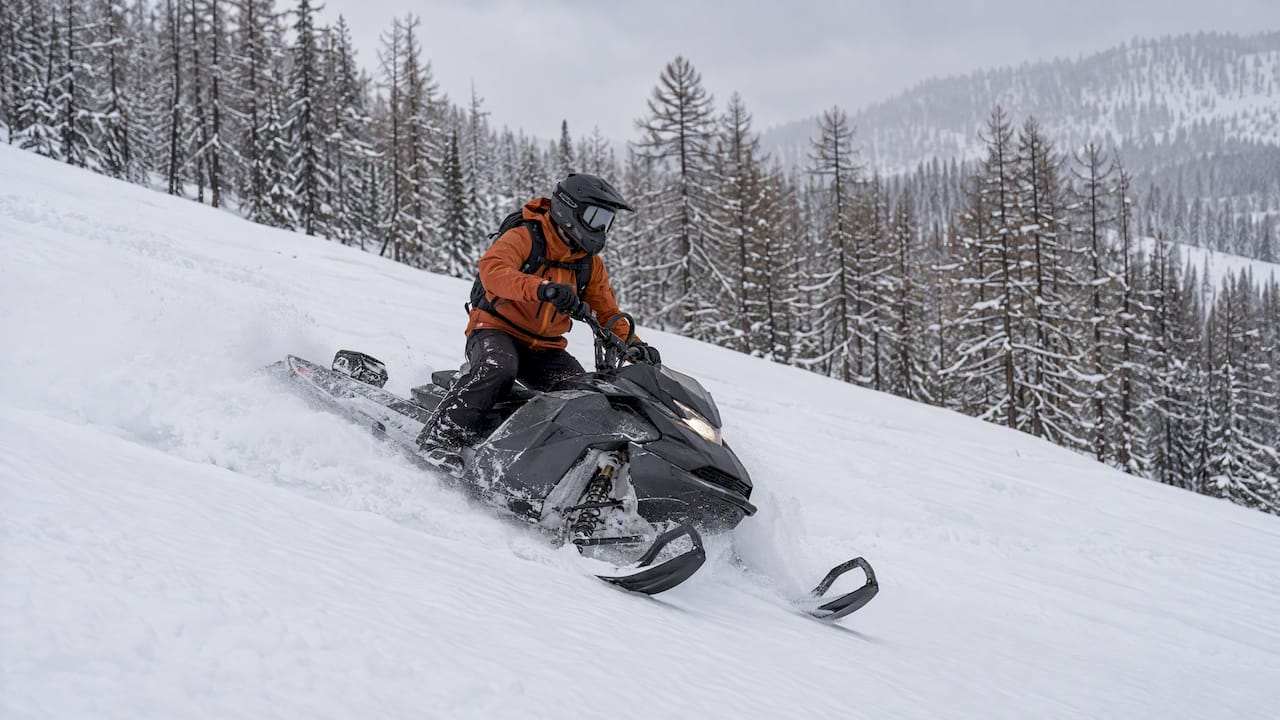
Learn snowmobile carving techniques for powder: stance, counter-steering, throttle timing, beginner drills and avalanche-safety essentials.
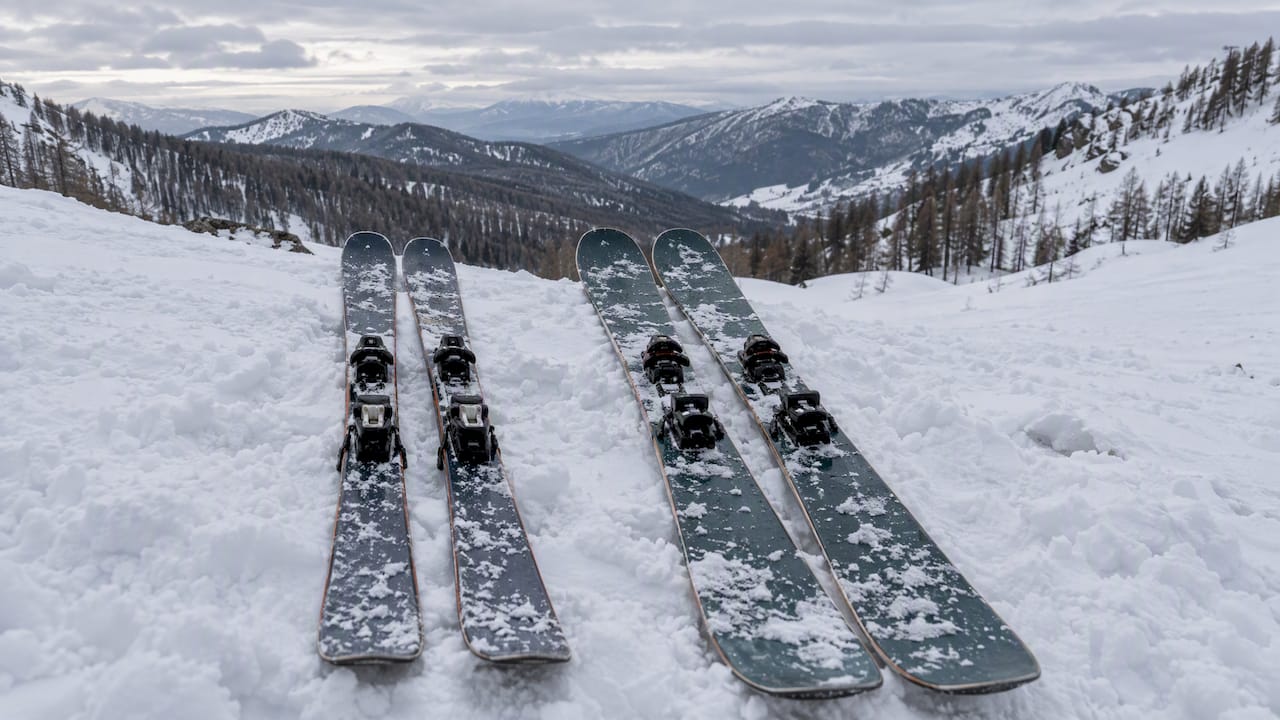
Compare powder and all-mountain skis by width, rocker and conditions, then decide whether to buy, rent or demo for deep-snow trips.
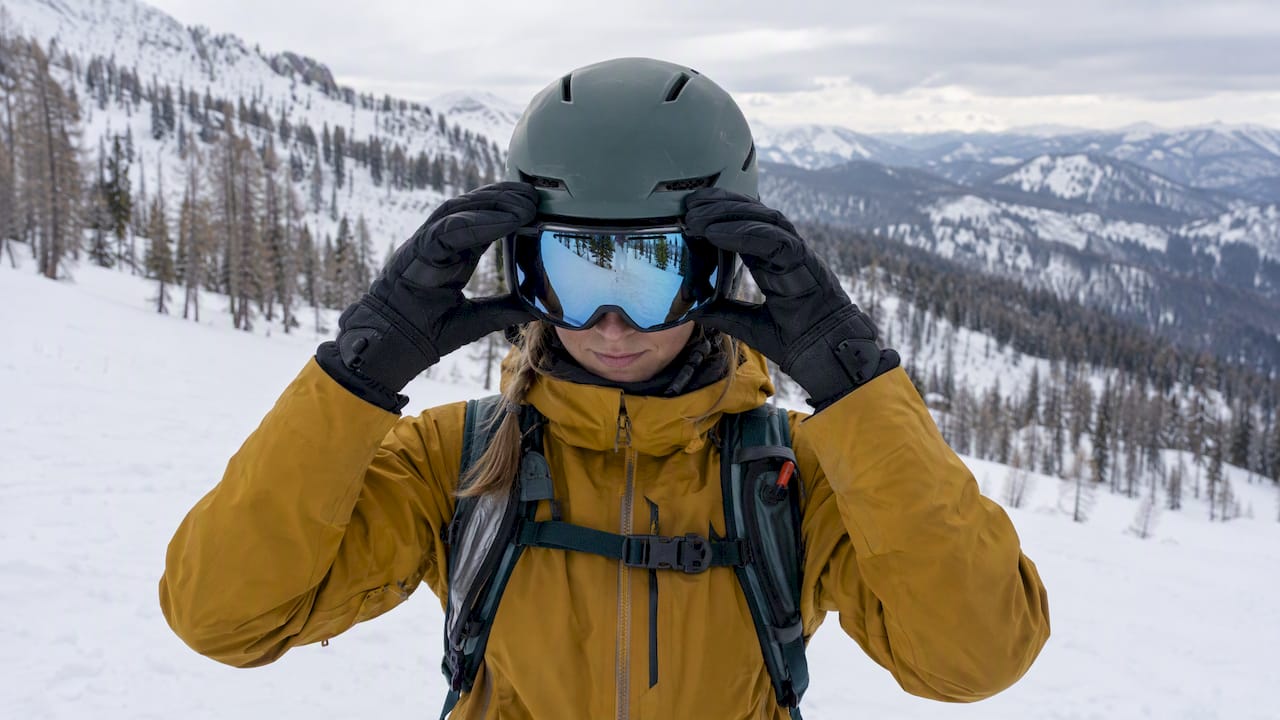
Prevent goggle fogging with five practical checks for lens care, fit, vents, breath and body heat—plus safe steps for fog on the move.
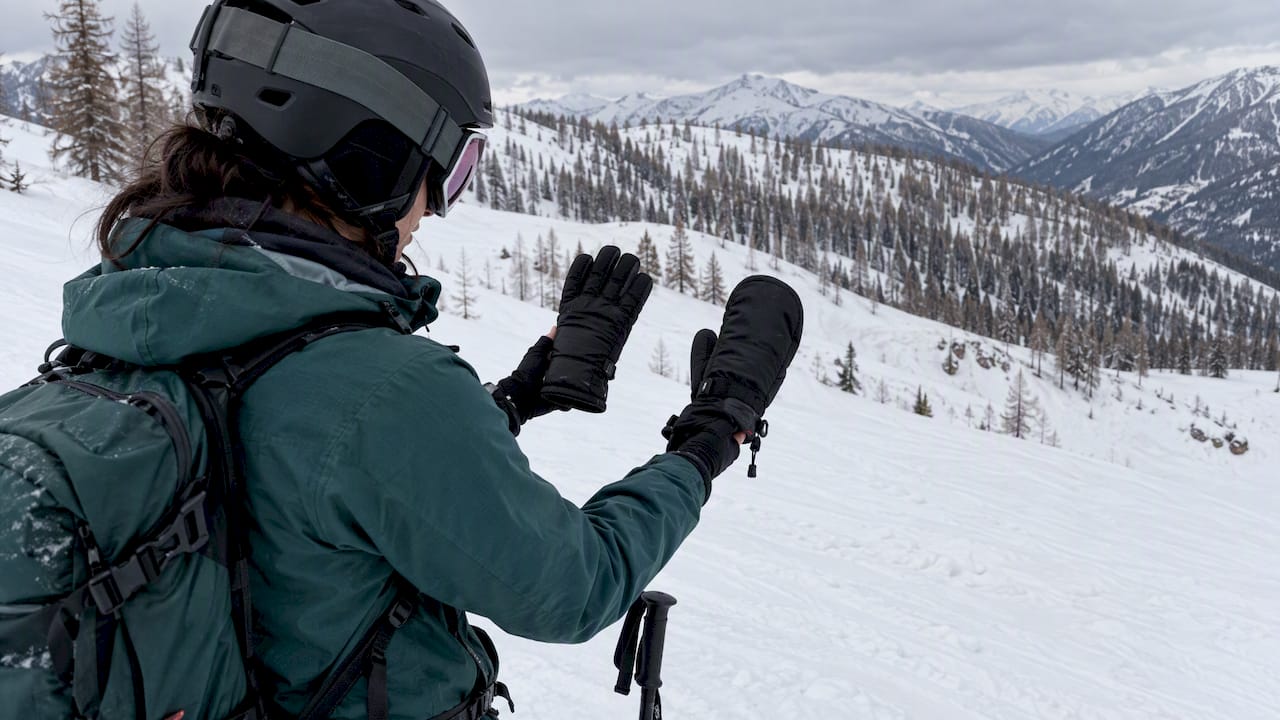
Choosing ski mittens vs. gloves? Compare warmth, dexterity, liners, fit and lobster mitts for piste skiing, powder days and touring.
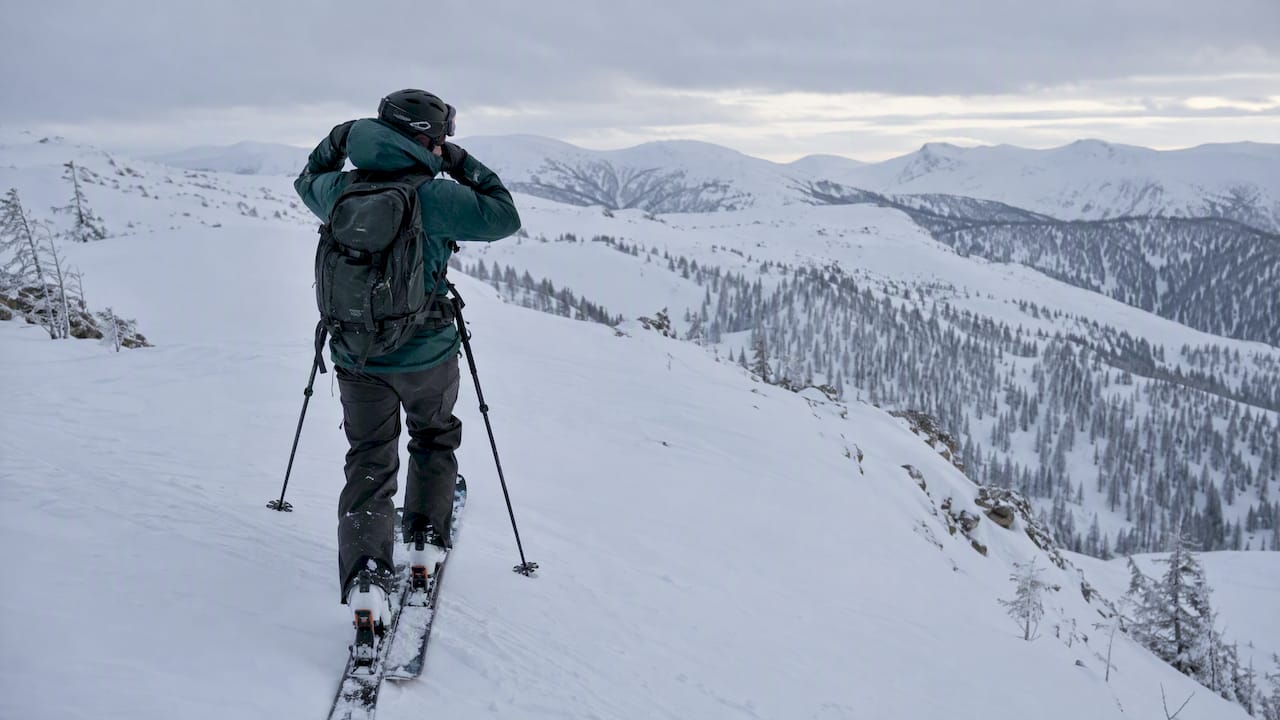
Choose an insulated or shell ski jacket for resort, touring, cat and heli days, with practical guidance on 2.5L, 3L and layering.

Compare neck gaiters and balaclavas for cold-weather activities, with practical guidance on coverage, ventilation, helmet fit, moisture management and winter packing.
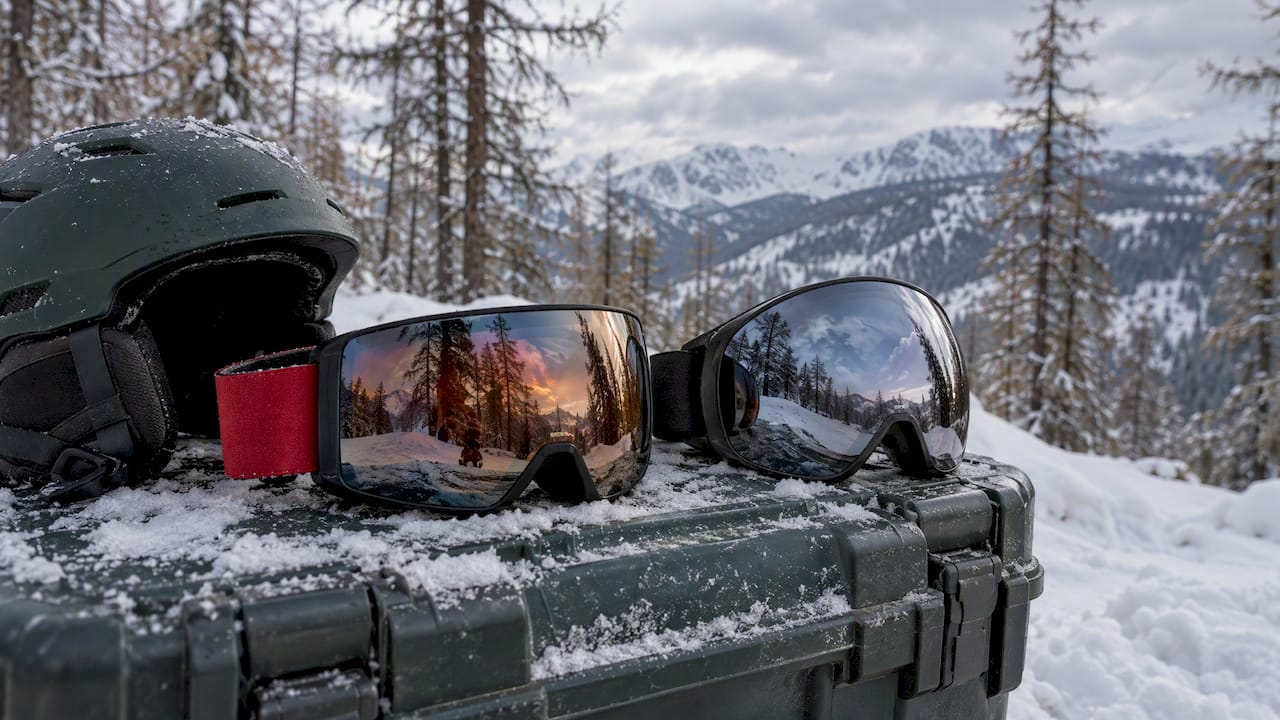
Choose between cylindrical, spherical and toric ski goggles, with practical guidance on tint, anti-fog performance, helmet fit and packing for Altai winter trips.
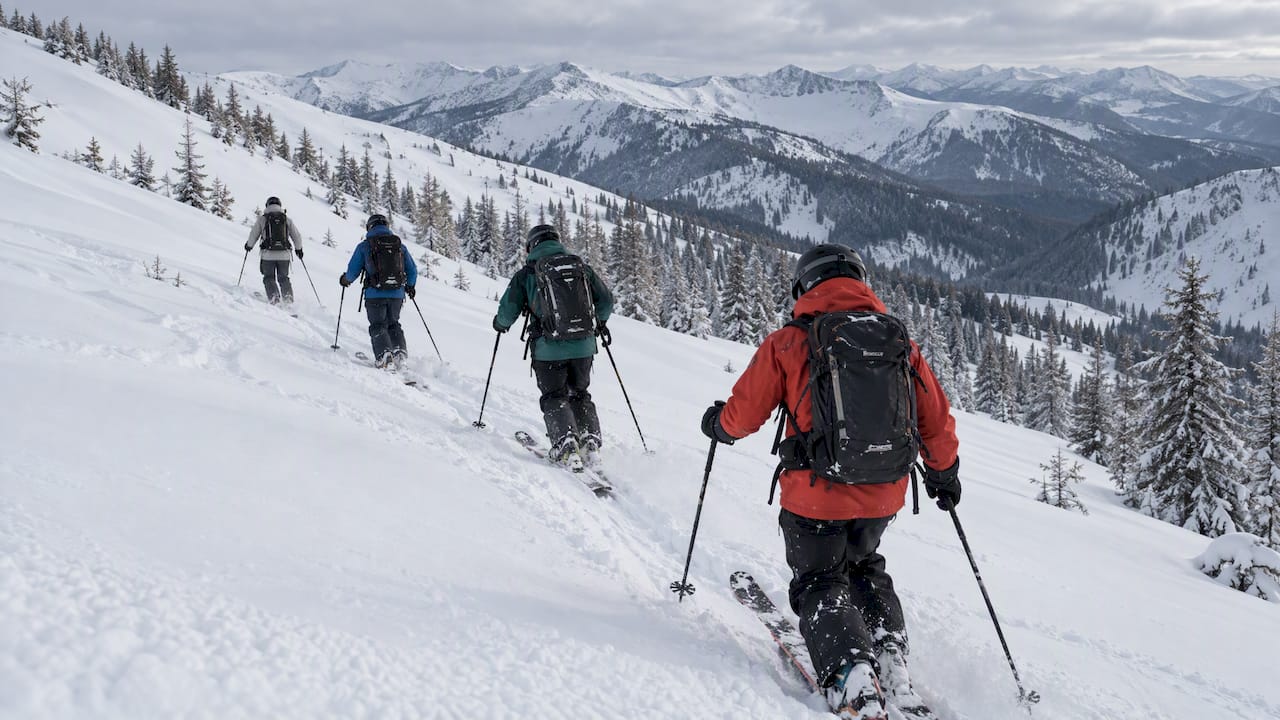
A practical cat-skiing safety checklist for first-timers, covering avalanche gear, companion-rescue practice, ability preparation and guided mountain days.
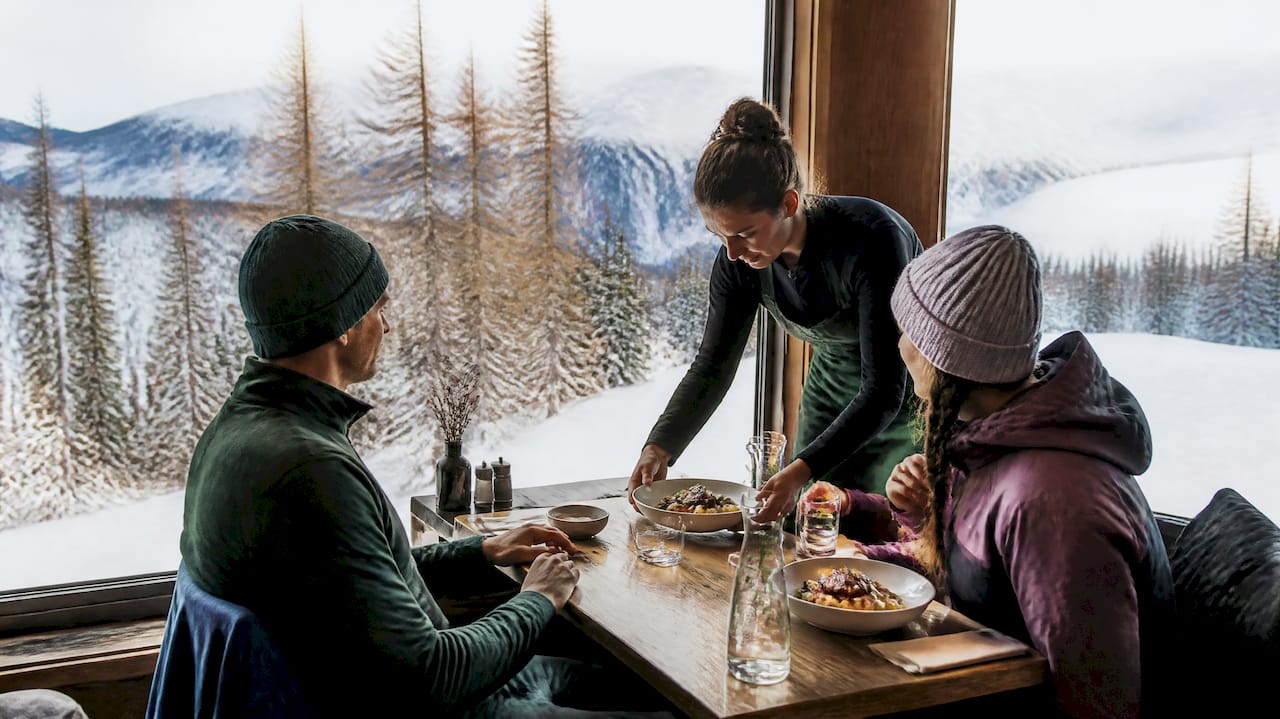
Plan on-mountain dining with four practical considerations: access, reservations, menus and dietary needs, plus weather and mountain safety preparation.

A practical Siberian cuisine guide to Restaurant Altai, East Kazakhstan dishes, dietary requests and Ridder Lodge accommodation rates.
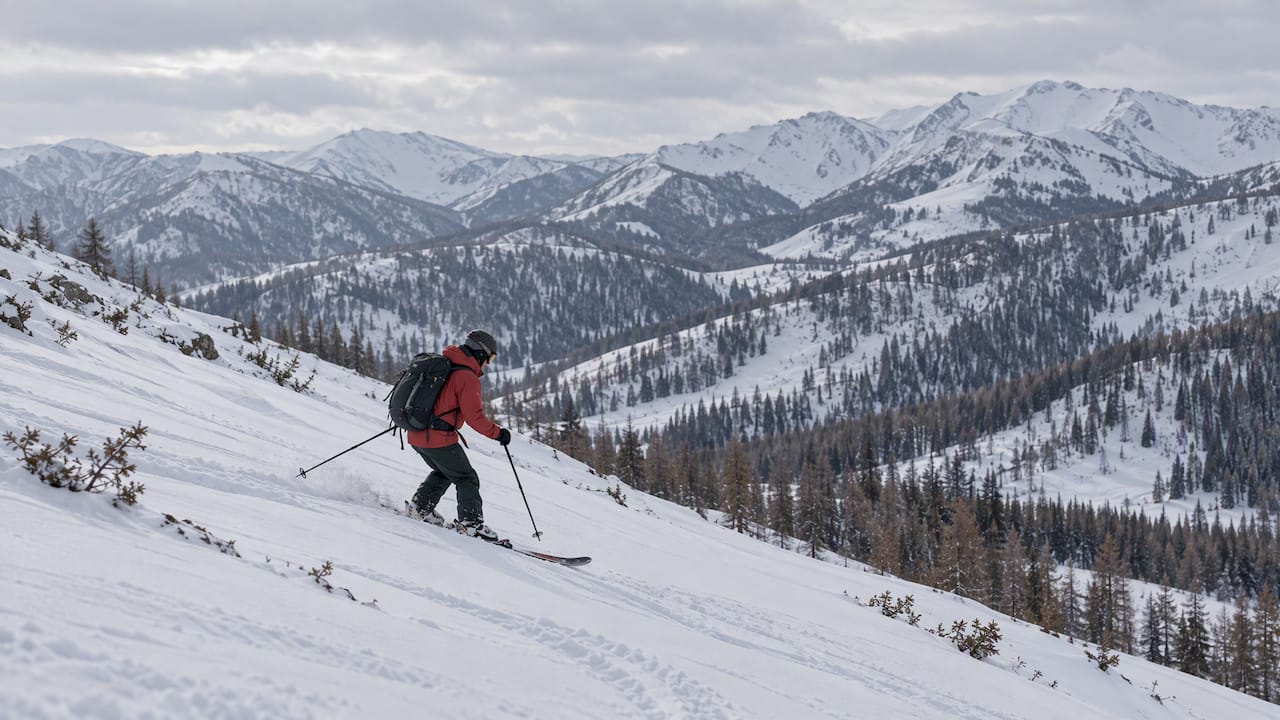
Explore heli-skiing’s environmental impact, including helicopter emissions, wildlife considerations, aviation effects and practical planning questions.
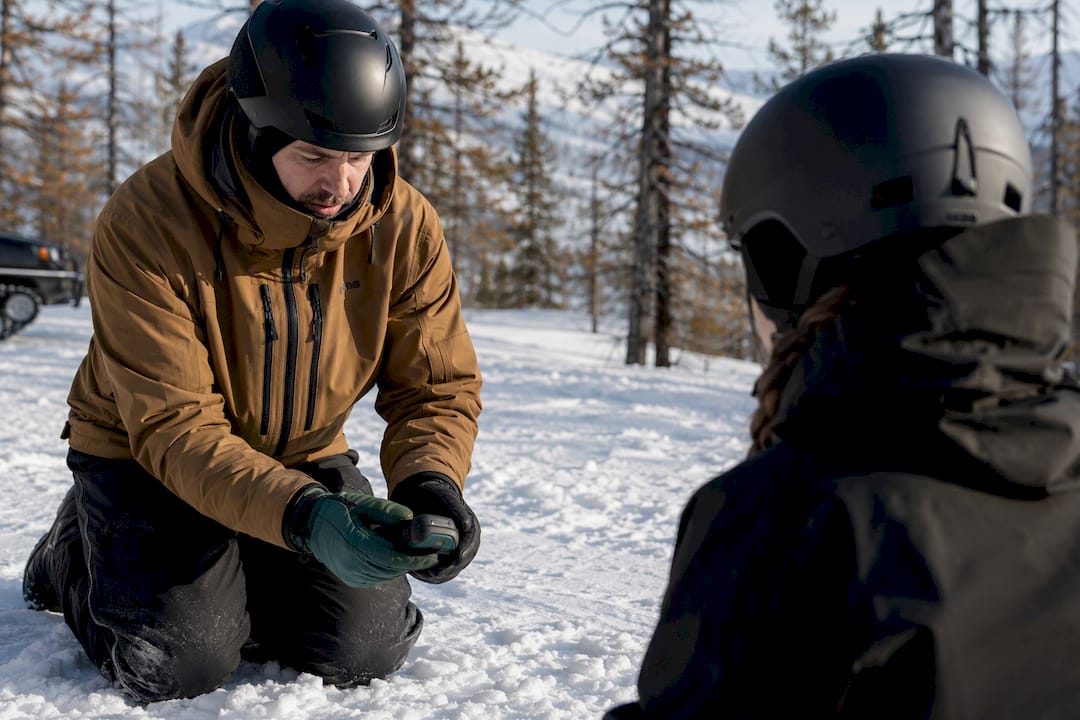
Learn what a snowcat safety briefing covers, including avalanche equipment, transceiver checks, the 20 cm/50 cm rule and cat-skiing preparation in Altai.
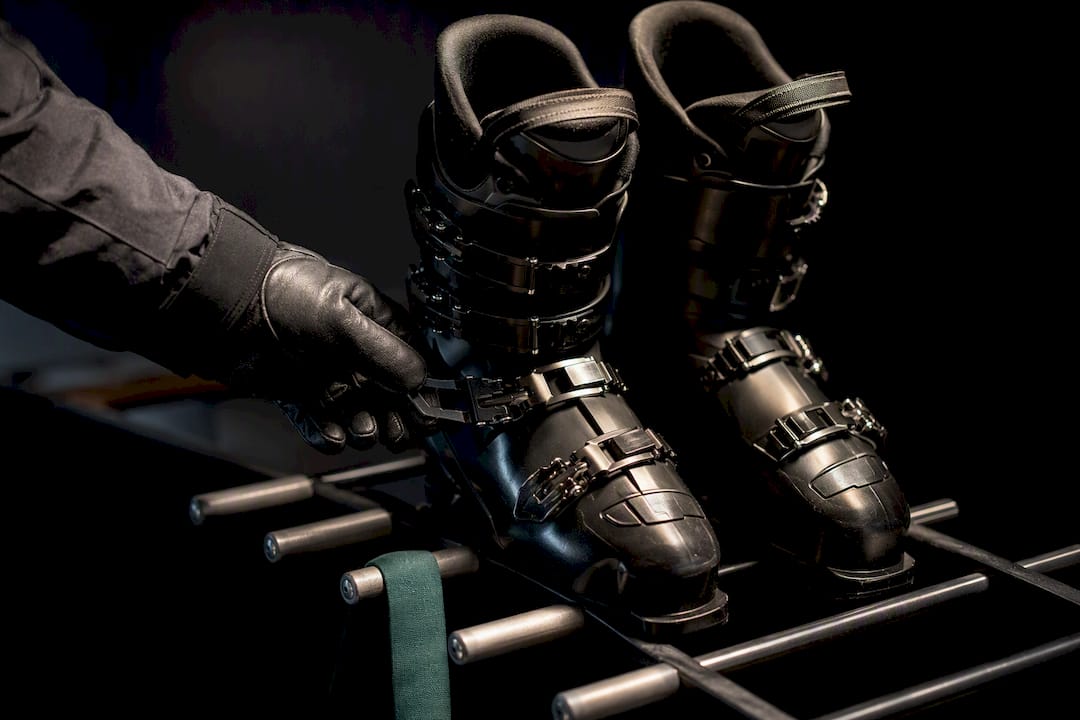
Practical ski locker etiquette for shared storage: keep equipment tidy, use boot dryers fairly and follow the rules in your drying room.
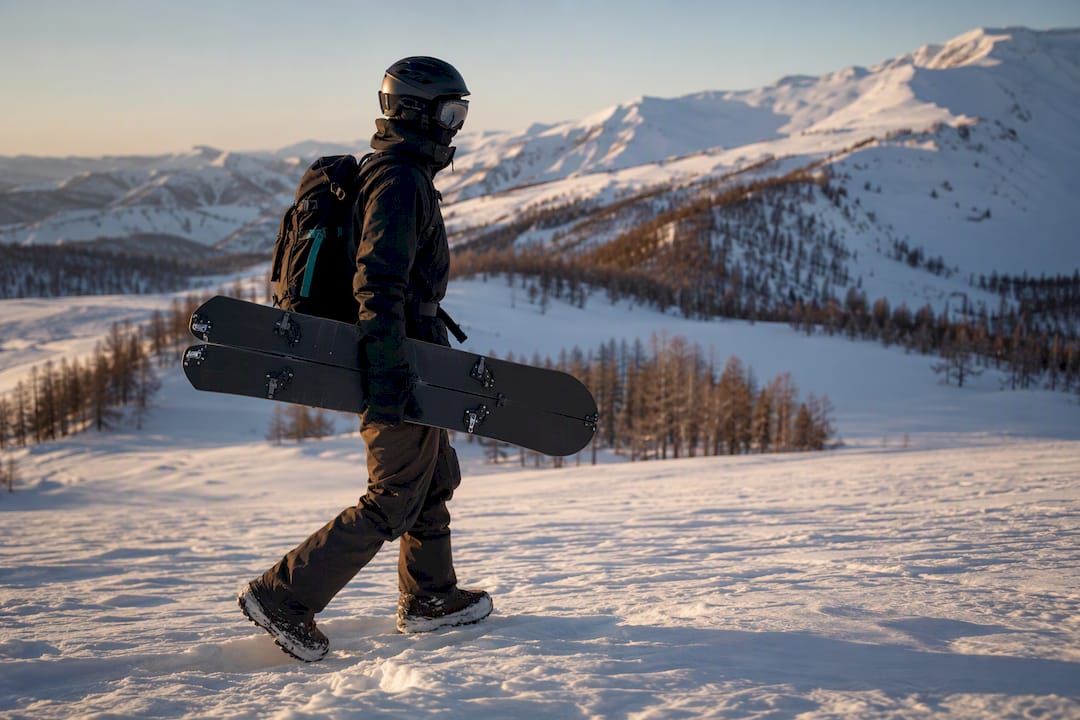
Plan a heli-accessed splitboard trip with practical guidance on formats, costs, rescue readiness, personal kit and Altai Mountains Resort options.
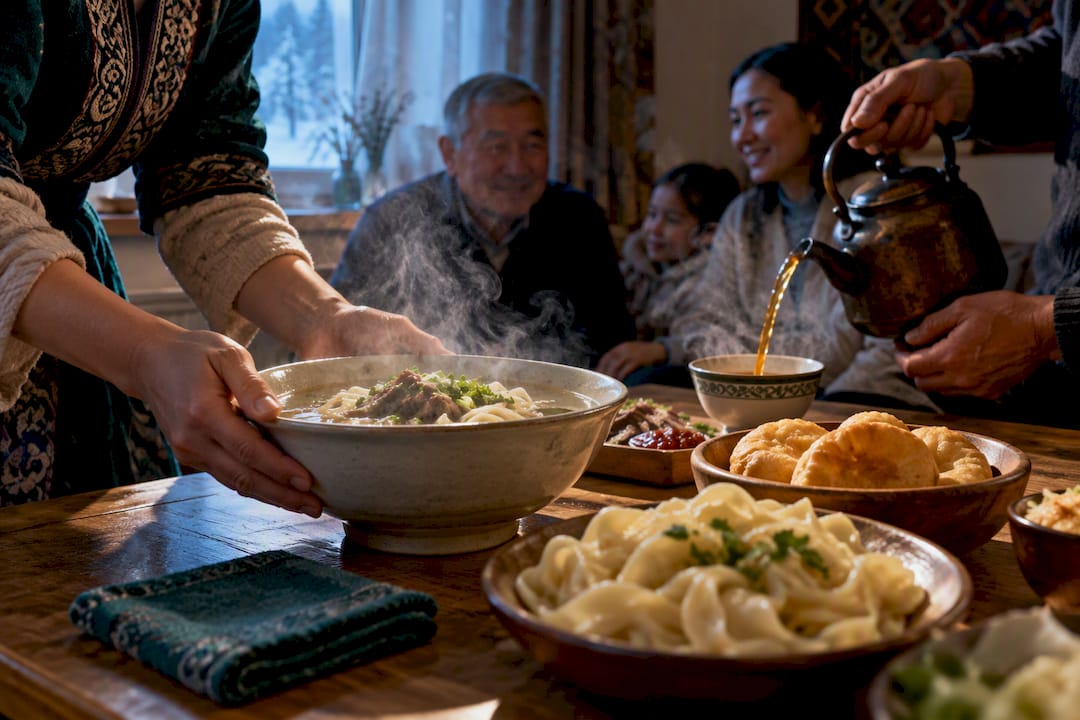
Explore Kazakhstan winter culture through holiday traditions, food, living heritage, regional rhythms and practical etiquette for visitors.
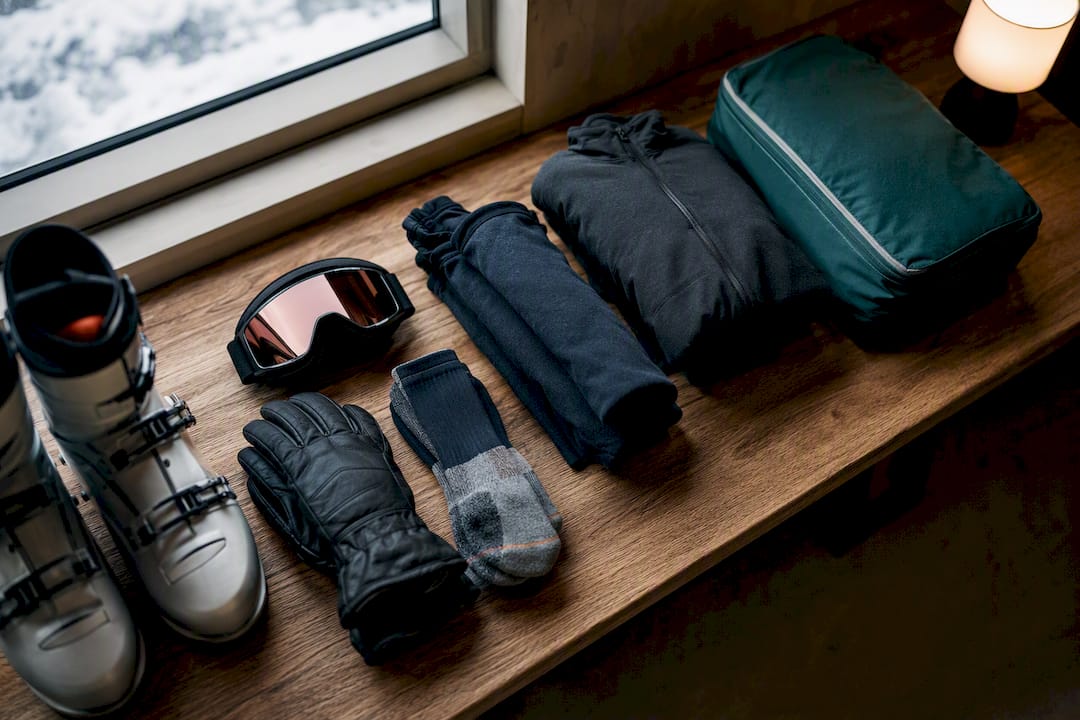
A practical luxury ski packing list for fitted essentials, lighter luggage and guided off-piste or heli-ski days at Altai Mountains Resort.

A practical heli-skiing safety guide for expert skiers, covering operator decisions, avalanche equipment, helicopter procedures, rescue planning and insurance.
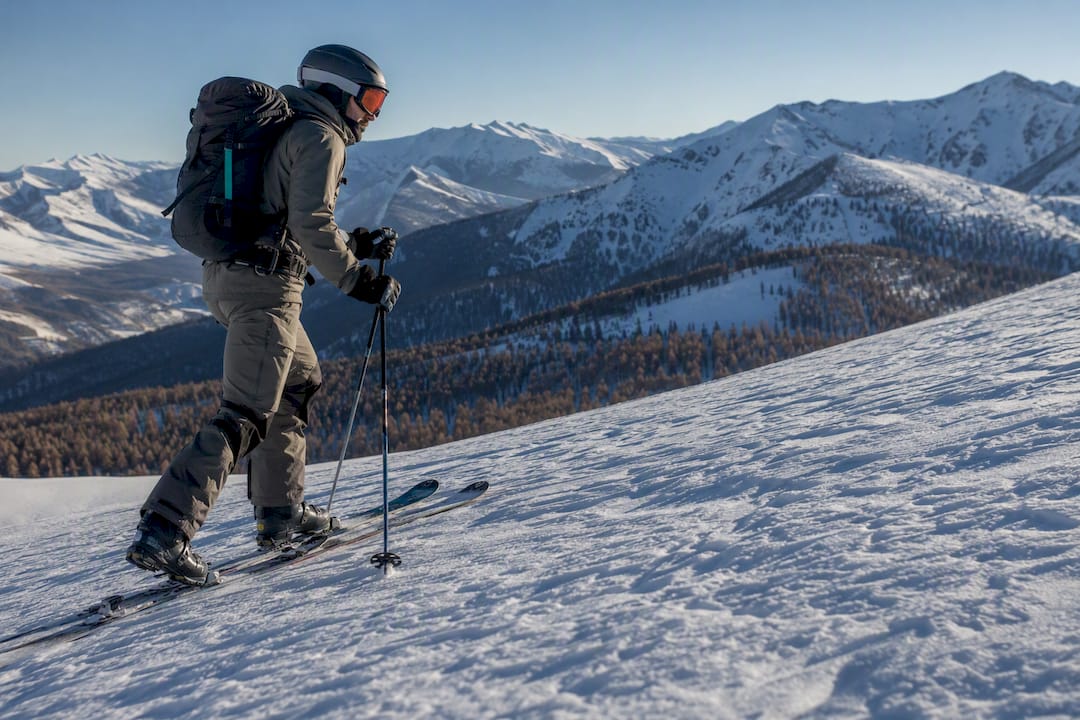
Compare lift-assisted, touring and Western Altai ski options in Kazakhstan, with practical safety, travel and booking guidance.

Learn the heli-skiing skill level typically expected, the off-piste skills to practise, safety preparation and an adaptable 8–12-week training framework.

Plan the Kazakhstan skiing season with a practical comparison of Almaty and Ridder, month-by-month timing, mountain safety and trip planning.
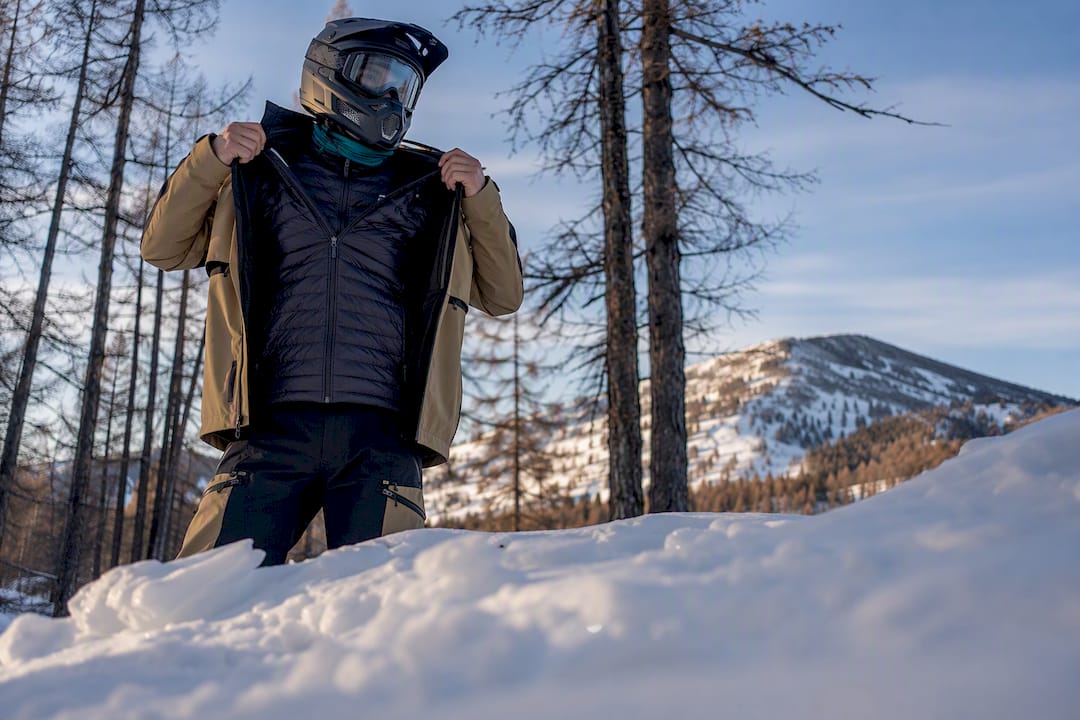
Use this snowmobile layering guide to build a flexible base, insulation and shell system, manage moisture and pack dry spares for changing conditions.

Learn what to rent for avalanche terrain, how to prepare a beacon, probe and shovel, and what to know about airbag packs and flights.
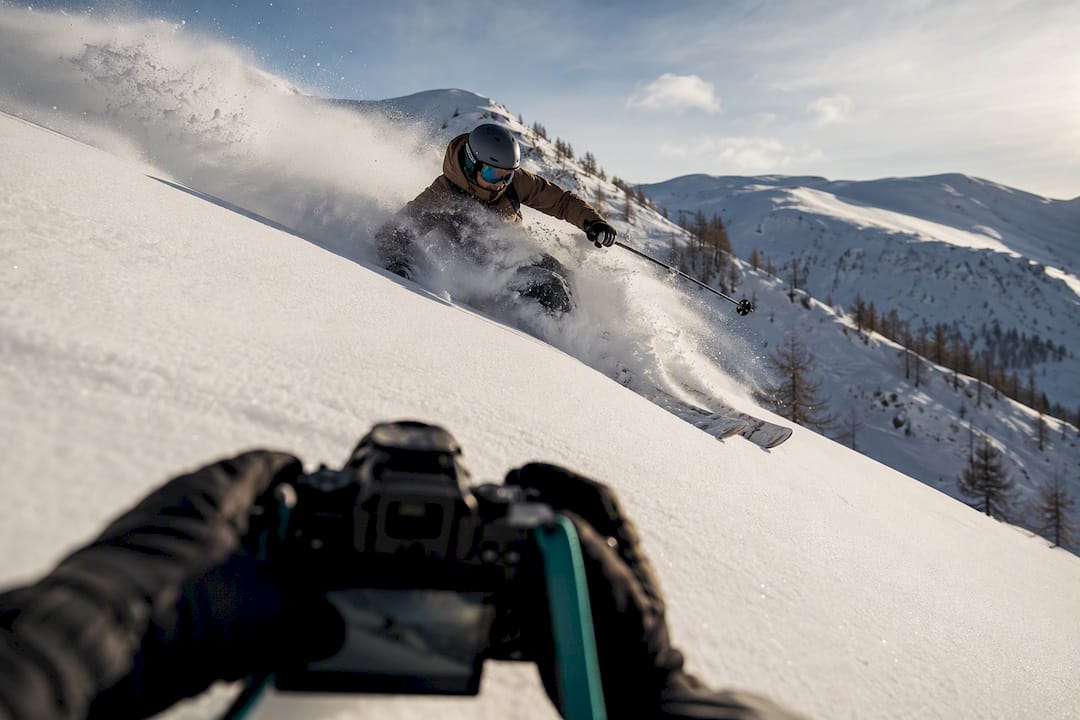
Practical ski photography tips for beginners: camera settings, snow exposure, timing, cold-weather camera care and safe mountain positioning.

Learn how to read an avalanche forecast, interpret danger ratings, roses and avalanche problems, and plan more conservative terrain choices.
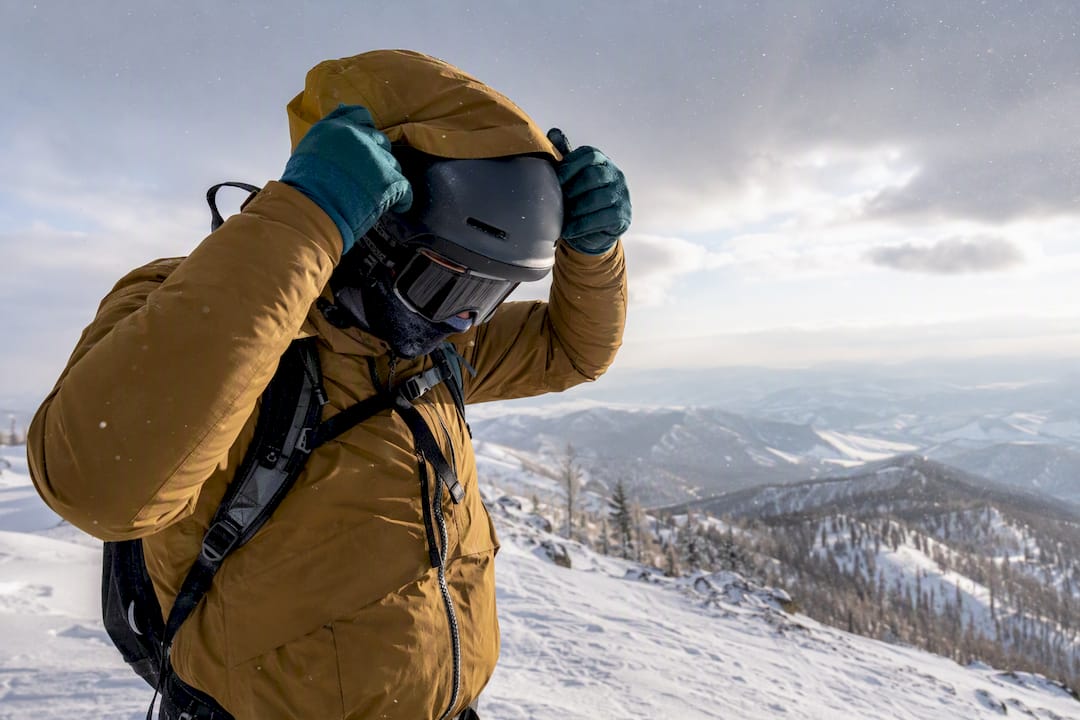
Practical cold injury prevention for winter travel: layering, dry spares, warning signs, first aid and planning for mountain activities.
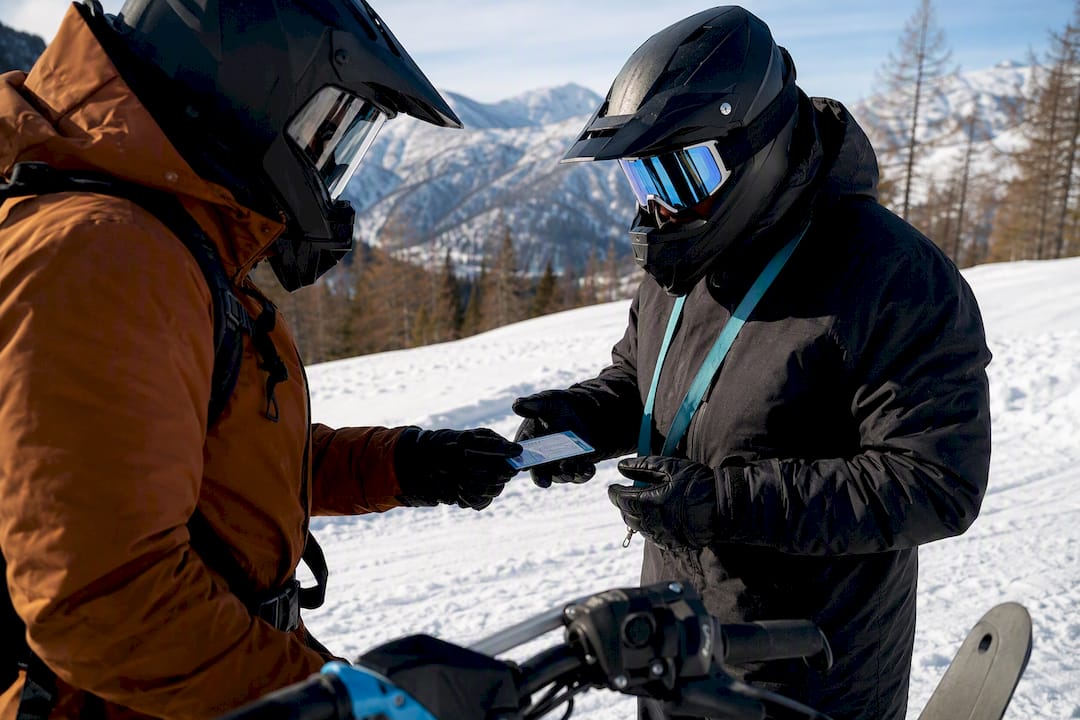
Planning snowmobiling in Ridder? Understand how experience, training, equipment and Kazakhstan rules shape your trip with Altai Mountains Resort.
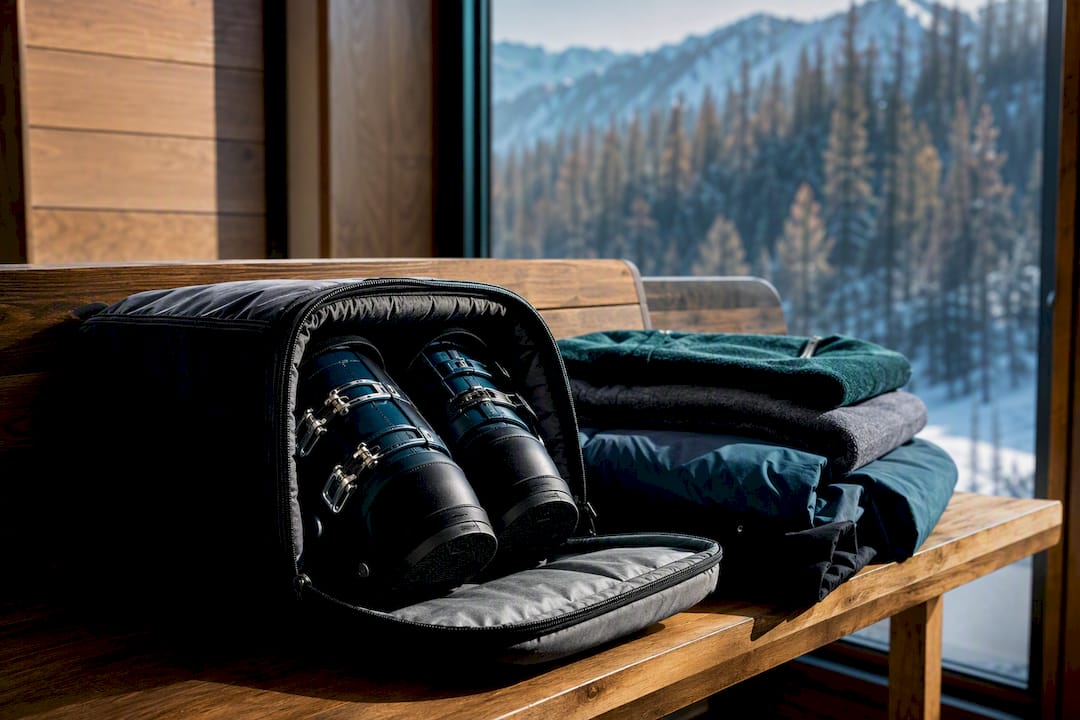
Travel with ski gear confidently: carry boots when cabin rules allow, pack skis securely, understand airline baggage rules and prepare for delays.
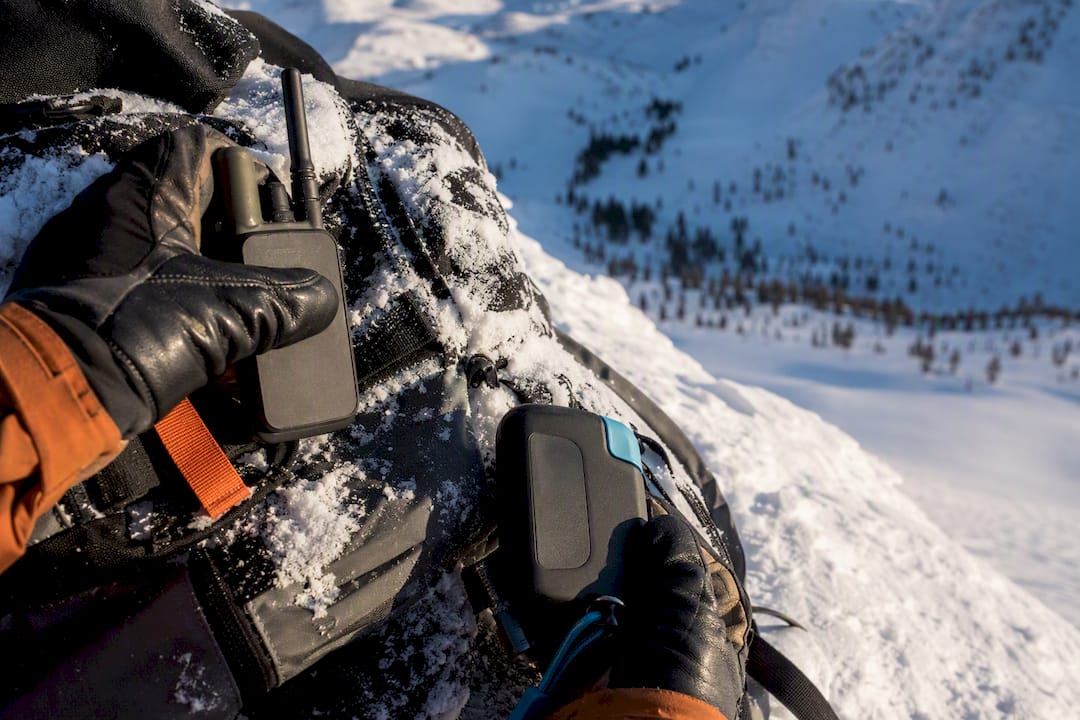
Build a practical backcountry radio communication plan with party radios, satellite SOS or PLB backup, cold-weather care and regional legal essentials.

Satellite messenger basics for remote Altai trips: compare PLBs and two-way devices, understand SOS limits, and prepare your communications plan.
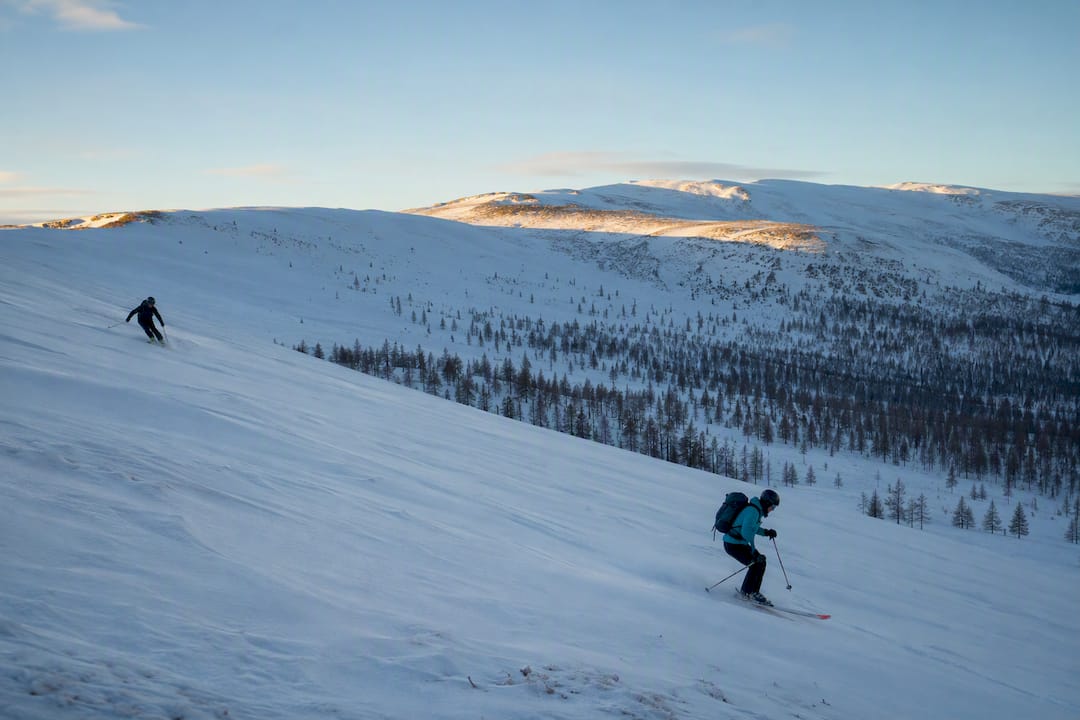
Avoid ski crowds with flexible dates, midweek skiing, early starts and smarter lift choices. Explore guided off-piste options near Ridder.

Learn how heli-skiing passenger weight and baggage rules differ by operator, with practical packing steps and Altai Mountains Resort booking guidance.
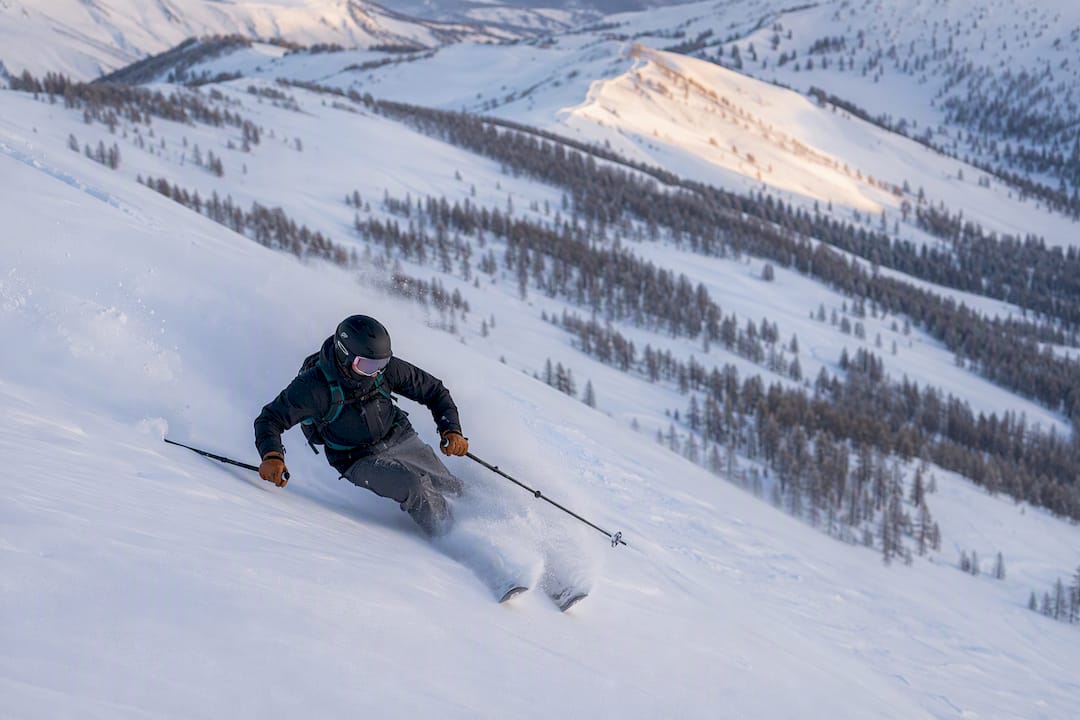
Understand the cat skiing skill level needed for Altai Mountains Resort, with practical guidance on off-piste ability, fitness and avalanche readiness.
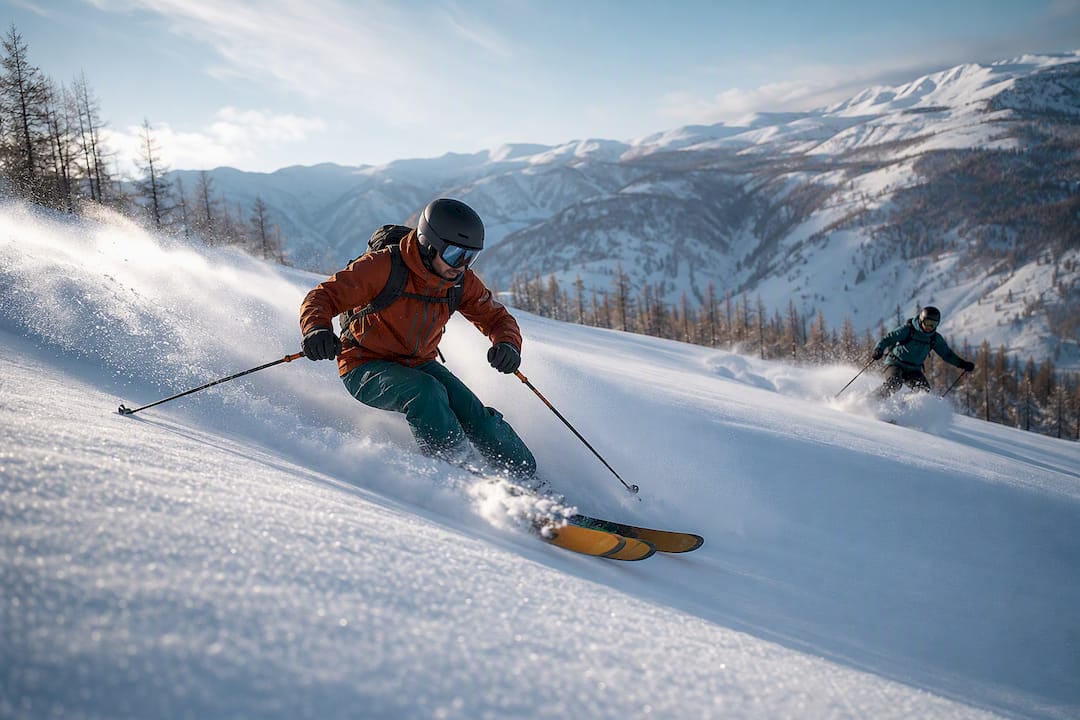
Decide whether Ridder suits your advanced Altai ski trip, with practical guidance on transfers, season timing, avalanche gear and guided programmes.
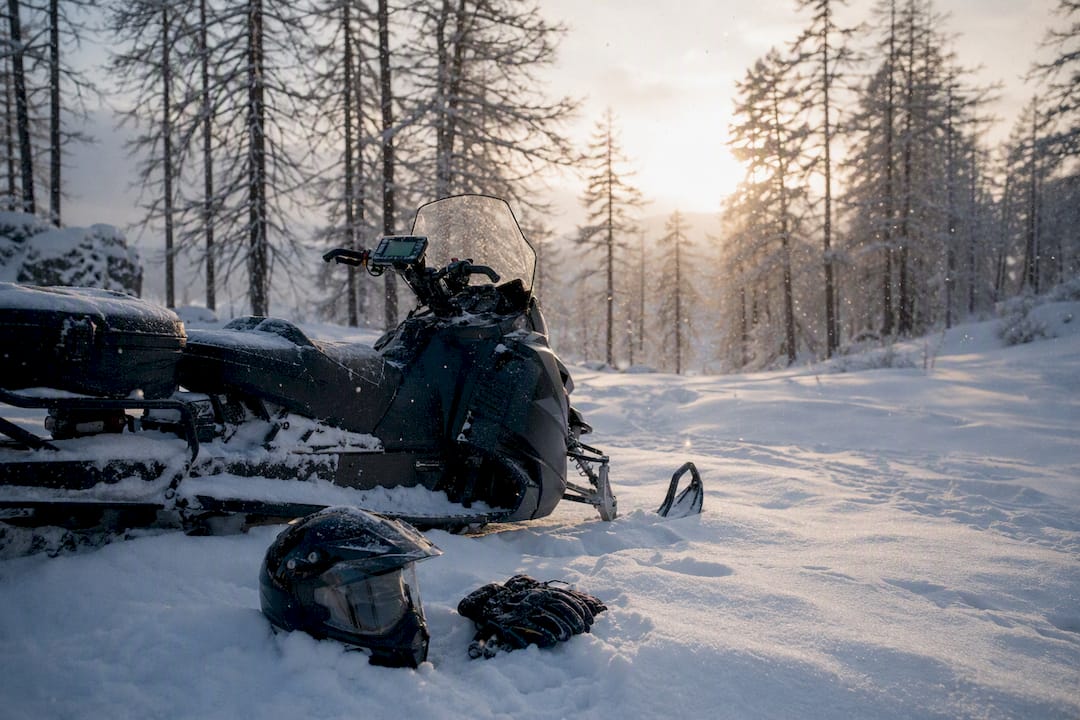
Compare snowmobile tour prices by duration, understand what shapes the final cost, and explore quote-based snowmobiling at Altai Mountains Resort.
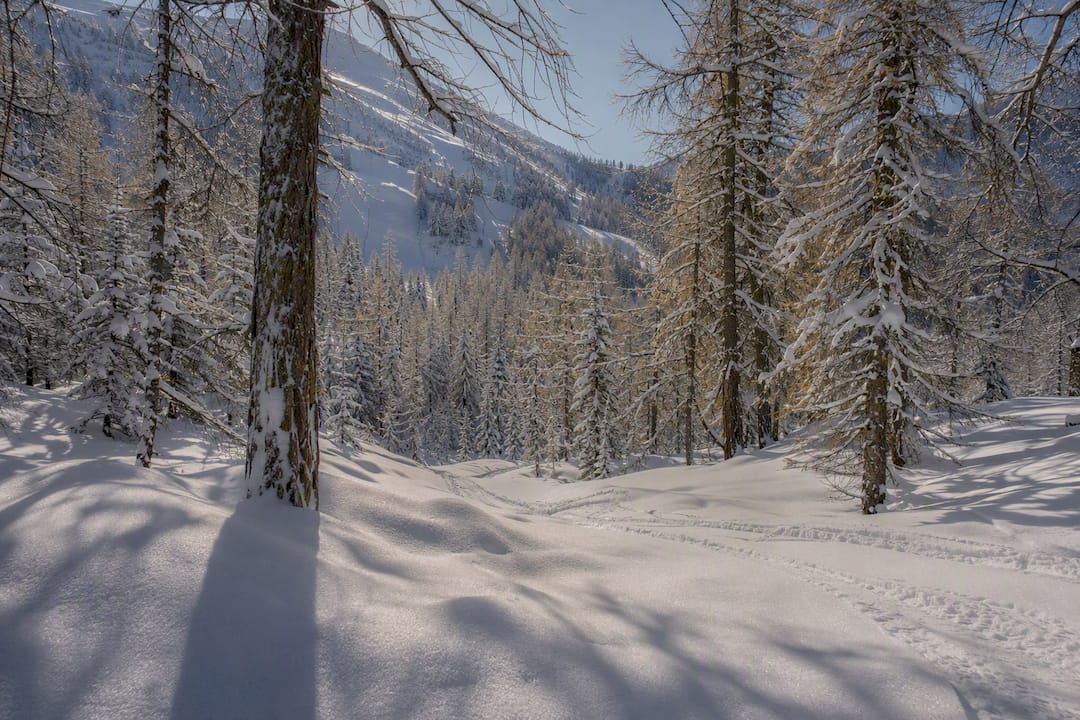
Compare Western Altai, Almaty and Turgen for Kazakhstan powder skiing, with practical guidance on access, safety and Ridder logistics.

Plan Altai heli skiing near Ridder with practical guidance on terrain, season, package inclusions, access, safety gear and booking.
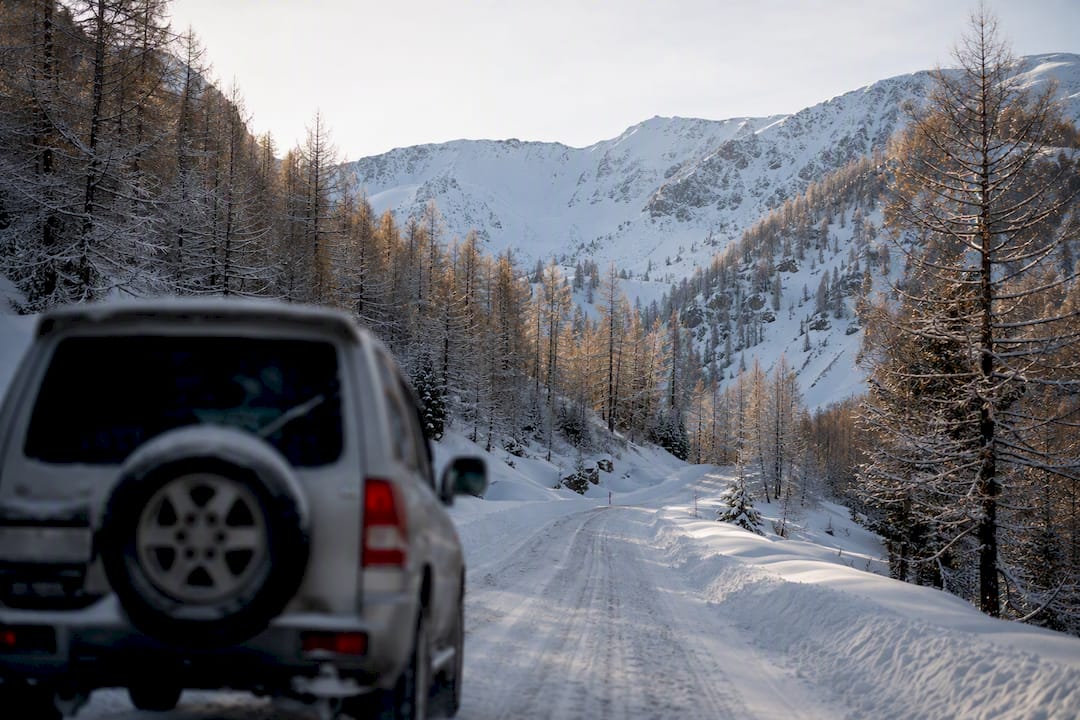
Compare flight, rail and self-drive routes from Almaty to the Kazakh Altai, with practical guidance for reaching Ridder and Ulba village.

Learn deep powder snowmobiling setup, riding technique, safe recovery and avalanche preparation, plus guided training near Ridder.
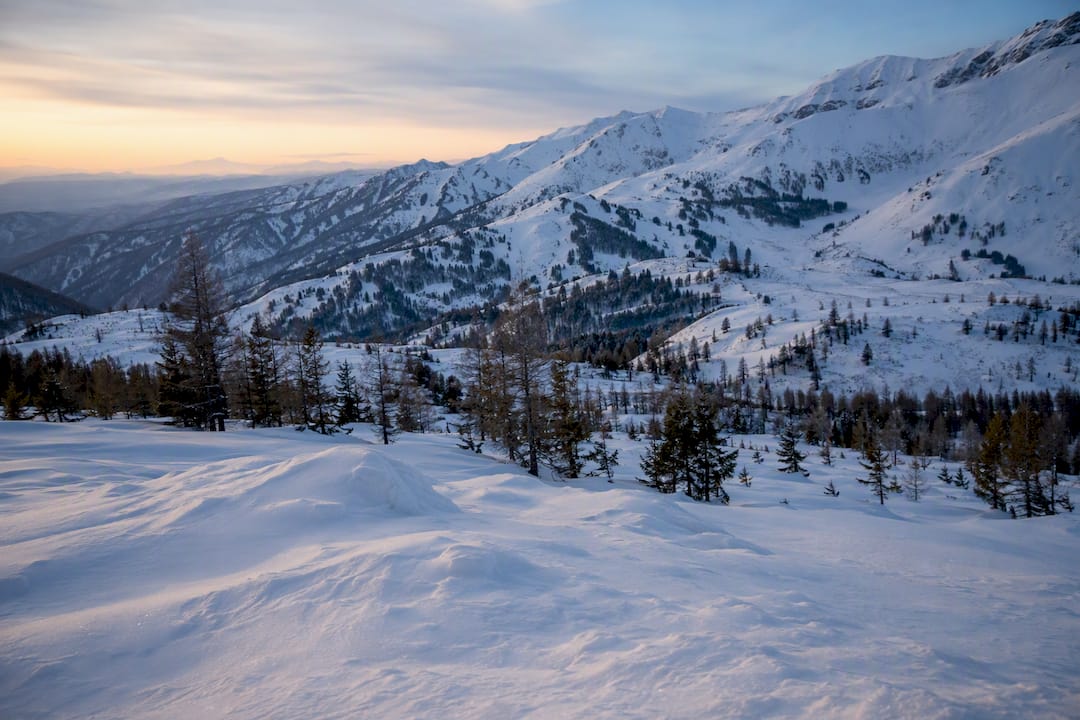
Plan an Altai Mountains winter stay from Ridder, with activity timing, travel from Öskemen, packing advice and practical mountain guidance.

Practical helicopter passenger safety guidance on boarding, seatbelts, exits, dropped items and following crew instructions.

Practical off-piste slope etiquette for safer skiing: right of way, avalanche preparation, group spacing, closures and guided skiing in the Western Altai.

Plan an Altai Mountains trip across Russian, Mongolian and Kazakh sectors, with permit, safety and winter-stay guidance for Ridder Lodge.
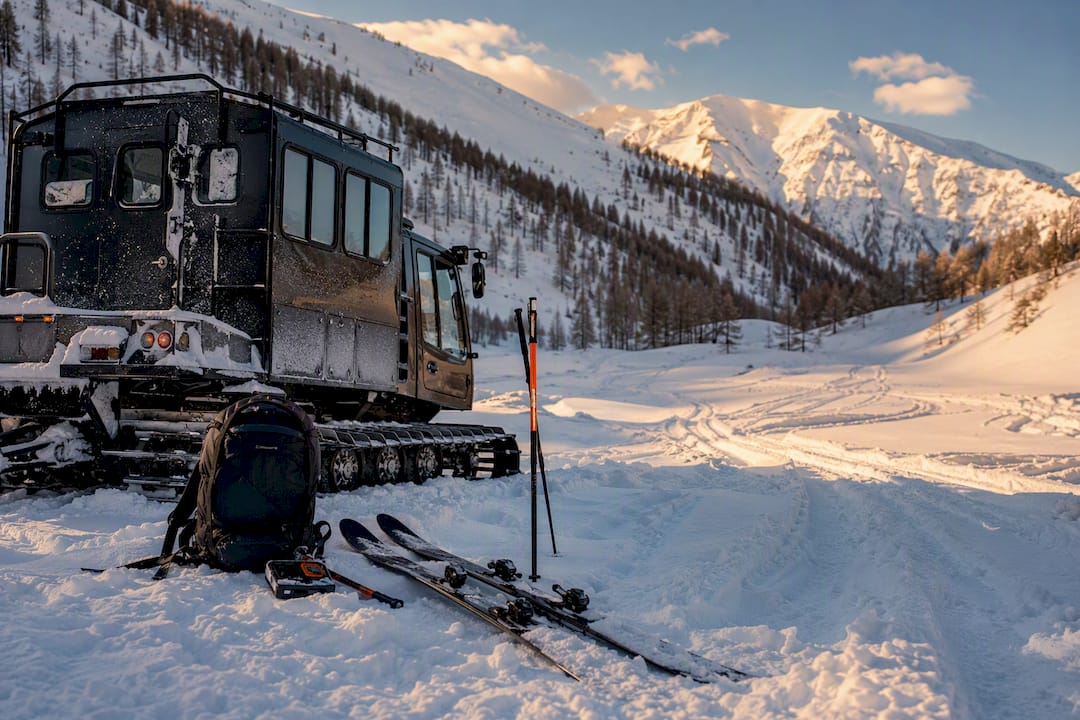
Learn how to plan guided freeride tours, from off-piste experience and avalanche gear to guide scope, changing mountain conditions and cat-skiing in the Altai.
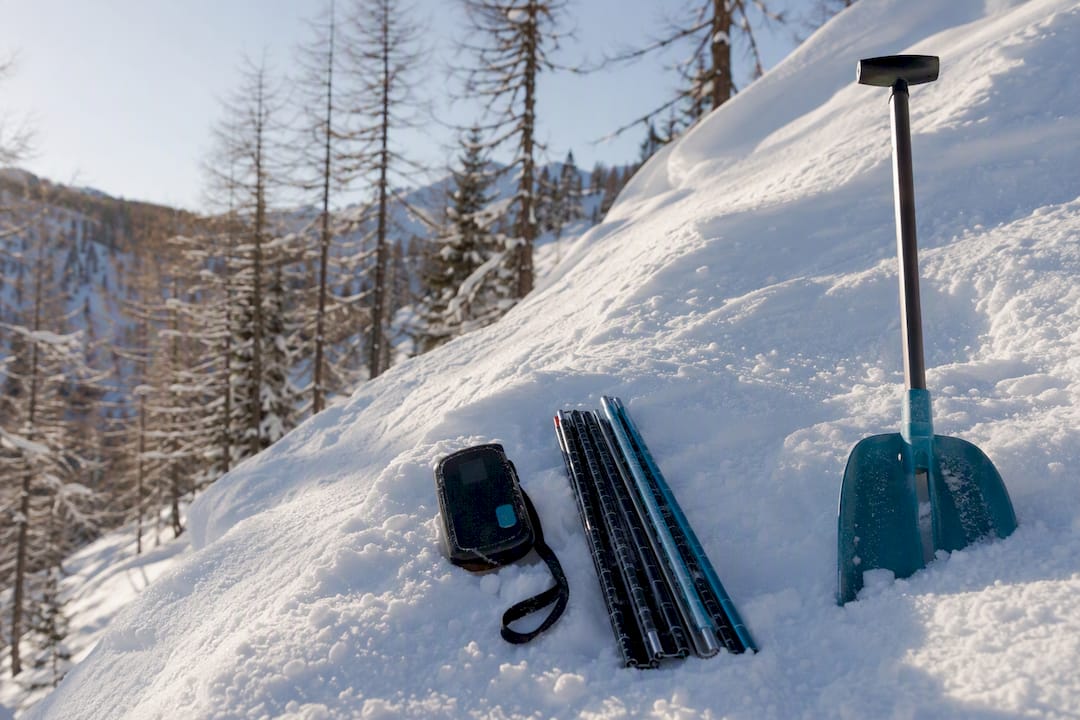
Learn avalanche beacon basics: 457 kHz transceivers, essential rescue gear, trailhead checks, interference and companion-rescue practice.

Learn which avalanche course suits your plans, what companion-rescue skills to practise and how to prepare for a winter trip to Altai.
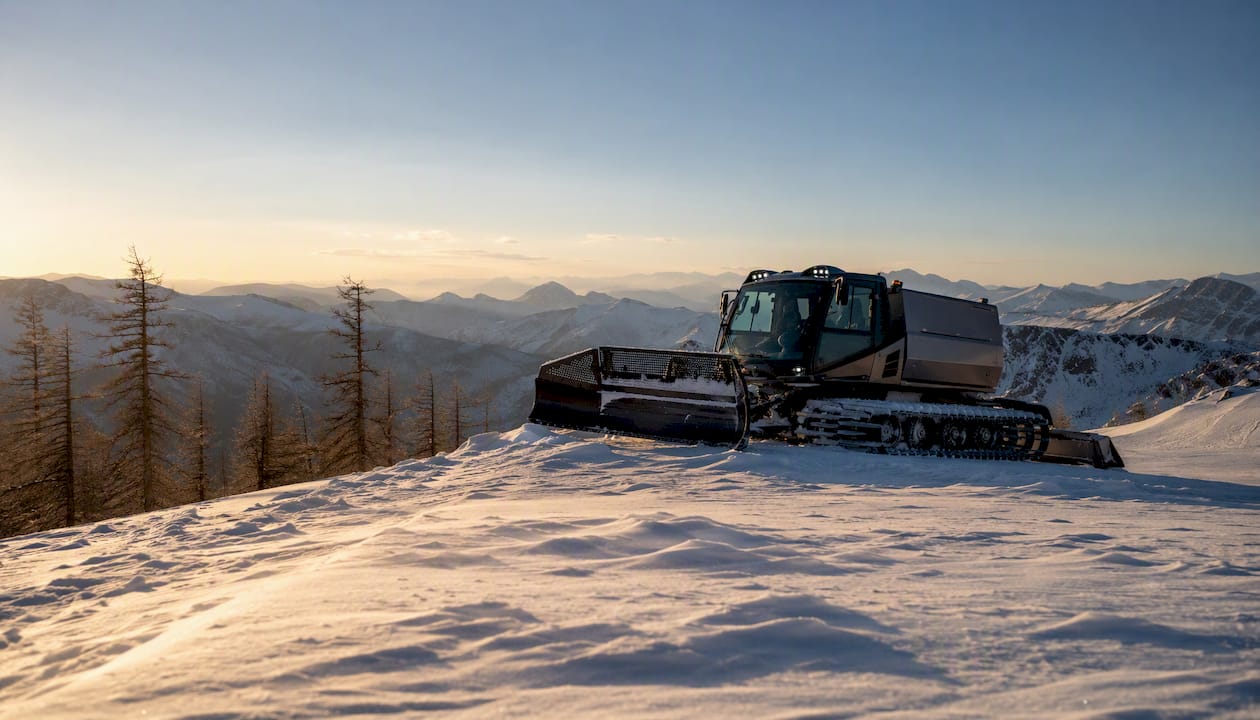
Learn what cat skiing is, who it suits, what to pack and how to plan a guided cat-skiing trip, including options near Ridder, Kazakhstan.
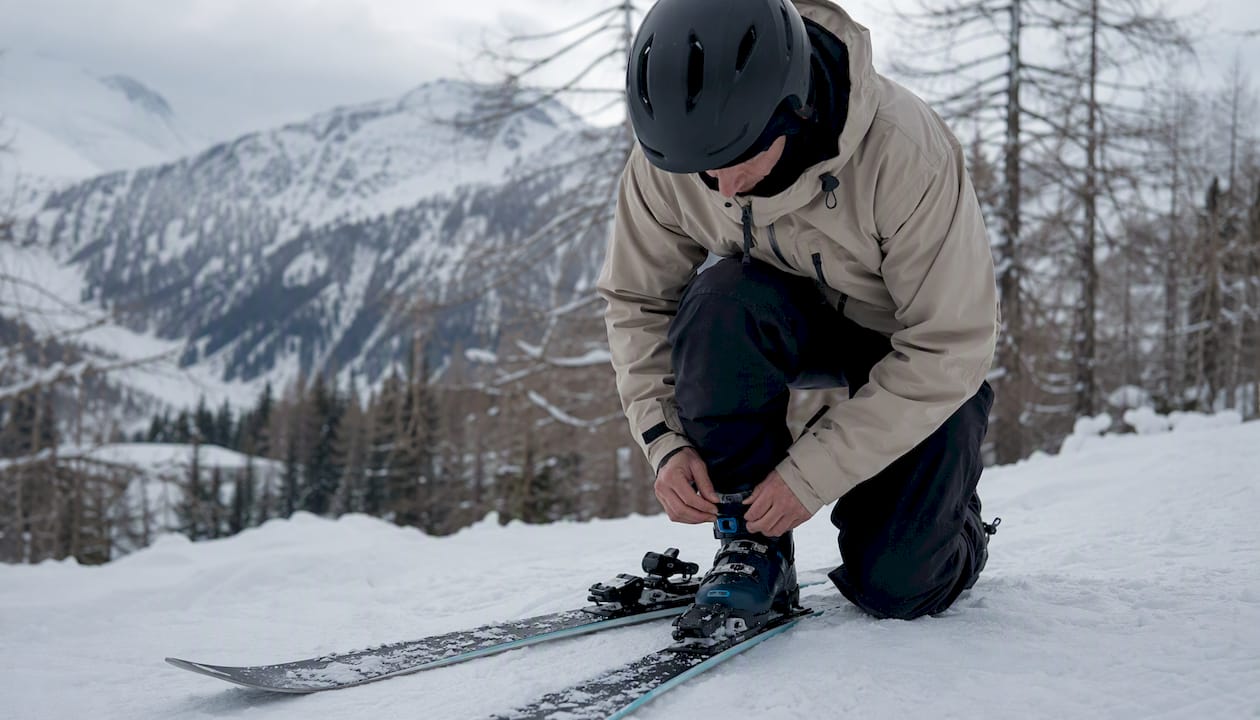
A practical ski rental Kazakhstan guide to Shymbulak and Medeu, current tariffs, equipment fit, transport and guided freeride near Ridder.

Understand ski guide benefits for freeride and backcountry trips, including local planning, terrain choices, qualifications, safety gear and access options.

Plan a snowmobile expedition near Ridder, Kazakhstan, with practical guidance on routes, rider experience, equipment, mountain safety and transfers.
Use this mountain lodge amenities checklist to compare rooms, meals, wellness access, transfers, activities and paid extras before booking.
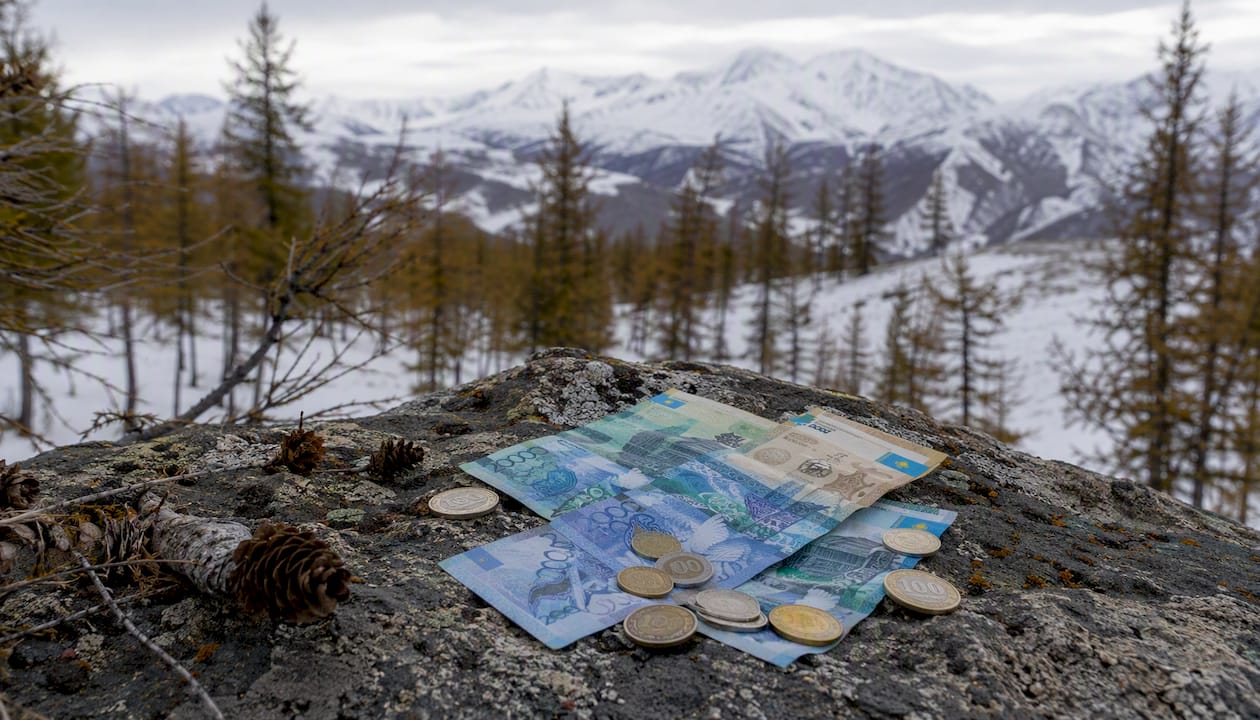
A practical Kazakhstan currency guide to the tenge, cards, ATMs, currency exchange, DCC and cash planning for cities and the Western Altai.
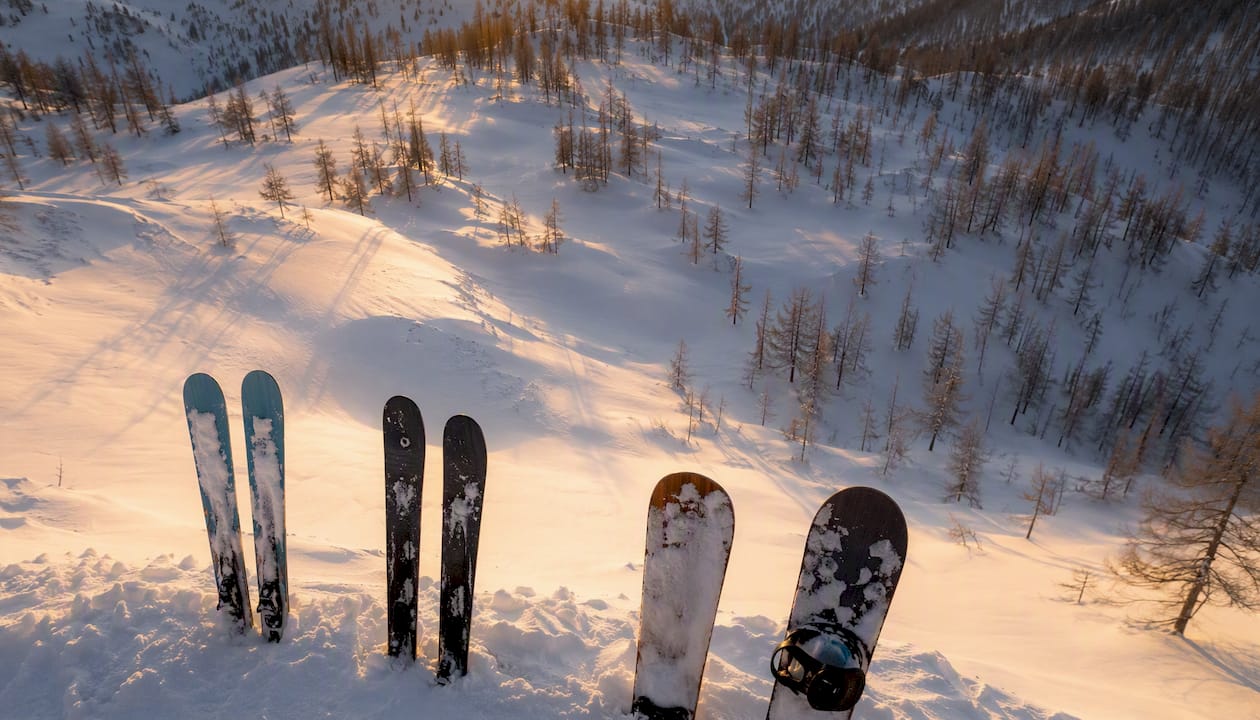
Plan the Kazakhstan ski season by month, compare lift-served Shymbulak with guided trips around Ridder, and prepare for changing snow and mountain conditions.
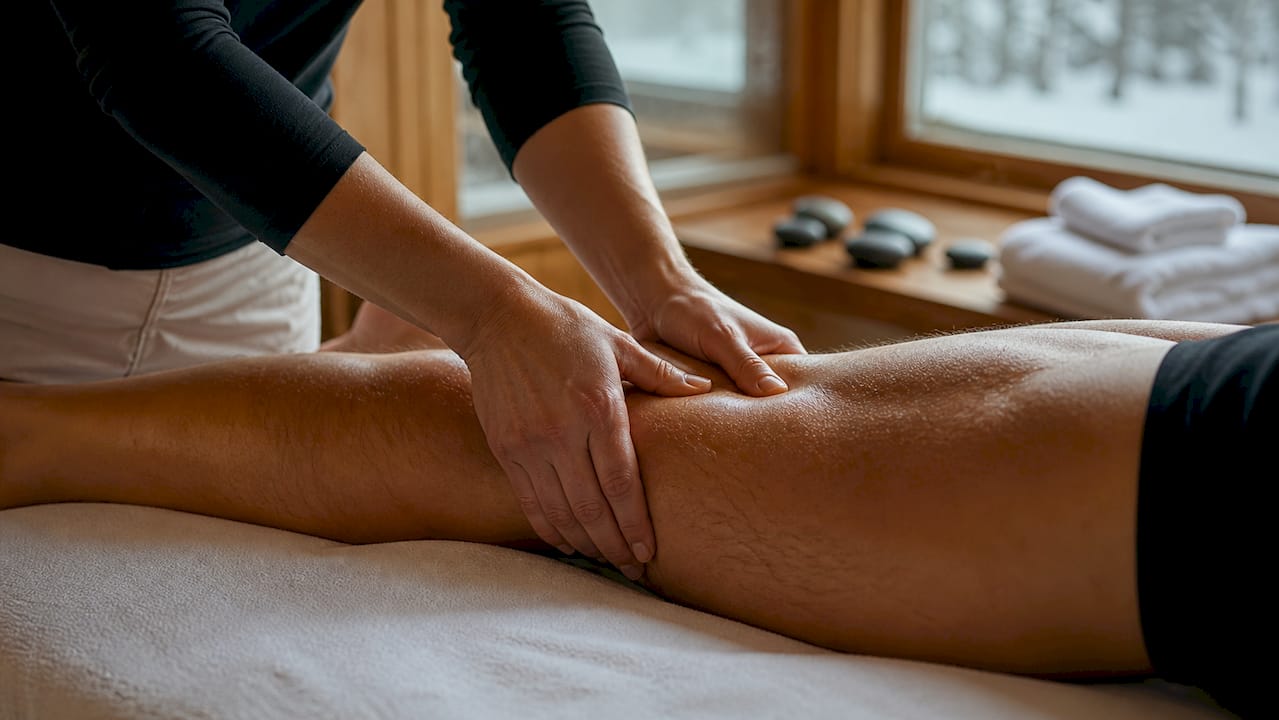
A practical guide to spa after skiing, including gentle massage, sauna and hammam, optional cold immersion and signs that need medical attention.
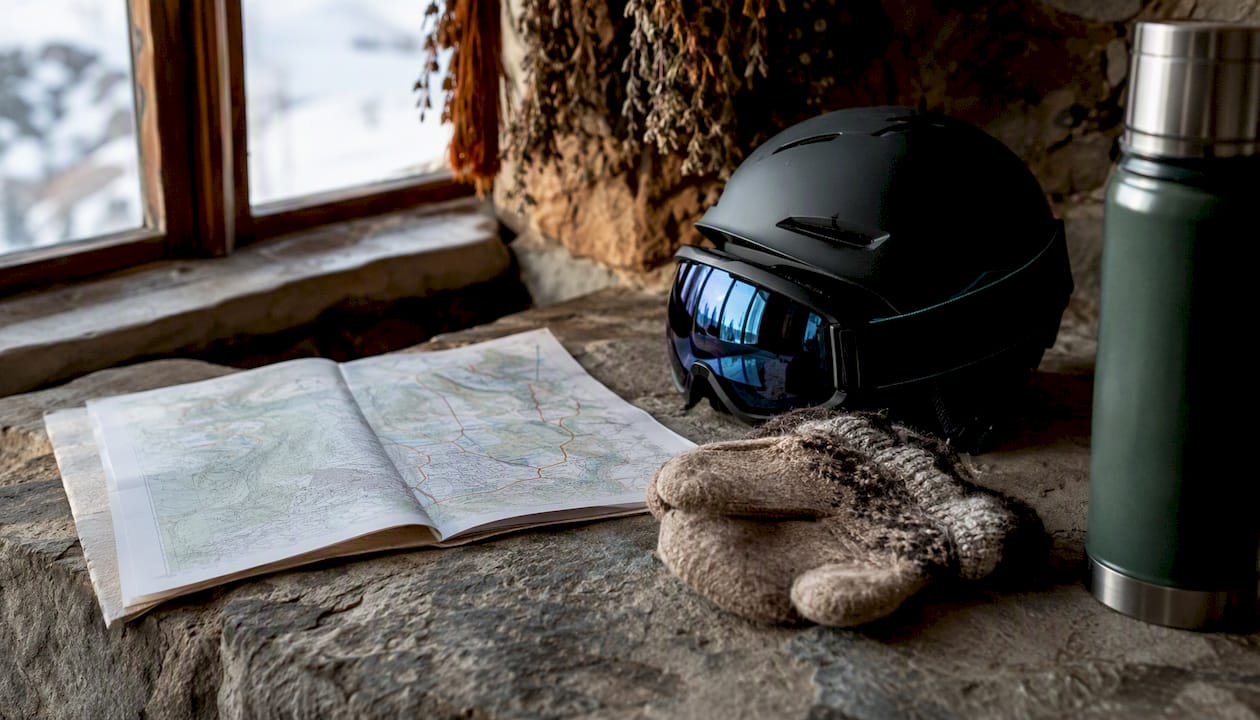
Plan a remote ski trip from the UK to Ridder, with practical guidance on activities, Kazakhstan entry, Öskemen transfers, insurance and ski baggage.
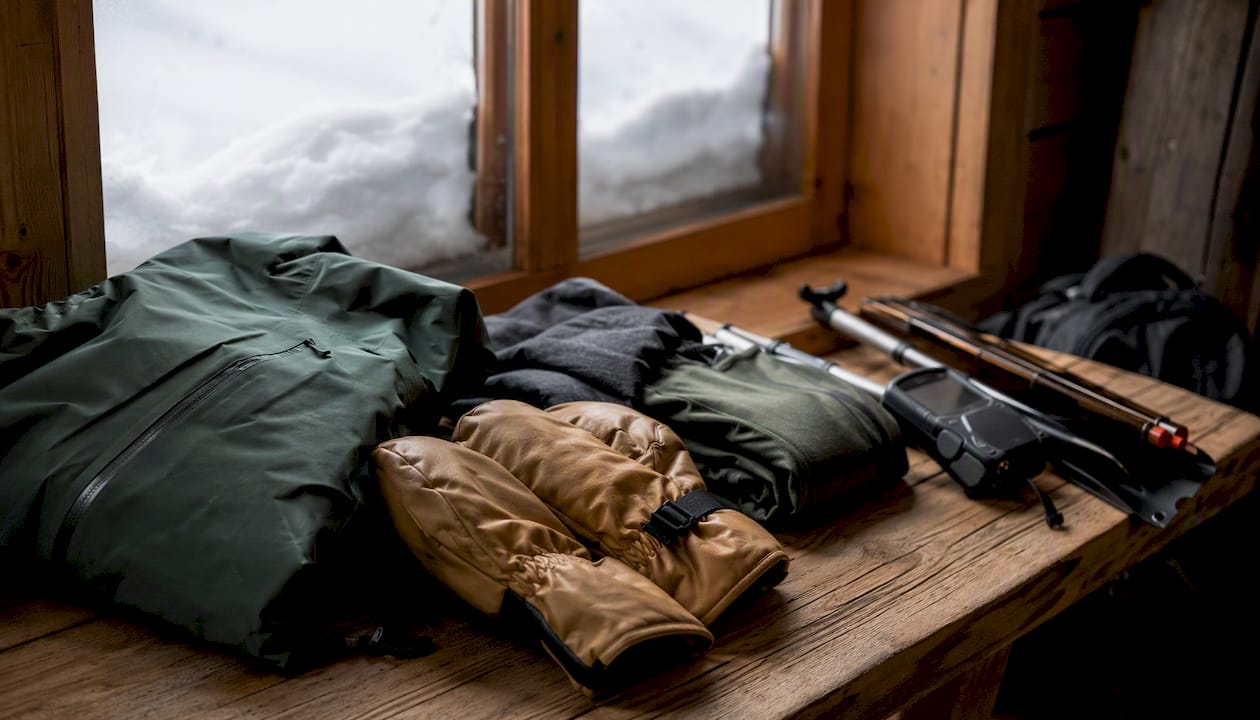
A practical heli skiing packing list covering clothing, avalanche equipment, ski baggage, batteries, travel documents and rental options.
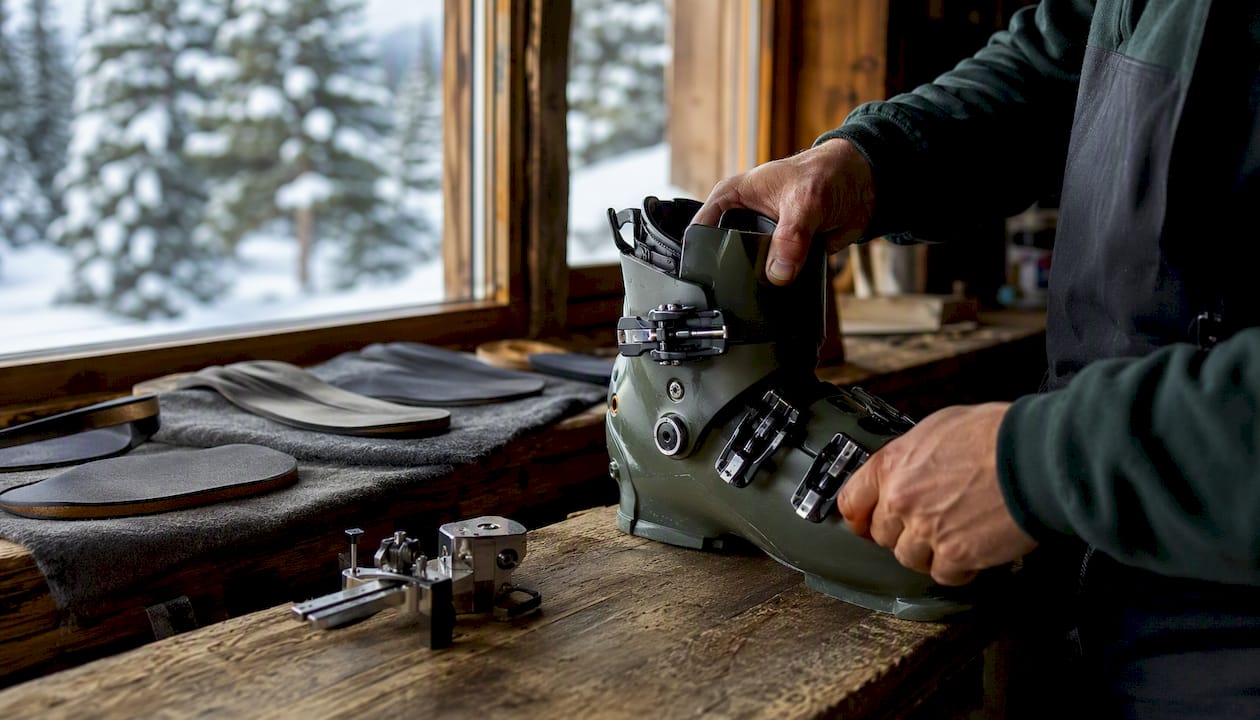
A practical UK guide to ski boot fitting: appointment steps, services, current provider price examples, aftercare and warning signs.
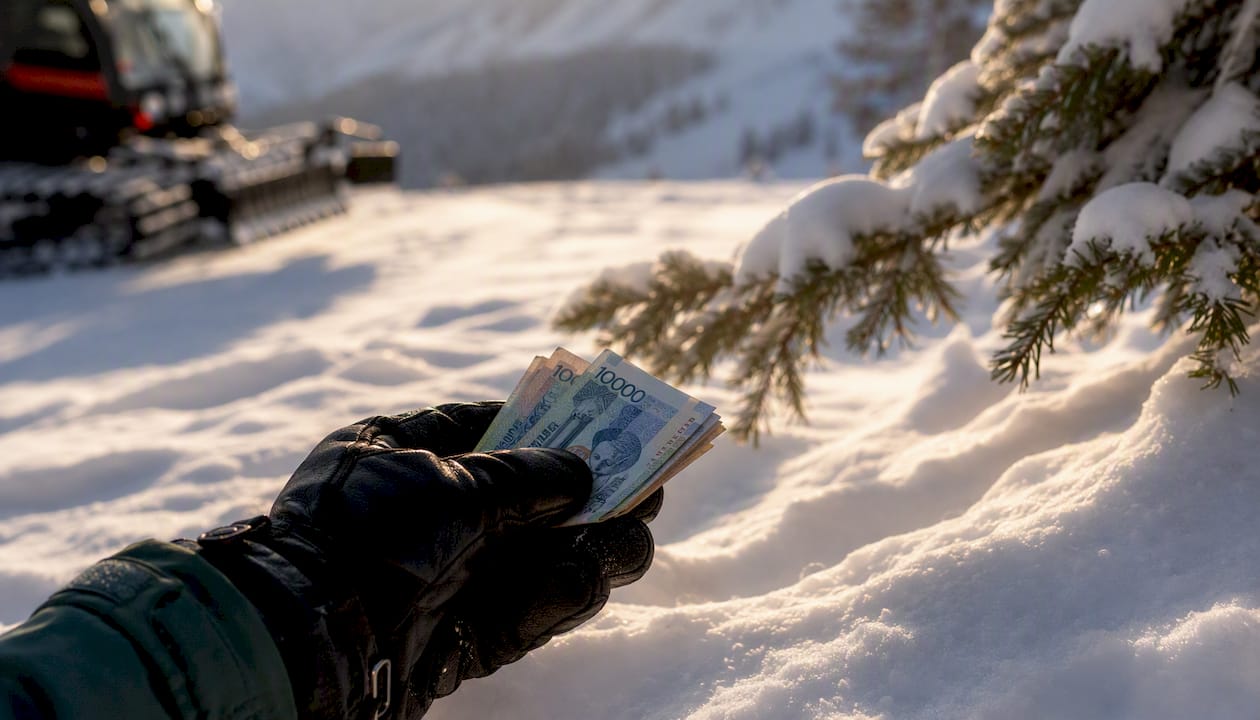
Should you tip a ski guide? Learn how customs vary, when a gratuity may feel appropriate and how to plan for tipping in Kazakhstan.
An Altai cuisine guide to kan, kurut, chegen and talkan, with dining at Restaurant Altai, food safety and travel from Öskemen to Ridder.
Compare banya vs sauna: heat, steam, venik and löyly rituals, etiquette, health evidence, safety basics and the Altai Banya experience.
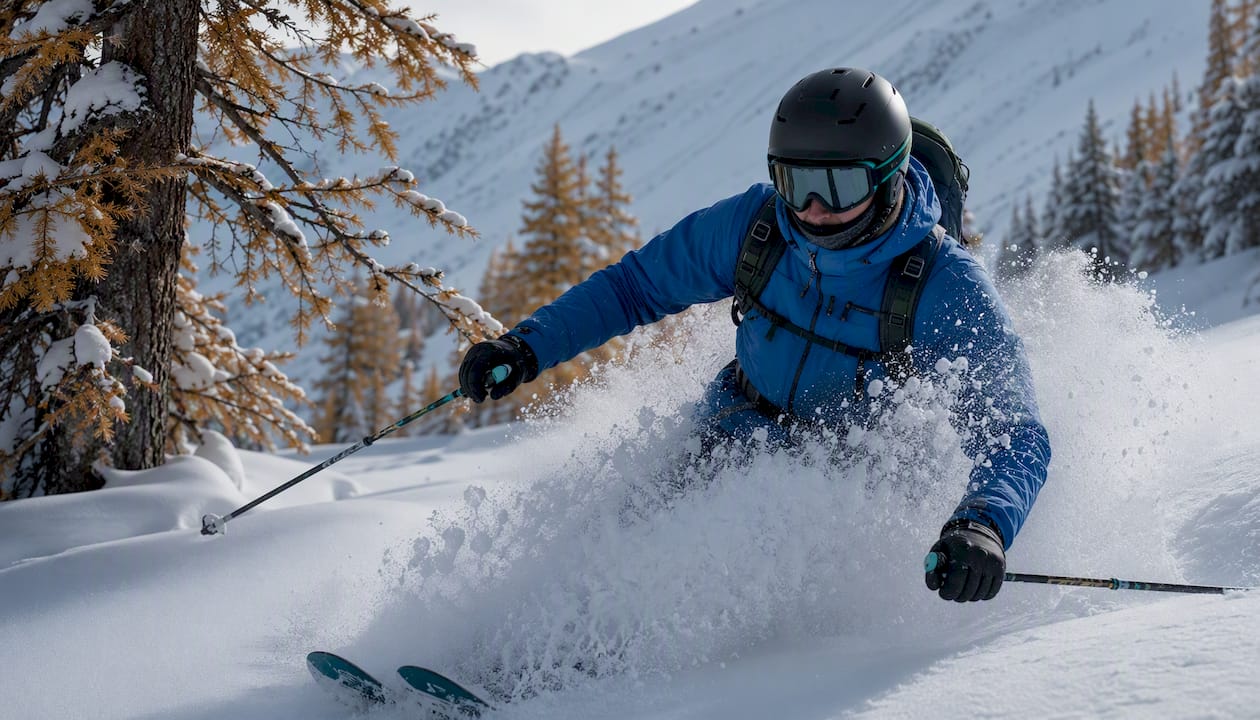
Learn how to ski deep powder with centred balance, smooth turns, speed control, practice steps, gear guidance, and avalanche and tree-well precautions.

Plan a mountain wellness retreat in Ridder with freeride, heli-skiing, snowmobiling, Ridder Lodge, Altai Banya and practical winter travel guidance.

A practical snowmobile gear list for UK travellers heading to Altai Mountains Resort, with clothing, safety equipment, battery and travel guidance.

Understand Ridder Lodge’s ski-in/snowmobile-out access, guided ski-day logistics, transfers from Öskemen and practical planning for your stay.
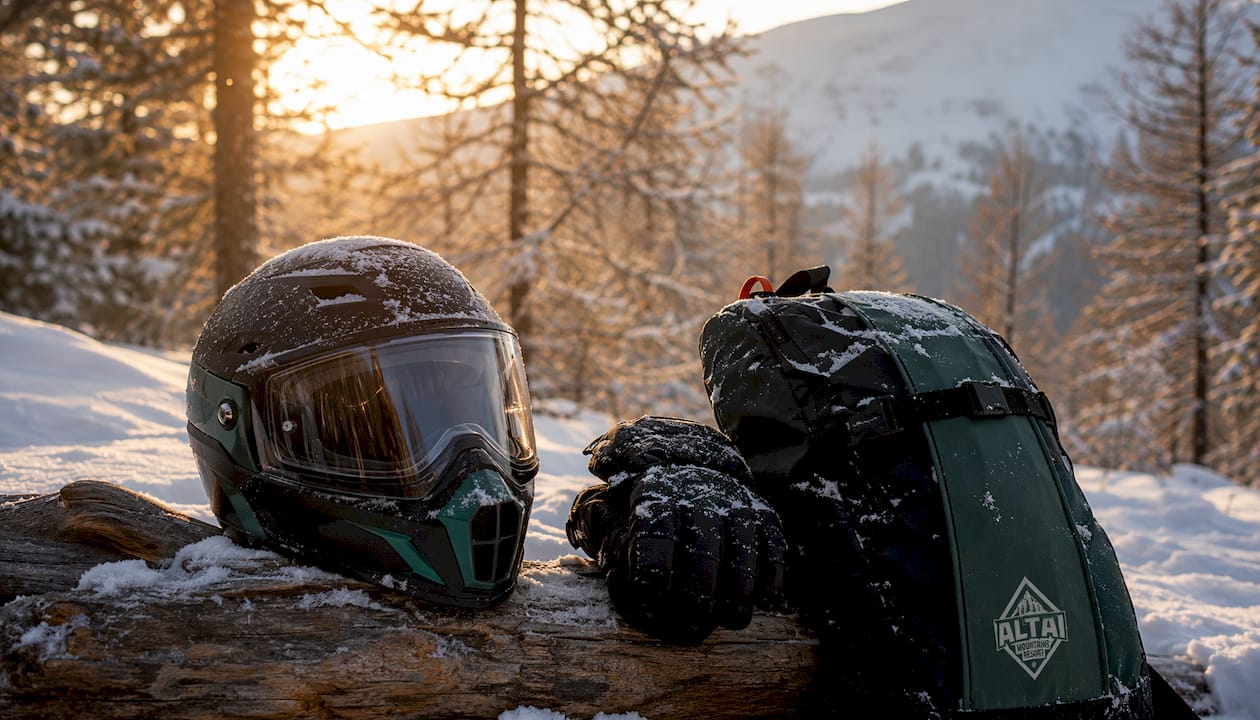
Prepare for a guided snowmobile ride with a practical gear checklist covering helmets, winter layers, avalanche equipment and cold exposure in Ridder.

A practical heli skiing guide to ability, avalanche equipment, packing, weather and planning your first trip to Kazakhstan.
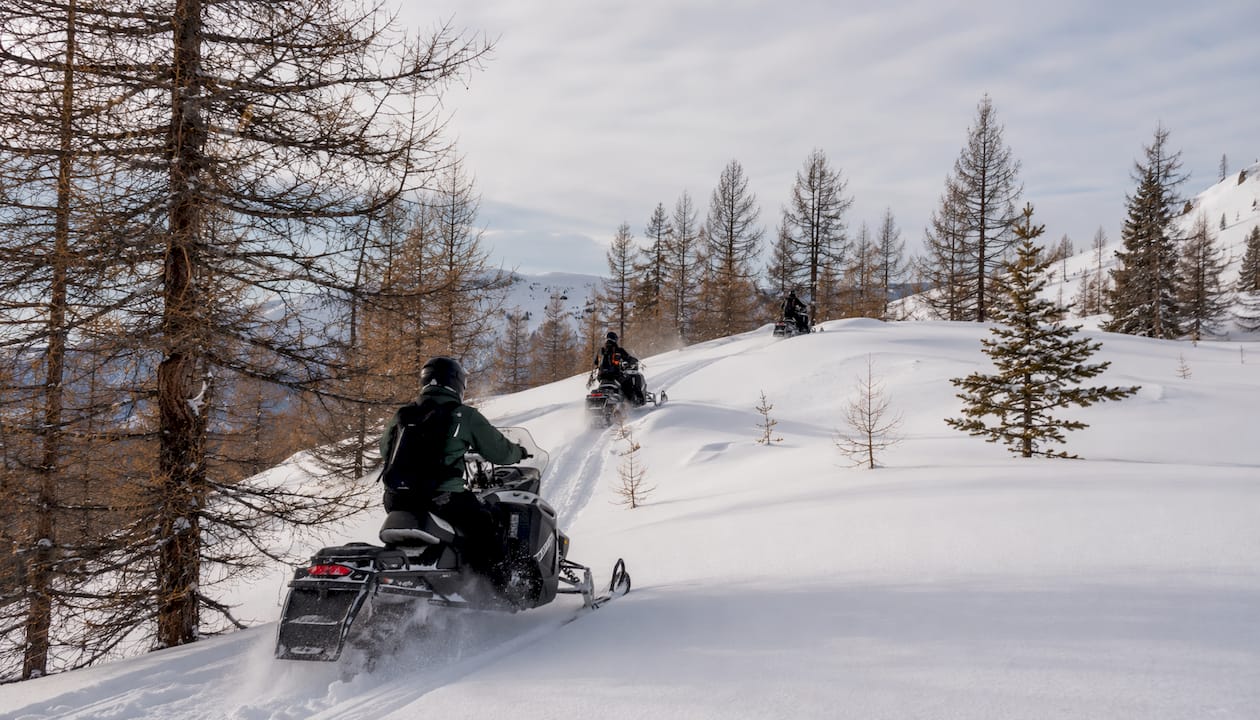
Plan guided deep snow snowmobiling in Ridder, with practical details on training, rentals, equipment, transfers and staying at Ridder Lodge.
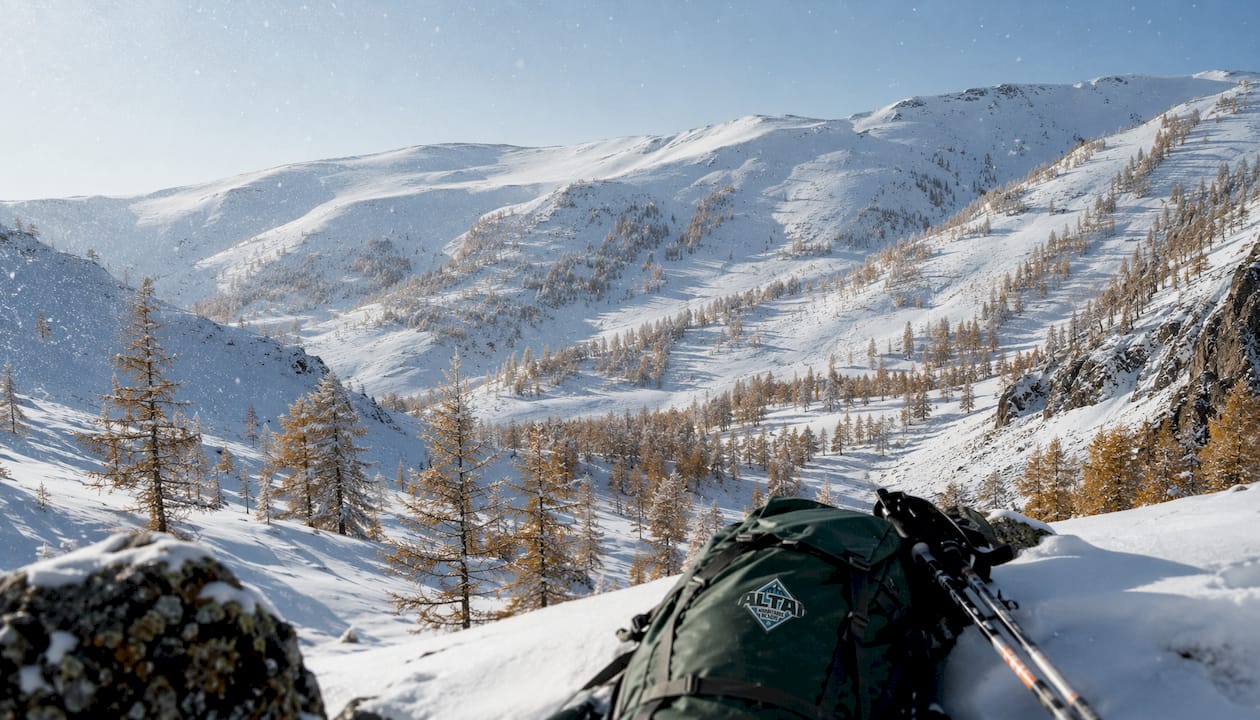
How to choose Kazakhstan travel insurance for heli-skiing, cat-skiing or snowmobiling, including medical treatment and evacuation cover.
Kazakhstan visa requirements for UK visitors to Ridder, including visa-free limits, e-visas, passport rules, airports and Öskemen transfers.
Build strength, balance and endurance before cat-skiing, heli-skiing or snowmobiling with an adaptable six-to-eight-week ski fitness program.

Explore cold plunge benefits for skiers, from short-term soreness and recovery evidence to cold-shock risks, timing and Altai Banya options.

Understand heli skiing cost in 2026 with current operator examples, a total-budget checklist, and key booking, safety and insurance questions.